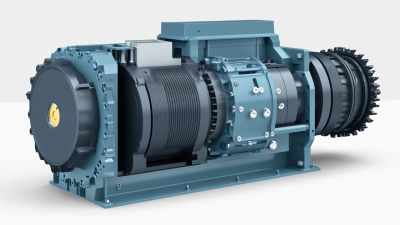
Why Choose a Bevel Helical Gearmotor for Your Industrial Applications?
In industrial applications, choosing the right gearmotor is crucial for efficiency. The Bevel Helical Gearmotor stands out due to its unique design. It combines helical gearing with bevel gearing, offering smooth power transmission. This type of gearmotor is vital in environments requiring precision and reliability.
Moreover, the Bevel Helical Gearmotor can handle high torque loads while maintaining compactness. Industries like manufacturing and transportation benefit from its robust performance. Many engineers appreciate its durability and low noise levels. Yet, some may overlook its higher initial investment. This decision calls for careful consideration.
In the long run, the Bevel Helical Gearmotor often proves cost-effective. It reduces maintenance needs and boosts operational efficiency. Choosing the right gearmotor can affect overall productivity. Therefore, understanding the benefits of the Bevel Helical Gearmotor is essential for informed decision-making.
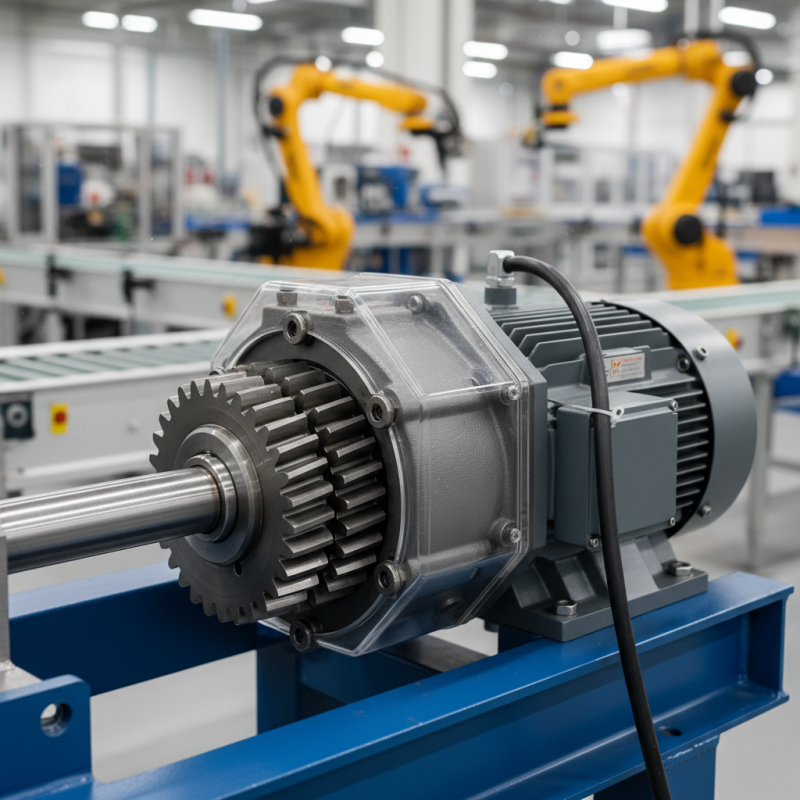
Advantages of Bevel Helical Gearmotors in Industrial Settings
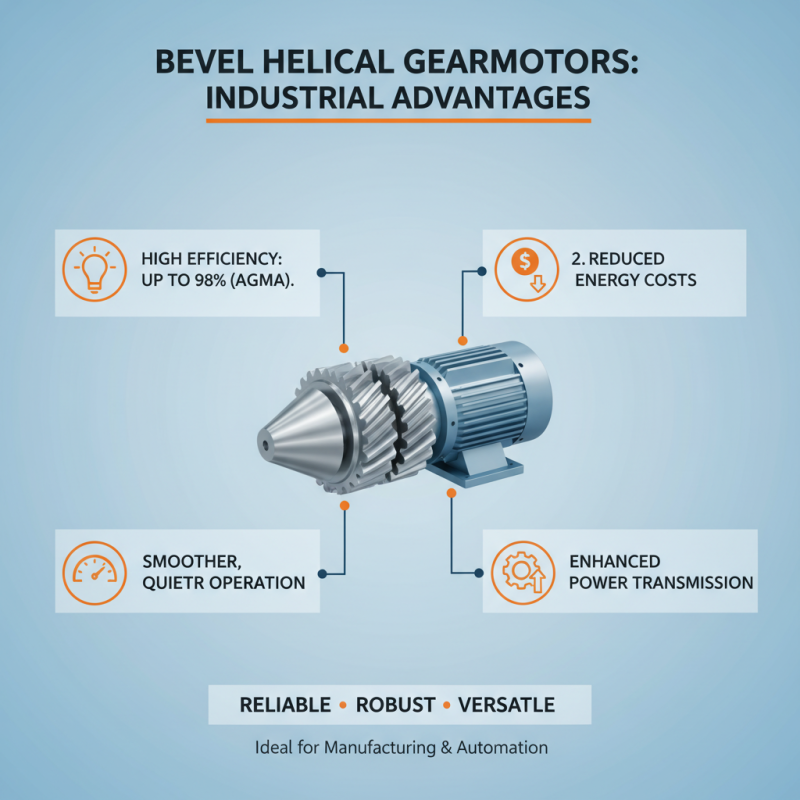
Bevel helical gearmotors are increasingly popular in industrial applications due to their unique design and performance benefits. These gearmotors combine the advantages of bevel gears and helical gears, offering higher efficiency and smoother operation. According to the American Gear Manufacturers Association (AGMA), bevel gear systems can reach efficiencies of up to 98%. This efficiency translates to reduced energy consumption, which is crucial in today’s cost-conscious manufacturing environments.
One of the standout features of bevel helical gearmotors is their ability to handle high loads while maintaining compact designs. They often occupy less space than traditional gearbox configurations, making them ideal for constrained spaces. The global gears market is projected to reach $200 billion by 2025, with bevel gears significantly contributing to this growth. Operators appreciate the lower noise levels and lower vibration rates associated with these gearmotors. However, some may find that installation can be complex, requiring careful alignment and adjustment.
Another advantage is their versatility in various applications. Industries such as food processing, material handling, and robotics benefit from the torque delivery and precision these gearmotors provide. The challenges in selecting the right motor still remain. Engineers must evaluate specific application requirements, including load, speed, and environment. Balancing these factors ensures optimal performance, but it can lead to analysis paralysis if not managed correctly.
How Bevel Helical Gearmotors Improve Efficiency and Performance
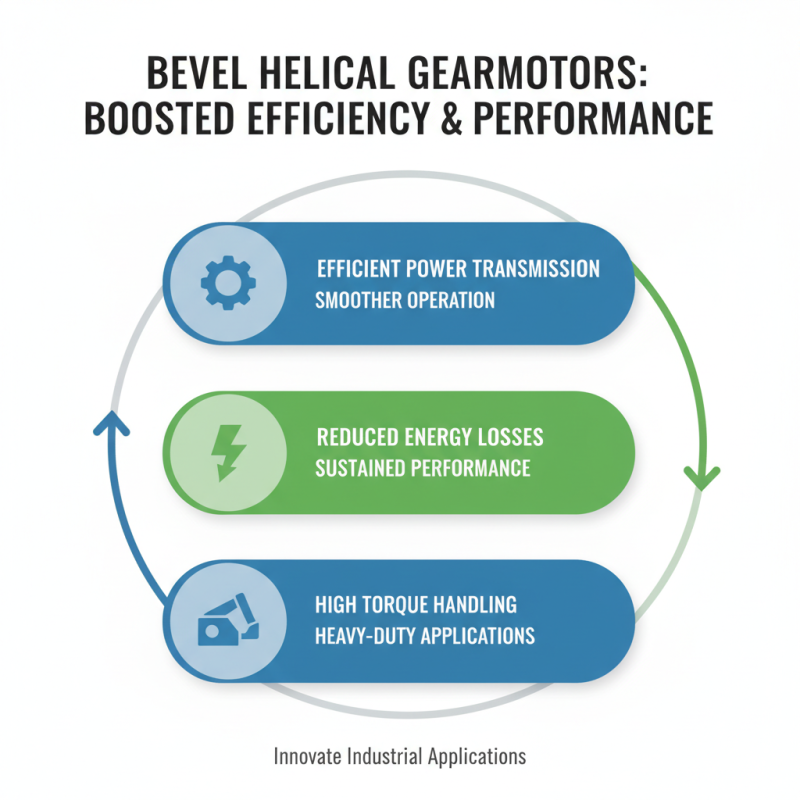
Bevel helical gearmotors are revolutionizing industrial applications. Their unique design allows for efficient power transmission. This results in smoother operation and reduced energy losses. The combination of bevel gears and helical gears excels in handling high torque loads. This makes them suitable for heavy-duty applications.
Efficiency is a significant concern in today’s manufacturing landscape. Bevel helical gearmotors achieve a higher efficiency compared to traditional gear systems. They can operate quietly at different speeds, making them versatile. Additionally, their compact design saves space in crowded machinery layouts. However, not all applications may benefit equally from this technology. Some industries may face specific challenges or require customized solutions.
Performance is another key aspect. The gearmotor’s construction ensures minimal backlash. This enhances precision in applications where accuracy is critical. Yet, installation and maintenance can pose difficulties without proper guidance. Proper alignment and setup are essential to maximize their potential. Overall, while bevel helical gearmotors offer numerous advantages, understanding their limitations is equally important.
Key Applications of Bevel Helical Gearmotors in Various Industries
Bevel helical gearmotors are pivotal in various industrial applications. Their robust design enables them to handle heavy loads efficiently. According to a recent report by Global Industry Analysts, the gearmotor market is expected to reach $29.7 billion by 2027. This growth highlights the increasing importance of efficient machinery in modern industries.
In manufacturing, these gearmotors are often utilized in conveyor systems and mixers. They convert input speed to output torque effectively. The food and beverage industry, in particular, benefits from their reliability. A study showed that the right gearmotor can enhance efficiency by up to 20%. This optimization reduces operational costs while maintaining product quality.
However, selecting the appropriate gearmotor can be complex. Users must consider factors like load requirements and speed ratios. Not all bevel helical gearmotors are created equal. An ill-suited choice can lead to increased wear and tear, affecting performance. Continuous evaluation of operational demands remains essential for maximizing efficiency and longevity in use.
Comparative Analysis: Bevel Helical vs. Other Gearmotor Types
When comparing bevel helical gearmotors to other types, notable differences emerge. Bevel helical gearmotors provide high torque in compact spaces. Their design minimizes backlash, improving precision. This makes them ideal for high-demand industries, such as manufacturing. In contrast, worm gearmotors can suffer from efficiency loss due to friction. This might not be a significant issue in all applications, but for some, it raises concerns.
Another aspect to consider is maintenance. Bevel helical gearmotors typically require less maintenance than their parallel shaft counterparts. However, their complexity can pose challenges during installation. Users must ensure proper alignment to avoid premature wear. In comparison, other gearmotor types, like spur gearmotors, are simpler but may not handle high loads as effectively. Users need to weigh these factors based on their unique circumstances.
Noise levels also vary between designs. Bevel helical gearmotors operate more quietly than worm gearmotors. Yet, this reduction in noise can sometimes come with a trade-off in cost. Ultimately, the choice between these gearmotors should reflect specific needs. Considerations such as load requirements, space constraints, and budget impact the final decision. It's essential to reflect on the real-world implications of these choices.
Comparative Analysis of Bevel Helical Gearmotor vs. Other Gearmotor Types
| Gearmotor Type |
Efficiency (%) |
Torque (Nm) |
Speed (RPM) |
Weight (kg) |
Application Suitability |
| Bevel Helical |
90 |
20 |
1500 |
25 |
High Torque Applications |
| Spur Gear |
85 |
15 |
1750 |
20 |
General Purpose |
| Planetary Gear |
92 |
25 |
1200 |
18 |
Robotics & Automation |
| Worm Gear |
80 |
10 |
1000 |
30 |
Low Speed Applications |
| Cycloidal Gear |
88 |
22 |
1300 |
23 |
Heavy Load Applications |
Maintenance Tips for Enhancing the Longevity of Gearmotors
Bevel helical gearmotors are known for their efficiency and reliability. However, to maximize their lifespan, regular maintenance is vital. Neglecting maintenance can lead to unexpected failures and costly downtime.
One crucial tip is to keep the gearmotor clean. Dust and debris can accumulate and affect performance. Regularly wipe down the motor area. Check for any signs of wear or corrosion. Addressing these issues early can prevent more serious problems down the line.
Lubrication also plays a key role. Ensure that the gearmotor is adequately lubricated according to the manufacturer's specifications. Insufficient lubrication can lead to overheating and premature wear. Monitor the lubricant levels frequently. Consider establishing a routine for checking and replacing the lubricant.
Finally, pay attention to noise and vibrations. Unusual sounds can indicate misalignment or other mechanical issues. If you notice any changes in performance, inspect the motor immediately. Timely attention can save you from expensive repairs in the long run. Taking these steps can significantly enhance the longevity of your gearmotors.
Maintenance Tips for Enhancing the Longevity of Gearmotors

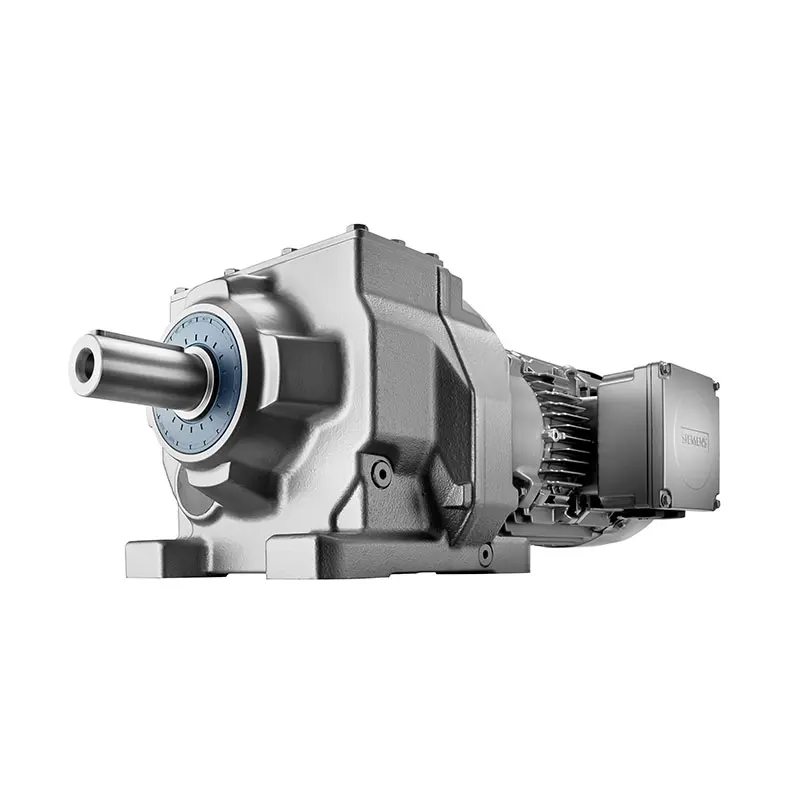 SIEMENS Helical Gearmotor Low Voltage
 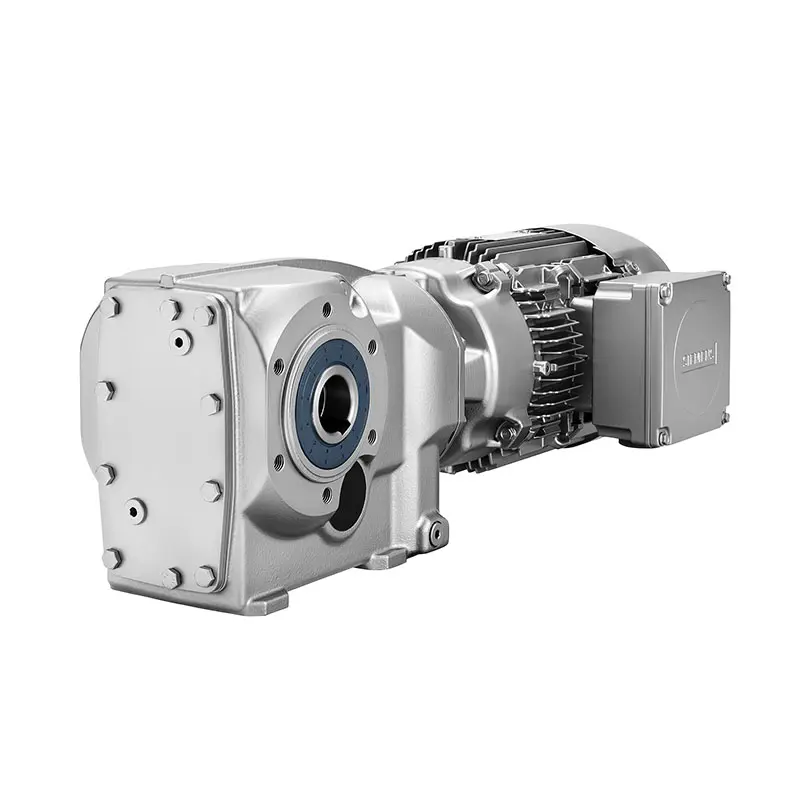 SIEMENS Bevel Helical Gearmotor
 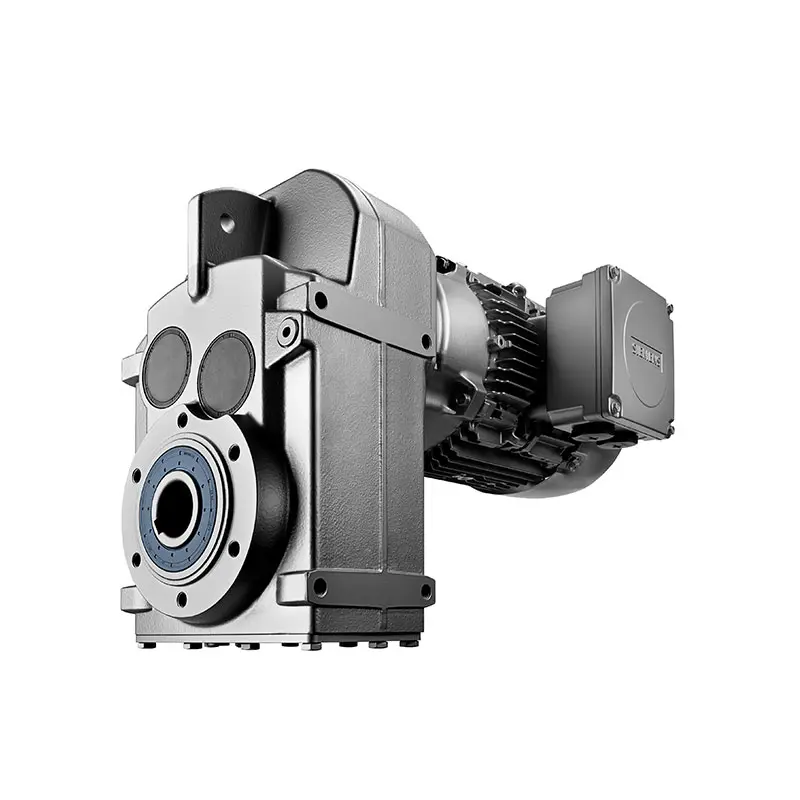 SIEMENS Parallel Shaft Gearmotor
 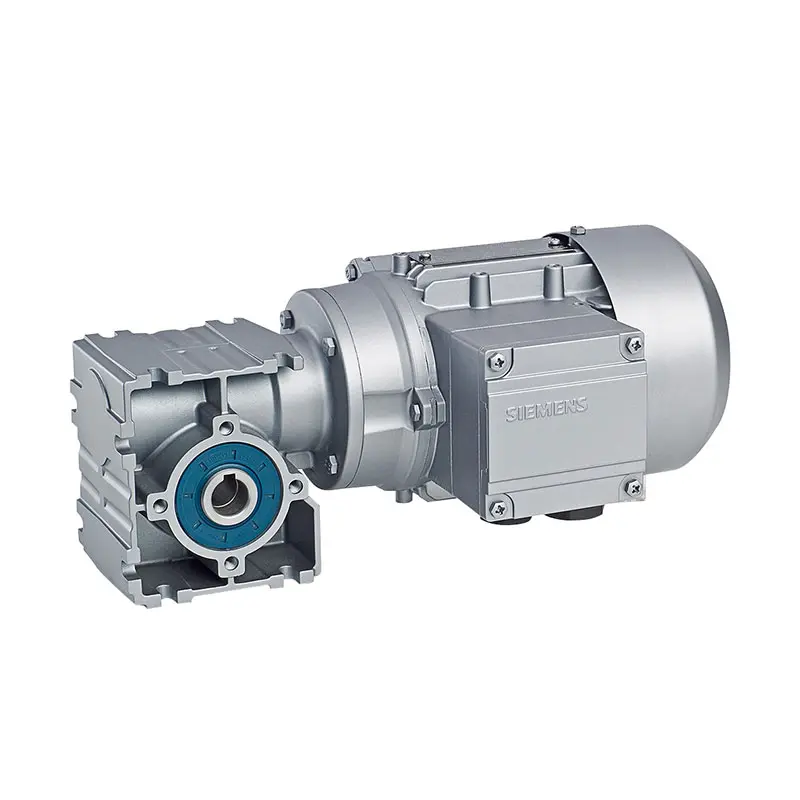 SIEMENS Worm Gearmotor Low Voltage
 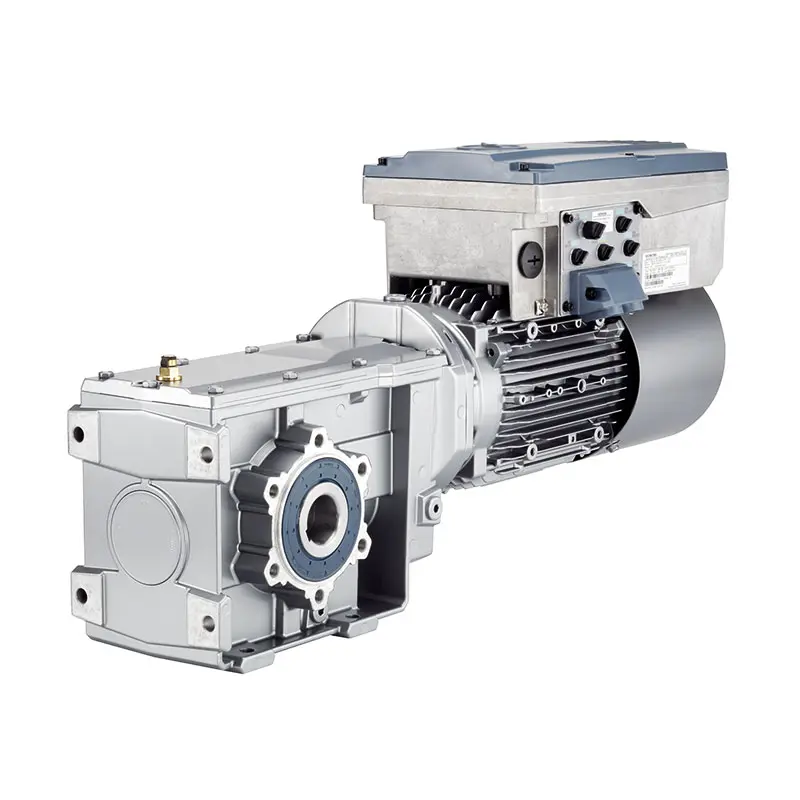 SIEMENS With Servo Motor Gearmotor
 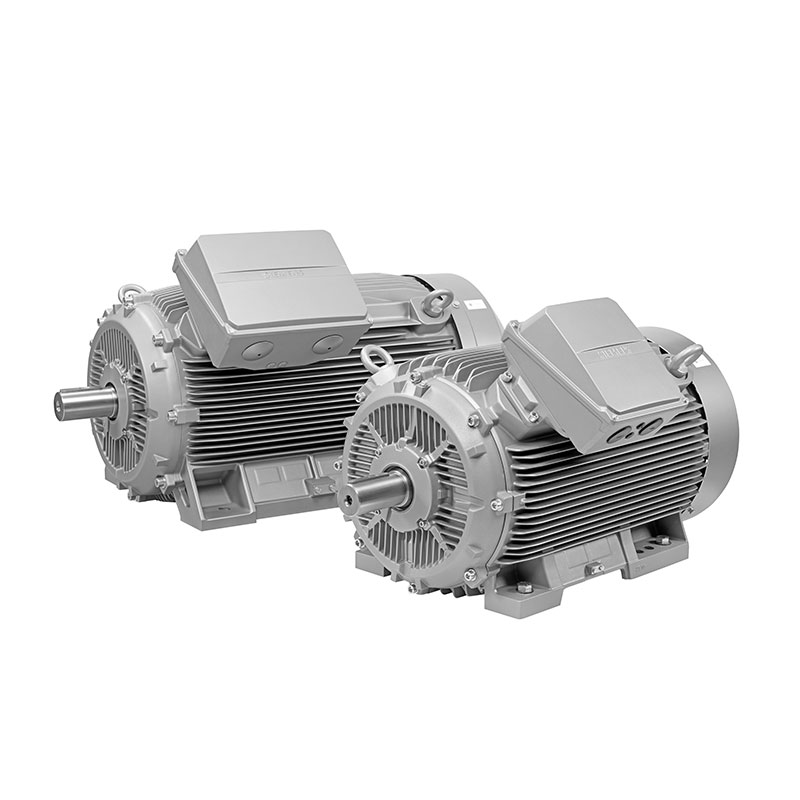 SIEMENS Low Voltage Motor Low Voltage
 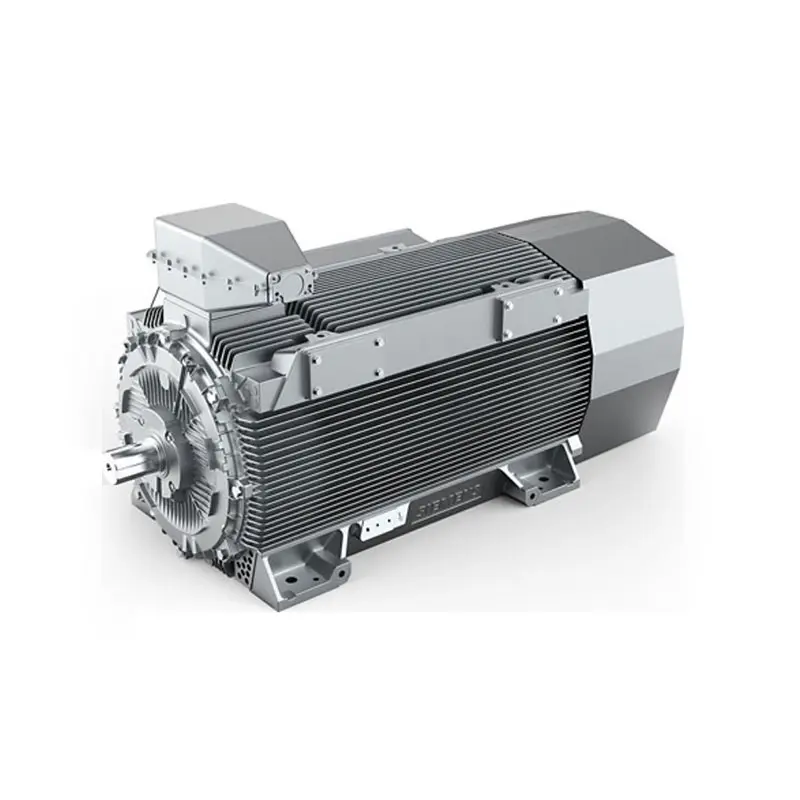 SIEMENS High Voltage Motor Low Voltage
  SIEMENS Marine Motor Low Voltage
 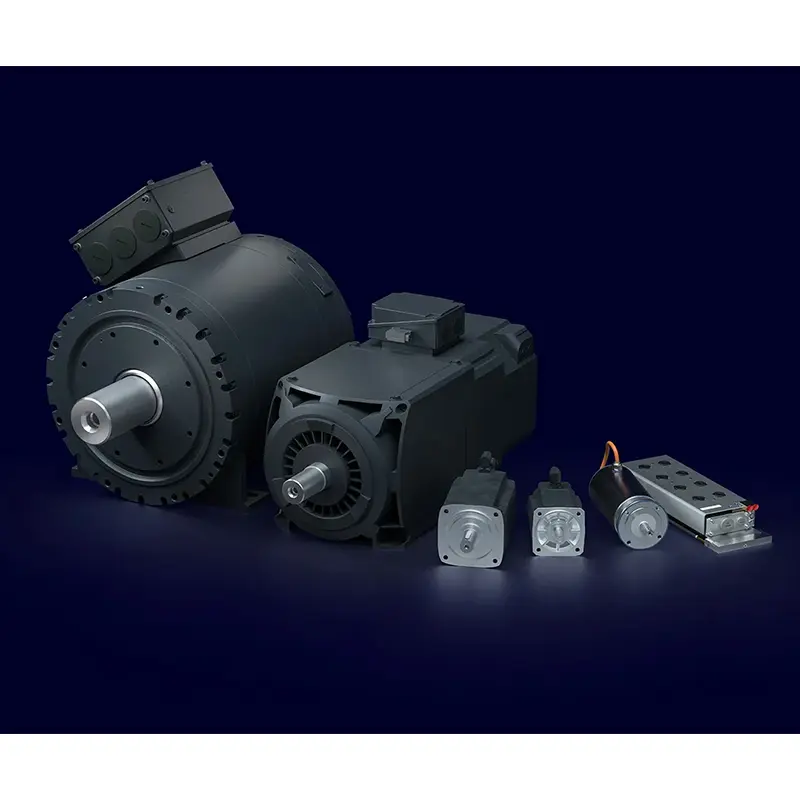 SIEMENS Servo Motor Low Voltage
 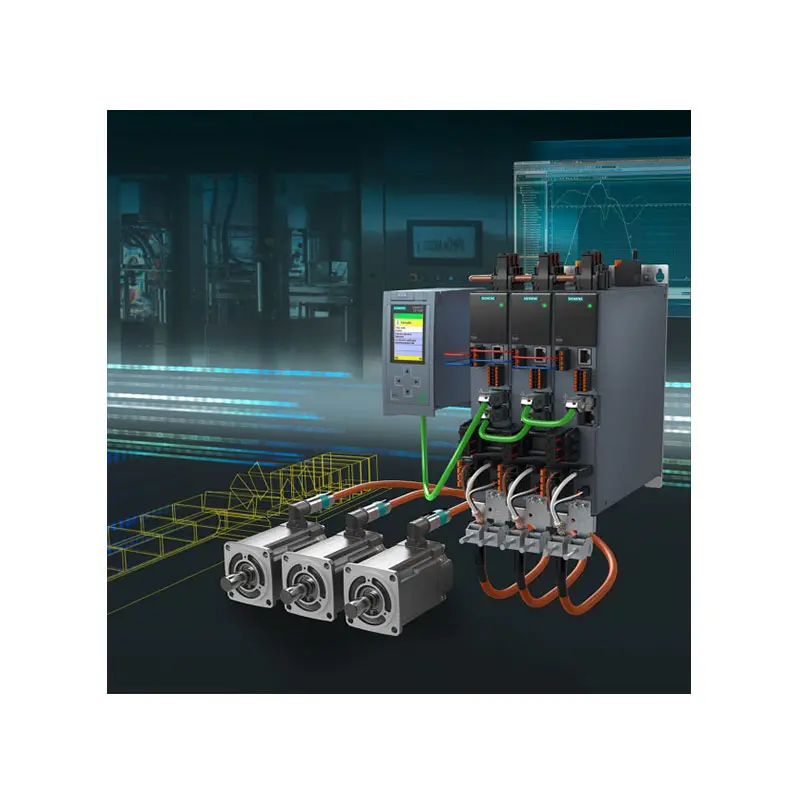 SIEMENS SINAMICS S210 Low Voltage
 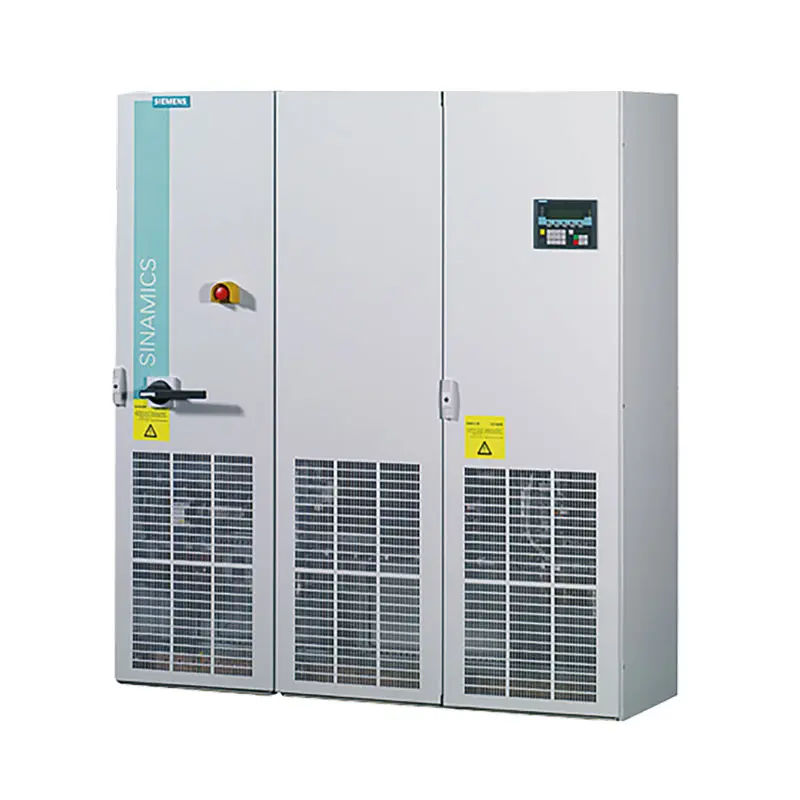 SIEMENS SINAMICS S150 Low Voltage
 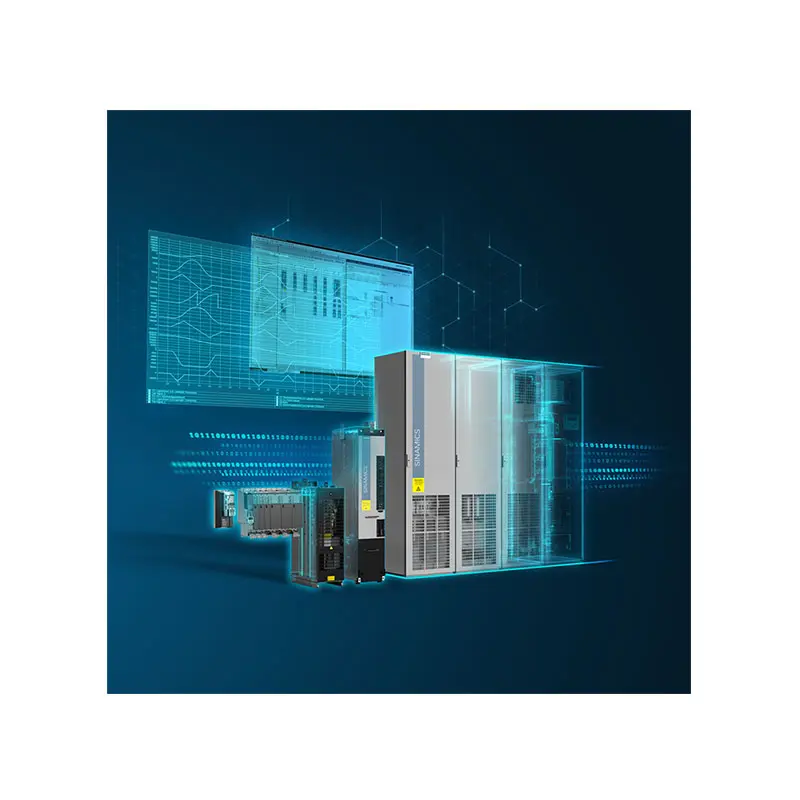 SIEMENS SINAMICS S120 Low Voltage
 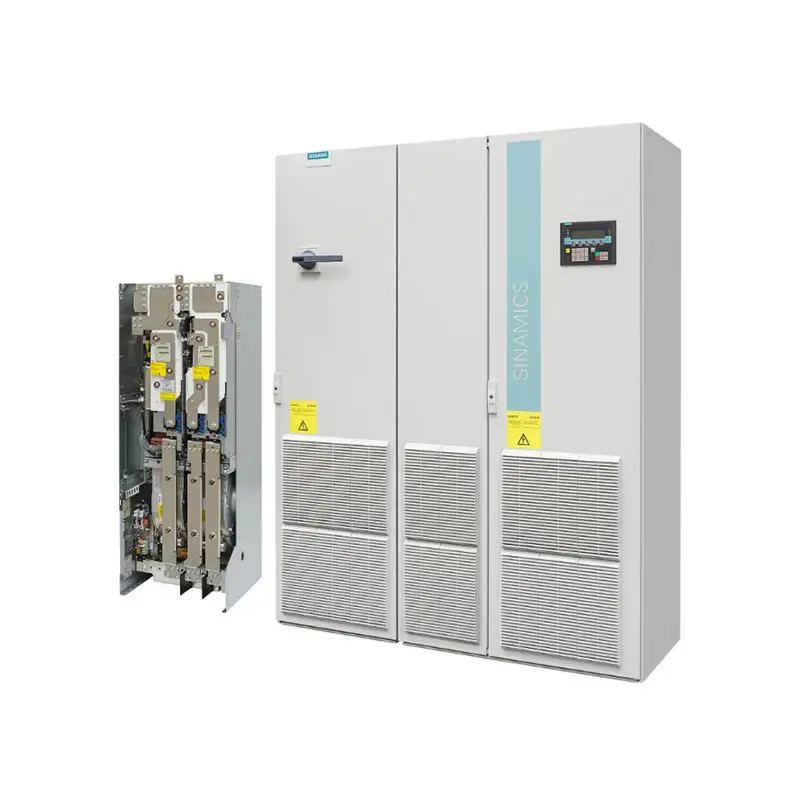 SIEMENS SINAMICS G130/G150
 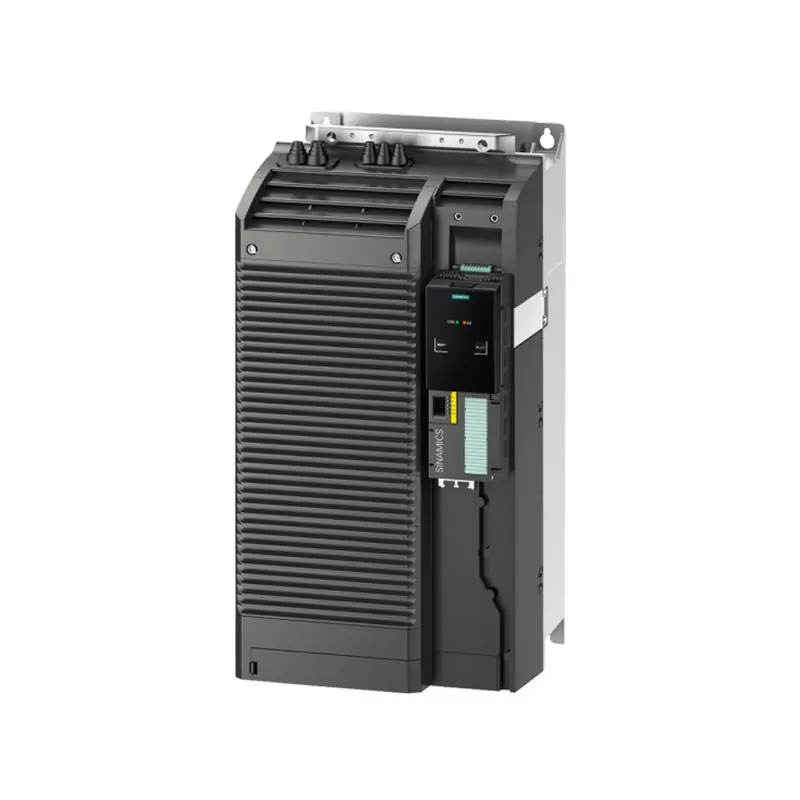 SIEMENS SINAMICS G120 Low Voltage
 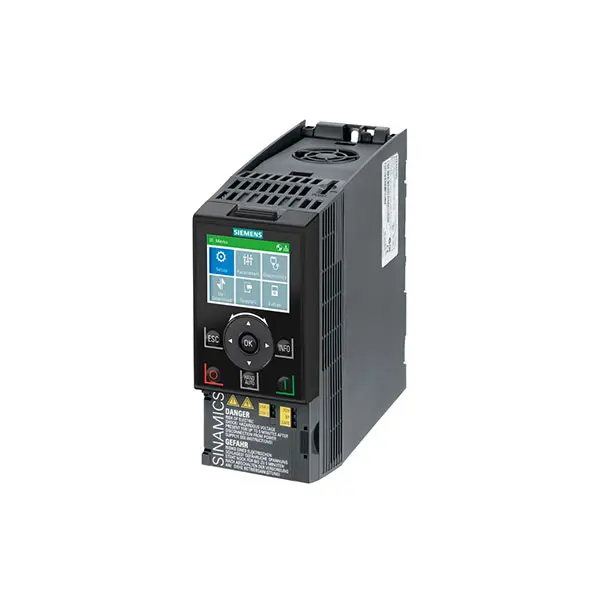 SIEMENS SINAMICS G120C Low Voltage
 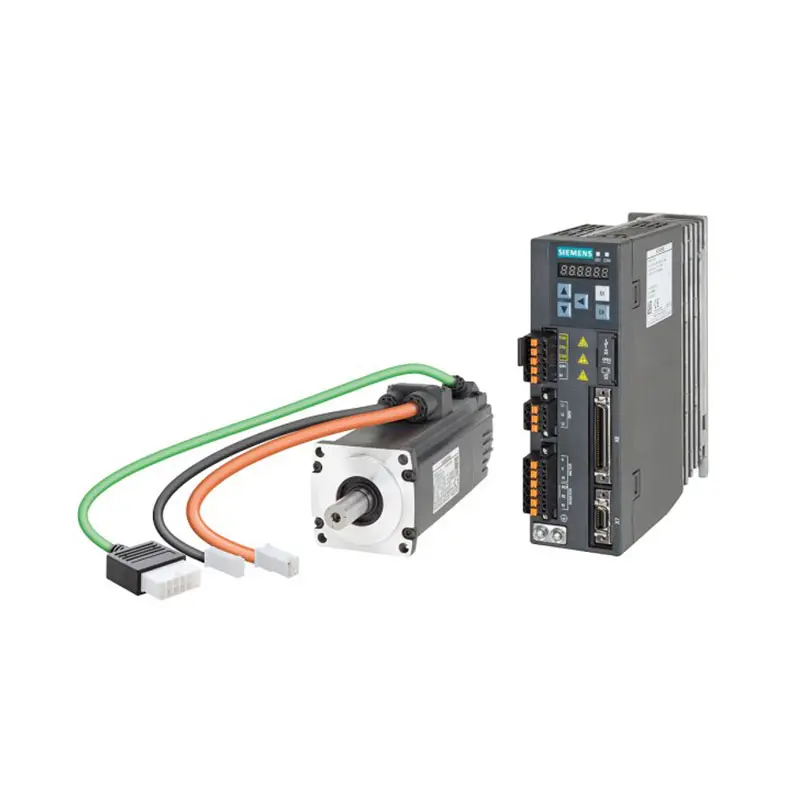 SIEMENS SINAMICS V90
 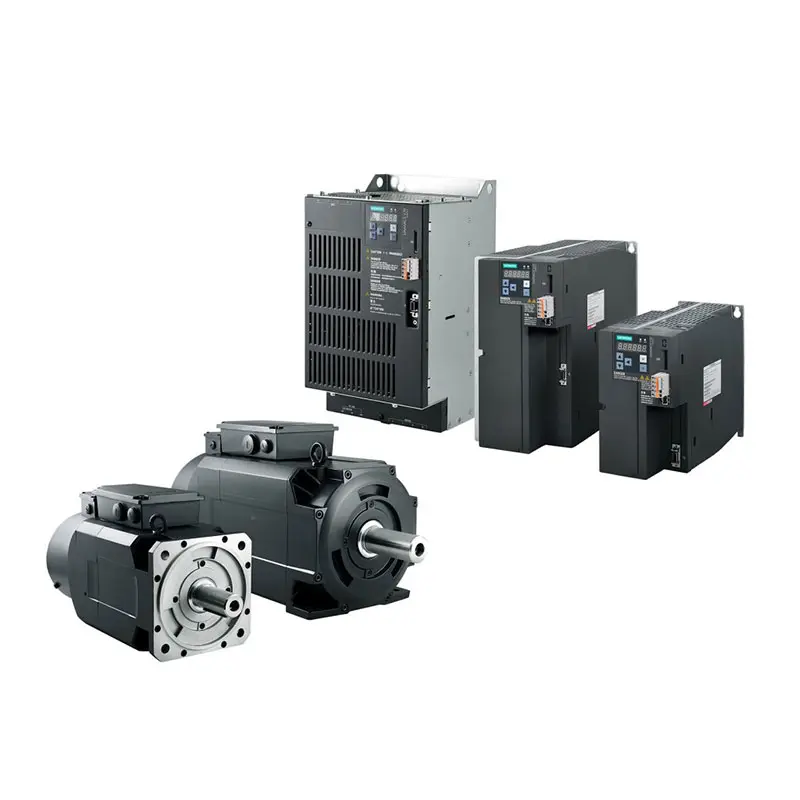 SIEMENS SINAMICS V70 Low Voltage
 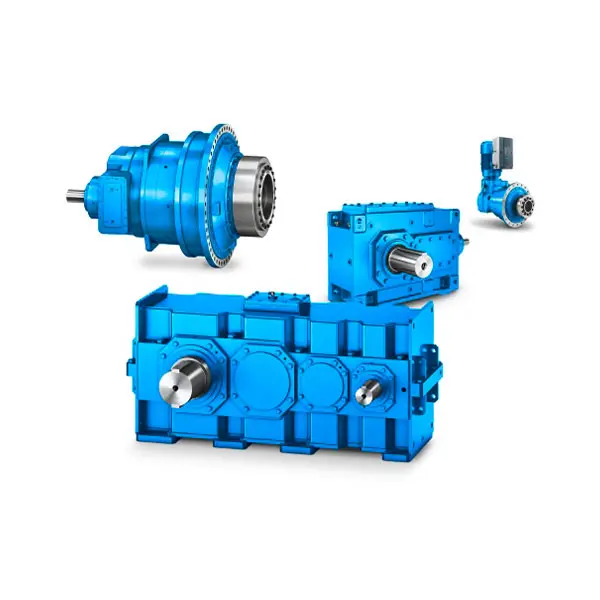 FLENDER Gear Unit
 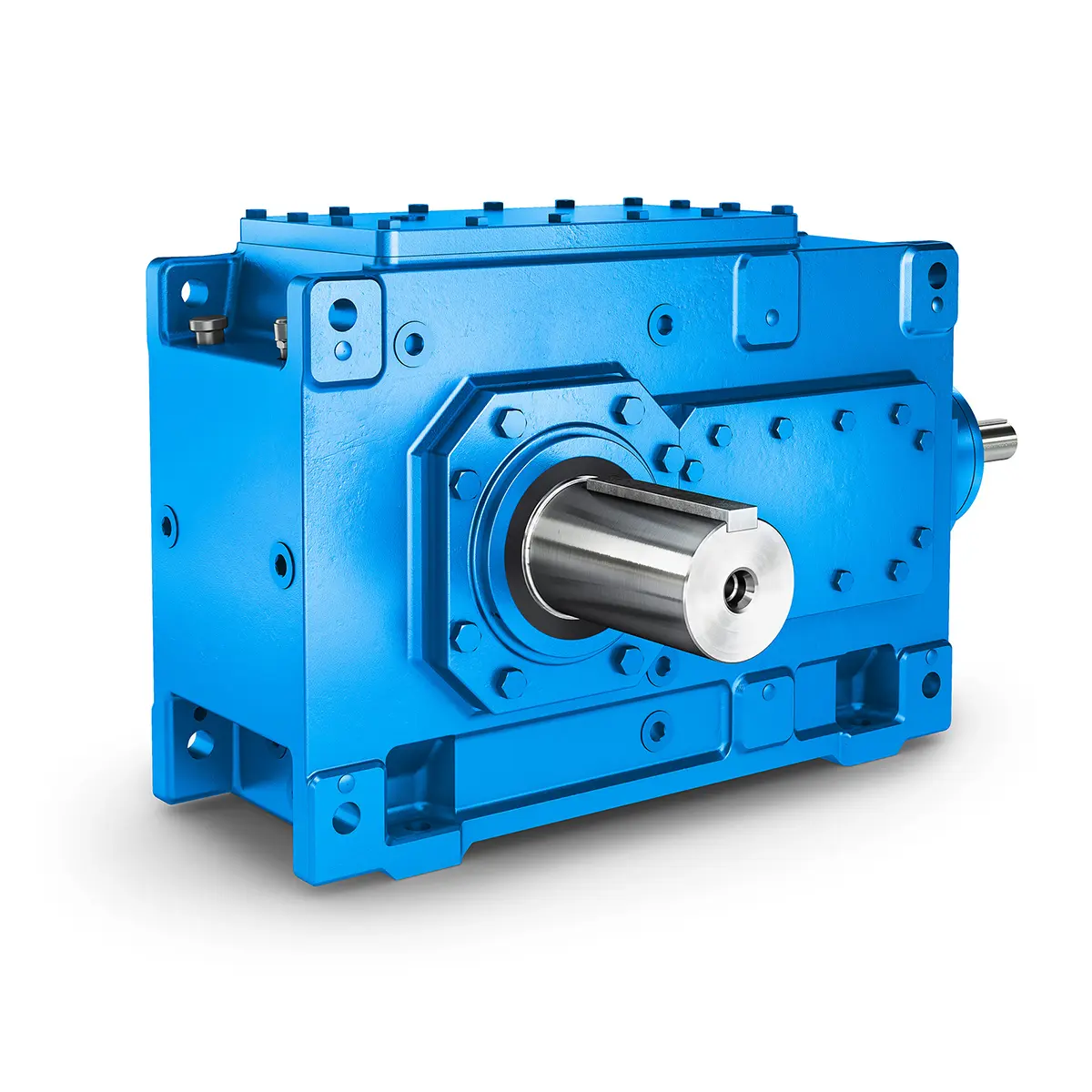 FLENDER Helical Gear Unit
 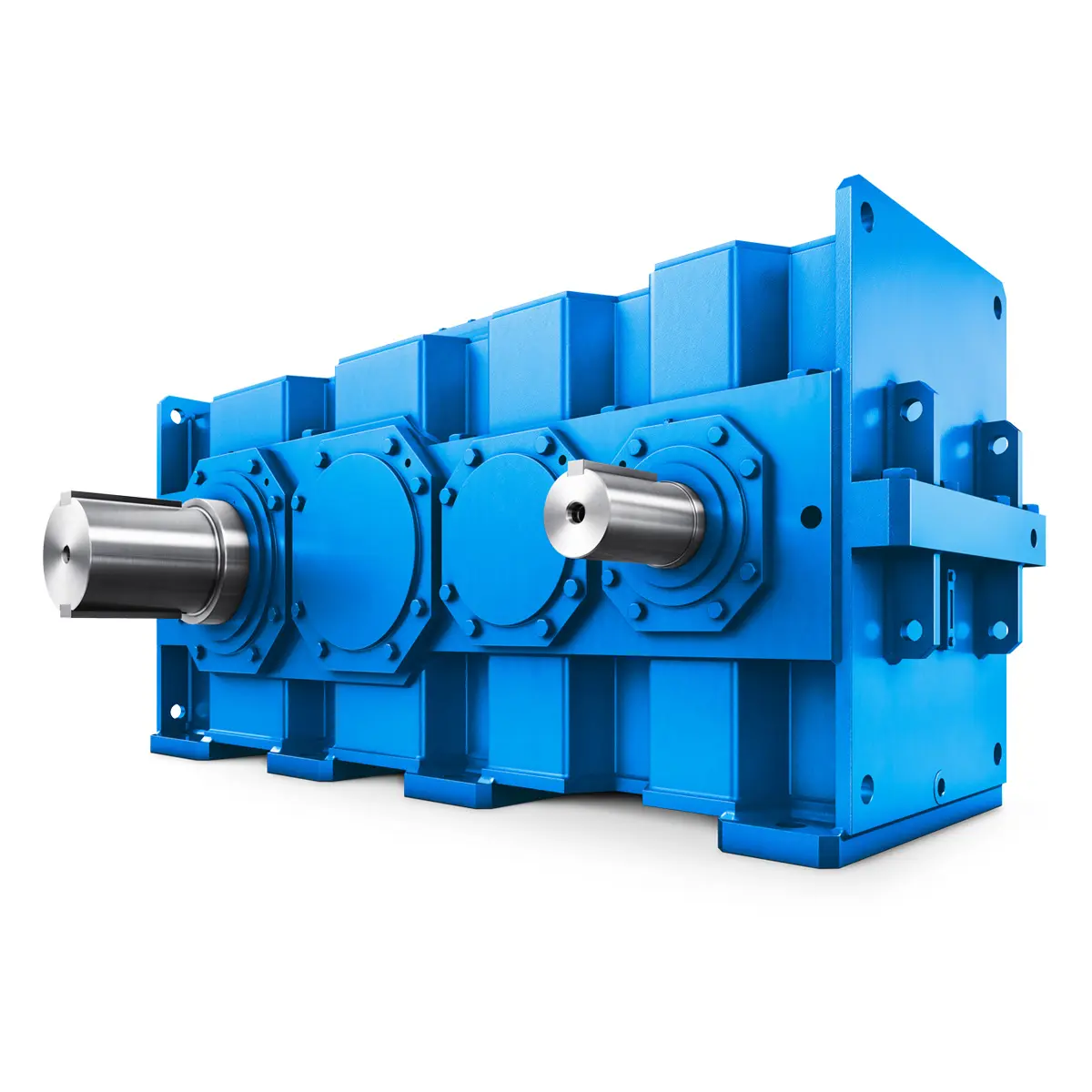 Flender gear units for lifting and luffing gears
 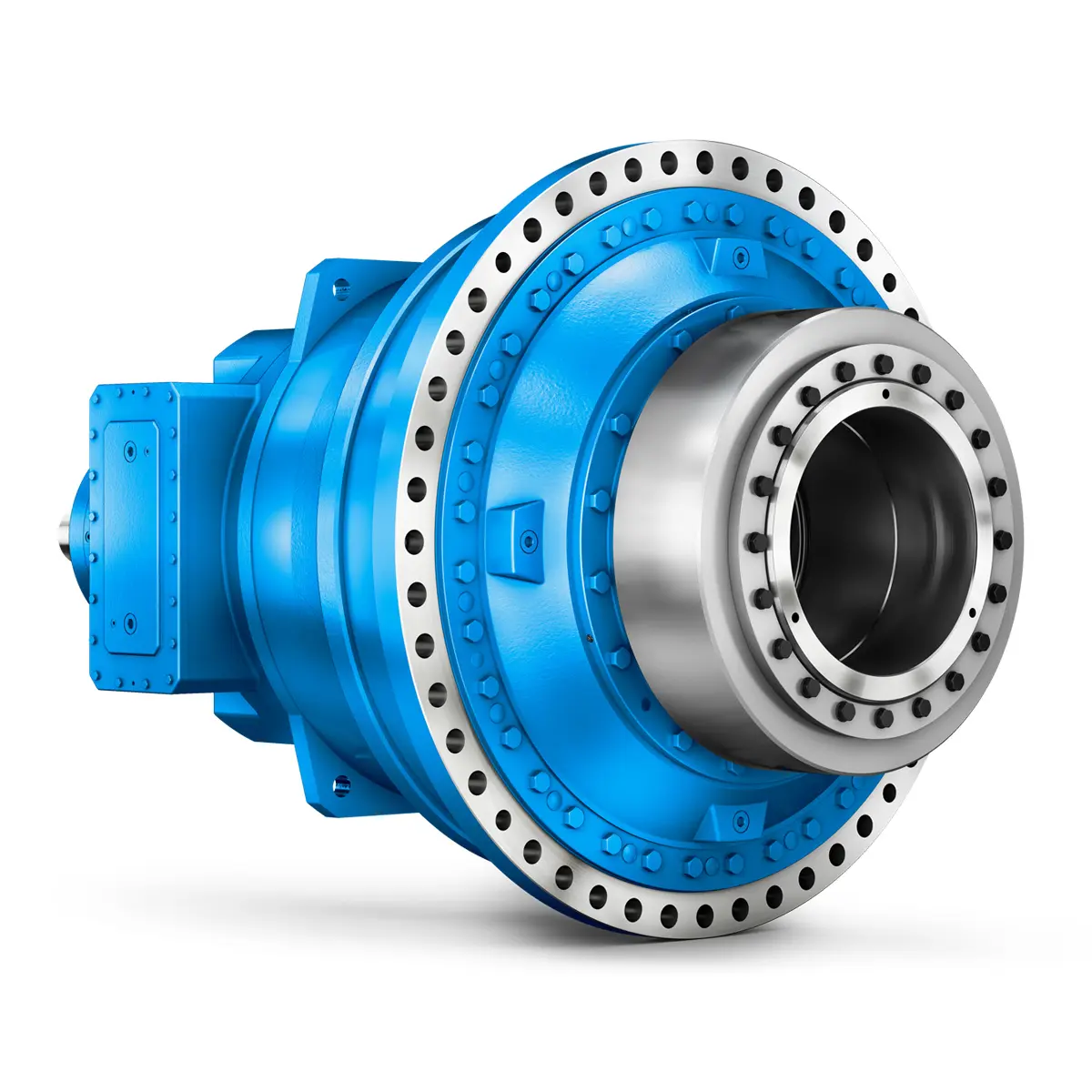 FLENDER Gear Unit gearunit gearbox
 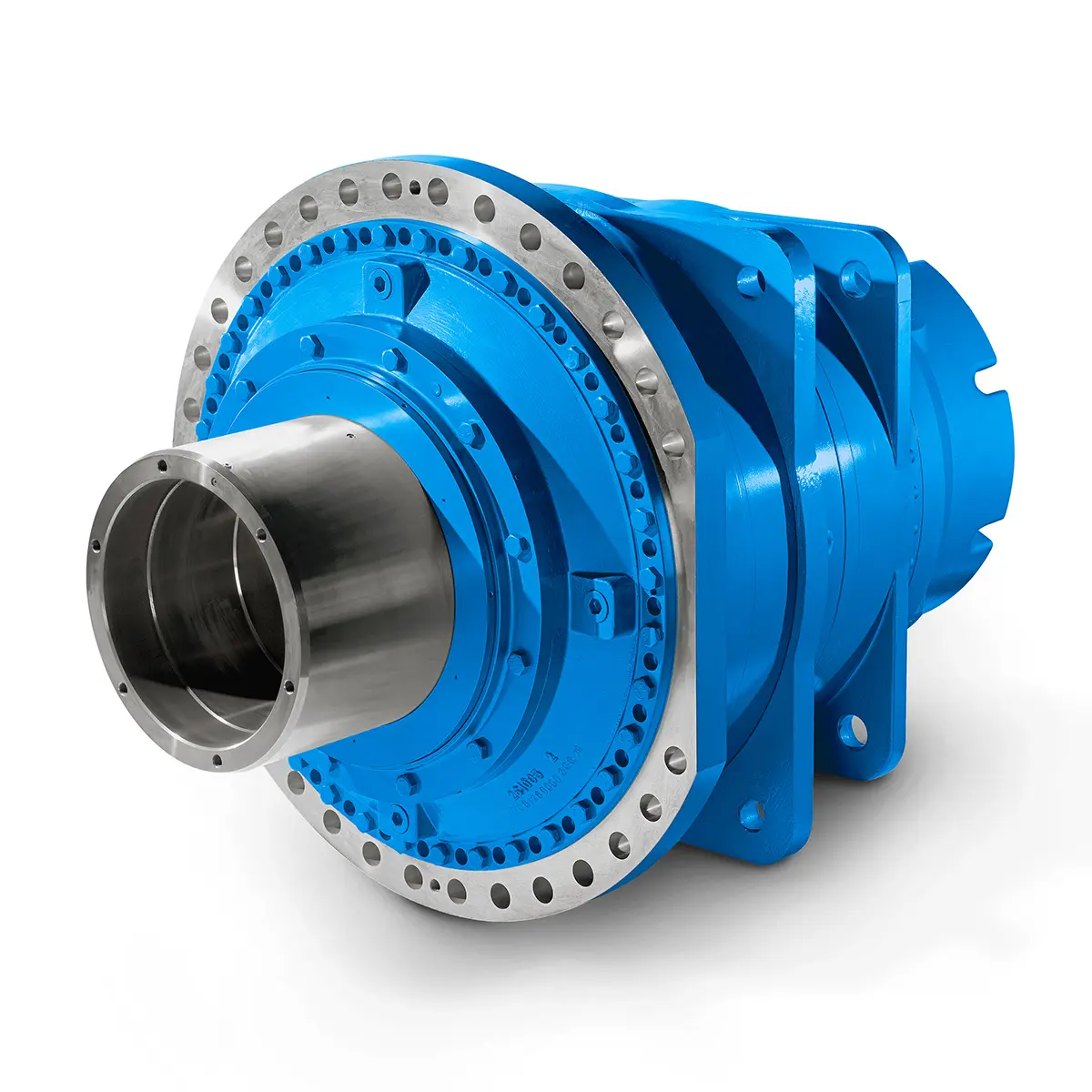 Optimal Drive Solution For Maximum Performance
 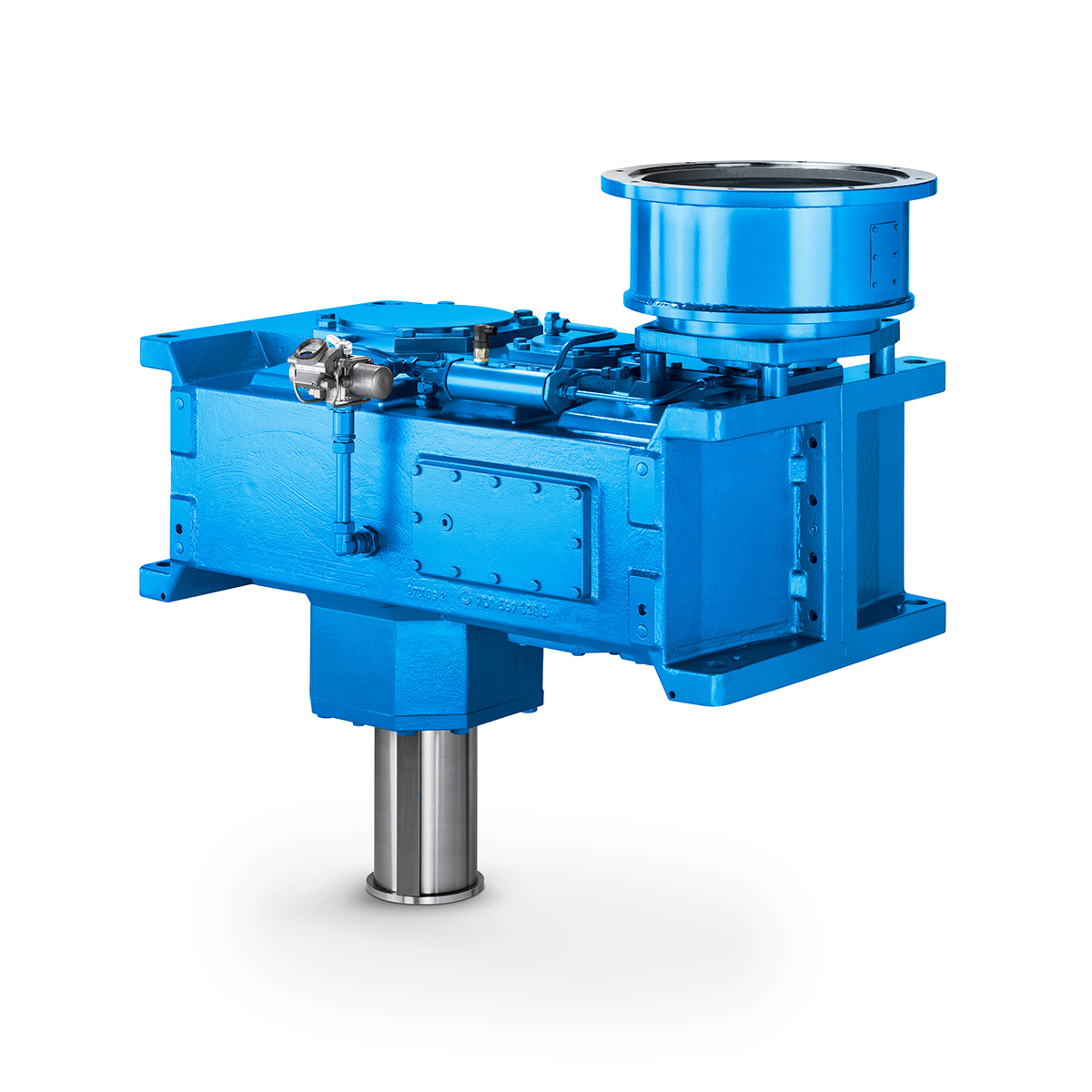 Strongly operating against biodegradable constituents
 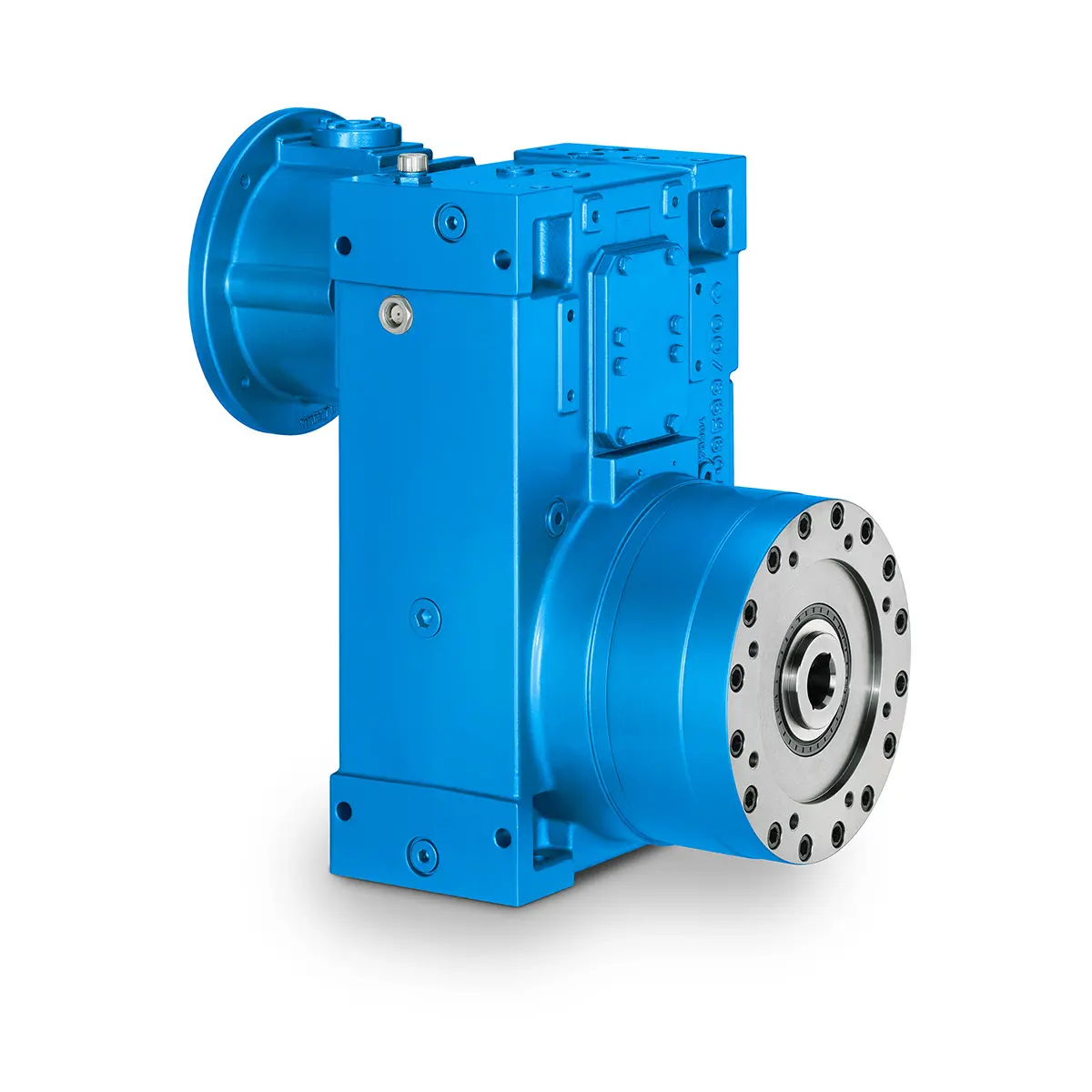 SINGLE SCREW Special industry dedicated gearunit gearbox
 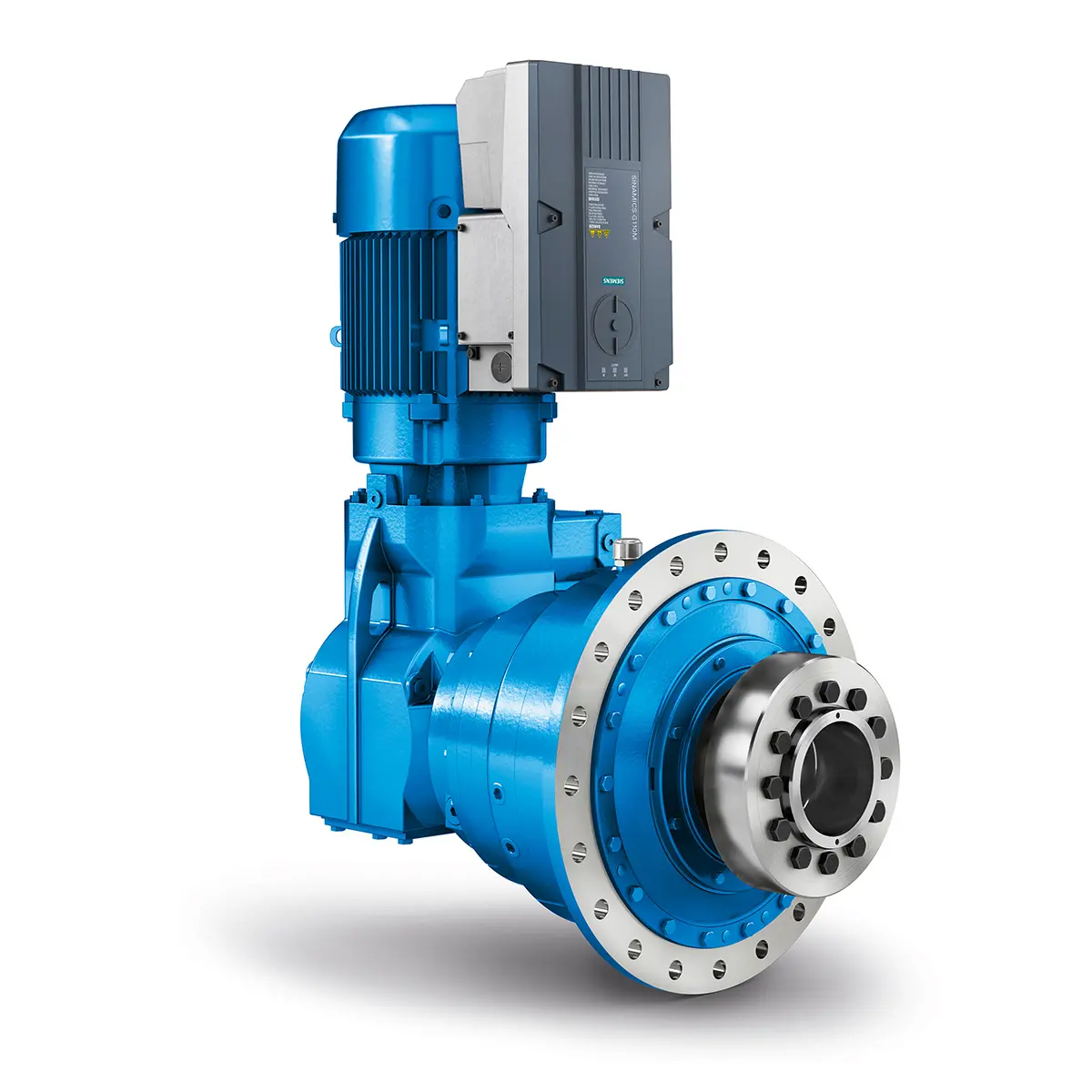 Playmaker In The Premium League
 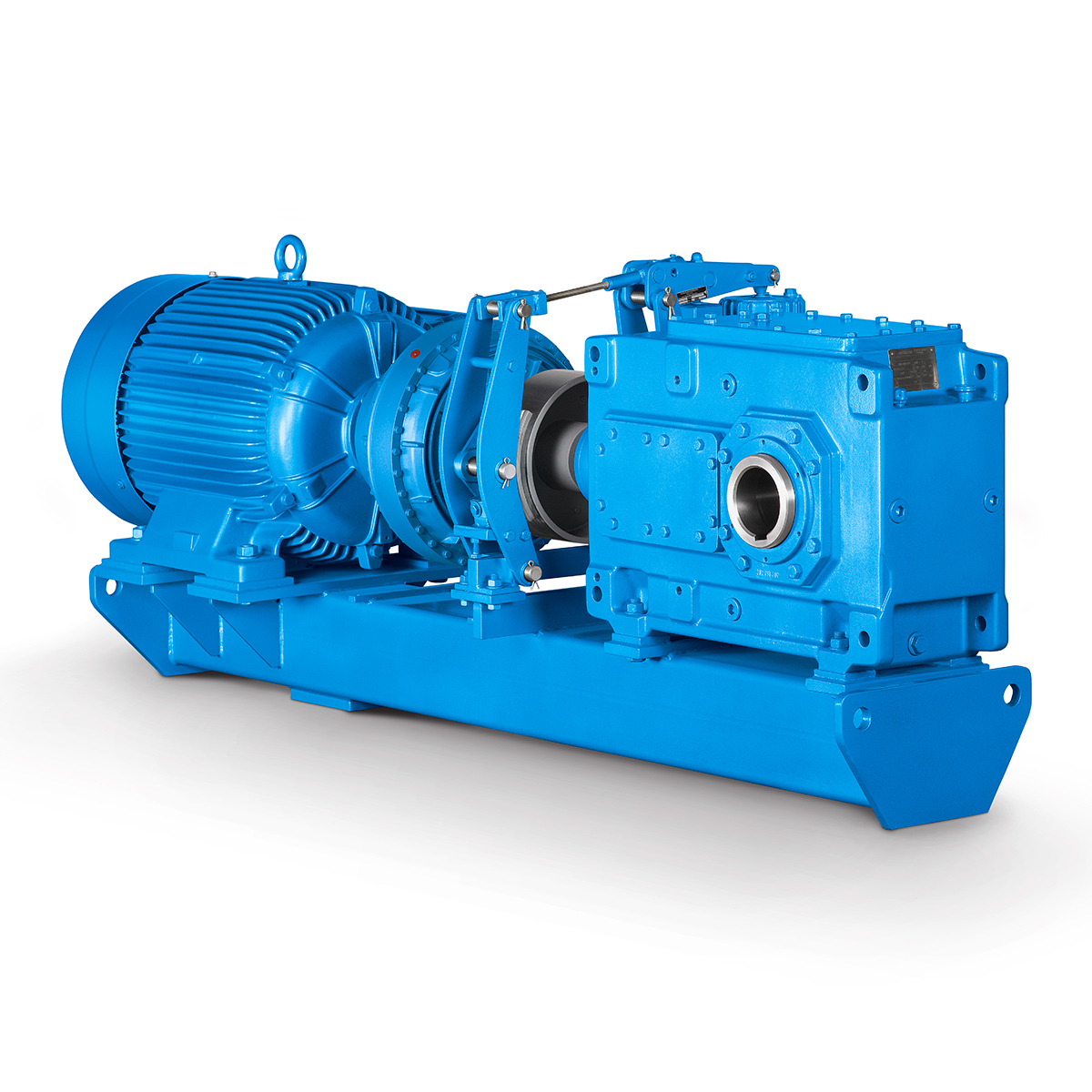 Conveyor belts gearunit gearbox
 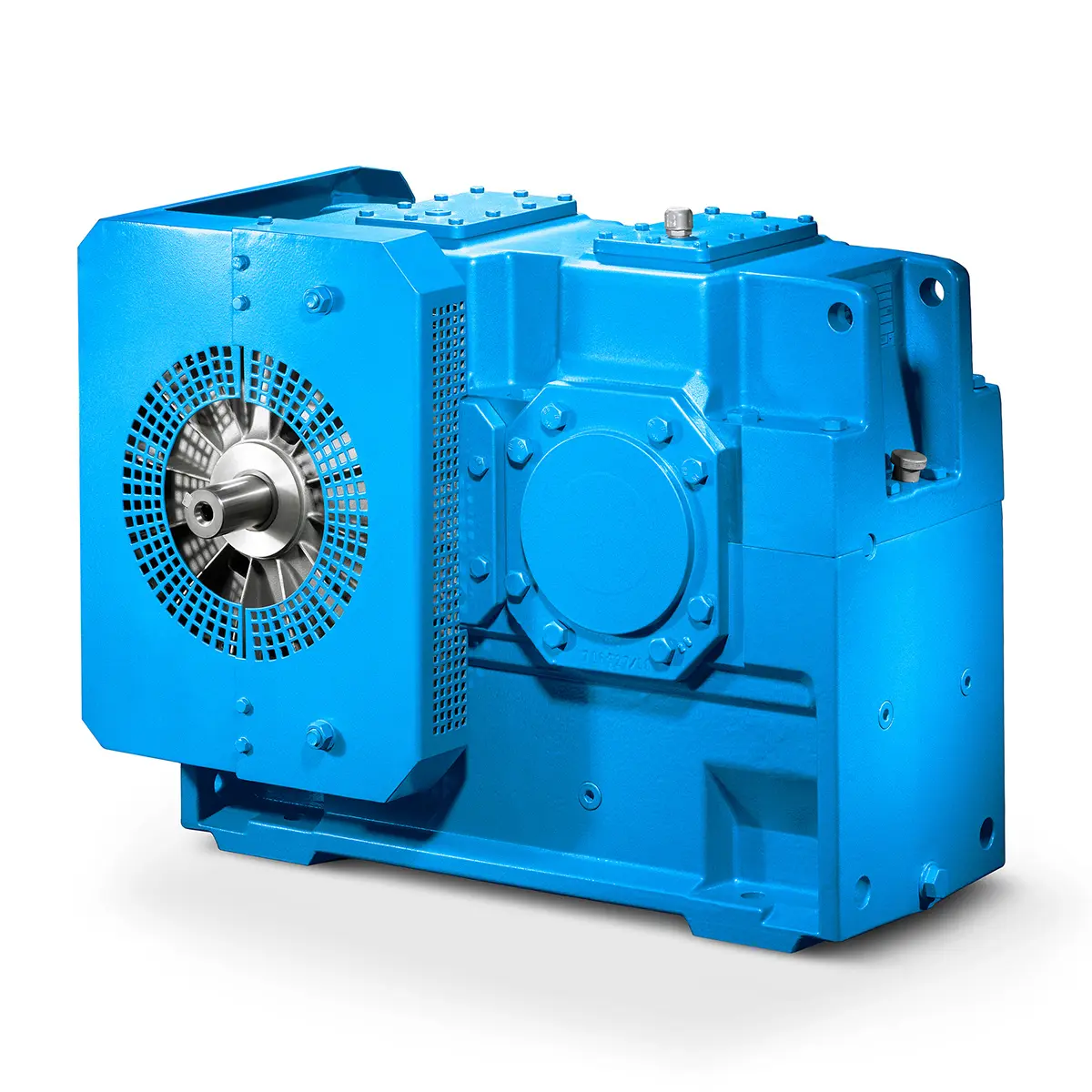 Paper And Pulp Preparation Sections
 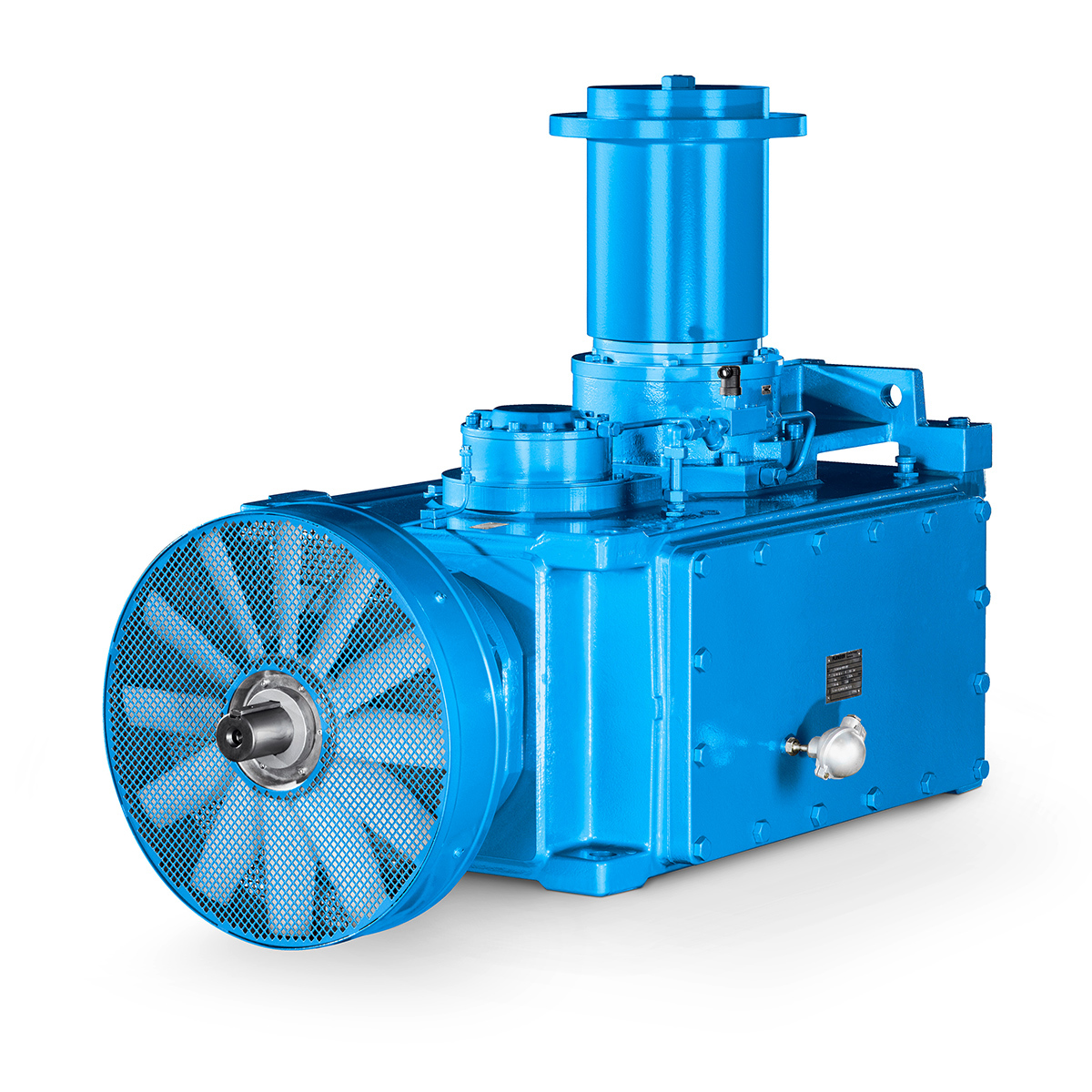 Operational Reliability Even In Case Of The Highest Ventilation Forces
 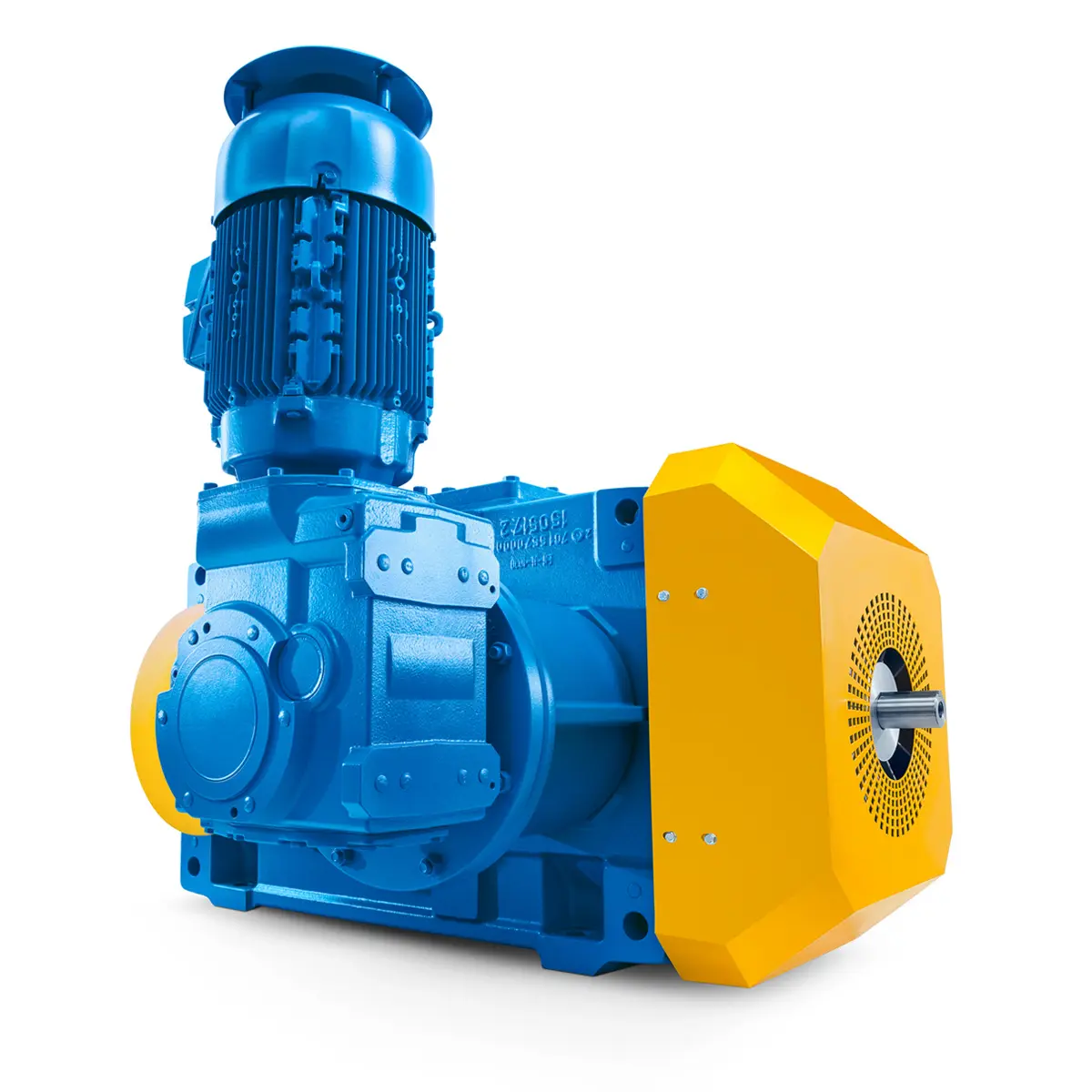 Reliable Gear Units For High Performance Vertical Conveyors 59/200
 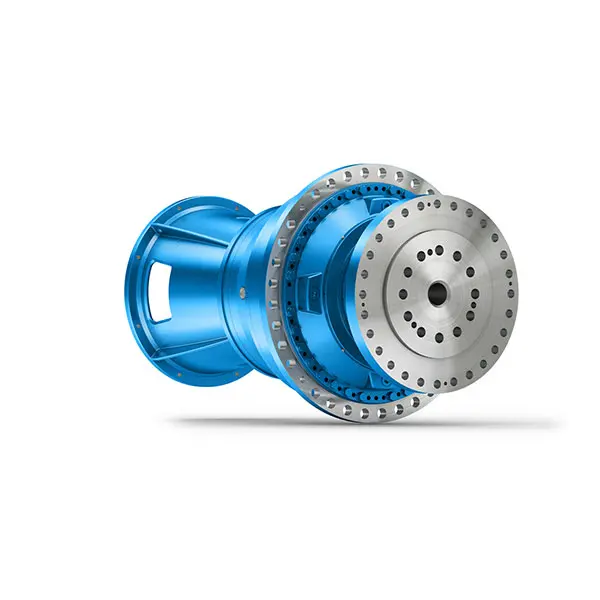 Maximum power density – PLANUREX 3 L individual drives for your sugar cane mill
 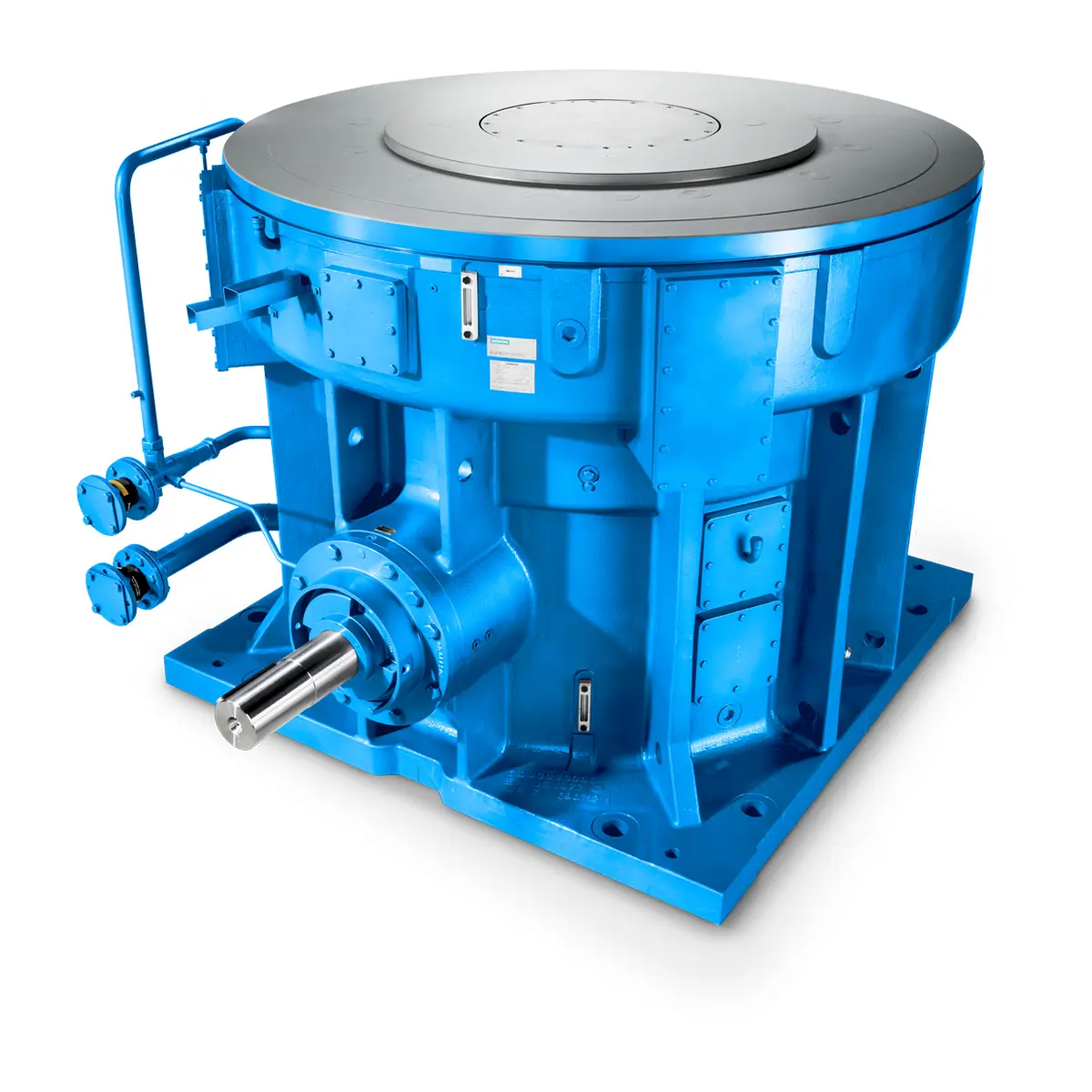 The proven all rounder gearunit gearbox
 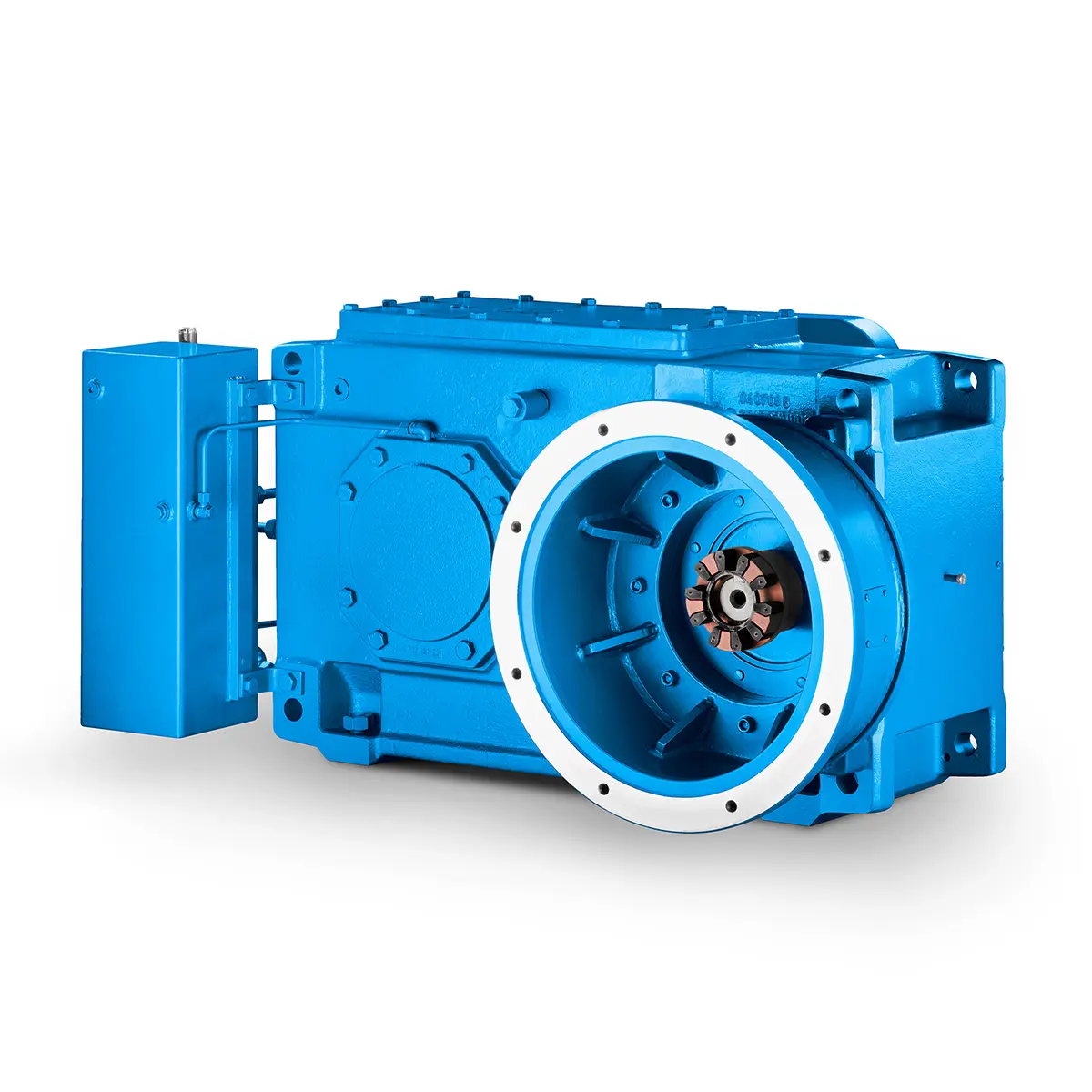 Stirs and stirs and stirs gearunit gearbox
 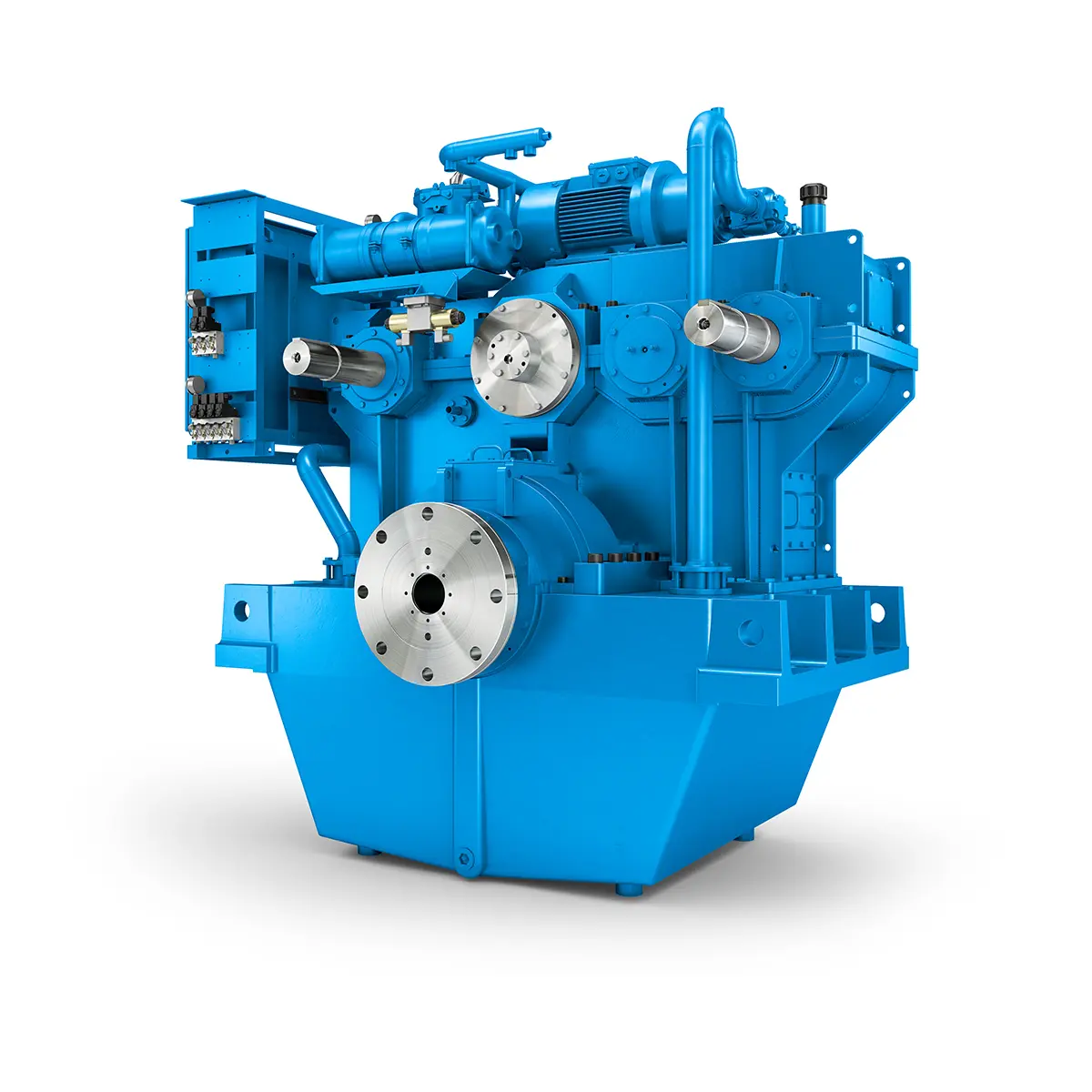 Flexibility on Board gearunit gearbox
 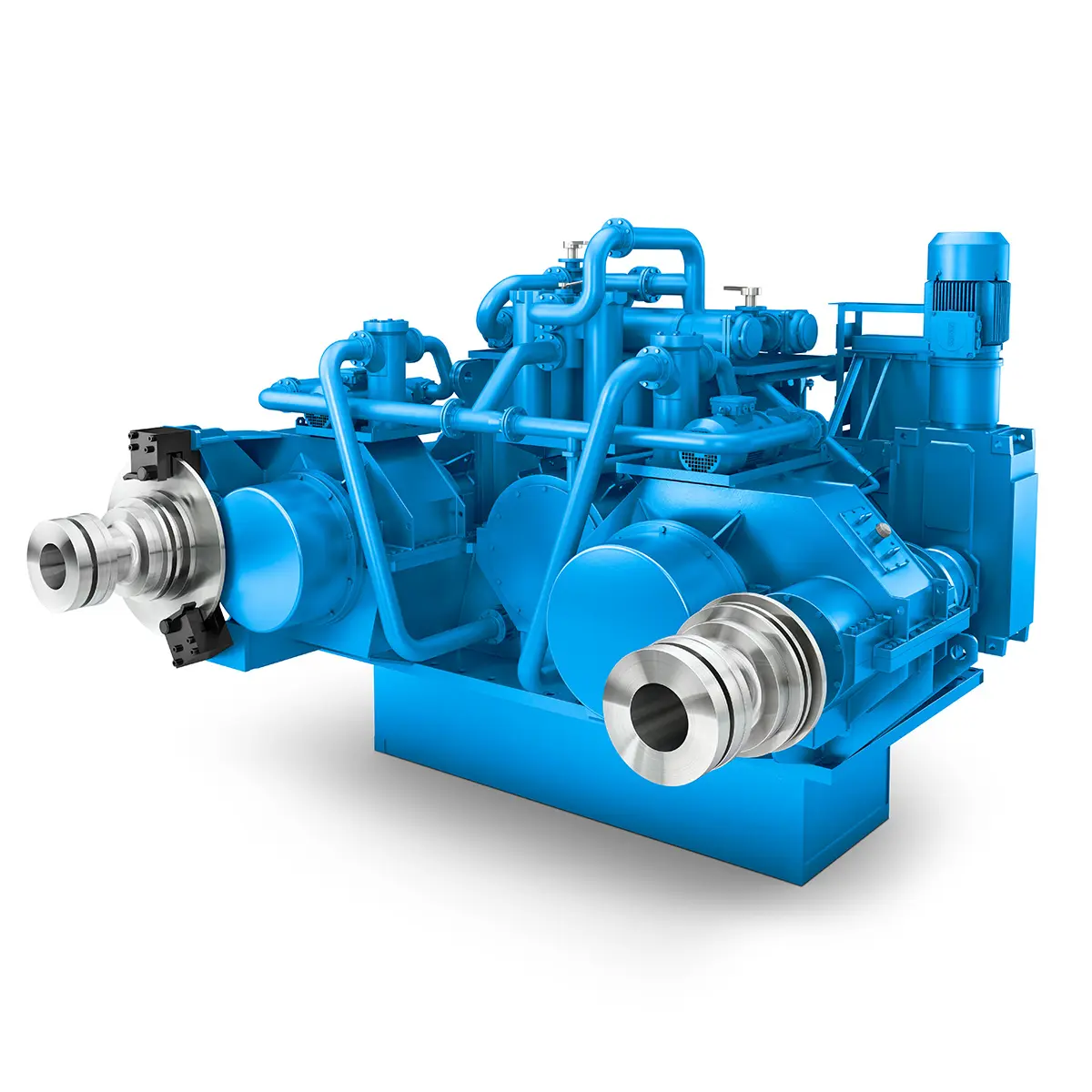 The right gearbox for all Multi-Engine Ships
 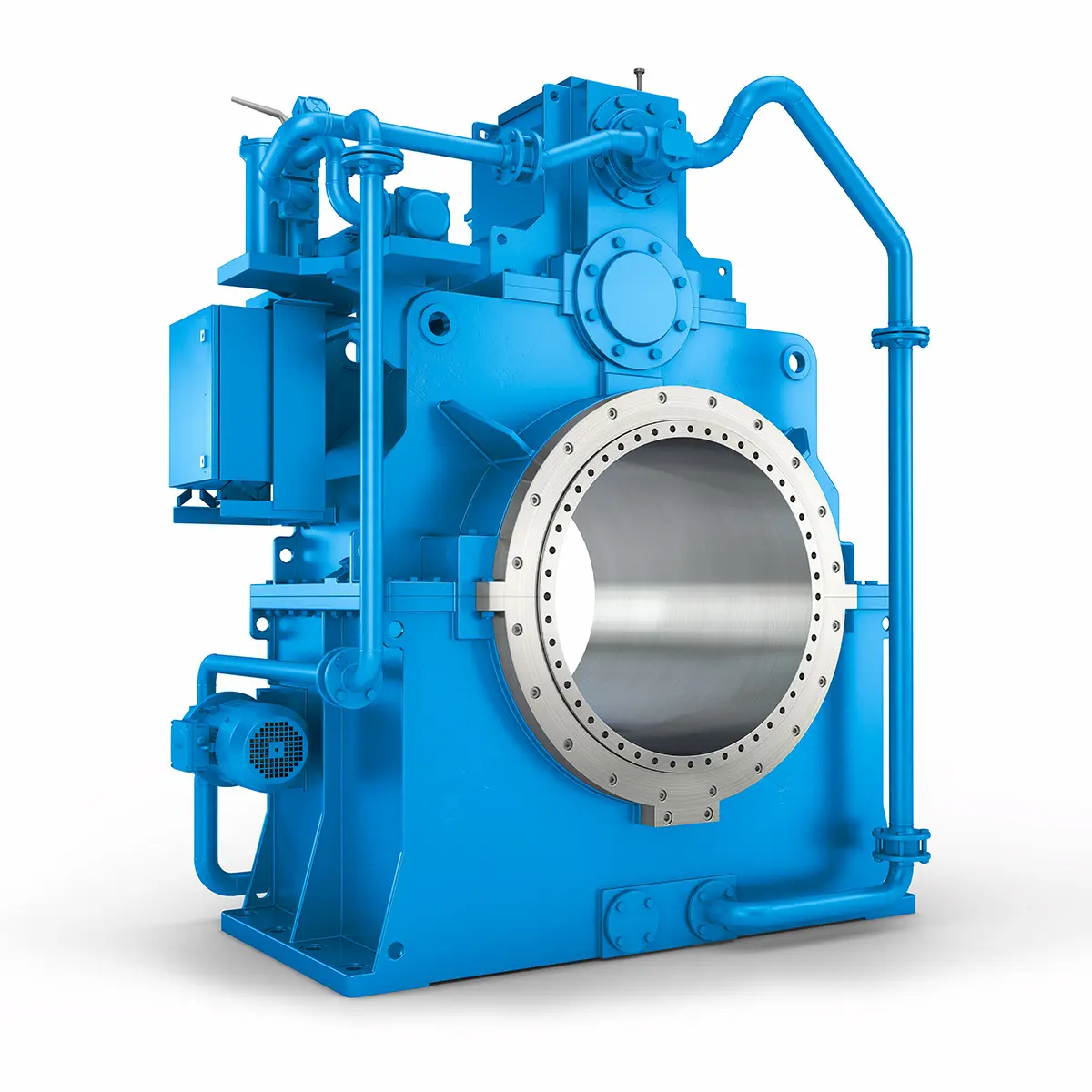 Reliable Power Generation on board
 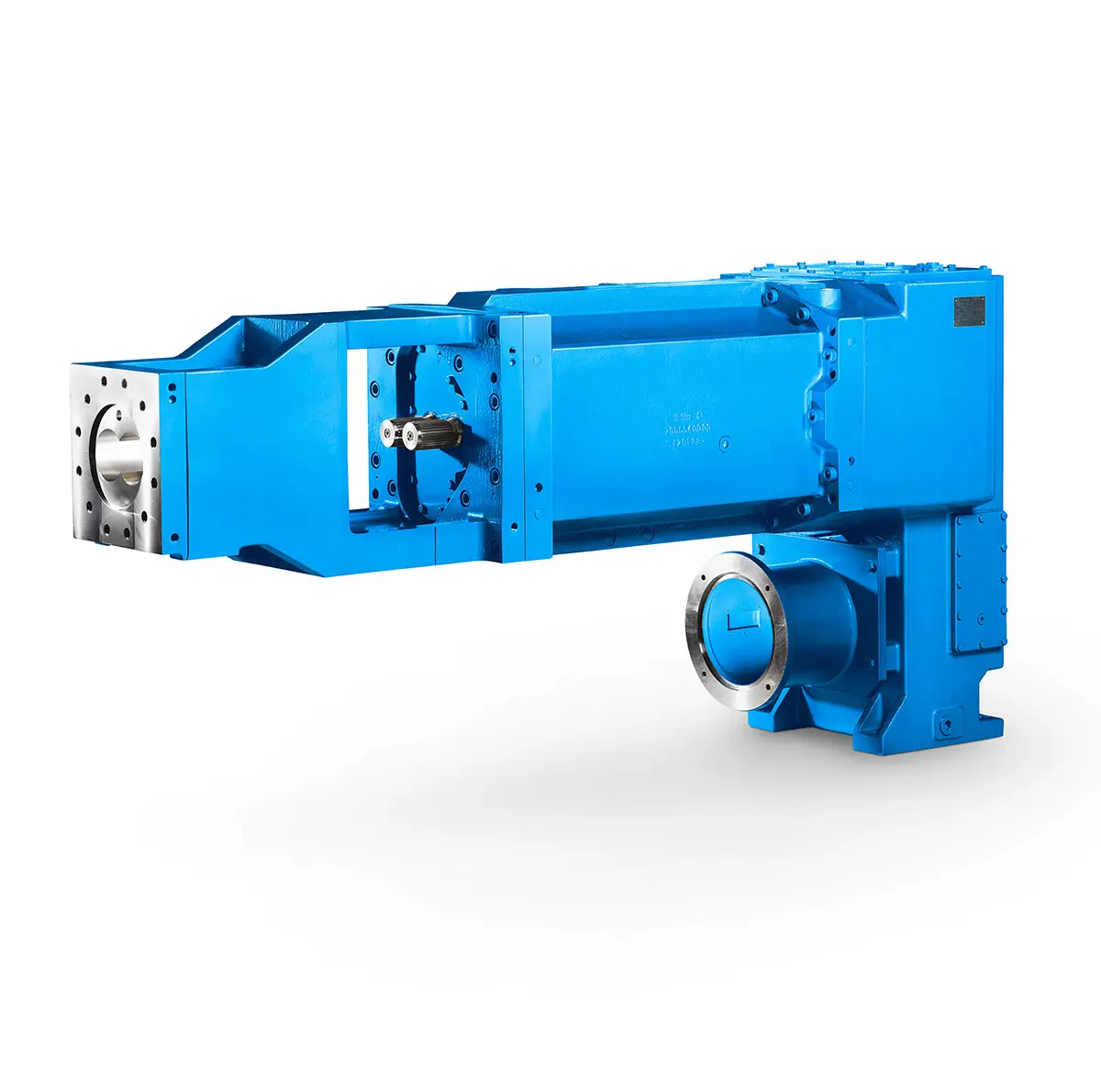 Maximum performance level, fast deliverable
 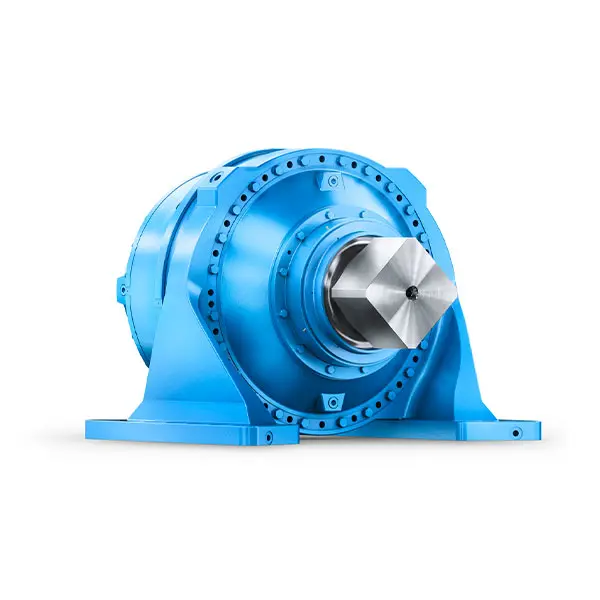 Efficient and compact – FLENDER Gear Units for Sugar Mills
 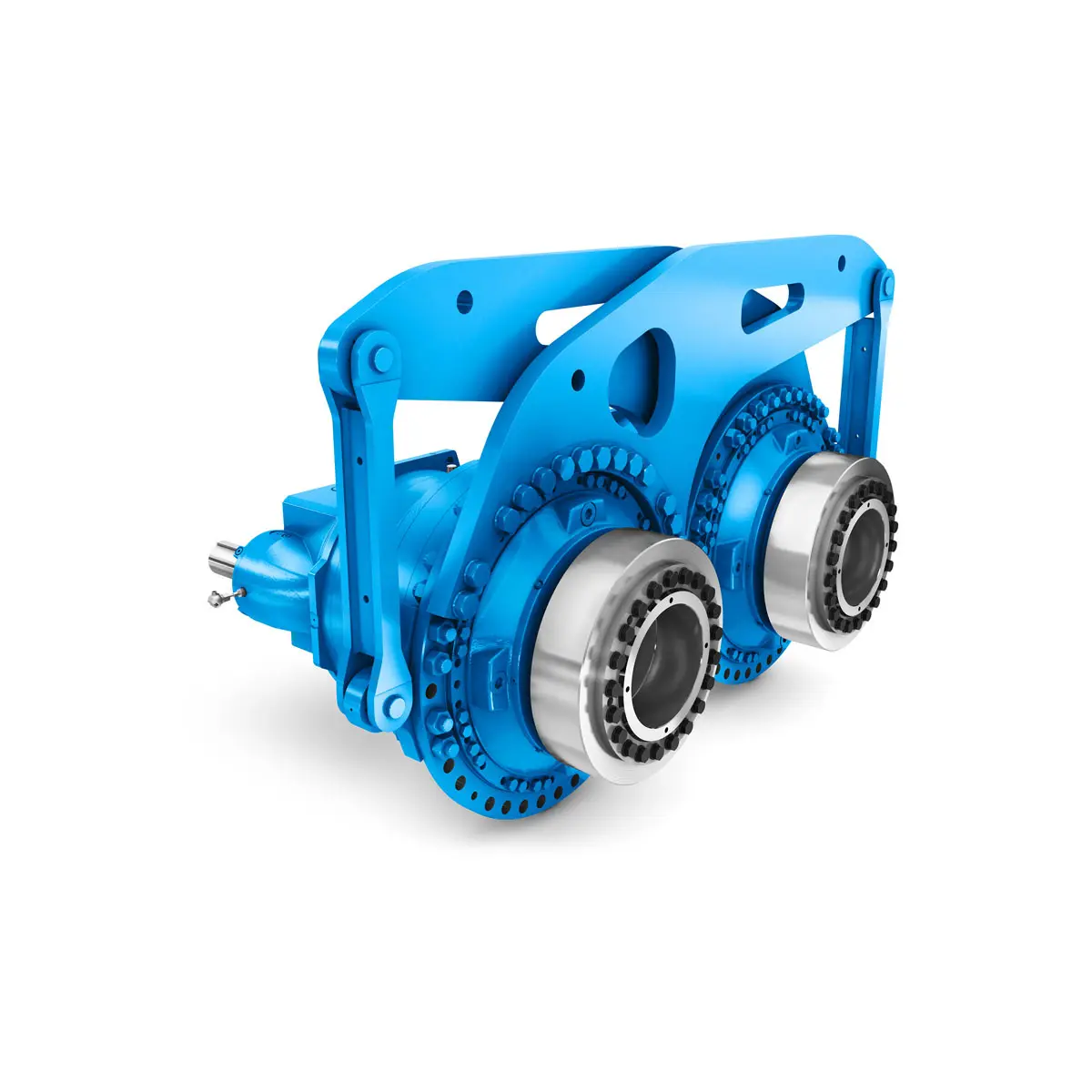 Extremely strong. Extremely compact. Extremely stressable.
 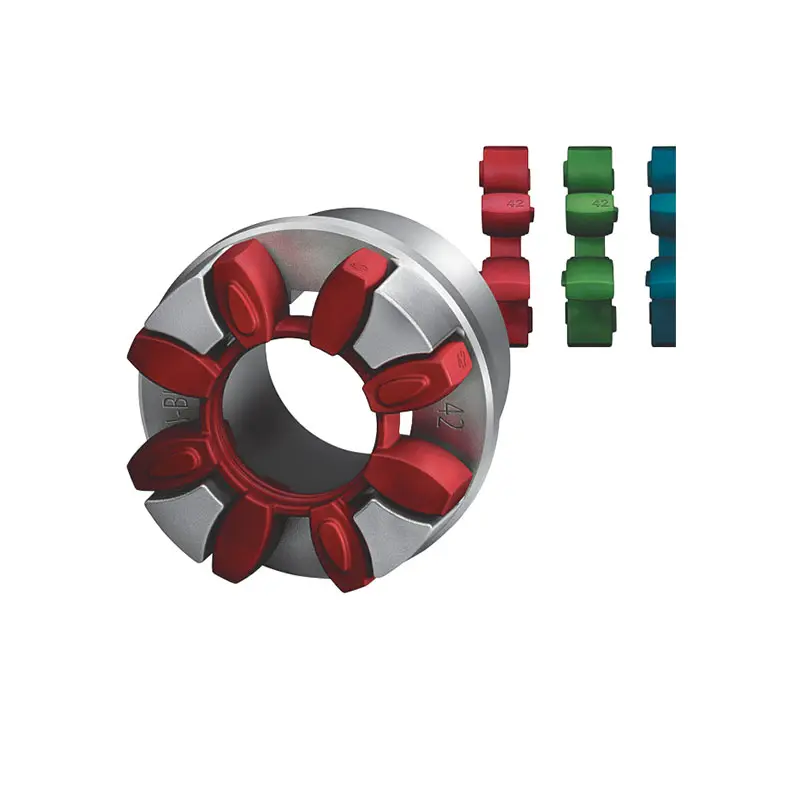 FLENDER Coupling
 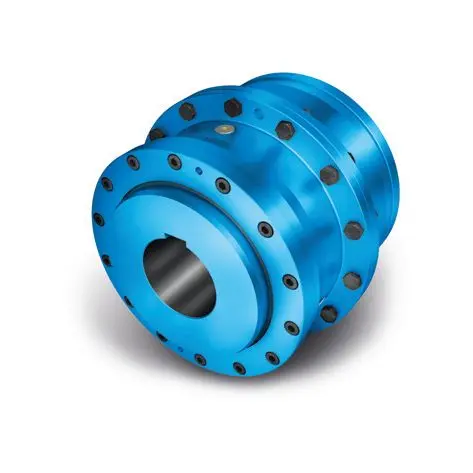 ZAPEX ZW Torsionally Rigid Gear Coupling
 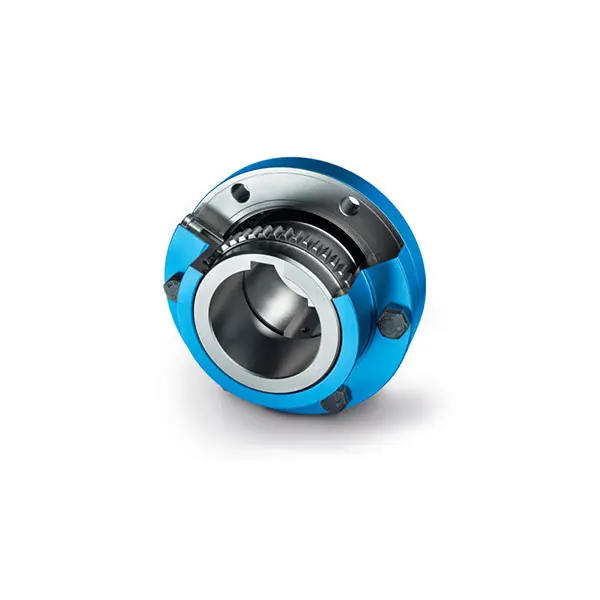 ZAPEX ZN Torsionally Rigid Gear Coupling
 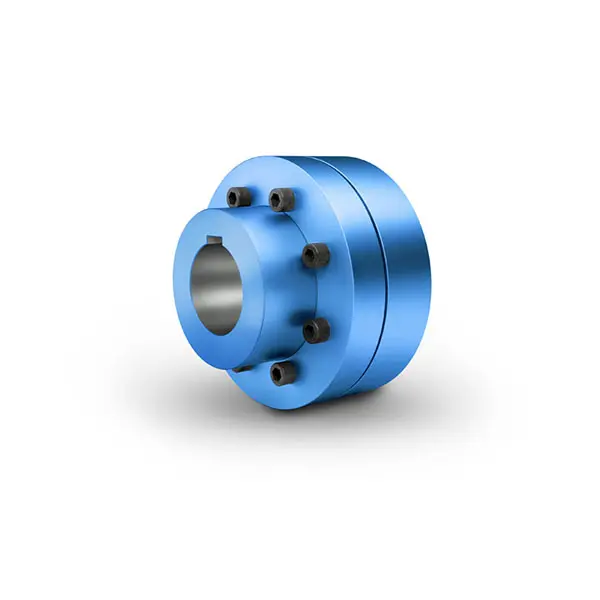 N-EUPEX Flexible high performance Coupling
 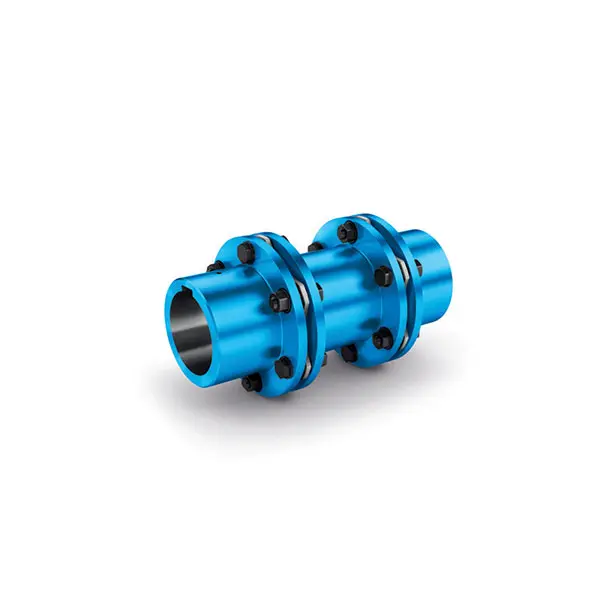 N-ARPEX Torsionally Rigid All-Steel Coupling
 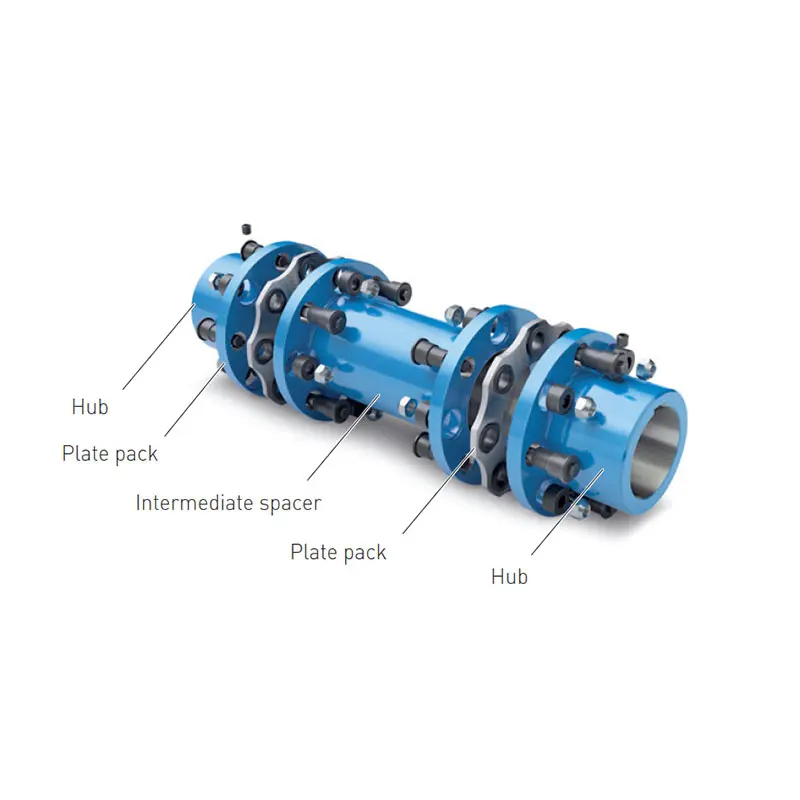 ARPEX Torsionally Rigid All-Steel Coupling Spare and Parts
 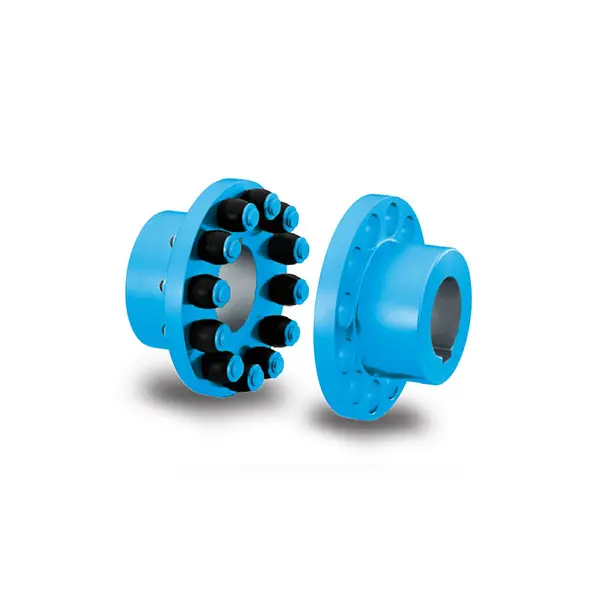 RUPEX Flexible high performance Coupling
 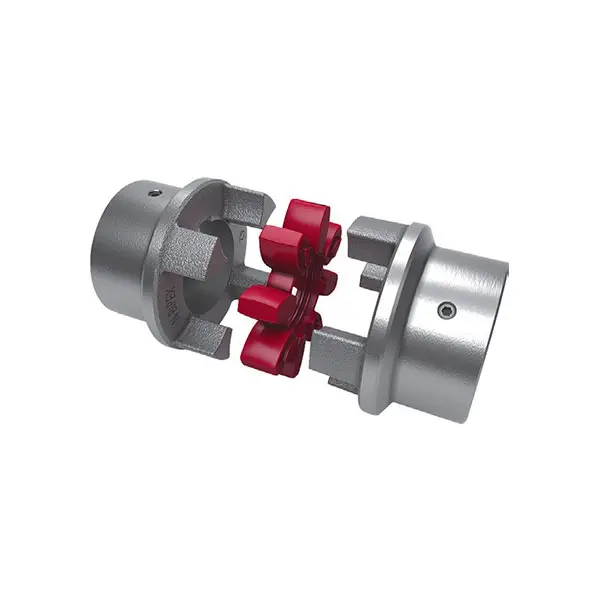 N BIPEX Flexible high performance coupling
 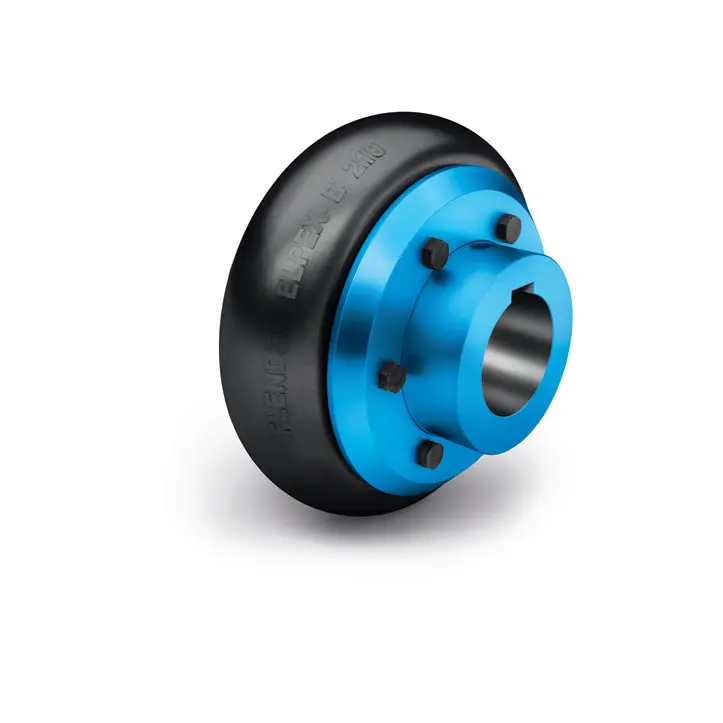 ELPEX B Highly Flexible Coupling
 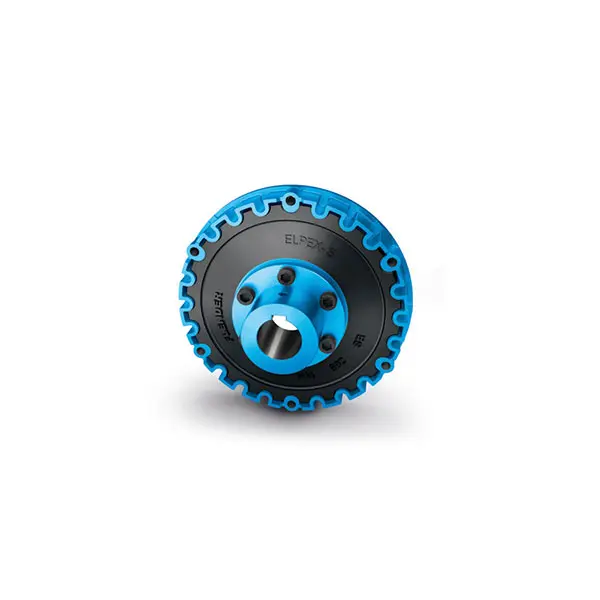 ELPEX S Highly Flexible Coupling high performance
 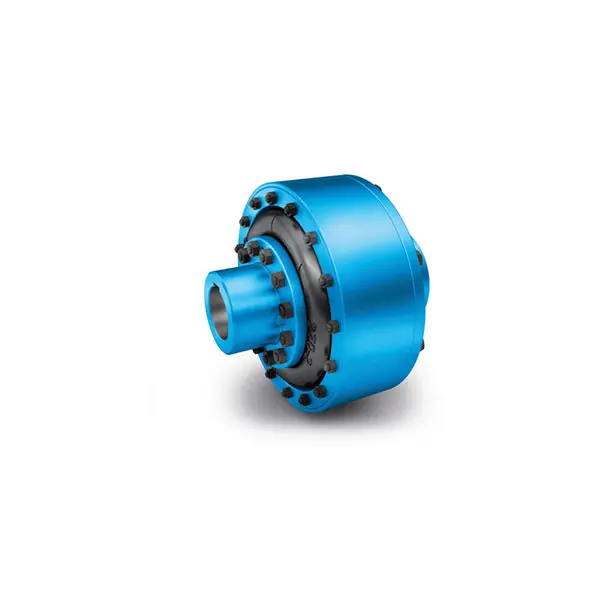 ELPEX Highly Flexible Coupling high performance
 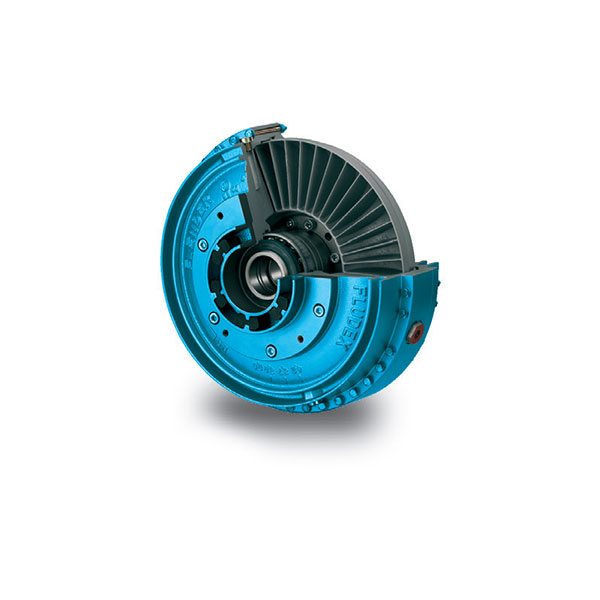 FLUDEX Fluid Coupling high performance
 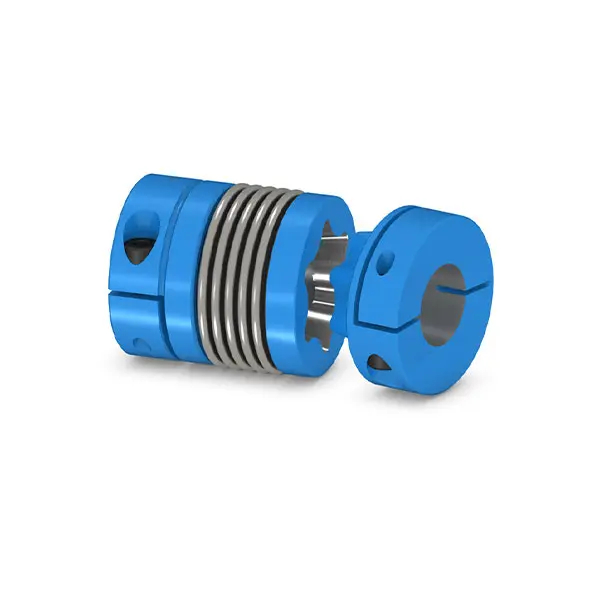 SIPEX Backlash free Coupling high performance
 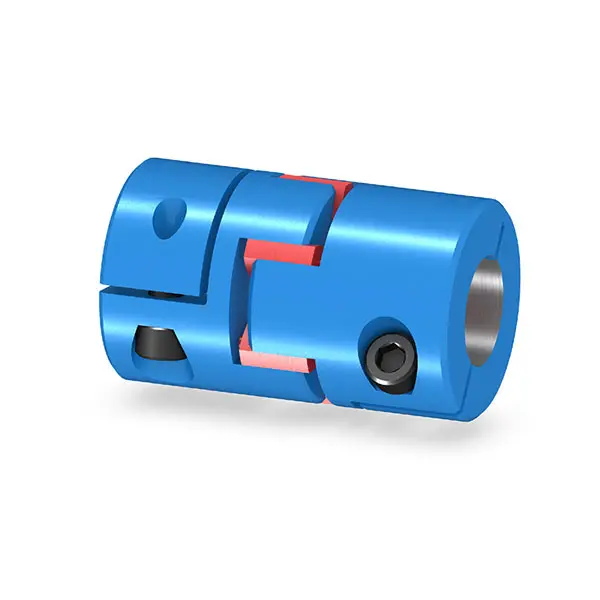 BIPEX S Backlash free Coupling high performance
 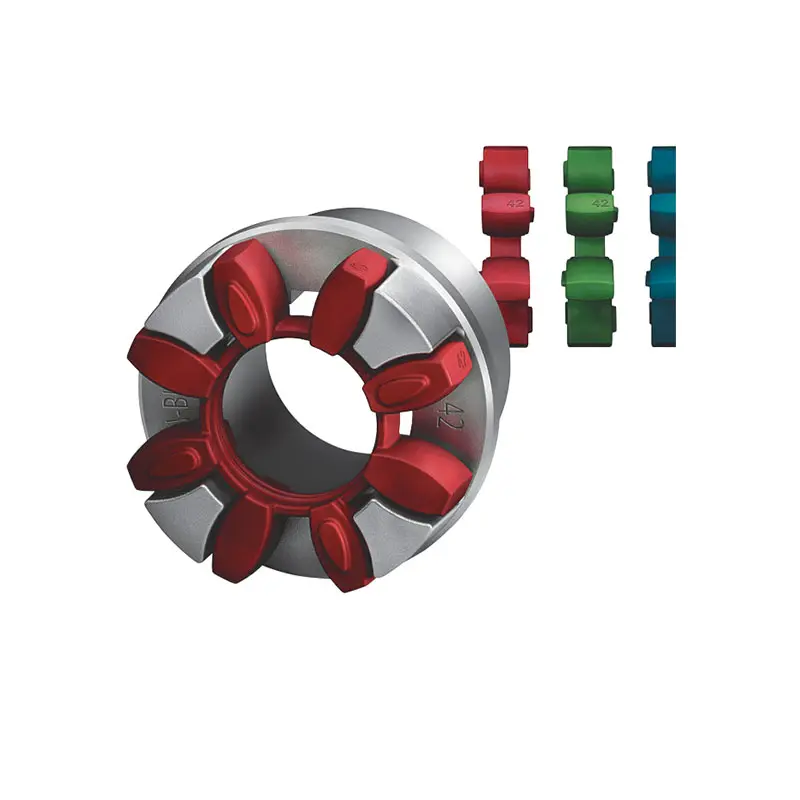 FLENDER Coupling Spare Parts high performance
 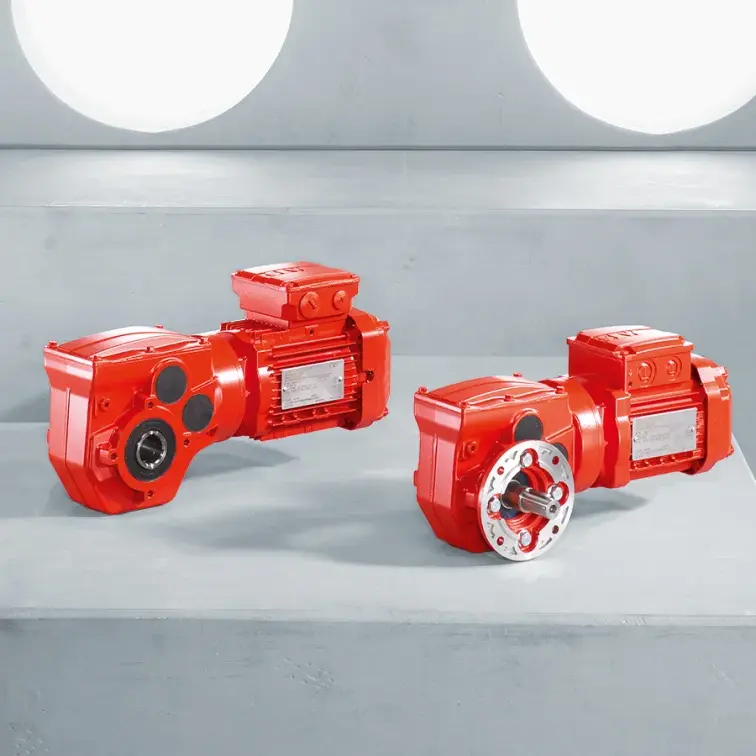 SEW Gearmotor
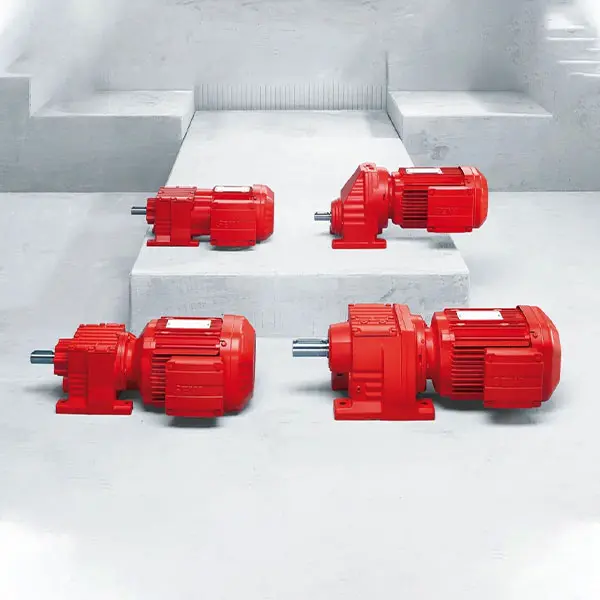 R Series Helical Gearmotor low voltage
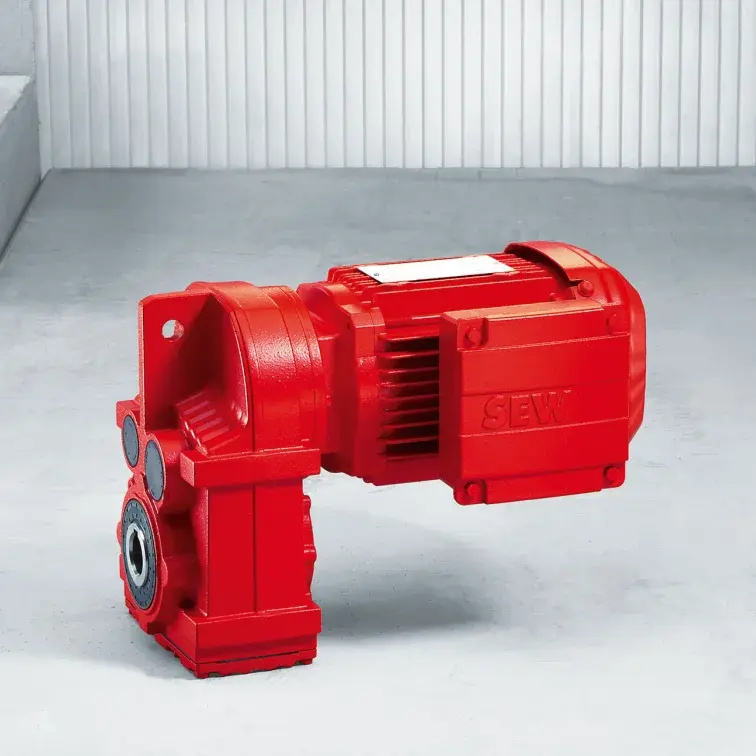 F Series Parallel Shaft Gearmotor low voltage
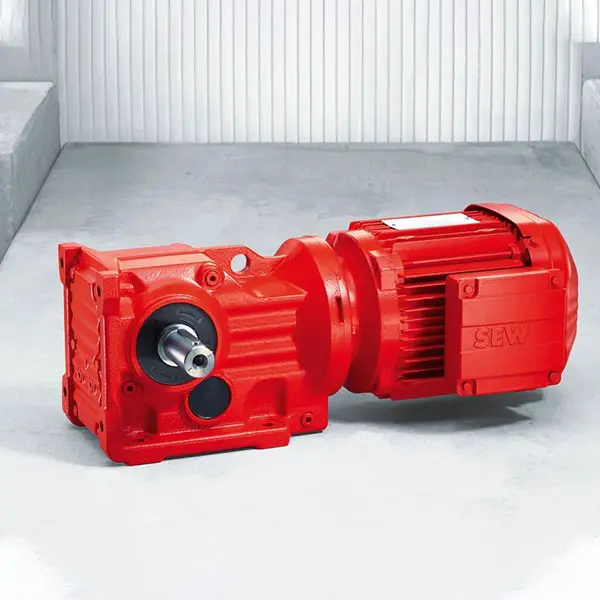 K Series Helical Bevel Gearmotor low voltage
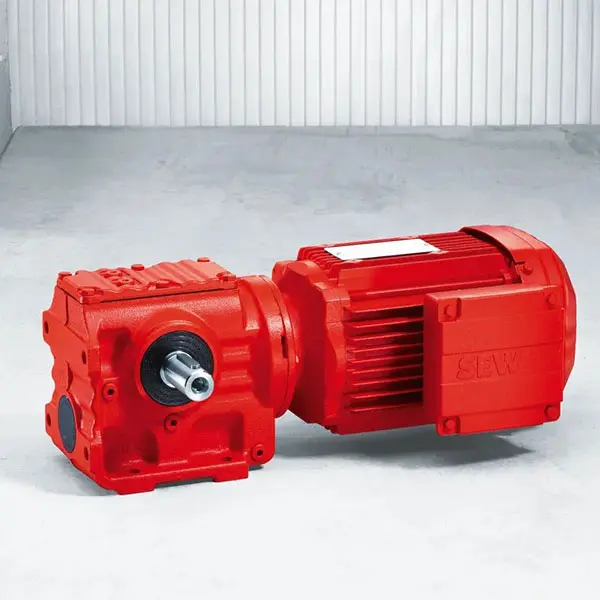 S Series Helical Worm Gearmotor low voltage
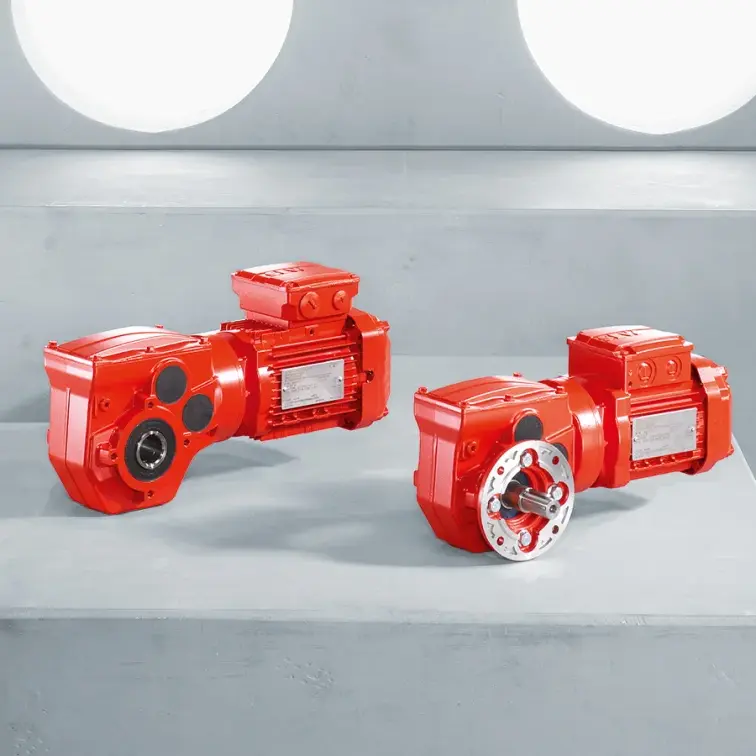 W Series SPIROPLAN® Right Angle Gearmotor