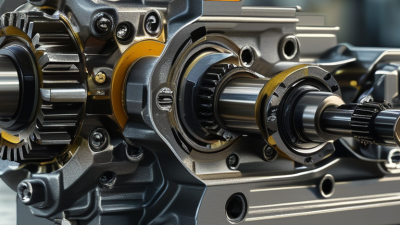
How to Choose the Right Bevel Helical Gearbox for Your Needs?
Choosing the right Bevel Helical Gearbox can significantly impact your project's success. This decision requires careful consideration of several factors. Quality is paramount. Selecting a reliable manufacturer is essential for ensuring long-lasting performance.
Understanding your specific requirements is crucial. Each application demands unique specifications. Bevel Helical Gearboxes come in various sizes and configurations. Assess your needs thoroughly to find the optimal match.
In this journey, mistakes can occur. Rushing the selection process can lead to inefficiencies. It’s important to reflect on previous choices and learn. Emphasizing expertise and reliability in your selection ensures a smoother operation. Trusting the right gearbox will enhance productivity and reduce maintenance costs.
Understanding Bevel Helical Gearbox Mechanics
When selecting a bevel helical gearbox, understanding its mechanics is crucial. These gear systems efficiently transmit motion and power between non-parallel shafts, typically at 90 degrees. A study by the Machinery Research Institute revealed that bevel helical gearboxes can increase torque capacity by up to 30% compared to standard bevel gear systems. This performance enhancement stems from their unique tooth design, which allows for smoother engagement and more stable operation.
However, selecting the right gearbox is not solely about efficiency. Factors such as load capacity and operational environment significantly impact performance. According to industry reports, improper gear selection has led to failures in up to 20% of mechanical systems. Engineers often overlook thermal management, which can affect performance under heavy loads. A poorly ventilated gearbox may experience overheating, leading to premature wear and costly maintenance.
Weight and size considerations also play a vital role in gearbox selection. While smaller units save space, they may compromise strength. Many manufacturers suggest a balance between compactness and durability. The challenge lies in aligning specifications with application needs. This balance is difficult, as undersized gearboxes may fail under peak loads, while oversized units can introduce unnecessary complexity.
Identifying Your Application Requirements
Choosing the right bevel helical gearbox begins with understanding your application requirements. What are the operating conditions? Consider factors like load capacity, speed, and torque. If your application involves high loads and requires durability, a robust design is essential. The material of the gearbox also plays a critical role in performance. Steel is stronger, but lightweight materials may be necessary for specific applications.
Next, pinpoint the environmental conditions of your application. Will the gearbox be exposed to moisture, dust, or extreme temperatures? These factors can significantly affect the gearbox's longevity. It’s crucial to assess whether additional protection, like seals or special coatings, is needed to enhance durability.
Don’t forget to evaluate the size and space constraints of your setup. A larger gearbox may offer more power but could present installation issues. Think about how maintenance access might impact your choice. An inaccessible gearbox can complicate service down the line, so ensure it's designed for ease of use. Remember to look at how it integrates with your existing systems, as compatibility can affect both performance and lifespan.
How to Choose the Right Bevel Helical Gearbox for Your Needs? - Identifying Your Application Requirements
| Parameter |
Description |
Example Values |
| Torque Rating |
The maximum torque the gearbox can handle without failure. |
50 Nm, 100 Nm, 200 Nm |
| Gear Ratio |
The ratio of the input speed to the output speed. |
1:1, 2:1, 4:1 |
| Input Speed |
The speed at which the gearbox is driven. |
1500 RPM, 3000 RPM |
| Mounting Type |
The way the gearbox is mounted to the machine. Can affect alignment and vibration. |
Foot mount, Flange mount |
| Load Type |
Determines how the gearbox will be loaded during use. |
Constant load, Variable load, Shock load |
| Environmental Conditions |
Conditions such as temperature, humidity, and exposure to chemicals. |
-20°C to 40°C, Humid, Dusty |
| Material |
The material of the gearbox can affect durability and weight. |
Aluminum, Steel, Cast Iron |
Evaluating Load Capacity and Gear Material
Choosing the right bevel helical gearbox requires evaluating its load capacity and gear material. Load capacity defines how much weight your gearbox can handle. Too high a load may damage the gearbox, while too low may cause inefficiencies. This balance is crucial for optimal performance.
When selecting gear material, consider factors like strength, durability, and environment. Steel is common for strength but might rust without proper treatment. Aluminum is lighter but may not withstand heavy loads well. Assess your application to choose the right material that provides durability.
Tip: Always consider the environment in which the gearbox operates. Moisture and dust can impact its performance.
Evaluating these factors can reveal gaps in your understanding. Engage with a knowledgeable technician for insights into specific applications. They may provide perspectives that challenge your initial assumptions.
Tip: Conduct a load test to better understand how your gearbox performs under actual operational conditions. This hands-on approach can prevent future breakdowns and inefficiencies. Don't ignore the importance of regular maintenance as well. Regular checks can extend the gearbox's lifespan and improve overall efficiency.
Assessing Gearbox Efficiency and Performance Factors
Selecting the right bevel helical gearbox involves analyzing several performance factors. Efficiency is one of the most critical elements. A gearbox that operates efficiently minimizes energy loss and enhances operational productivity. When evaluating efficiency, consider the load conditions and speed ranges of your application. Different gearbox designs respond uniquely under various conditions, making it essential to match specifications to operational needs.
Another important factor is the gearbox's torque capacity. Understanding the expected torque requirements prevents under or over-sizing. Gearboxes that are too small may fail under load. A too-large gearbox can be inefficient and increase costs. Evaluate both the peak and continuous torque loads to ensure proper selection. Noise and vibration levels are also crucial. A well-designed gearbox should operate smoothly, reducing excessive wear and potential downtime.
Choosing the right materials enhances durability and reliability. Keep in mind that different materials offer various strengths against wear, shock, and environmental conditions. Investigate how these factors relate to your specific application. This will lead to a more informed choice. Regular maintenance is also vital for longevity. Consider implementing a monitoring system for early detection of wear.
Efficiency Comparison of Bevel Helical Gearboxes
Considering Size, Weight, and Installation Constraints
Selecting a bevel helical gearbox requires careful consideration of size, weight, and installation constraints. The physical dimensions of a gearbox can significantly affect its performance and integration into your system. Ensure the gearbox fits within the available space while considering any potential future expansions. Tight spaces can limit your options, so choose a sleek design that maximizes efficiency.
Weight is another critical factor. A heavy gearbox might offer robustness but can also lead to increased installation difficulty and strained supporting structures. Choosing a lightweight option can simplify handling and installation. This balance between durability and manageability is essential for long-term performance.
Consider installation constraints unique to your environment. Some gearboxes require specific mounting orientations or support structures. Plan for potential adjustments in configuration, as these can lead to unforeseen challenges. Measure twice, install once, is a good mantra to live by in this context.
Pay attention to heat dissipation as well. In tightly packed setups, overheating can become an issue. Opt for gearboxes designed to manage thermal conditions effectively. This foresight can prevent costly repairs and extend the lifespan of your equipment. Always leave room for adjustments and reevaluations during the process.

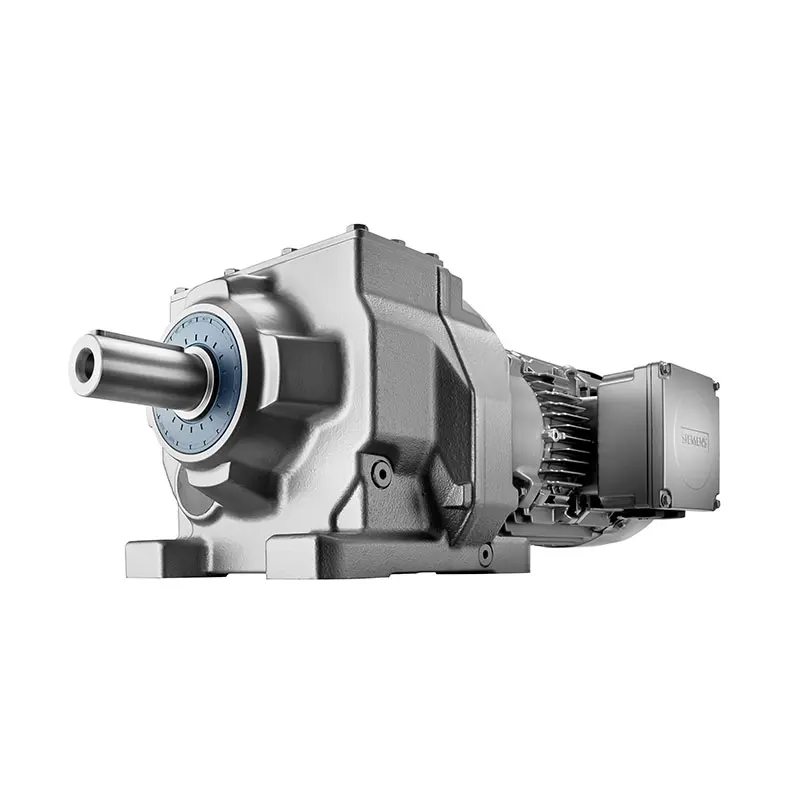 SIEMENS Helical Gearmotor Low Voltage
 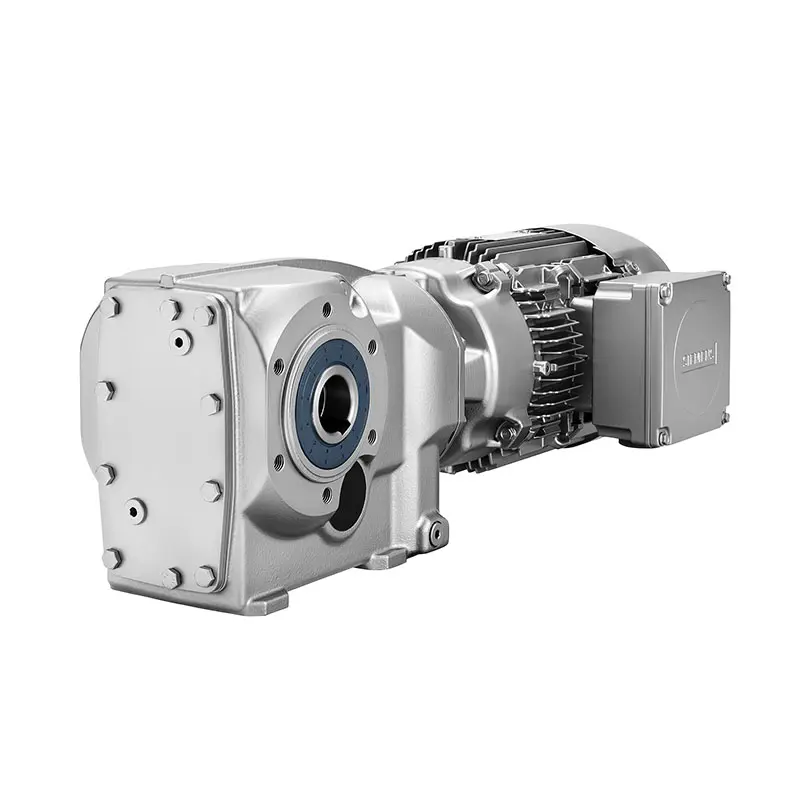 SIEMENS Bevel Helical Gearmotor
 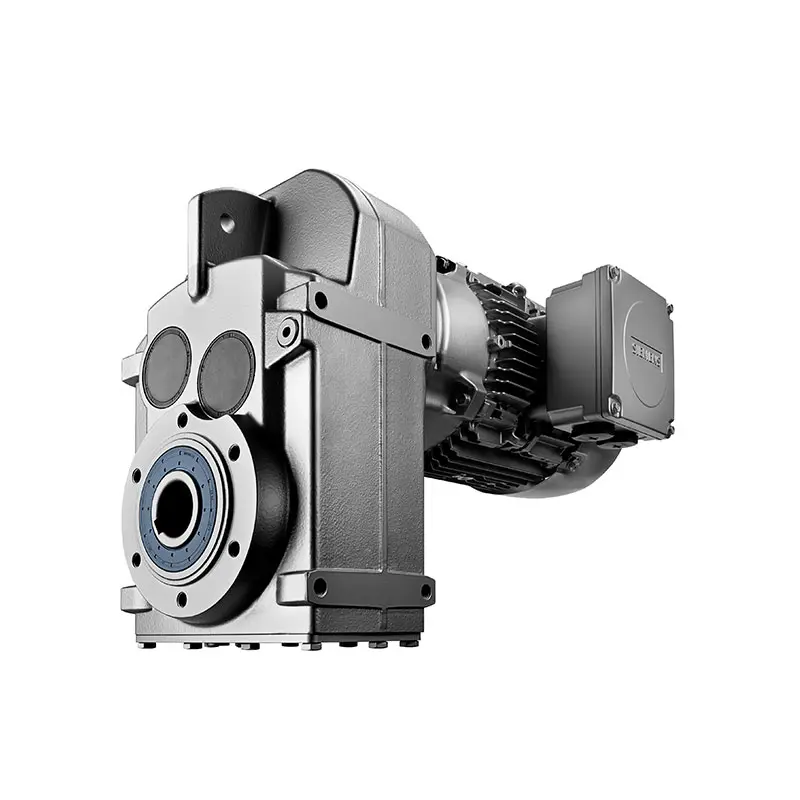 SIEMENS Parallel Shaft Gearmotor
 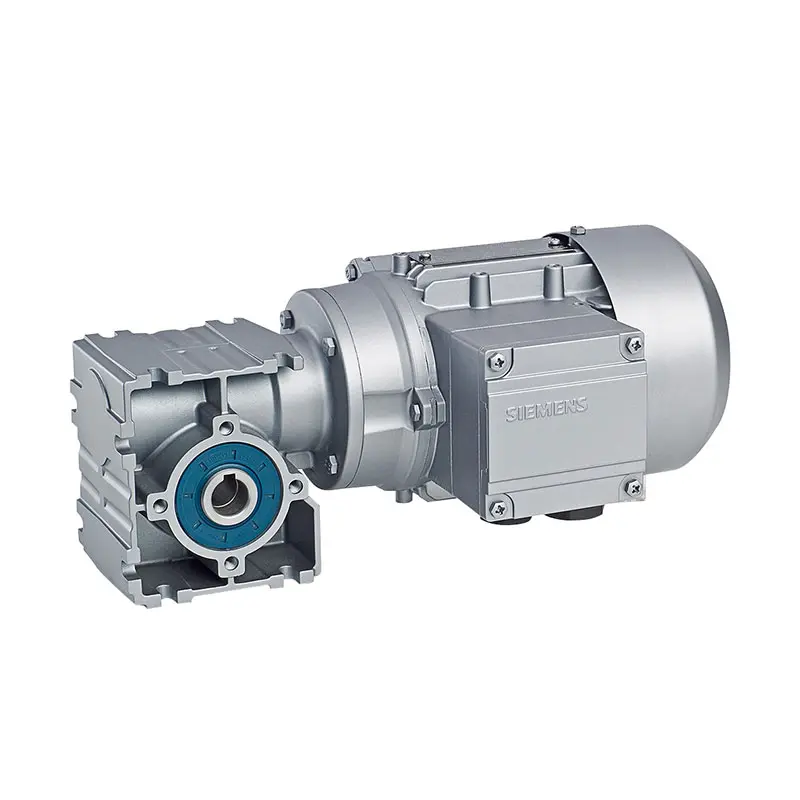 SIEMENS Worm Gearmotor Low Voltage
 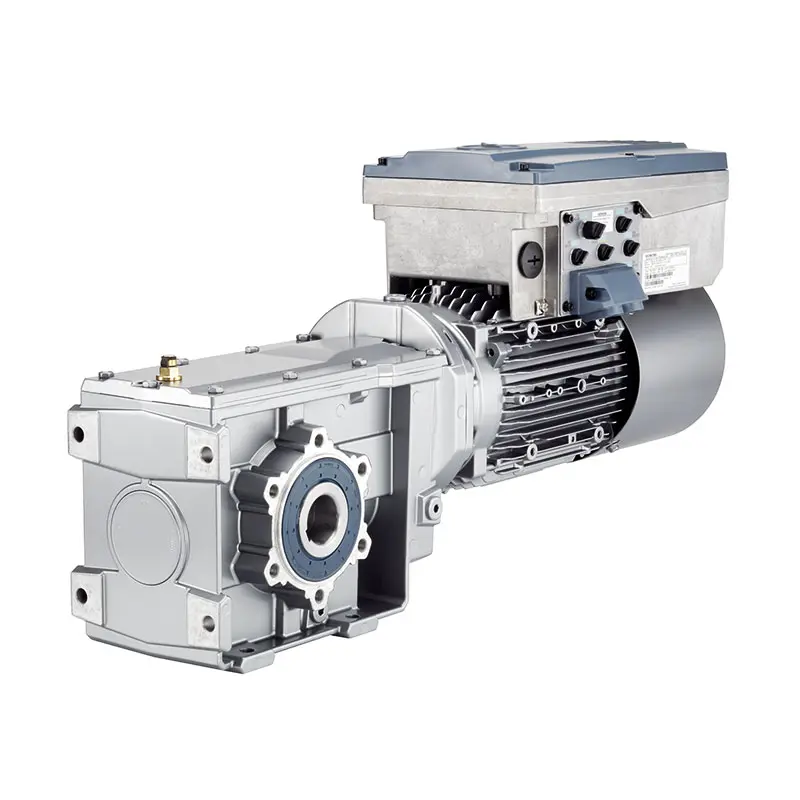 SIEMENS With Servo Motor Gearmotor
 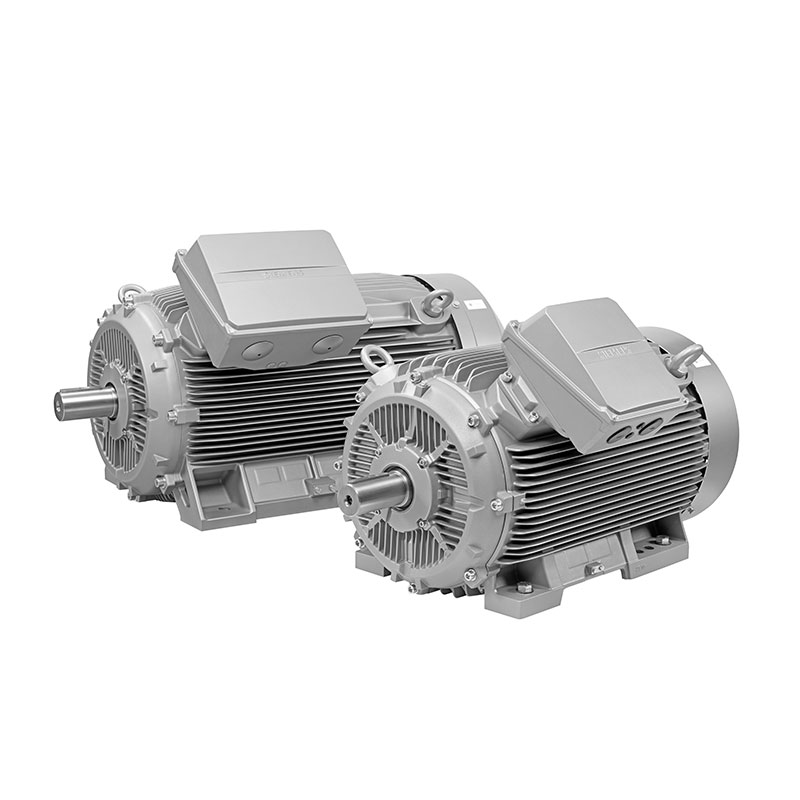 SIEMENS Low Voltage Motor Low Voltage
 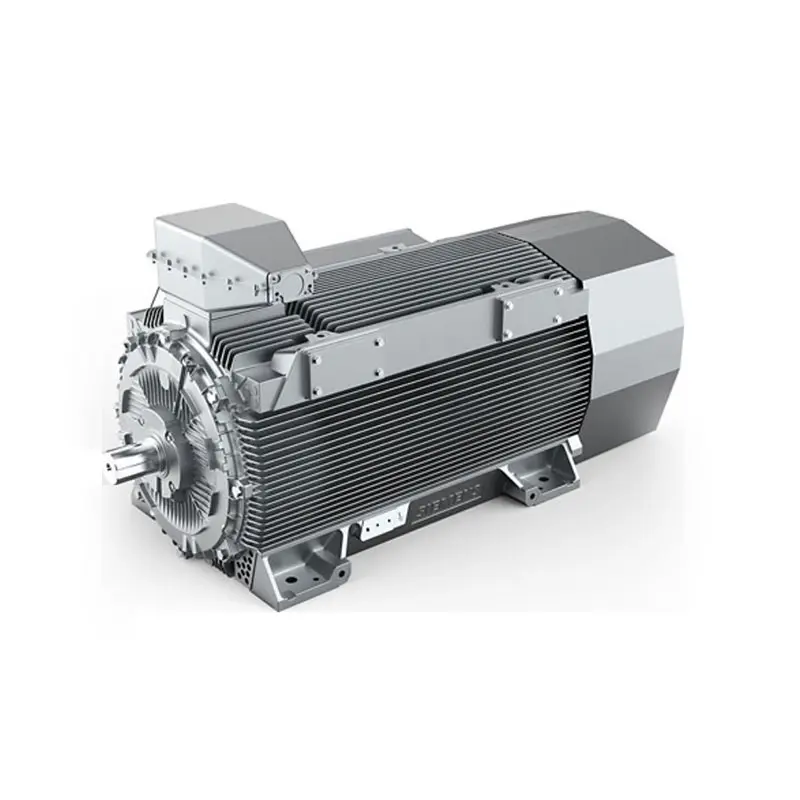 SIEMENS High Voltage Motor Low Voltage
 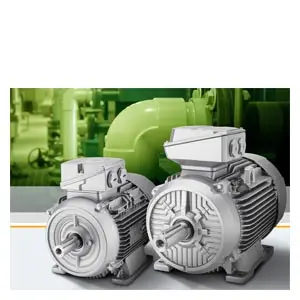 SIEMENS Marine Motor Low Voltage
 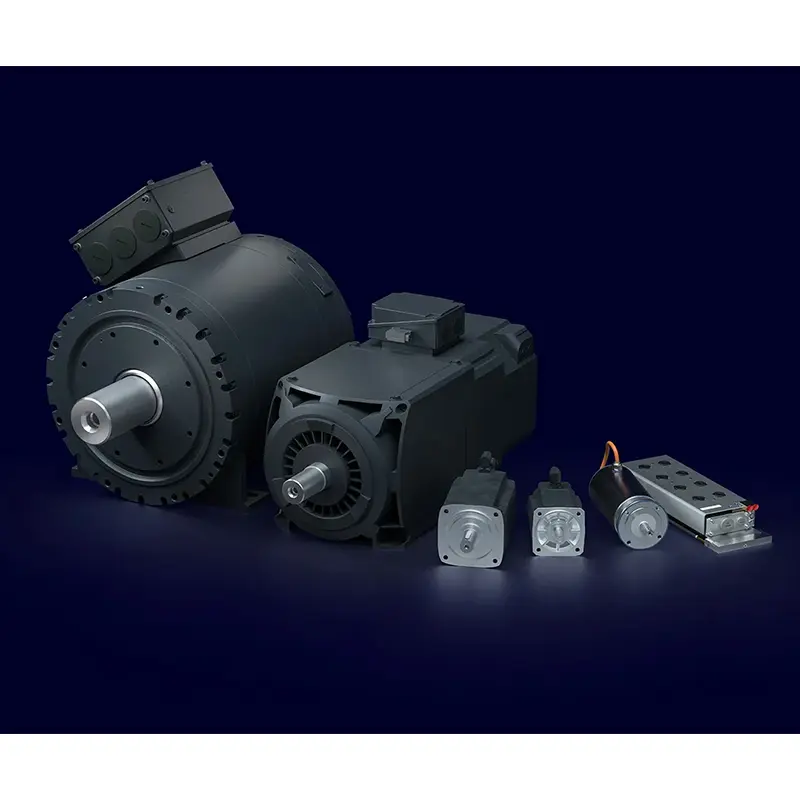 SIEMENS Servo Motor Low Voltage
 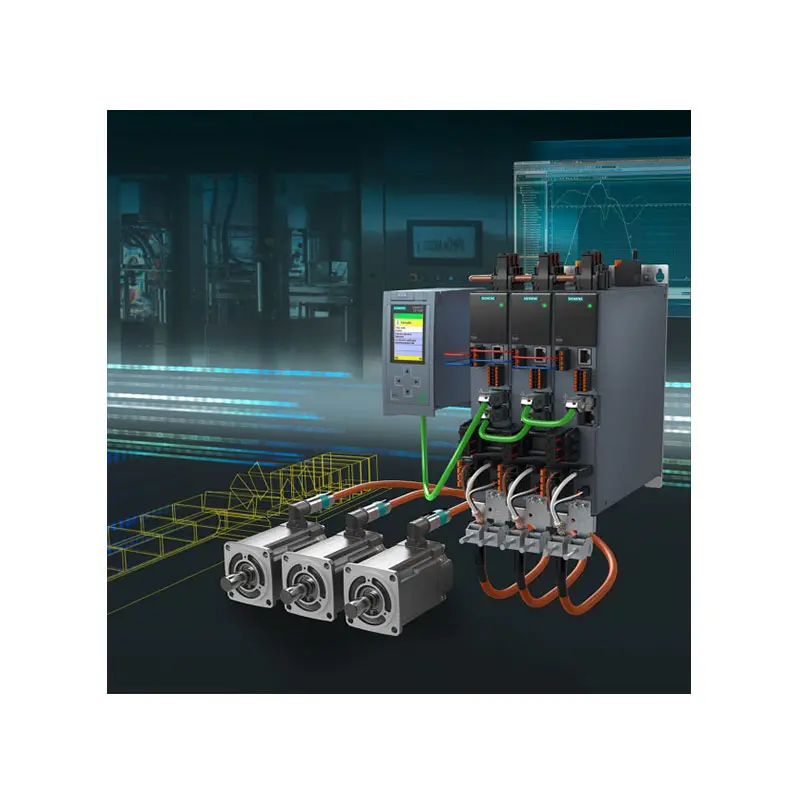 SIEMENS SINAMICS S210 Low Voltage
 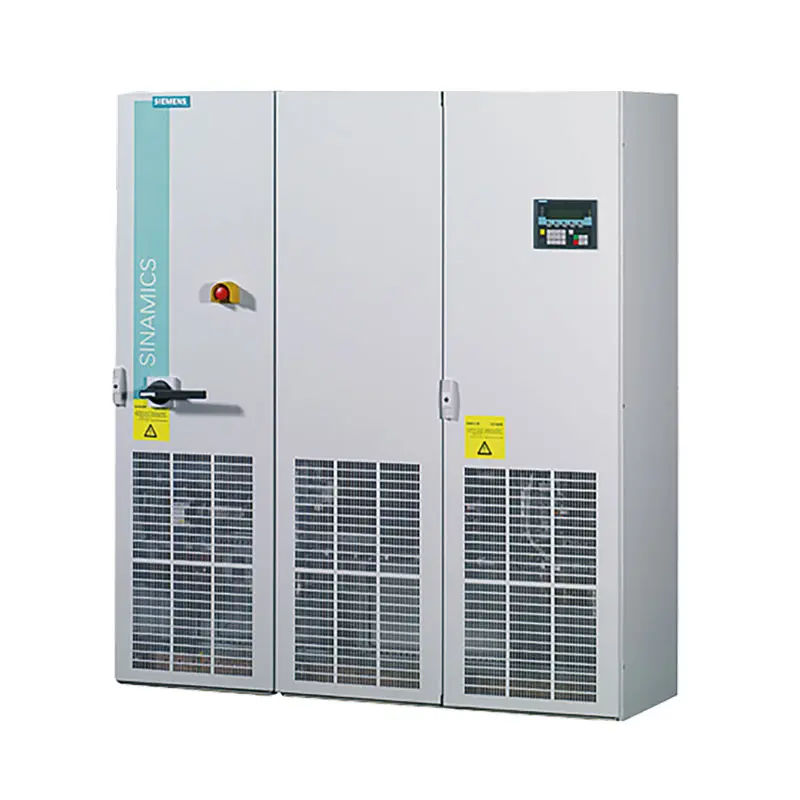 SIEMENS SINAMICS S150 Low Voltage
 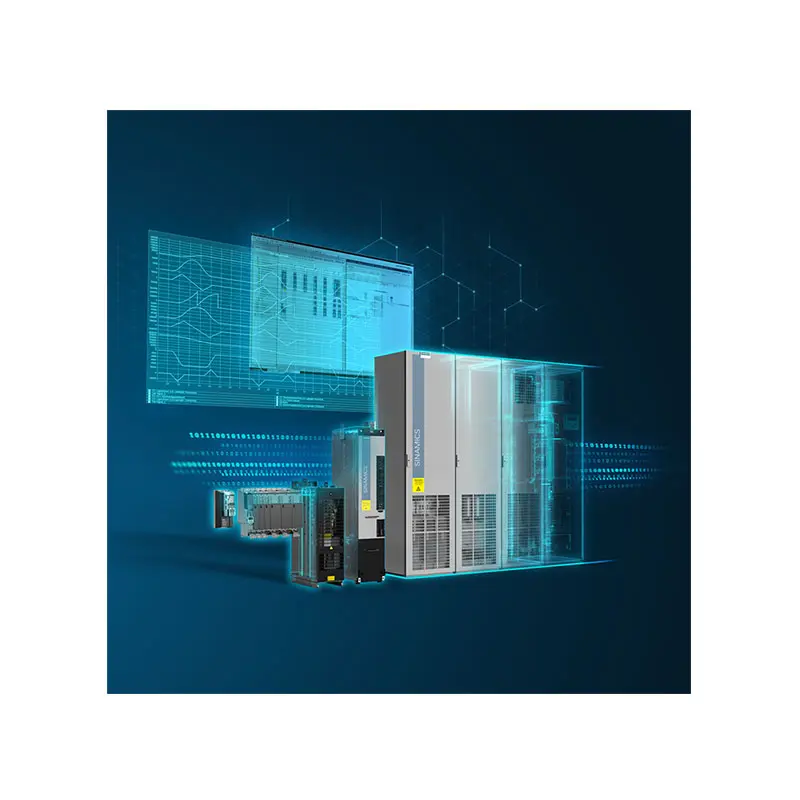 SIEMENS SINAMICS S120 Low Voltage
 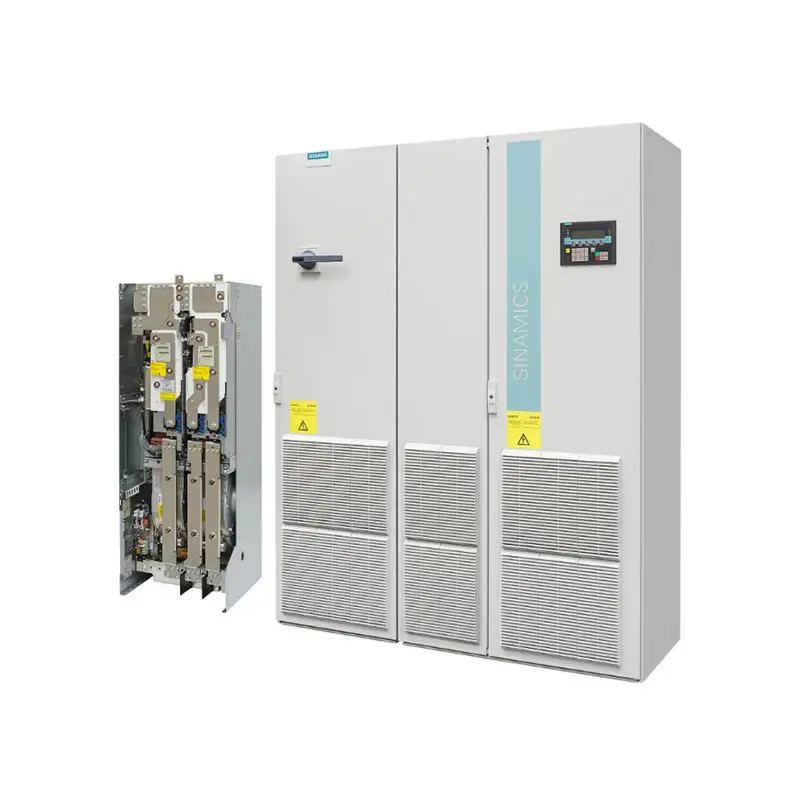 SIEMENS SINAMICS G130/G150
 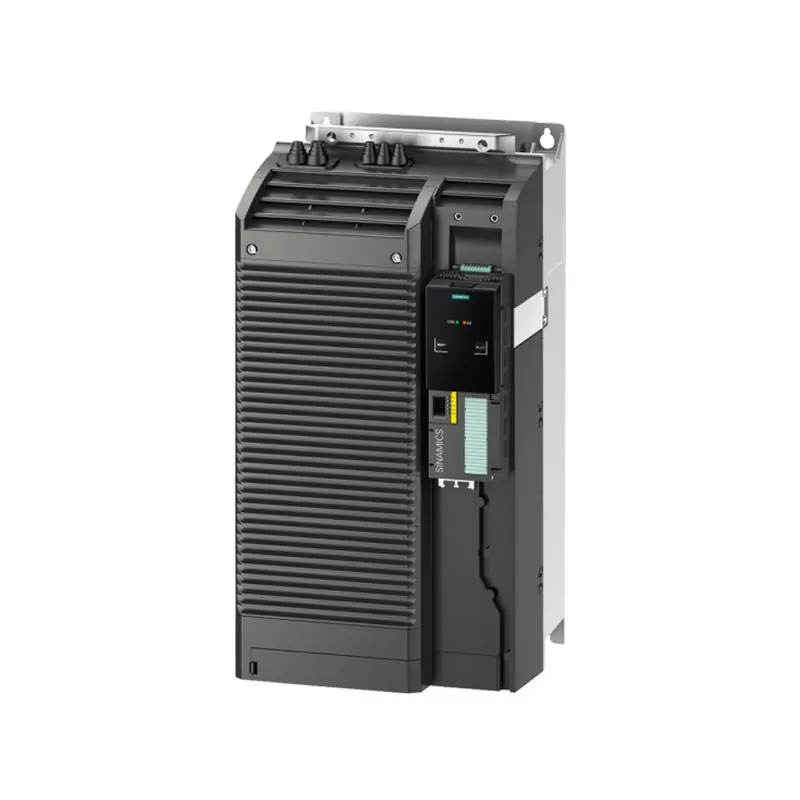 SIEMENS SINAMICS G120 Low Voltage
 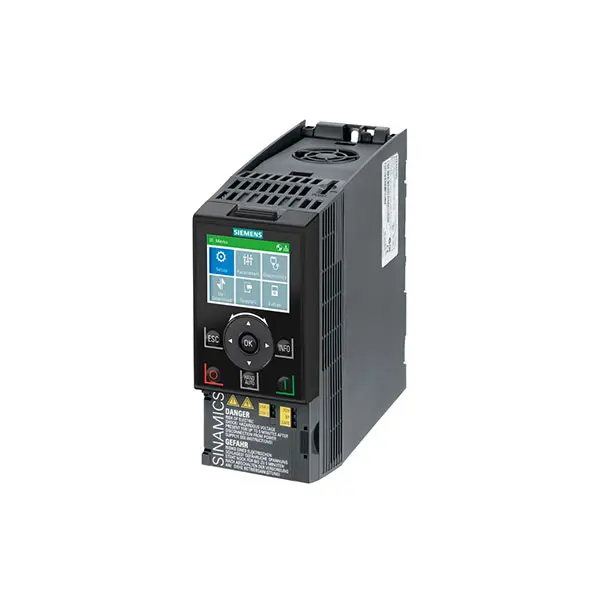 SIEMENS SINAMICS G120C Low Voltage
 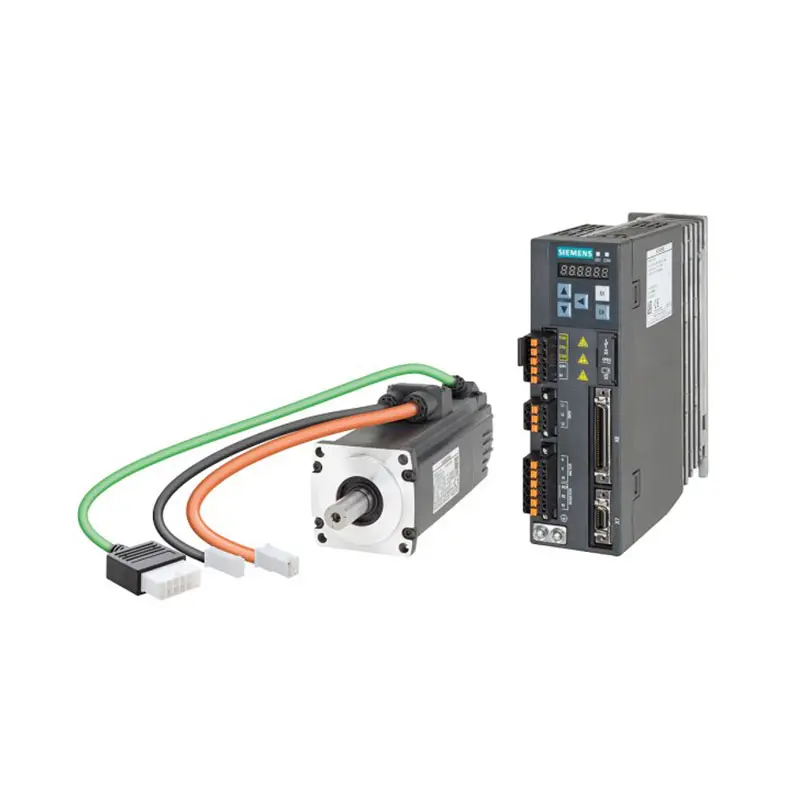 SIEMENS SINAMICS V90
 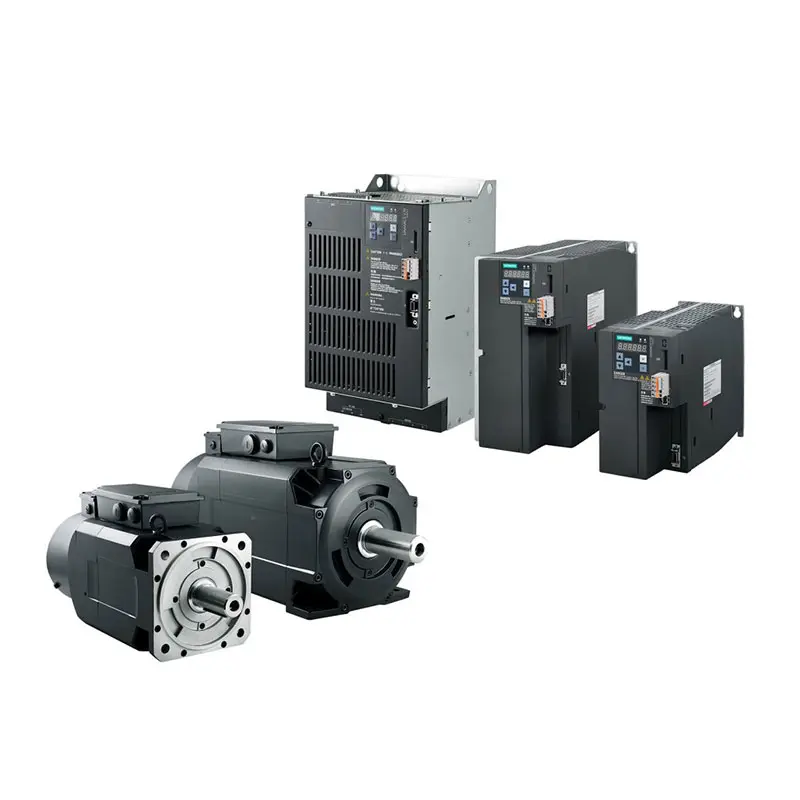 SIEMENS SINAMICS V70 Low Voltage
 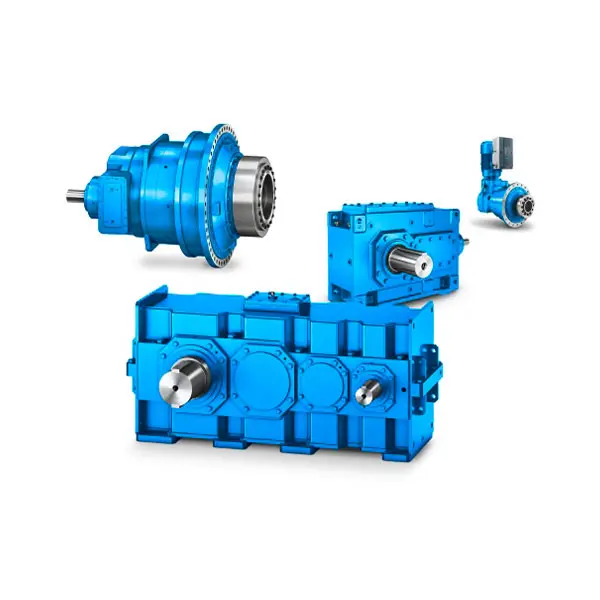 FLENDER Gear Unit
 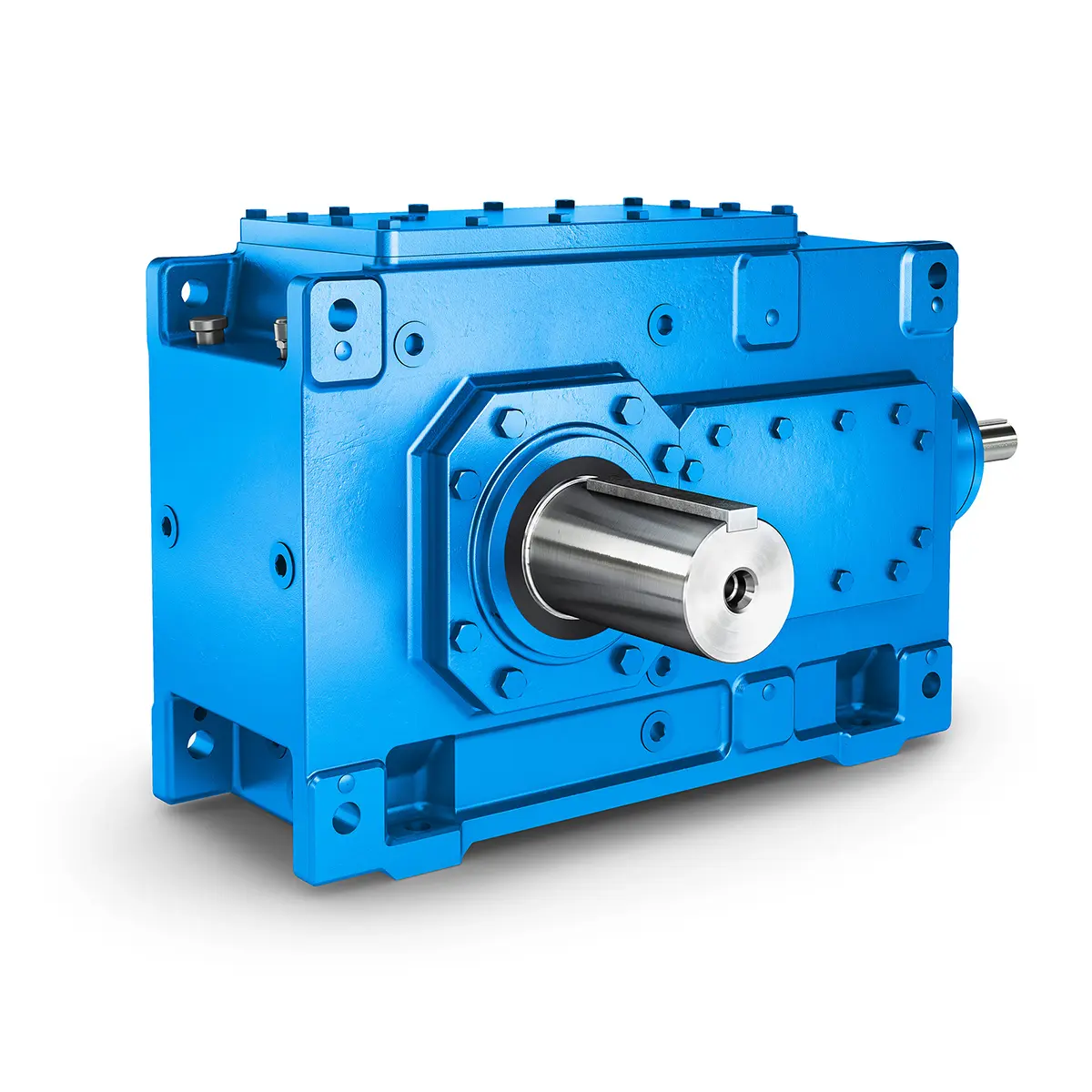 FLENDER Helical Gear Unit
 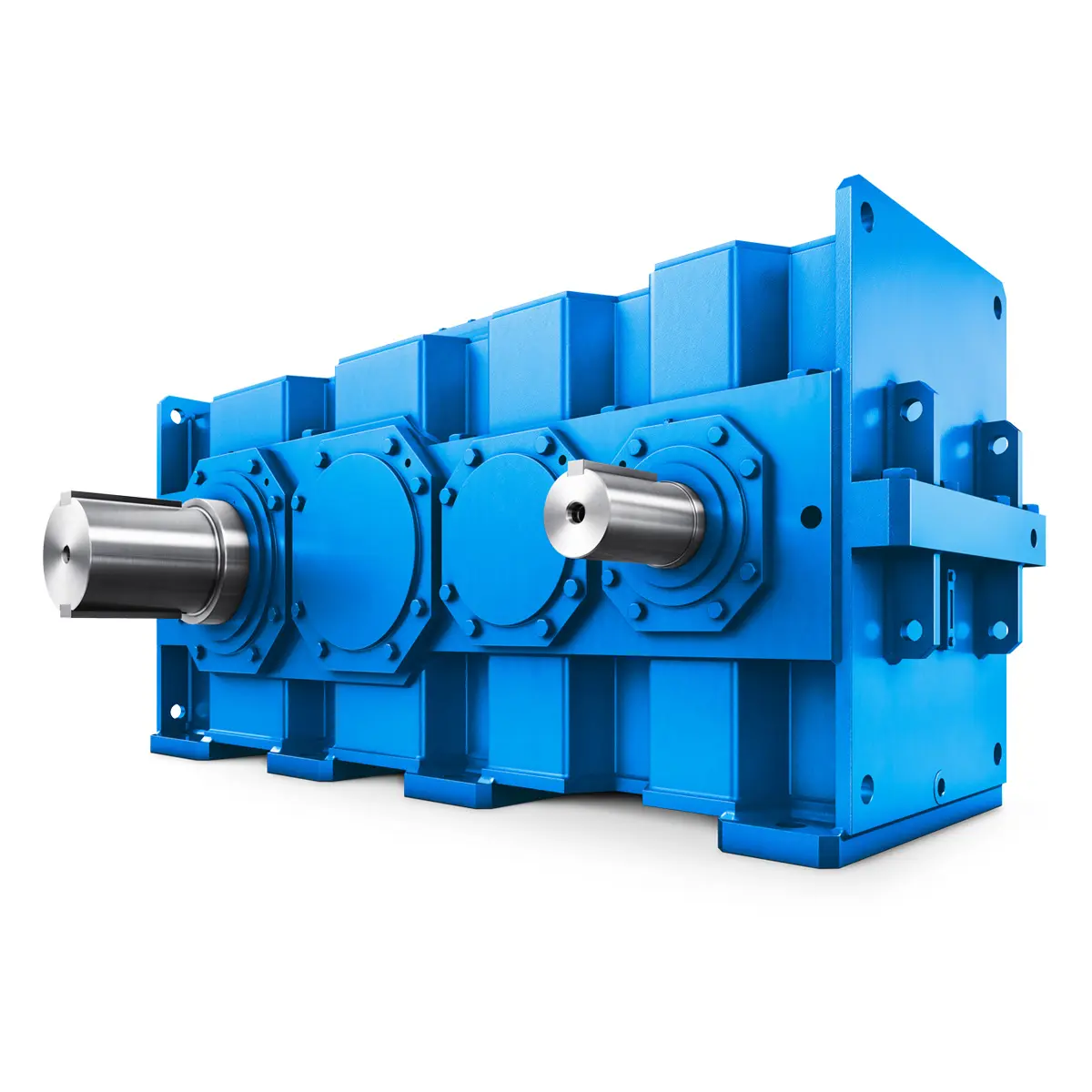 Flender gear units for lifting and luffing gears
 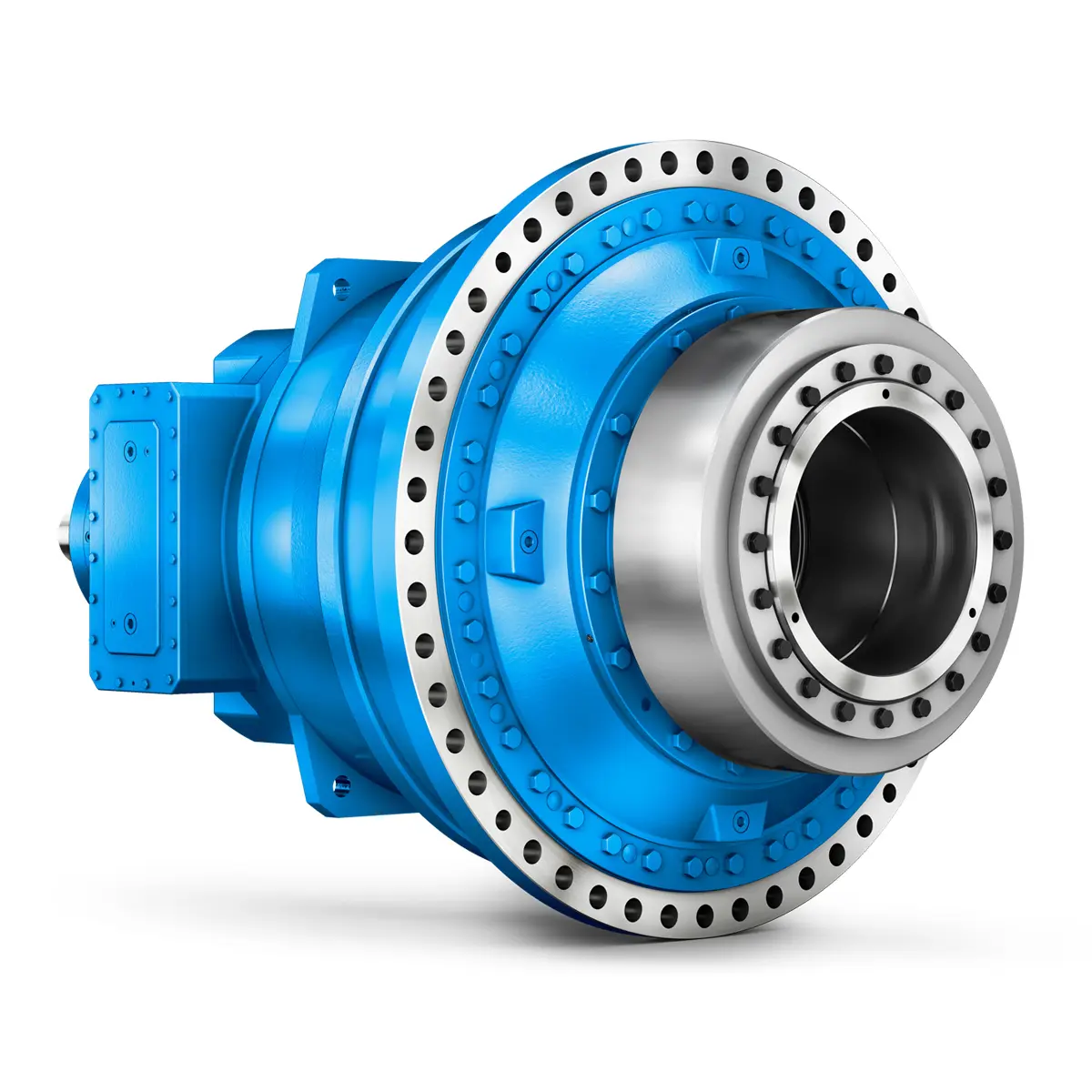 FLENDER Gear Unit gearunit gearbox
 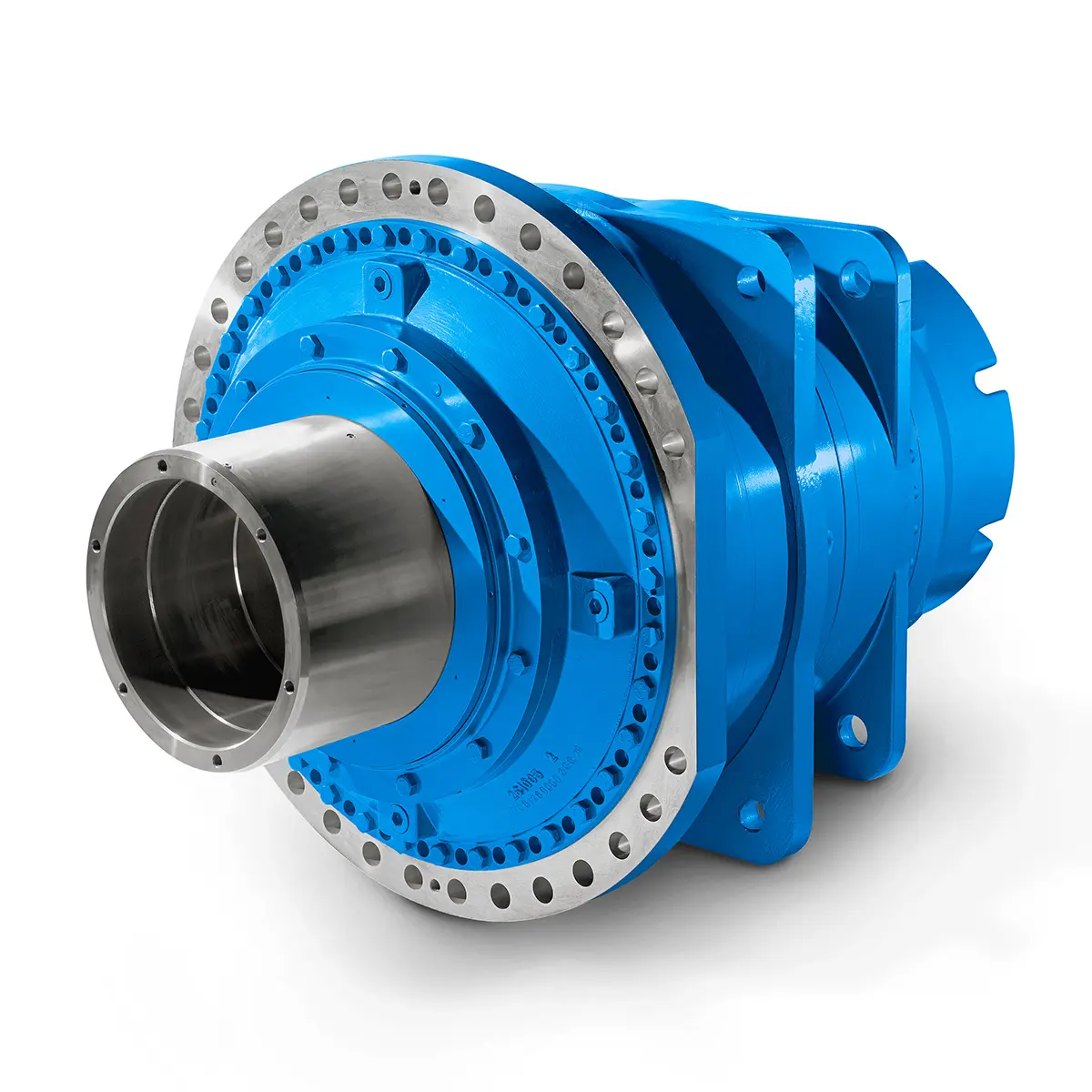 Optimal Drive Solution For Maximum Performance
 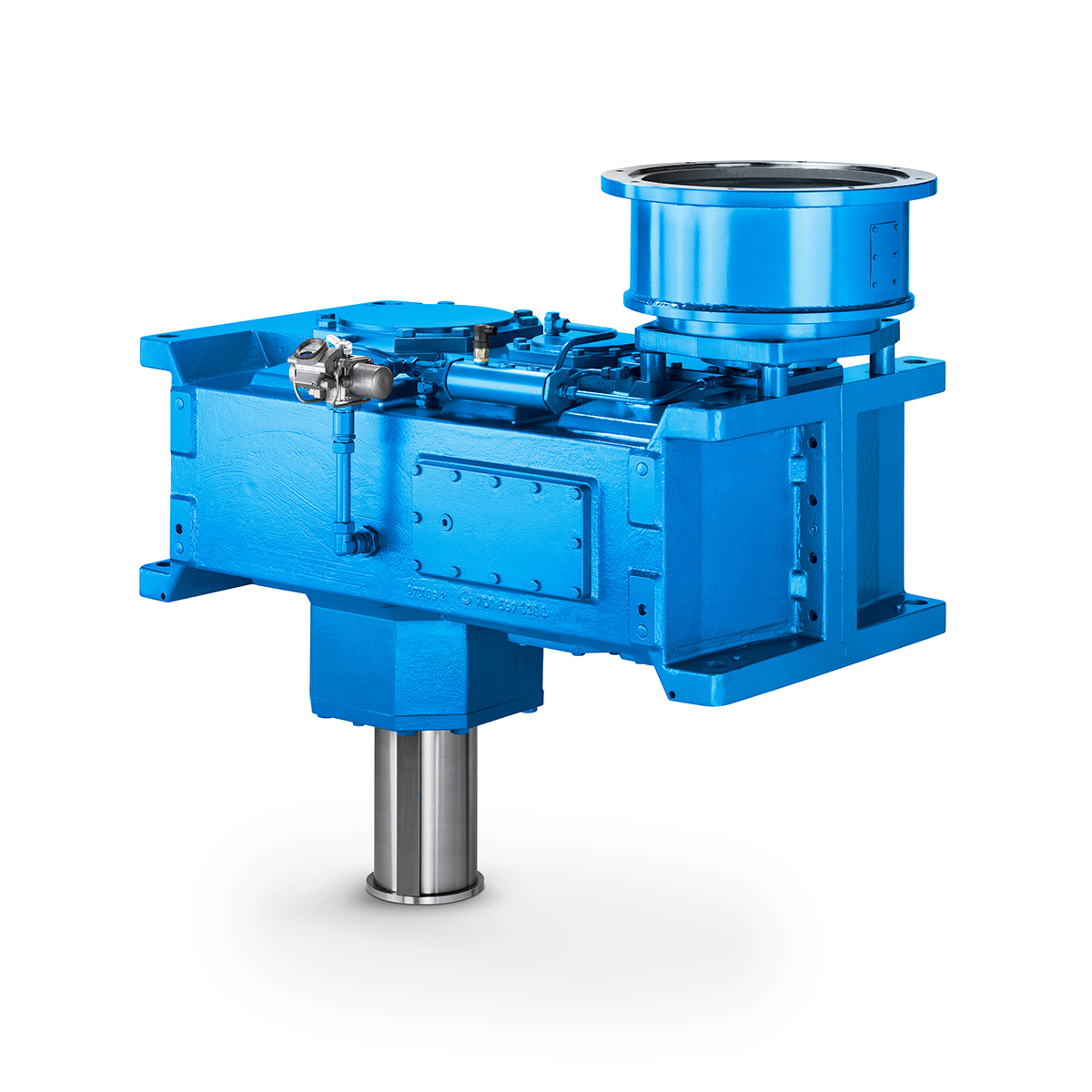 Strongly operating against biodegradable constituents
 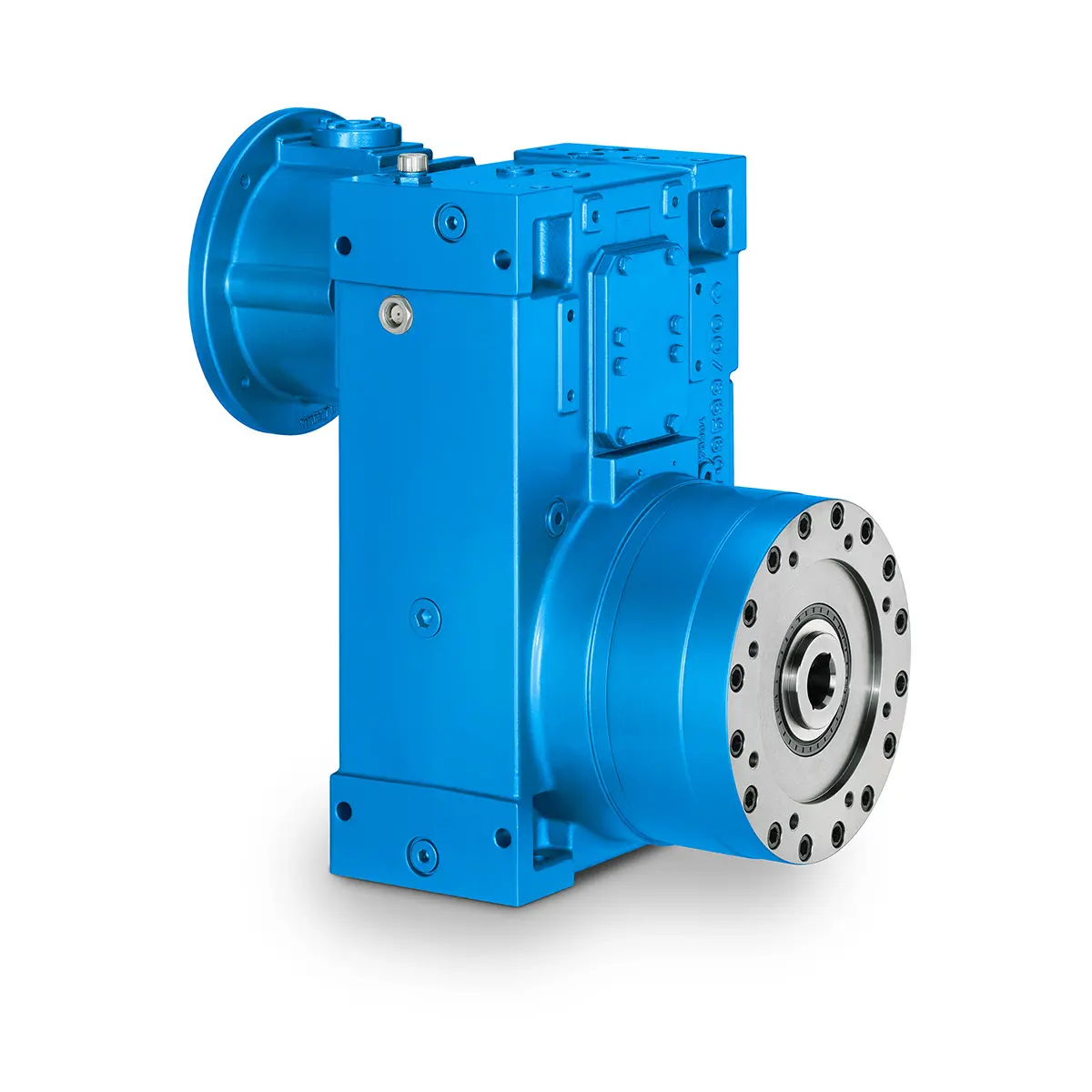 SINGLE SCREW Special industry dedicated gearunit gearbox
 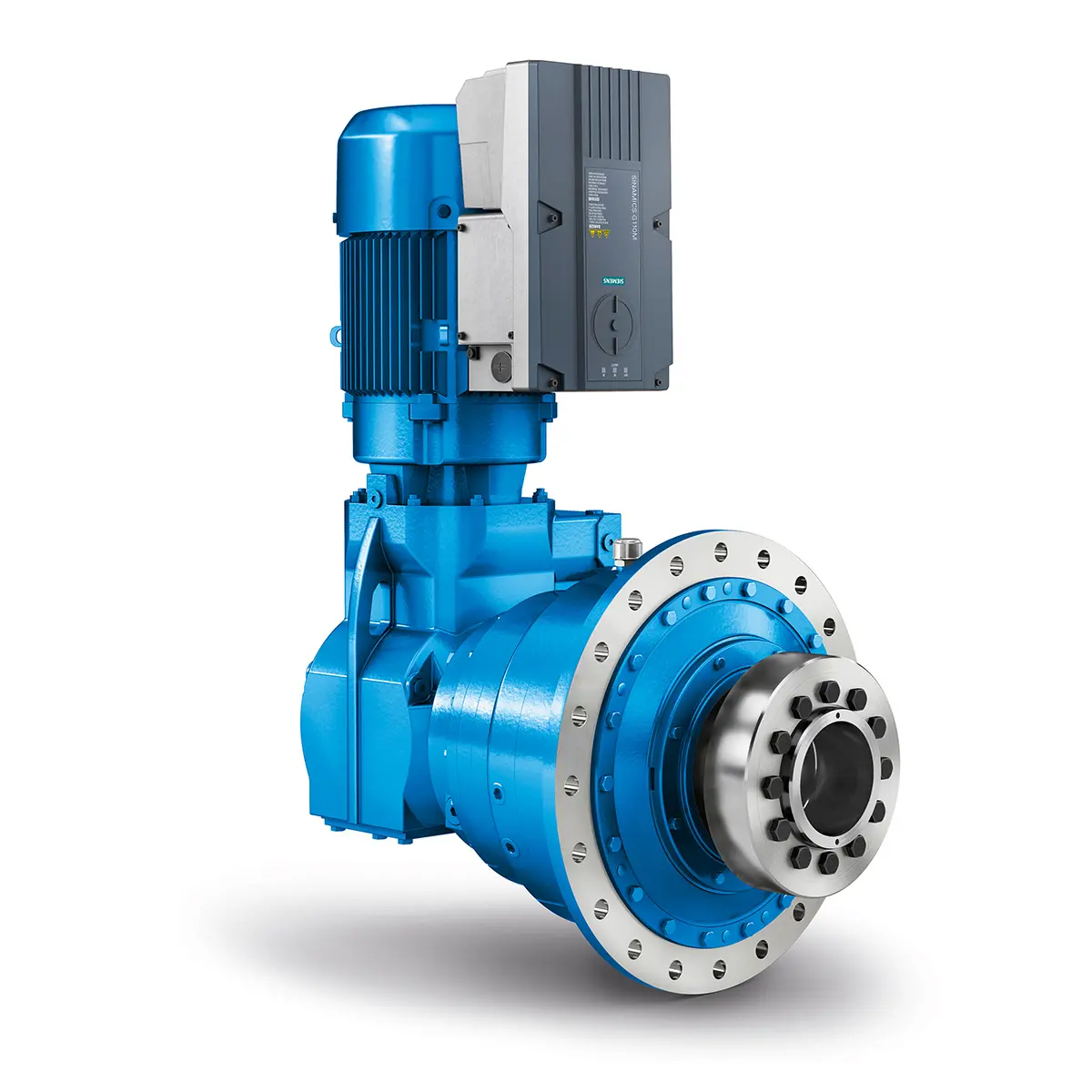 Playmaker In The Premium League
 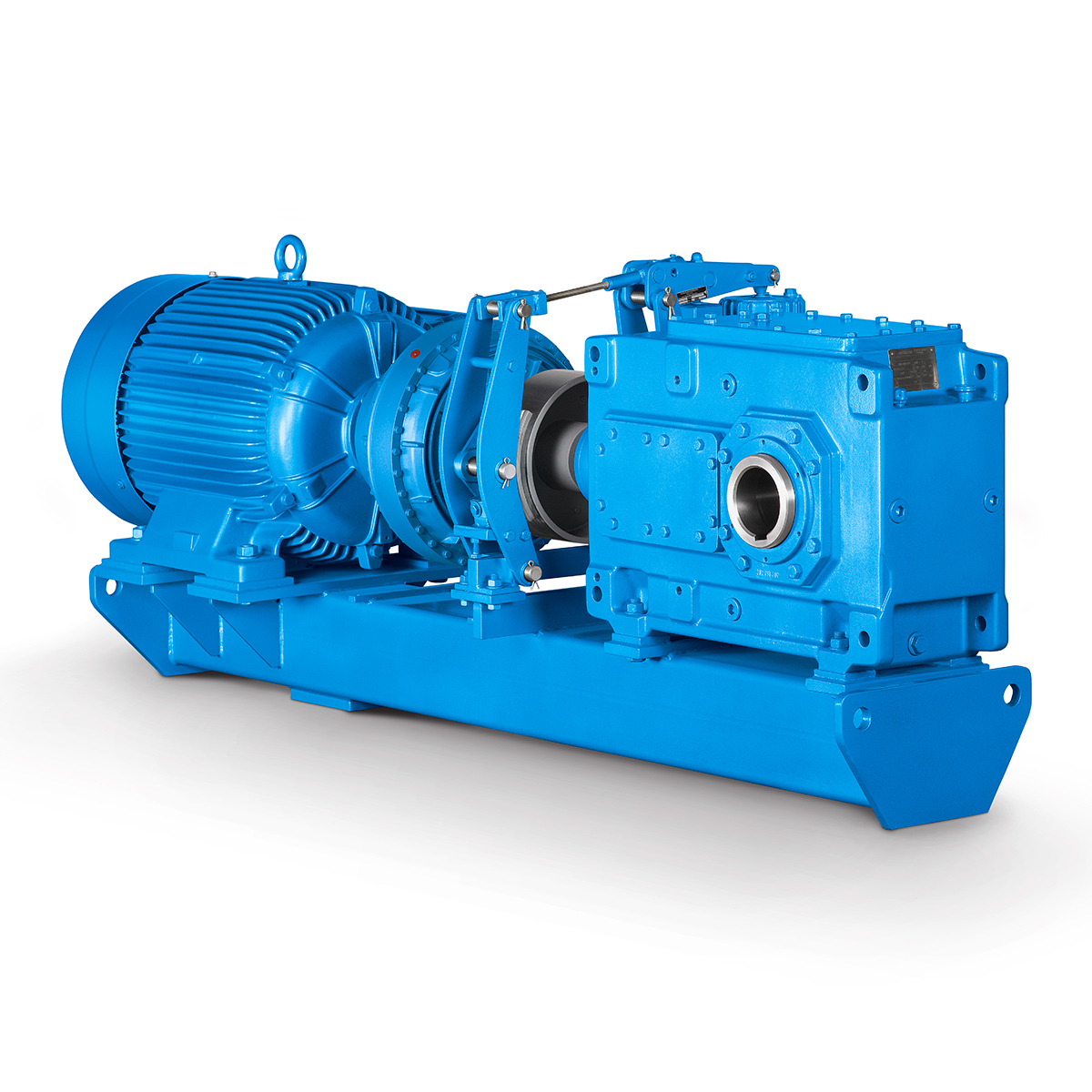 Conveyor belts gearunit gearbox
 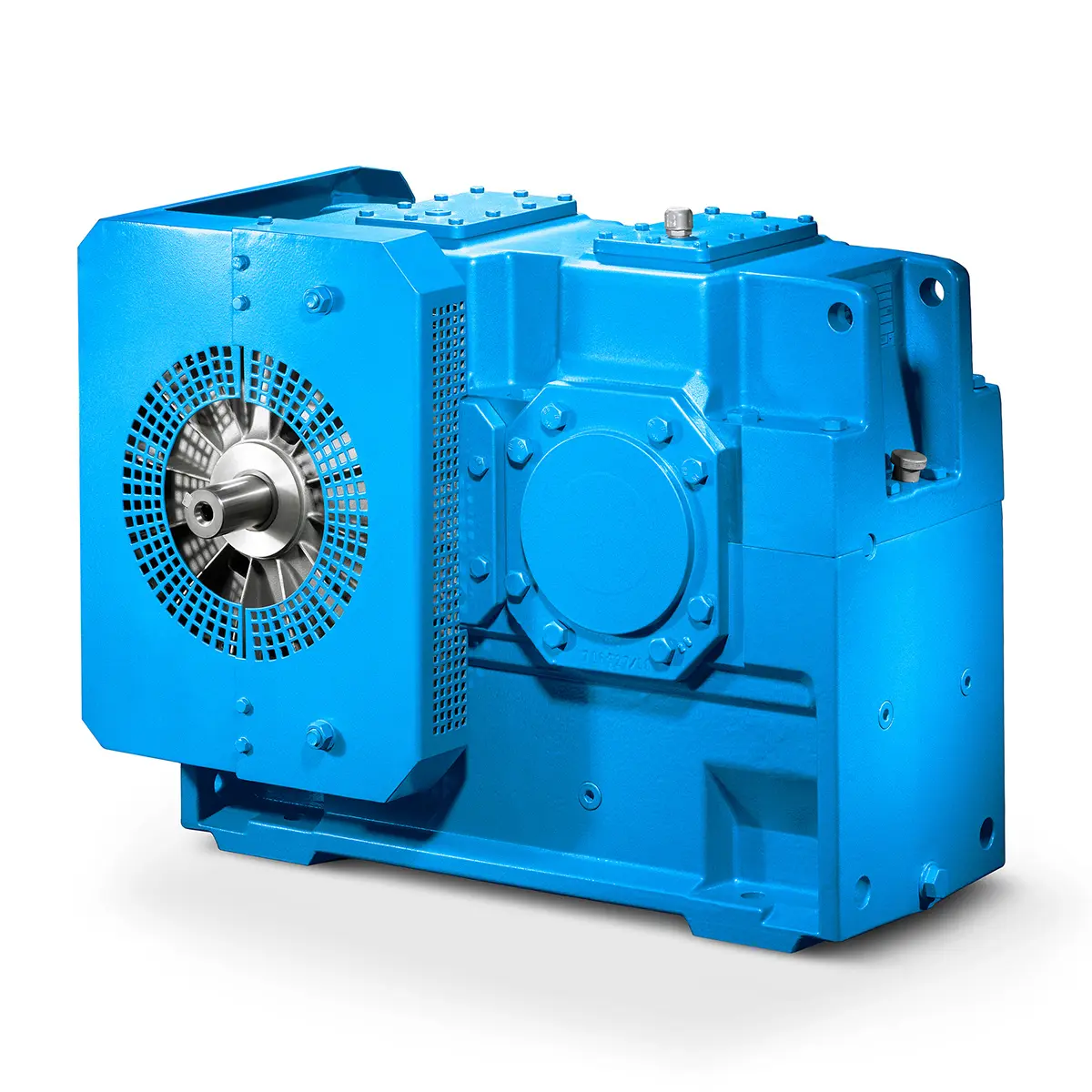 Paper And Pulp Preparation Sections
 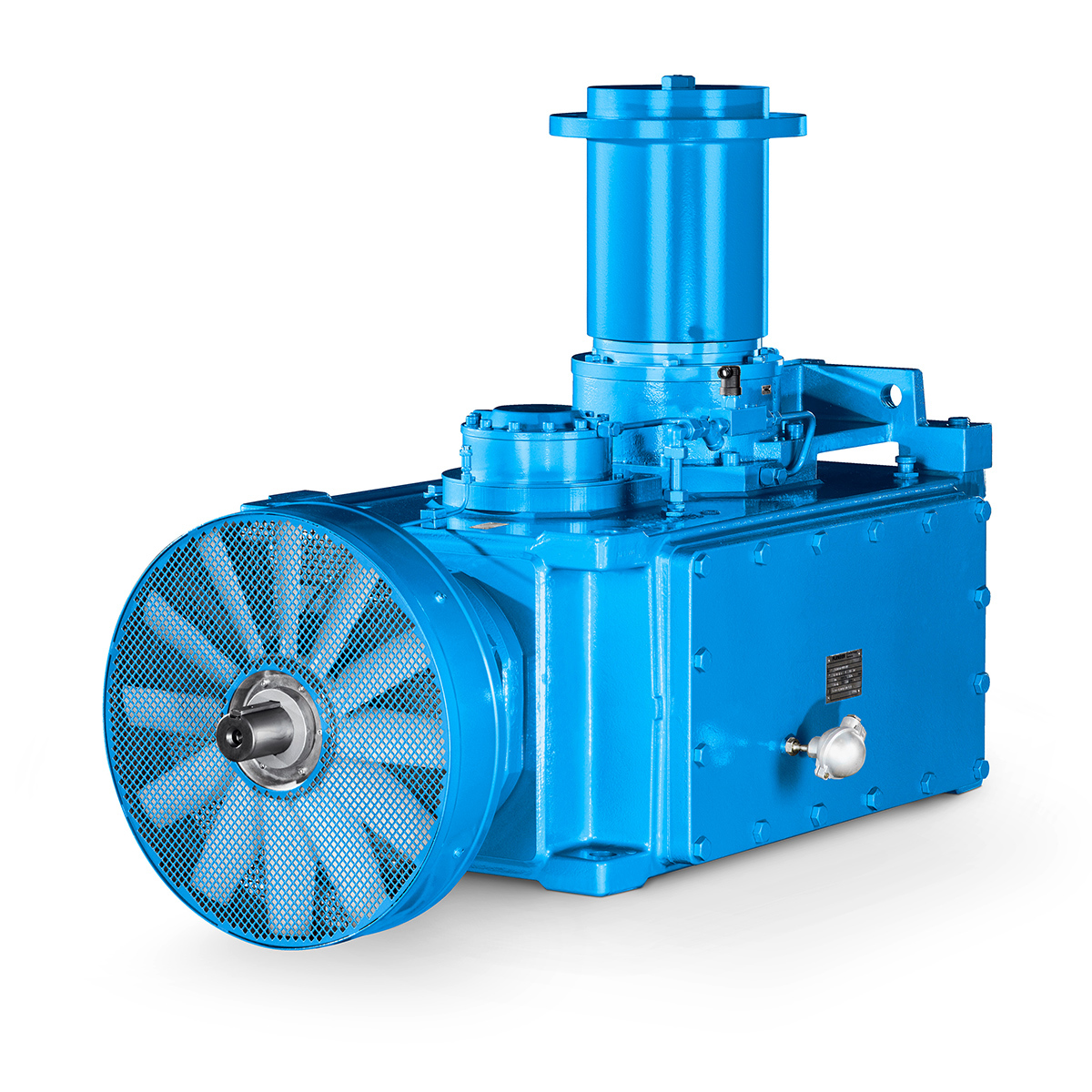 Operational Reliability Even In Case Of The Highest Ventilation Forces
 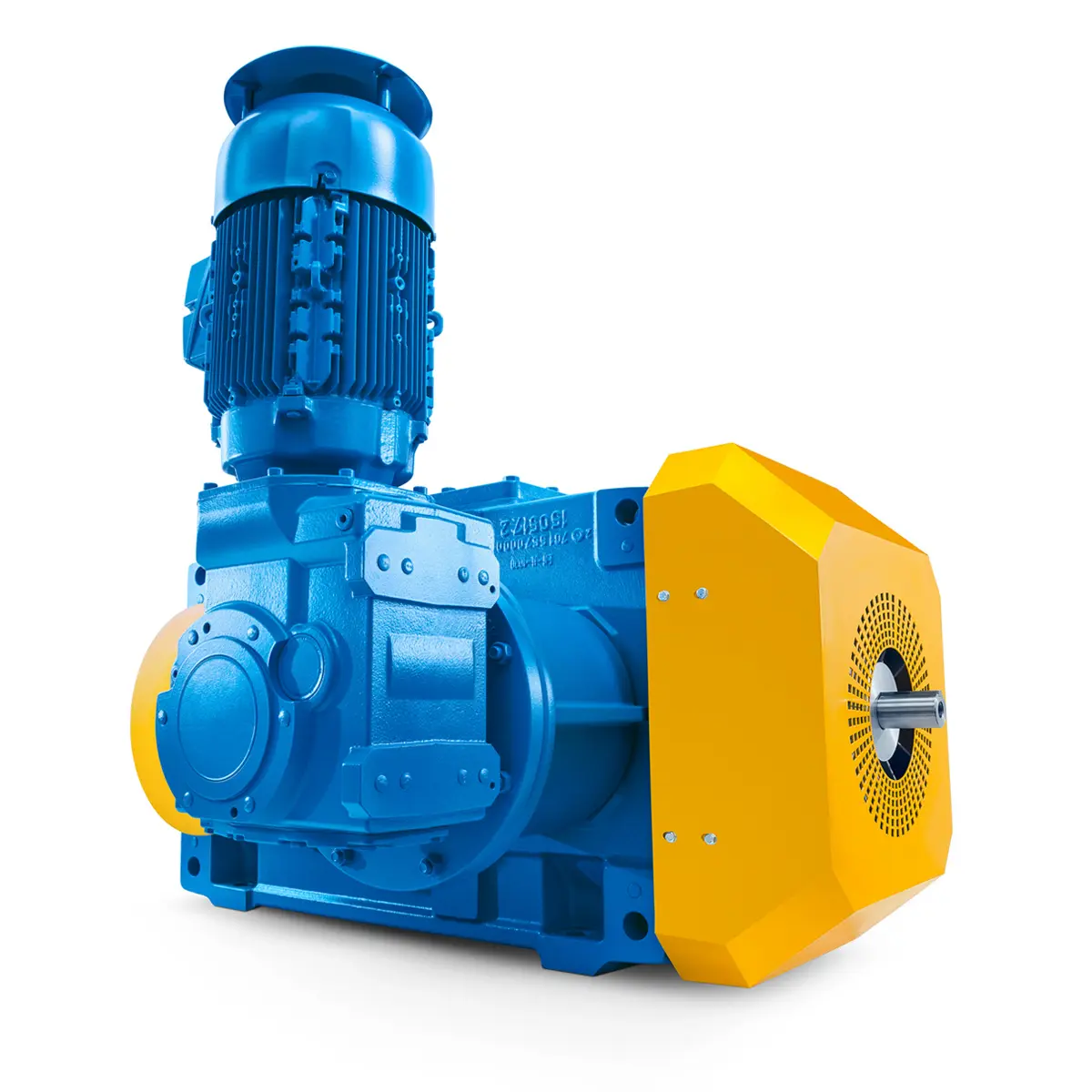 Reliable Gear Units For High Performance Vertical Conveyors 59/200
 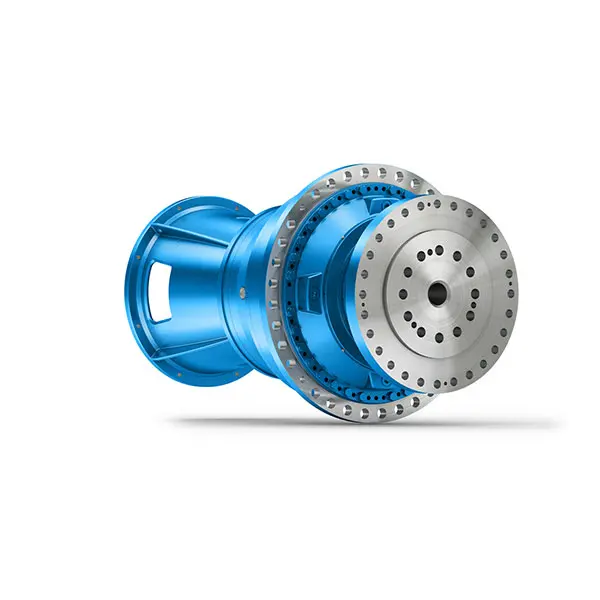 Maximum power density – PLANUREX 3 L individual drives for your sugar cane mill
 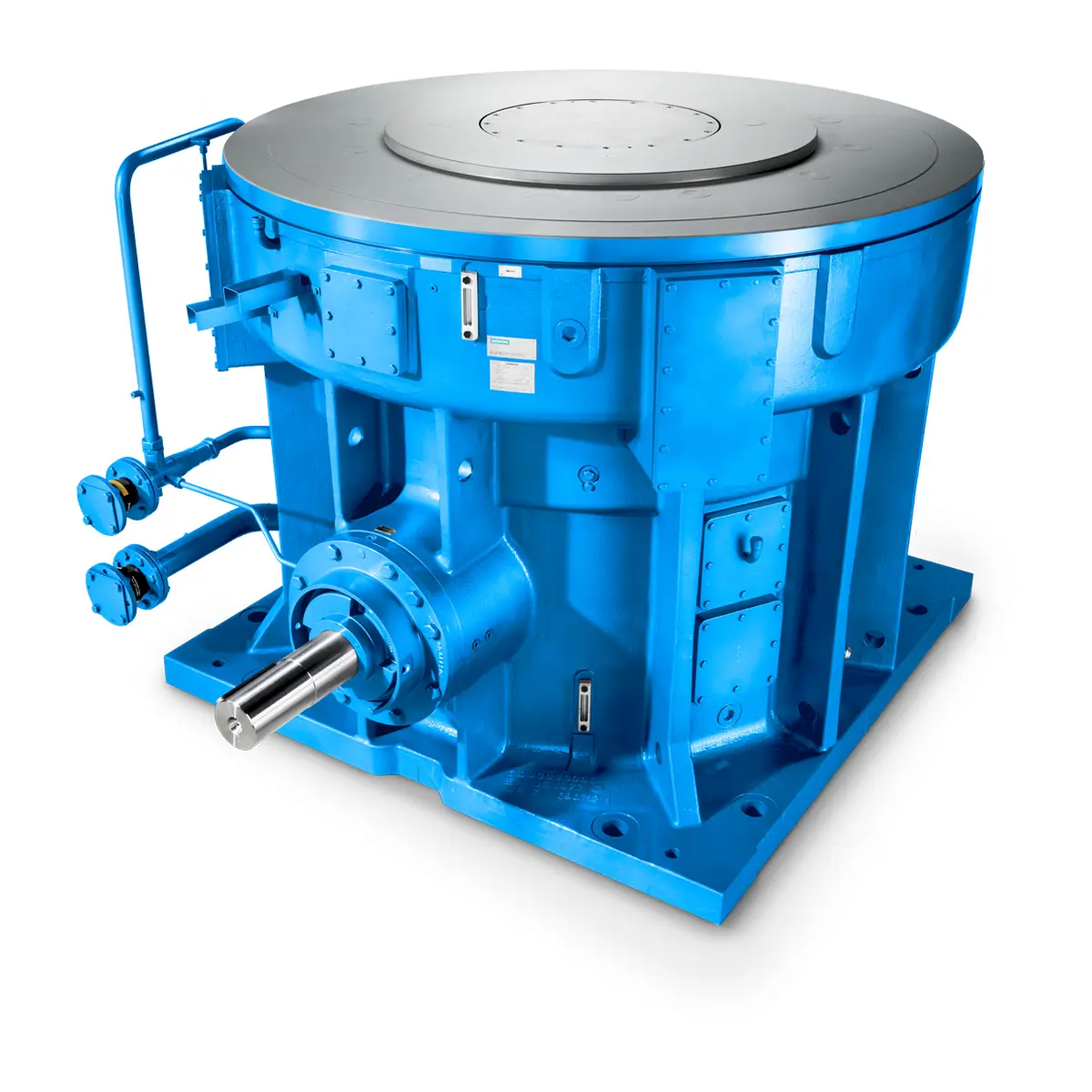 The proven all rounder gearunit gearbox
 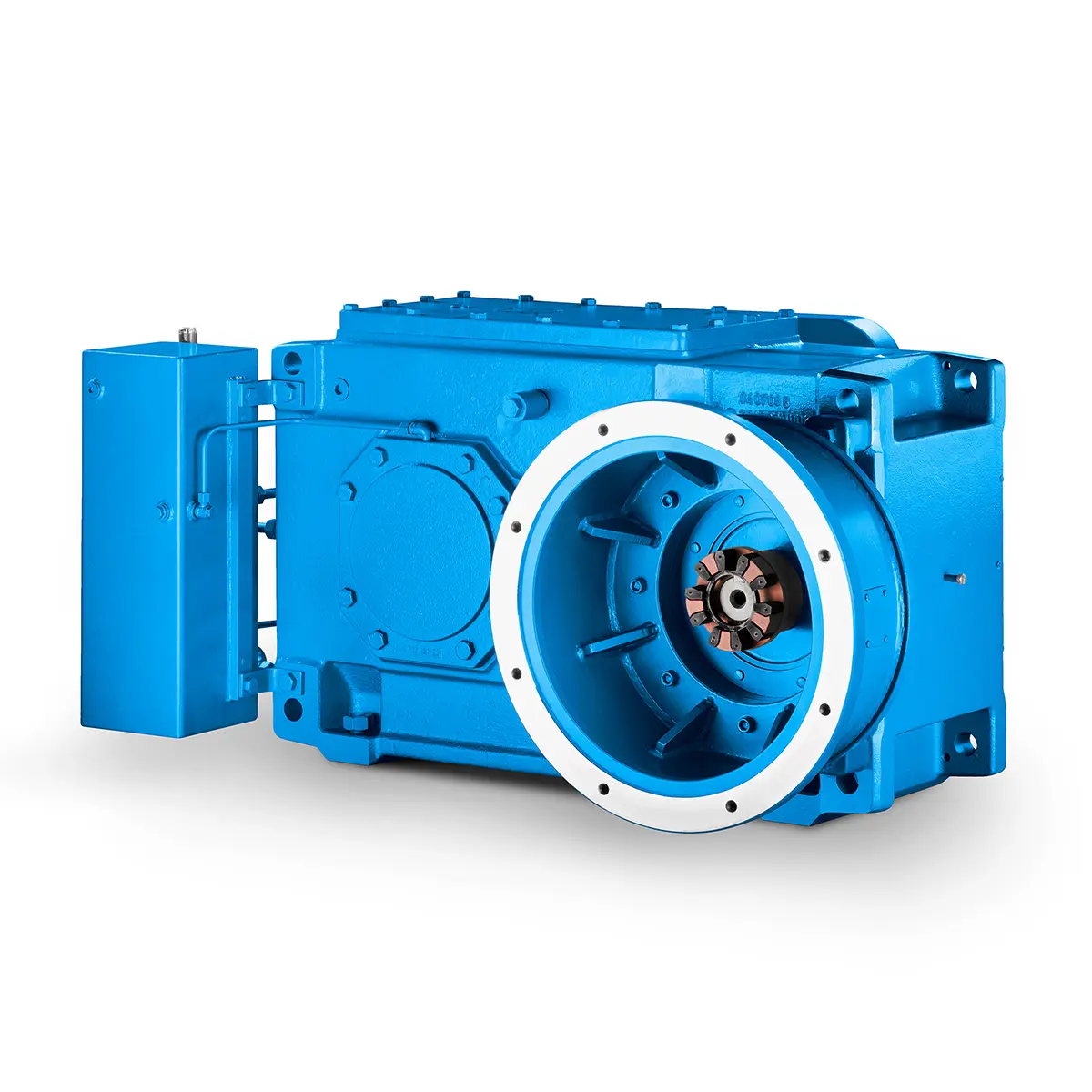 Stirs and stirs and stirs gearunit gearbox
 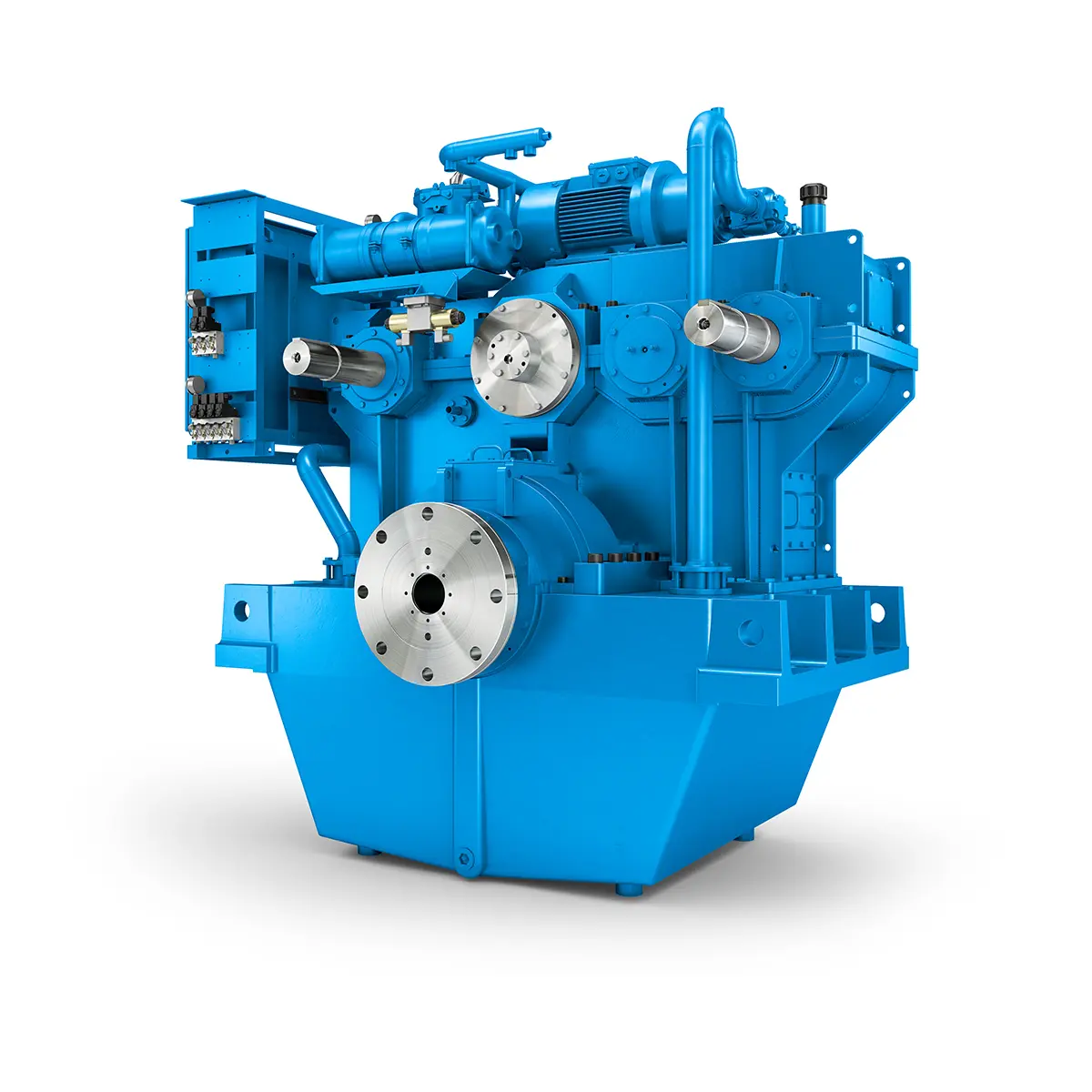 Flexibility on Board gearunit gearbox
 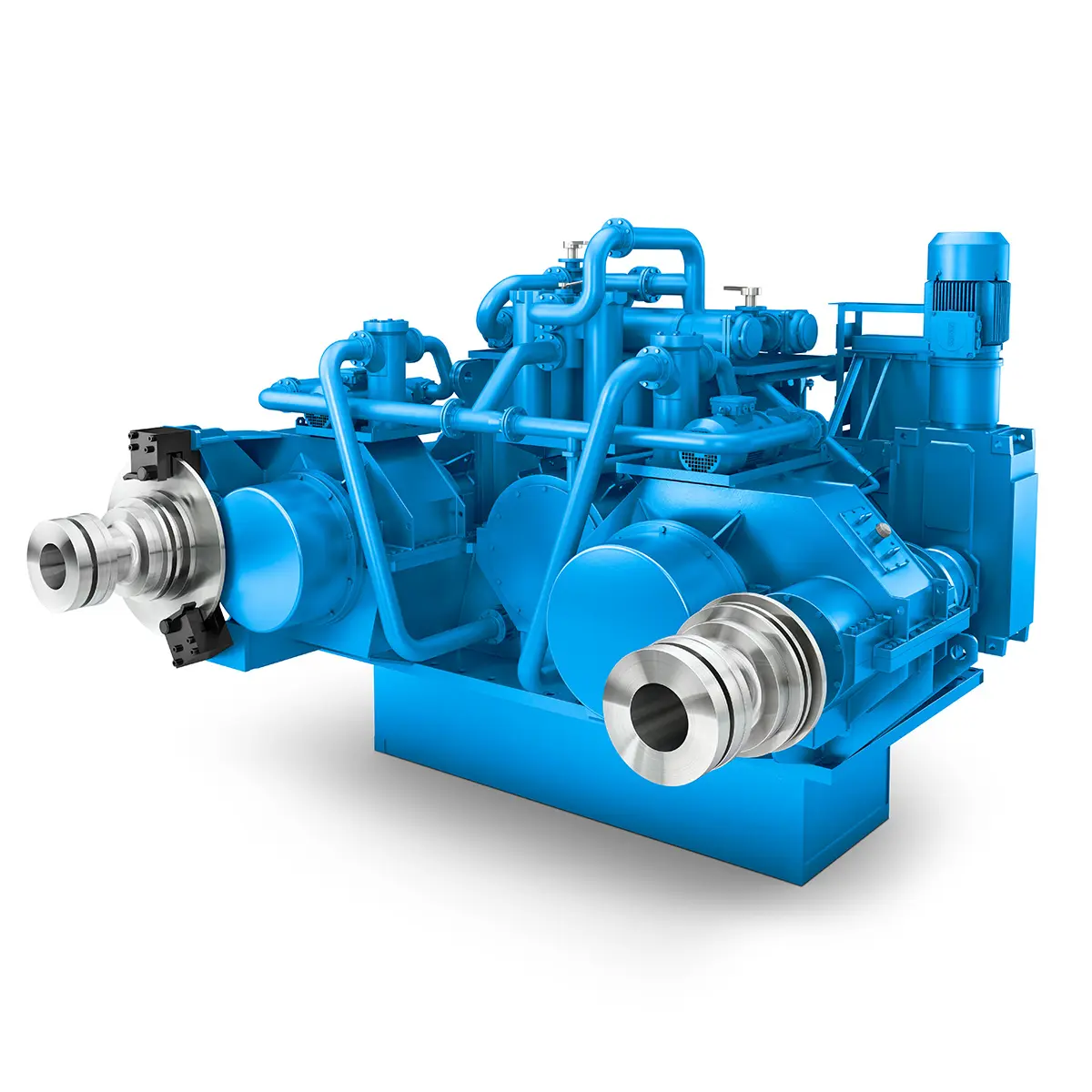 The right gearbox for all Multi-Engine Ships
 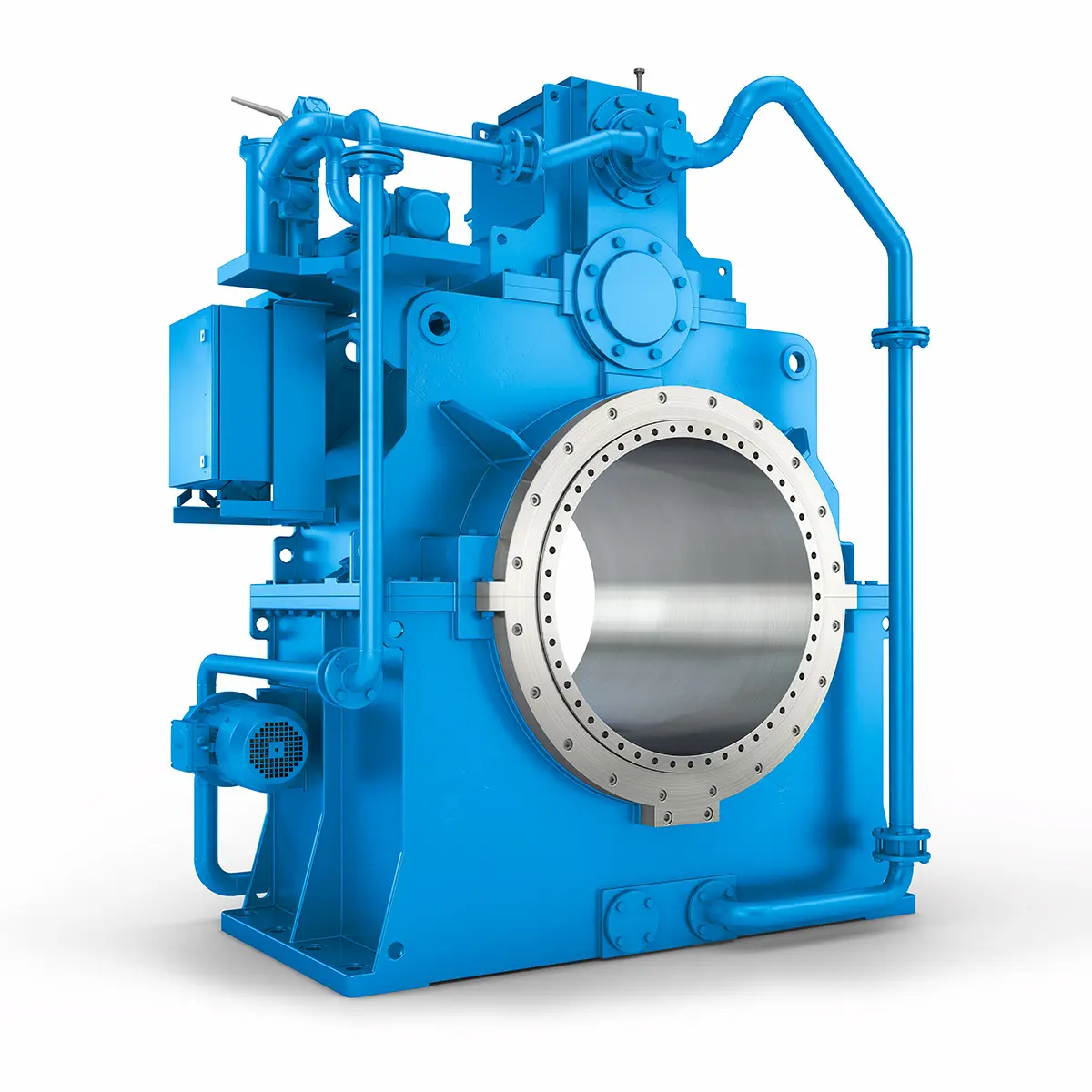 Reliable Power Generation on board
 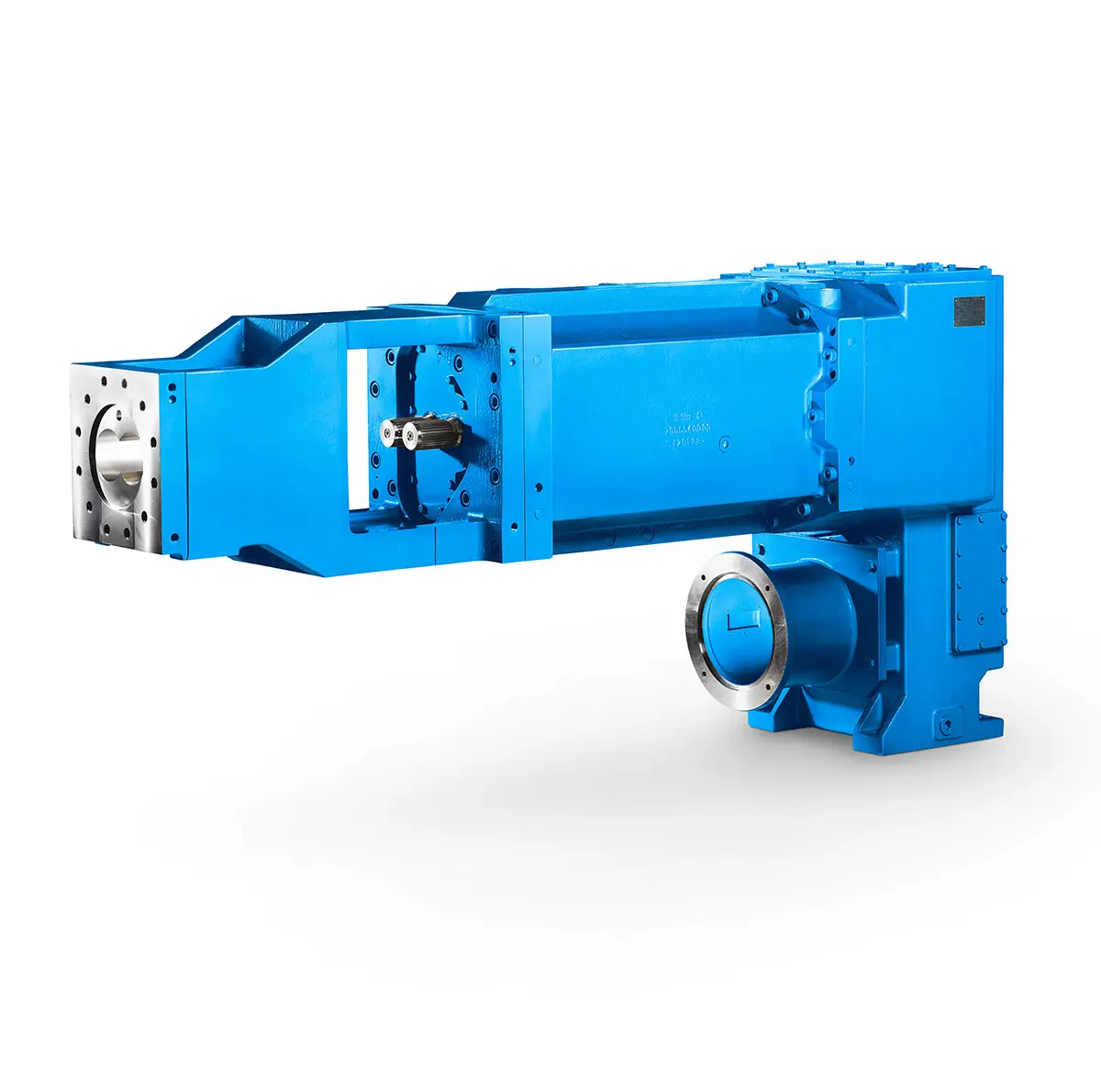 Maximum performance level, fast deliverable
 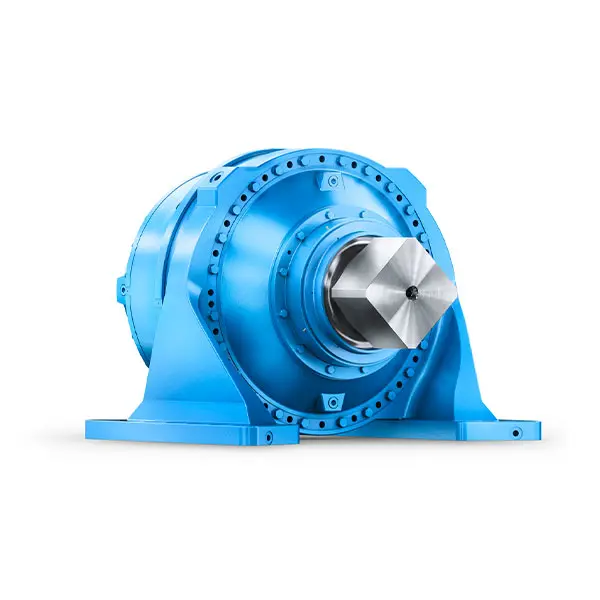 Efficient and compact – FLENDER Gear Units for Sugar Mills
 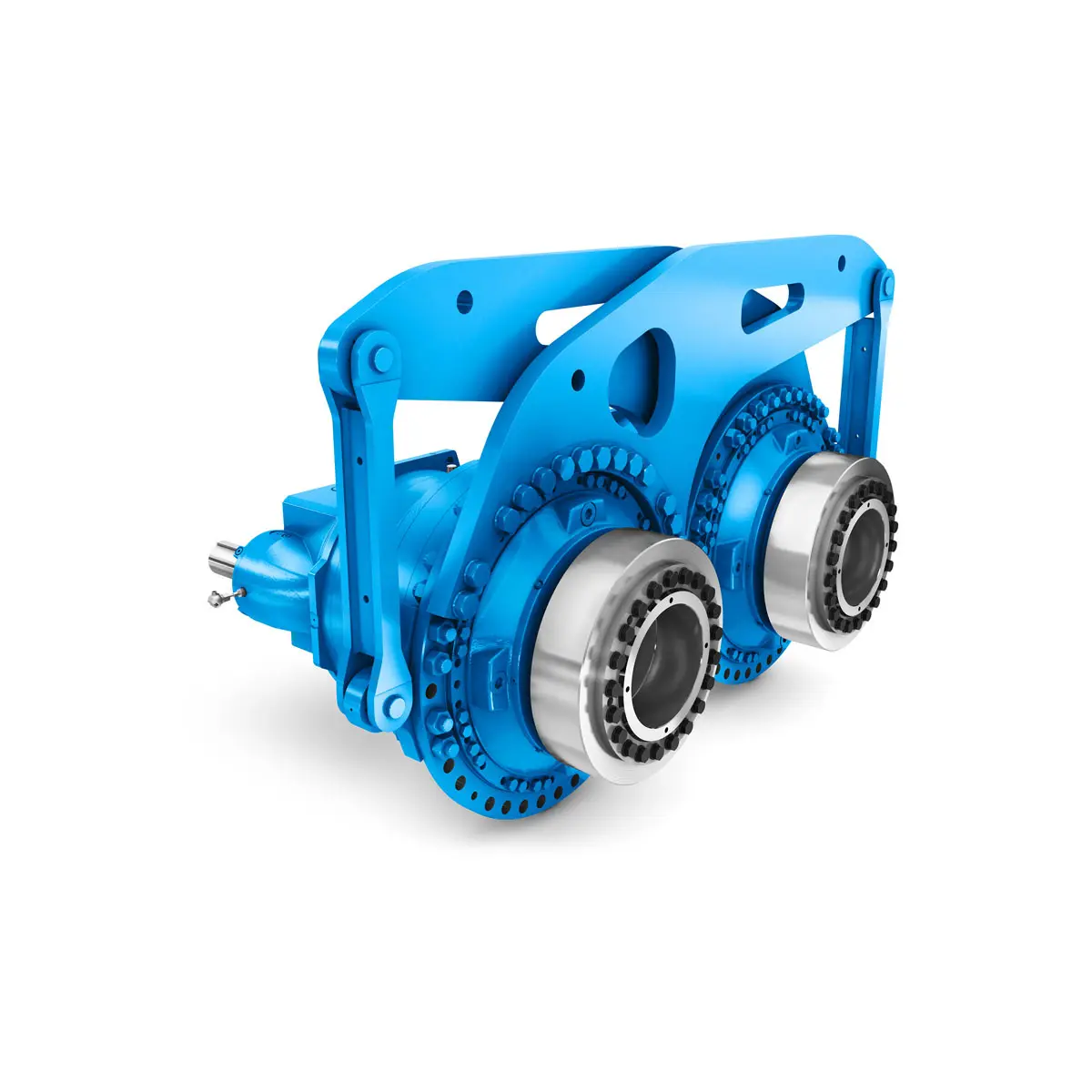 Extremely strong. Extremely compact. Extremely stressable.
 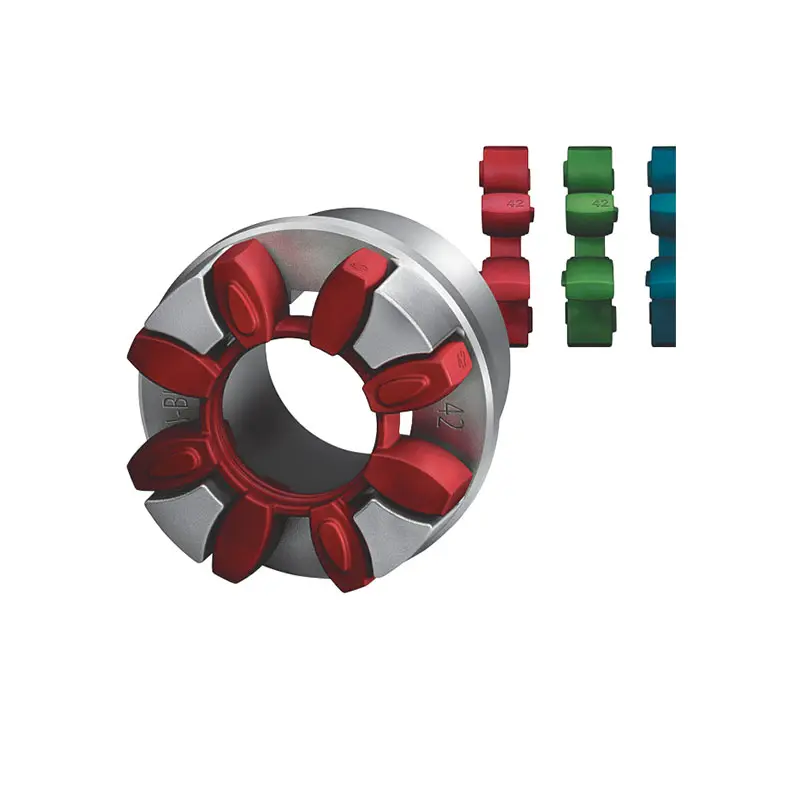 FLENDER Coupling
 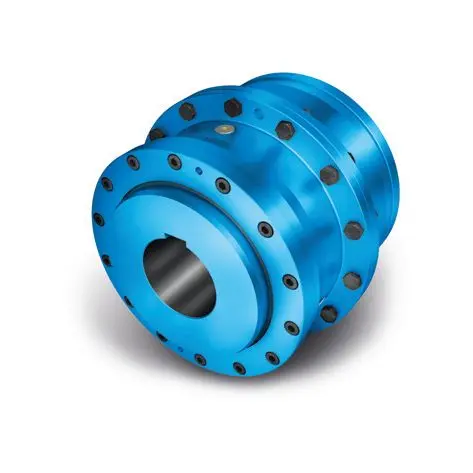 ZAPEX ZW Torsionally Rigid Gear Coupling
 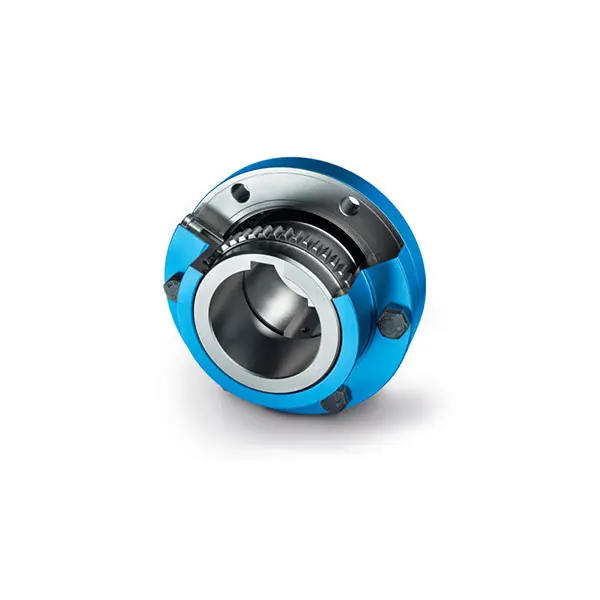 ZAPEX ZN Torsionally Rigid Gear Coupling
 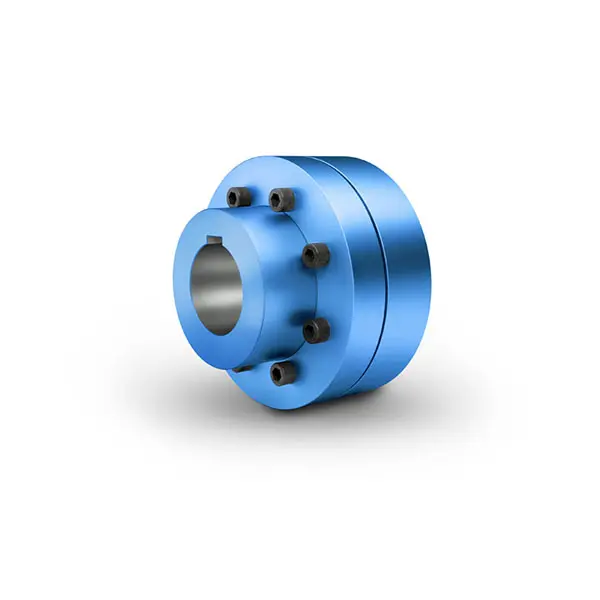 N-EUPEX Flexible high performance Coupling
 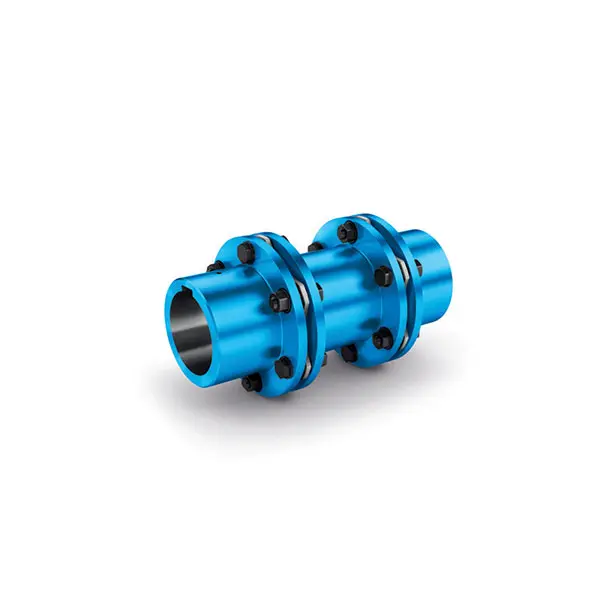 N-ARPEX Torsionally Rigid All-Steel Coupling
 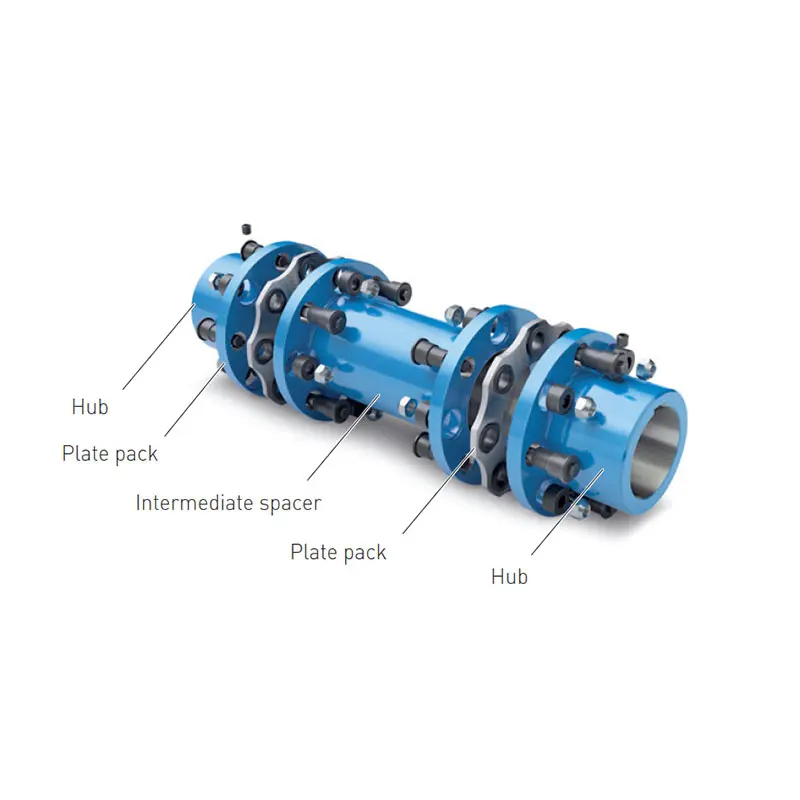 ARPEX Torsionally Rigid All-Steel Coupling Spare and Parts
 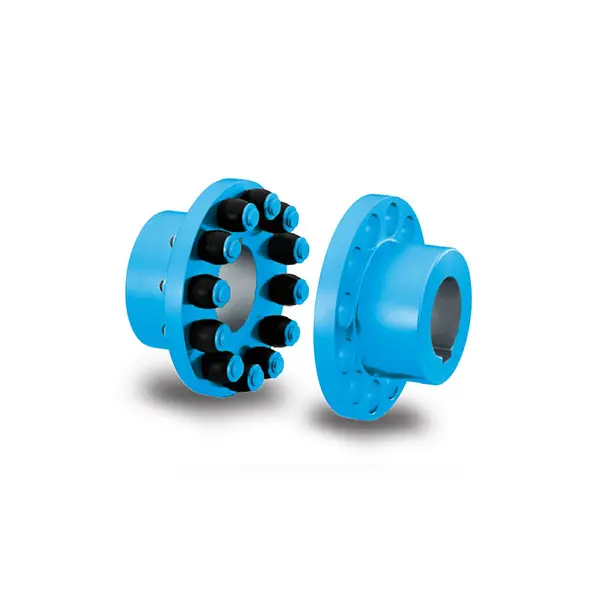 RUPEX Flexible high performance Coupling
 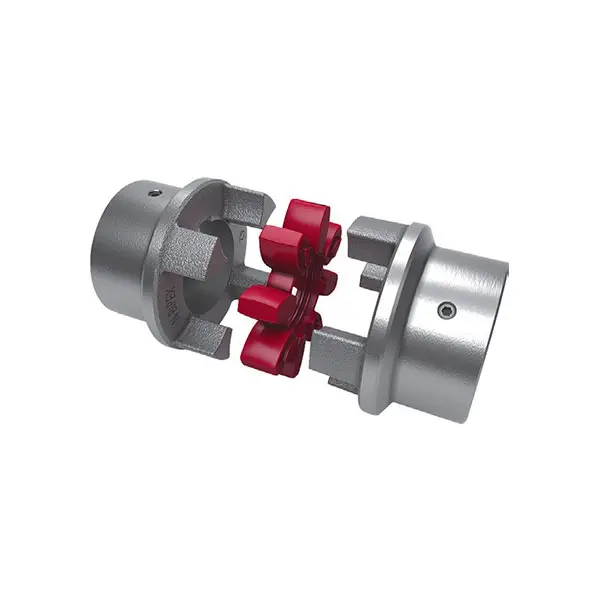 N BIPEX Flexible high performance coupling
 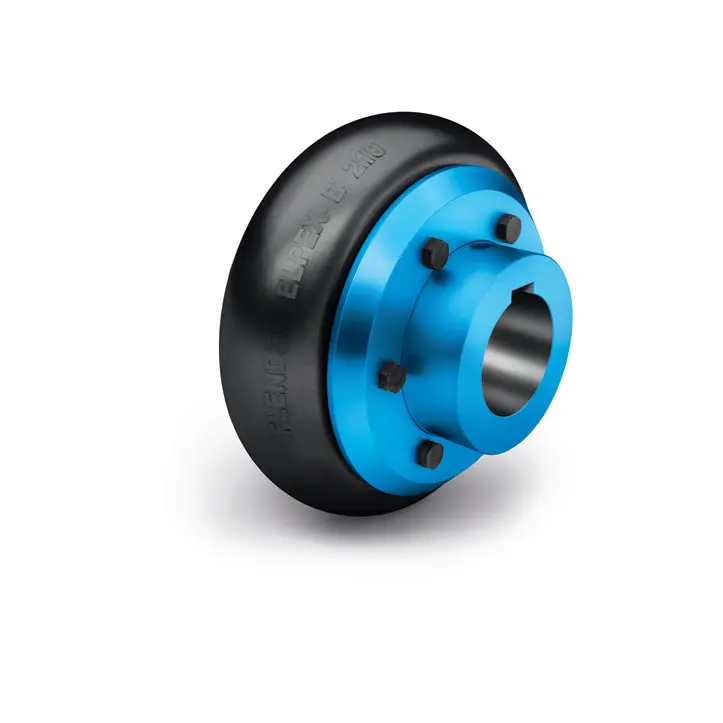 ELPEX B Highly Flexible Coupling
 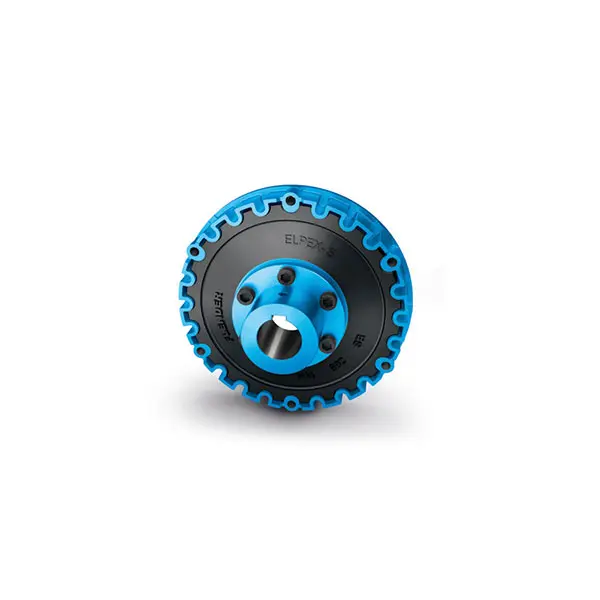 ELPEX S Highly Flexible Coupling high performance
 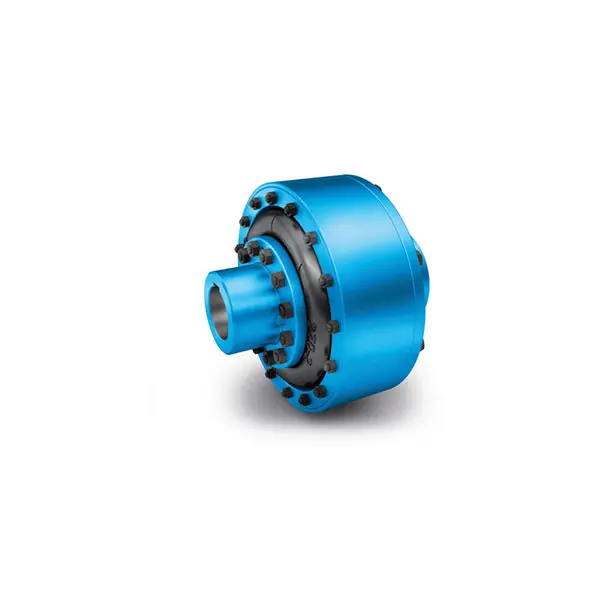 ELPEX Highly Flexible Coupling high performance
 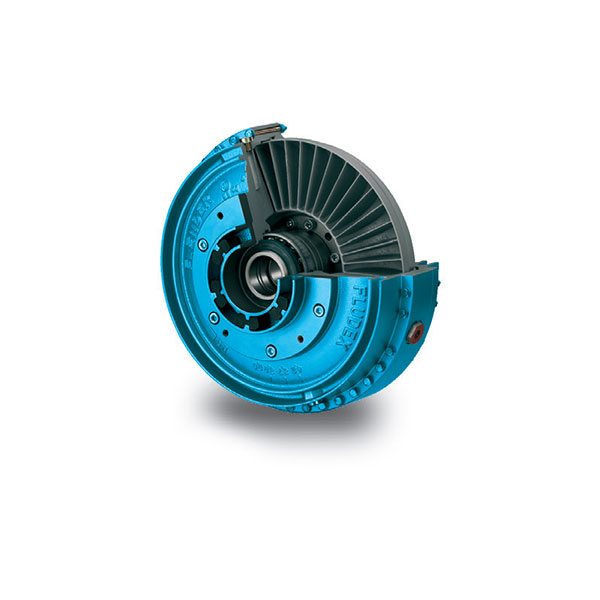 FLUDEX Fluid Coupling high performance
 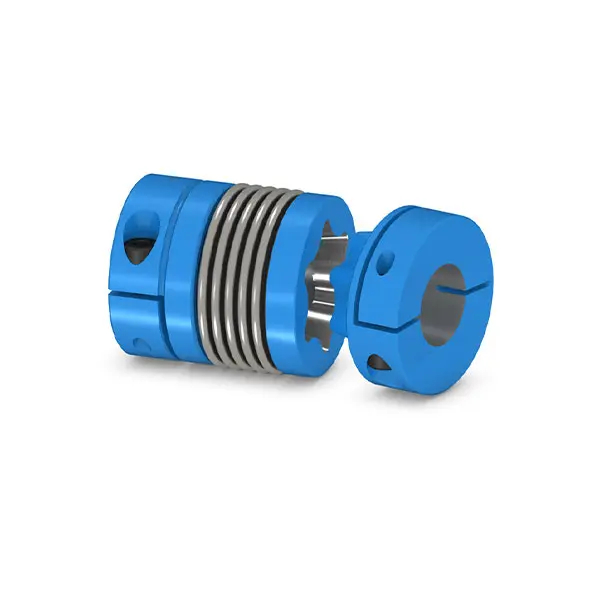 SIPEX Backlash free Coupling high performance
 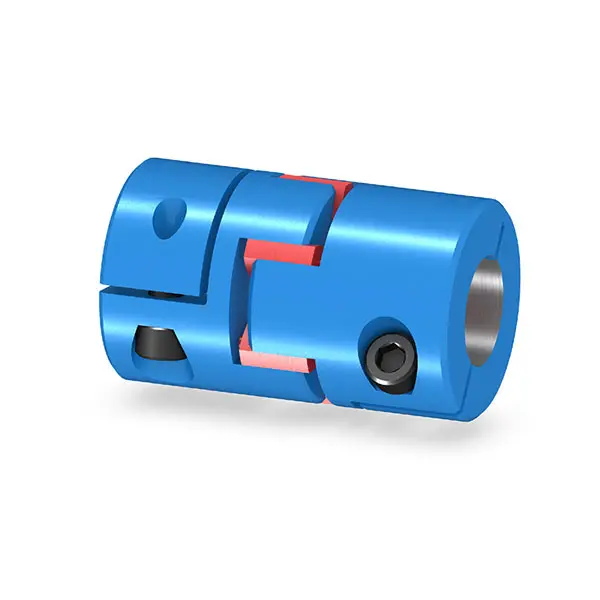 BIPEX S Backlash free Coupling high performance
 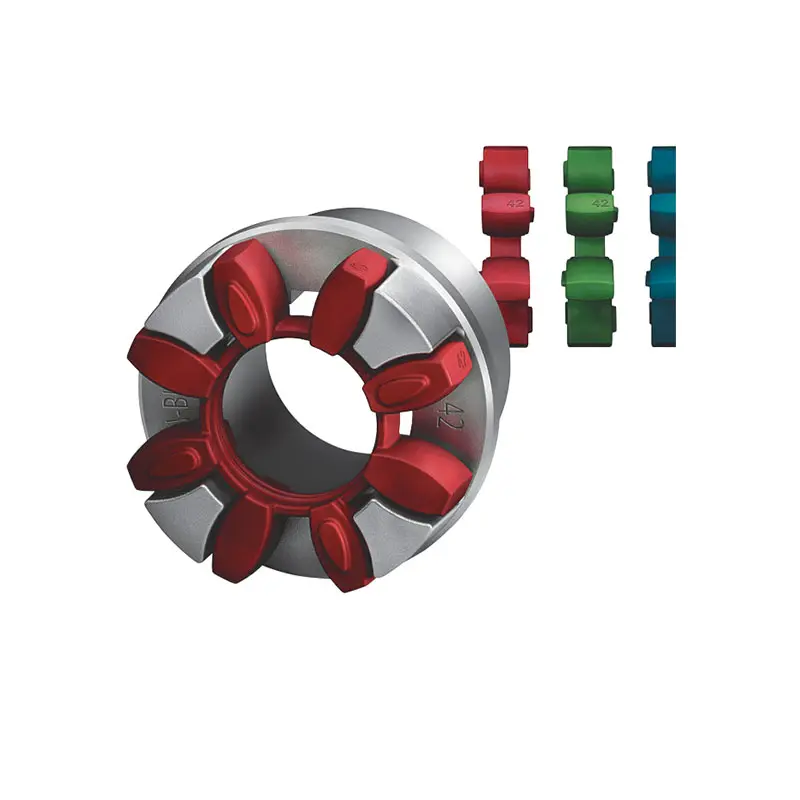 FLENDER Coupling Spare Parts high performance
 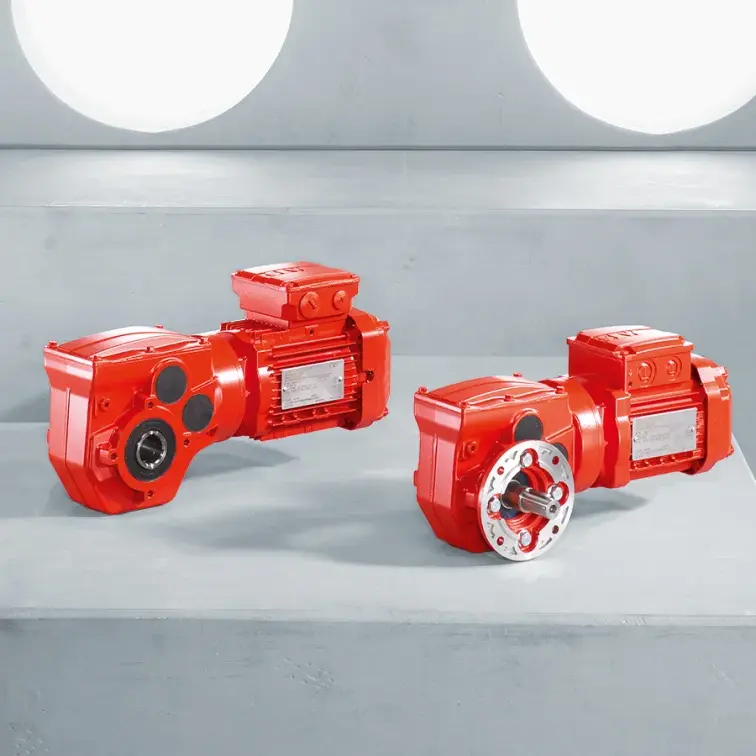 SEW Gearmotor
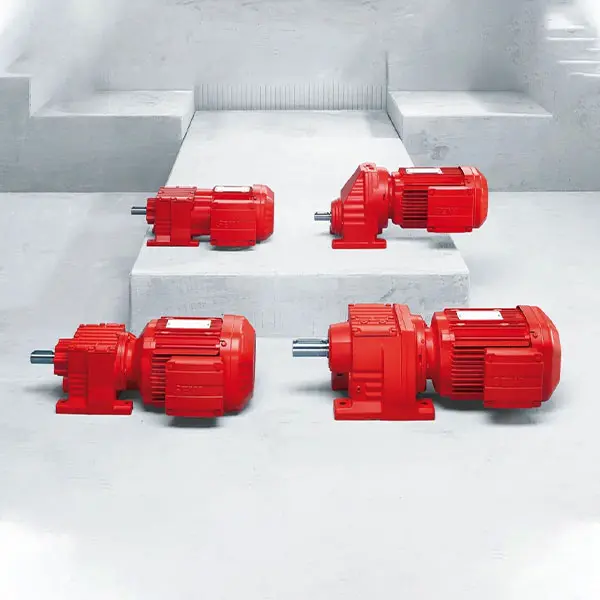 R Series Helical Gearmotor low voltage
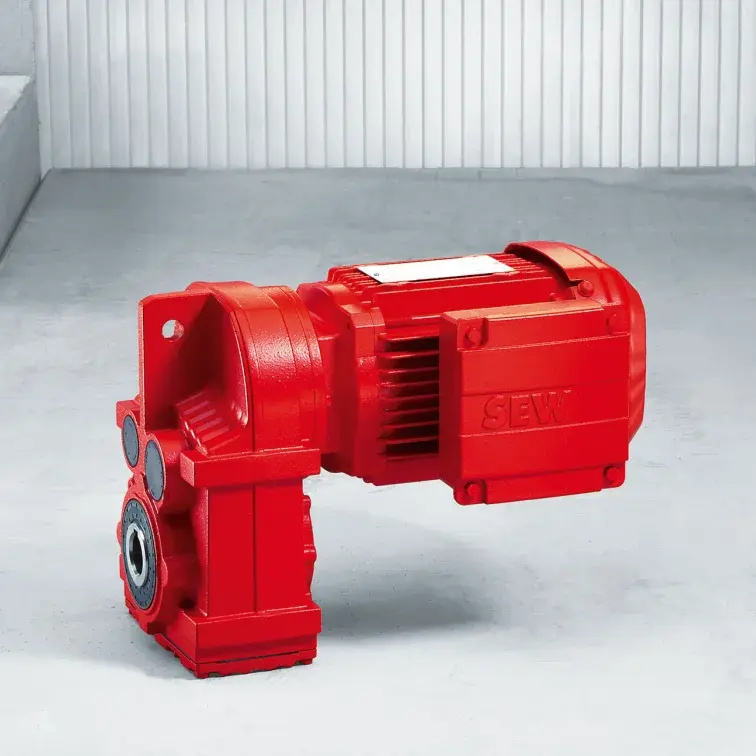 F Series Parallel Shaft Gearmotor low voltage
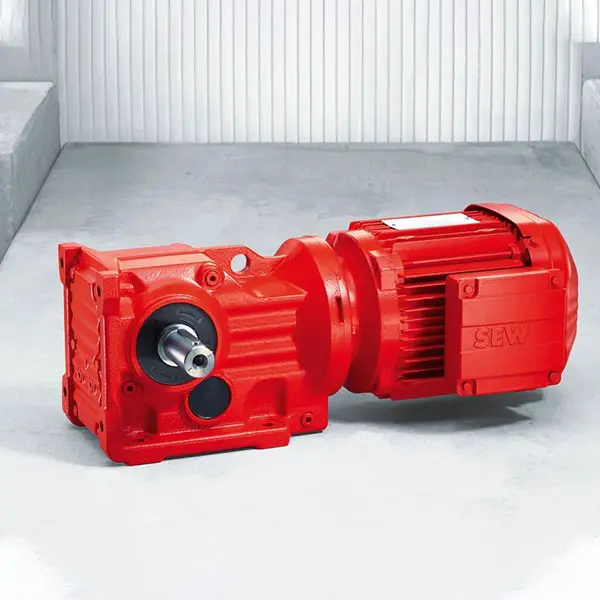 K Series Helical Bevel Gearmotor low voltage
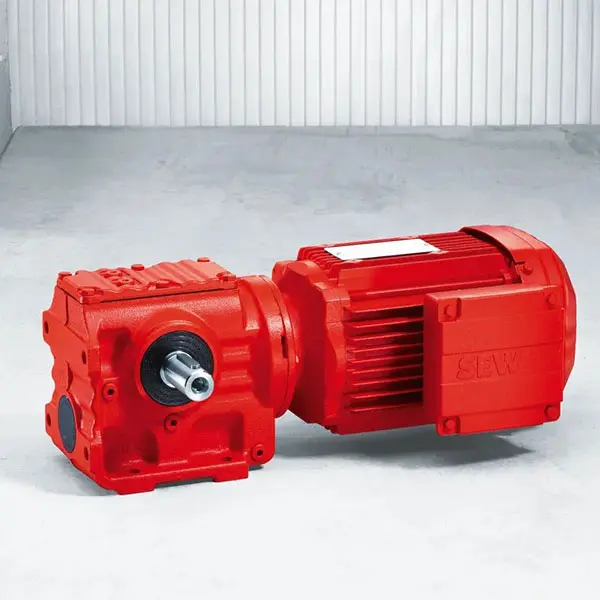 S Series Helical Worm Gearmotor low voltage
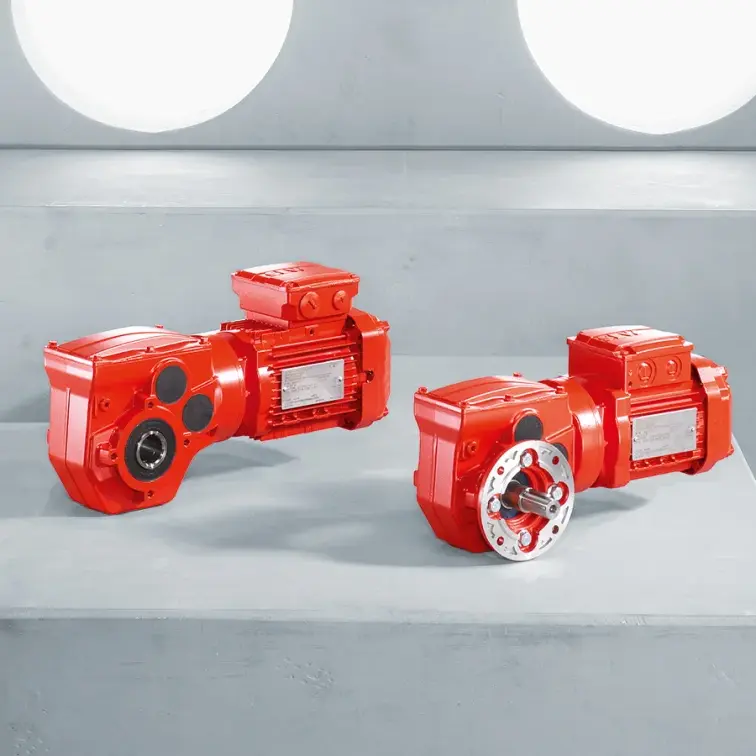 W Series SPIROPLAN® Right Angle Gearmotor