How to Choose the Right Fluid Coupling for Your Industrial Application
In the realm of industrial applications, the selection of the appropriate fluid coupling can significantly enhance performance and operational efficiency. As emphasized by industry expert Dr. Jane Smith, a leading specialist in mechanical transmission systems, "Choosing the right fluid coupling is crucial for optimizing torque transfer and minimizing wear in machinery." This statement resonates with many engineers and technicians who face the challenge of integrating fluid couplings into their systems.
Fluid couplings serve as essential components that facilitate smooth power transmission while allowing for some degree of slip, which can protect equipment during sudden load changes. However, with various types and specifications available in the market, the decision-making process can be overwhelming. Therefore, understanding the operational parameters, application requirements, and the benefits of different fluid couplings is vital for ensuring reliability and performance in industrial settings.
By delving into the fundamental principles of fluid couplings and their specific applications, this guide aims to assist professionals in making informed choices that cater to their unique operational needs. Whether it is for manufacturing, mining, or any other sector requiring robust energy transfer solutions, selecting the right fluid coupling can lead to enhanced productivity and prolonged equipment lifespan.
Understanding Fluid Couplings and Their Applications
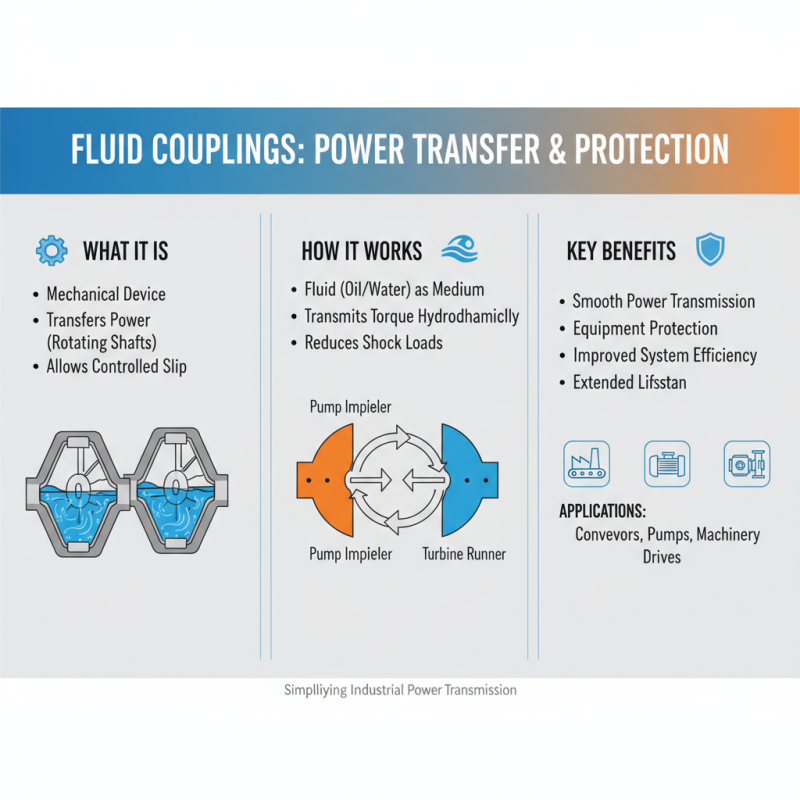
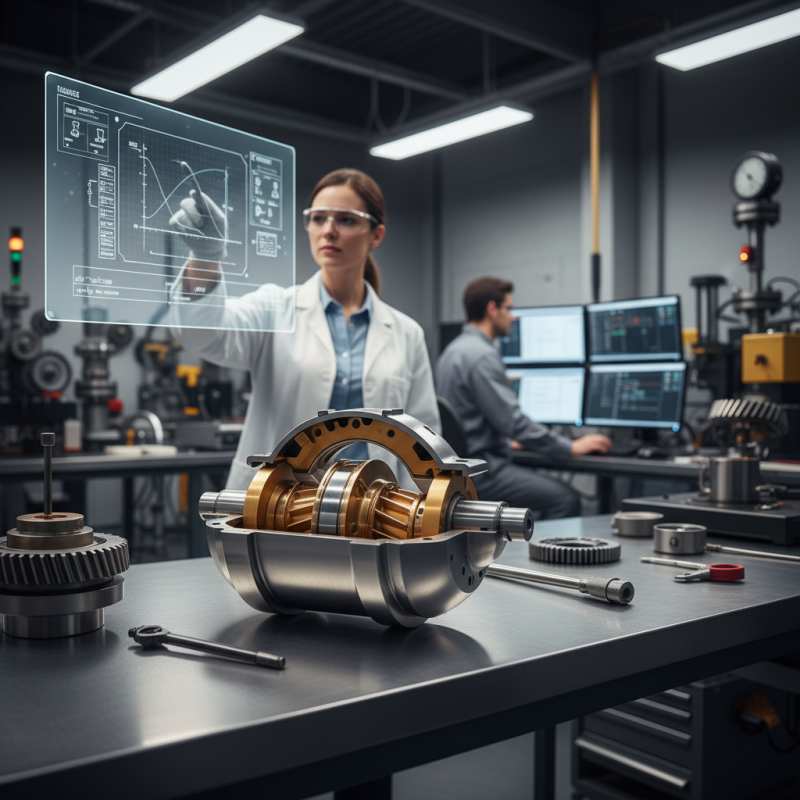
Fluid couplings are essential mechanical devices that transfer power between rotating shafts while allowing for some degree of slip, primarily in industrial applications. They work by using a fluid as a medium to transmit torque, which helps in reducing shock loads and improving the efficiency of the system. Understanding the fundamental principles of how fluid couplings operate can significantly impact the selection process for various industrial settings, including conveyors, pumps, and machinery drives.
When choosing the right fluid coupling for an application, factors such as the required torque output, operating speed, and environmental conditions must be considered. Different designs of fluid couplings are available, each offering specific performance characteristics tailored to distinct operational needs. For instance, some couplings provide higher slip for smoother starting and acceleration in applications with heavy loads, while others may be optimized for maximum efficiency at constant speed. Additionally, the fluid medium's temperature and viscosity can affect performance; thus, proper specification is crucial to enhance durability and maintain optimal functionality in demanding industrial environments.
Key Factors to Consider When Selecting a Fluid Coupling
When selecting a fluid coupling for industrial applications, several key factors must be considered to ensure optimal performance and efficiency. One primary factor is the operating conditions, including temperature, viscosity of the fluid, and environmental influences. According to industry reports, operating temperatures can significantly impact the efficiency and lifespan of fluid couplings. For instance, couplings designed for high-temperature environments often utilize specialized materials that resist thermal degradation, ensuring reliability under extreme conditions.
Another crucial aspect is the power transmission requirements of the application. It is essential to evaluate the load and torque characteristics of the machinery involved. Research studies indicate that selecting a coupling with the appropriate torque capacity can prevent excessive slippage and energy loss, ultimately enhancing productivity. Careful analysis of the operational load curves and dynamic behavior helps in choosing a coupling that maintains consistent performance under varying load conditions.
Tips: Always consult technical specifications and seek expert advice when in doubt about the power transmission needs. Additionally, ensure that the selected fluid coupling is compatible with the application’s hydraulic requirements to prevent issues related to energy dissipation. Regular maintenance and monitoring of the fluid levels can also prolong the lifespan of the coupling, improving overall operational efficiency.
Different Types of Fluid Couplings and Their Functions
Fluid couplings are essential components in various industrial applications, offering a method for transmitting power while providing benefits such as protection against overloads and enhancing the operational efficiency of machinery. There are several types of fluid couplings, each designed with specific functions in mind.
The most common types include the simple centrifugal coupling, which utilizes a vaned impeller to transmit torque via hydraulic fluid. This type is ideal for applications requiring smooth start-ups and the ability to absorb shock loads. Another type is the retarder fluid coupling, which serves as a braking mechanism to control speed and provide deceleration without relying solely on mechanical brakes. Lastly, the adjustable fluid coupling allows operators to regulate the energy transfer and adjust torque output based on real-time operational needs, making it versatile for varying workload requirements. Each type of fluid coupling has its unique advantages, making it essential for industries to choose the correct type based on their specific operational demands and the characteristics of the machinery involved.
Evaluating Performance Characteristics of Fluid Couplings
When selecting a fluid coupling for industrial applications, understanding the performance characteristics is crucial for ensuring efficiency and reliability. Fluid couplings are essential components in various industries, serving to transmit power between machinery while providing shock absorption and reducing wear. Factors such as torque capacity, fluid type, and temperature range exert significant influence on the performance profile. A study published in the Journal of Mechanical Engineering highlights that employing the correct fluid coupling can reduce energy consumption by as much as 15%, which emphasizes the importance of tailored selections based on application specifics.
Tips for evaluating performance characteristics include analyzing the operational environment carefully. For instance, if the application involves high-temperature operations, it is vital to choose couplings designed to withstand elevated temperatures without degrading the fluid properties. Furthermore, understanding the load torque requirements of the driven machinery can prevent premature wear and ensure optimal performance. A report from the International Society of Automation notes that improperly sized couplings can lead to a 20% increase in maintenance costs over the lifespan of the equipment.
Another critical aspect to consider is the maintenance requirements of the fluid coupling. Regular monitoring and fluid replacement can extend the lifespan of the coupling and maintain efficiency. According to industry guidelines, routine checks should be performed every 3 to 6 months, particularly in high-demand environments. By prioritizing performance characteristics and aligning them with application needs, industries can achieve significant operational gains.
Performance Characteristics of Fluid Couplings
This chart illustrates the performance characteristics of fluid couplings based on various key parameters such as torque rating, efficiency, starting torque, speed range, and temperature range. Analyzing these metrics is essential for selecting the right fluid coupling for industrial applications.
Maintenance and Operating Considerations for Fluid Couplings
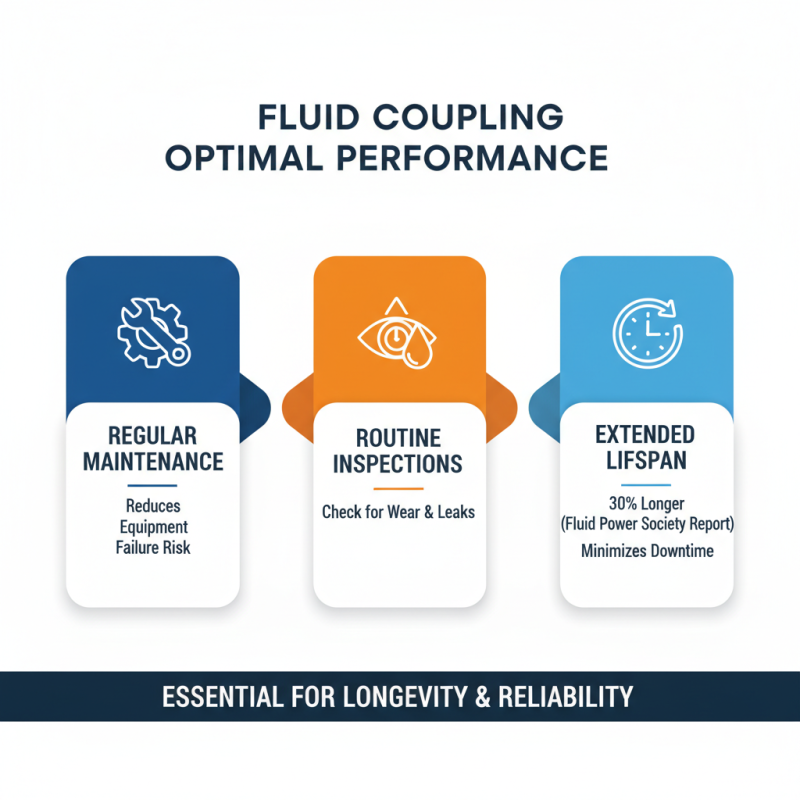
When selecting a fluid coupling for your industrial application, understanding maintenance and operational considerations is essential for ensuring optimal performance and longevity. Regular maintenance of fluid couplings can significantly reduce the risk of equipment failure. It is recommended that operators conduct routine inspections to check for signs of wear or fluid leaks. According to a report from the Fluid Power Society, scheduled maintenance can extend the lifespan of fluid couplings by as much as 30%, minimizing unexpected downtimes that can disrupt production.
Operating conditions also play a critical role in the performance of fluid couplings. Parameters such as temperature, pressure, and load need to be carefully monitored. For instance, studies indicate that fluid couplings operating at temperatures above 100°C can experience substantial reductions in fluid viscosity, adversely affecting torque transmission. Furthermore, coupling selection should consider the application’s environmental conditions, as contaminants can adversely affect coupling functionality. By adhering to best practices for maintenance and being attentive to operational conditions, industries can significantly enhance both efficiency and reliability in their applications.

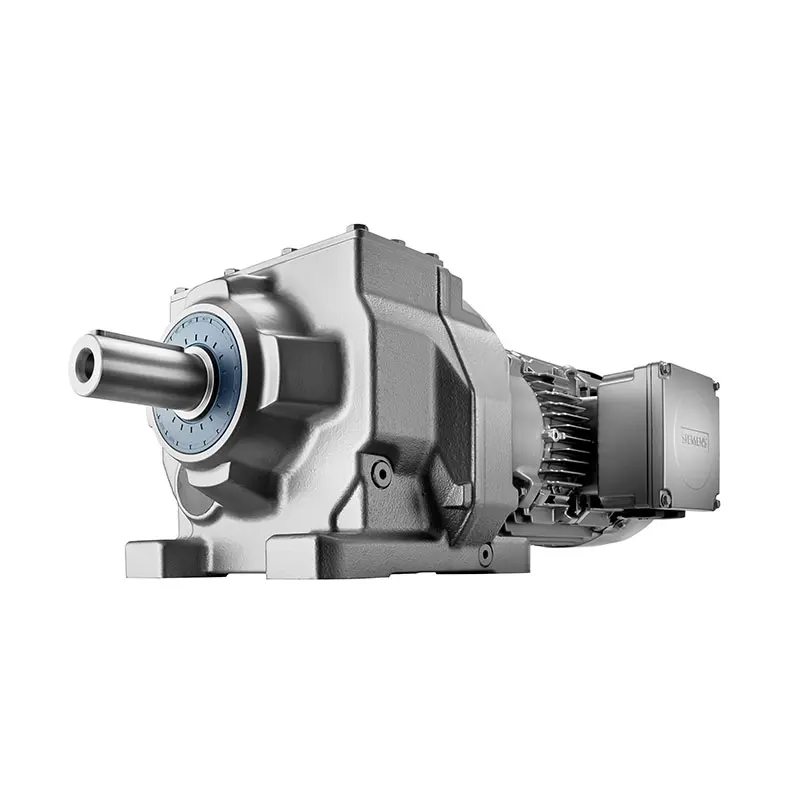 SIEMENS Helical Gearmotor Low Voltage
 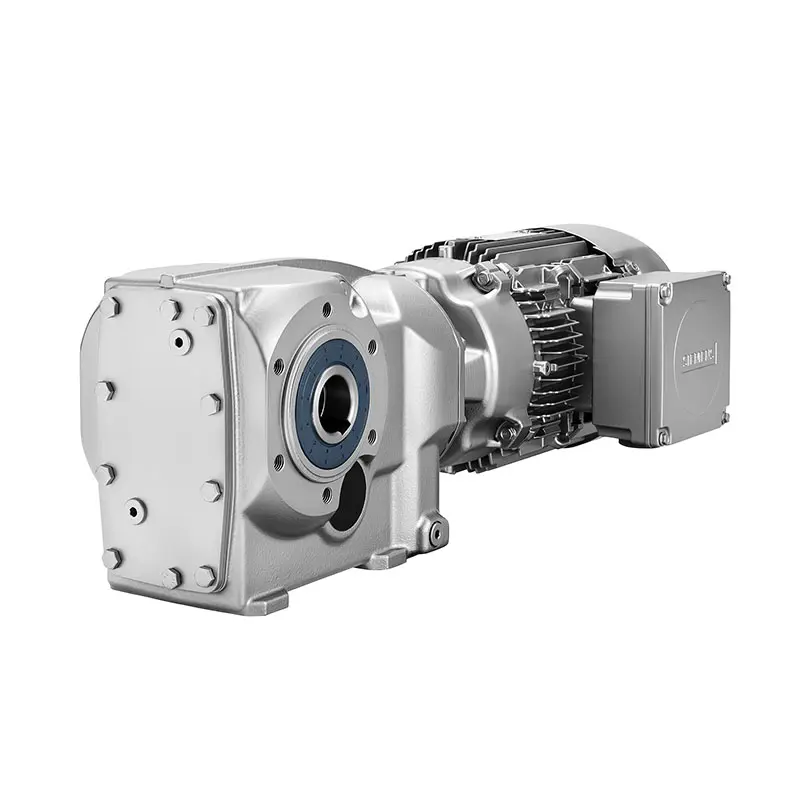 SIEMENS Bevel Helical Gearmotor
 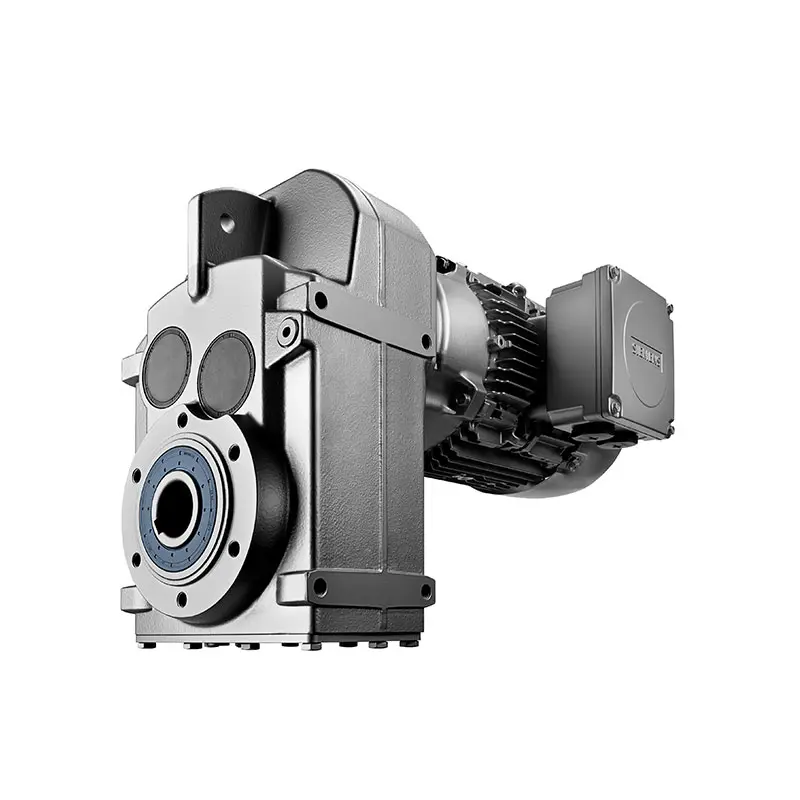 SIEMENS Parallel Shaft Gearmotor
 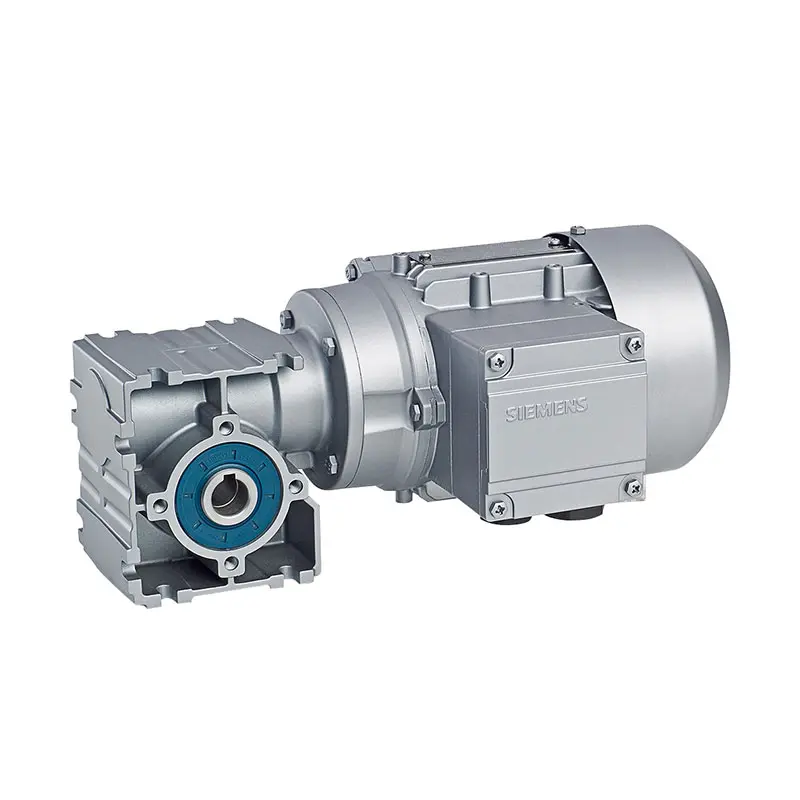 SIEMENS Worm Gearmotor Low Voltage
 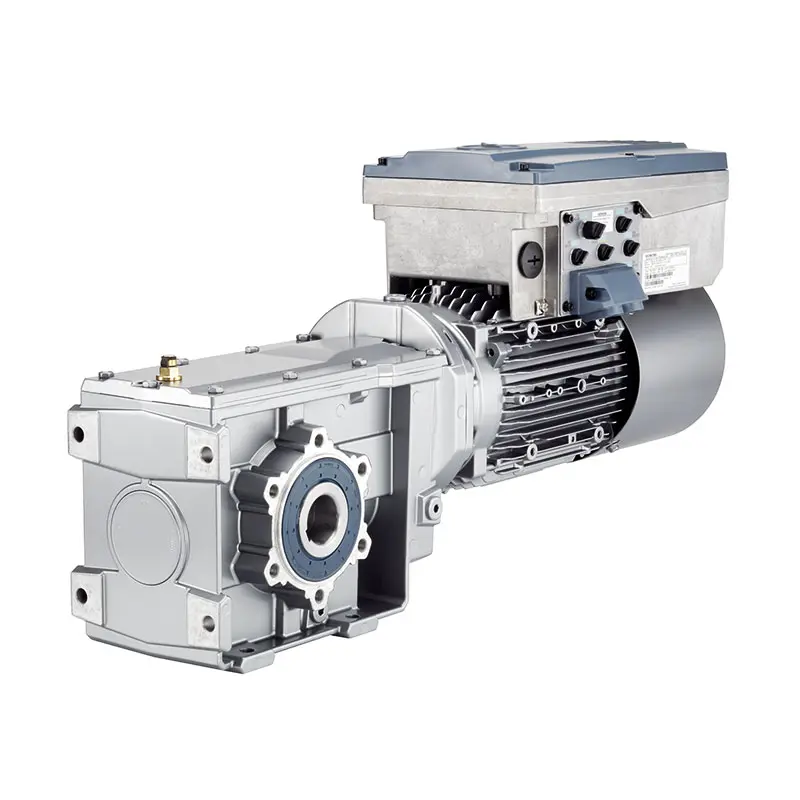 SIEMENS With Servo Motor Gearmotor
 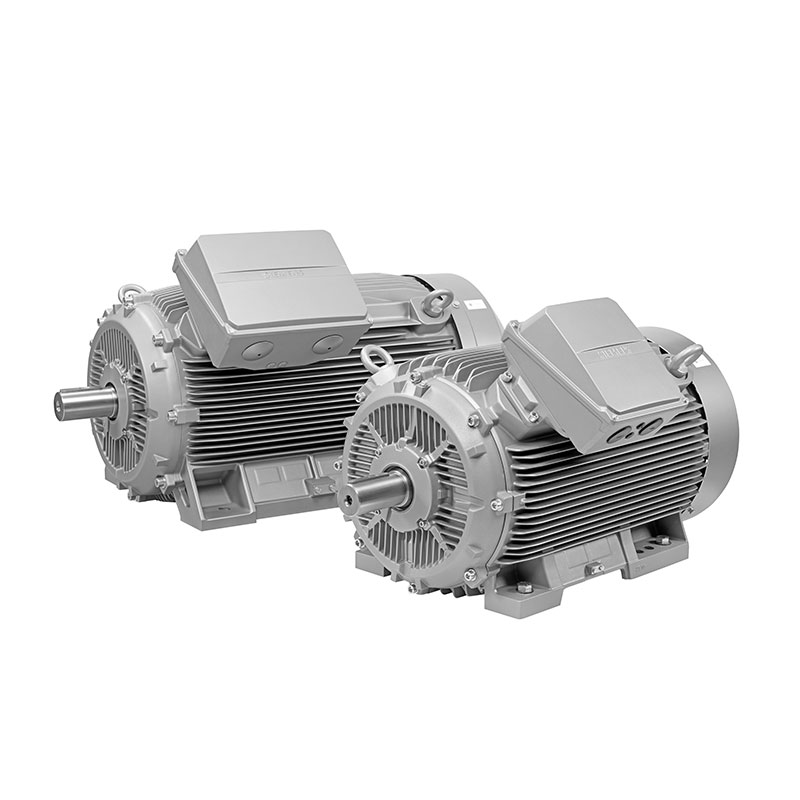 SIEMENS Low Voltage Motor Low Voltage
 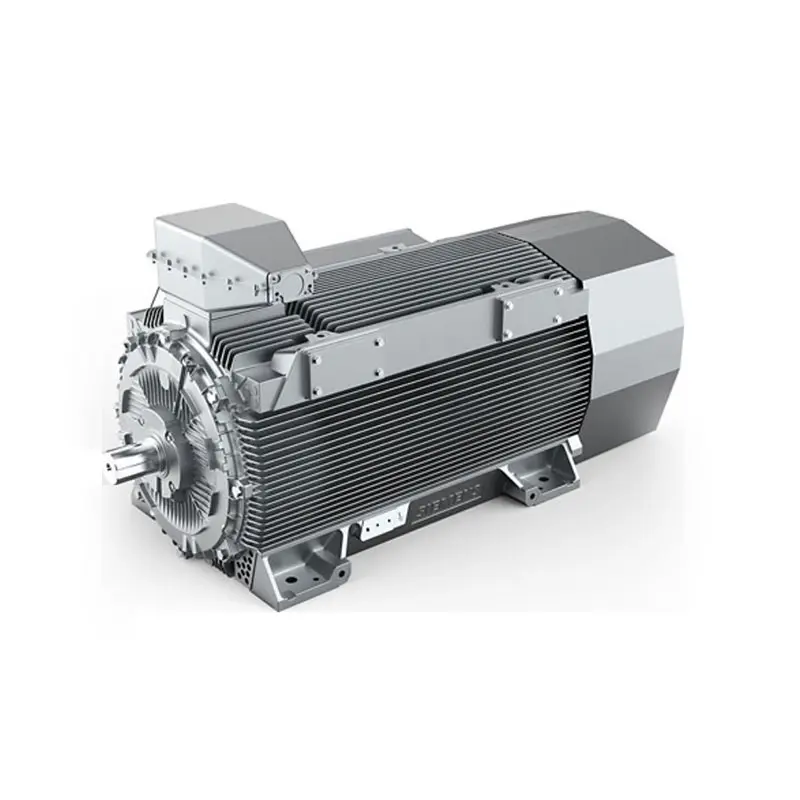 SIEMENS High Voltage Motor Low Voltage
  SIEMENS Marine Motor Low Voltage
 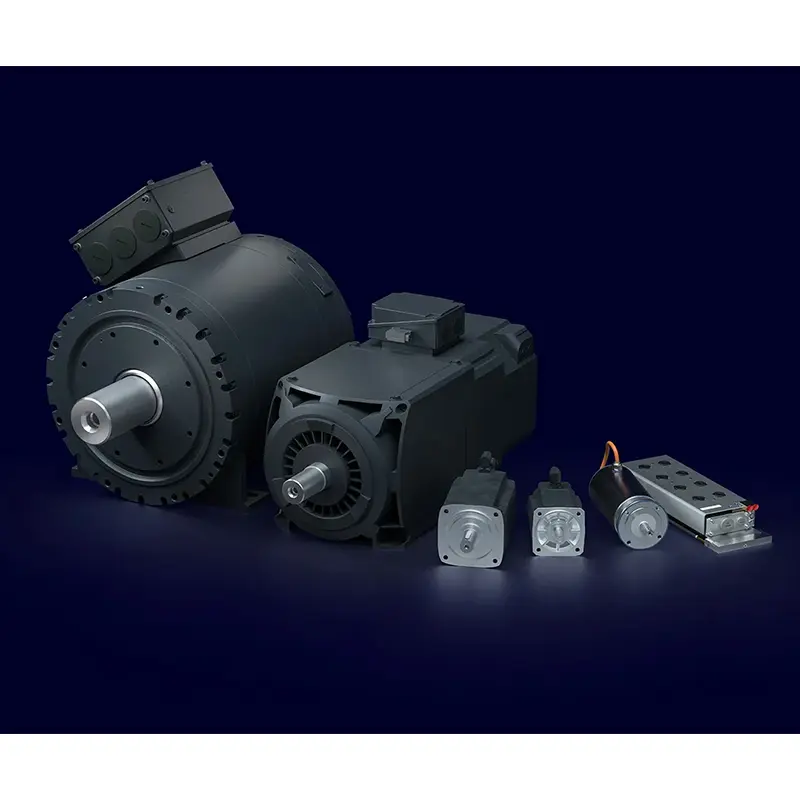 SIEMENS Servo Motor Low Voltage
 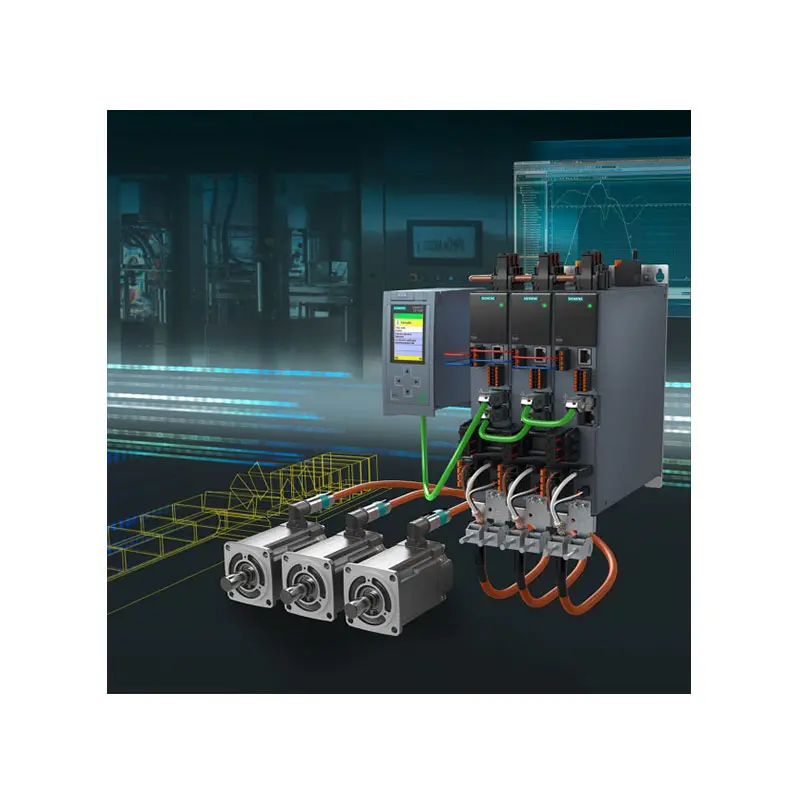 SIEMENS SINAMICS S210 Low Voltage
 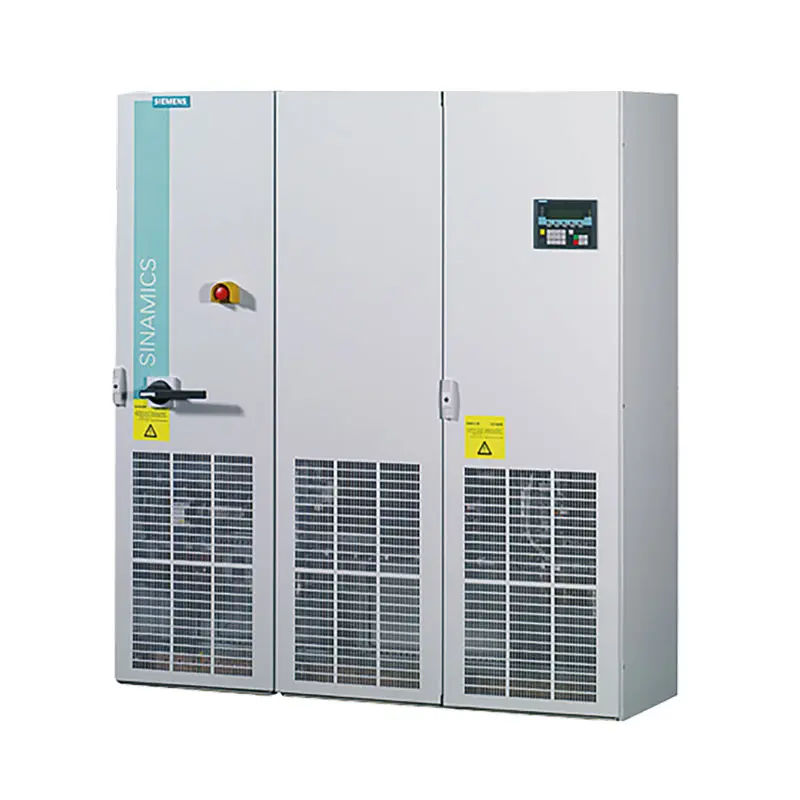 SIEMENS SINAMICS S150 Low Voltage
  SIEMENS SINAMICS S120 Low Voltage
 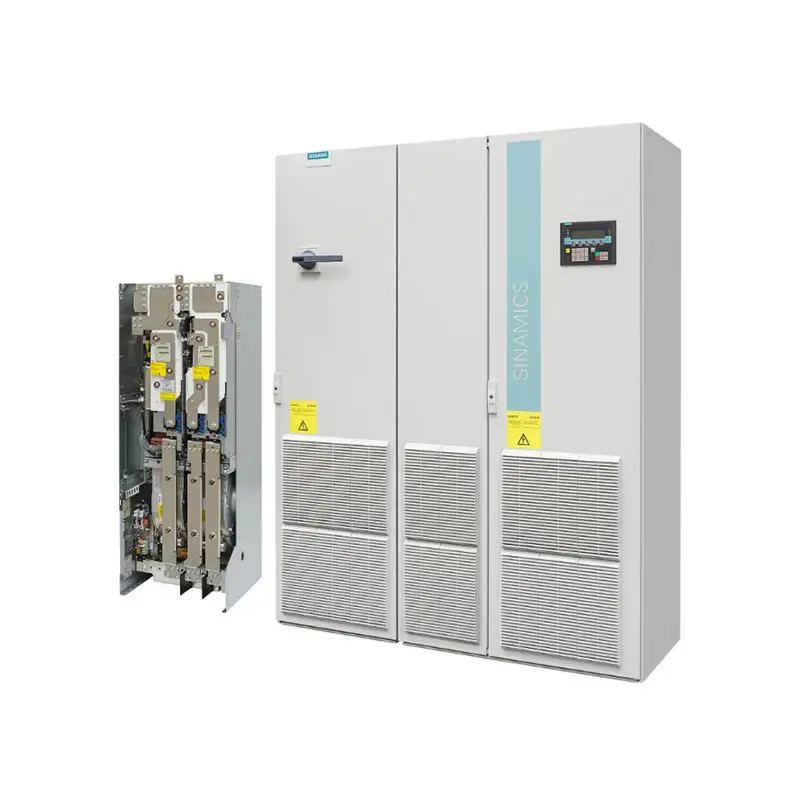 SIEMENS SINAMICS G130/G150
 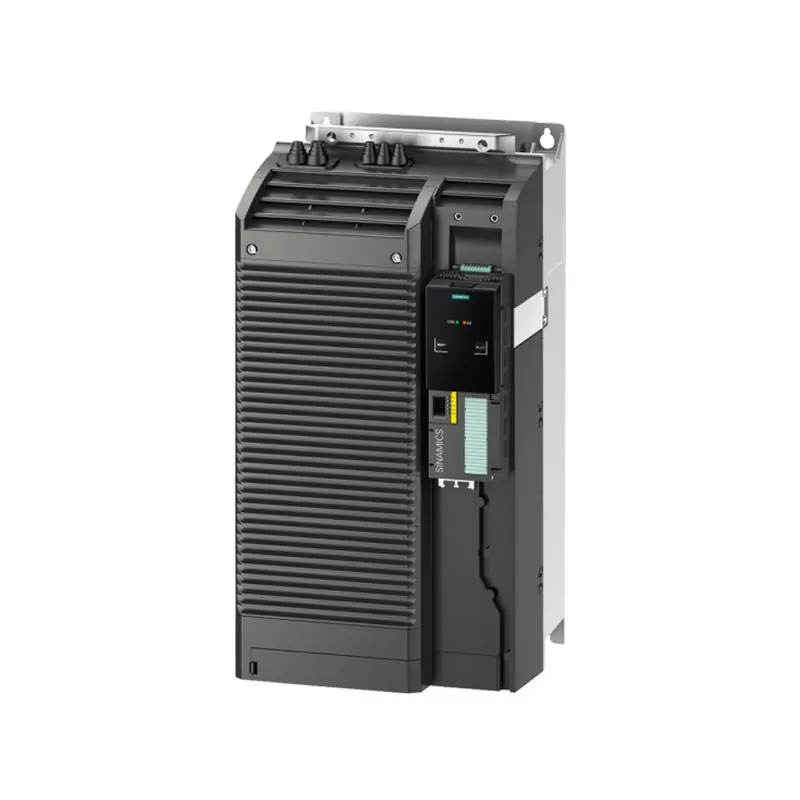 SIEMENS SINAMICS G120 Low Voltage
 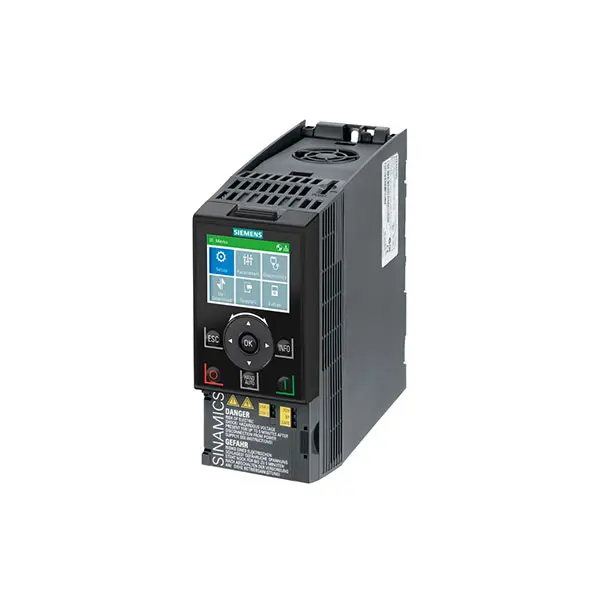 SIEMENS SINAMICS G120C Low Voltage
 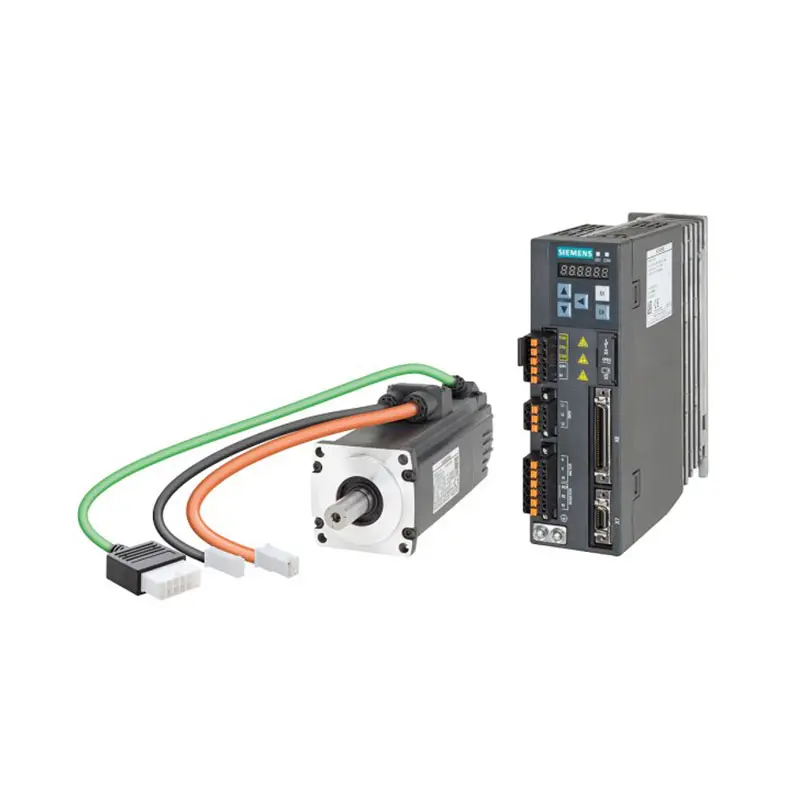 SIEMENS SINAMICS V90
 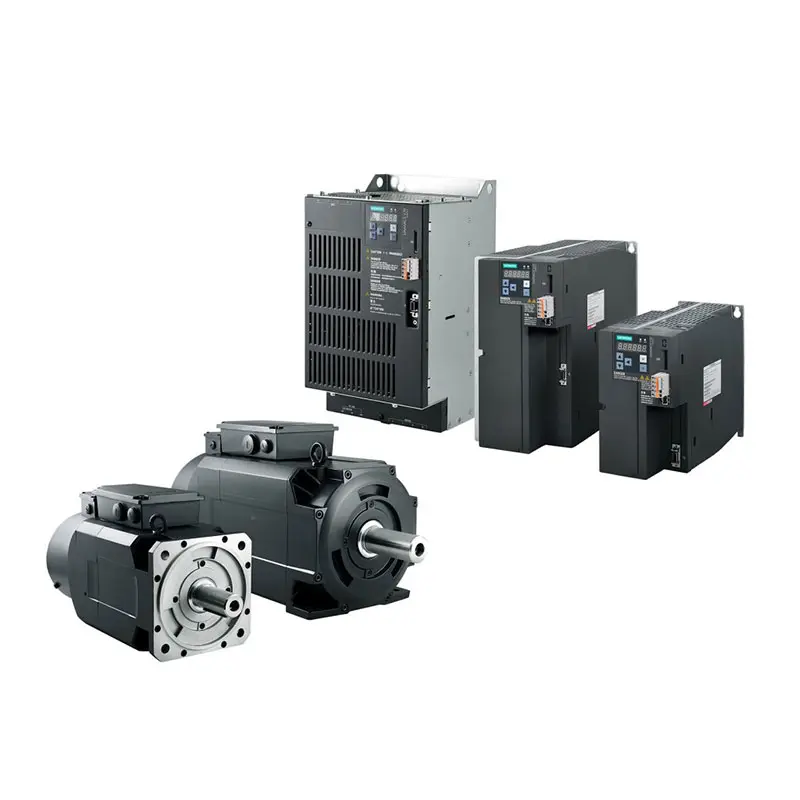 SIEMENS SINAMICS V70 Low Voltage
 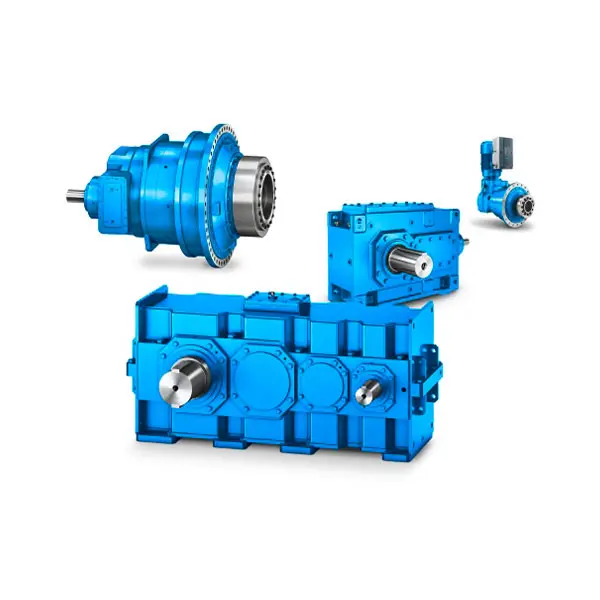 FLENDER Gear Unit
 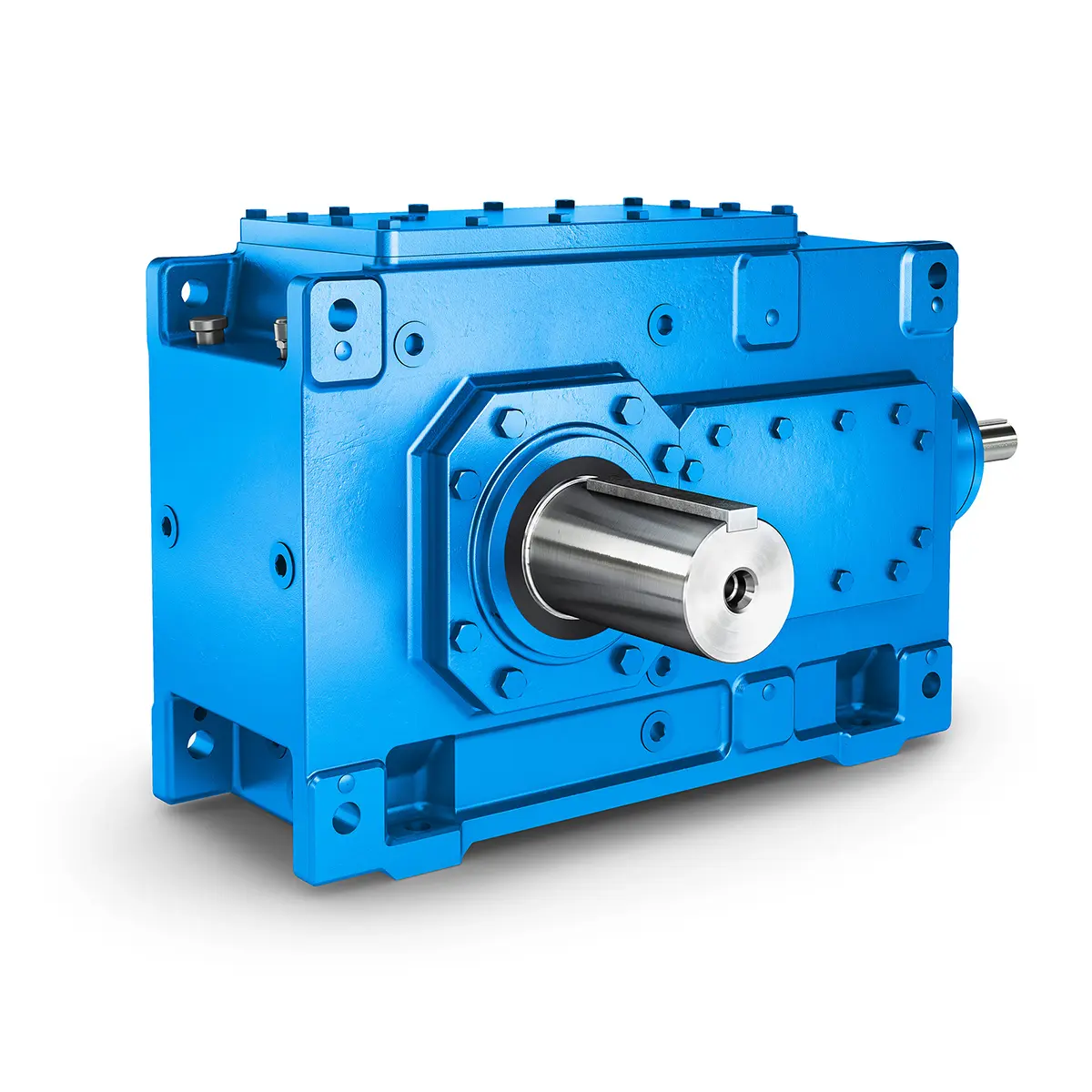 FLENDER Helical Gear Unit
 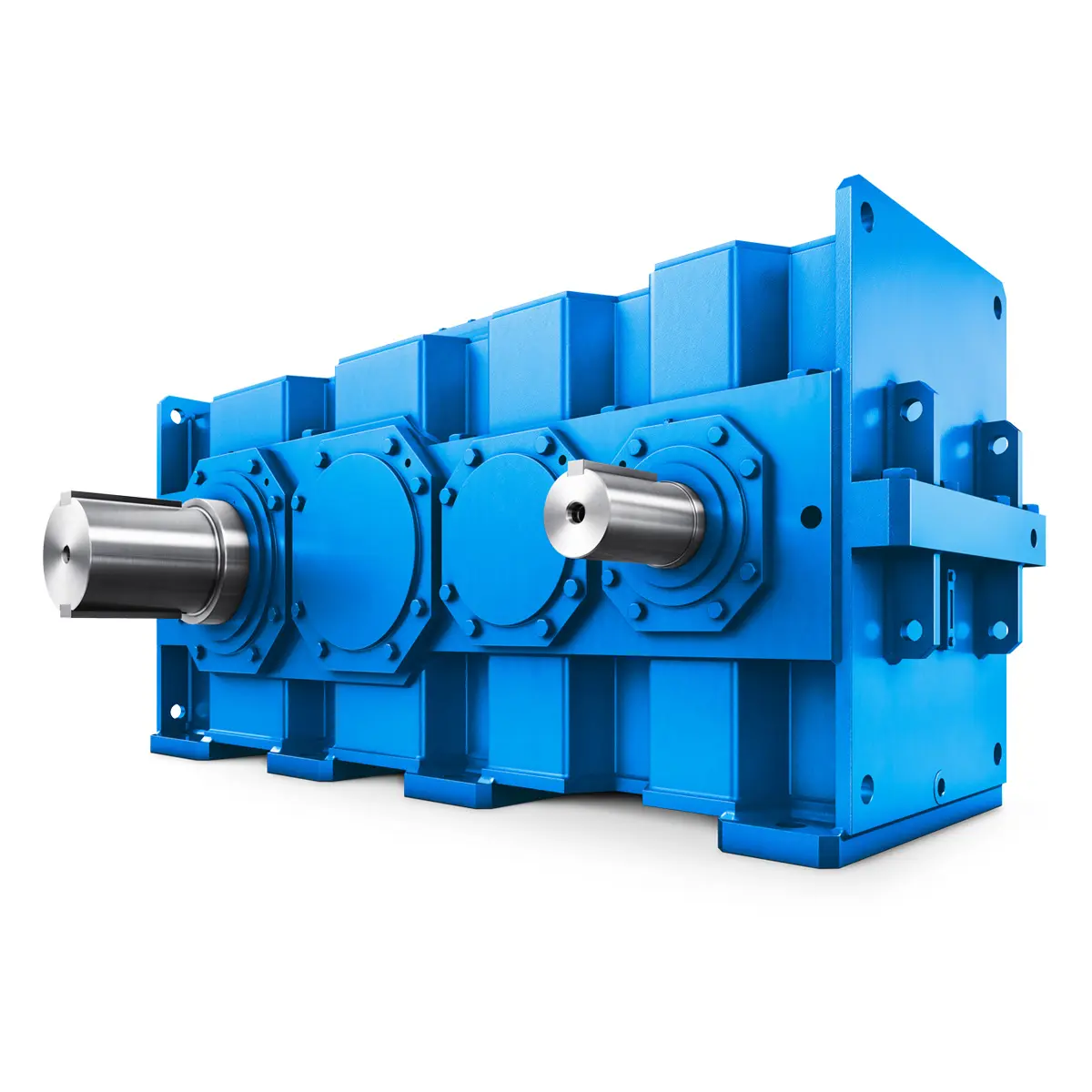 Flender gear units for lifting and luffing gears
 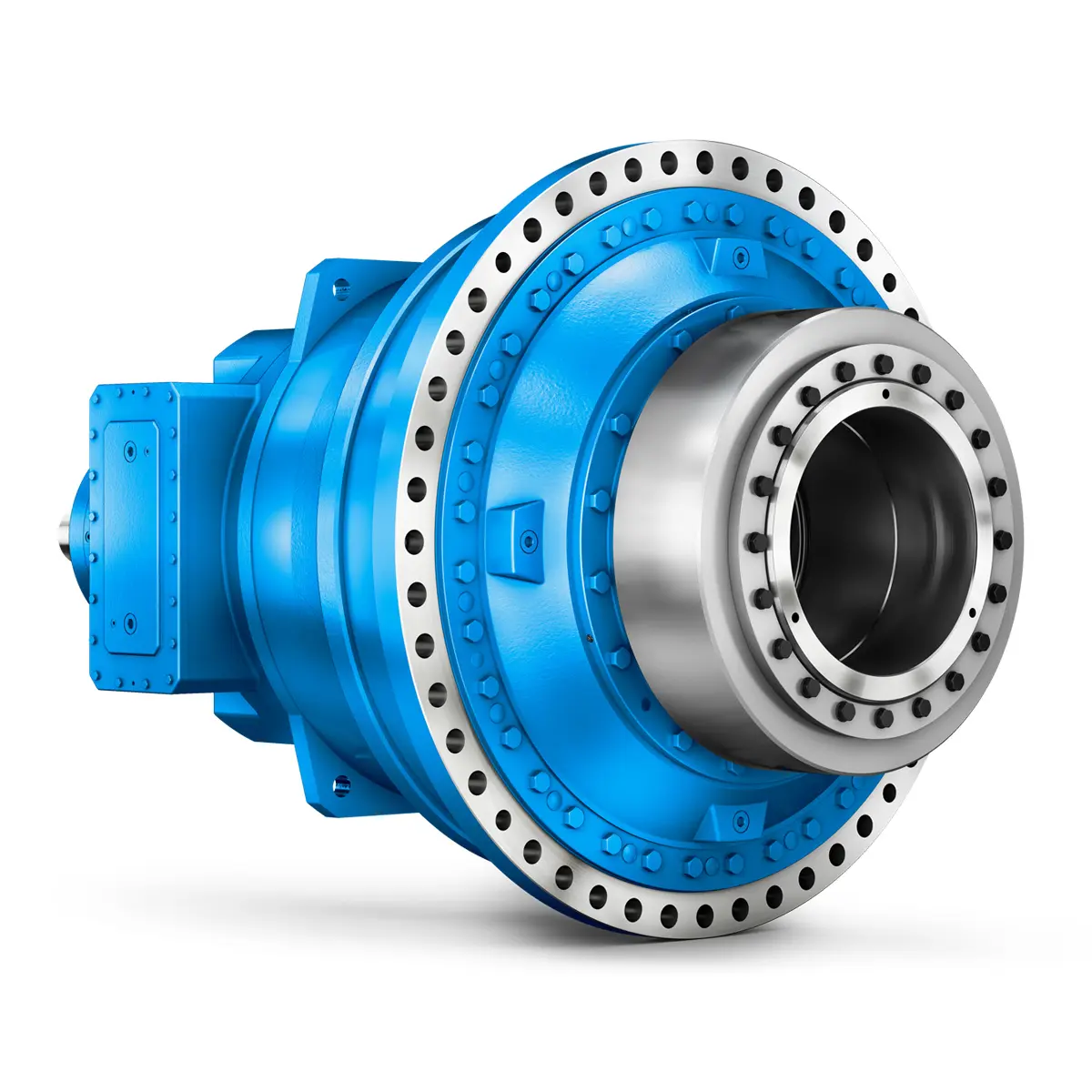 FLENDER Gear Unit gearunit gearbox
 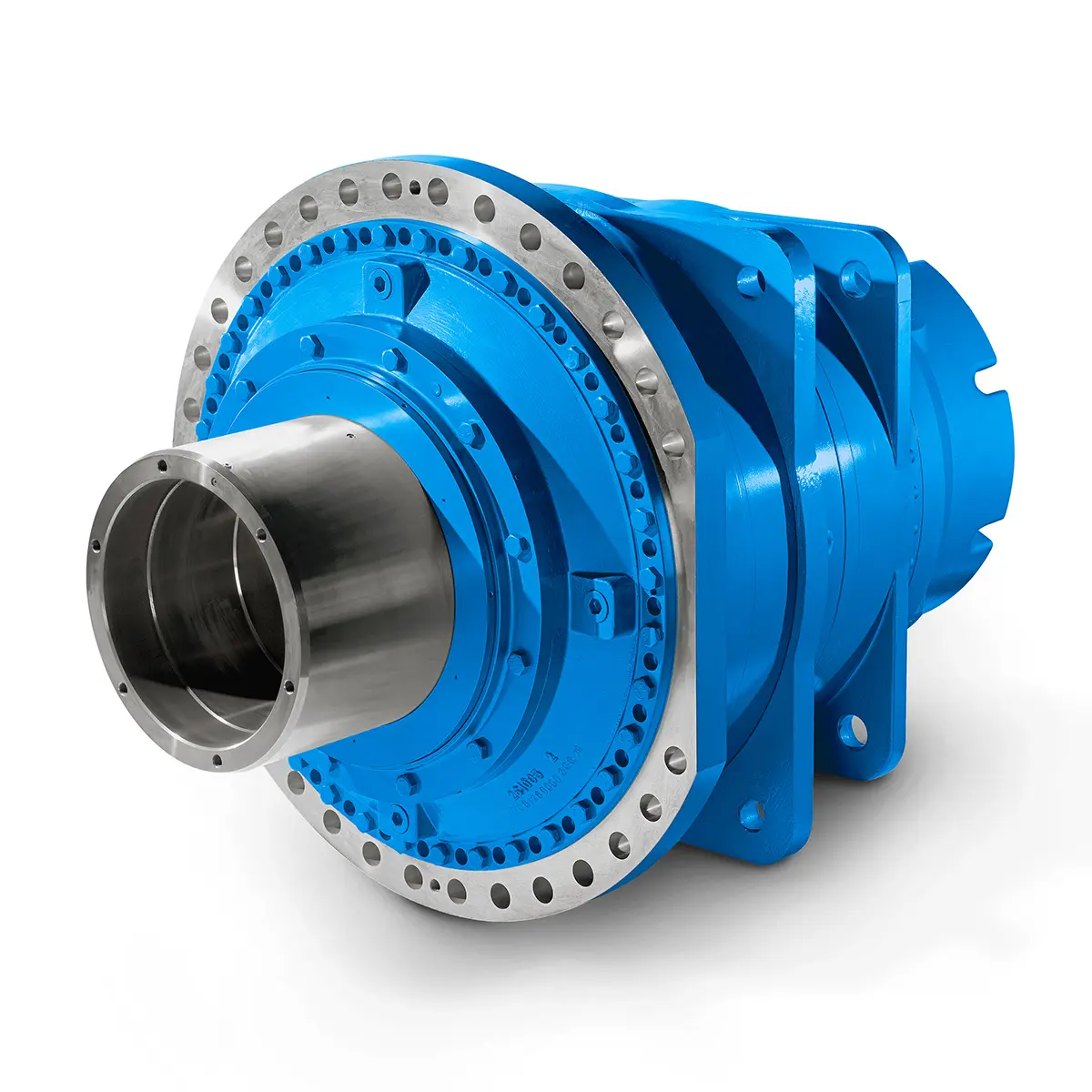 Optimal Drive Solution For Maximum Performance
 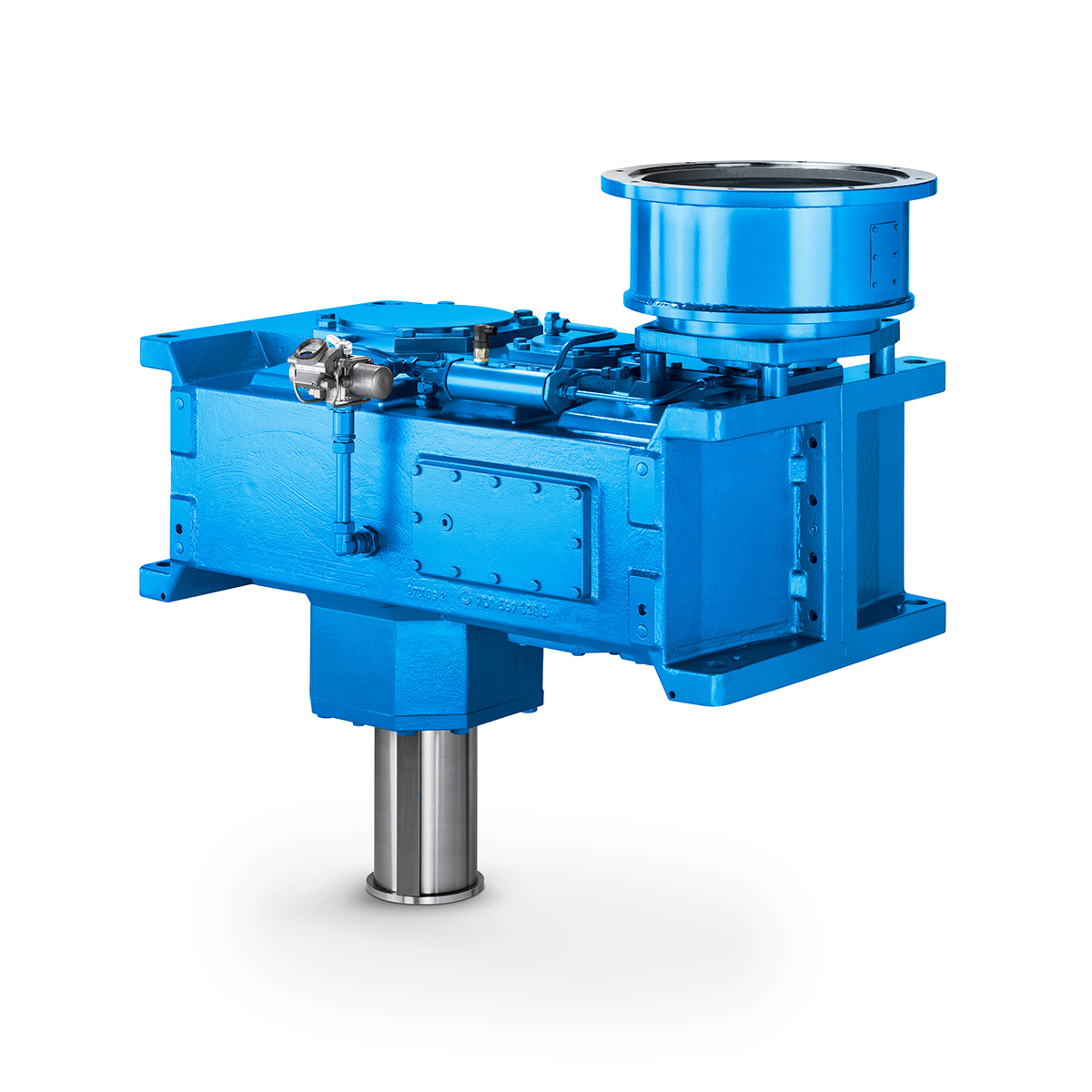 Strongly operating against biodegradable constituents
 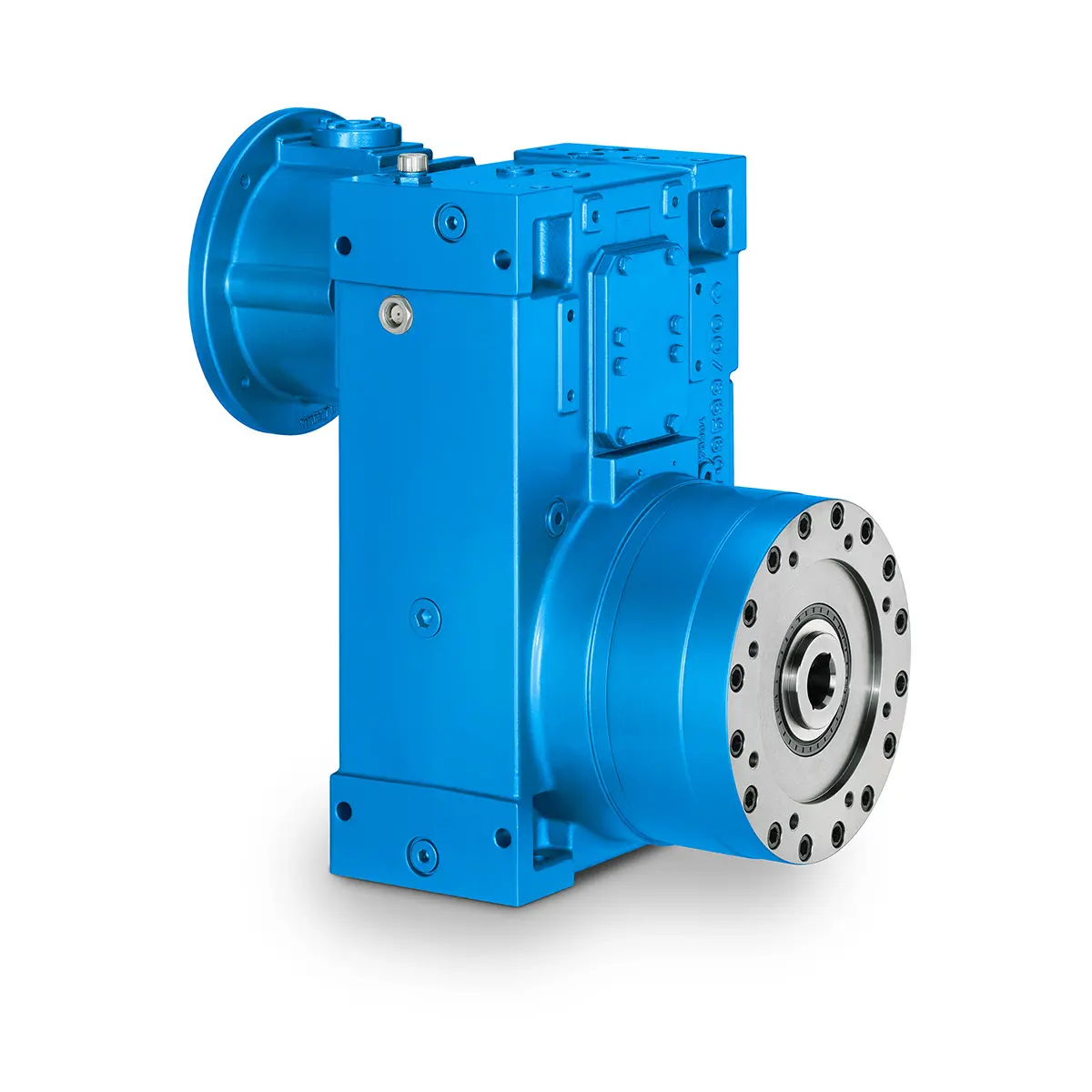 SINGLE SCREW Special industry dedicated gearunit gearbox
 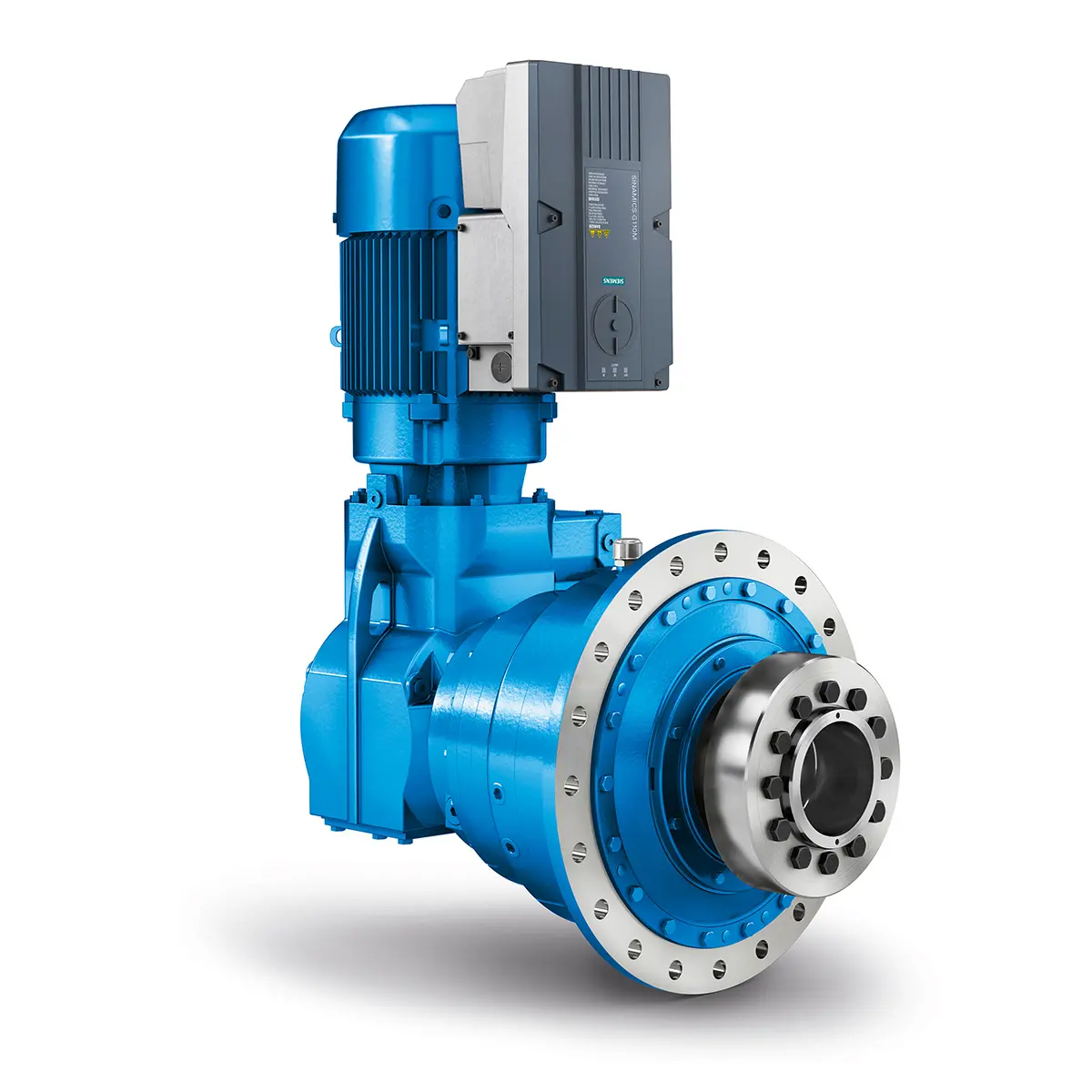 Playmaker In The Premium League
 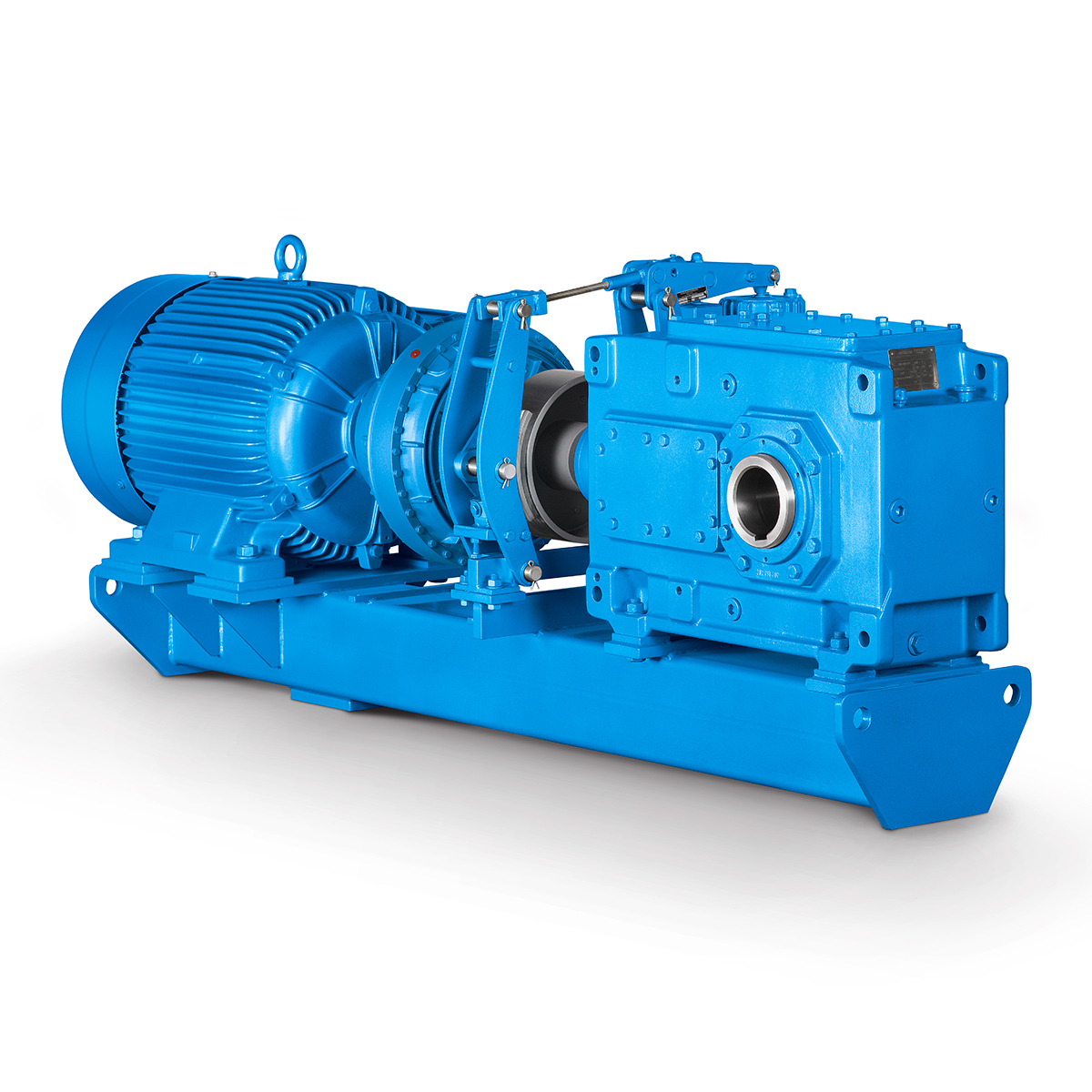 Conveyor belts gearunit gearbox
 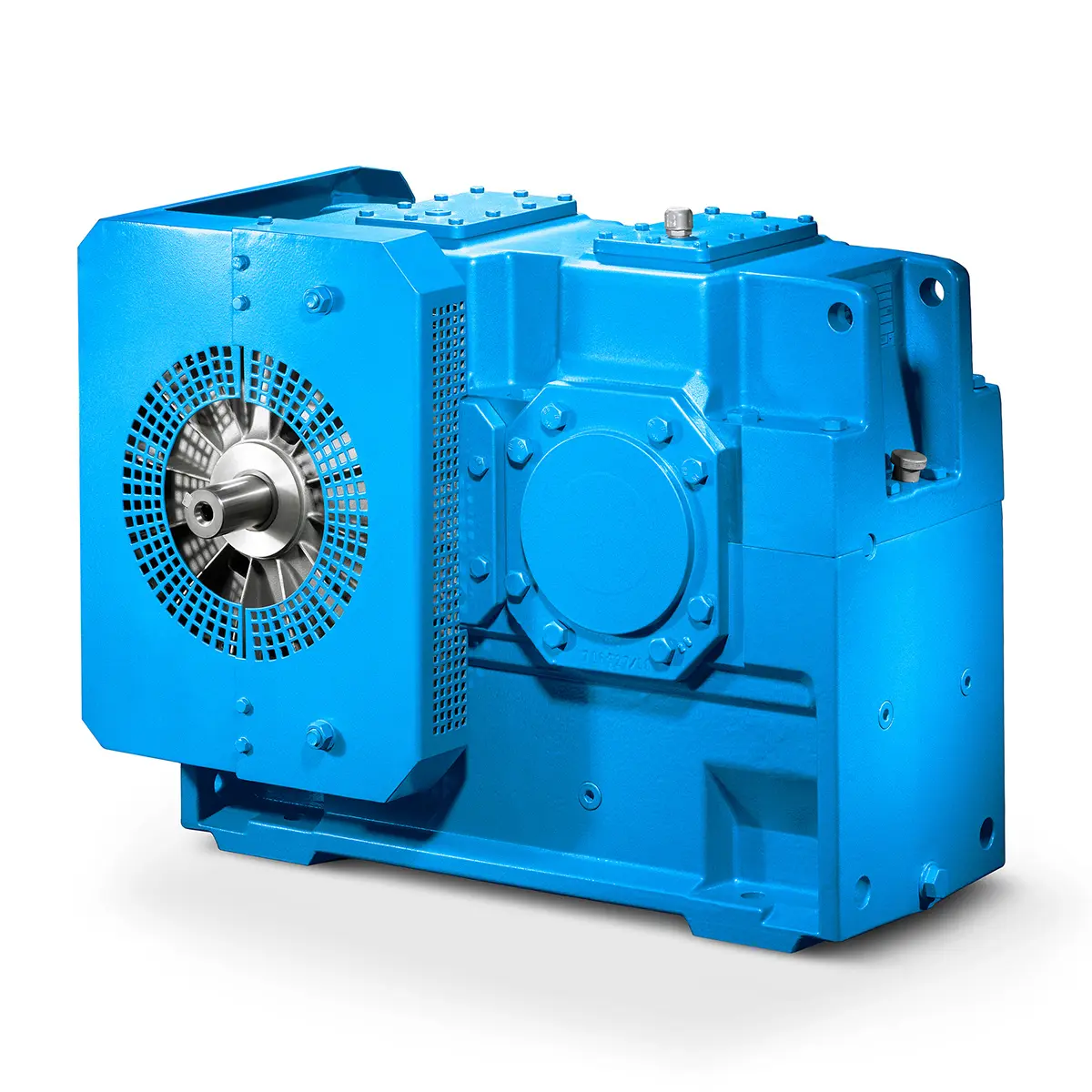 Paper And Pulp Preparation Sections
 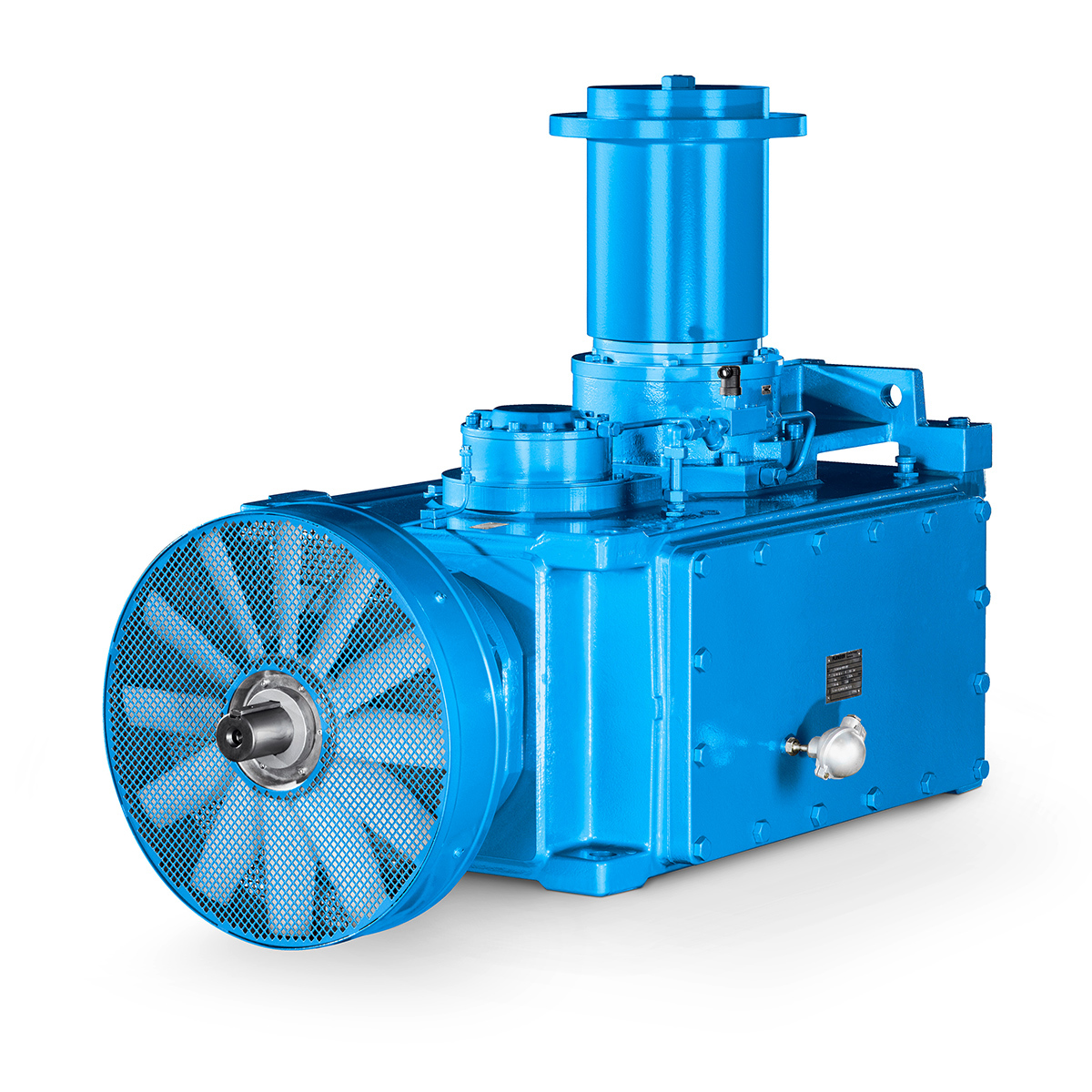 Operational Reliability Even In Case Of The Highest Ventilation Forces
 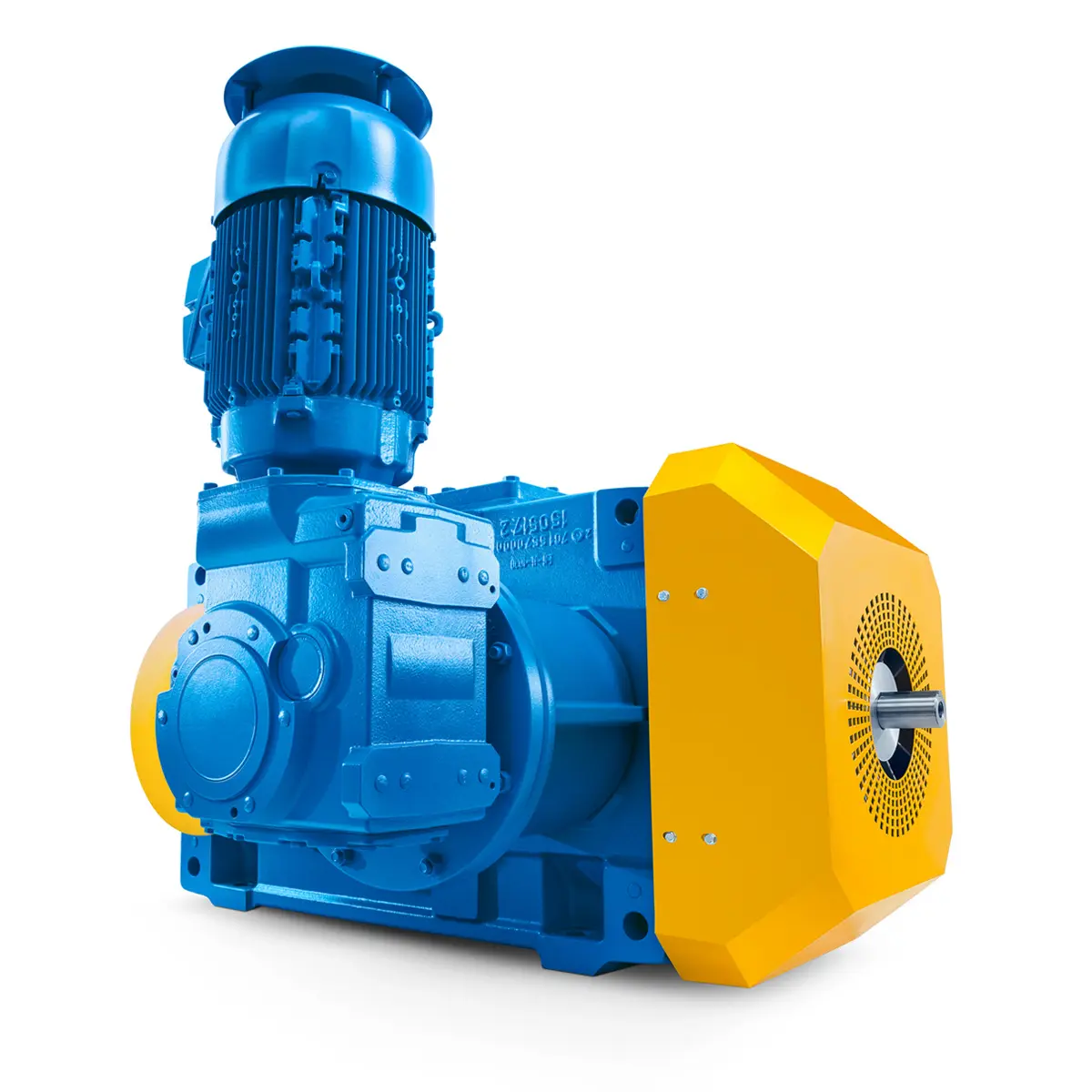 Reliable Gear Units For High Performance Vertical Conveyors 59/200
 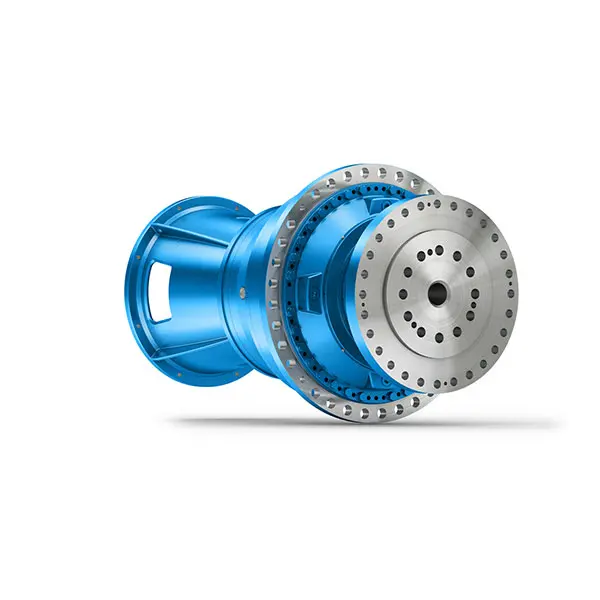 Maximum power density – PLANUREX 3 L individual drives for your sugar cane mill
 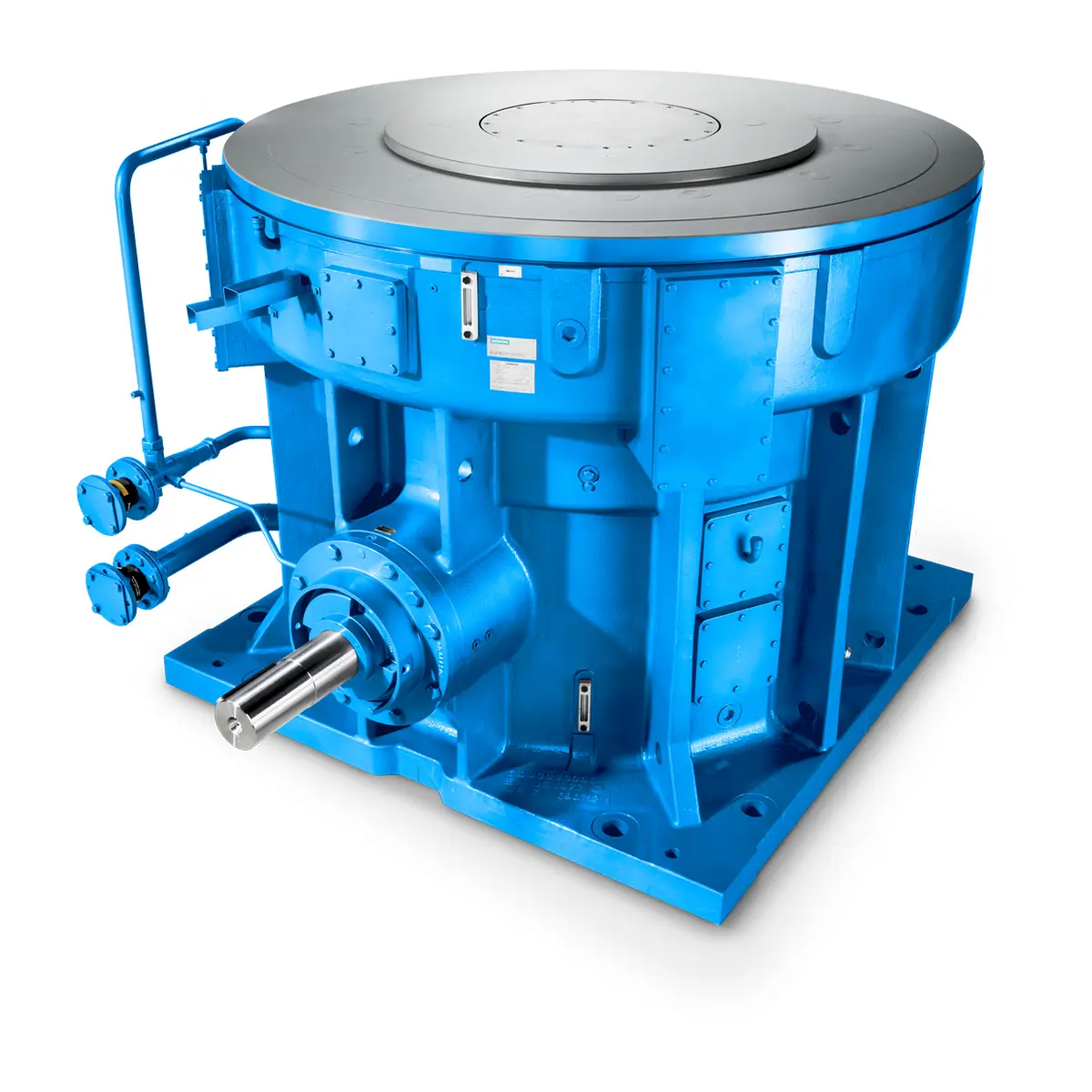 The proven all rounder gearunit gearbox
 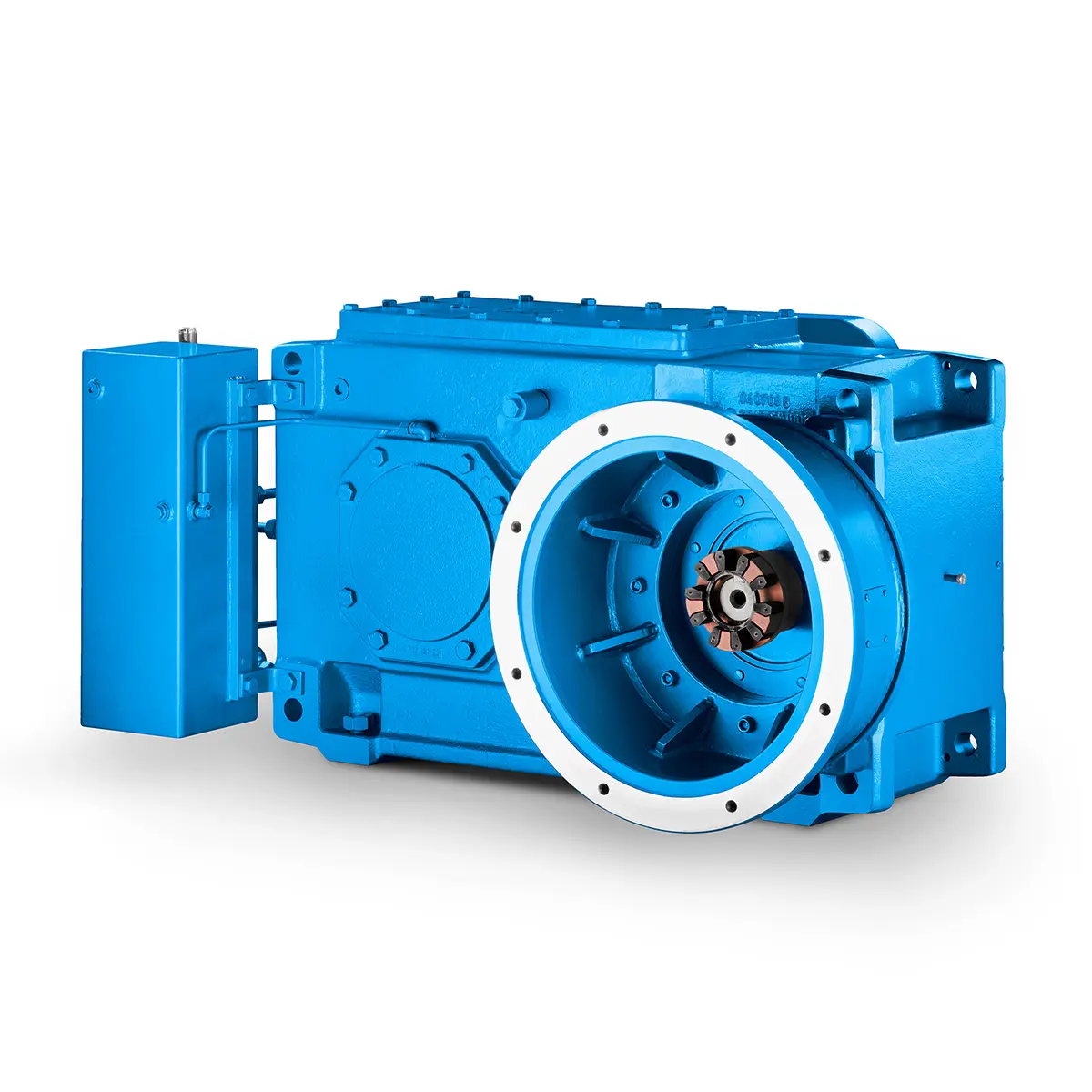 Stirs and stirs and stirs gearunit gearbox
 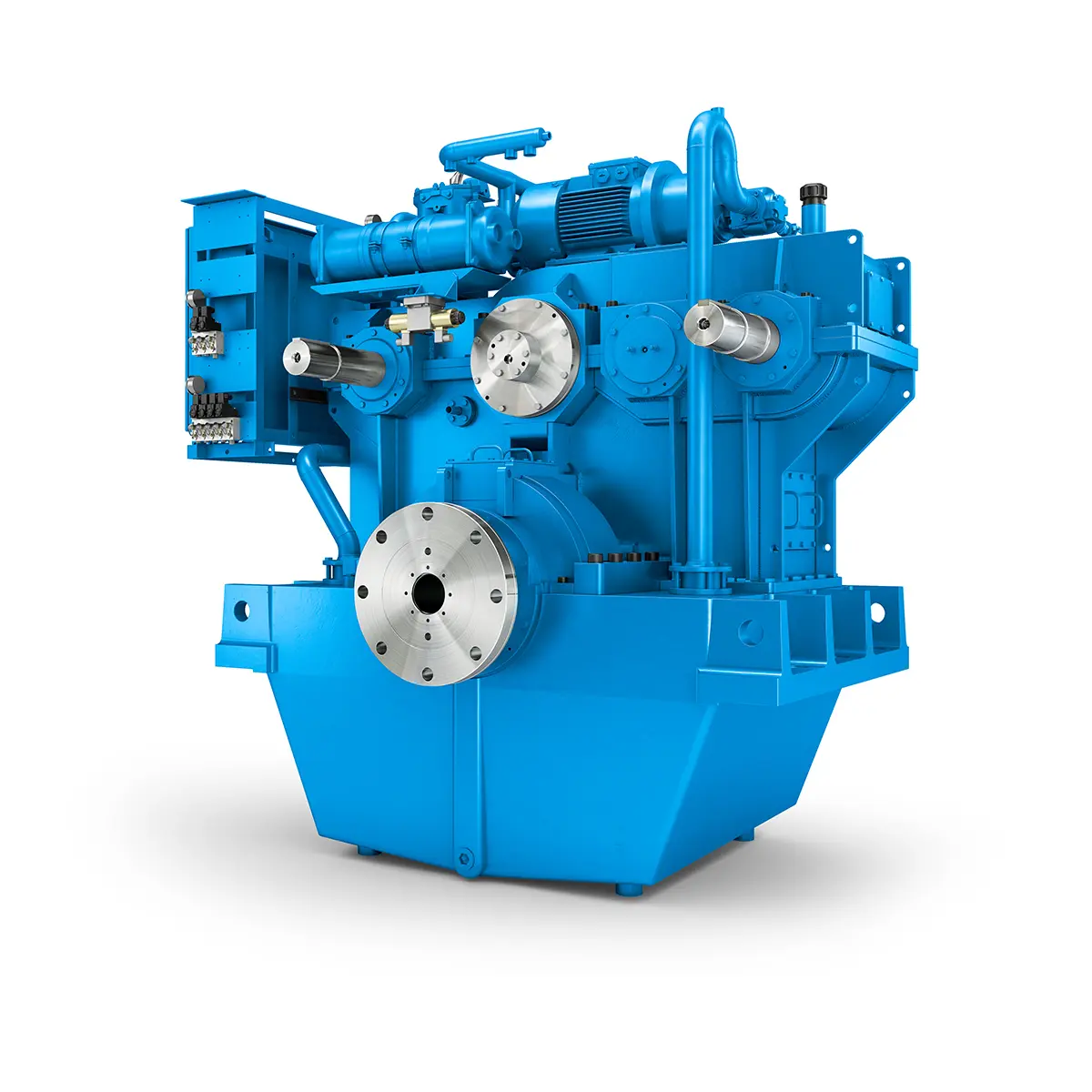 Flexibility on Board gearunit gearbox
 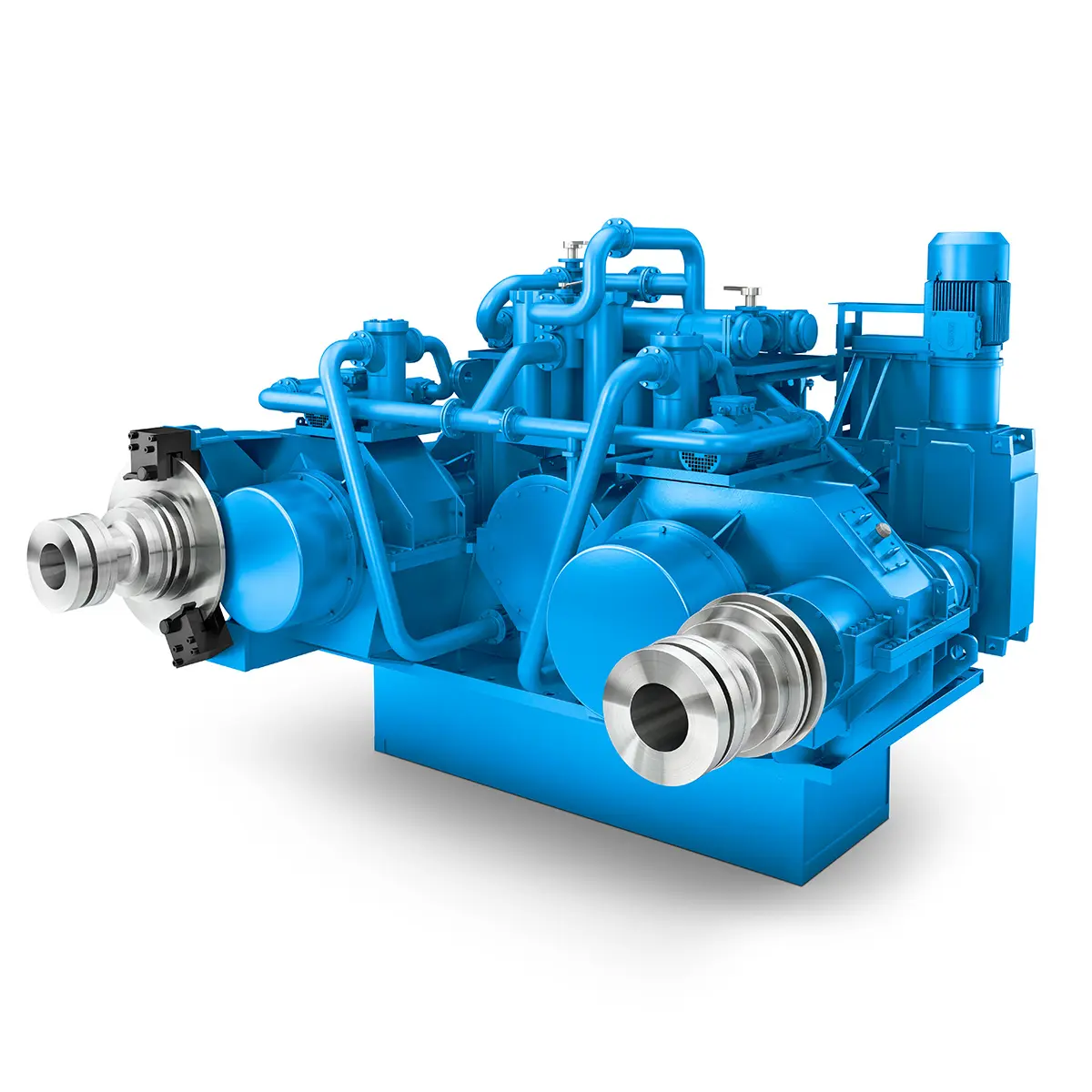 The right gearbox for all Multi-Engine Ships
 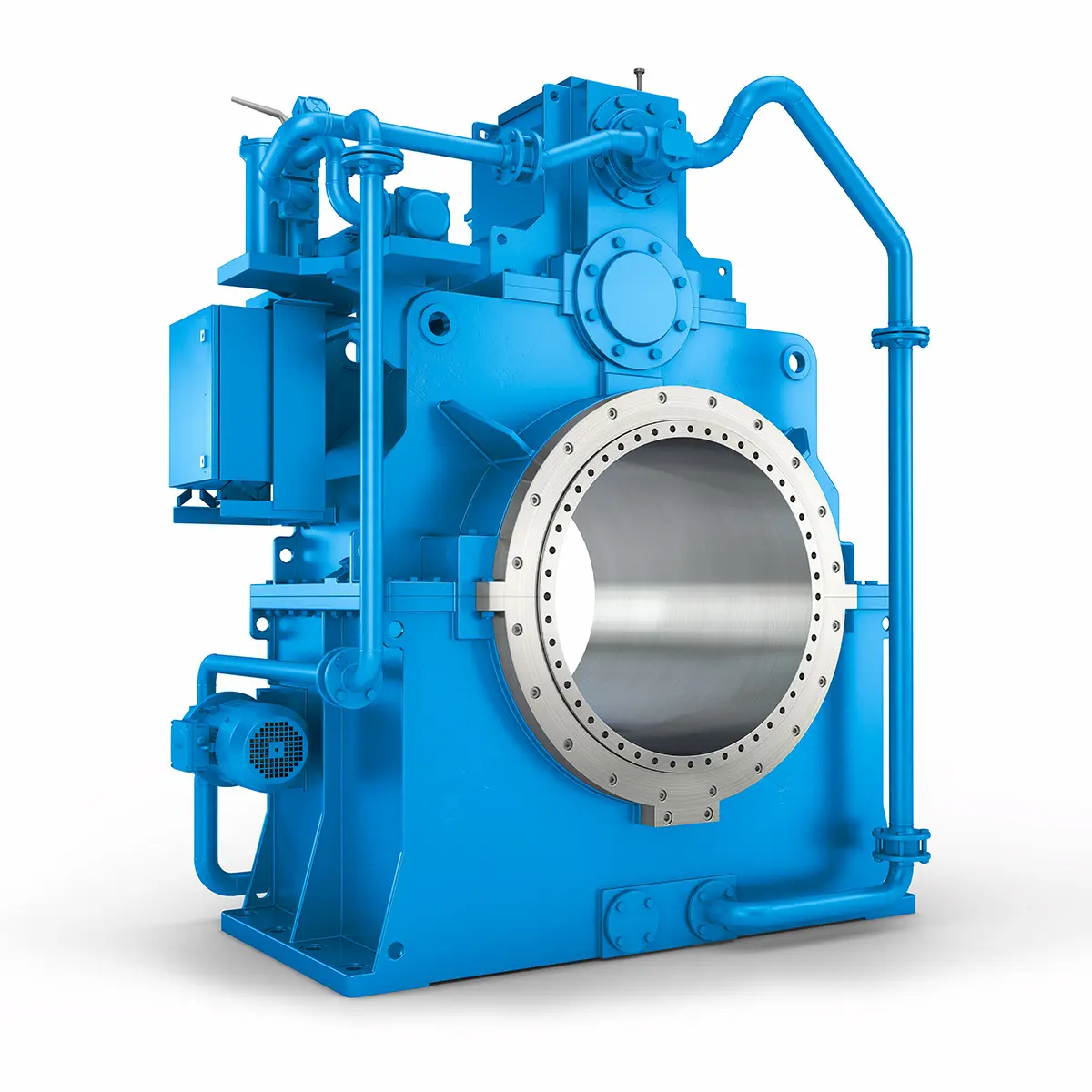 Reliable Power Generation on board
 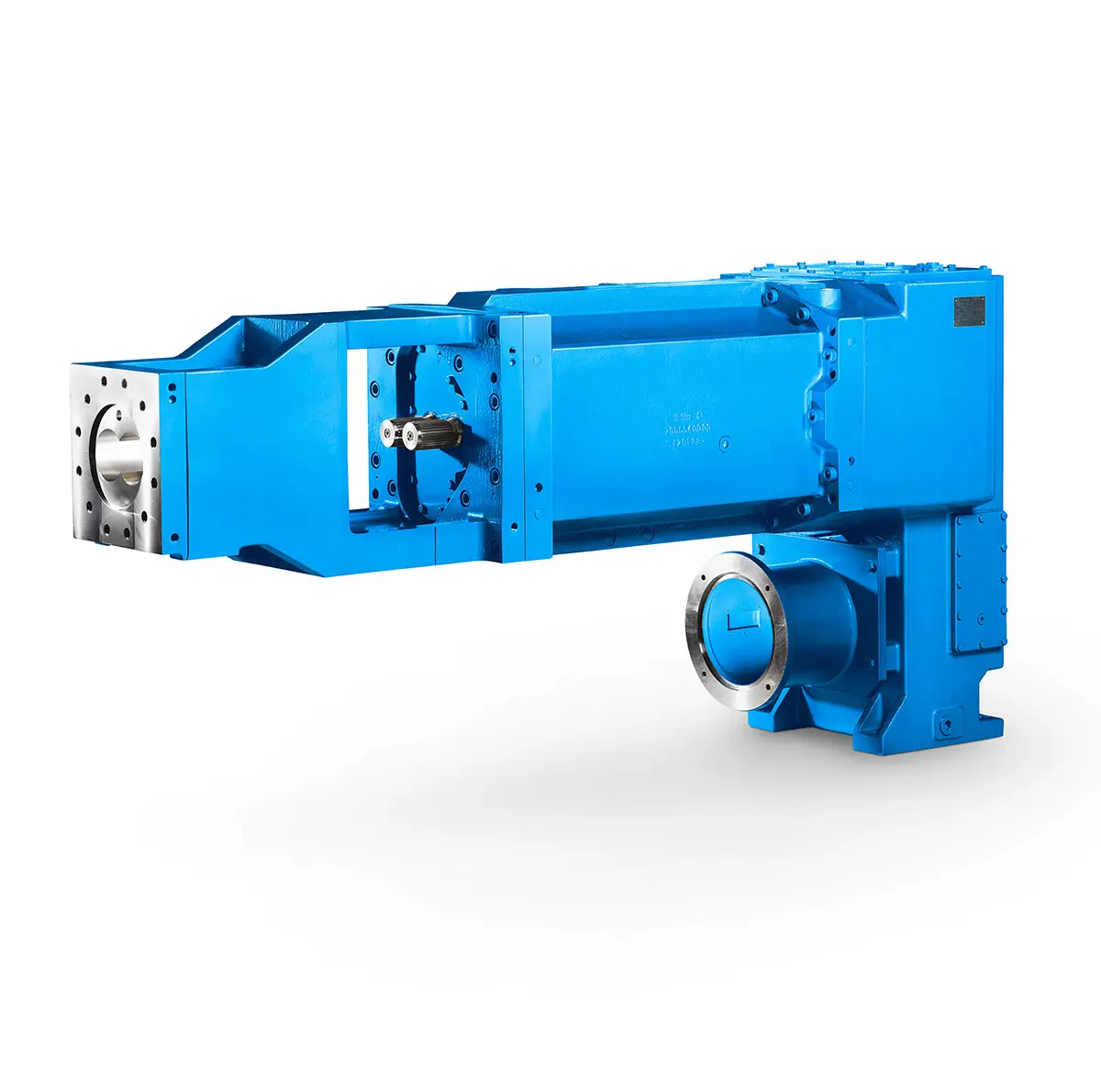 Maximum performance level, fast deliverable
 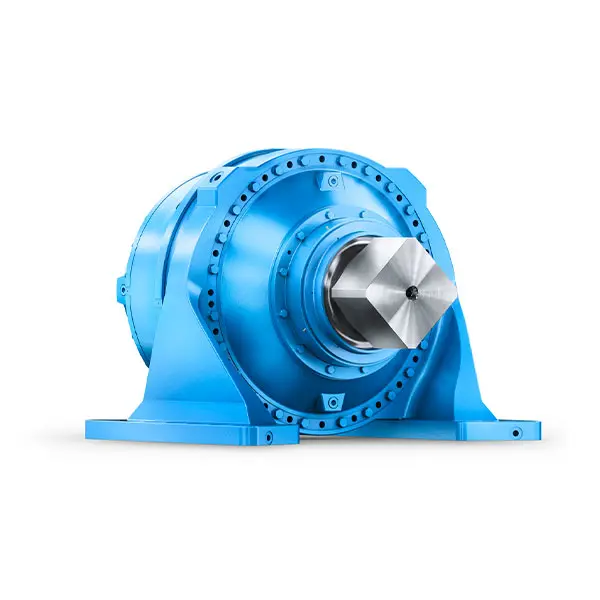 Efficient and compact – FLENDER Gear Units for Sugar Mills
 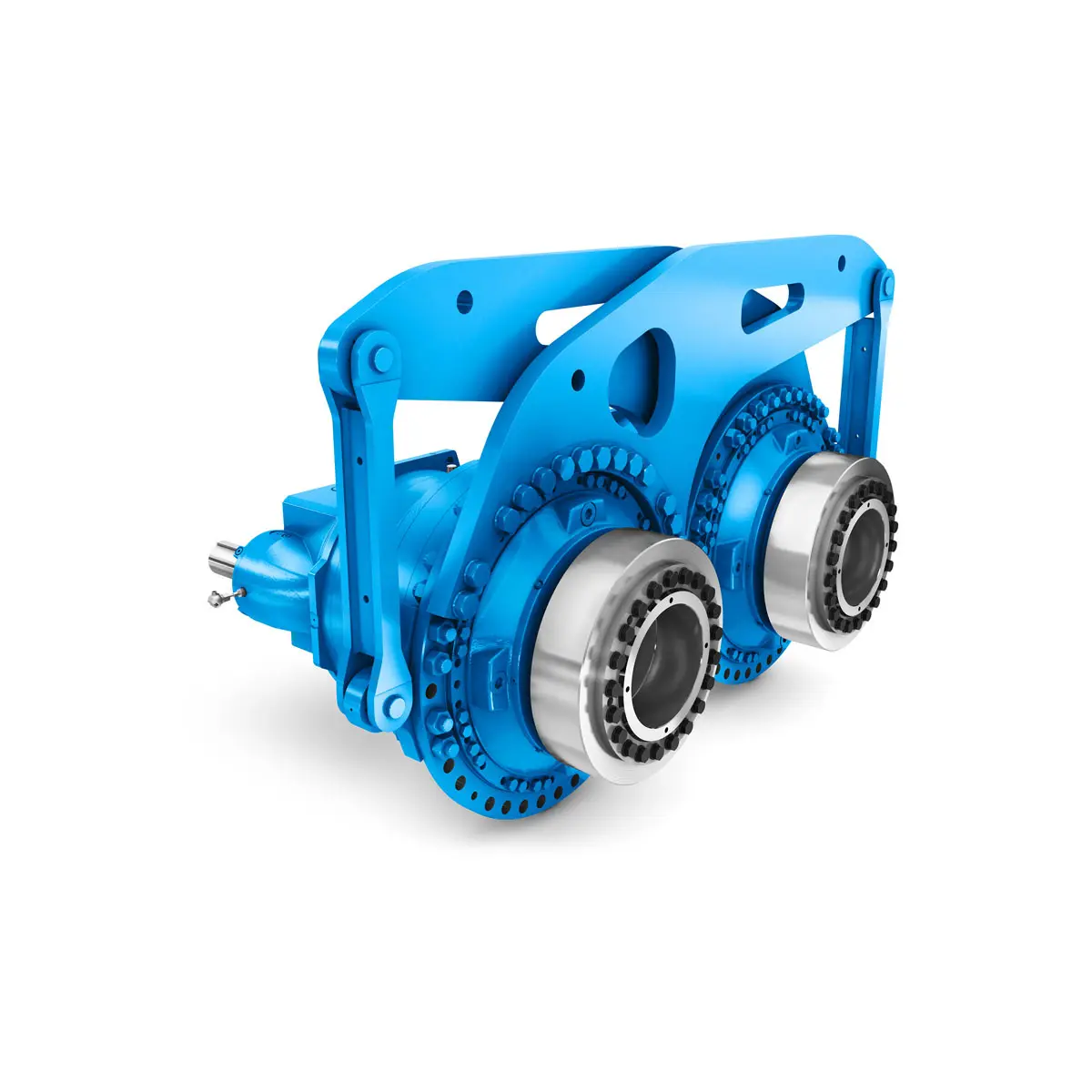 Extremely strong. Extremely compact. Extremely stressable.
 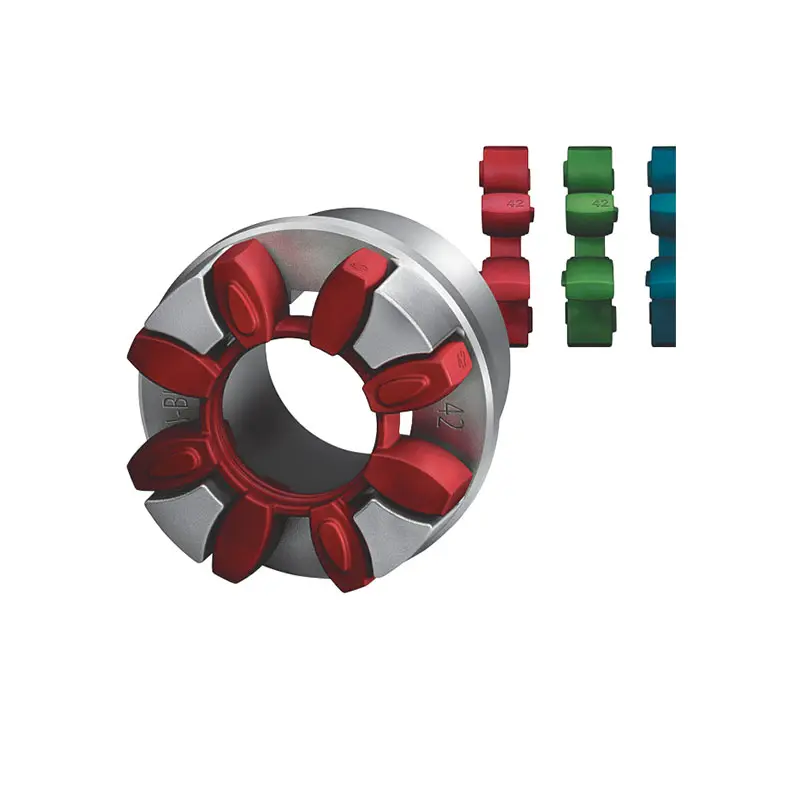 FLENDER Coupling
 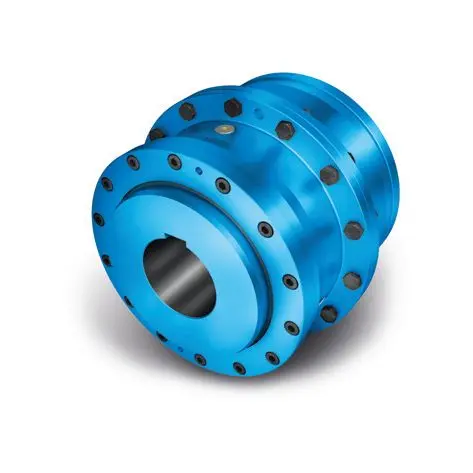 ZAPEX ZW Torsionally Rigid Gear Coupling
 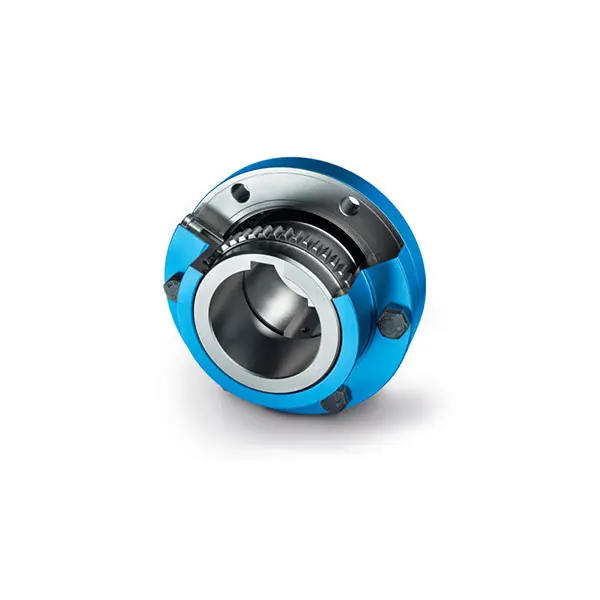 ZAPEX ZN Torsionally Rigid Gear Coupling
 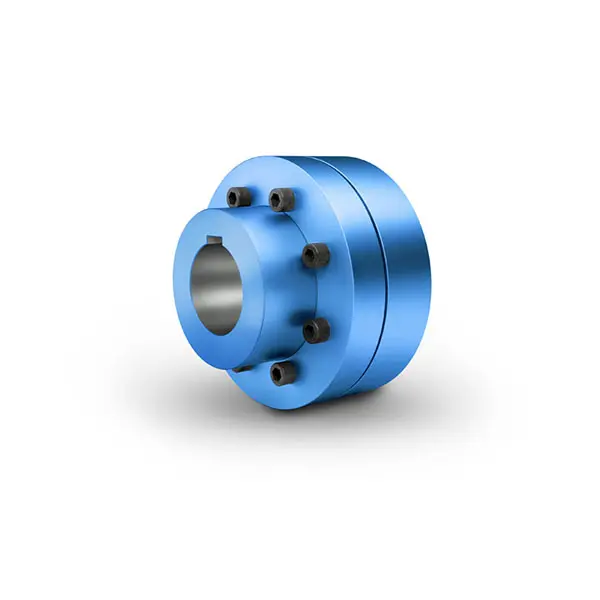 N-EUPEX Flexible high performance Coupling
 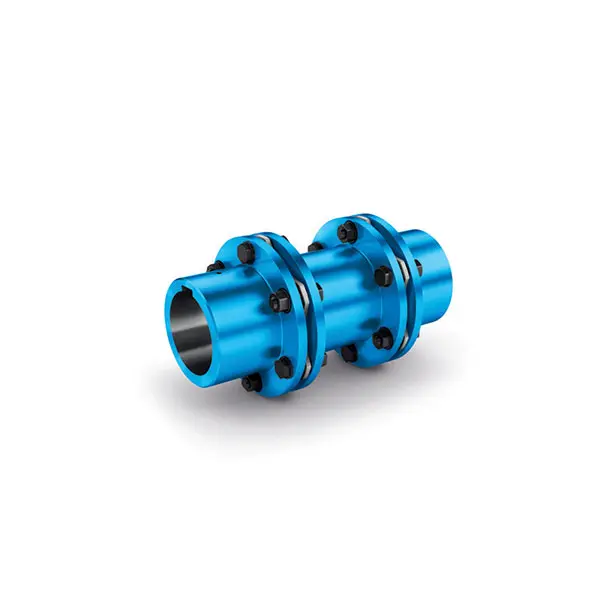 N-ARPEX Torsionally Rigid All-Steel Coupling
 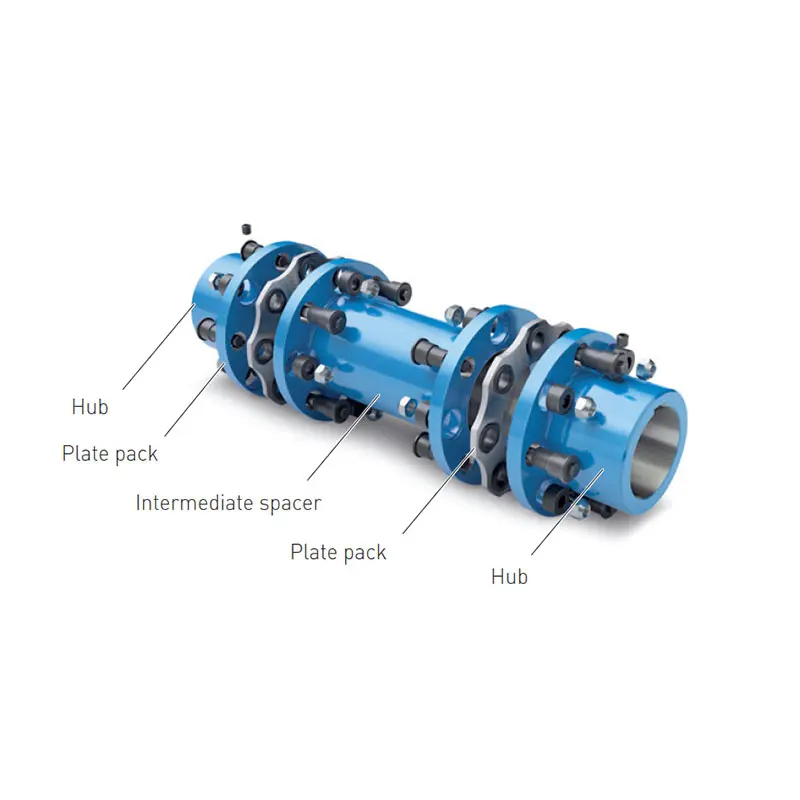 ARPEX Torsionally Rigid All-Steel Coupling Spare and Parts
 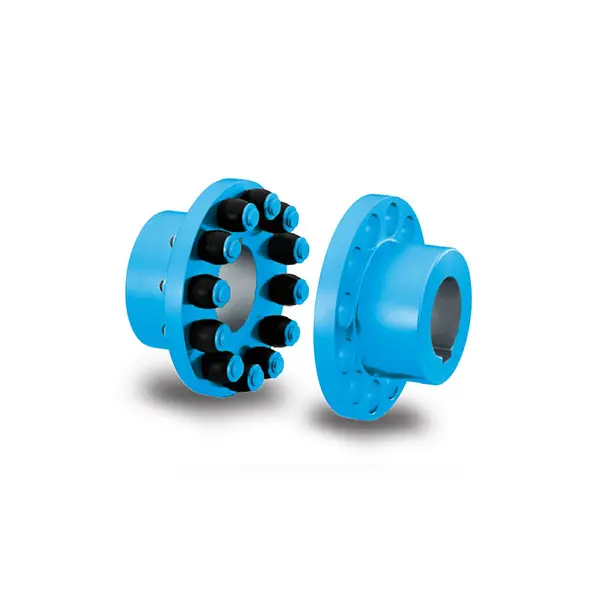 RUPEX Flexible high performance Coupling
 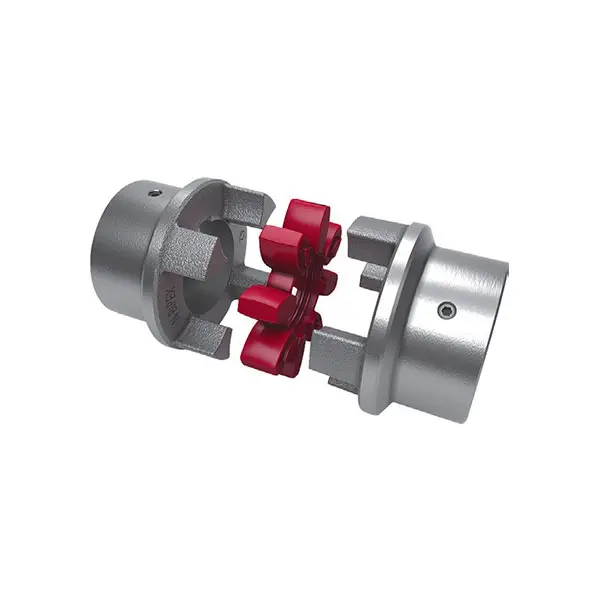 N BIPEX Flexible high performance coupling
 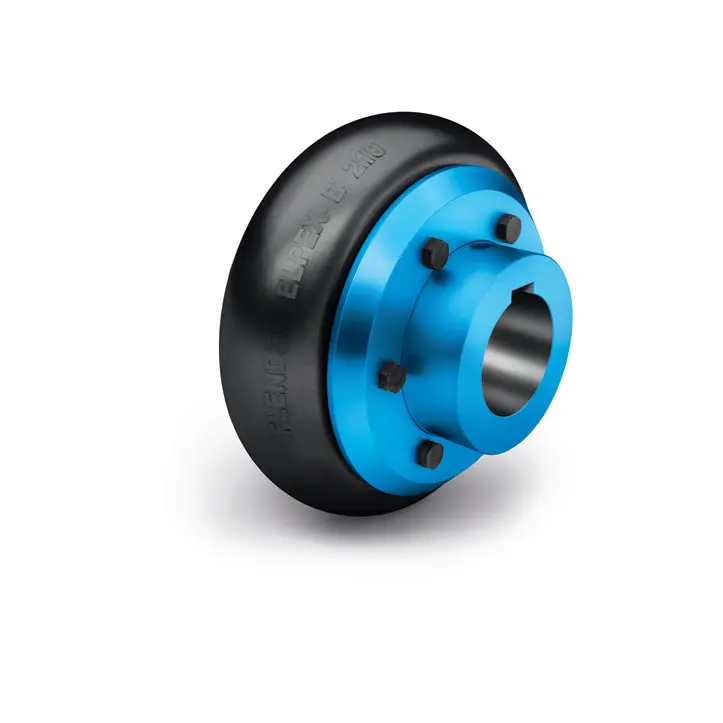 ELPEX B Highly Flexible Coupling
 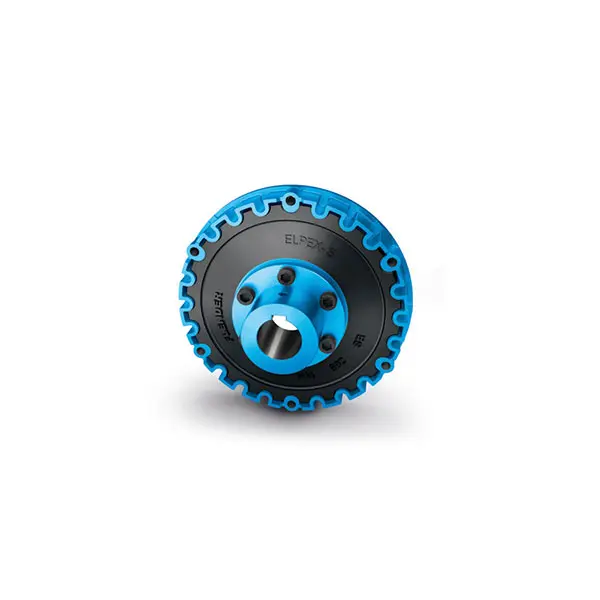 ELPEX S Highly Flexible Coupling high performance
 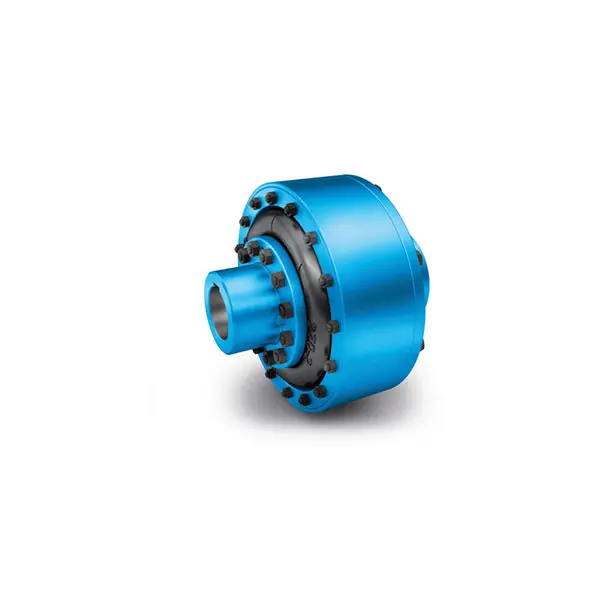 ELPEX Highly Flexible Coupling high performance
 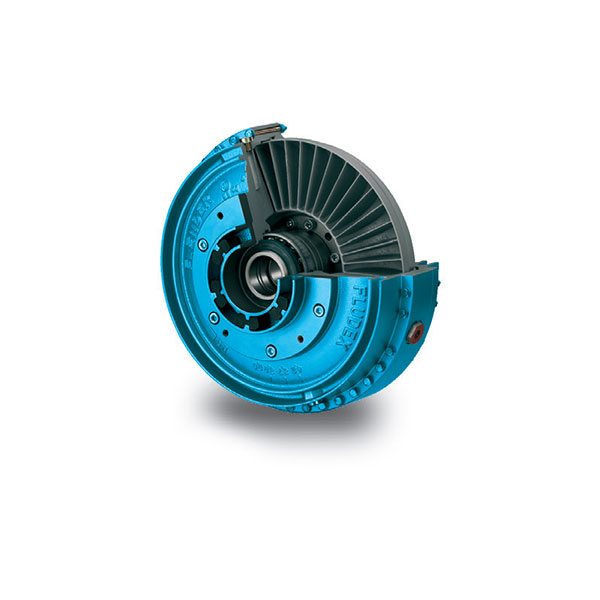 FLUDEX Fluid Coupling high performance
 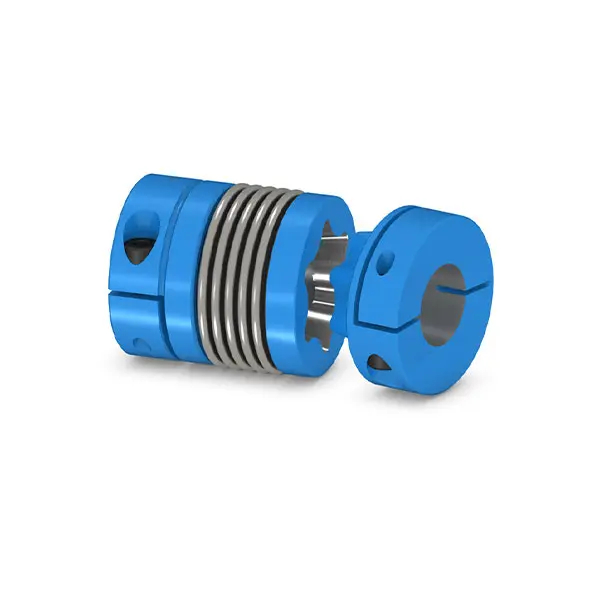 SIPEX Backlash free Coupling high performance
 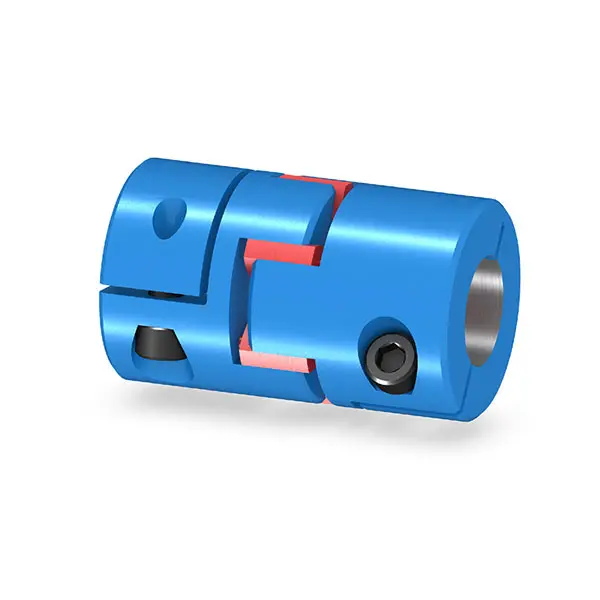 BIPEX S Backlash free Coupling high performance
 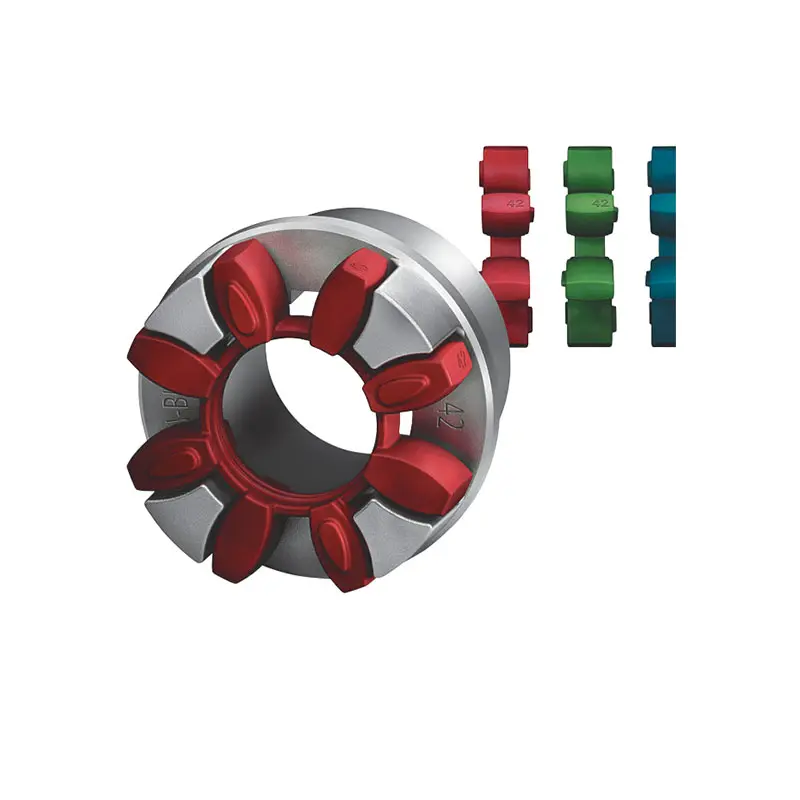 FLENDER Coupling Spare Parts high performance
  SEW Gearmotor
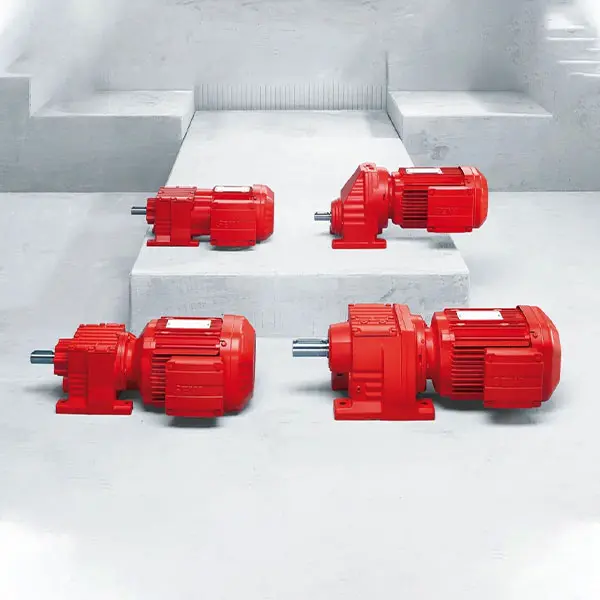 R Series Helical Gearmotor low voltage
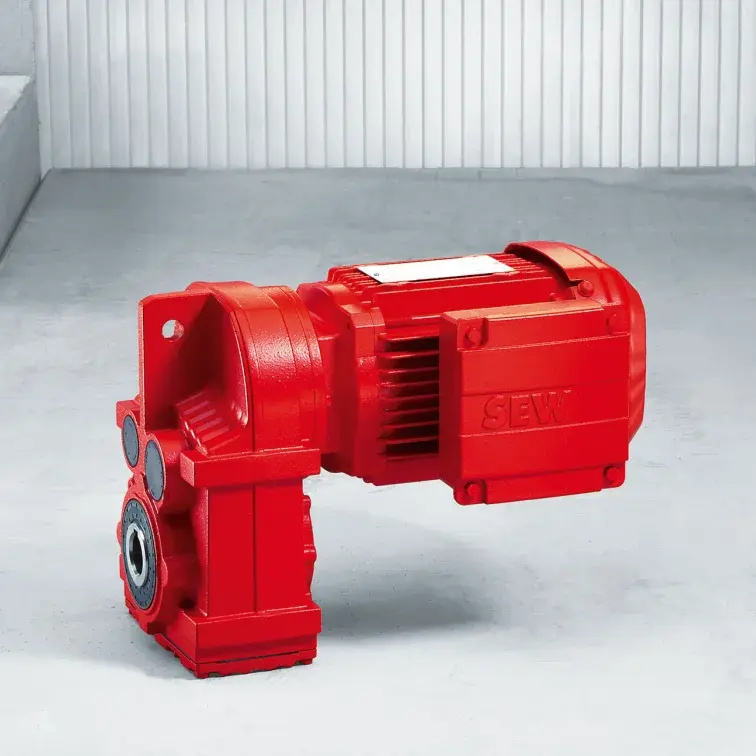 F Series Parallel Shaft Gearmotor low voltage
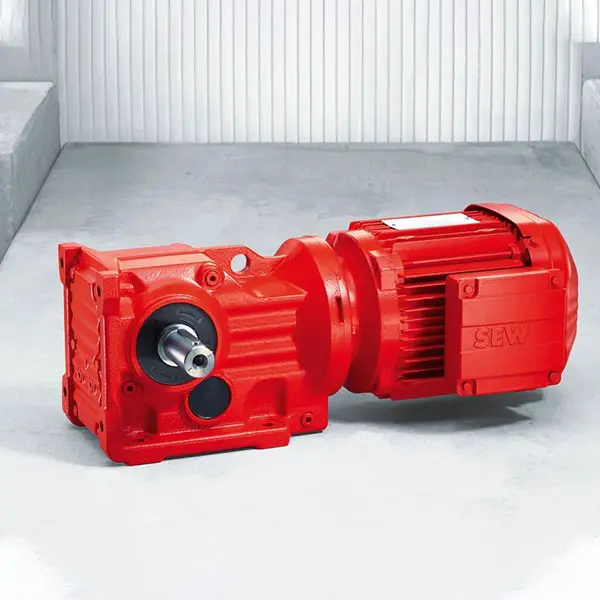 K Series Helical Bevel Gearmotor low voltage
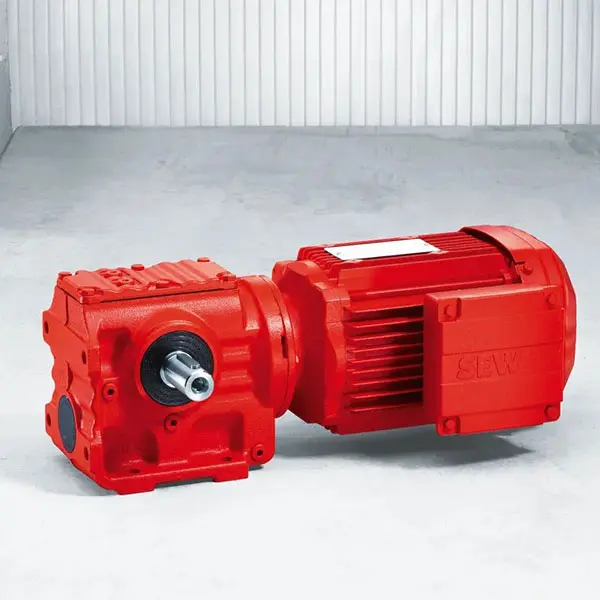 S Series Helical Worm Gearmotor low voltage
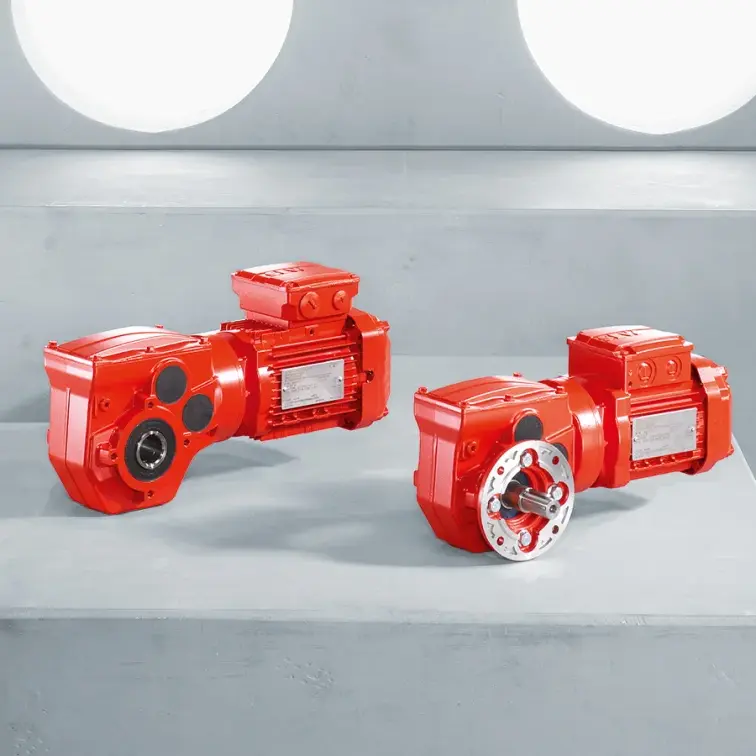 W Series SPIROPLAN® Right Angle Gearmotor