How to Choose the Best China Bevel Helical Gearmotor?
Choosing the best China Bevel Helical Gearmotor requires more than comparing prices. The right selection balances torque, speed, efficiency, protection, and long-term service.
Hermann J. Stadtfeld, a recognized bevel-gear specialist, has described bevel gears as “the most complex gears to design and manufacture.” That complexity matters in practical applications. A motor may look suitable on paper, yet struggle under shock loads, frequent starts, or poor alignment. Small details often decide performance.
Begin with the required output torque and operating speed. Measure the real load, not an optimistic estimate. Include starting torque, duty cycle, ambient temperature, and daily running hours. A conveyor carrying wet cartons needs different protection from a machine operating inside a clean workshop.
Check the gear ratio, motor efficiency, mounting position, shaft dimensions, and brake requirements. Ask for load-test records, noise data, material specifications, and an inspection report. These documents reveal more than a polished product photograph.
China has many capable manufacturers, but quality is not uniform. Review machining accuracy, heat-treatment methods, sealing design, and assembly controls. Confirm whether the supplier can provide replacement parts and technical support after delivery. That conversation can expose weak points early.
One issue deserves honest attention. The cheapest Bevel Helical Gearmotor may reduce the purchase bill, but increase downtime later. Still, the most expensive model is not automatically the best choice. The correct decision depends on verified operating conditions, measurable quality, and realistic maintenance expectations. Your first specification may be incomplete. Recheck it before ordering.
Define Bevel Helical Gearmotor Requirements: Torque, Speed, and 1.25–1.75 Service Factor
How to Choose the Best China Bevel Helical Gearmotor?
Define the output torque before comparing suppliers. Use
T = 9550 × P ÷ n
,
where T is newton-metres, P is kilowatts, and n is output speed. Measure the load.
Record conveyor weight, acceleration time, starts per hour, operating hours, and ambient temperature. Include radial and axial shaft loads. A 1,500-kilogram conveyor may need far more starting torque than its running torque suggests. Ratio, mounting position, brake requirements, and backstop needs also affect selection.
Apply a service factor between 1.25 and 1.75 to the calculated torque. Choose near 1.25 for smooth, uniform loads. Consider 1.5 or higher for frequent starts, reversing, impact, or irregular material flow.
Do not treat this factor as a substitute for thermal verification. The U.S. Department of Energy’s Industrial Motor Systems Market Opportunity Assessment reports that motor systems can consume about 70% of industrial electricity. Efficient sizing matters beyond purchase price.
Ask the manufacturer for efficiency data, thermal ratings, noise values, and documented load calculations. Verify gear ratings against ISO 6336 principles, and confirm the motor’s duty class. That assumption fails.
Request a test report matching your actual ratio and torque. Check oil grade, sealing, shaft tolerances, and inspection records. A lower quotation can hide unsuitable bearings or weak housing details.
I have found that nameplate power alone is misleading. Recheck the duty cycle before ordering.
Compare Gear Ratios and Efficiency: Why Bevel Helical Units Reach 90–95%
Choosing the best China bevel helical gearmotor starts with its gear ratio, not its catalogue appearance. The ratio determines output speed, torque, and how much power becomes useful motion. A unit with a 20:1 ratio may suit a slow conveyor, while a 7:1 ratio can support faster indexing.
Bevel helical designs commonly reach 90–95% efficiency under suitable operating conditions. Helical teeth spread the load smoothly, while the bevel stage changes direction with limited sliding loss. However, efficiency depends on the ratio, bearing condition, lubricant, temperature, and actual load. Higher ratios may require additional stages, which usually increase losses. Check the efficiency curve at your working speed, rather than trusting one headline figure.
Measure the motor input and shaft output during a realistic trial. This practical check can reveal heating, vibration, or unexpected energy loss. Use a calibrated torque meter when possible, and compare results with the supplier’s test method. That estimate can mislead. A lightly loaded motor may operate below its best efficiency point, especially when frequent starts occur. I would also inspect the service factor, mounting accuracy, sealing, and maintenance access before choosing. A small efficiency gain means little if alignment problems shorten operating life. Ask for ratio-specific data, noise limits, thermal ratings, and documented quality checks. Experiences from similar conveyors or mixers can be useful, but site conditions still matter.
How to Choose the Best China Bevel Helical Gearmotor?
Bevel helical gearmotors commonly achieve approximately 90–95% mechanical efficiency under suitable load, lubrication, alignment, and operating conditions. Lower ratios generally require fewer reduction stages, while higher ratios may introduce additional meshing losses. Actual efficiency varies by design and application.
Verify Gear Strength with ISO 6336 Ratings and Rated Torque Calculations
How to Choose the Best China Bevel Helical Gearmotor?
A bevel helical gearmotor should survive real loads, not only catalog calculations. Check ISO 6336 ratings for tooth-root bending and flank contact stress. These values reveal whether the gears can handle repeated torque, shock, and changing loads. The U.S. Department of Energy’s Industrial Decarbonization Roadmap (2022) reports that motor-driven systems consume about 69% of electricity in U.S. manufacturing. Efficiency and correct sizing therefore affect both energy use and operating cost. Calculate output torque with T = 9550P/n, where T is newton-metres, P is kilowatts, and n is output speed. Then compare this result with the gearmotor’s rated torque, thermal capacity, and service factor. A mismatch may create overheating.
Tips: Request the ISO 6336 calculation basis, material quality, and assumed operating hours. Ask whether the rating covers bending, pitting, or both. Inspect the actual load pattern. A conveyor carrying uneven boxes needs more margin than a steady fan. Leave room for acceleration torque and short overloads. Too much margin also wastes money and increases size.
In field selection, I would verify torque at the slowest speed first. That point often exposes hidden overload. For example, a 2.2 kW motor running at 40 rpm produces about 525 Nm before losses. With 94% gearbox efficiency, usable torque falls near 494 Nm. This is simple, but easy to overlook. The ISO rating may still pass while bearings, shafts, or keys remain under-specified. A spreadsheet can look precise and still be wrong. Load data should be measured, not guessed.
How to Choose the Best China Bevel Helical Gearmotor? - Verify Gear Strength with ISO 6336 Ratings and Rated Torque Calculations
Reference comparison of bevel helical gearmotor configurations using rated output torque and indicative ISO 6336 gear-strength safety factors.
| Configuration |
Motor Power
(kW) |
Nominal Input Speed
(rpm) |
Reduction Ratio
(i) |
Approx. Output Speed
(rpm) |
Calculated Output Torque
(Nm) |
Selected Gearbox Rated Torque
(Nm) |
Application Torque
(Nm) |
Torque Utilization
(%) |
ISO 6336 Bending Safety Factor
(SF) |
ISO 6336 Contact Safety Factor
(SH) |
Selection Result |
| Compact conveyor drive |
0.37 |
1,500 |
10:1 |
150 |
23.5 |
40 |
30 |
75.0% |
1.45 |
1.22 |
Pass |
| Packaging-line drive |
0.75 |
1,500 |
15:1 |
100 |
71.6 |
110 |
80 |
72.7% |
1.52 |
1.26 |
Pass |
| Material-handling drive |
1.50 |
1,500 |
20:1 |
75 |
191.0 |
300 |
220 |
73.3% |
1.60 |
1.31 |
Pass |
| Heavy conveyor drive |
2.20 |
1,500 |
25:1 |
60 |
350.2 |
520 |
380 |
73.1% |
1.68 |
1.36 |
Pass |
| Low-speed mixer drive |
4.00 |
1,500 |
30:1 |
50 |
764.0 |
1,100 |
850 |
77.3% |
1.74 |
1.42 |
Pass |
Rated torque calculation:
Tout = 9550 × P / nout, where Tout is torque in Nm, P is motor power in kW, and nout is output speed in rpm. Output speed is estimated as nin / i and does not include the small efficiency loss of the gearbox.
Engineering note:
The ISO 6336 values shown are indicative screening results for comparable gear geometry, material quality, load distribution, lubrication, and duty assumptions. Final selection should be verified using the manufacturer’s ISO 6336 calculation, actual service factor, starting torque, shock load, operating hours, ambient temperature, mounting position, and required brake or backstop capacity. A practical preliminary target is a gearbox rated torque at least 1.25 times the calculated application torque, subject to the complete duty-cycle assessment.
Select IEC Motor, IP55–IP66 Protection, and Insulation Class F Options
Choosing a China bevel helical gearmotor starts with the motor interface, not the gearbox label.
An IEC motor should match the required frame size, mounting arrangement, voltage, frequency, and shaft dimensions. IEC compatibility simplifies replacement, but it does not guarantee high efficiency. The International Energy Agency estimates that electric motor systems consume about 46% of global electricity, so selecting the correct efficiency class matters. Check IEC 60034-30-1 ratings, especially IE3 or IE4, against the actual duty cycle.
Protection must reflect the workplace.
Under IEC 60529, IP55 protects against limited dust entry and water jets, while IP66 provides dust-tight construction and stronger water-jet resistance. IP66 is useful near washdown areas, outdoor conveyors, or dusty processing lines. It does not automatically provide corrosion protection or safe immersion. A higher rating is not always better. Extra sealing can increase cost and sometimes affect cooling, so I would verify heat dissipation before upgrading.
Insulation Class F is rated for 155°C maximum insulation-system temperature under IEC 60085.
It offers useful thermal margin during frequent starts, overloads, or hot ambient conditions. Still, Class F does not excuse poor ventilation or incorrect overload settings. Review ambient temperature, service factor, starting torque, braking, and inverter compatibility. The U.S. Department of Energy’s motor-system guidance repeatedly emphasizes system-level efficiency rather than motor nameplate selection alone. In practice, many failures begin with an overlooked duty cycle. That detail deserves another check.

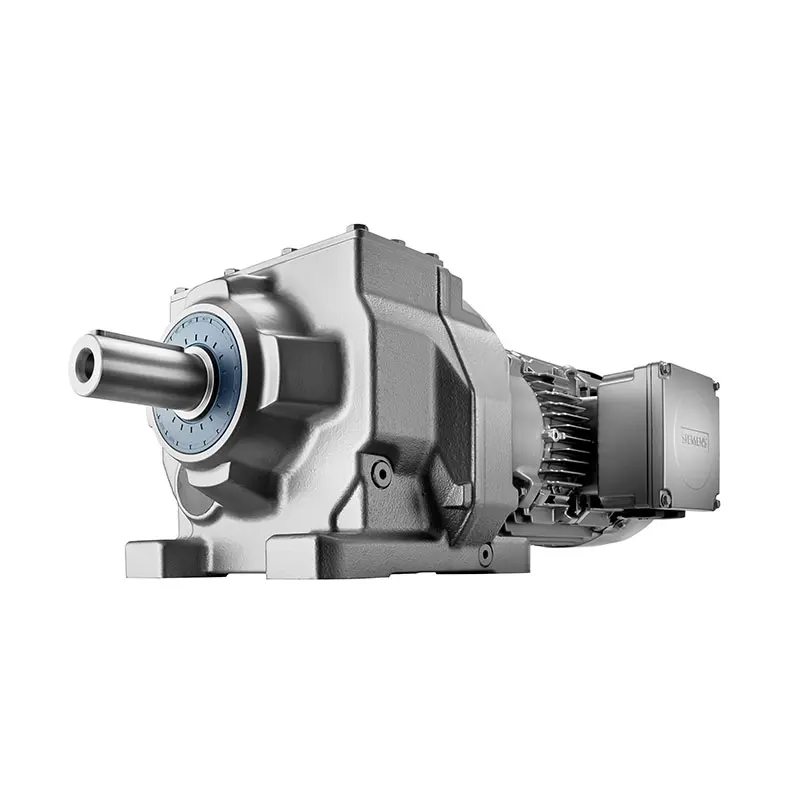 SIEMENS Helical Gearmotor Low Voltage
 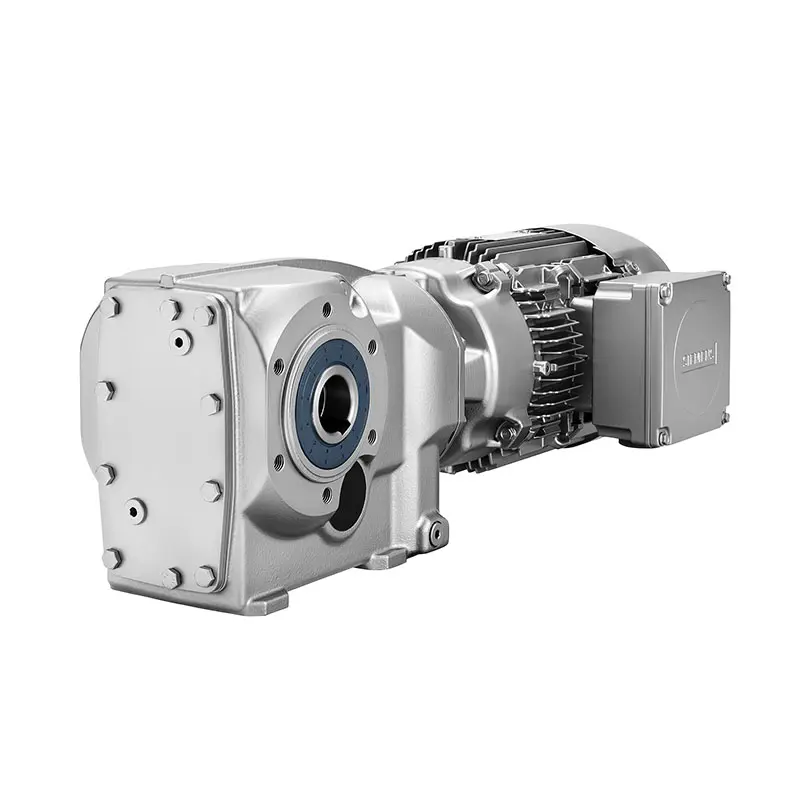 SIEMENS Bevel Helical Gearmotor
 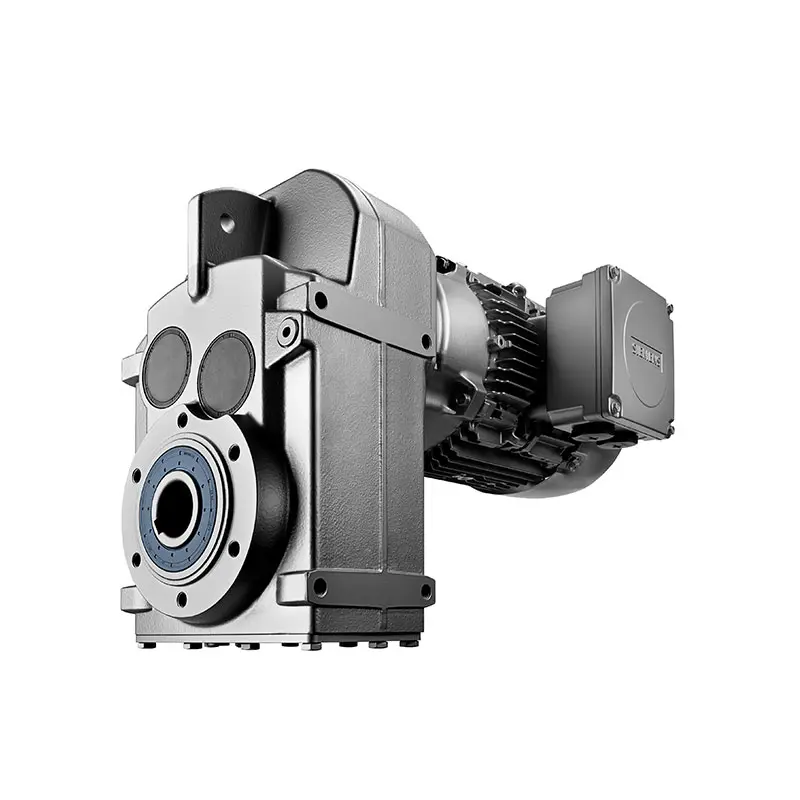 SIEMENS Parallel Shaft Gearmotor
 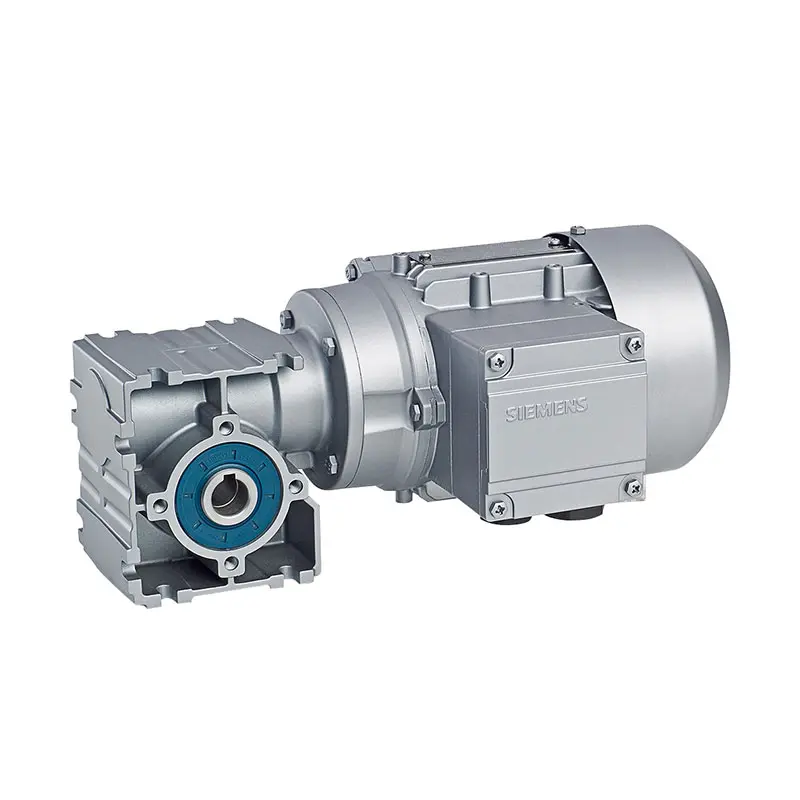 SIEMENS Worm Gearmotor Low Voltage
 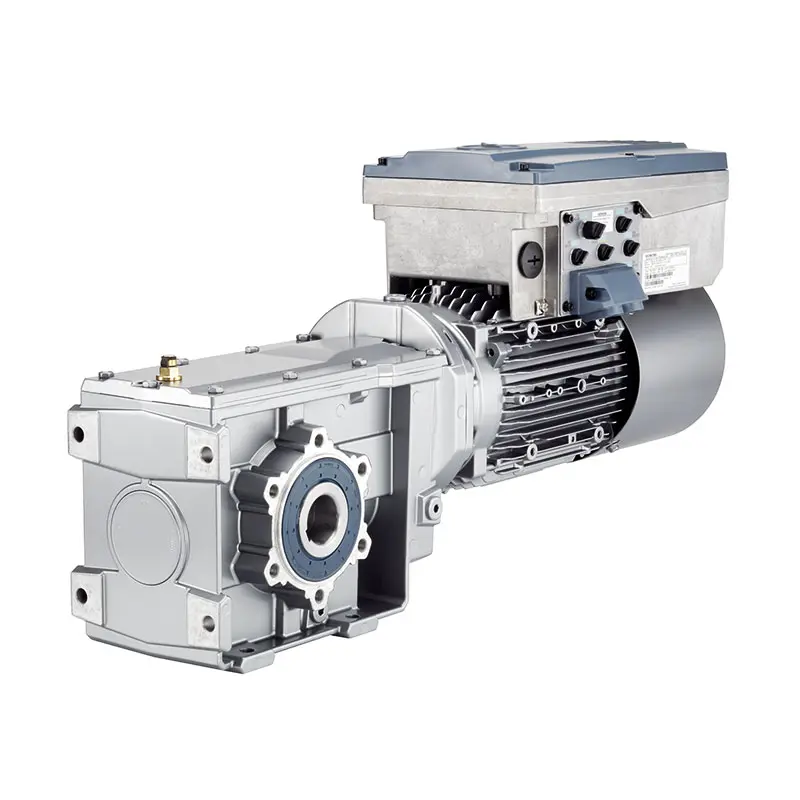 SIEMENS With Servo Motor Gearmotor
  SIEMENS Low Voltage Motor Low Voltage
  SIEMENS High Voltage Motor Low Voltage
  SIEMENS Marine Motor Low Voltage
  SIEMENS Servo Motor Low Voltage
 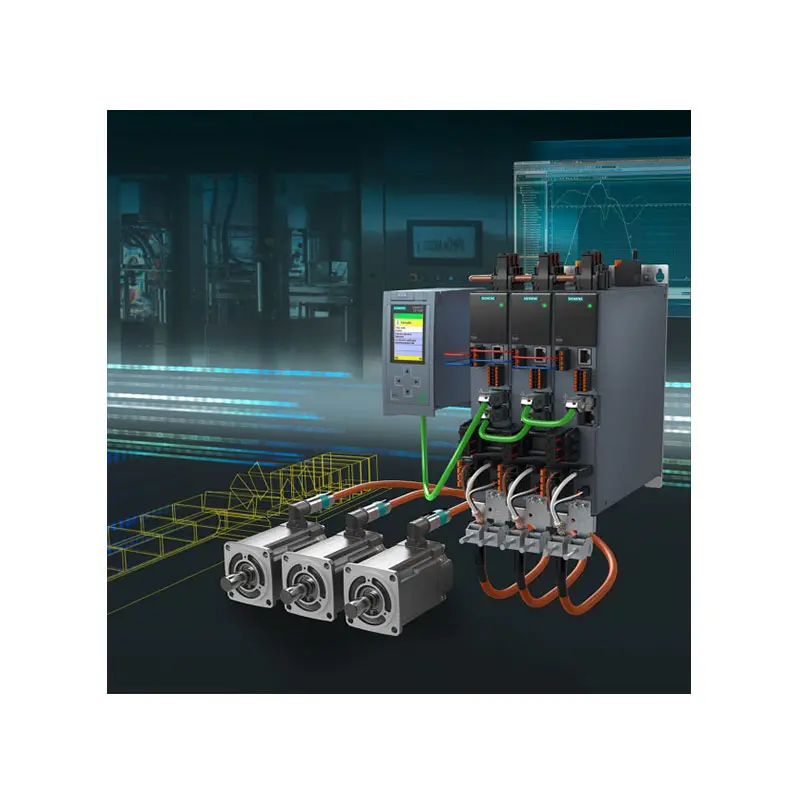 SIEMENS SINAMICS S210 Low Voltage
 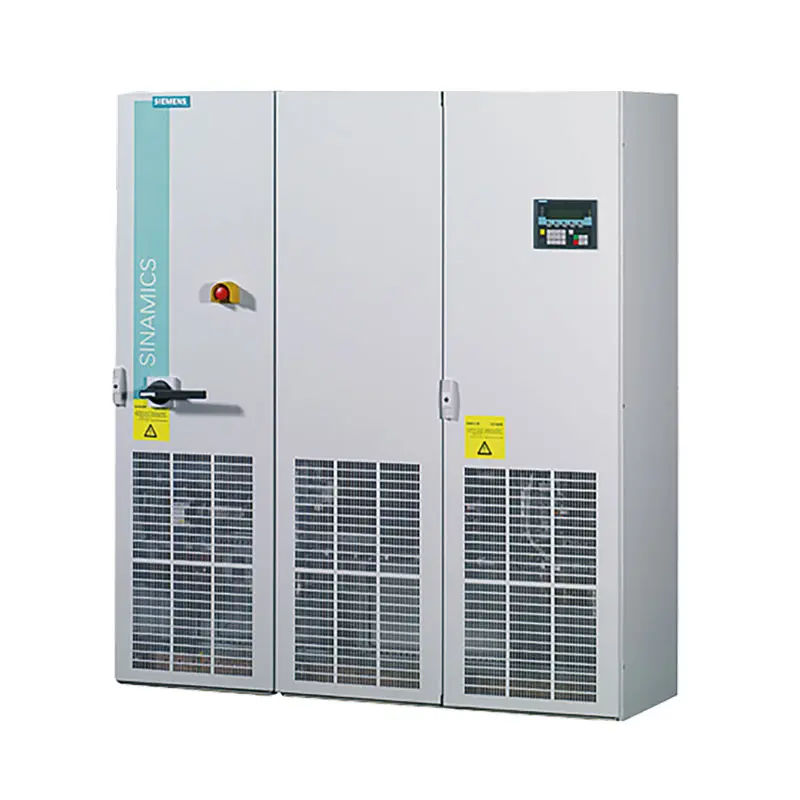 SIEMENS SINAMICS S150 Low Voltage
 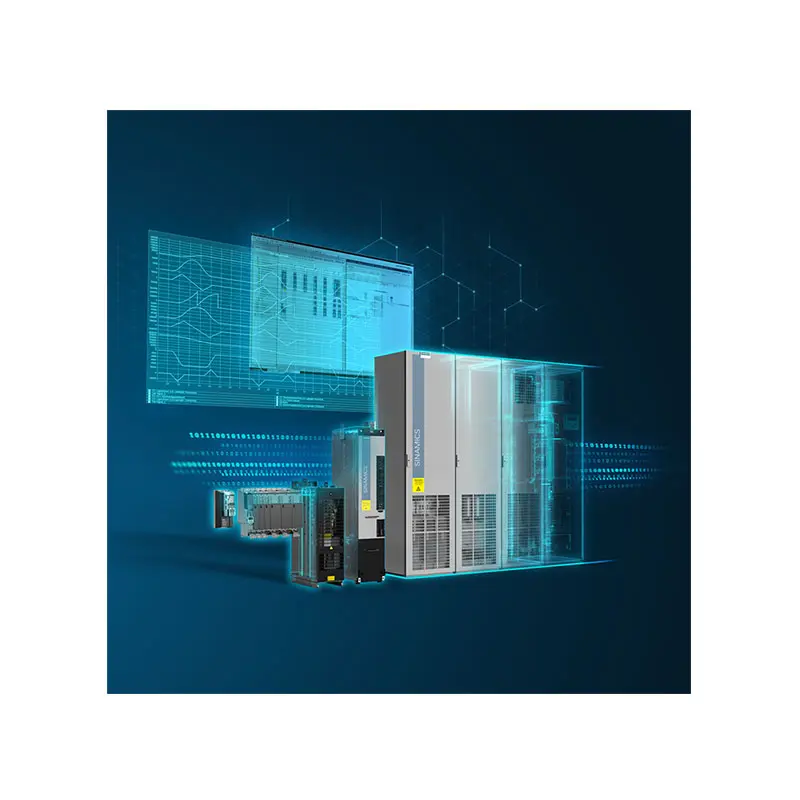 SIEMENS SINAMICS S120 Low Voltage
 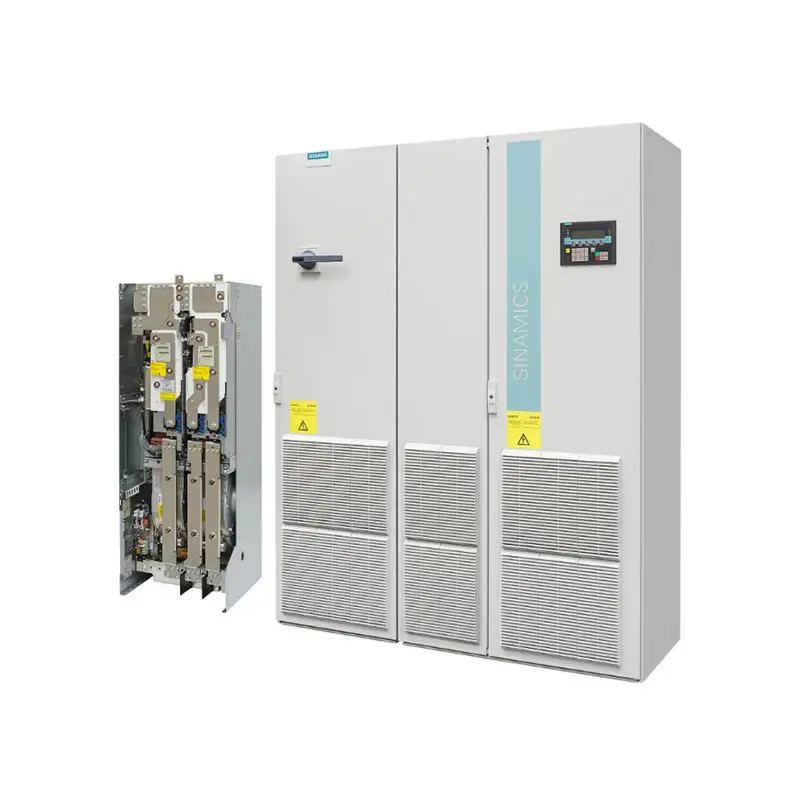 SIEMENS SINAMICS G130/G150
 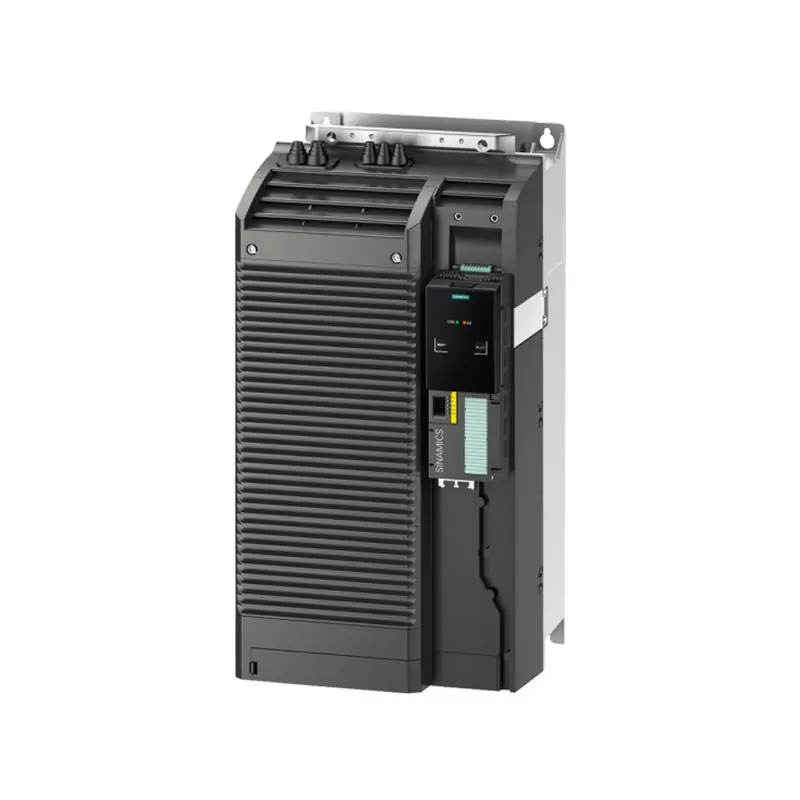 SIEMENS SINAMICS G120 Low Voltage
 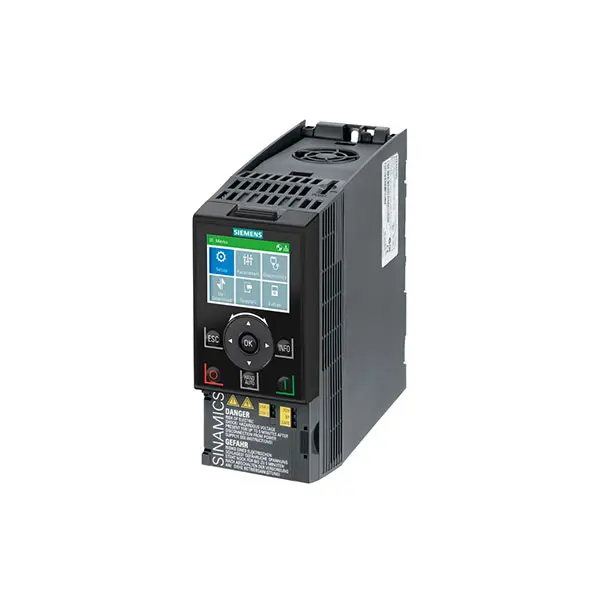 SIEMENS SINAMICS G120C Low Voltage
 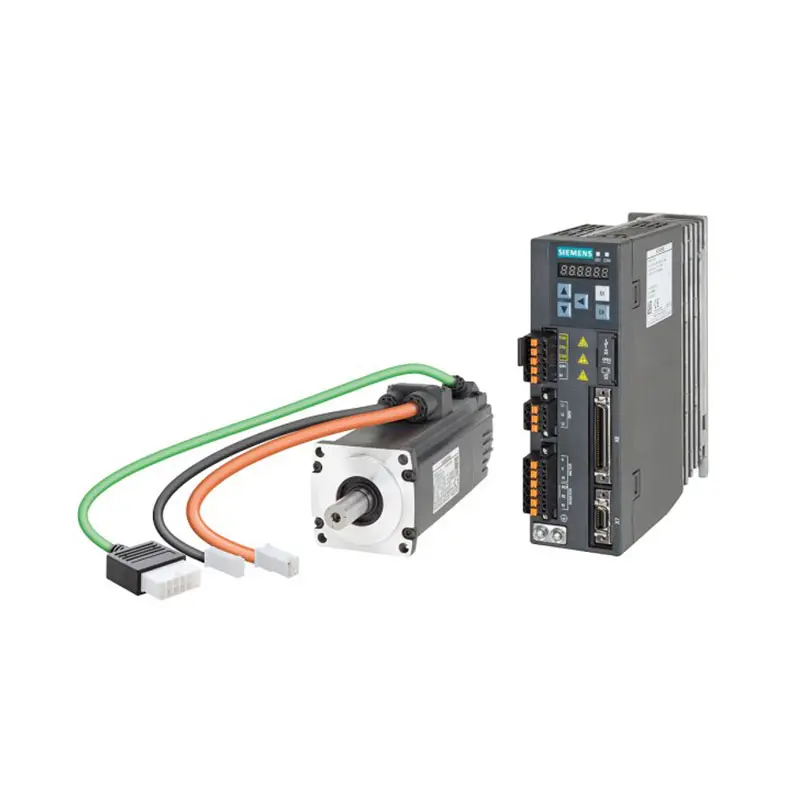 SIEMENS SINAMICS V90
 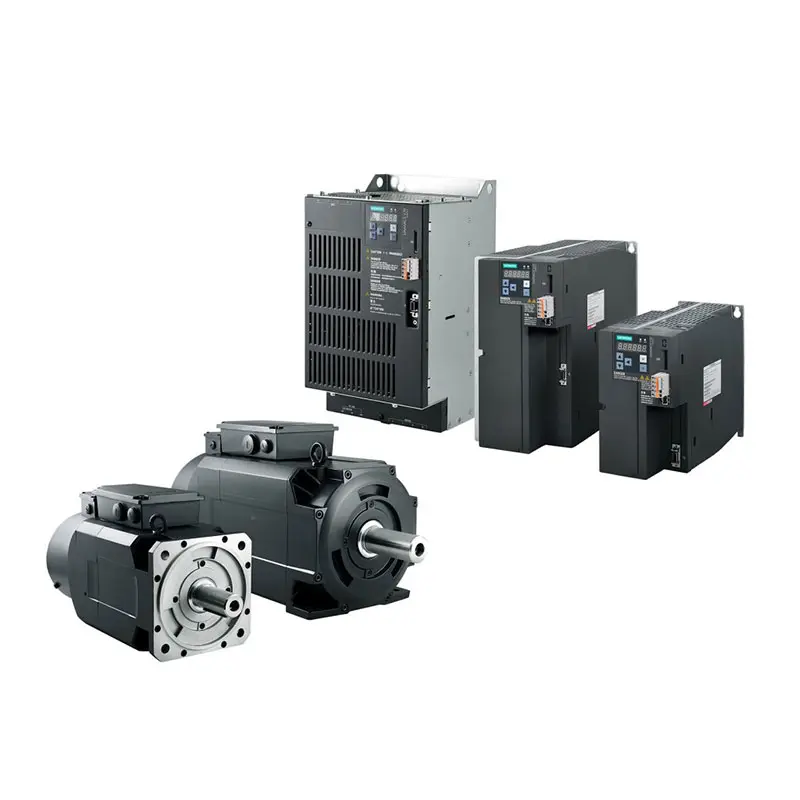 SIEMENS SINAMICS V70 Low Voltage
 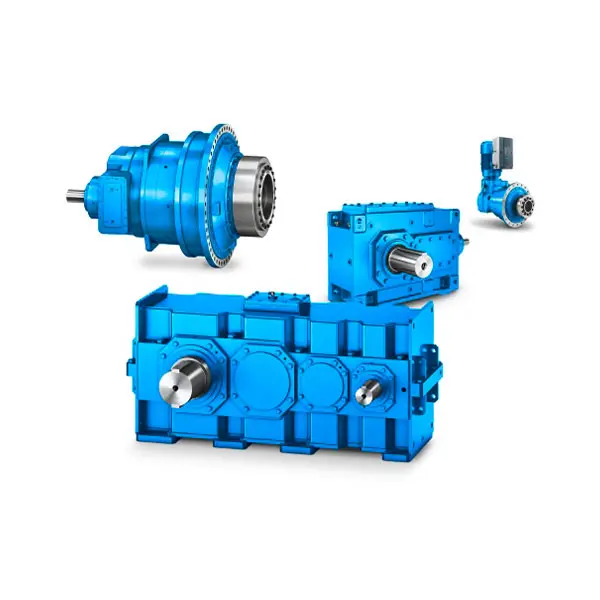 FLENDER Gear Unit
 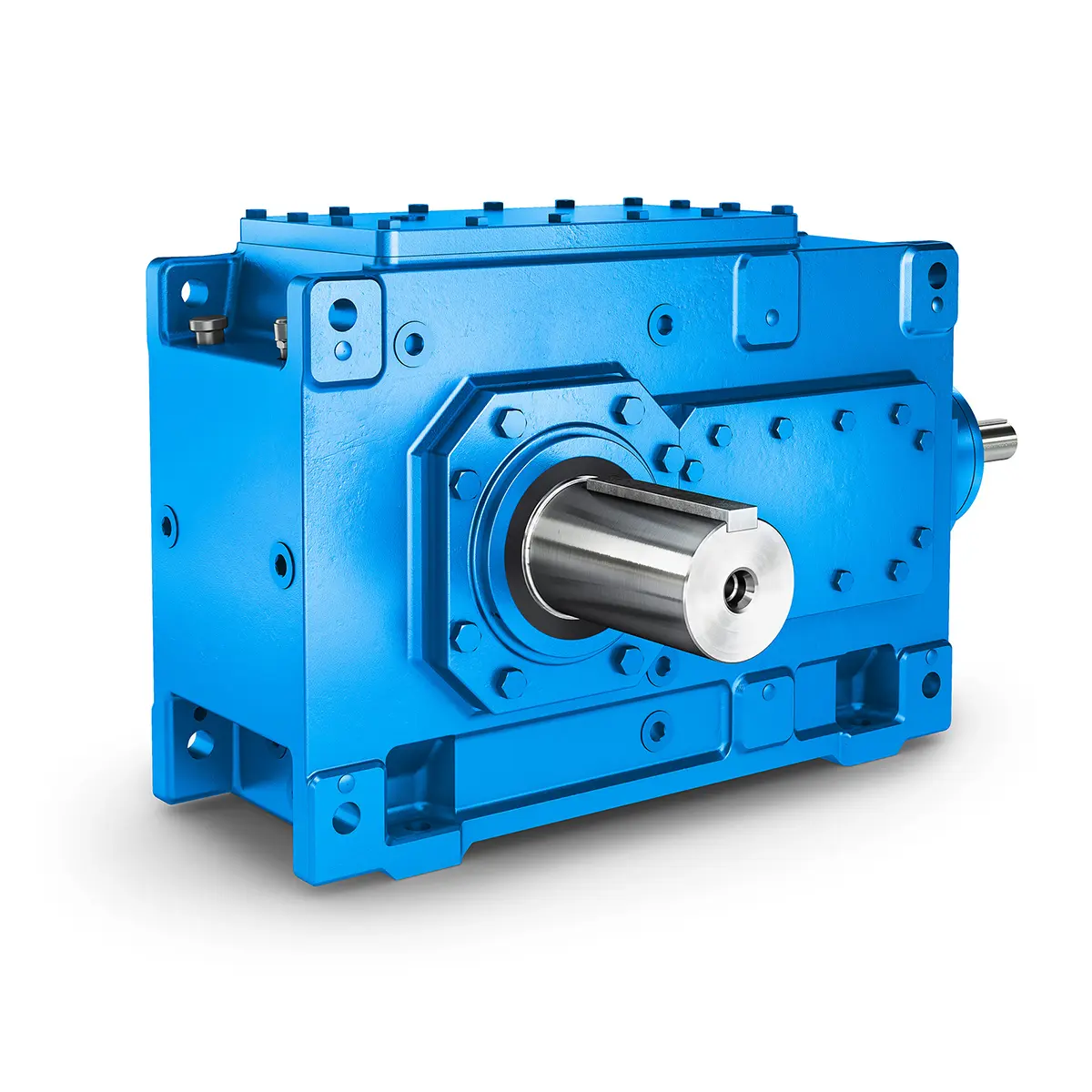 FLENDER Helical Gear Unit
 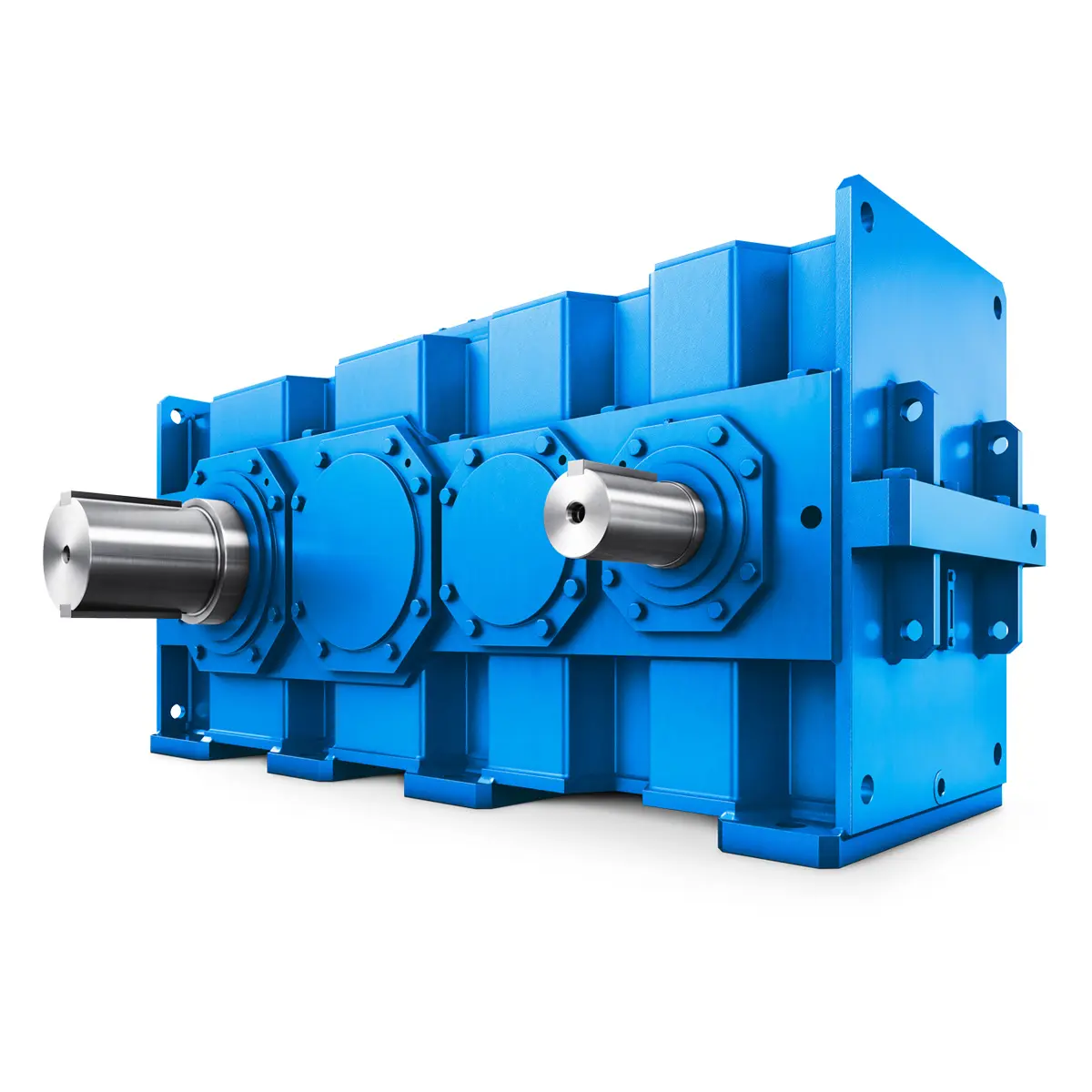 Flender gear units for lifting and luffing gears
 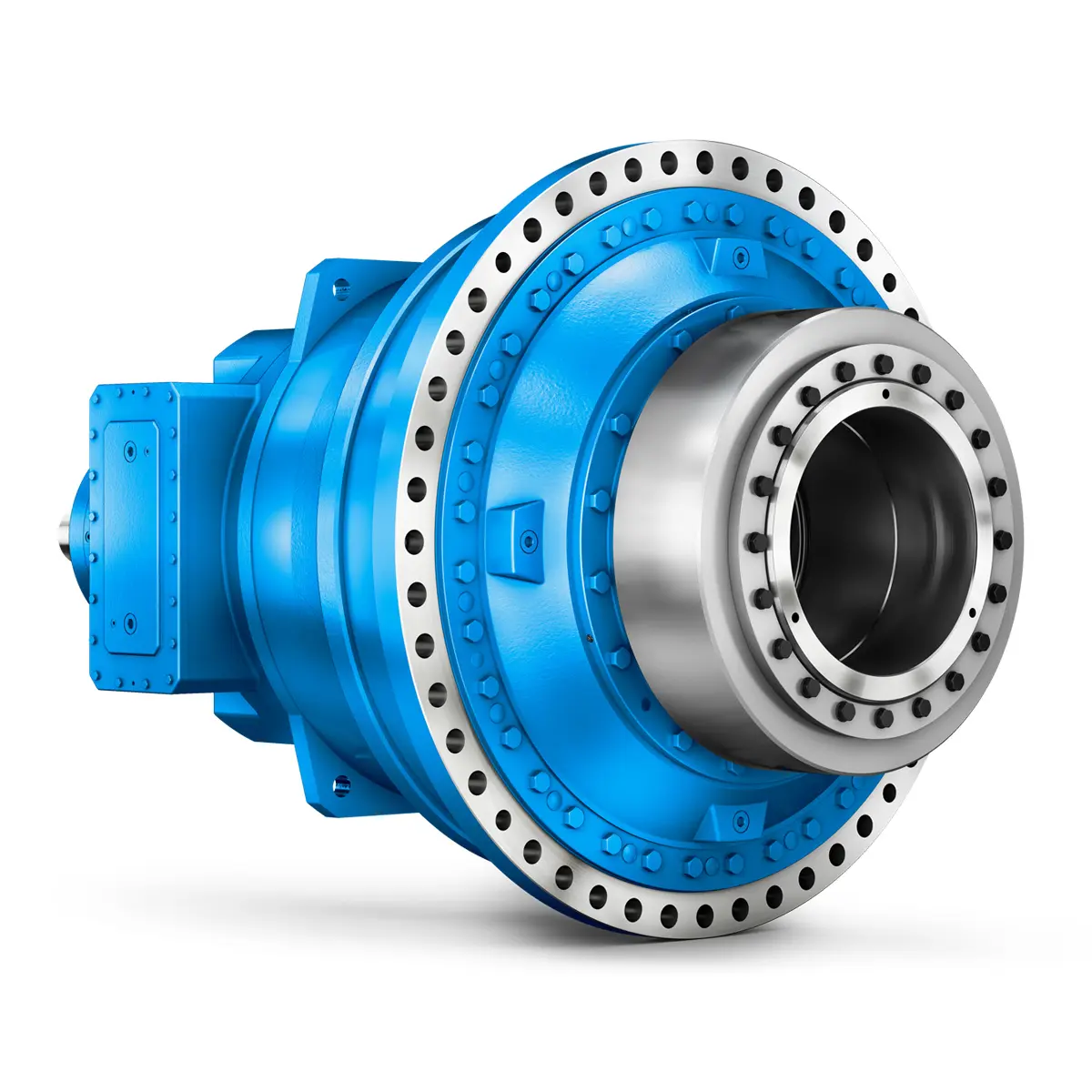 FLENDER Gear Unit gearunit gearbox
 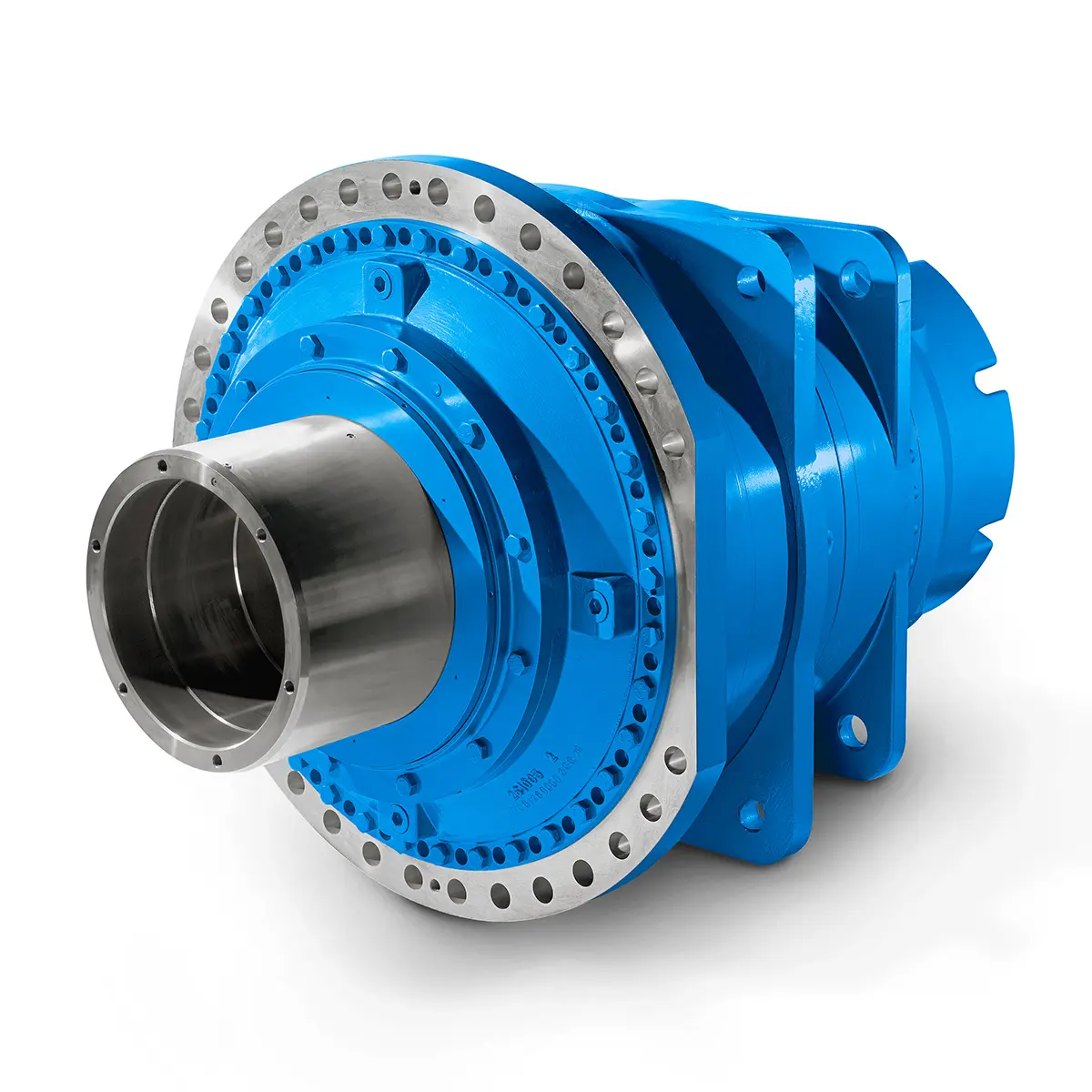 Optimal Drive Solution For Maximum Performance
 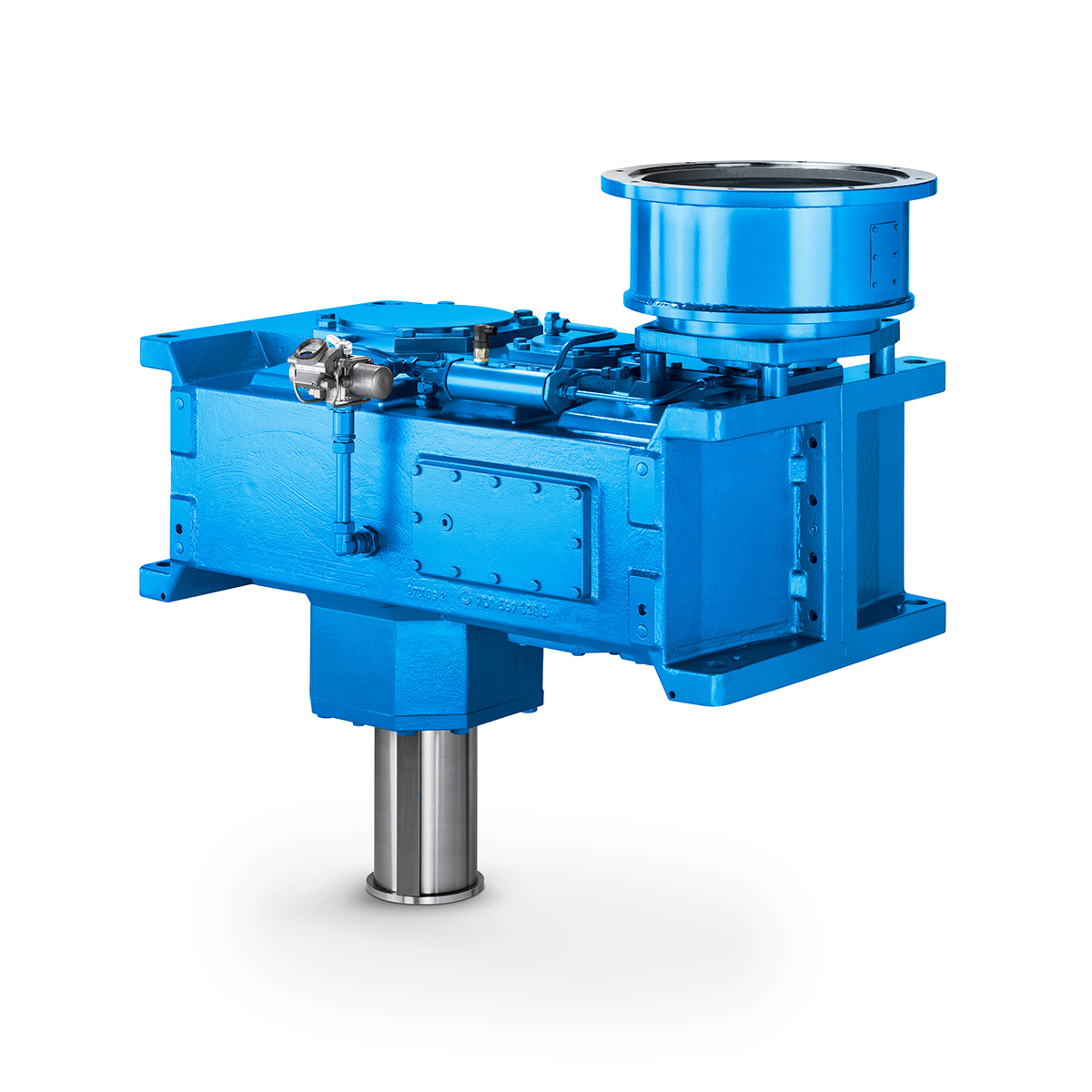 Strongly operating against biodegradable constituents
 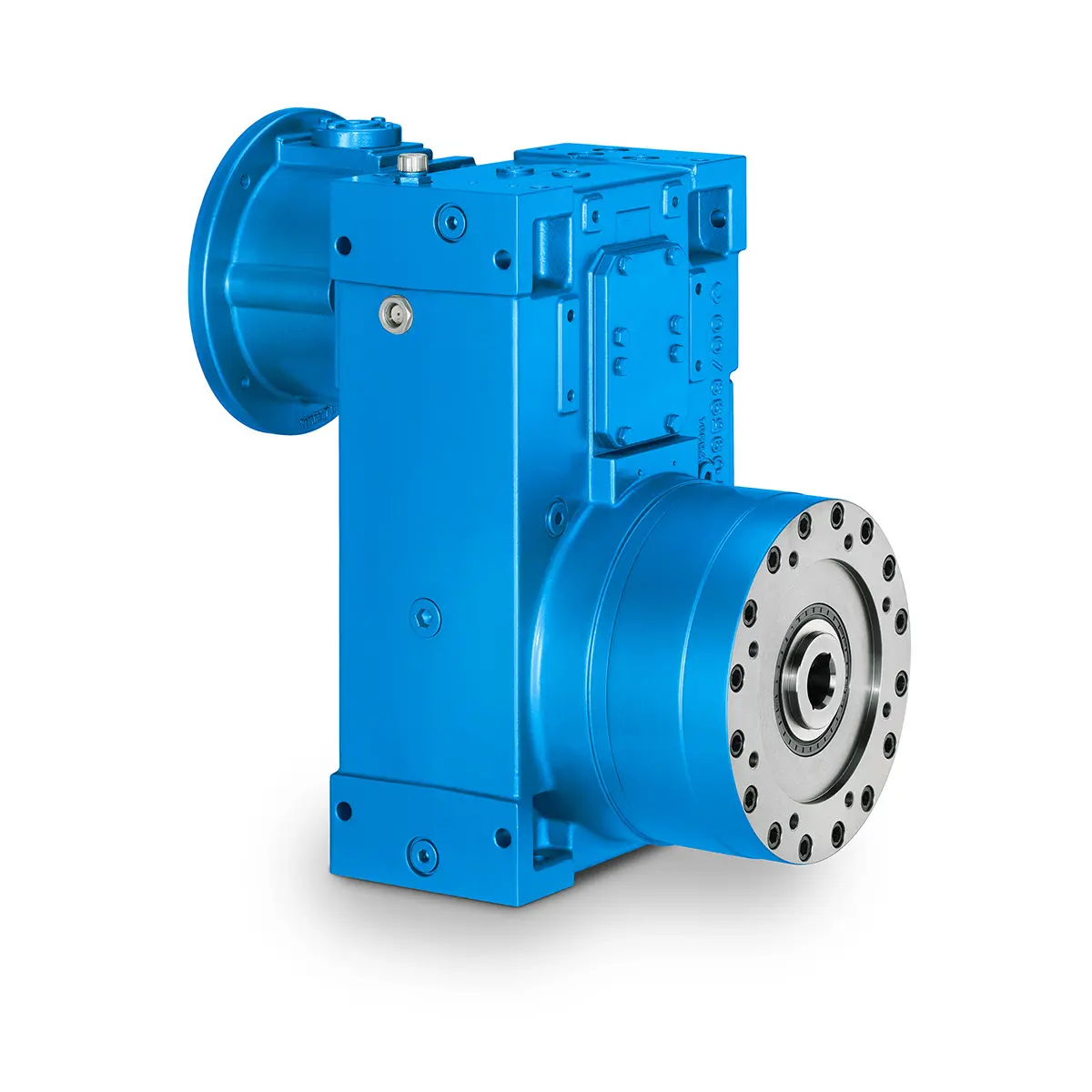 SINGLE SCREW Special industry dedicated gearunit gearbox
 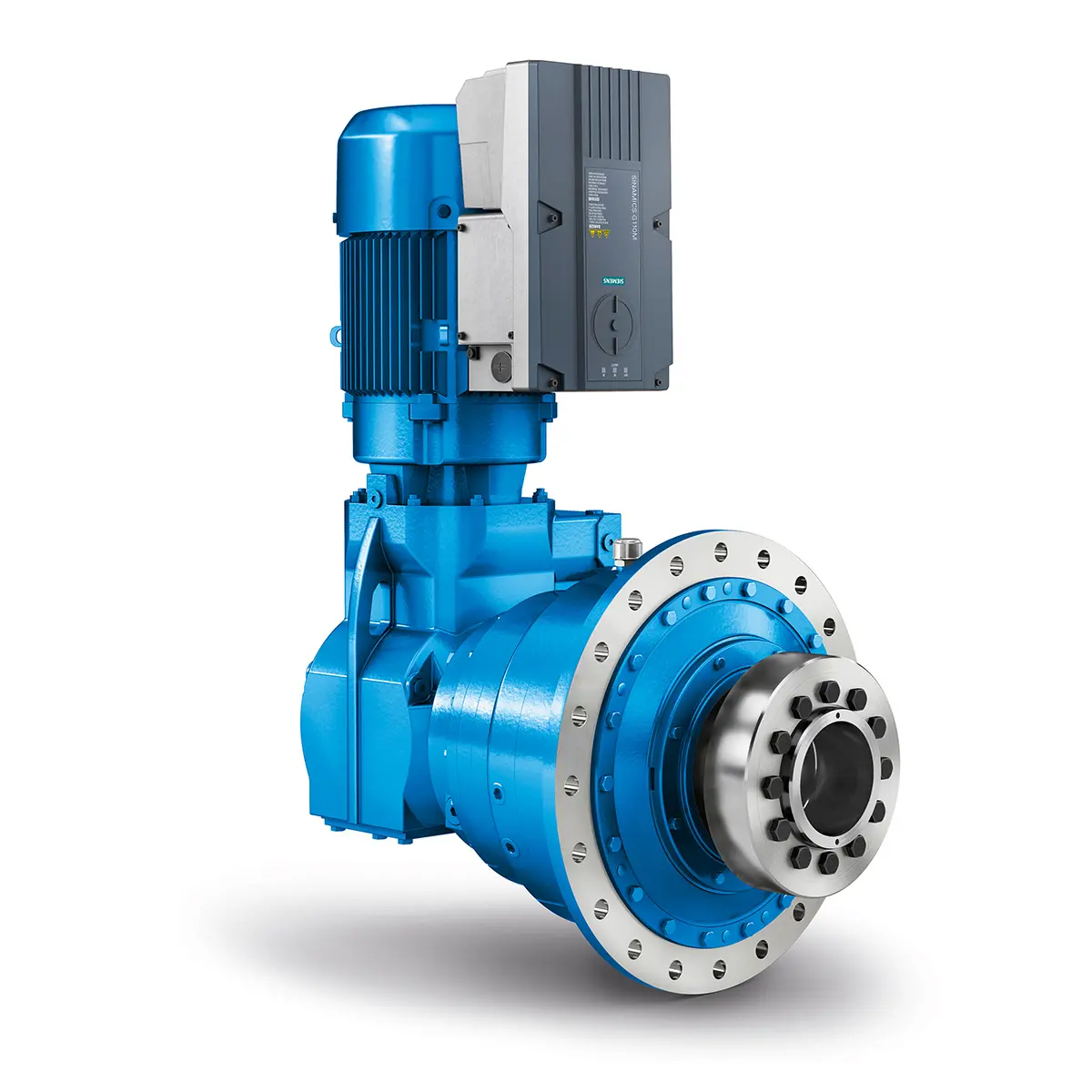 Playmaker In The Premium League
 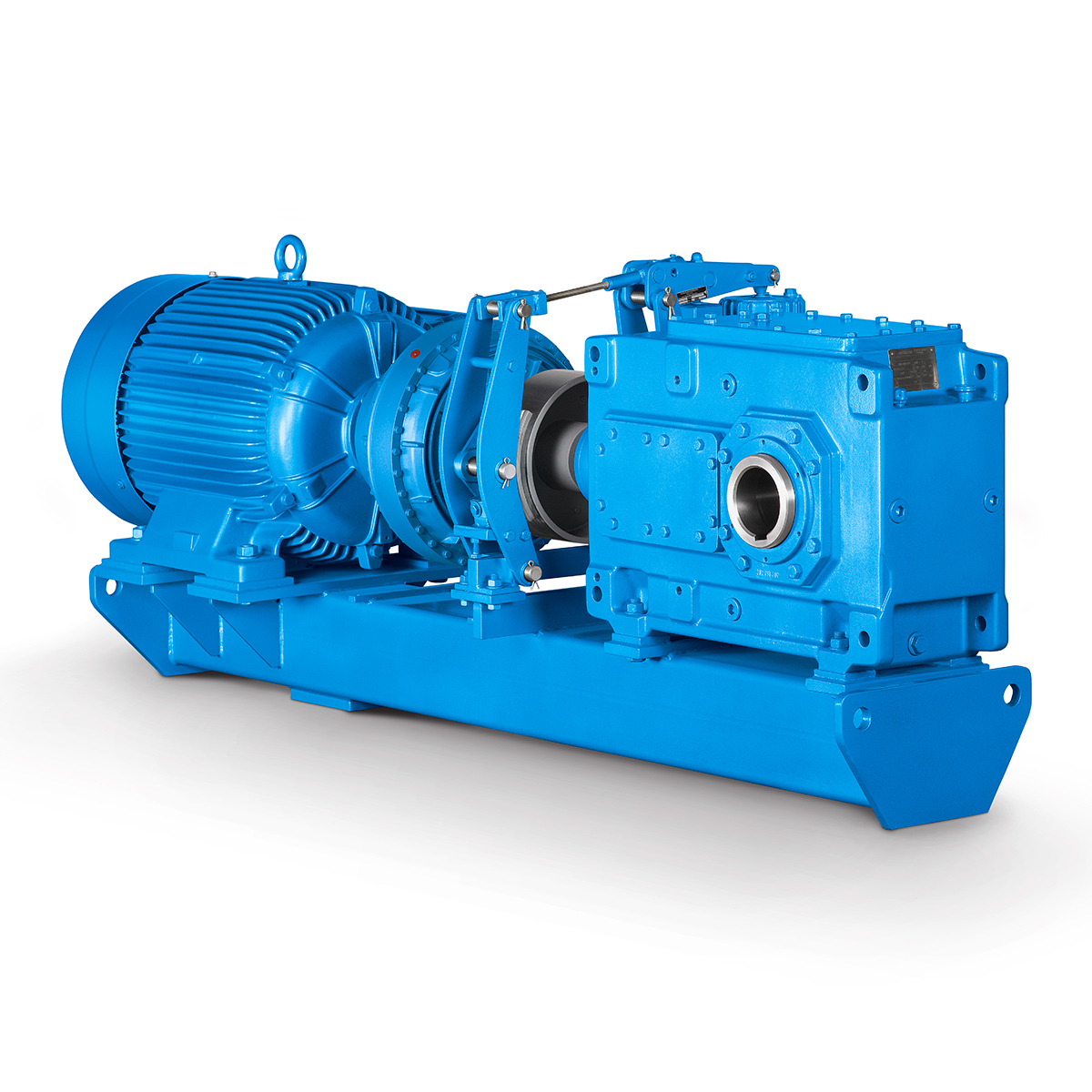 Conveyor belts gearunit gearbox
 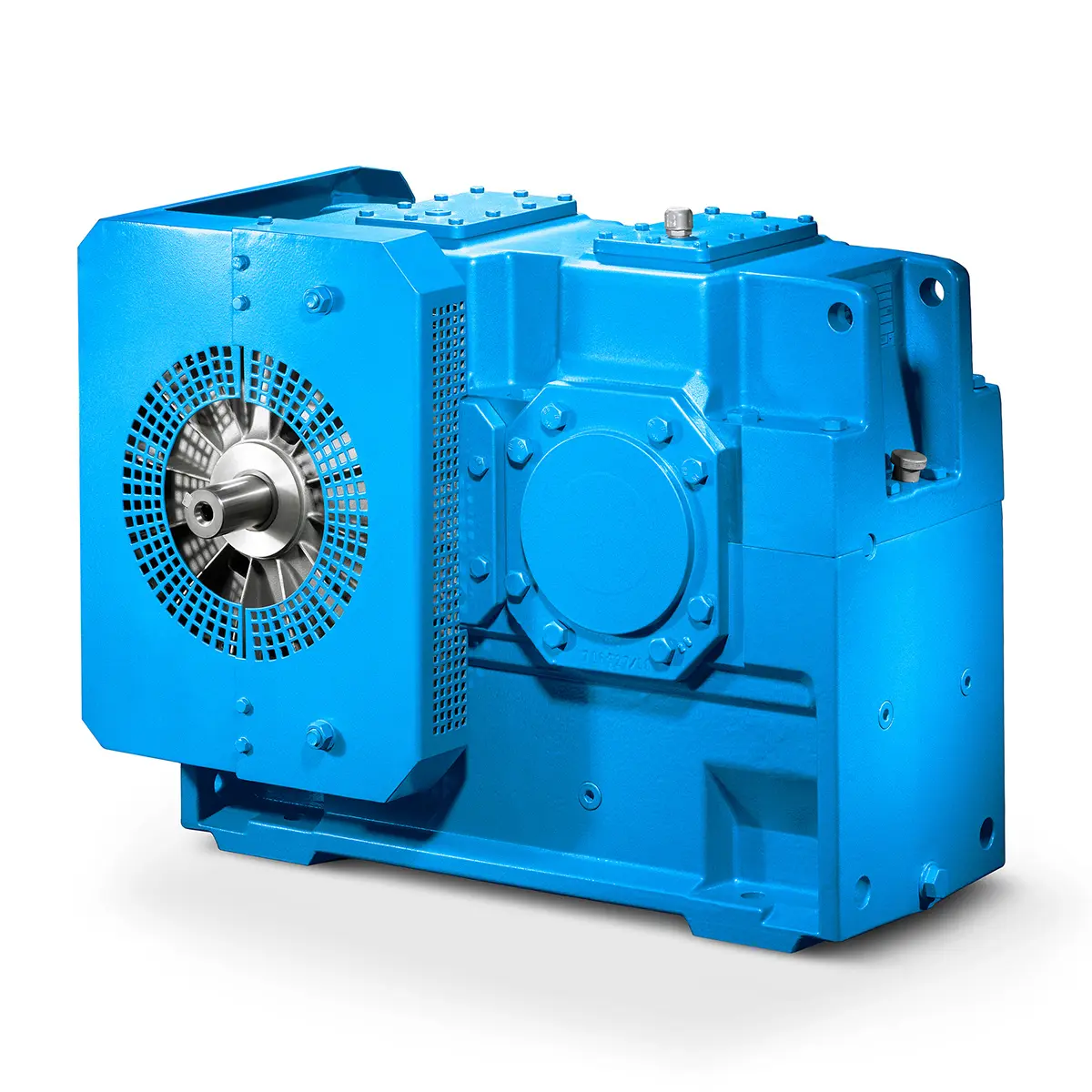 Paper And Pulp Preparation Sections
 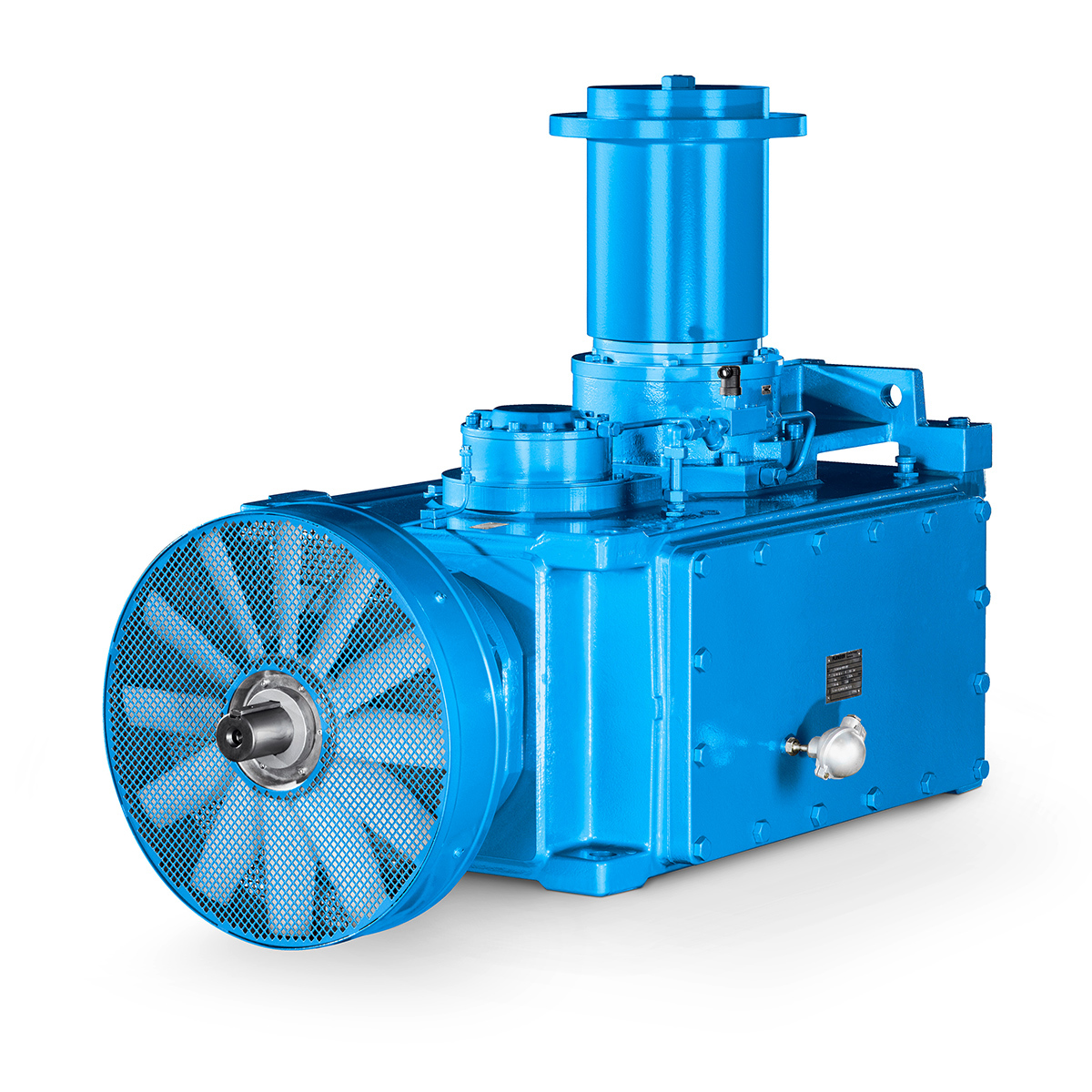 Operational Reliability Even In Case Of The Highest Ventilation Forces
 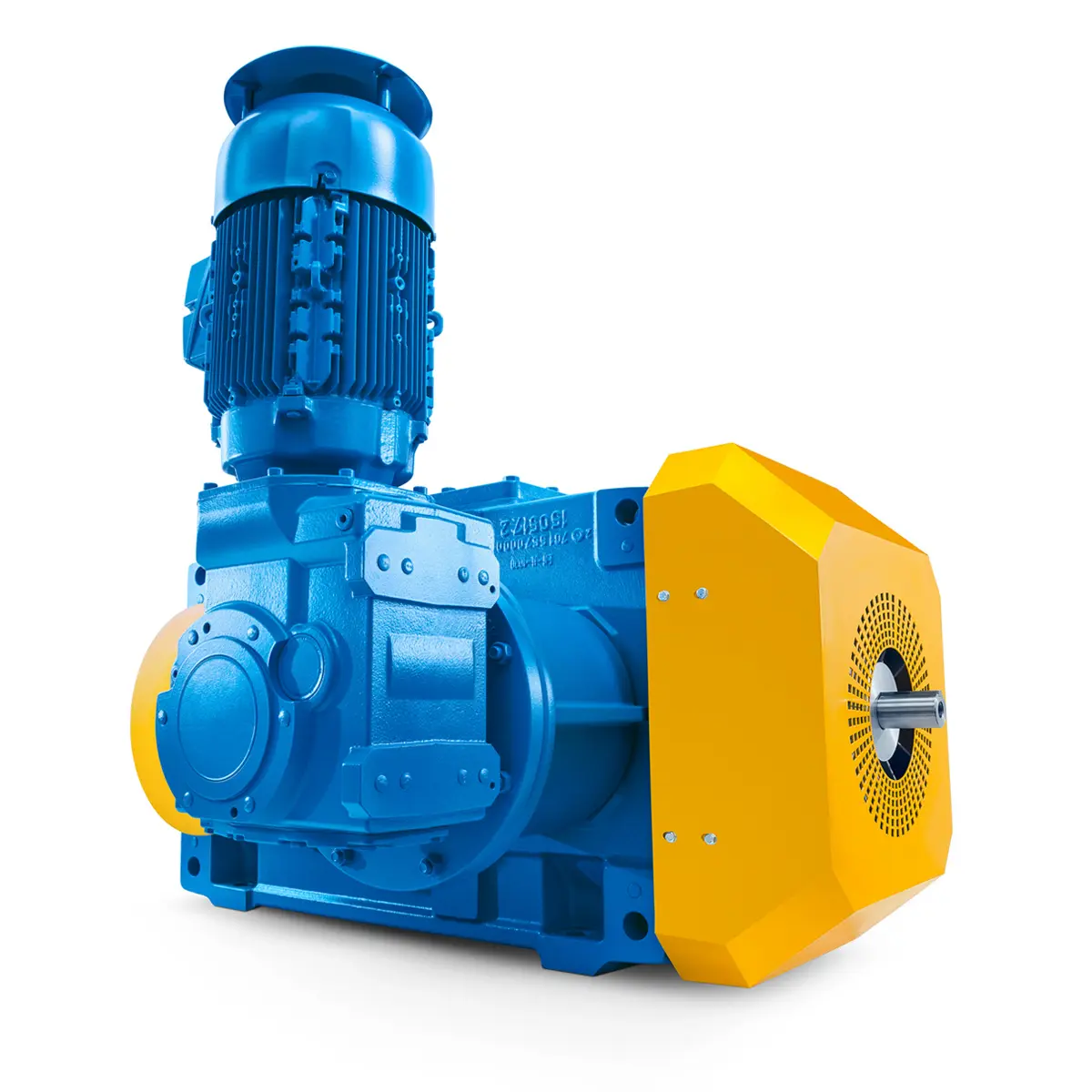 Reliable Gear Units For High Performance Vertical Conveyors 59/200
 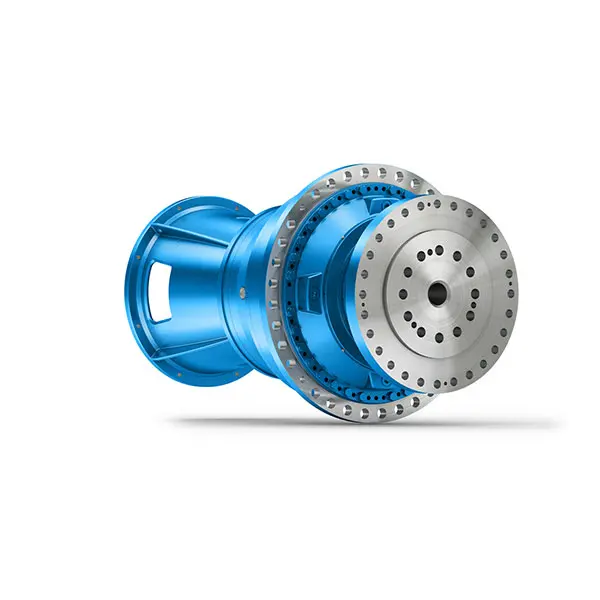 Maximum power density – PLANUREX 3 L individual drives for your sugar cane mill
 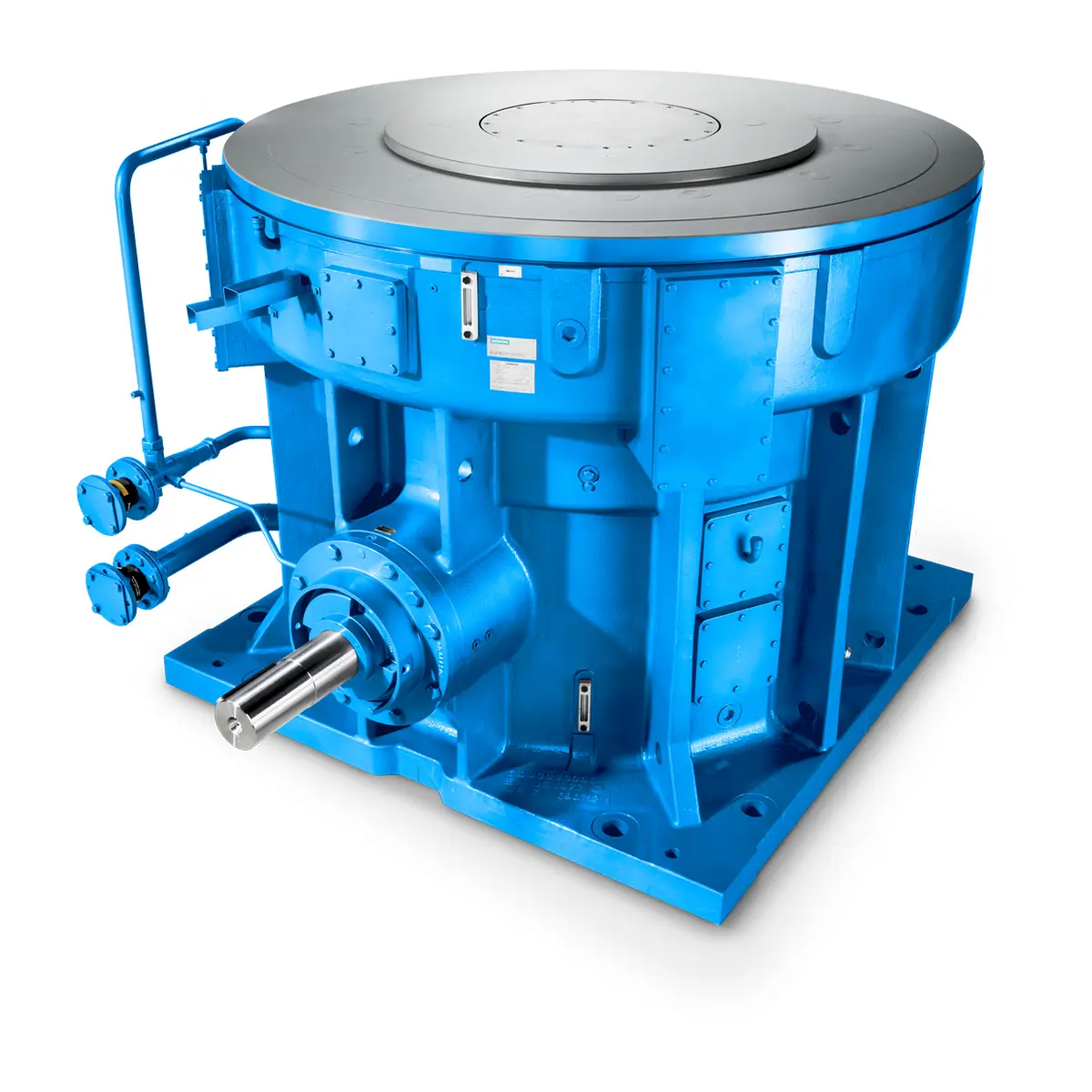 The proven all rounder gearunit gearbox
 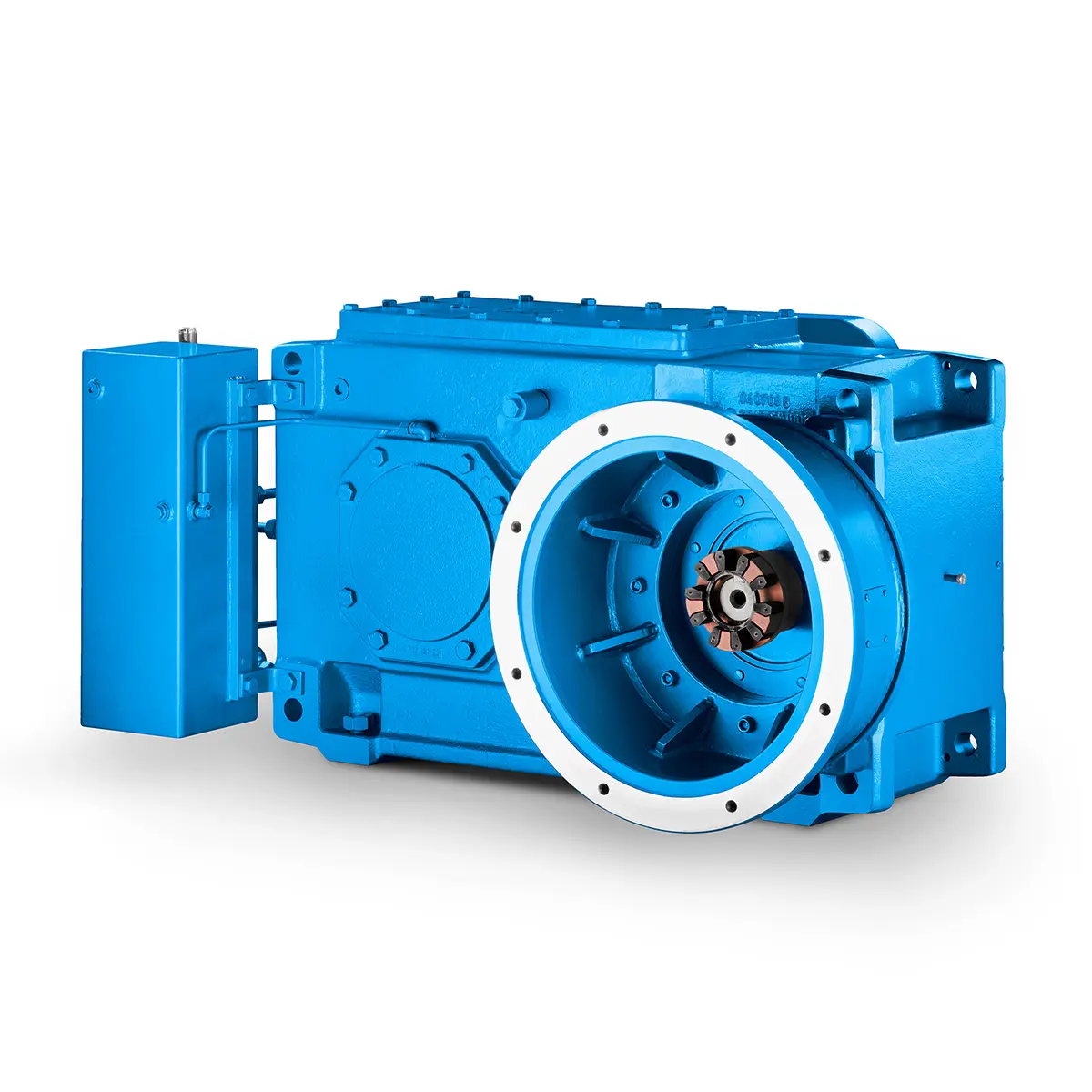 Stirs and stirs and stirs gearunit gearbox
 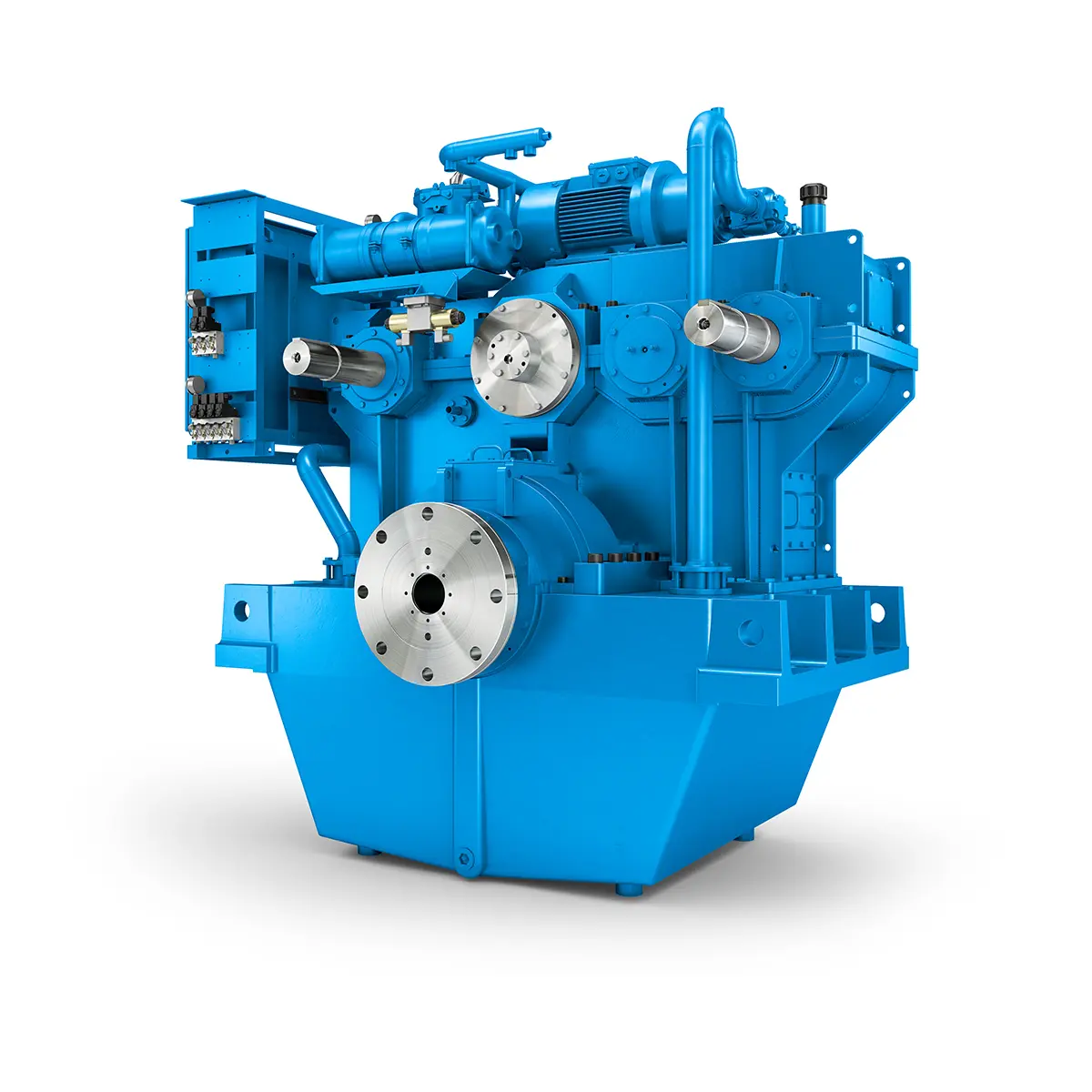 Flexibility on Board gearunit gearbox
 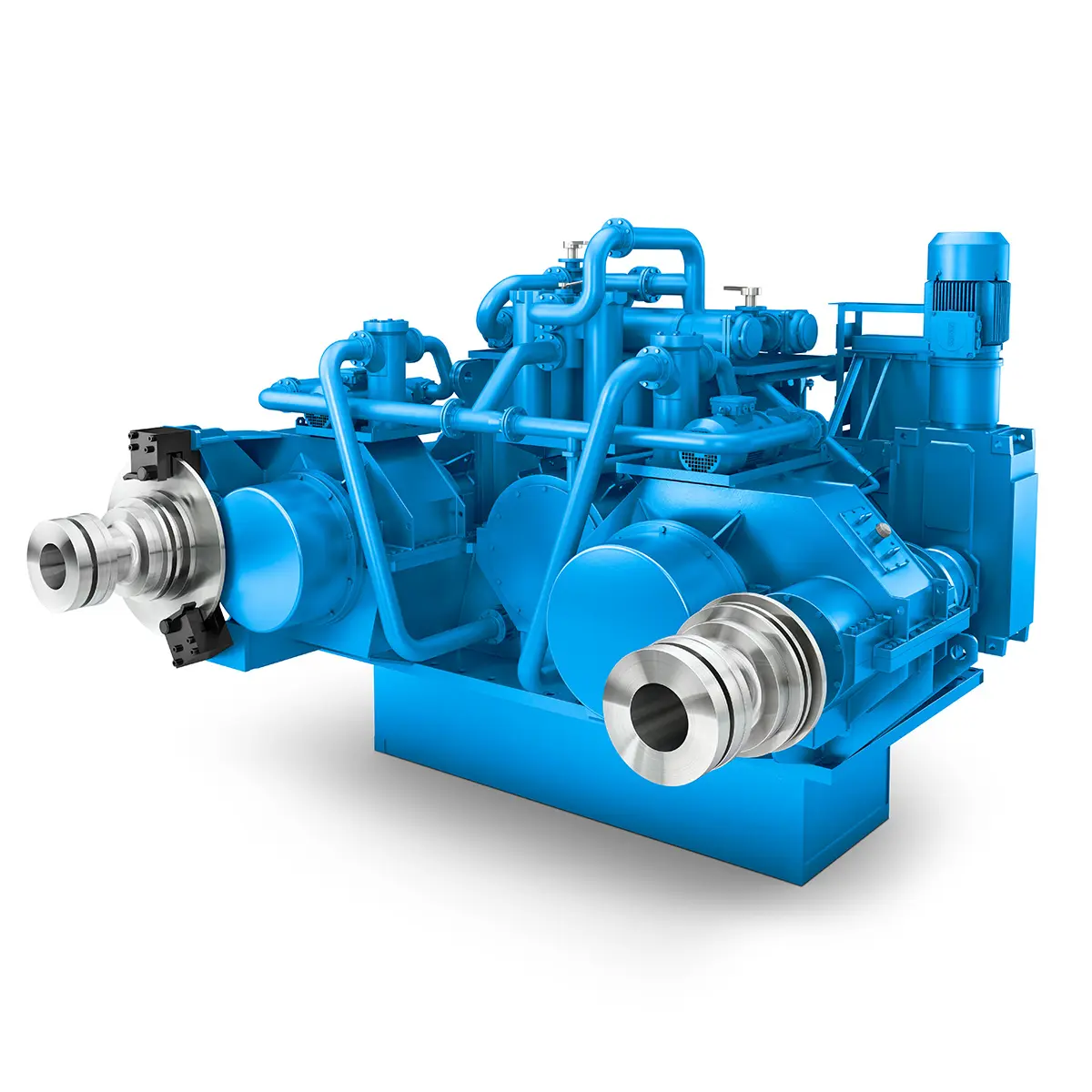 The right gearbox for all Multi-Engine Ships
 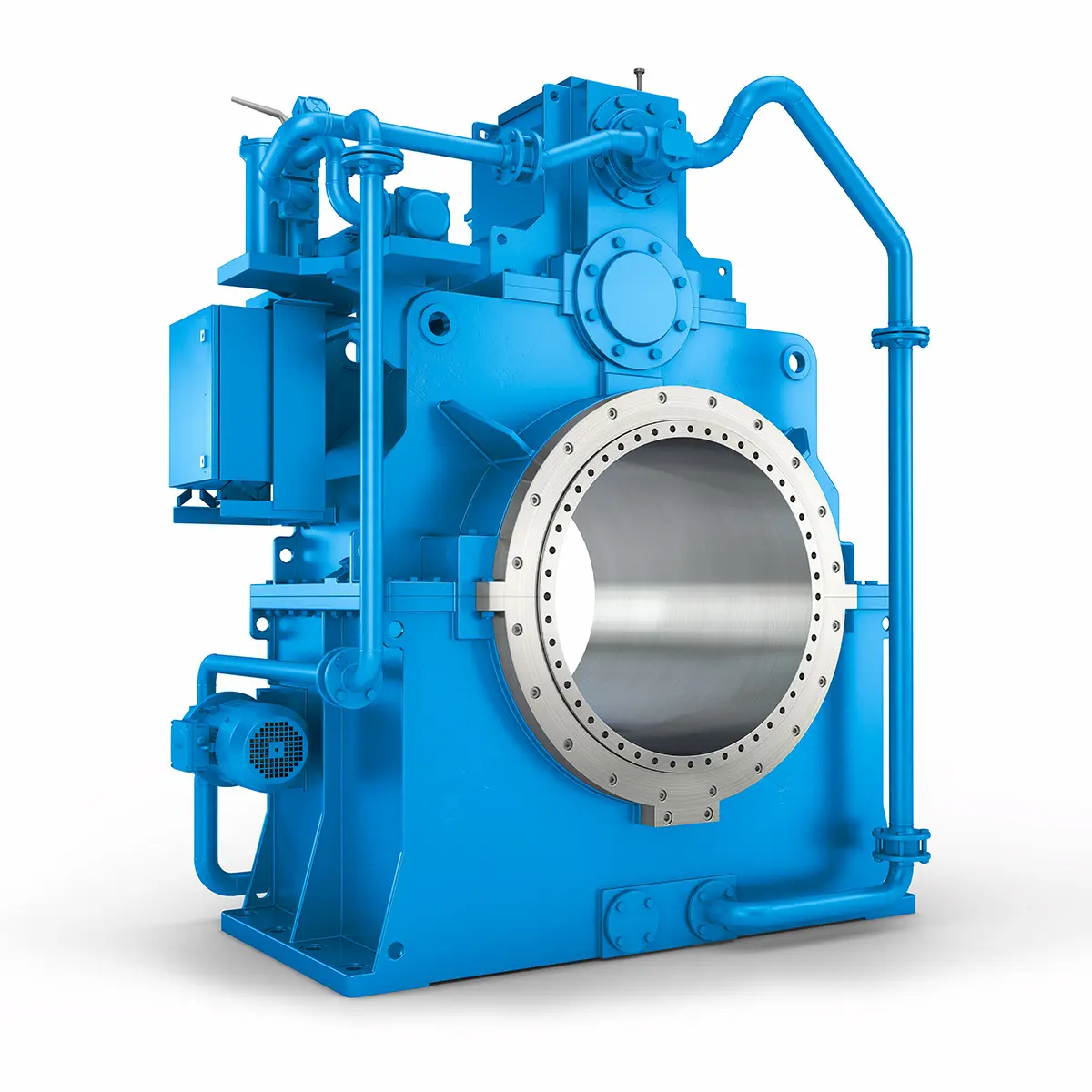 Reliable Power Generation on board
 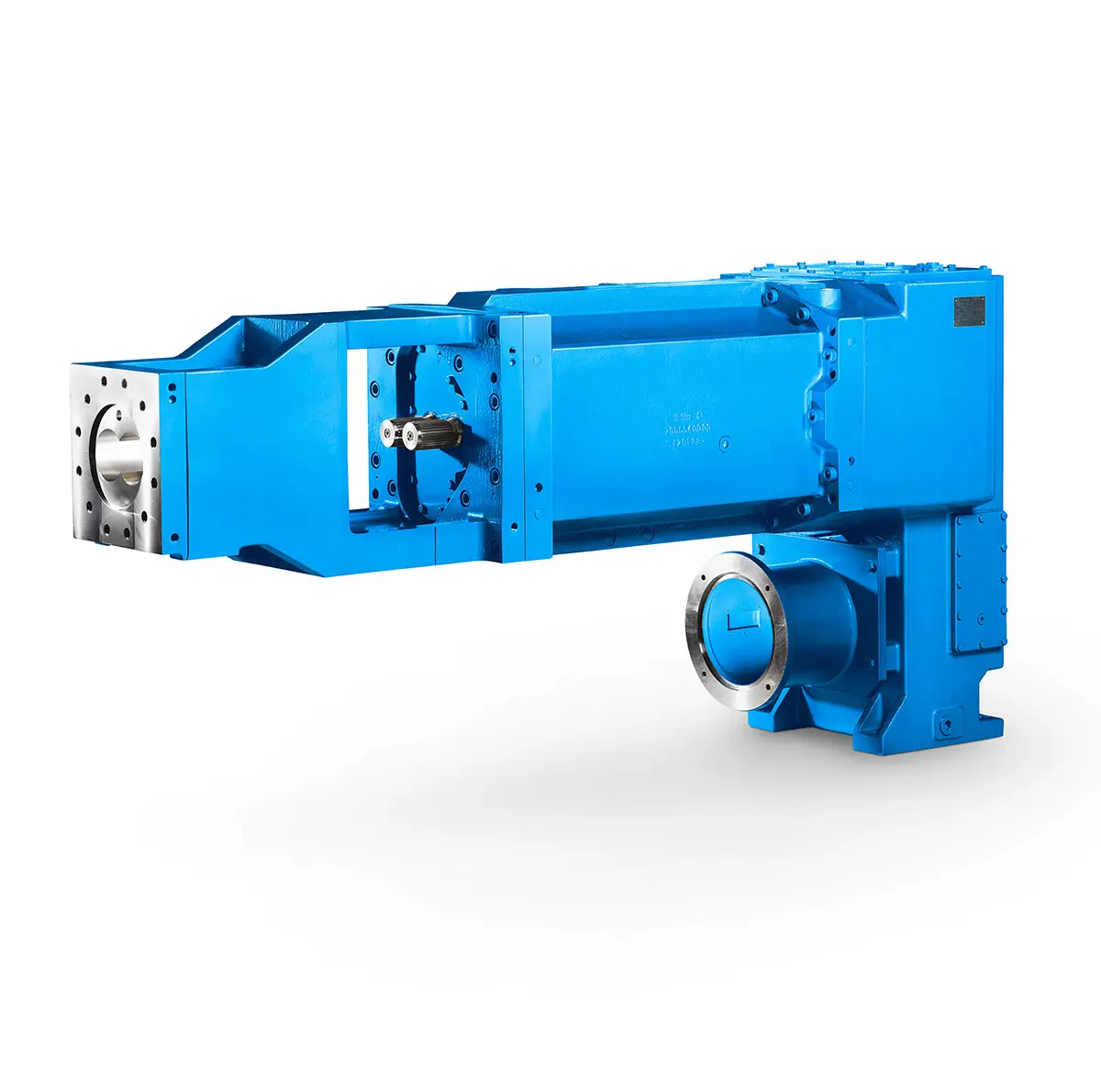 Maximum performance level, fast deliverable
 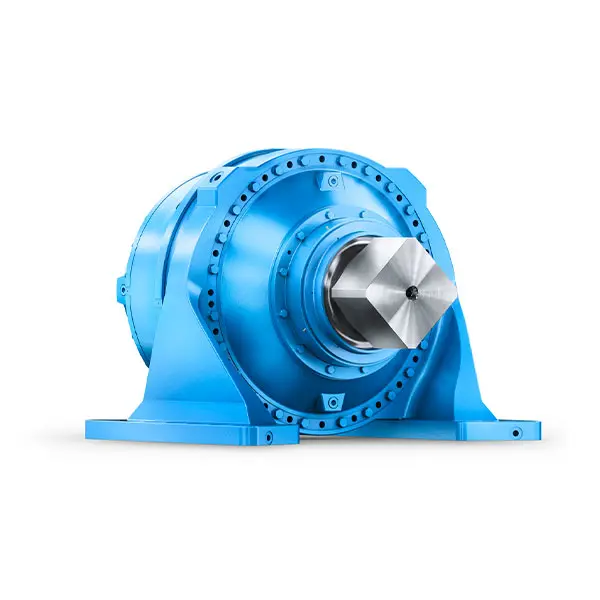 Efficient and compact – FLENDER Gear Units for Sugar Mills
 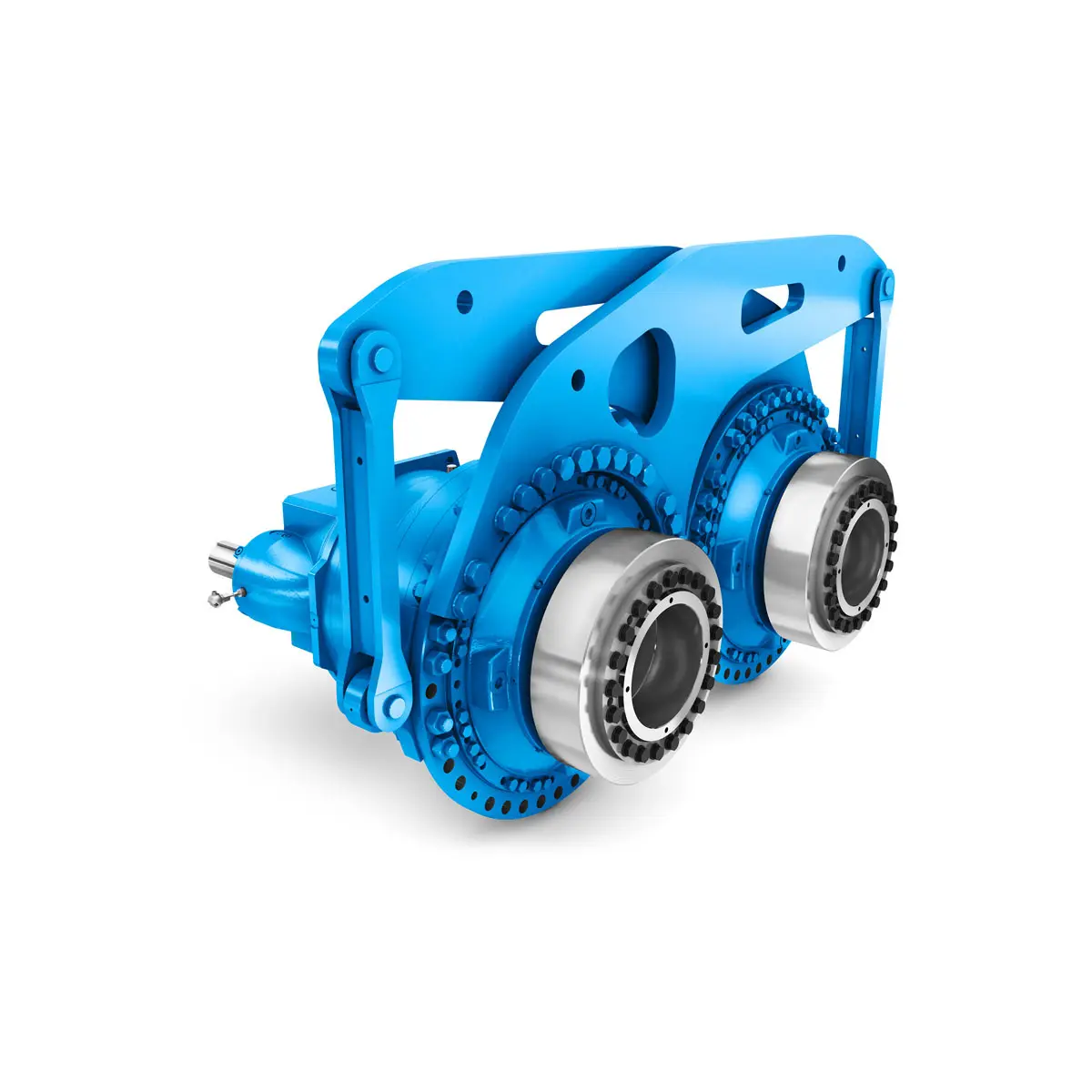 Extremely strong. Extremely compact. Extremely stressable.
 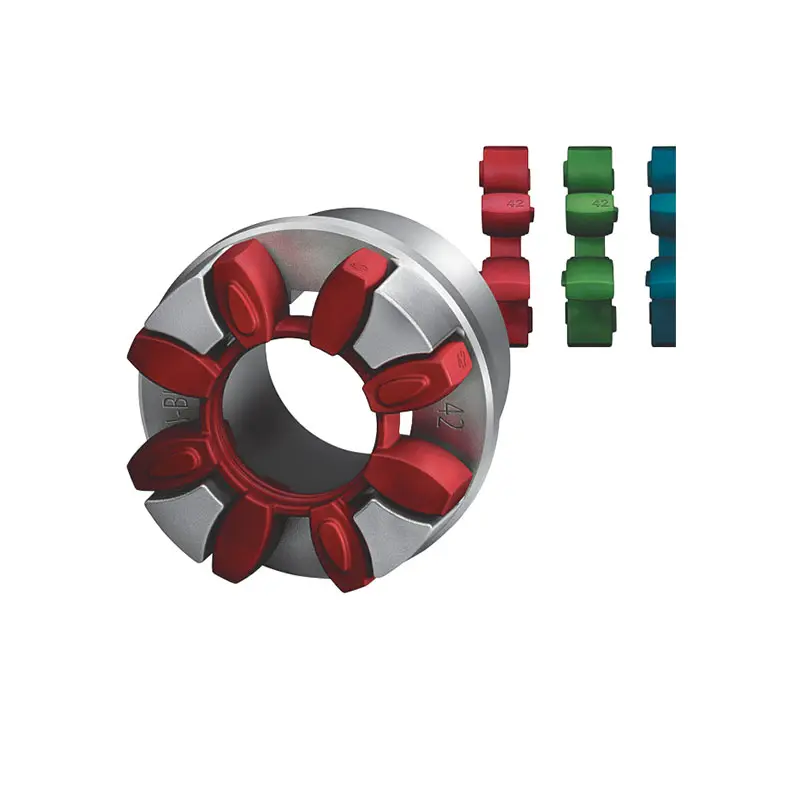 FLENDER Coupling
 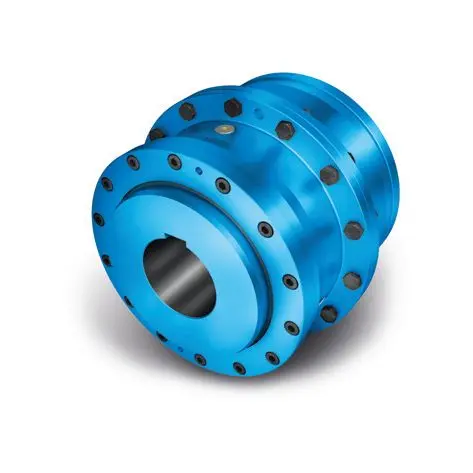 ZAPEX ZW Torsionally Rigid Gear Coupling
 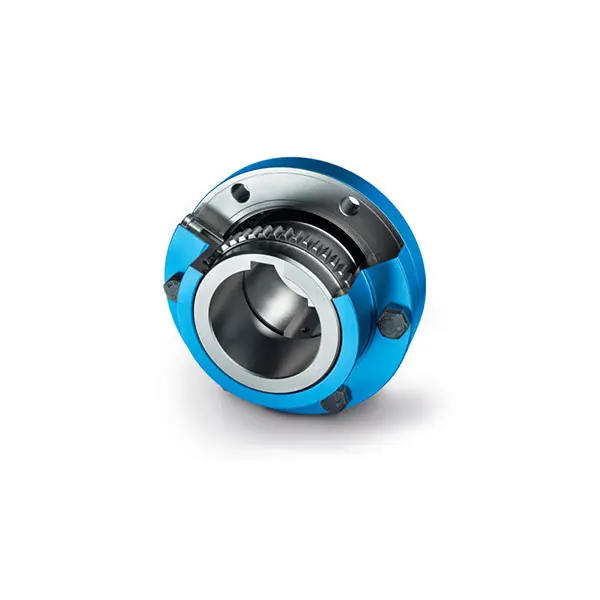 ZAPEX ZN Torsionally Rigid Gear Coupling
 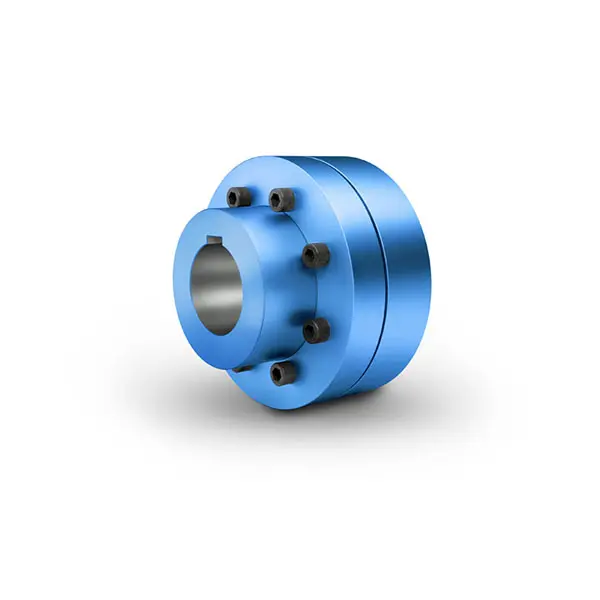 N-EUPEX Flexible high performance Coupling
 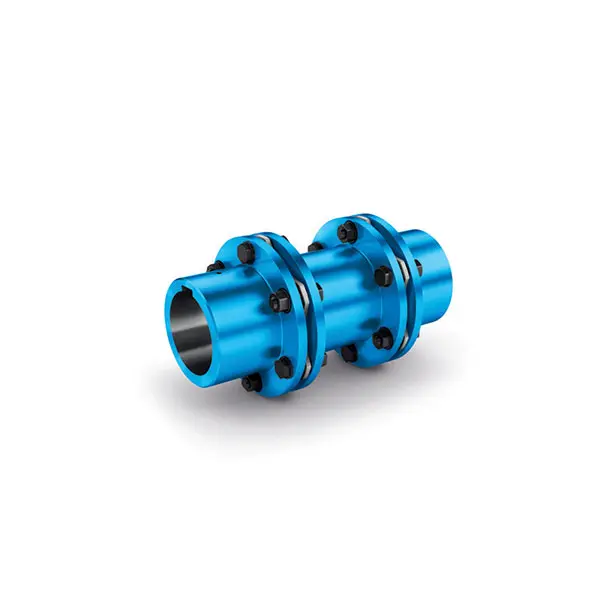 N-ARPEX Torsionally Rigid All-Steel Coupling
 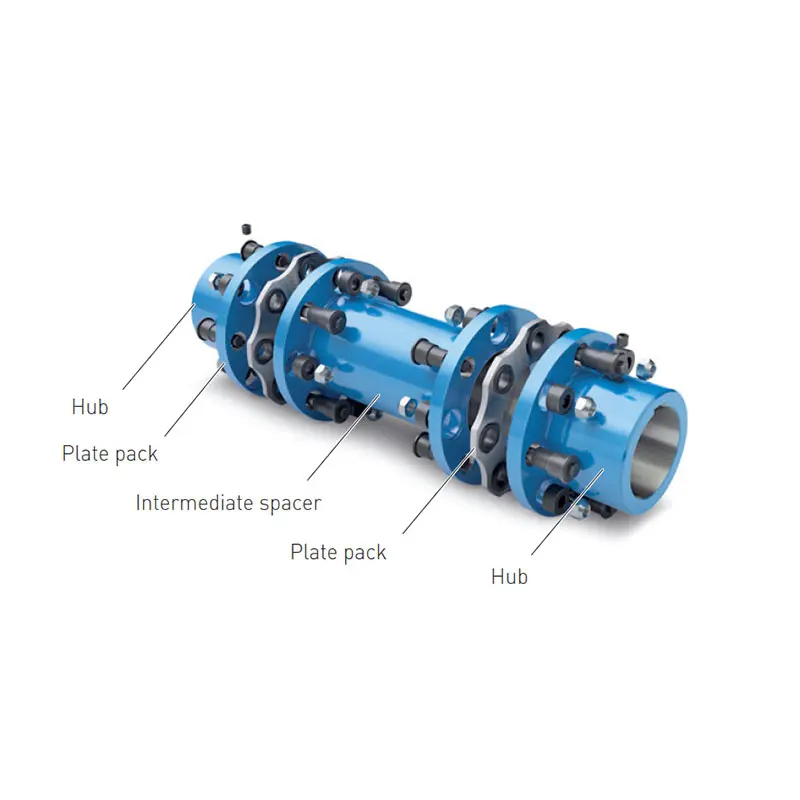 ARPEX Torsionally Rigid All-Steel Coupling Spare and Parts
 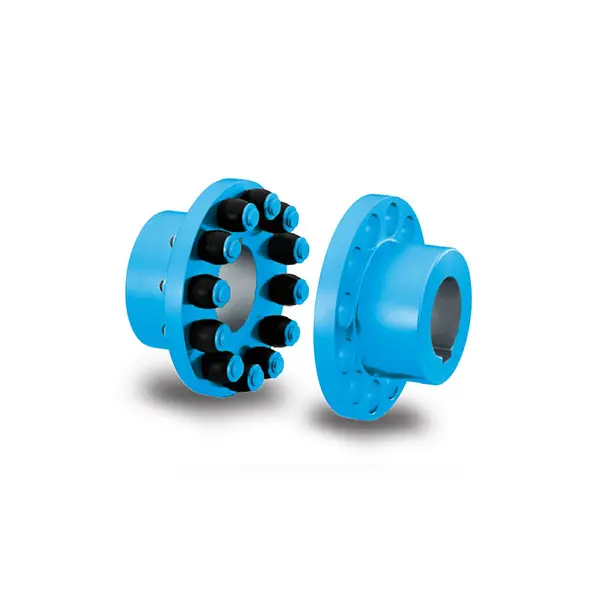 RUPEX Flexible high performance Coupling
 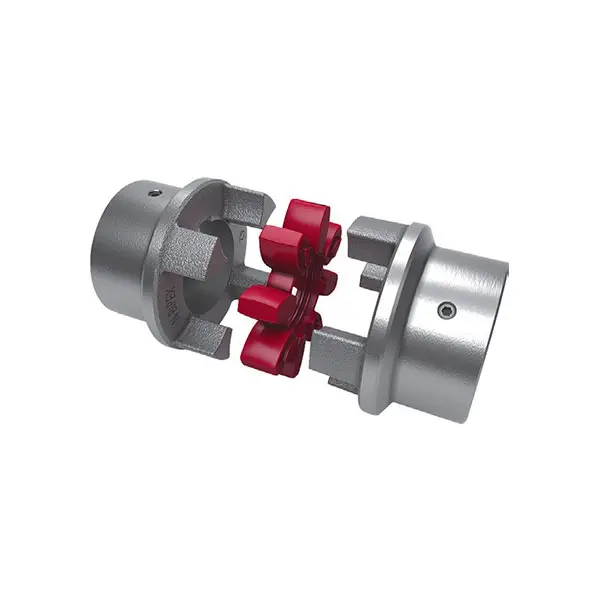 N BIPEX Flexible high performance coupling
 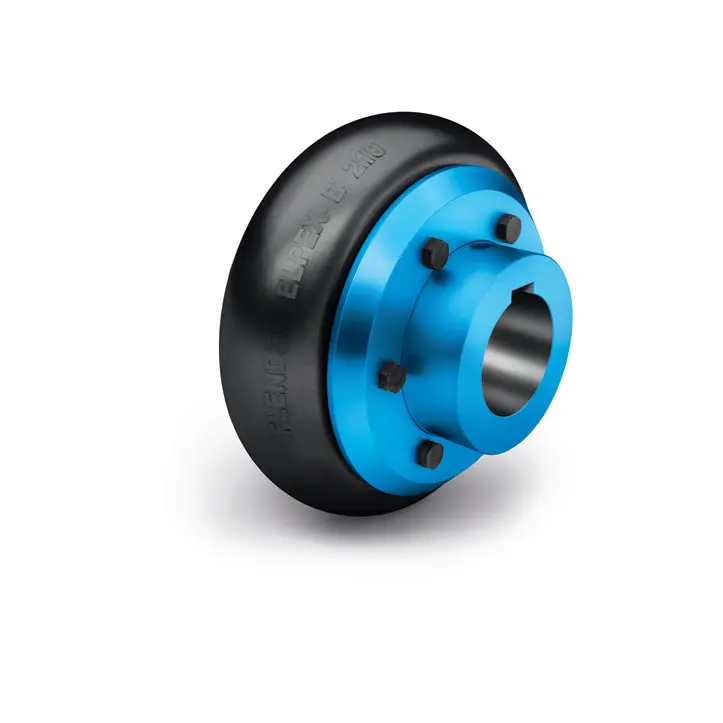 ELPEX B Highly Flexible Coupling
 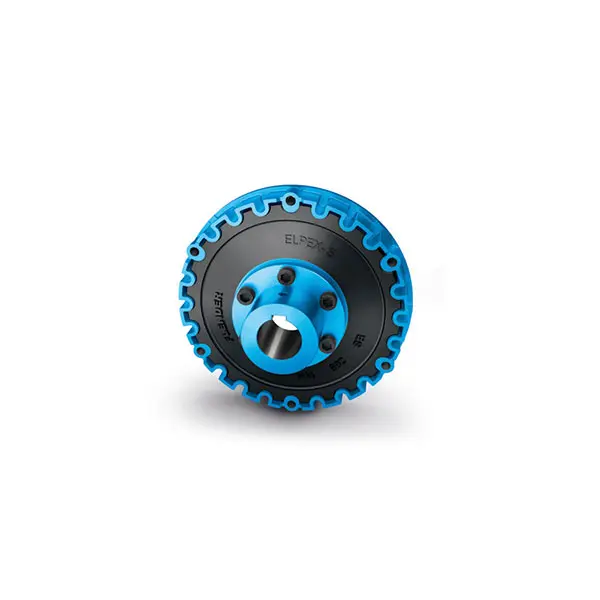 ELPEX S Highly Flexible Coupling high performance
 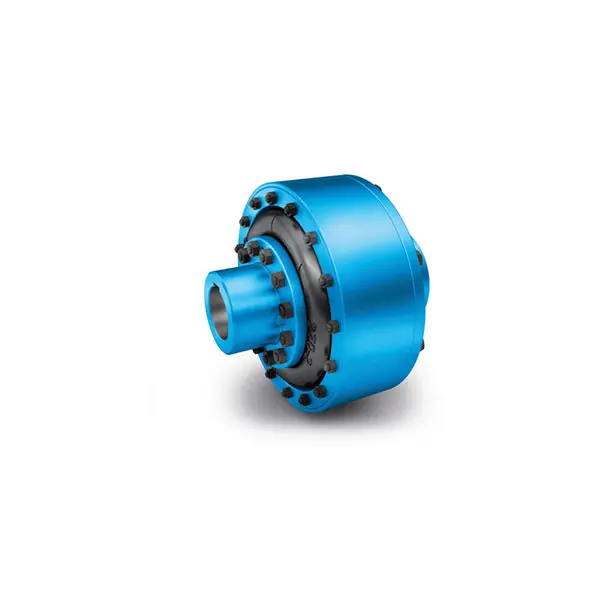 ELPEX Highly Flexible Coupling high performance
 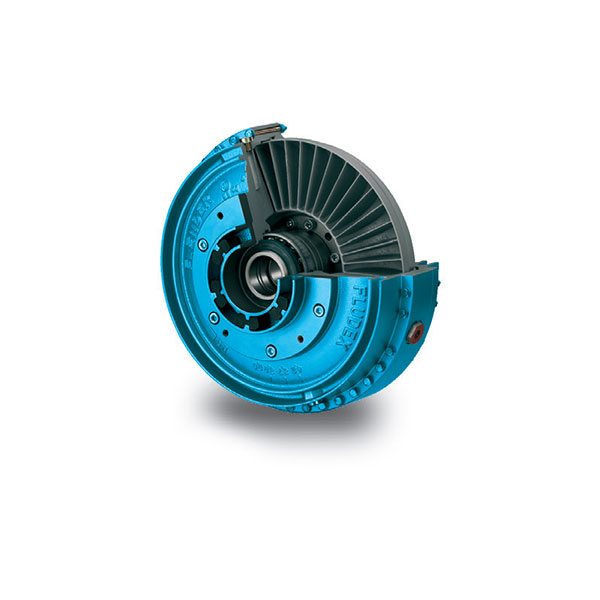 FLUDEX Fluid Coupling high performance
 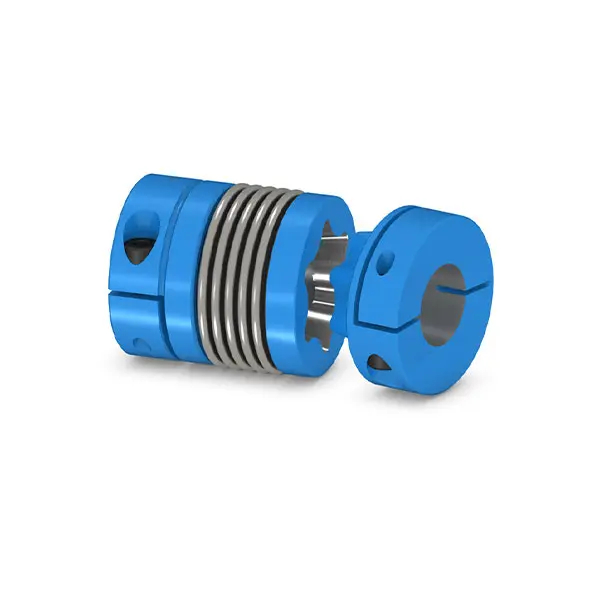 SIPEX Backlash free Coupling high performance
 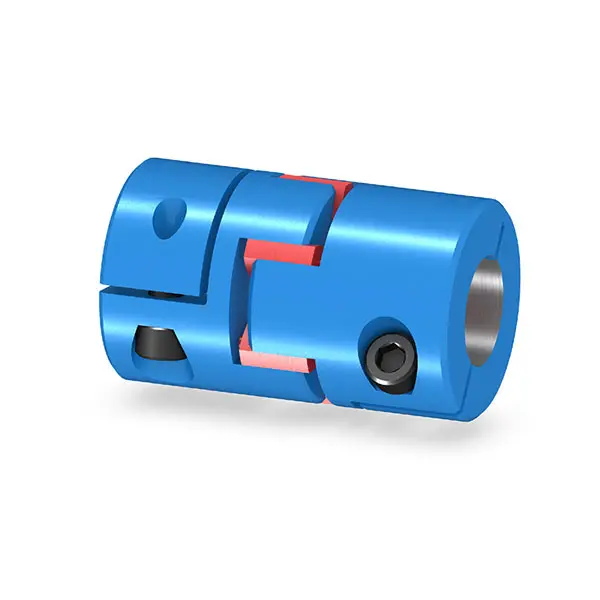 BIPEX S Backlash free Coupling high performance
 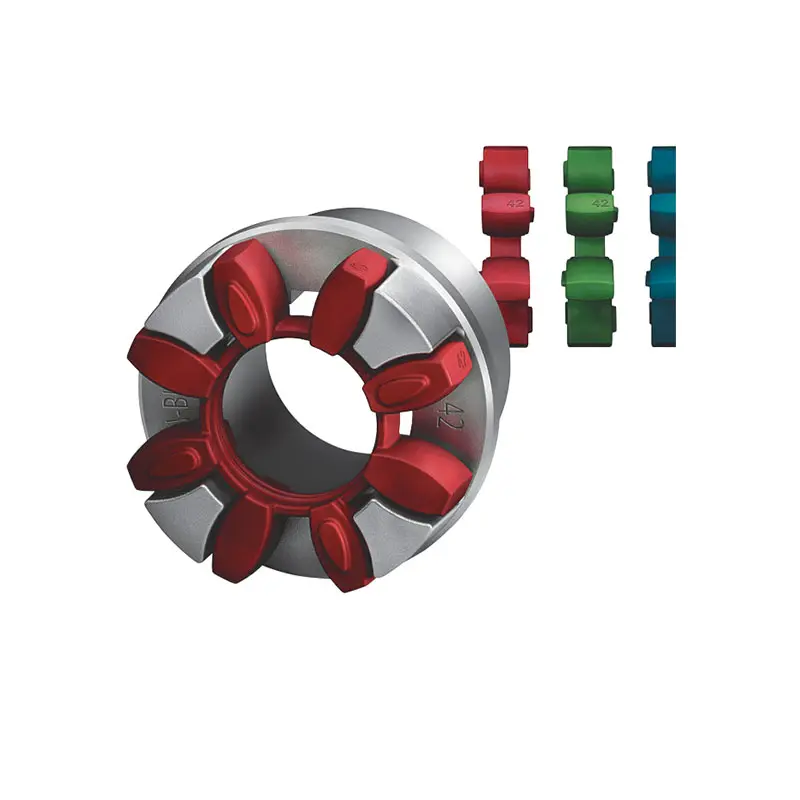 FLENDER Coupling Spare Parts high performance
 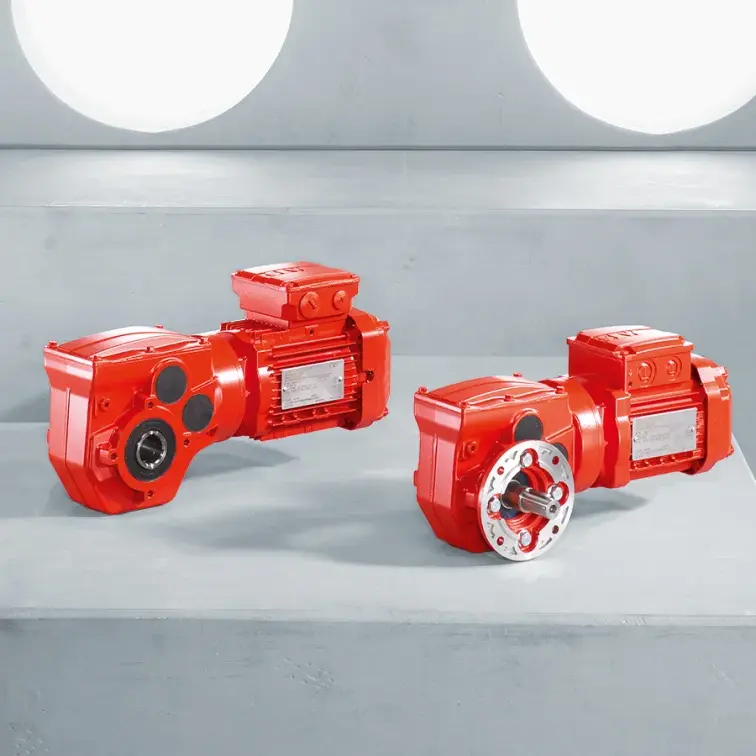 SEW Gearmotor
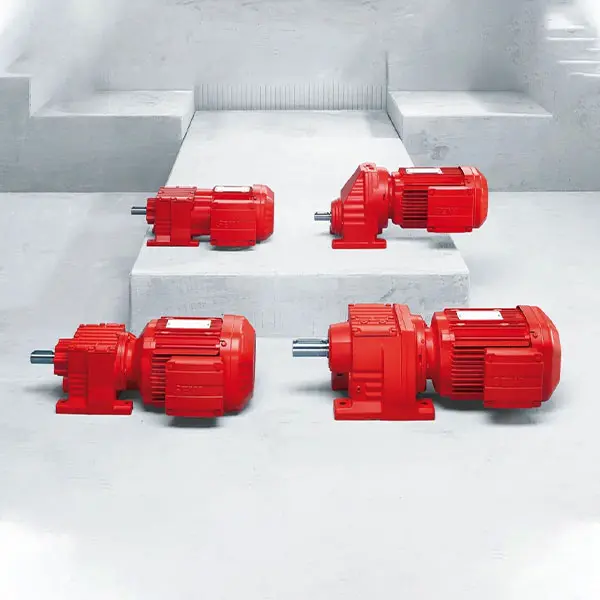 R Series Helical Gearmotor low voltage
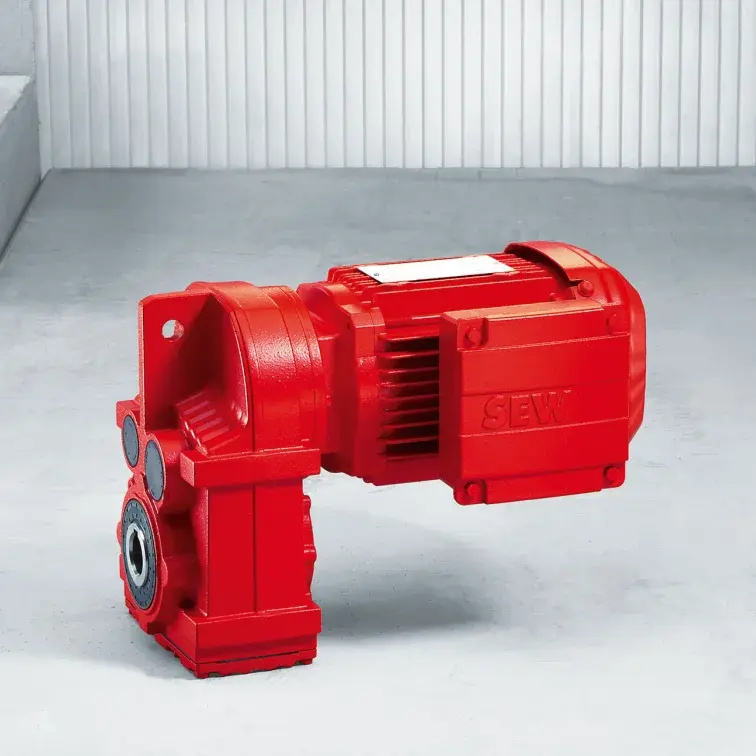 F Series Parallel Shaft Gearmotor low voltage
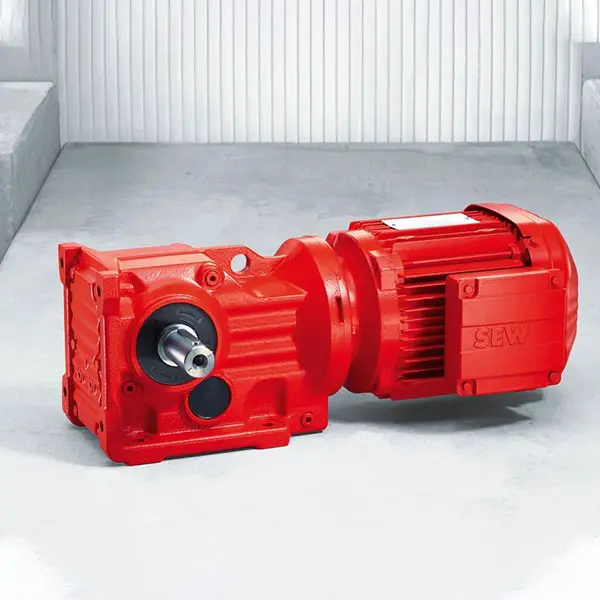 K Series Helical Bevel Gearmotor low voltage
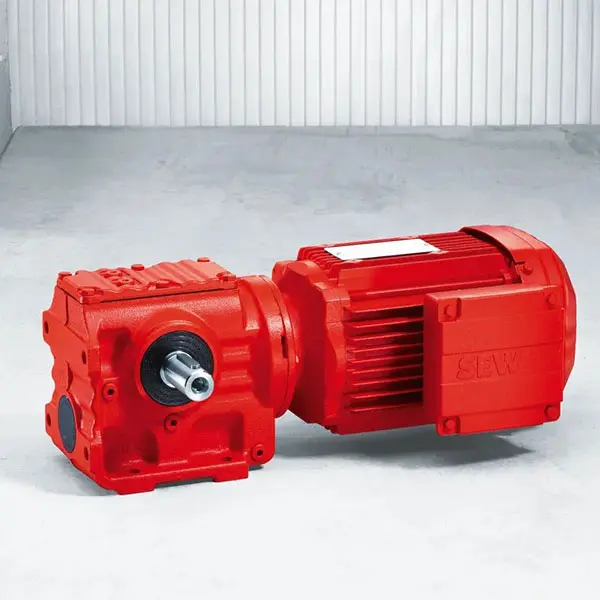 S Series Helical Worm Gearmotor low voltage
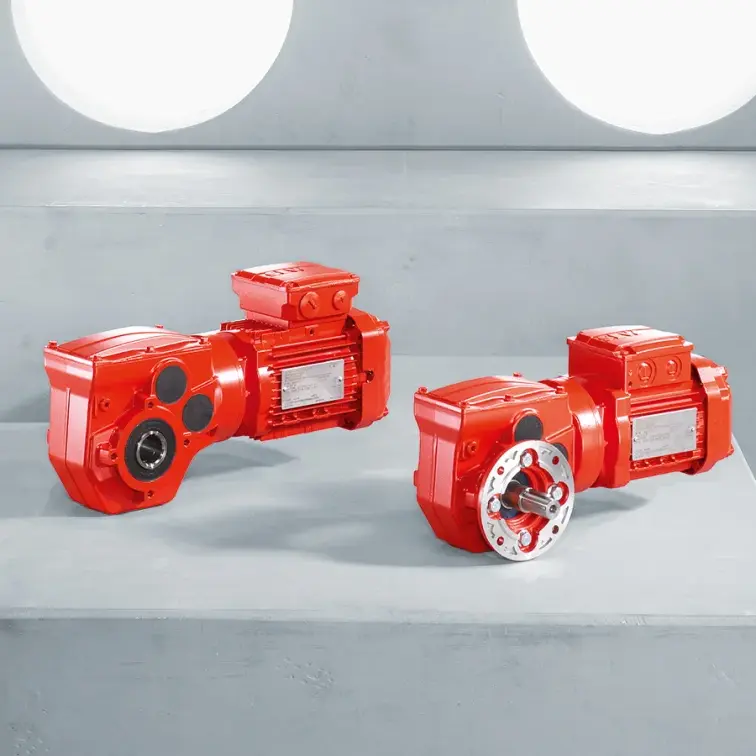 W Series SPIROPLAN® Right Angle Gearmotor