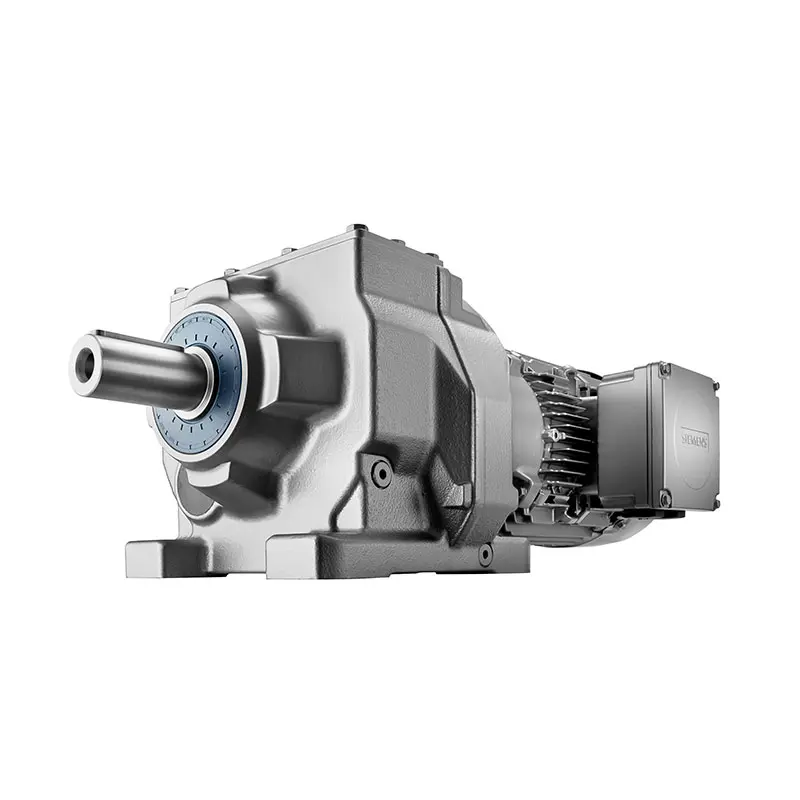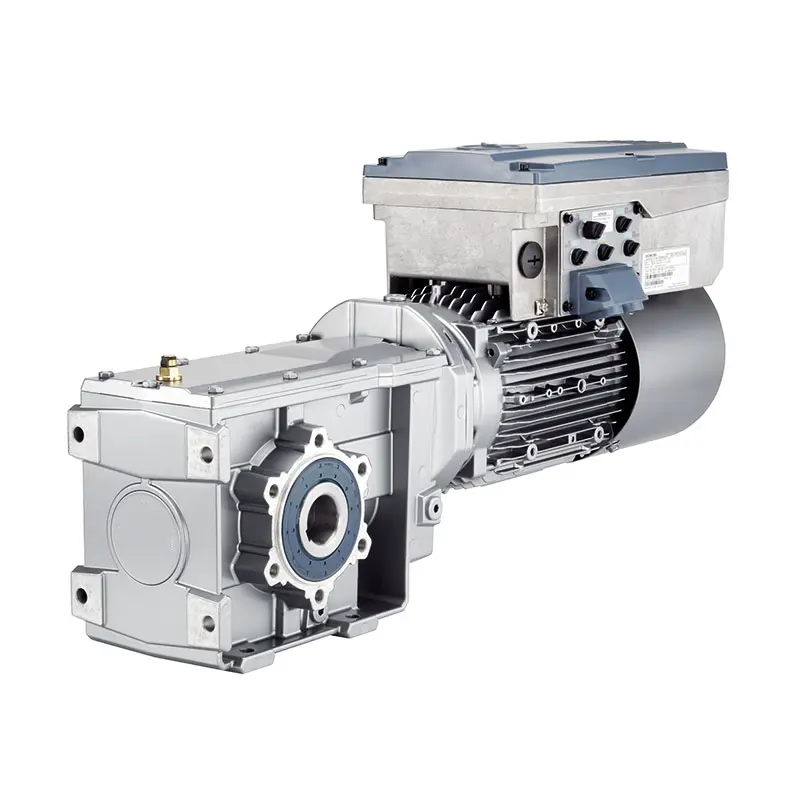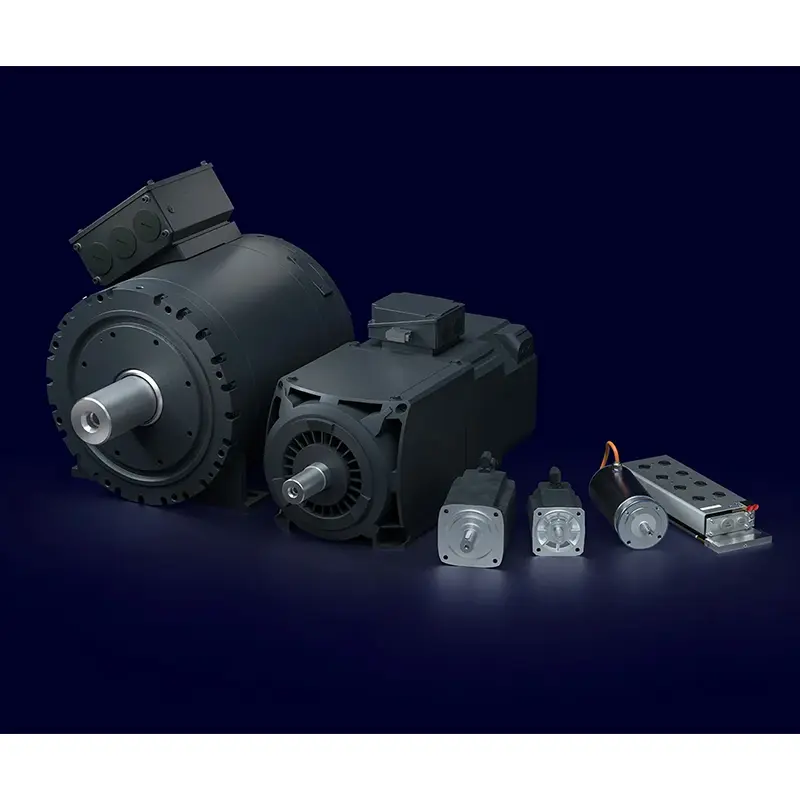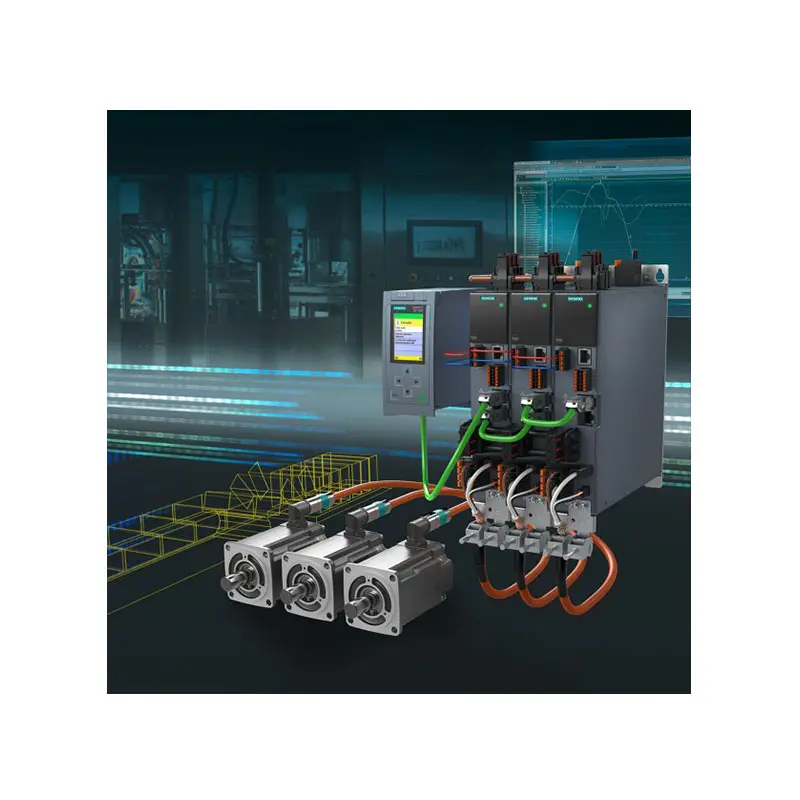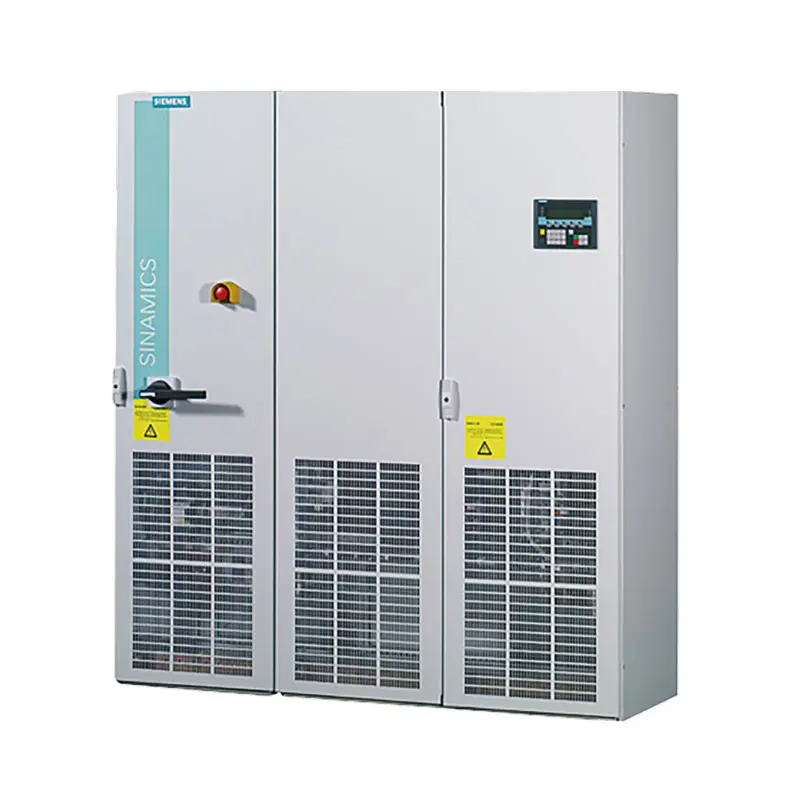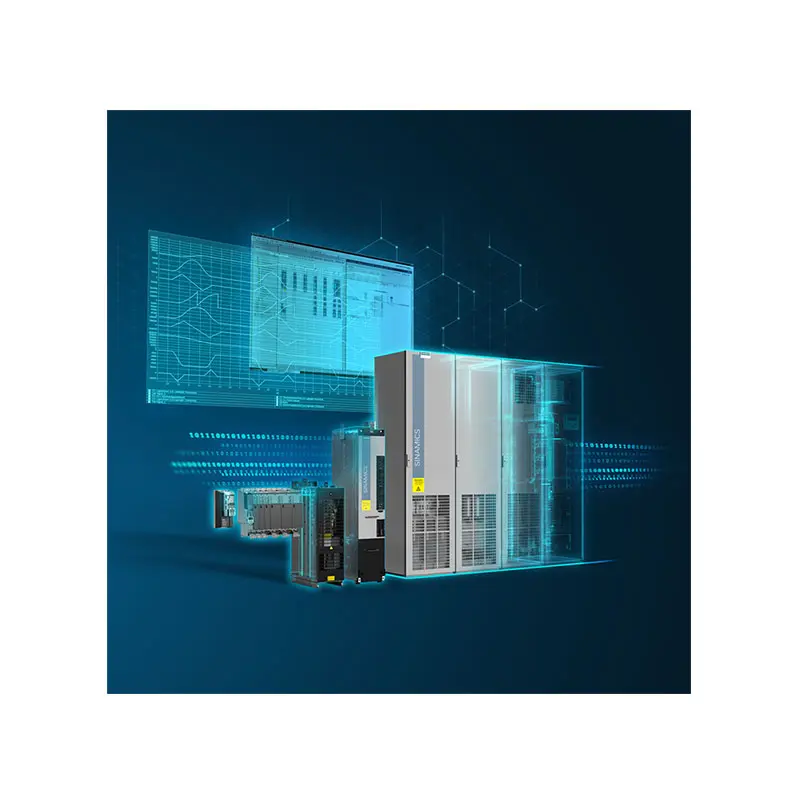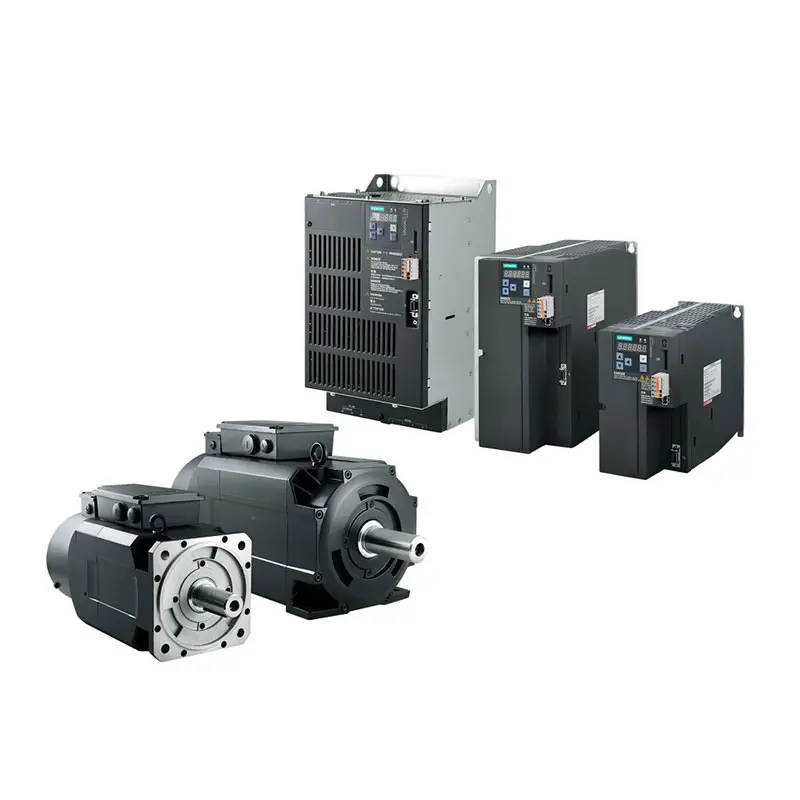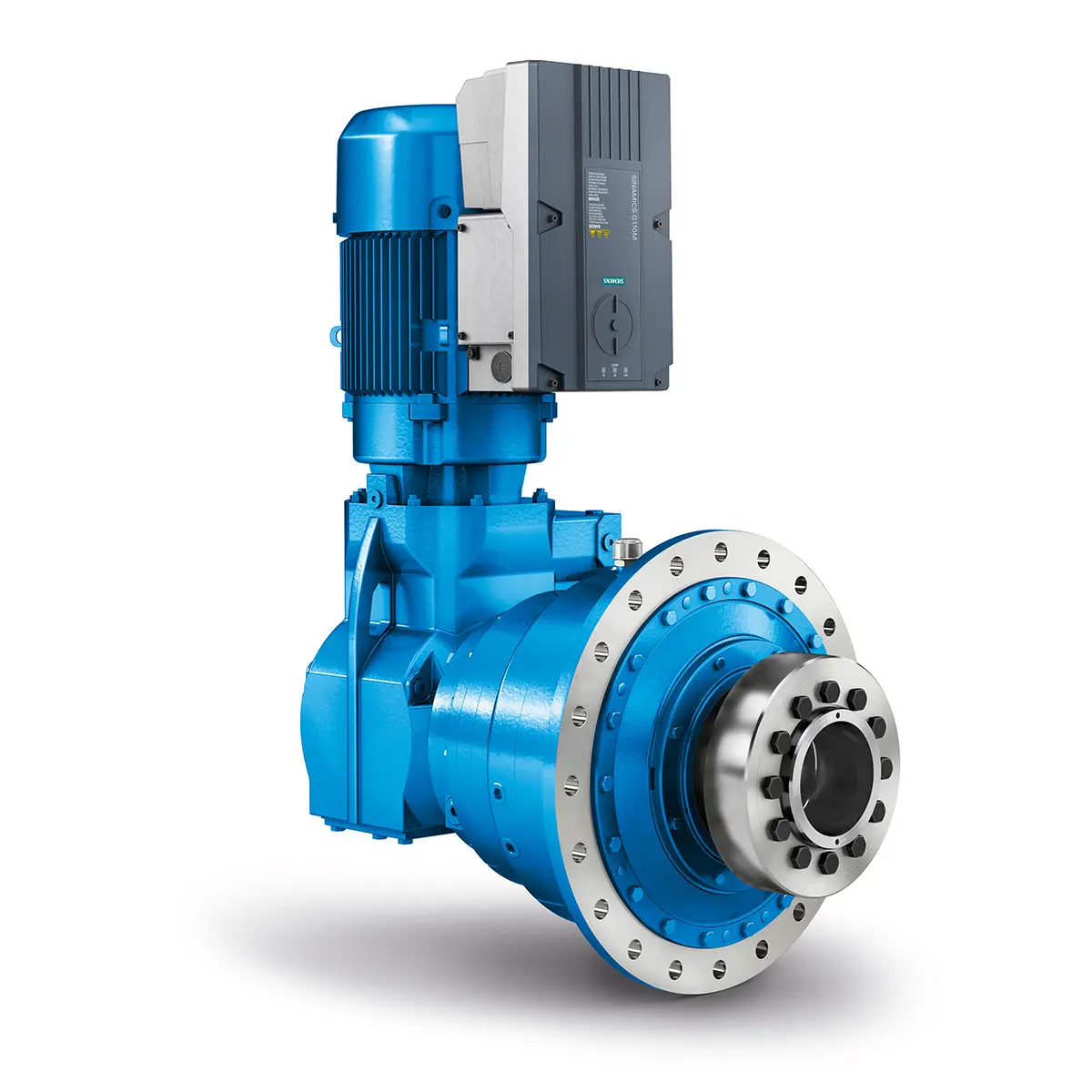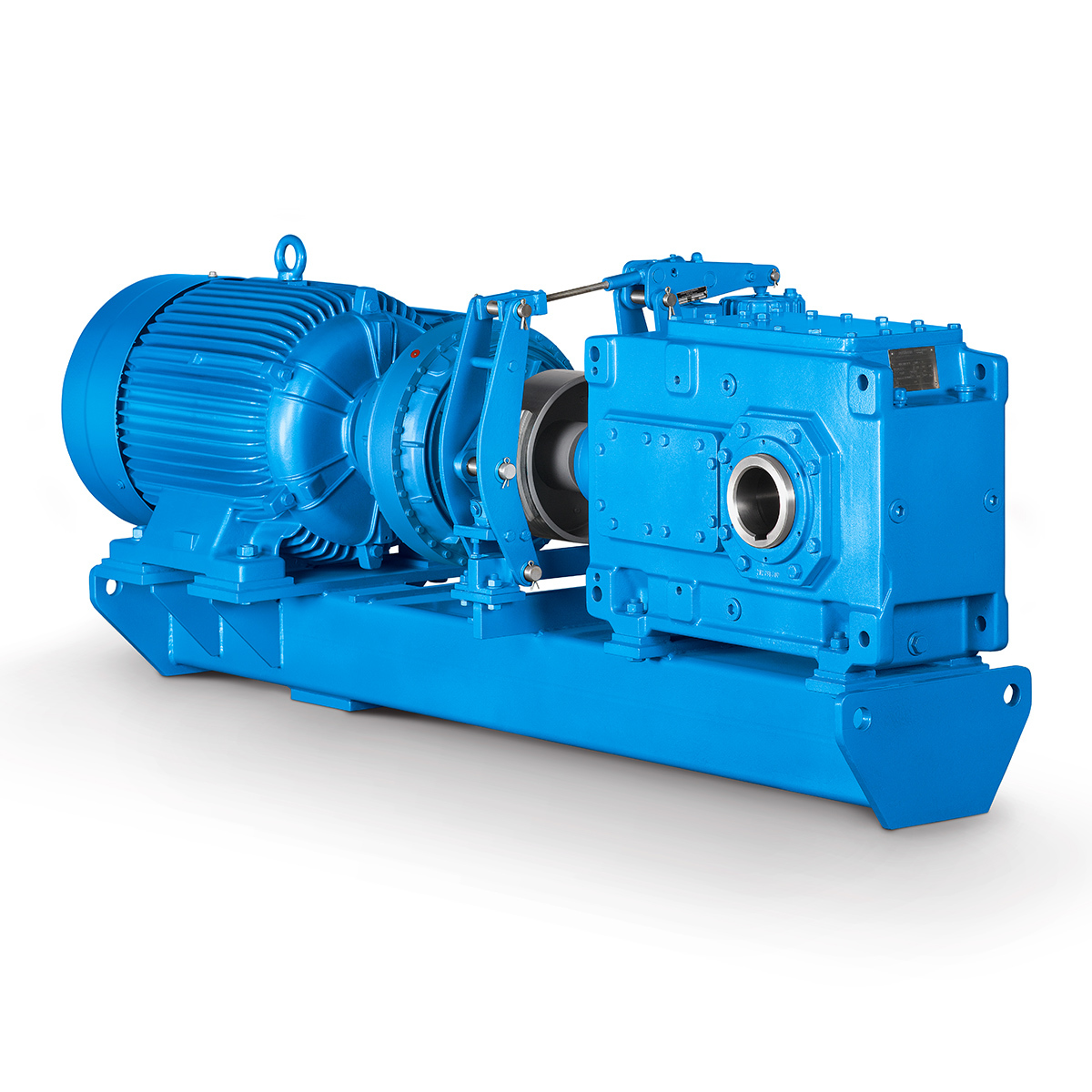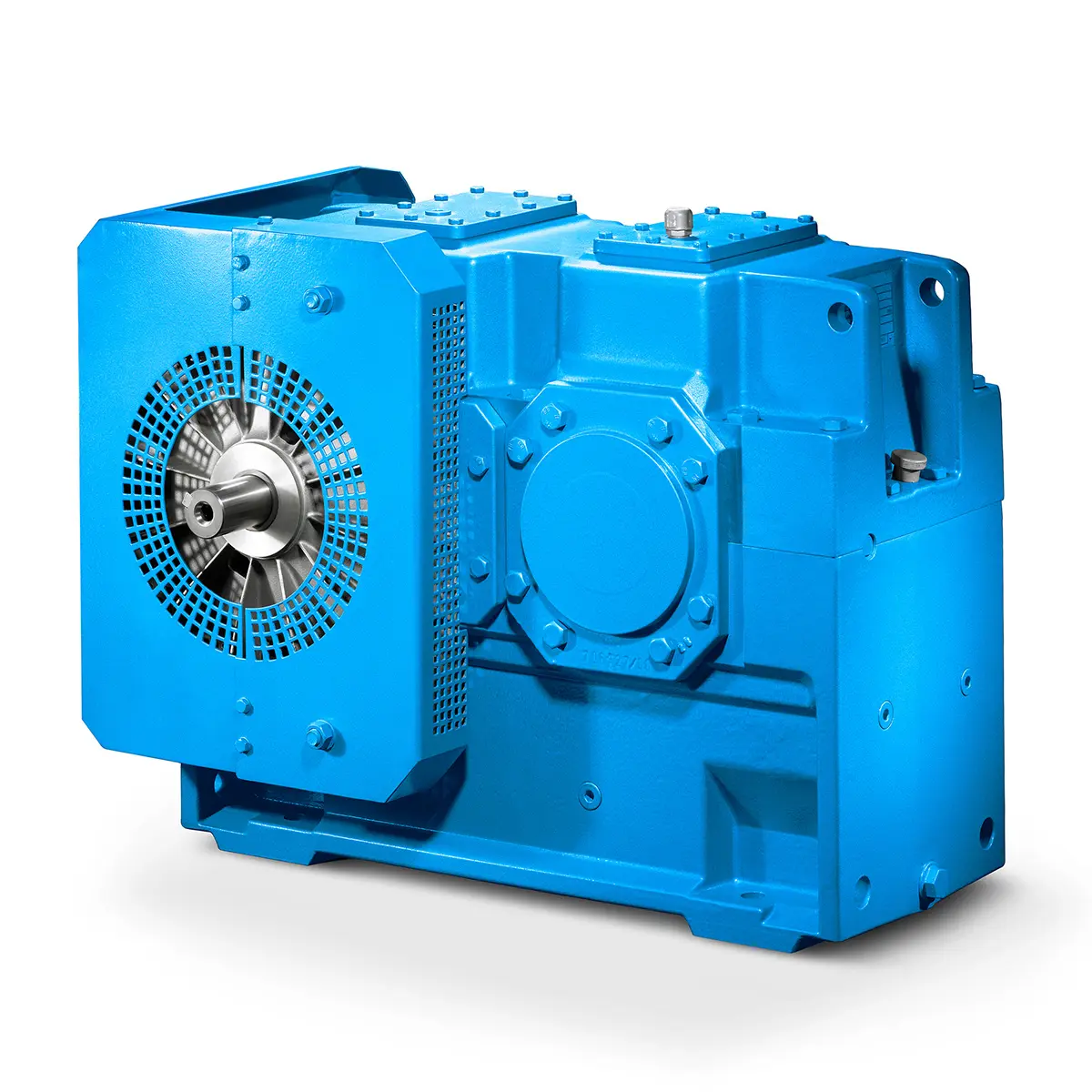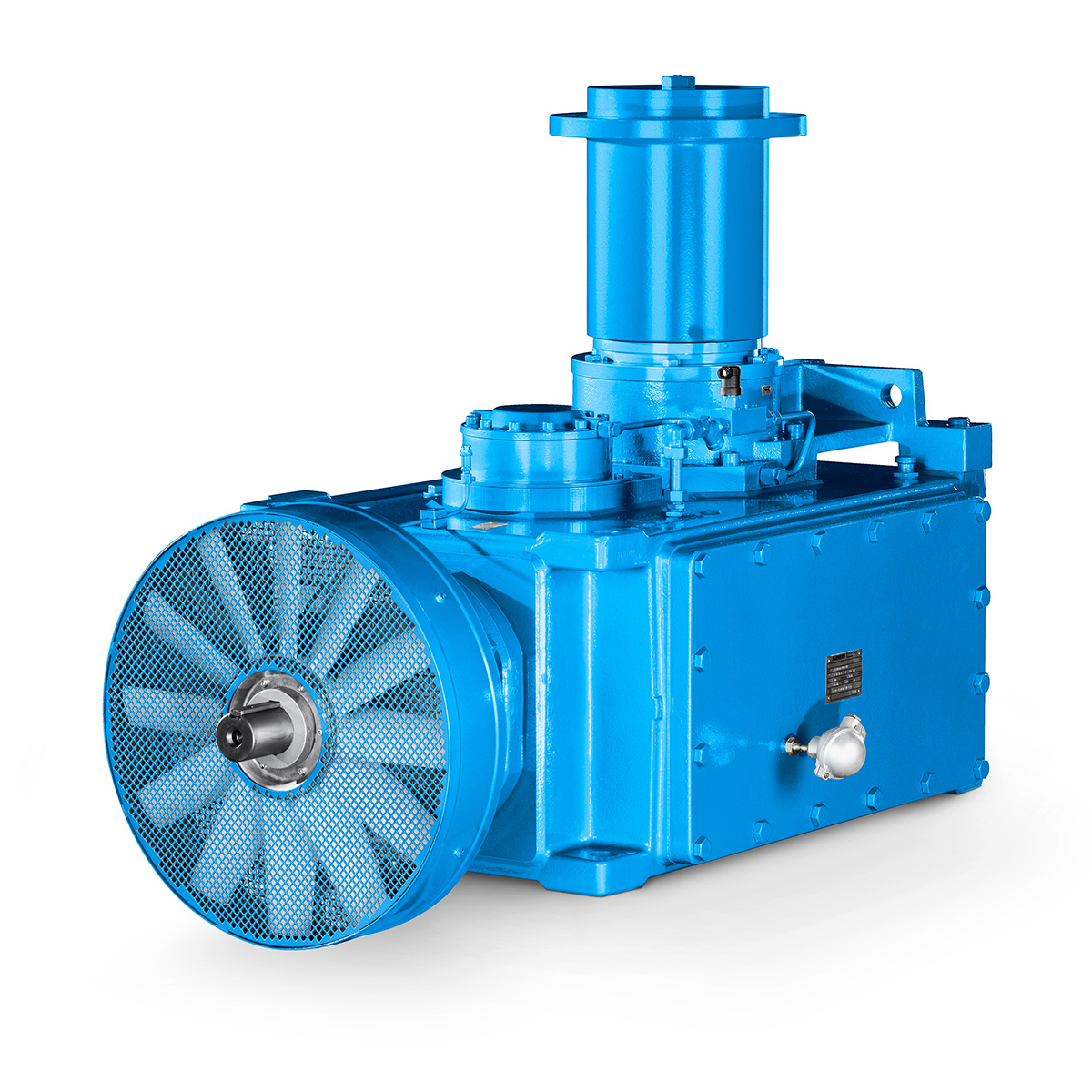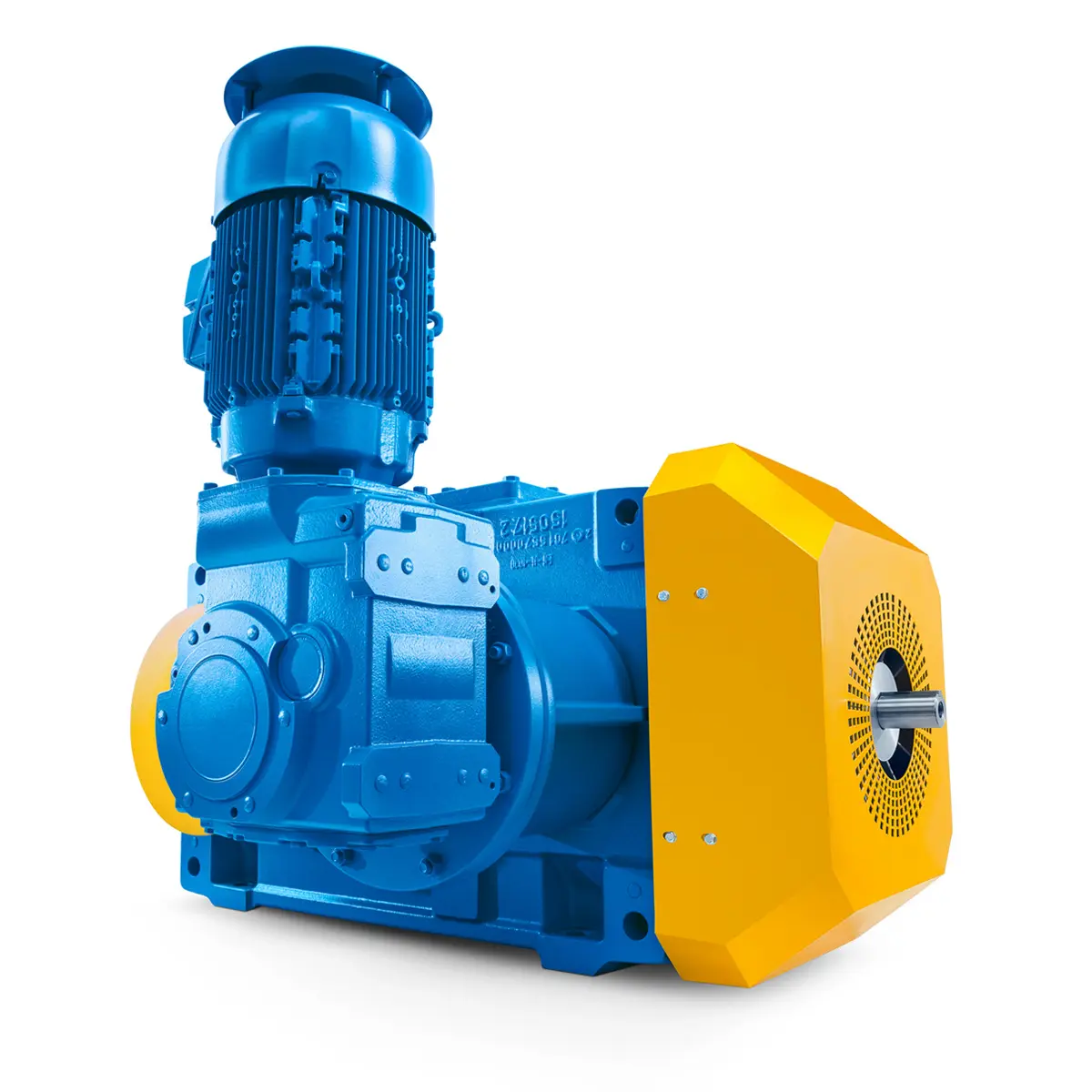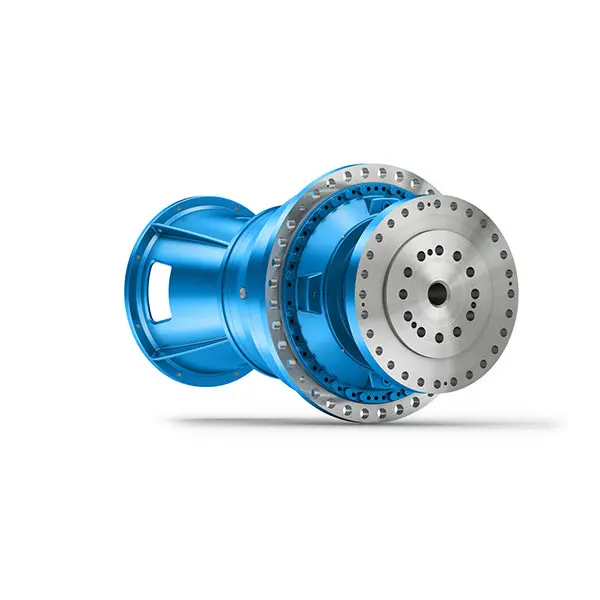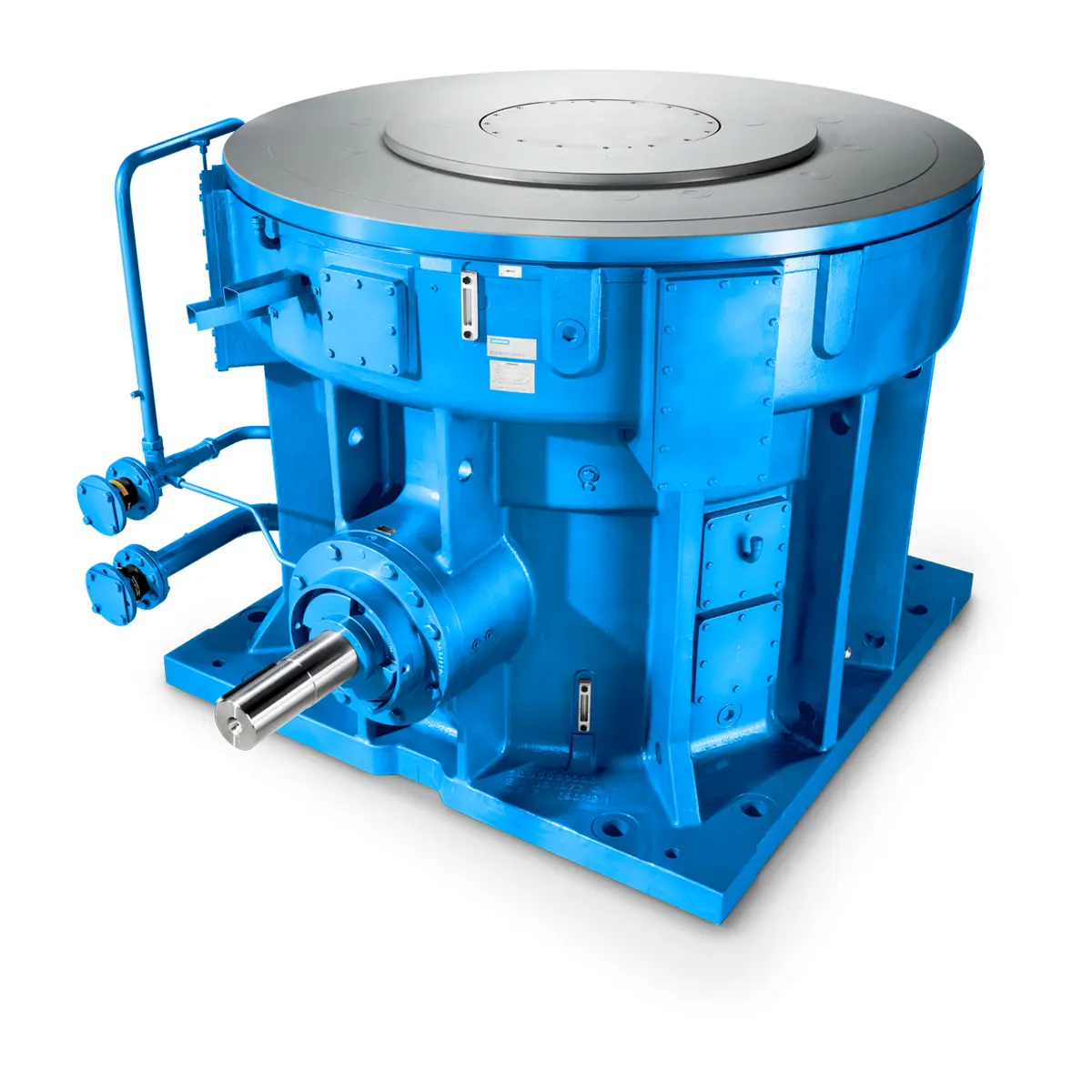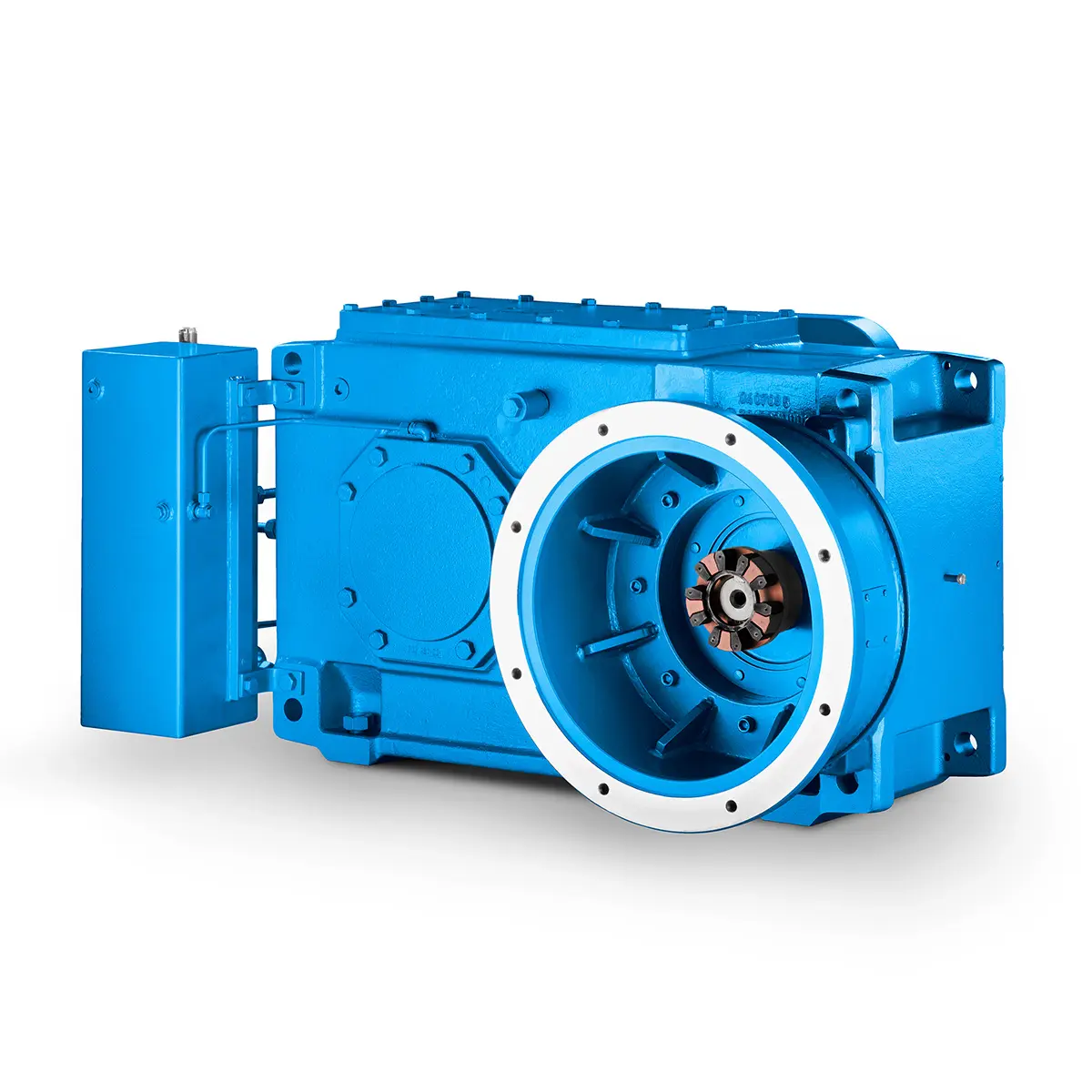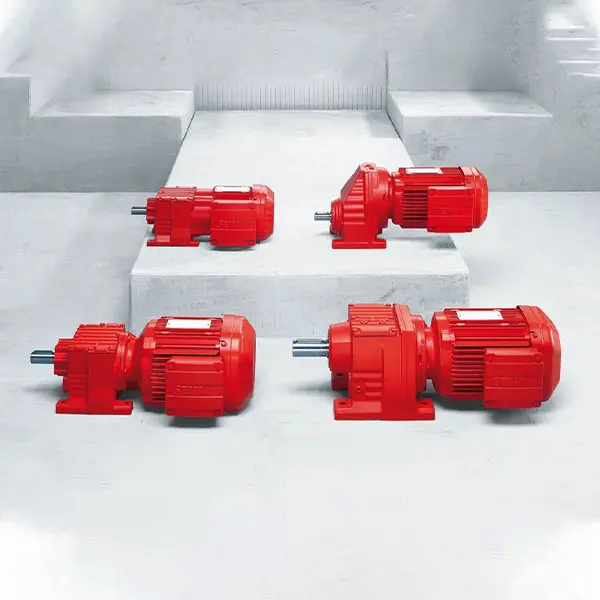
SIEMENS Helical Gearmotor Low Voltage
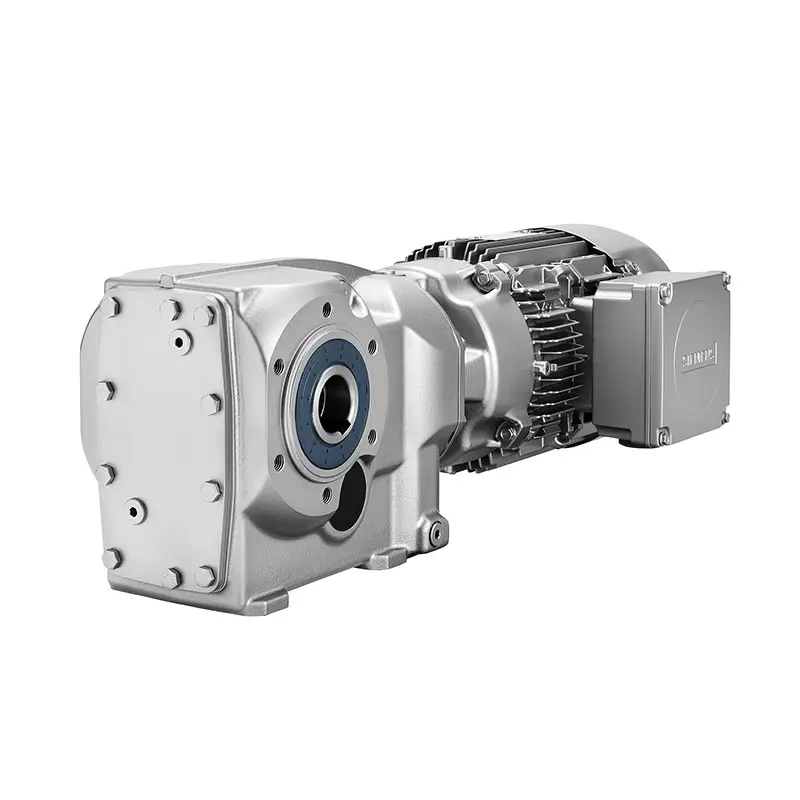
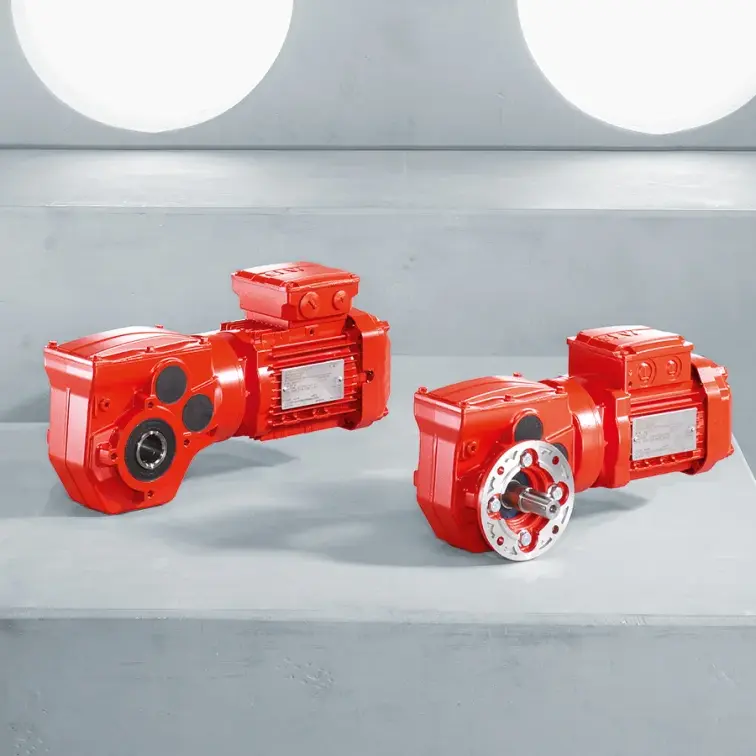
SIEMENS Bevel Helical Gearmotor
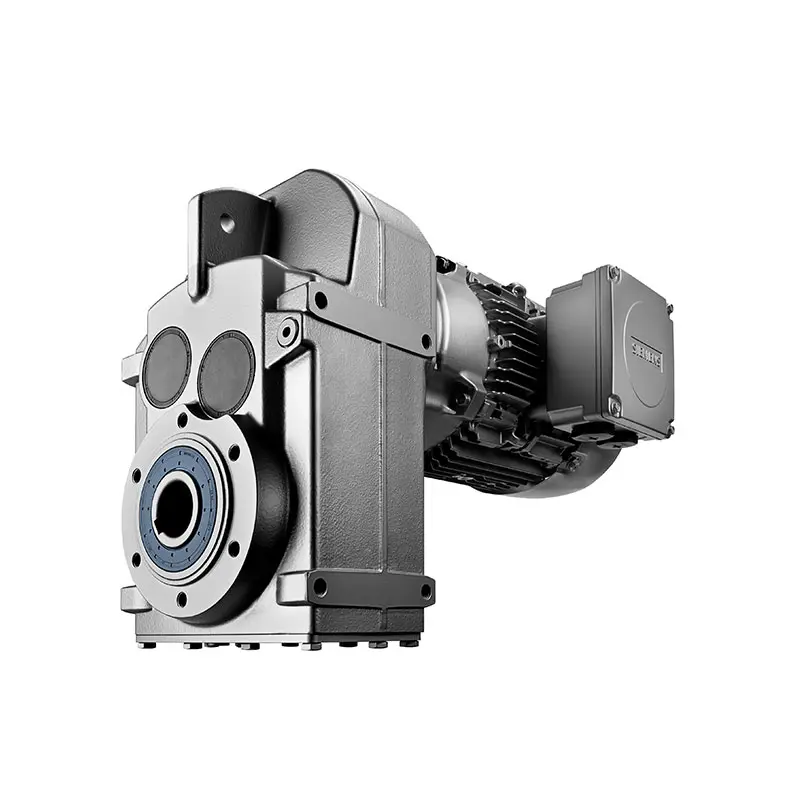
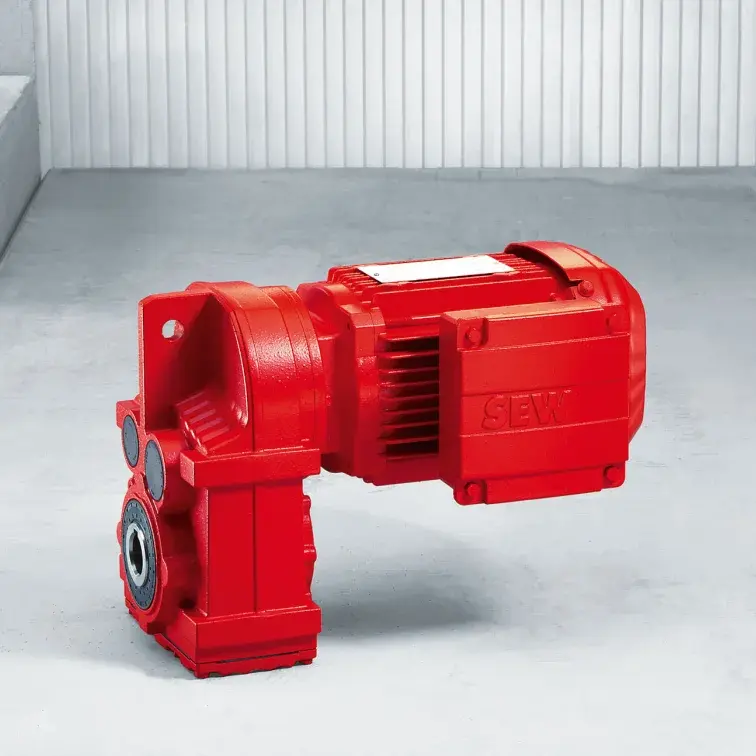
SIEMENS Parallel Shaft Gearmotor
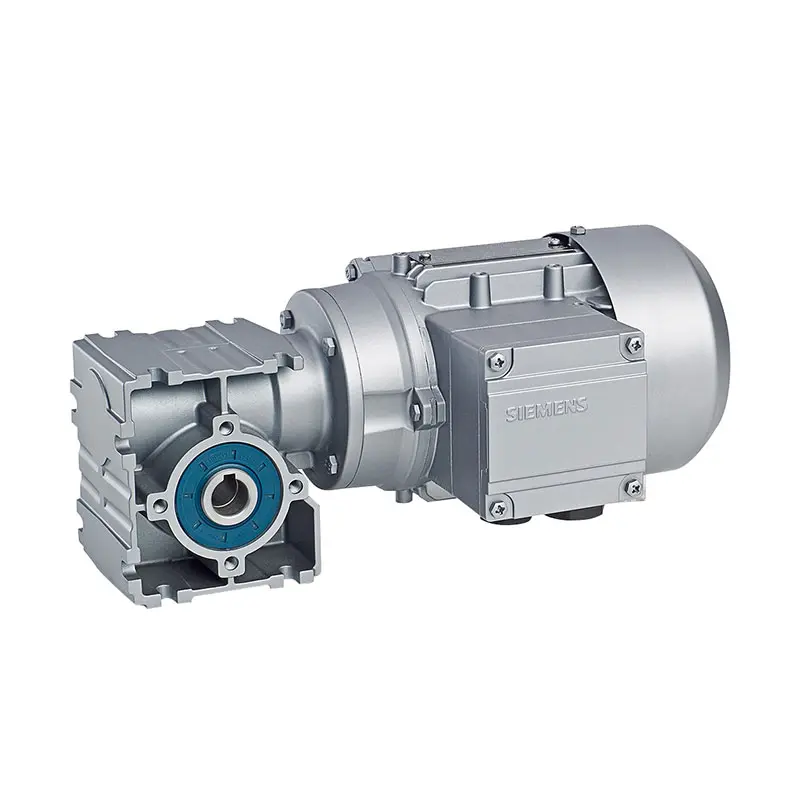
SIEMENS Worm Gearmotor Low Voltage
SIEMENS With Servo Motor Gearmotor
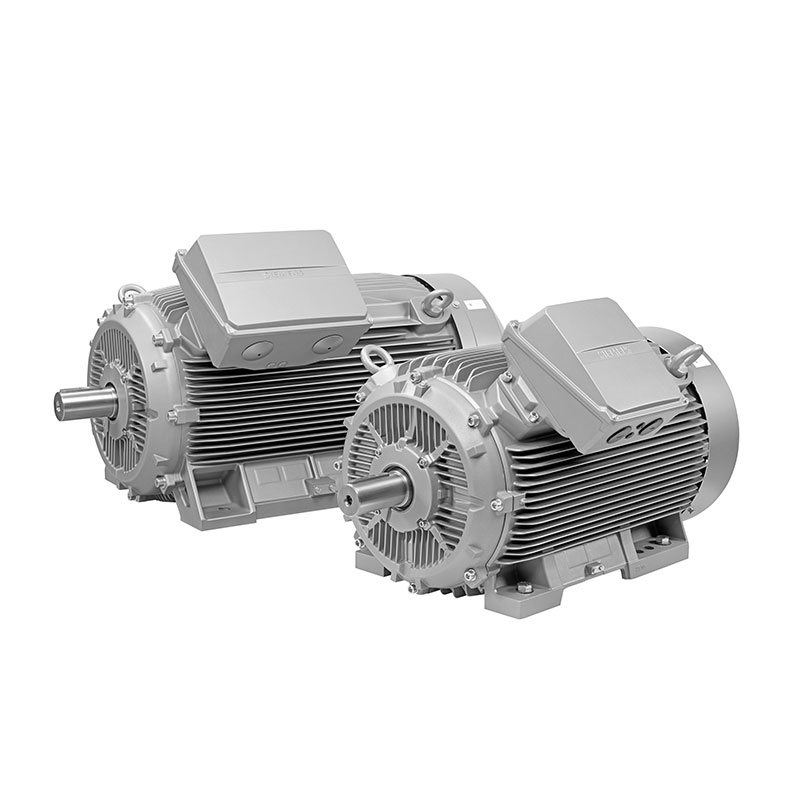
SIEMENS Low Voltage Motor Low Voltage
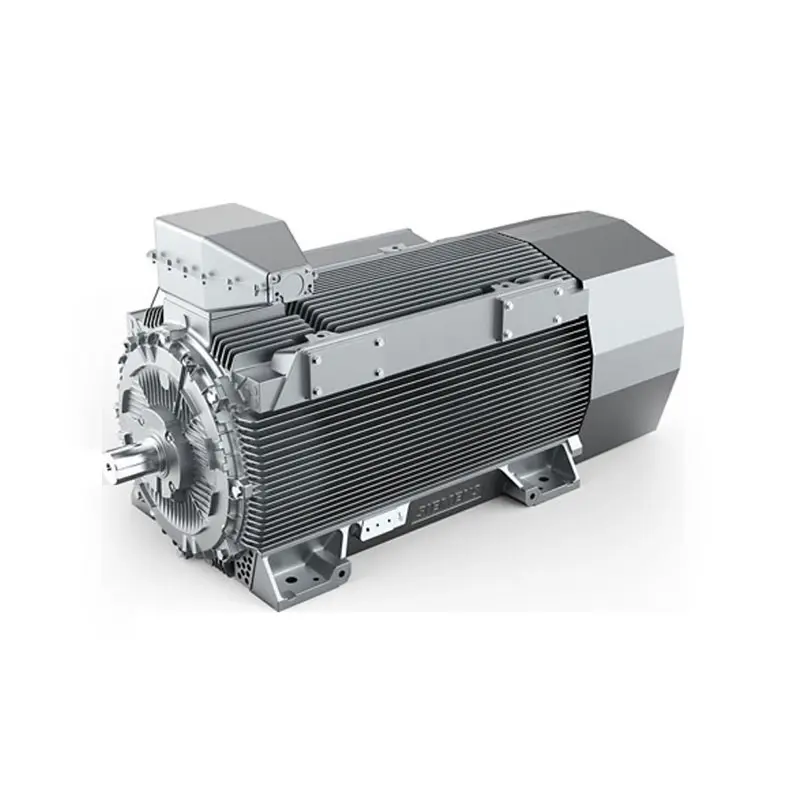
SIEMENS High Voltage Motor Low Voltage
SIEMENS Marine Motor Low Voltage
SIEMENS Servo Motor Low Voltage
SIEMENS SINAMICS S210 Low Voltage
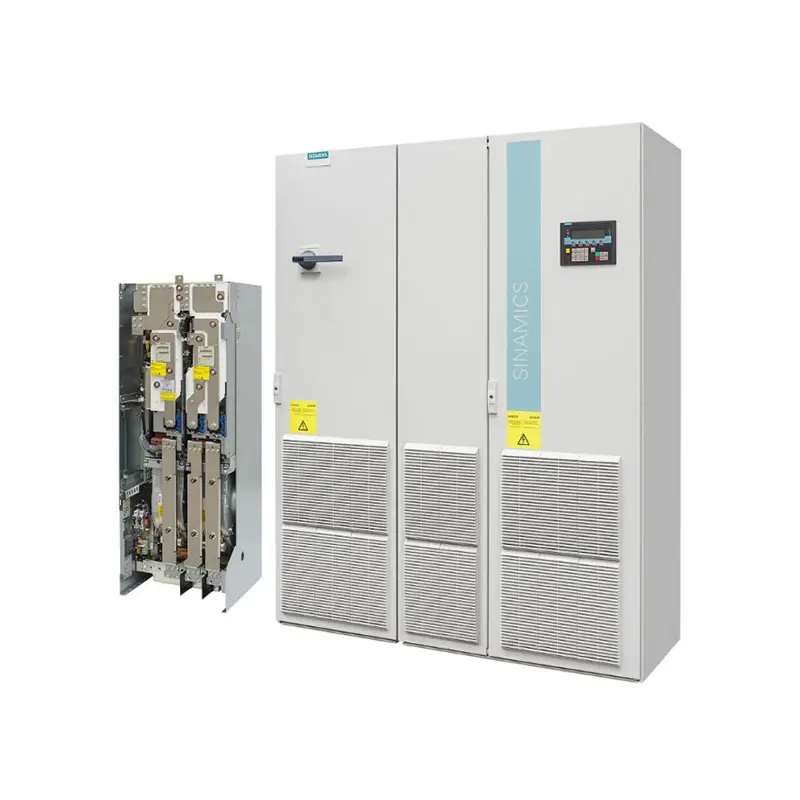
SIEMENS SINAMICS S150 Low Voltage
SIEMENS SINAMICS S120 Low Voltage
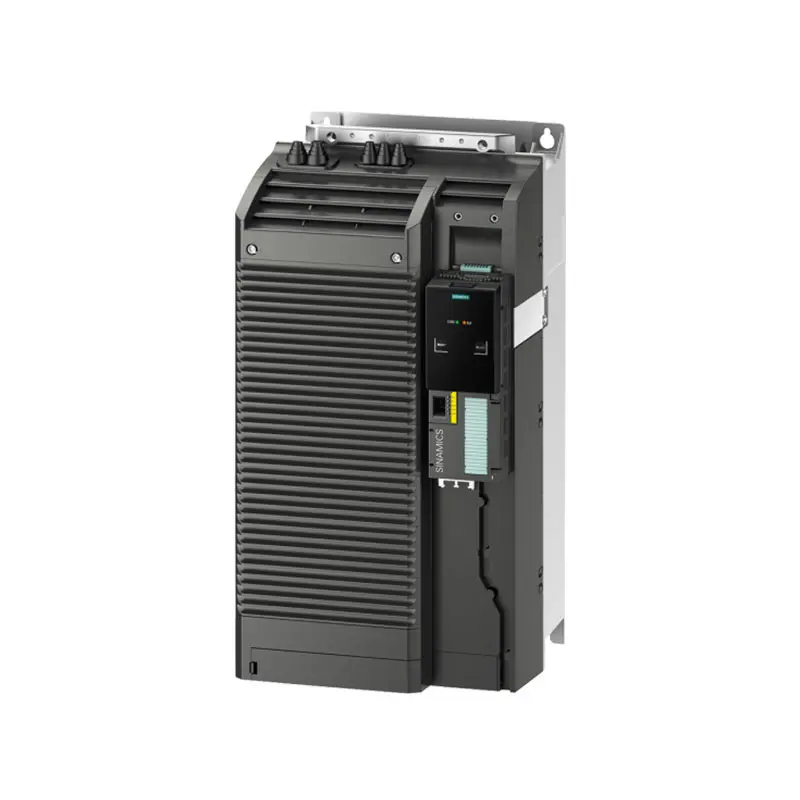
SIEMENS SINAMICS G130/G150
SIEMENS SINAMICS G120 Low Voltage
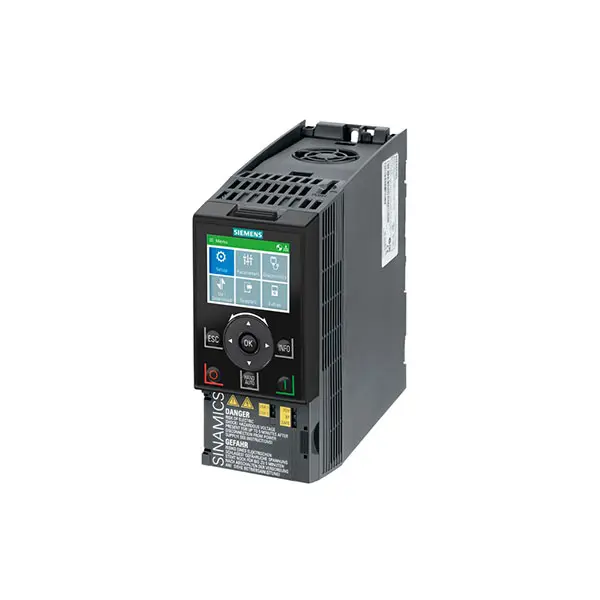
SIEMENS SINAMICS G120C Low Voltage
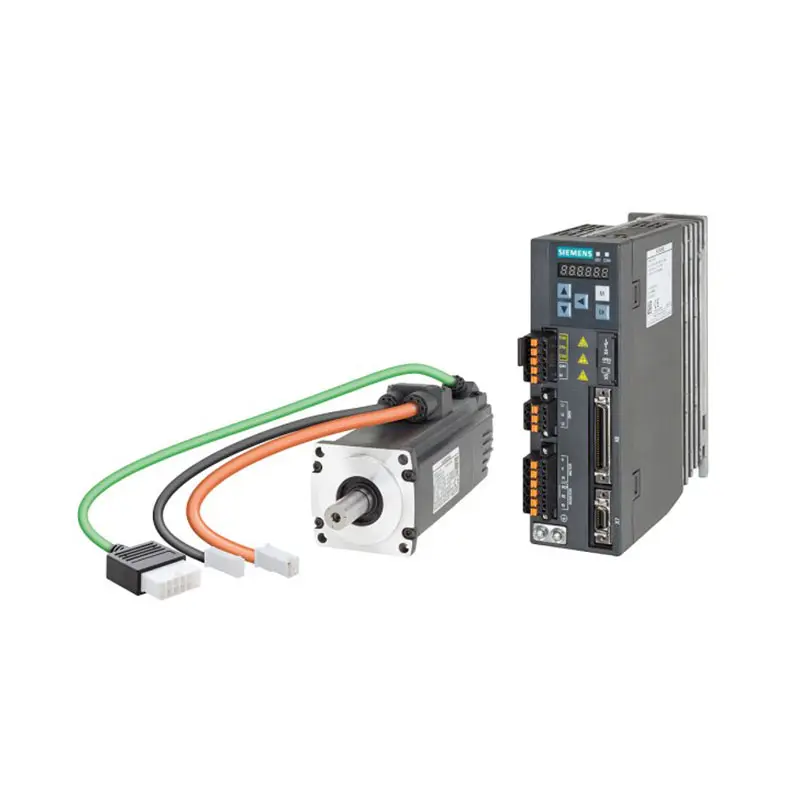
SIEMENS SINAMICS V90
SIEMENS SINAMICS V70 Low Voltage
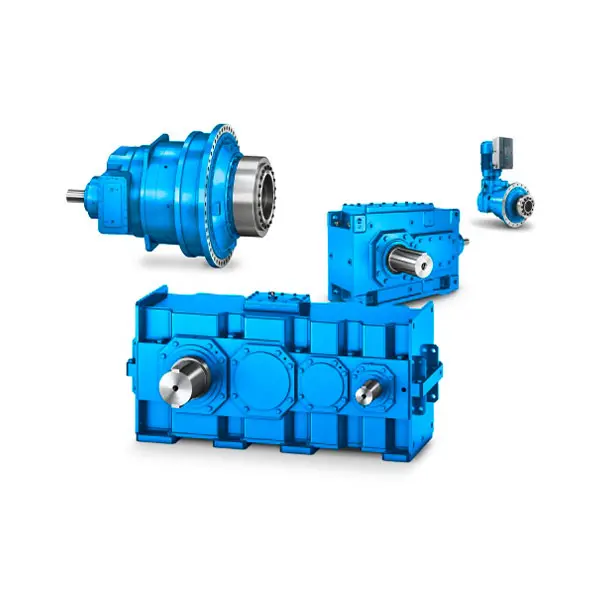
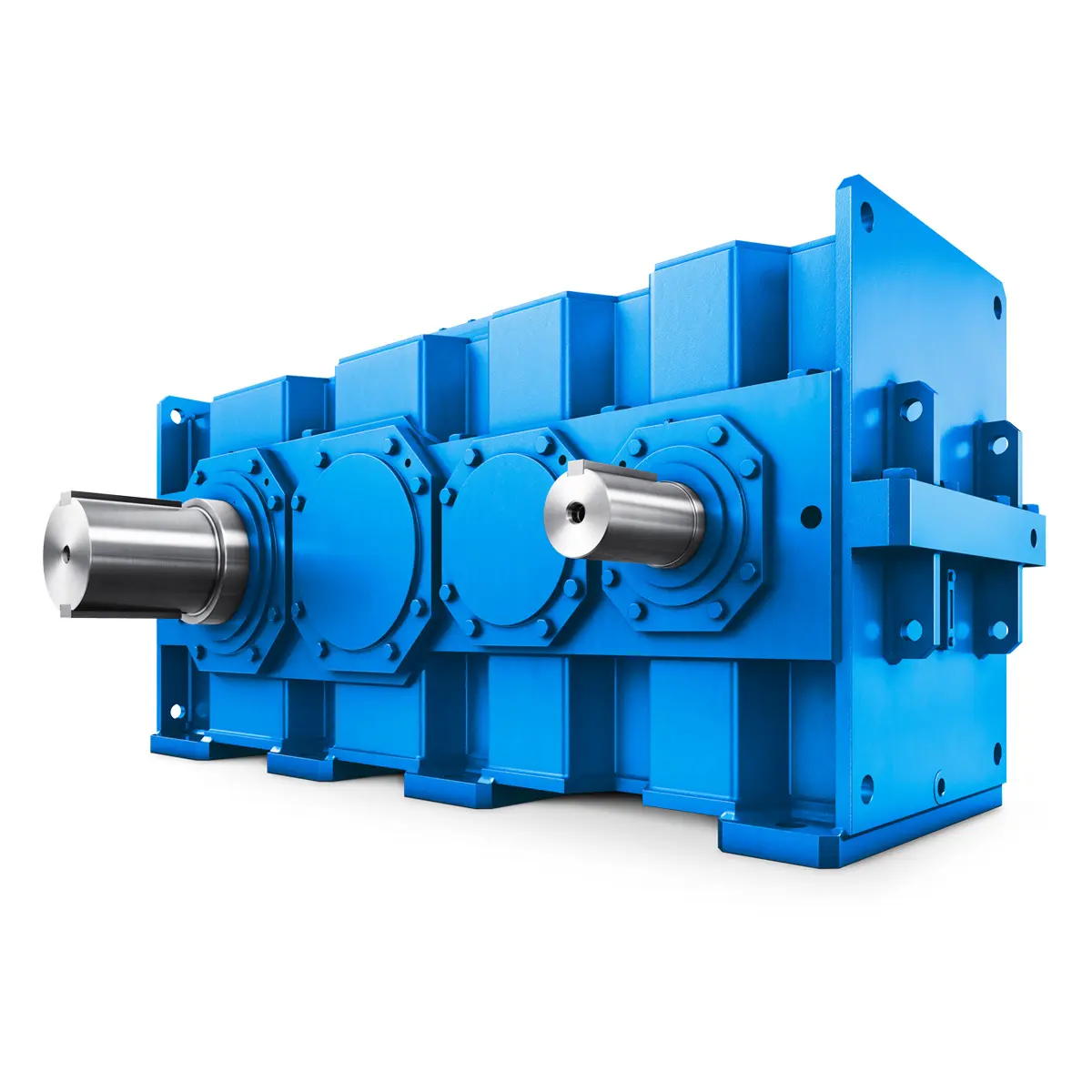
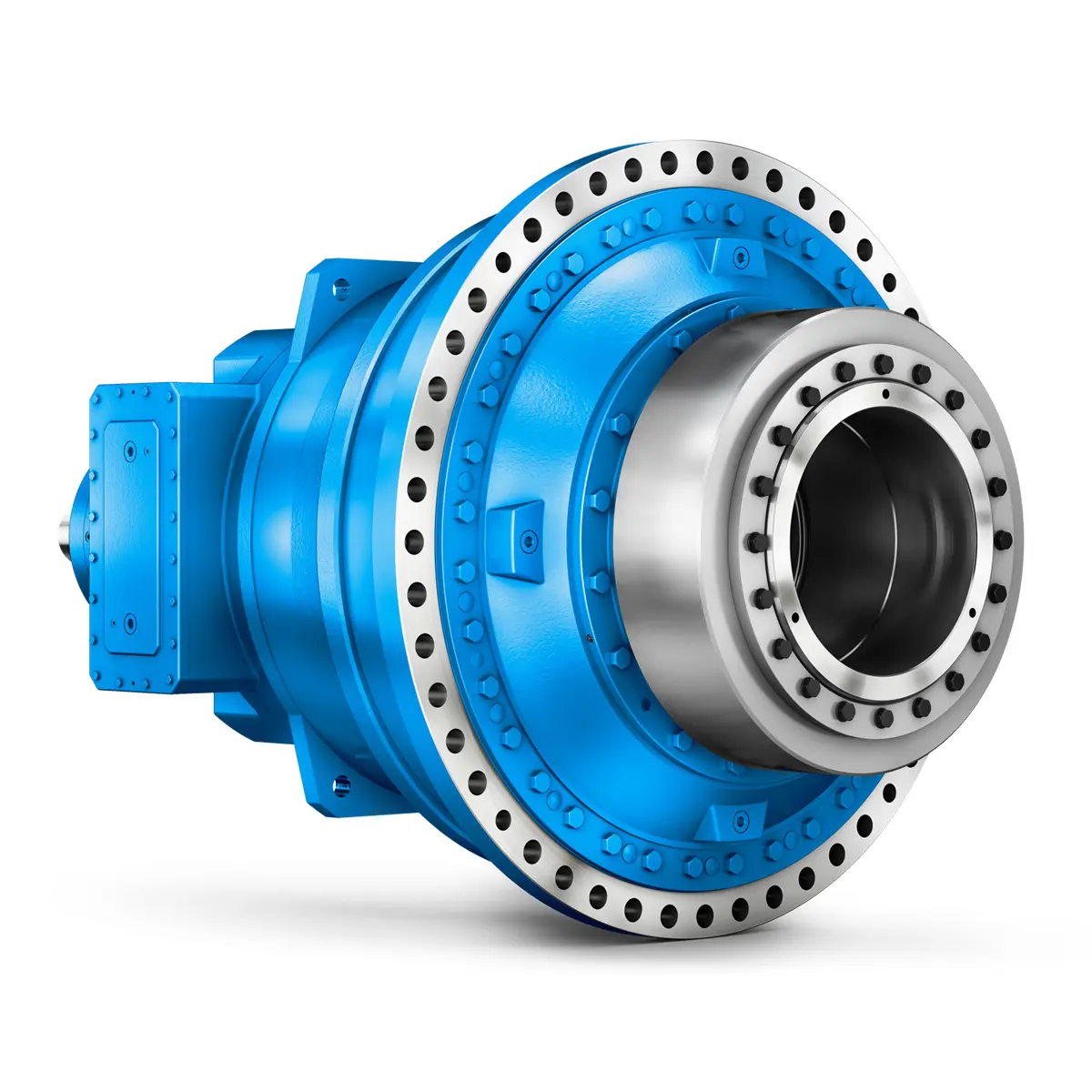
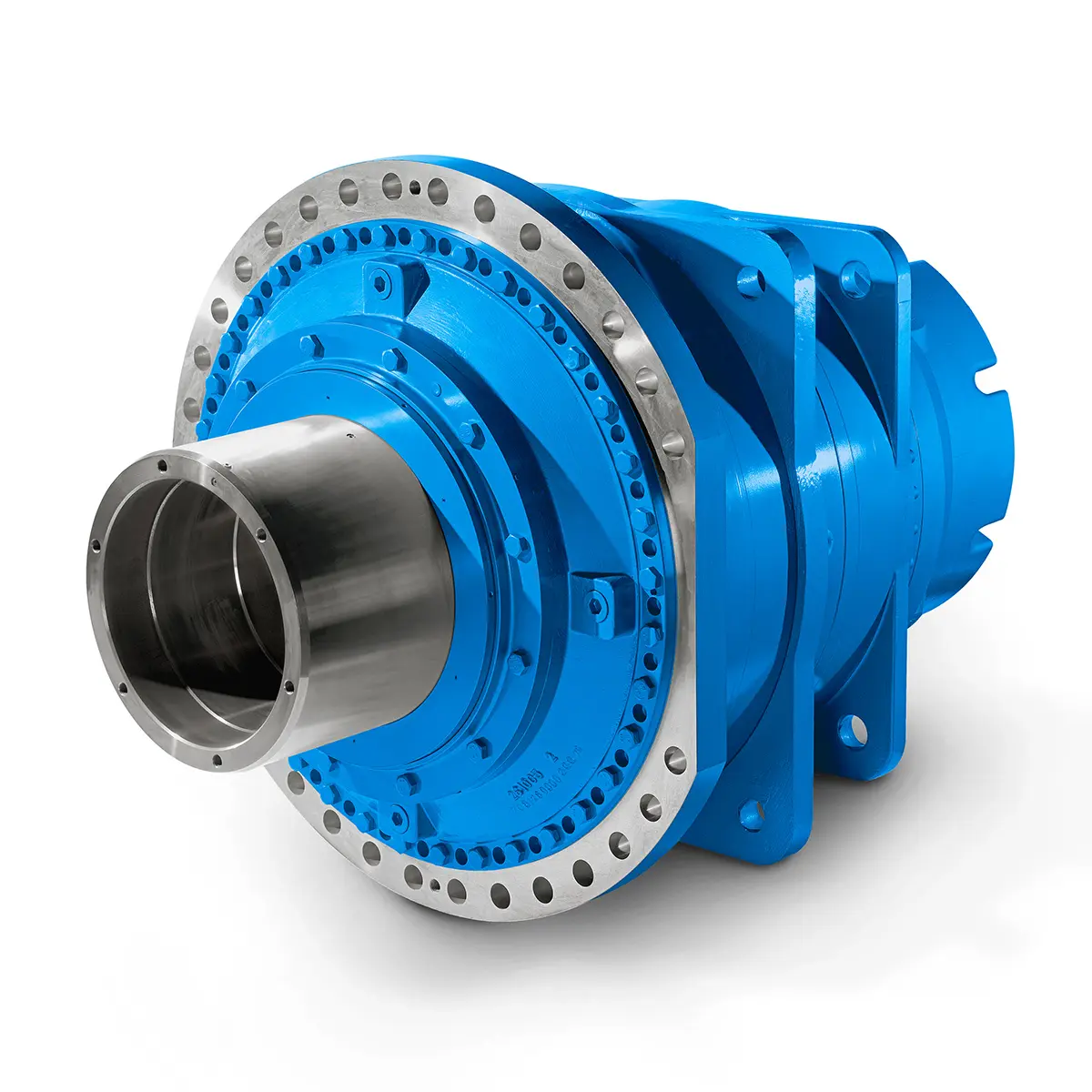
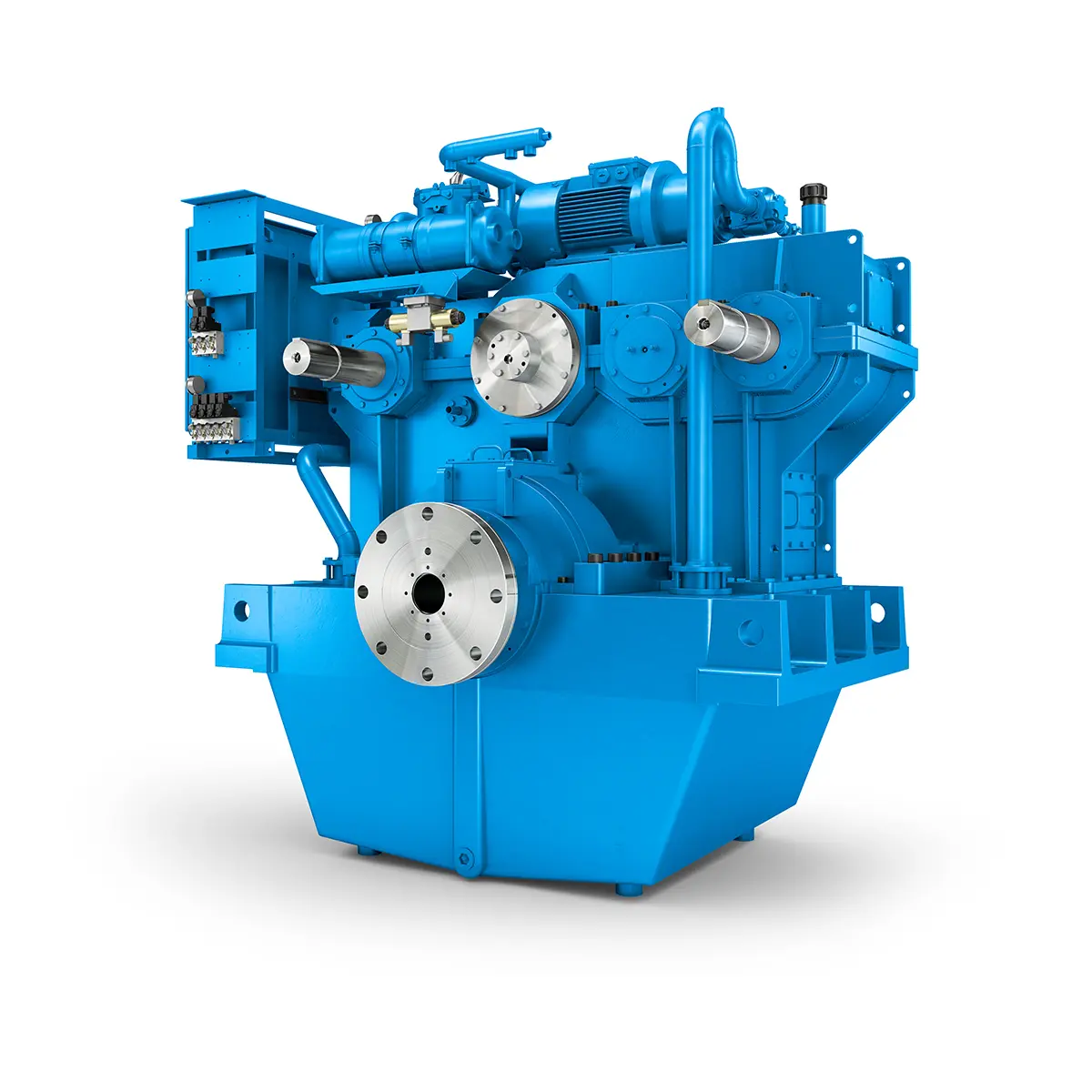
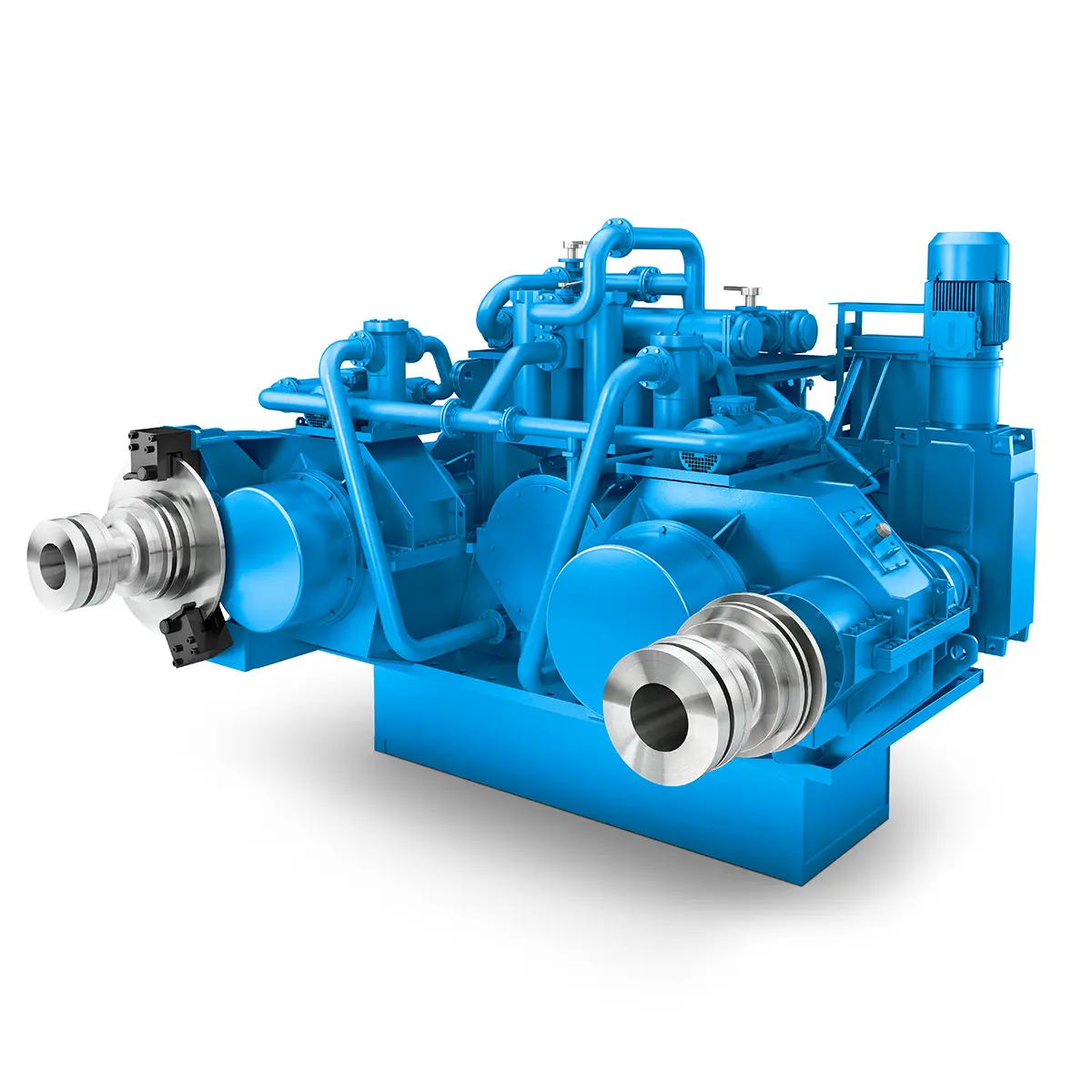
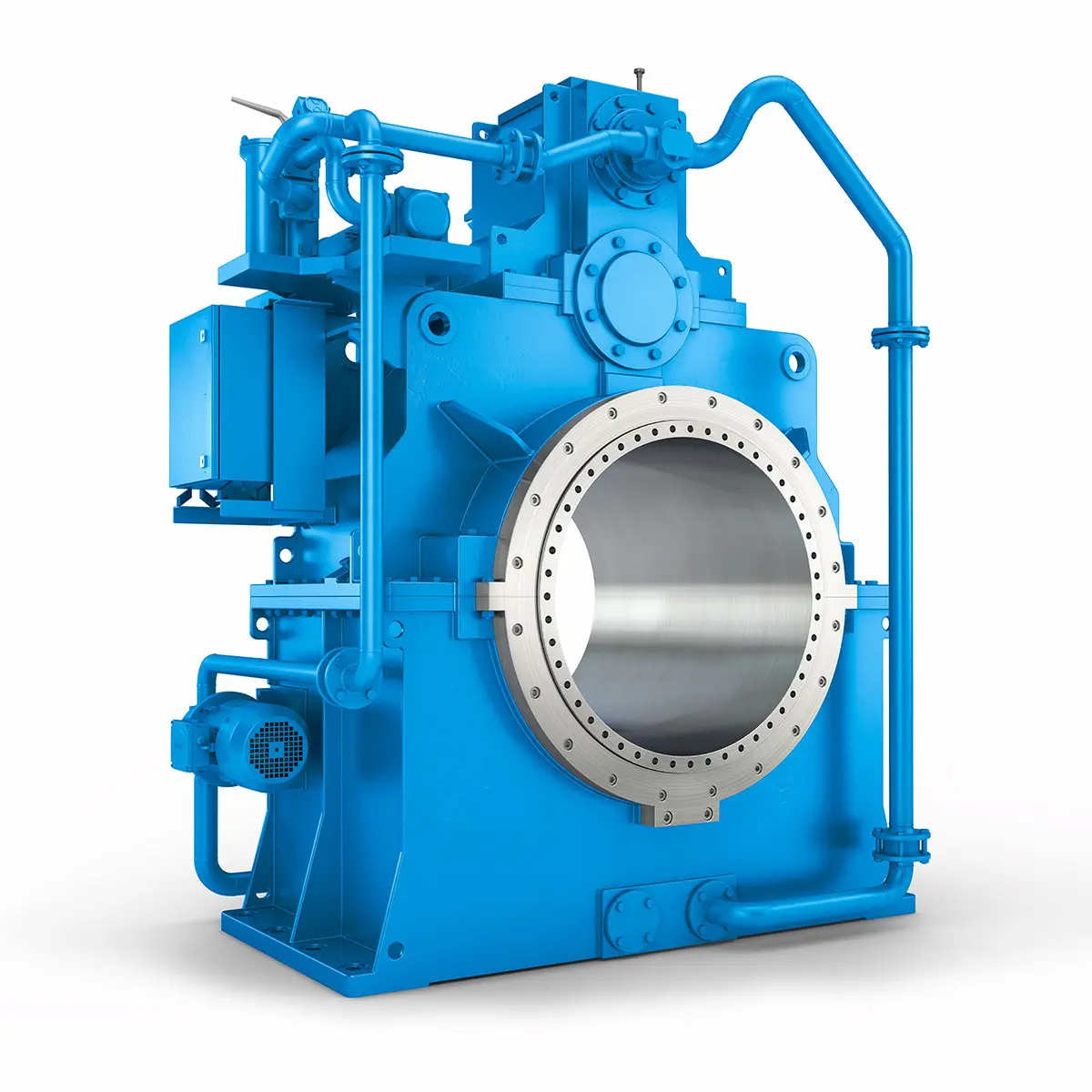
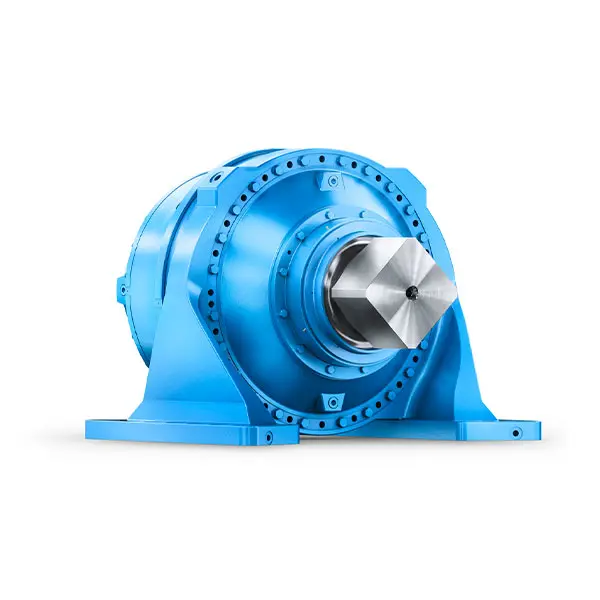
FLENDER Gear Unit
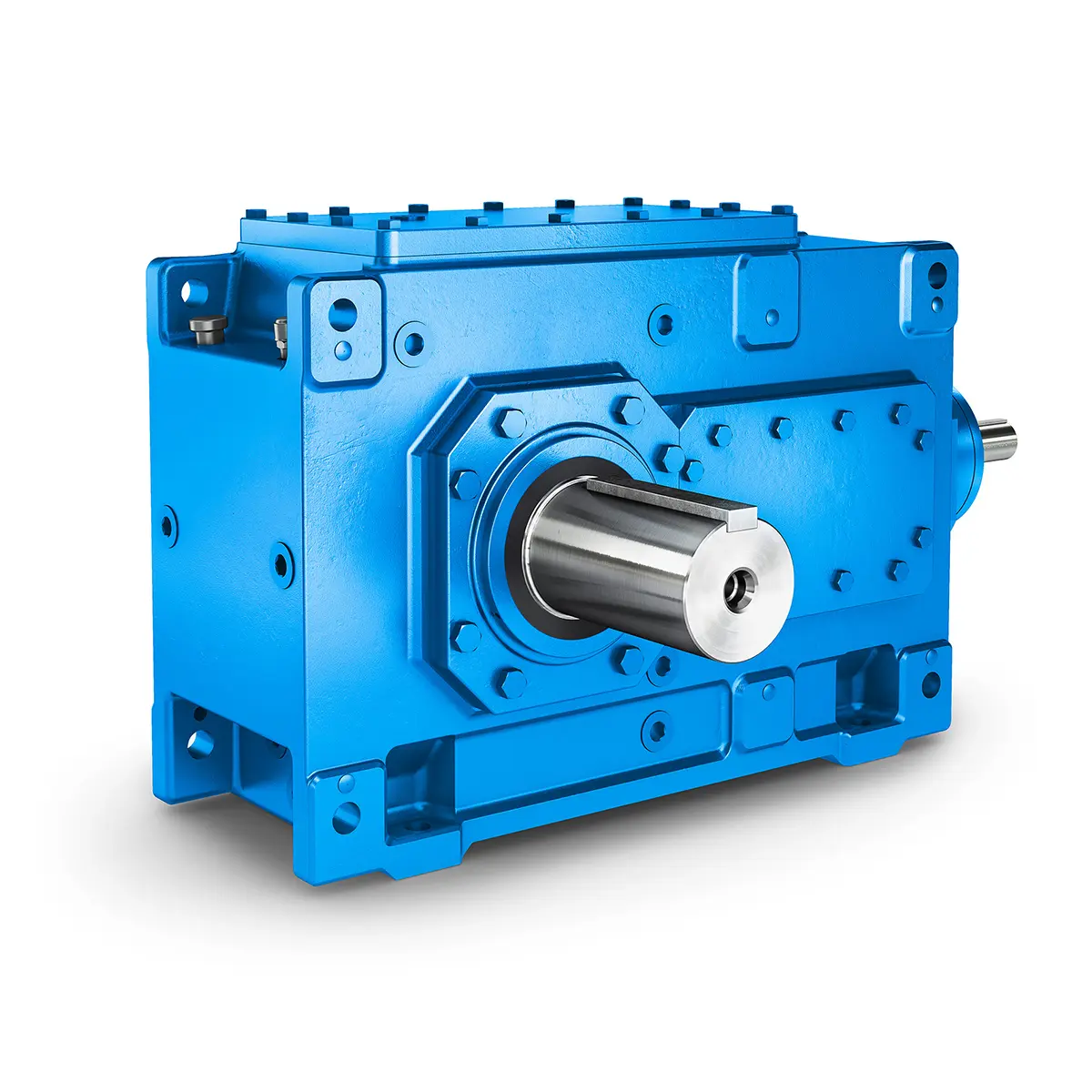
FLENDER Helical Gear Unit
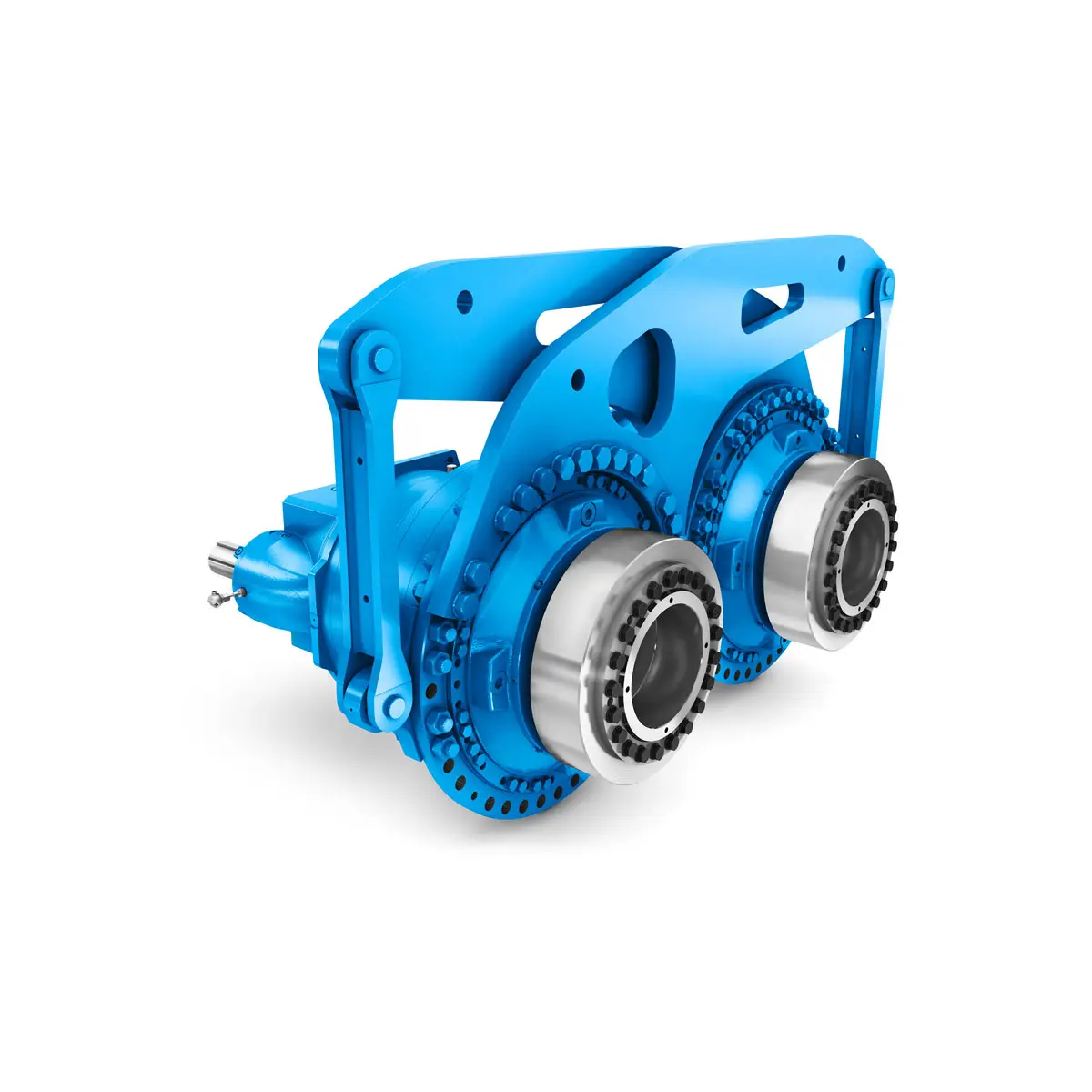
Flender gear units for lifting and luffing gears
FLENDER Gear Unit gearunit gearbox
Optimal Drive Solution For Maximum Performance
Strongly operating against biodegradable constituents
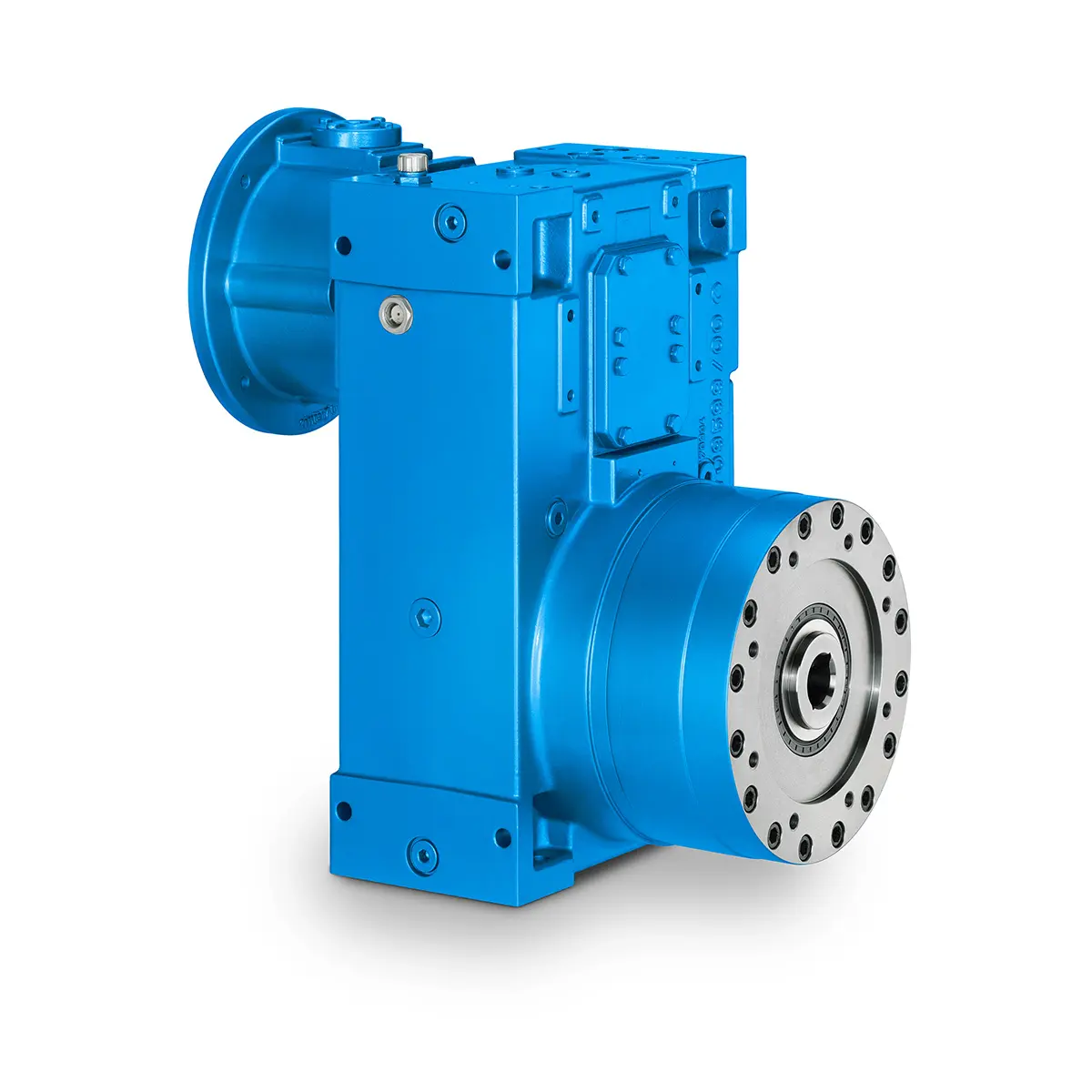
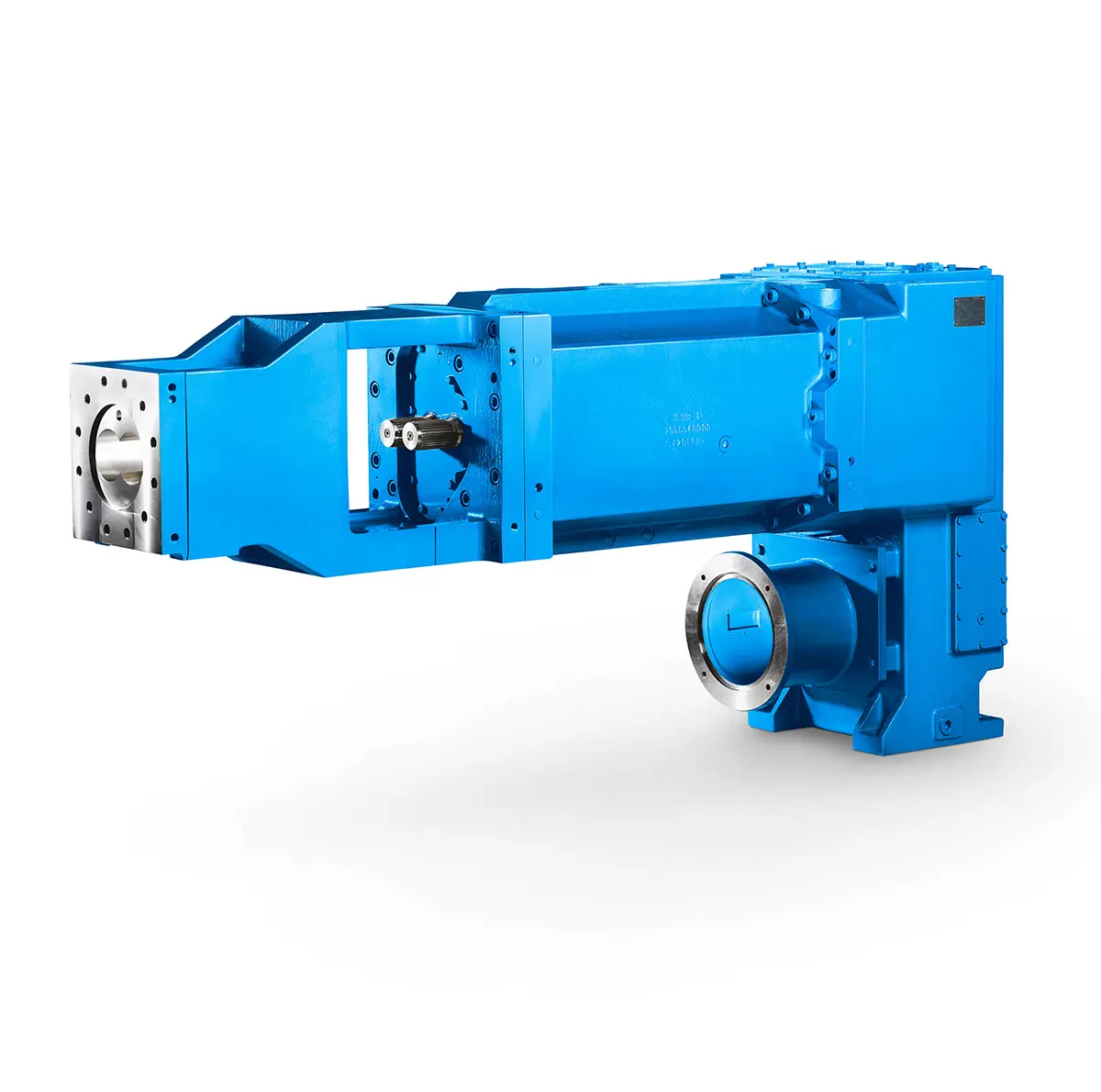
SINGLE SCREW Special industry dedicated gearunit gearbox
Playmaker In The Premium League
Conveyor belts gearunit gearbox
Paper And Pulp Preparation Sections
Operational Reliability Even In Case Of The Highest Ventilation Forces
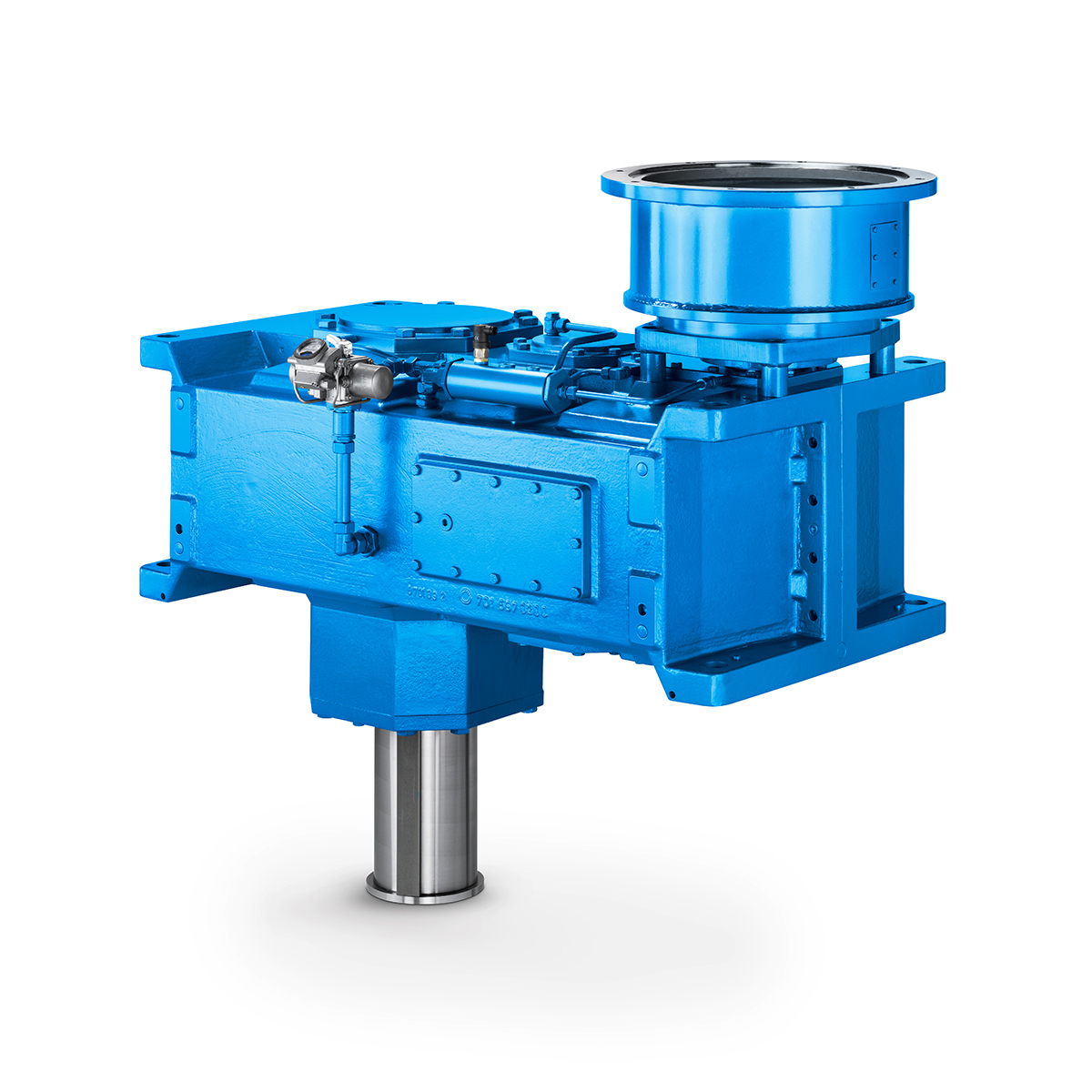
Reliable Gear Units For High Performance Vertical Conveyors 59/200
Maximum power density – PLANUREX 3 L individual drives for your sugar cane mill
The proven all rounder gearunit gearbox
Stirs and stirs and stirs gearunit gearbox
Flexibility on Board gearunit gearbox
The right gearbox for all Multi-Engine Ships
Reliable Power Generation on board
Maximum performance level, fast deliverable
Efficient and compact – FLENDER Gear Units for Sugar Mills
Extremely strong. Extremely compact. Extremely stressable.
FLENDER Coupling
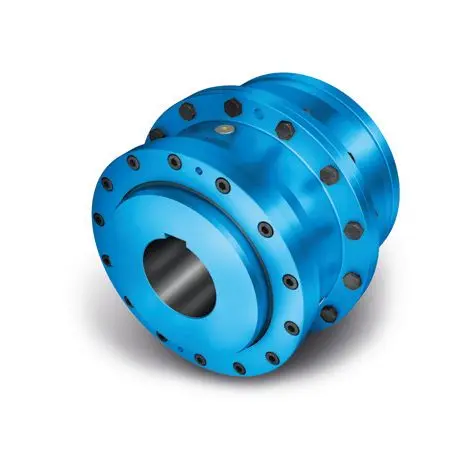
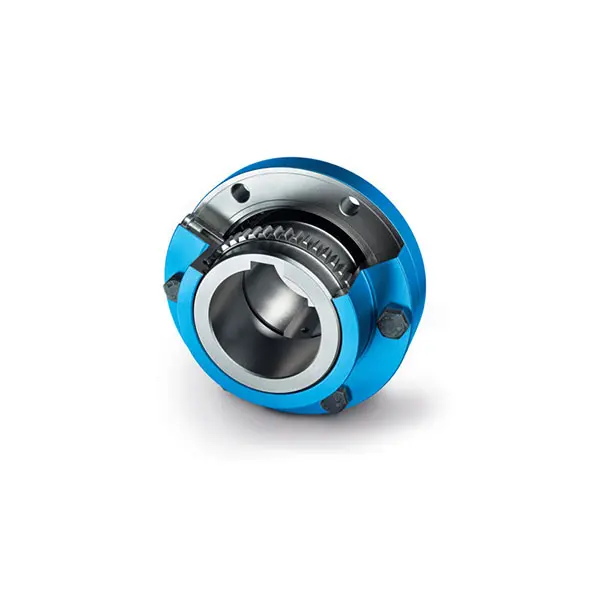
ZAPEX ZW Torsionally Rigid Gear Coupling
ZAPEX ZN Torsionally Rigid Gear Coupling
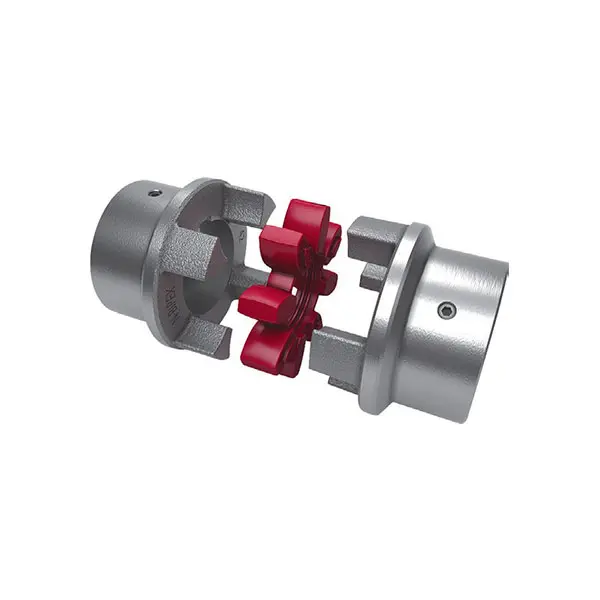
N-EUPEX Flexible high performance Coupling
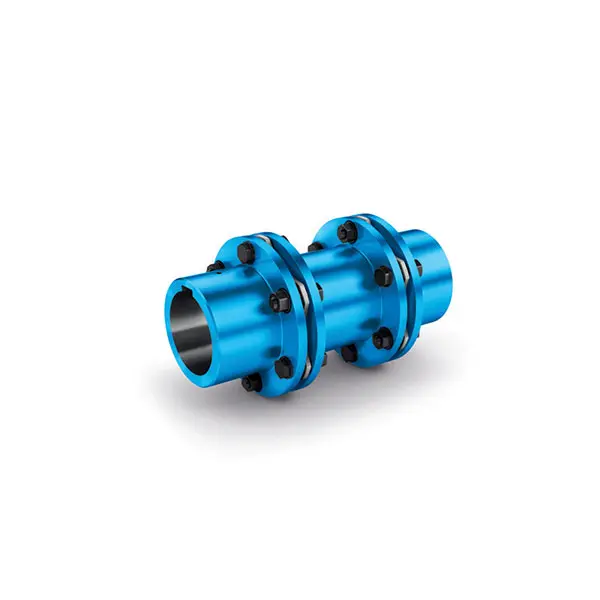
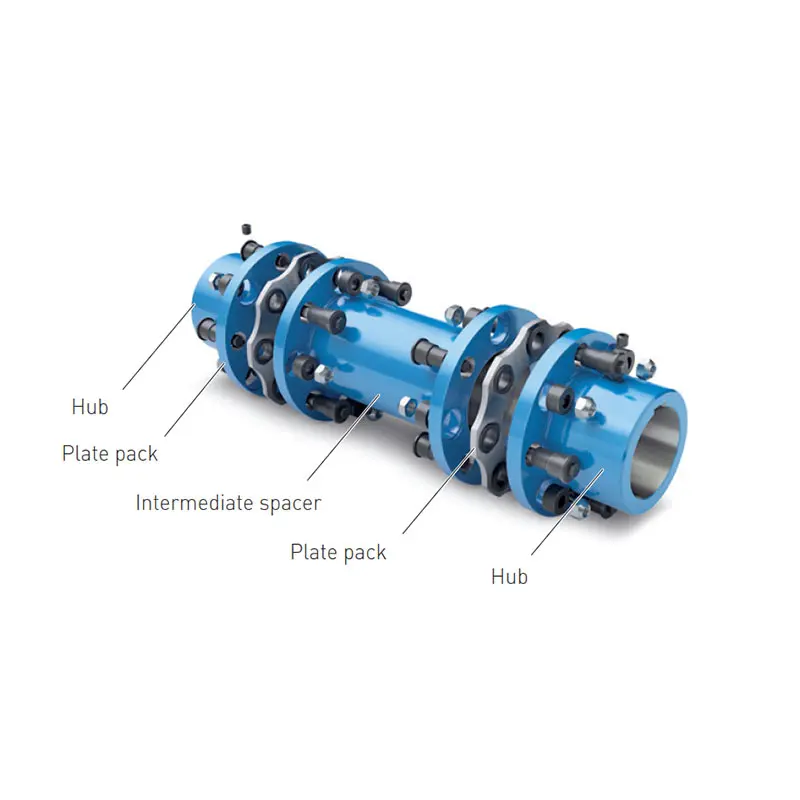
N-ARPEX Torsionally Rigid All-Steel Coupling
ARPEX Torsionally Rigid All-Steel Coupling Spare and Parts
N-EUPEX DS Flexible High Performance Coupling
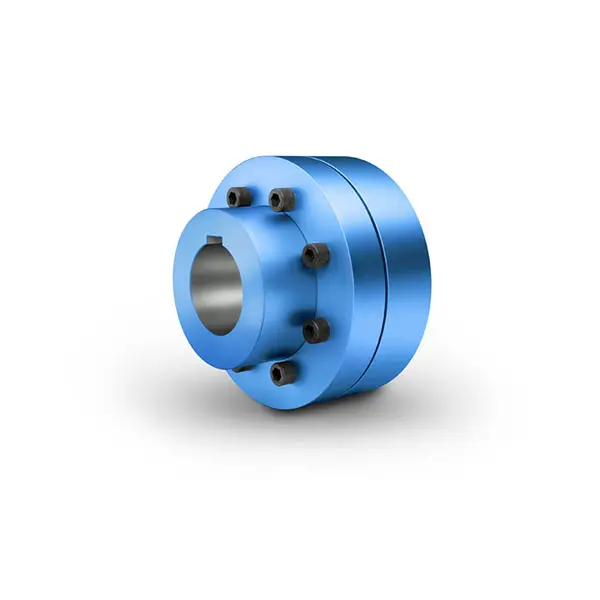
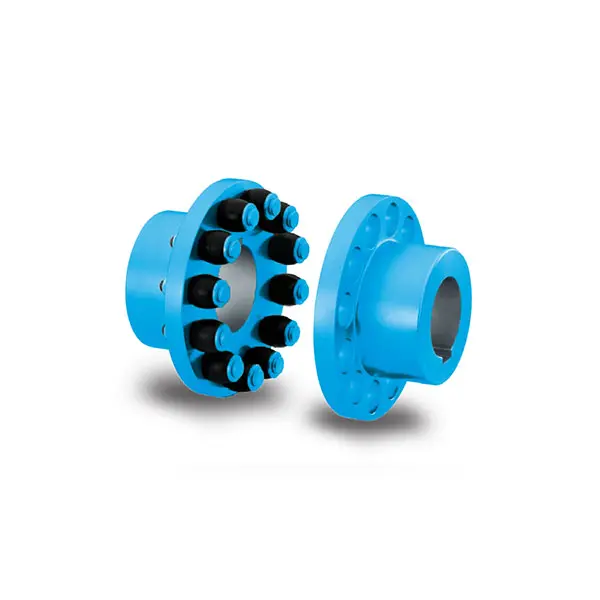
RUPEX Flexible high performance Coupling
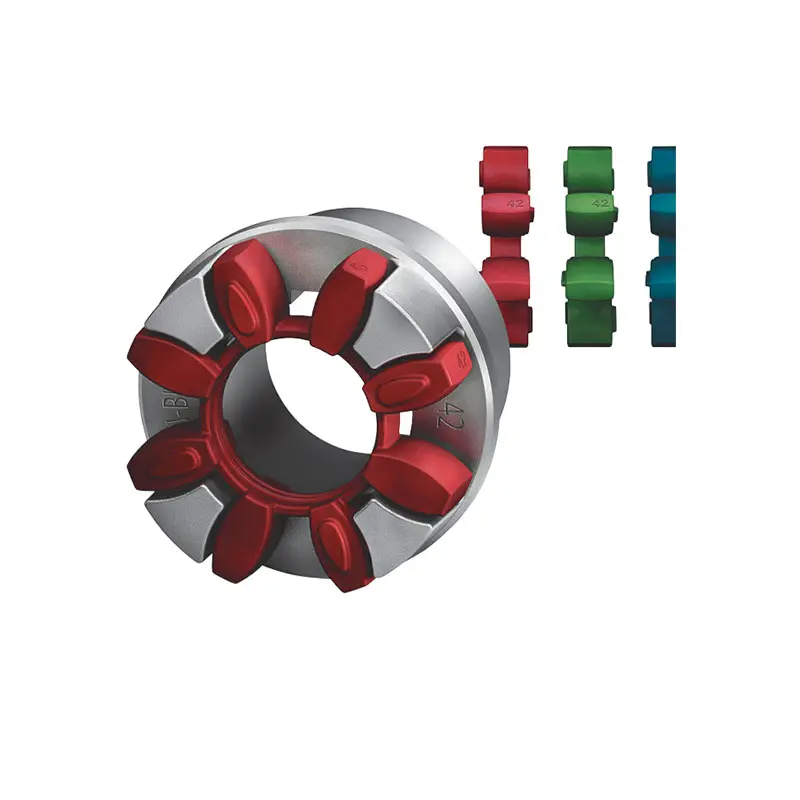
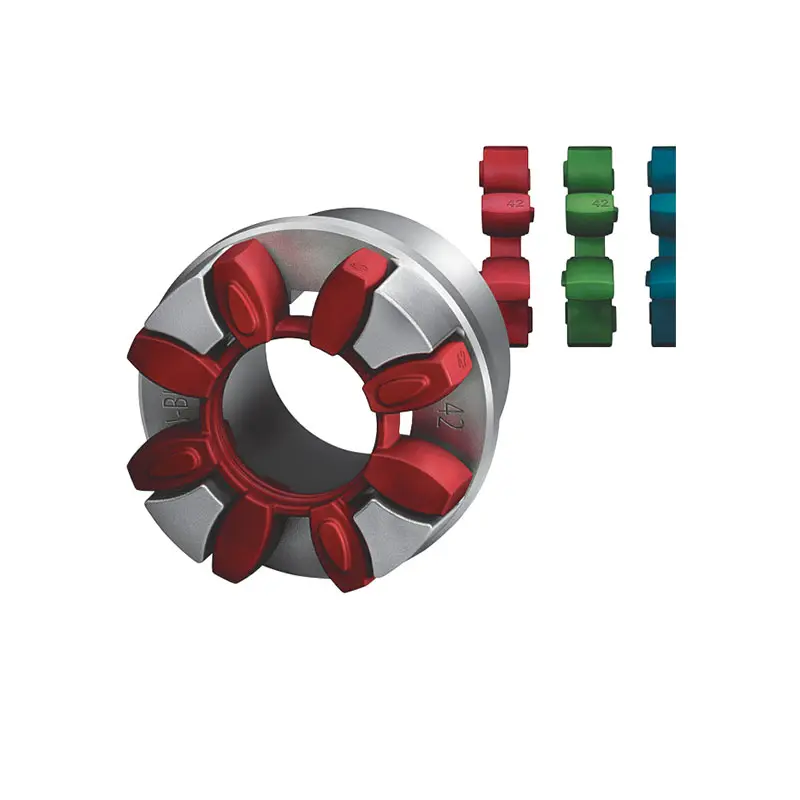
N BIPEX Flexible high performance coupling
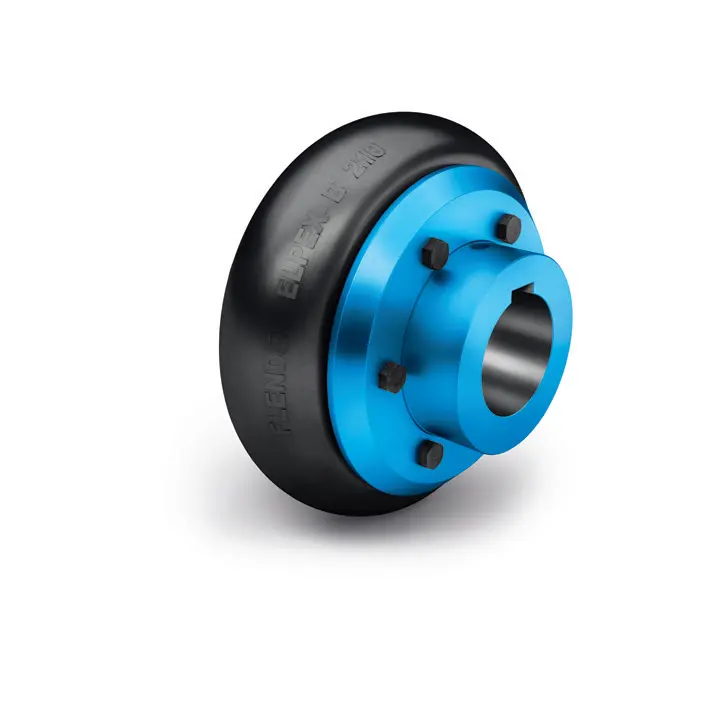
ELPEX B Highly Flexible Coupling
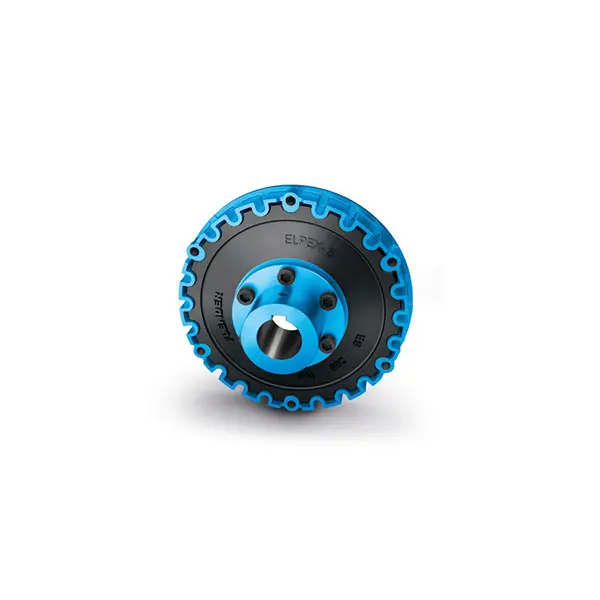
ELPEX S Highly Flexible Coupling high performance
ELPEX Highly Flexible Coupling high performance
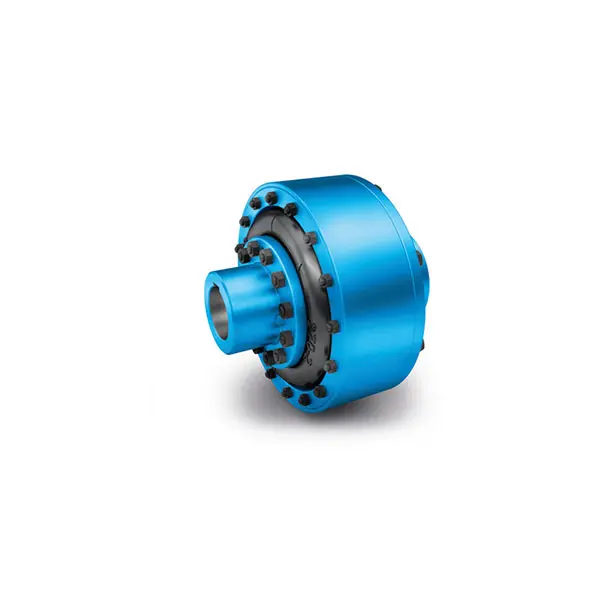
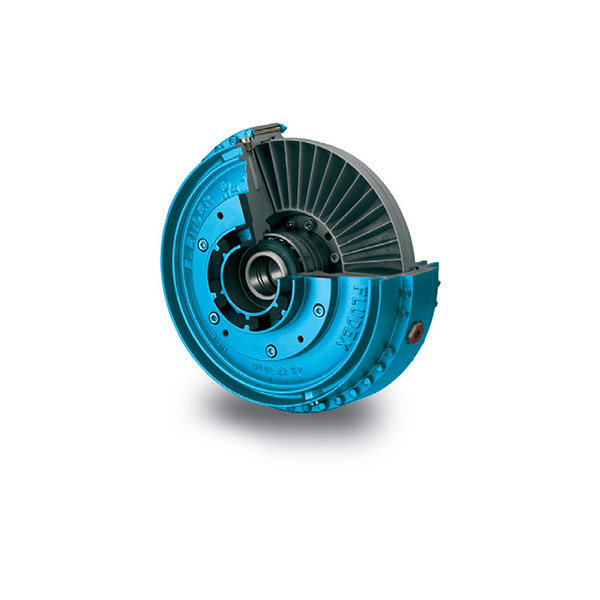
FLUDEX Fluid Coupling high performance
SIPEX Backlash free Coupling high performance
BIPEX S Backlash free Coupling high performance
FLENDER Coupling Spare Parts high performance
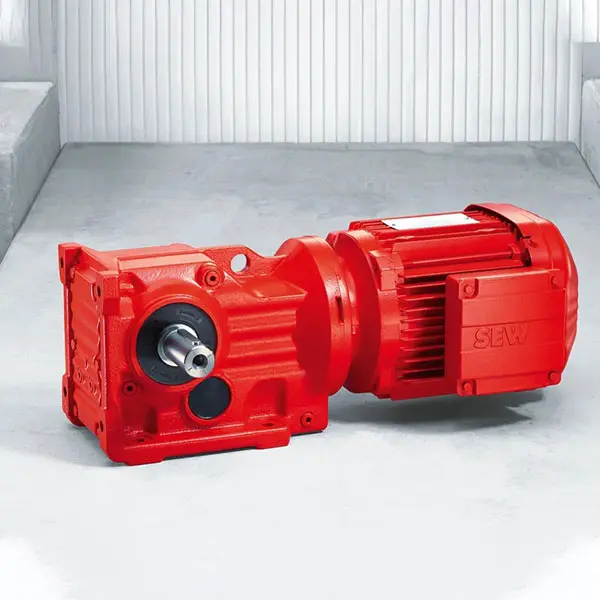
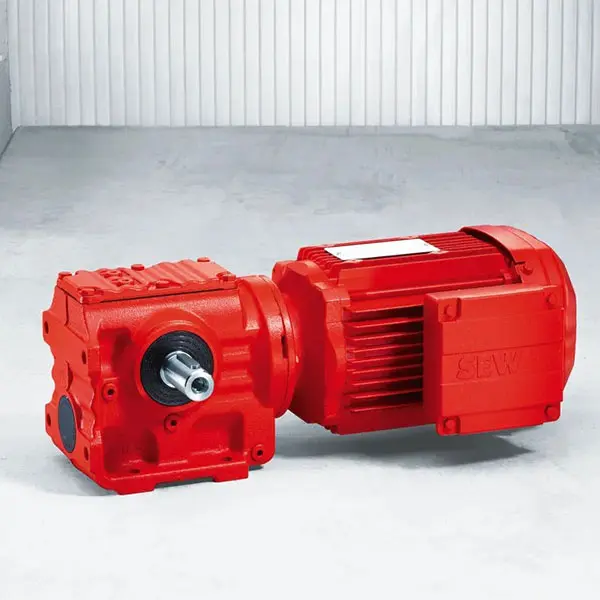
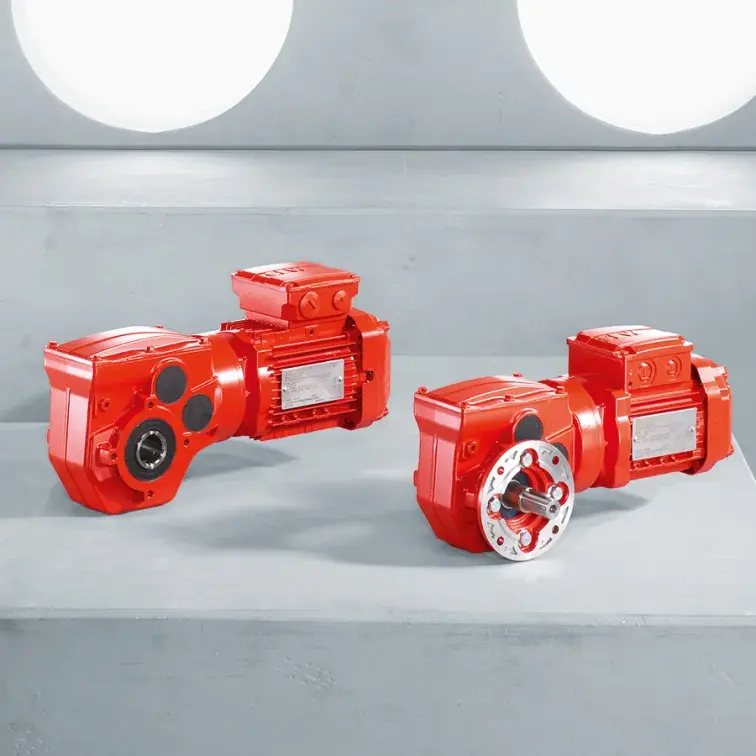
SEW Gearmotor
Buying a Fluid Coupling for international equipment requires more than comparing catalog prices. The correct model must match motor power, operating speed, starting torque, ambient temperature, and driven-machine behavior. A coupling that works smoothly on a conveyor may perform poorly on a crusher or pump.
Real purchasing decisions often begin with incomplete information. A nameplate may show motor power but omit acceleration time or peak load. Ask the supplier for rated torque, maximum speed, bore dimensions, fill quantity, thermal capacity, and permissible misalignment. Request drawings and installation instructions before approving the order. Small details matter, especially when the coupling will be installed in a dusty plant several time zones away.
Reliable suppliers should provide traceable test records, material information, warranty terms, and responsive technical support. Check whether replacement seals, fusible plugs, and compatible fluids are available in your region. Confirm packaging, inspection procedures, documentation, and delivery responsibilities in writing. Independent verification can prevent costly misunderstandings, although it cannot replace proper engineering review. There is no universal best coupling. That assumption deserves caution.
A practical buying process also considers lifecycle cost. A cheaper unit may require frequent shutdowns, difficult alignment, or expensive emergency freight. Compare energy behavior, maintenance access, expected service life, and spare-part availability. When specifications conflict, pause and ask for clarification. Good purchasing is not only about selecting a component; it is about reducing operational uncertainty across borders.
Fluid couplings transfer power through fluid instead of direct mechanical contact. The input shaft drives an impeller, which accelerates oil inside the housing. Fluid momentum then turns the runner and output shaft. A small speed difference, called slip, is necessary for torque transfer. It also creates heat.
Constant-fill couplings are simple and reliable for conveyors, fans, pumps, and crushers. Their oil quantity stays fixed, so starting torque and acceleration are largely predetermined. Variable-fill couplings use a controlled oil volume. They can provide softer starts, improved speed control, and reduced peak loads. Fluid torque converters add a stator, allowing torque multiplication during demanding starts. This is not the same operating principle as a standard fluid coupling.
Buying tips: Match rated power, input speed, starting torque, and duty cycle. Check the permitted slip and heat-dissipation capacity. A coupling that fits shaft dimensions may still fail under repeated starts. I have seen specifications focus on motor power while ignoring start frequency. That is a costly oversight. Confirm bore size, keyway details, mounting direction, oil grade, and thermal protection. Ask for performance curves and test data. Do not rely only on catalog ratings. Installation alignment matters too. Even a strong coupling can suffer vibration when shafts are poorly aligned. Consider ambient temperature, dust, maintenance access, and the consequences of fluid leakage before selecting the final type.
Typical efficiency and rated-load slip ranges help global buyers compare fluid coupling designs. Constant-fill couplings transmit torque hydrodynamically with a small continuous slip, variable-speed couplings regulate output speed through a scoop tube, torque converters multiply torque through a stator, and hydroviscous couplings control torque through an adjustable oil film. Actual performance depends on size, load, speed, oil temperature, and installation conditions.
A fluid coupling must match the drive system’s real torque and speed, not only the motor nameplate. The U.S. Department of Energy reports that motor systems consume about 70% of industrial electricity. Correct sizing can therefore influence both reliability and operating cost. Use T = 9550P/n to calculate shaft torque in newton-metres. A 250 kW motor running at 1,485 rpm produces roughly 1,609 Nm.
Check the load’s starting torque, acceleration time, reversing cycles, and possible blockage. Continuous coupling torque should exceed the calculated load torque, while peak capacity must withstand transient events. A conveyor carrying wet mineral material may start smoothly but demand sharp torque during buildup.
Speed matters too. Confirm input speed, output speed, allowable slip, and the coupling’s maximum rated speed. Small speed errors create heat.
Do not ignore thermal performance. The International Energy Agency’s Energy Efficiency 2023 report estimates that electric motor systems use around 40% of global electricity. Excessive slip wastes part of that energy as heat. Select the fill level and cooling arrangement for the hardest duty, not the average shift. A neat spreadsheet can still be wrong. Field conditions, worn bearings, and seasonal load changes often expose weak assumptions. Recheck the calculation with measured current, startup duration, and actual shaft speed before purchasing.
When buying a fluid coupling, evaluate slip under real load, not only the catalog rating. A coupling running at 1,500 rpm with 3% slip delivers about 1,455 rpm. Its ideal hydraulic efficiency is roughly 97%, before mechanical and ventilation losses. At 500 kW input, that slip creates nearly 15 kW of heat. That is not a small detail inside a sealed housing. It can raise oil temperature quickly during frequent starts or stalled conveyors.
Check the coupling’s continuous thermal rating against ambient temperature, duty cycle, and installation airflow. A heat exchanger may be necessary in enclosed areas, especially where dust blocks cooling fins. The International Energy Agency’s Energy Efficiency Market Report 2016 estimates that motor systems consume about half of global electricity. Even modest coupling losses deserve attention in large plants. Ask for tested efficiency curves at 50%, 75%, and 100% load. Peak figures can look impressive but may hide poor partial-load behavior.
I would also request measured slip, oil temperature, and start-up time from a comparable application. A smooth start is valuable, yet excessive slip can waste energy and accelerate oil aging. The U.S. Department of Energy’s motor-systems assessments identify industrial motor systems as responsible for roughly 70% of industrial electricity use in the United States. That makes operating data more useful than optimistic estimates. One weakness remains: site conditions rarely match laboratory tests perfectly. Allow a thermal margin, and verify performance after commissioning.
Material selection affects service life more than many buyers expect. Cast iron suits rugged industrial equipment, while aluminum can reduce rotating weight. Steel components offer strength under demanding loads. Check the housing, impeller, seals, and fasteners separately. A coupling exposed to dust, moisture, or chemicals needs suitable corrosion resistance. Ask for material certificates and operating temperature data. Do not rely only on a catalog photograph.
Maintenance access matters during real production shifts. Inspect whether technicians can check oil levels, seals, and mounting bolts without removing nearby equipment. Confirm the recommended fluid type, replacement interval, and spare-part availability in your region. Clear manuals are essential, especially when teams speak different languages. A small inspection window can save hours. Still, maintenance schedules often look more precise than factory conditions allow. Record vibration, temperature, and leakage during operation, then adjust intervals based on evidence.
Safety features deserve careful review before purchase. Look for a properly rated guard, thermal protection, pressure relief, and controlled starting performance. Confirm the coupling’s maximum speed and torque match the driven machine, including temporary overloads. Ask how the unit behaves during a jam or sudden shutdown. Installation alignment also affects safety, not just efficiency. In field inspections, loose foundations and poor alignment are common surprises. I would rather question an impressive specification twice than discover one missing protection feature after commissioning.
10 Fluid Coupling Buying Tips for Global Buyers
Compare Suppliers, Certifications, Total Cost, and Delivery Terms
A fluid coupling should match the motor’s power, starting load, speed, and operating environment. Ask each supplier for a clear technical datasheet and application history. Compare shell material, sealing design, oil capacity, and rated torque. Small differences matter.
Do not rely on a low unit price. Request ISO 9001 evidence, material certificates, inspection records, and performance test reports. Check whether documents identify the actual production site and testing method. A polished certificate is not enough. Verify it.
Build a total-cost sheet before approving the order. Include coupling price, export packing, freight, insurance, customs charges, installation tools, spare seals, and warranty support. I have seen a cheaper offer become more expensive after urgent air freight. It still looked attractive at quotation stage.
Delivery terms deserve equal attention. Confirm the Incoterm, dispatch location, production lead time, shipping route, and responsibility for damaged goods. Ask for milestone updates and a realistic buffer for port delays. “Ready to ship” can mean different things. Clarify it in writing.
Compare at least three technically equivalent offers. Keep the comparison honest. One weakness remains: buyers sometimes focus on paperwork and overlook maintenance access. Check the coupling’s service space, oil drain position, and replacement time at the actual site. A reliable supplier should answer practical questions without avoiding details.
| Tip | Buying Dimension | What to Verify Before Ordering | Supplier Profile A | Supplier Profile B | Supplier Profile C |
|---|---|---|---|---|---|
| 1 | Torque and service factor | Match the coupling to motor power, operating speed, driven-machine torque, starting load, and duty cycle. For preliminary screening, a rated torque around 1.25–1.50 times the calculated continuous torque is commonly reviewed, subject to the manufacturer’s sizing method. |
Suitable Rated torque: 1,650 N·m Target application: 1,200 N·m continuous torque Service factor: 1.38 |
Check Rated torque: 1,420 N·m Target application: 1,200 N·m continuous torque Service factor: 1.18 |
Suitable Rated torque: 1,800 N·m Target application: 1,200 N·m continuous torque Service factor: 1.50 |
| 2 | Speed, slip, and heat generation | Confirm input speed, output speed, allowable slip, thermal capacity, and cooling requirements. Under normal loaded operation, slip is often approximately 2%–5%, but it varies with design, load, and fill level. |
Input speed: 1,480 rpm Stated operating slip: 2.5%–3.5% Thermal rating: 110 kW |
Input speed: 1,480 rpm Stated operating slip: 3%–5% Thermal rating: 95 kW |
Input speed: 1,500 rpm Stated operating slip: 2%–3% Thermal rating: 125 kW |
| 3 | Bore, shaft, and mounting compatibility | Check shaft diameters, keyway dimensions, flange or coupling interface, axial space, radial clearance, rotation direction, and allowable misalignment. Request a dimensional drawing before releasing the purchase order. |
Bore range: 65–90 mm Keyway: DIN 6885 compatible Drawing supplied with quotation |
Bore range: 60–85 mm Keyway: ISO metric standard Drawing available after order |
Bore range: 70–100 mm Keyway: Custom confirmation required Drawing supplied before order |
| 4 | Materials and operating environment | Verify housing material, corrosion protection, seal material, ambient temperature, dust or water exposure, outdoor installation requirements, and compatibility with the specified working fluid. |
Housing: coated aluminum alloy Seals: NBR Ambient range: −20°C to 80°C Protection option: IP54 enclosure |
Housing: cast iron Seals: NBR Ambient range: −10°C to 70°C Standard surface coating |
Housing: aluminum alloy Seals: FKM option available Ambient range: −30°C to 100°C Outdoor coating option |
| 5 | Certifications and compliance documents | Ask for a valid ISO 9001 certificate covering the manufacturing site, material declarations, product datasheet, and any applicable CE or regional compliance documentation. ISO 9001 confirms a quality-management system and is not, by itself, a product-performance certificate. |
ISO 9001 certificate: available Material declaration: available CE-related declaration: application dependent Certificate validity: verify before purchase |
ISO 9001 certificate: available on request Material declaration: partial CE-related declaration: not included in base offer |
ISO 9001 certificate: available Material declaration: available Test and compliance dossier: included CE-related declaration: application dependent |
| 6 | Factory testing and quality records | Request dimensional inspection, leakage testing, balancing data where applicable, pressure or running-test records, serial-number traceability, and an inspection plan linked to the purchase order. |
Factory inspection report: included Serial traceability: yes Dynamic balancing report: optional |
Factory inspection report: basic Serial traceability: batch level Balancing report: not standard |
Factory inspection report: included Serial traceability: individual unit Dynamic balancing report: included |
| 7 | Purchase price and payment terms | Compare like-for-like quotations including coupling, oil or working fluid, hubs, guards, documentation, testing, packaging, and spare seals. Confirm currency, payment milestones, bank charges, and whether taxes are excluded. |
Budgetary unit price: USD 1,650 Payment: 30% advance, 70% before shipment Documentation: included |
Budgetary unit price: USD 1,420 Payment: 20% advance, 80% before shipment Documentation: selected documents only |
Budgetary unit price: USD 2,050 Payment: 30% advance, 70% against shipping documents Documentation: included |
| 8 | Total cost of ownership | Include freight, insurance, import duty, local taxes, installation labor, oil replacement, seal kits, inspection, downtime risk, and expected maintenance intervals. A lower purchase price may not produce the lowest delivered or lifecycle cost. |
Estimated spare-seal kit: USD 85 Recommended inspection: every 6 months Estimated 12-month delivered cost: USD 2,180 |
Estimated spare-seal kit: USD 120 Recommended inspection: every 3 months Estimated 12-month delivered cost: USD 2,060 |
Estimated spare-seal kit: USD 95 Recommended inspection: every 6 months Estimated 12-month delivered cost: USD 2,570 |
| 9 | Lead time and delivery reliability | Separate manufacturing time from transit time. Confirm production capacity, reserved materials, factory shutdown periods, inspection time, packing time, shipment frequency, and the supplier’s record of on-time delivery. |
Manufacturing lead time: 6 weeks Typical transit estimate: 7–12 days Delivery commitment: stated in purchase order |
Manufacturing lead time: 4 weeks Typical transit estimate: 10–18 days Delivery commitment: subject to capacity |
Manufacturing lead time: 8 weeks Typical transit estimate: 5–9 days Delivery commitment: confirmed after drawing approval |
| 10 | Incoterms, warranty, and after-sales support | Compare Incoterms 2020, transfer of risk, export packaging, insurance responsibility, warranty duration, response time for technical claims, spare-parts availability, and commissioning support. |
Incoterm: FCA origin Warranty: 12 months from shipment Spare parts: normally available Technical response target: 2 business days |
Incoterm: FOB port Warranty: 12 months from delivery Spare parts: quotation required Technical response target: 3–5 business days |
Incoterm: CIP destination airport Warranty: 18 months from shipment Spare parts: normally available Technical response target: 1–2 business days |