What is a Planetary Gearbox and How Does it Work?
The concept of a "Planetary Gearbox" plays a crucial role in modern machinery. Renowned expert Dr. Emily Carter states, "A planetary gearbox simplifies complex motion, making it vital for efficient design." This statement highlights the importance of understanding how these gear systems operate.
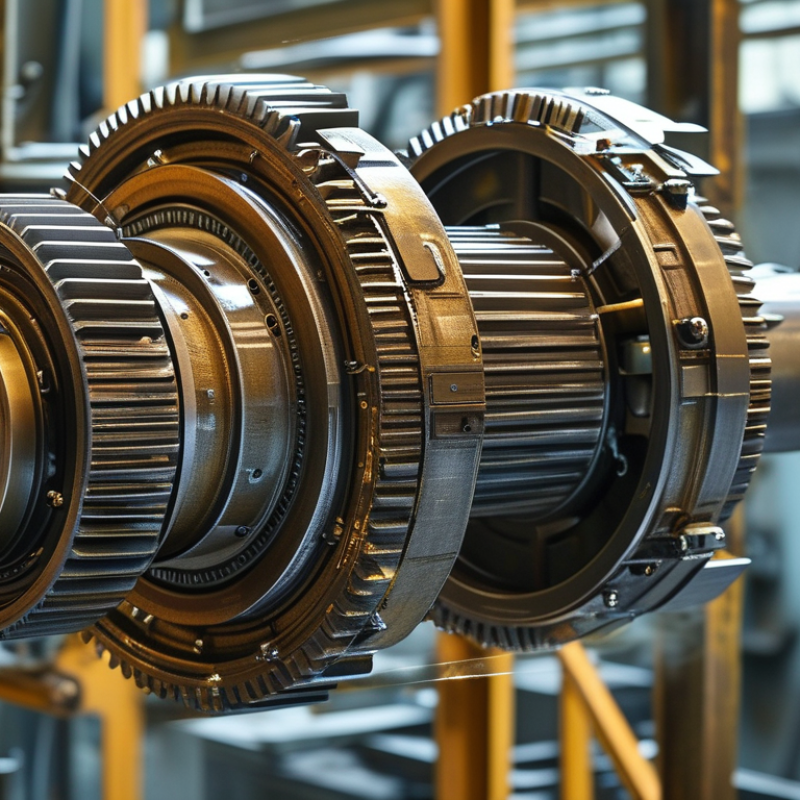
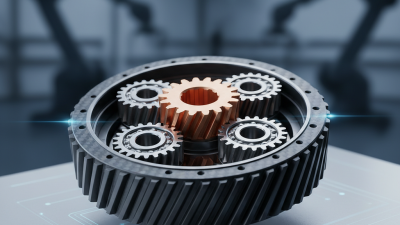
Planetary gearboxes consist of a central sun gear, planet gears, and a ring gear. Their unique arrangement allows for high torque transmission in a compact form. Industries rely on these systems for various applications, from robotics to automotive engineering. Despite their efficiency, one must consider the limitations in power handling.
Understanding planetary gearboxes requires an examination of their mechanical intricacies. Each component must work in harmony. Yet, even the best-designed systems can experience wear and require maintenance. Recognizing these nuances is essential for anyone working with or designing machinery.
What is a Planetary Gearbox?
A planetary gearbox is a mechanical system that utilizes planetary gear sets to transmit torque and speed. This system consists of three main components: the sun gear, planet gears, and a ring gear. The sun gear is at the center, while planet gears surround it and rotate within a ring gear. This arrangement allows for high torque density and compact design.
One benefit of using a planetary gearbox is its efficiency. These gearboxes can achieve high reduction ratios in a smaller space compared to traditional gear systems. The load is distributed among multiple gears, which reduces wear and tear. However, maintenance is essential. Over time, wear may occur, affecting performance. Check for unusual sounds or vibrations as signs of wear.
Tips for selecting a planetary gearbox include considering load requirements and environmental factors. Look for options that fit your specific application without overloading them. Also, examine the material quality of the gears. Stronger materials will increase durability but may inflate costs. Remember that while planetary gearboxes are reliable, every system needs regular inspections for optimal performance.
Components of a Planetary Gearbox
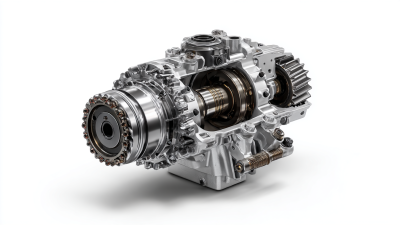
A planetary gearbox is a fascinating assembly that comprises several key components, each playing a crucial role in its function. The primary elements include the sun gear, planet gears, a ring gear, and a carrier. The sun gear sits at the center and drives the planet gears. These planet gears are mounted on the carrier, which transmits torque. The ring gear encircles the planet gears and can either be stationary or rotating, depending on the application.
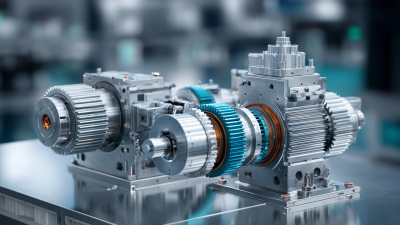
Each component is designed for precision and efficiency. Planet gears, for example, are typically smaller and arranged around the sun gear. This configuration allows for a higher torque density. According to industry reports, a well-designed planetary gearbox can achieve gear ratios as high as 100:1. This means it can multiply input speed significantly while reducing output speed, making it ideal for various applications ranging from robotics to automotive systems.
However, while the efficiency is notable, there are challenges. Manufacturing tolerances must be strict, or unwanted wear can occur. Heat generation is another concern. Overheating can reduce lifespan and performance. Many engineers are exploring advanced materials and cooling techniques to mitigate these issues. These reflections highlight the complexities involved in designing and maintaining planetary gearboxes.
Components of a Planetary Gearbox
This bar chart illustrates the percentage distribution of various components found in a planetary gearbox. Each component plays a crucial role in the gearbox's functionality, contributing to its overall efficiency and performance.
How Planetary Gearboxes Transmit Torque
Planetary gearboxes play a crucial role in torque transmission across various applications. These systems consist of a central sun gear, planetary gears, and a ring gear. This configuration allows for high mechanical advantage and efficiency. According to industry reports, planetary gearboxes can achieve torque densities of up to three times that of traditional gear systems. They excel in applications requiring compact and lightweight components.
When torque is transmitted through these gears, the load is distributed among multiple planetary gears. This helps minimize wear and tear, enhancing the gearbox’s lifespan. In practice, this means smoother operation with less vibration and noise. Effective torque transmission allows for precise control in robotics and automotive systems, enhancing performance metrics significantly.
Tip: Regular maintenance checks can enhance the performance of planetary gearboxes. Pay attention to lubrication levels. Insufficient lubrication can lead to overheating and gear failure.
It's important to note that while these gearboxes are efficient, they may present challenges. In certain scenarios, misalignment can cause issues, leading to reduced efficiency. Awareness of installation requirements and operational conditions is essential. Understanding these nuances ensures optimal performance and longevity of the gearbox.
What is a Planetary Gearbox and How Does it Work?
| Feature |
Description |
| Gear Arrangement |
Consists of a sun gear, planet gears, and a ring gear. |
| Torque Transmission |
Distributes load among multiple gears to enhance torque output. |
| Efficiency |
High efficiency, typically between 80% to 95% depending on design. |
| Applications |
Used in robotics, conveyors, and automotive transmissions. |
| Advantages |
Compact size, high torque density, and ability to achieve high reduction ratios. |
| Disadvantages |
Complex design can lead to higher manufacturing costs and maintenance issues. |
Advantages of Using Planetary Gearboxes
Planetary gearboxes are known for their efficiency and compact design. They provide several advantages that make them a preferred choice in various industries. One major benefit is their high torque density. Reports show that a planetary gearbox can deliver up to 70% higher torque output compared to conventional gear systems. This is crucial in applications where space is limited but high performance is essential.
Another key advantage is the ability to transmit power smoothly. With multiple gear contacts, planetary gearboxes reduce the load on individual gears. This design minimizes wear and prolongs service life. According to industry data, maintenance costs can be reduced by about 30% when using planetary gear systems in heavy machinery. However, it's important to consider the complexity of the design and the need for precise manufacturing. Any slight deviation can lead to inefficiencies.
Lastly, planetary gearboxes are versatile and can be configured for various applications. From robotics to automotive systems, the adaptability is impressive. Yet, this complexity also means they require a skilled workforce for assembly and maintenance. Without proper expertise, performance might not reach its full potential. Ensuring high-quality production is essential to harnessing the advantages they offer.
Applications of Planetary Gearboxes in Industry
Planetary gearboxes are crucial in many industry applications. They are known for their compact size and high torque capacity. These gearboxes consist of multiple gears that distribute load equally, allowing them to handle heavy-duty operations efficiently. Common uses include automotive transmissions and robotics. They enable precise control in machinery, making them versatile for various sectors.
In manufacturing, planetary gearboxes provide significant advantages. They enhance the performance of conveyor systems and packaging machines. The efficiency gained from these gearboxes minimizes energy waste. This is important since energy costs can accumulate quickly in large operations.
Tips: When selecting a planetary gearbox, consider the load capacity and efficiency requirements carefully. A mismatch can lead to reduced performance or increased wear. Regular maintenance is vital for durability. Even the best systems require check-ups to prevent unexpected failures. Keep in mind that sometimes complex designs can lead to challenges in repairs or replacements.

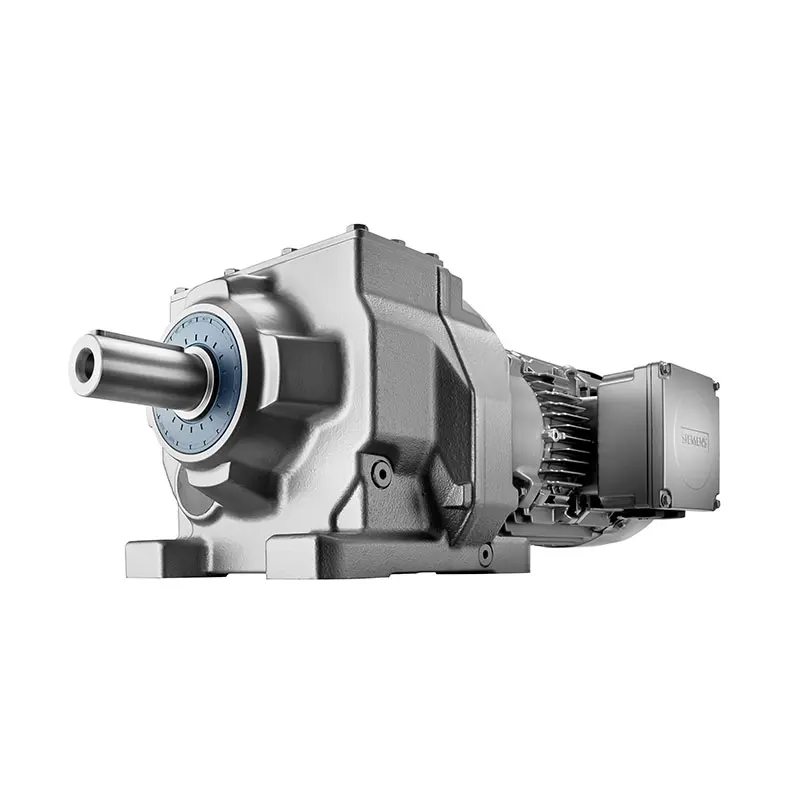 SIEMENS Helical Gearmotor Low Voltage
 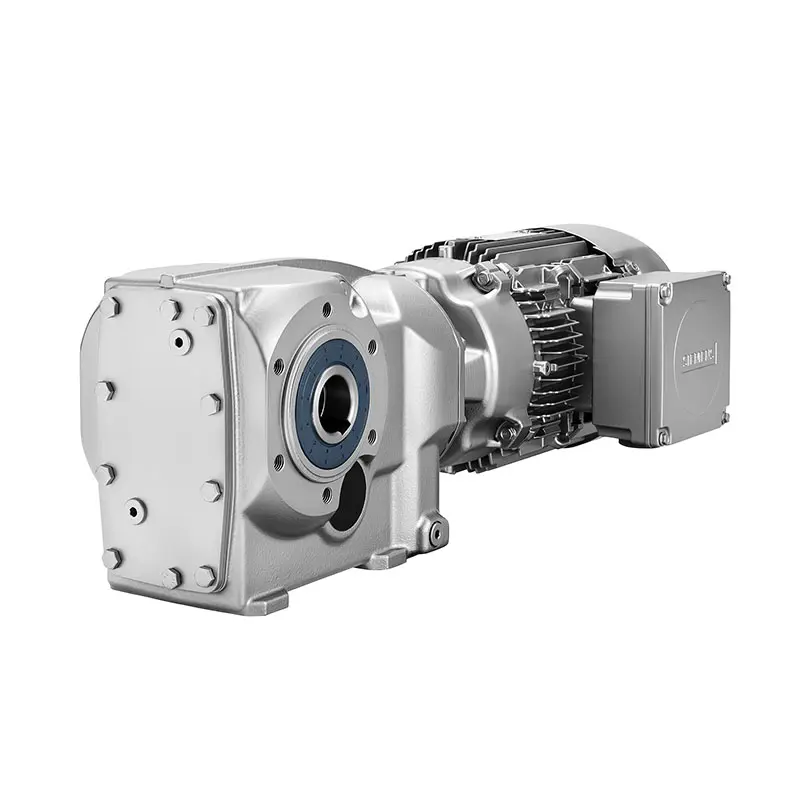 SIEMENS Bevel Helical Gearmotor
 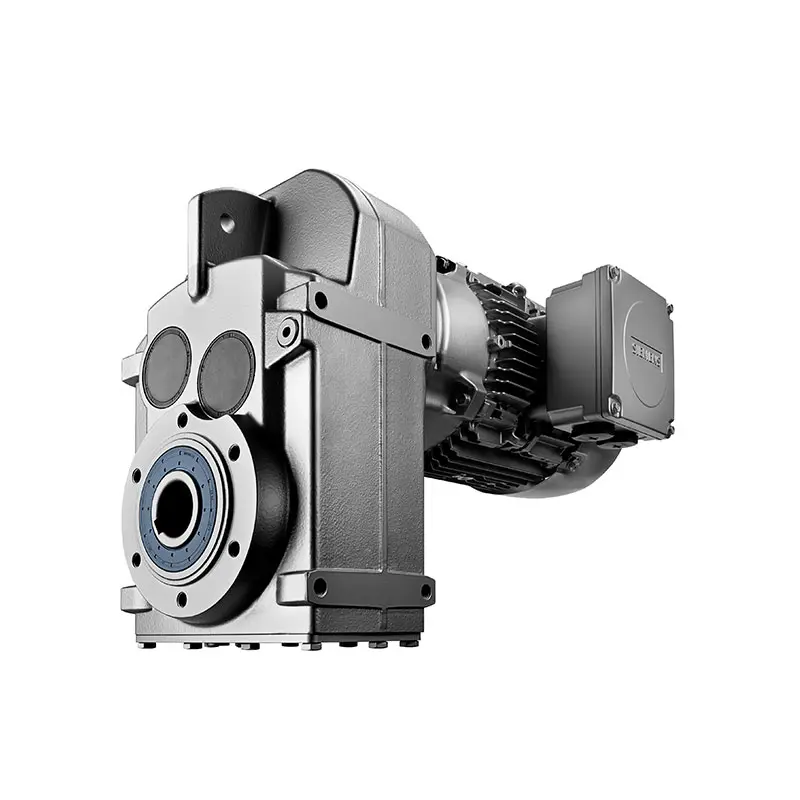 SIEMENS Parallel Shaft Gearmotor
 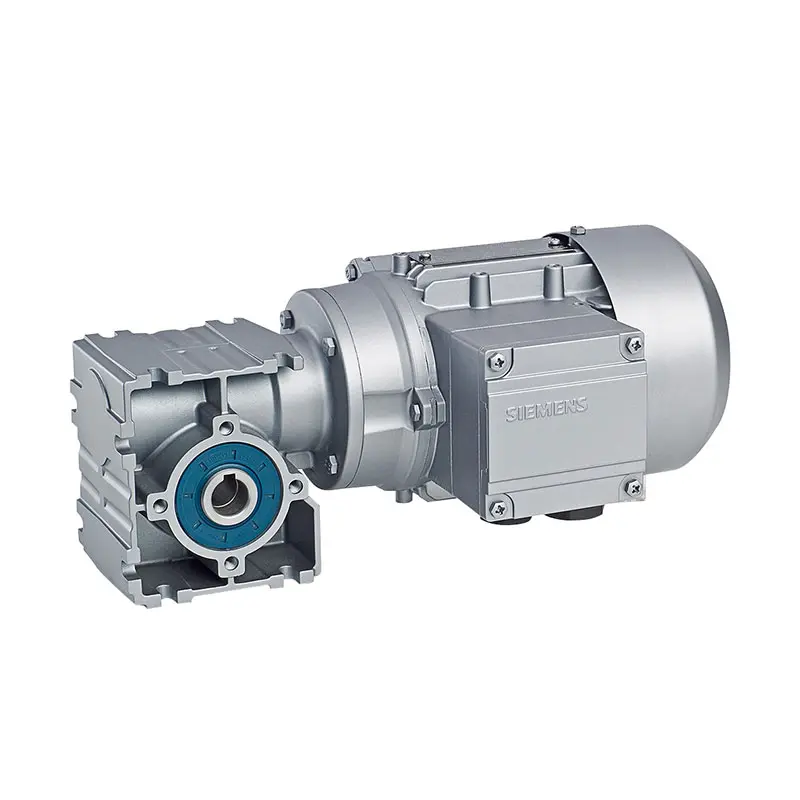 SIEMENS Worm Gearmotor Low Voltage
 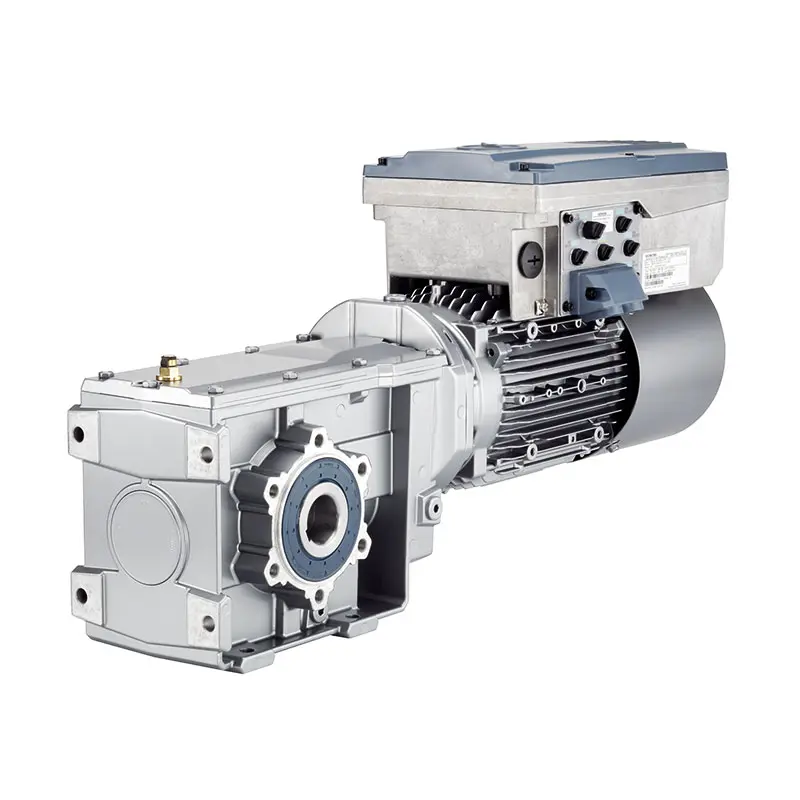 SIEMENS With Servo Motor Gearmotor
 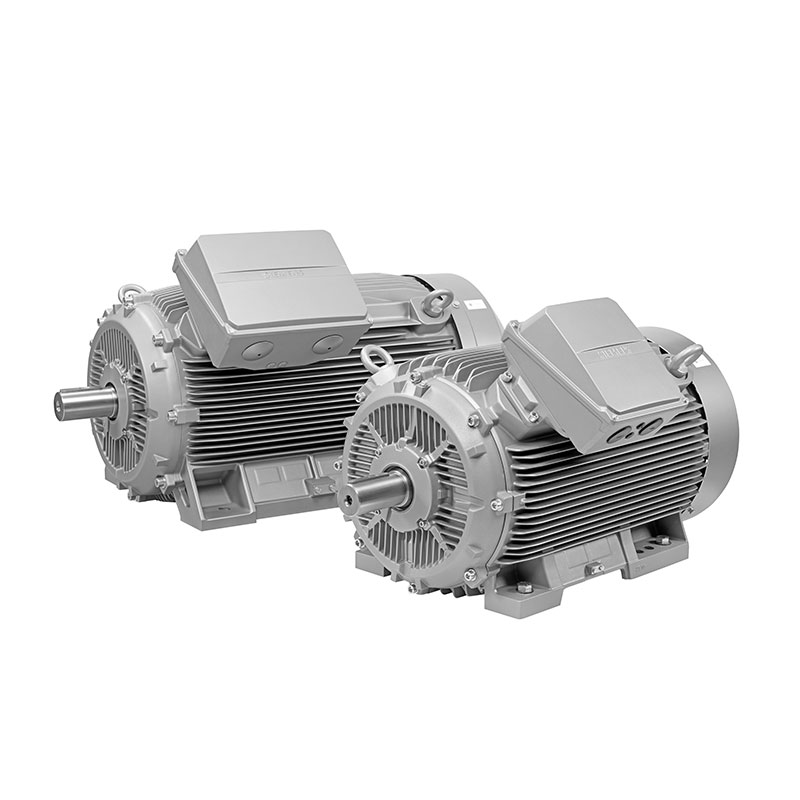 SIEMENS Low Voltage Motor Low Voltage
 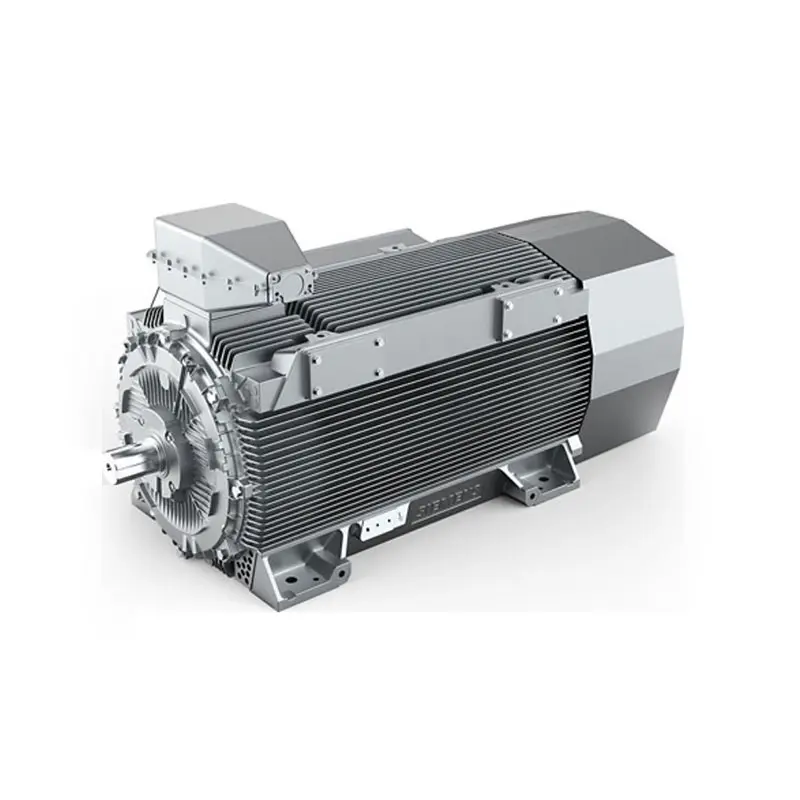 SIEMENS High Voltage Motor Low Voltage
  SIEMENS Marine Motor Low Voltage
 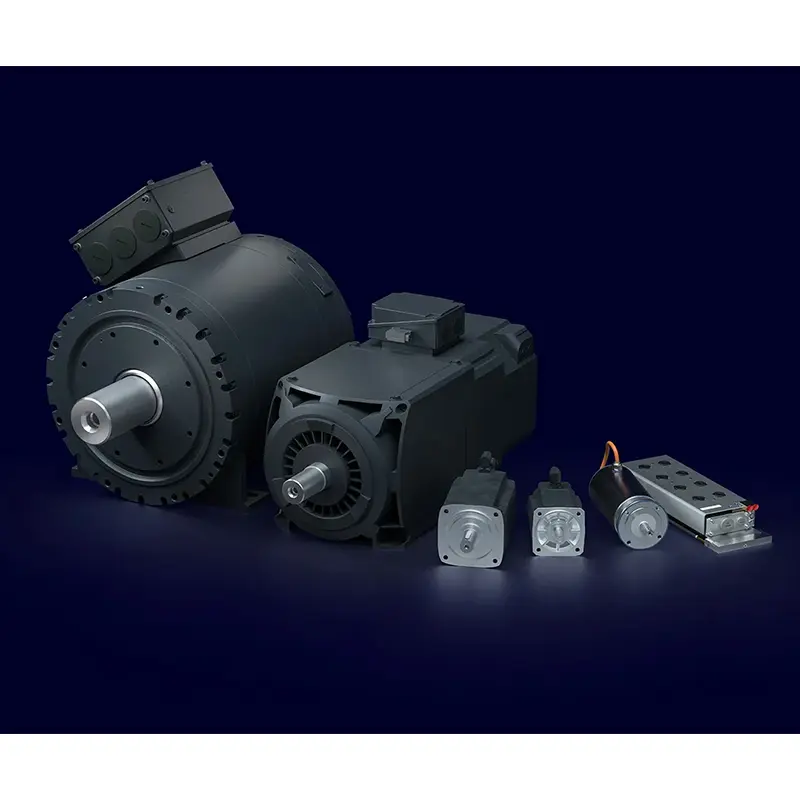 SIEMENS Servo Motor Low Voltage
 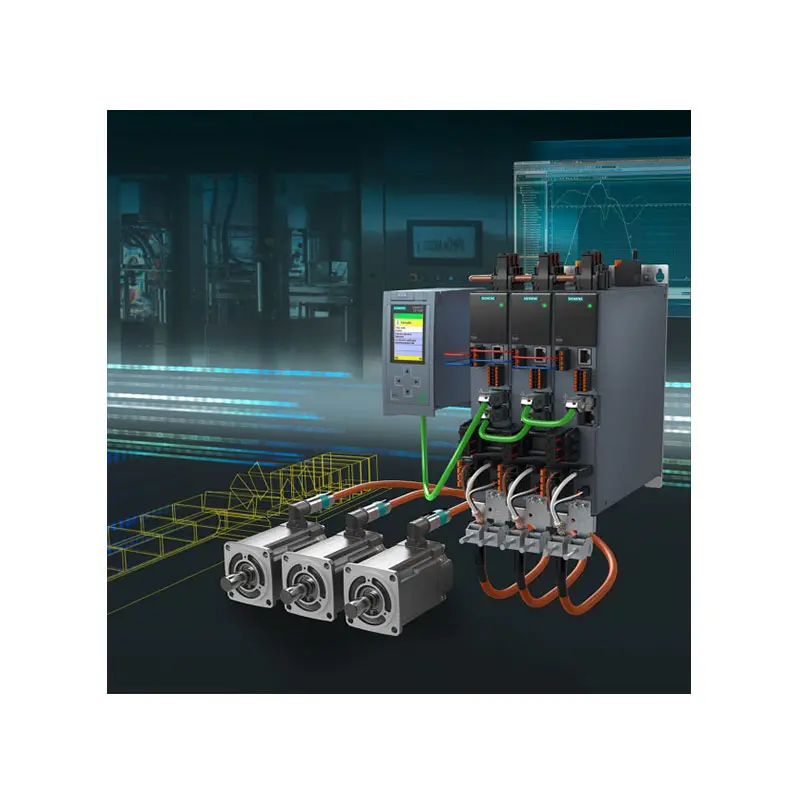 SIEMENS SINAMICS S210 Low Voltage
 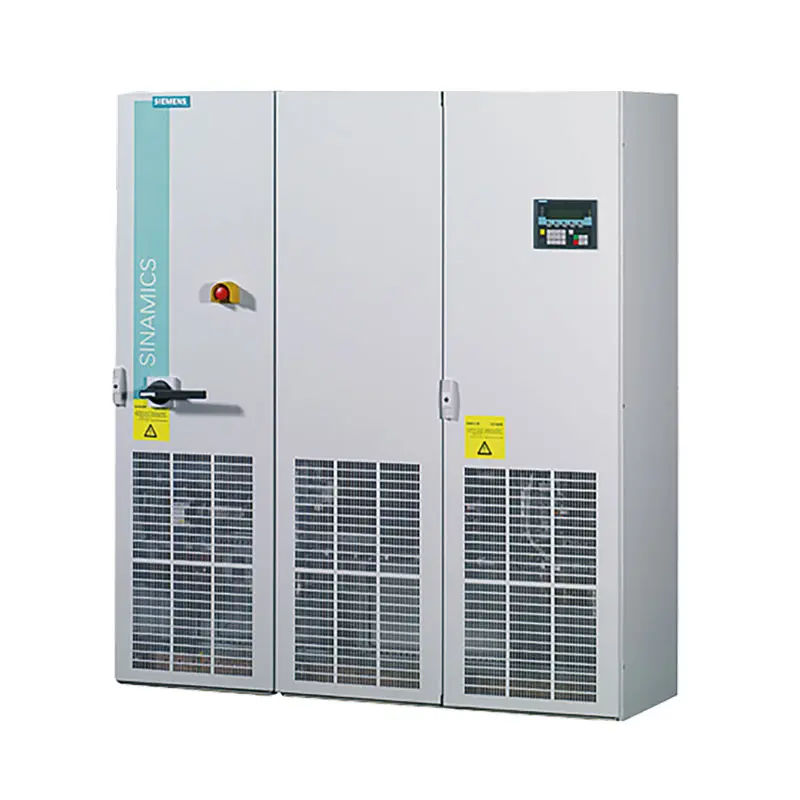 SIEMENS SINAMICS S150 Low Voltage
 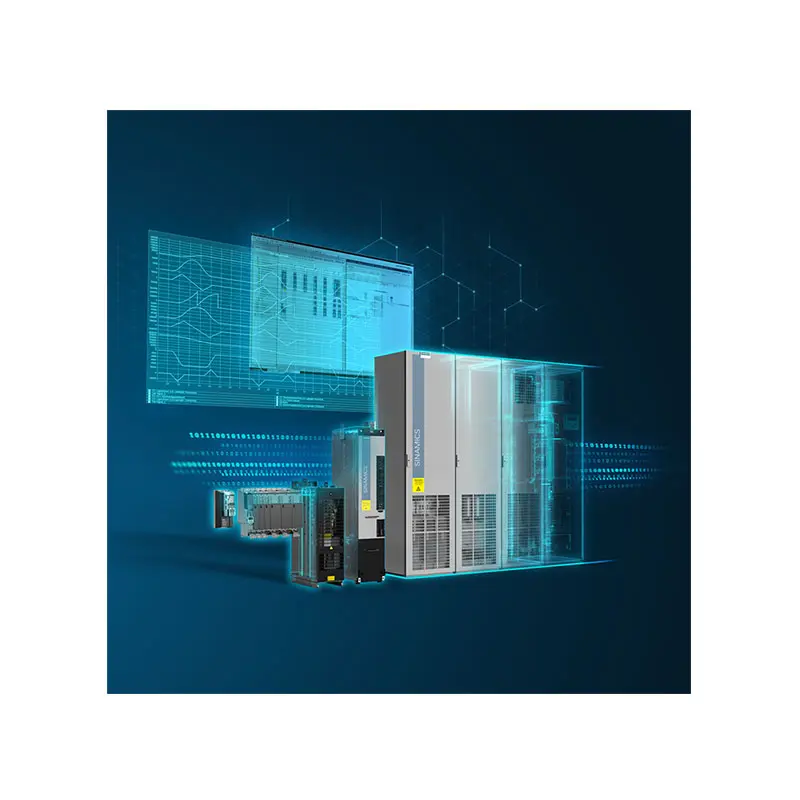 SIEMENS SINAMICS S120 Low Voltage
 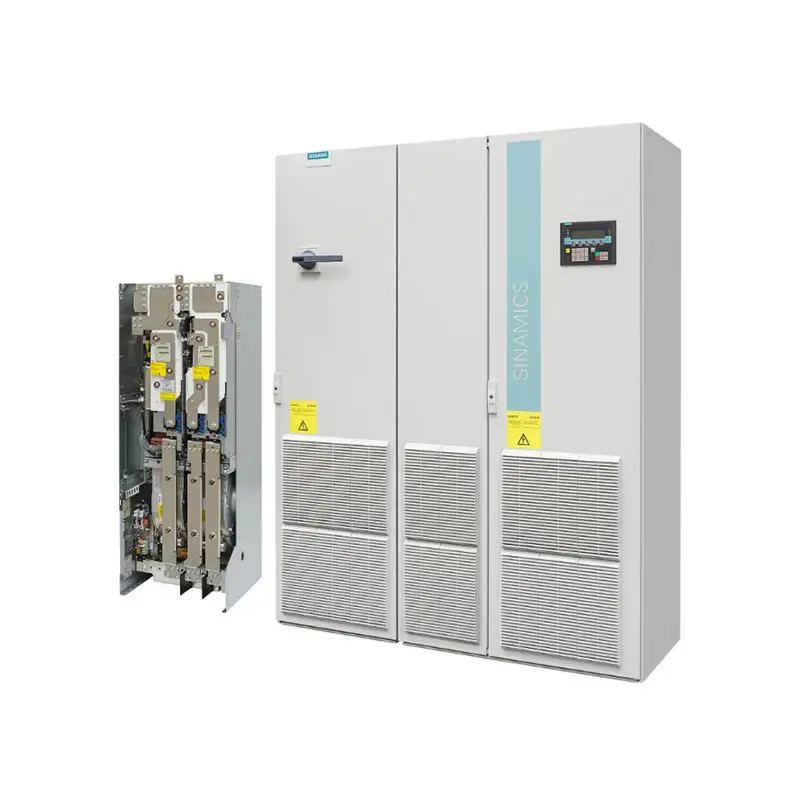 SIEMENS SINAMICS G130/G150
 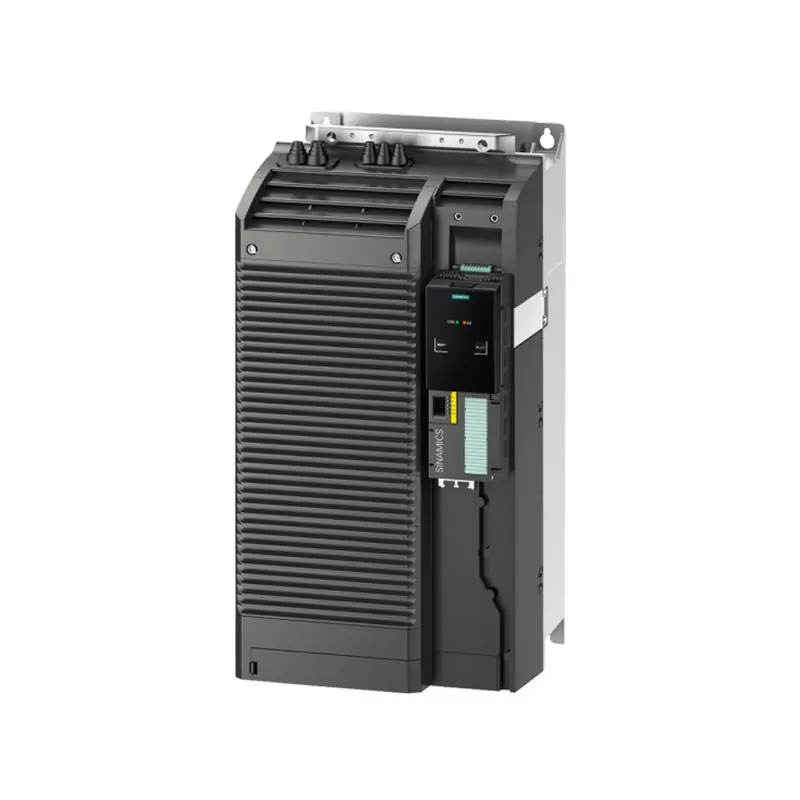 SIEMENS SINAMICS G120 Low Voltage
 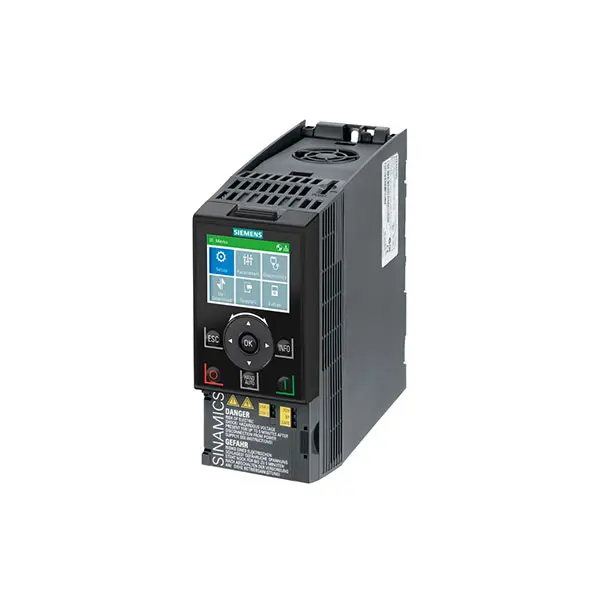 SIEMENS SINAMICS G120C Low Voltage
 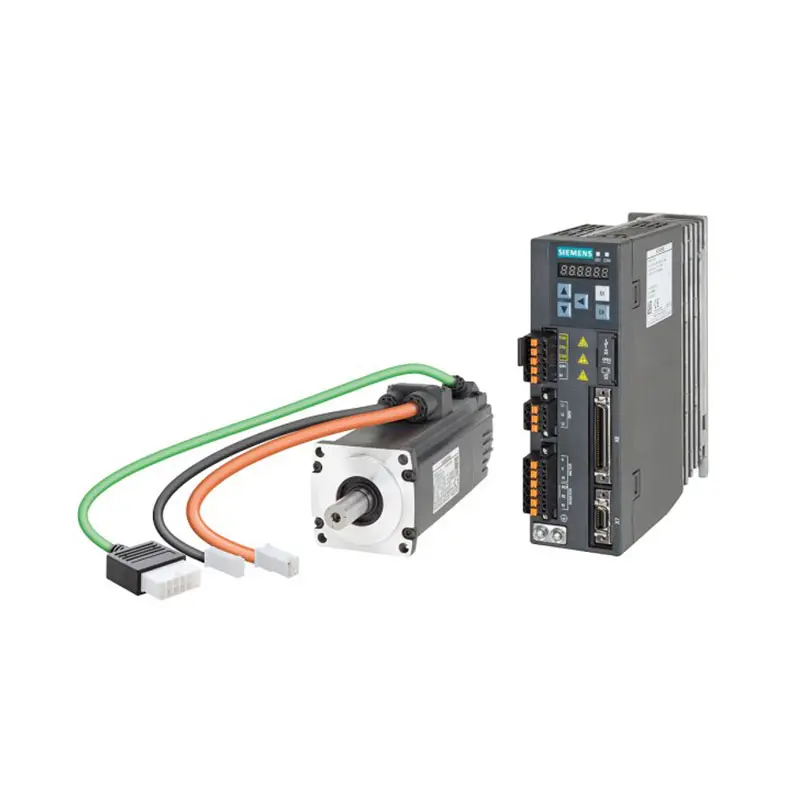 SIEMENS SINAMICS V90
 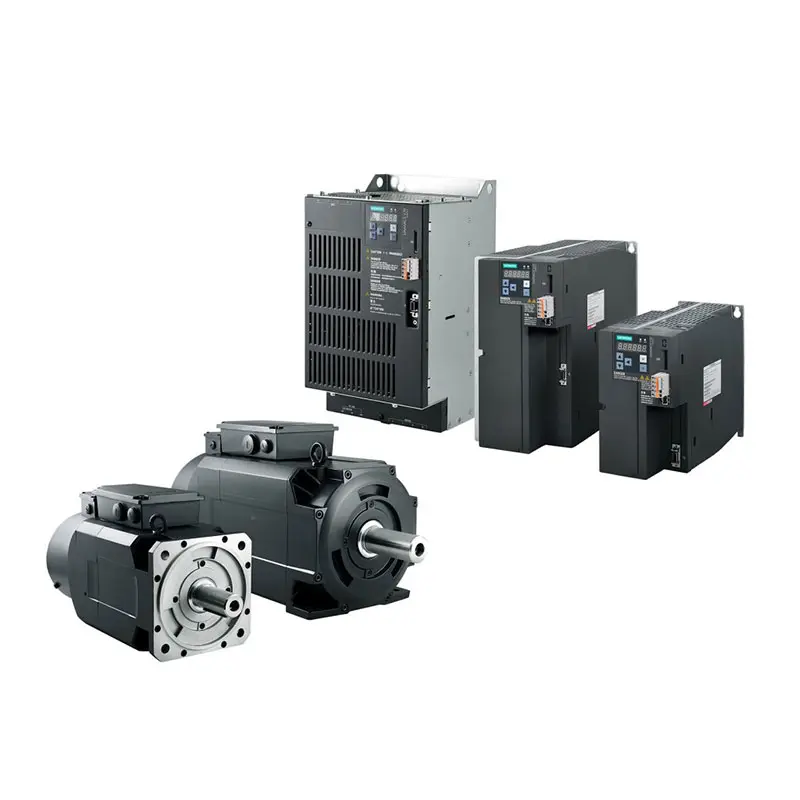 SIEMENS SINAMICS V70 Low Voltage
 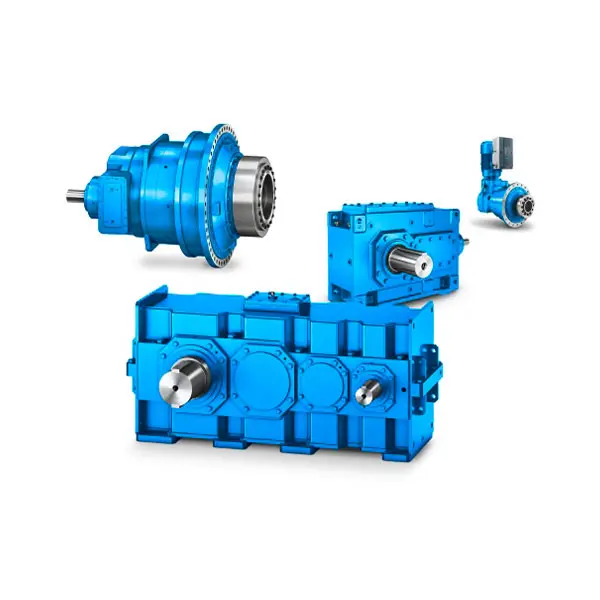 FLENDER Gear Unit
 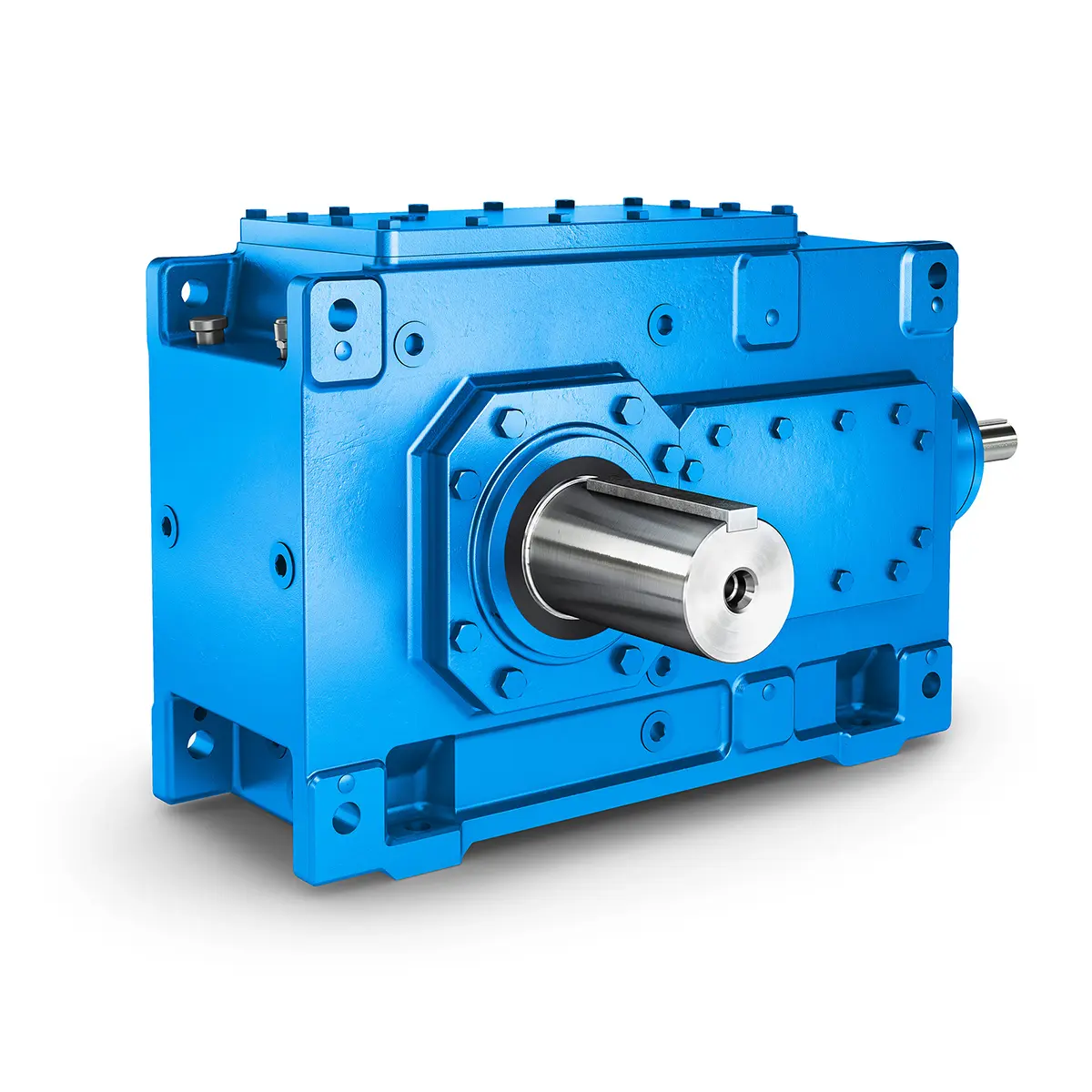 FLENDER Helical Gear Unit
 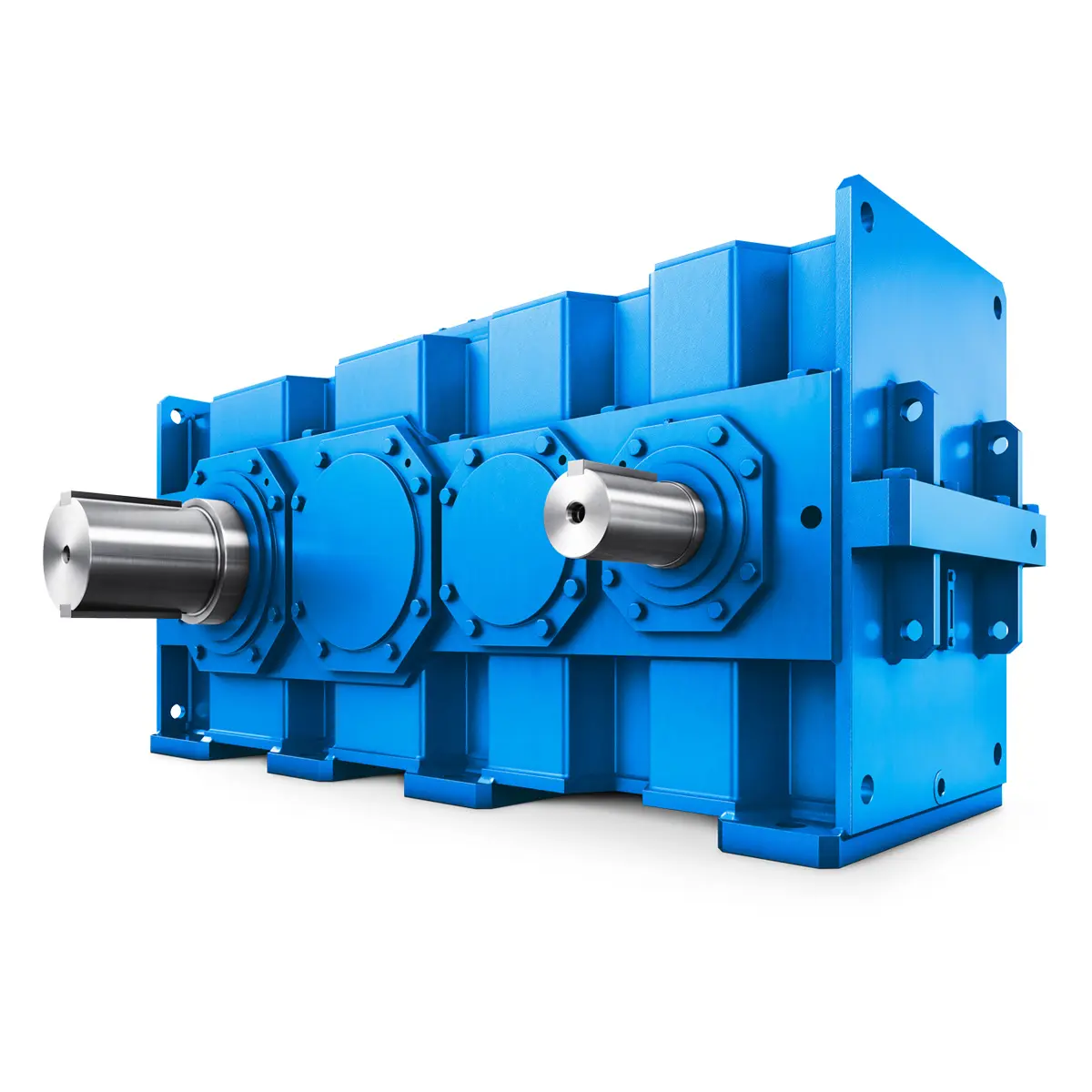 Flender gear units for lifting and luffing gears
 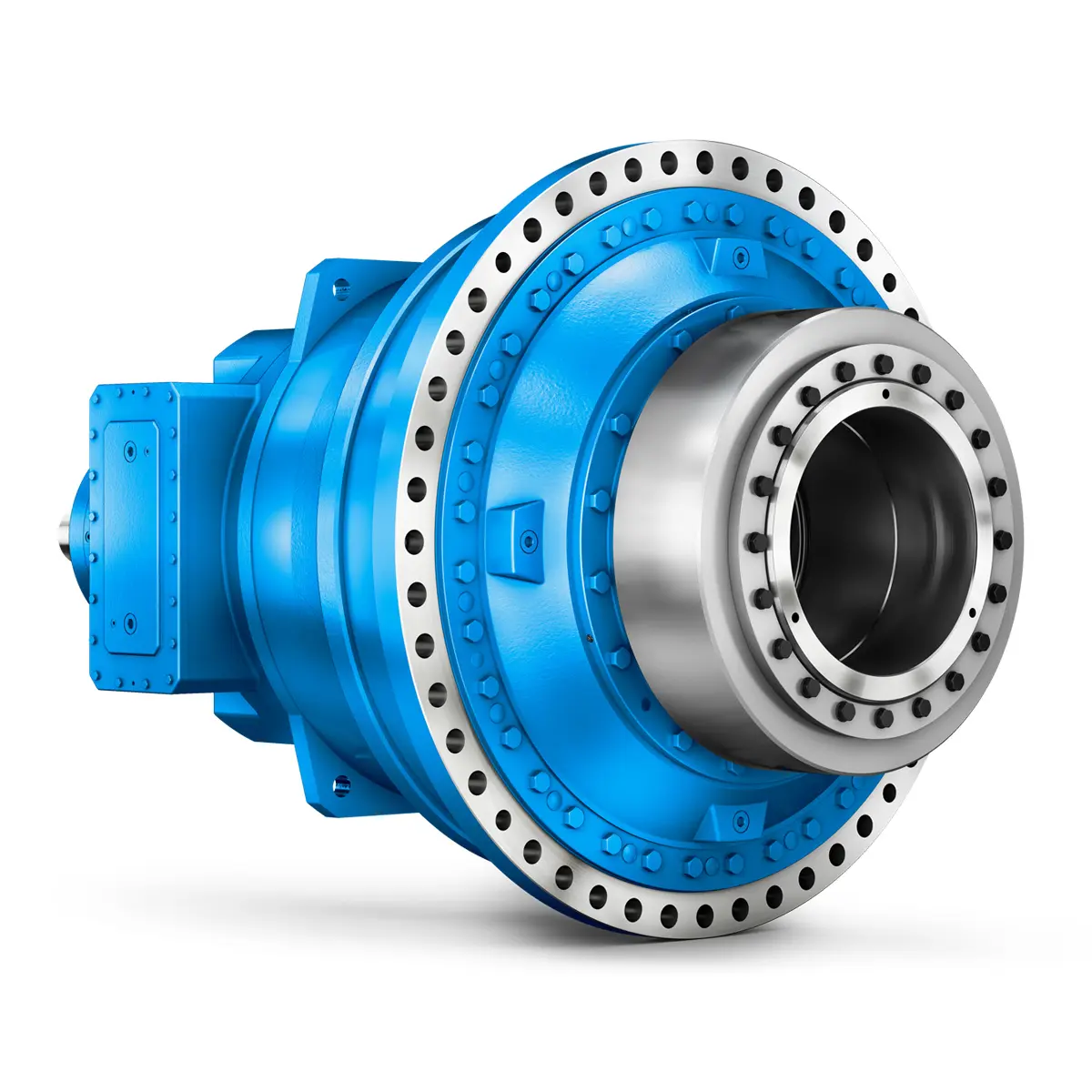 FLENDER Gear Unit gearunit gearbox
 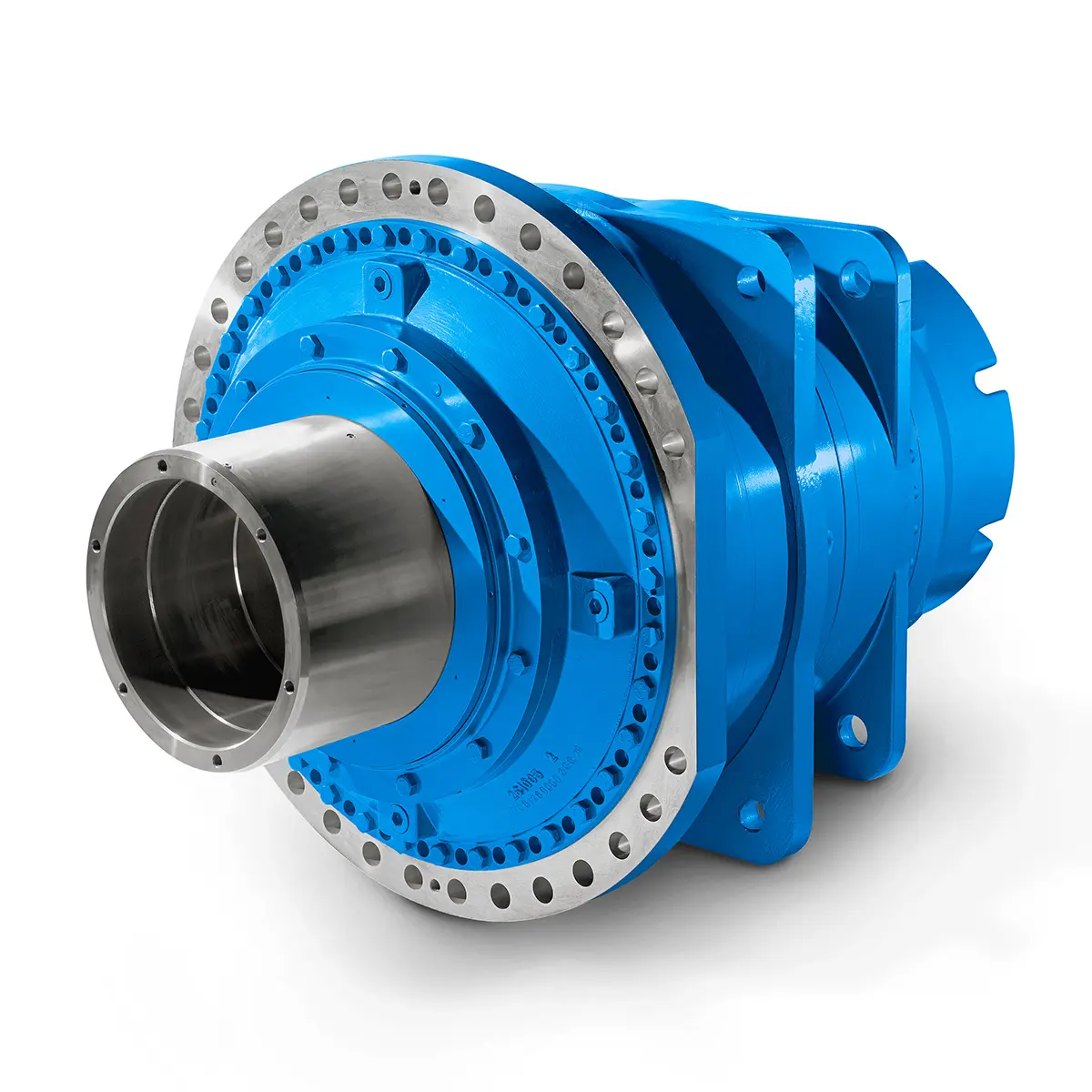 Optimal Drive Solution For Maximum Performance
 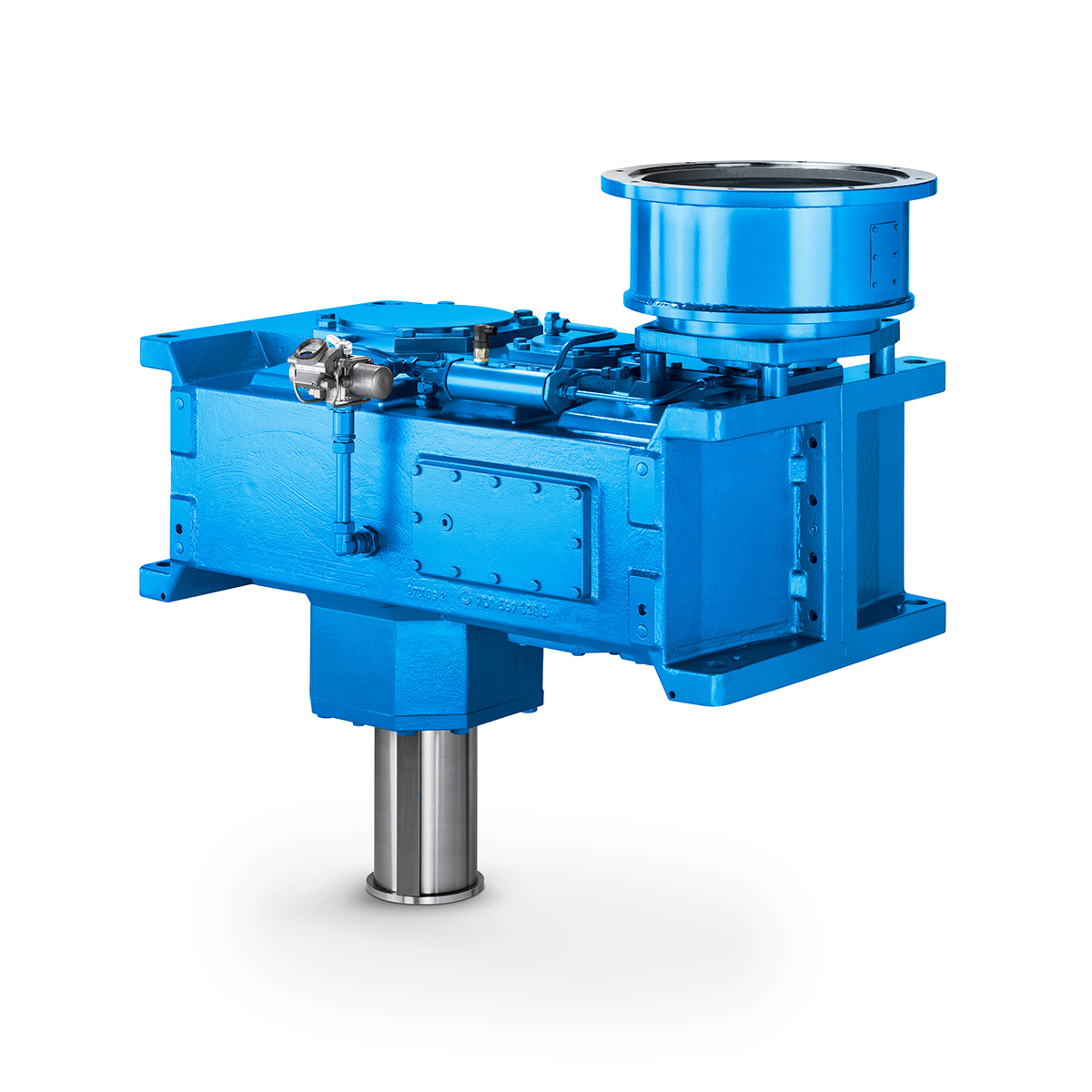 Strongly operating against biodegradable constituents
 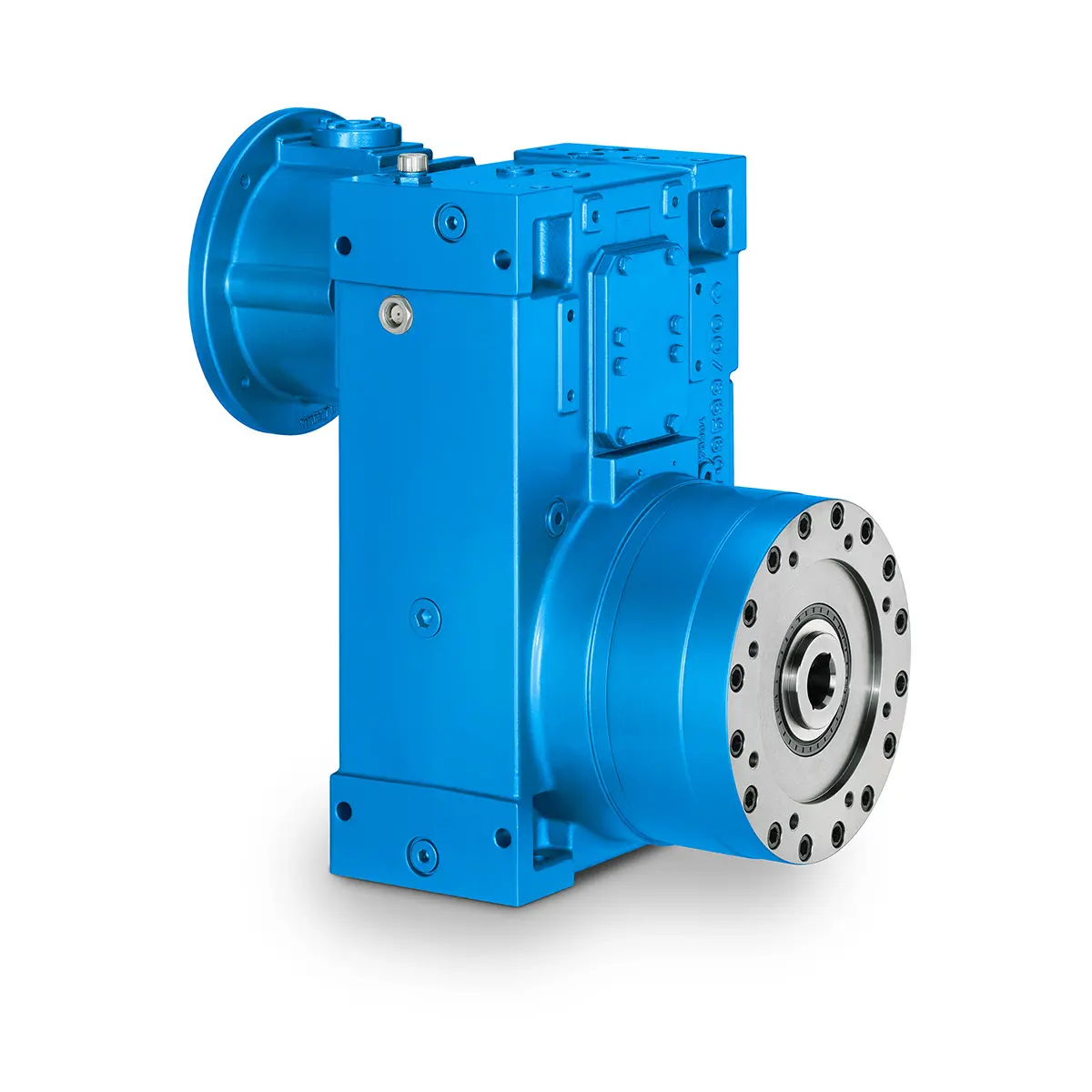 SINGLE SCREW Special industry dedicated gearunit gearbox
 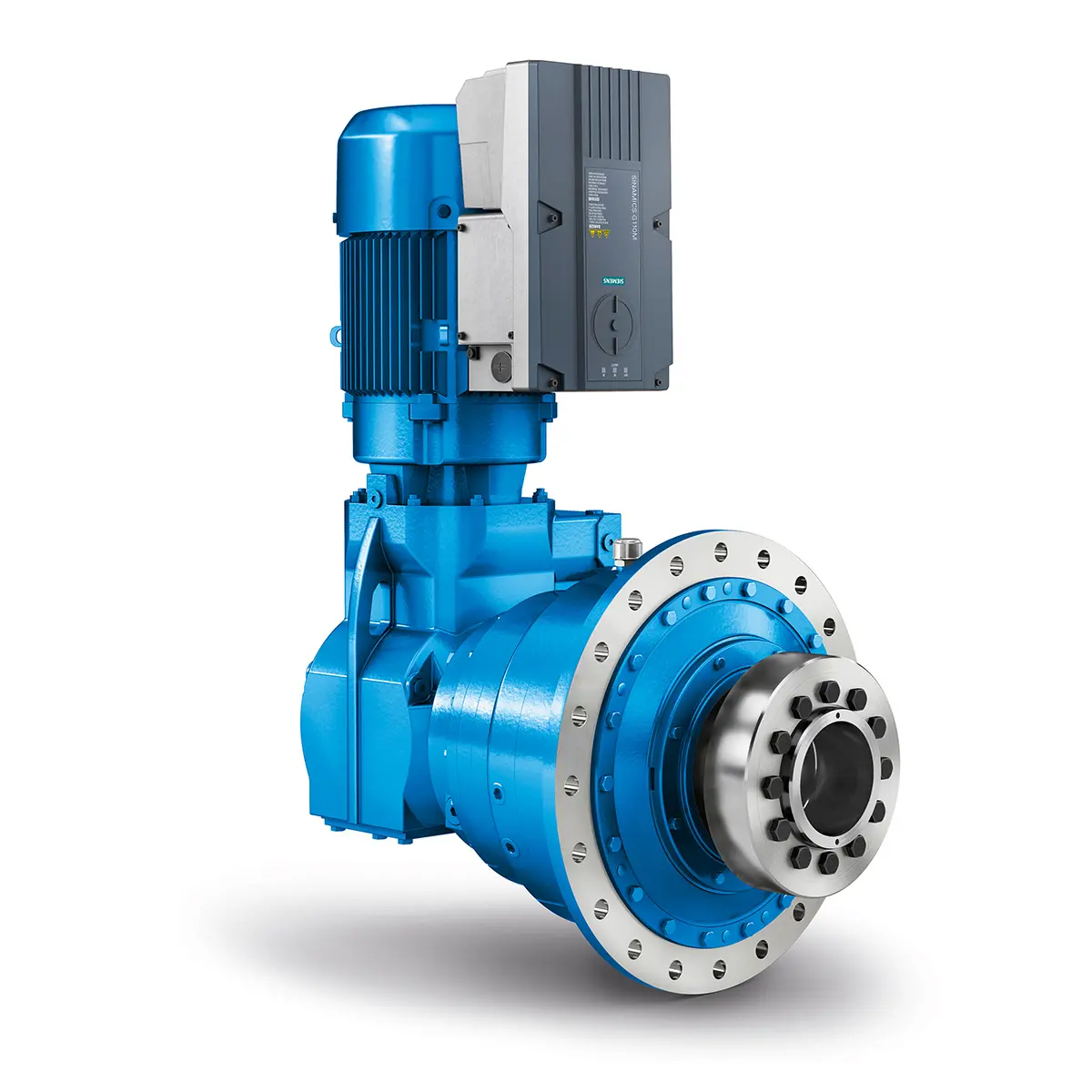 Playmaker In The Premium League
 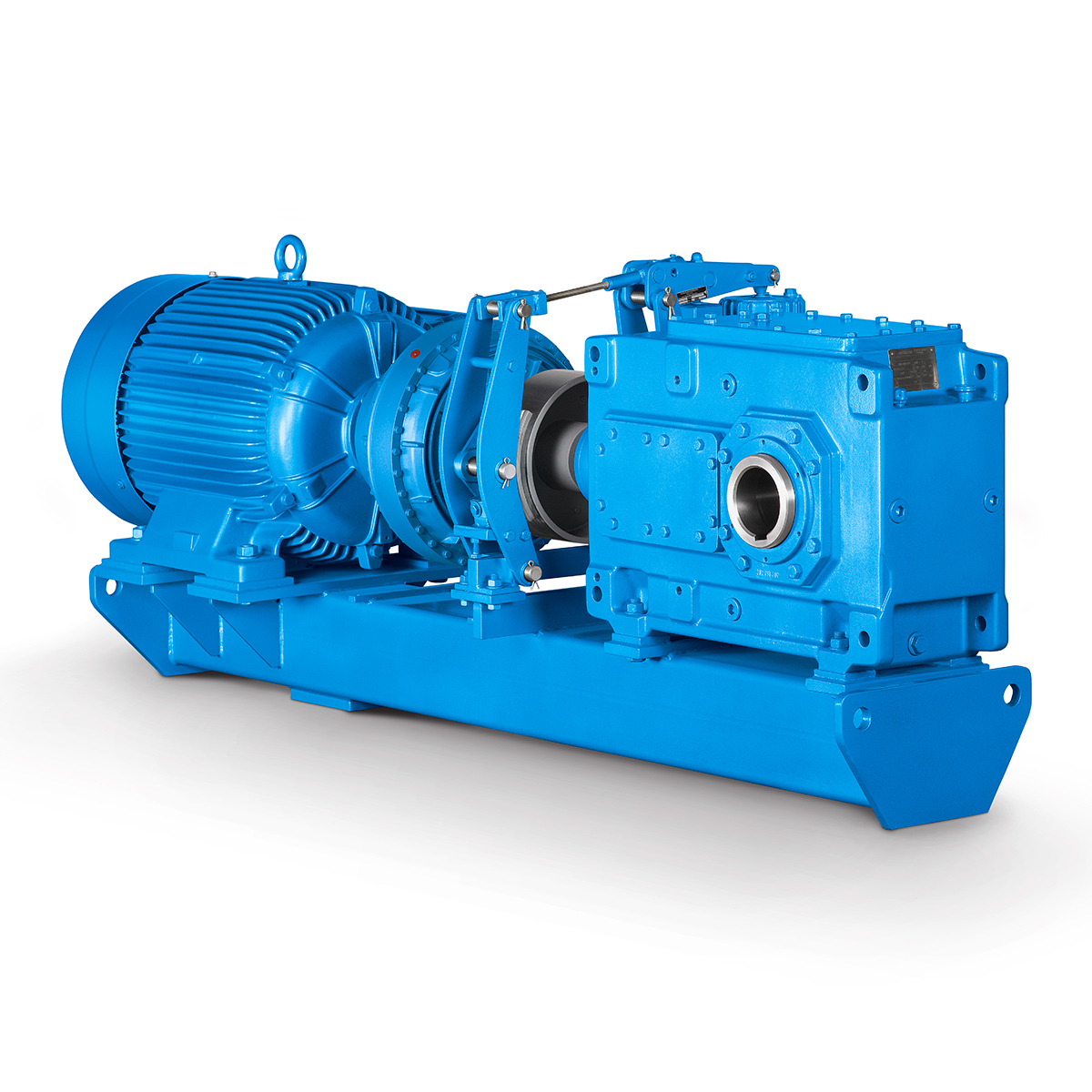 Conveyor belts gearunit gearbox
 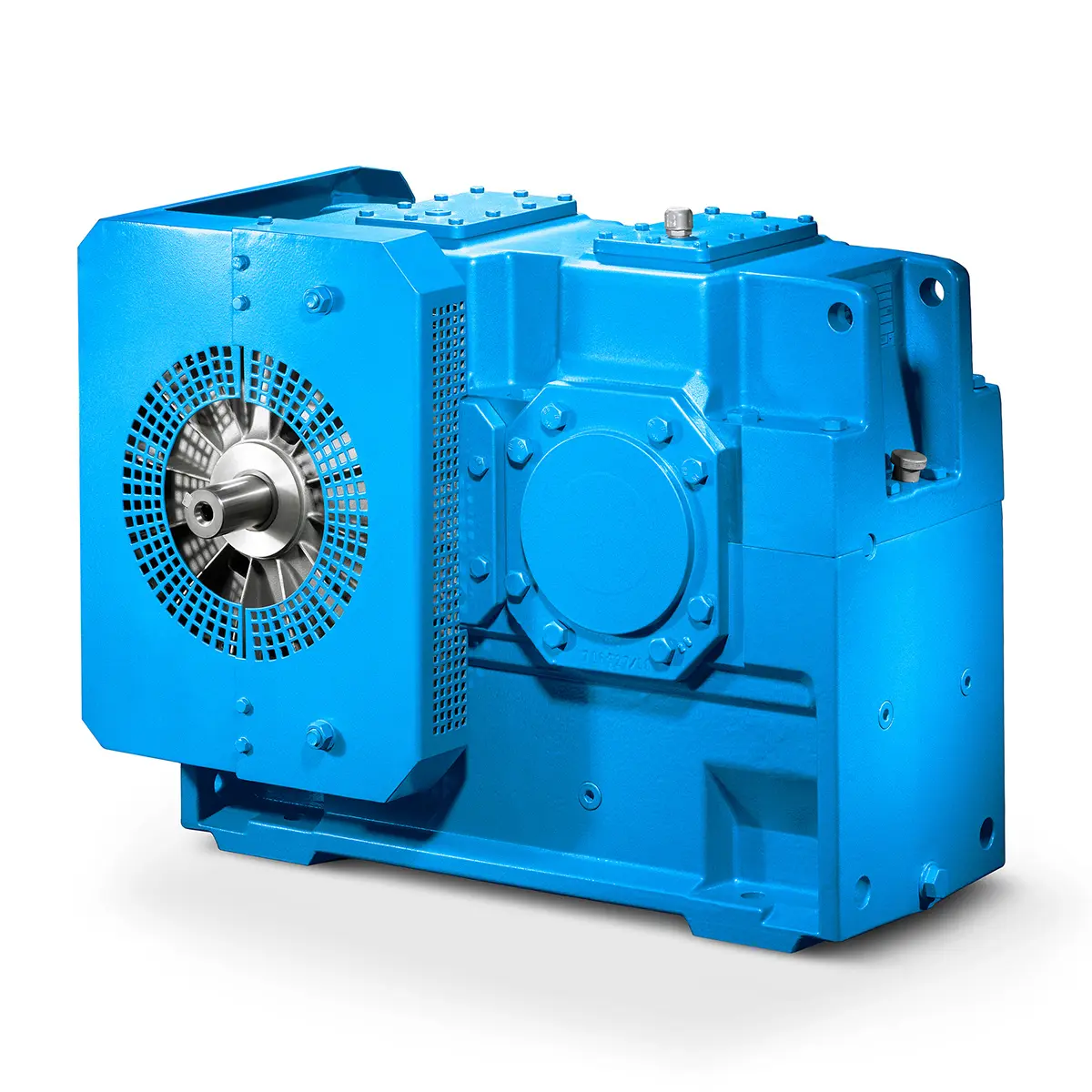 Paper And Pulp Preparation Sections
 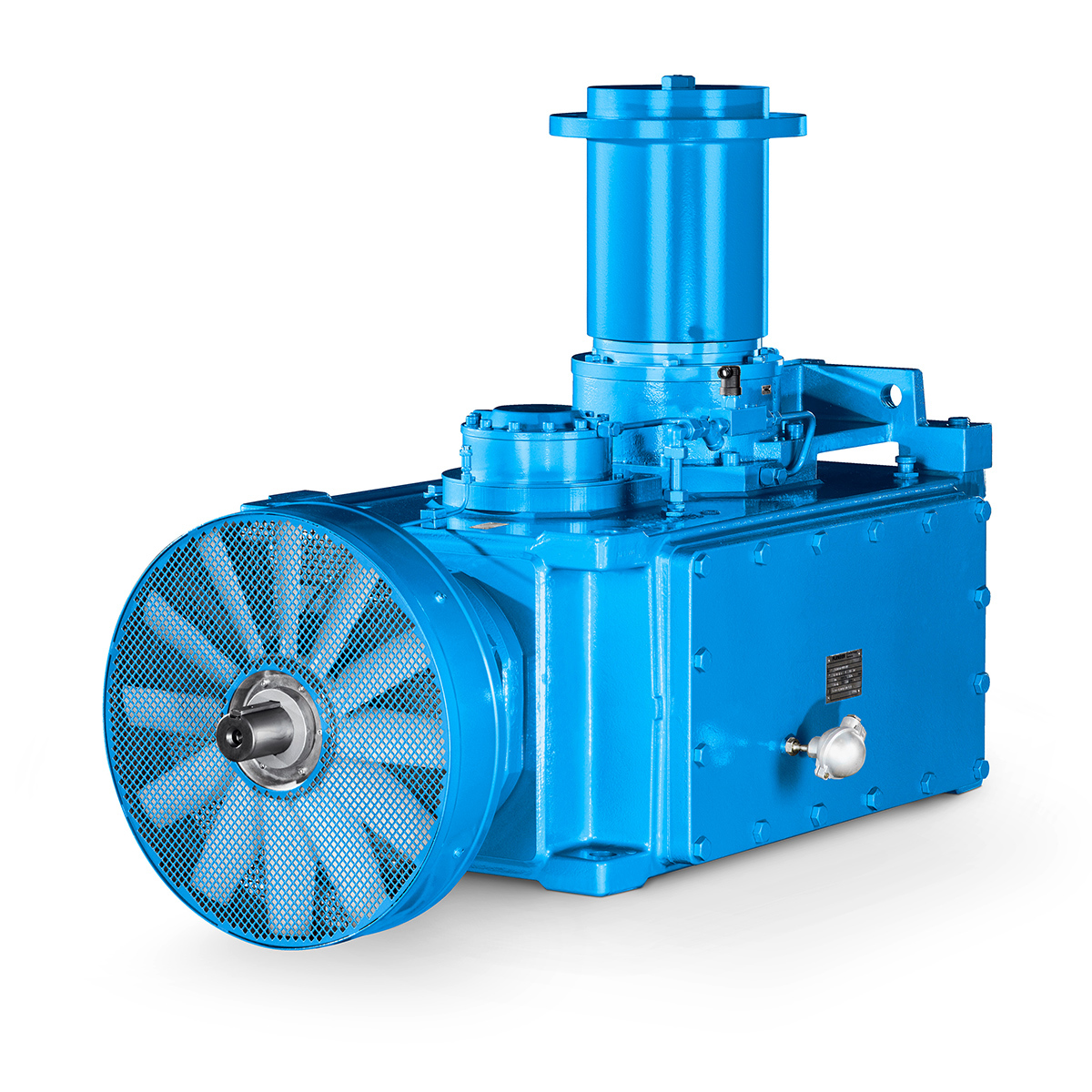 Operational Reliability Even In Case Of The Highest Ventilation Forces
 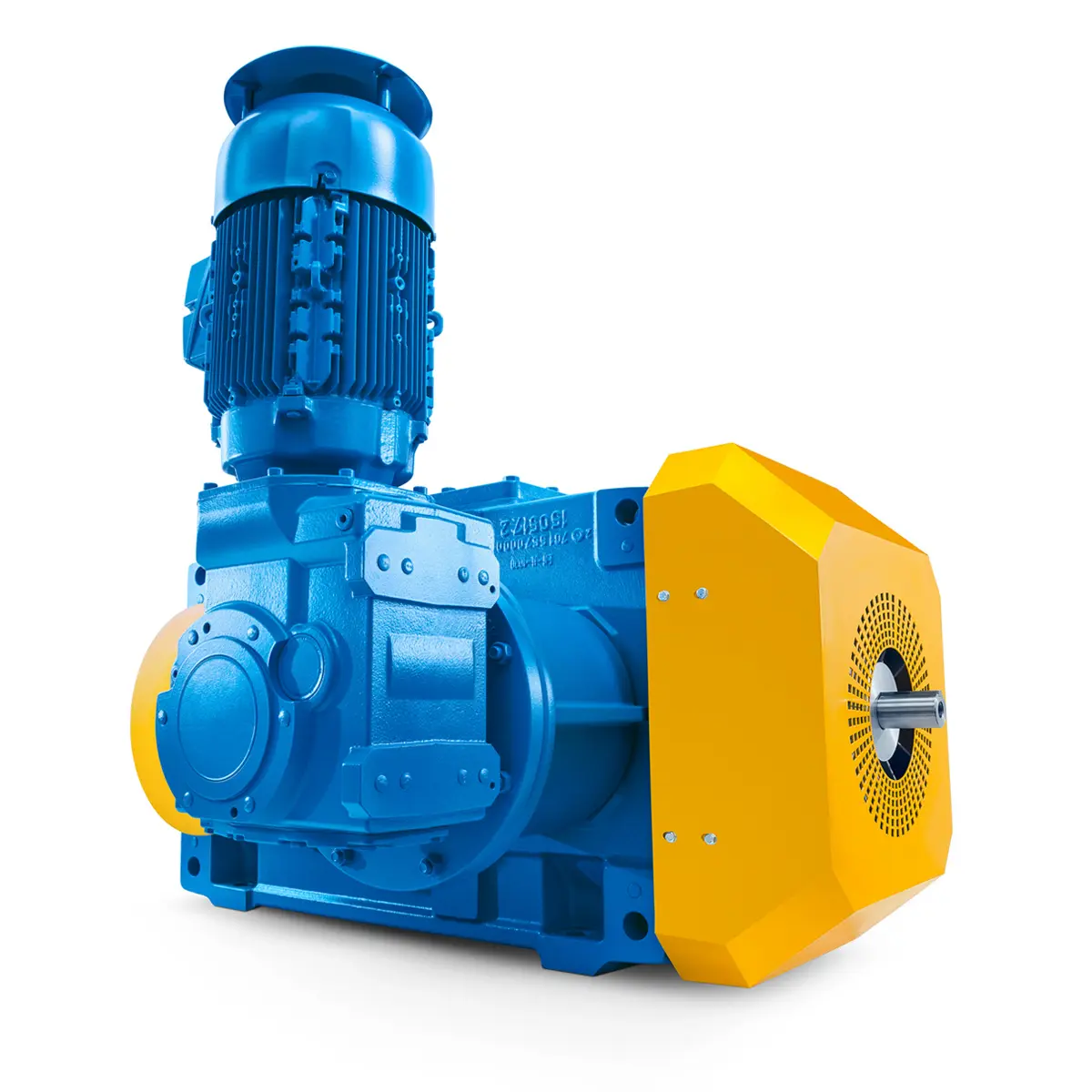 Reliable Gear Units For High Performance Vertical Conveyors 59/200
 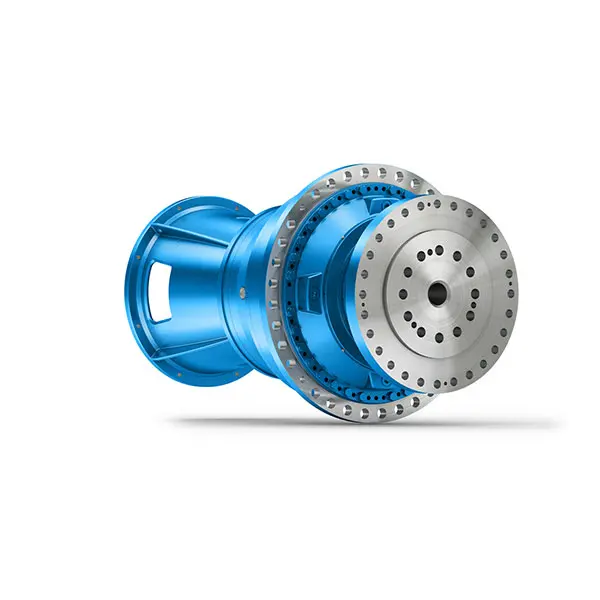 Maximum power density – PLANUREX 3 L individual drives for your sugar cane mill
 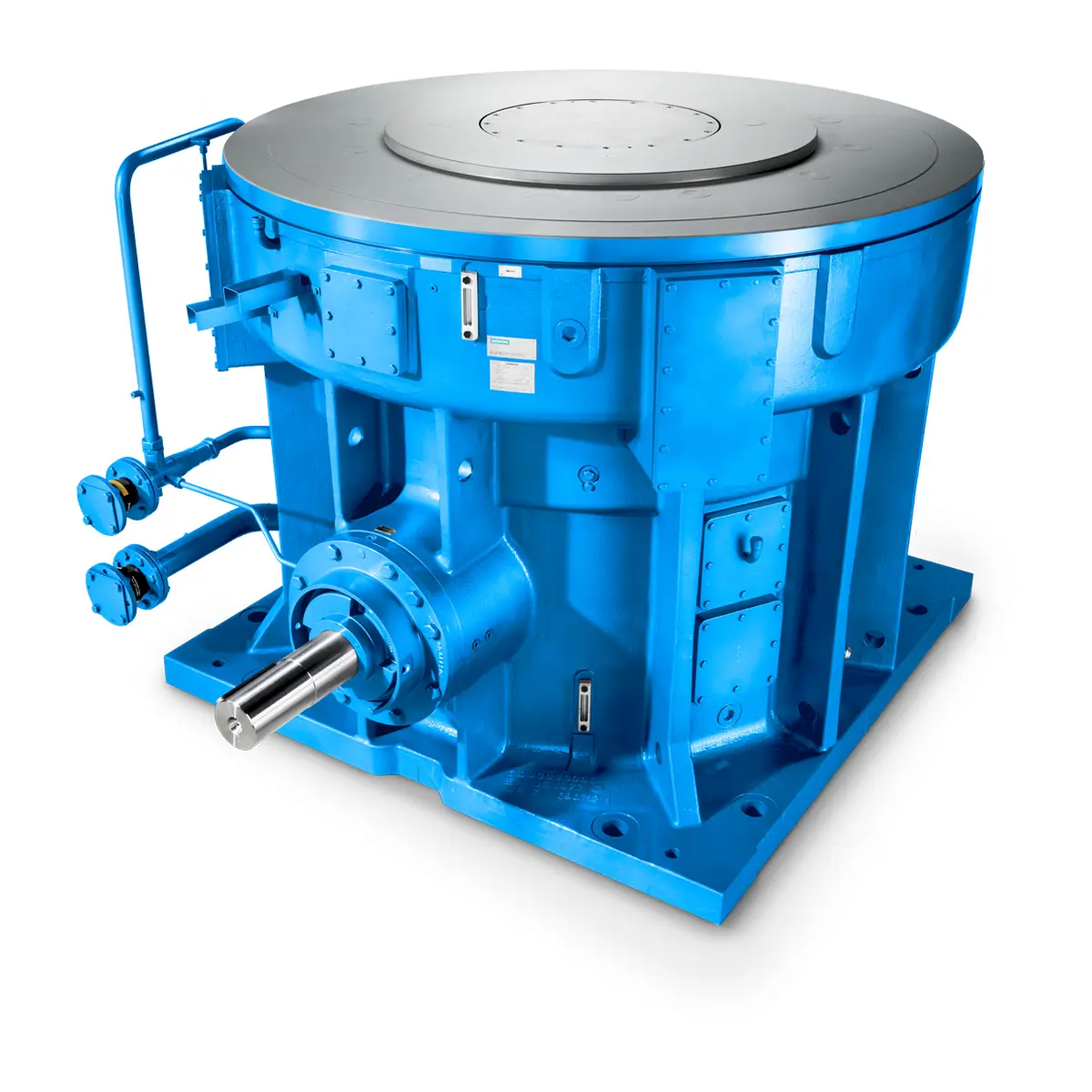 The proven all rounder gearunit gearbox
 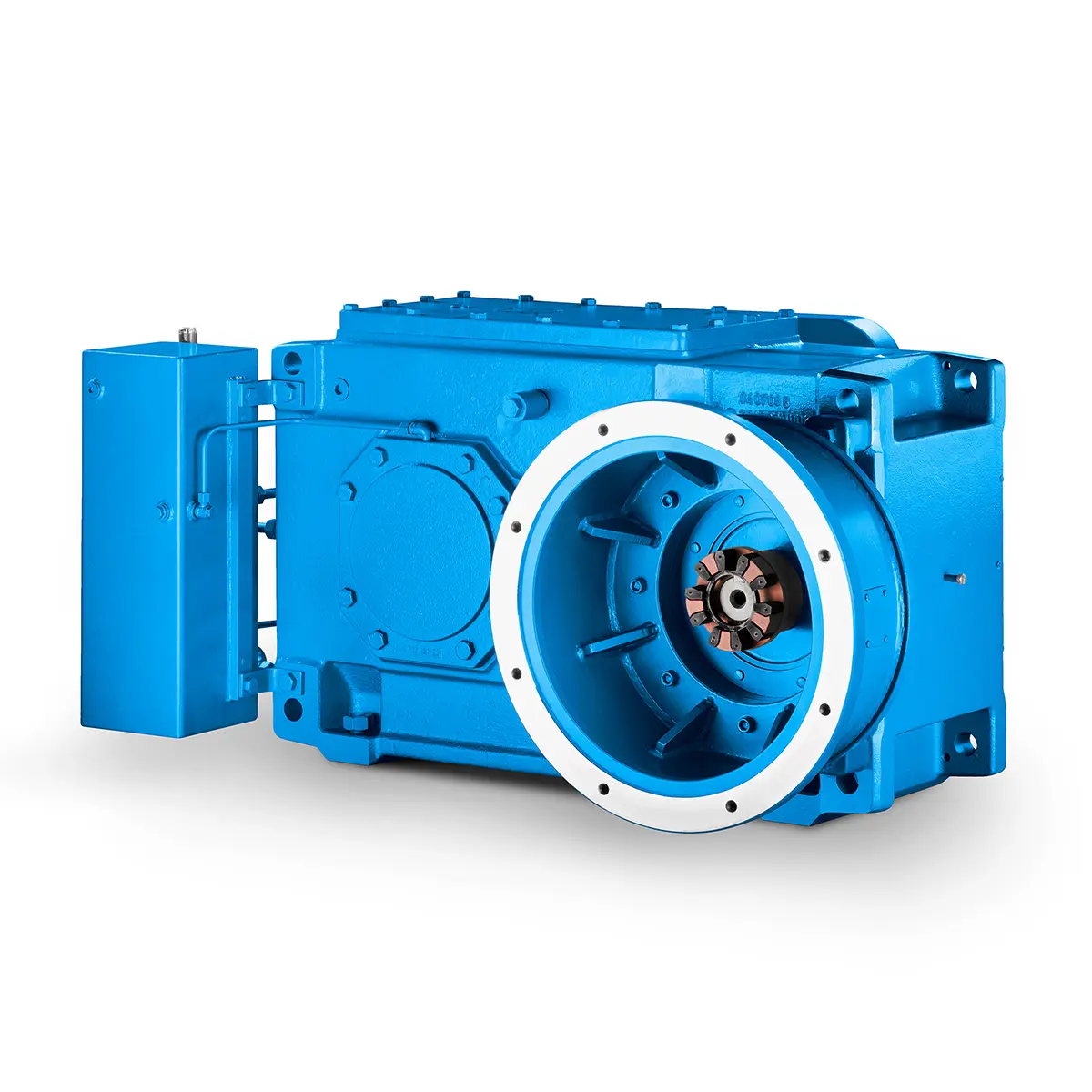 Stirs and stirs and stirs gearunit gearbox
 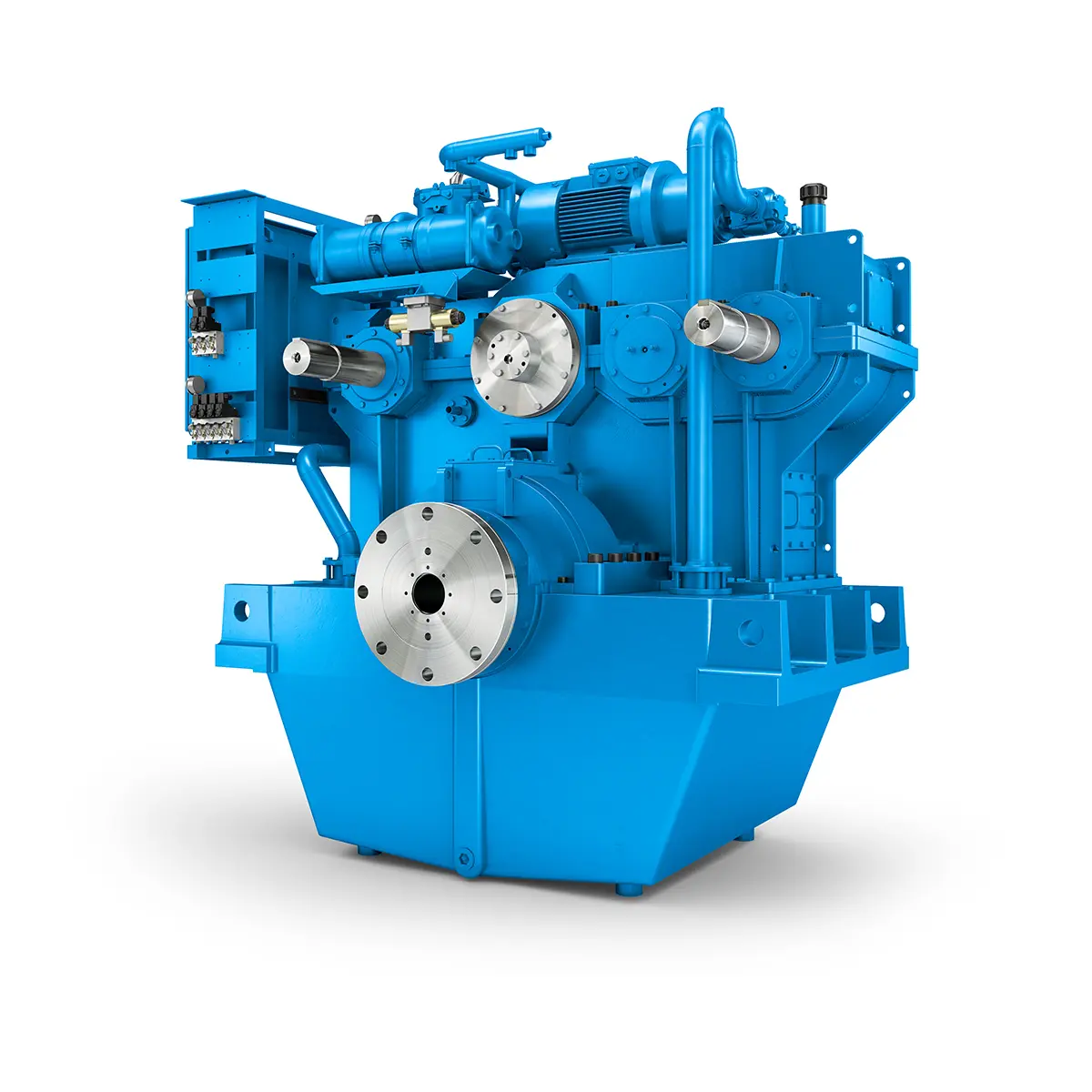 Flexibility on Board gearunit gearbox
 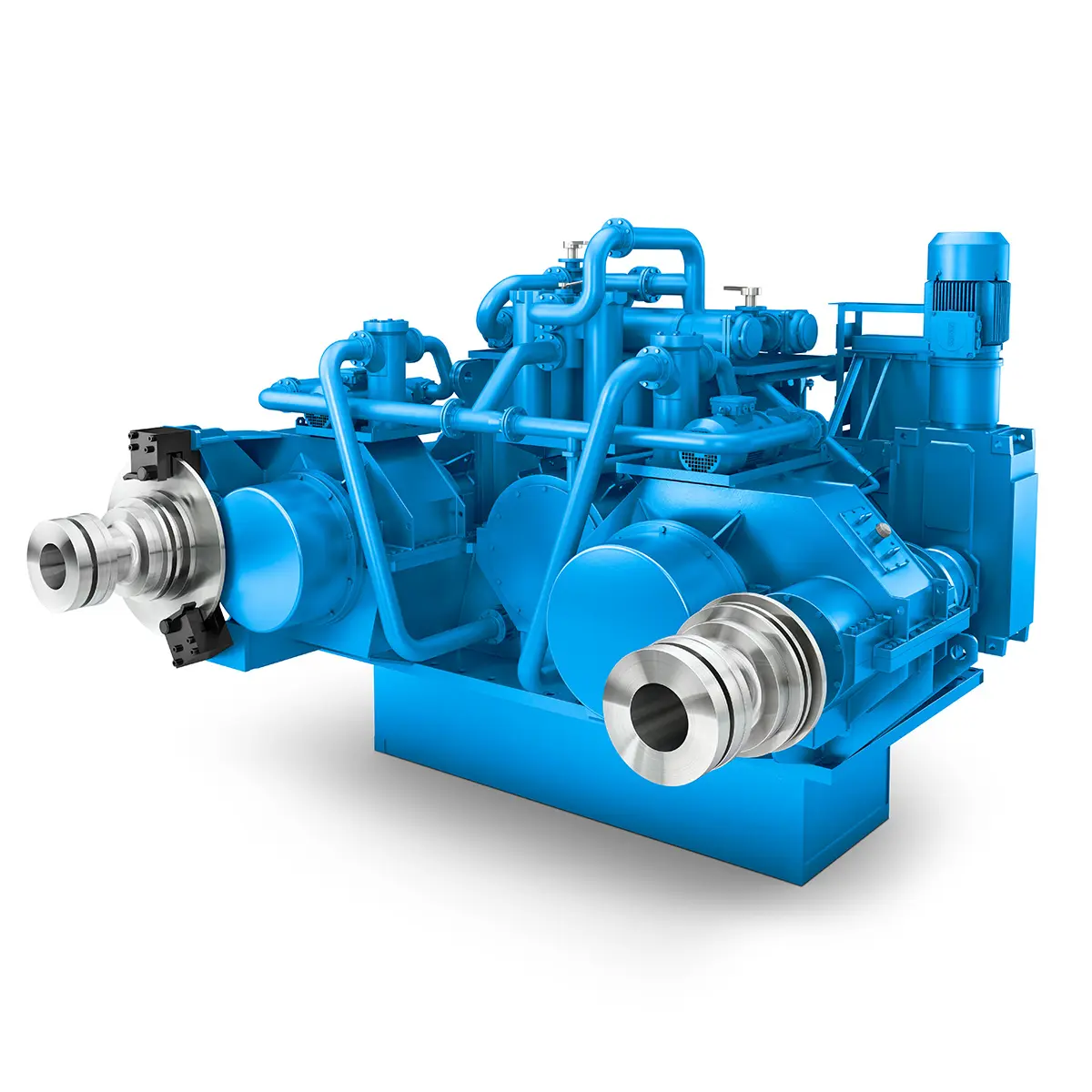 The right gearbox for all Multi-Engine Ships
 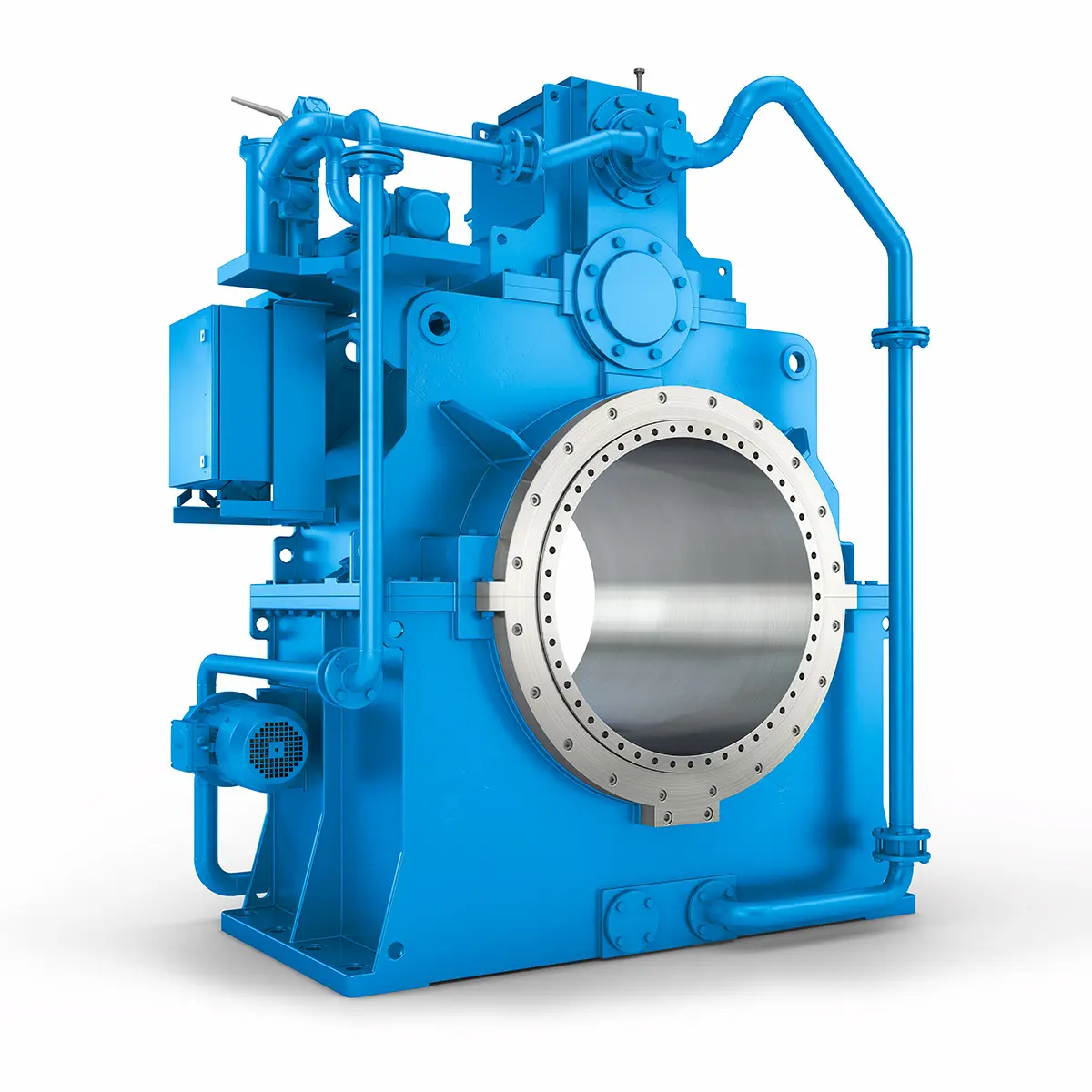 Reliable Power Generation on board
 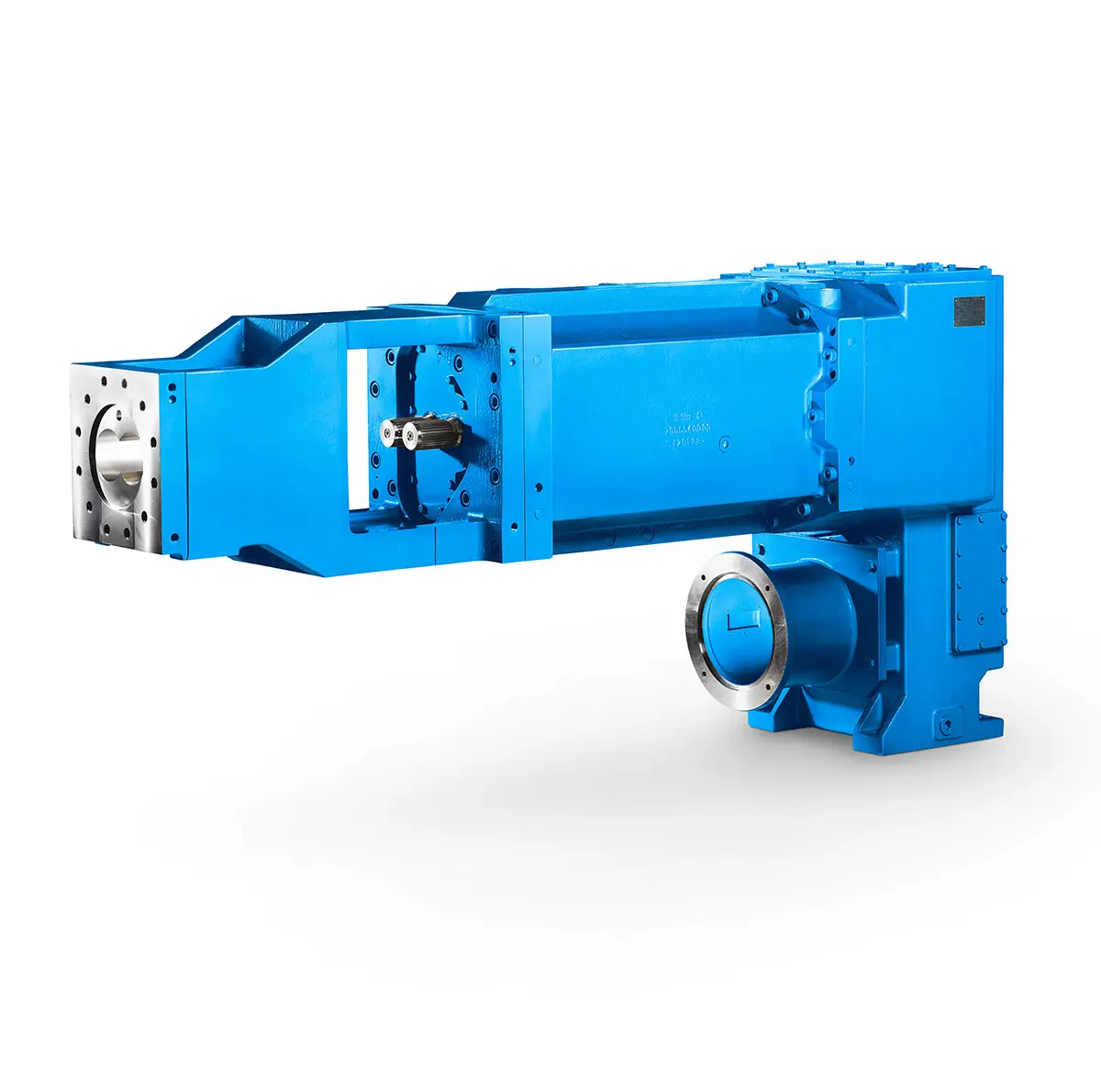 Maximum performance level, fast deliverable
 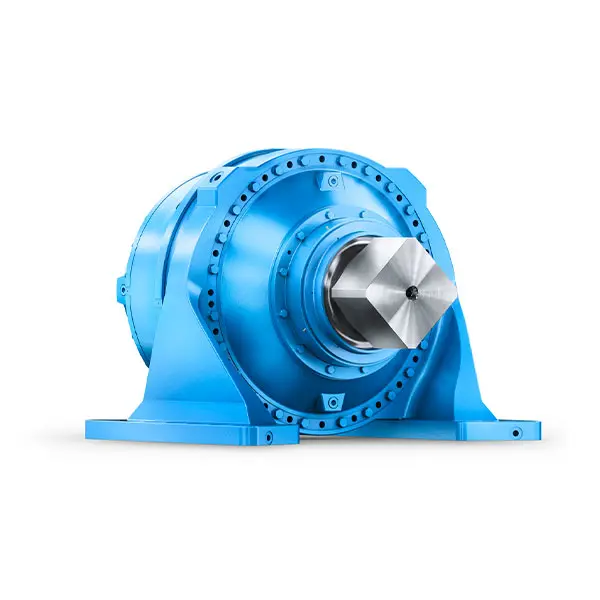 Efficient and compact – FLENDER Gear Units for Sugar Mills
 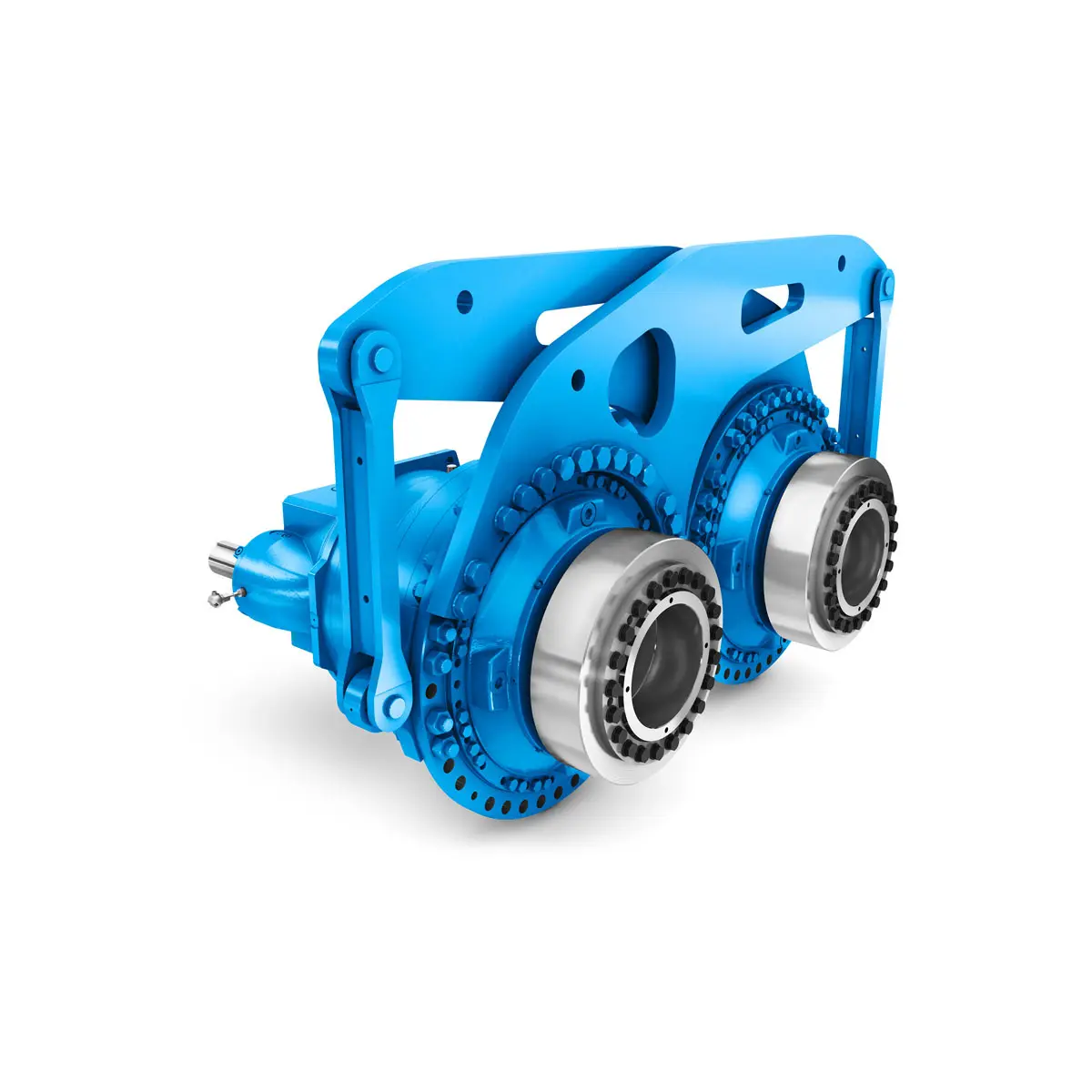 Extremely strong. Extremely compact. Extremely stressable.
 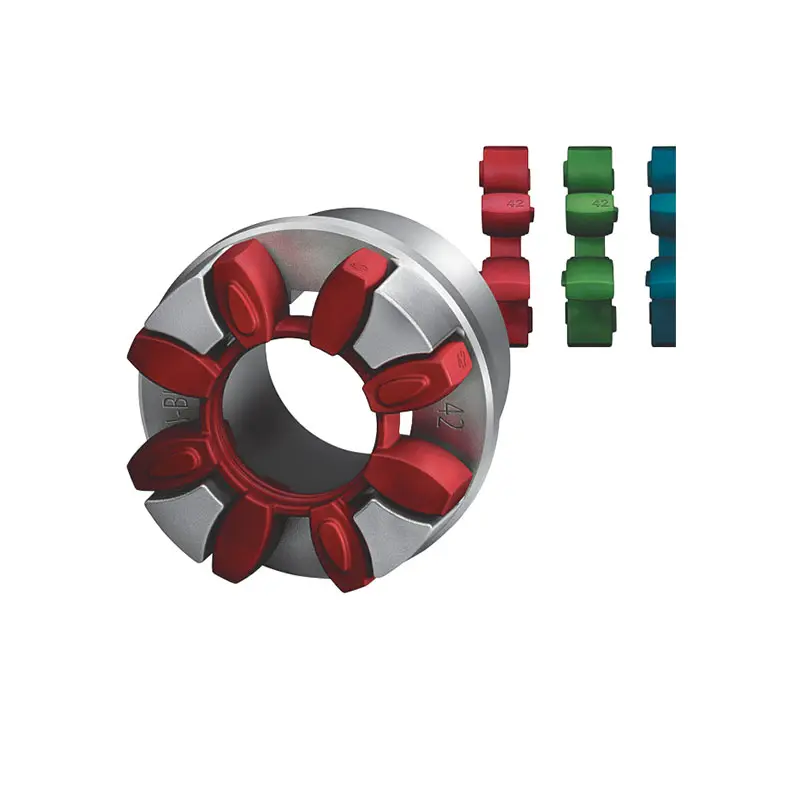 FLENDER Coupling
 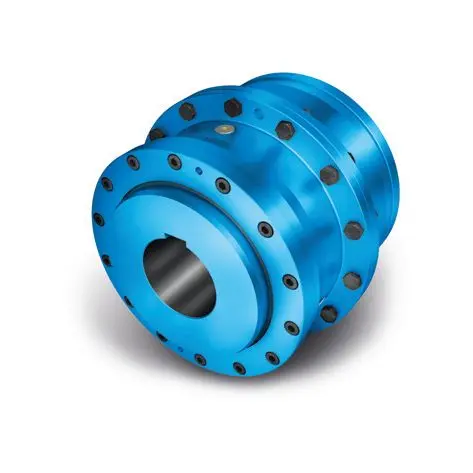 ZAPEX ZW Torsionally Rigid Gear Coupling
 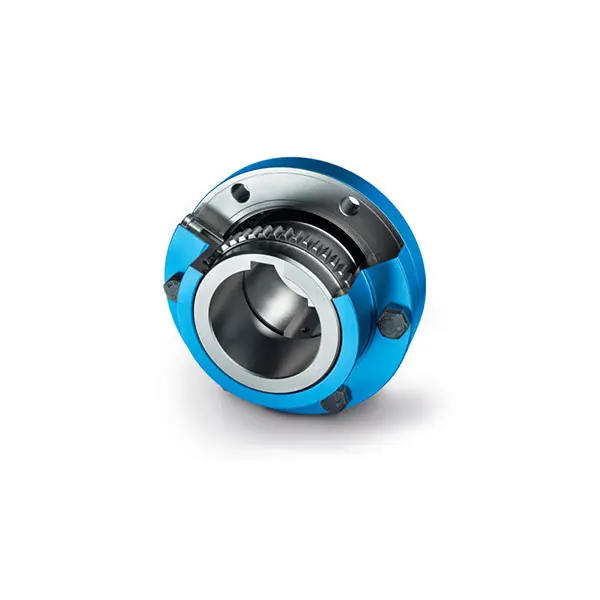 ZAPEX ZN Torsionally Rigid Gear Coupling
 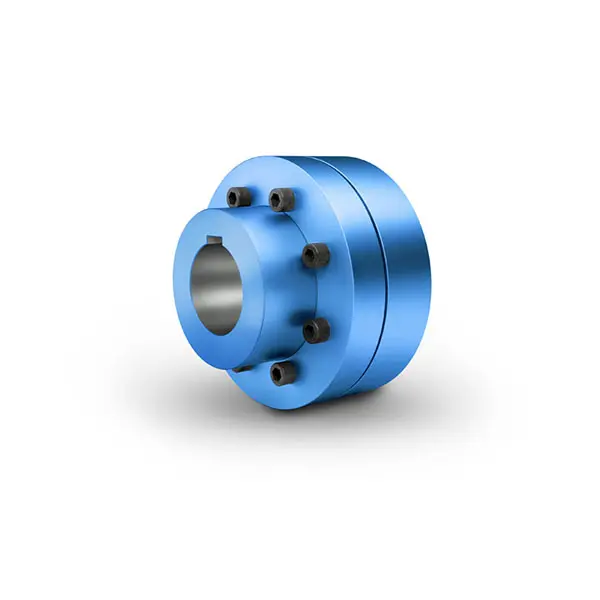 N-EUPEX Flexible high performance Coupling
 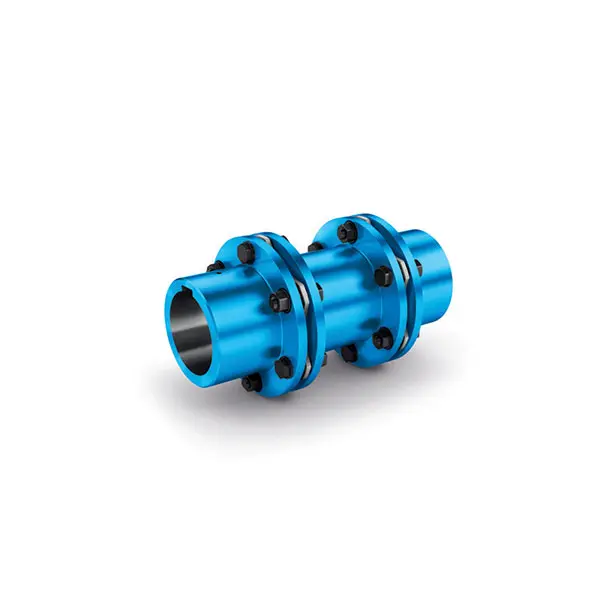 N-ARPEX Torsionally Rigid All-Steel Coupling
 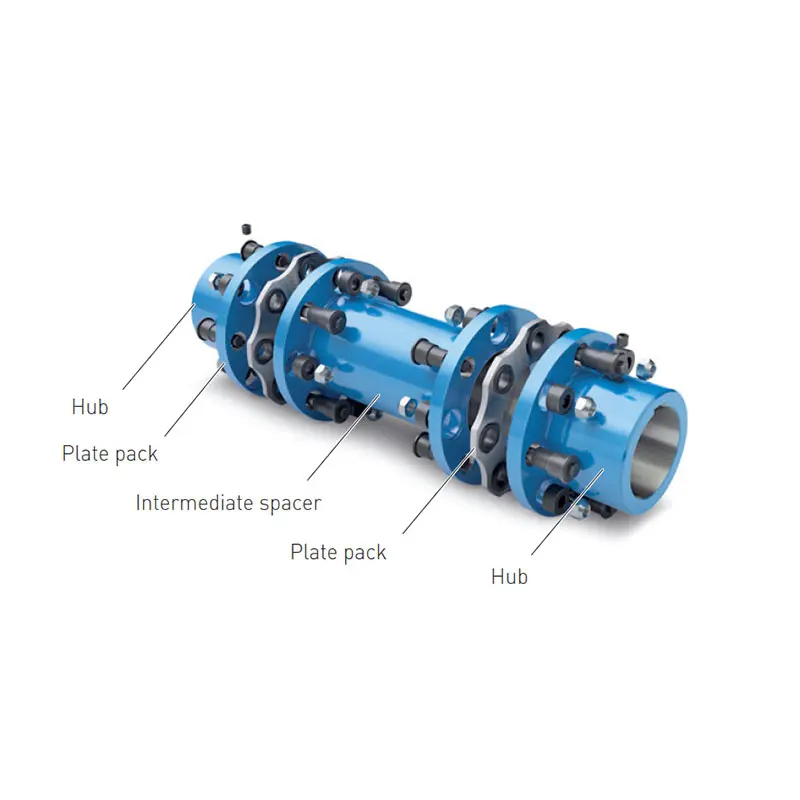 ARPEX Torsionally Rigid All-Steel Coupling Spare and Parts
 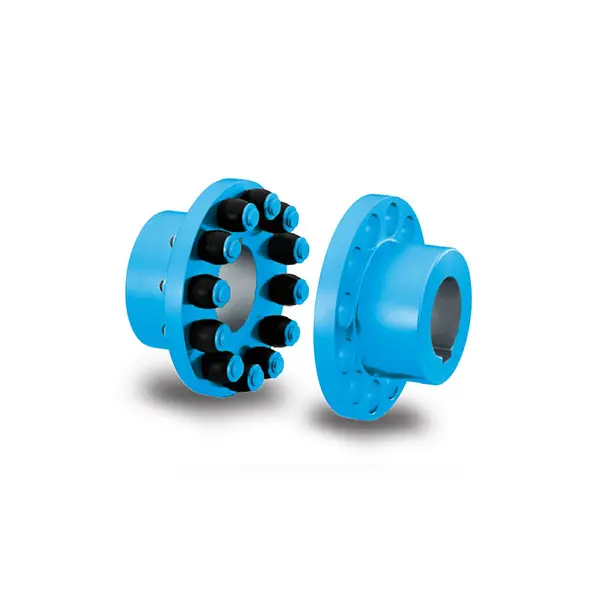 RUPEX Flexible high performance Coupling
 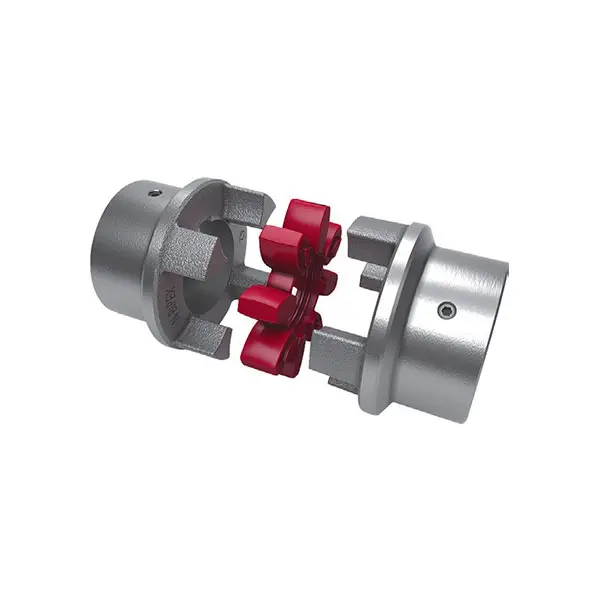 N BIPEX Flexible high performance coupling
 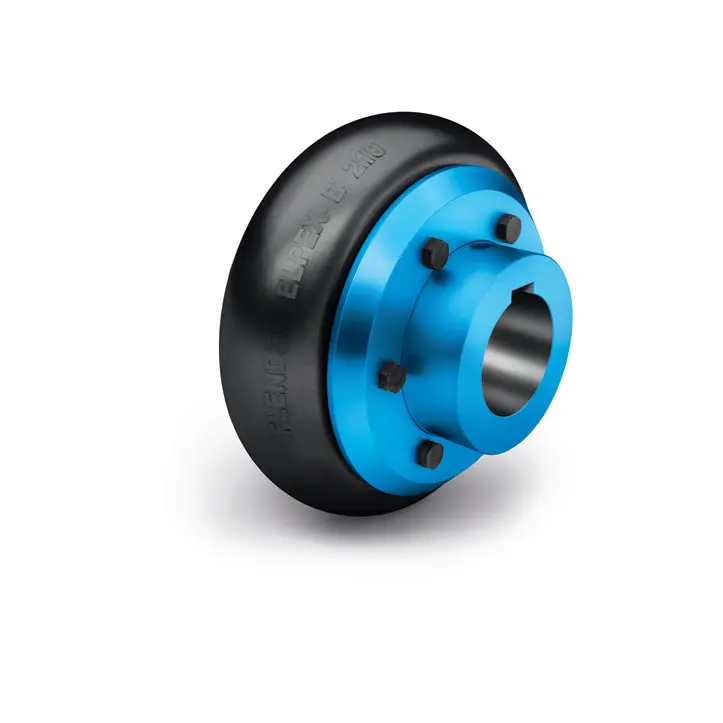 ELPEX B Highly Flexible Coupling
 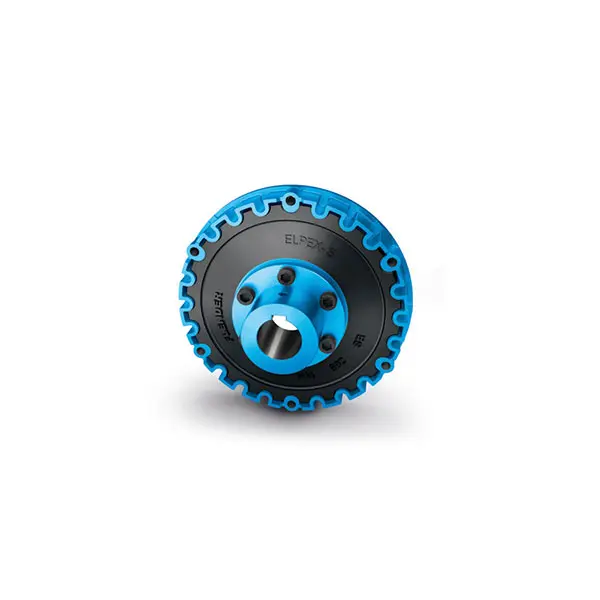 ELPEX S Highly Flexible Coupling high performance
 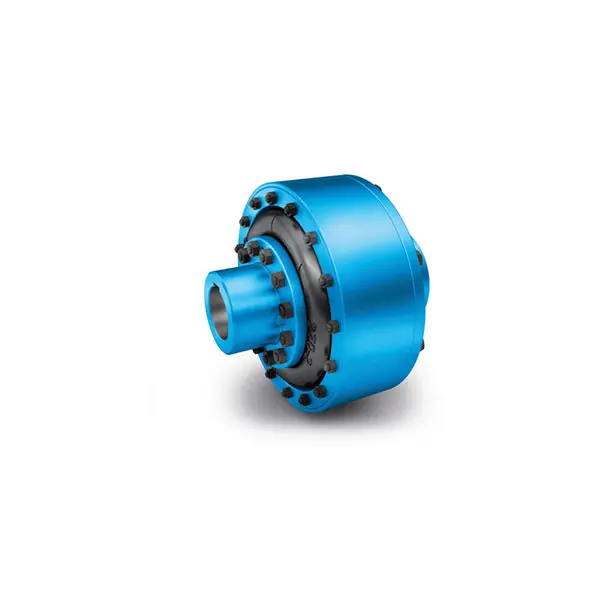 ELPEX Highly Flexible Coupling high performance
 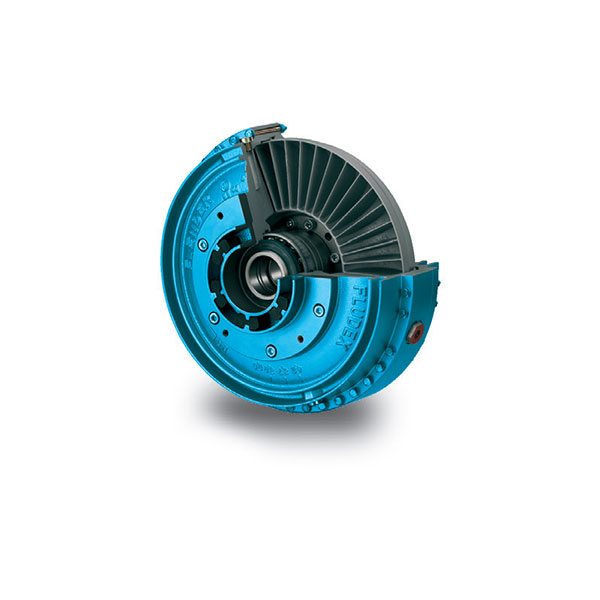 FLUDEX Fluid Coupling high performance
 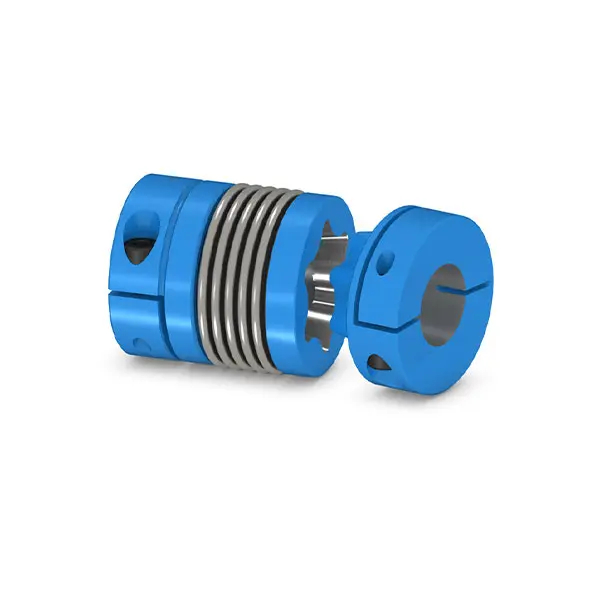 SIPEX Backlash free Coupling high performance
 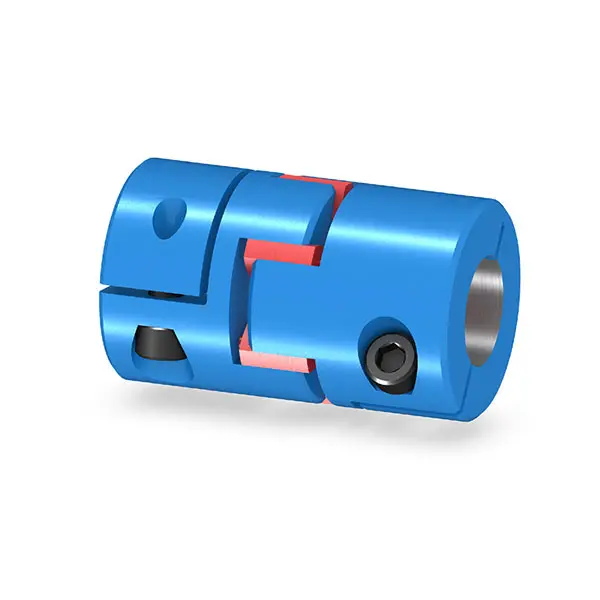 BIPEX S Backlash free Coupling high performance
 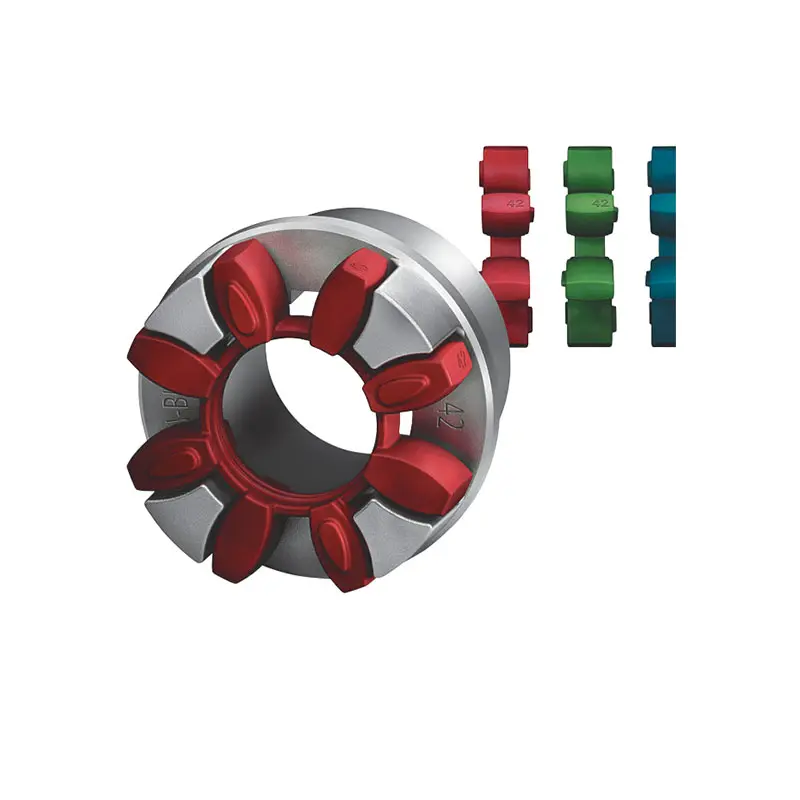 FLENDER Coupling Spare Parts high performance
 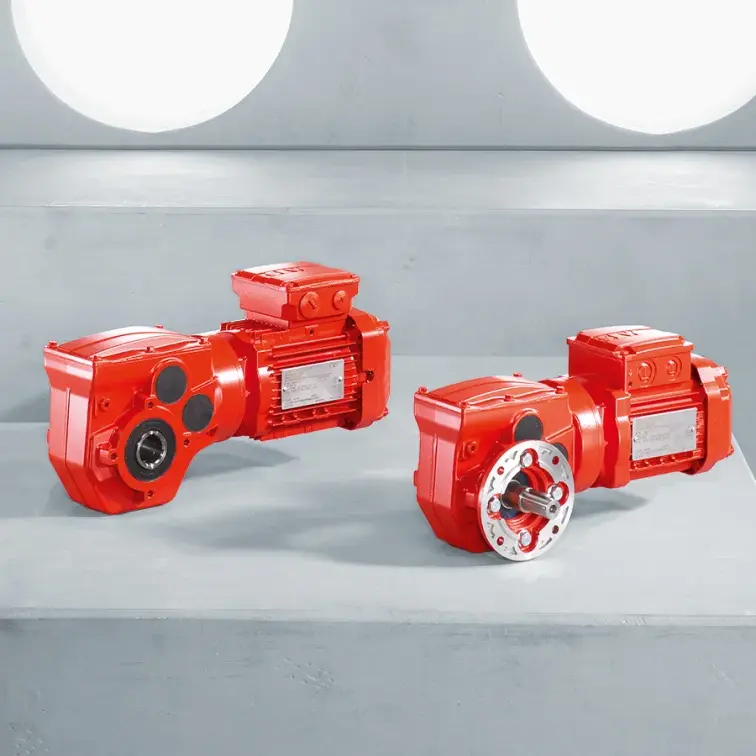 SEW Gearmotor
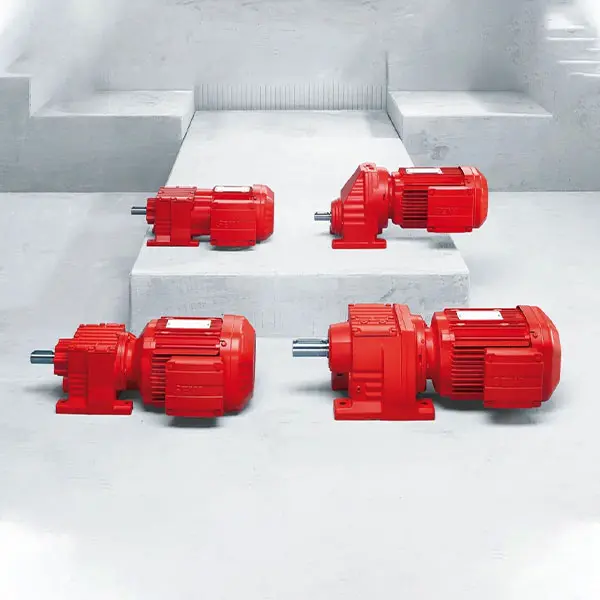 R Series Helical Gearmotor low voltage
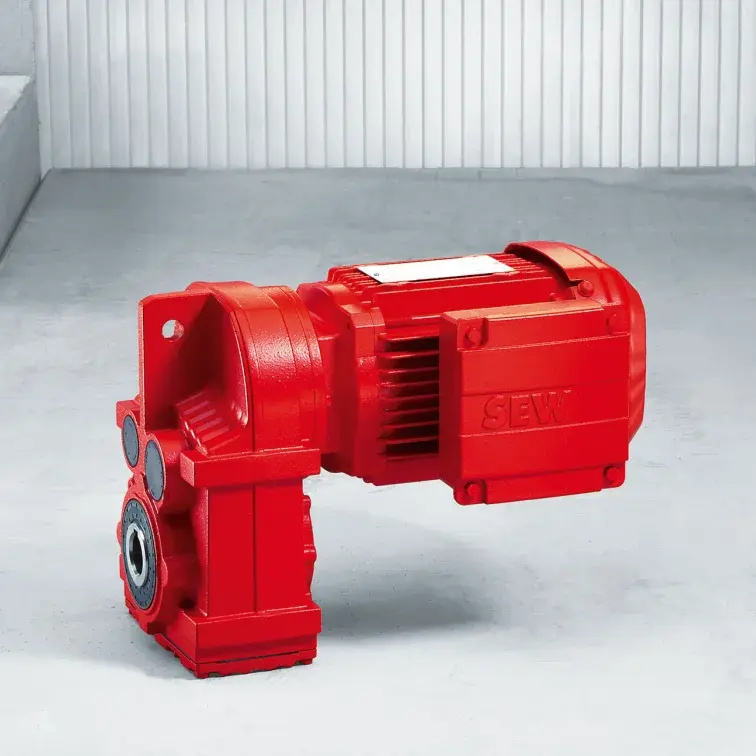 F Series Parallel Shaft Gearmotor low voltage
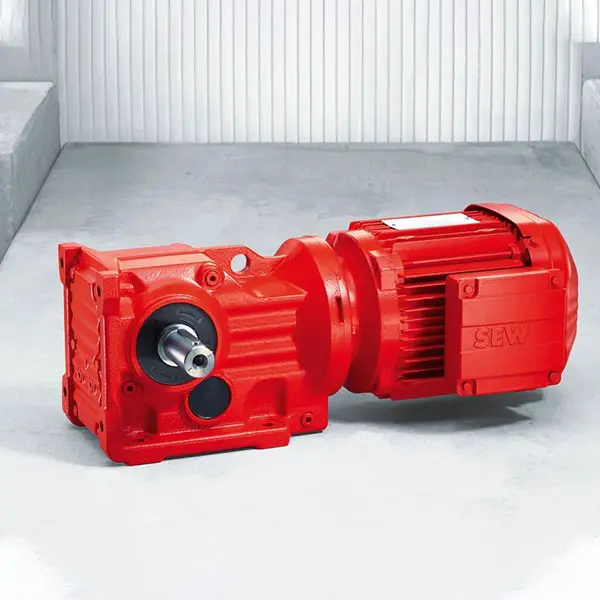 K Series Helical Bevel Gearmotor low voltage
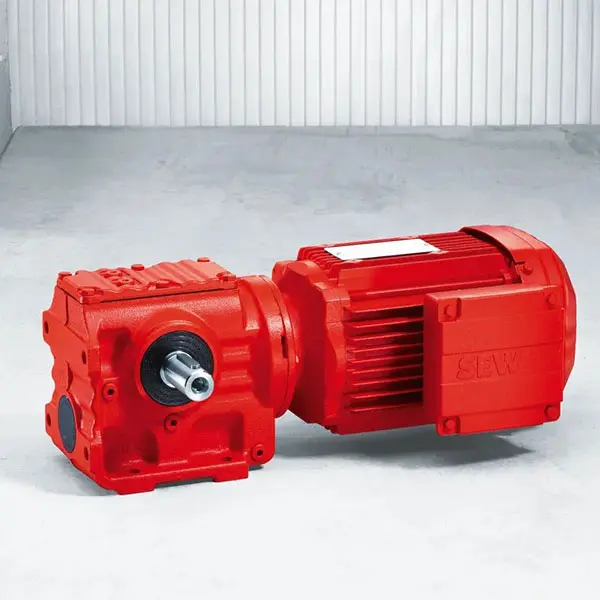 S Series Helical Worm Gearmotor low voltage
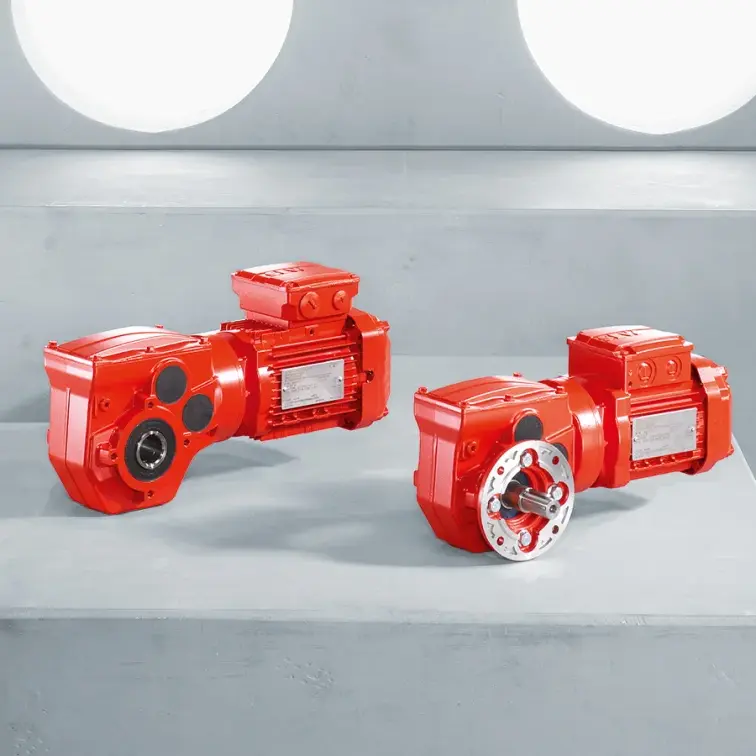 W Series SPIROPLAN® Right Angle Gearmotor