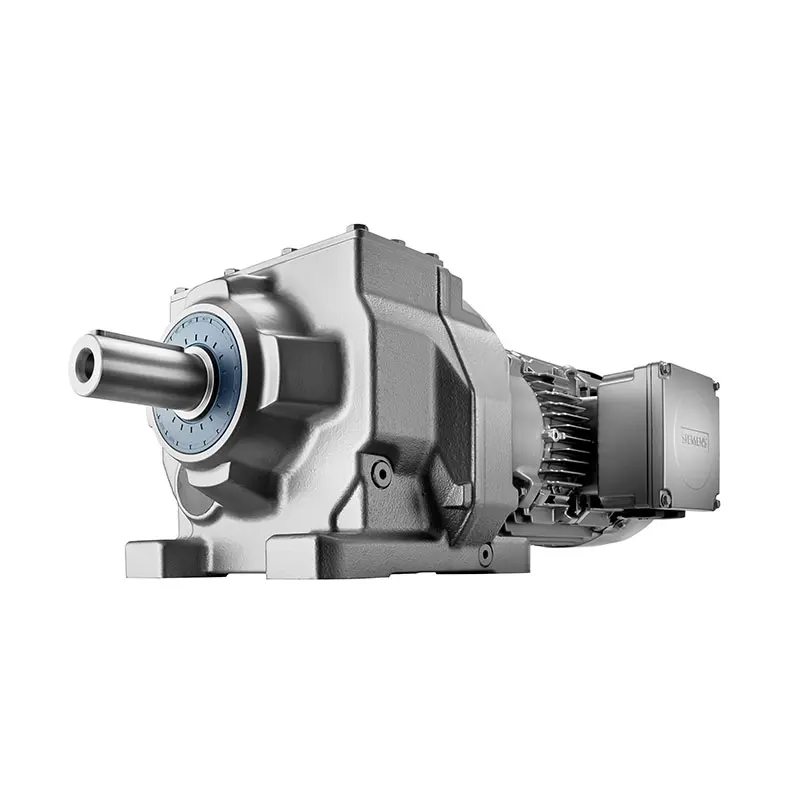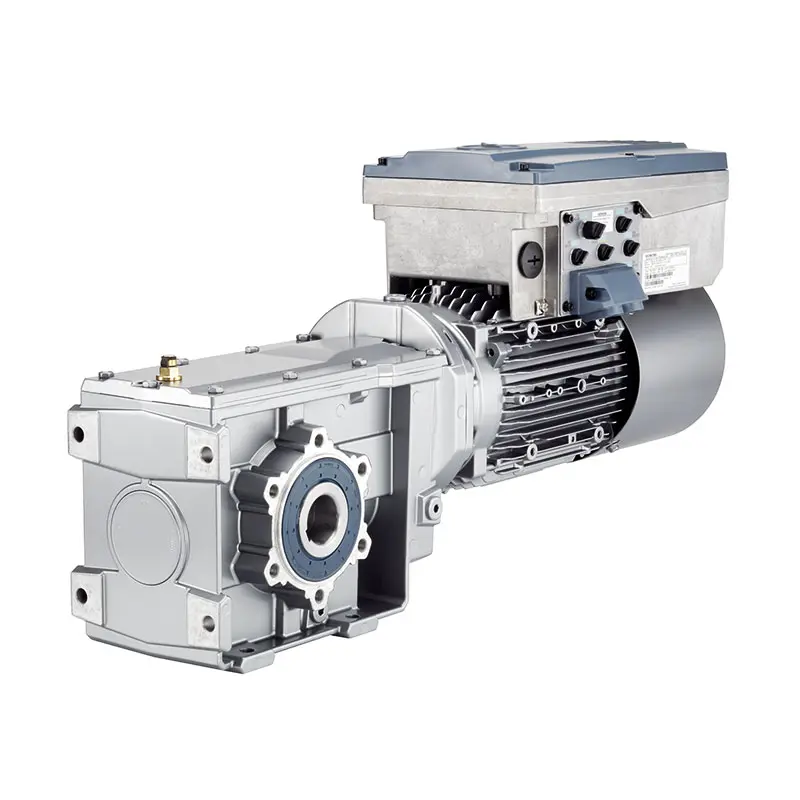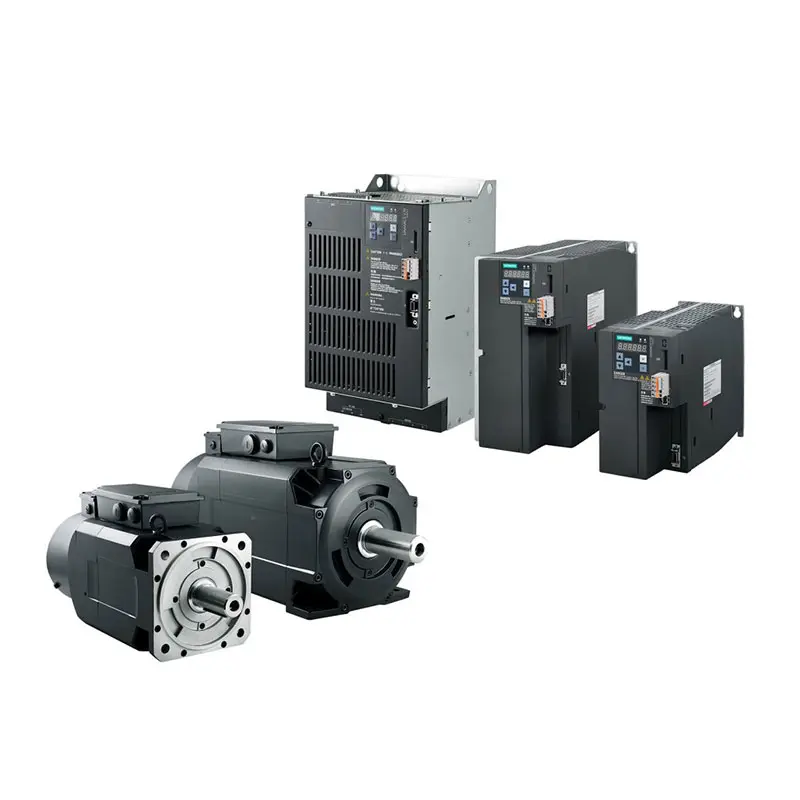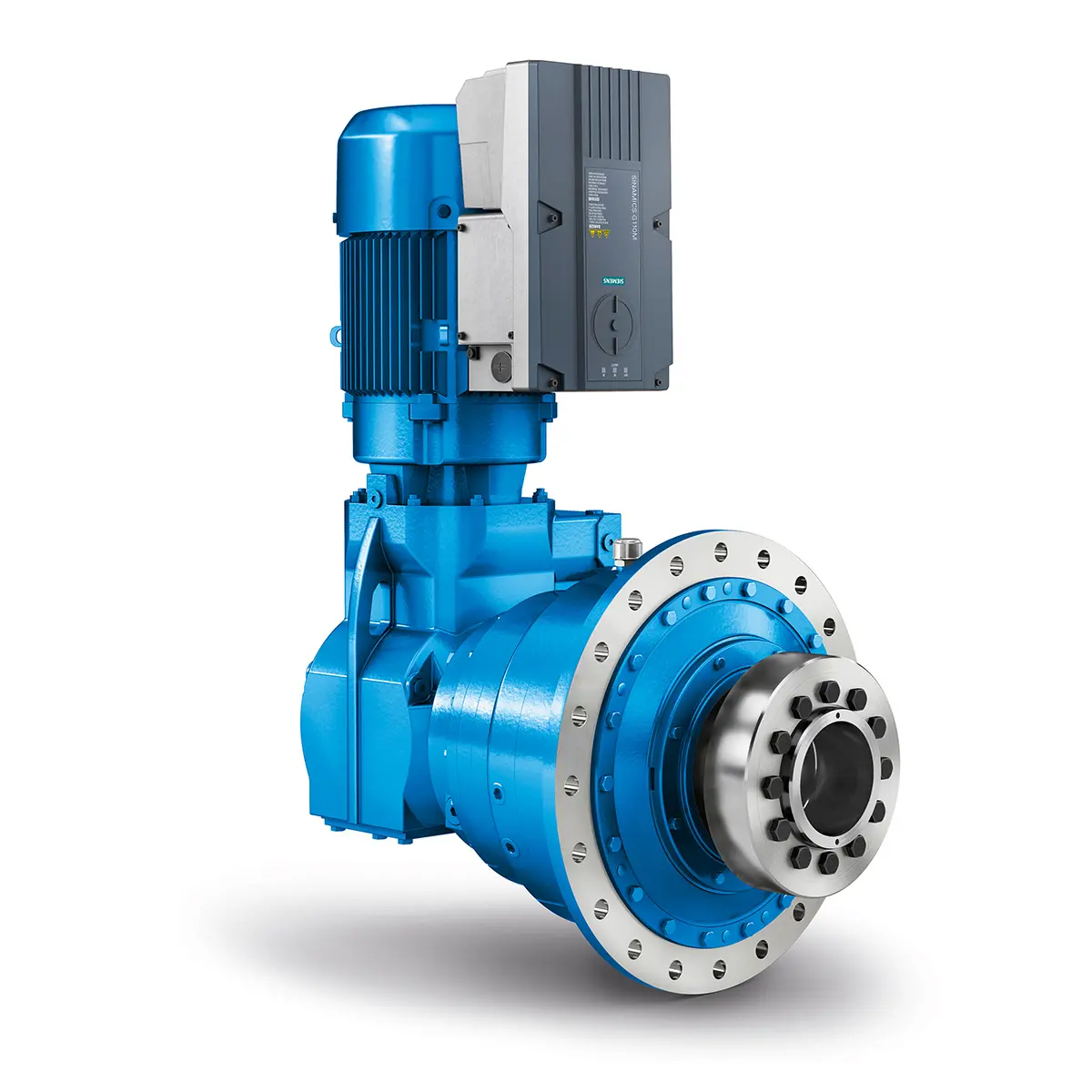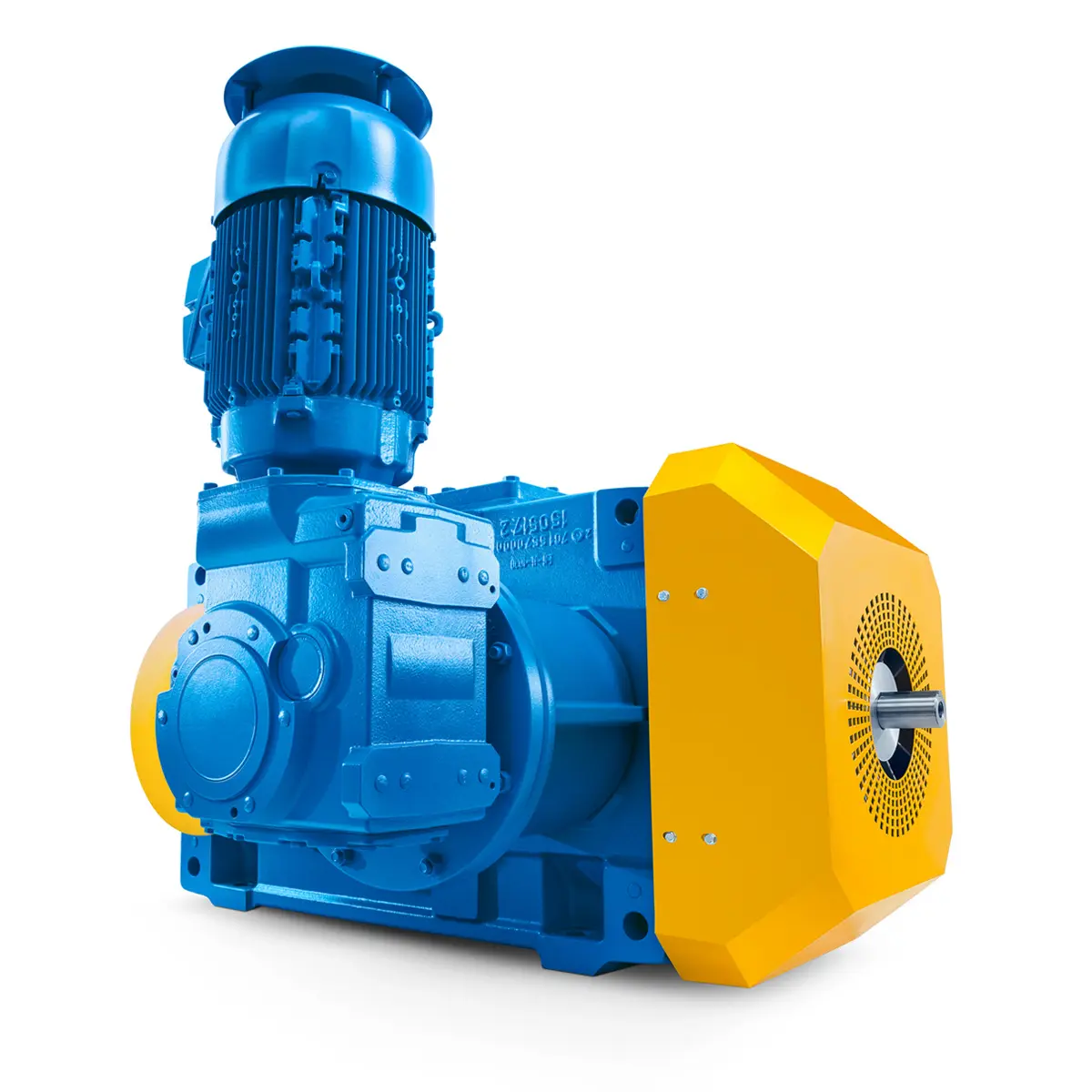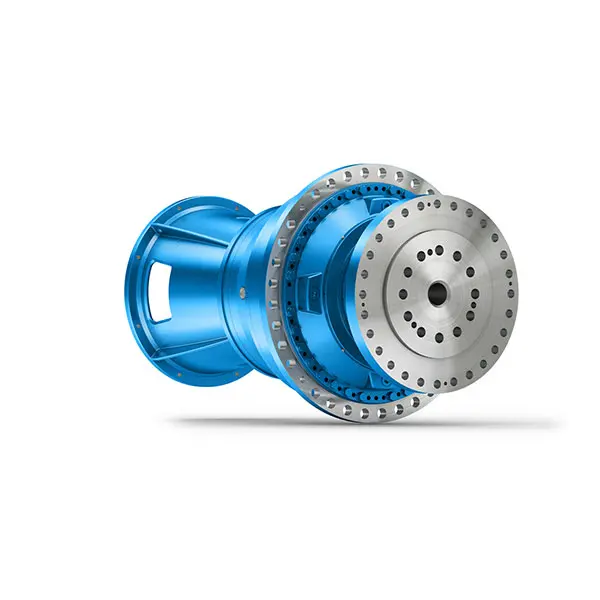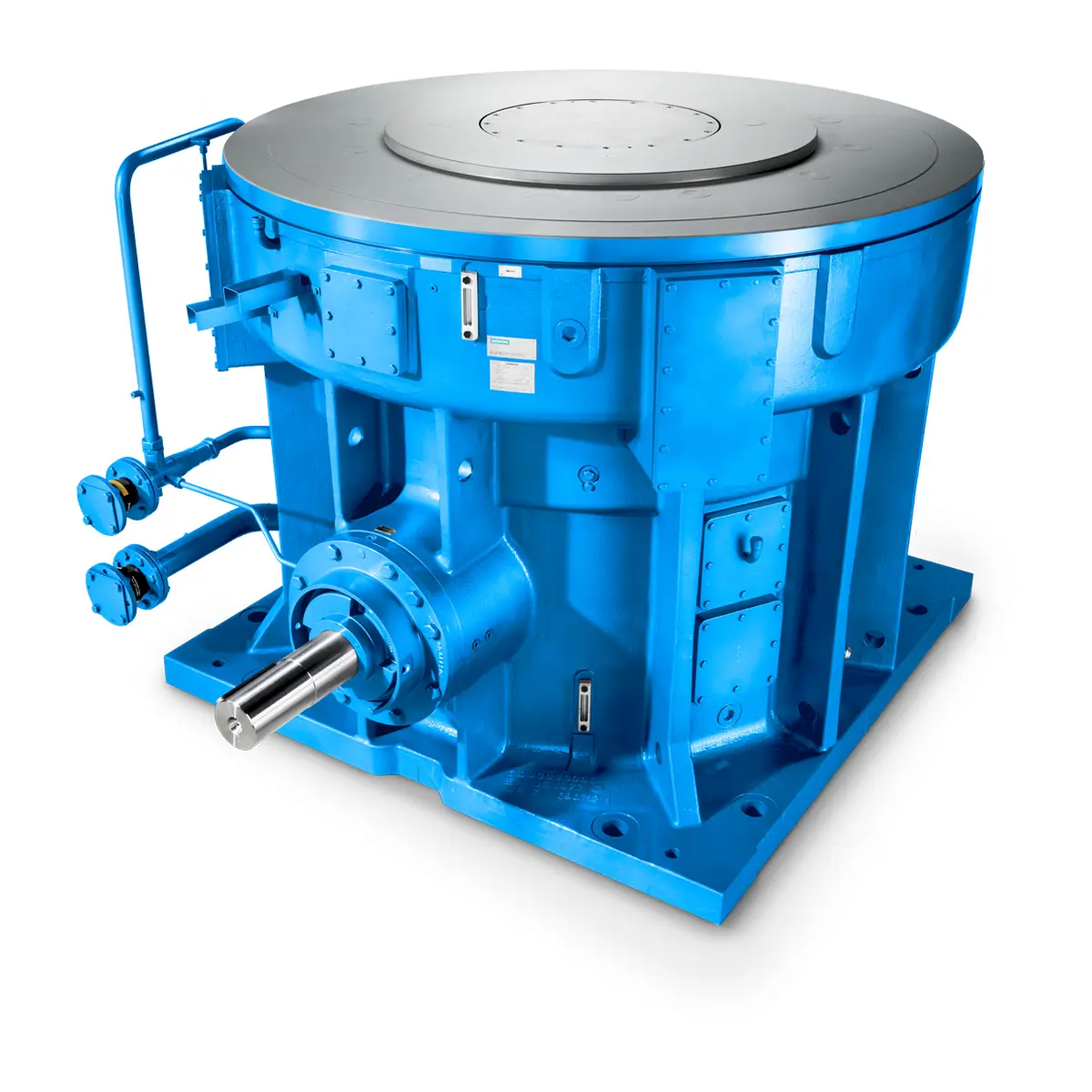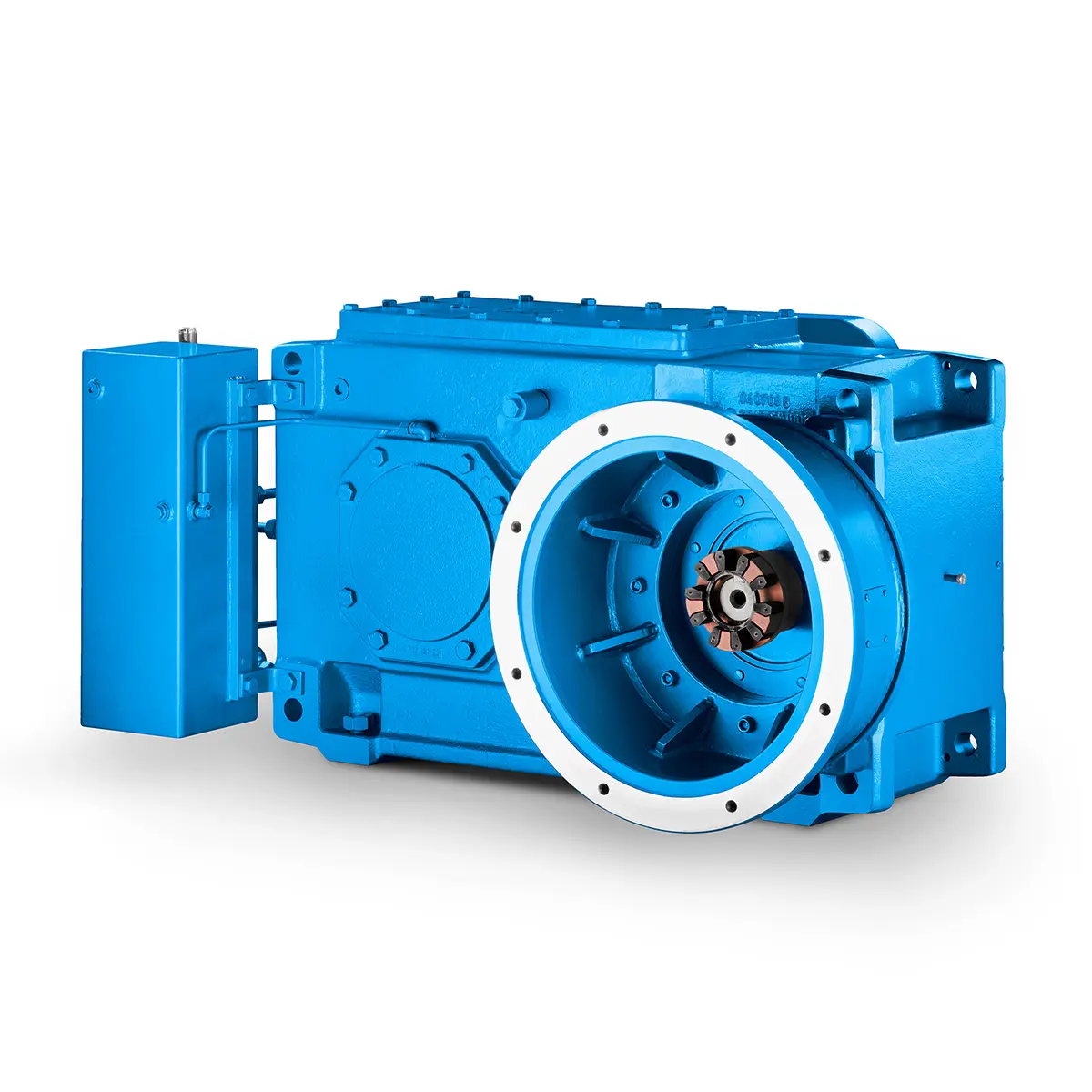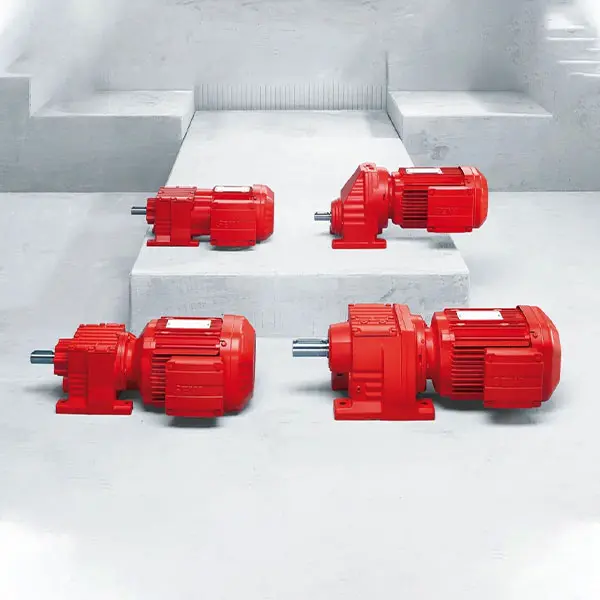
SIEMENS Helical Gearmotor Low Voltage
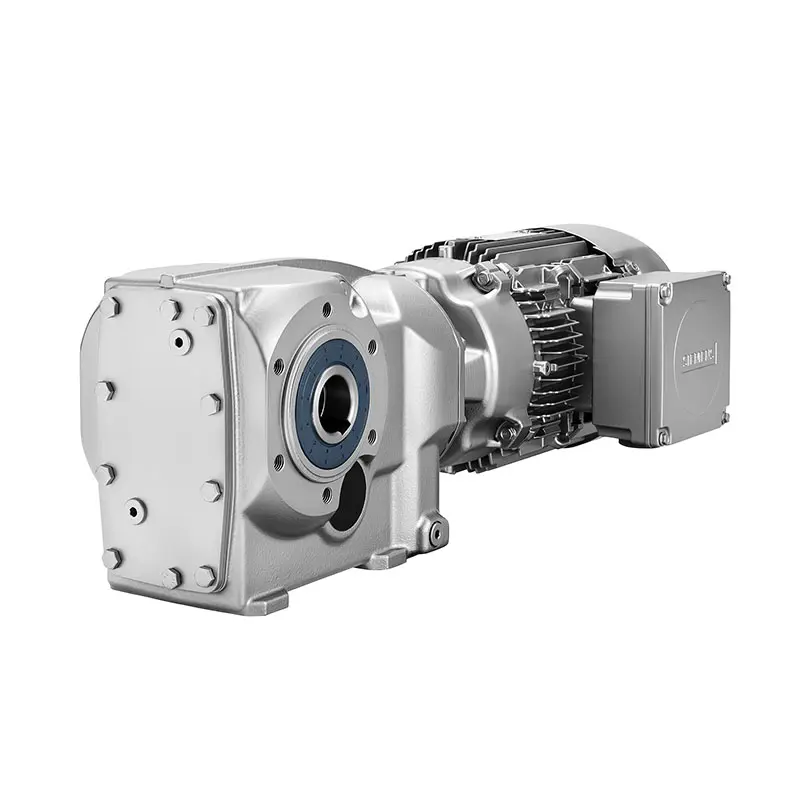
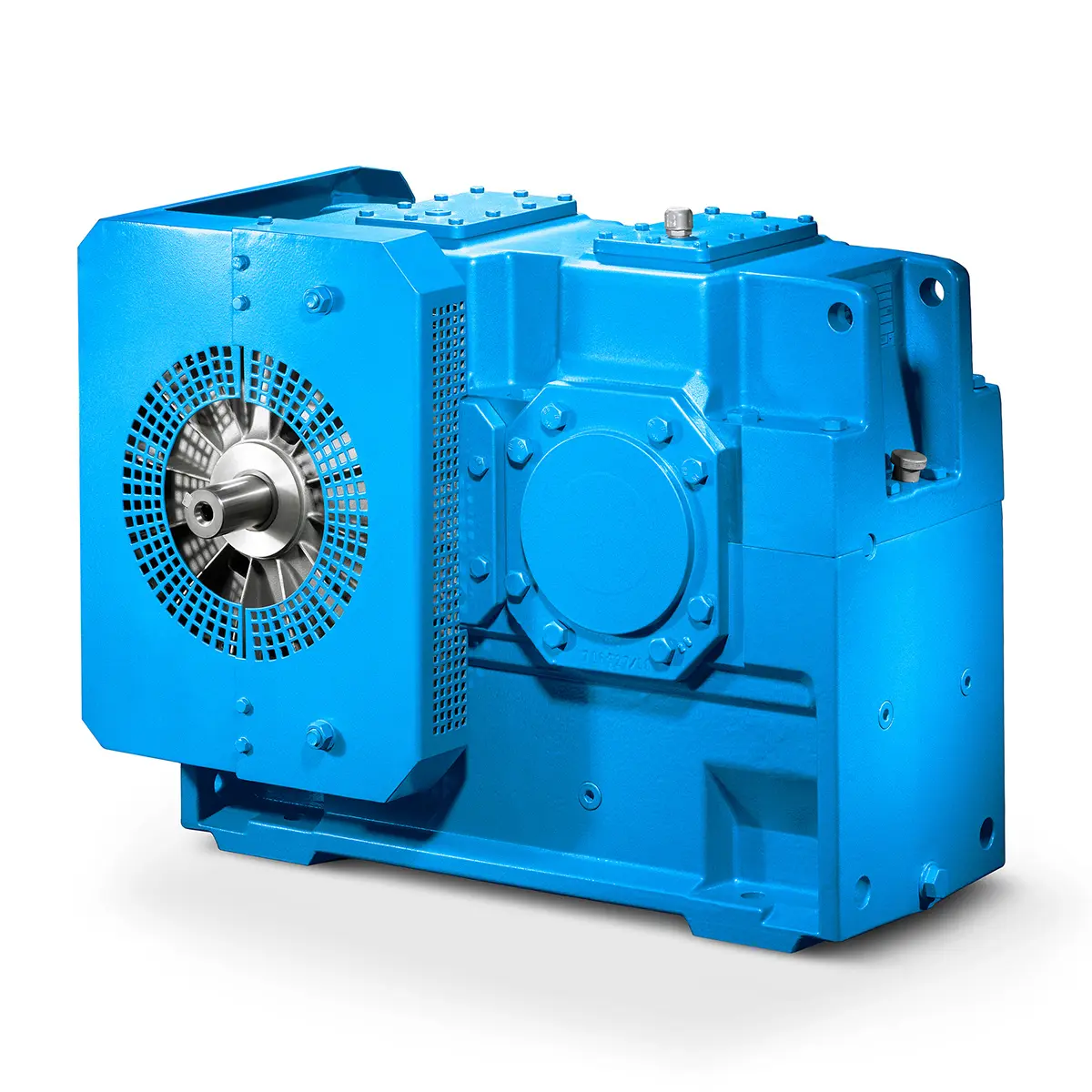
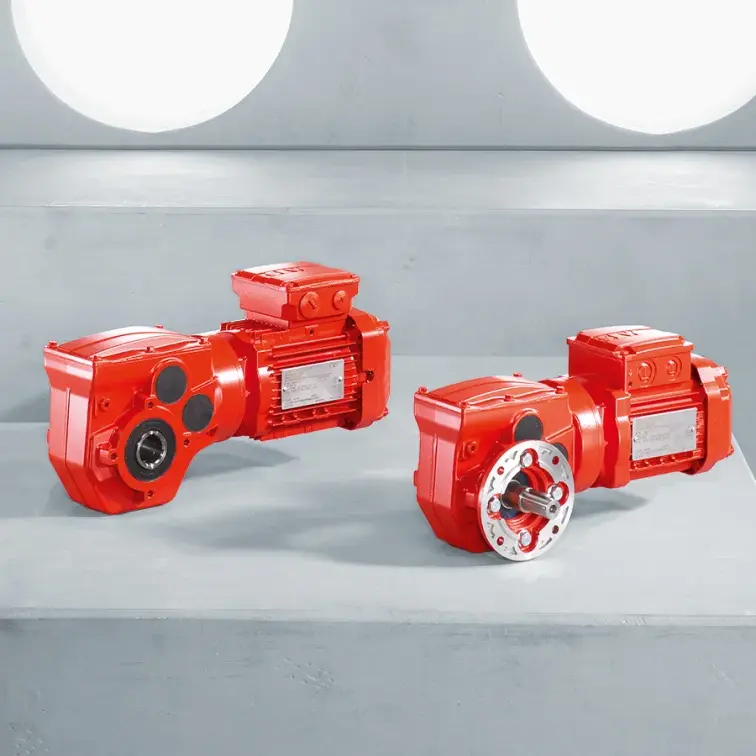
SIEMENS Bevel Helical Gearmotor
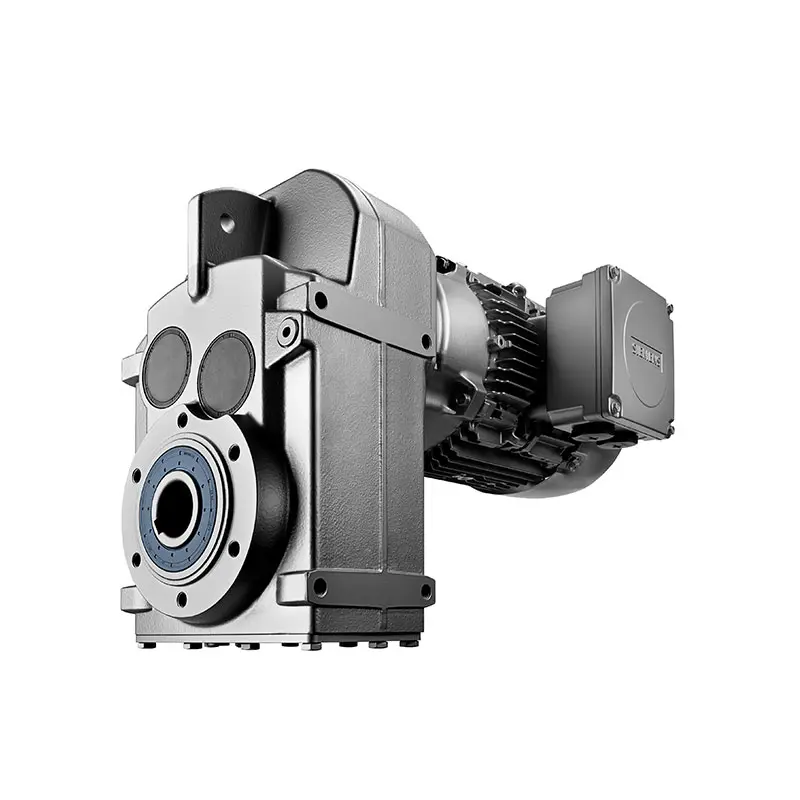
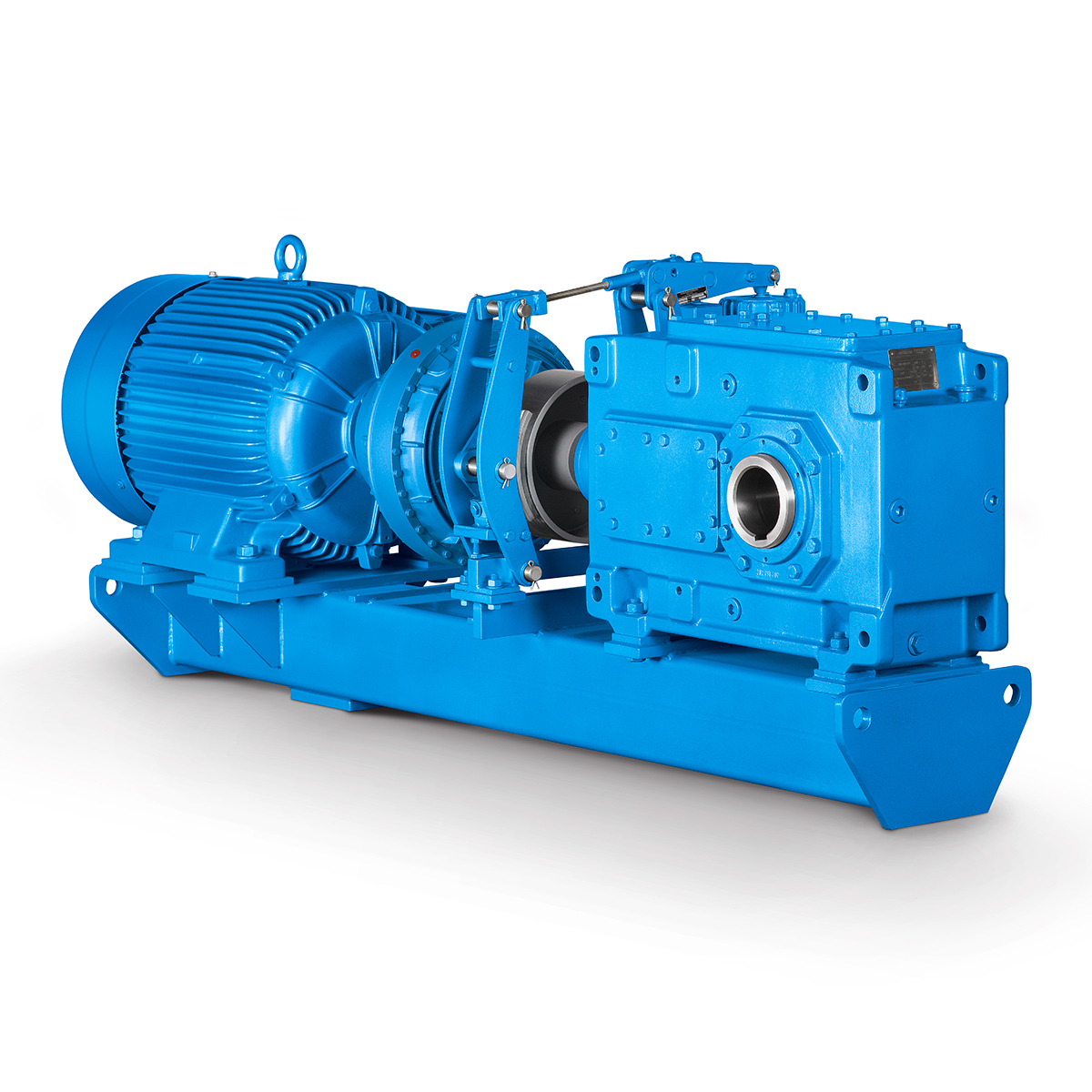
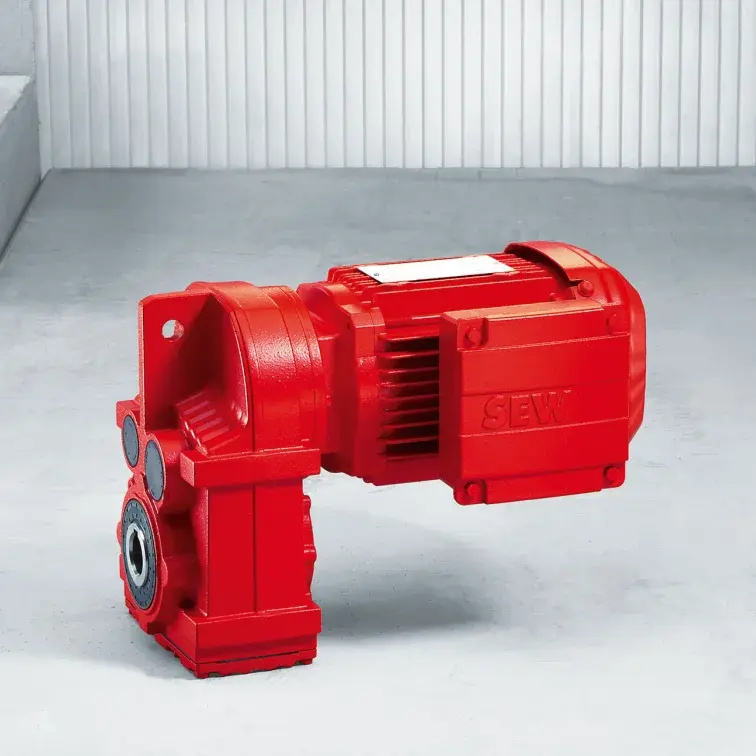
SIEMENS Parallel Shaft Gearmotor
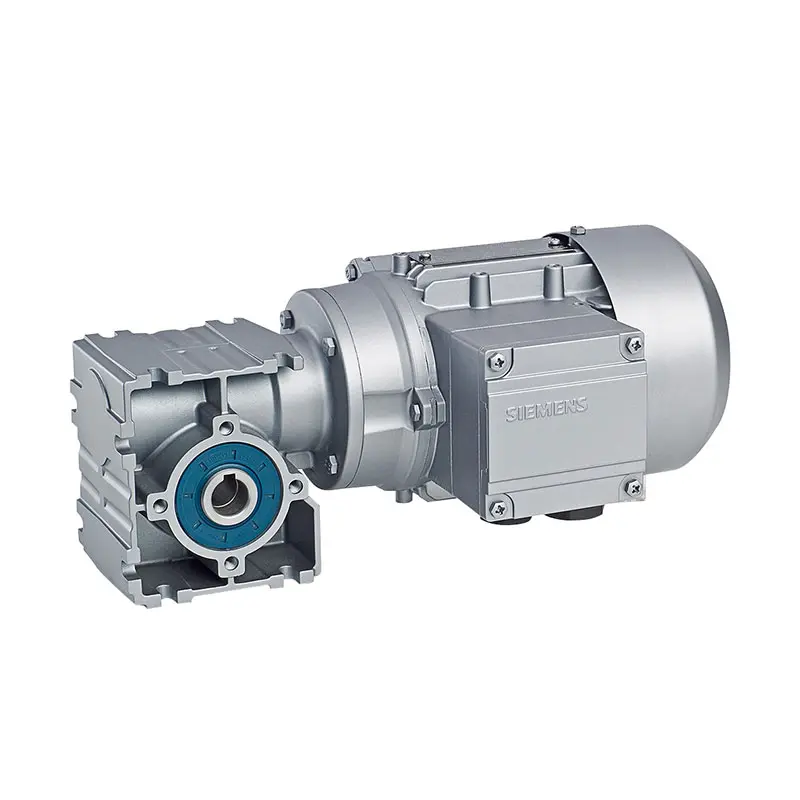
SIEMENS Worm Gearmotor Low Voltage
SIEMENS With Servo Motor Gearmotor
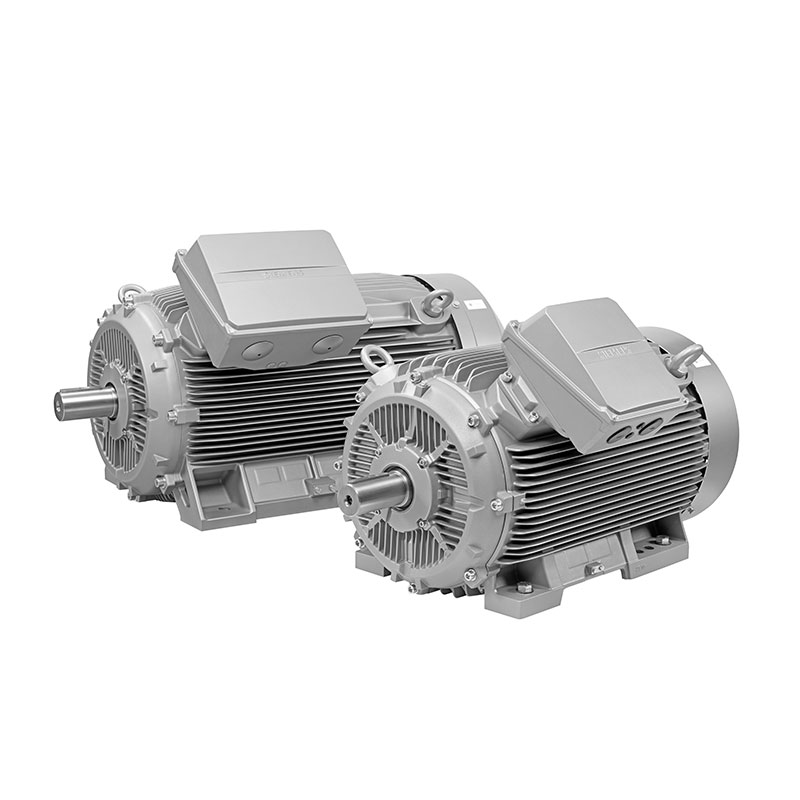
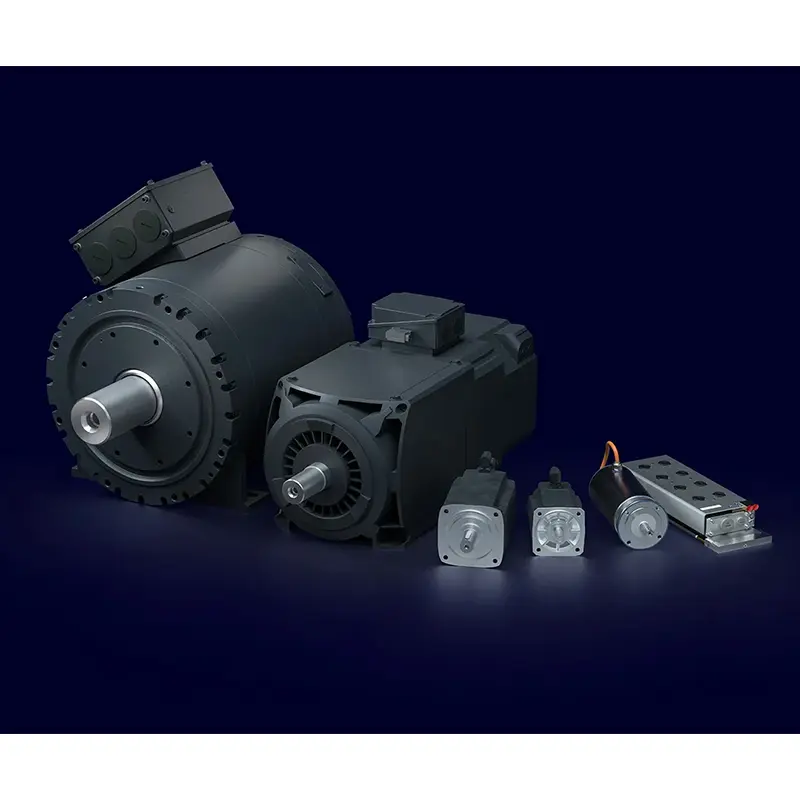
SIEMENS Low Voltage Motor Low Voltage
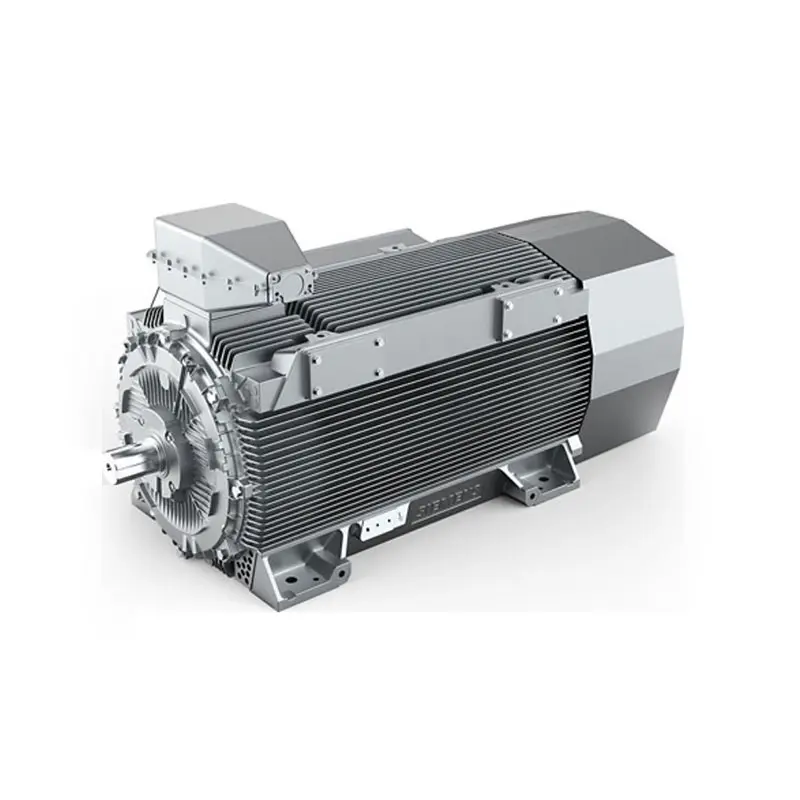
SIEMENS High Voltage Motor Low Voltage
SIEMENS Marine Motor Low Voltage
SIEMENS Servo Motor Low Voltage
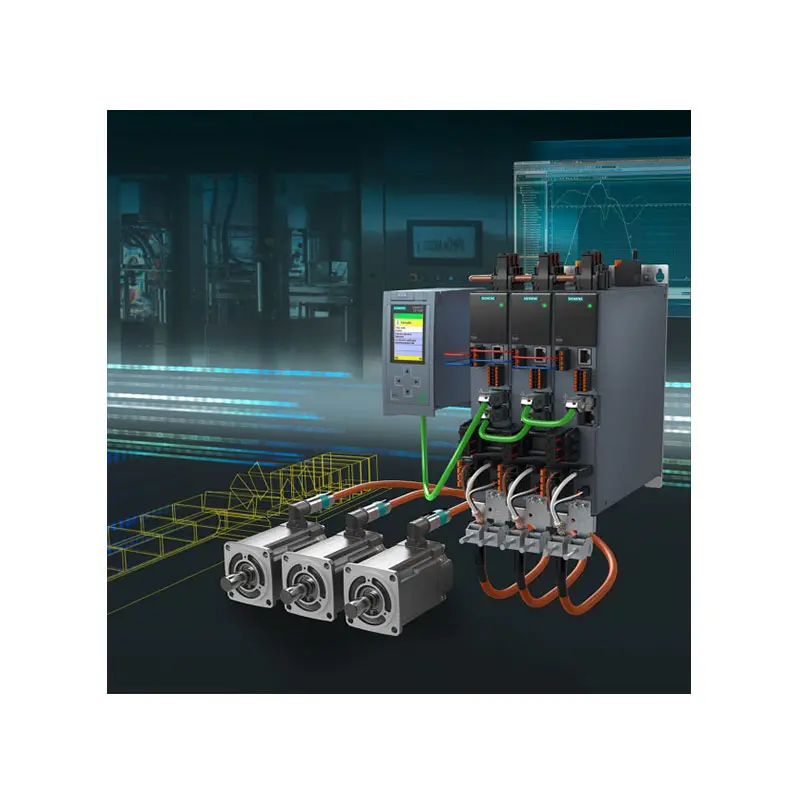
SIEMENS SINAMICS S210 Low Voltage
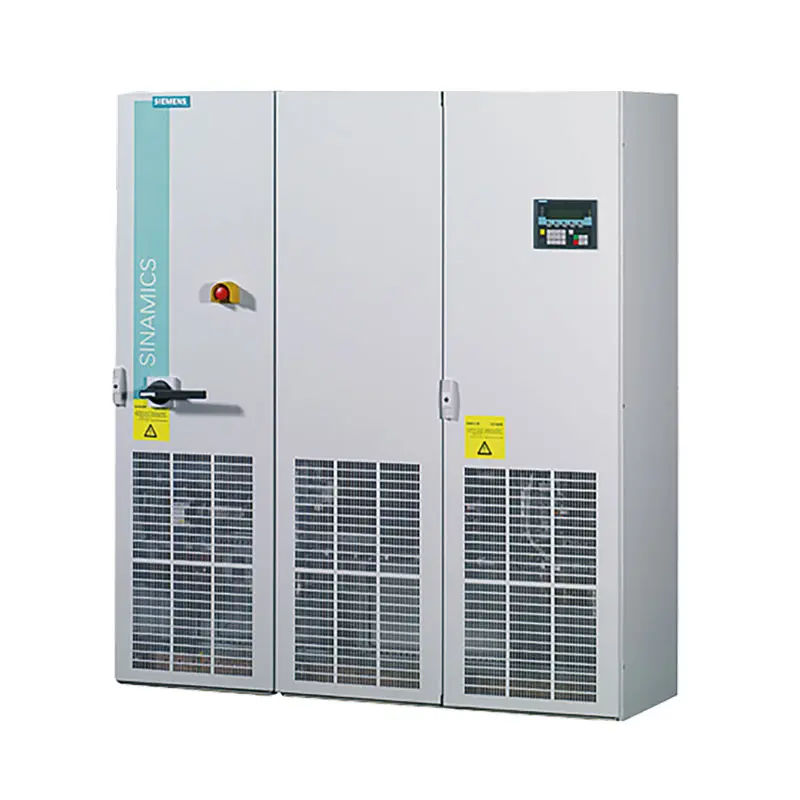
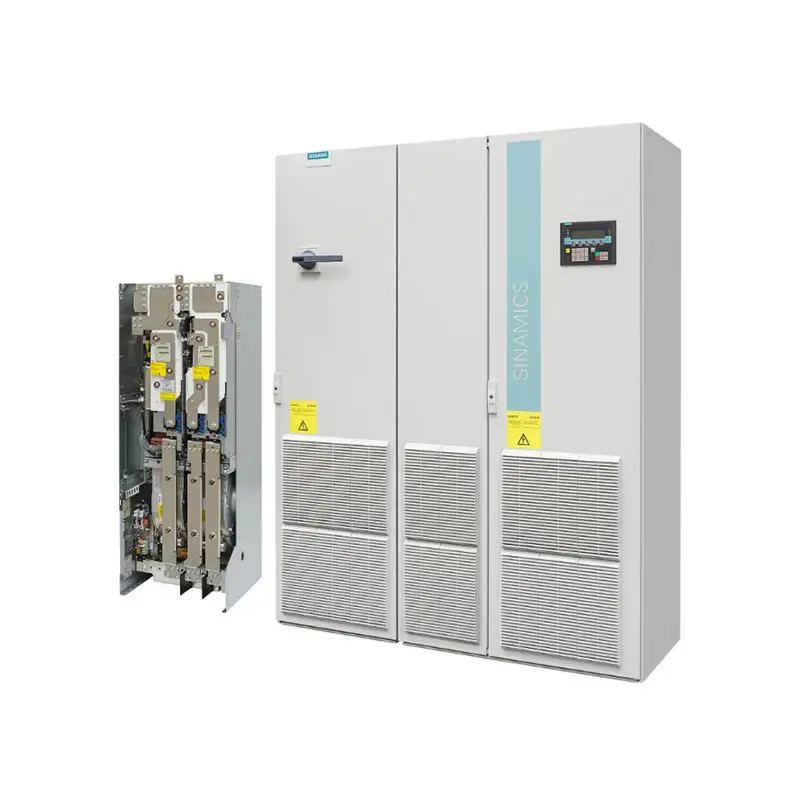
SIEMENS SINAMICS S150 Low Voltage
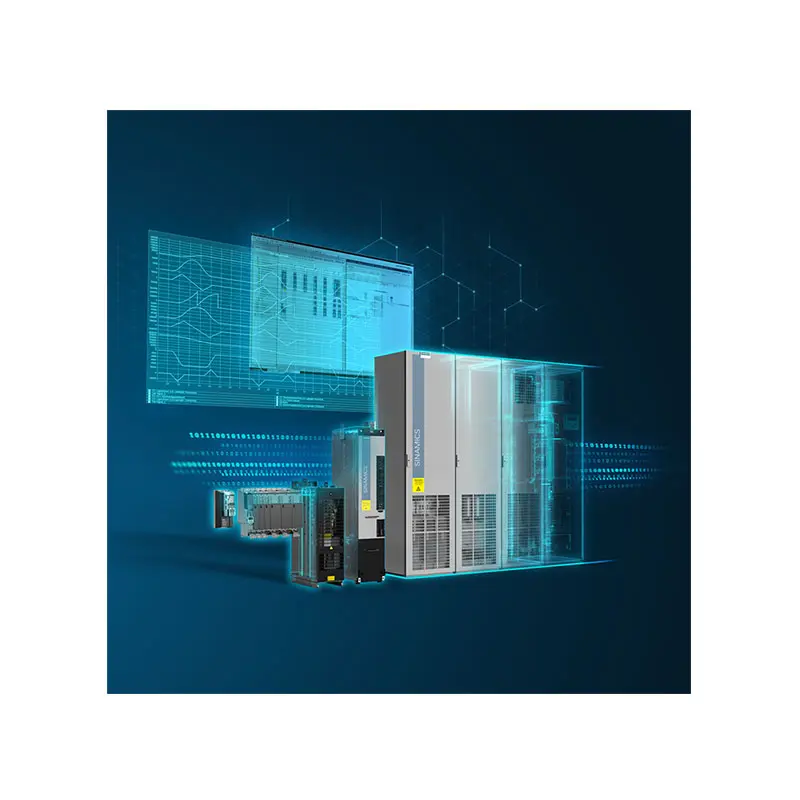
SIEMENS SINAMICS S120 Low Voltage
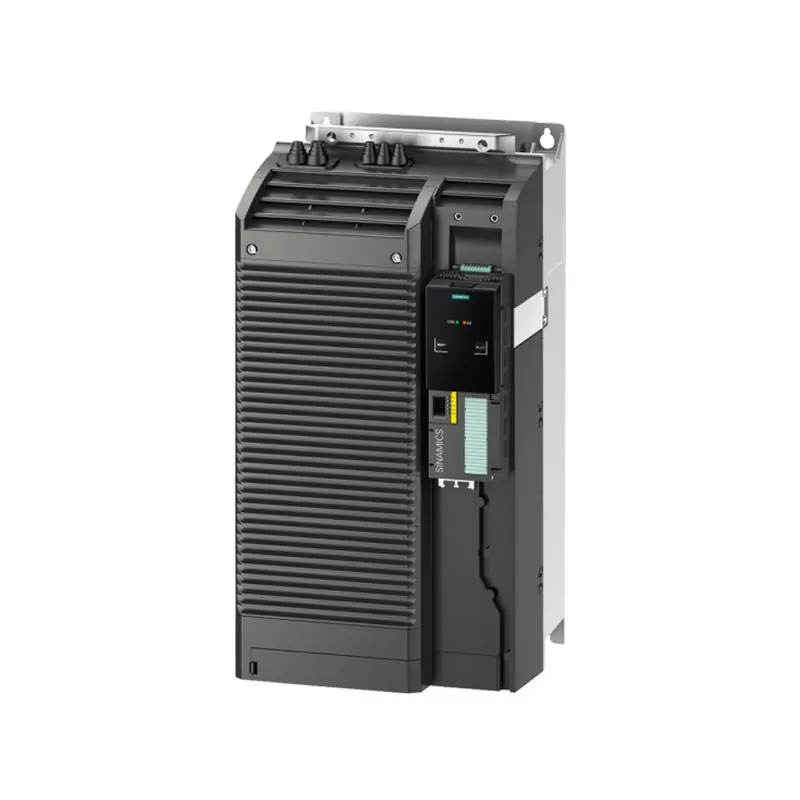
SIEMENS SINAMICS G130/G150
SIEMENS SINAMICS G120 Low Voltage
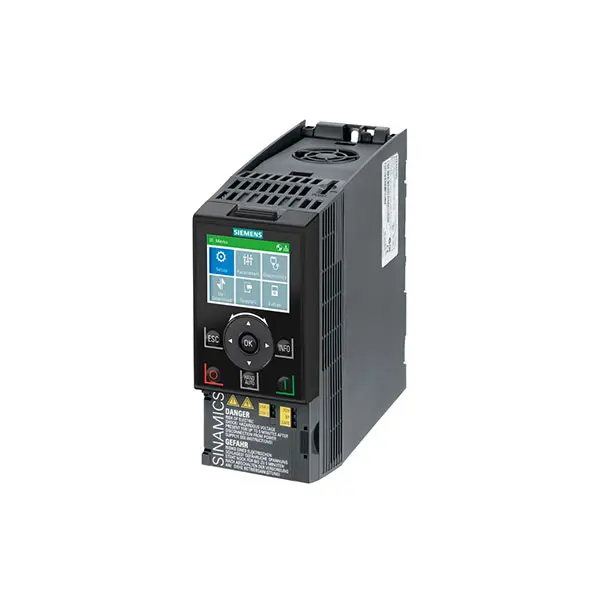
SIEMENS SINAMICS G120C Low Voltage
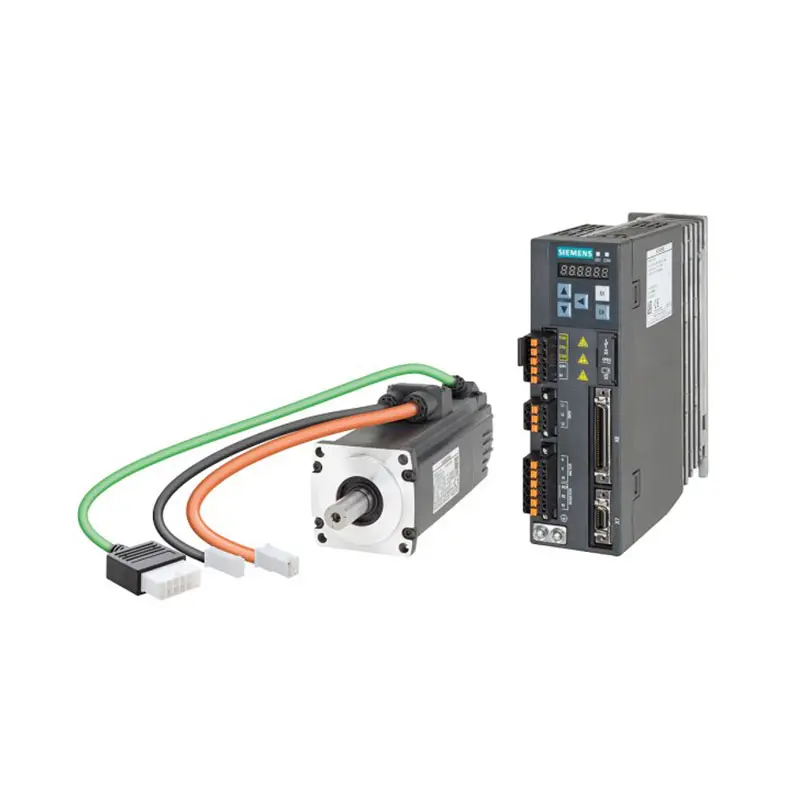
SIEMENS SINAMICS V90
SIEMENS SINAMICS V70 Low Voltage
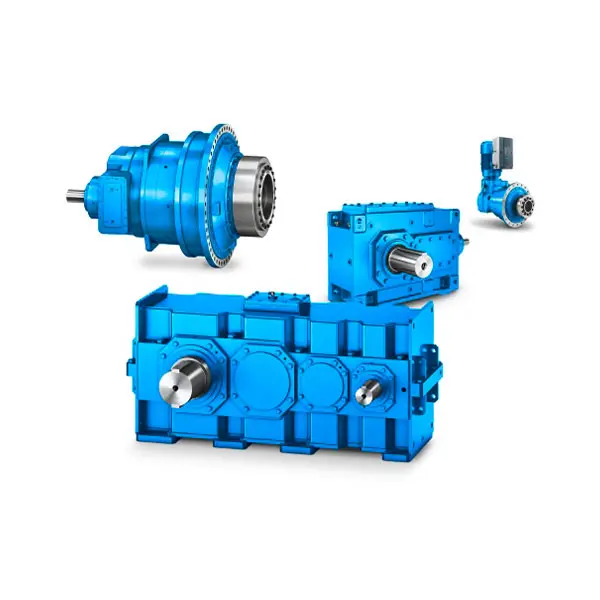
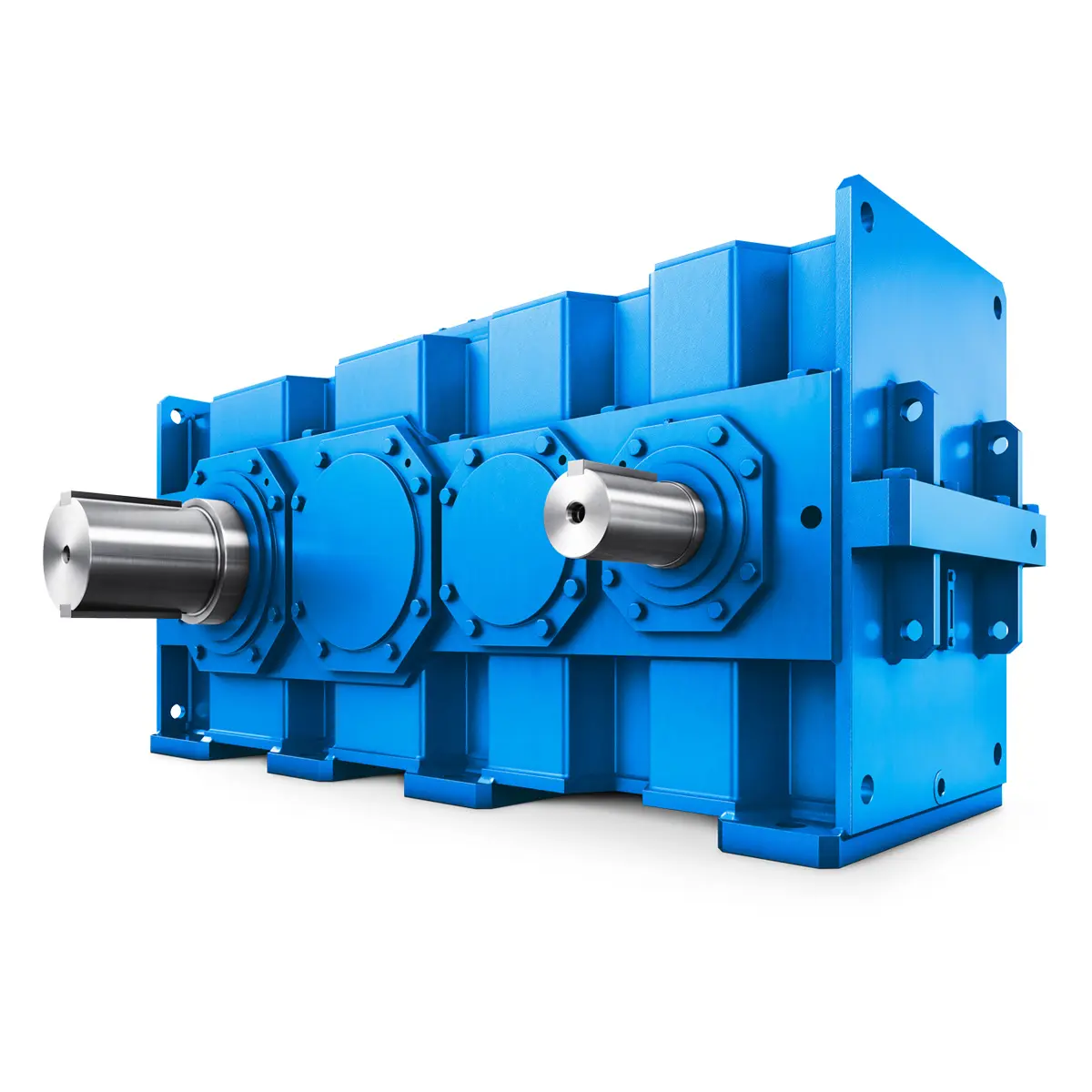
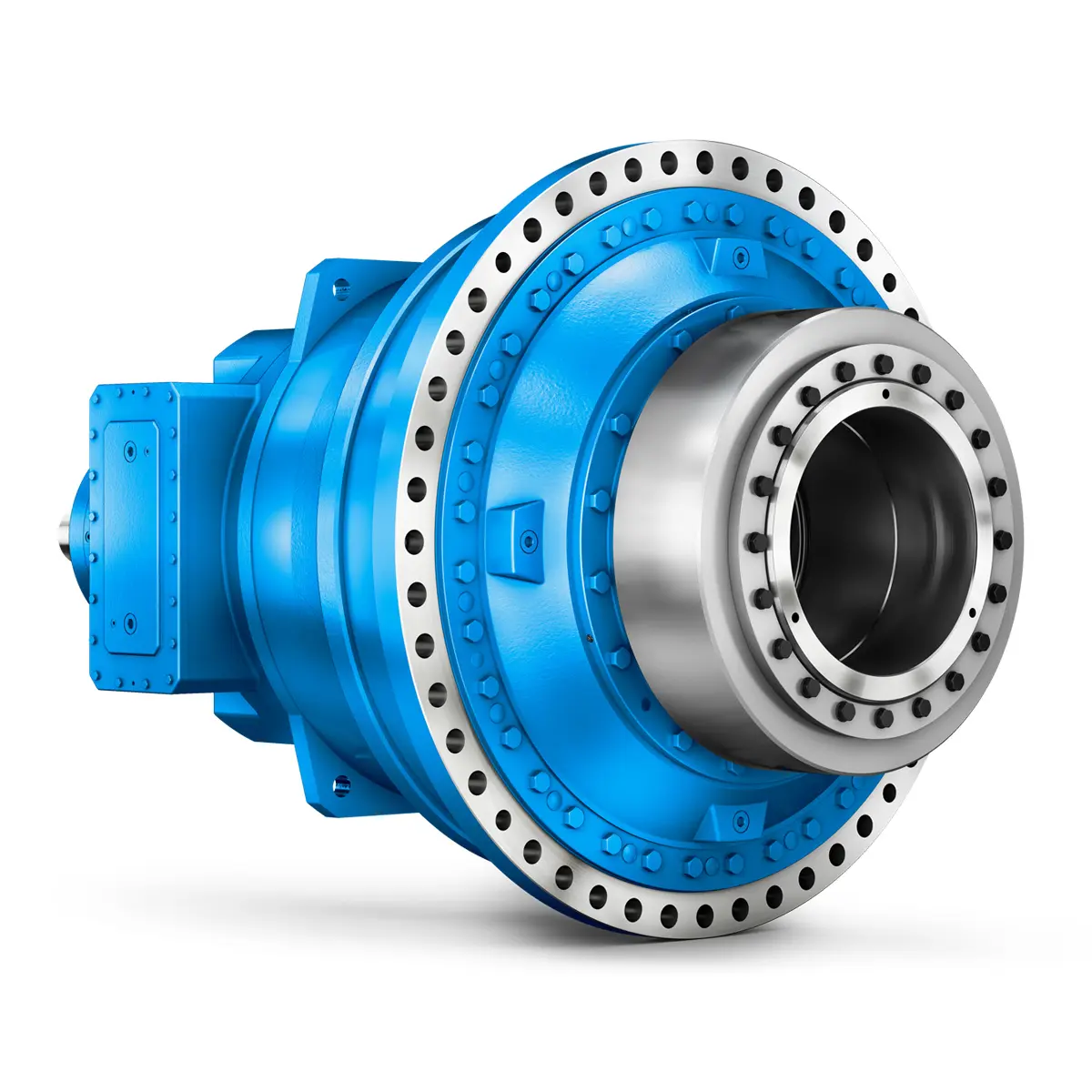
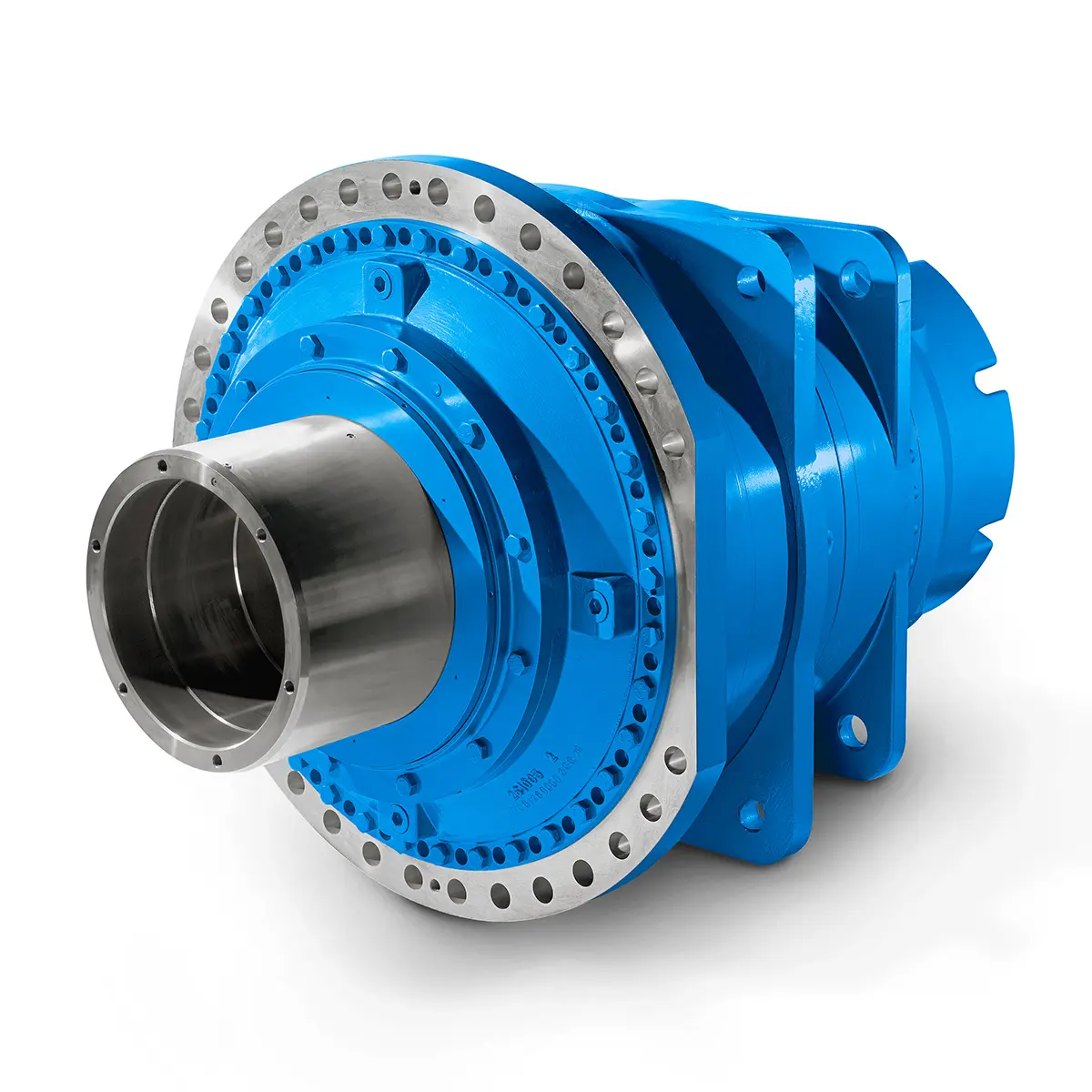
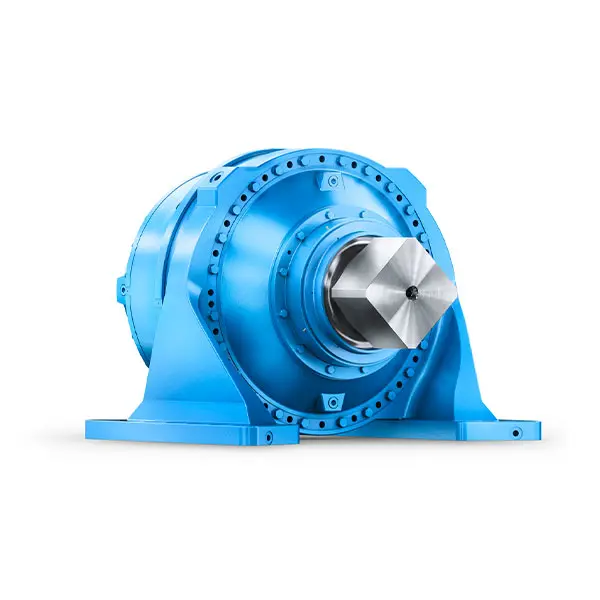
FLENDER Gear Unit
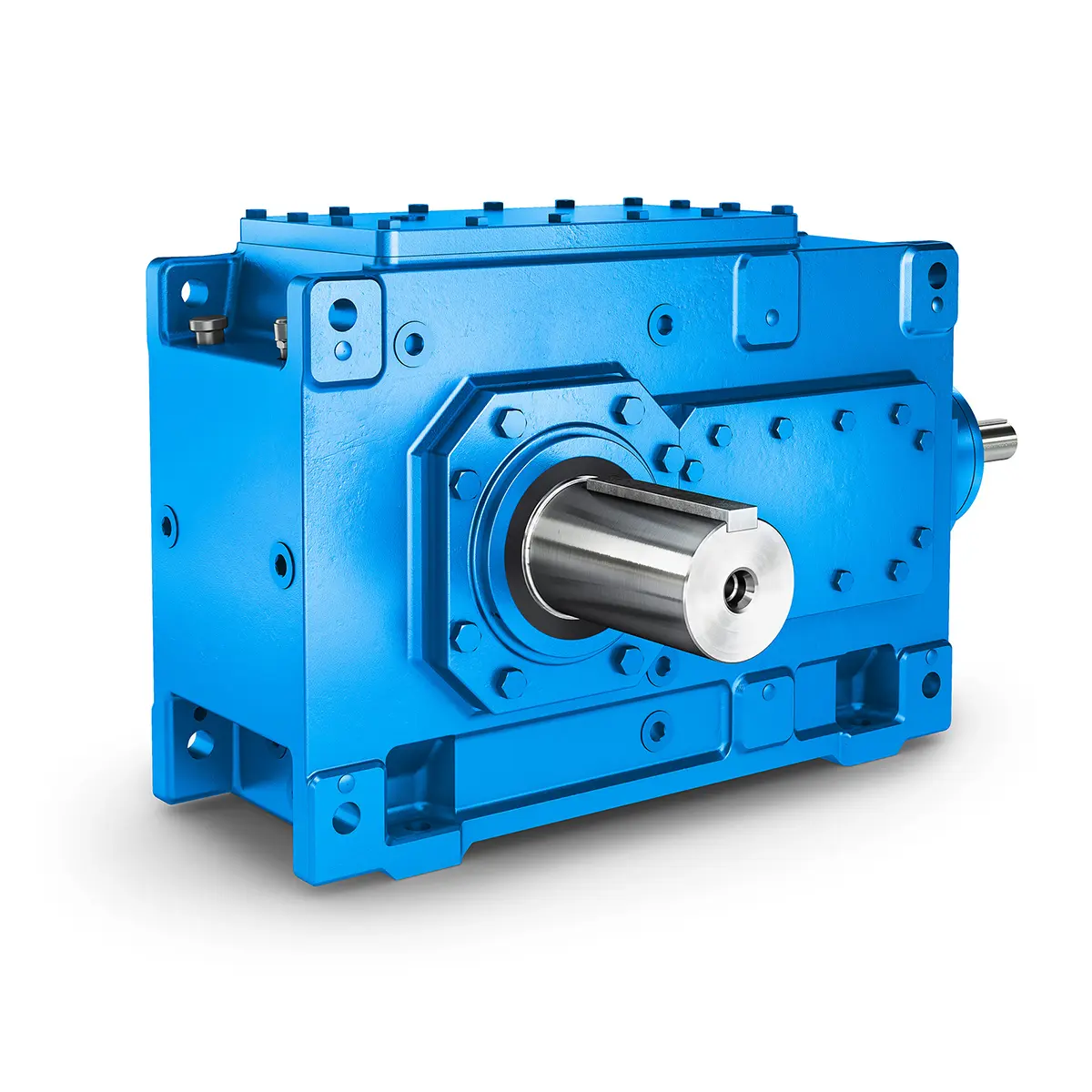
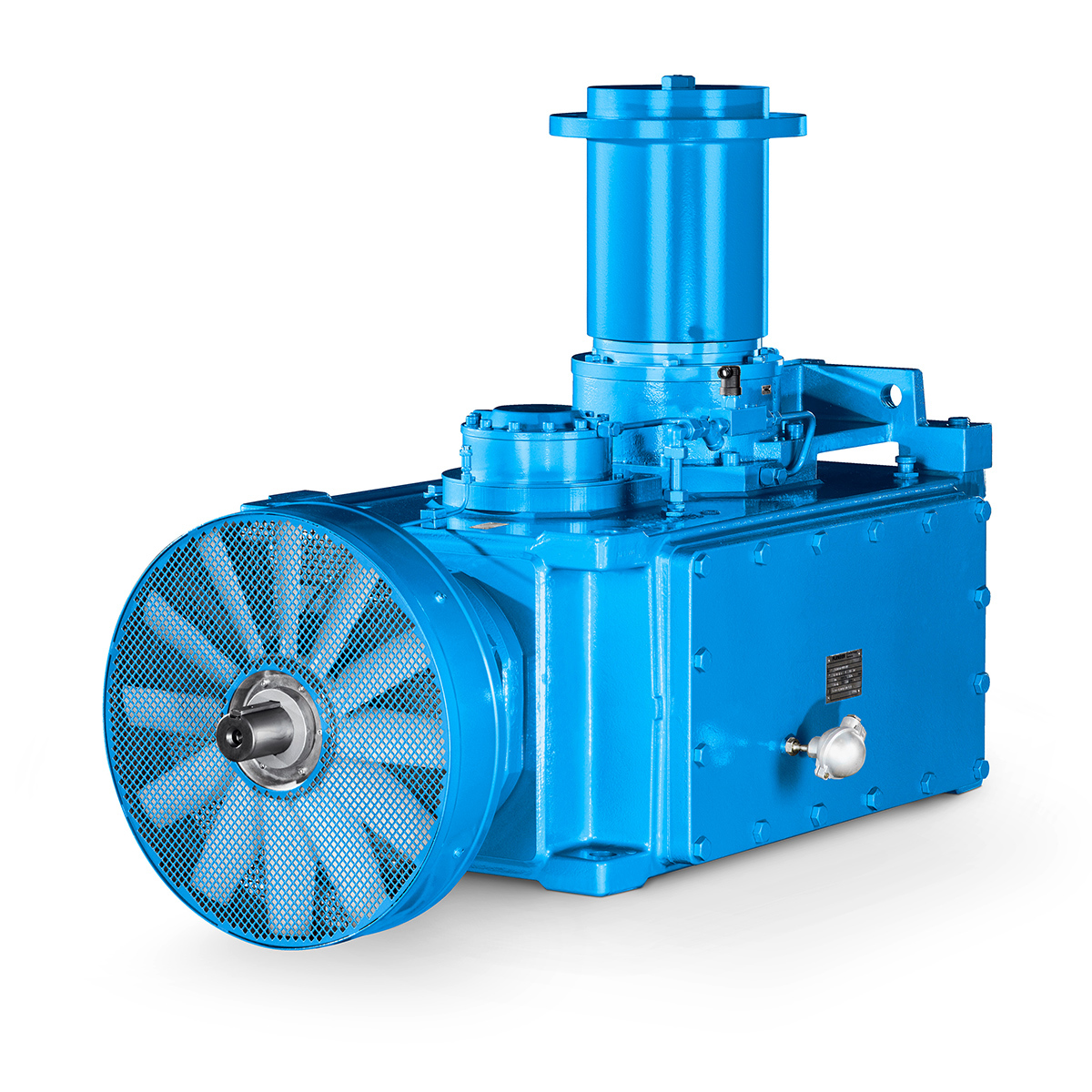
FLENDER Helical Gear Unit
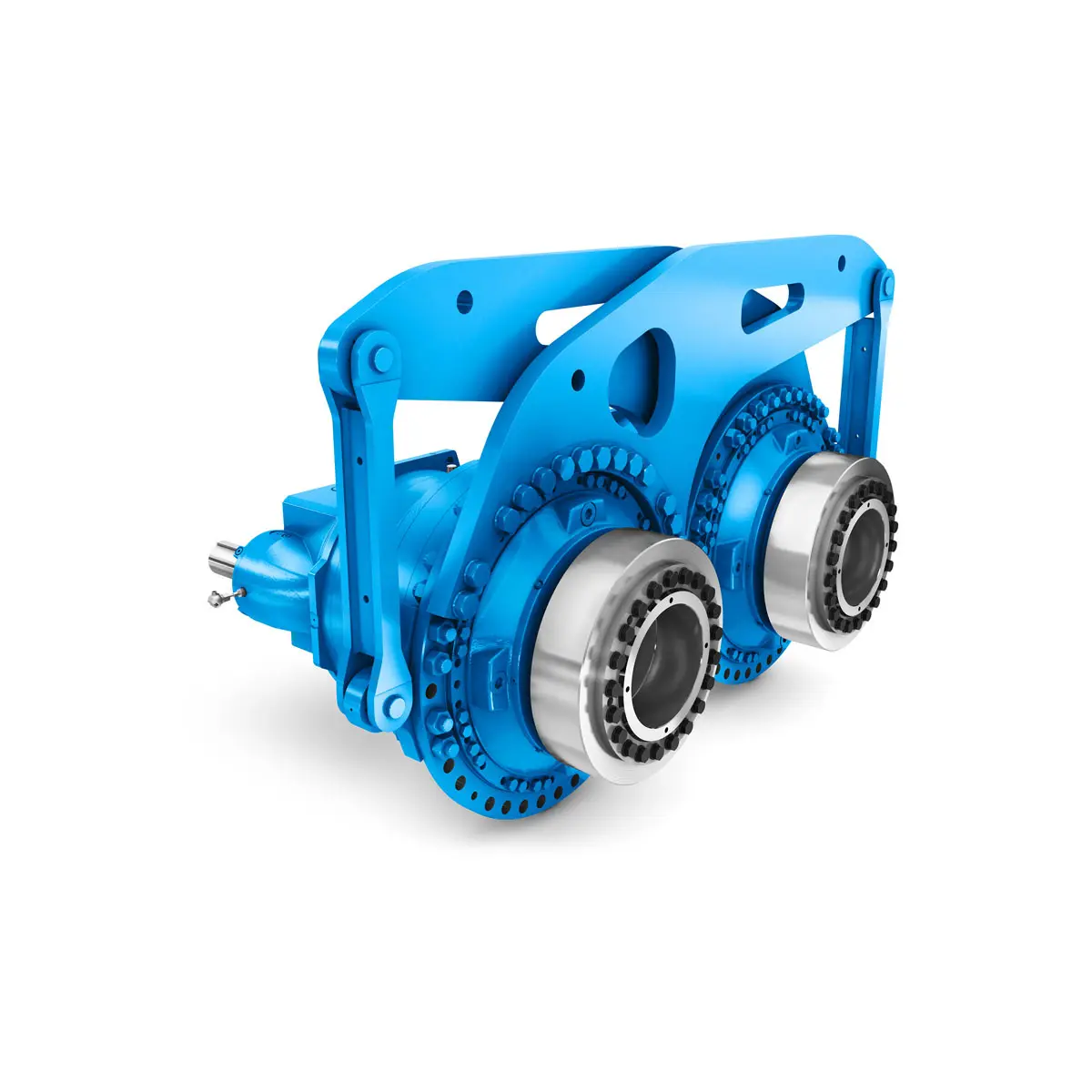
Flender gear units for lifting and luffing gears
FLENDER Gear Unit gearunit gearbox
Optimal Drive Solution For Maximum Performance
Strongly operating against biodegradable constituents
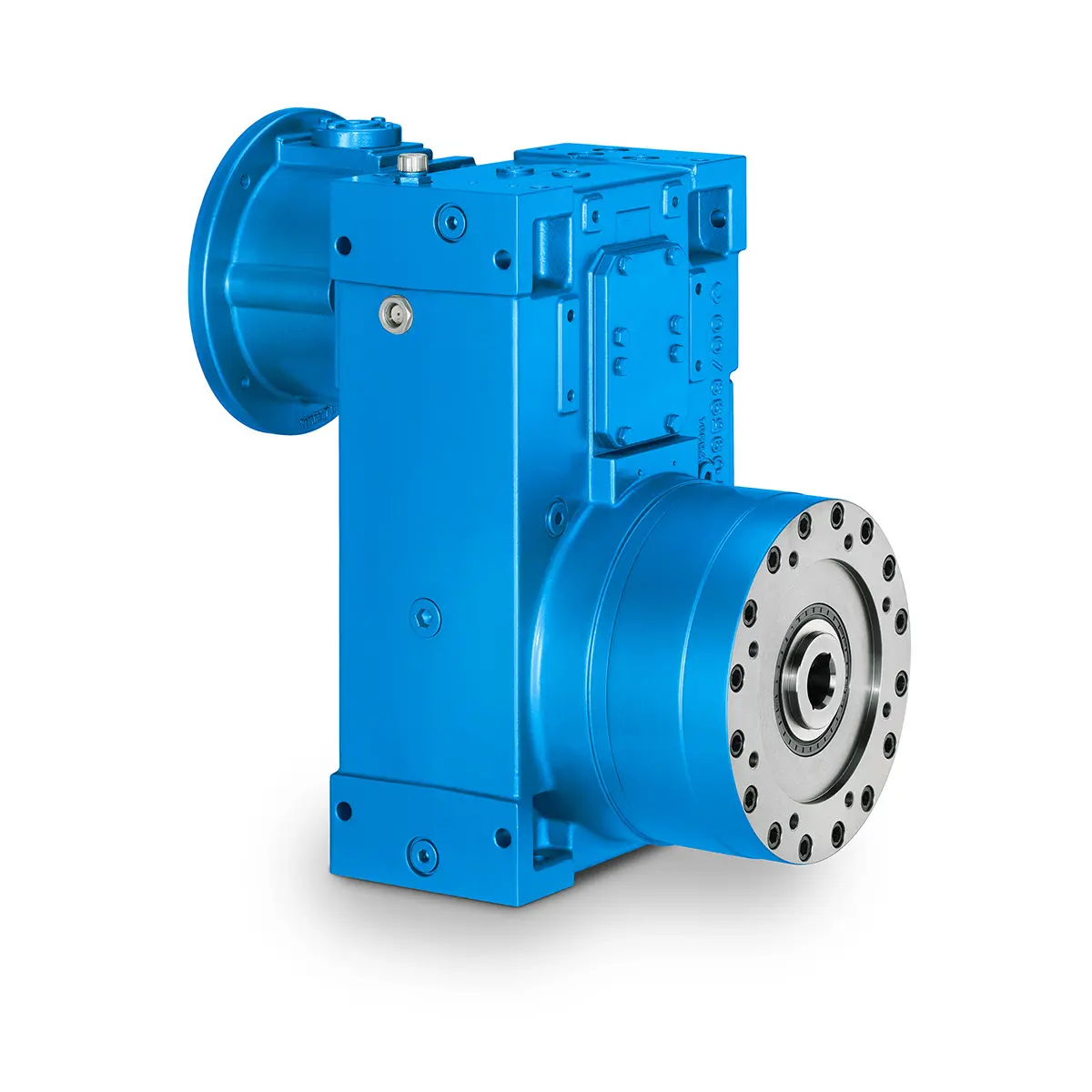
SINGLE SCREW Special industry dedicated gearunit gearbox
Playmaker In The Premium League
Conveyor belts gearunit gearbox
Paper And Pulp Preparation Sections
Operational Reliability Even In Case Of The Highest Ventilation Forces
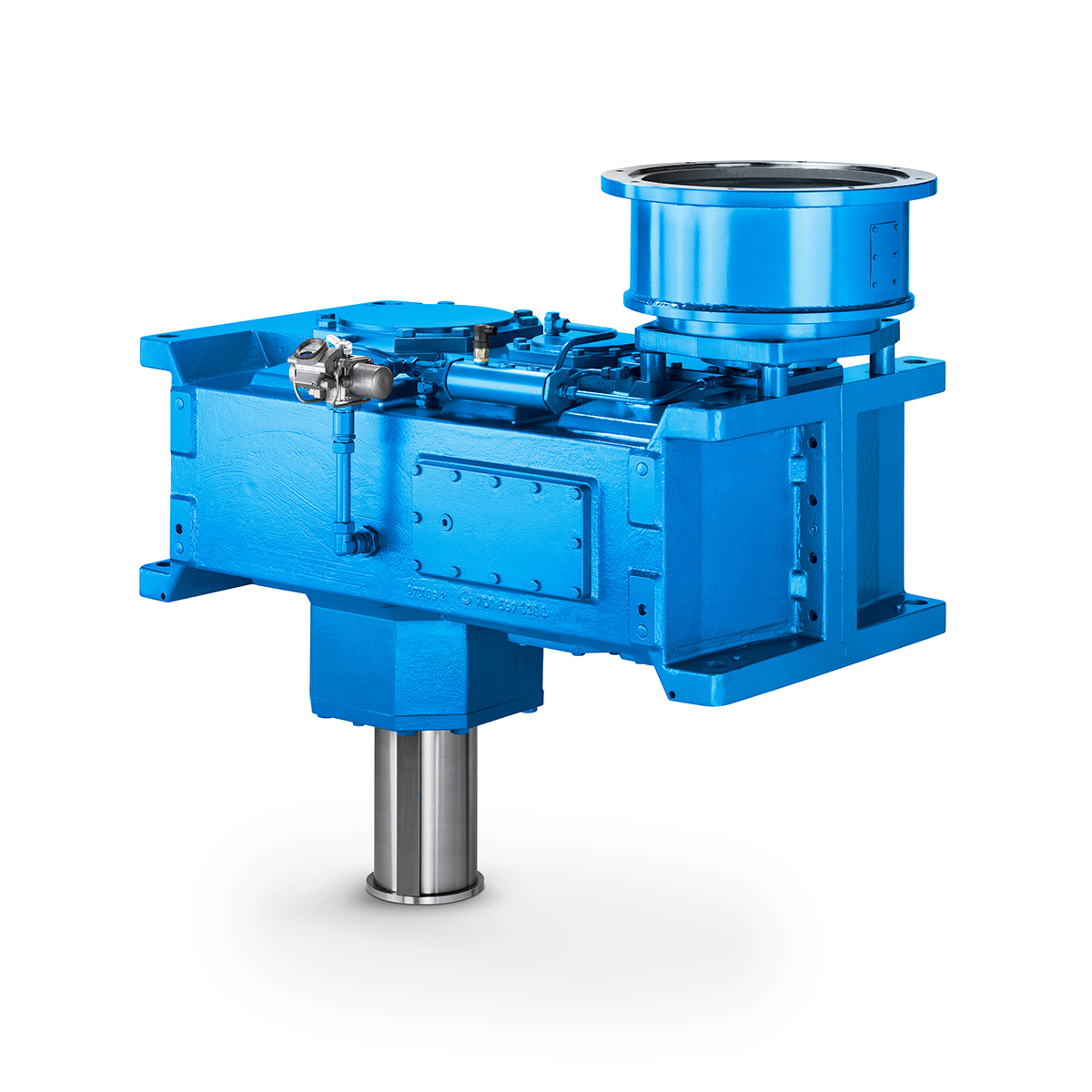
Reliable Gear Units For High Performance Vertical Conveyors 59/200
Maximum power density – PLANUREX 3 L individual drives for your sugar cane mill
The proven all rounder gearunit gearbox
Stirs and stirs and stirs gearunit gearbox
Flexibility on Board gearunit gearbox
The right gearbox for all Multi-Engine Ships
Reliable Power Generation on board
Maximum performance level, fast deliverable
Efficient and compact – FLENDER Gear Units for Sugar Mills
Extremely strong. Extremely compact. Extremely stressable.
FLENDER Coupling
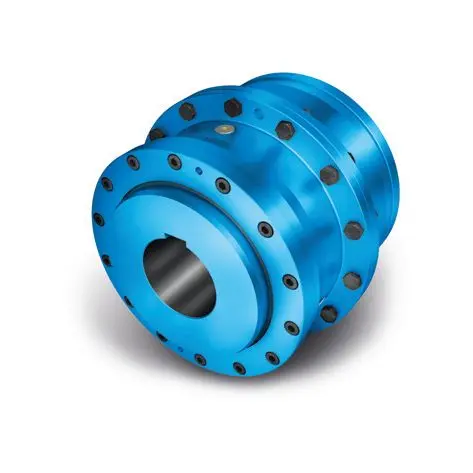
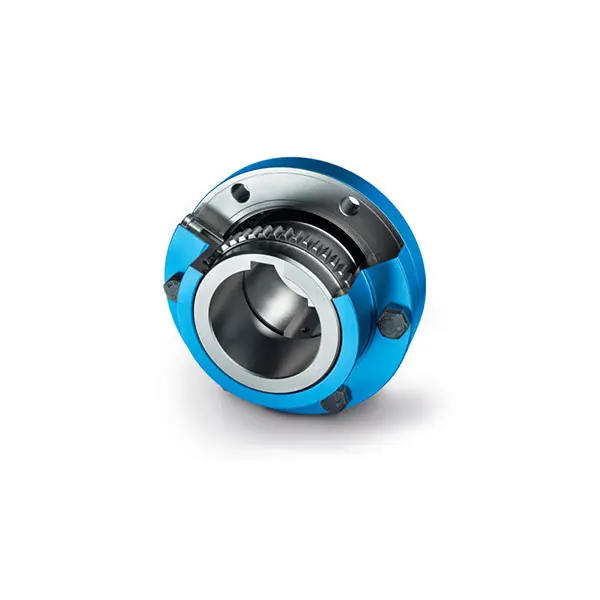
ZAPEX ZW Torsionally Rigid Gear Coupling
ZAPEX ZN Torsionally Rigid Gear Coupling
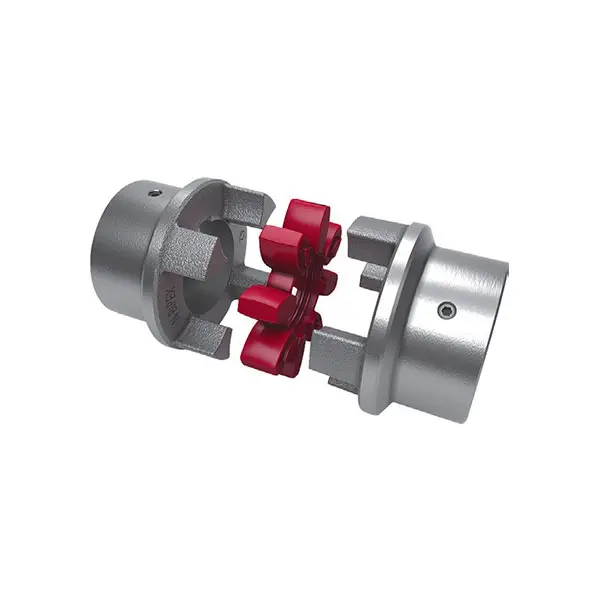
N-EUPEX Flexible high performance Coupling
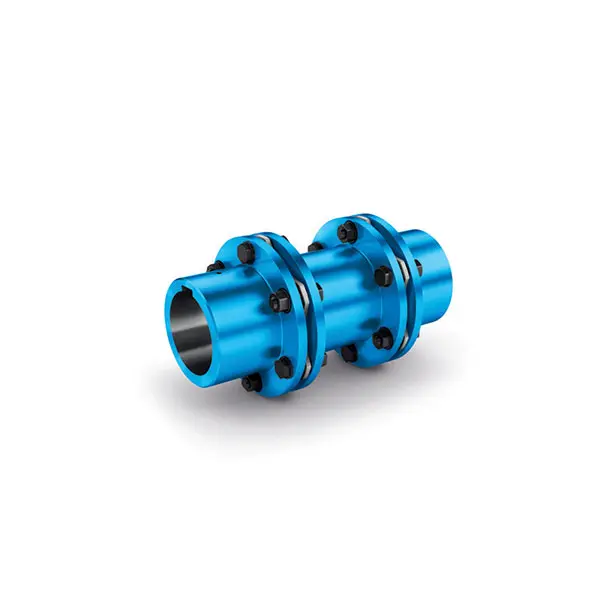
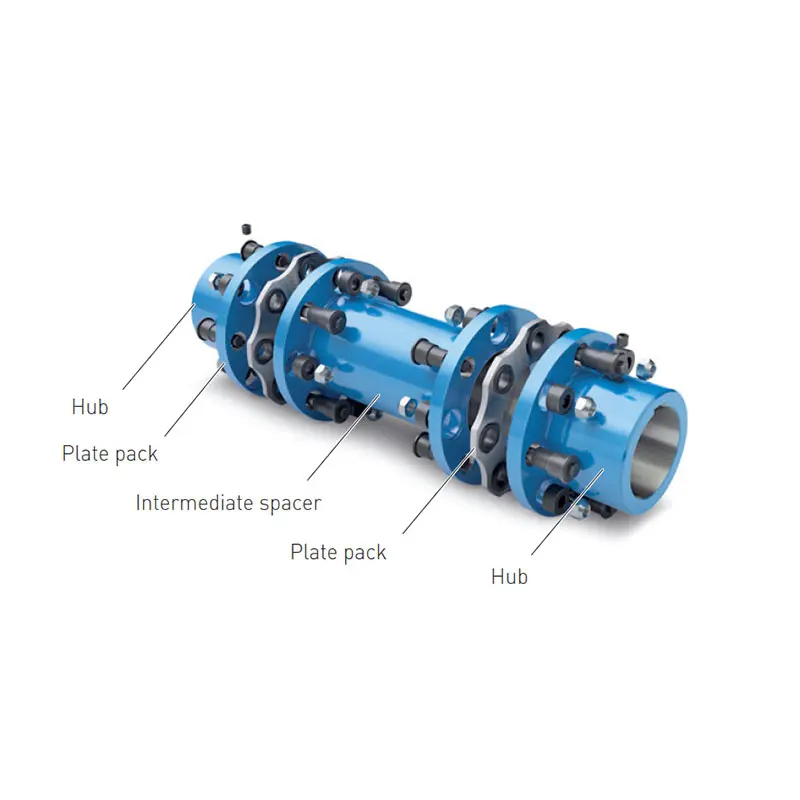
N-ARPEX Torsionally Rigid All-Steel Coupling
ARPEX Torsionally Rigid All-Steel Coupling Spare and Parts
N-EUPEX DS Flexible High Performance Coupling
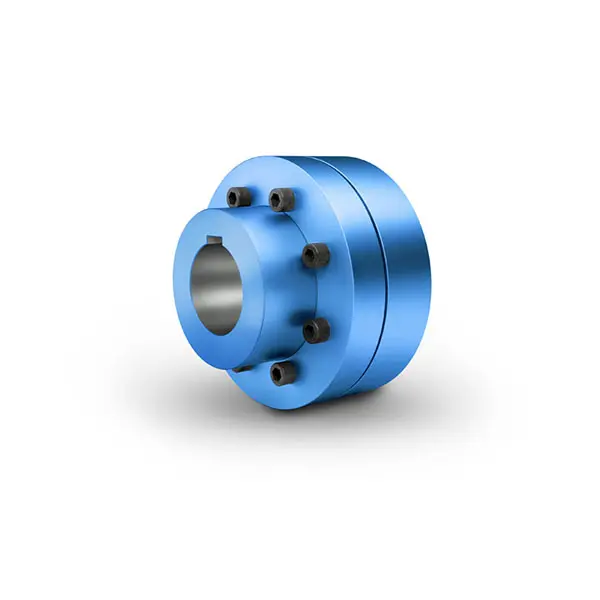
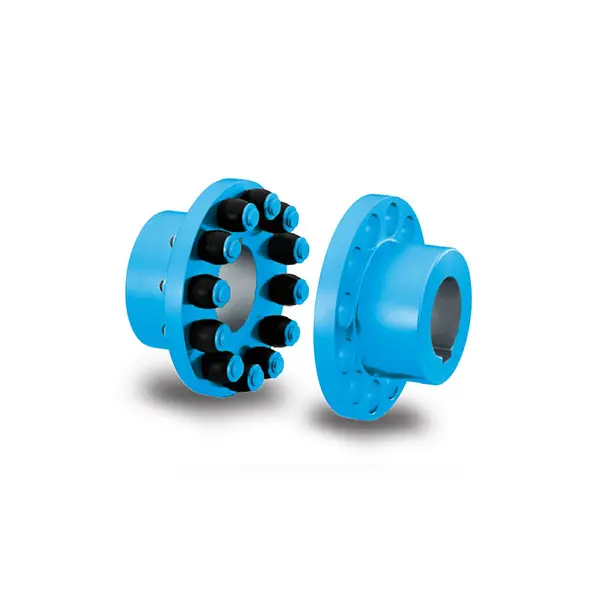
RUPEX Flexible high performance Coupling
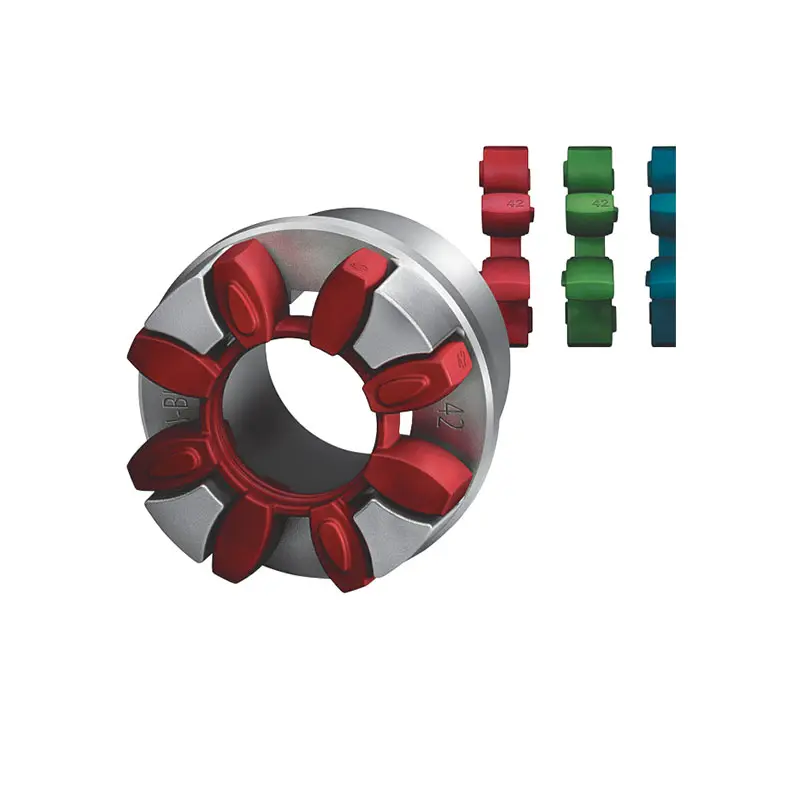
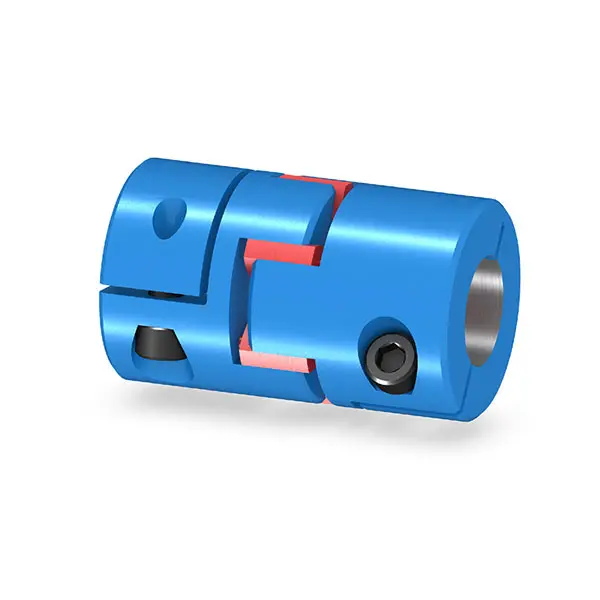
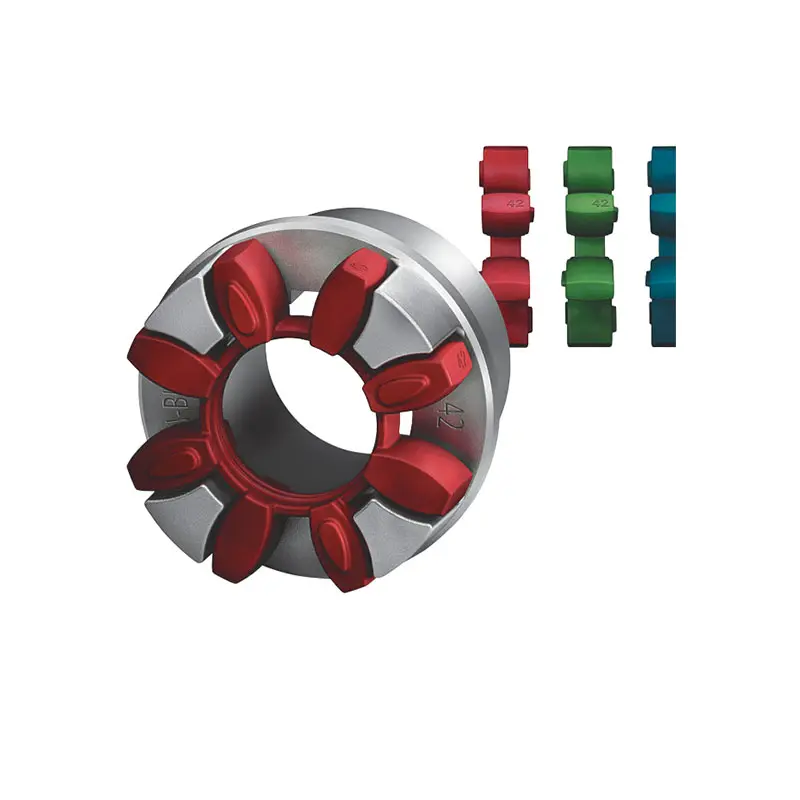
N BIPEX Flexible high performance coupling
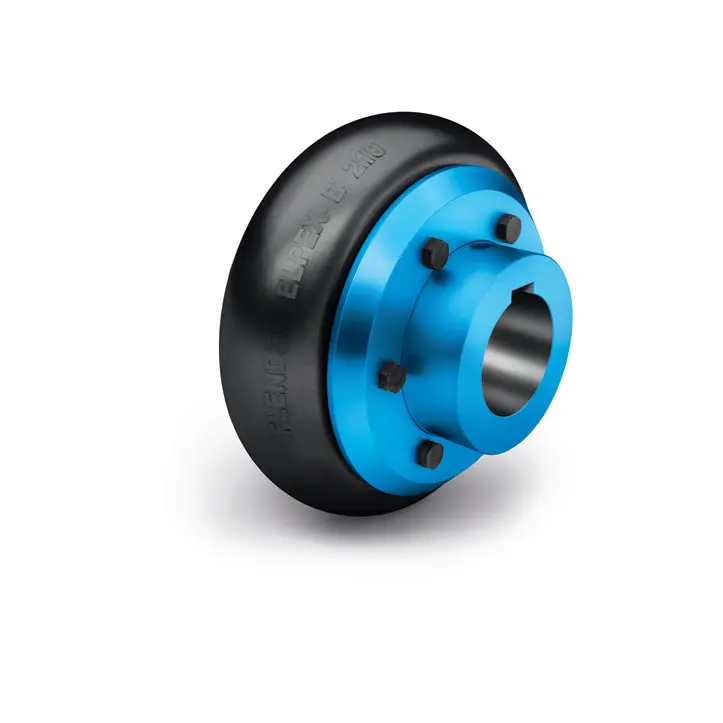
ELPEX B Highly Flexible Coupling
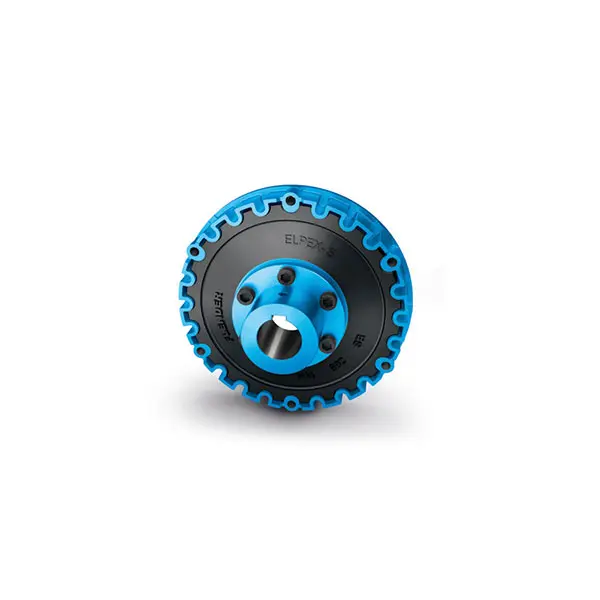
ELPEX S Highly Flexible Coupling high performance
ELPEX Highly Flexible Coupling high performance
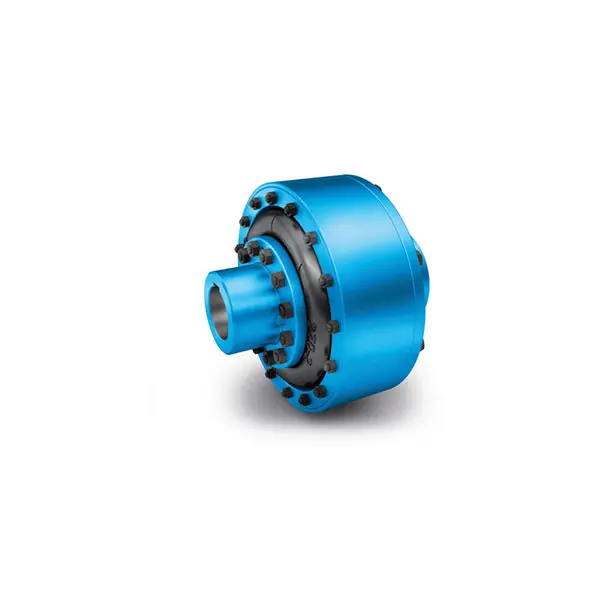
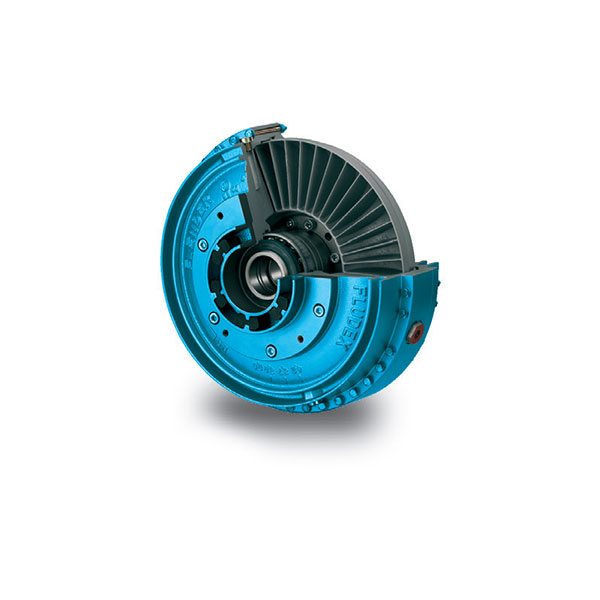
FLUDEX Fluid Coupling high performance
SIPEX Backlash free Coupling high performance
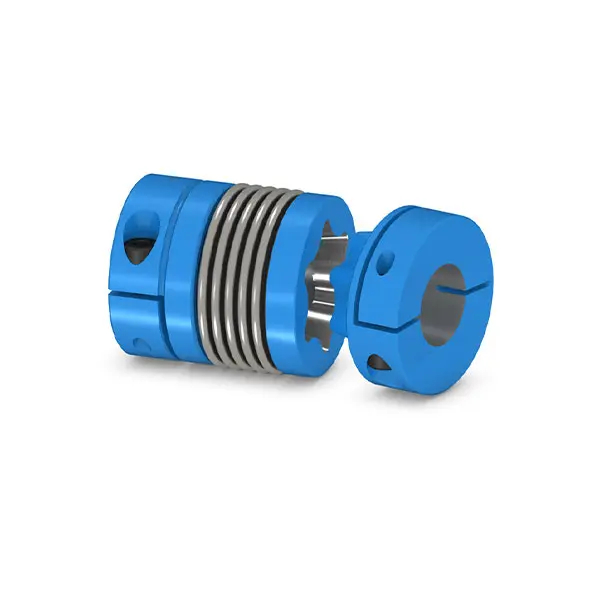
BIPEX S Backlash free Coupling high performance
FLENDER Coupling Spare Parts high performance
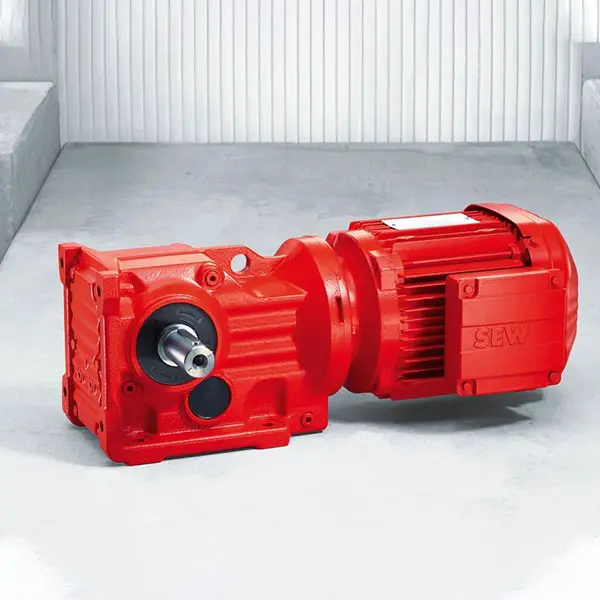
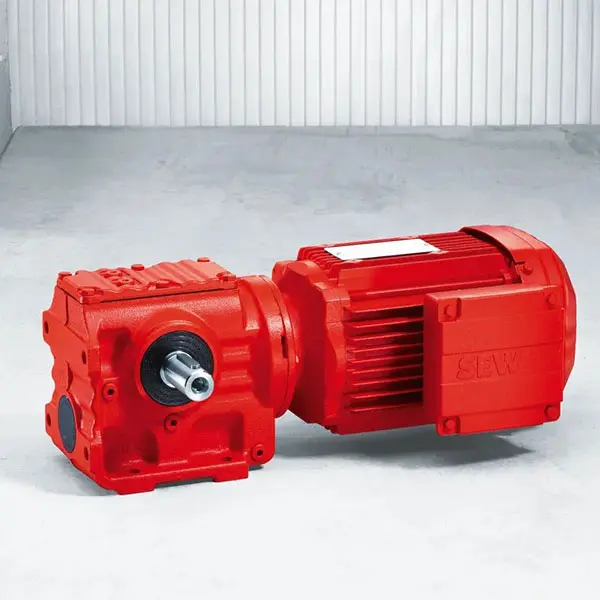
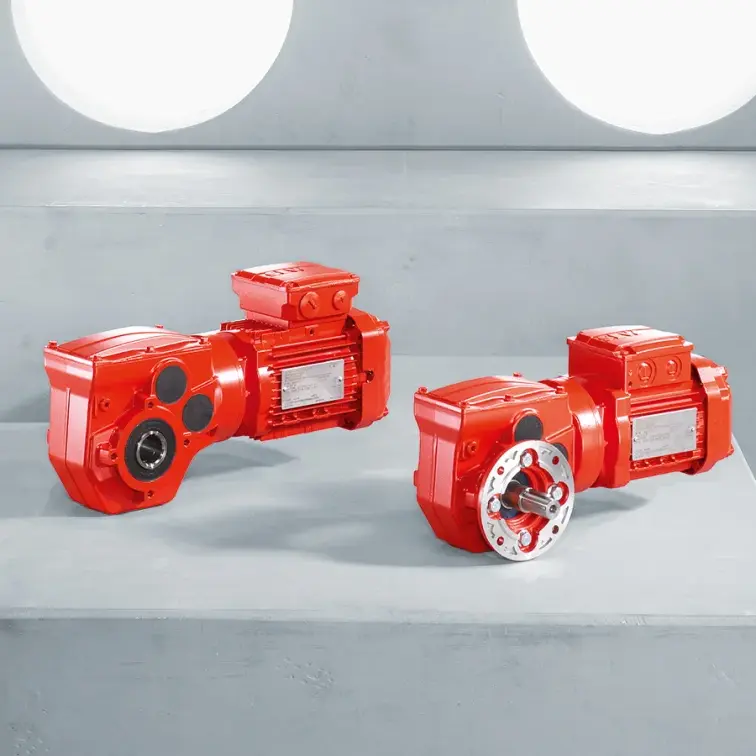
SEW Gearmotor
Choosing a reliable Bucket Elevator Gearbox manufacturer requires more than comparing catalog prices. The right supplier must understand vertical conveying, shock loads, starting torque, and continuous material flow. This guide introduces China’s top 10 manufacturers through practical selection criteria, not marketing claims alone. It considers gearbox design, load capacity, reduction ratios, sealing systems, thermal performance, and maintenance support.
Real applications often reveal the difference. A gearbox operating beneath a dusty grain elevator faces different demands from one handling cement, fertilizer, or minerals. Engineers should examine lubrication access, housing strength, shaft alignment, brake compatibility, and spare-parts availability. Factory audits, technical drawings, test records, and customer feedback can provide valuable evidence. Service response also matters when a production line stops unexpectedly.
No ranking is perfect. A manufacturer may offer excellent customization but limited overseas support. Another may provide fast delivery yet fewer heavy-duty options. This article recognizes those trade-offs and explains where each company may perform best. It also encourages buyers to verify specifications independently, especially rated torque, service factor, operating temperature, and installation conditions. Small details matter. A carefully selected supplier can improve uptime, reduce vibration, and extend equipment life. However, even a reputable manufacturer cannot compensate for incorrect sizing or poor alignment. This review aims to support informed decisions with balanced, practical, and verifiable information.
A bucket elevator gearbox converts motor speed into the controlled torque needed to lift bulk material vertically. Its input shaft receives high-speed rotation, while reduction gears increase torque at the drive shaft. The drive sprocket then moves the belt or chain, carrying buckets through the casing.
According to the U.S. Department of Energy, motor-driven systems consume more than half of industrial electricity in U.S. manufacturing. Efficient gearbox selection therefore affects both lifting reliability and operating cost.
Inside the gearbox, helical, bevel, or planetary gears work with shafts, bearings, seals, and an oil-filled housing. A torque arm supports the casing and limits reaction movement. A backstop can prevent reverse rotation when the elevator stops, especially with loaded buckets. Proper gear ratio depends on bucket speed, material density, elevator height, and motor power. Excessive speed may increase spillage and belt stress.
Keep it practical.
Industry guidance from CEMA emphasizes guarding, alignment, and controlled material flow in conveyor equipment. Vibration, oil temperature, and abnormal noise provide useful maintenance clues. In field inspections, a small oil leak often appears before bearing damage becomes obvious.
That detail is easy to ignore. Thermal imaging and vibration reports can reveal misalignment earlier, although readings still need experienced interpretation. Some selection charts simplify conditions too much; dusty environments, frequent starts, and uneven loading deserve closer review.
China Top 10 Bucket Elevator Gearbox Manufacturers should be assessed by evidence, not rankings alone. A 2024 MarketsandMarkets report valued the global industrial gearbox market at approximately USD 28 billion. It also projected steady growth through 2029. This growth increases supplier choices, but also creates more inconsistent quality. Buyers should verify torque ratings, service factors, thermal capacity, and gear tooth calculations against ISO 6336 or equivalent standards.
For bucket elevators, load variation matters. A gearbox may face dusty conditions, frequent starts, and sudden material blockages. Ask for test records covering vibration, oil temperature, noise, and continuous-load endurance. Request the actual inspection report, not a polished brochure. Material certificates and heat-treatment records deserve equal attention. ISO 9001 certification supports process control, but it does not prove every gearbox performs well. That distinction is easy to miss.
Supplier reliability also includes delivery data. Compare quoted lead times with the previous twelve months of shipment records. Check spare-parts availability, warranty response, installation guidance, and remote troubleshooting. The International Energy Agency continues to identify industrial motor systems as major electricity users, so efficiency and correct sizing affect operating cost. I would calculate total cost over five years, not purchase price alone. Still, laboratory results can miss field dust and operator mistakes. A pilot unit under real elevator conditions may reveal more than another certificate.
The following table presents ten practical, evidence-based criteria for comparing Chinese bucket elevator gearbox manufacturers. The benchmarks refer to commonly used industrial requirements and should be verified against the supplier’s current technical documents, test records, and commercial offer.
| No. | Evaluation Criterion | Suggested Weight | Practical Benchmark | Documents or Data to Request | Priority |
|---|---|---|---|---|---|
| 1 | Application Experience | 15% | Demonstrated experience with bucket elevators, conveyors, mining equipment, cement plants, grain handling, fertilizer, or other high-load bulk-material systems. | Application references, duty descriptions, installation photographs, operating hours, maintenance records, and similar-load case studies. | Very High |
| 2 | Load and Torque Capability | 15% | Rated output torque, service factor, radial load, axial load, and starting torque must exceed the bucket elevator’s calculated operating requirements. | Selection calculation, torque-speed curves, service-factor basis, shaft-load limits, and gearbox sizing sheet. | Very High |
| 3 | Gearbox Configuration | 12% | Suitable options may include helical, bevel-helical, parallel-shaft, planetary, or right-angle arrangements, depending on layout, torque, and installation constraints. | General arrangement drawings, gear-stage description, mounting positions, shaft dimensions, and allowable installation orientations. | Very High |
| 4 | Efficiency and Thermal Performance | 10% | The supplier should provide rated efficiency, thermal rating, oil-temperature limits, cooling requirements, and performance data for continuous-duty operation. | Efficiency data, thermal-capacity calculations, oil recommendations, cooling-fan details, and temperature-rise test results. | Very High |
| 5 | Manufacturing Quality System | 10% | A documented quality-management system based on ISO 9001 principles, traceable inspection procedures, and controlled nonconformance handling. | Valid quality certificate, audit report, inspection plan, calibration records, material traceability procedure, and corrective-action records. | Very High |
| 6 | Materials and Heat Treatment | 10% | Gears and shafts should use documented alloy-steel grades with controlled carburizing, nitriding, induction hardening, or other specified heat-treatment processes. | Material certificates, hardness reports, case-depth records, metallographic reports, and gear-tooth inspection results. | Very High |
| 7 | Testing and Inspection Capability | 10% | Routine inspection should cover dimensions, backlash, noise, vibration, oil leakage, no-load running, and load or endurance testing when specified. | Factory acceptance test format, inspection checklist, vibration readings, noise records, run-test data, and final inspection report. | Very High |
| 8 | Customization and Interchangeability | 7% | The manufacturer should be able to match motor interfaces, output shafts, hollow-bore dimensions, backstops, torque arms, brakes, couplings, and mounting arrangements. | Approved drawings, interface-control documents, tolerance tables, change-control procedure, and sample customized assembly drawings. | High |
| 9 | Standards and Export Compliance | 6% | Products should be supplied with applicable technical documentation and, where required, conformity information for the destination market, electrical equipment, and machinery installation. | Declaration of conformity where applicable, product standards list, user manual, risk information, nameplate details, and export documentation samples. | High |
| 10 | After-Sales Support and Spare Parts | 5% | Clear warranty terms, recommended lubrication intervals, spare-parts availability, troubleshooting guidance, and responsive technical support should be available. | Warranty policy, spare-parts list, recommended-maintenance schedule, service-response commitment, and technical-support contact process. | High |
China’s Top 10 Bucket Elevator Gearbox Manufacturers should be assessed by engineering evidence, not factory size alone. MarketsandMarkets estimates the global industrial gearbox market could grow from about USD 27 billion in 2023 to over USD 35 billion by 2028. This growth increases demand for reliable vertical conveying drives.
The strongest Chinese manufacturers usually provide torque calculations, thermal ratings, and documented load tests. Buyers should check ISO 9001 systems, GB compliance, sealing quality, and spare-parts availability.
A bucket elevator gearbox often works under dusty conditions, repeated starts, and uneven material flow. Practical inspections should include backlash, oil temperature, shaft alignment, and vibration near the output bearing.
Small details matter.
Manufacturers in the top ten should also support customized ratios, hollow or solid shafts, and low-speed high-torque operation. Reports from MarketsandMarkets and Grand View Research connect industrial gearbox demand with automation, bulk handling, and energy-efficiency upgrades.
However, rankings can mislead when they rely only on export volume or online visibility. A supplier with fewer shipments may offer stronger technical support. That point deserves more testing. Buyers should compare two years of failure records, not only catalog specifications. A clear warranty, traceable materials, and responsive engineers remain better evidence than attractive claims.
China Top 10 Bucket Elevator Gearbox Manufacturers
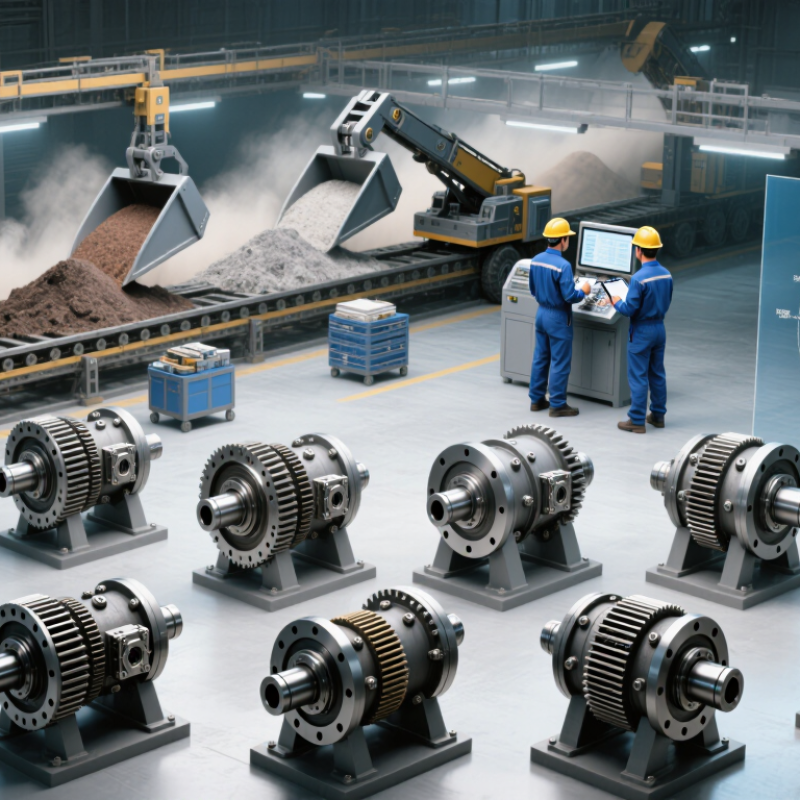
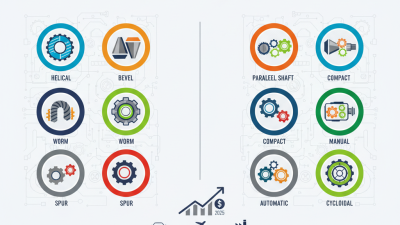
Comparing the top ten manufacturers requires more than checking catalog size. Product ranges usually include helical, bevel-helical, planetary, and right-angle gearboxes. Each design serves different lifting loads and installation limits. Helical units suit moderate grain handling and compact layouts. Planetary gearboxes handle heavier loads with higher torque density. Bevel-helical models often fit elevators requiring vertical drive alignment. Performance depends on rated torque, speed stability, thermal capacity, sealing, and bearing life. A gearbox may show excellent efficiency, yet poor cooling can shorten service life in dusty plants.
Industry application changes the selection. Grain facilities prioritize low noise, food-safe lubricants, and reliable continuous operation. Cement plants need shock resistance, strong housings, and seals against abrasive dust. Mining elevators demand high torque, backstops, and durable bearings. Waste-processing systems may require corrosion protection and flexible maintenance access. Testing should include starting torque, vibration, oil temperature, and emergency stopping behavior. One overlooked detail is service access. A difficult oil change can increase downtime.
Tips: Match gearbox torque to actual loaded starts, not average running power. Check the motor, coupling, shaft, and elevator chain together. Ask for load-test records and maintenance guidance. Do not rely only on efficiency figures. Installation errors can create noise, heat, and premature wear. A broader product range is not automatically better. Some specifications remain unclear until field conditions appear. This comparison should be reviewed against material density, bucket spacing, daily operating hours, ambient temperature, and local service capability.
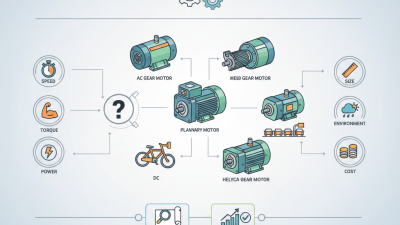
Selecting the right Chinese gearbox manufacturer requires more than comparing prices. Start with the bucket elevator’s load, speed, lifting height, and operating hours. Ask for torque calculations, not general promises. A reliable supplier should explain its gear design, bearing selection, sealing method, and service factor in clear technical language.
Factory verification matters. Review machining equipment, heat-treatment records, inspection tools, and assembly procedures. Request test reports for noise, vibration, temperature rise, and running performance. Check whether production records trace each gearbox from raw material to final inspection. Photos help, but an independent factory audit provides stronger evidence. It costs time. It can prevent expensive failures.
Communication also reveals engineering maturity. Send the supplier your duty cycle, material temperature, installation position, and maintenance conditions. Evaluate the technical drawing before approving production. Confirm spare-part availability, warranty terms, delivery capacity, and export documentation. A manufacturer with relevant elevator experience should identify risks you overlooked. My first comparison focused too heavily on unit cost. That was a mistake. The cheaper gearbox later required more alignment work and longer commissioning. Leave room for doubt. A careful selection often values consistent quality over the lowest quotation.
When comparing Chinese gearbox manufacturers, buyers should evaluate technical suitability, reliability, compliance, customization capability, delivery performance, and total cost rather than relying on brand visibility alone.
The chart presents a practical procurement weighting model for screening bucket elevator gearbox suppliers. The percentages represent evaluation priorities and are not company rankings or manufacturer-specific performance claims.