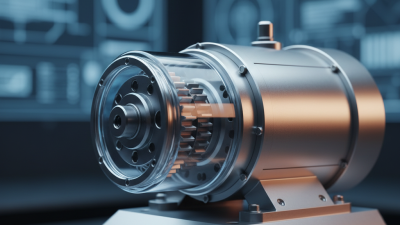
China Top 10 Gearedmotor Manufacturers for Global Buyers
Choosing a Gearedmotor for international machinery is not simply a price comparison. Buyers must examine torque, speed ratio, duty cycle, efficiency, noise, thermal limits, and mounting dimensions. A compact unit may look attractive on a quotation, yet fail under continuous load or dusty factory conditions. That weakness matters.
Dr. Rainer Blickle, an experienced industrial-drive executive, offers a useful principle: “A drive proves its quality when the machine is under pressure.” This idea shapes our review of China’s leading gearedmotor manufacturers. We consider production experience, engineering capability, testing systems, export performance, and after-sales support. Documentation quality also matters. Clear drawings, performance curves, lubrication details, and certification records reduce costly misunderstandings for global buyers.
The selected companies serve many applications, including conveyors, packaging lines, warehouse systems, food-processing equipment, and automated production cells. Their products may include helical, worm, bevel, planetary, and parallel-shaft gearedmotors. Each design has practical strengths and limits. Worm units can offer economical right-angle transmission, while helical and bevel designs often provide higher efficiency. The best choice depends on the machine, not the brochure.
This guide is useful, but not perfect. Manufacturer data can vary by test conditions, and some published figures need independent verification. Buyers should request samples, load calculations, factory audit details, warranty terms, and realistic delivery schedules. A low purchase price is only one part of ownership cost. Reliable performance, replacement availability, and technical communication often decide whether a gearedmotor becomes a long-term asset or an expensive lesson.
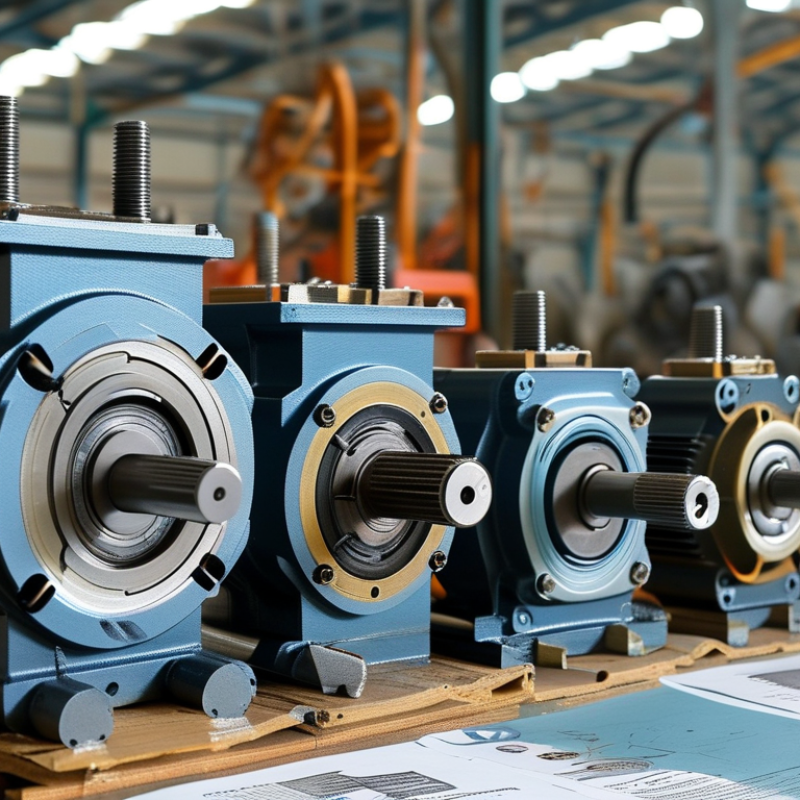
Geared Motor Fundamentals: Torque, Speed, Ratios, and IEC Frame Sizes
For global buyers, a geared motor is not simply a motor with a gearbox attached. It is a matched system that trades speed for torque. Torque is the turning force. Output torque can be estimated with T = 9550P/n, using kilowatts and revolutions per minute. Gear ratio then reduces speed and increases torque, although gearbox efficiency, usually between 90% and 98%, reduces the final output.
The International Energy Agency’s Energy Efficiency 2023 report estimates that electric motor systems consume roughly half of global electricity. Small efficiency differences therefore matter across continuous-duty machinery. IEC 60034-30-1 defines efficiency classes such as IE3 and IE4, while IEC 60034-7 standardizes motor mounting and frame dimensions. An IEC frame size describes physical fit, not guaranteed power or torque. That distinction is easy to miss.
A practical selection begins with load torque, start-up demand, operating hours, ambient temperature, and duty cycle. A conveyor needing 120 Nm at 40 rpm may require a ratio near 36:1 from a 1,440 rpm motor. The calculation looks clean. Reality is less tidy. Shock loads, frequent starts, and poor lubrication can quickly consume the design margin. Buyers should verify shaft diameter, mounting position, thermal capacity, noise limits, and service factor with test data. A larger frame is not automatically safer. It may only add cost, weight, and wasted energy.
China’s Top 10 Gearedmotor Manufacturers by Product Range and Export Data
China’s Top 10 Gearedmotor Manufacturers by Product Range and Export Data
For global buyers, a useful top-ten review should measure more than factory size. It should compare product breadth, export consistency, and documented engineering capability. Public customs records can reveal shipment frequency, destination markets, and product categories. However, HS codes often combine different gear products. Rankings are therefore directional, not absolute.
The strongest Chinese manufacturers usually cover helical, worm, bevel, planetary, coaxial, and shaft-mounted geared motors. Some also supply brake motors, stainless-steel units, and customized assemblies. This range matters when one project needs conveyors, mixers, packaging lines, and lifting equipment. Look for IEC frame compatibility, declared torque curves, thermal class, IP protection, and tested duty ratings. A broad catalogue means little if drawings arrive late.
Export data can help separate regular suppliers from occasional traders. Check repeated shipments, destination diversity, and the stability of declared product descriptions over several years. Ask for recent test reports, sample traceability, spare-part policies, and references from comparable applications. Production experience shows in details: clean cable entries, accurate shaft tolerances, sealed bearings, and paint that survives humid ports. Not every high-volume exporter offers the best technical support. That is an inconvenient point. Buyers should verify factory capacity, inspection records, and actual lead times before trusting a ranking.
China’s Top 10 Gearedmotor Manufacturers: Product-Range Coverage
This chart compares the number of standardized IEC motor power ratings commonly covered across major geared-motor product families available to global buyers. Lower-power ranges are typically used in conveyors, packaging, robotics, and automation, while higher-power ranges support material handling, heavy machinery, and industrial processing. Company names, brands, and company-level export figures are intentionally excluded.
Efficiency Benchmark: IE3 and IE4 Motors Under IEC 60034-30-1
For global buyers, a gearedmotor should not be judged by motor efficiency alone. The IE3 or IE4 rating applies to the motor under defined testing conditions. It does not rate the gearbox, coupling, brake, or complete drive system. This distinction matters during factory selection.
Under IEC 60034-30-1, IE4 motors generally offer lower electrical losses than IE3 motors. The advantage is clearest during long operating hours and stable, well-loaded production. However, gearbox losses can reduce the final benefit. Low-load cycles, frequent starts, poor alignment, and inverter settings may change the result. Numbers can mislead.
A reliable evaluation should record input power, shaft torque, speed, duty cycle, and operating temperature. Ask for the motor efficiency test report, not only a catalog figure. Confirm whether the supplier reports motor-only performance or gearedmotor output efficiency. In practical audits, calibrated instruments reveal differences that brochures rarely show. A common mistake is comparing IE3 and IE4 purchase prices without calculating annual operating hours. I have seen this approach overlook gearbox losses and maintenance conditions. The better question is specific: how many kilowatt-hours will this exact gearedmotor consume at the real production load? Even this calculation needs review, because future speed changes or heavier loads can alter the payback.
Global Compliance Checklist: IP55, CE, RoHS, ISO 9001, and Warranty Terms
When comparing gearedmotor manufacturers, global buyers should verify compliance beyond a logo or product brochure. IP55 protection helps resist dust and low-pressure water jets, but it does not make a gearedmotor waterproof. Ask for test conditions, enclosure details, and the actual inspection report. A motor installed beside a washdown line may need stronger protection.
CE marking supports access to applicable European markets, yet it is not a general quality award. Request the Declaration of Conformity and confirm that the listed model matches the delivered unit. RoHS compliance should include material declarations or laboratory evidence. Small differences in cables, coatings, or connectors can affect the result. I have seen documents covering a product family, while the buyer ordered a modified version. That gap deserves attention.
ISO 9001 certification shows that a manufacturer operates a documented quality system. It does not guarantee every gearbox will run perfectly. Check the certificate scope, issuing body, and validity date. Warranty terms should clearly state duration, operating limits, excluded failures, spare-part support, and response time. Ask whether installation records and lubrication logs are required. A two-year warranty may sound strong, but unclear exclusions can reduce its practical value. Buyers should also request sample inspection data, noise readings, temperature limits, and load-test records. Missing evidence is not always proof of poor quality, but it is a reason to investigate further.

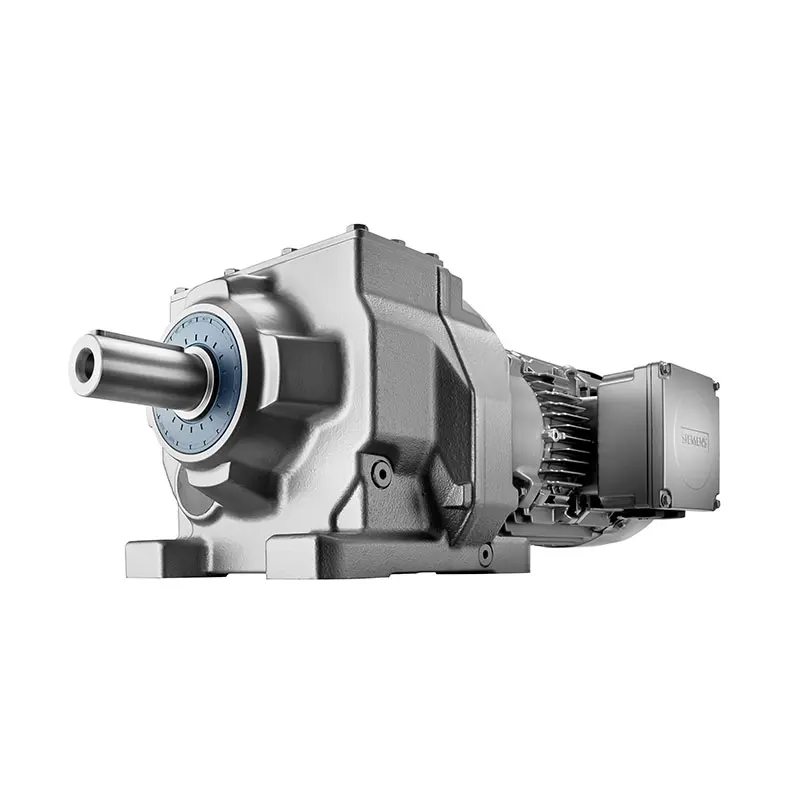 SIEMENS Helical Gearmotor Low Voltage
 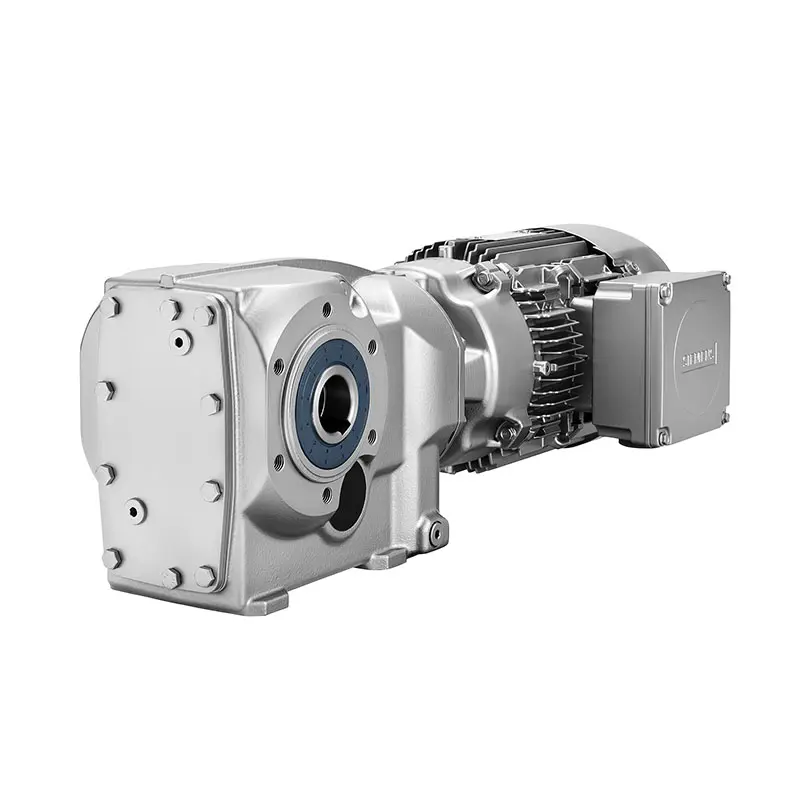 SIEMENS Bevel Helical Gearmotor
 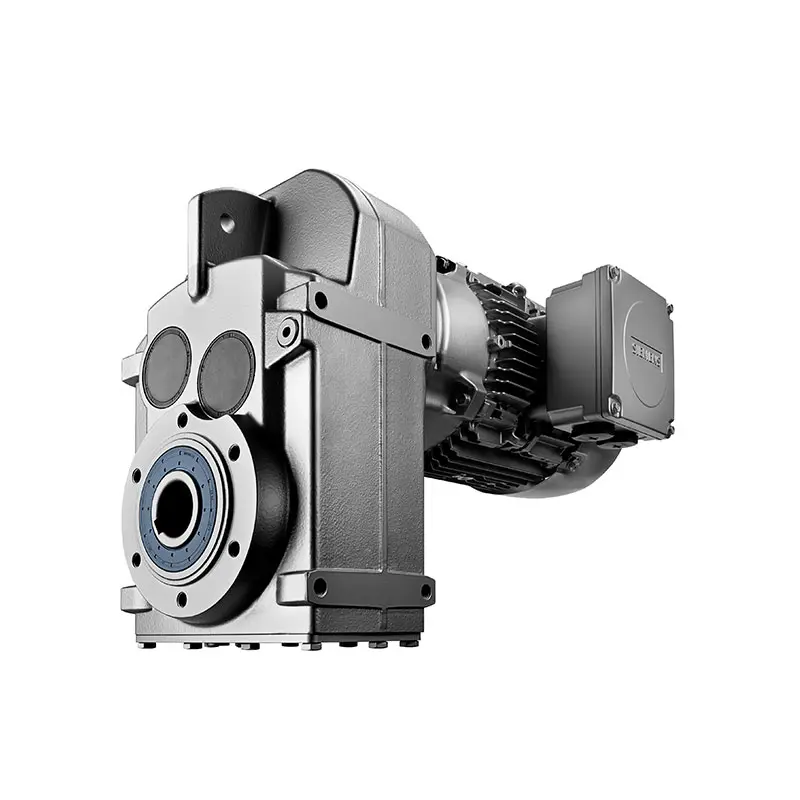 SIEMENS Parallel Shaft Gearmotor
 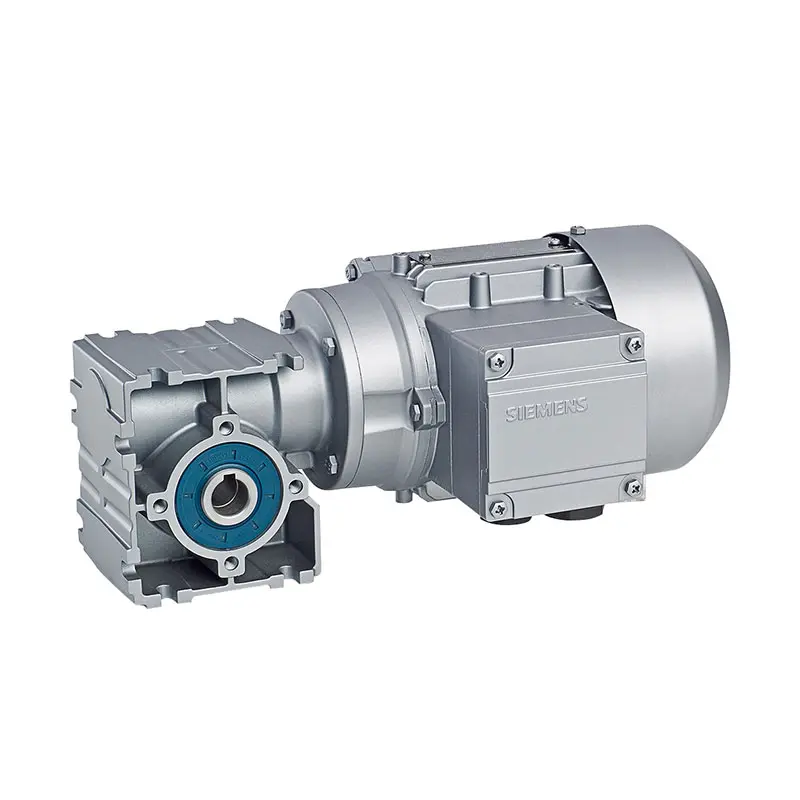 SIEMENS Worm Gearmotor Low Voltage
 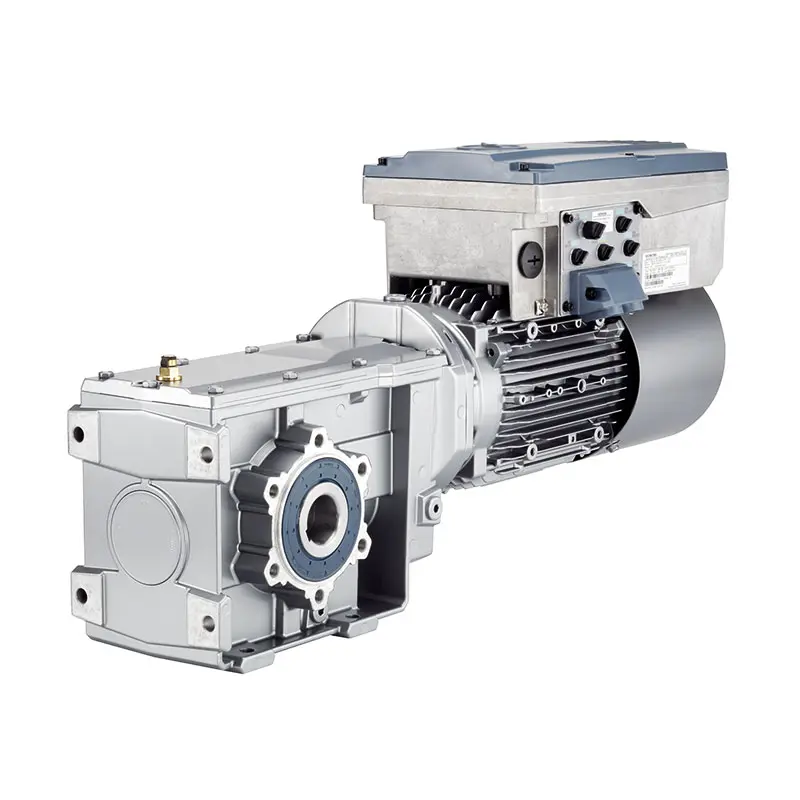 SIEMENS With Servo Motor Gearmotor
 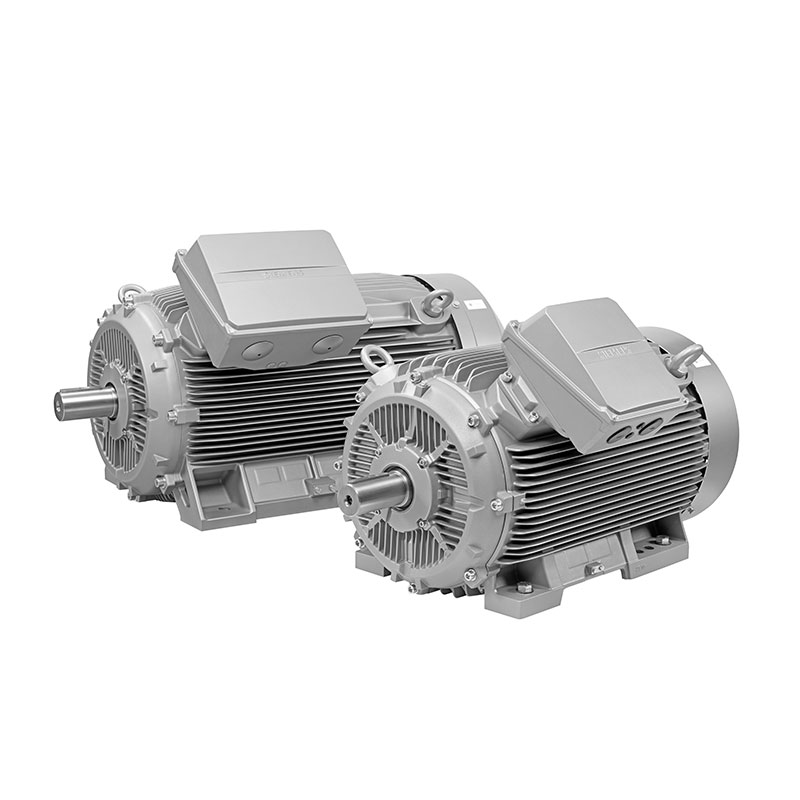 SIEMENS Low Voltage Motor Low Voltage
 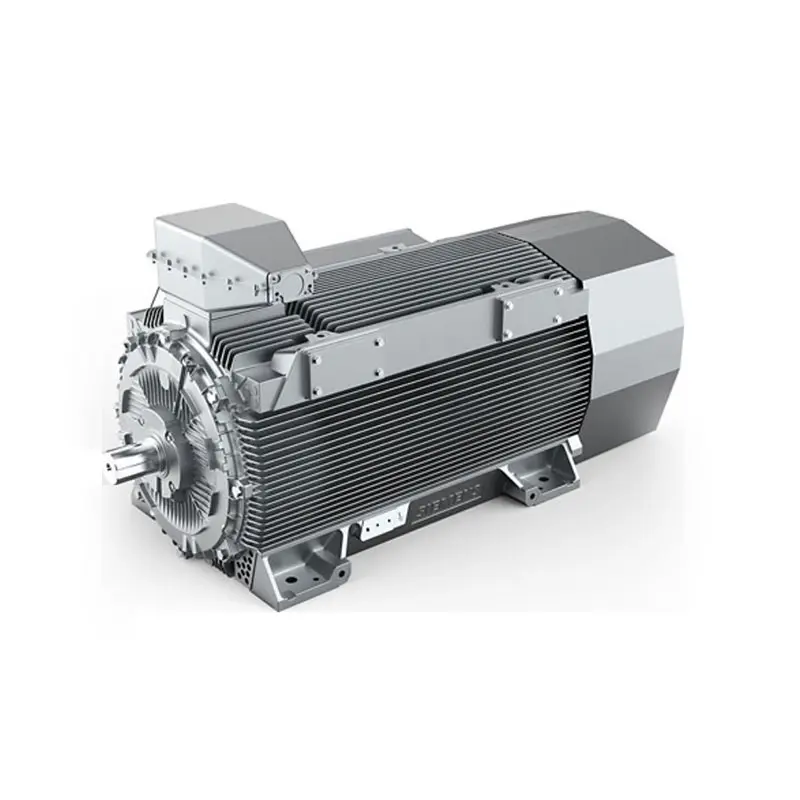 SIEMENS High Voltage Motor Low Voltage
  SIEMENS Marine Motor Low Voltage
 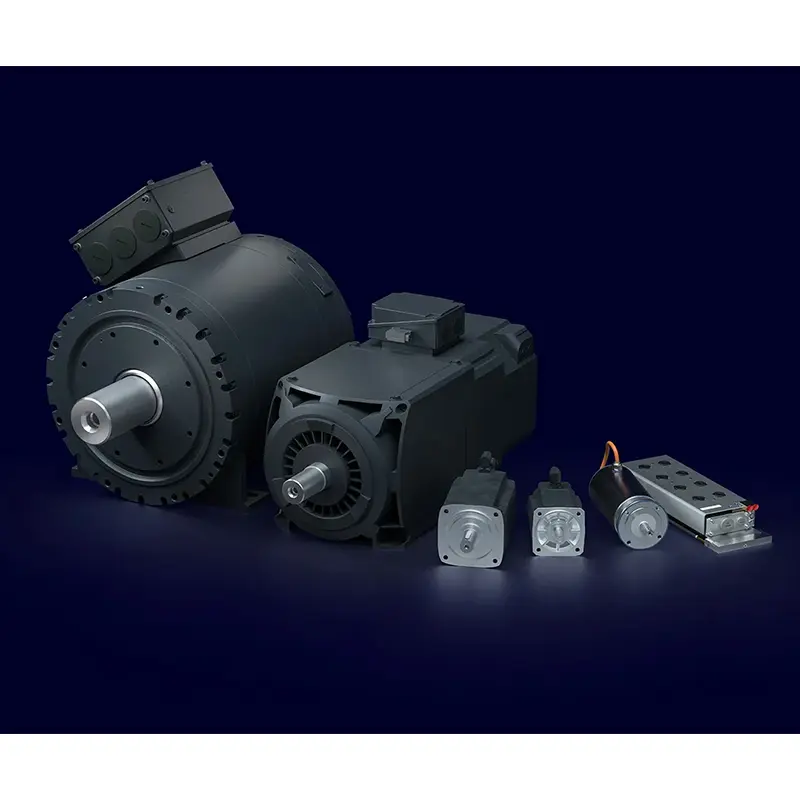 SIEMENS Servo Motor Low Voltage
 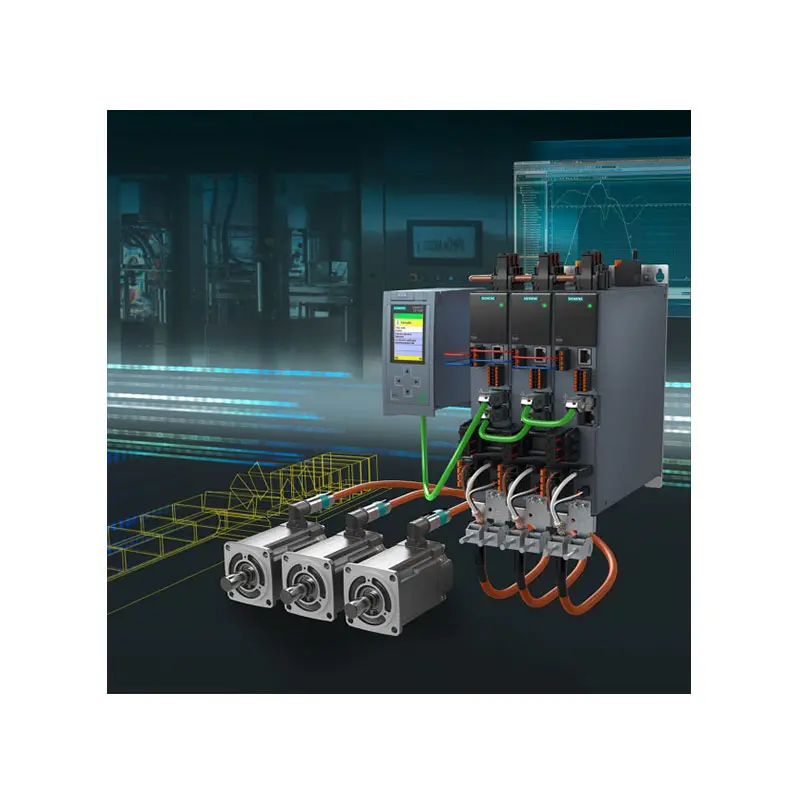 SIEMENS SINAMICS S210 Low Voltage
 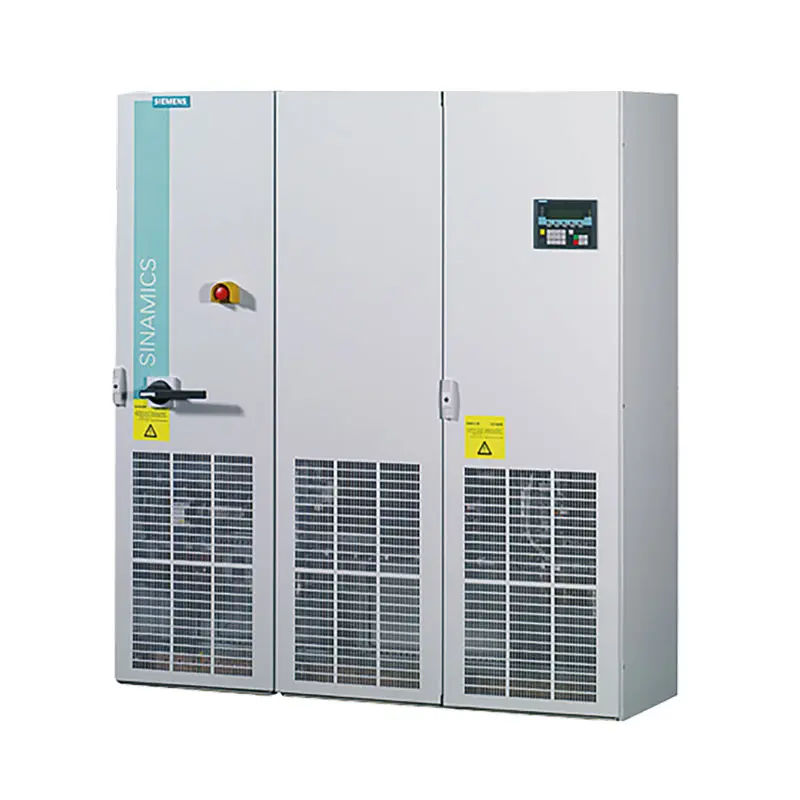 SIEMENS SINAMICS S150 Low Voltage
 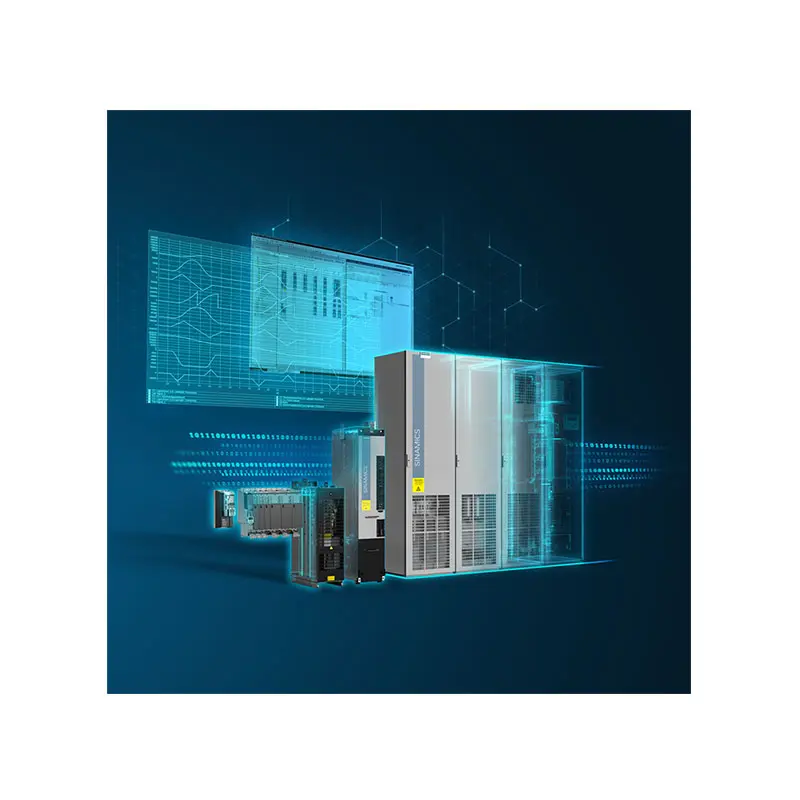 SIEMENS SINAMICS S120 Low Voltage
 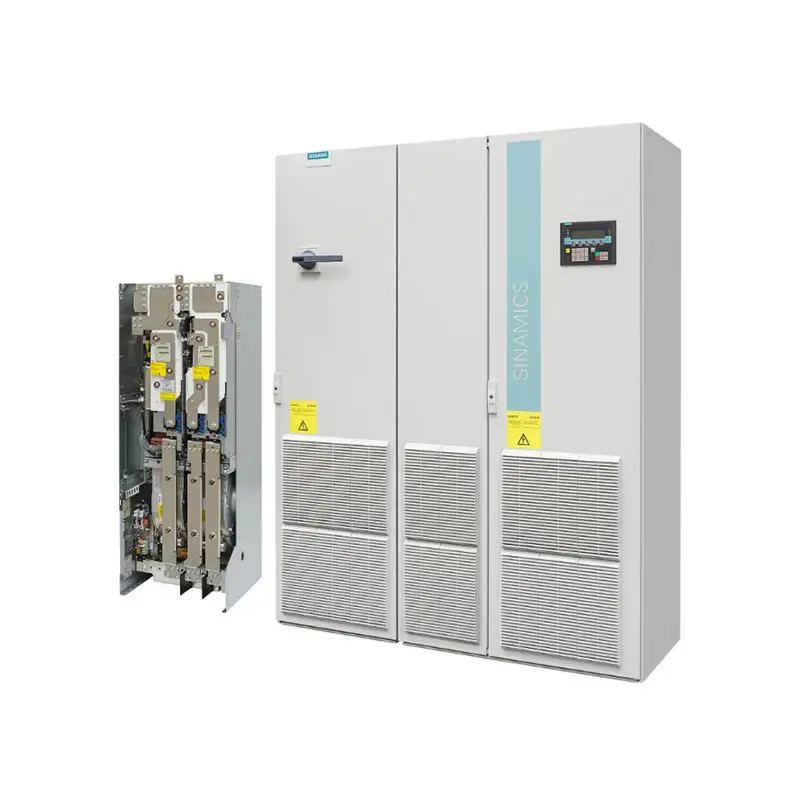 SIEMENS SINAMICS G130/G150
 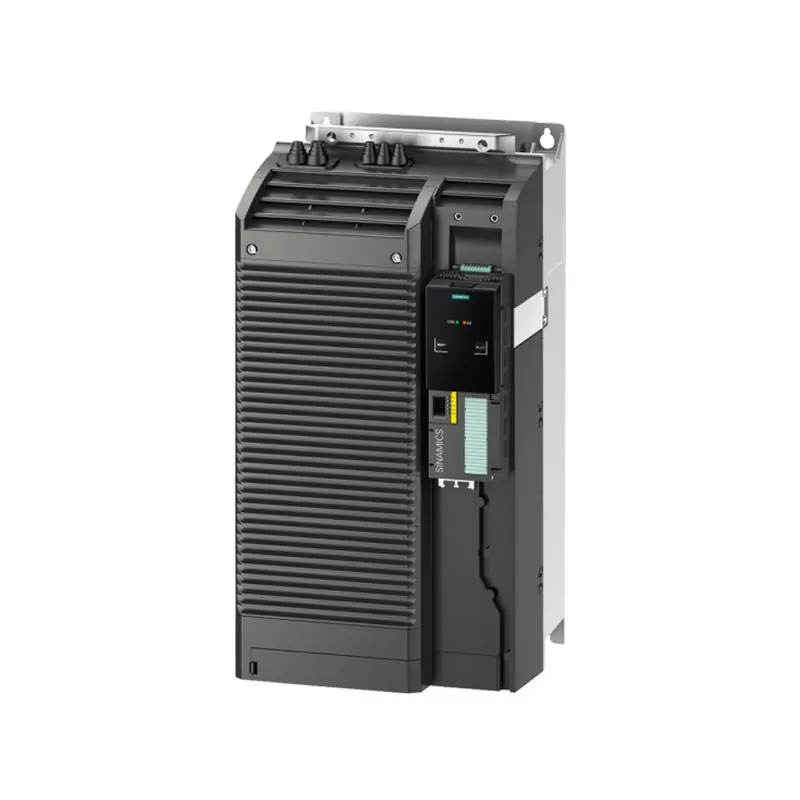 SIEMENS SINAMICS G120 Low Voltage
 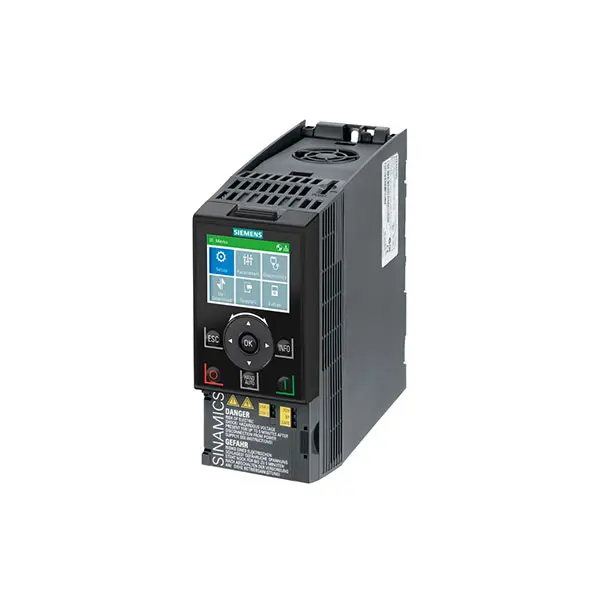 SIEMENS SINAMICS G120C Low Voltage
 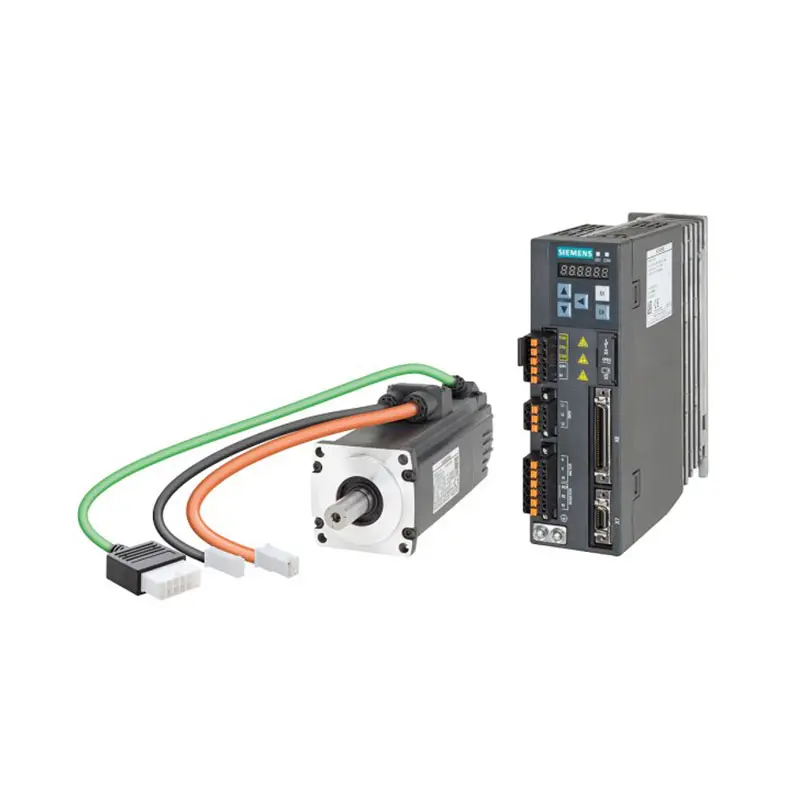 SIEMENS SINAMICS V90
 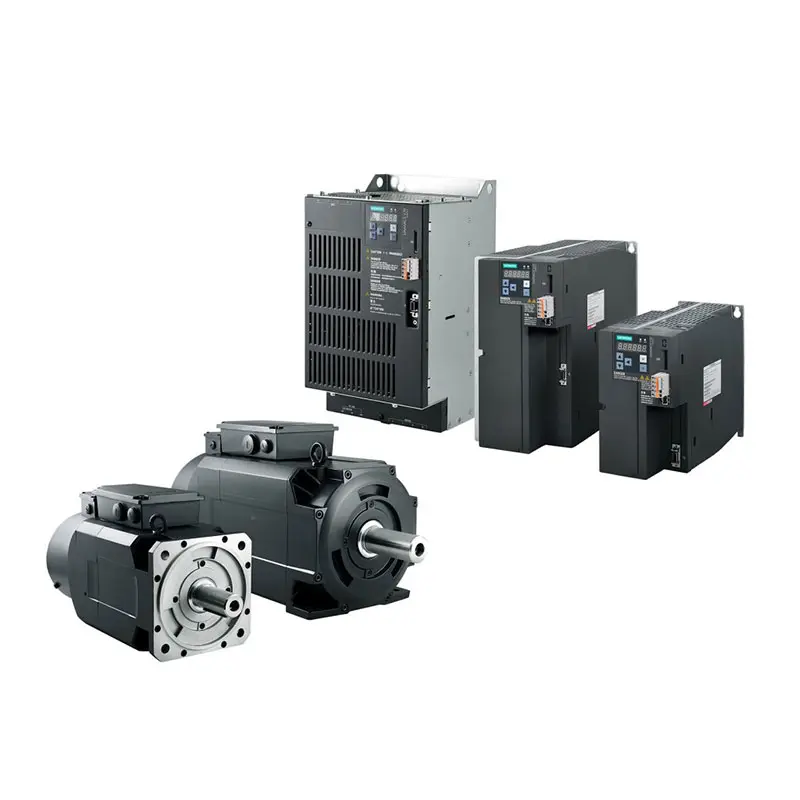 SIEMENS SINAMICS V70 Low Voltage
 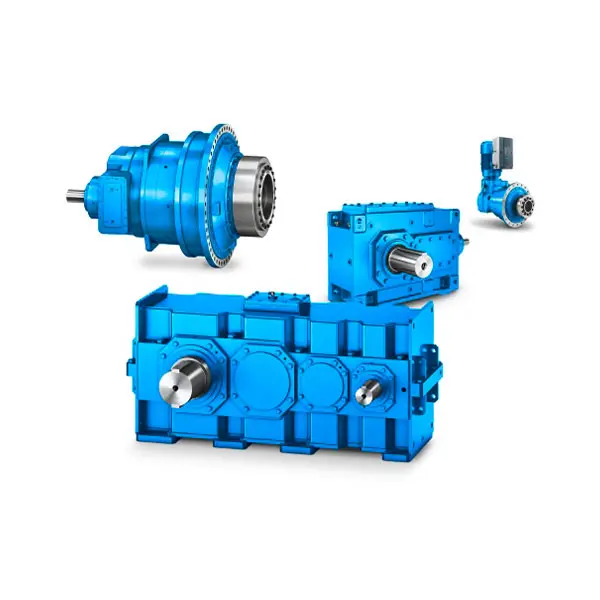 FLENDER Gear Unit
 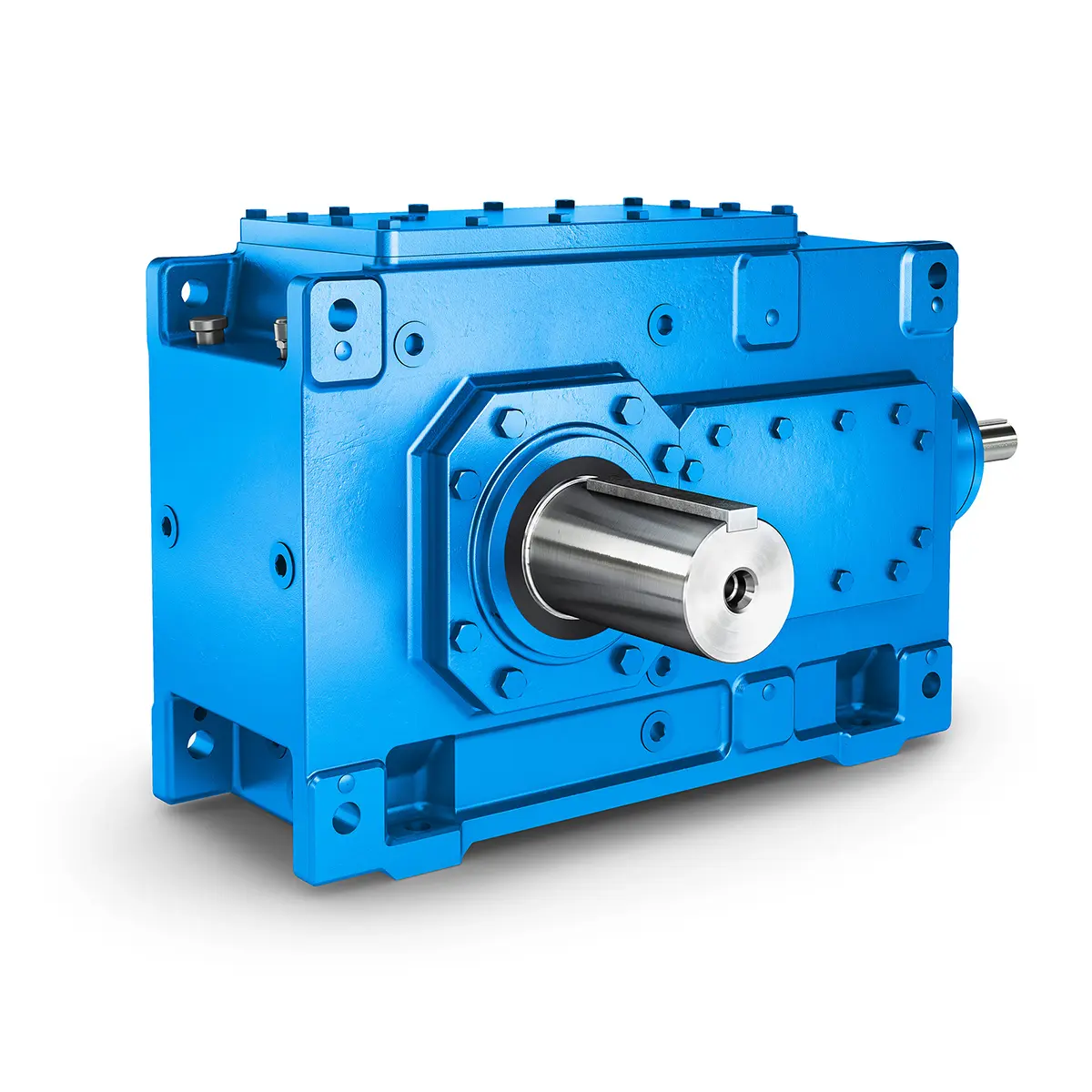 FLENDER Helical Gear Unit
 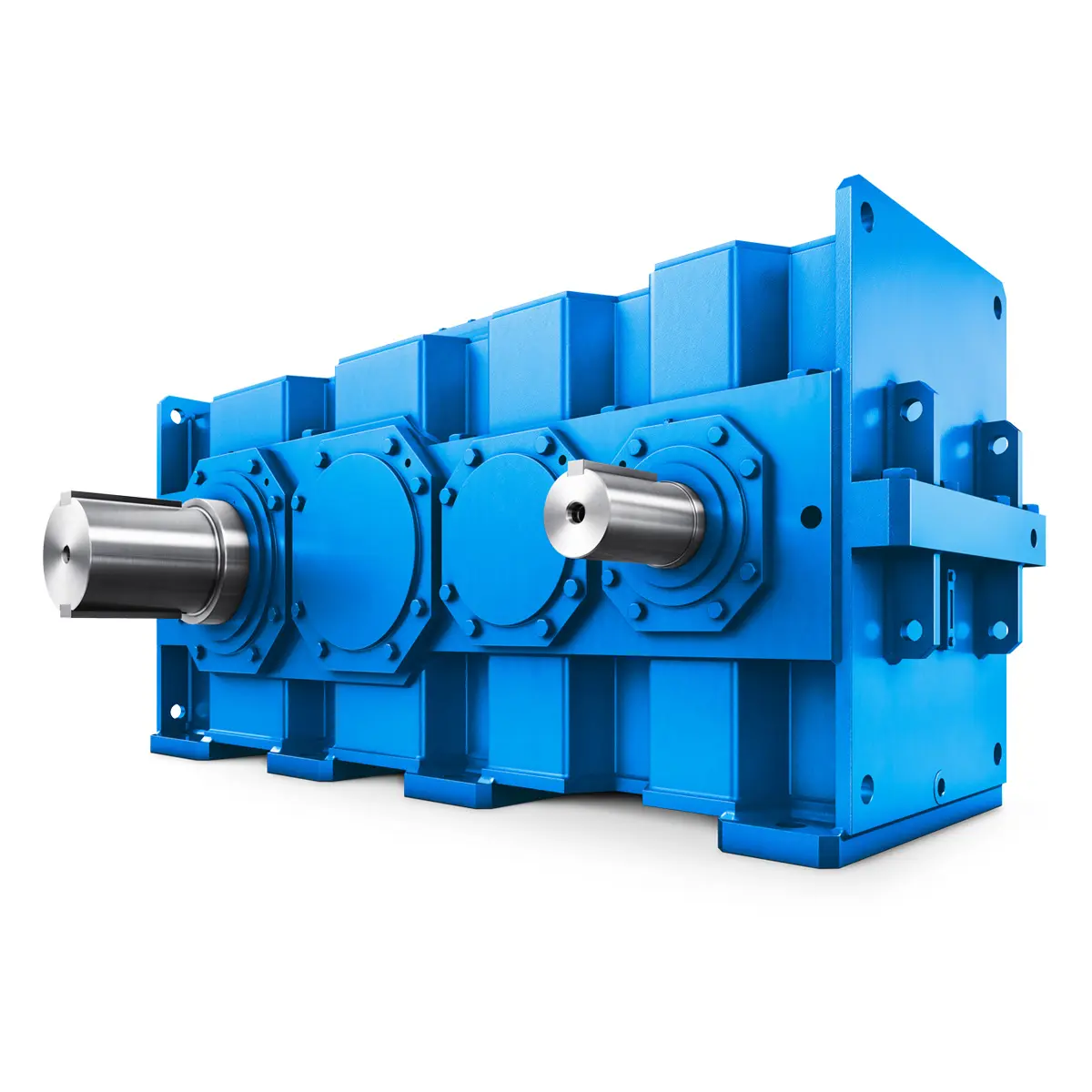 Flender gear units for lifting and luffing gears
 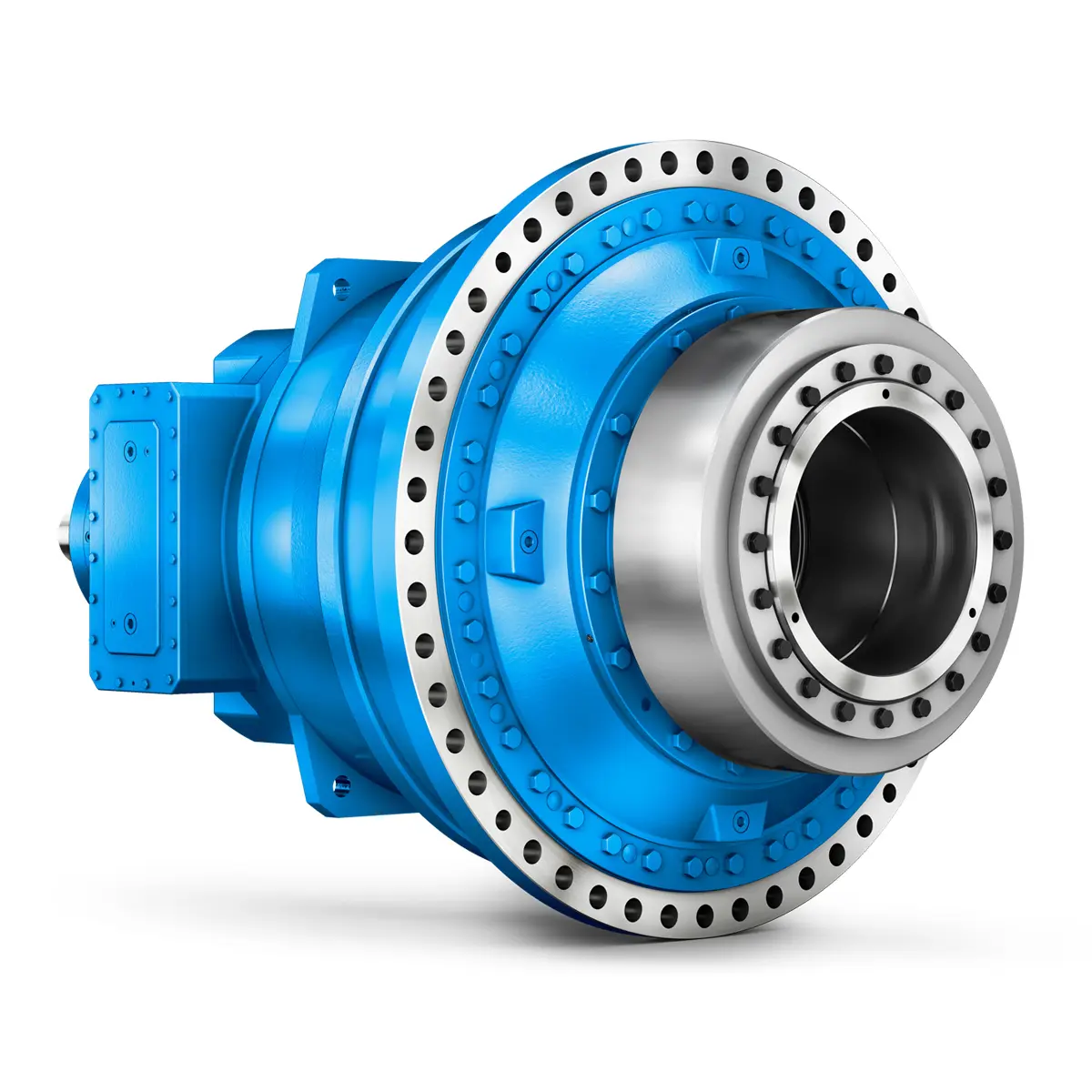 FLENDER Gear Unit gearunit gearbox
 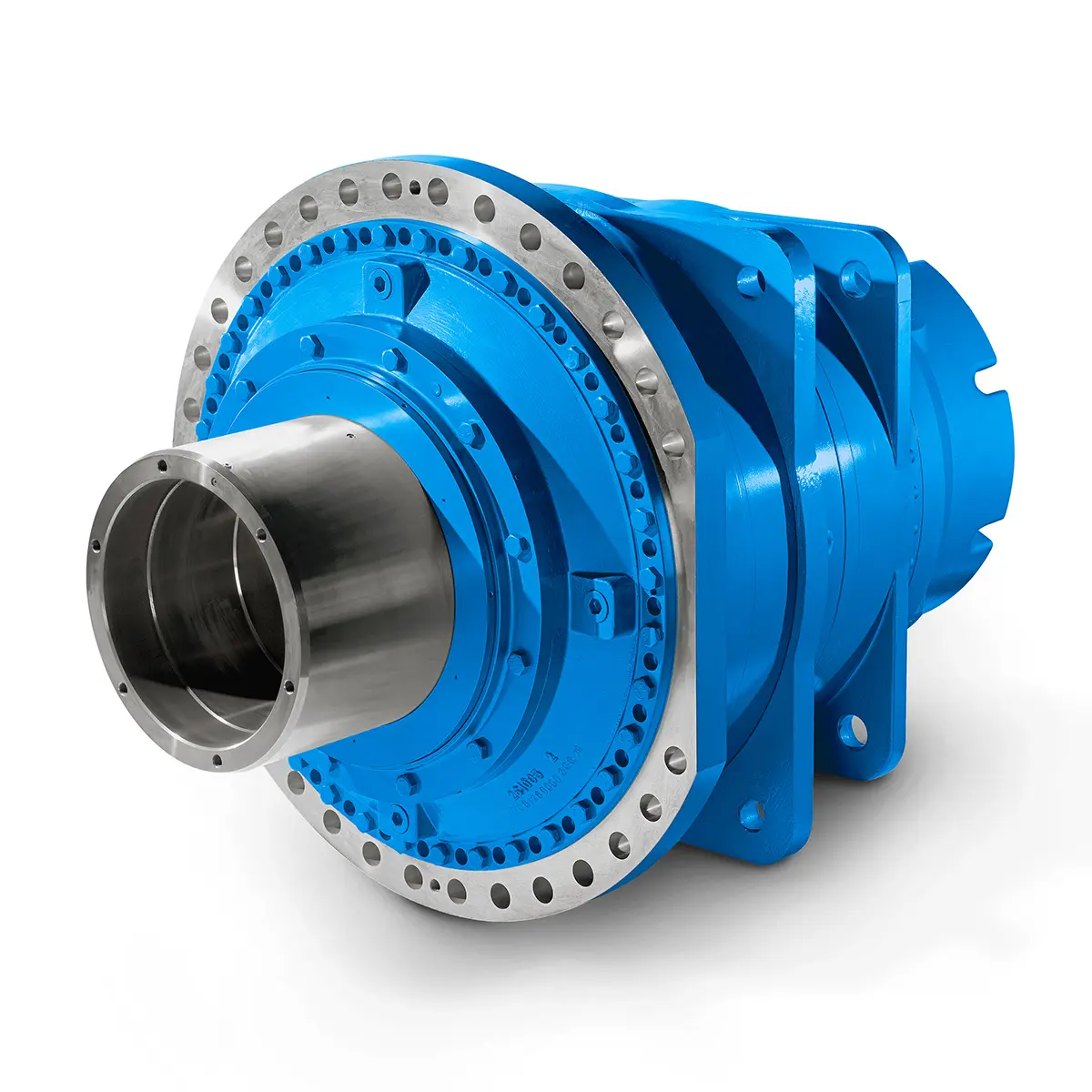 Optimal Drive Solution For Maximum Performance
 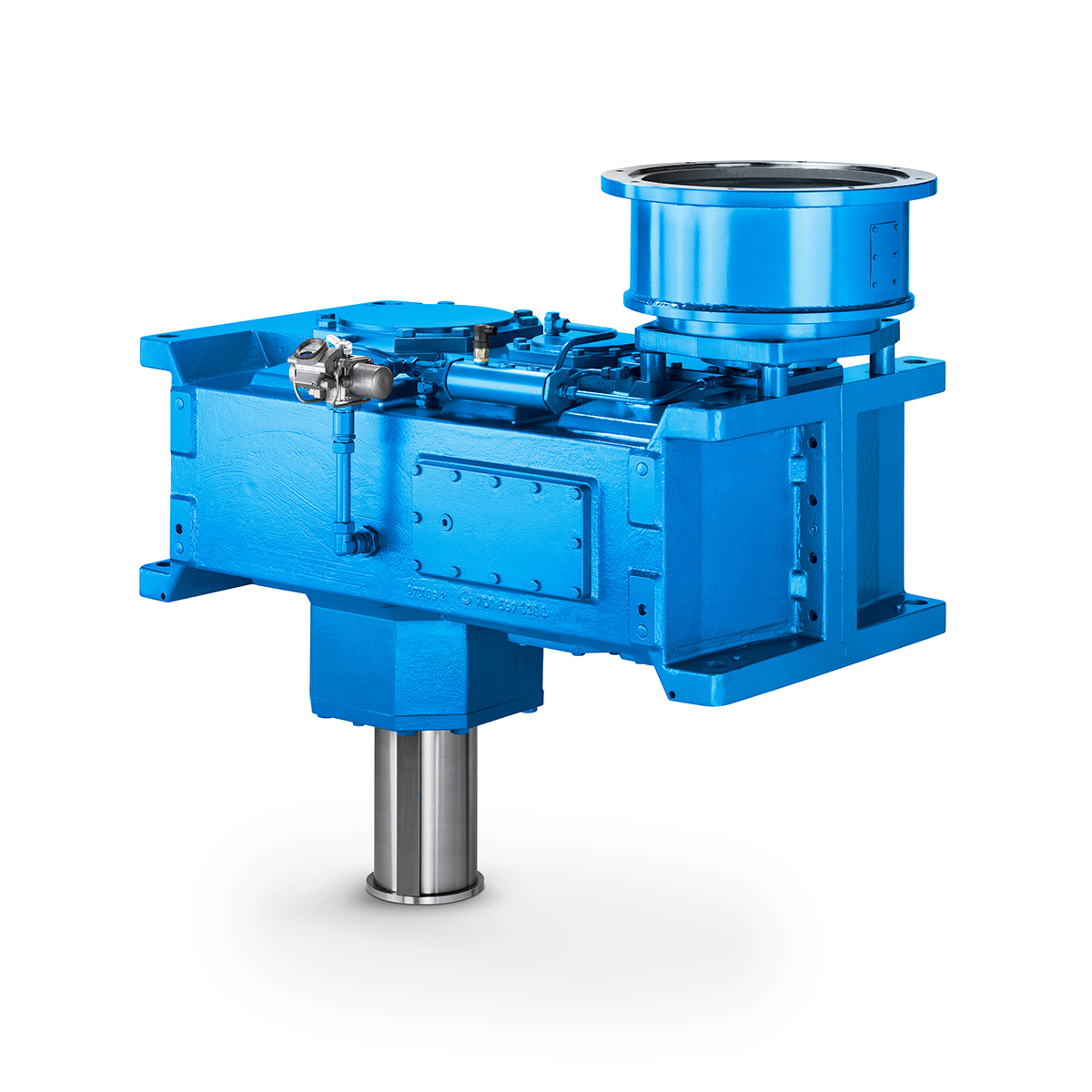 Strongly operating against biodegradable constituents
 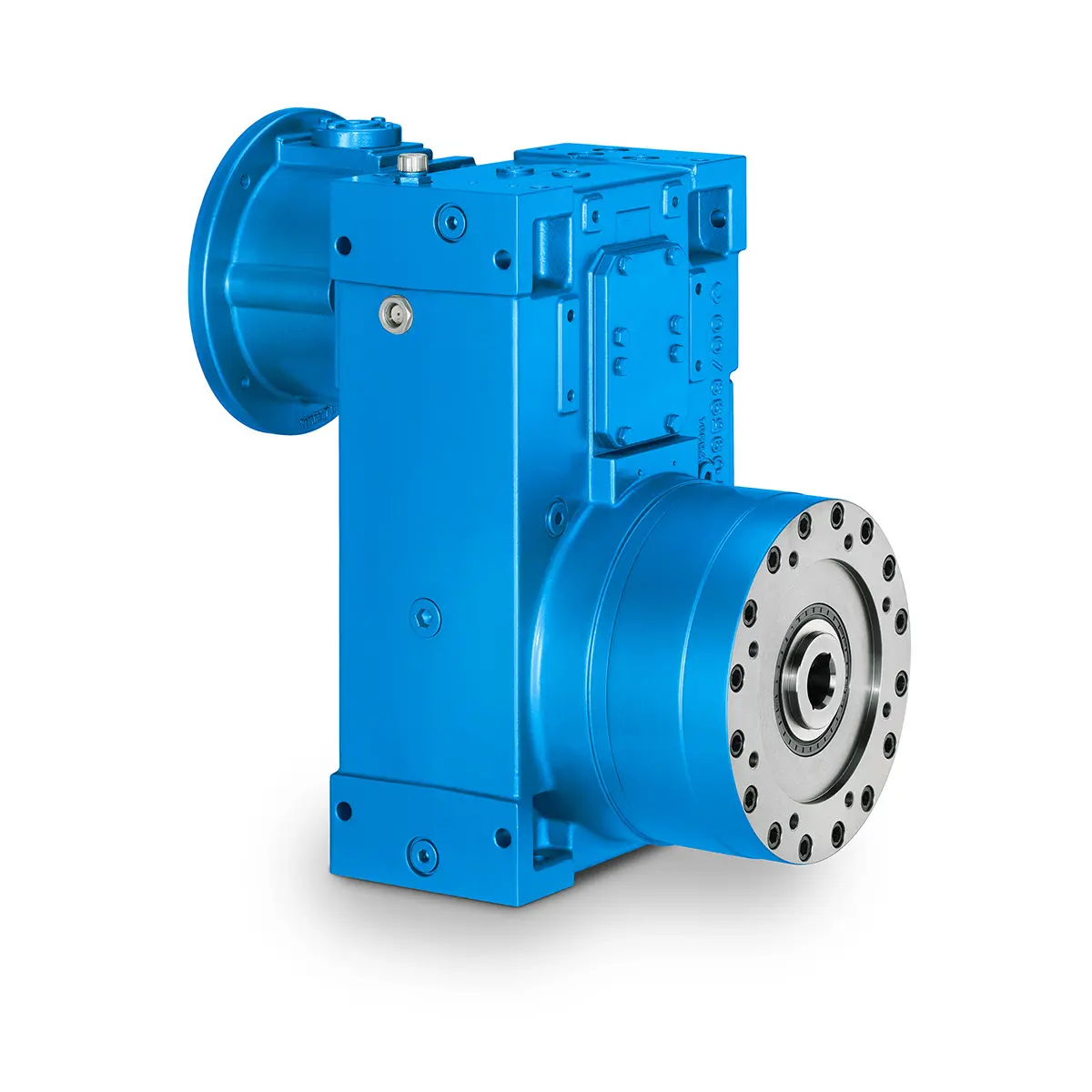 SINGLE SCREW Special industry dedicated gearunit gearbox
 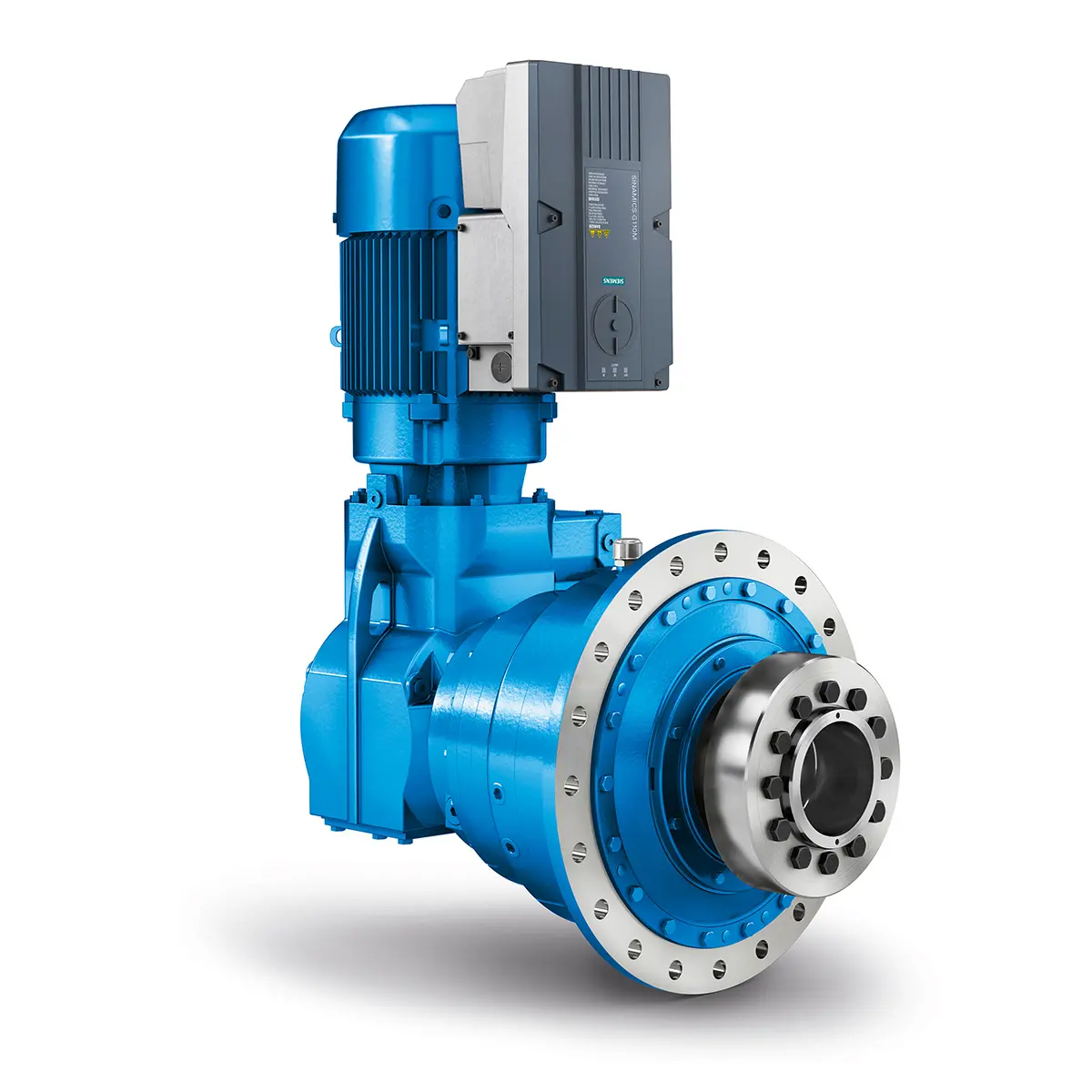 Playmaker In The Premium League
 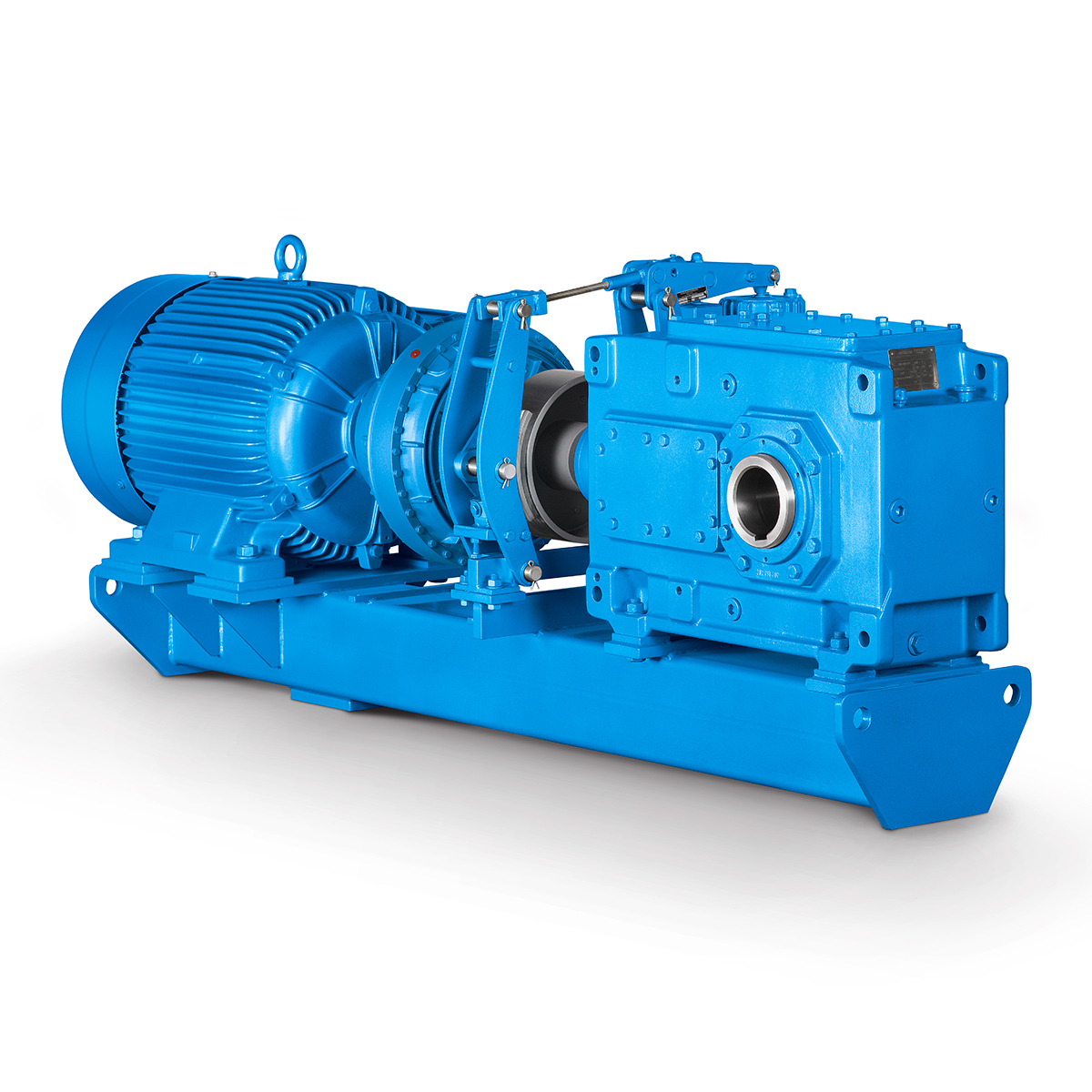 Conveyor belts gearunit gearbox
 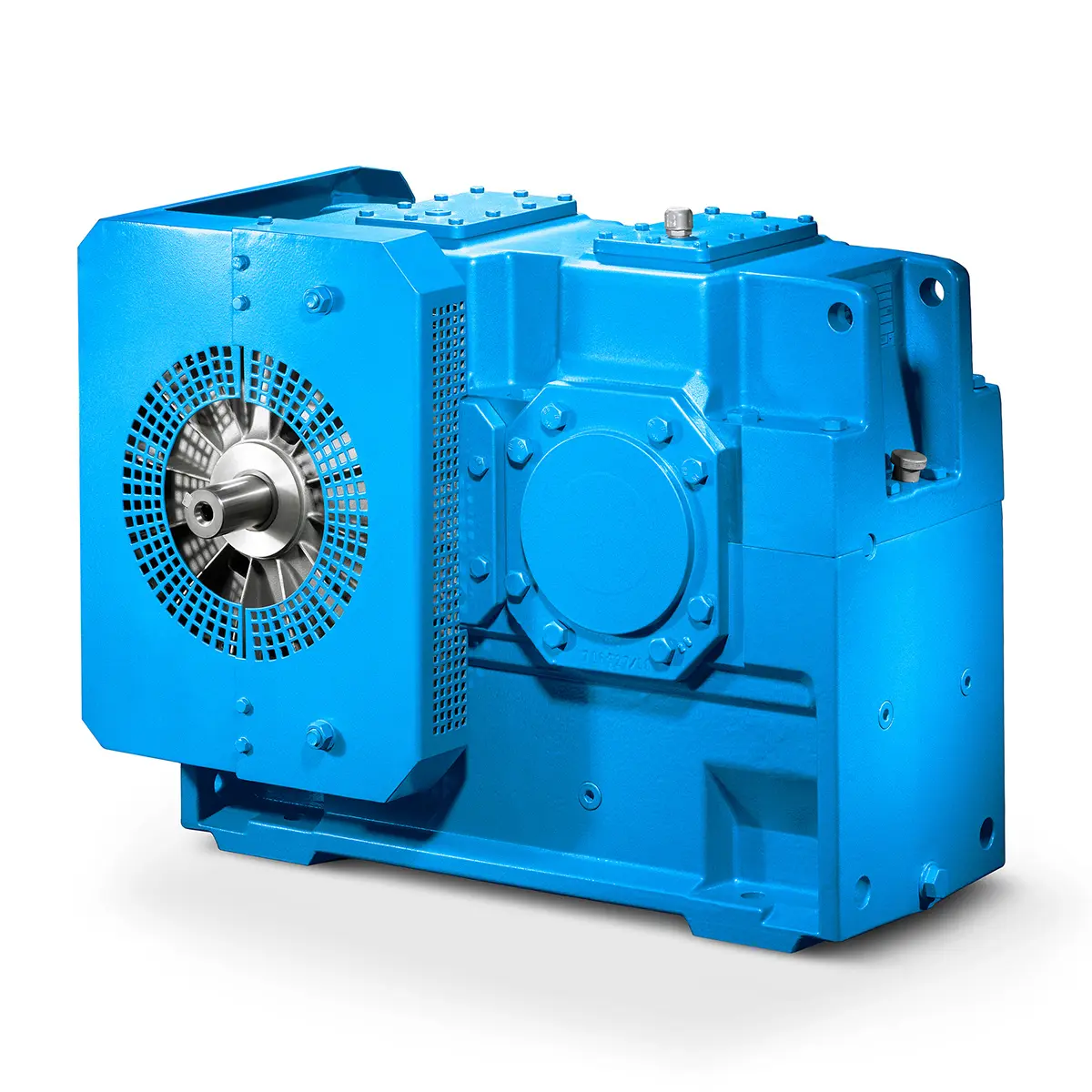 Paper And Pulp Preparation Sections
 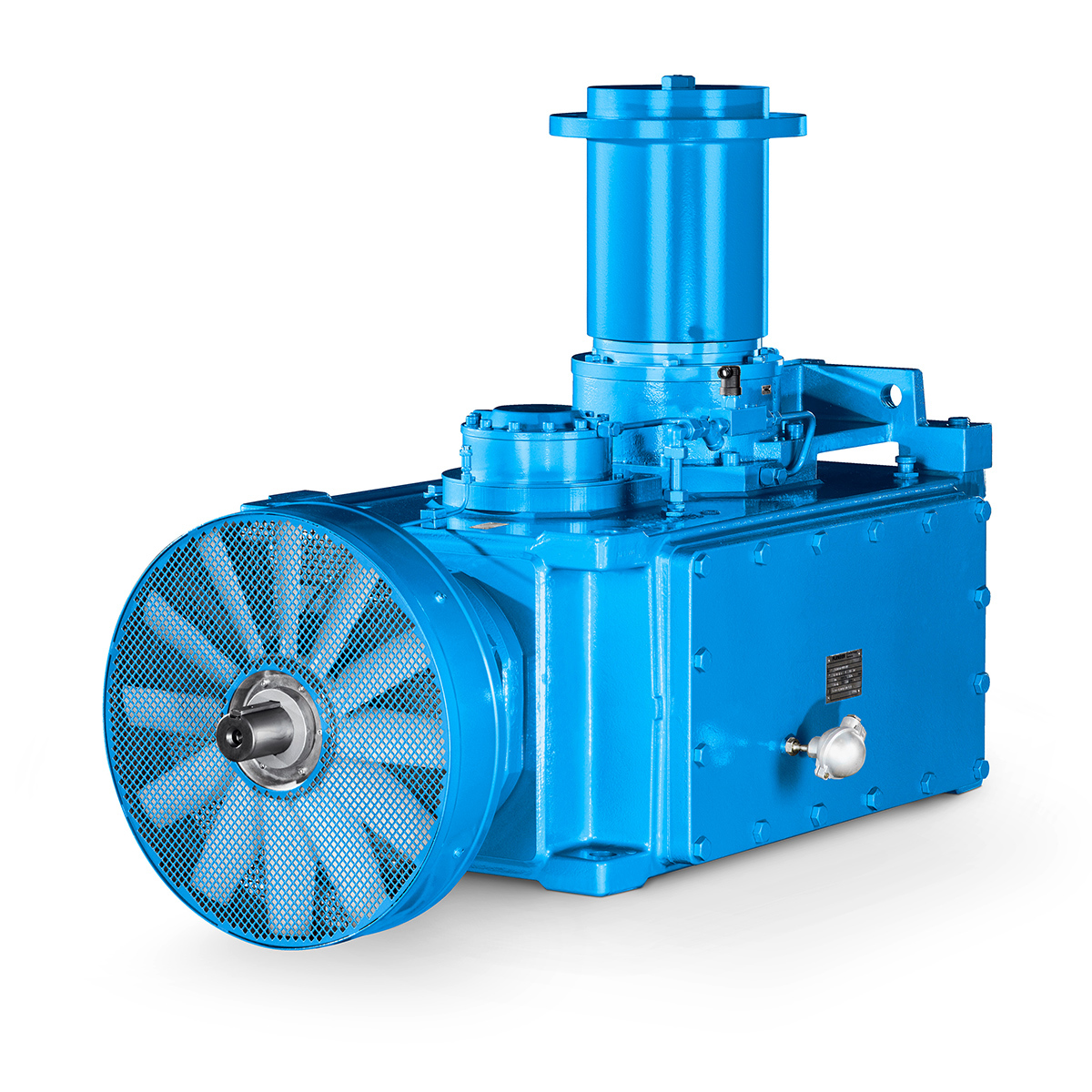 Operational Reliability Even In Case Of The Highest Ventilation Forces
 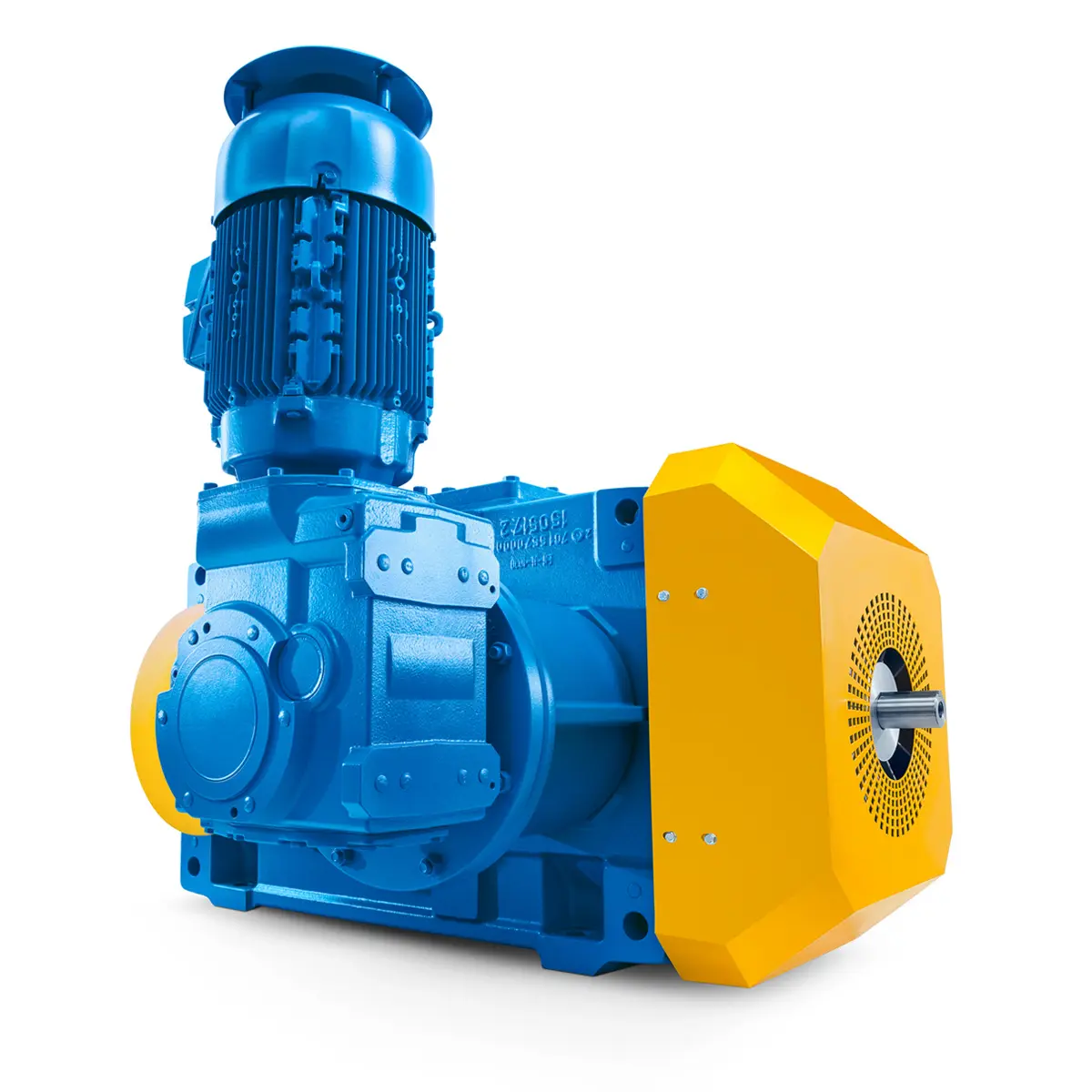 Reliable Gear Units For High Performance Vertical Conveyors 59/200
 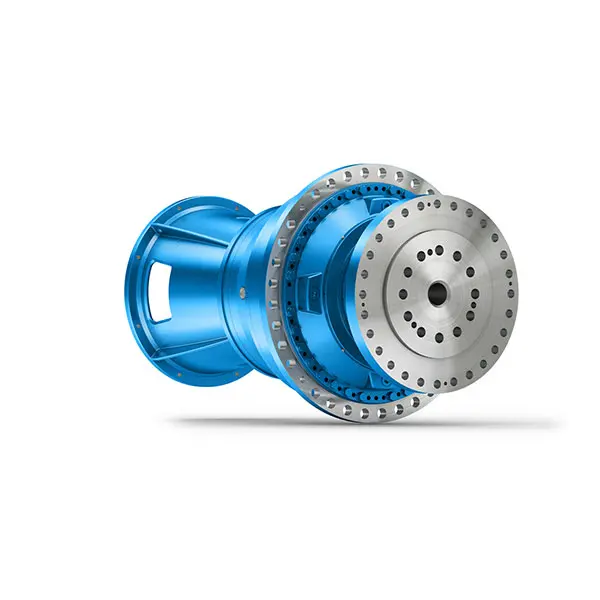 Maximum power density – PLANUREX 3 L individual drives for your sugar cane mill
 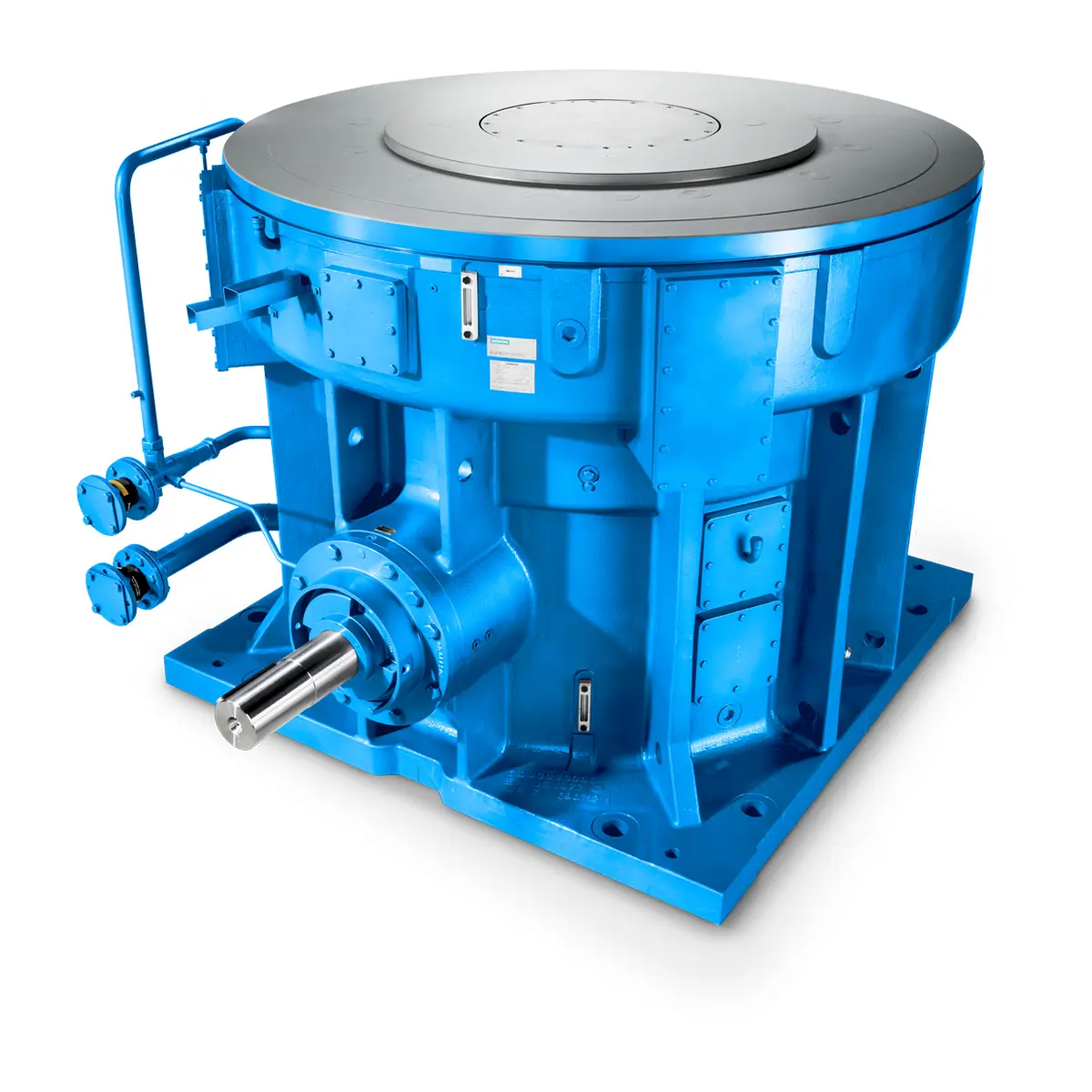 The proven all rounder gearunit gearbox
 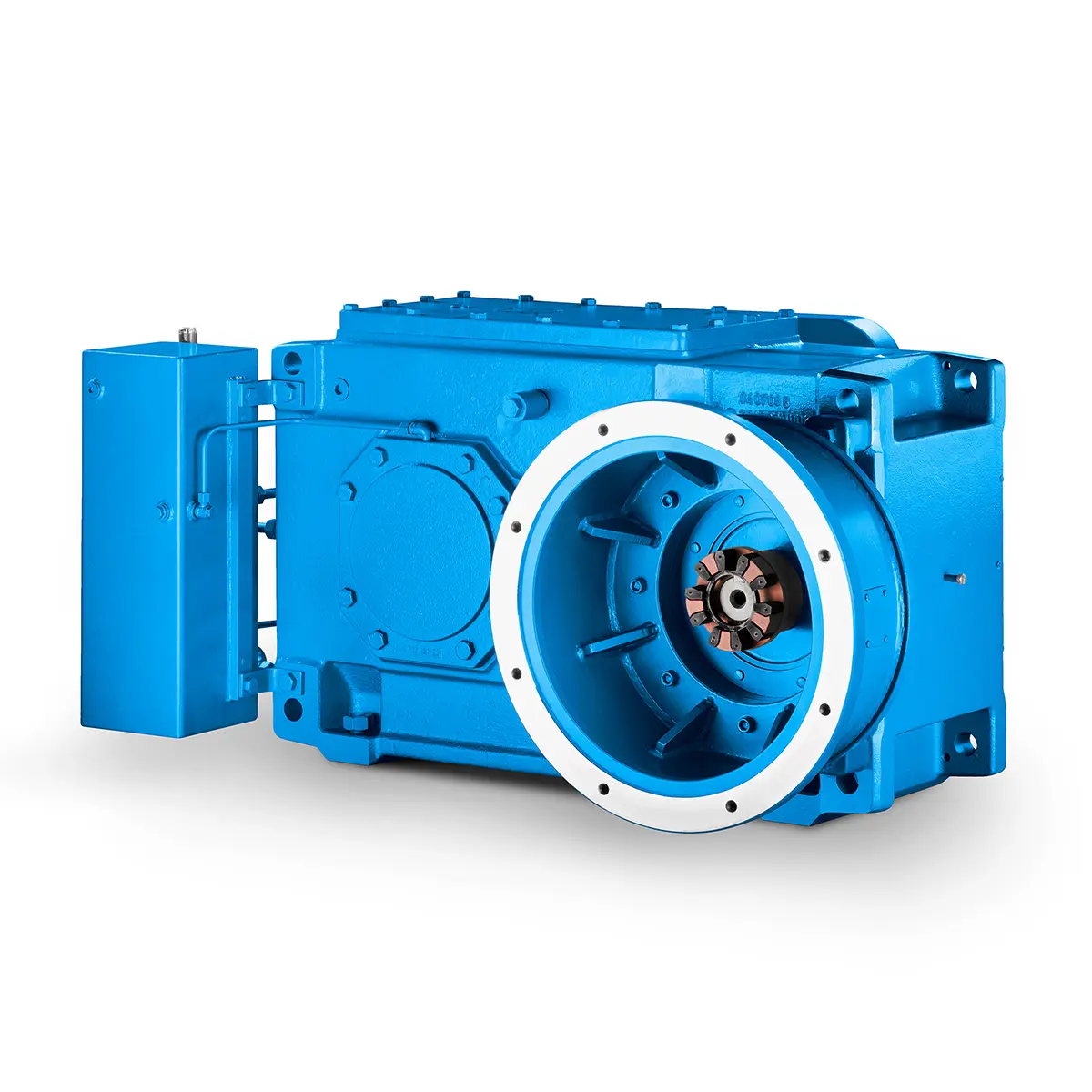 Stirs and stirs and stirs gearunit gearbox
 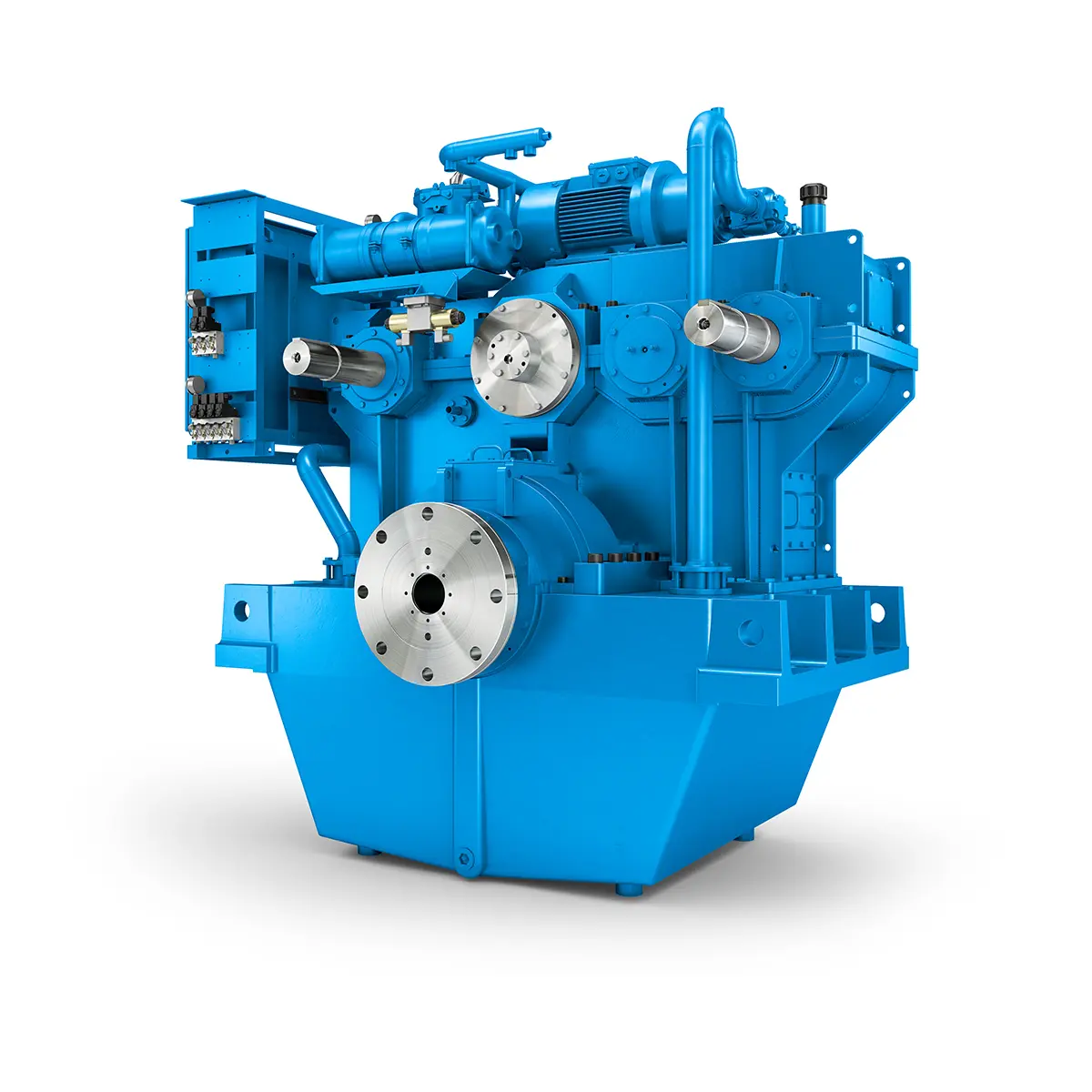 Flexibility on Board gearunit gearbox
 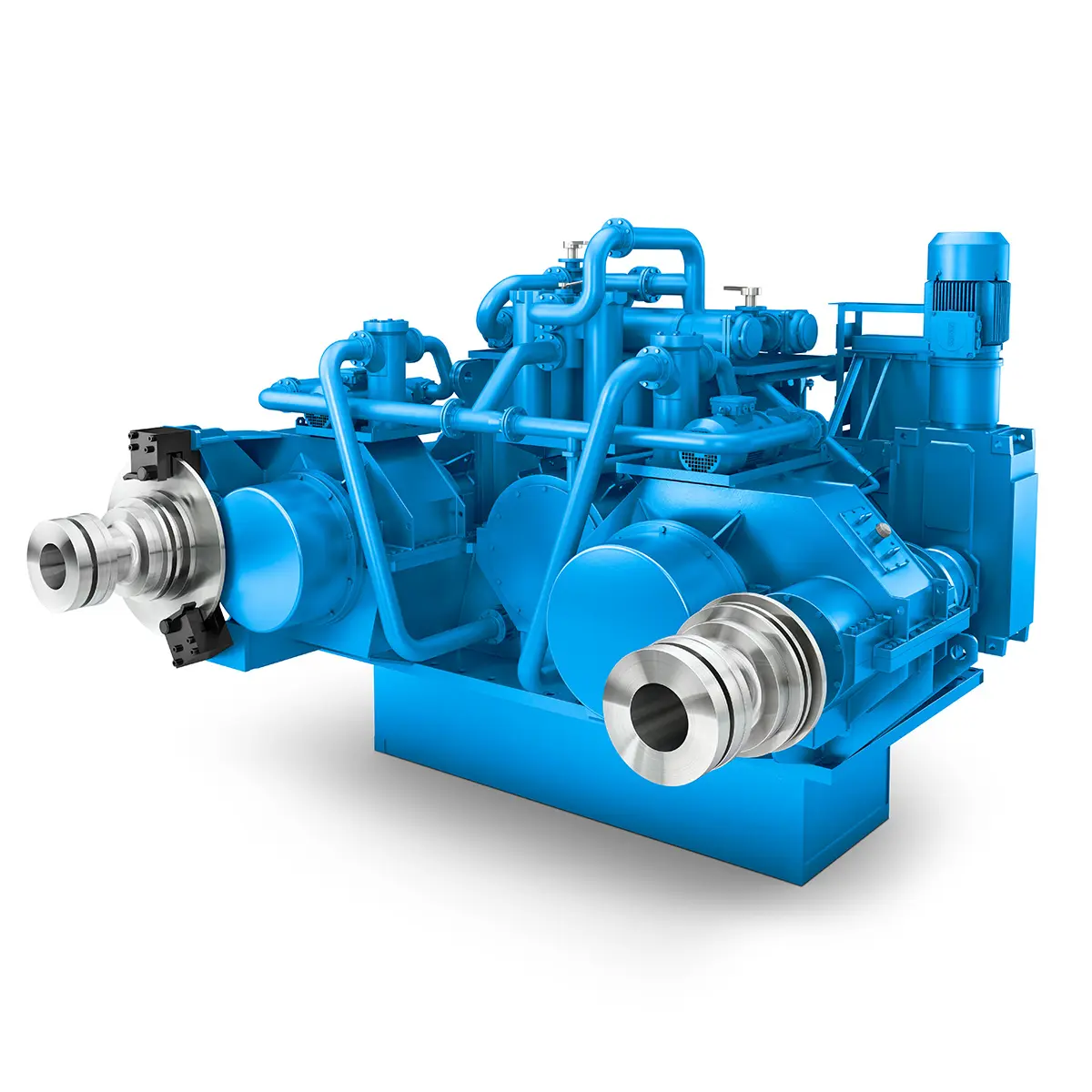 The right gearbox for all Multi-Engine Ships
 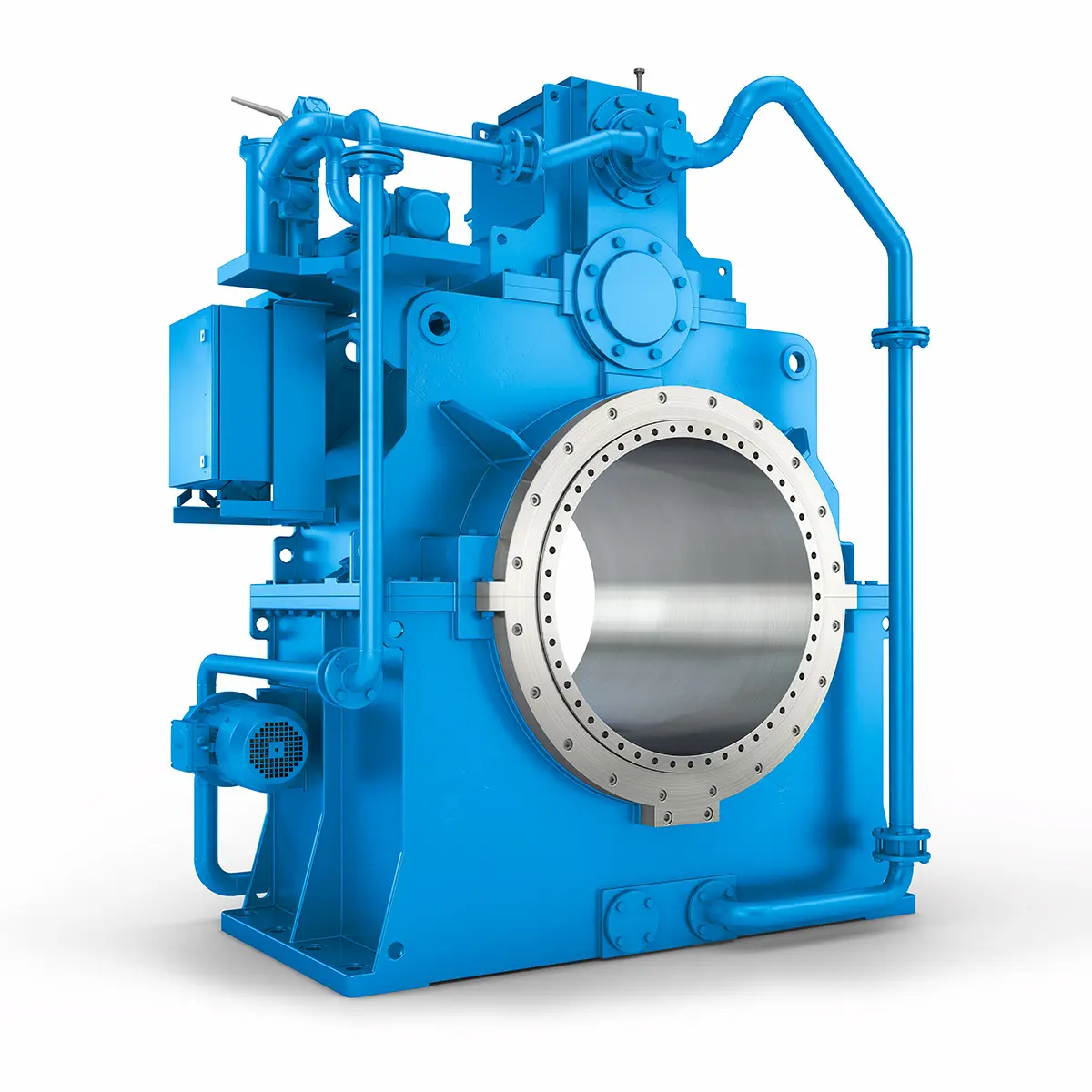 Reliable Power Generation on board
 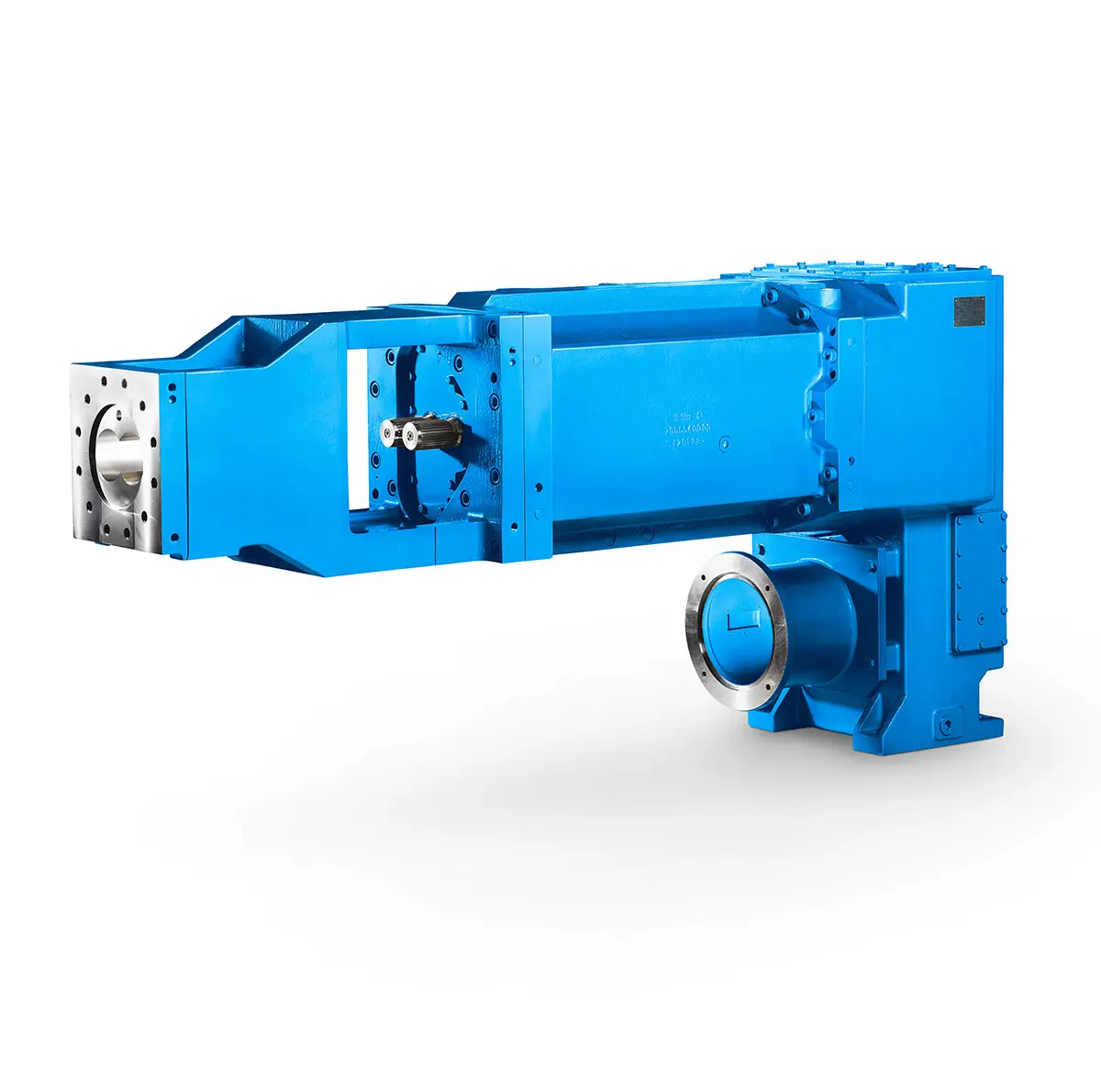 Maximum performance level, fast deliverable
 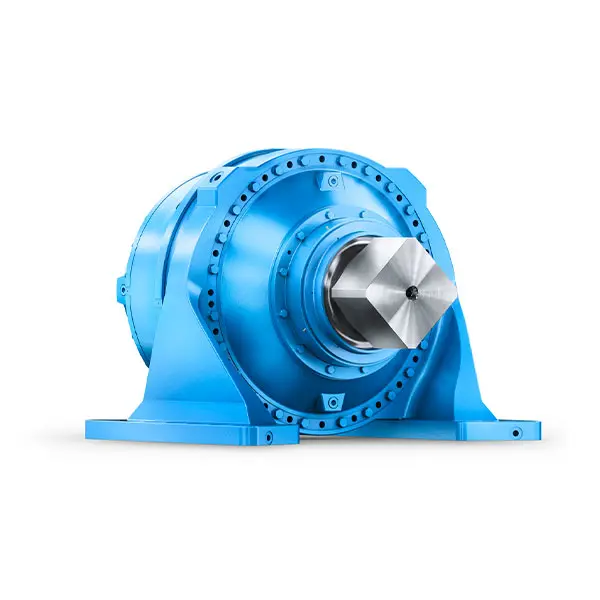 Efficient and compact – FLENDER Gear Units for Sugar Mills
 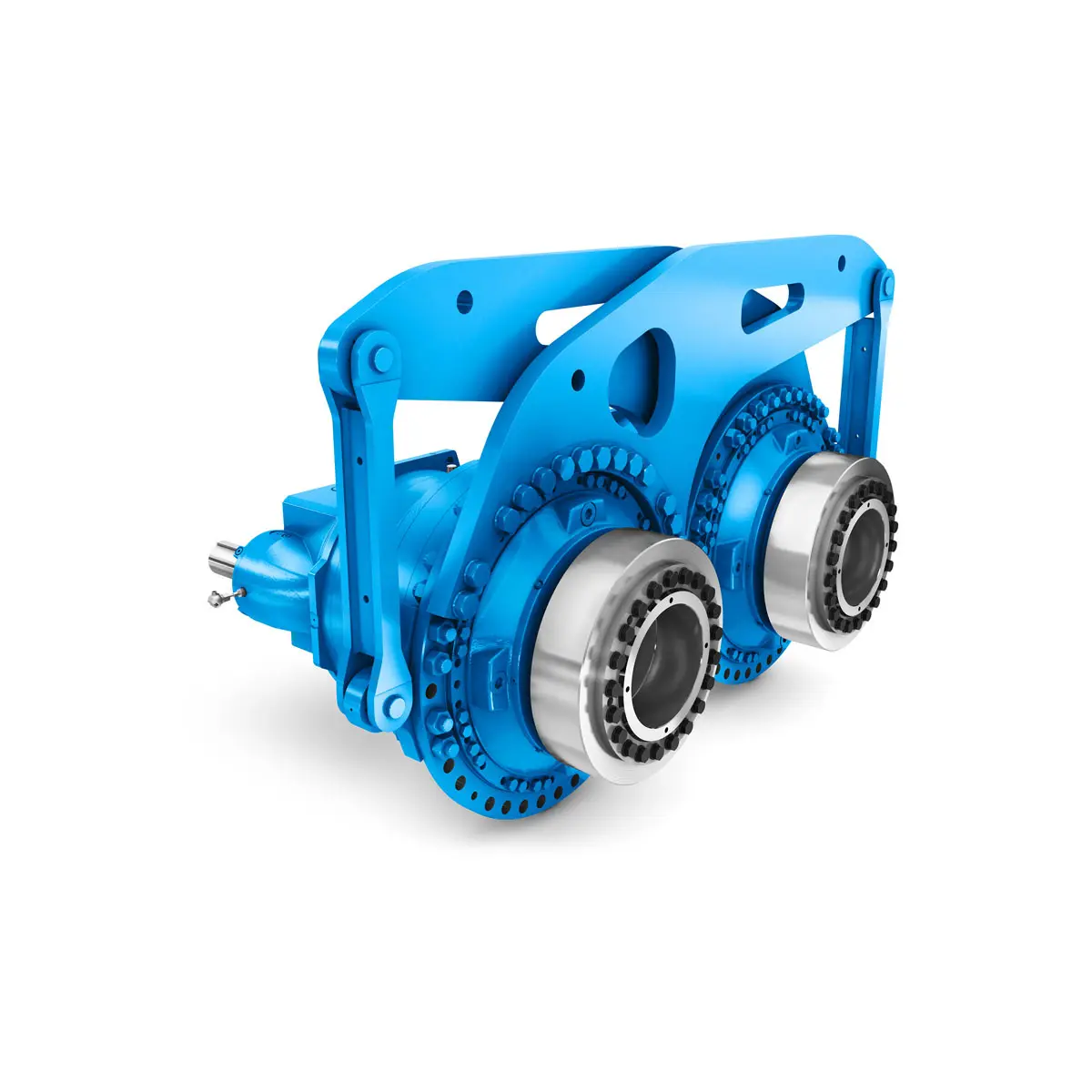 Extremely strong. Extremely compact. Extremely stressable.
 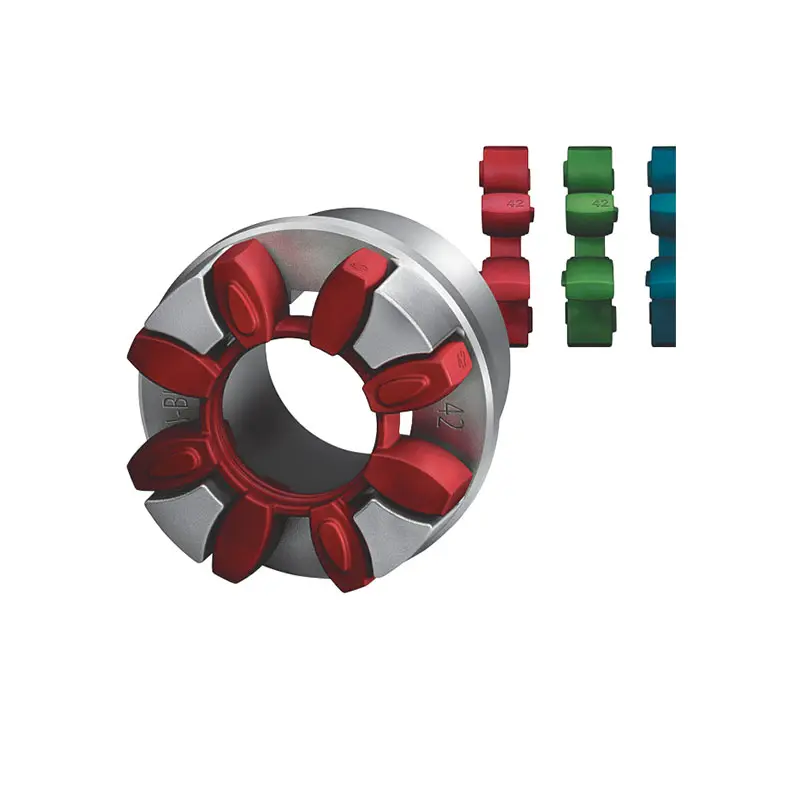 FLENDER Coupling
 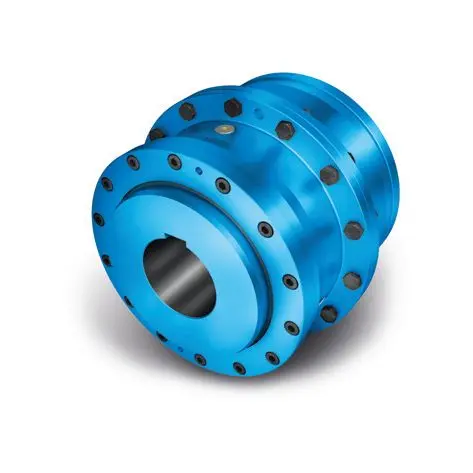 ZAPEX ZW Torsionally Rigid Gear Coupling
 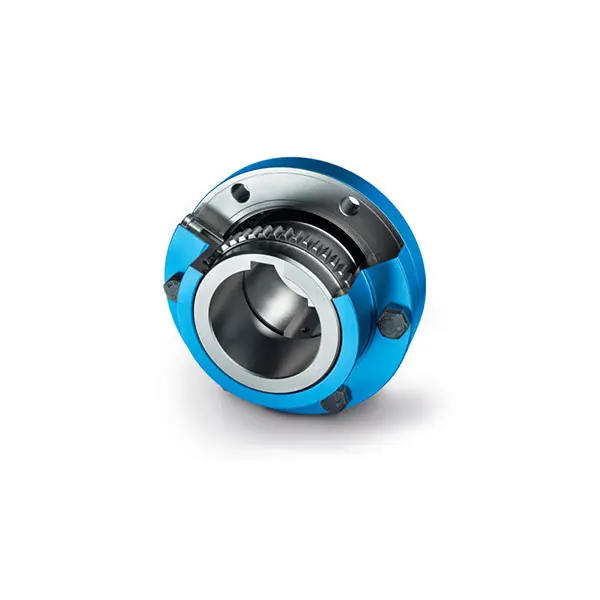 ZAPEX ZN Torsionally Rigid Gear Coupling
 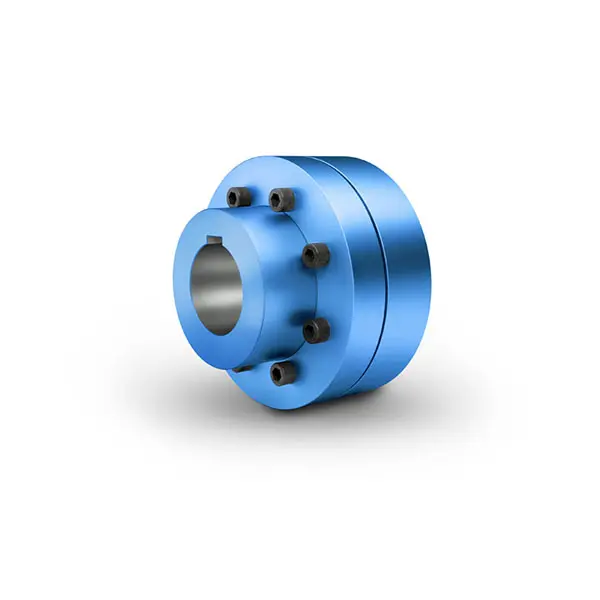 N-EUPEX Flexible high performance Coupling
 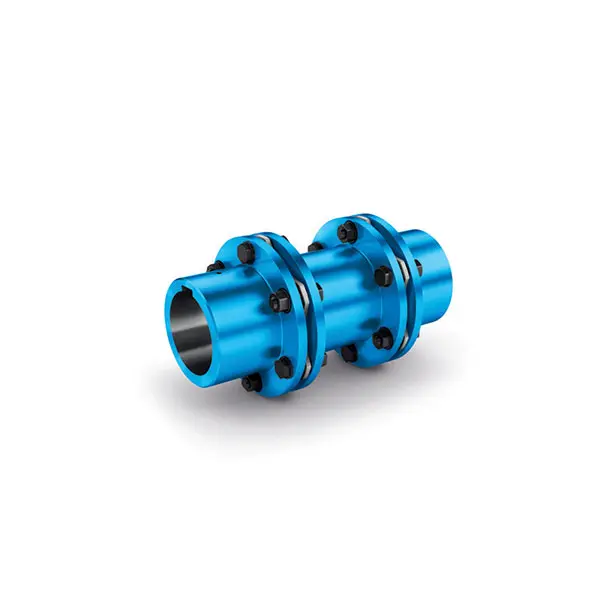 N-ARPEX Torsionally Rigid All-Steel Coupling
 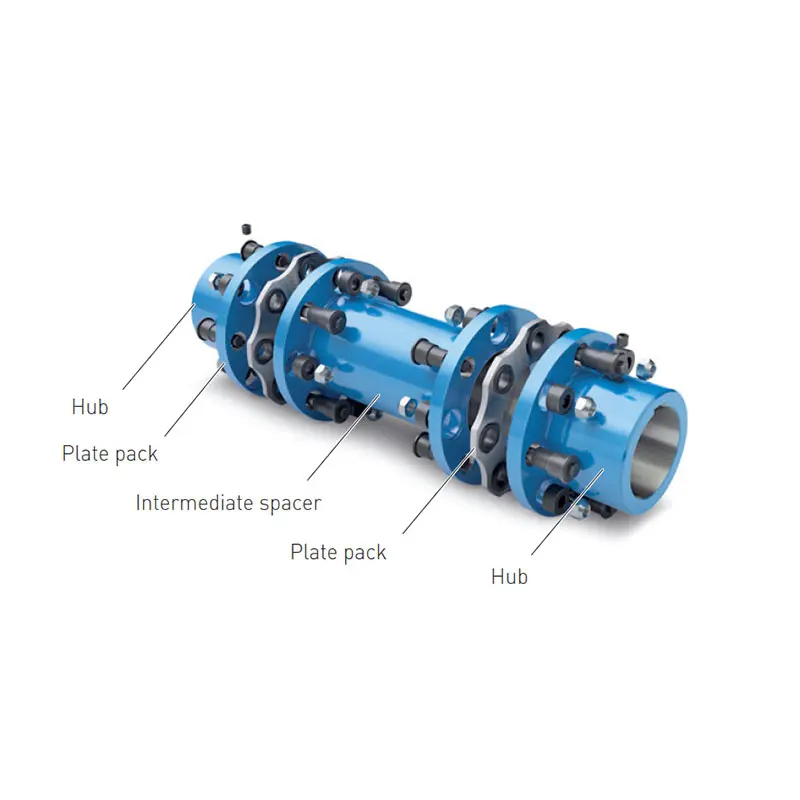 ARPEX Torsionally Rigid All-Steel Coupling Spare and Parts
 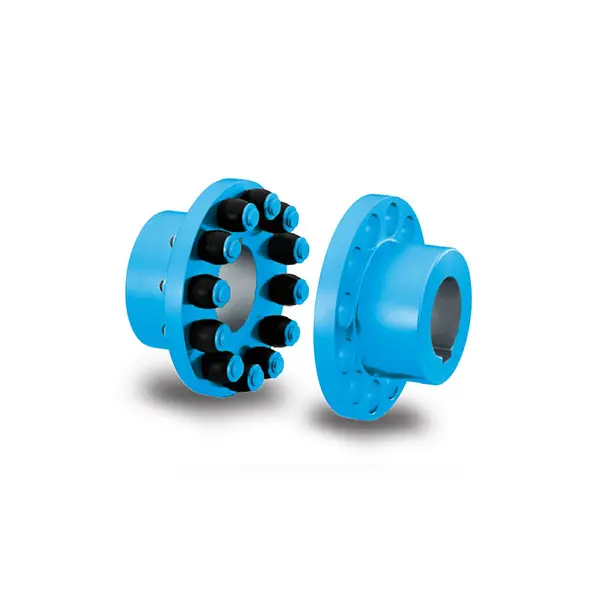 RUPEX Flexible high performance Coupling
 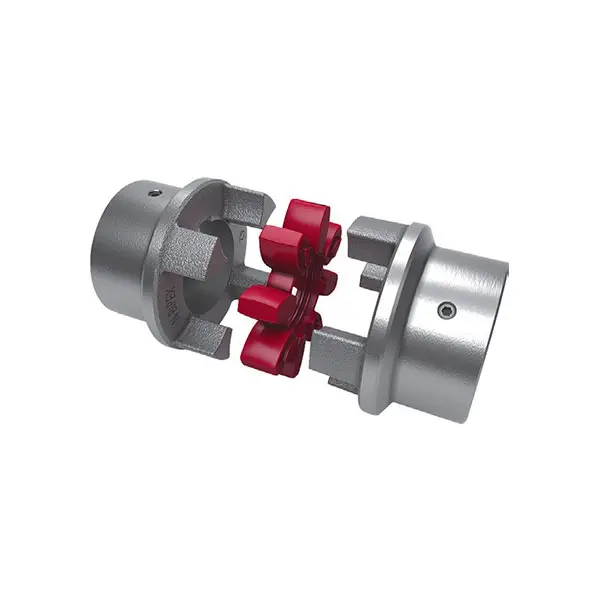 N BIPEX Flexible high performance coupling
 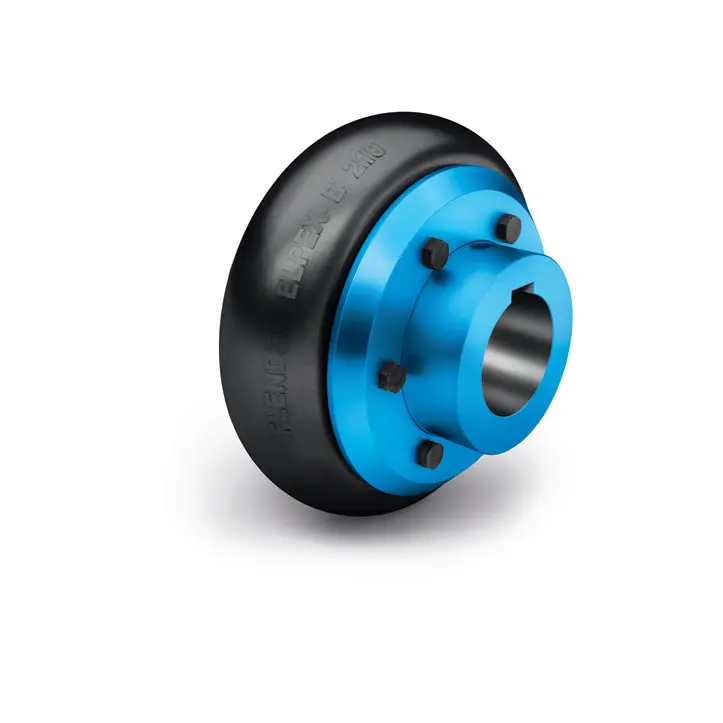 ELPEX B Highly Flexible Coupling
 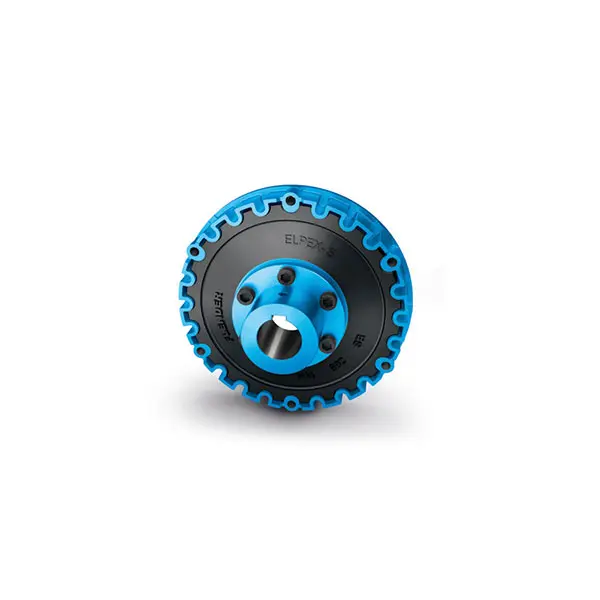 ELPEX S Highly Flexible Coupling high performance
 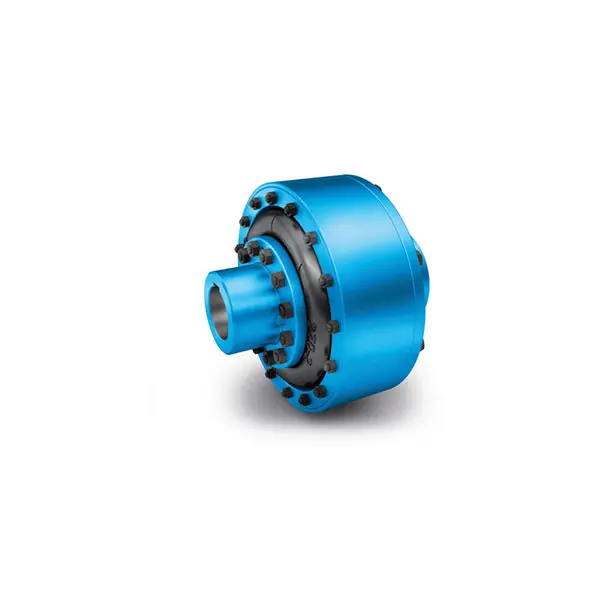 ELPEX Highly Flexible Coupling high performance
 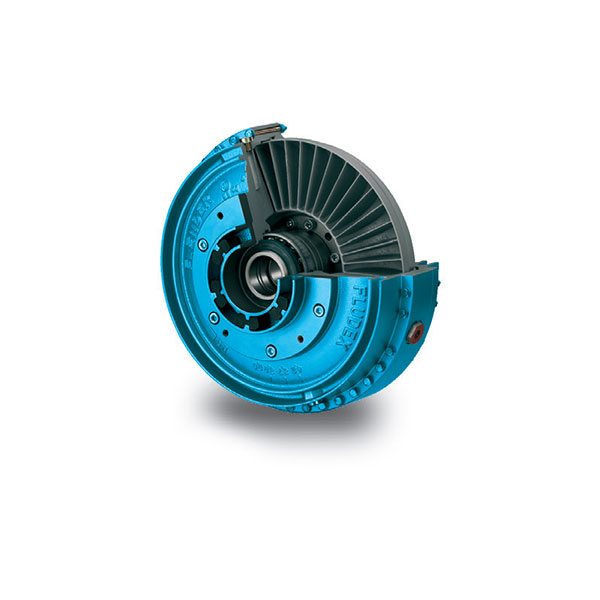 FLUDEX Fluid Coupling high performance
 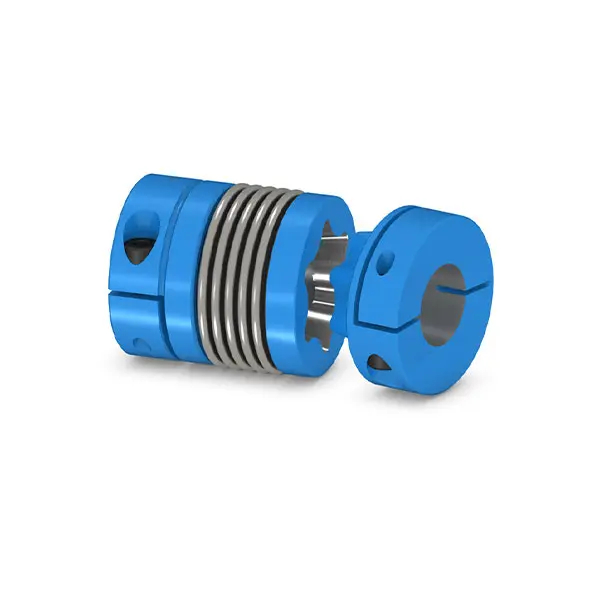 SIPEX Backlash free Coupling high performance
 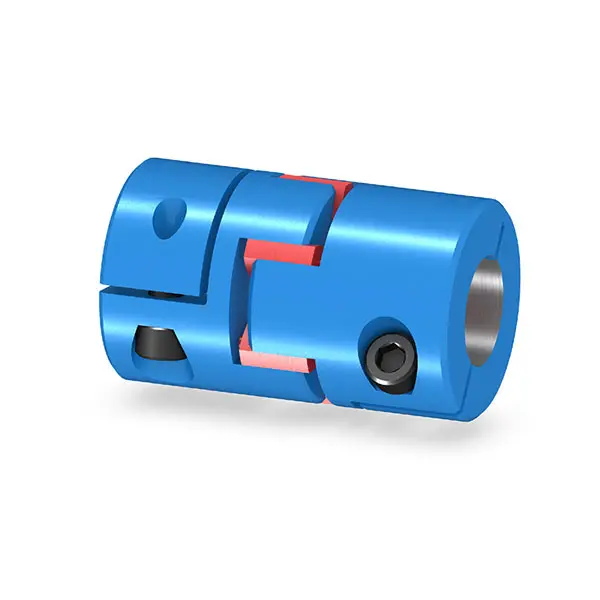 BIPEX S Backlash free Coupling high performance
 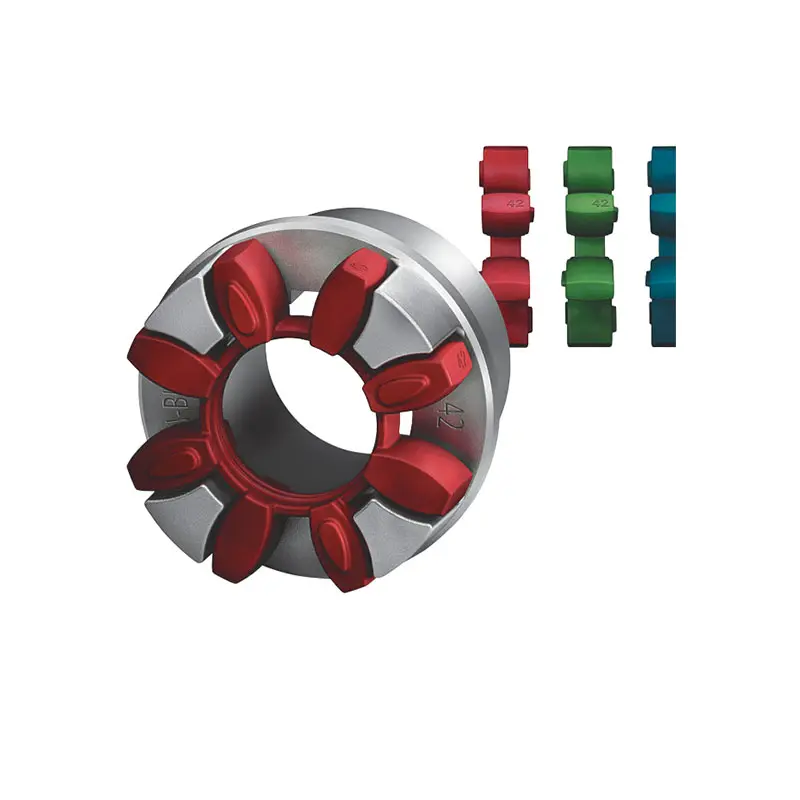 FLENDER Coupling Spare Parts high performance
 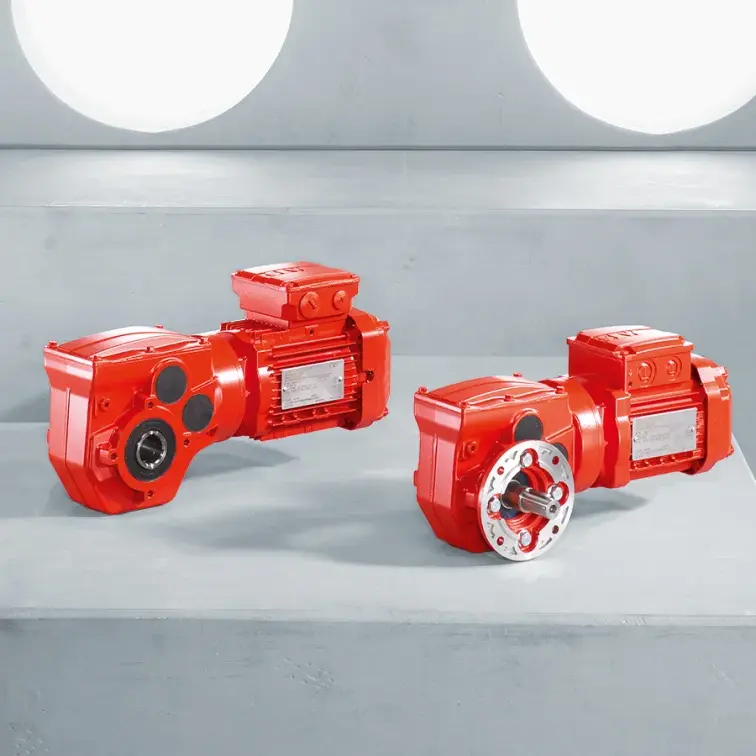 SEW Gearmotor
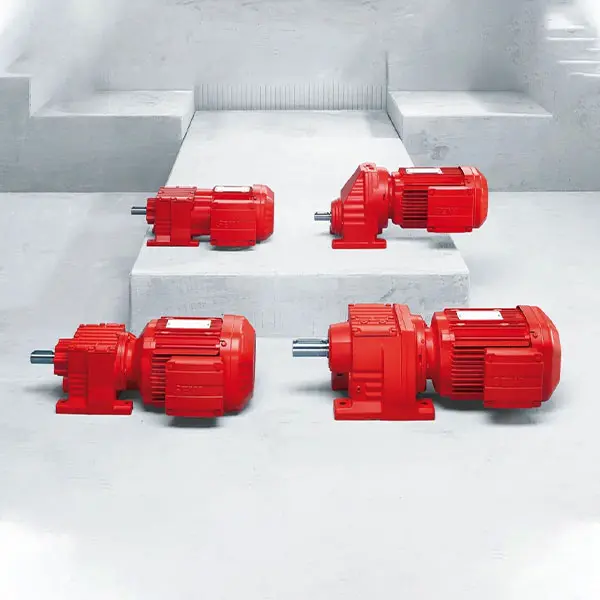 R Series Helical Gearmotor low voltage
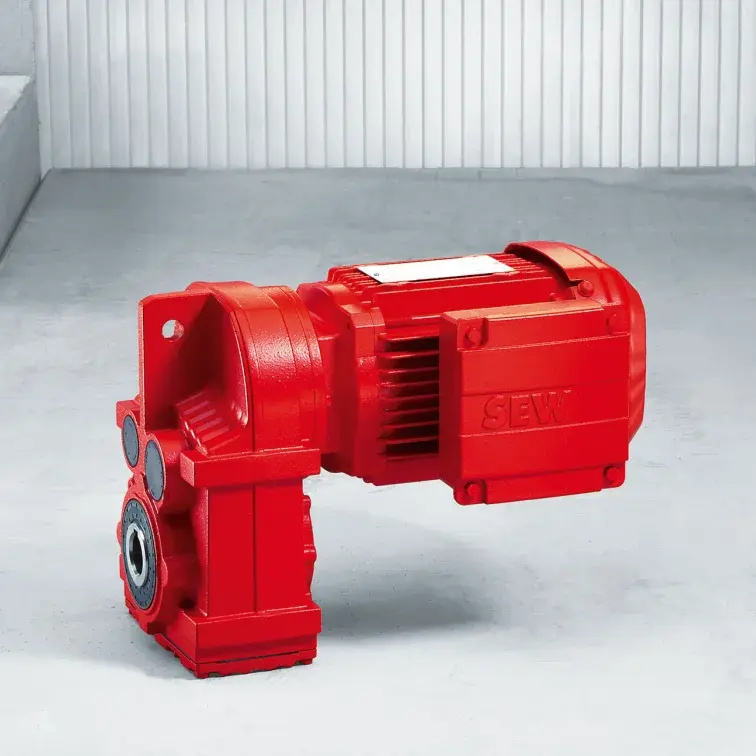 F Series Parallel Shaft Gearmotor low voltage
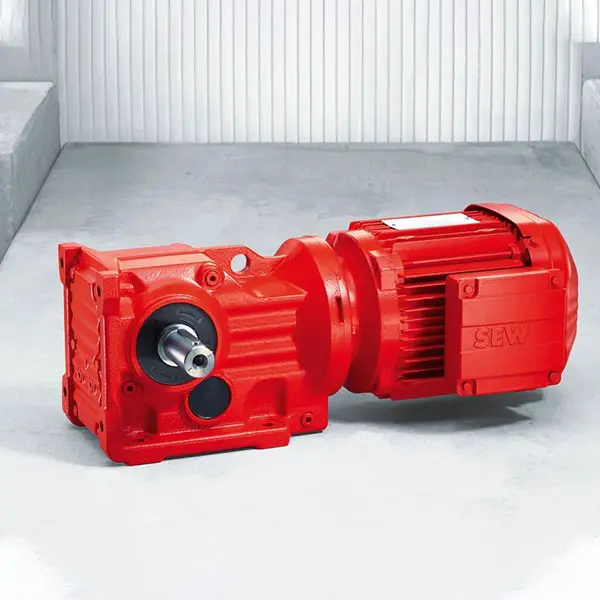 K Series Helical Bevel Gearmotor low voltage
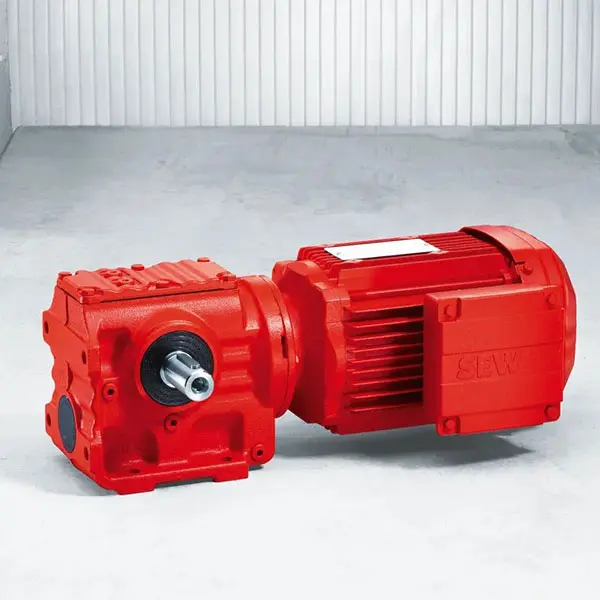 S Series Helical Worm Gearmotor low voltage
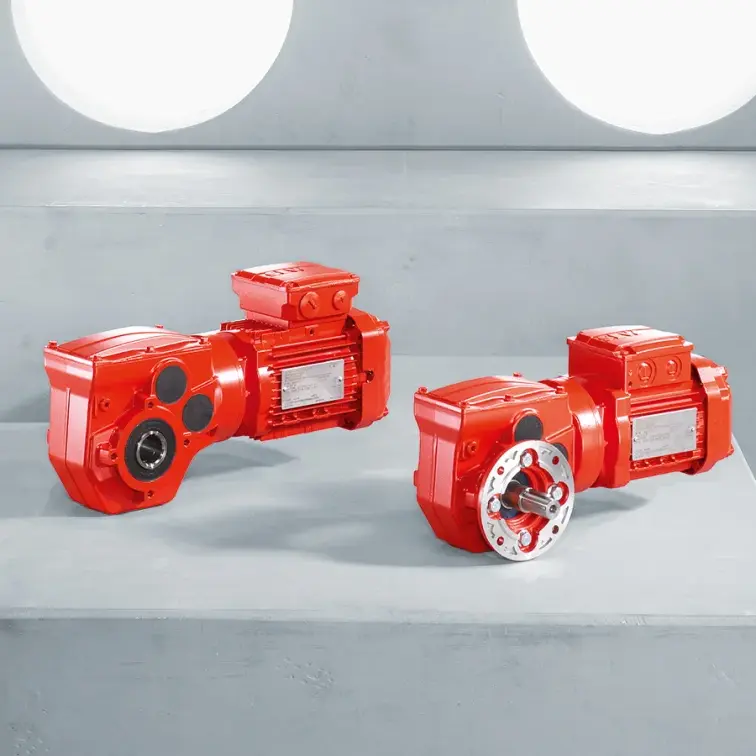 W Series SPIROPLAN® Right Angle Gearmotor