Top Bedding Fabric Suppliers You Should Know About?
The bedding industry is thriving. A recent report reveals that the global bedding market is projected to reach $104 billion by 2025. As demand grows, knowing the top bedding fabric suppliers becomes essential. These suppliers play a crucial role in enhancing the quality and comfort of our bedding products.
bedding fabric suppliers offer various materials, including cotton, linen, and polyester. Each fabric has unique properties suited for different preferences. For instance, cotton is renowned for its softness, while linen provides breathability. Understanding these differences can significantly impact sleep quality. However, not every supplier guarantees premium quality. Some may compromise on fabric sourcing, impacting durability and comfort.
Choosing the right supplier requires careful consideration. High-quality materials often come with a higher price tag. Yet, investing in good bedding is vital for overall health. The right fabric can improve sleep quality and promote well-being. As we explore leading bedding fabric suppliers, it’s critical to remain aware of these factors and reflect on our choices in beddings.
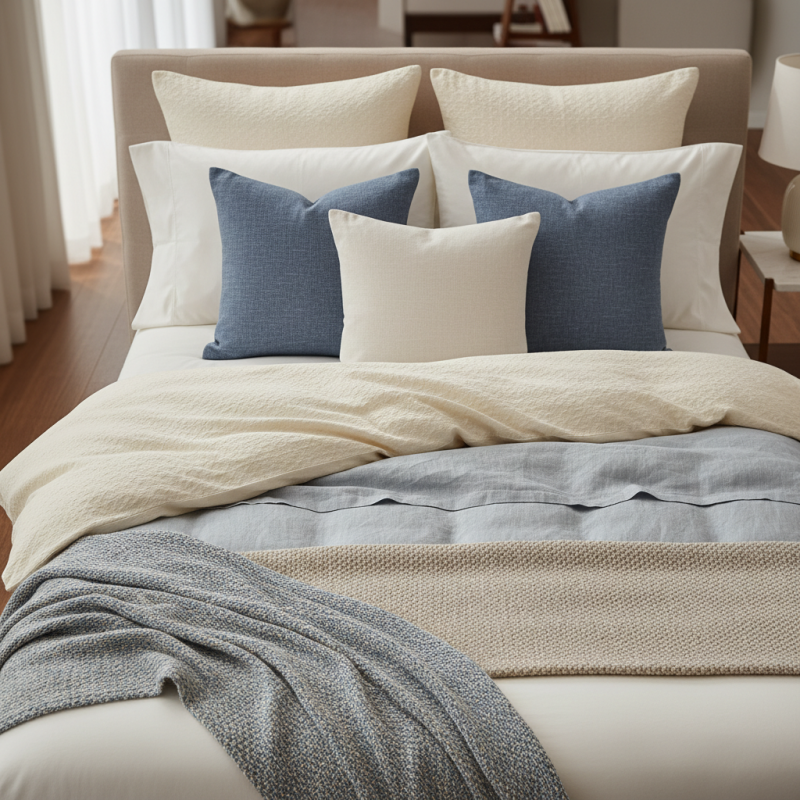
Key Criteria for Choosing Bedding Fabric Suppliers
When selecting bedding fabric suppliers, several key criteria come into play. Quality is paramount. You want materials that are soft, durable, and breathable. Fabrics like cotton and linen often top the list. Their natural fibers provide comfort and longevity. However, assessing quality can be tricky. Always ask for samples. Feel the texture. Check the stitching. This hands-on approach reveals a lot.
Price is another vital factor. While you might find cheap options, beware of quality compromises. Sometimes, paying a bit more ensures better durability. Moreover, consider the supplier's reputation. A reliable supplier fosters trust. Read reviews and ask for references. A strong track record speaks volumes, but not everyone may have one. Dive deeper into their business practices and customer service.
Lastly, don't overlook the range of products offered. A diverse catalog allows for creativity in your designs. However, too many options can lead to confusion. Balancing variety with clarity is essential. It's okay to struggle to find that sweet spot. Reflect on what works best for your needs and preferences as you navigate this decision-making process.
Overview of the Top Bedding Fabric Suppliers in the Industry
The bedding fabric industry is vast and dynamic. Many suppliers specialize in various textiles. Quality, comfort, and design are key factors that customers consider. Some suppliers focus on organic materials, emphasizing sustainability. Others concentrate on luxury fabrics, like silk and high-thread-count cotton. Each has its unique selling points.
In this competitive market, suppliers must keep up with trends. Emerging materials, like bamboo and recycled fabrics, are gaining popularity. However, not all innovations are successful. Some fabrics may lack durability or require excessive care. Suppliers often face challenges in maintaining a balance between quality and affordability. This inconsistency can lead to customer dissatisfaction.
The selection of bedding fabric suppliers is crucial for manufacturers. They should explore multiple options to find the best fit for their needs. Price, fabric properties, and delivery times are essential considerations. Engaging with suppliers who offer samples is wise. This allows manufacturers to test the product quality before committing. The journey of sourcing bedding fabrics is intricate, and thoughtful reflection is necessary for success.
Sustainable and Eco-Friendly Bedding Fabric Suppliers
Choosing sustainable bedding fabric is crucial for eco-conscious consumers. Reports indicate that the textile industry contributes nearly 10% of global carbon emissions. By opting for eco-friendly materials, such as organic cotton or bamboo, consumers can significantly reduce their environmental footprint. Many suppliers are now prioritizing sustainability, using processes that minimize waste and pollution.
When selecting bedding, consider the certifications. Look for GOTS, OEKO-TEX, or similar labels. These certifications ensure that fabrics meet strict environmental and social criteria. Additionally, some reports highlight that consumers are willing to pay up to 20% more for sustainable products. This trend shows a growing awareness and demand for eco-friendly options.
Tips: Always check the fabric's lifecycle. Understanding where and how it is produced can illuminate hidden environmental costs. Opt for versatile colors and styles that can outlast seasonal trends. This not only saves money but also reduces waste. Reflect on how often you change your bedding. Choosing durable and sustainable choices can prolong their use.
Top Sustainable Bedding Fabric Types and Their Eco-Impact
Comparative Analysis of Quality and Price Among Notable Suppliers
When selecting bedding fabrics, quality and price often stand at opposing ends. Recognizing these differences is essential. Not all suppliers provide the same level of comfort. Some fabrics may feel luxurious but come with a steep price tag. Others might be more affordable but sacrifice quality. This disparity requires careful consideration.
Tips: Always check for fabric certifications. This ensures that your bedding is made from safe materials. Look for things like breathability and softness. These factors significantly enhance sleep quality.
While exploring options, don't forget to factor in durability. High thread counts often indicate better quality. However, some suppliers may exploit this marketing tactic. Look beyond numbers. A thick, high-quality fabric feels different from one that's merely high in thread count.
Ultimately, balancing quality and price is subjective. Consider your budget and personal comfort. Some might find that spending a little more on a quality product pays off in the long term. Choose wisely and don't hesitate to ask questions.
Future Trends in Bedding Fabrics and Supplier Innovations
The bedding fabric industry is evolving rapidly. Consumers now seek eco-friendly materials that ensure comfort and durability. Innovations in organic cotton and bamboo fibers are gaining traction. These materials are not only sustainable but also breathable and hypoallergenic. They cater to modern needs and preferences.
Another key trend is the use of smart textiles. Fabrics that regulate temperature or enhance sleep quality are becoming more accessible. However, the integration of technology can be challenging. Manufacturers must ensure that these innovations do not compromise fabric comfort. Testing and quality control are essential but can be overlooked in the rush to innovate.
Moreover, customization is on the rise. Consumers want unique designs tailored to their personal taste. Suppliers are exploring on-demand manufacturing methods. This approach minimizes waste but raises questions about scalability and production speed. Balancing customization with efficiency is vital for future success. Both innovation and reflection are crucial in this dynamic market.
Top Bedding Fabric Suppliers You Should Know About
| Supplier Category | Fabric Type | Sustainability Initiatives | Technological Innovations | Market Trends |
| Natural Fiber Suppliers | Cotton, Linen | Organic certifications, Waste reduction programs | Bio-based dyes, Digital printing technology | Increasing demand for eco-friendly bedding |
| Synthetics Suppliers | Polyester, Microfiber | Recyclable materials, Energy-efficient processes | Moisture-wicking technologies, Antimicrobial finishes | Rising popularity of performance fabrics |
| Luxury Fabric Suppliers | Silk, Cashmere | Ethical sourcing, Animal welfare considerations | High-tech finish treatments, Customizable designs | Trend towards personalized luxury bedding |
| Innovative Startups | Bamboo, Hemp | Zero waste policies, Biodegradable options | Smart textiles, Temperature-regulating fibers | Shift towards health and wellness in sleep |

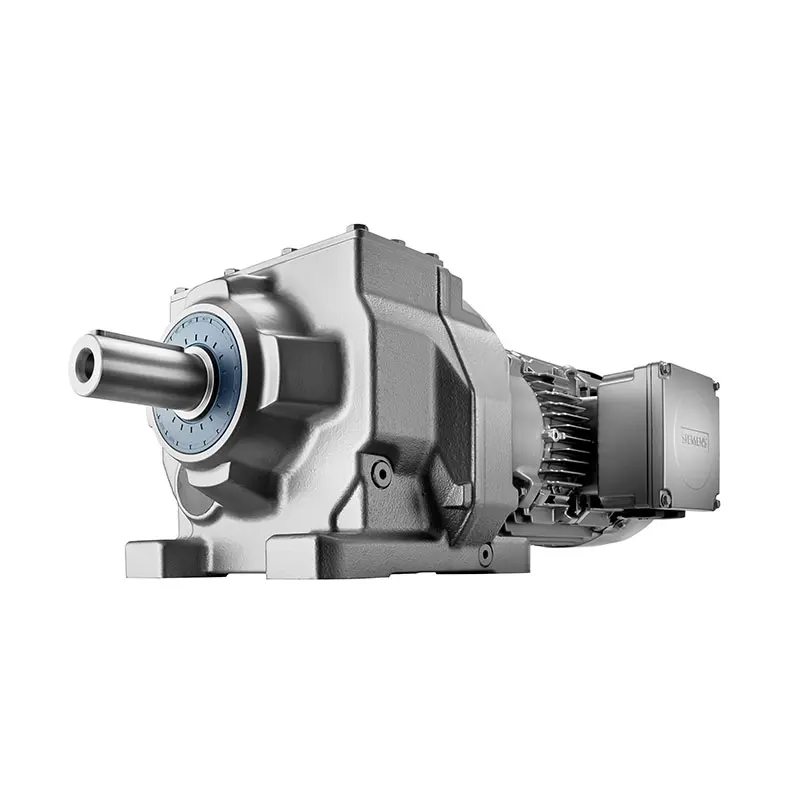 SIEMENS Helical Gearmotor Low Voltage
 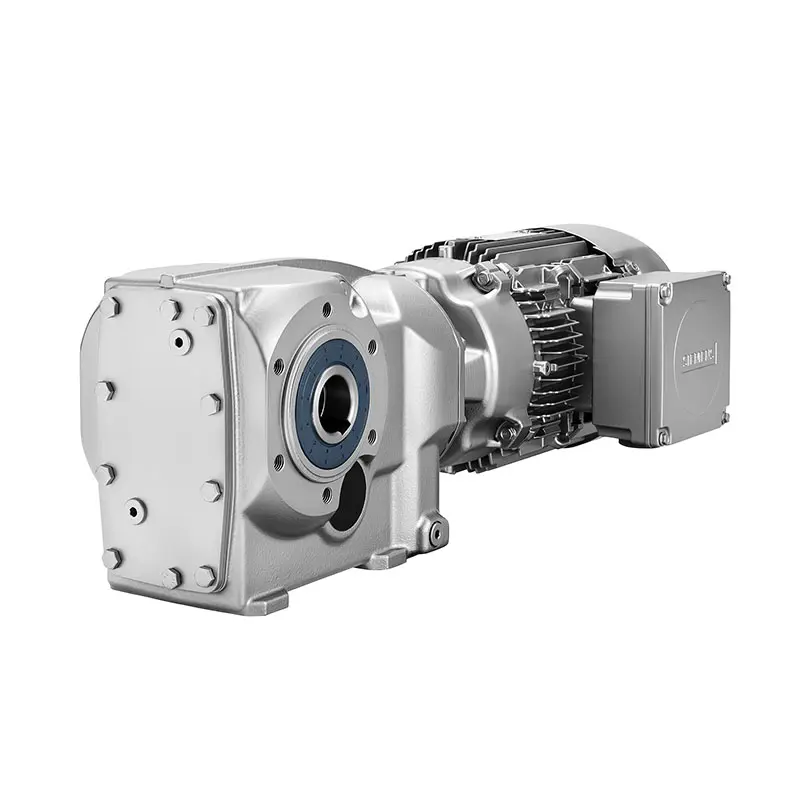 SIEMENS Bevel Helical Gearmotor
 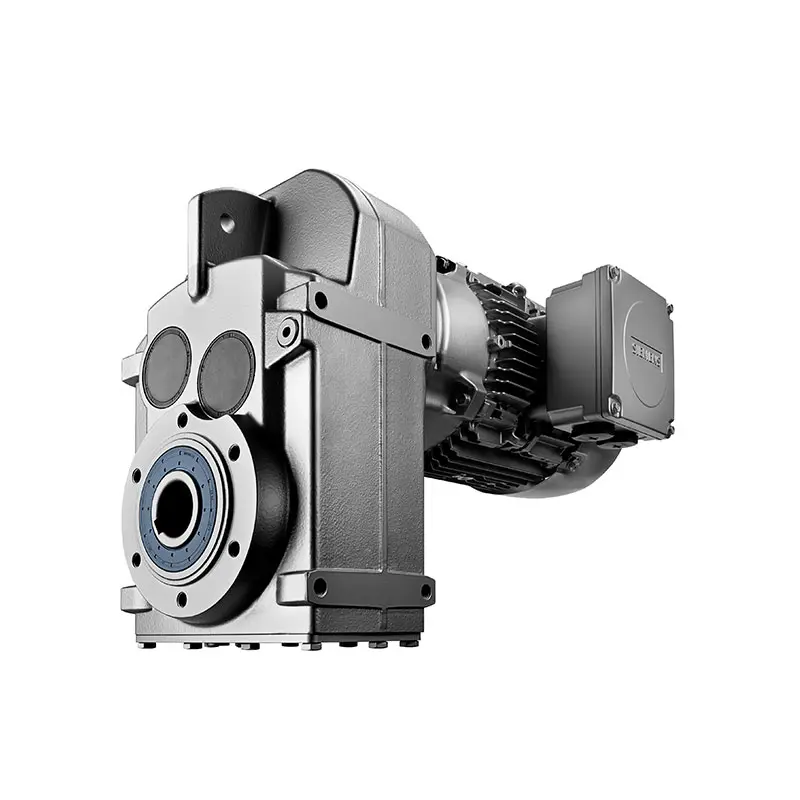 SIEMENS Parallel Shaft Gearmotor
 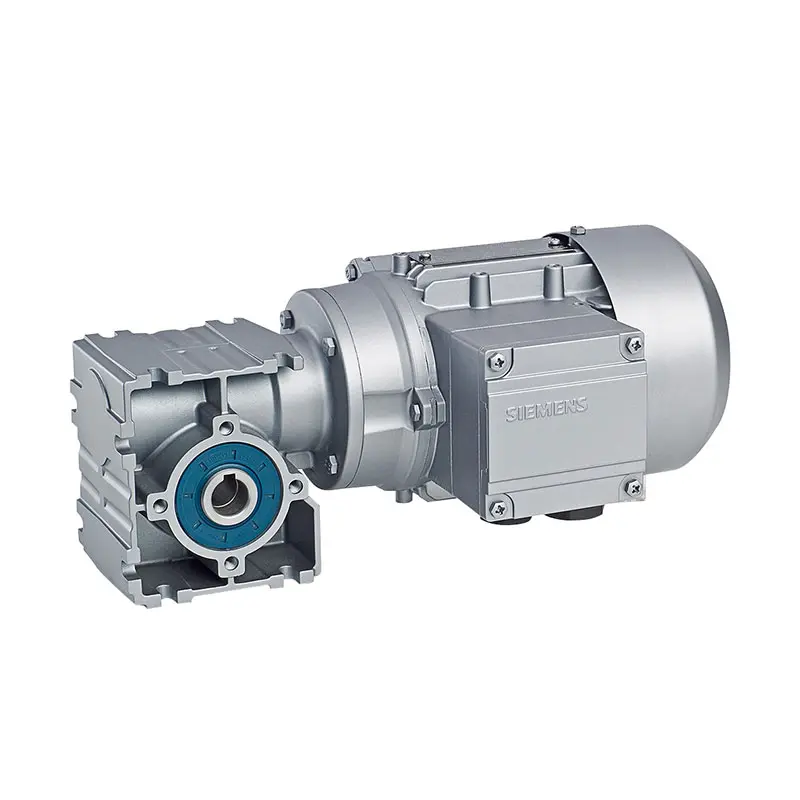 SIEMENS Worm Gearmotor Low Voltage
 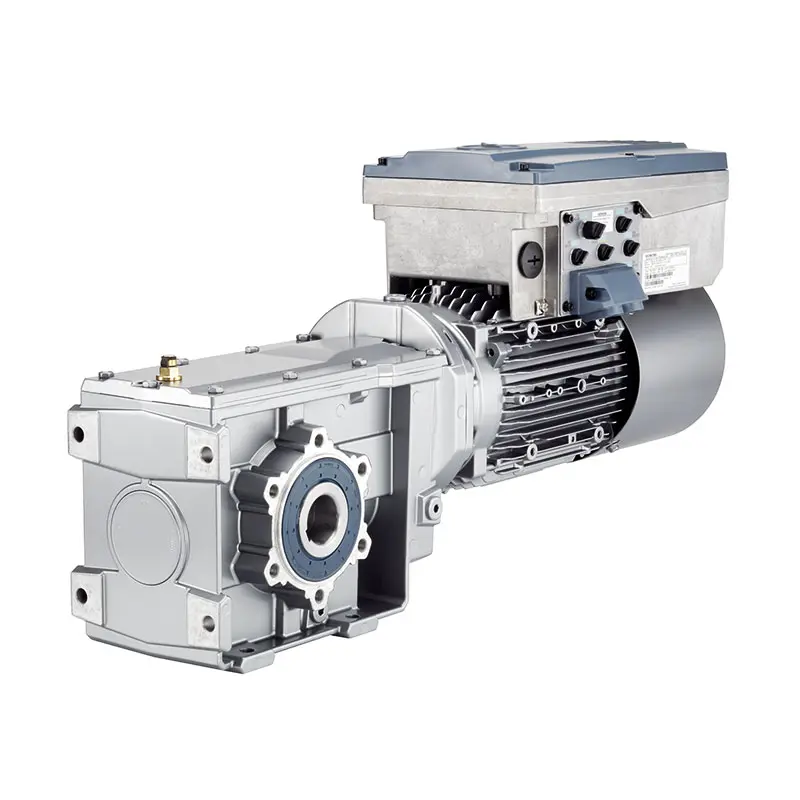 SIEMENS With Servo Motor Gearmotor
 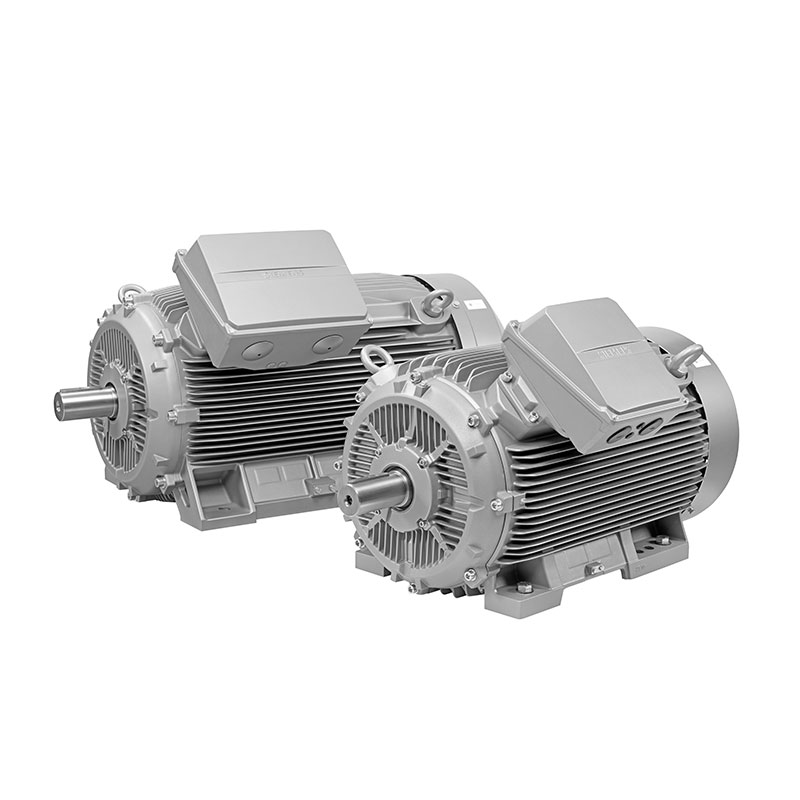 SIEMENS Low Voltage Motor Low Voltage
 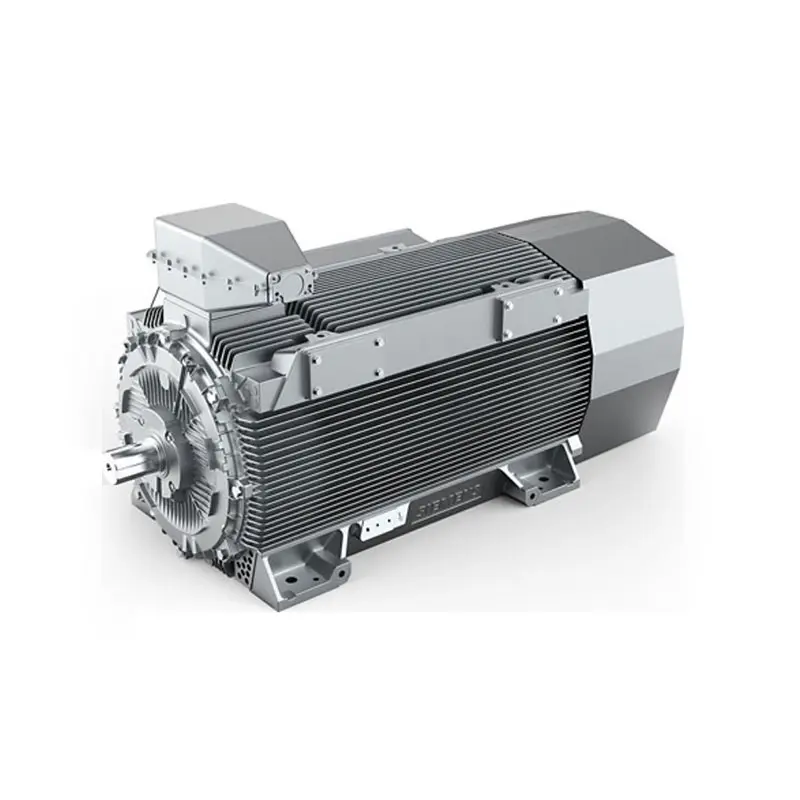 SIEMENS High Voltage Motor Low Voltage
  SIEMENS Marine Motor Low Voltage
 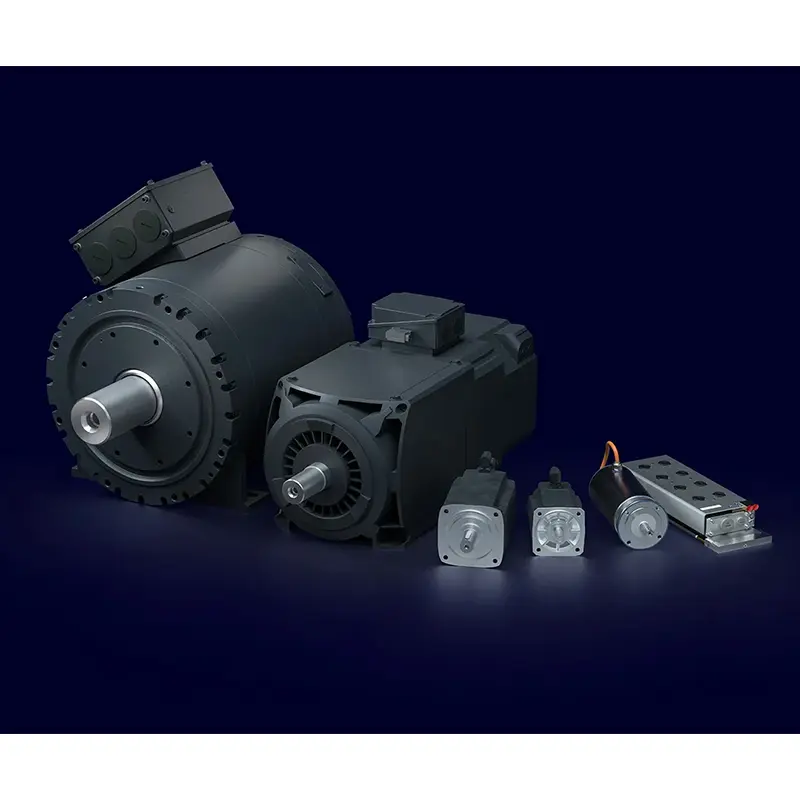 SIEMENS Servo Motor Low Voltage
 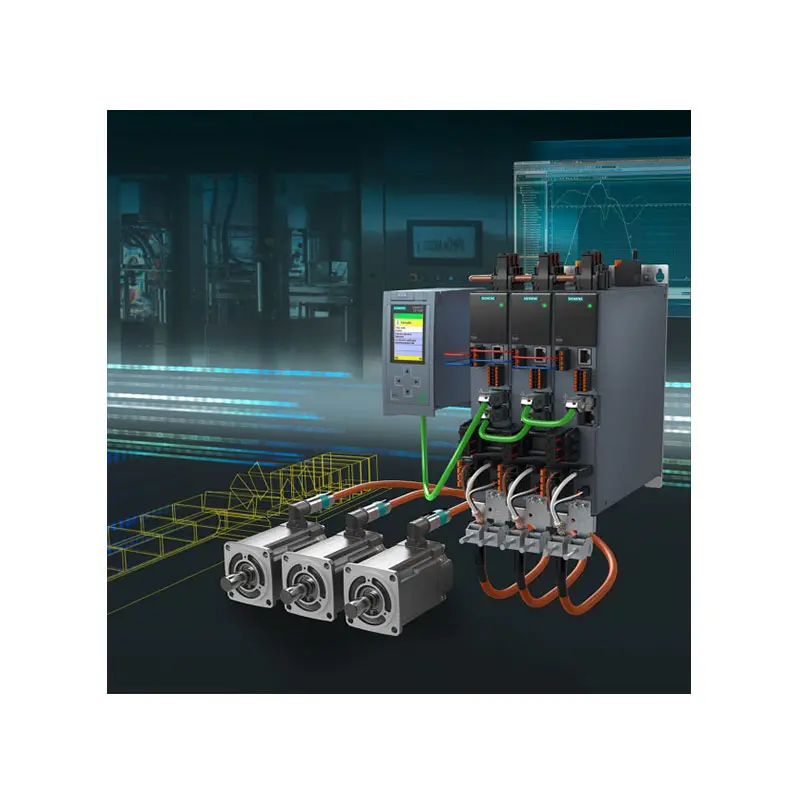 SIEMENS SINAMICS S210 Low Voltage
 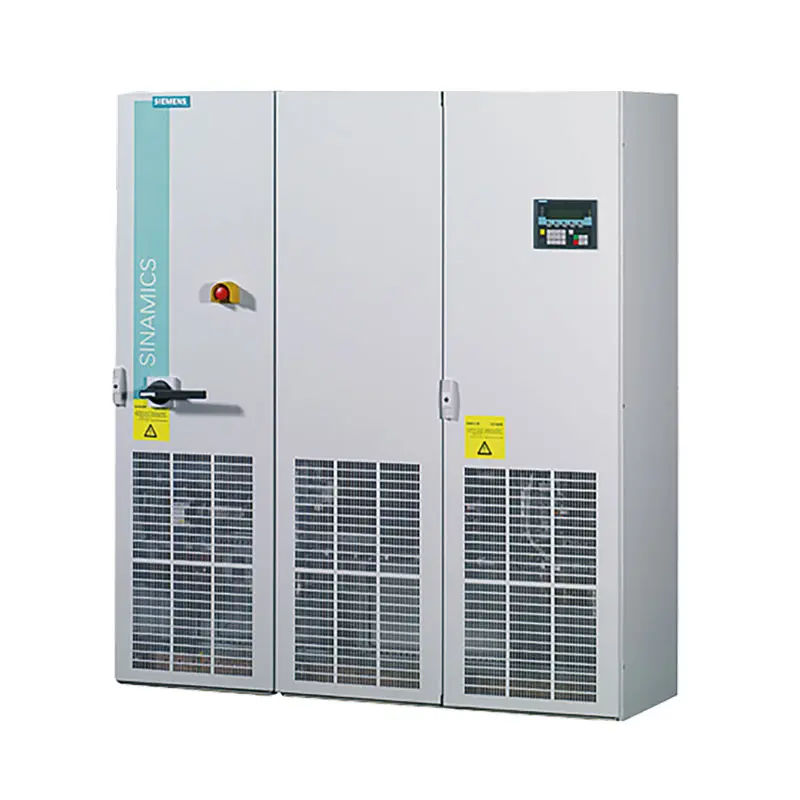 SIEMENS SINAMICS S150 Low Voltage
  SIEMENS SINAMICS S120 Low Voltage
 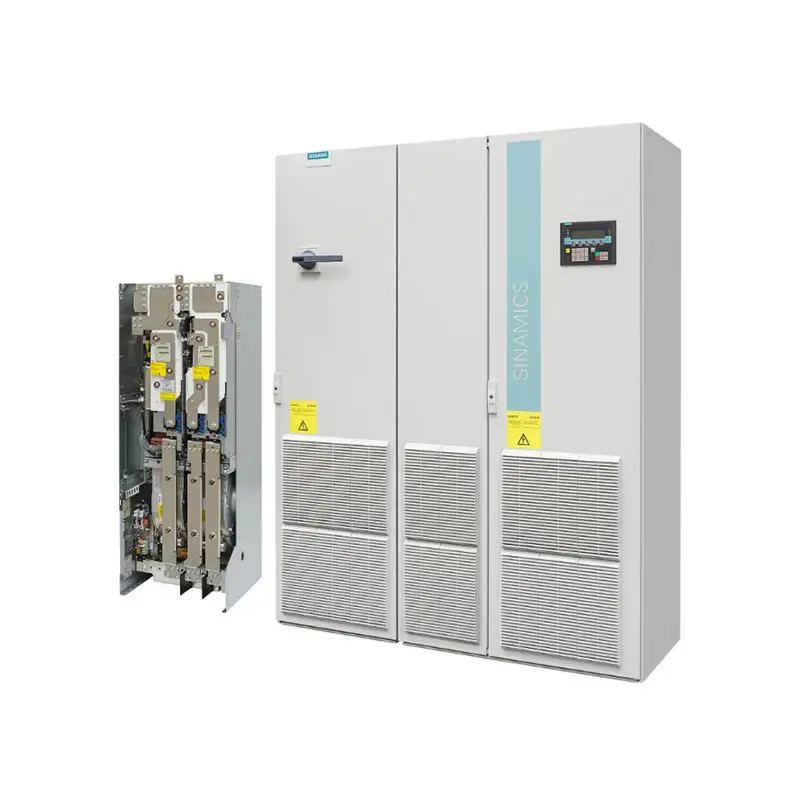 SIEMENS SINAMICS G130/G150
 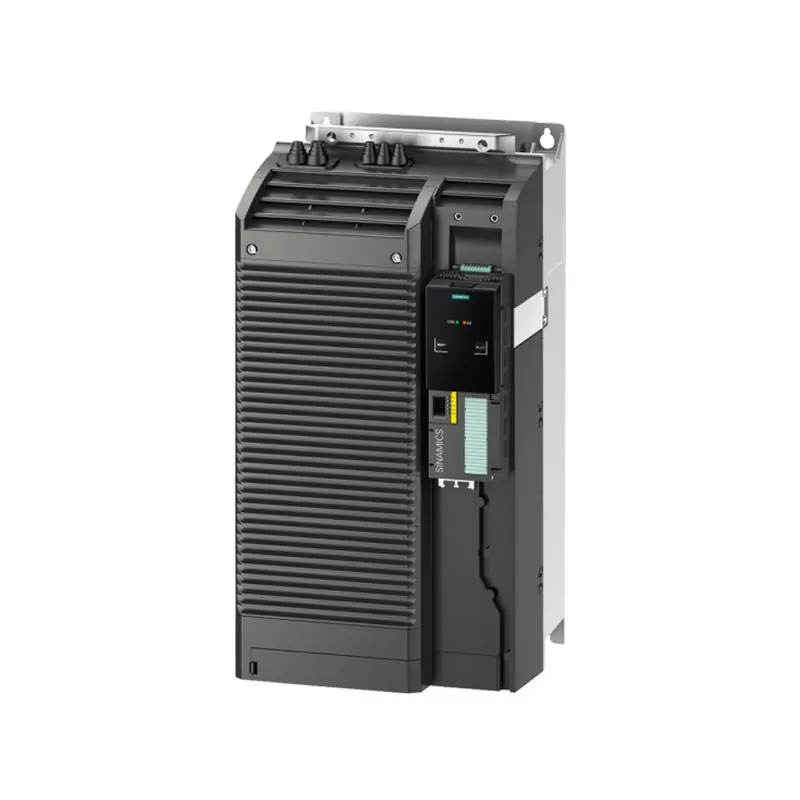 SIEMENS SINAMICS G120 Low Voltage
 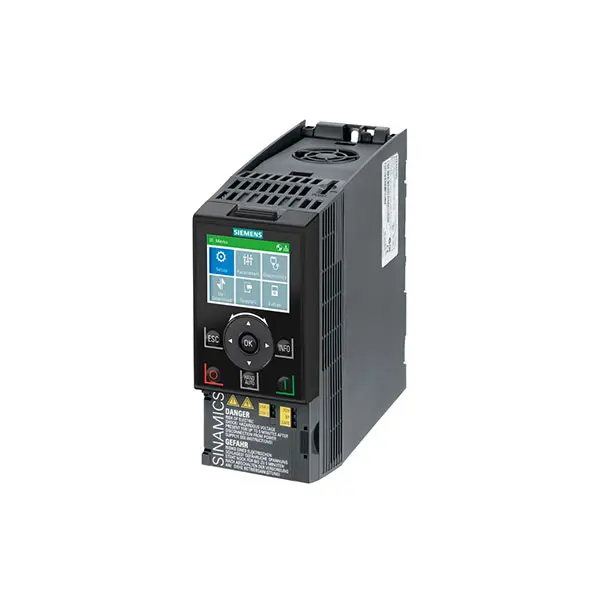 SIEMENS SINAMICS G120C Low Voltage
 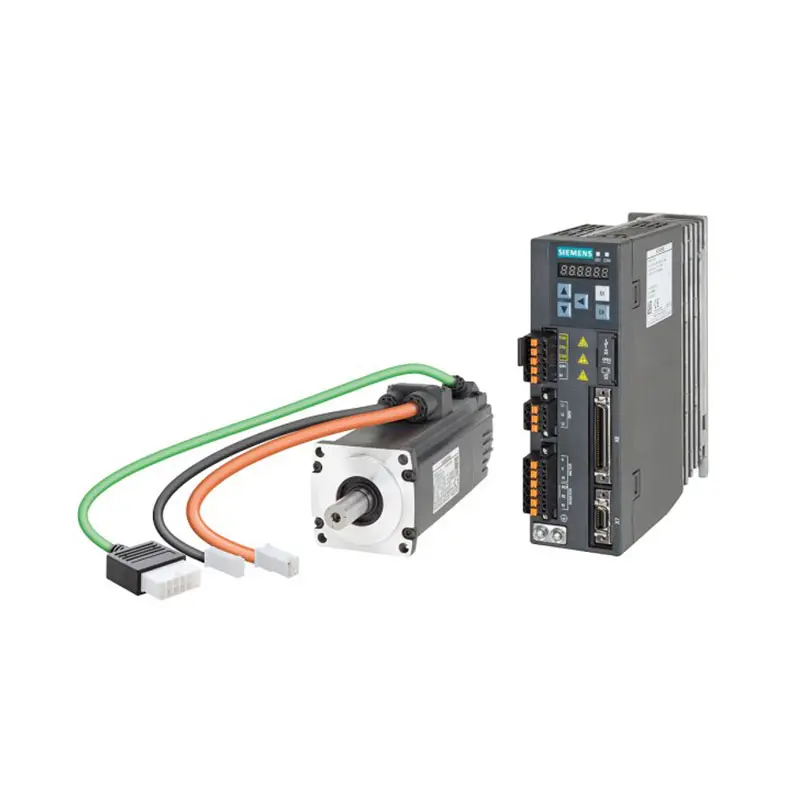 SIEMENS SINAMICS V90
 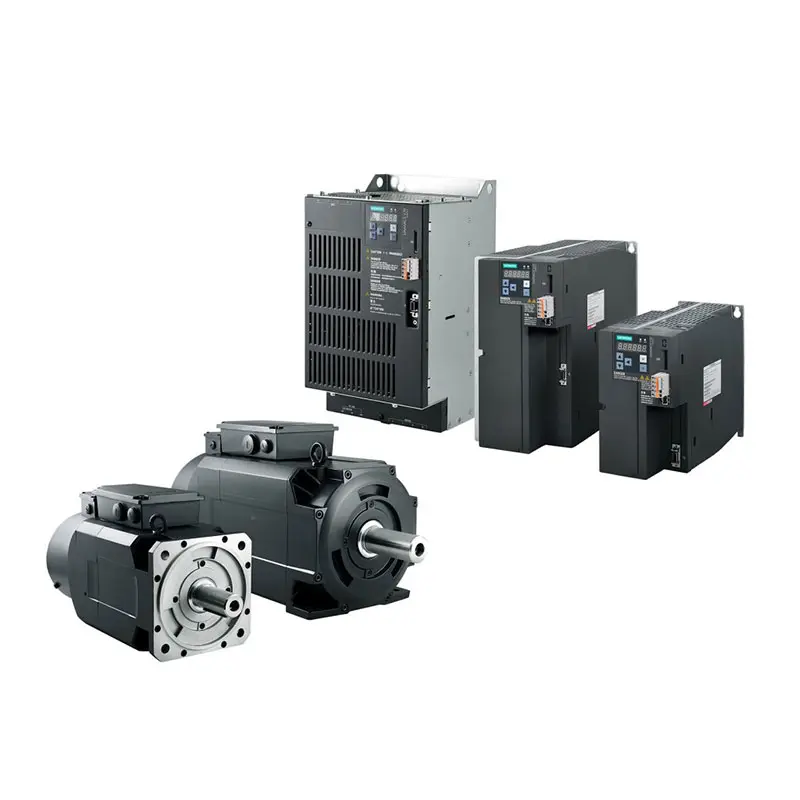 SIEMENS SINAMICS V70 Low Voltage
 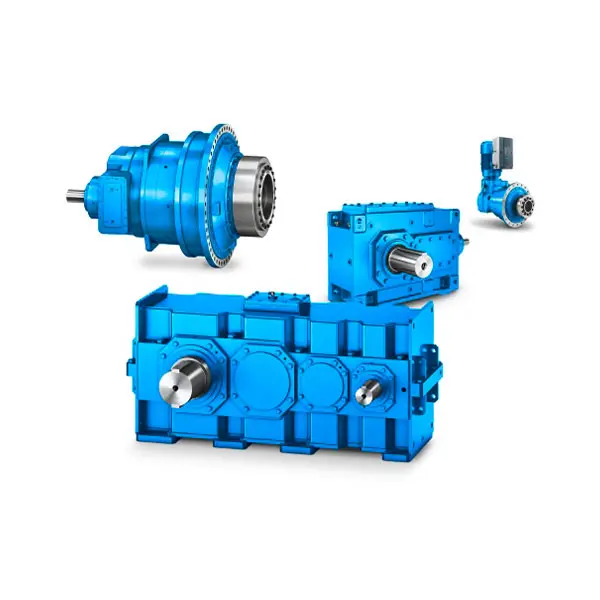 FLENDER Gear Unit
 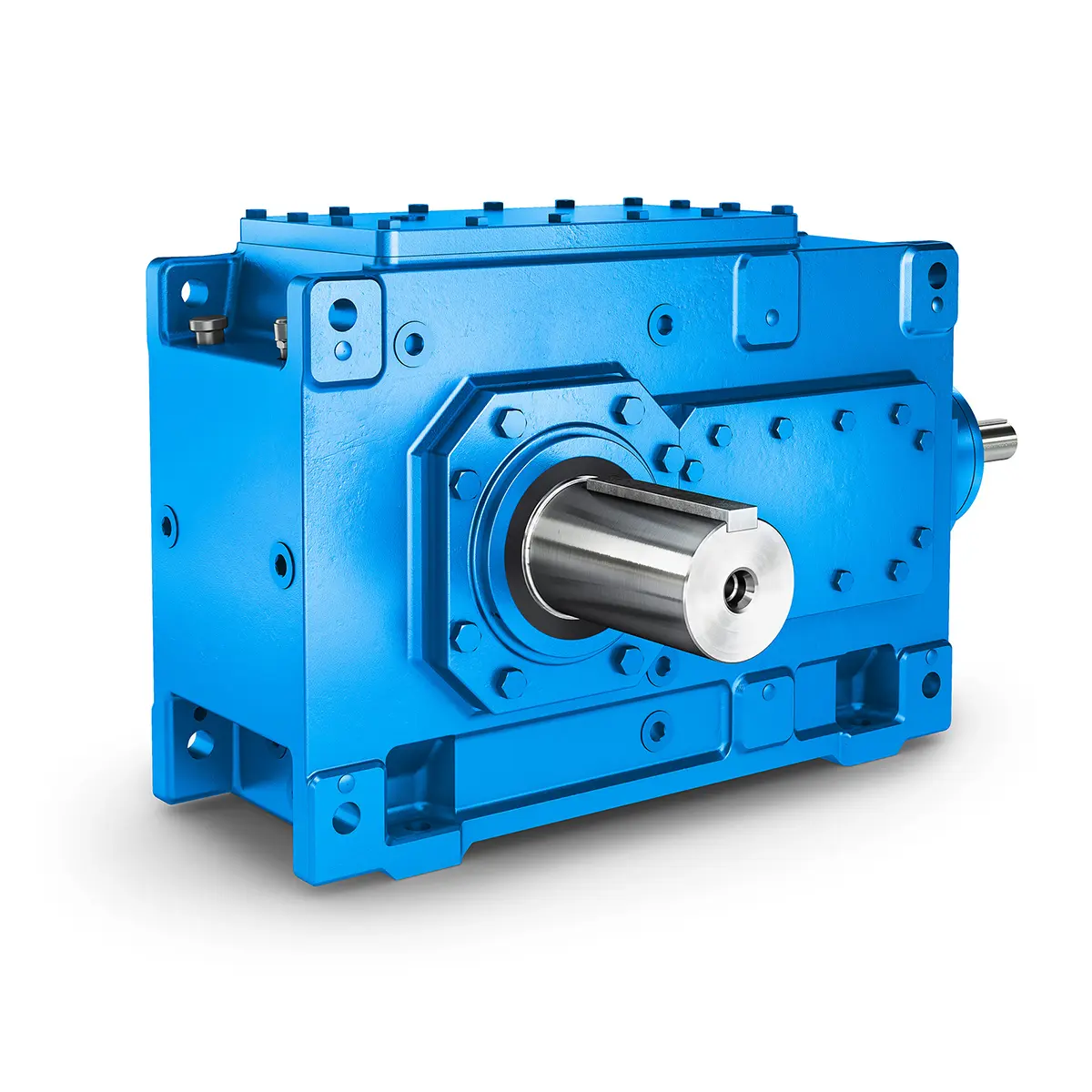 FLENDER Helical Gear Unit
 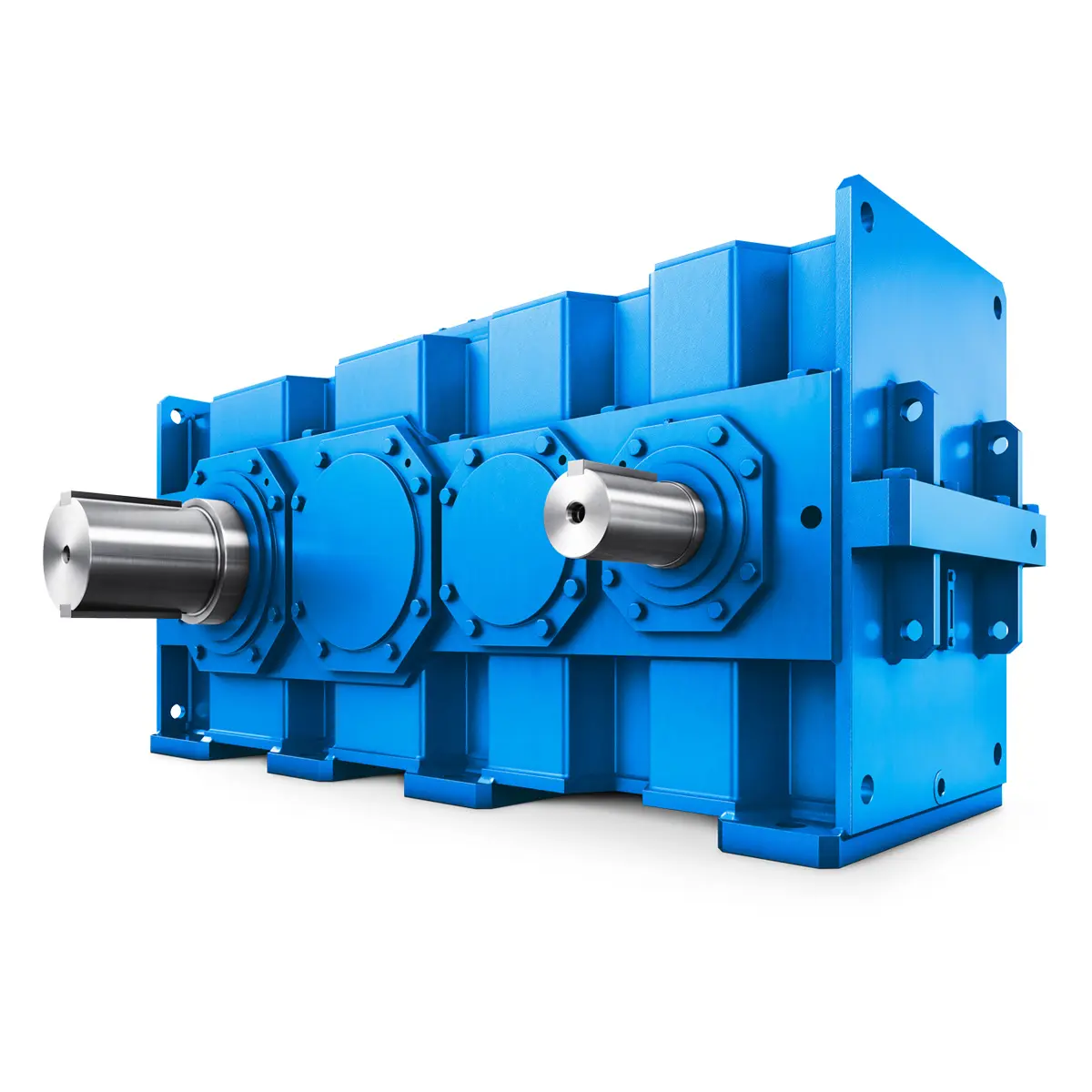 Flender gear units for lifting and luffing gears
 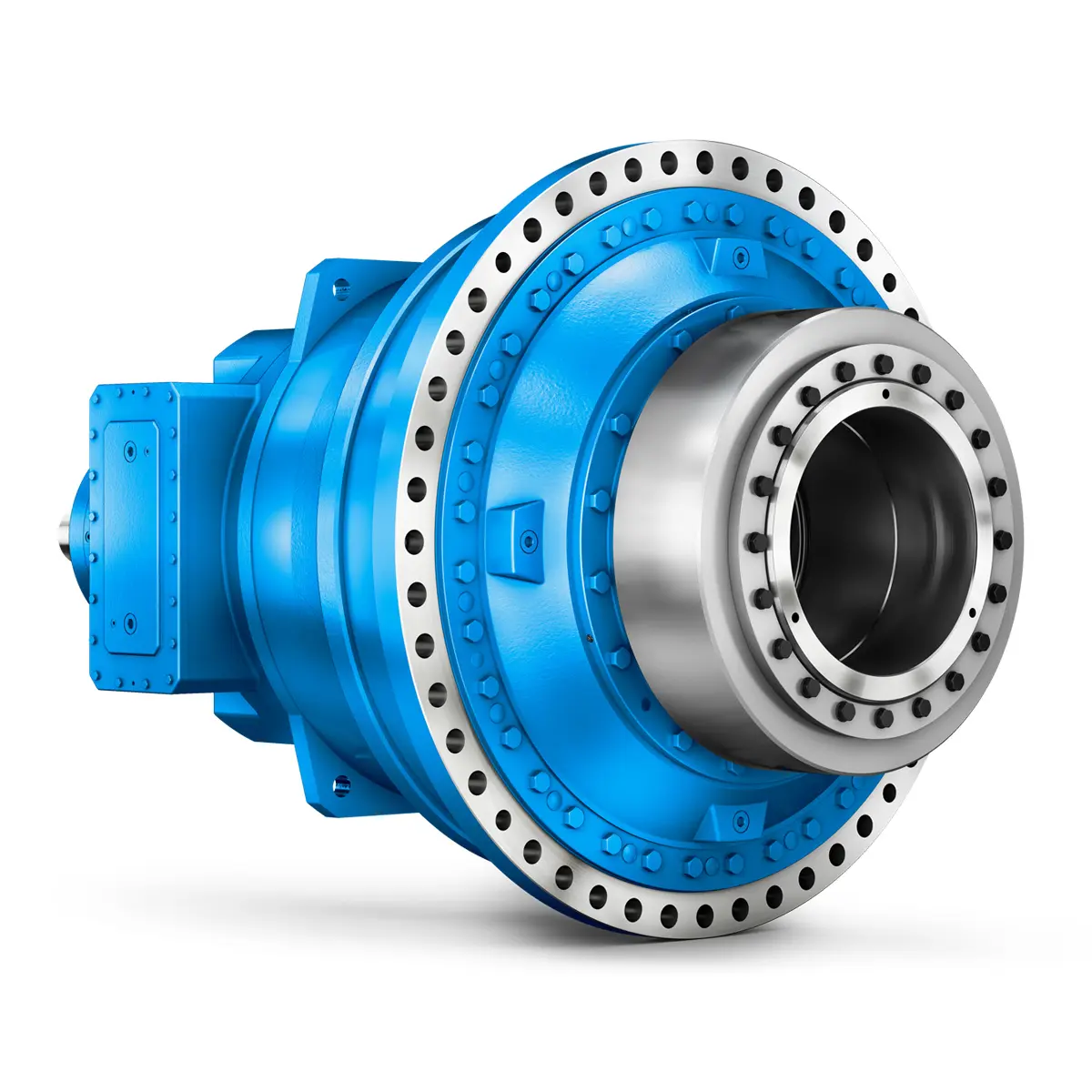 FLENDER Gear Unit gearunit gearbox
 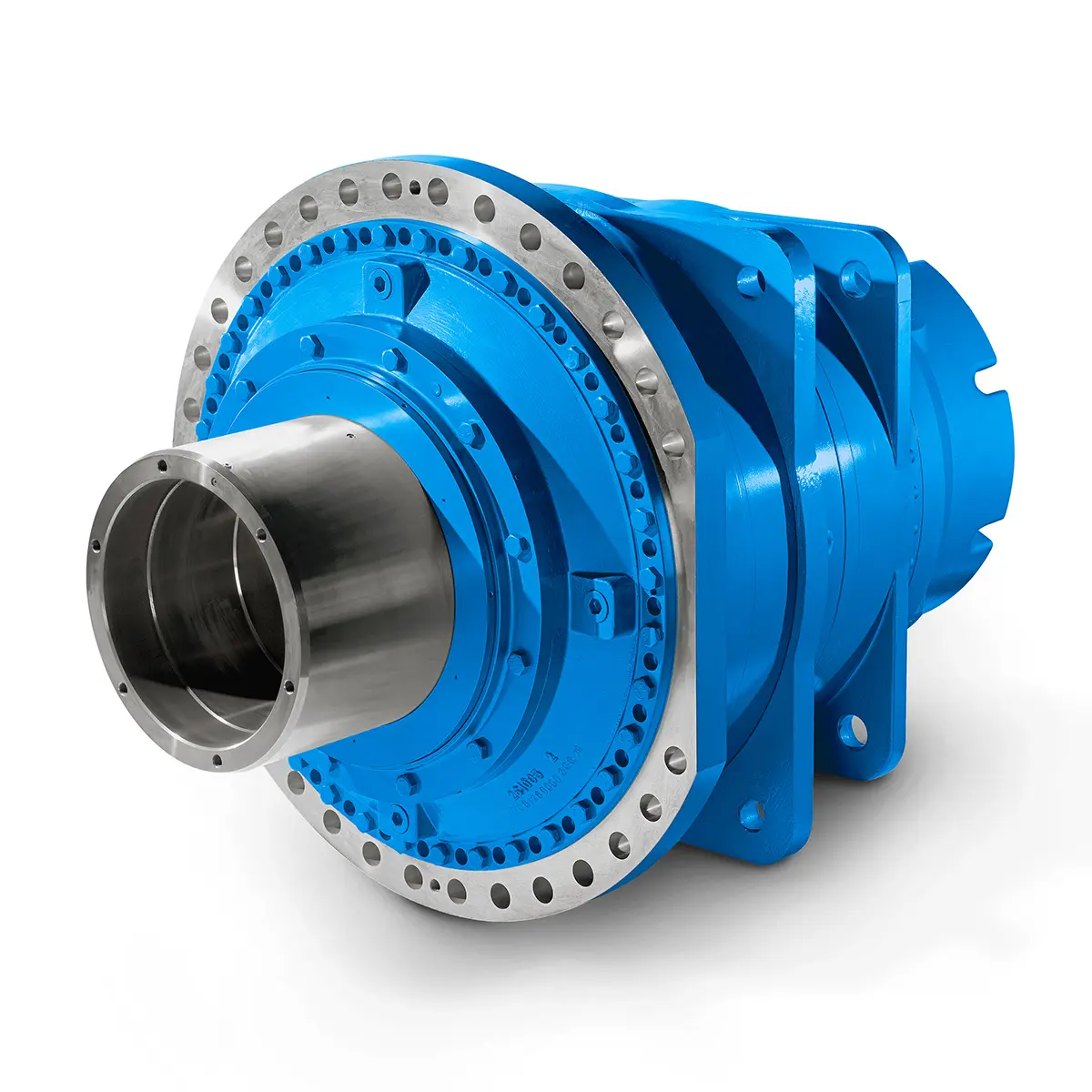 Optimal Drive Solution For Maximum Performance
 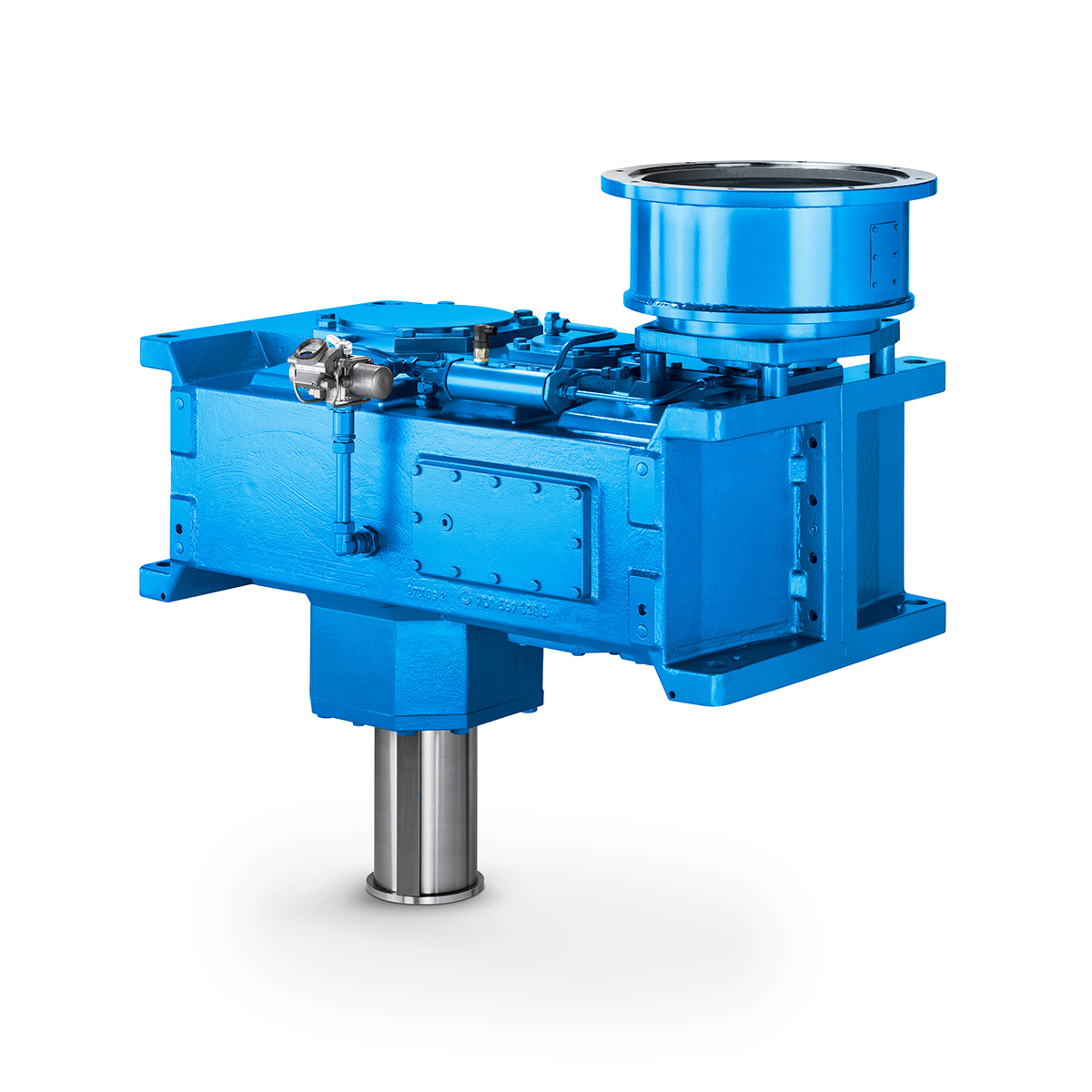 Strongly operating against biodegradable constituents
 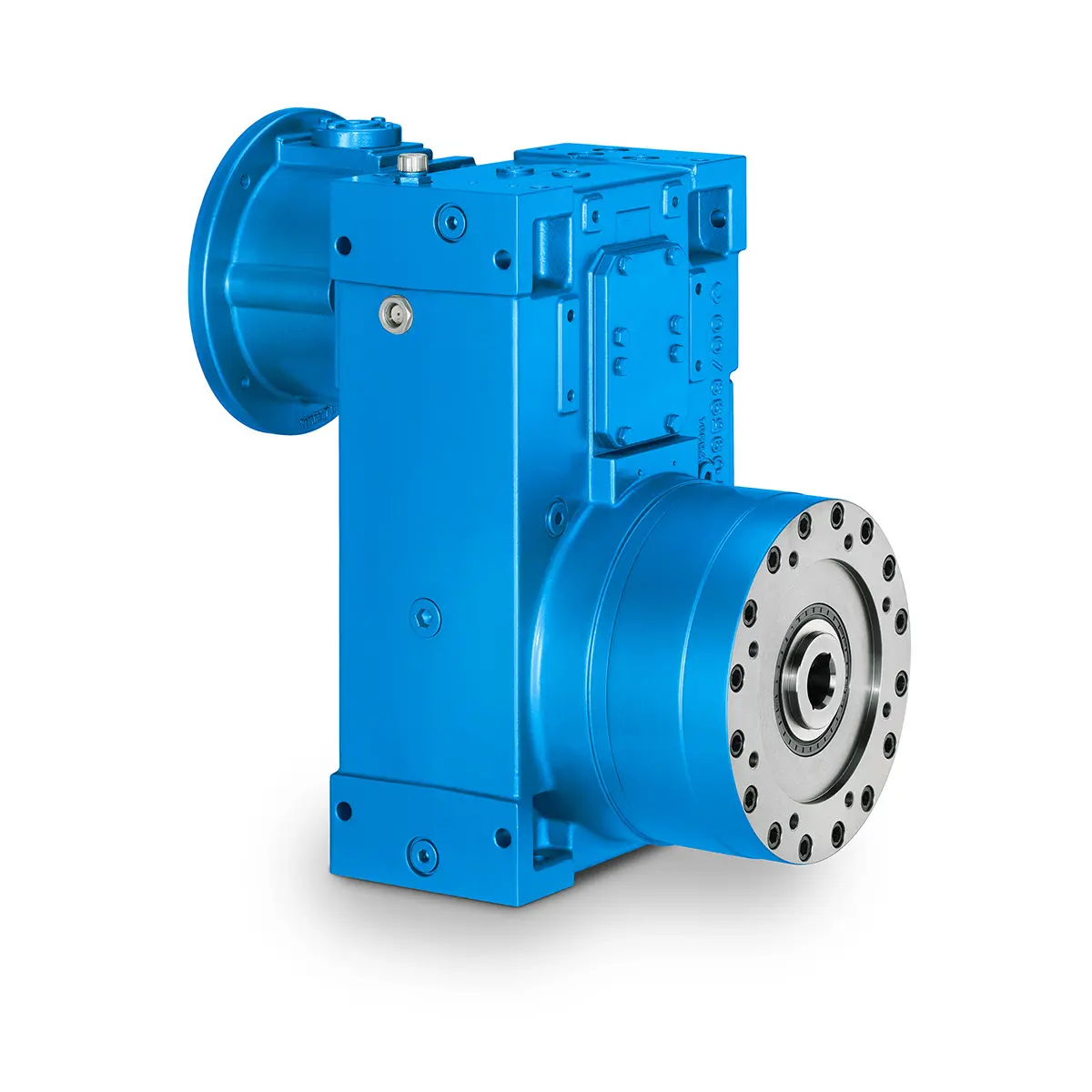 SINGLE SCREW Special industry dedicated gearunit gearbox
 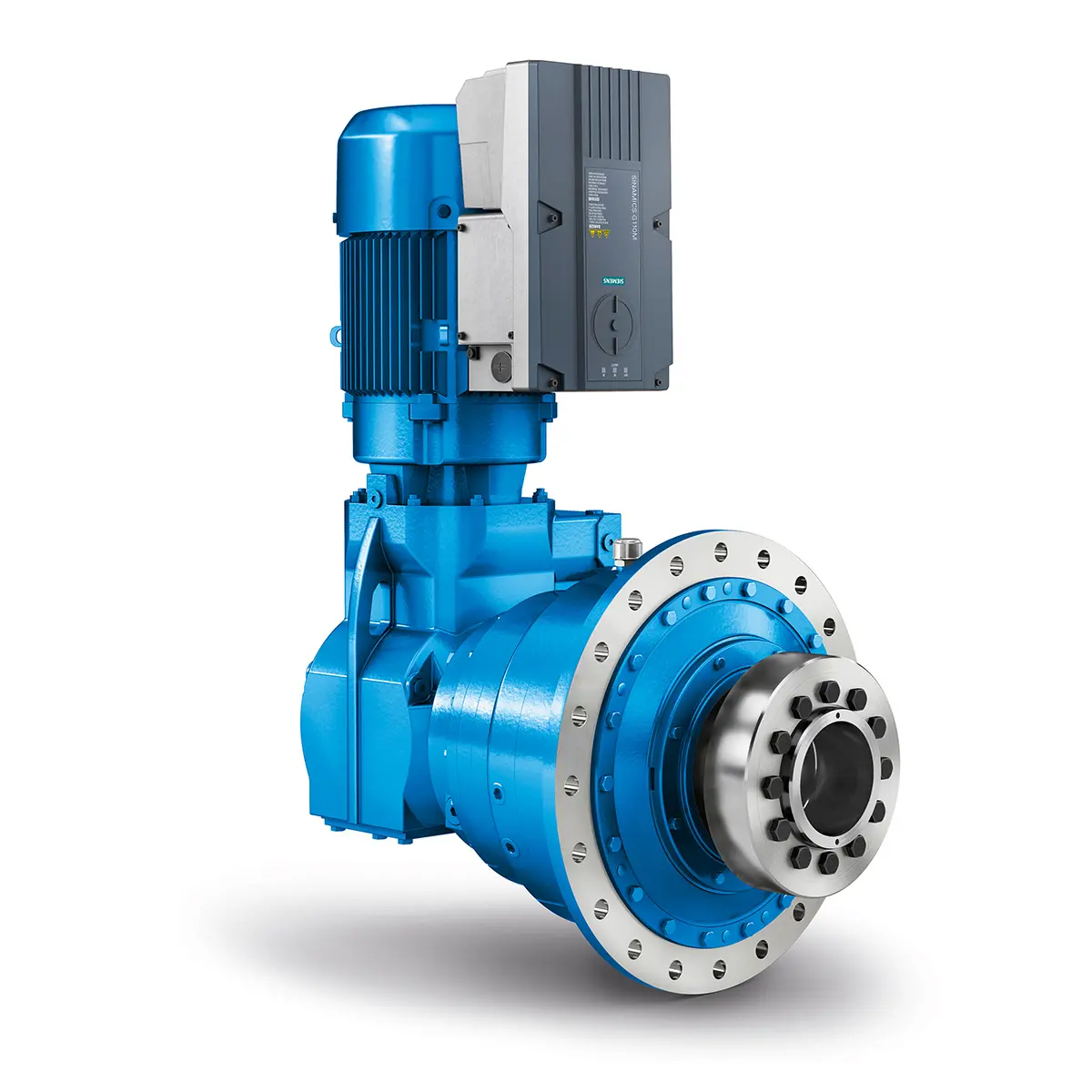 Playmaker In The Premium League
 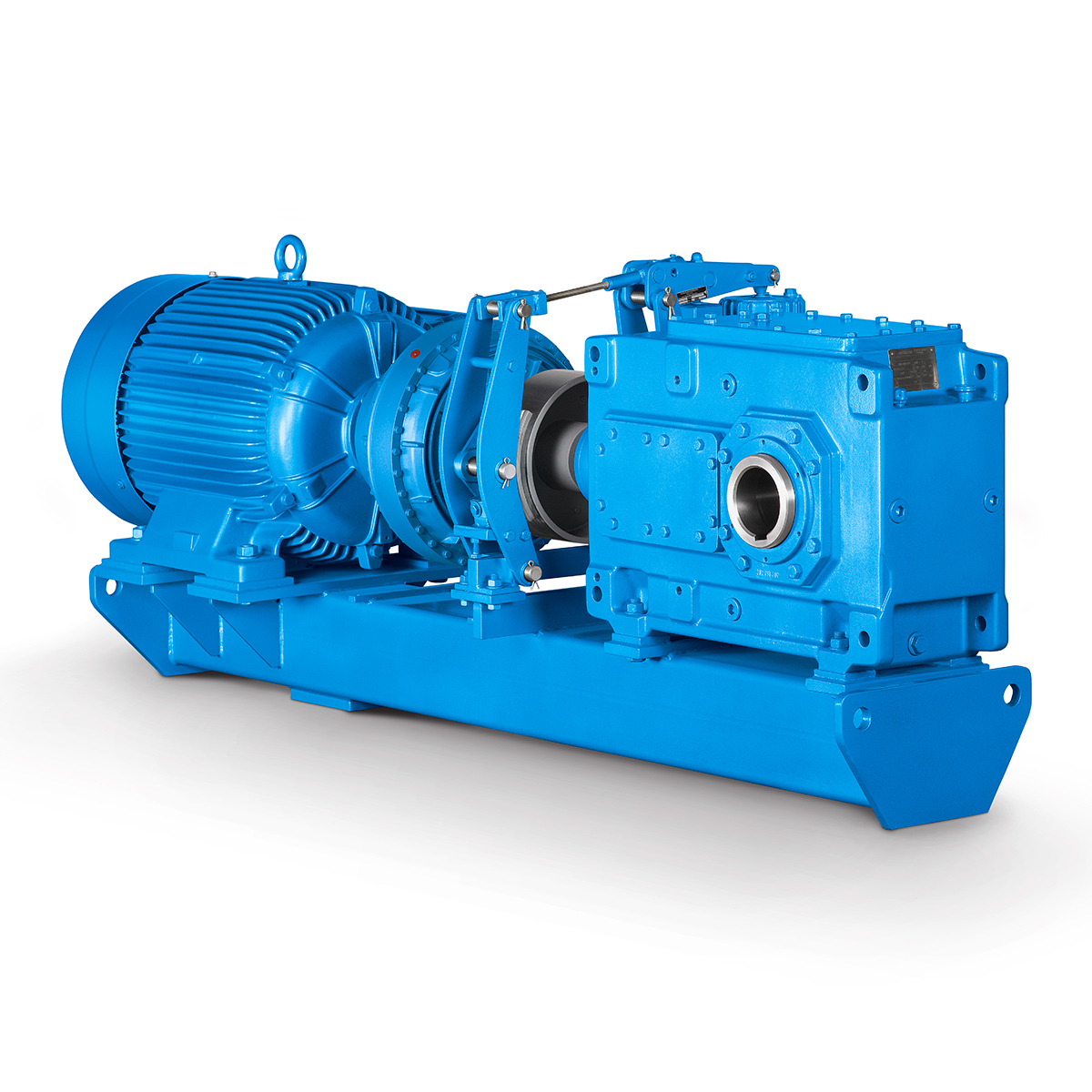 Conveyor belts gearunit gearbox
 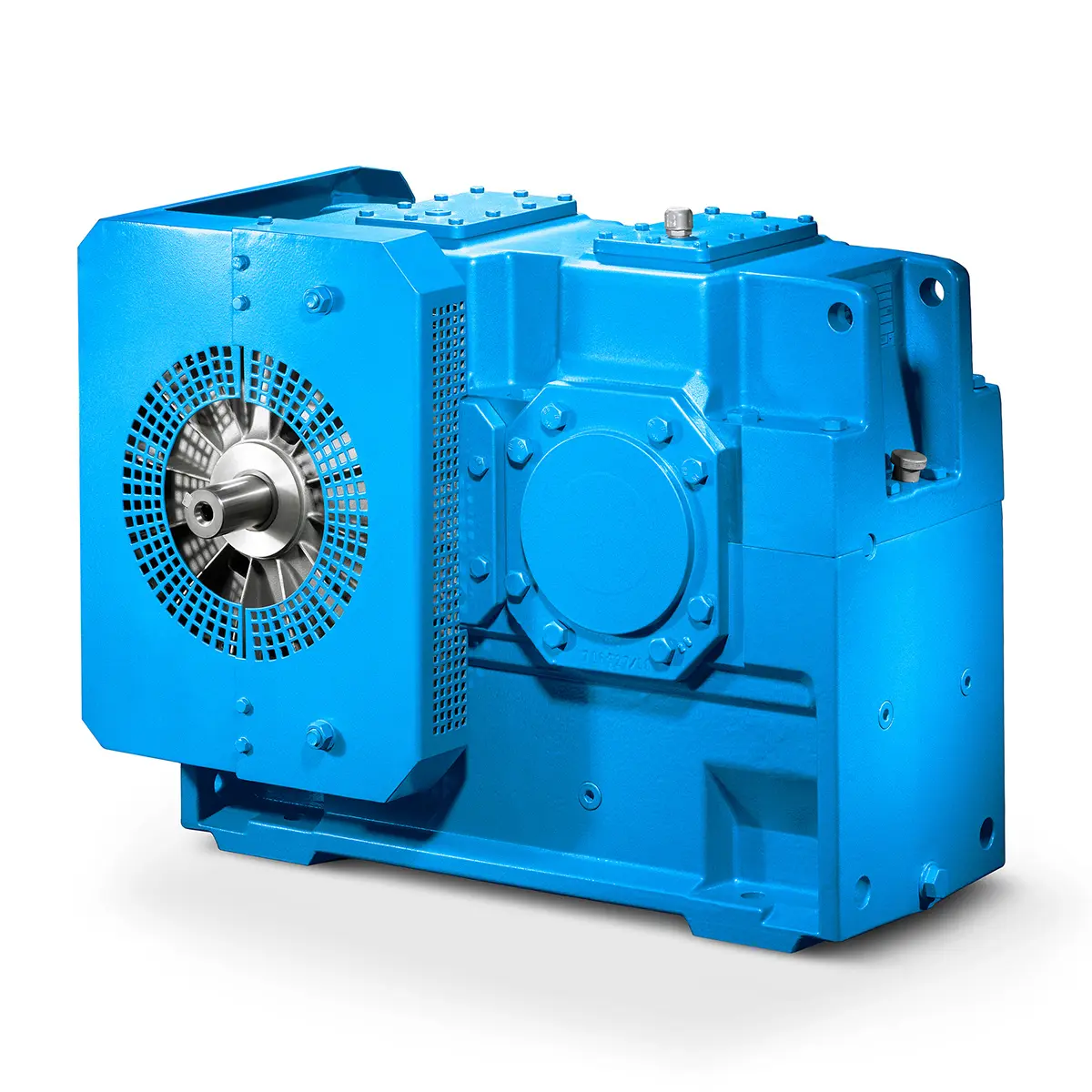 Paper And Pulp Preparation Sections
 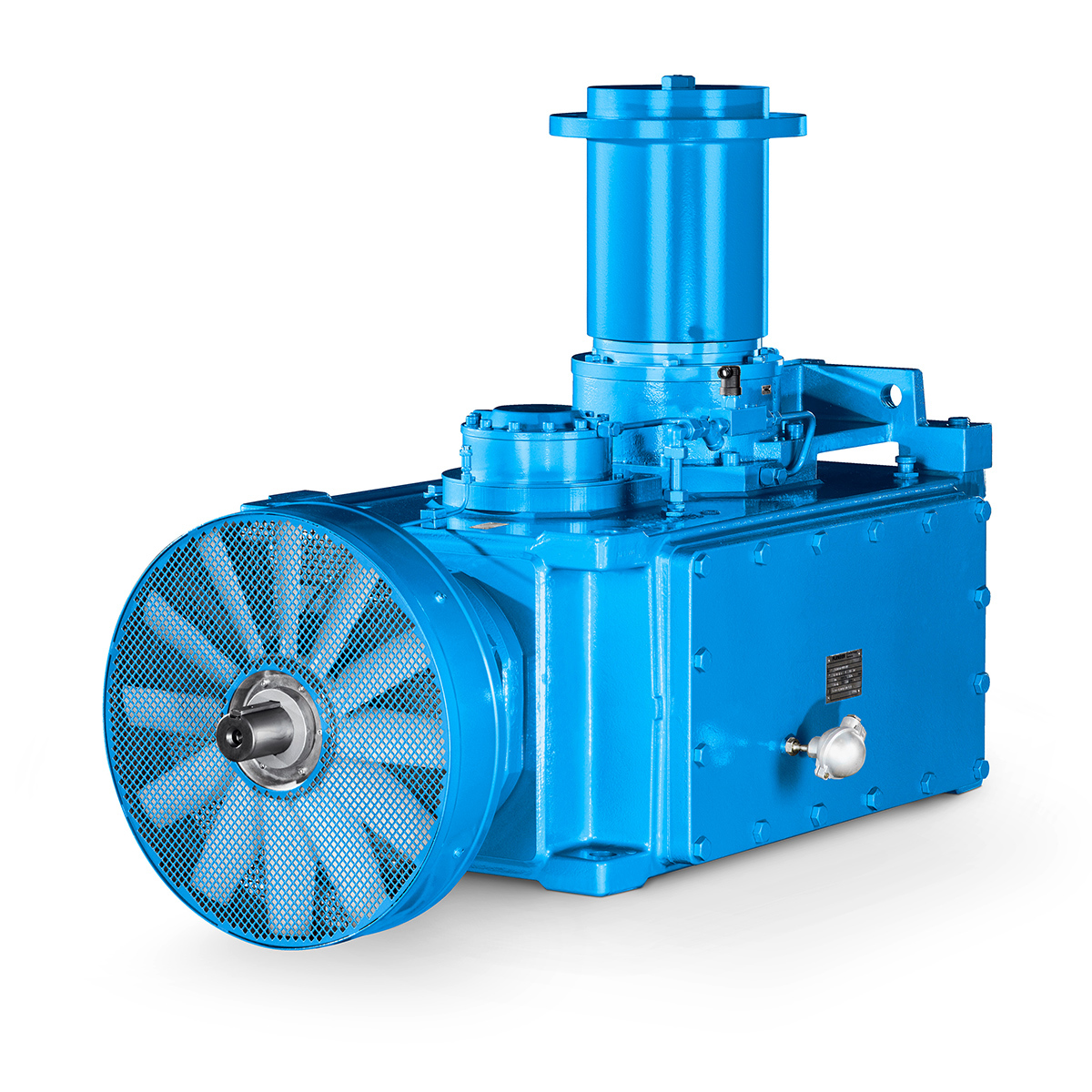 Operational Reliability Even In Case Of The Highest Ventilation Forces
 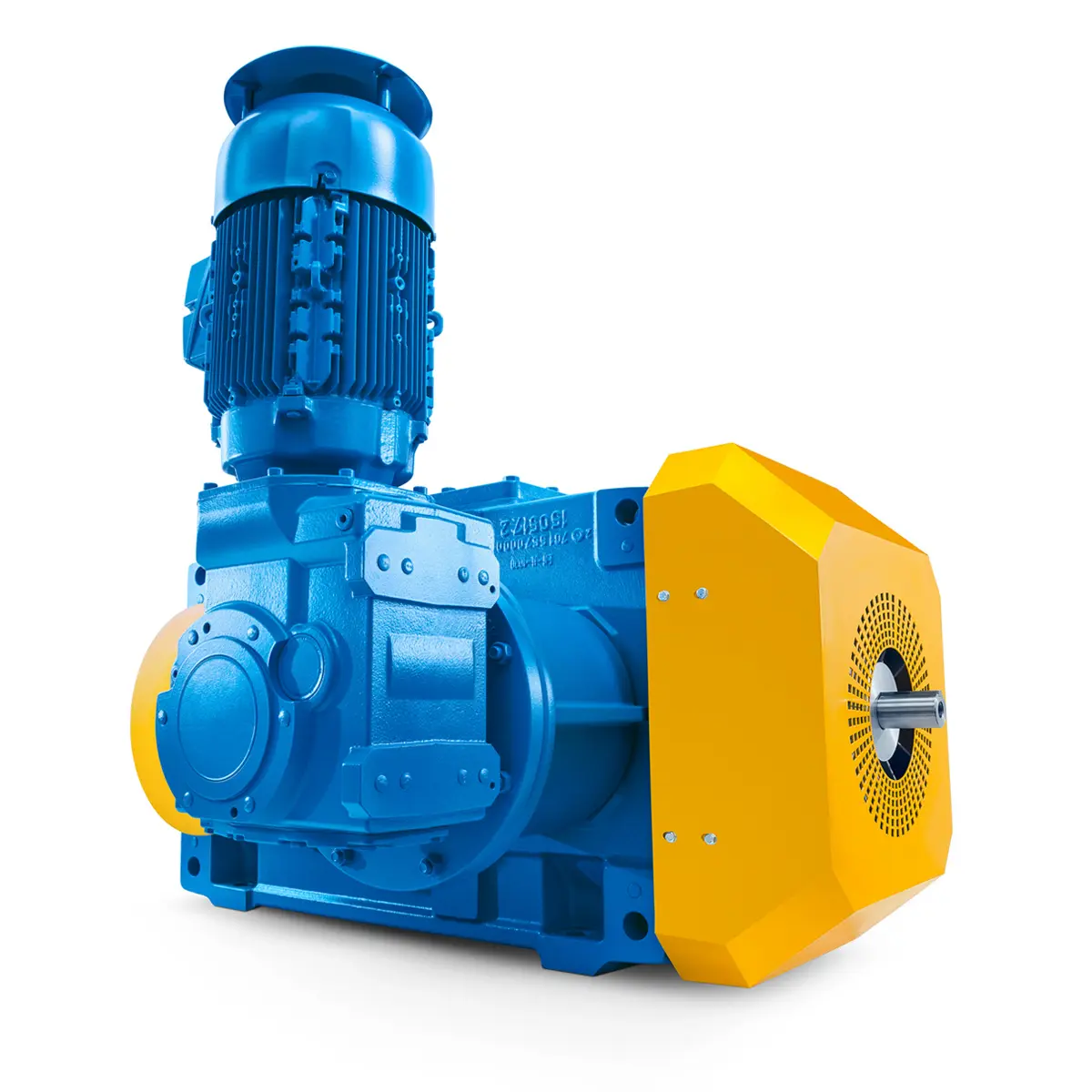 Reliable Gear Units For High Performance Vertical Conveyors 59/200
 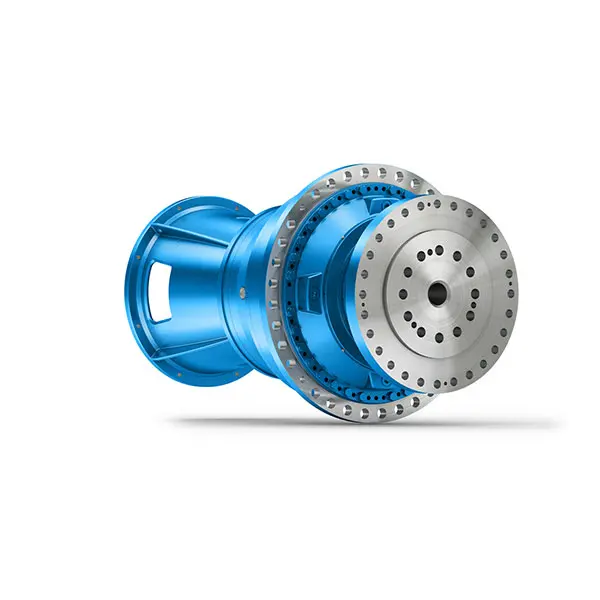 Maximum power density – PLANUREX 3 L individual drives for your sugar cane mill
 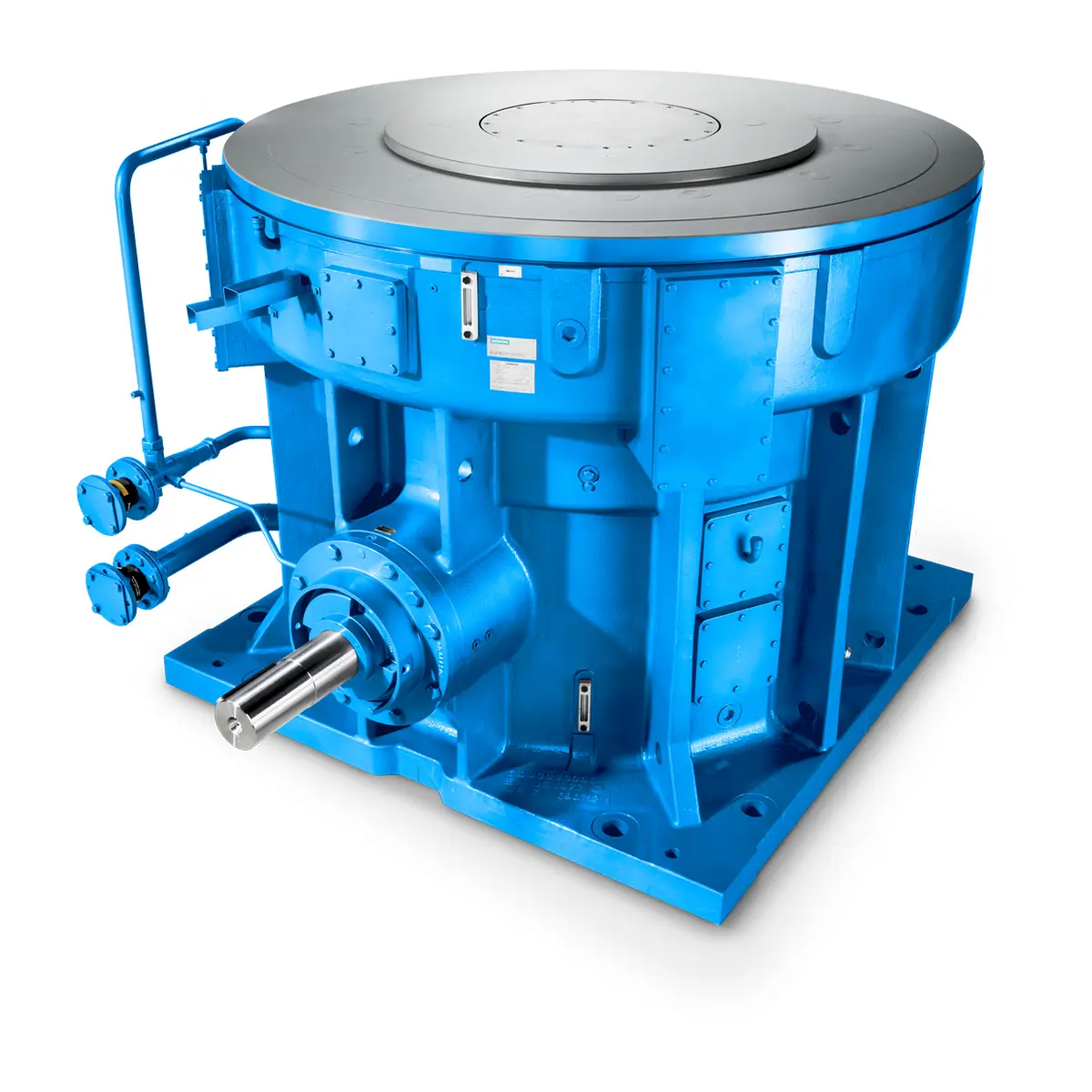 The proven all rounder gearunit gearbox
 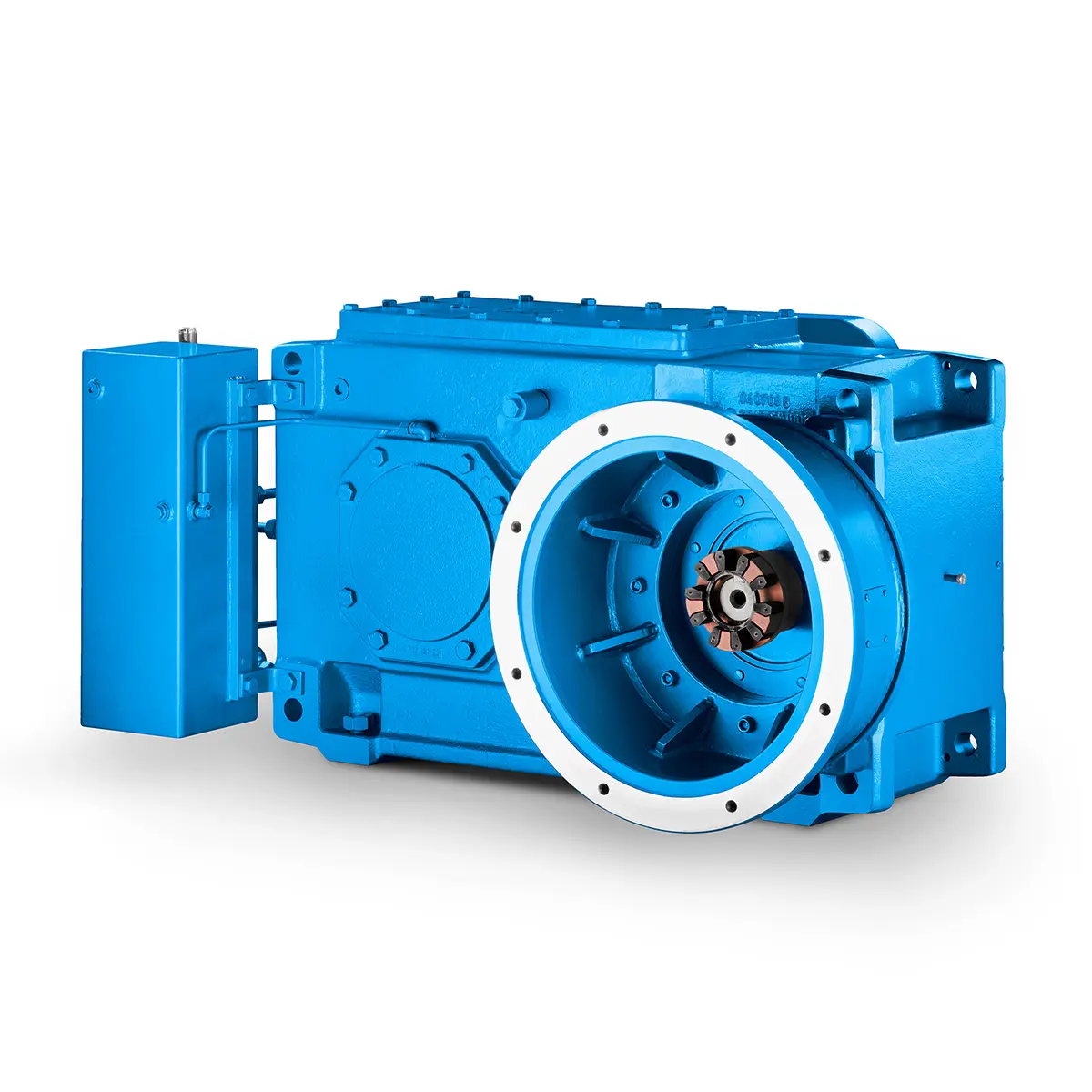 Stirs and stirs and stirs gearunit gearbox
 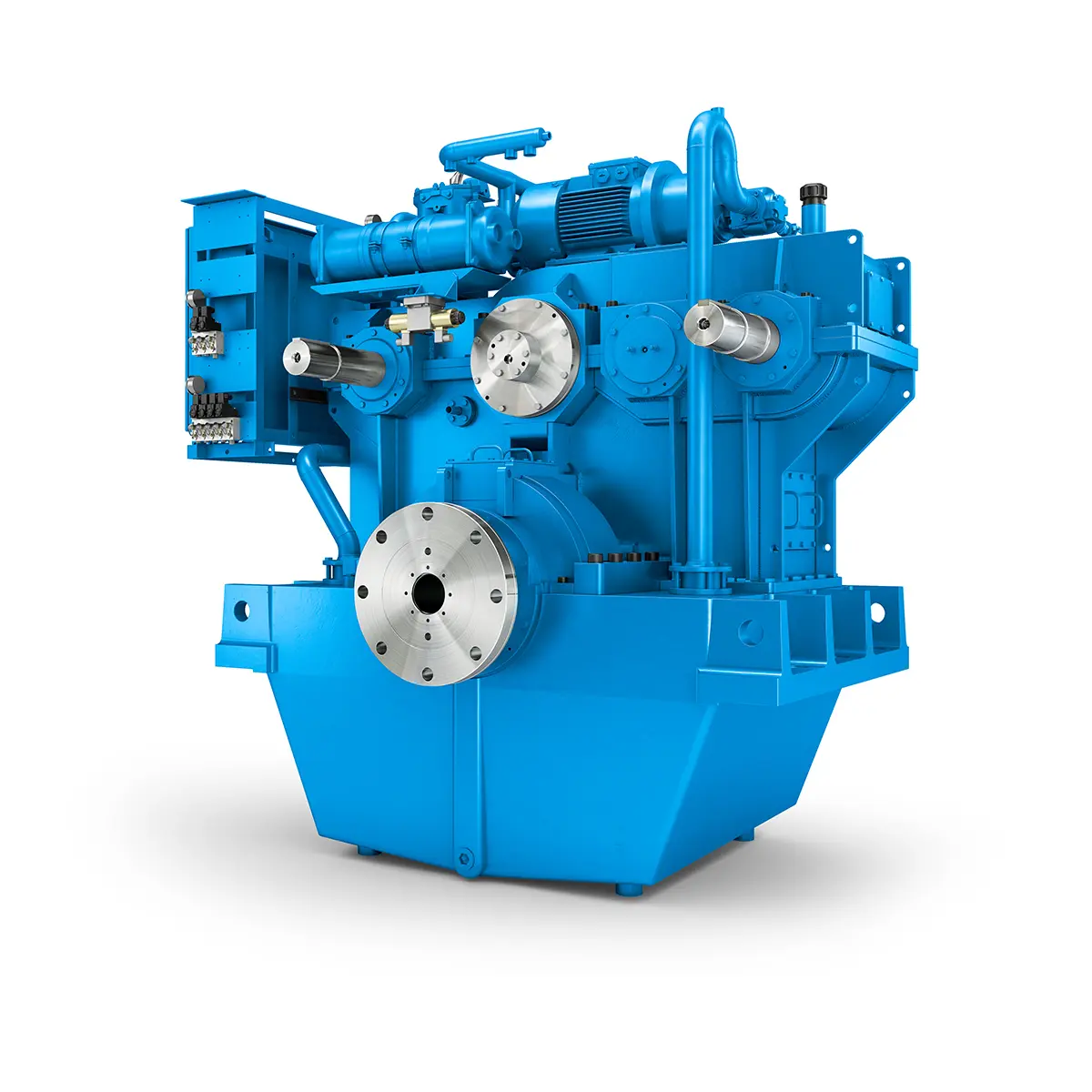 Flexibility on Board gearunit gearbox
 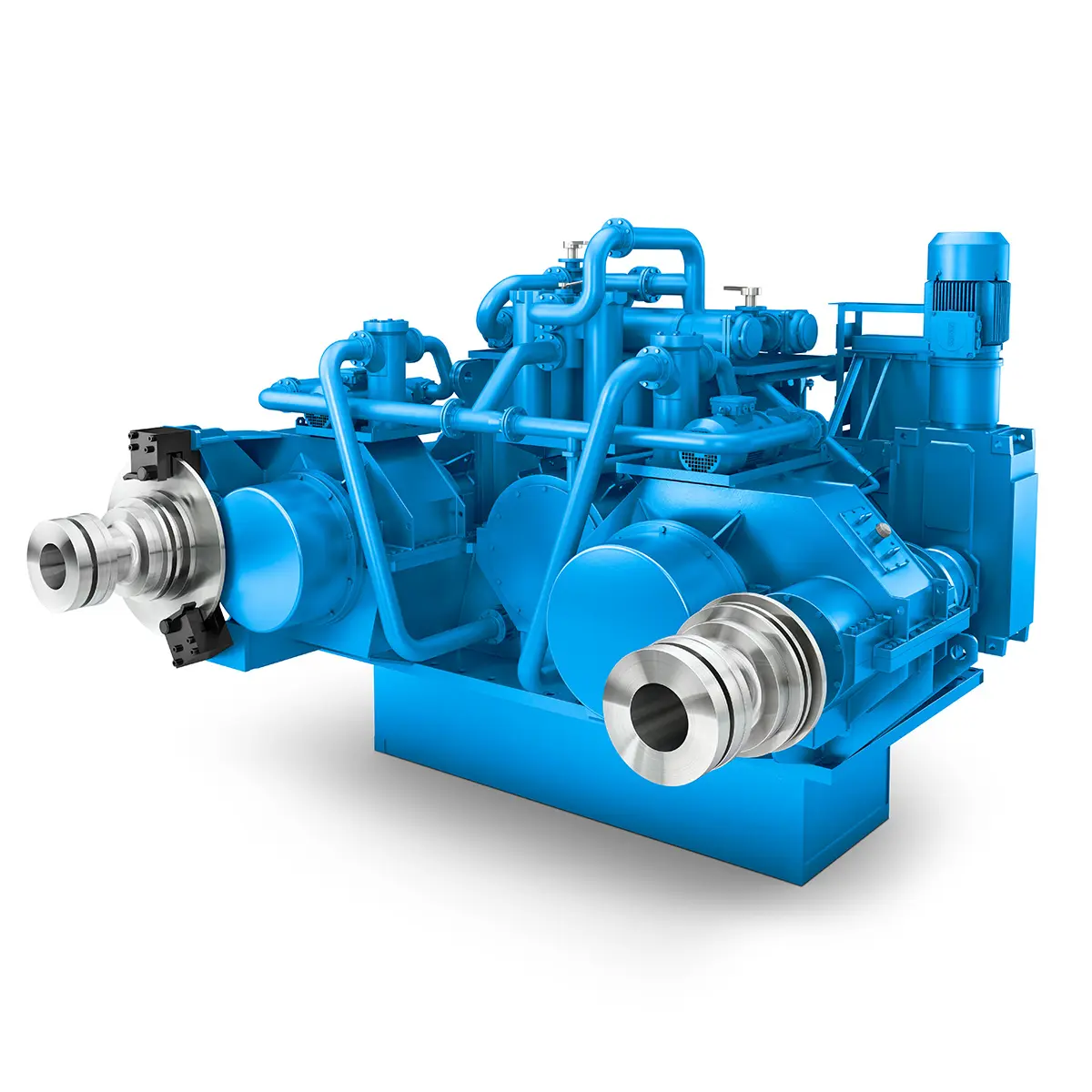 The right gearbox for all Multi-Engine Ships
 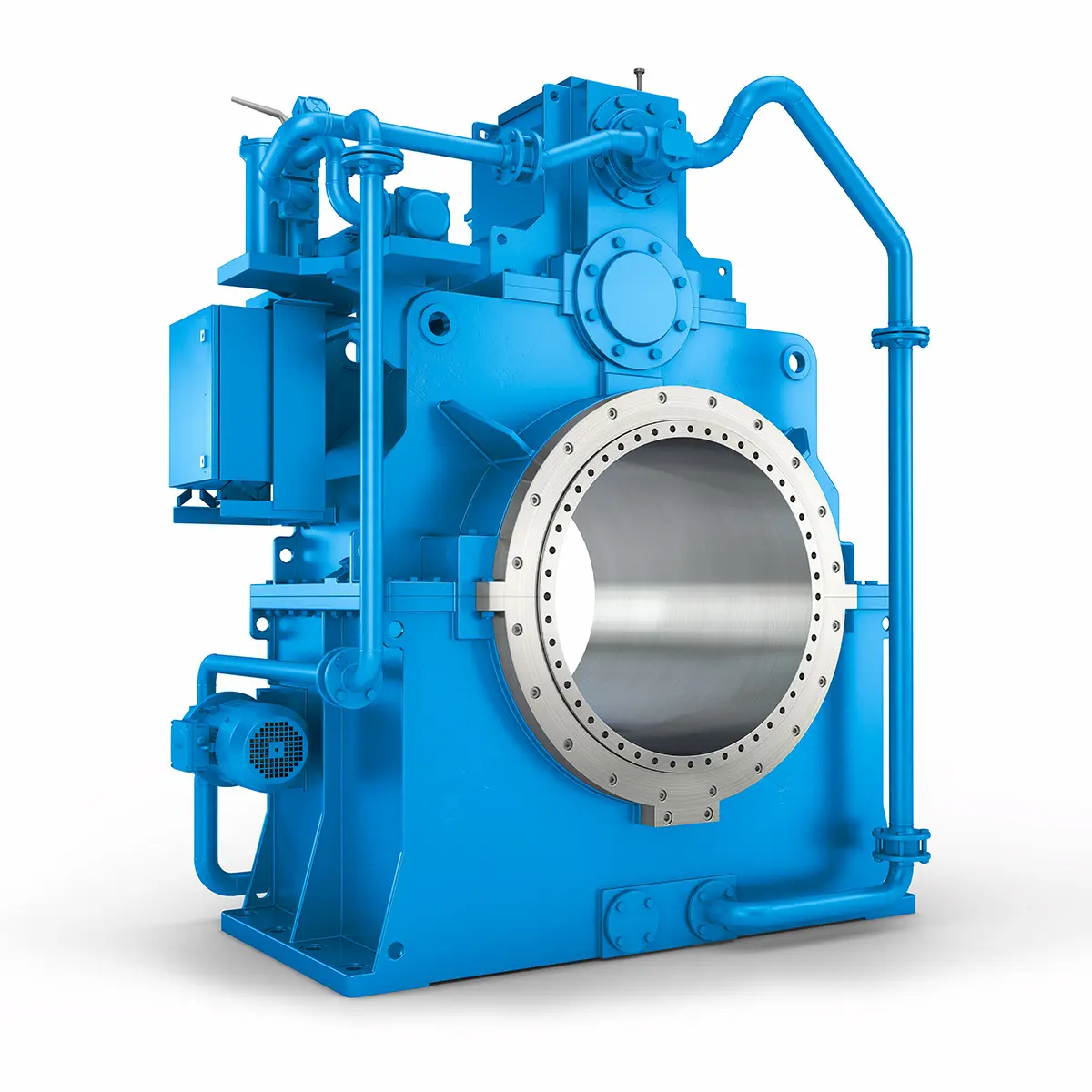 Reliable Power Generation on board
 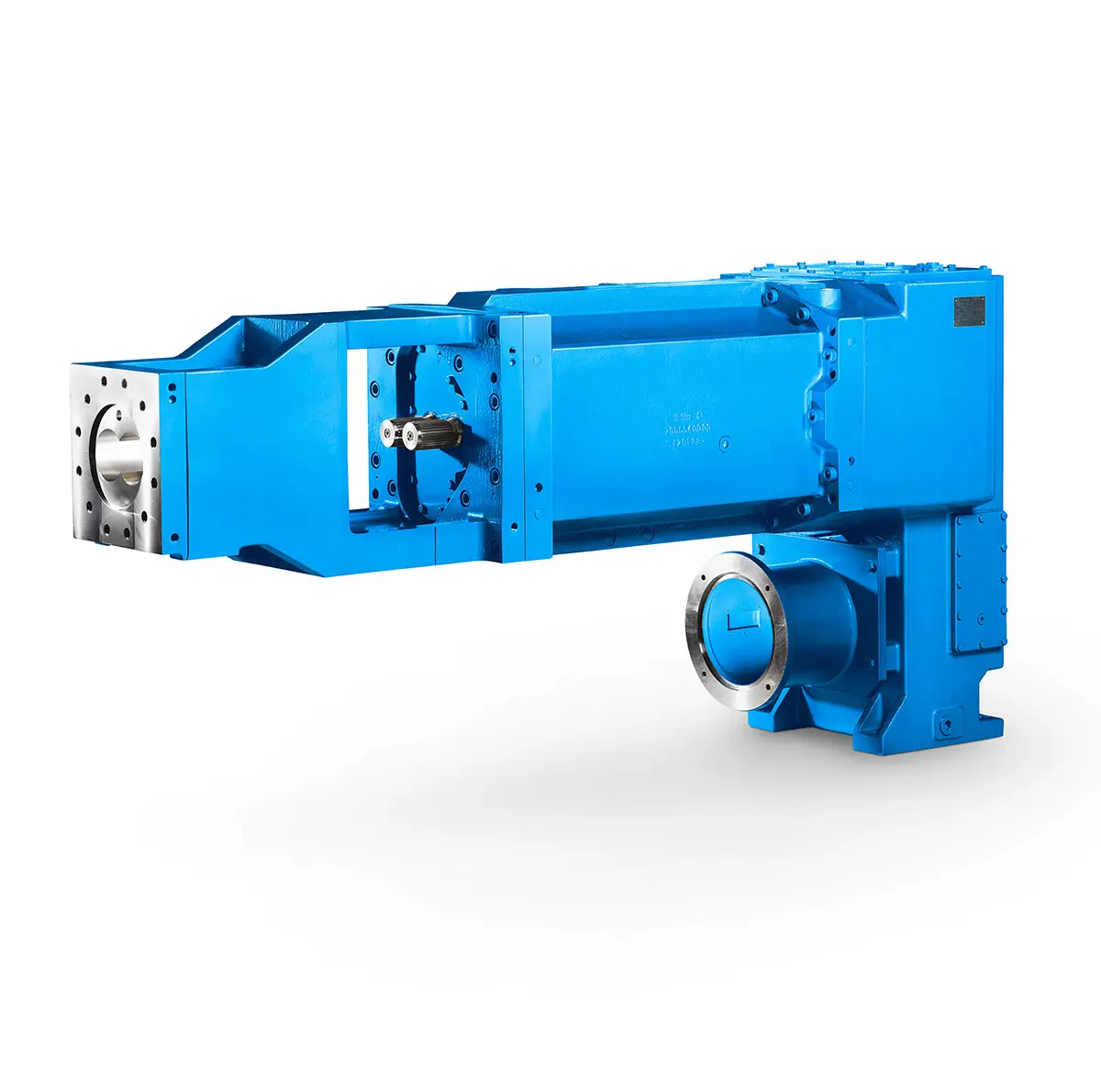 Maximum performance level, fast deliverable
 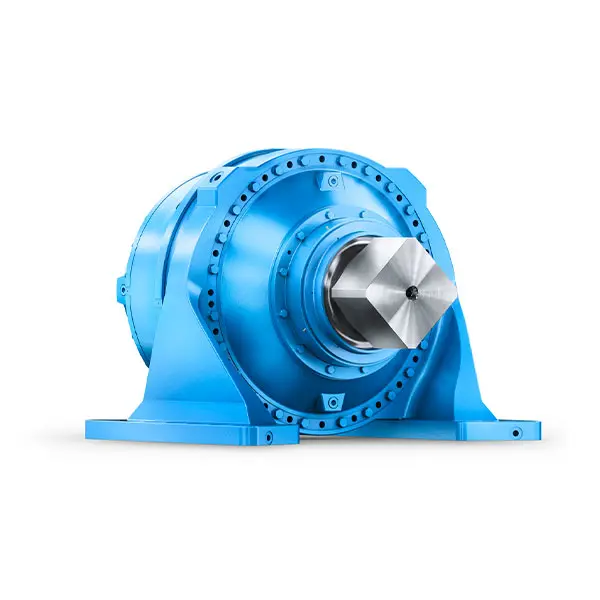 Efficient and compact – FLENDER Gear Units for Sugar Mills
 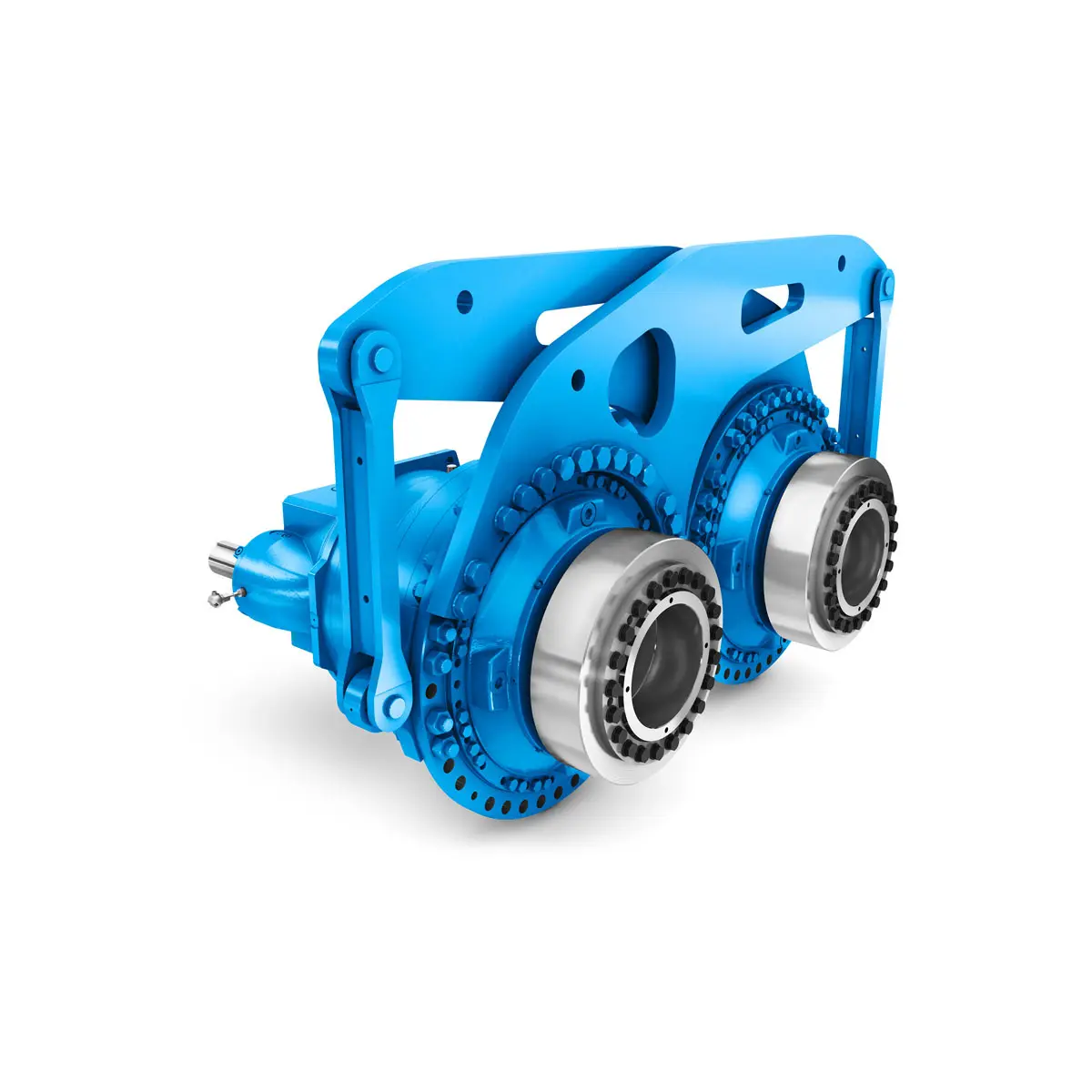 Extremely strong. Extremely compact. Extremely stressable.
 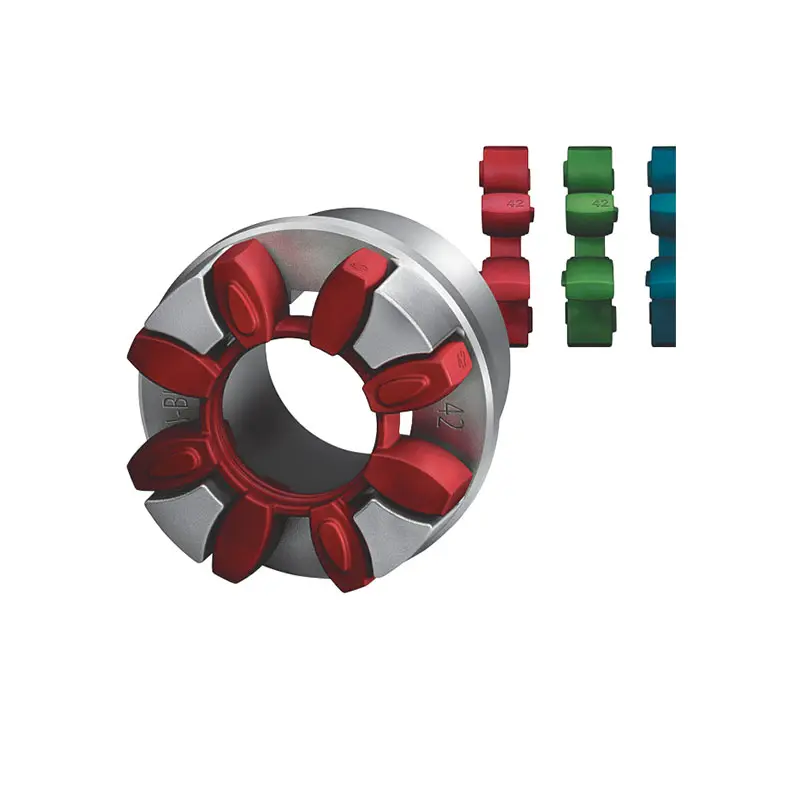 FLENDER Coupling
 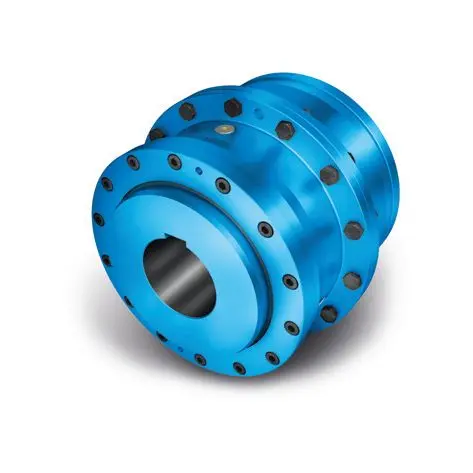 ZAPEX ZW Torsionally Rigid Gear Coupling
 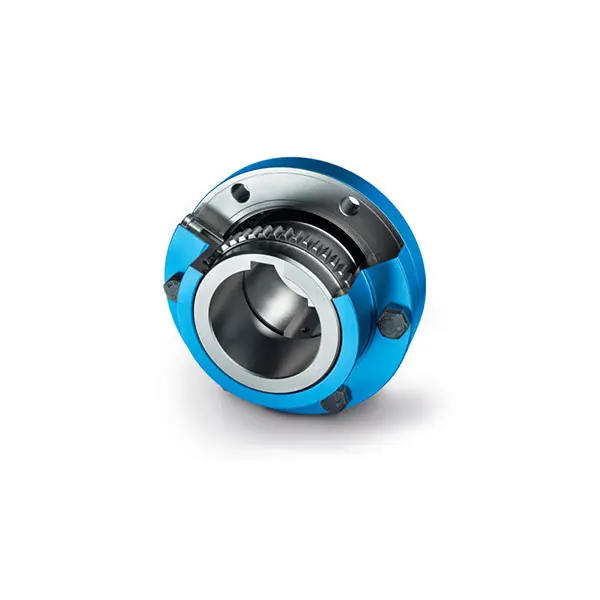 ZAPEX ZN Torsionally Rigid Gear Coupling
 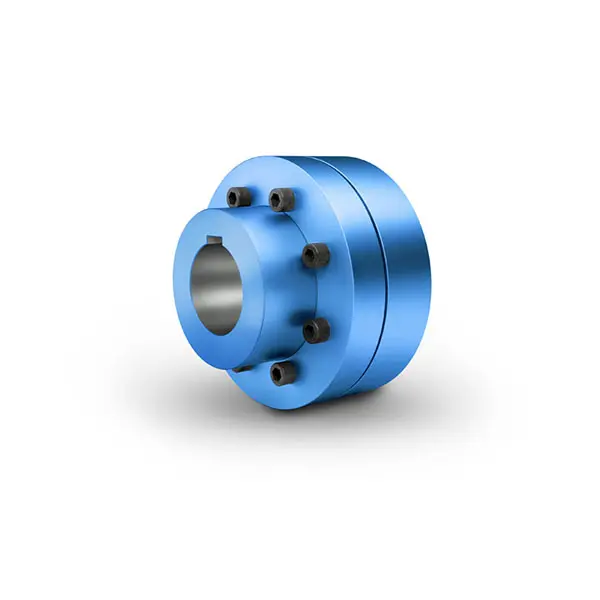 N-EUPEX Flexible high performance Coupling
 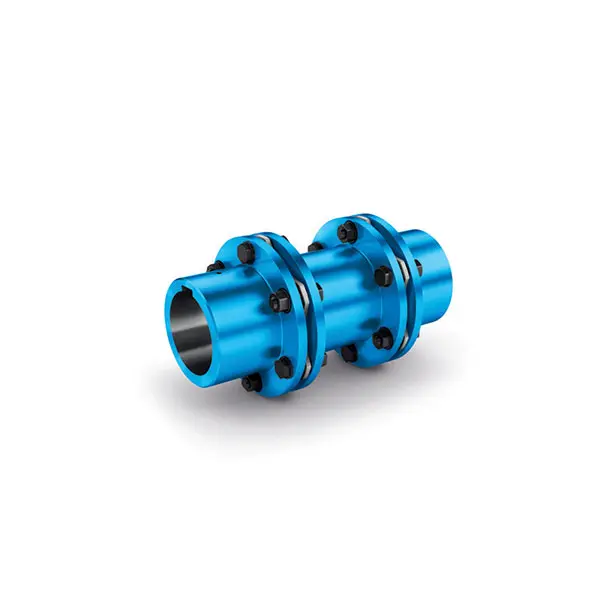 N-ARPEX Torsionally Rigid All-Steel Coupling
 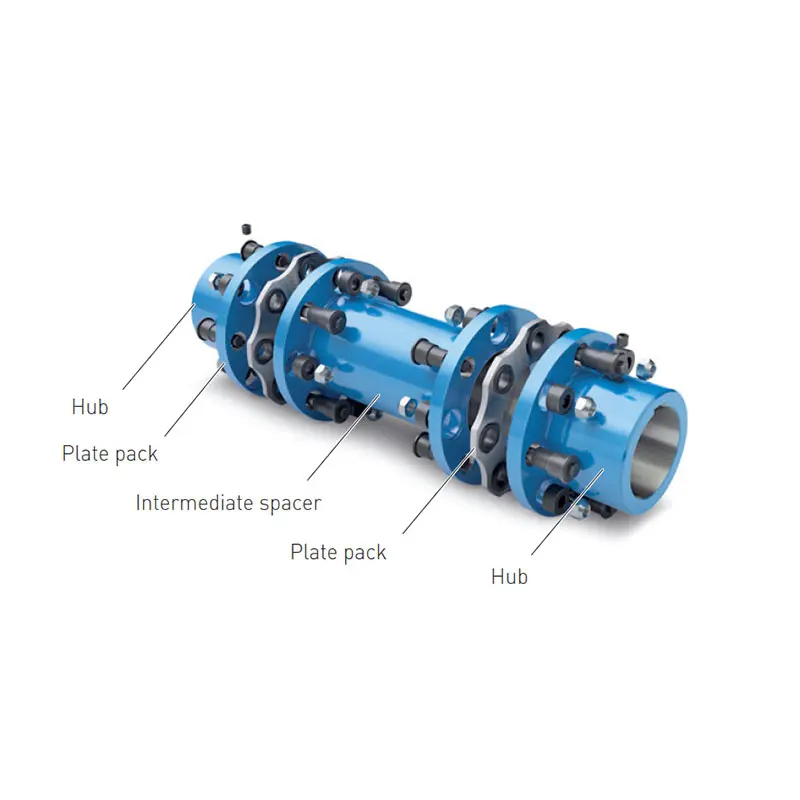 ARPEX Torsionally Rigid All-Steel Coupling Spare and Parts
 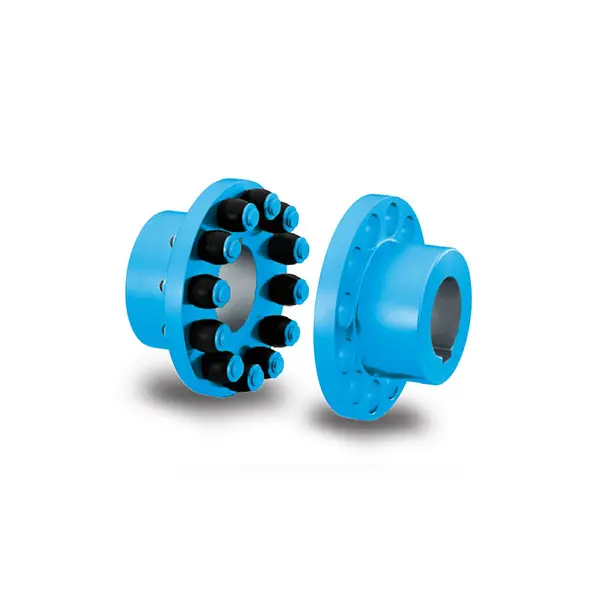 RUPEX Flexible high performance Coupling
 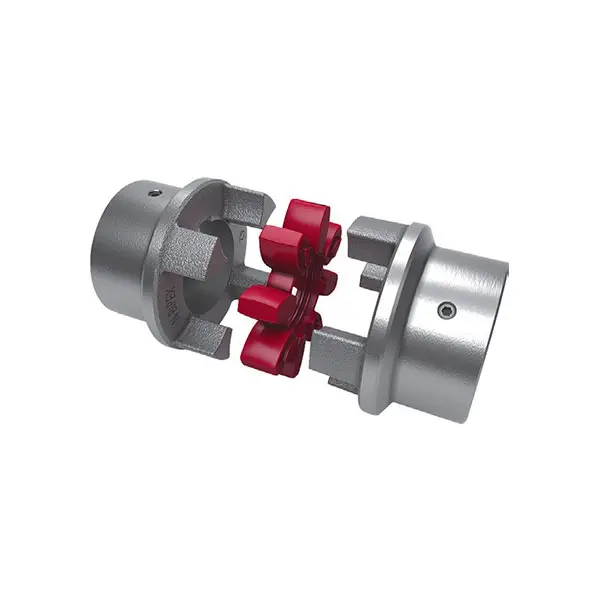 N BIPEX Flexible high performance coupling
 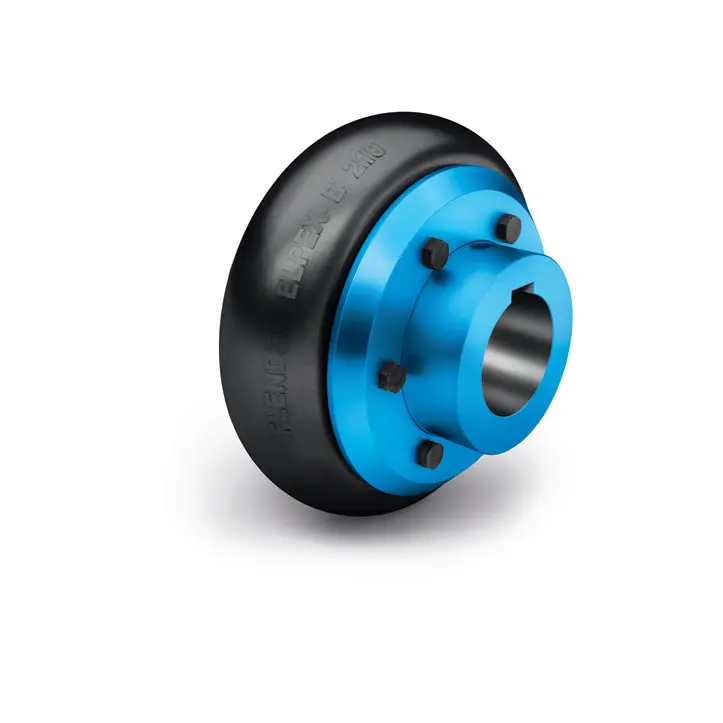 ELPEX B Highly Flexible Coupling
 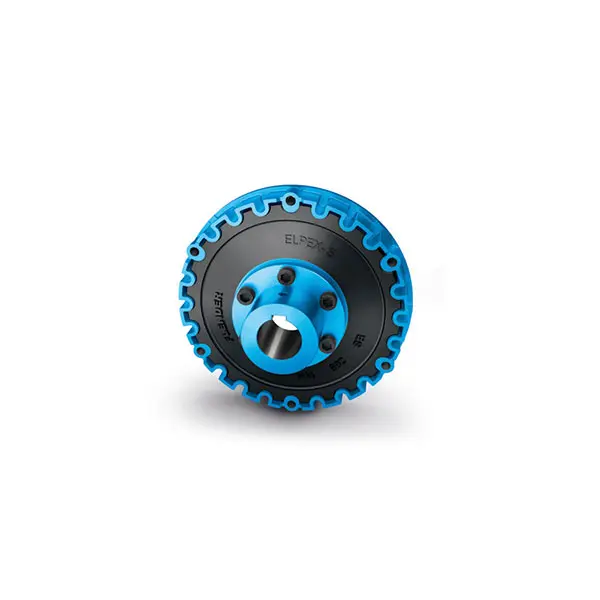 ELPEX S Highly Flexible Coupling high performance
 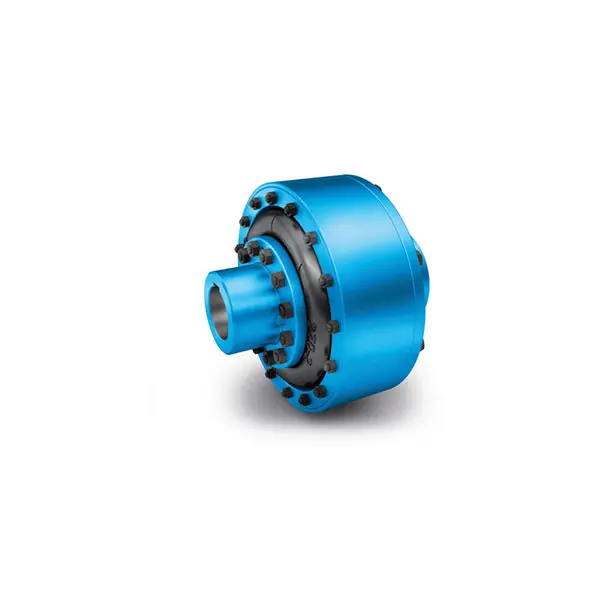 ELPEX Highly Flexible Coupling high performance
 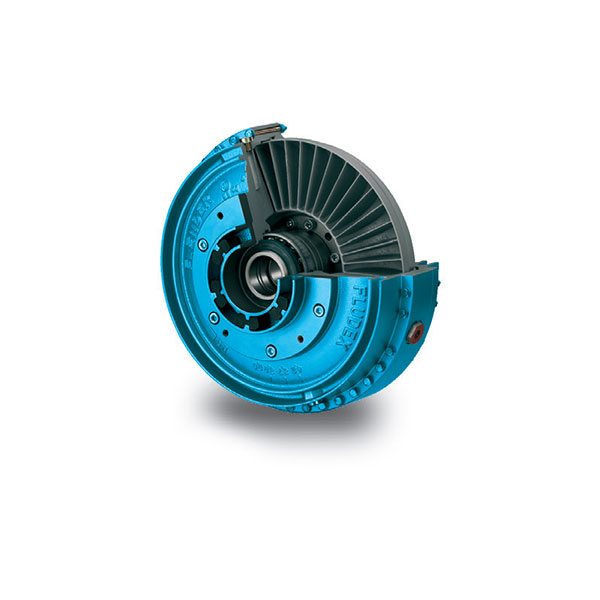 FLUDEX Fluid Coupling high performance
 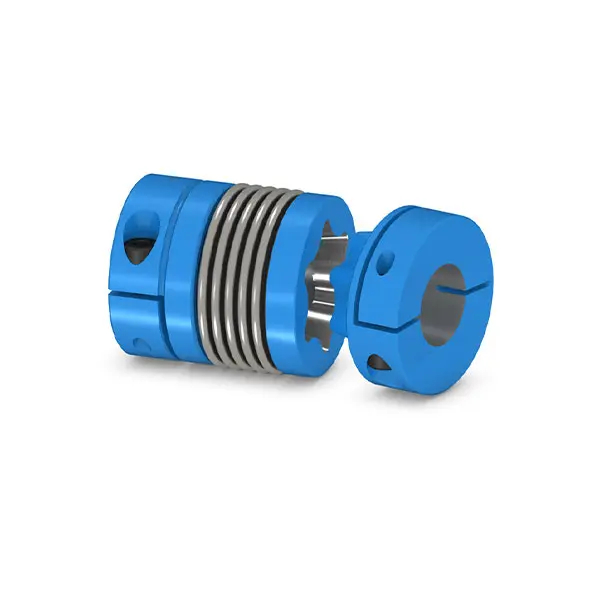 SIPEX Backlash free Coupling high performance
 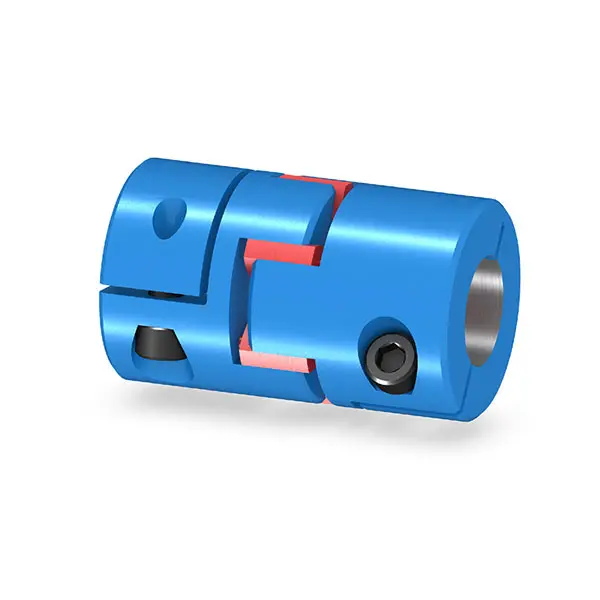 BIPEX S Backlash free Coupling high performance
 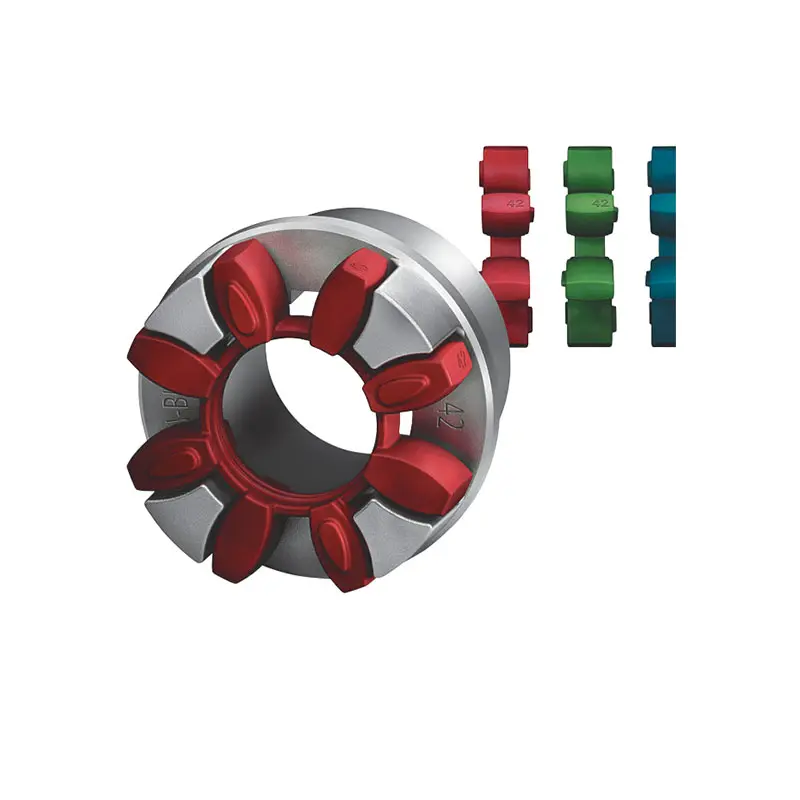 FLENDER Coupling Spare Parts high performance
 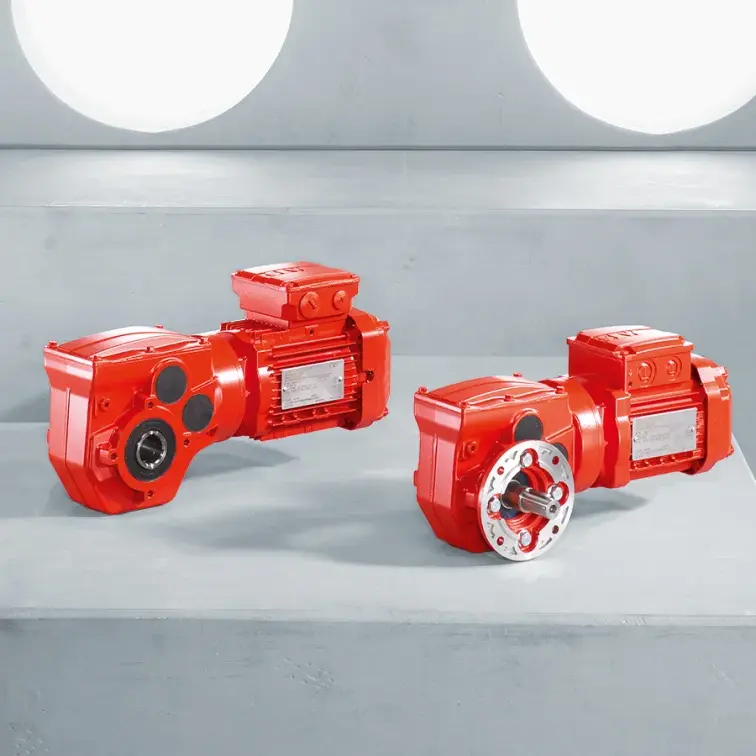 SEW Gearmotor
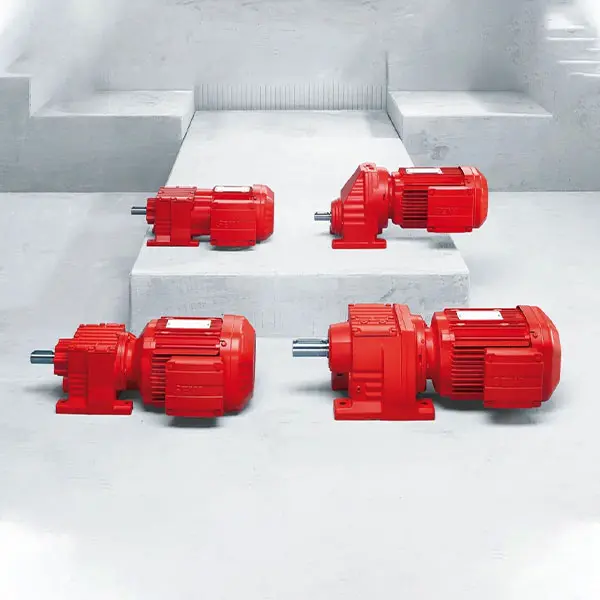 R Series Helical Gearmotor low voltage
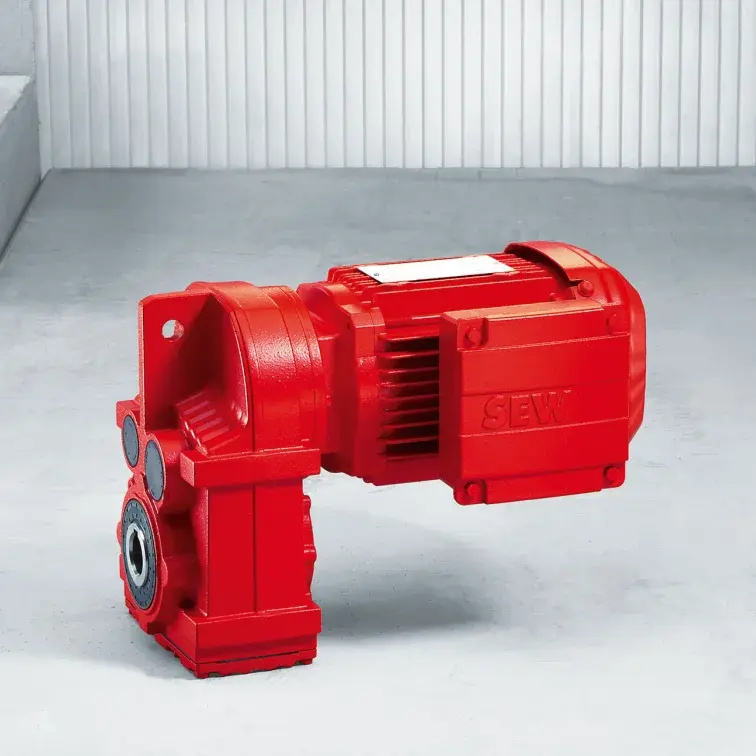 F Series Parallel Shaft Gearmotor low voltage
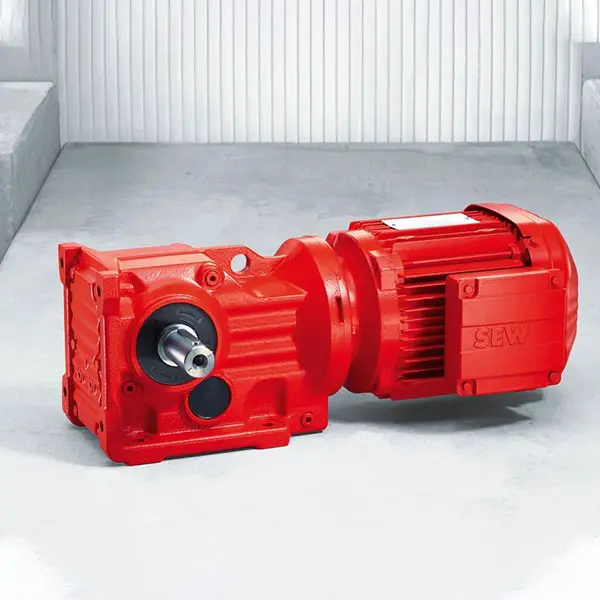 K Series Helical Bevel Gearmotor low voltage
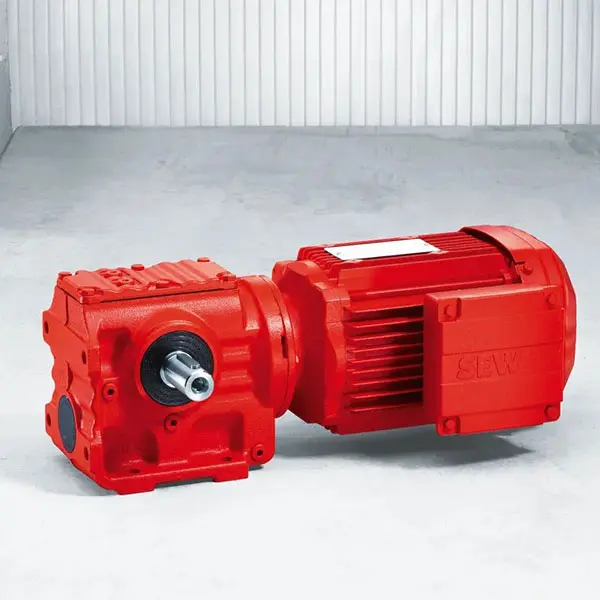 S Series Helical Worm Gearmotor low voltage
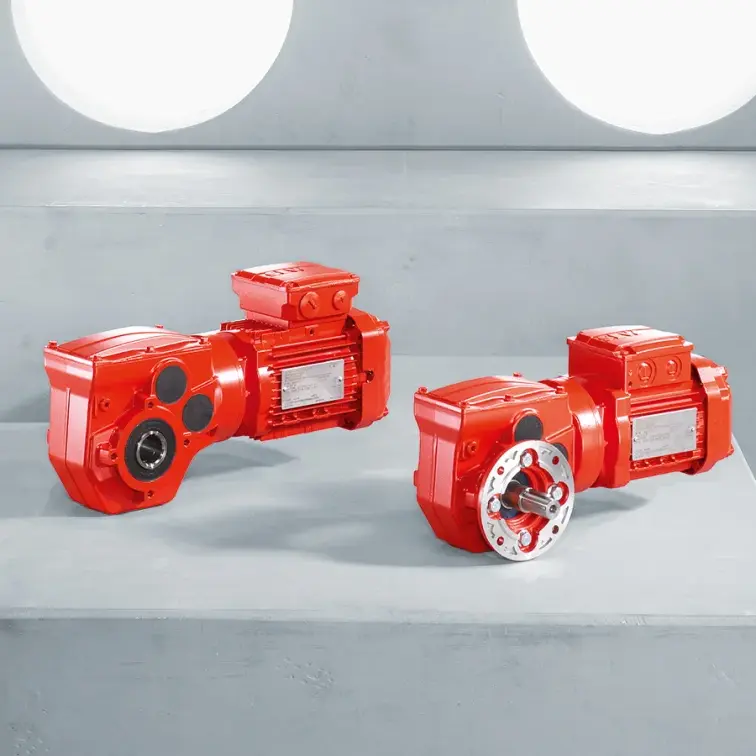 W Series SPIROPLAN® Right Angle Gearmotor