Top 10 Planetary Reducers for Global Buyers in 2026?
As the demand for automation grows, the planetary reducer market is evolving rapidly. According to a recent report by MarketsandMarkets, the global market for planetary reducers is projected to reach USD 8.5 billion by 2026, reflecting a CAGR of 7.2% from 2021. This growth highlights the increasing reliance on precision motion control in industries such as robotics, aerospace, and renewable energy.
Planetary reducers are crucial components that enhance efficiency by reducing speed and increasing torque. They provide compact solutions for various applications, making them indispensable in modern engineering. However, the diversity in quality and technology among manufacturers poses significant challenges. Buyers must navigate through numerous options to identify reliable products.
In this evolving landscape, understanding the specifications and application suitability of different planetary reducers is essential. With numerous brands and models available, making informed choices will impact operational performance directly. As we explore the top 10 planetary reducers for global buyers in 2026, it is imperative to focus on factors like efficiency, durability, and innovation. This exploration can help buyers mitigate risks and capitalize on opportunities in a competitive market.
Top 10 Planetary Reducers: An Overview of Market Trends for 2026
The planetary reducer market is evolving rapidly as we approach 2026. Industries are seeking more efficient solutions. Traditional designs are giving way to innovations that enhance performance and reliability. These new models focus on minimizing energy consumption and maximizing output. The growing demand for automation in manufacturing drives this change. Companies are looking for precision and robustness in their equipment.
Trends indicate a shift toward lightweight materials and compact designs. These advancements improve the efficiency of planetary reducers. However, some concerns arise regarding their durability under extreme conditions. Manufacturers must address the challenge of balancing weight and strength. The rise of IoT technology also influences this sector. Smart features in reducers allow for real-time performance monitoring.
Potential buyers should consider long-term sustainability. Eco-friendly practices are becoming essential. Companies that prioritize green technologies will have a competitive edge. Yet, the market is not without uncertainties. Fluctuating raw material costs and supply chain issues might impact availability. It is crucial for potential buyers to conduct thorough research. Awareness of these trends will lead to better purchasing decisions.
Key Specifications and Features Driving Planetary Reducer Selection
In the evolving world of industrial automation, planetary reducers play a pivotal role. They provide high torque and efficiency in compact designs, making them a popular choice across various applications. According to industry reports, the global market for planetary gear reducers is expected to grow at a compound annual growth rate (CAGR) of 6.2% from 2023 to 2028. This rise is driven by advancements in electronics and robotics, pushing manufacturers to seek reliable solutions.
Key specifications are critical when selecting a planetary reducer. Gear ratio flexibility often influences performance. A report from a leading engineering journal highlights that units with a ratio of 10:1 to 100:1 are increasingly preferred for their balance of speed and torque. Additionally, backlash tolerance is essential. Many engineers look for reducers with minimal backlash, ideally under 1 arcminute, to ensure precision.
Manufacturers are also focusing on weight-to-power ratios. As sectors like automotive and aerospace prioritize lightweight components, this feature becomes vital. However, achieving optimal efficiency can be challenging. Balancing size, weight, and power output often leads to complex engineering decisions. Understanding how each factor affects overall performance is crucial for making informed choices.
Market Leaders: Analyzing the Top Manufacturers in 2026
As we navigate the evolving landscape of planetary reducers, the market in 2026 will showcase cutting-edge innovations. Top manufacturers are focusing on efficiency and precision. These companies are investing in research and development to enhance product durability and performance. Collaboration with engineering firms is common. It allows for the integration of advanced technologies. However, not all manufacturers meet equally high standards. Some struggle with quality control, leading to inconsistencies in their offerings.
Customer feedback plays a crucial role in shaping these manufacturers' strategies. They are beginning to prioritize user experience in their designs. Many companies aim for user-friendly interfaces, yet some still fall short. It's essential for buyers to investigate reviews and case studies. This feedback often highlights the gaps in reliability or service.
Sustainability is also a significant focus. Manufacturers are exploring eco-friendly materials. This shift is commendable, but some companies may lack transparency about their practices. It's important for buyers to discern which brands are genuinely committed to sustainability. Evaluating a company's supply chain can offer insights into its environmental impact. Buyers must ask critical questions to ensure they are making informed choices.
Emerging Technologies in Planetary Reducer Design and Efficiency
Emerging technologies in planetary reducer design are transforming the manufacturing landscape. As industries seek higher efficiency, innovative materials and advanced designs are becoming crucial. According to a market analysis report from Research and Markets, the planetary gear market is expected to reach USD 13.7 billion by 2026, driven by demand for compact and efficient solutions.
New techniques such as additive manufacturing are enabling the production of lighter and stronger components. This can lead to performance improvements in various applications, including robotics and automotive sectors. Moreover, technologies like Internet of Things (IoT) integration are providing real-time monitoring features. This enhances reliability but can introduce complexities in maintenance strategies that need careful management.
Considering efficiency, optimizing gear ratios plays a vital role in energy consumption. Companies need to reevaluate their designs regularly to keep up. Ensuring that all components are as efficient as possible is essential. It’s also important to question whether current designs truly meet operational needs. Regular audits on performance can help in identifying areas for improvement. Continuous evaluation fosters innovation and drives efficiency gains in the long run.
Top 10 Planetary Reducers for Global Buyers in 2026
| Rank |
Model |
Gear Ratio |
Efficiency (%) |
Max Torque (Nm) |
Weight (kg) |
| 1 |
Model A |
5:1 |
95 |
150 |
25 |
| 2 |
Model B |
6:1 |
93 |
200 |
30 |
| 3 |
Model C |
7:1 |
92 |
180 |
28 |
| 4 |
Model D |
8:1 |
90 |
220 |
35 |
| 5 |
Model E |
9:1 |
88 |
210 |
32 |
| 6 |
Model F |
10:1 |
87 |
230 |
40 |
| 7 |
Model G |
11:1 |
85 |
250 |
38 |
| 8 |
Model H |
12:1 |
84 |
270 |
42 |
| 9 |
Model I |
13:1 |
82 |
260 |
39 |
| 10 |
Model J |
14:1 |
80 |
280 |
45 |
Regional Insights: Geographical Demand and Supply for Planetary Reducers
The demand for planetary reducers has been on the rise globally. This trend is shaped by technological advancements and increasing industrial applications. Regions like North America and Europe lead in demand due to advanced manufacturing sectors. Asia-Pacific is also emerging, driven by rapid industrial growth. Countries like China and India are significantly boosting their production capacities.
However, the supply chain faces challenges. Availability of raw materials can be inconsistent. Manufacturers often struggle with quality control, impacting the end product. Regulatory requirements vary across regions, complicating international trade. There is a need for suppliers to adapt to local standards and practices.
Market fluctuations add another layer of uncertainty. Prices can change rapidly, affecting budget plans for companies. Buyers should remain flexible to mitigate risks. Understanding regional dynamics is crucial for making informed decisions. Crafting strategic partnerships may enhance supply chain stability and reliability.
Top 10 Planetary Reducers Demand by Region in 2026

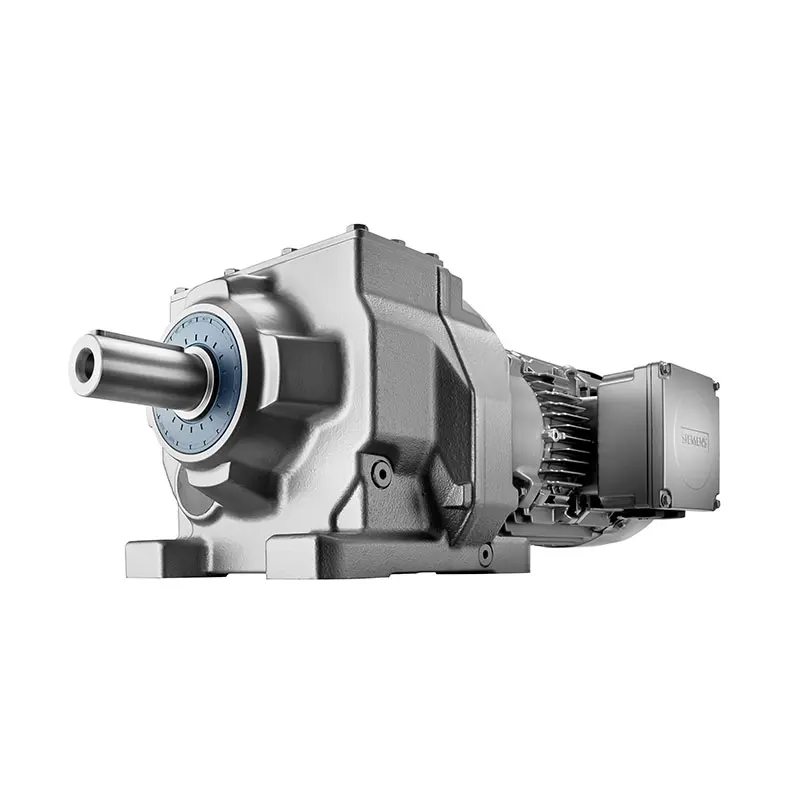 SIEMENS Helical Gearmotor Low Voltage
 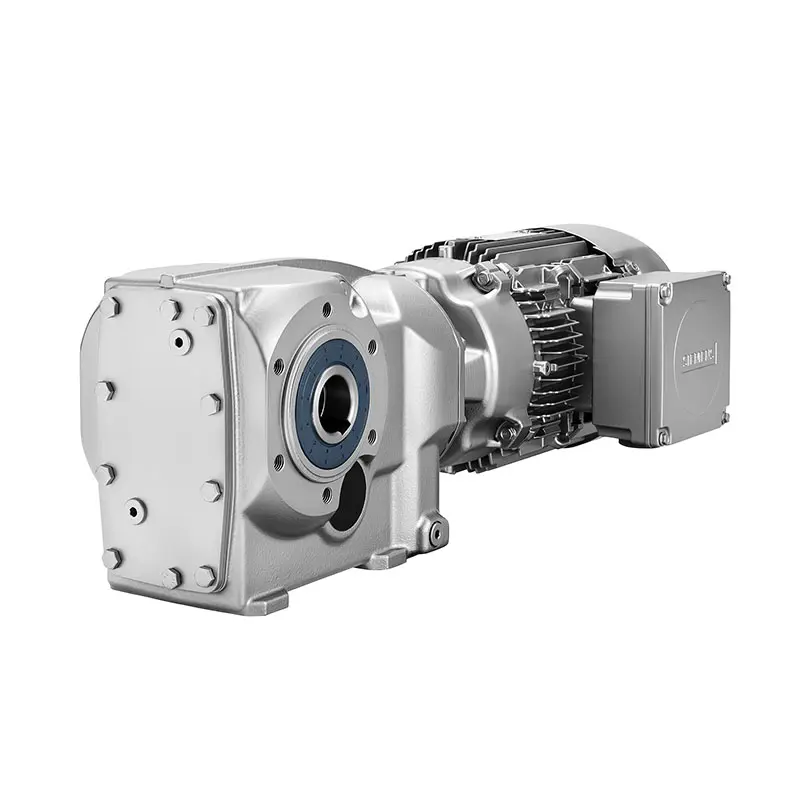 SIEMENS Bevel Helical Gearmotor
 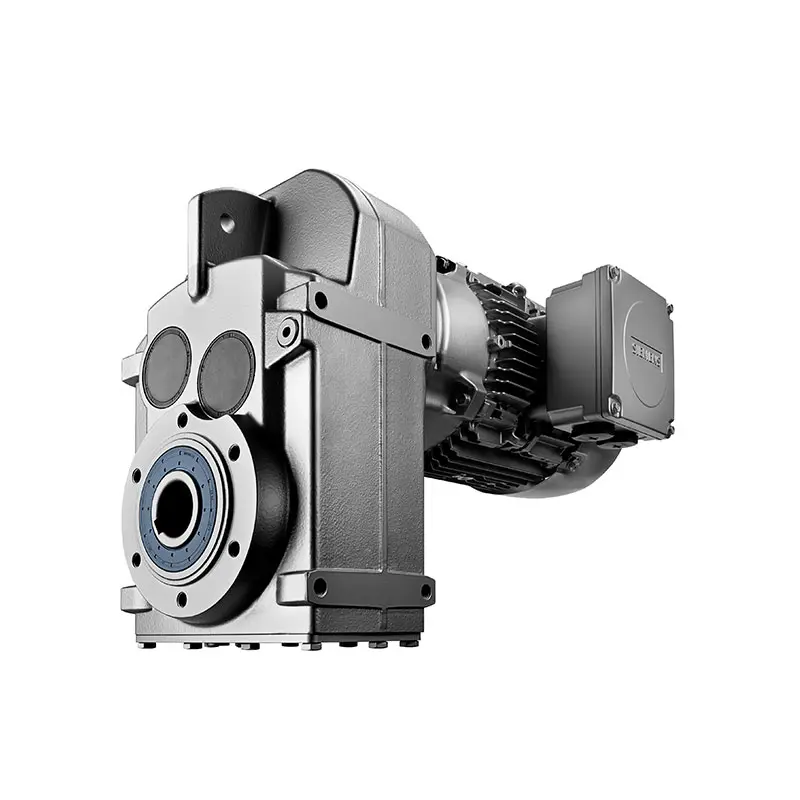 SIEMENS Parallel Shaft Gearmotor
 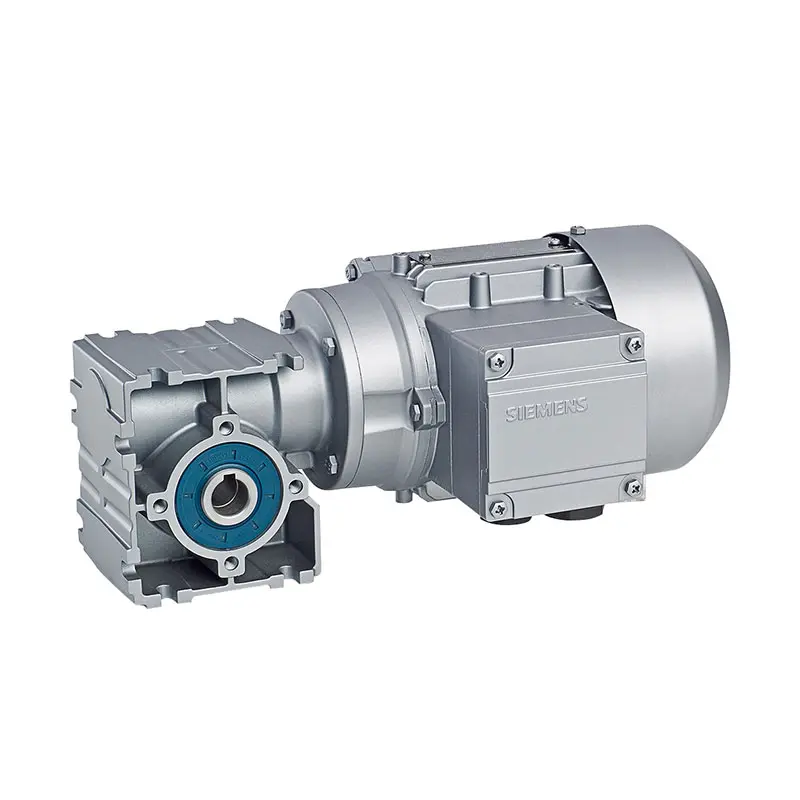 SIEMENS Worm Gearmotor Low Voltage
 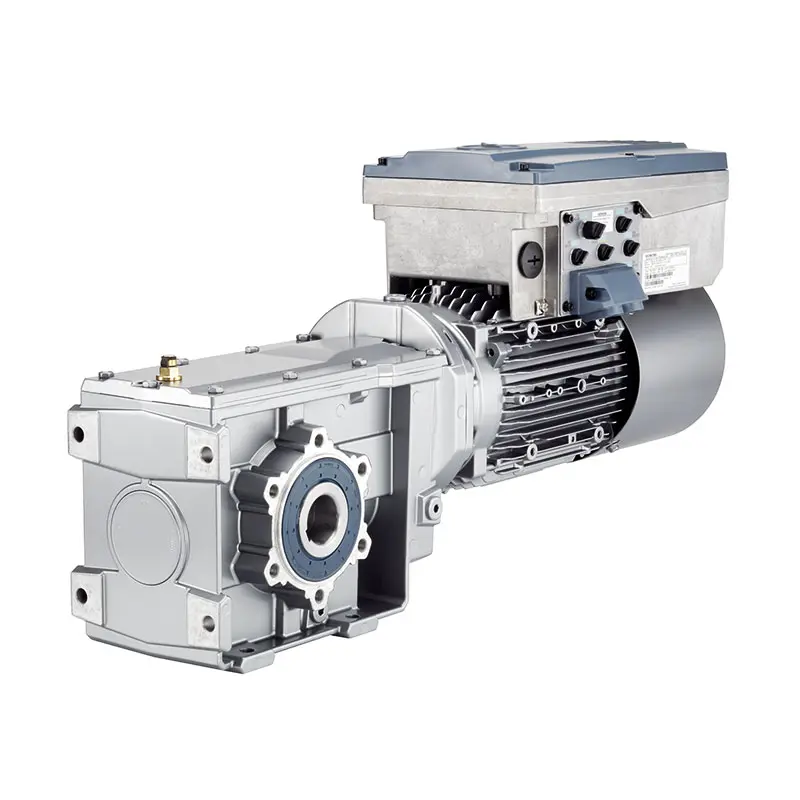 SIEMENS With Servo Motor Gearmotor
 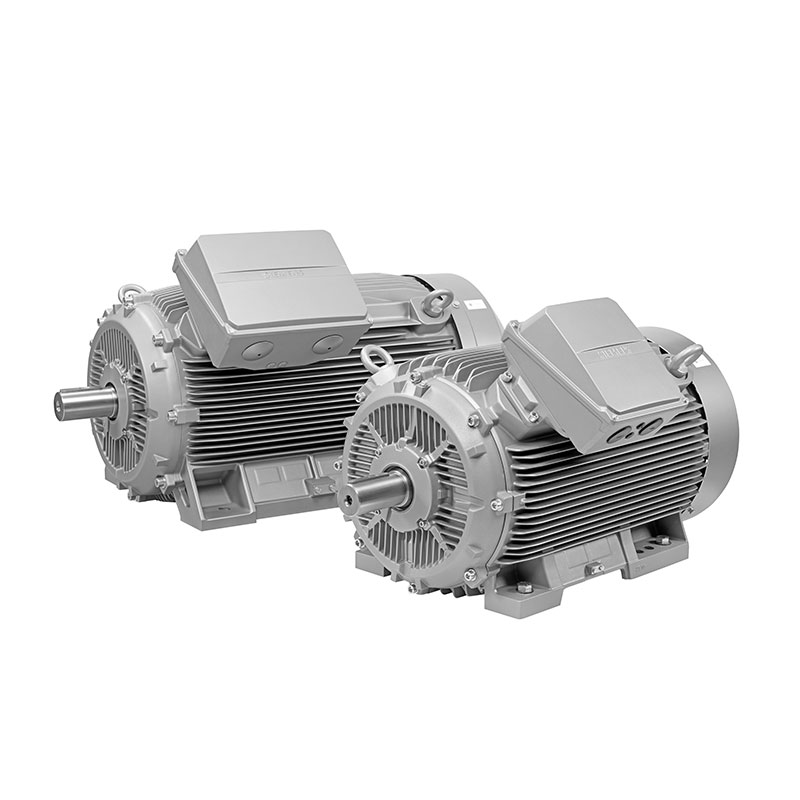 SIEMENS Low Voltage Motor Low Voltage
 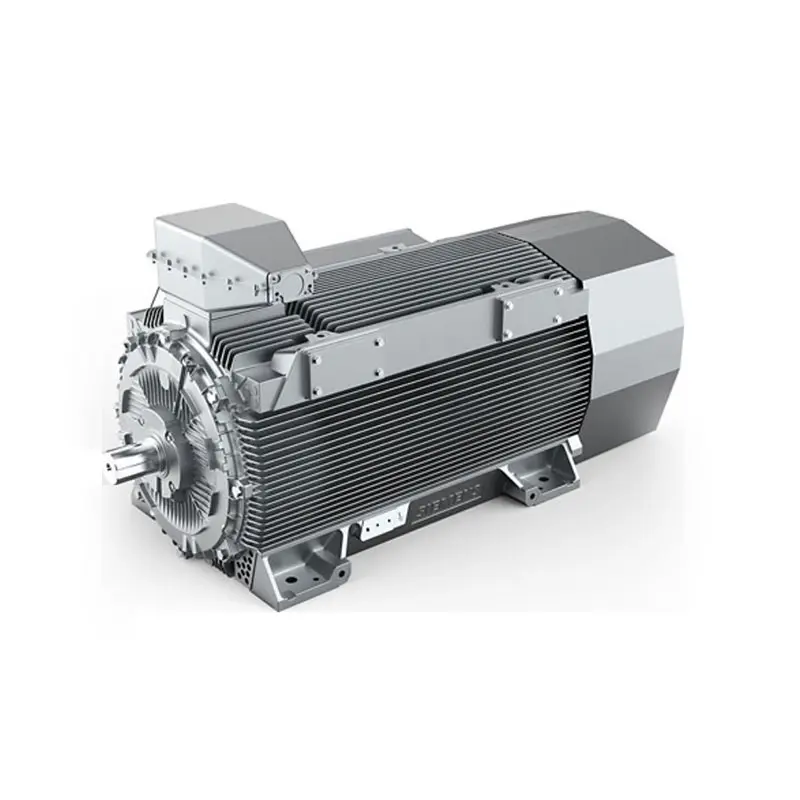 SIEMENS High Voltage Motor Low Voltage
  SIEMENS Marine Motor Low Voltage
 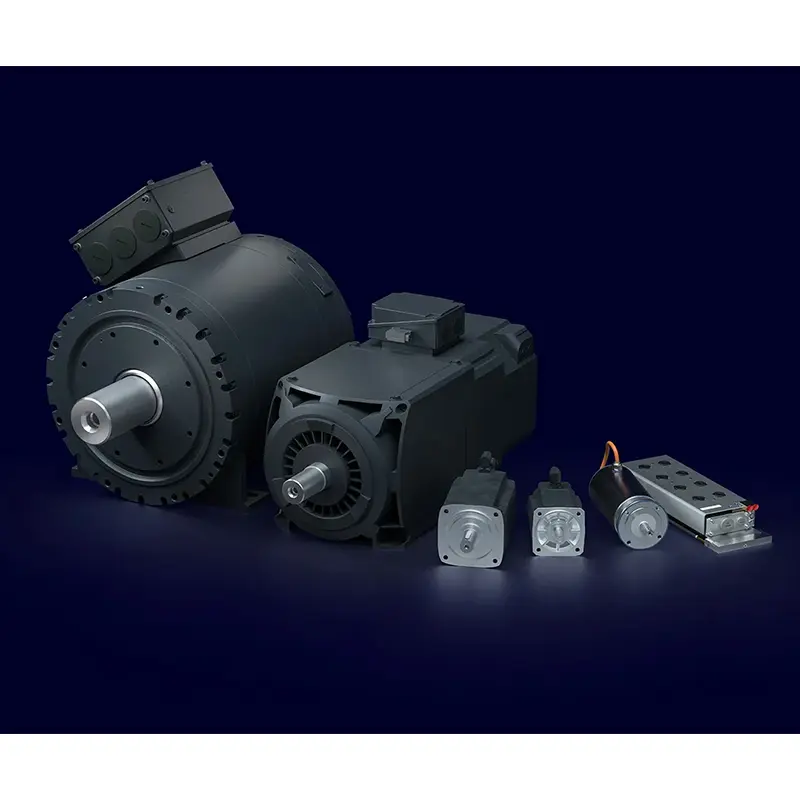 SIEMENS Servo Motor Low Voltage
 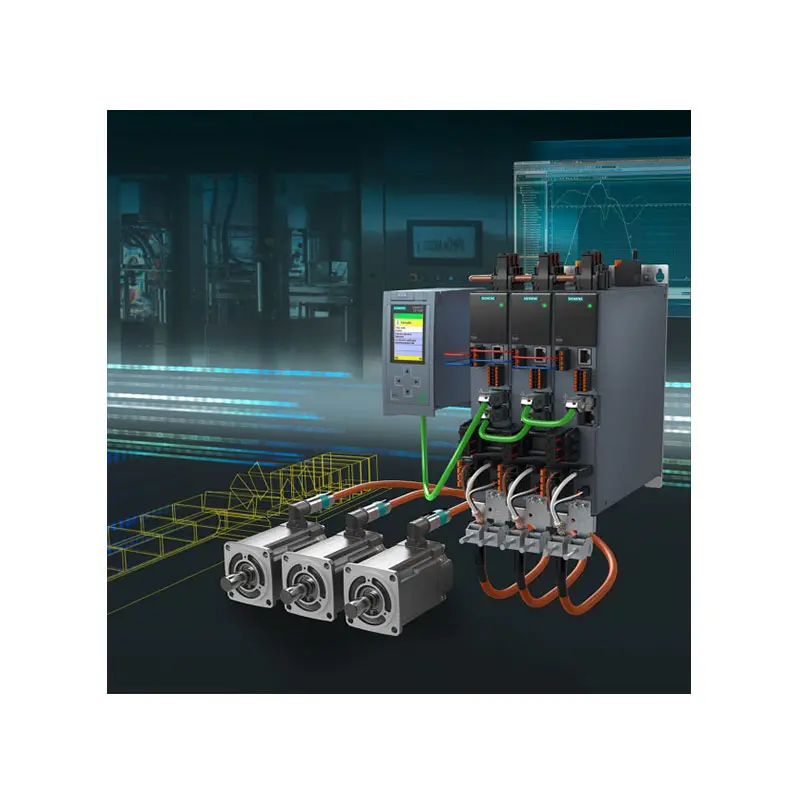 SIEMENS SINAMICS S210 Low Voltage
 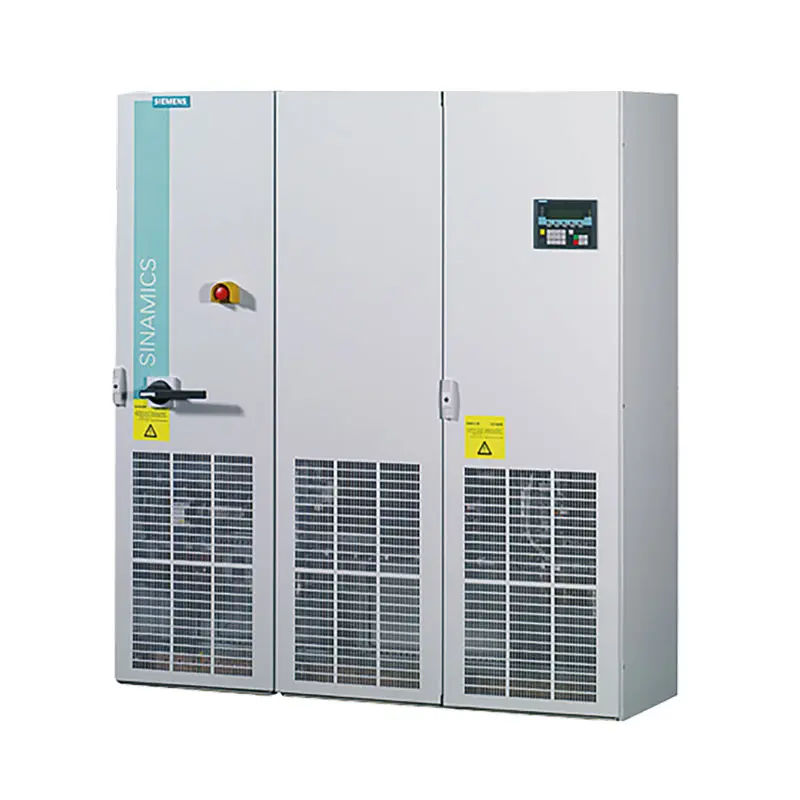 SIEMENS SINAMICS S150 Low Voltage
 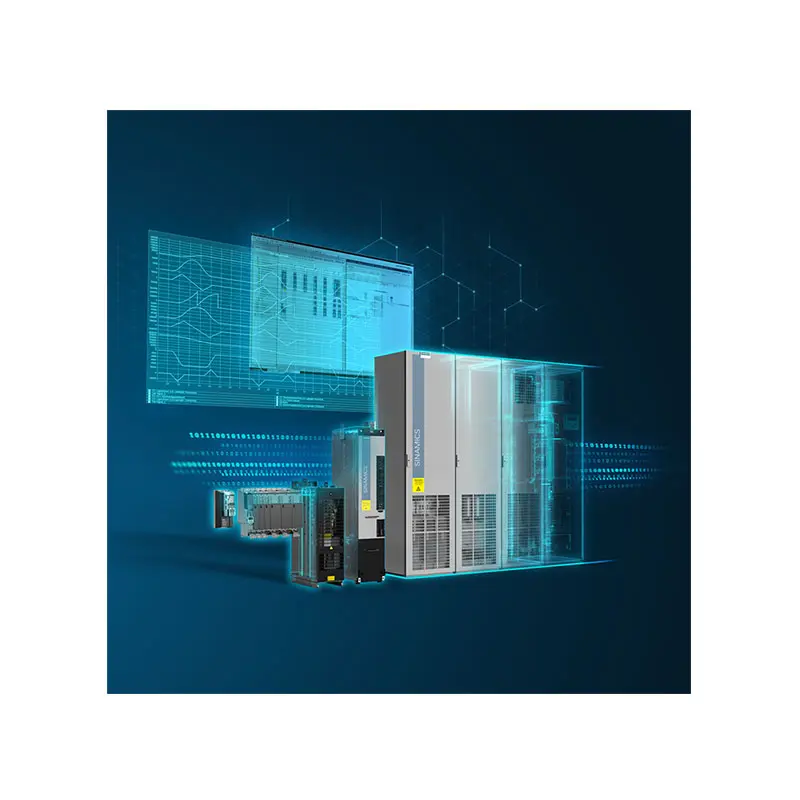 SIEMENS SINAMICS S120 Low Voltage
 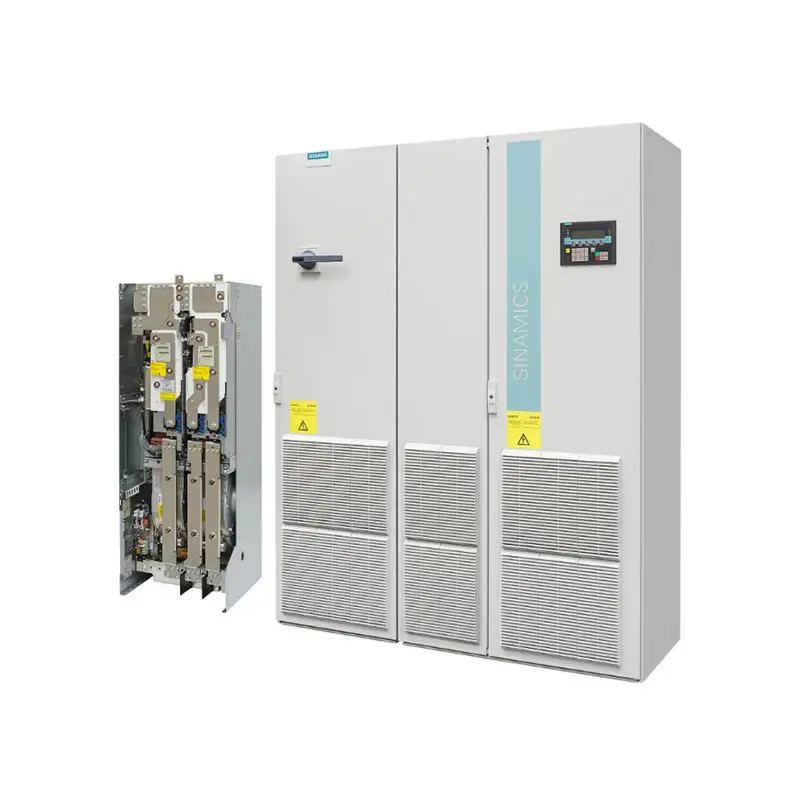 SIEMENS SINAMICS G130/G150
 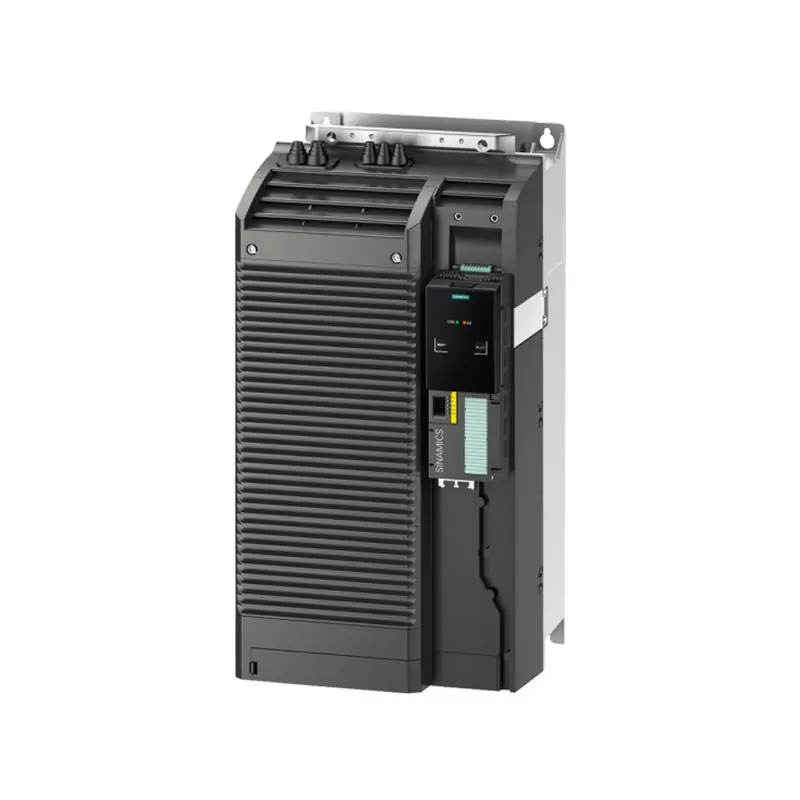 SIEMENS SINAMICS G120 Low Voltage
 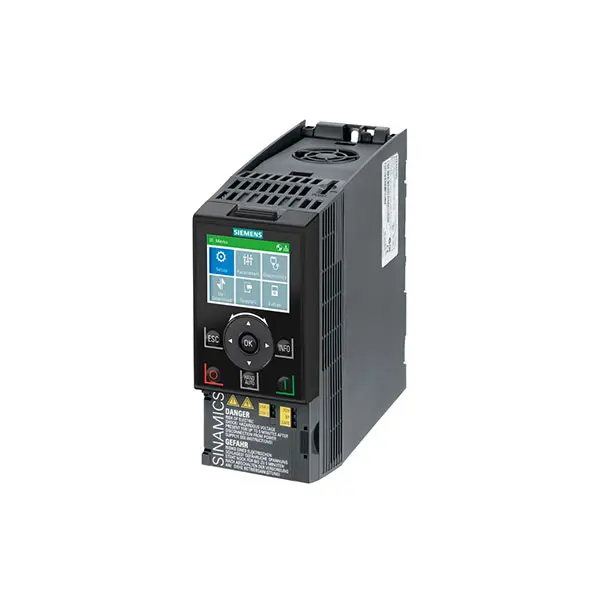 SIEMENS SINAMICS G120C Low Voltage
 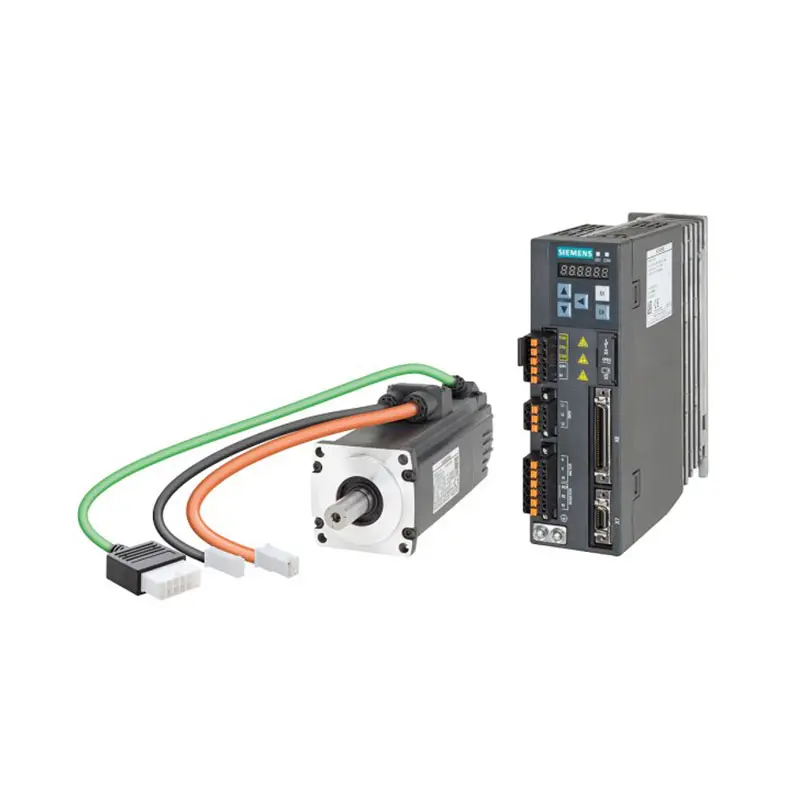 SIEMENS SINAMICS V90
 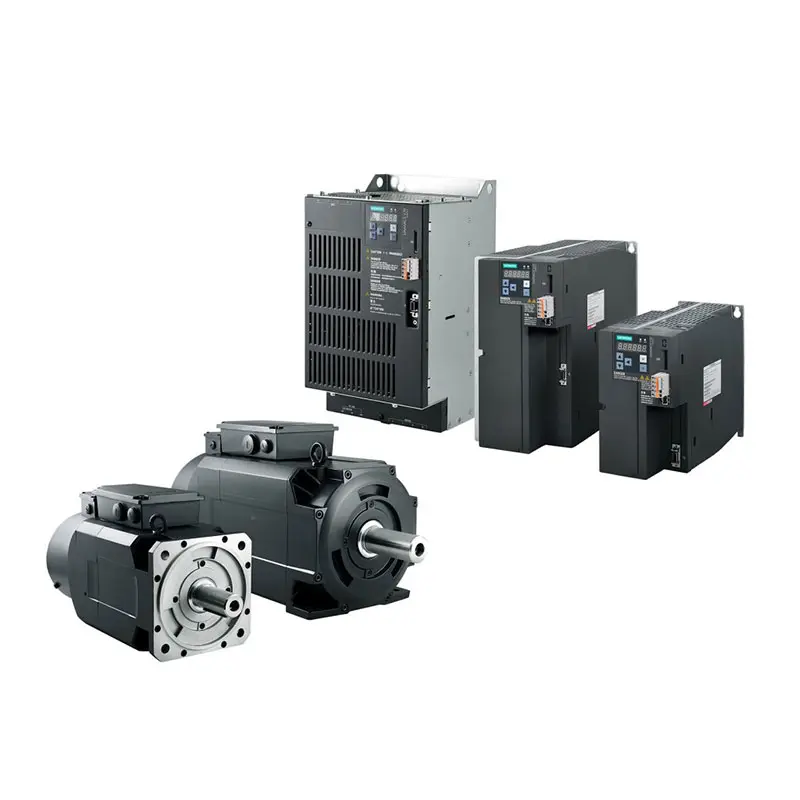 SIEMENS SINAMICS V70 Low Voltage
 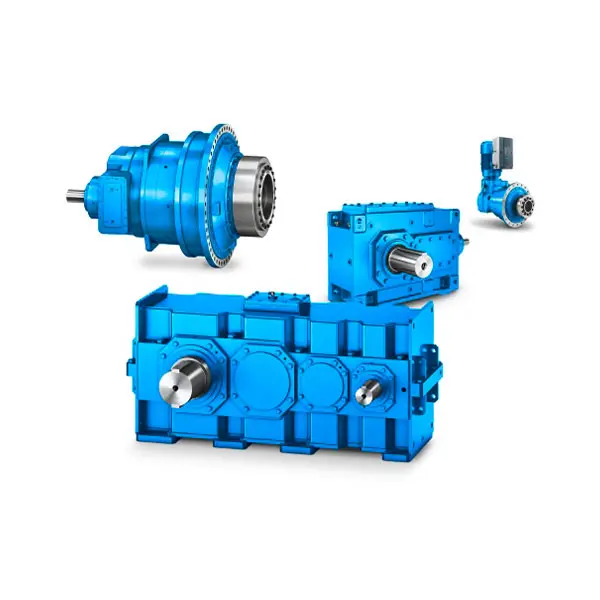 FLENDER Gear Unit
 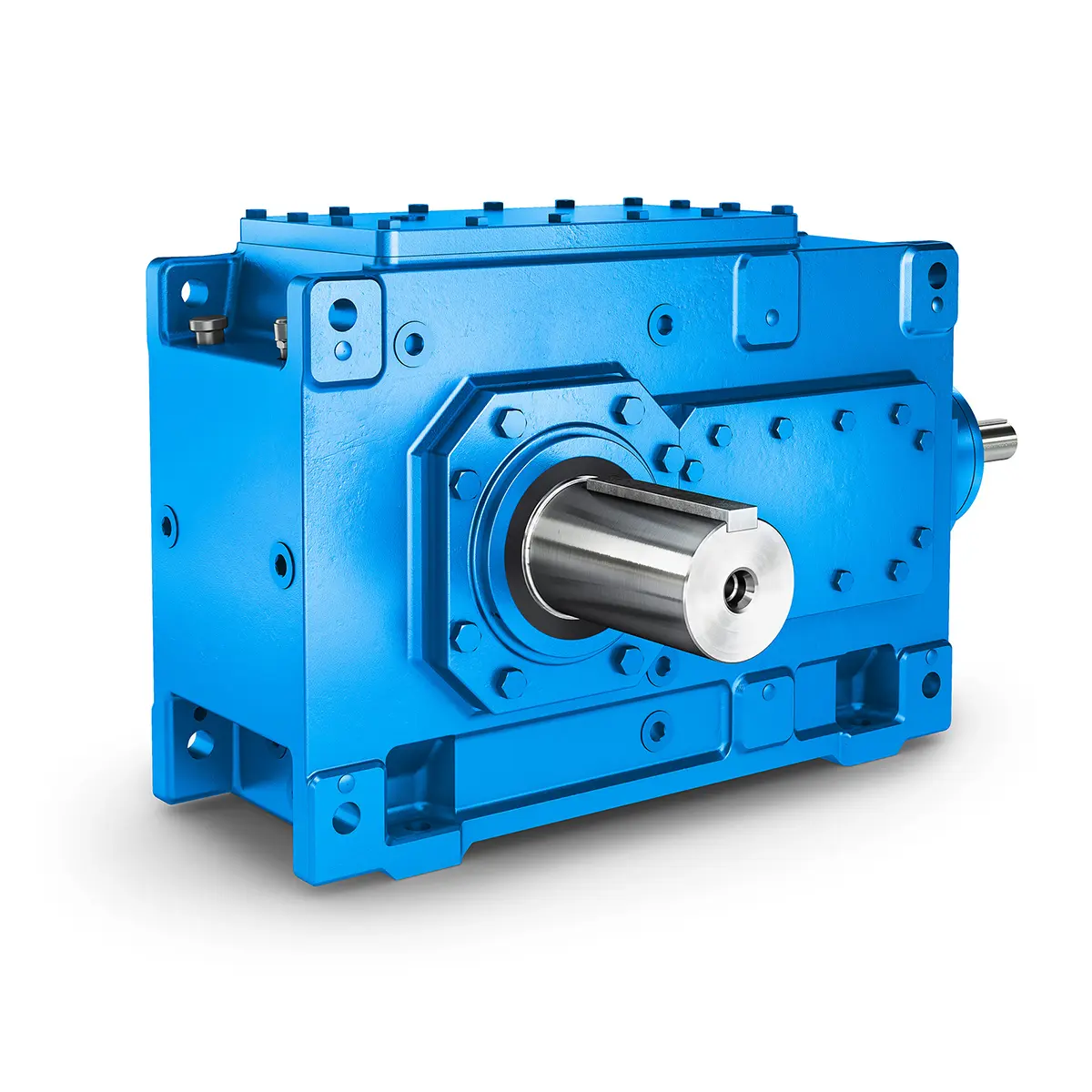 FLENDER Helical Gear Unit
 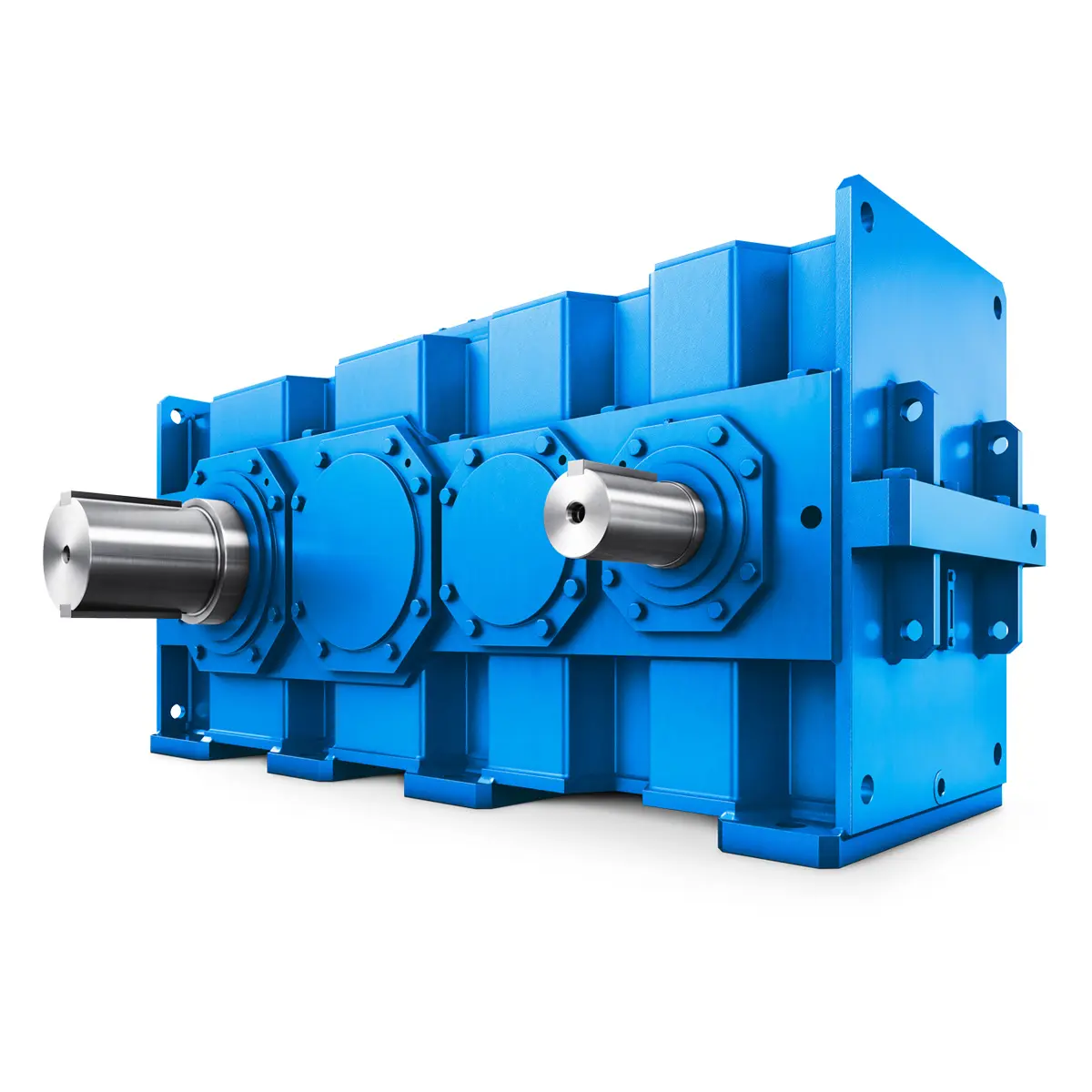 Flender gear units for lifting and luffing gears
 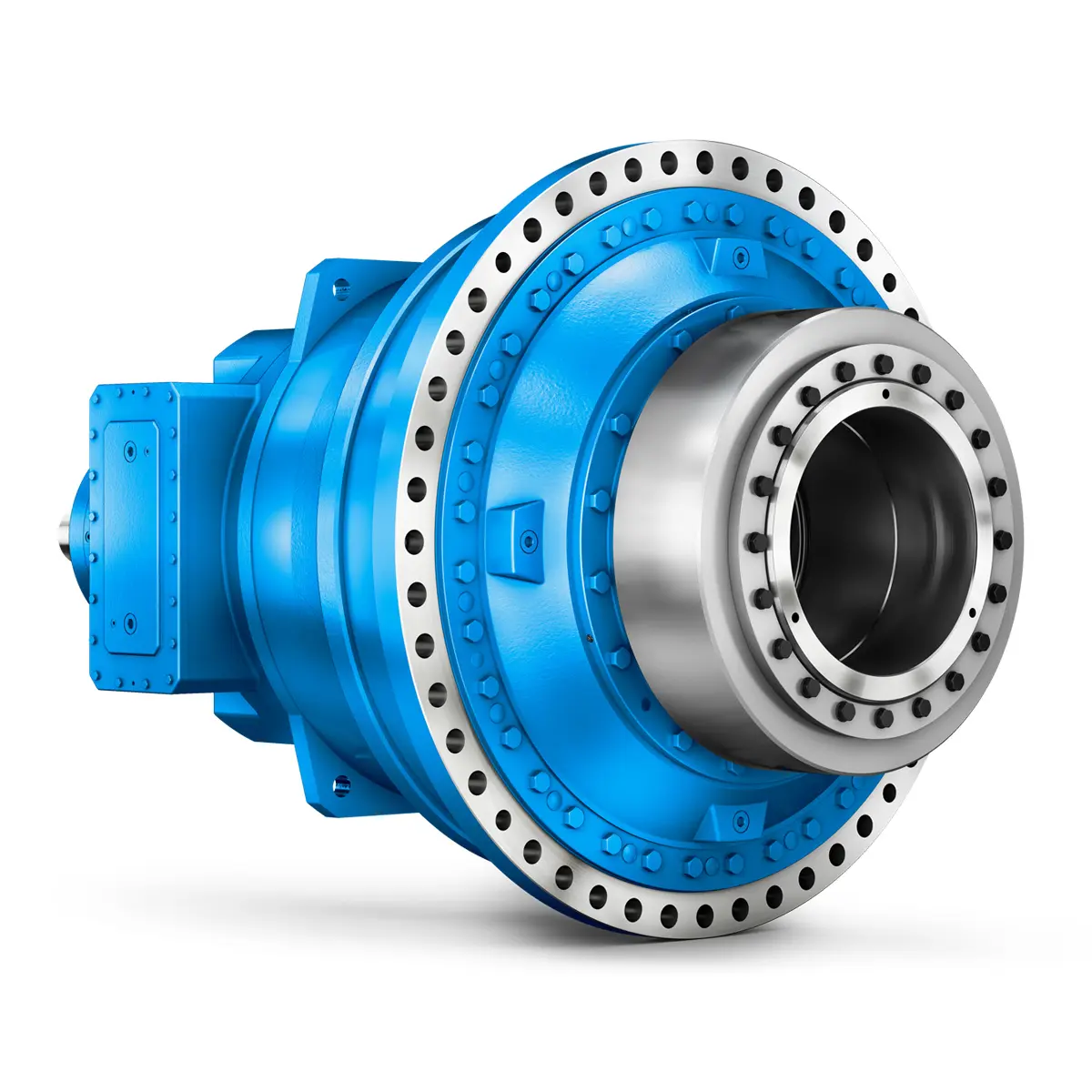 FLENDER Gear Unit gearunit gearbox
 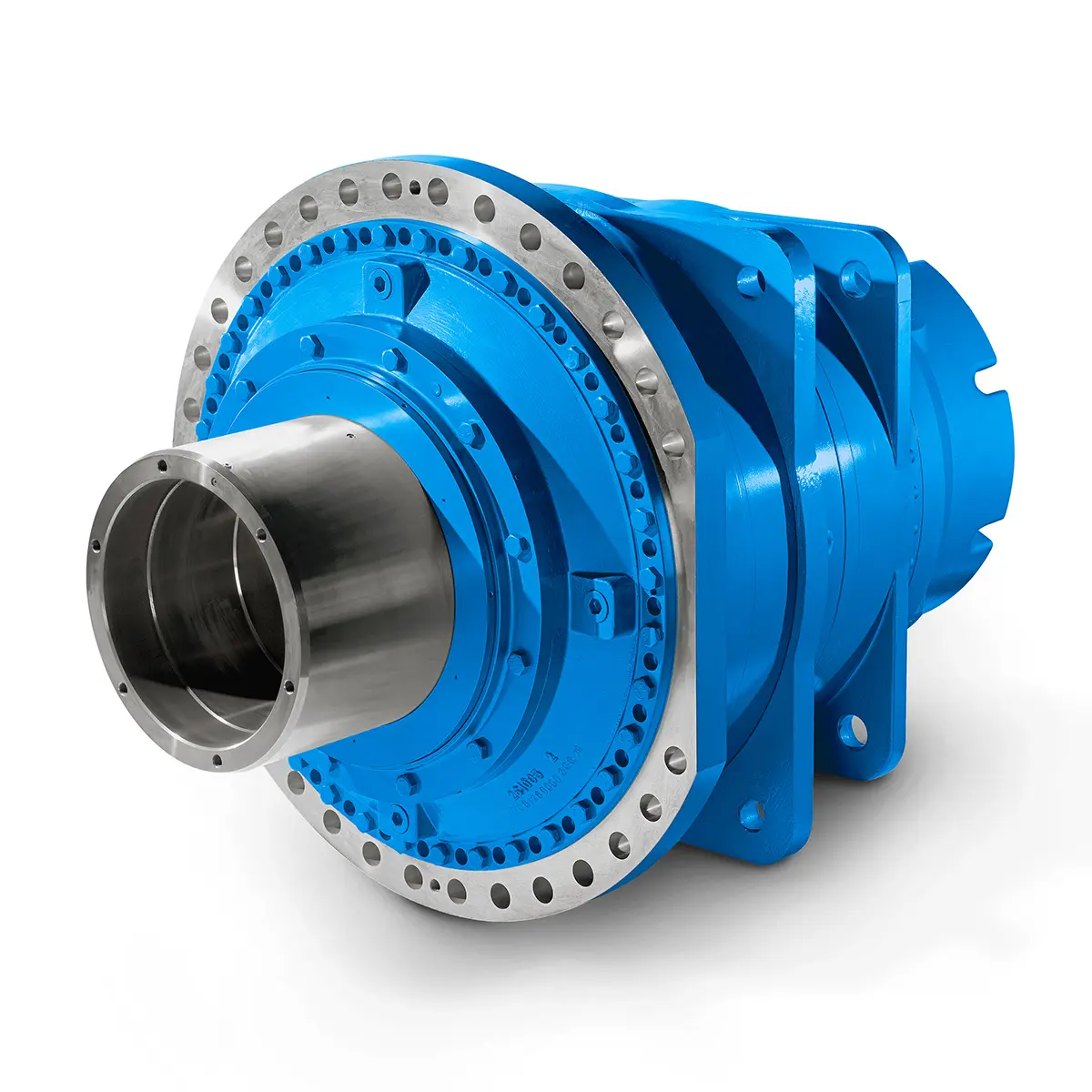 Optimal Drive Solution For Maximum Performance
 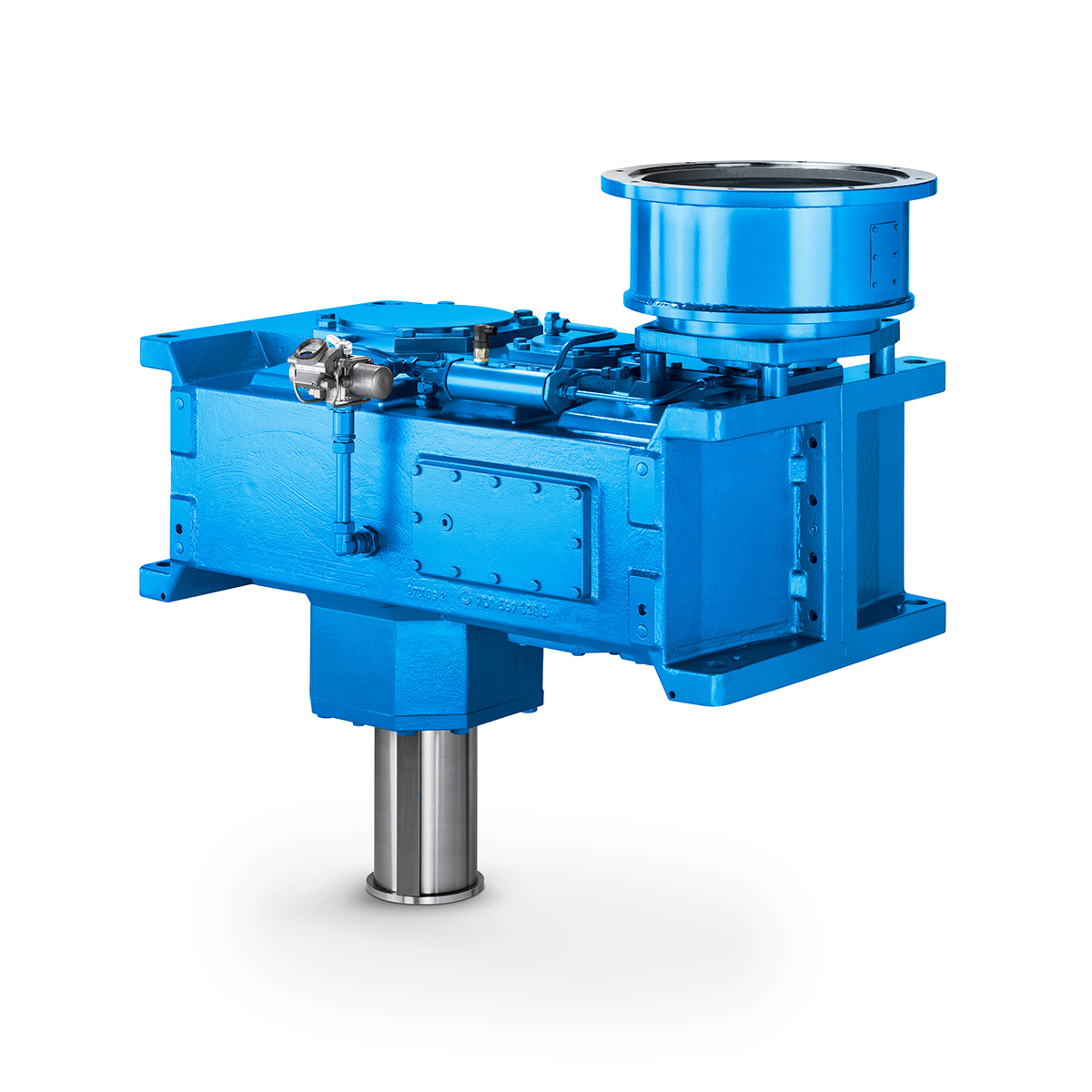 Strongly operating against biodegradable constituents
 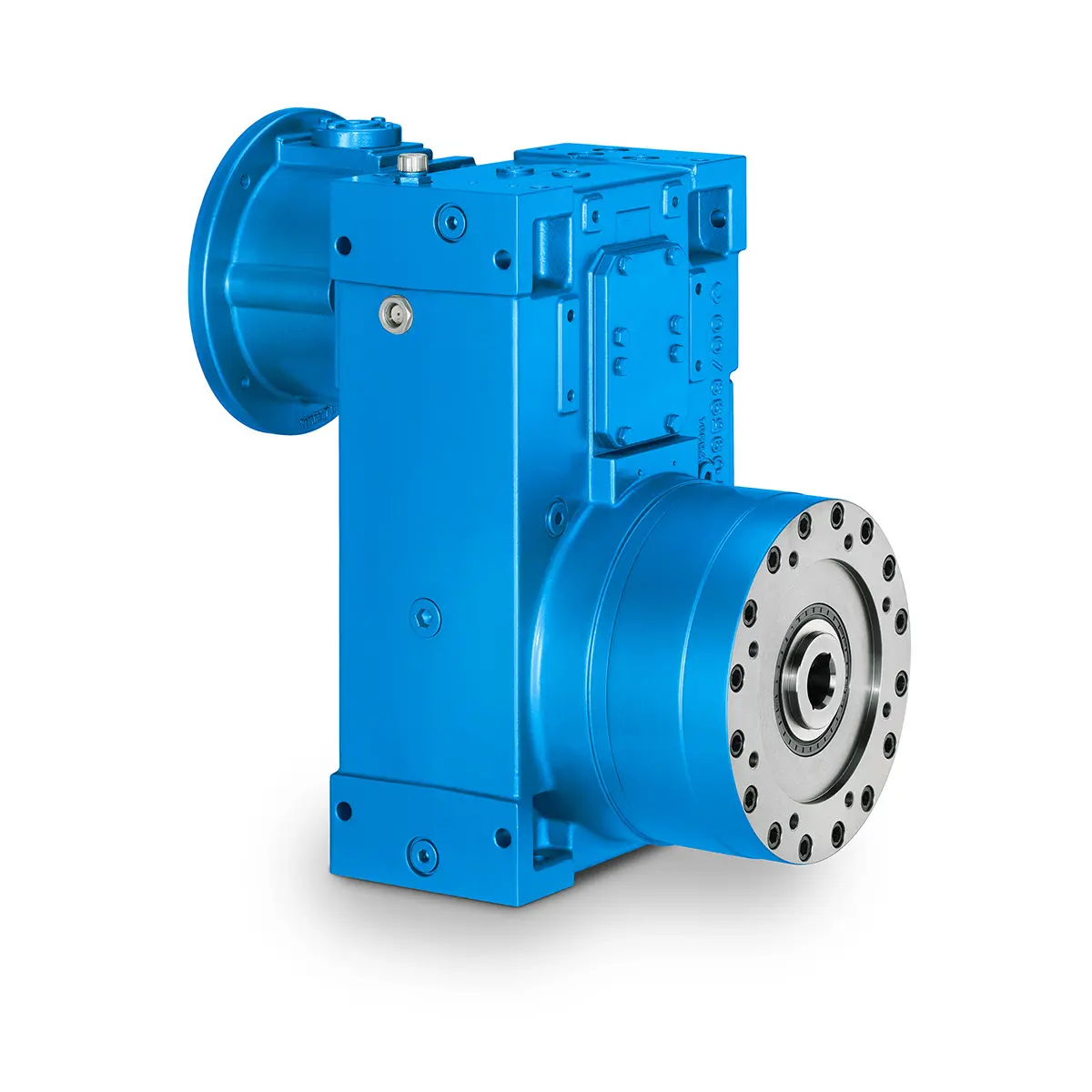 SINGLE SCREW Special industry dedicated gearunit gearbox
 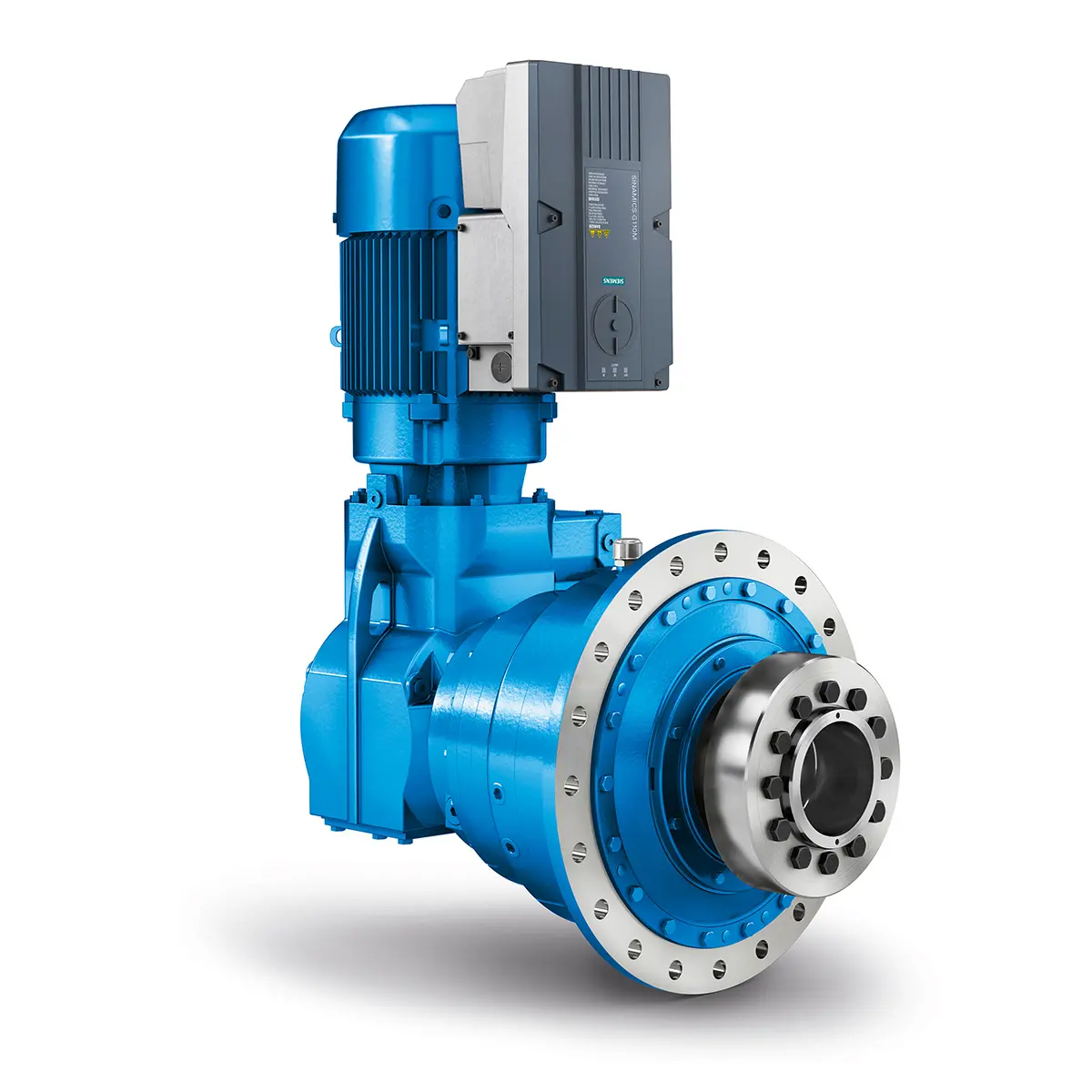 Playmaker In The Premium League
 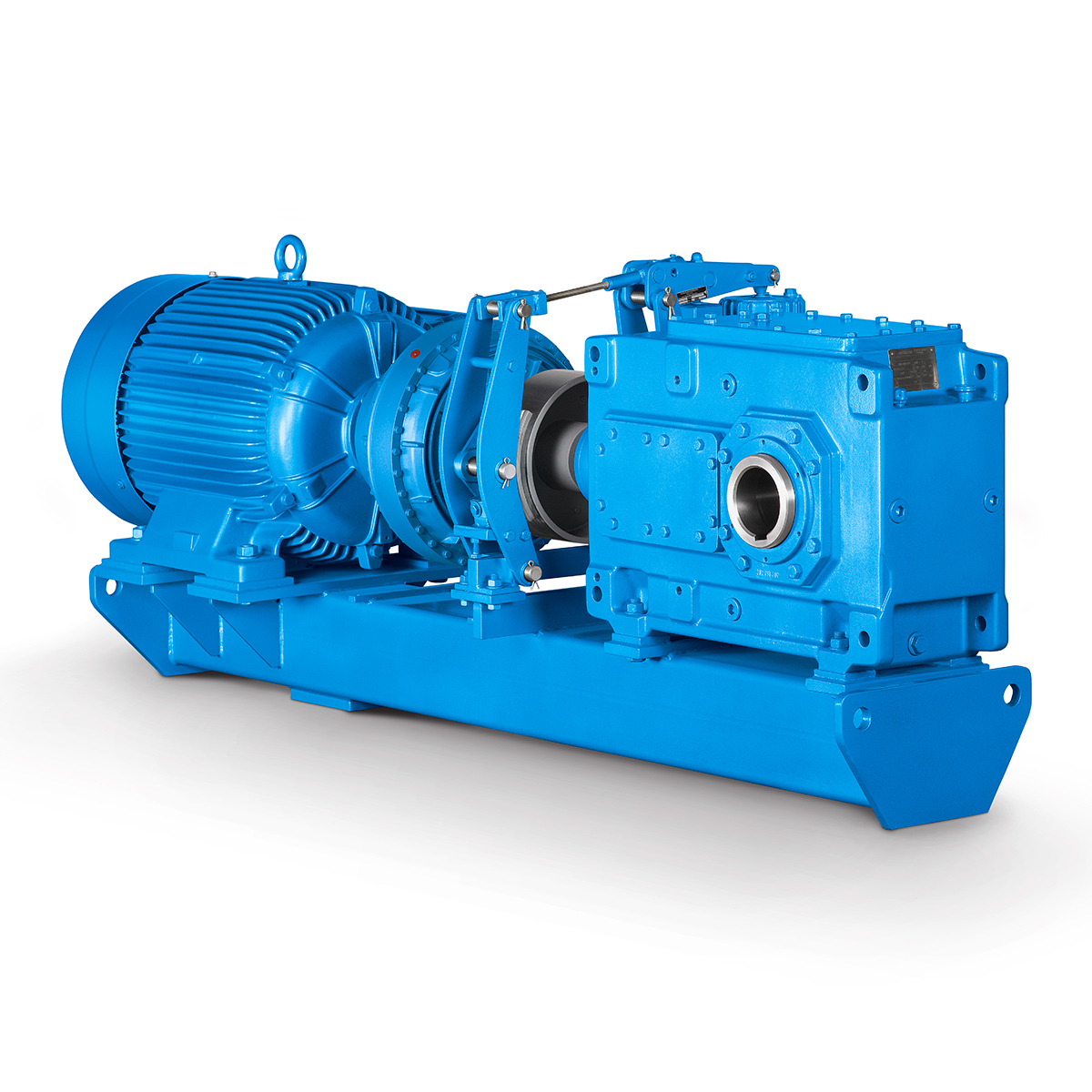 Conveyor belts gearunit gearbox
 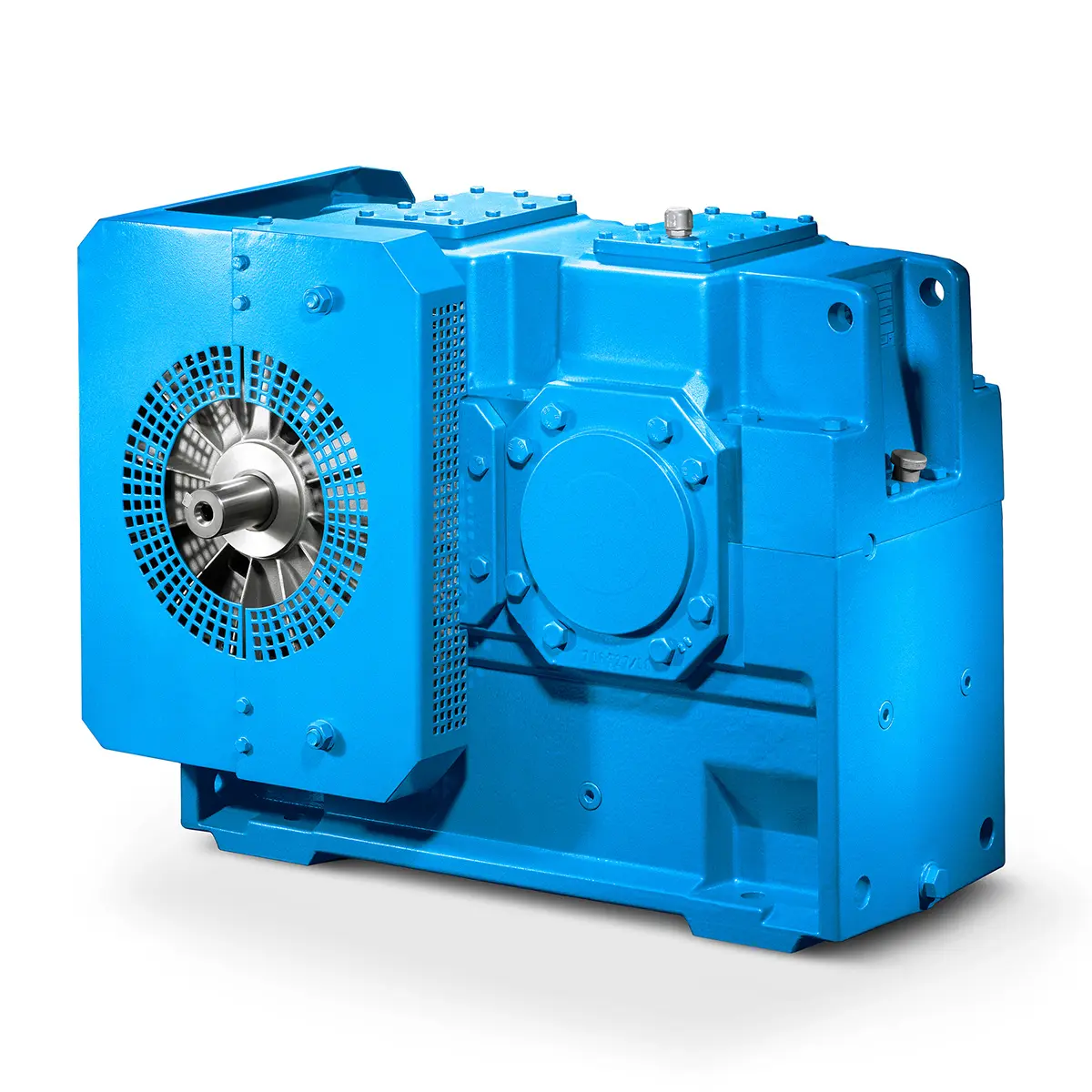 Paper And Pulp Preparation Sections
 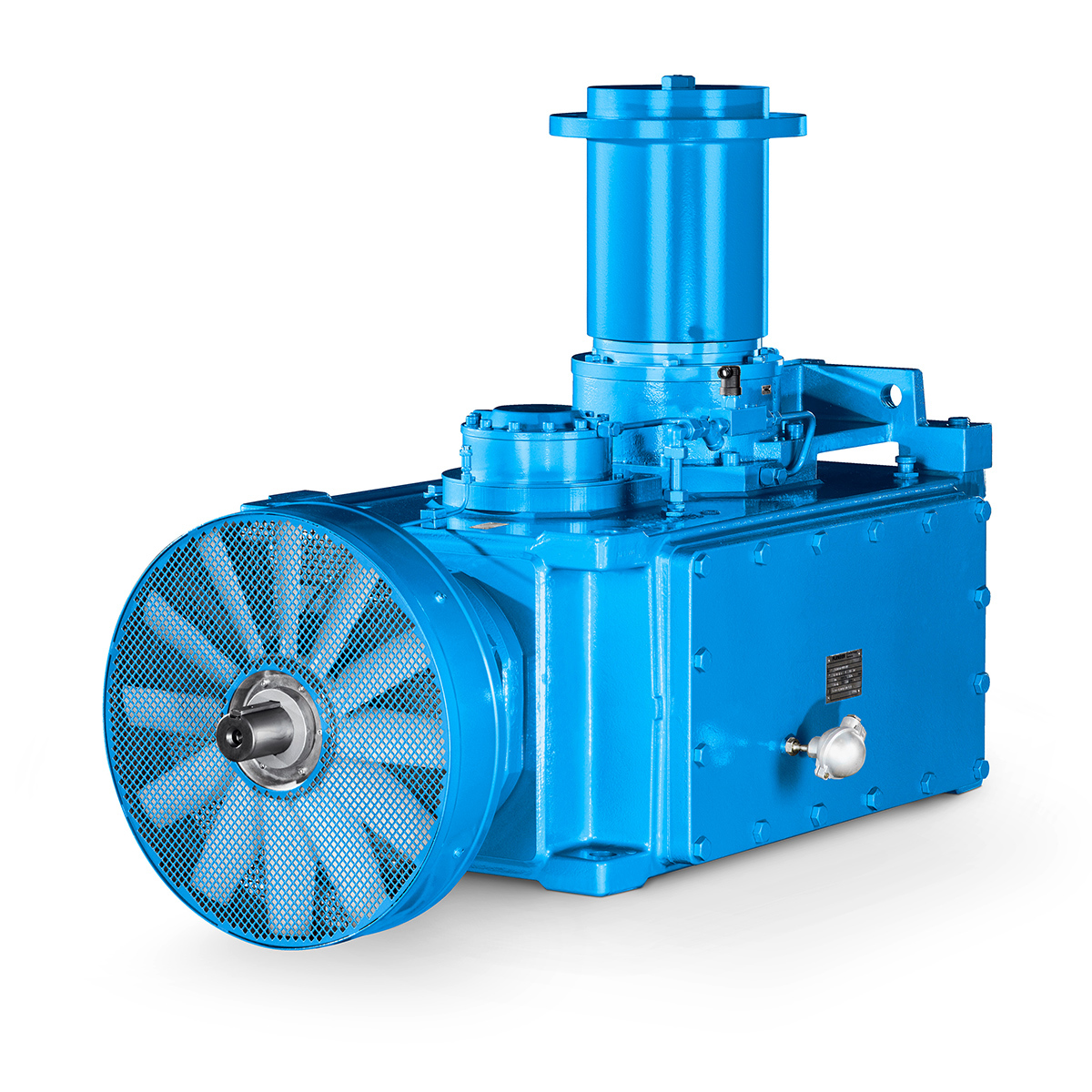 Operational Reliability Even In Case Of The Highest Ventilation Forces
 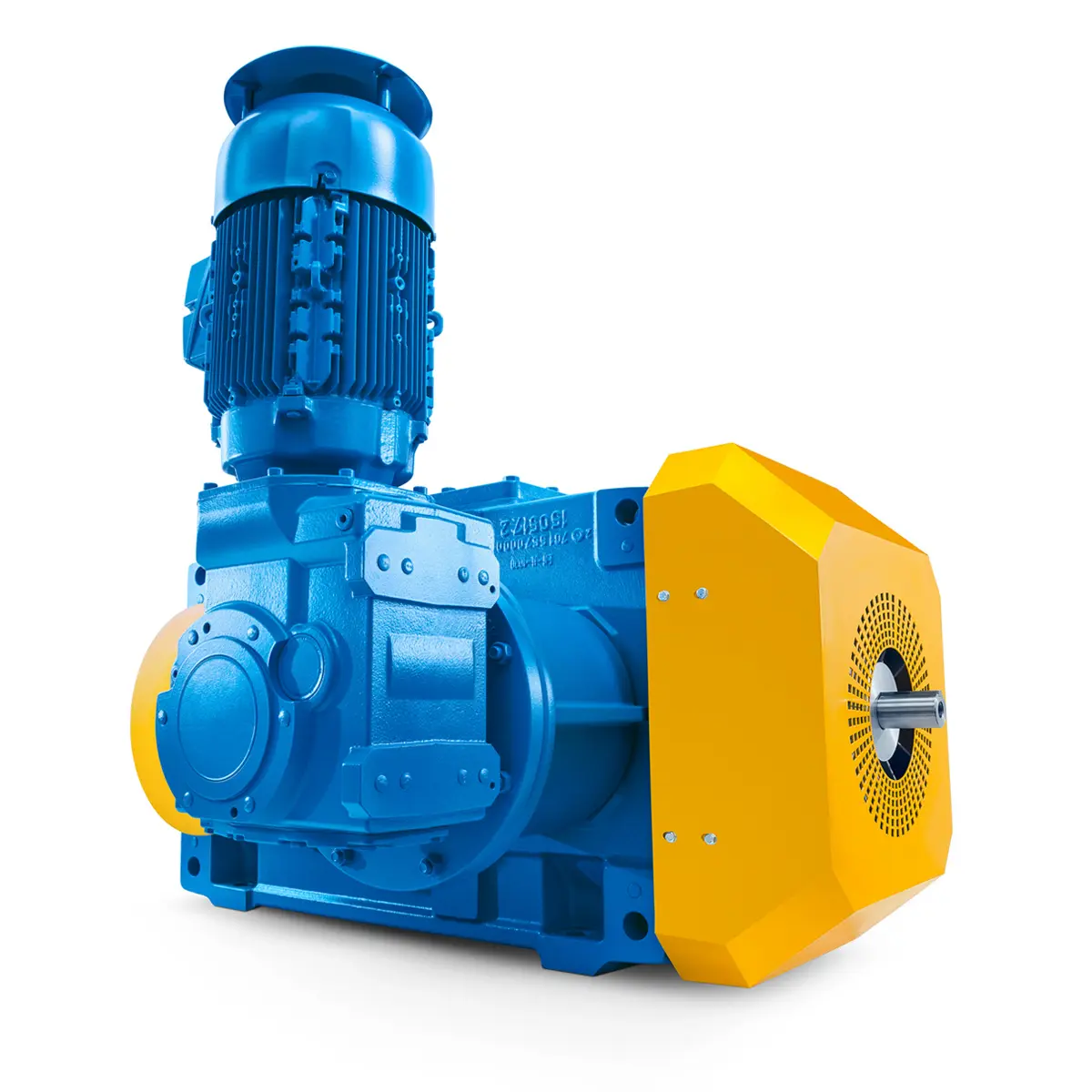 Reliable Gear Units For High Performance Vertical Conveyors 59/200
 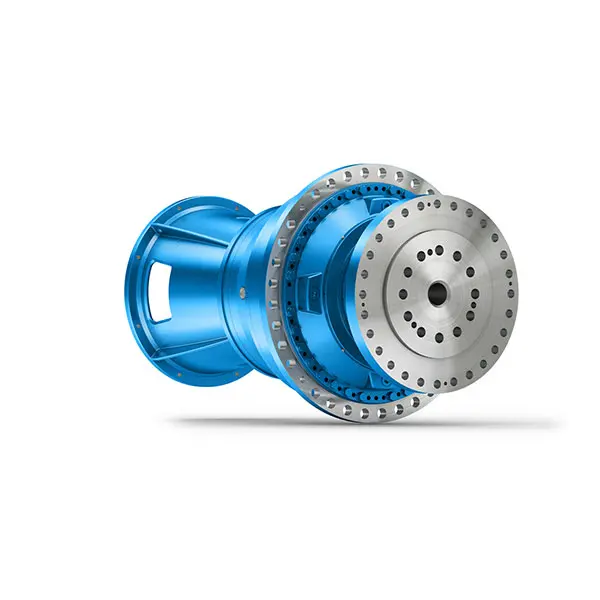 Maximum power density – PLANUREX 3 L individual drives for your sugar cane mill
 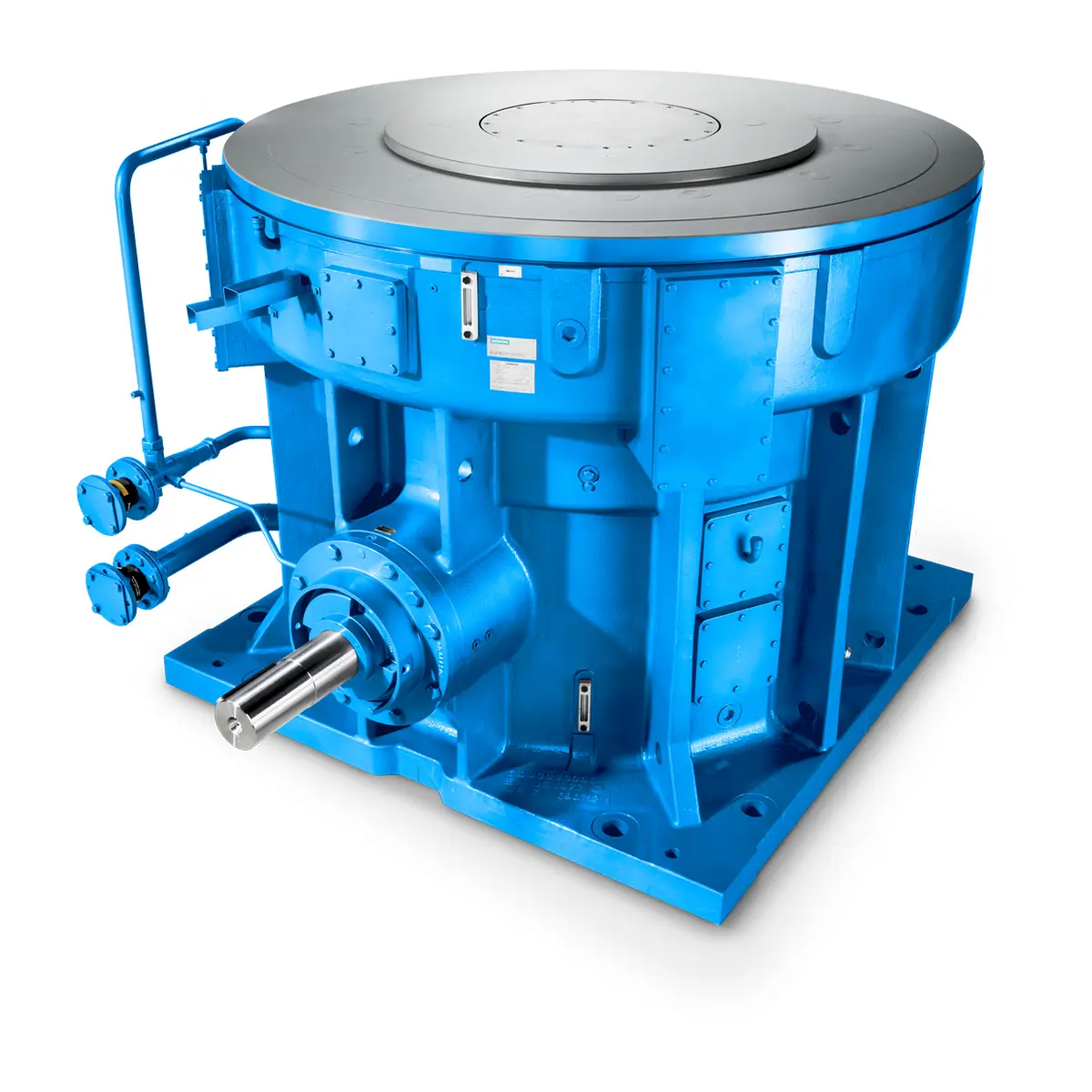 The proven all rounder gearunit gearbox
 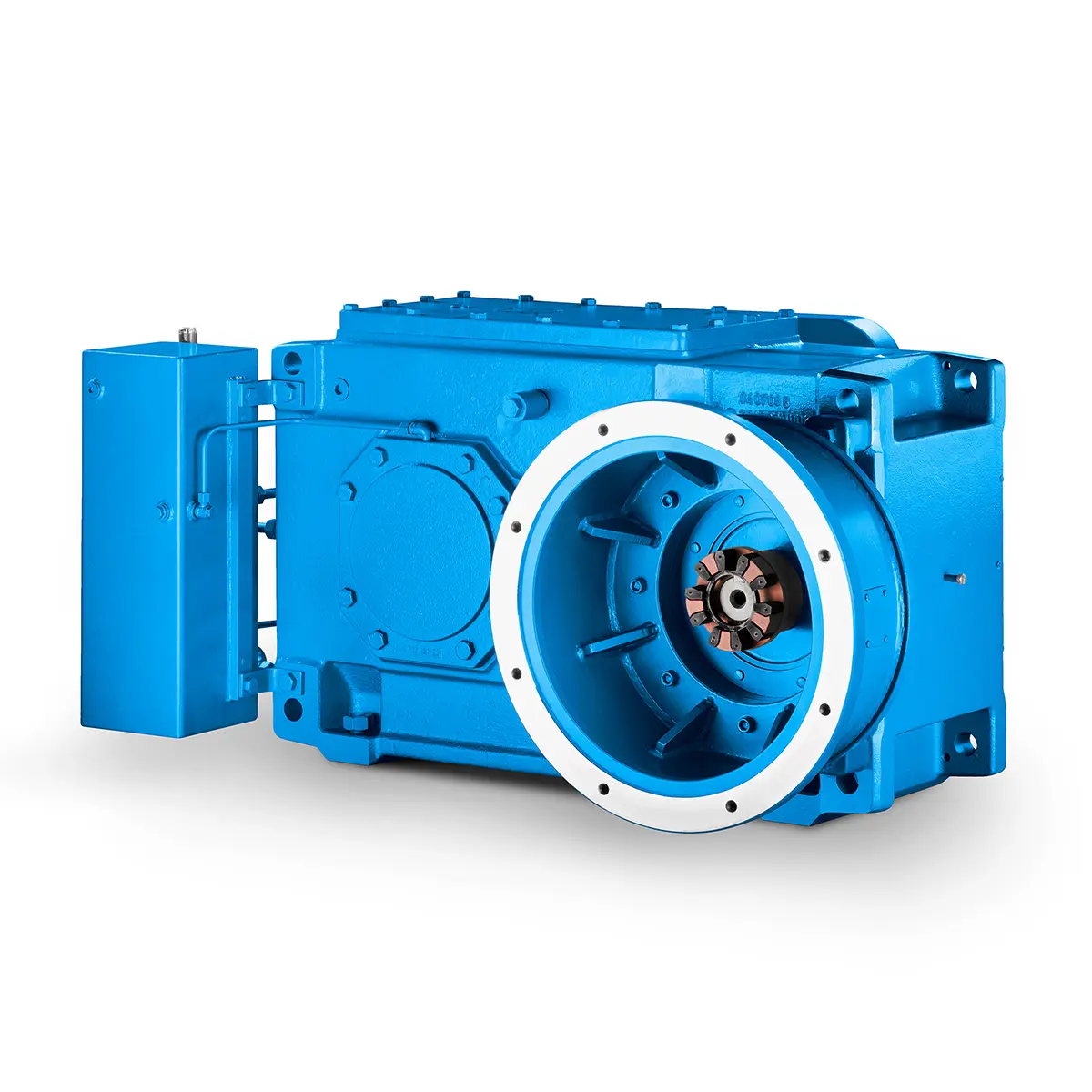 Stirs and stirs and stirs gearunit gearbox
 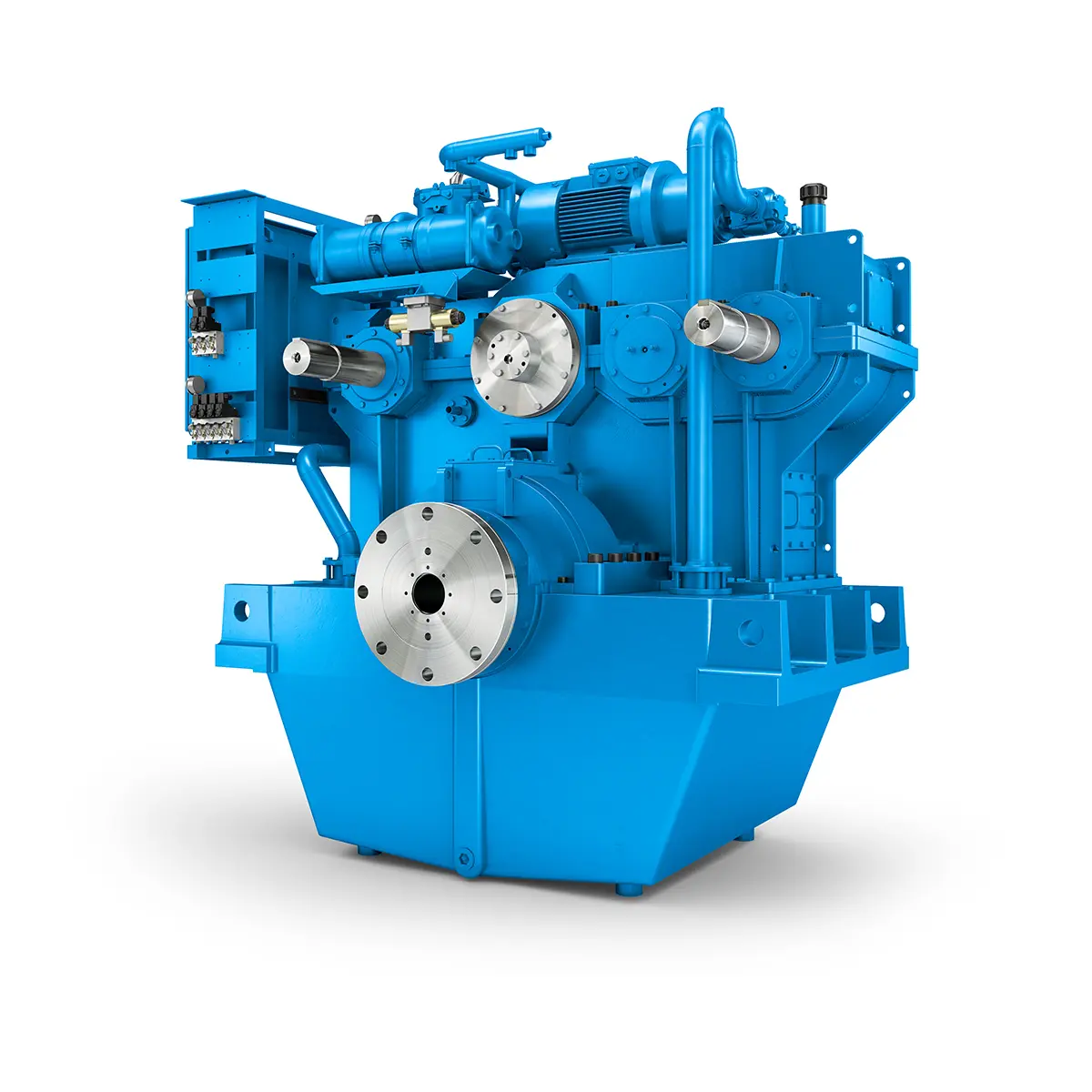 Flexibility on Board gearunit gearbox
 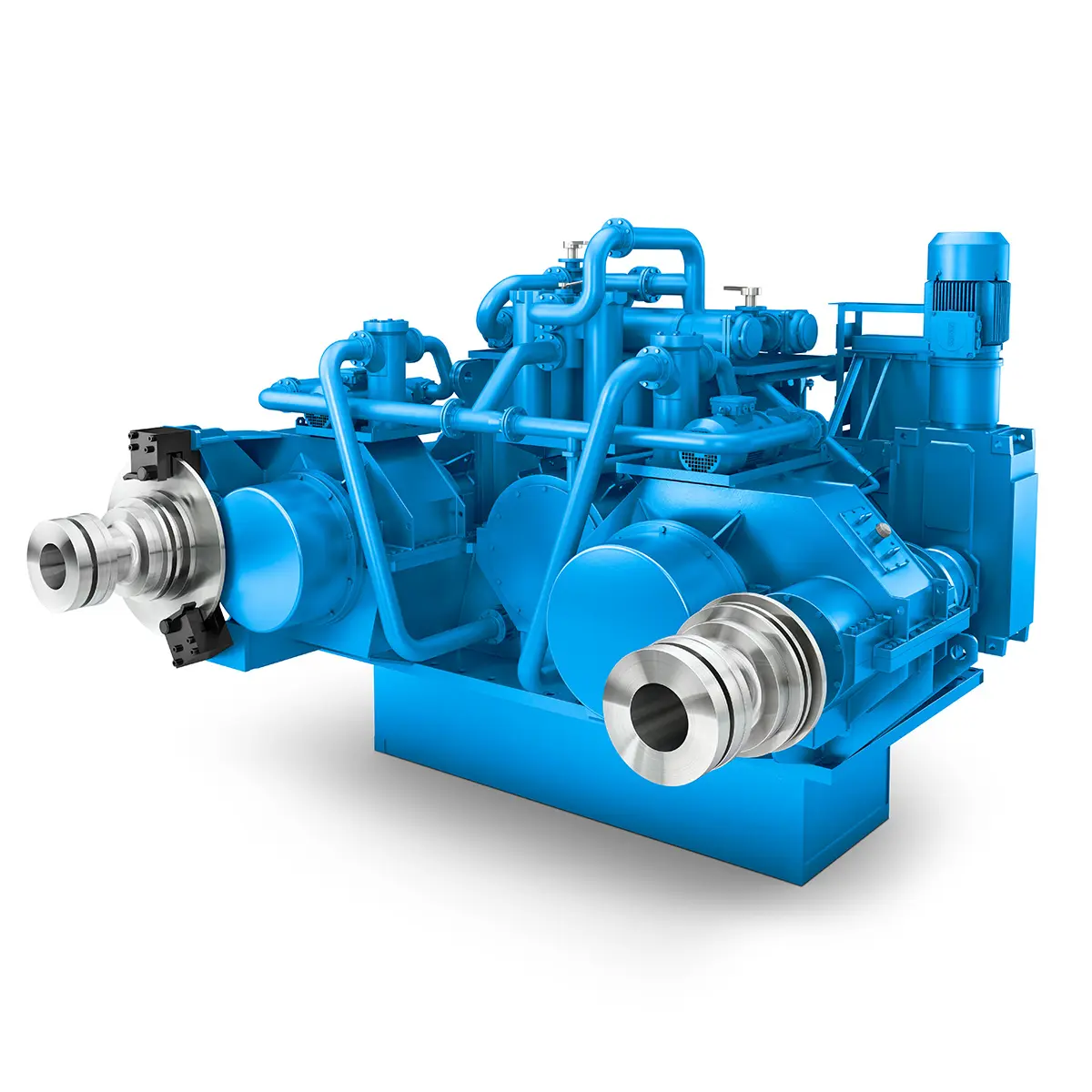 The right gearbox for all Multi-Engine Ships
 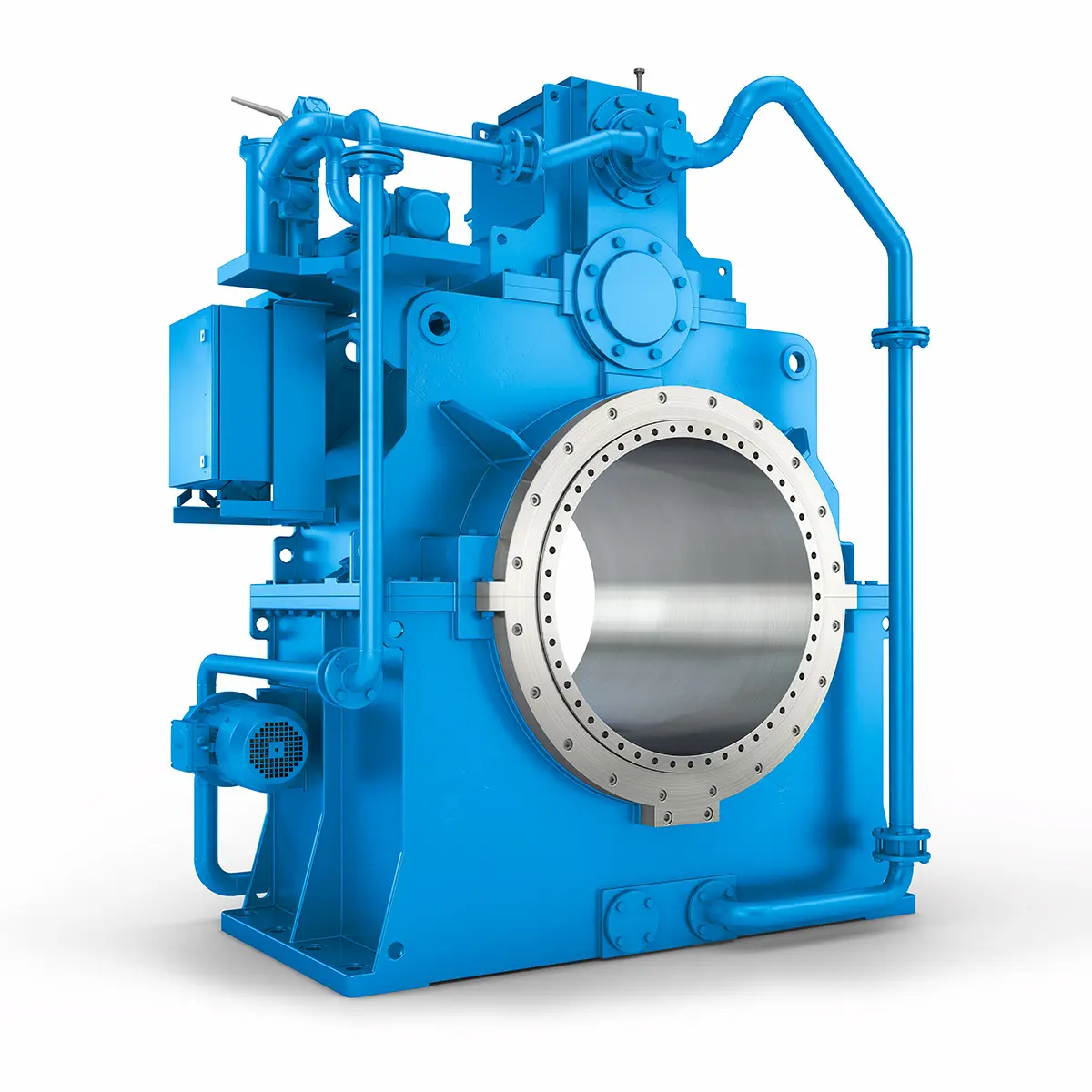 Reliable Power Generation on board
 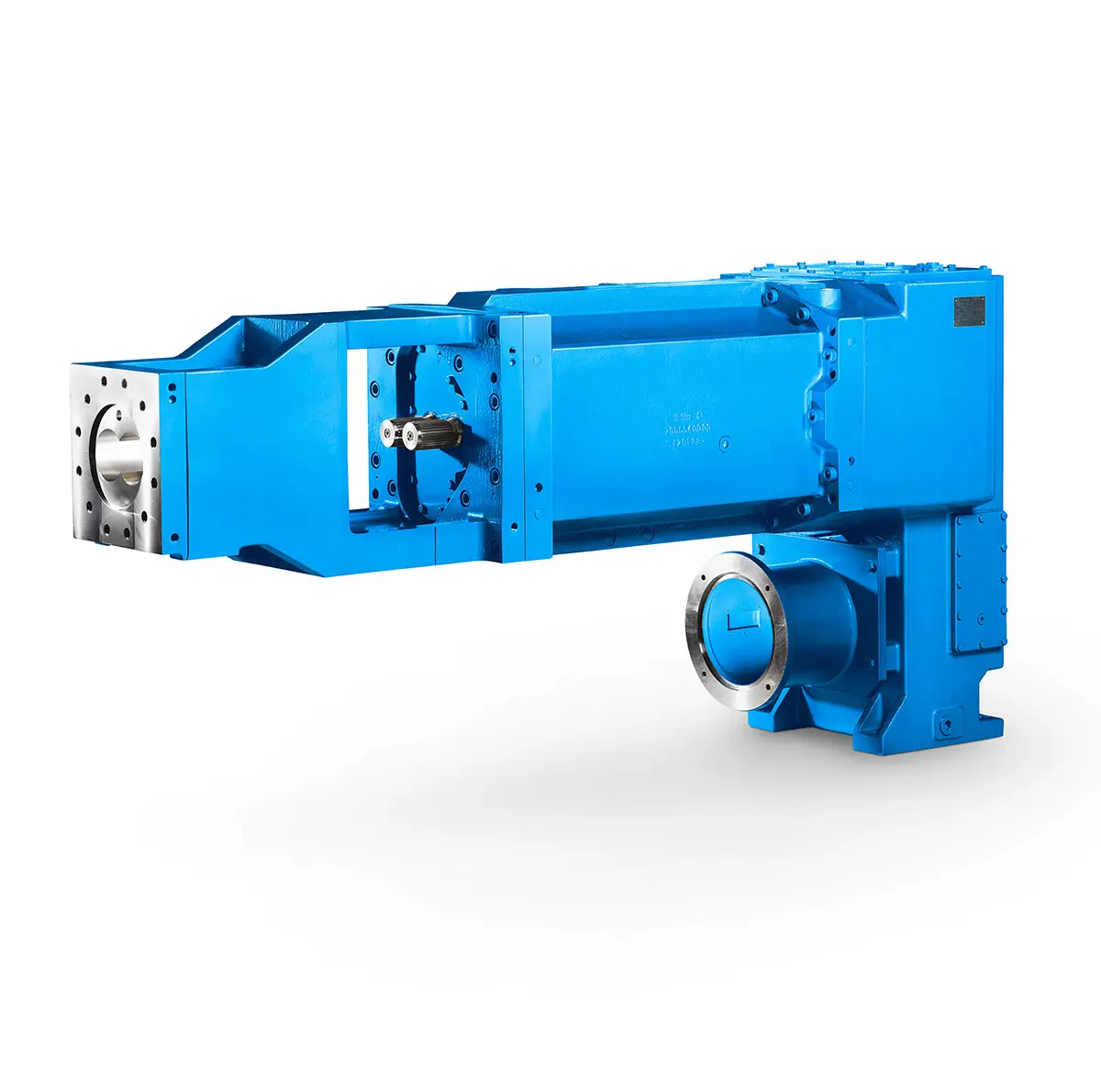 Maximum performance level, fast deliverable
 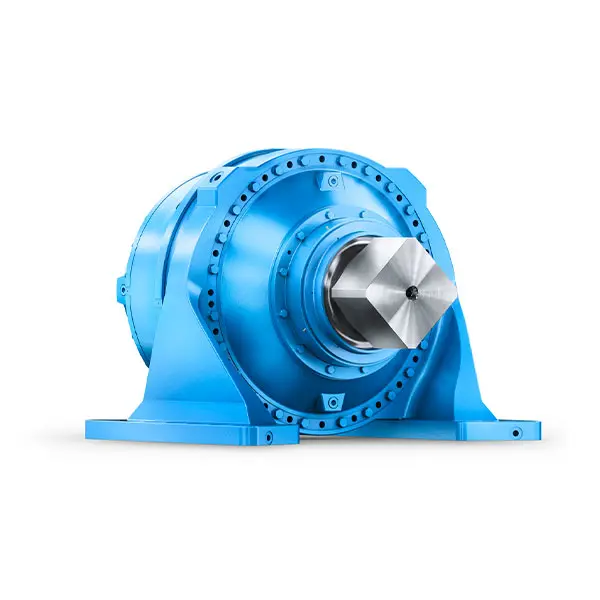 Efficient and compact – FLENDER Gear Units for Sugar Mills
 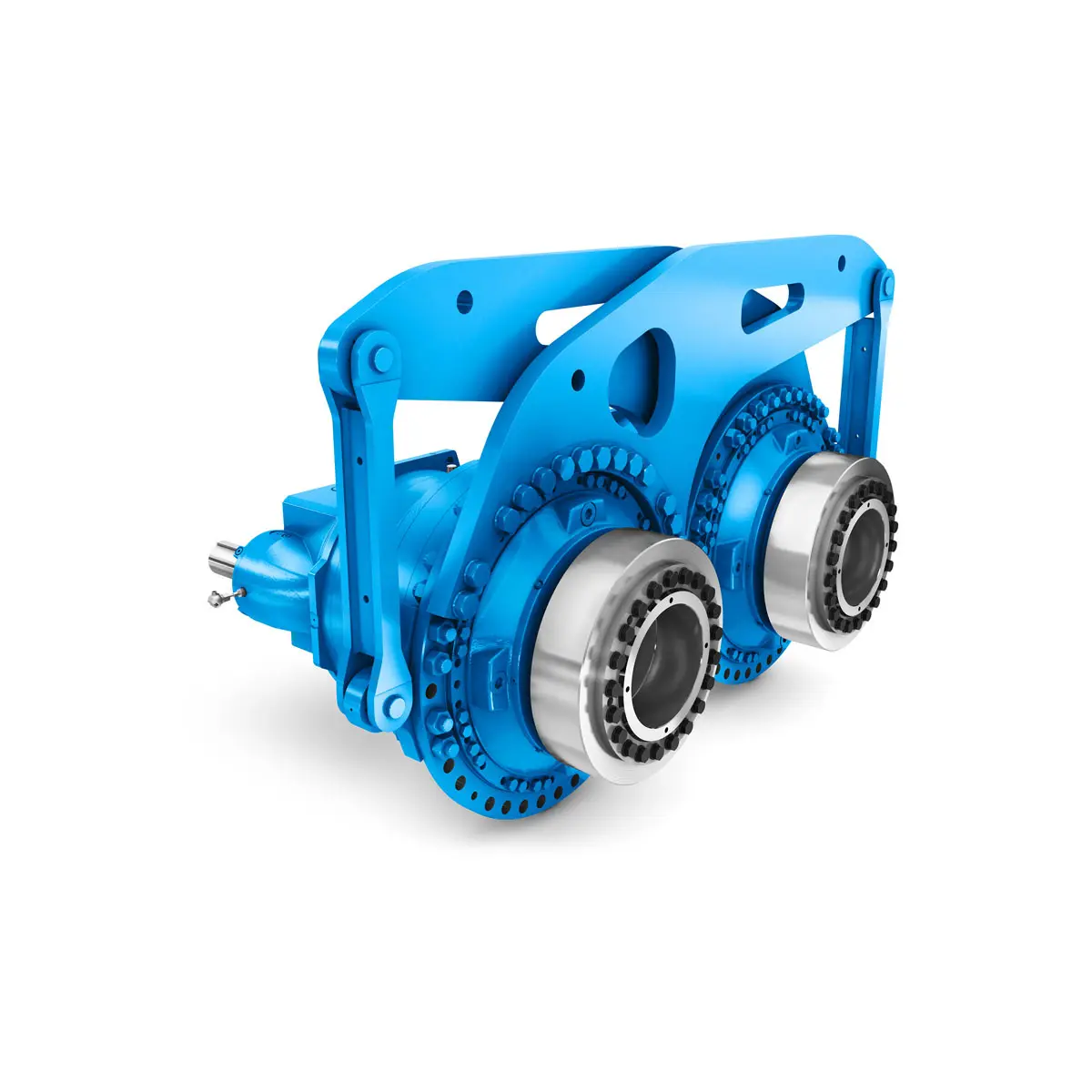 Extremely strong. Extremely compact. Extremely stressable.
 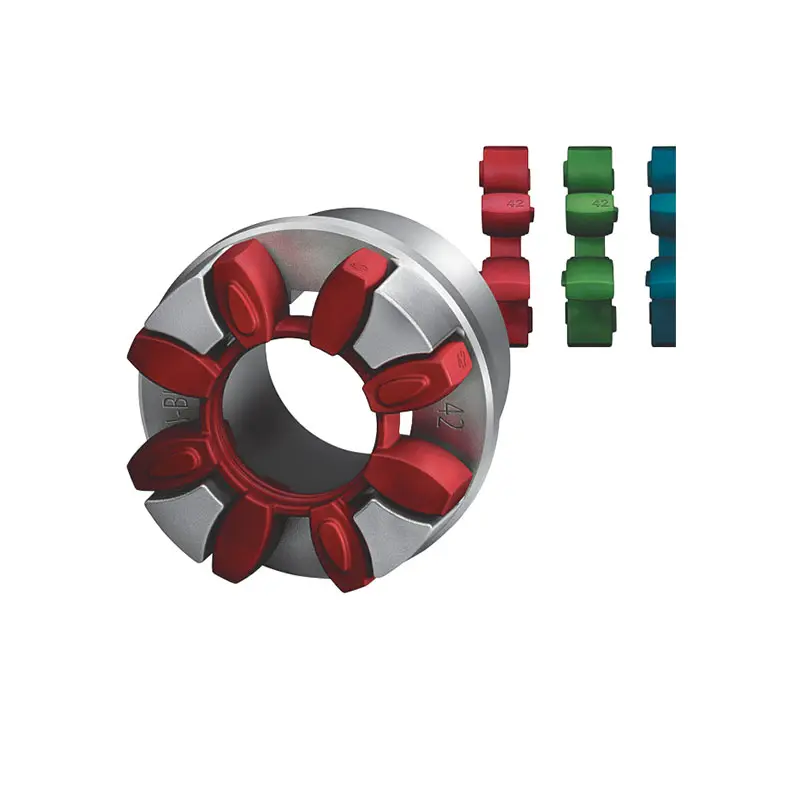 FLENDER Coupling
 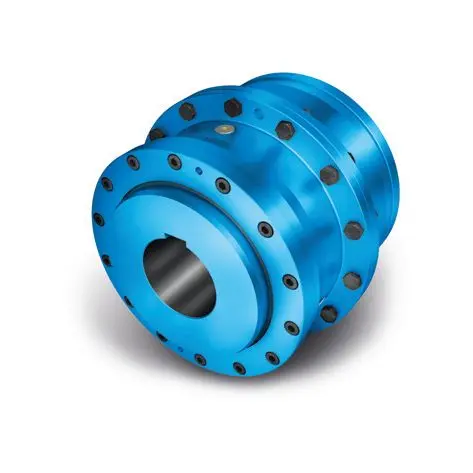 ZAPEX ZW Torsionally Rigid Gear Coupling
 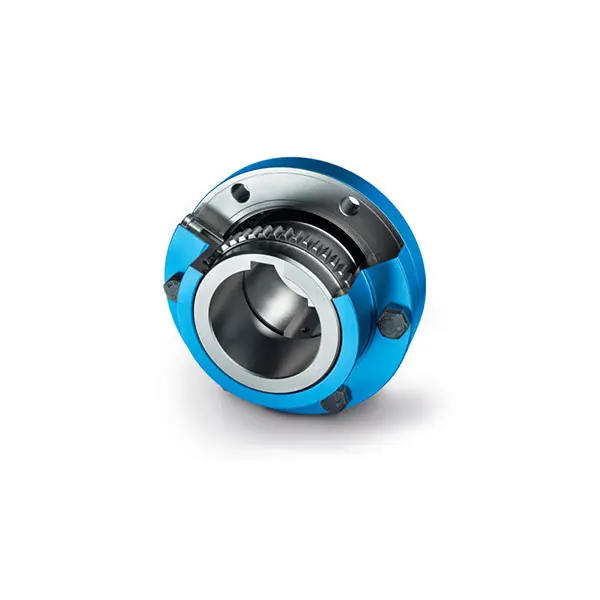 ZAPEX ZN Torsionally Rigid Gear Coupling
 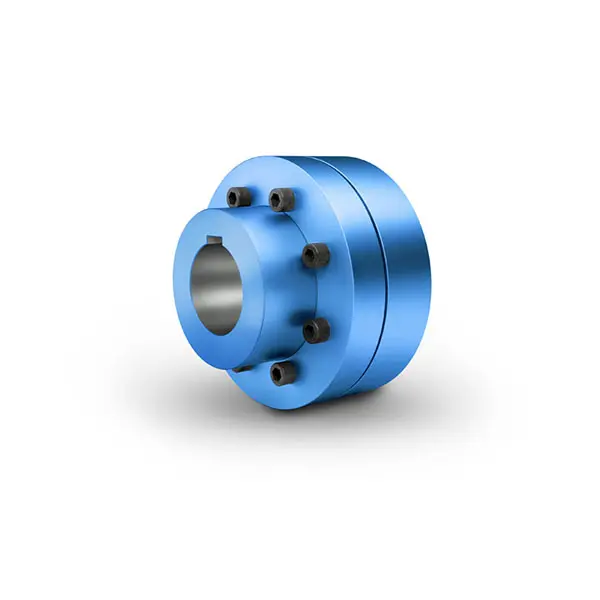 N-EUPEX Flexible high performance Coupling
 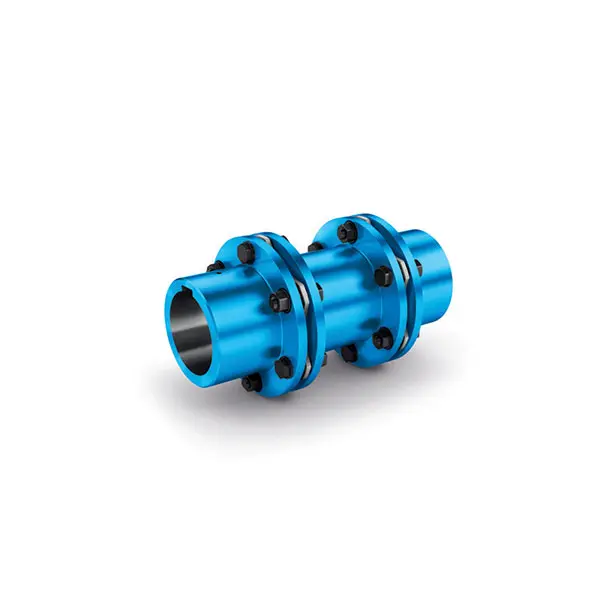 N-ARPEX Torsionally Rigid All-Steel Coupling
 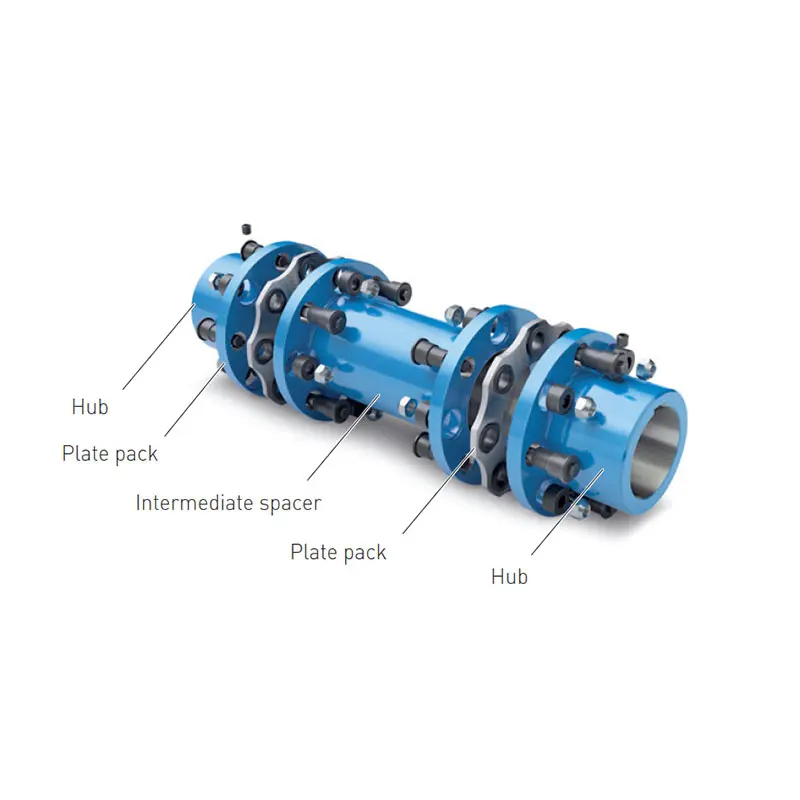 ARPEX Torsionally Rigid All-Steel Coupling Spare and Parts
 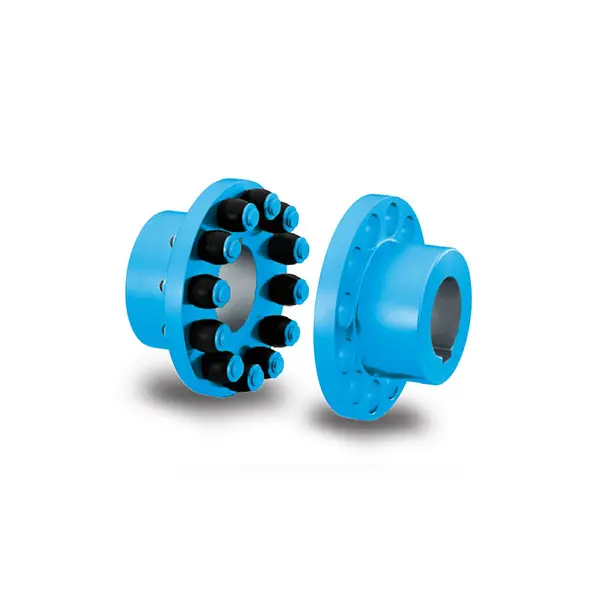 RUPEX Flexible high performance Coupling
 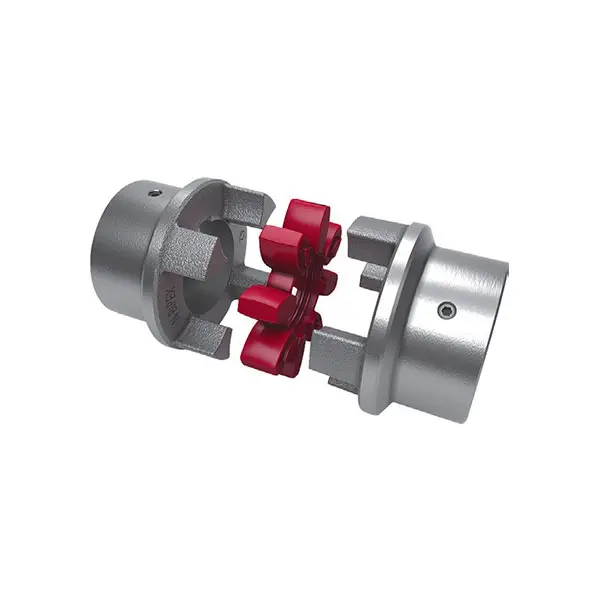 N BIPEX Flexible high performance coupling
 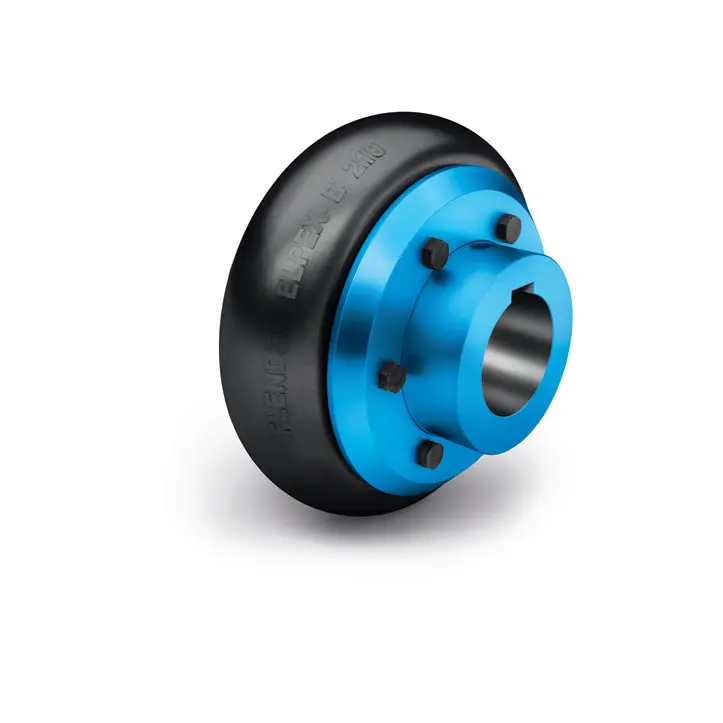 ELPEX B Highly Flexible Coupling
 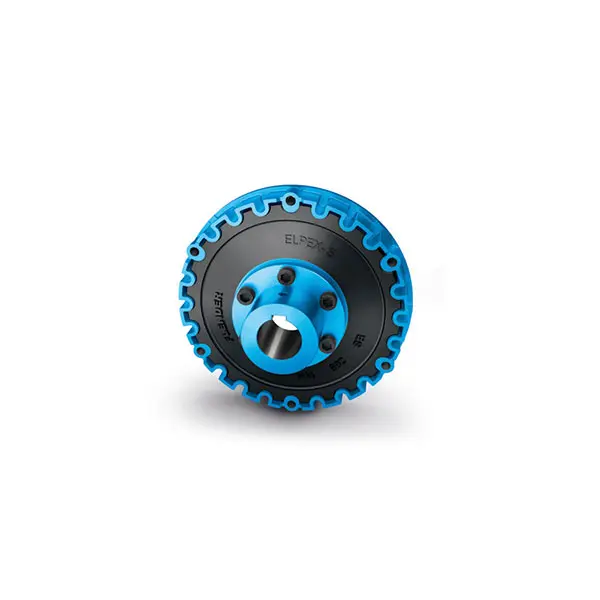 ELPEX S Highly Flexible Coupling high performance
 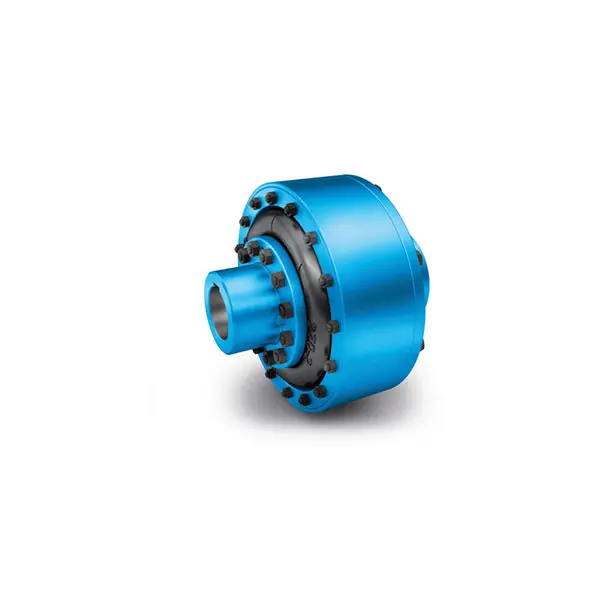 ELPEX Highly Flexible Coupling high performance
 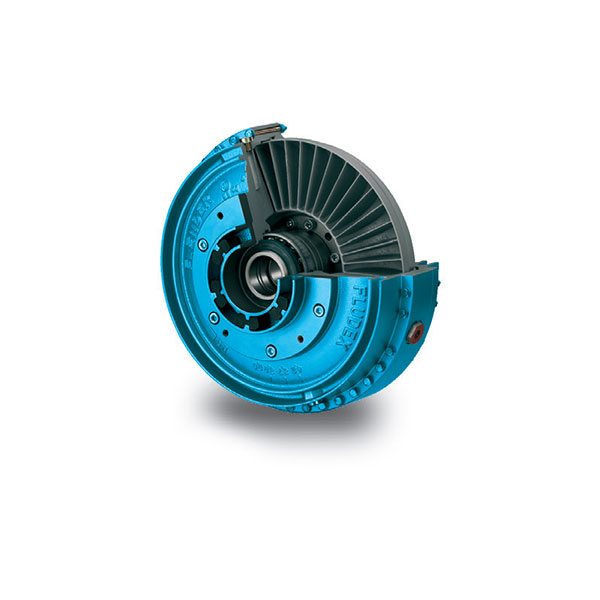 FLUDEX Fluid Coupling high performance
 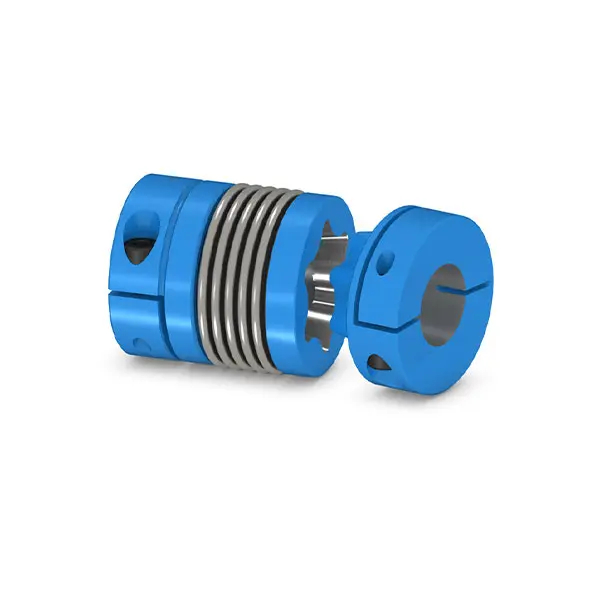 SIPEX Backlash free Coupling high performance
 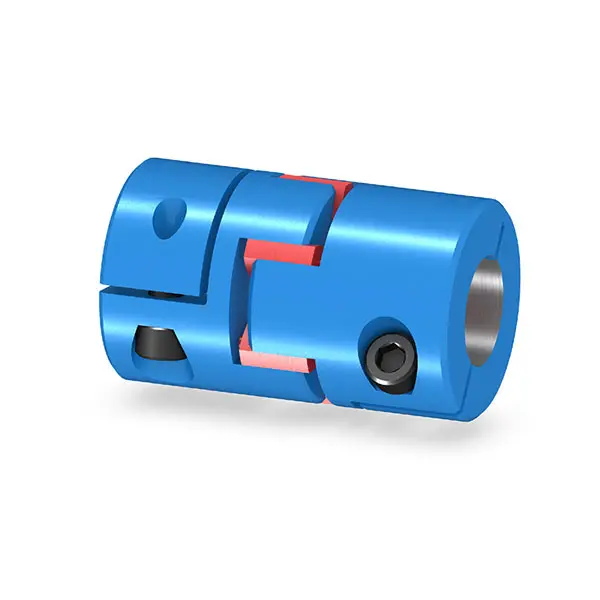 BIPEX S Backlash free Coupling high performance
 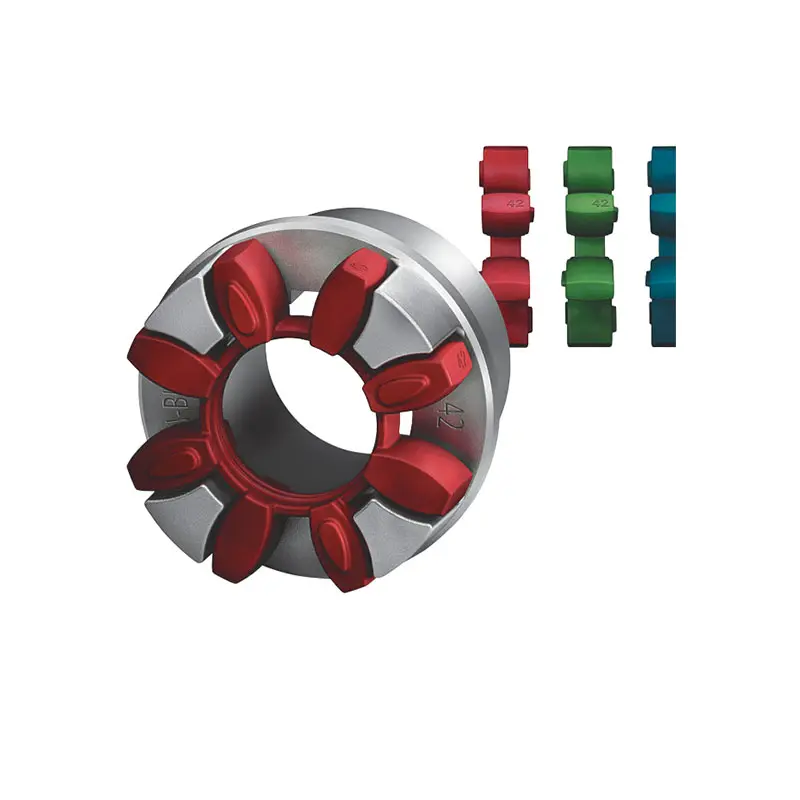 FLENDER Coupling Spare Parts high performance
 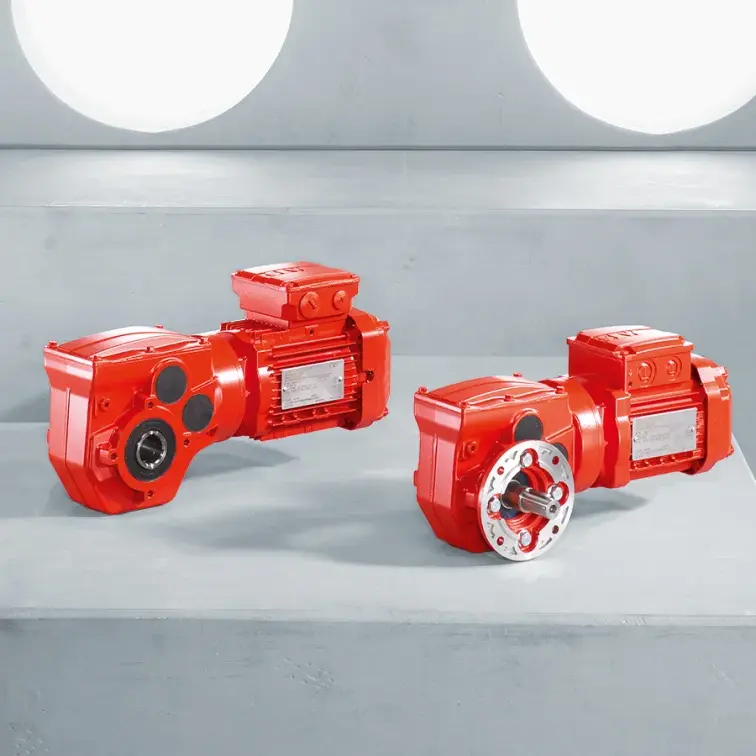 SEW Gearmotor
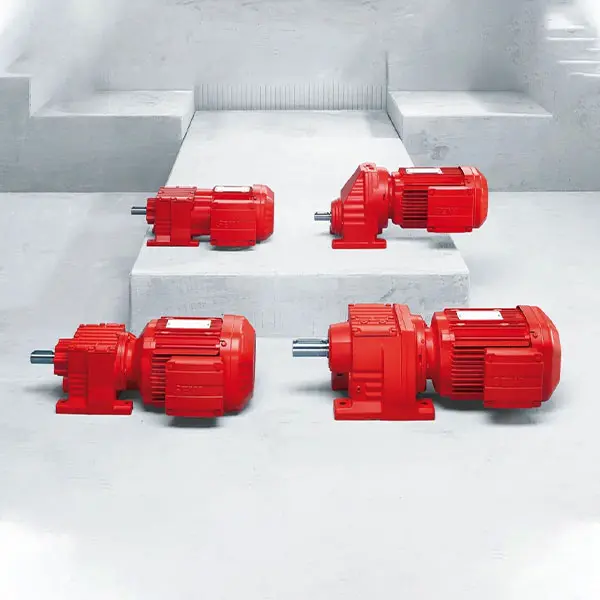 R Series Helical Gearmotor low voltage
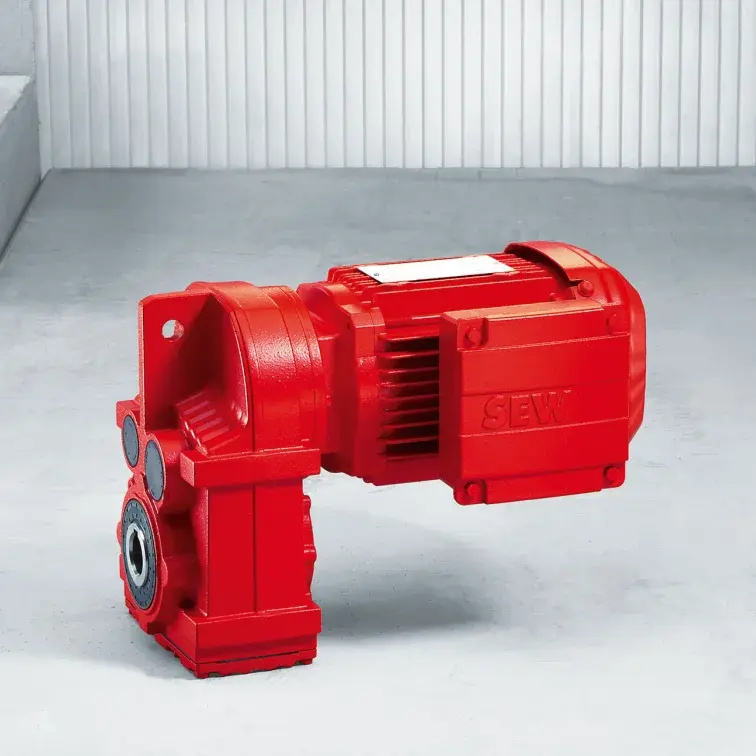 F Series Parallel Shaft Gearmotor low voltage
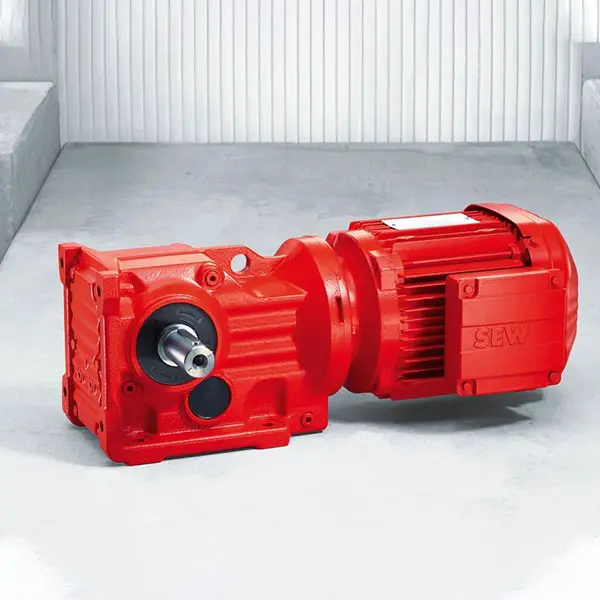 K Series Helical Bevel Gearmotor low voltage
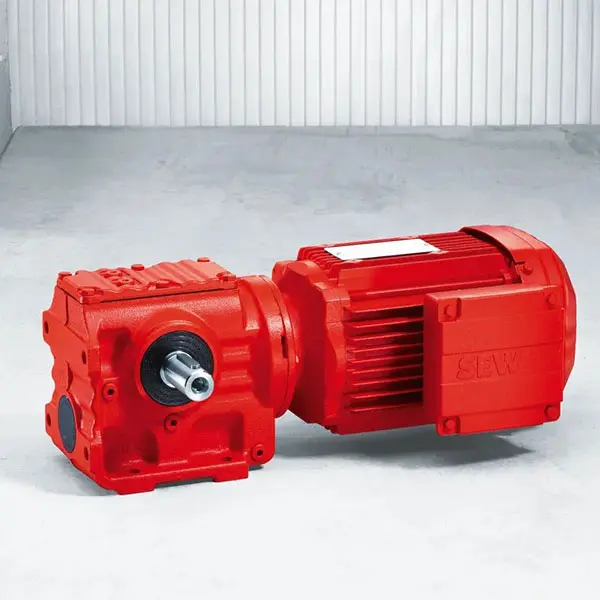 S Series Helical Worm Gearmotor low voltage
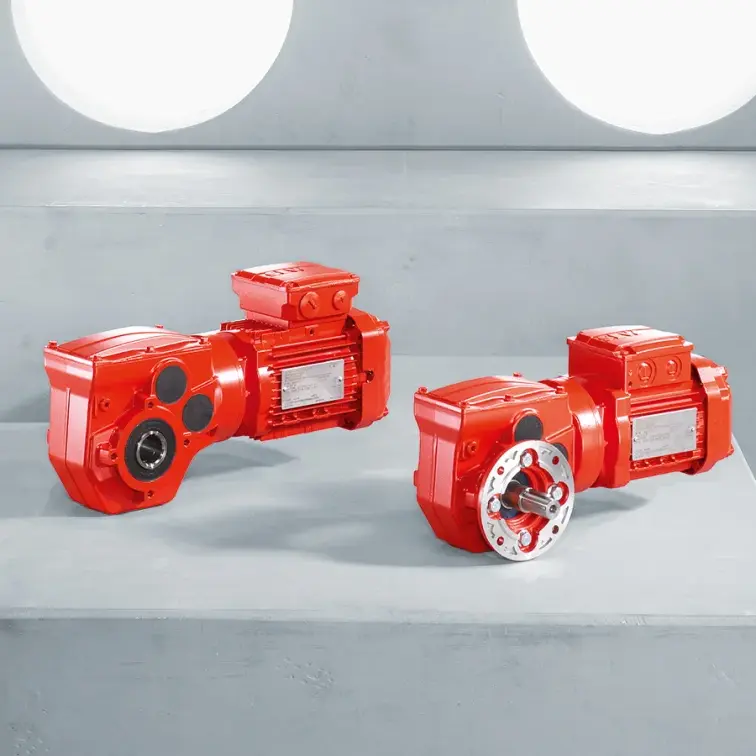 W Series SPIROPLAN® Right Angle Gearmotor