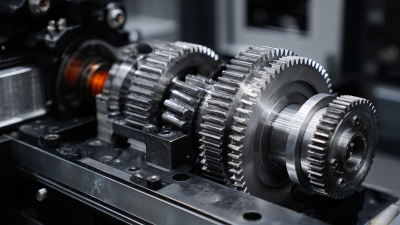
Why Belt Drive Gearboxes Are Essential for Efficient Mechanical Systems
In the modern landscape of mechanical systems, the
Belt Drive Gearbox plays a pivotal role in enhancing operational efficiency and reliability.
According to a report by the International Engineering Consortium, the demand for robust and efficient gearboxes has surged, driven by advancements in technology and the need for energy-saving solutions.
Belt Drive Gearboxes, with their unique ability to transmit power seamlessly while minimizing energy loss, have emerged as a crucial component for industries ranging from automotive to manufacturing.

Recent studies indicate that organizations optimizing their mechanical systems with Belt Drive Gearboxes can achieve a
15-20% increase in efficiency, significantly reducing operational costs.
The linear power transmission and adjustable torque capabilities offered by these gearboxes not only enhance performance but also extend the lifespan of machinery.
As a result, businesses are increasingly recognizing the value of integrating Belt Drive Gearboxes into their systems, ensuring they remain competitive in a rapidly evolving market.
This article delves into the numerous benefits and essential considerations surrounding
Belt Drive Gearboxes, highlighting their significance in the quest for greater efficiency in mechanical applications.
Understanding the Mechanics of Belt Drive Gearboxes in Modern Machinery
Belt drive gearboxes play a crucial role in enhancing the efficiency of mechanical systems by ensuring smooth power transmission. Understanding the mechanics behind these gearboxes reveals not only their functionality but also
their advantages over other transmission methods, such as continuously variable transmissions (CVTs). While CVTs are often criticized for their complexity and performance inconsistencies,
belt drive gearboxes offer a simpler, more robust alternative. These systems utilize belts that provide flexibility and reliability, enabling them to handle a variety of loads with ease.
Tips: When considering a belt drive gearbox for your machinery, pay attention to the material quality of the belts.
High-quality materials will improve durability and reduce maintenance needs. Additionally, ensure proper alignment during installation to prevent undue wear and prolong the lifespan of both the gearbox and the belts.
In modern machinery, belt drive gearboxes also adapt well to varying operational speeds, making them ideal for applications ranging from automotive to industrial use. The ability to transmit power efficiently while minimizing energy loss is key, and this is where
belt systems excel compared to more complex gear arrangements. Moreover, advancements in belt design have led to innovations that enhance compatibility with high-performance machinery, further solidifying their
essential position in mechanical systems today.
Key Factors Driving Efficiency in Mechanical Systems with Belt Drives
Belt drive gearboxes play a vital role in enhancing the efficiency of mechanical systems, primarily due to their ability to minimize energy losses through smooth power transmission. One key factor driving this efficiency is the optimal design of the belt drive system, which enables better torque transfer and faster response times. Efficient belt materials, such as polyurethane and composite fibers, can significantly reduce friction and wear, prolonging the lifespan of the system while maintaining high performance levels.
Tips: Regular maintenance is essential for ensuring longevity in belt drive systems. Check the tension of the belts periodically, as proper tension helps prevent slippage and wear. Additionally, keep the pulleys clean to minimize dirt accumulation, which can also contribute to inefficiencies.
Another important aspect is the precise alignment of the pulleys. Misaligned pulleys can lead to uneven tension and wear, negatively impacting the overall efficiency. Implementing alignment tools during installation can ensure that all components are adjusted correctly. Furthermore, selecting the right belt width and type for the specific application can enhance performance and reduce the risk of failure.
Industry Standard Performance Metrics for Belt Drive Gearbox Efficiency
Belt drive gearboxes play a critical role in the performance and efficiency of mechanical systems across various industries. One of the key metrics used to evaluate these gearboxes is the overall efficiency, which typically measures how effectively the gearbox transmits input power to output power. High-efficiency belt drive gearboxes minimize energy loss through friction and slippage, significantly contributing to reduced operating costs and enhanced system performance.
It is essential for manufacturers to focus on achieving optimal drive ratios and minimizing wear and tear to maintain high levels of efficiency.
Another vital performance metric is the torque transmission capacity of the belt drive gearbox. This metric allows engineers to assess whether the gearbox can handle the necessary loads under varying operational conditions. Additionally, the durability of the belts and pulleys involved in the system is pivotal for sustaining long-term performance and reducing maintenance frequency.
Regular monitoring of these metrics ensures that mechanical systems continue to operate at peak efficiency, thereby prolonging equipment lifespan and improving overall productivity. In summary, understanding and applying industry-standard performance metrics for belt drive gearbox efficiency is crucial for optimizing mechanical systems in any industrial application.
Comparative Analysis of Belt Drive Gearboxes vs. Other Drive Systems
Belt drive gearboxes play a crucial role in the efficiency of mechanical systems, particularly when compared to other drive systems like chain drives and direct couplings. One of the most significant advantages of belt drive systems is their ability to dampen vibrations and reduce shock loads, which can lead to longer equipment lifespan and less maintenance. The elasticity of belts allows for slight misalignments, making belt drive gearboxes more forgiving in dynamic environments compared to rigid chain drives that can transmit more shock and cause wear over time.
When conducting a comparative analysis, the efficiency of power transmission is another key factor. Belt drives often exhibit lower friction losses than chain drives, resulting in improved energy efficiency. Furthermore, they are quieter in operation, which is a critical consideration in applications requiring minimal noise levels. However, it is essential to acknowledge that belt drives can have limitations in high-load situations where chains may provide better performance. The selection between these drive systems ultimately depends on the specific application requirements, taking into account factors such as load, speed, and environmental conditions.
Why Belt Drive Gearboxes Are Essential for Efficient Mechanical Systems
| Feature |
Belt Drive Gearboxes |
Chain Drive Systems |
Shaft Drive Systems |
| Efficiency |
85-95% |
75-90% |
90-95% |
| Maintenance Frequency |
Low |
Medium |
Low |
| Noise Level |
Low |
Medium |
Low |
| Cost |
Moderate |
Low |
High |
| Torque Transmission |
Excellent |
Good |
Excellent |
| Weight |
Light |
Moderate |
Heavy |
Future Trends in Belt Drive Technology and Their Impact on Mechanical Efficiency
The future of belt drive technology is poised to significantly impact mechanical efficiency across various industries. Advancements in materials and design are leading to lighter, stronger belts that reduce energy loss and enhance performance. By incorporating smart technology, such as IoT sensors, manufacturers can monitor belt conditions in real-time, allowing for optimized maintenance schedules and reduced downtime. This proactive approach not only improves efficiency but also prolongs the lifespan of mechanical systems.
Moreover, as industries push towards sustainability, the integration of eco-friendly materials in belt production is becoming more common. Innovations such as biodegradable belts or those made from recycled materials are on the rise. This shift not only meets regulatory demands but also appeals to a more environmentally conscious market. As these trends continue to evolve, the role of belt drive gearboxes remains critical in achieving enhanced mechanical efficiency, energy savings, and reducing overall environmental impact.
Impact of Belt Drive Technology on Mechanical Efficiency

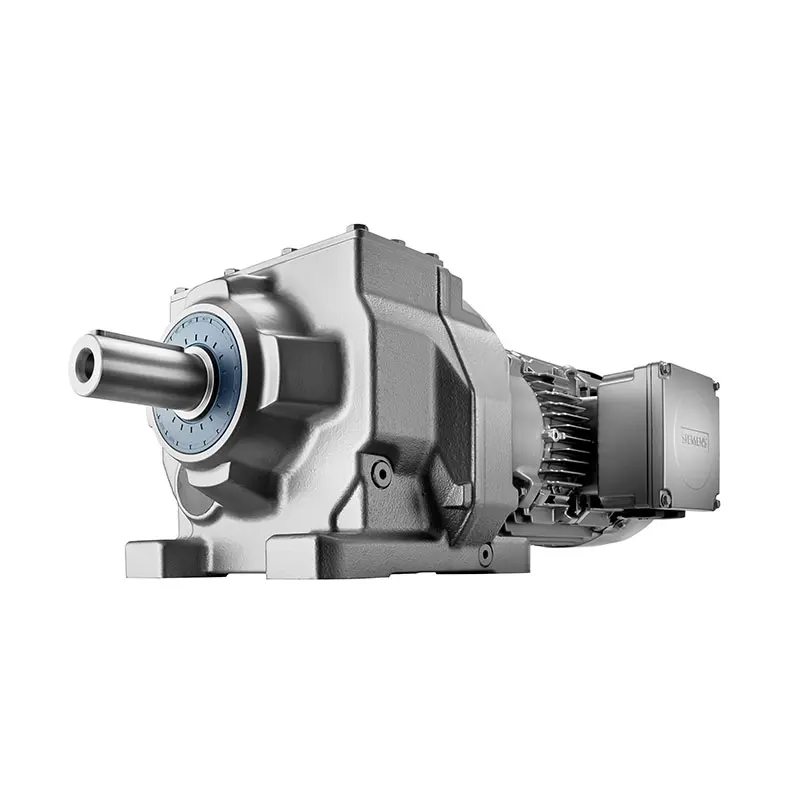 SIEMENS Helical Gearmotor Low Voltage
 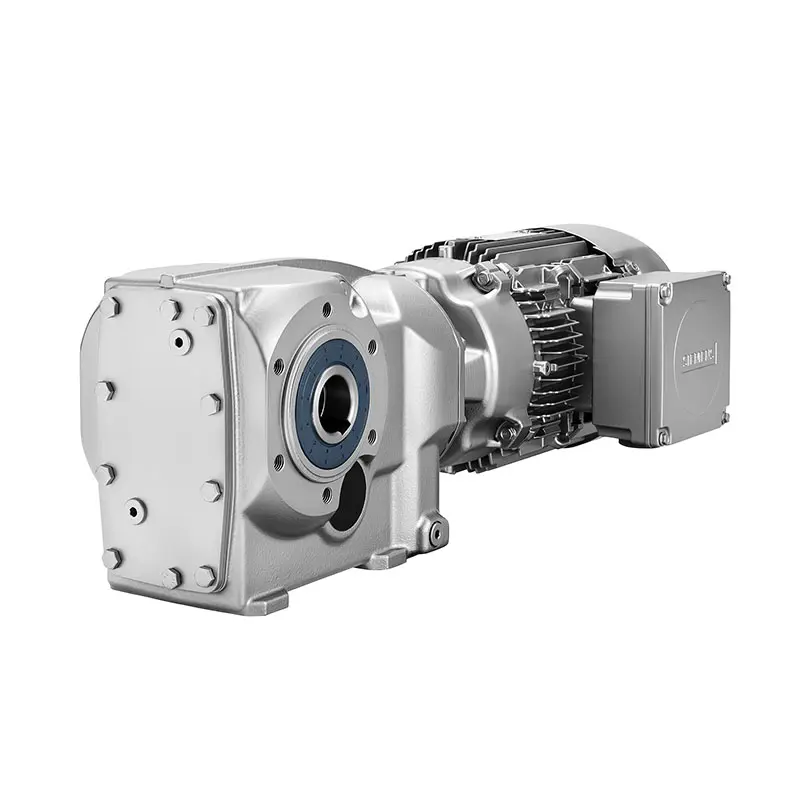 SIEMENS Bevel Helical Gearmotor
 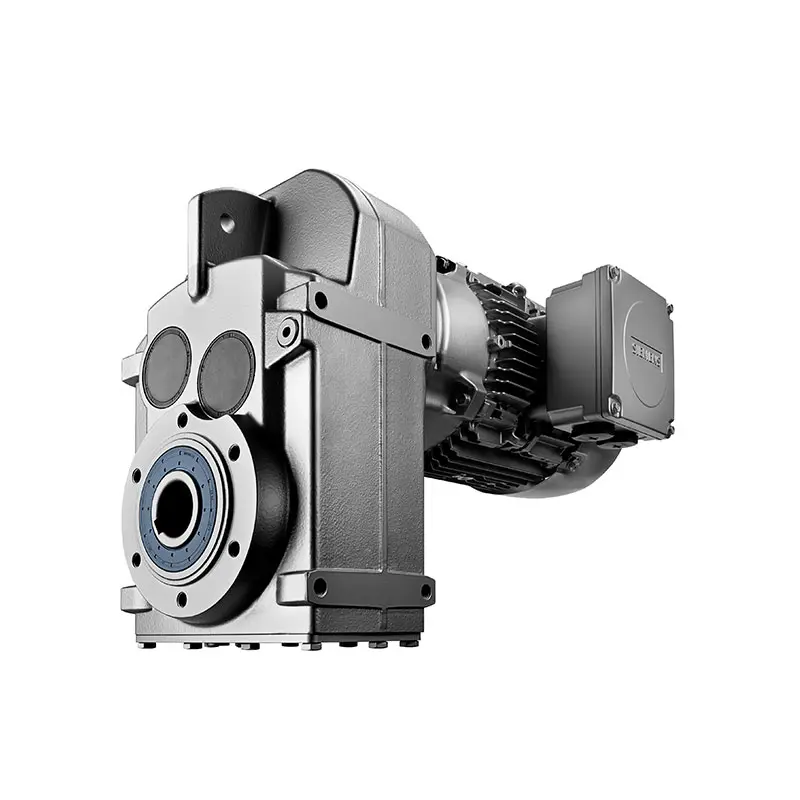 SIEMENS Parallel Shaft Gearmotor
 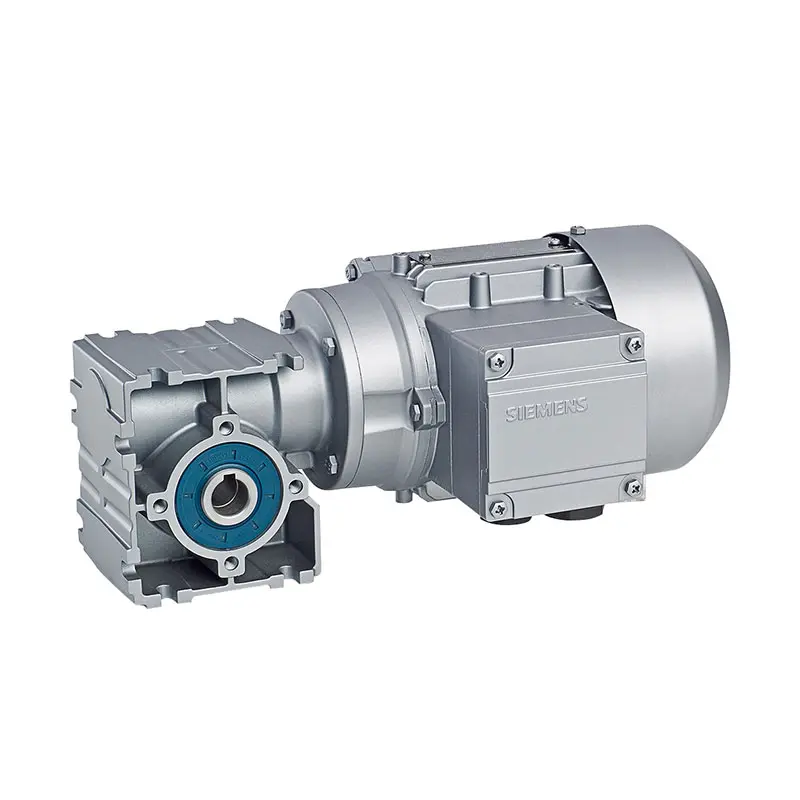 SIEMENS Worm Gearmotor Low Voltage
 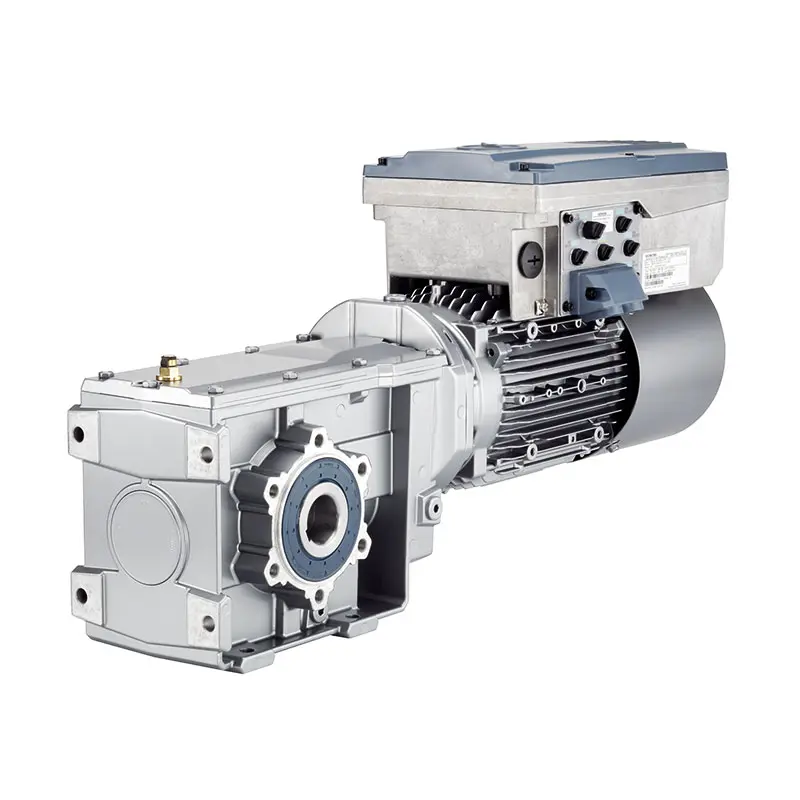 SIEMENS With Servo Motor Gearmotor
 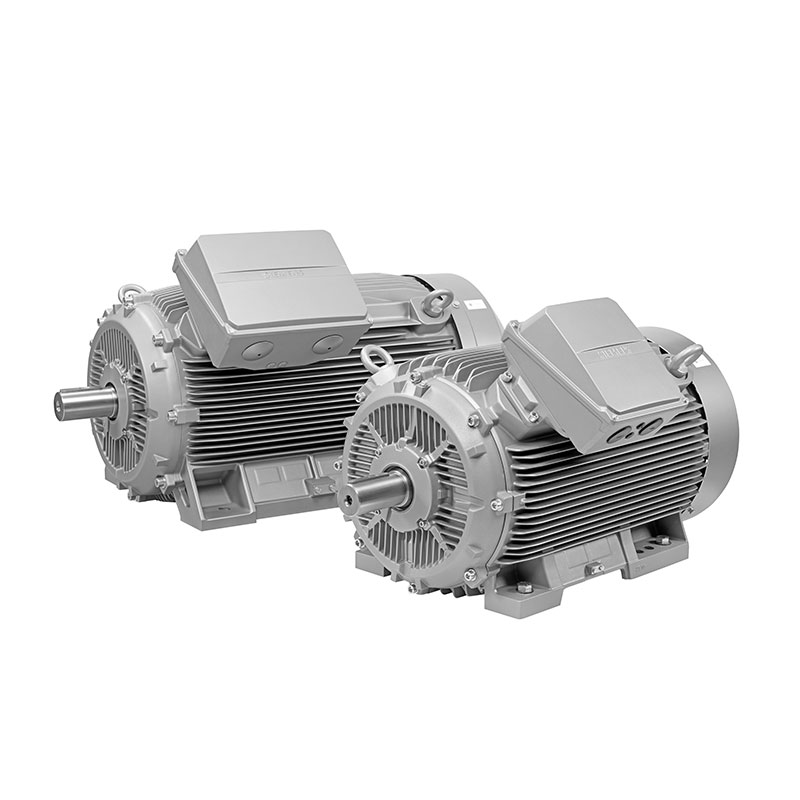 SIEMENS Low Voltage Motor Low Voltage
 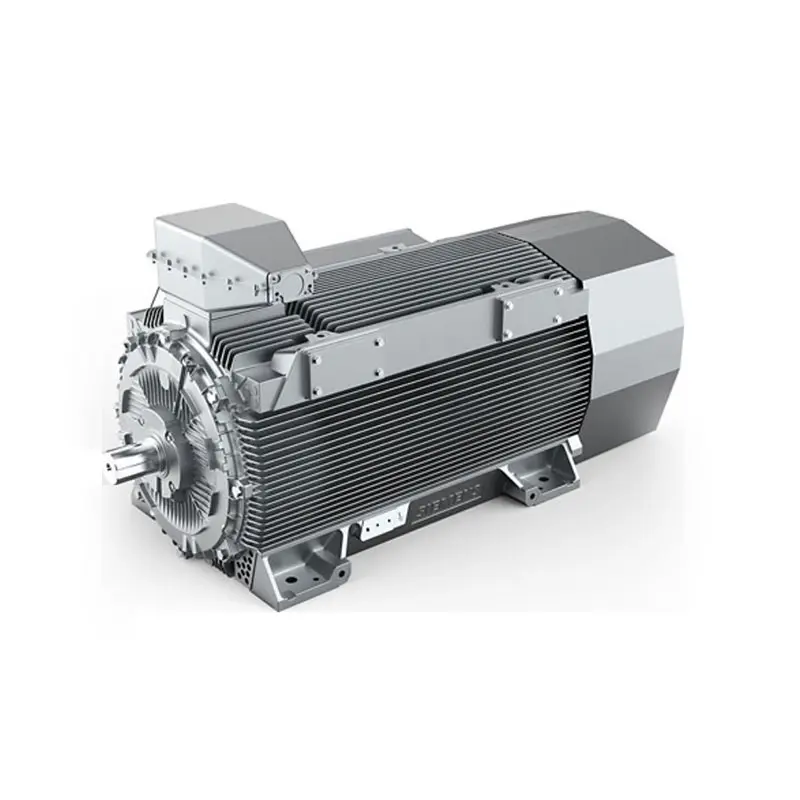 SIEMENS High Voltage Motor Low Voltage
 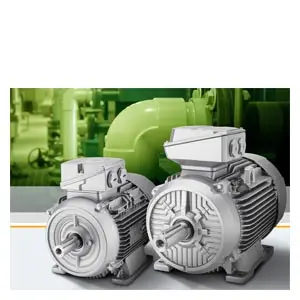 SIEMENS Marine Motor Low Voltage
 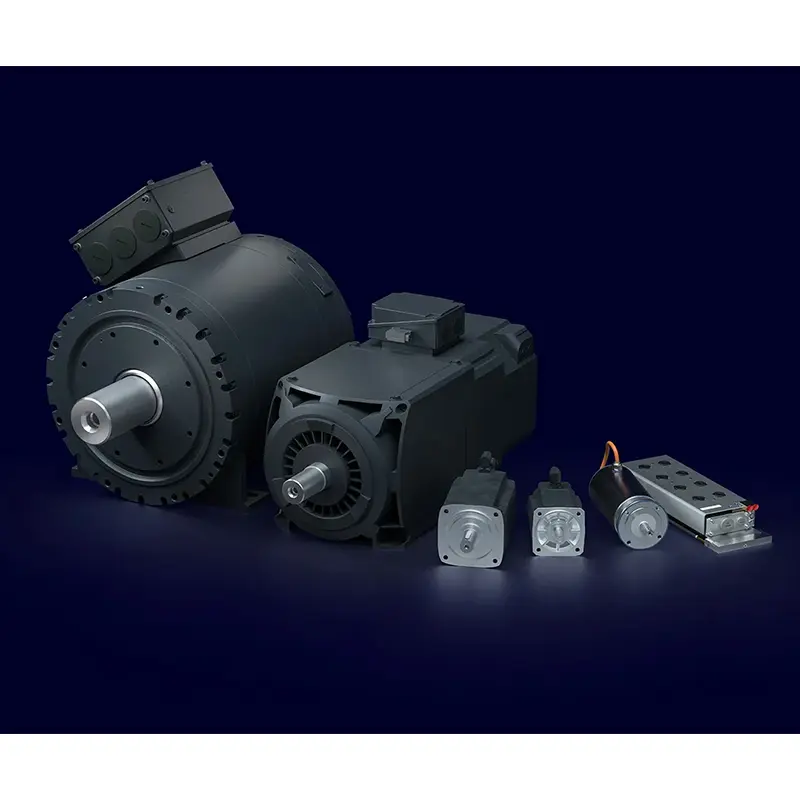 SIEMENS Servo Motor Low Voltage
 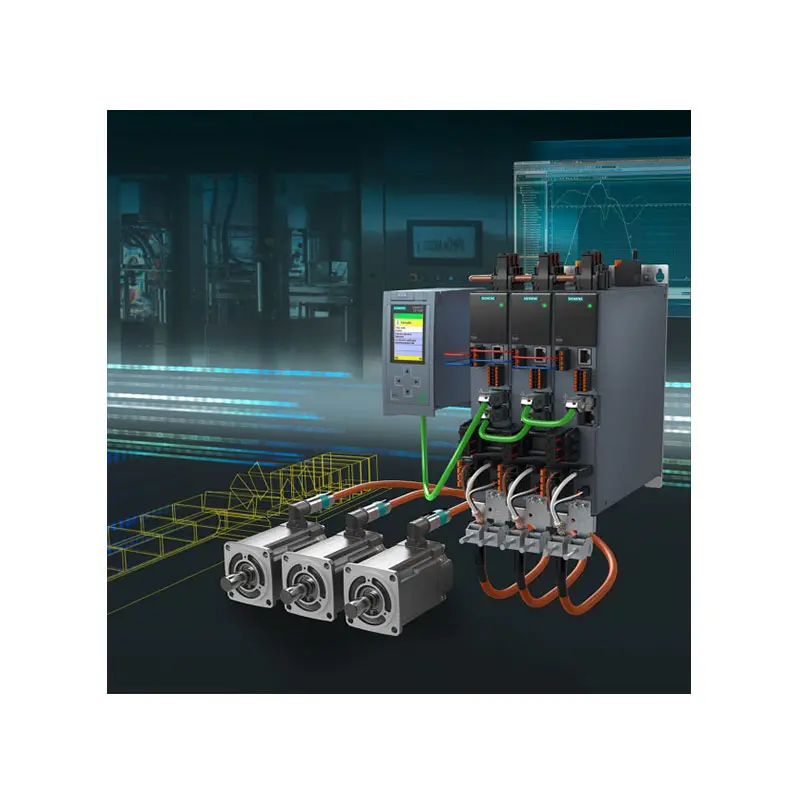 SIEMENS SINAMICS S210 Low Voltage
 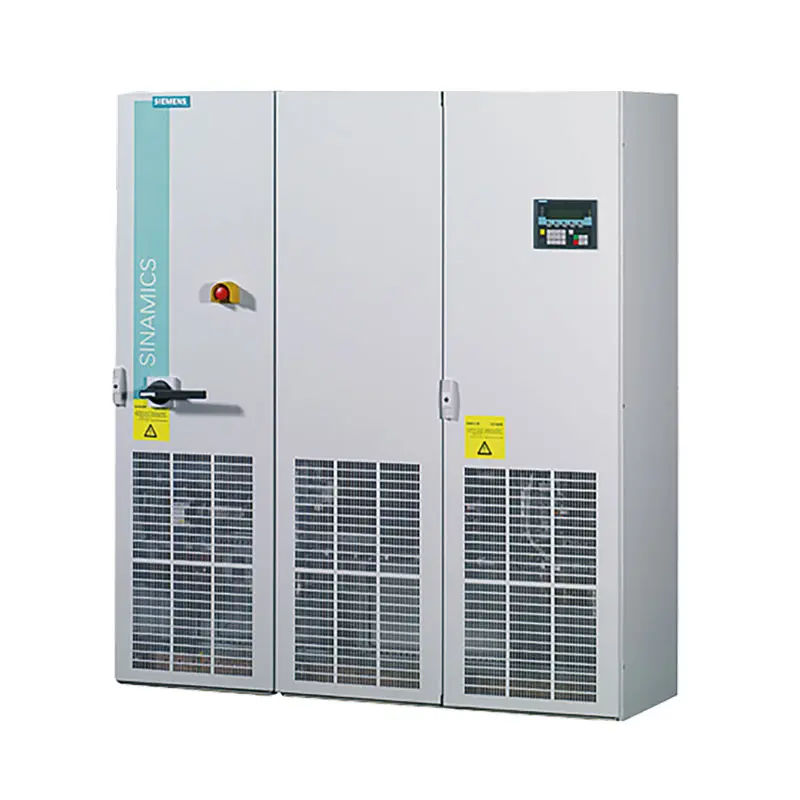 SIEMENS SINAMICS S150 Low Voltage
 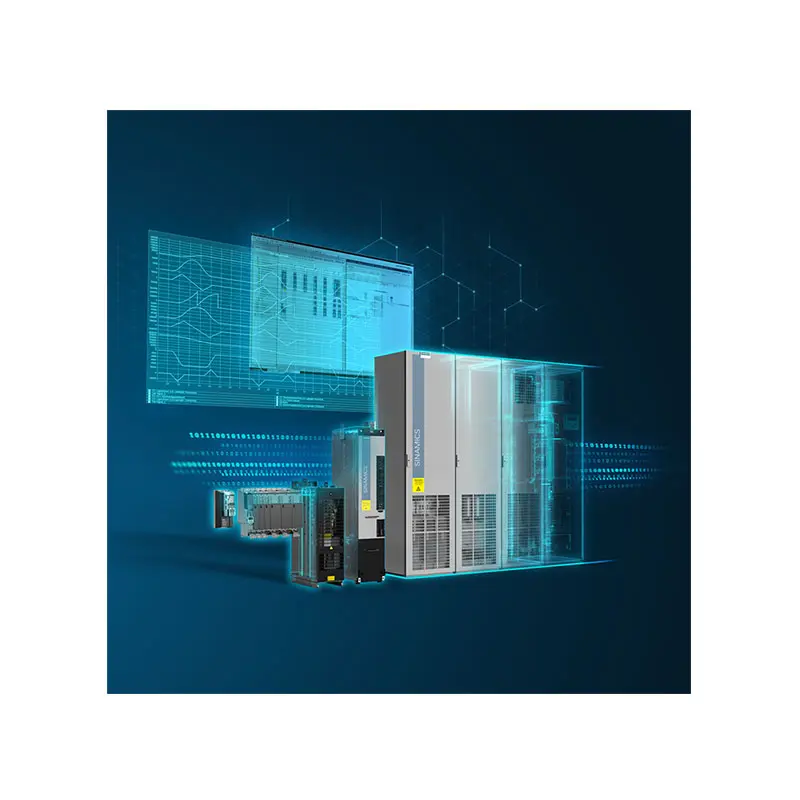 SIEMENS SINAMICS S120 Low Voltage
 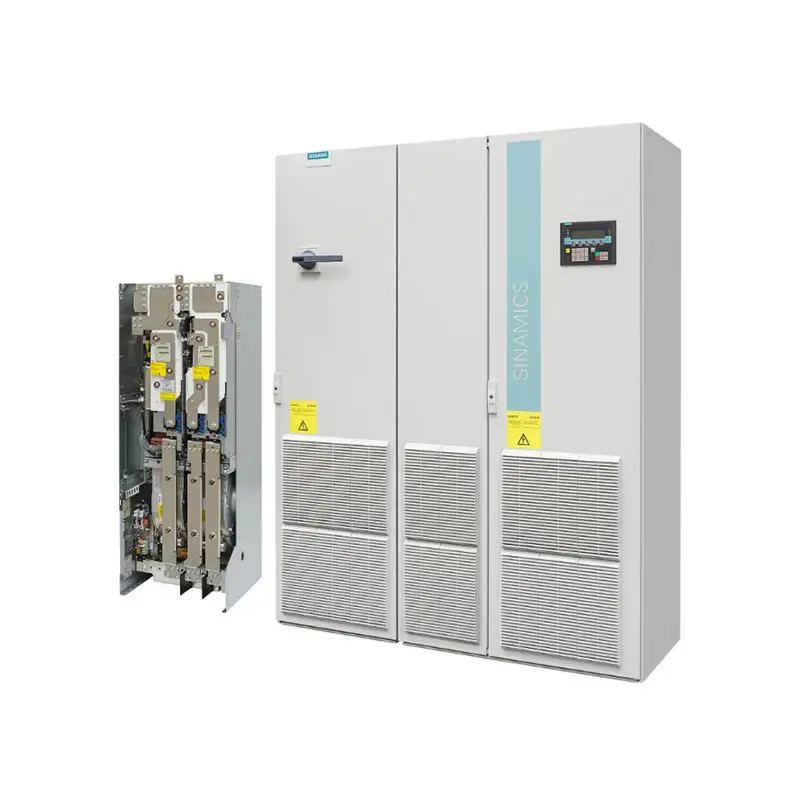 SIEMENS SINAMICS G130/G150
 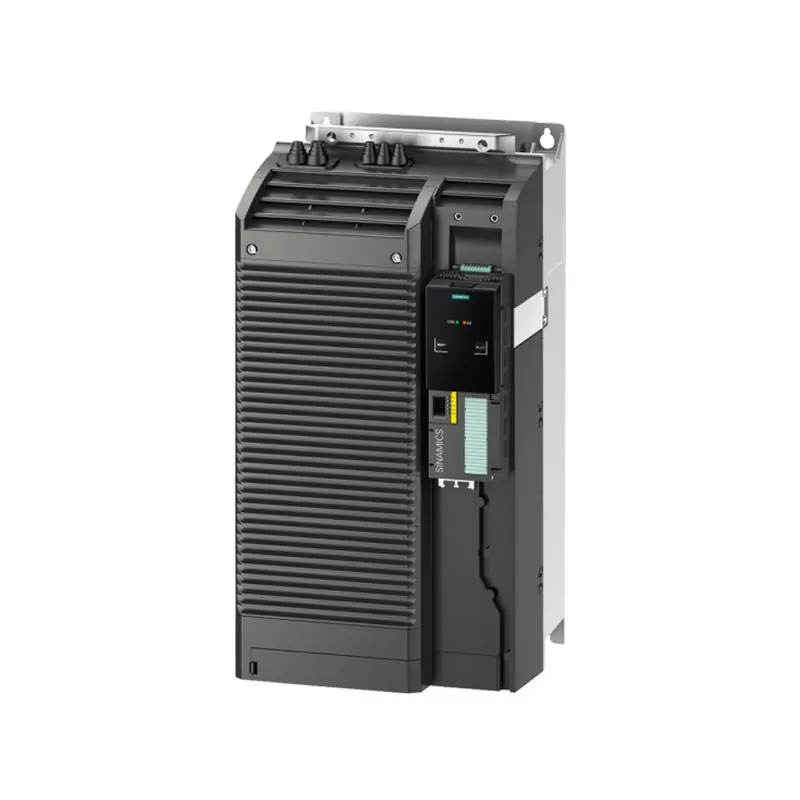 SIEMENS SINAMICS G120 Low Voltage
 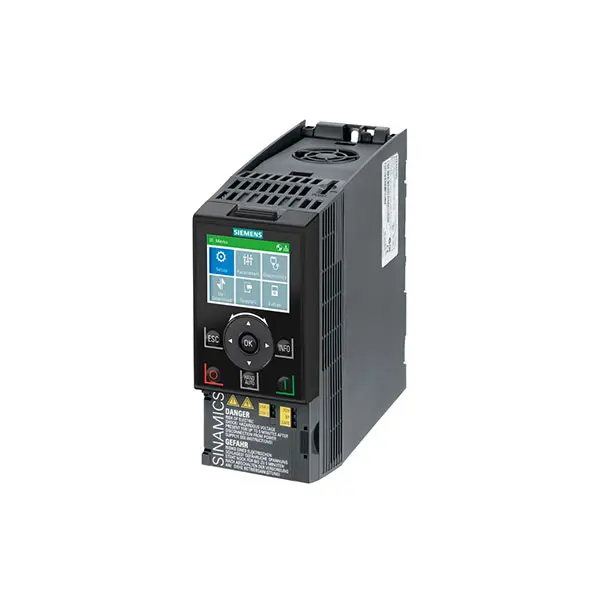 SIEMENS SINAMICS G120C Low Voltage
 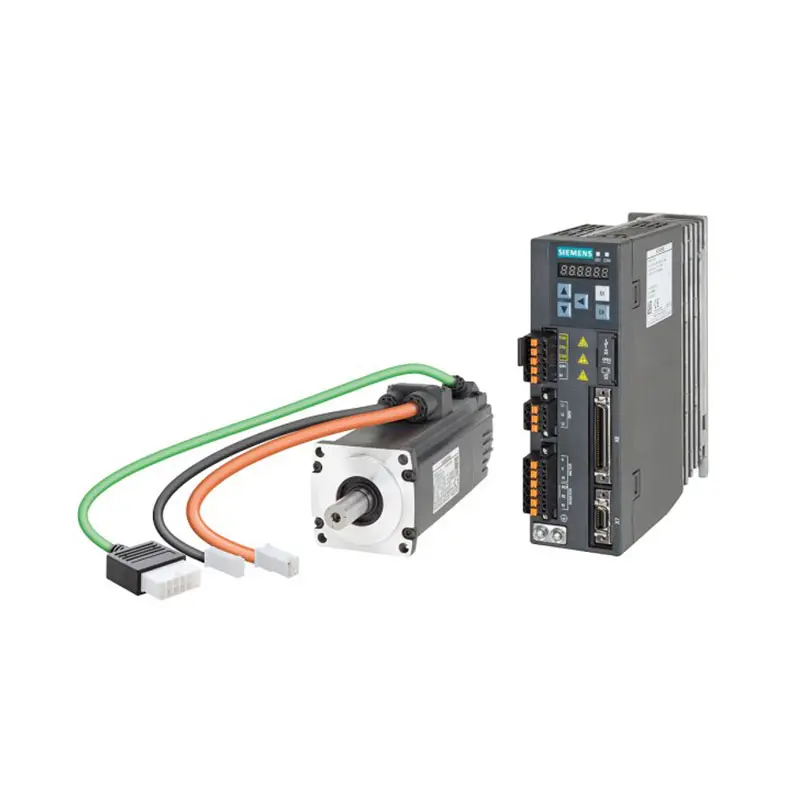 SIEMENS SINAMICS V90
 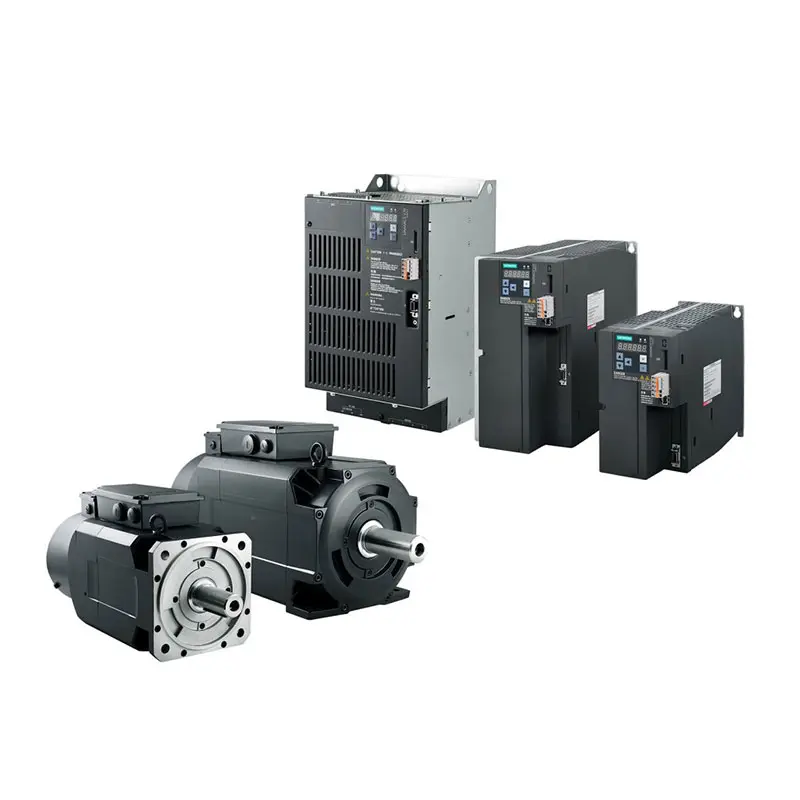 SIEMENS SINAMICS V70 Low Voltage
 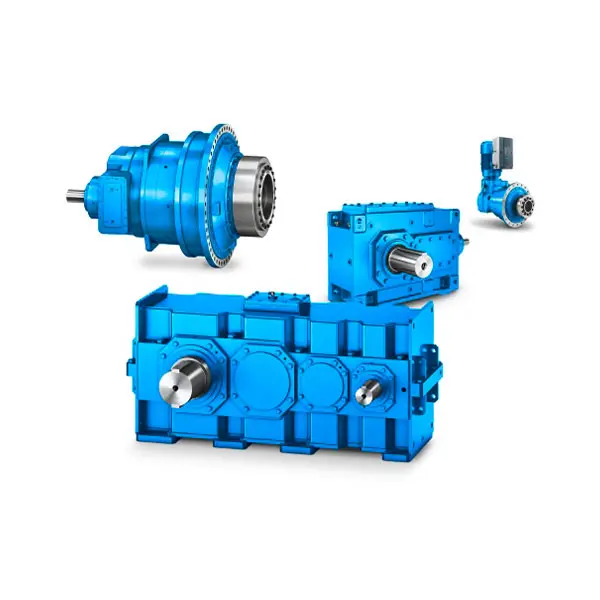 FLENDER Gear Unit
 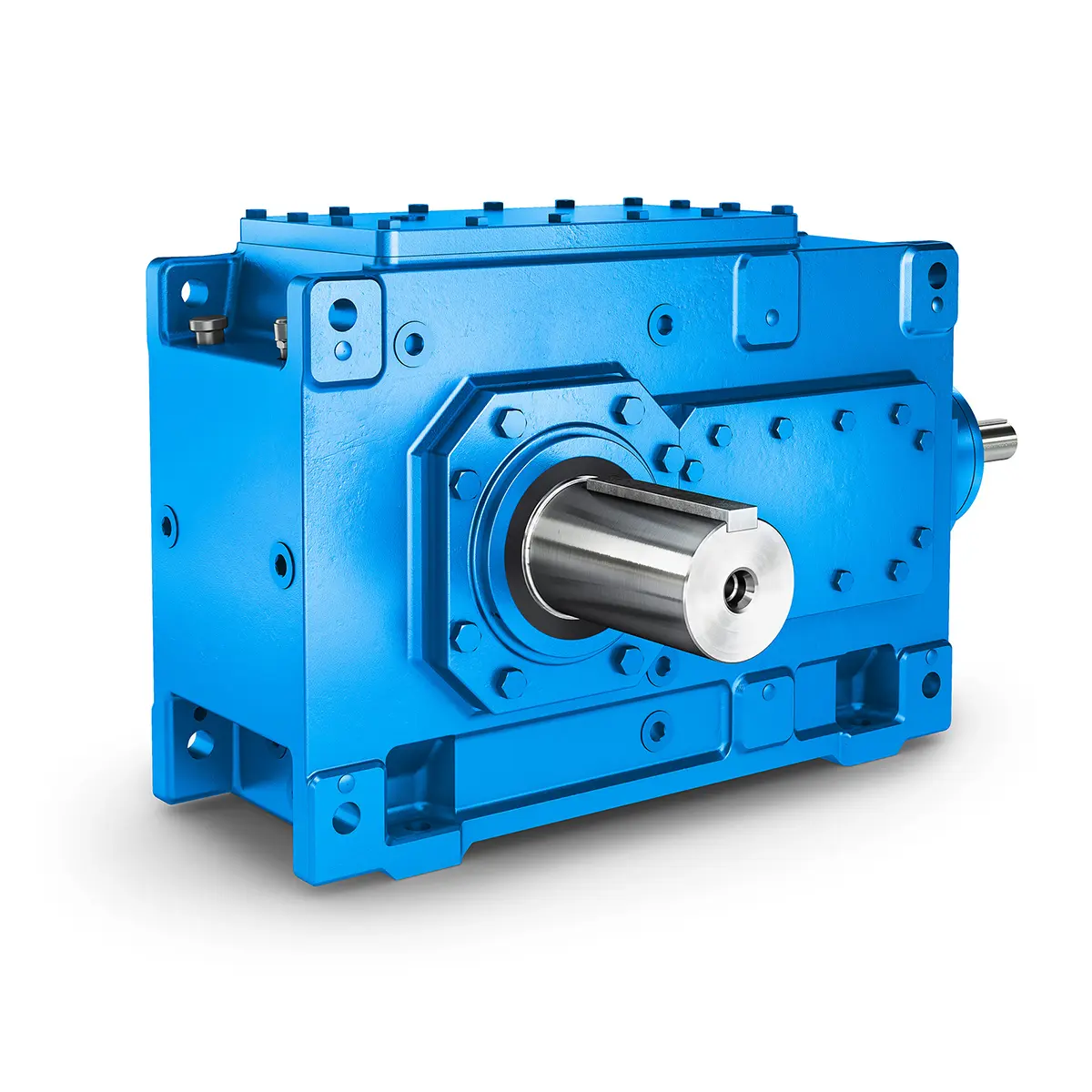 FLENDER Helical Gear Unit
 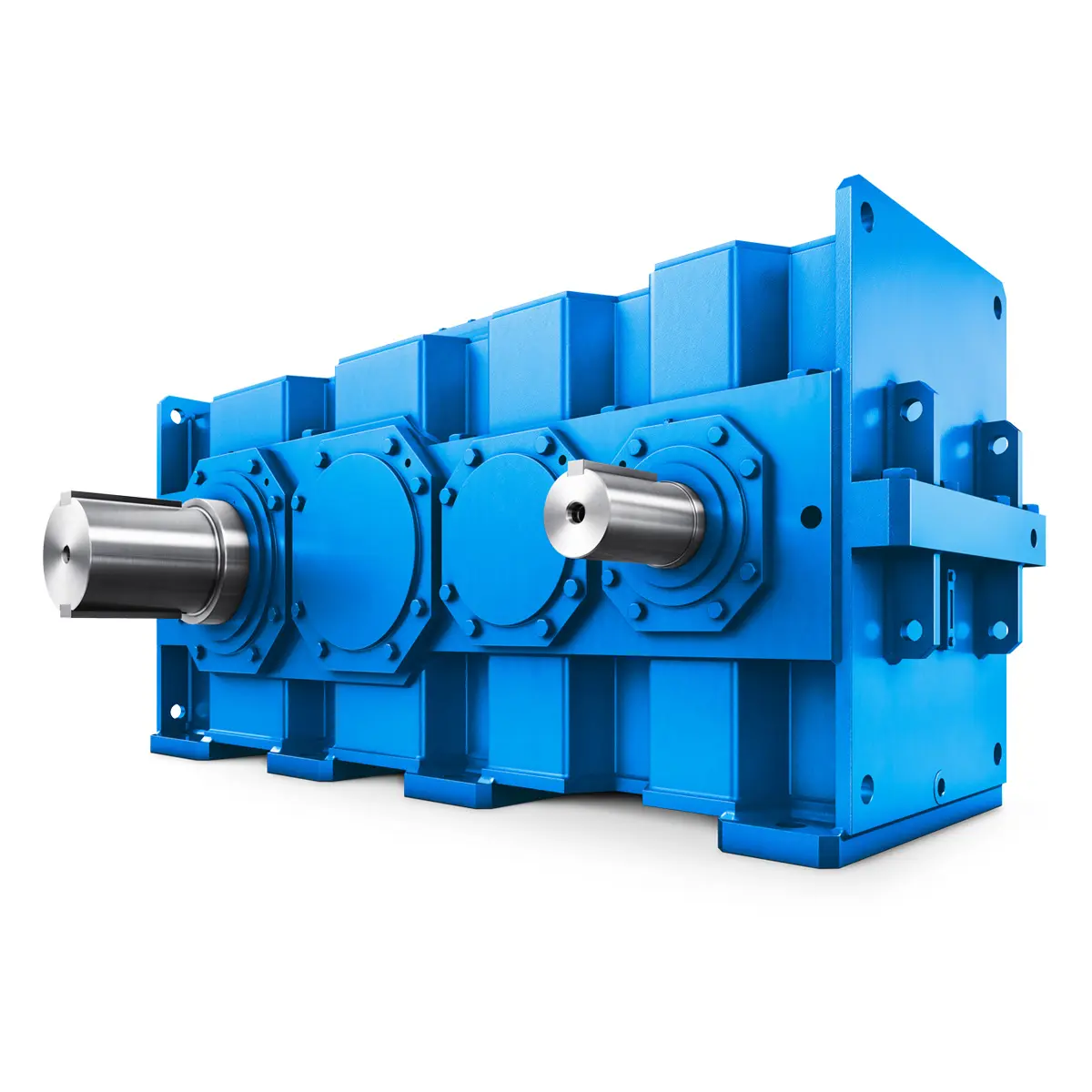 Flender gear units for lifting and luffing gears
 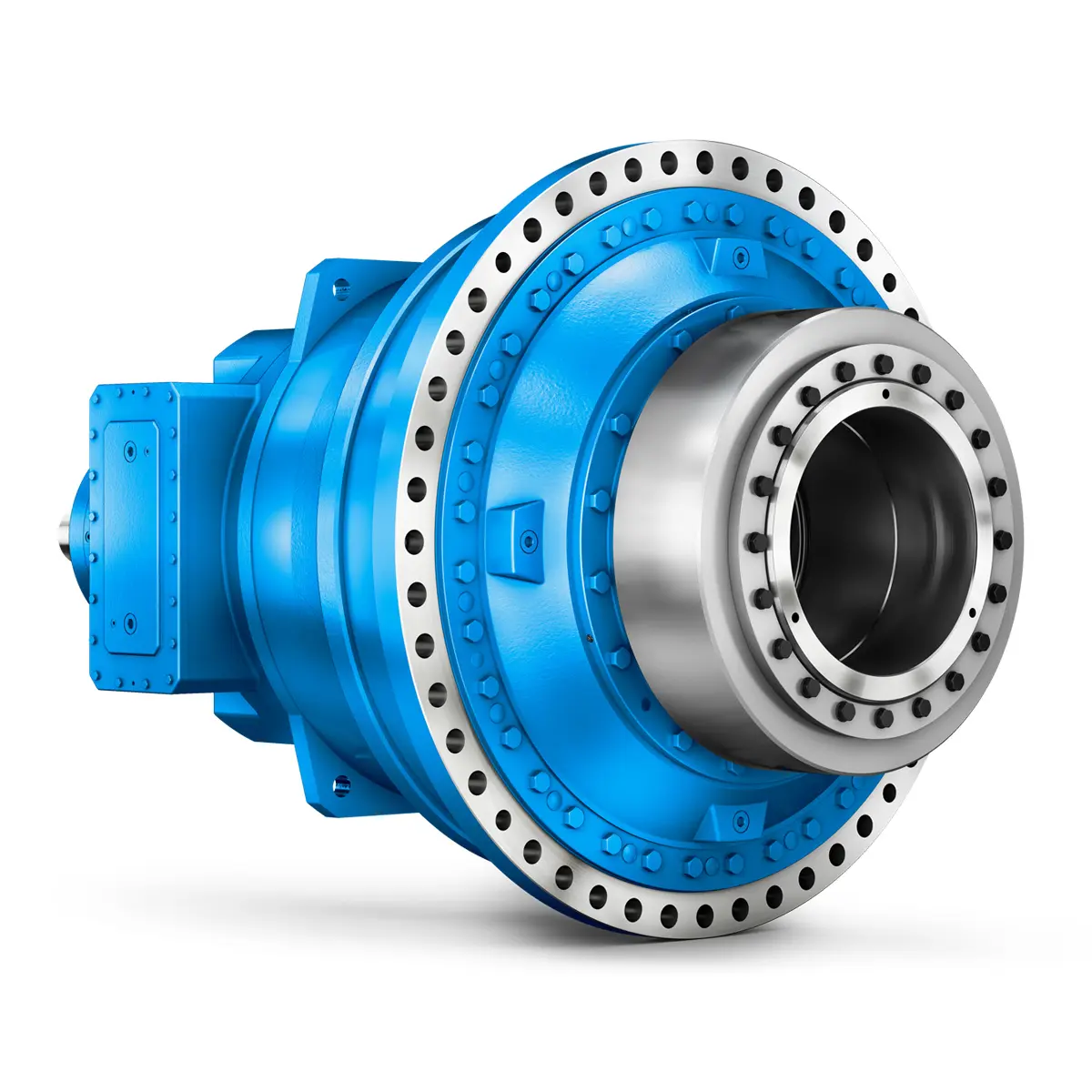 FLENDER Gear Unit gearunit gearbox
 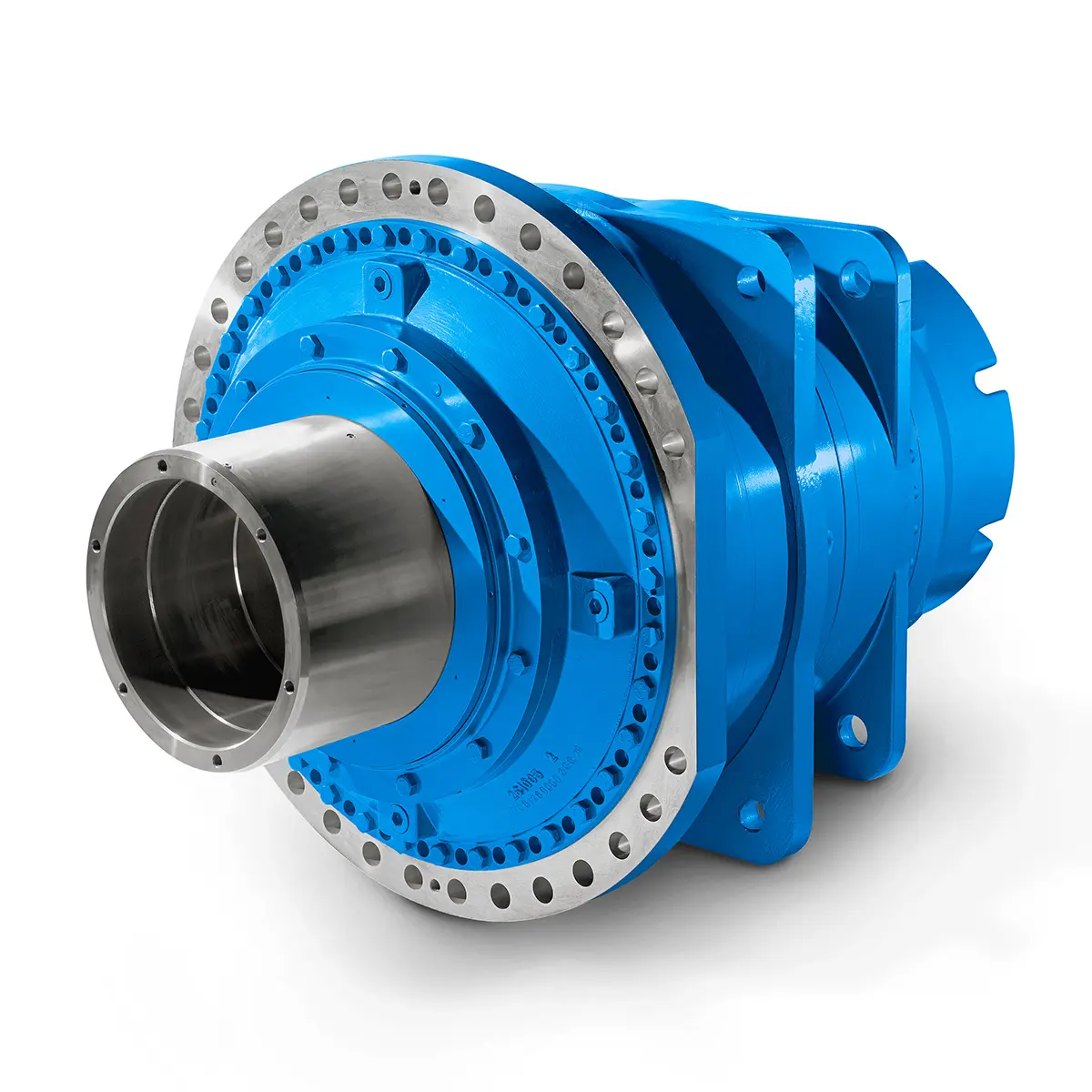 Optimal Drive Solution For Maximum Performance
 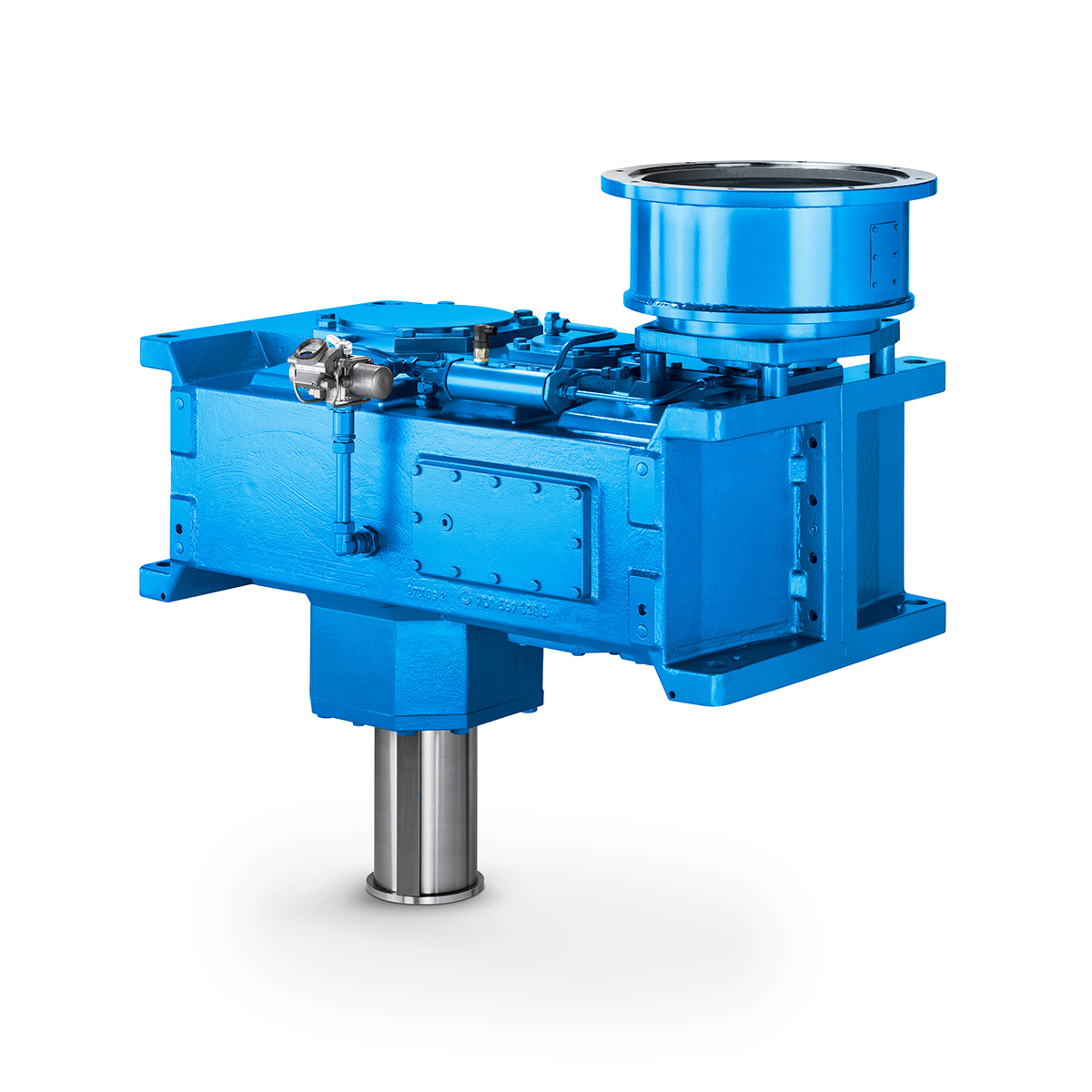 Strongly operating against biodegradable constituents
 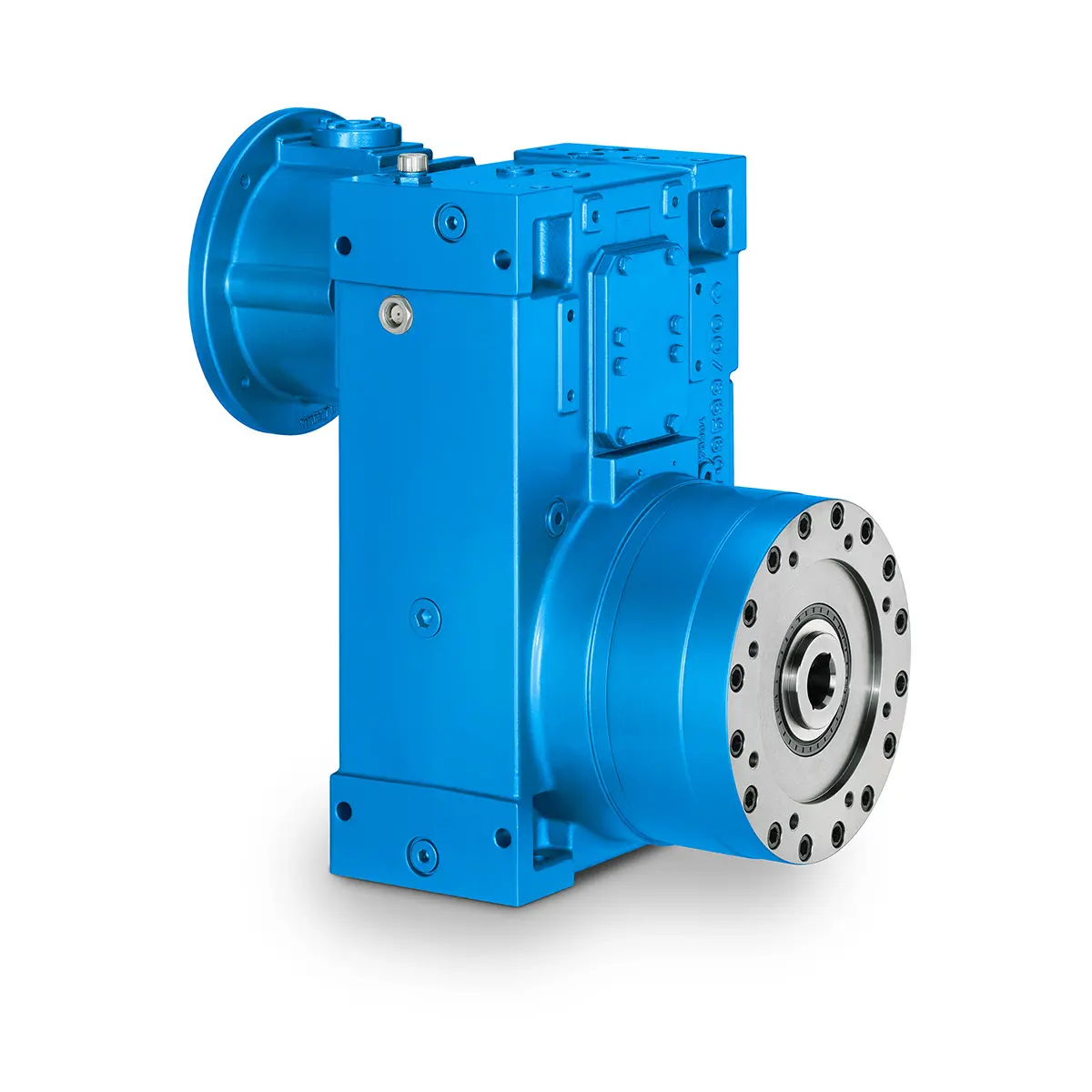 SINGLE SCREW Special industry dedicated gearunit gearbox
 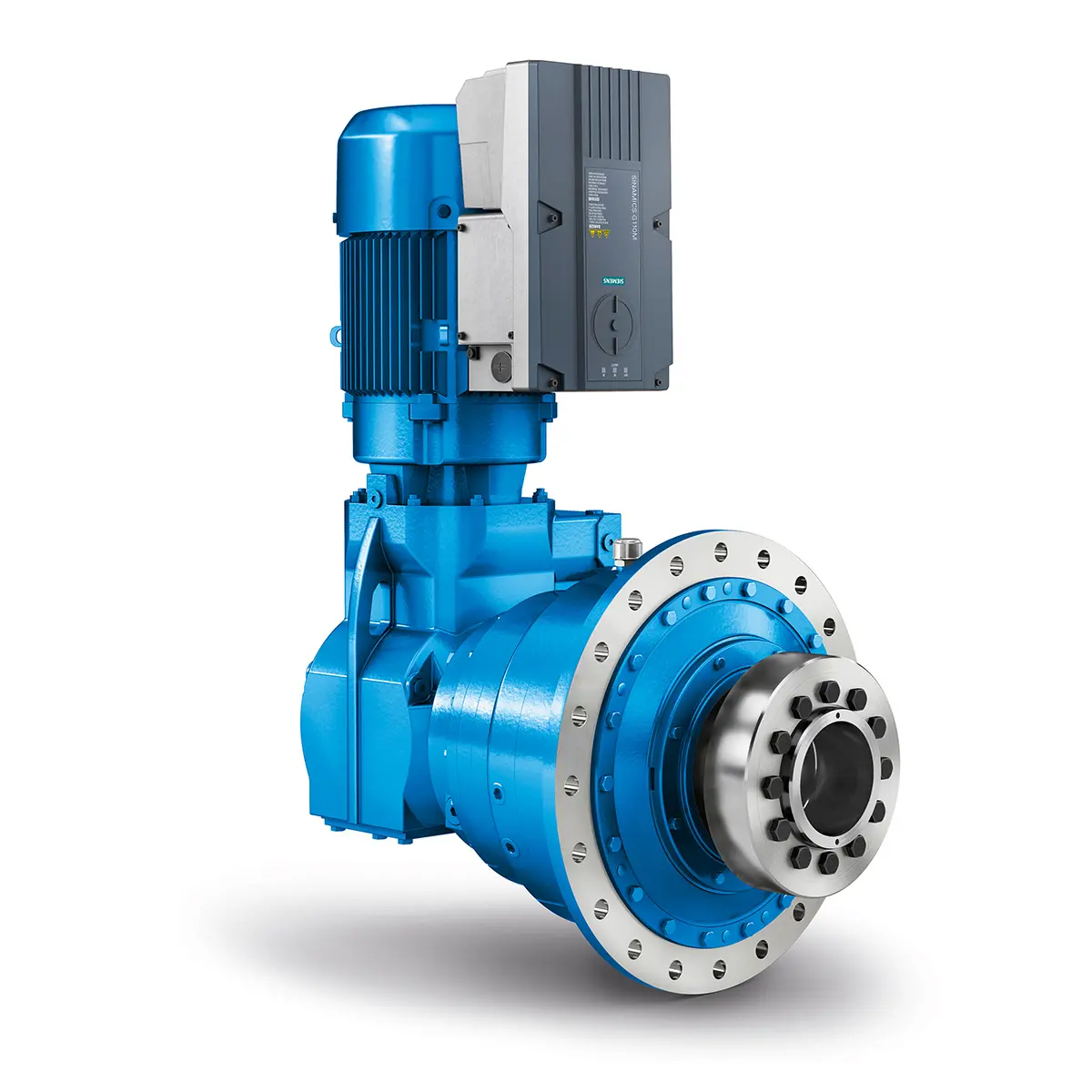 Playmaker In The Premium League
 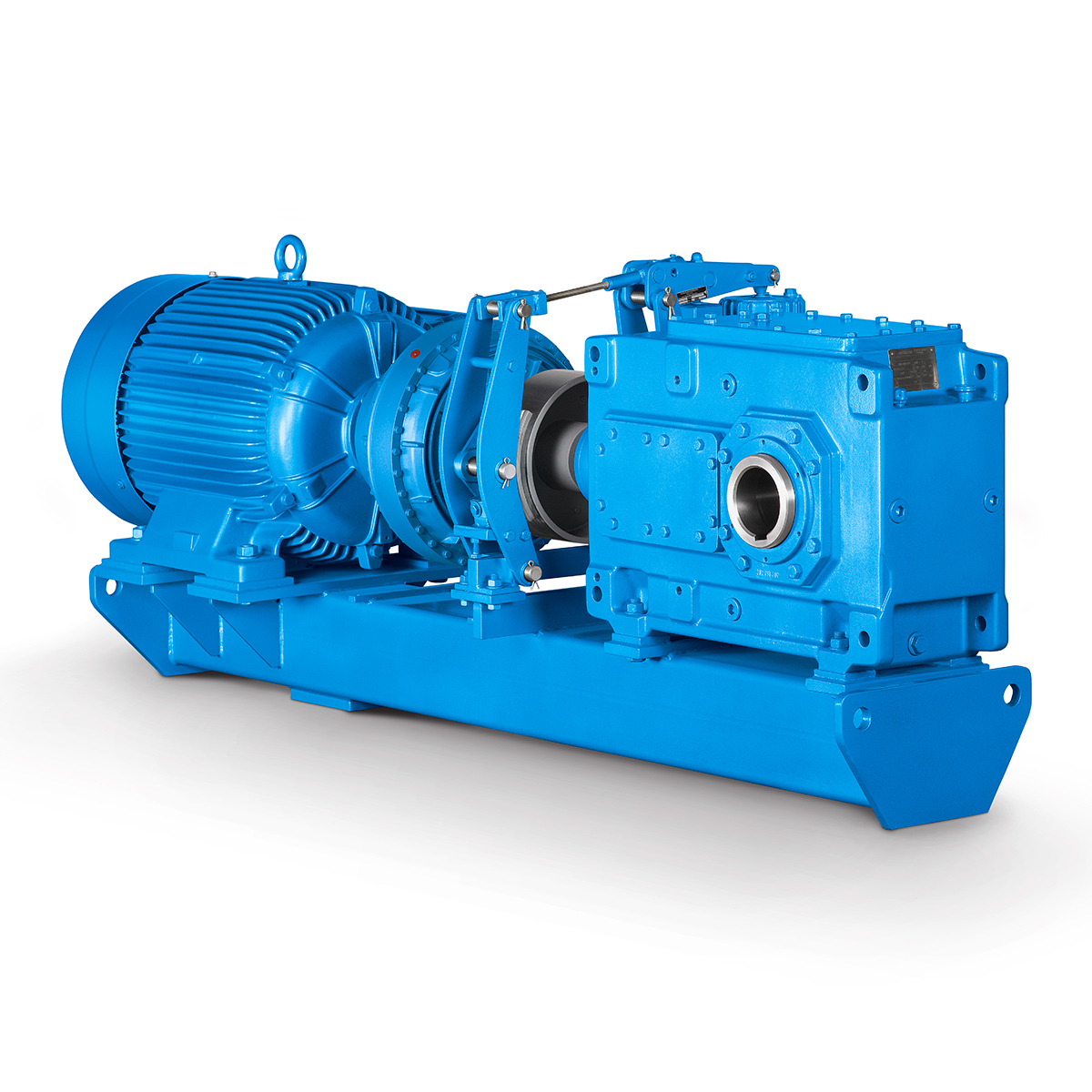 Conveyor belts gearunit gearbox
 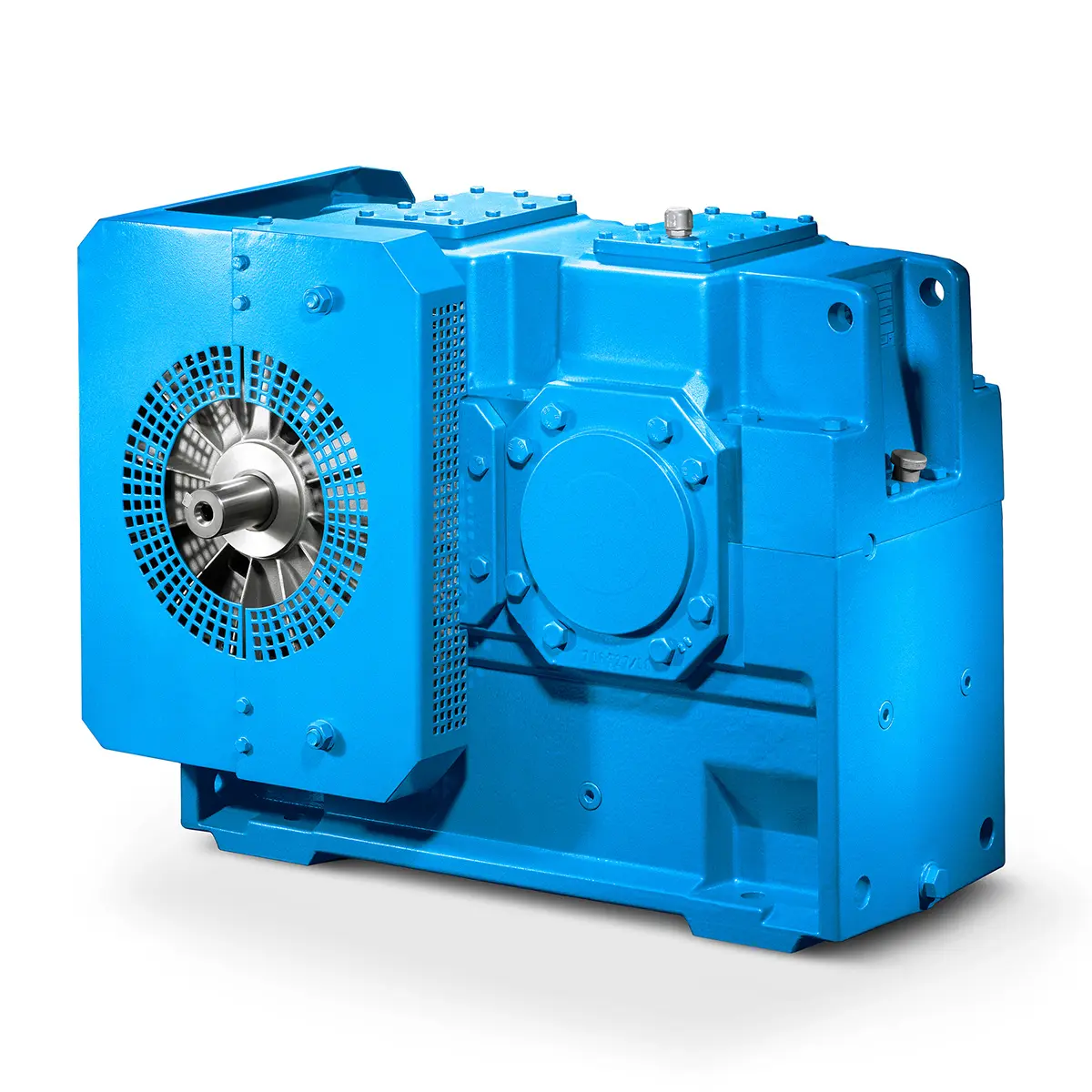 Paper And Pulp Preparation Sections
 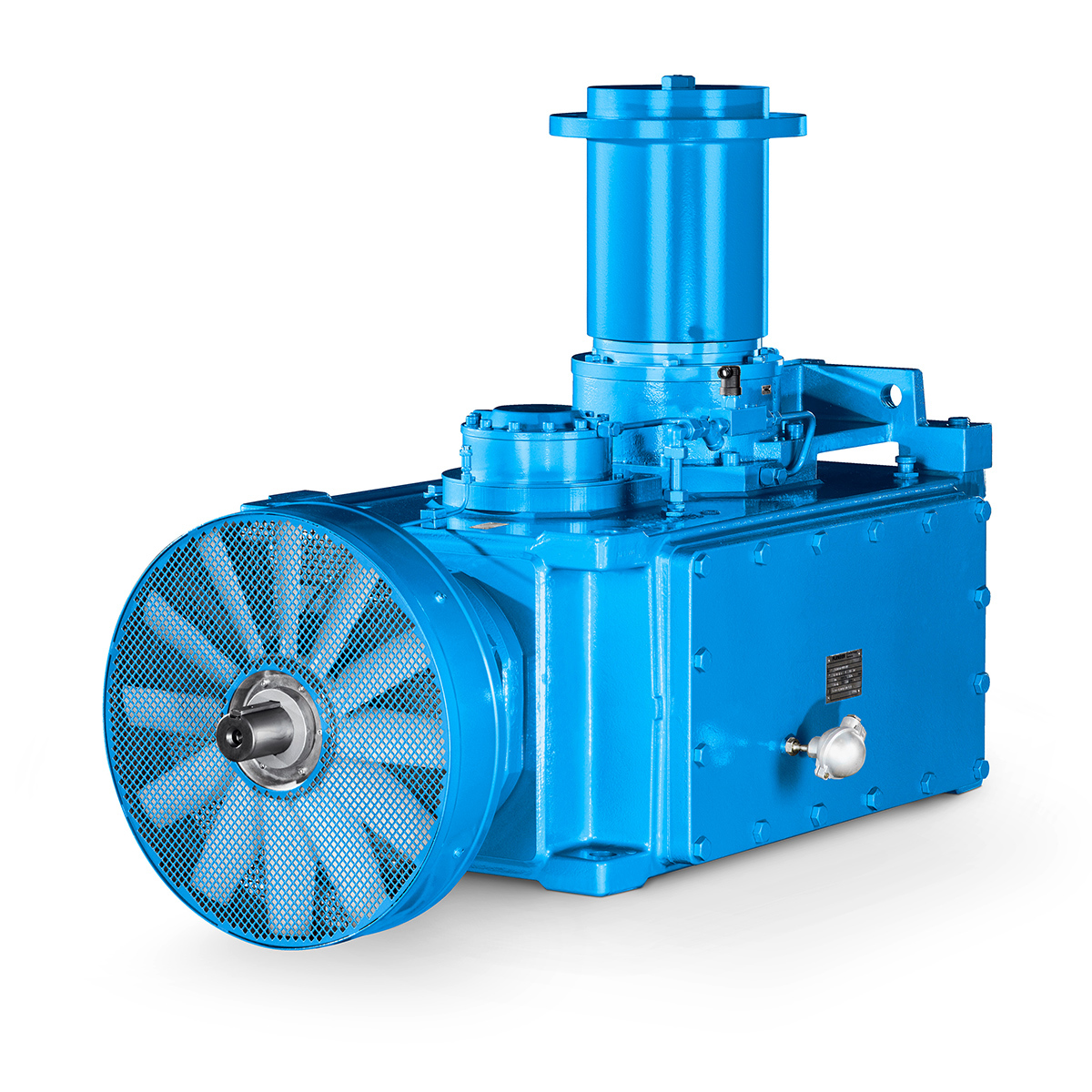 Operational Reliability Even In Case Of The Highest Ventilation Forces
 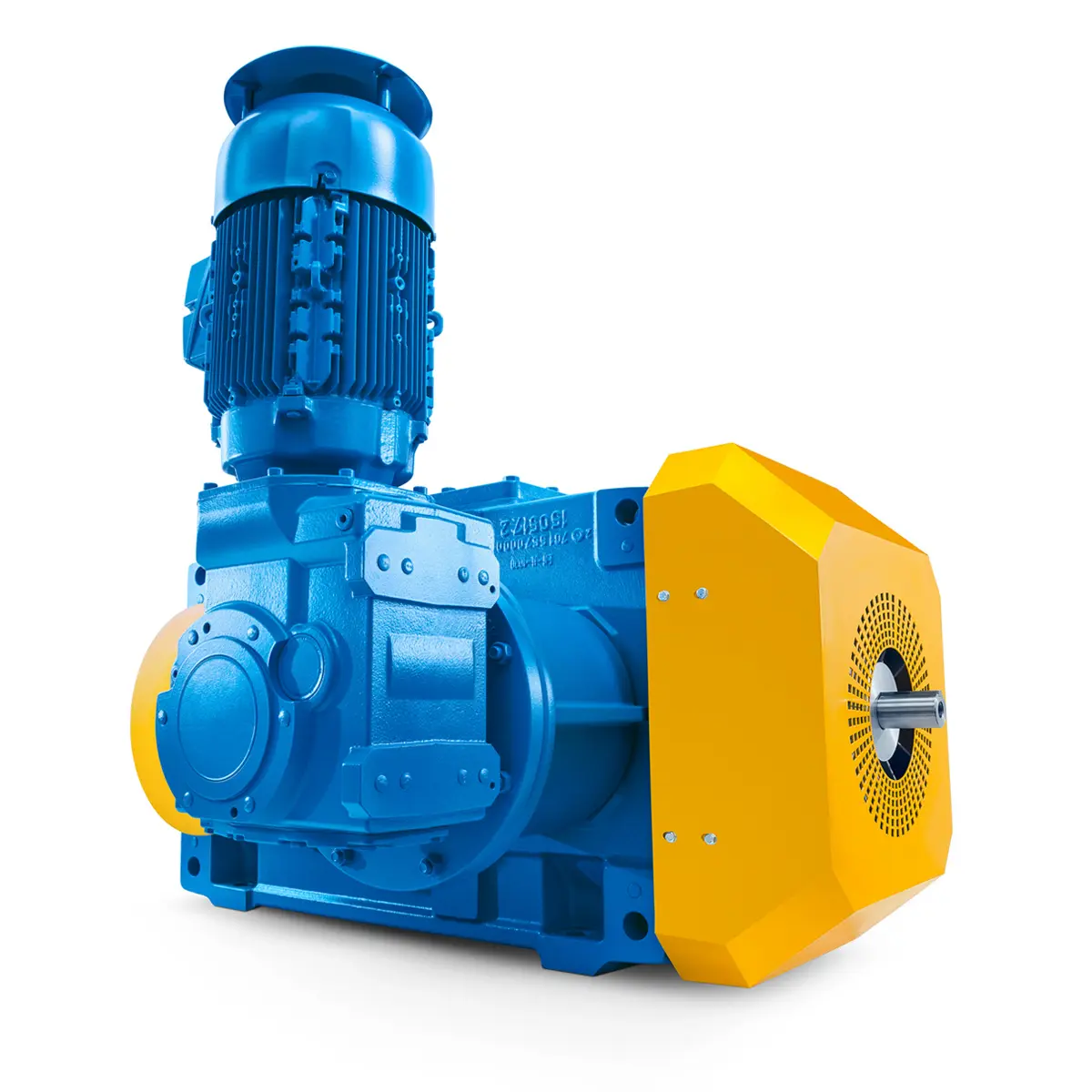 Reliable Gear Units For High Performance Vertical Conveyors 59/200
 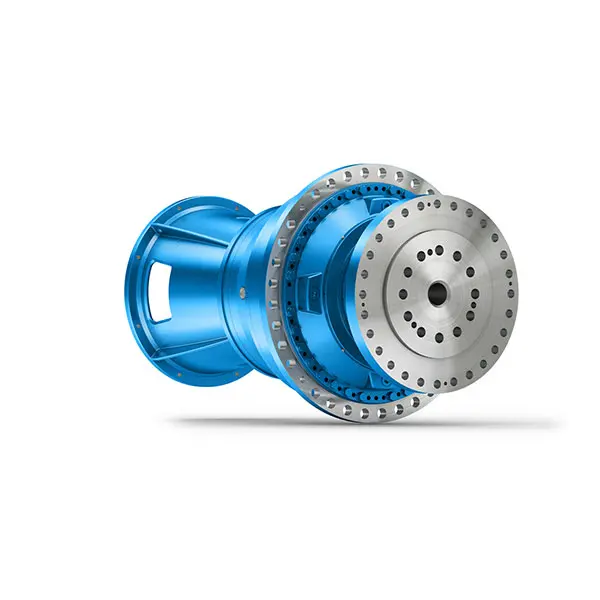 Maximum power density – PLANUREX 3 L individual drives for your sugar cane mill
 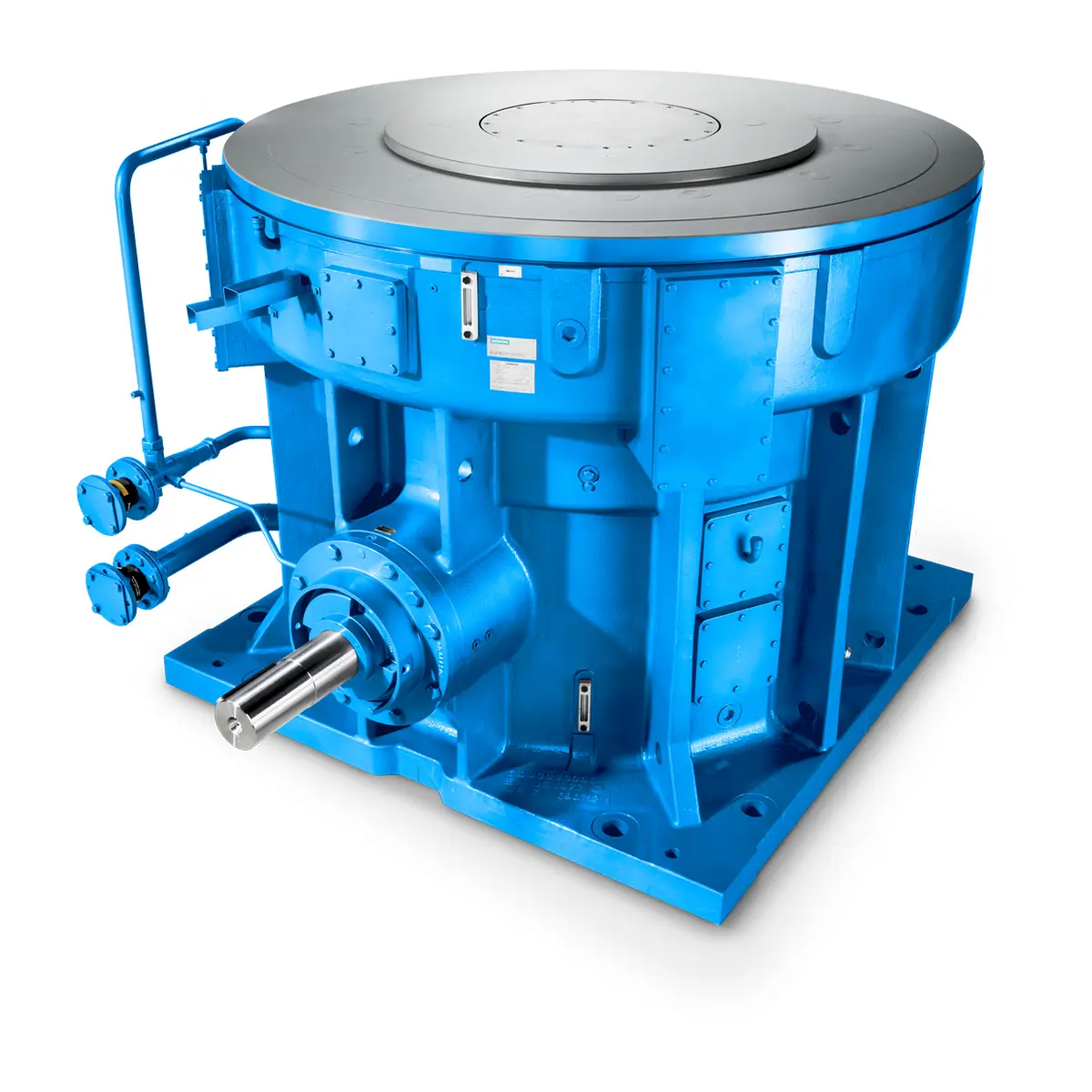 The proven all rounder gearunit gearbox
 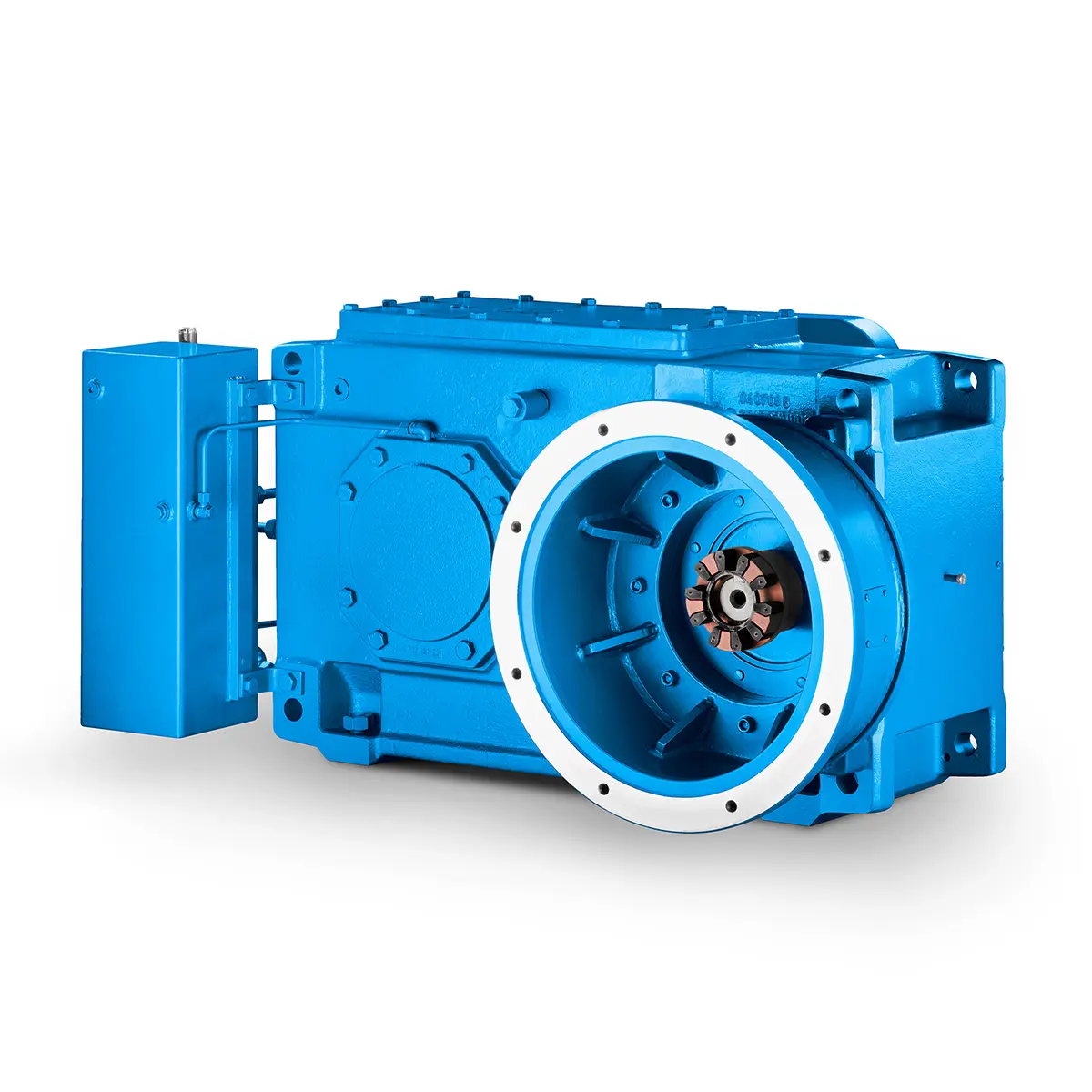 Stirs and stirs and stirs gearunit gearbox
 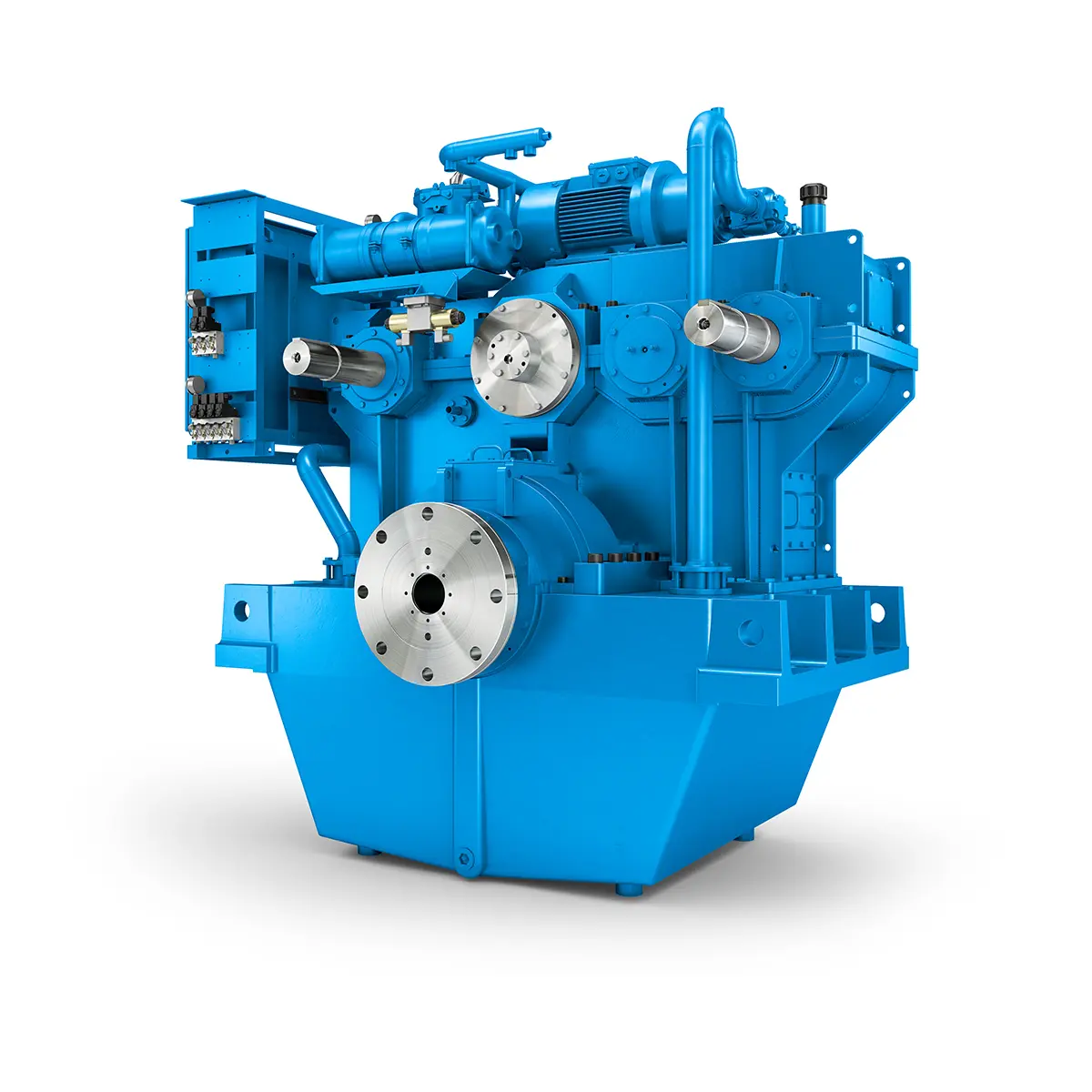 Flexibility on Board gearunit gearbox
 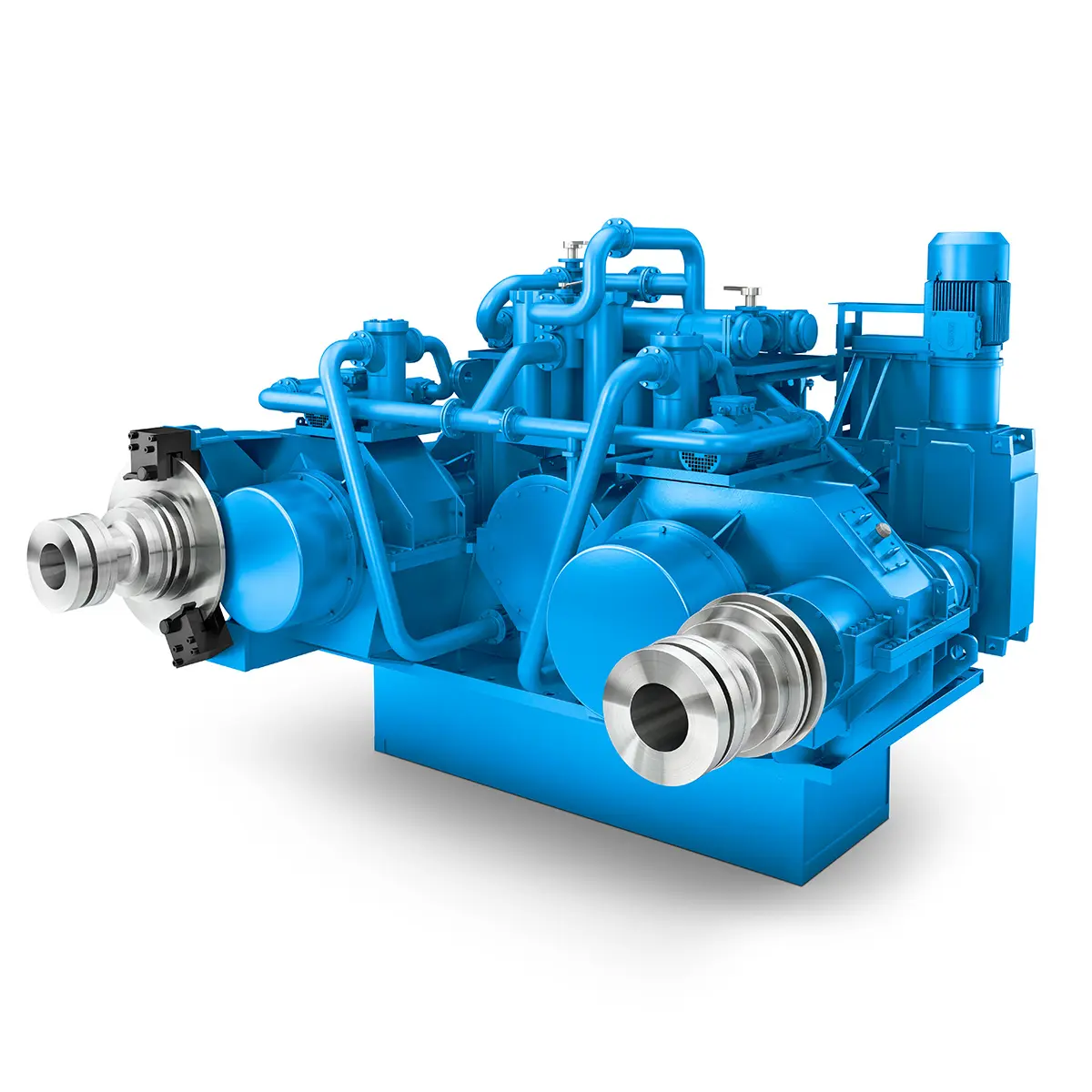 The right gearbox for all Multi-Engine Ships
 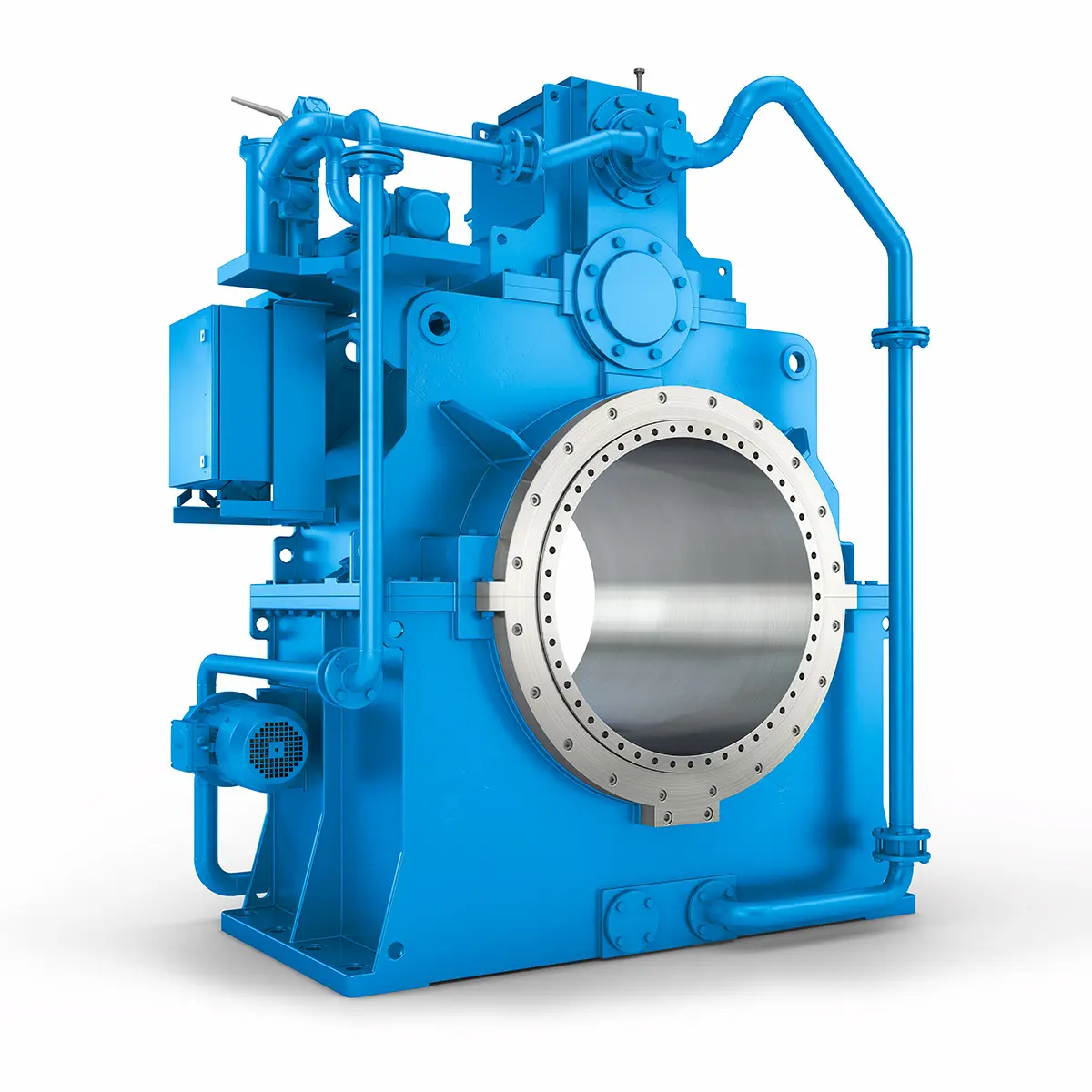 Reliable Power Generation on board
 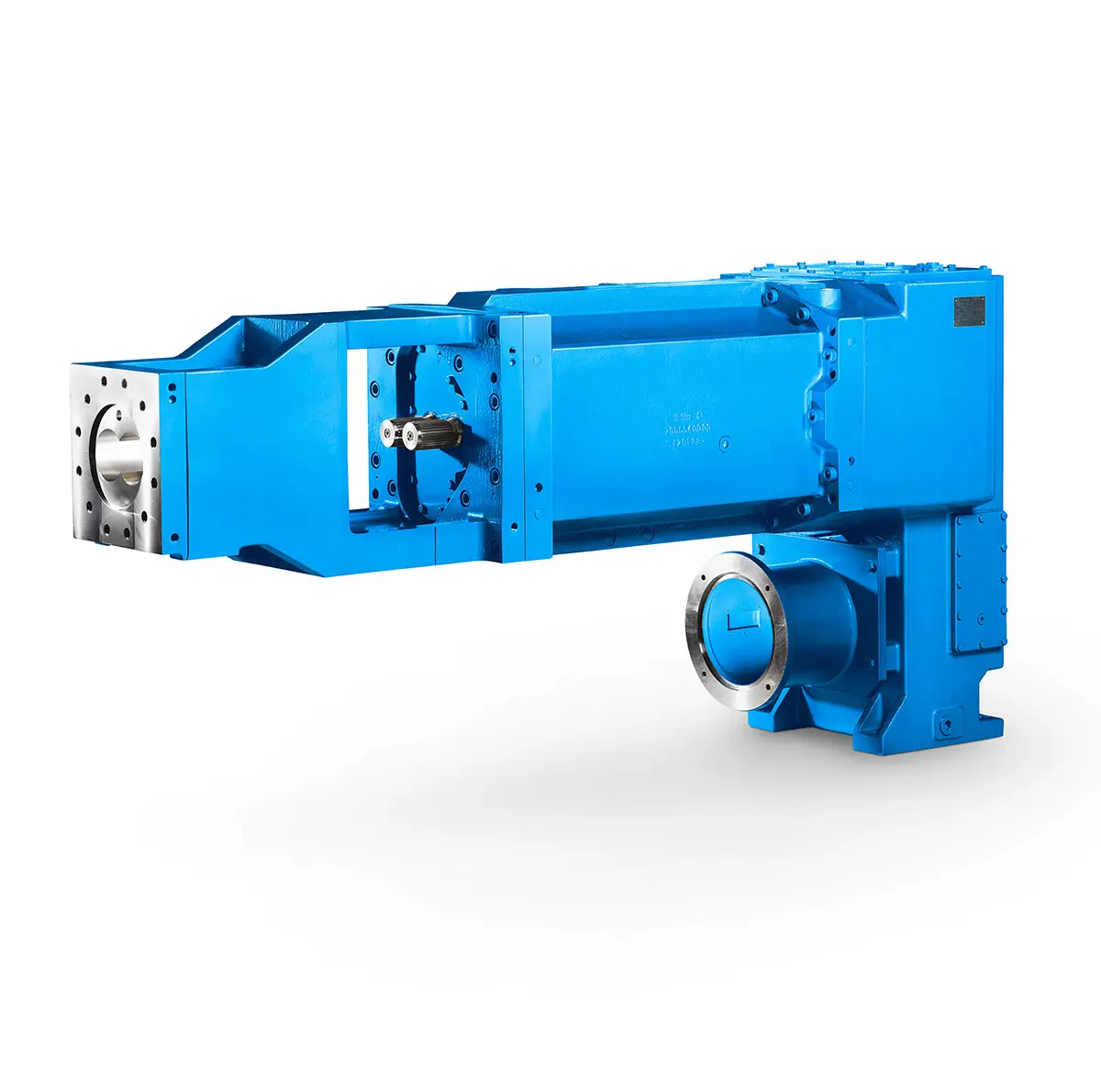 Maximum performance level, fast deliverable
 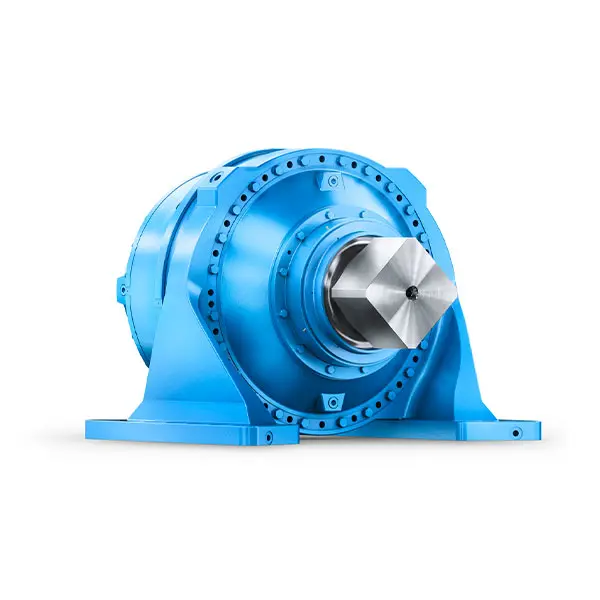 Efficient and compact – FLENDER Gear Units for Sugar Mills
 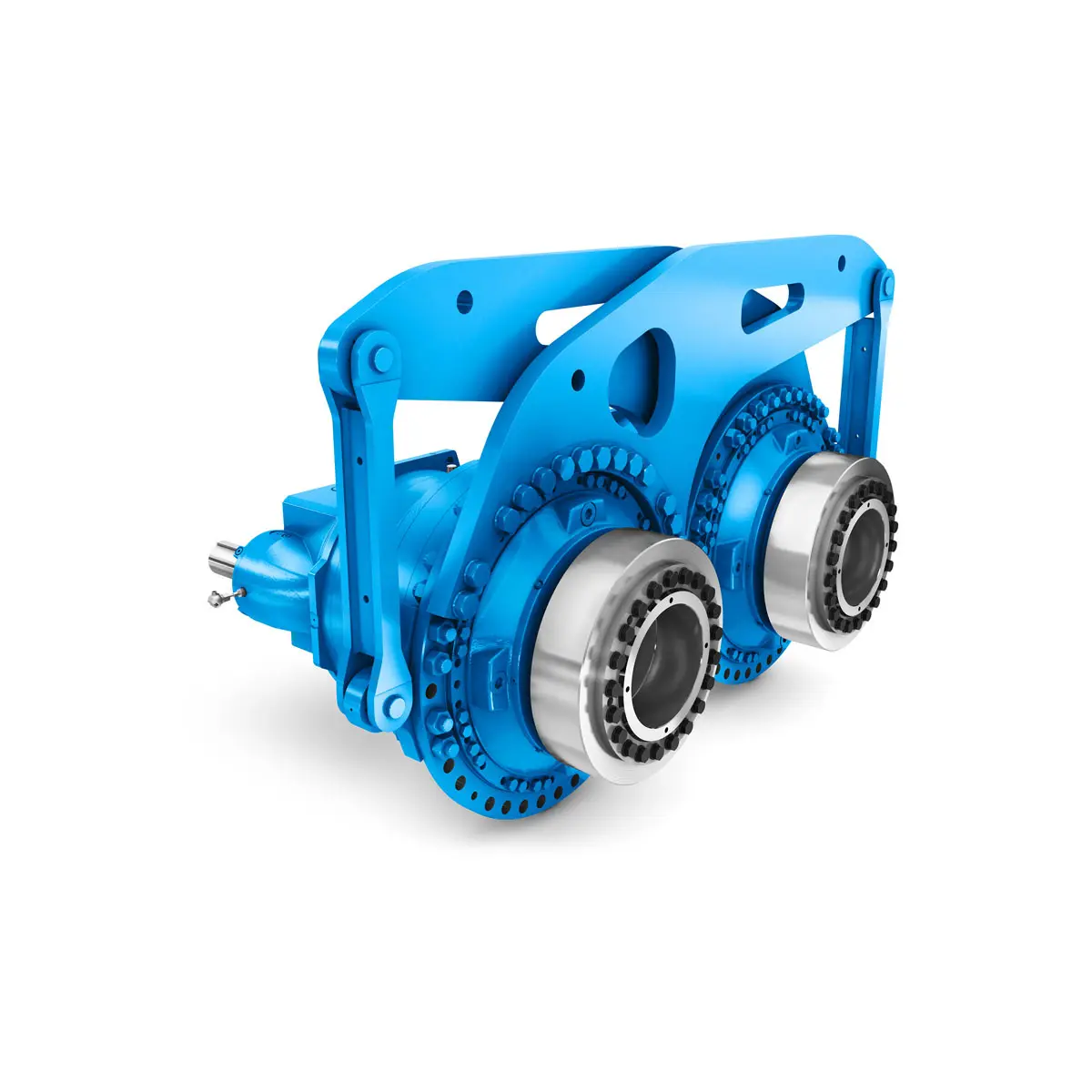 Extremely strong. Extremely compact. Extremely stressable.
 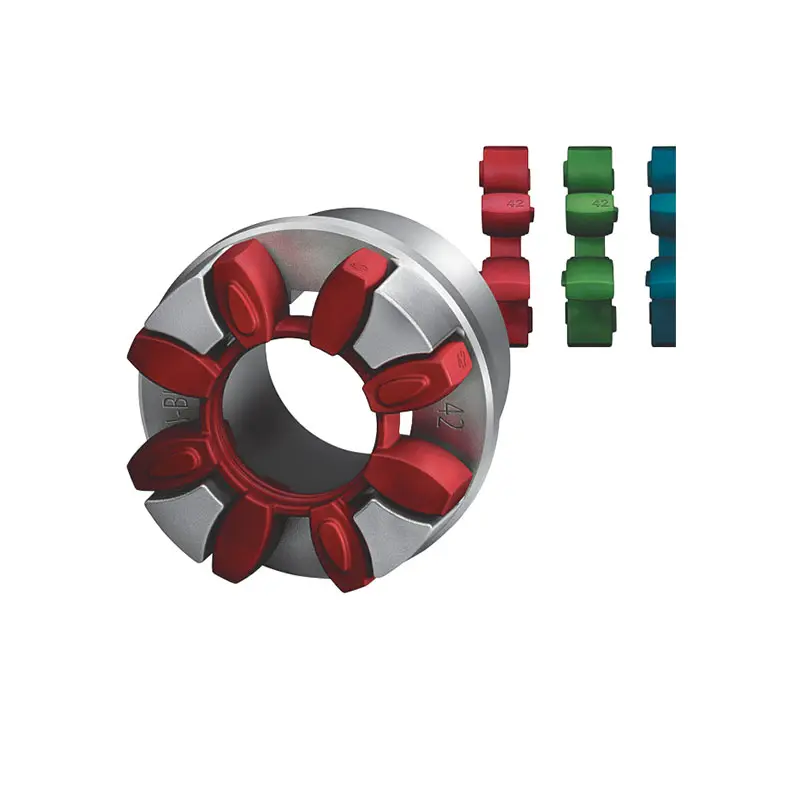 FLENDER Coupling
 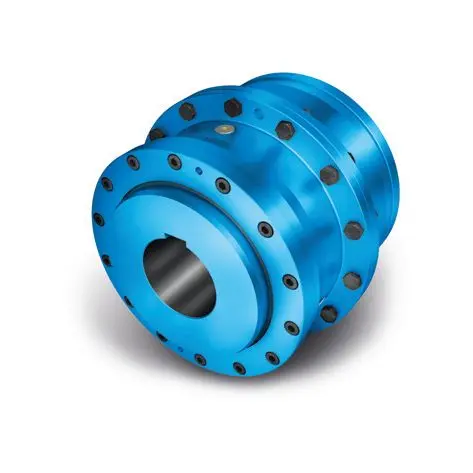 ZAPEX ZW Torsionally Rigid Gear Coupling
 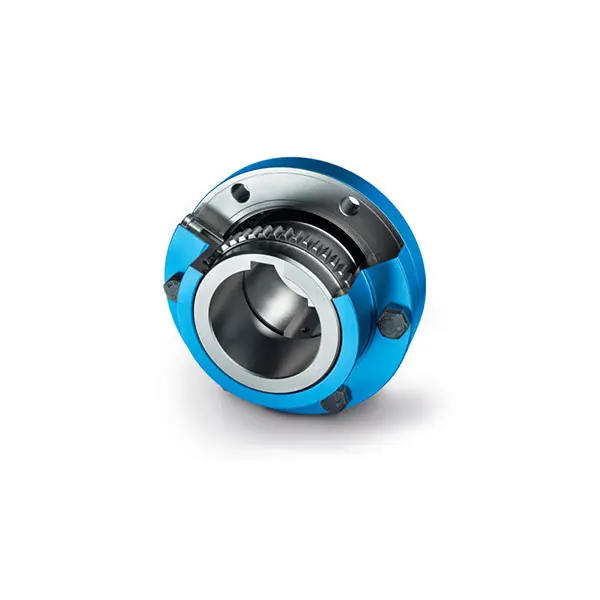 ZAPEX ZN Torsionally Rigid Gear Coupling
 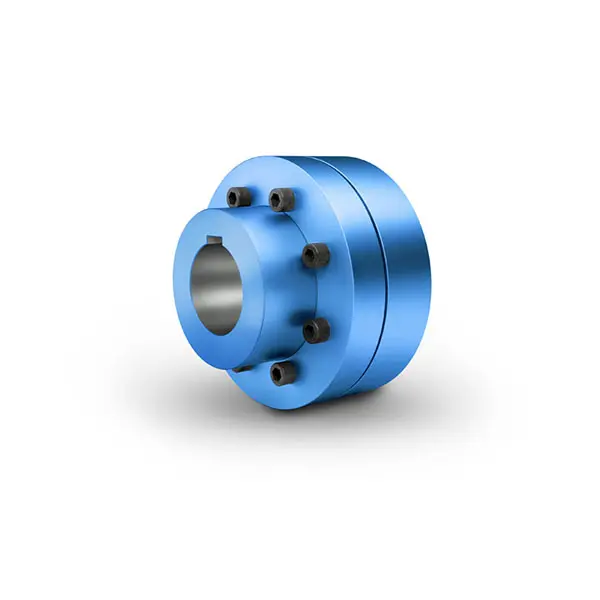 N-EUPEX Flexible high performance Coupling
 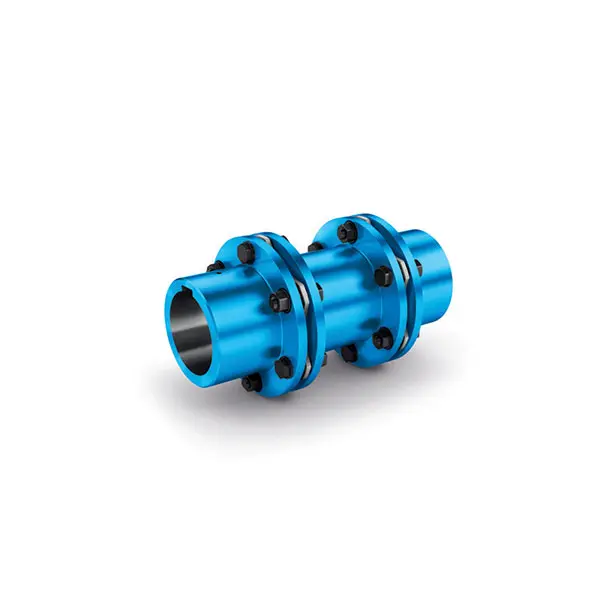 N-ARPEX Torsionally Rigid All-Steel Coupling
 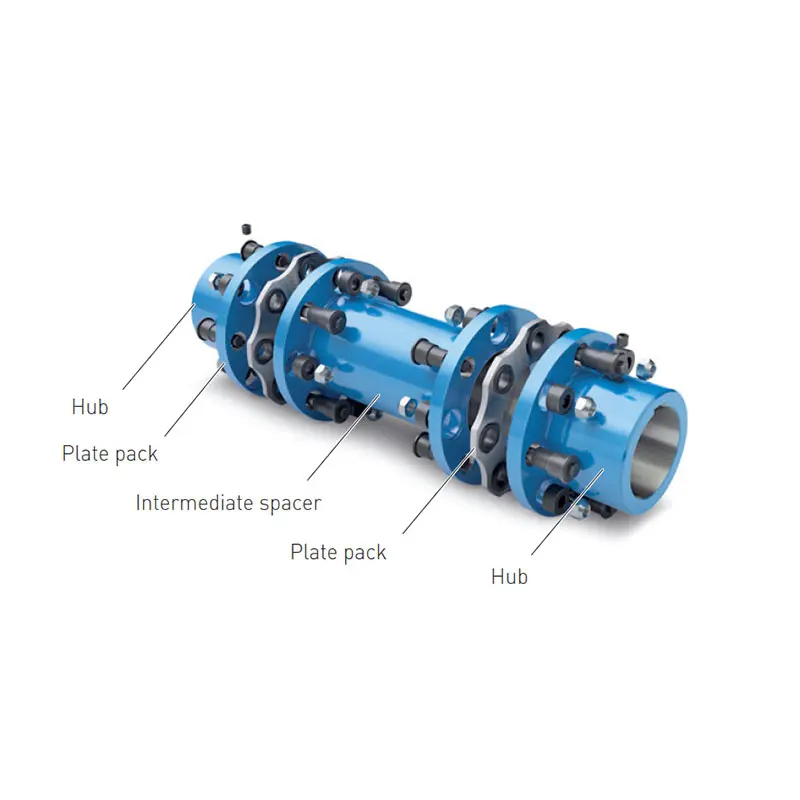 ARPEX Torsionally Rigid All-Steel Coupling Spare and Parts
 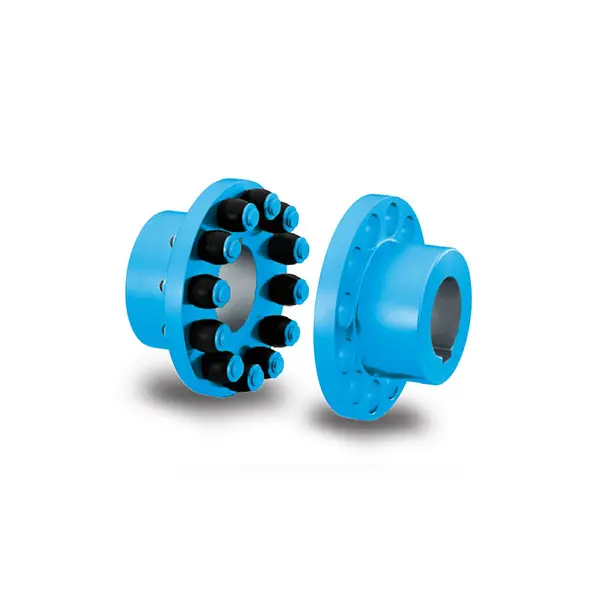 RUPEX Flexible high performance Coupling
 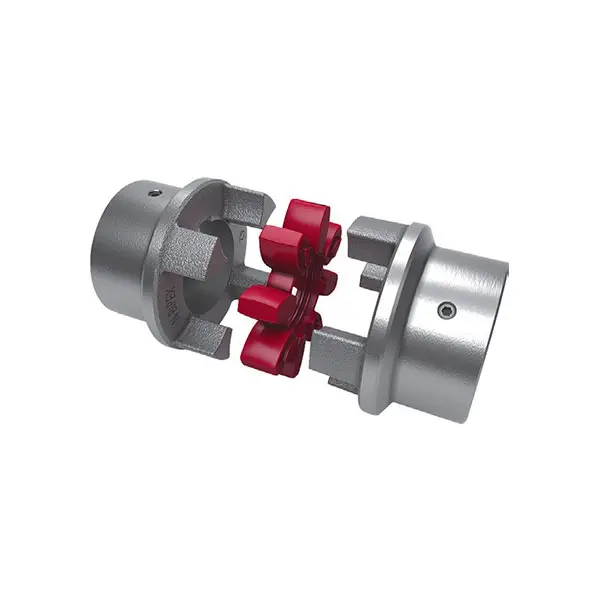 N BIPEX Flexible high performance coupling
 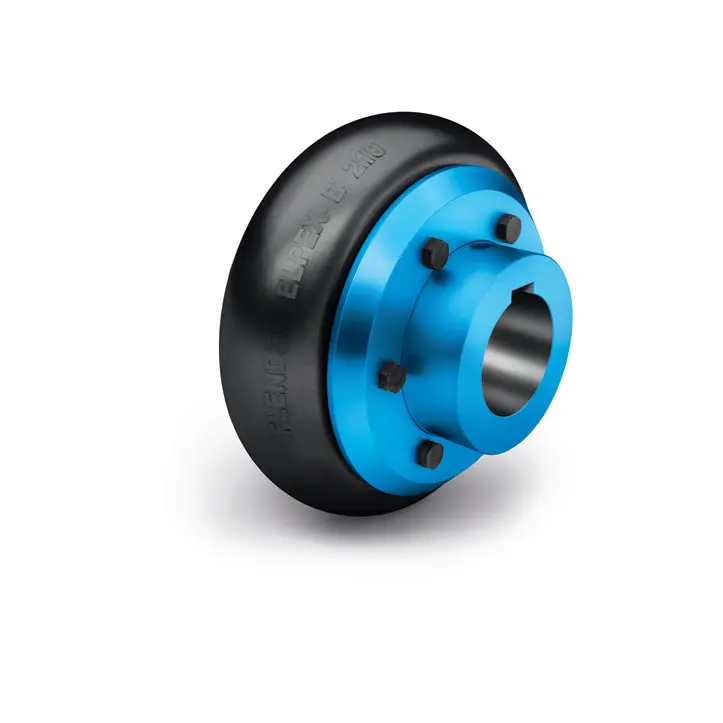 ELPEX B Highly Flexible Coupling
 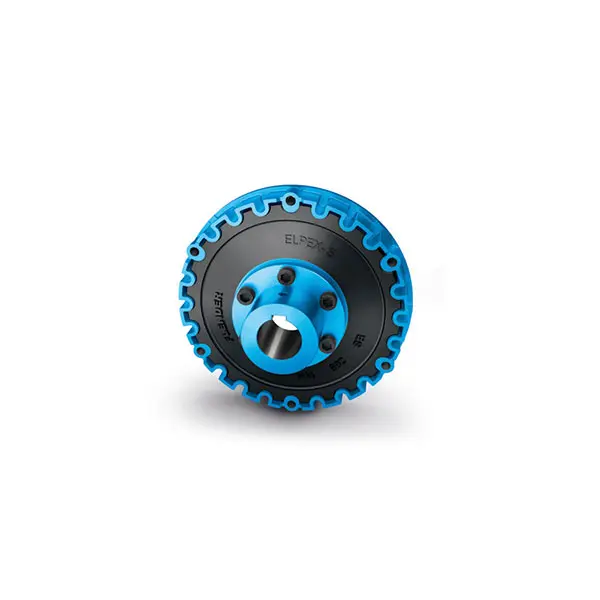 ELPEX S Highly Flexible Coupling high performance
 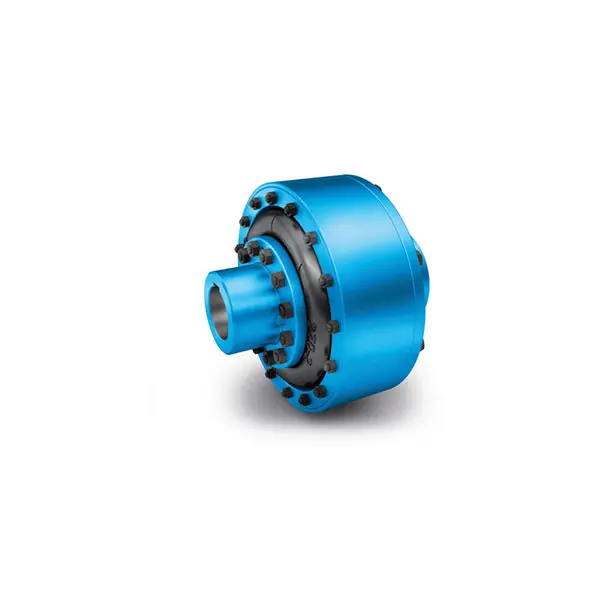 ELPEX Highly Flexible Coupling high performance
 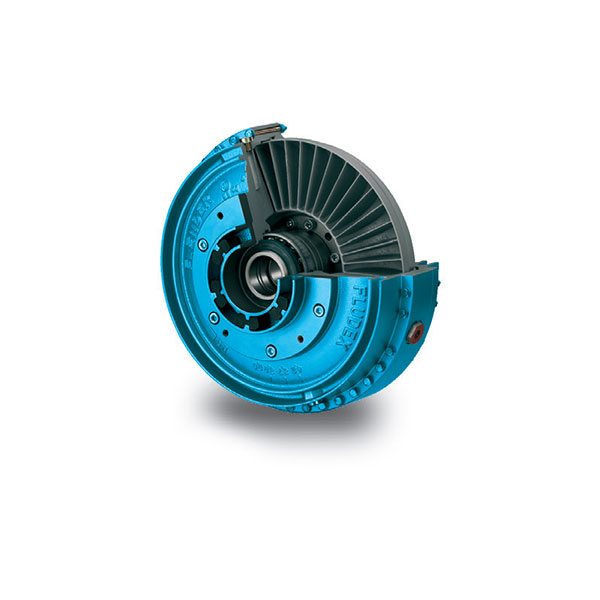 FLUDEX Fluid Coupling high performance
 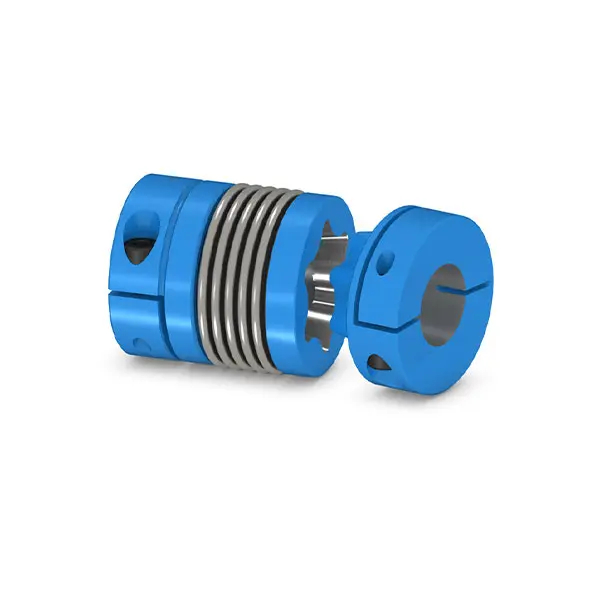 SIPEX Backlash free Coupling high performance
 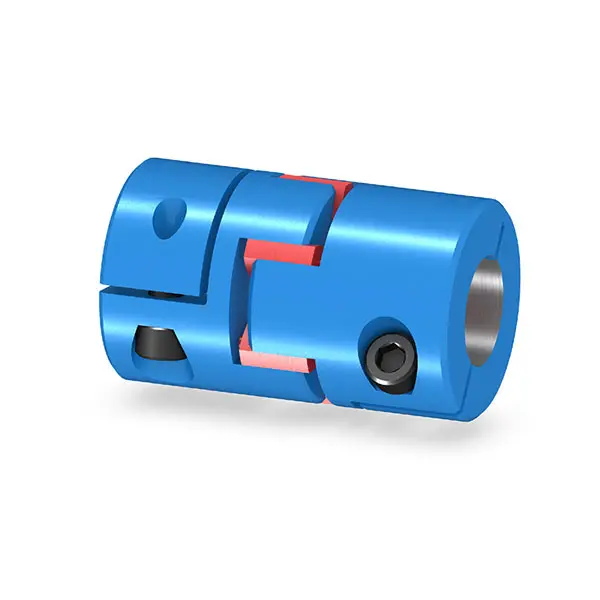 BIPEX S Backlash free Coupling high performance
 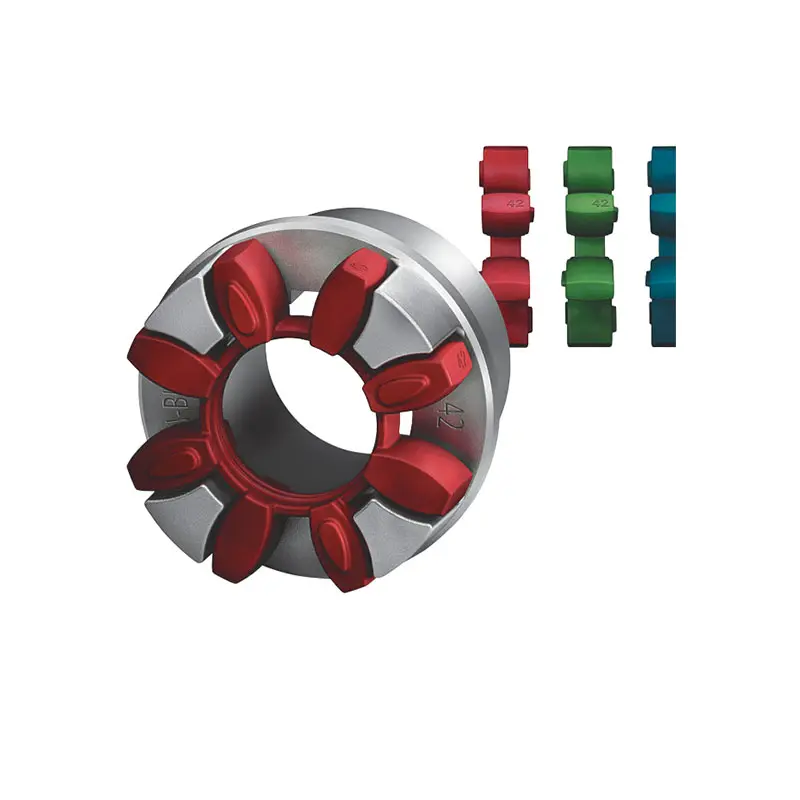 FLENDER Coupling Spare Parts high performance
 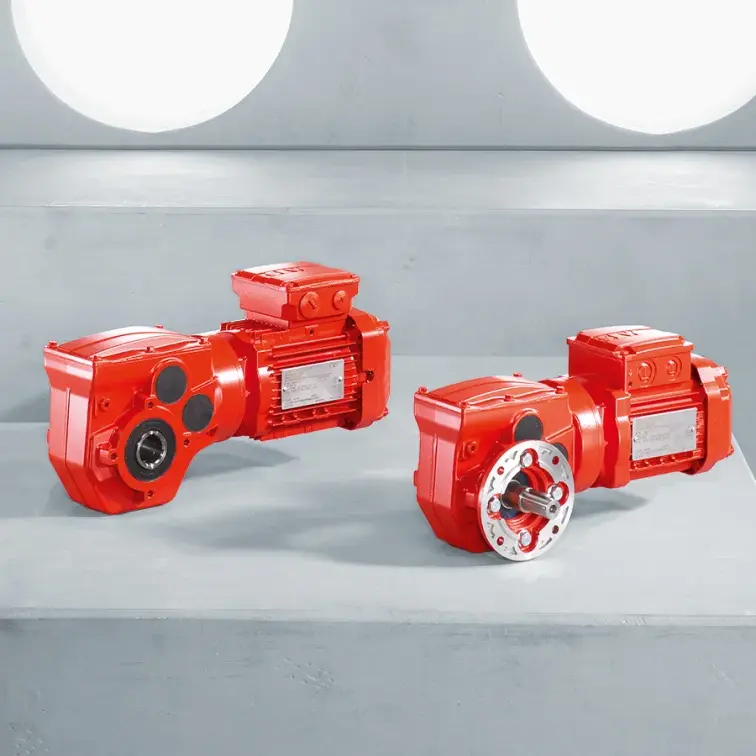 SEW Gearmotor
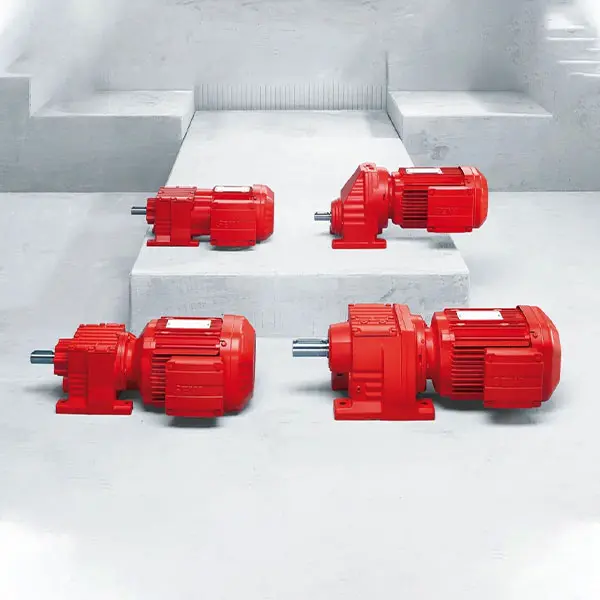 R Series Helical Gearmotor low voltage
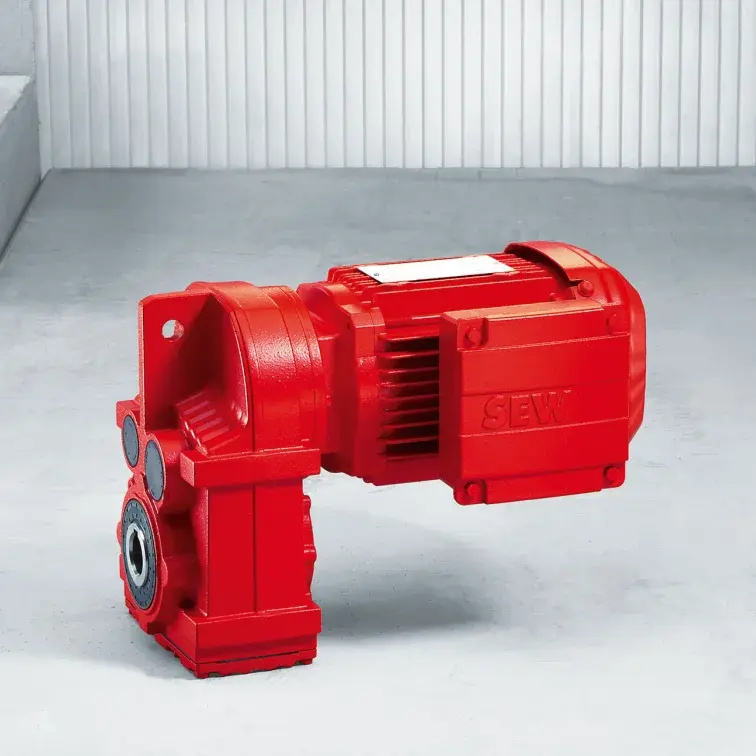 F Series Parallel Shaft Gearmotor low voltage
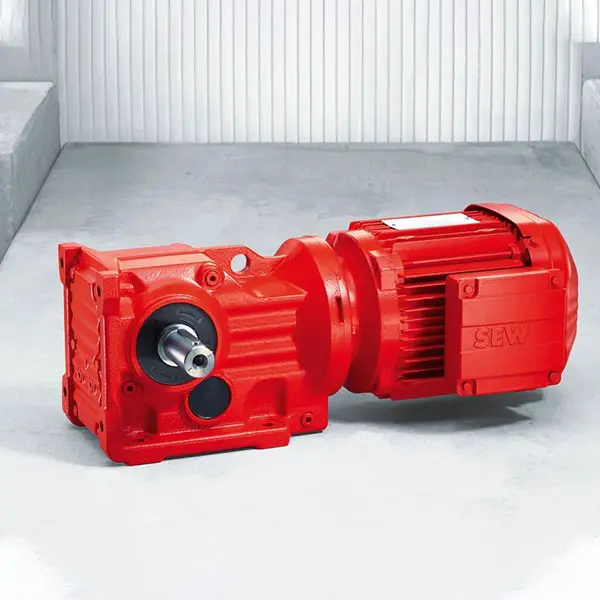 K Series Helical Bevel Gearmotor low voltage
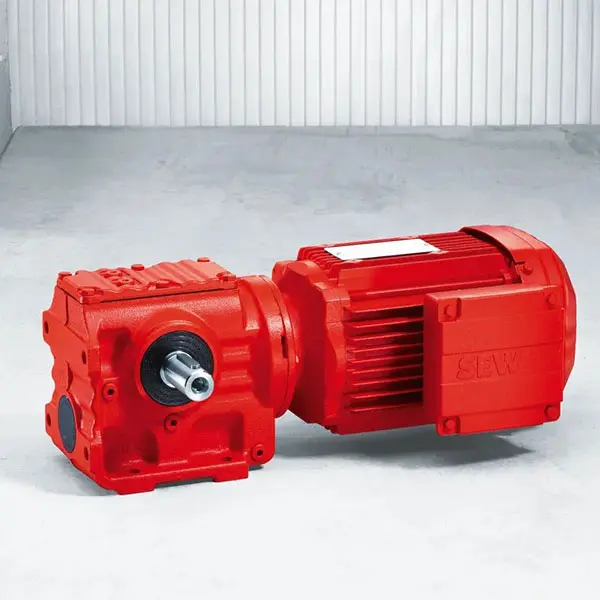 S Series Helical Worm Gearmotor low voltage
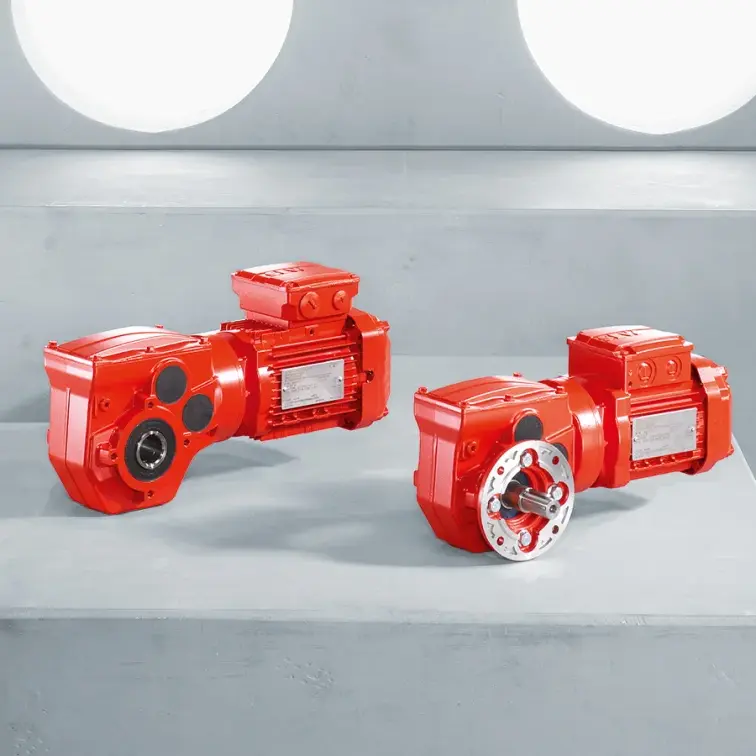 W Series SPIROPLAN® Right Angle Gearmotor