Leave Your Message

China Top Nordmkygearbox Manufacturers and Suppliers

China’s gearbox industry serves automation, conveyors, packaging, robotics, wind power, and heavy machinery. This broad demand has created a dense network of manufacturers and component suppliers. The China Top Nordmkygearbox Manufacturers and Suppliers market deserves careful examination, not casual ranking.

Industry research from MarketsandMarkets and Grand View Research identifies industrial automation, energy efficiency, and smart manufacturing as major gearbox market drivers. China remains a significant production base because of its machining capacity, motor supply chain, and export infrastructure. The International Energy Agency’s Renewables 2024 report also highlights continued global investment in wind power, where reliable speed reduction systems remain essential. These trends support stronger demand for Nordmkygearbox solutions in demanding operating environments.

Performance depends on more than price. Buyers should examine torque ratings, reduction ratios, gear materials, sealing design, thermal limits, noise levels, and tested service life. A gearbox may look impressive on a catalog page. The workshop tells more. Look for CNC machining, controlled assembly areas, oil-leak testing, vibration checks, and traceable inspection records. ISO 9001 certification can support process confidence, but it cannot replace independent technical verification. Suppliers serving international projects should also explain compliance with applicable IEC, ISO, AGMA, and regional safety requirements.

No directory is perfect. Some listings repeat outdated specifications or confuse trading companies with actual factories. That weakness matters. This guide therefore focuses on manufacturing capability, engineering experience, customization support, delivery reliability, and after-sales responsiveness. Readers should still request samples, drawings, test reports, and references before making a final decision.

China Top Nordmkygearbox Manufacturers and Suppliers

Nordmky Gearboxes: Definition, Types, and Industrial Applications

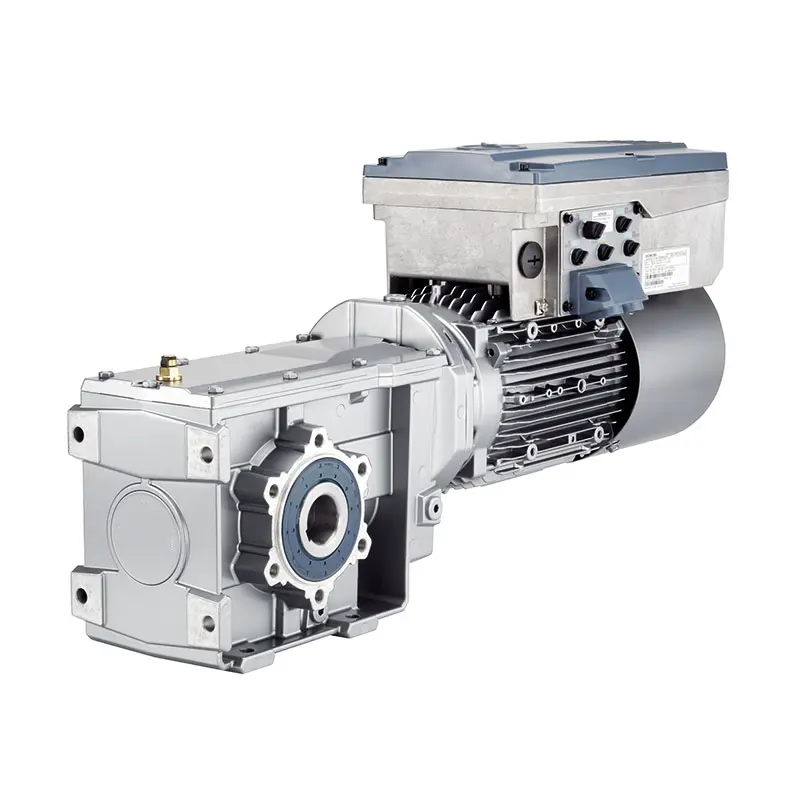
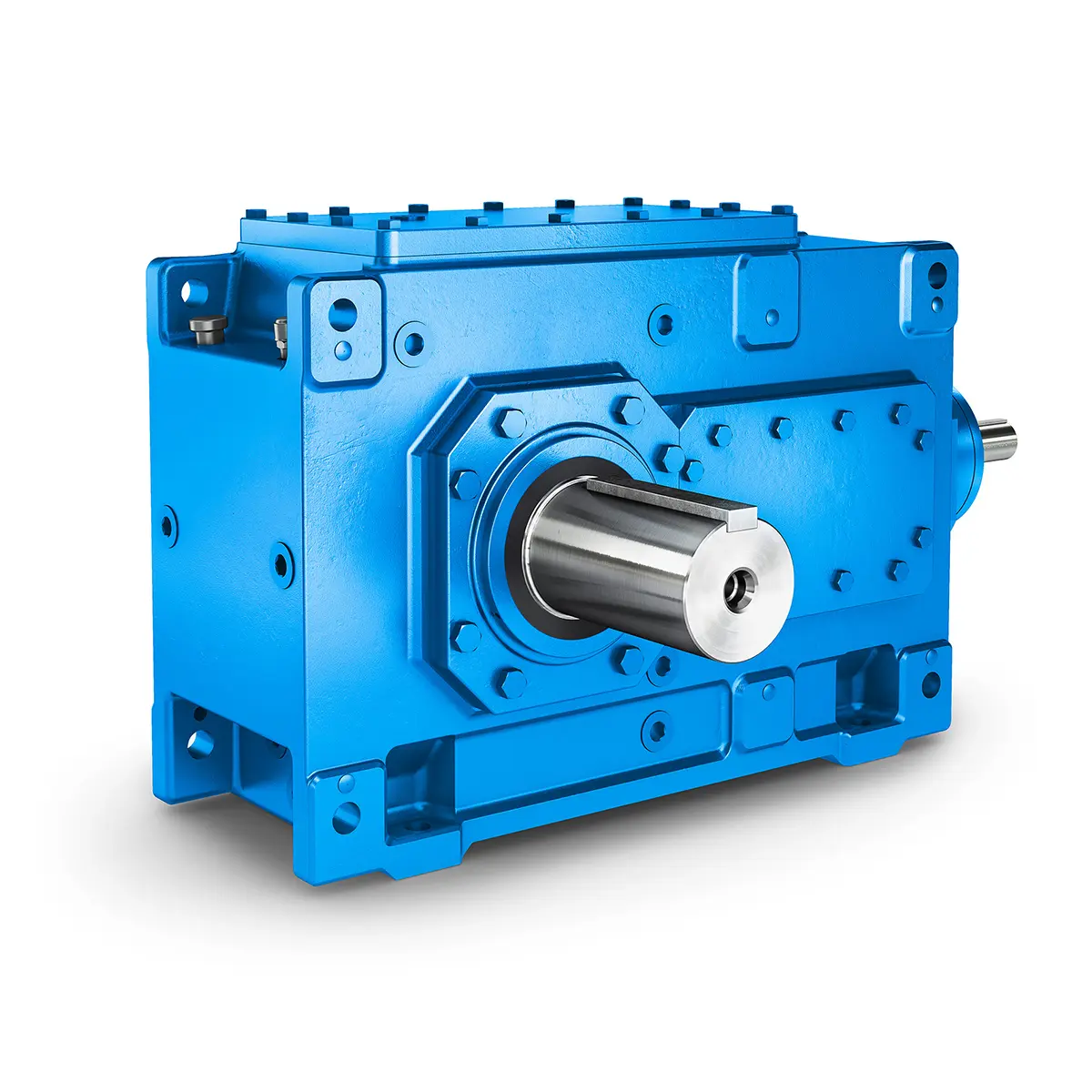
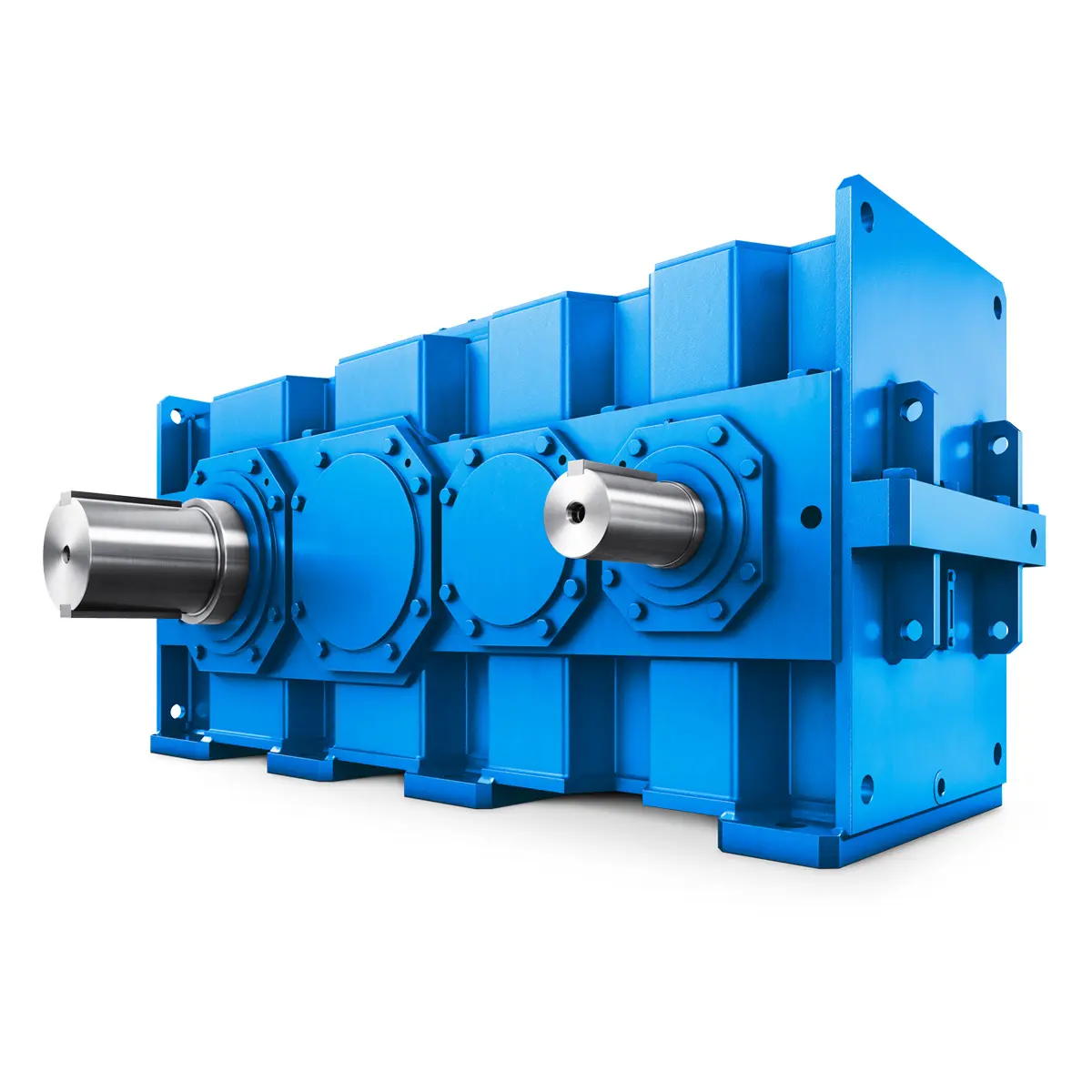
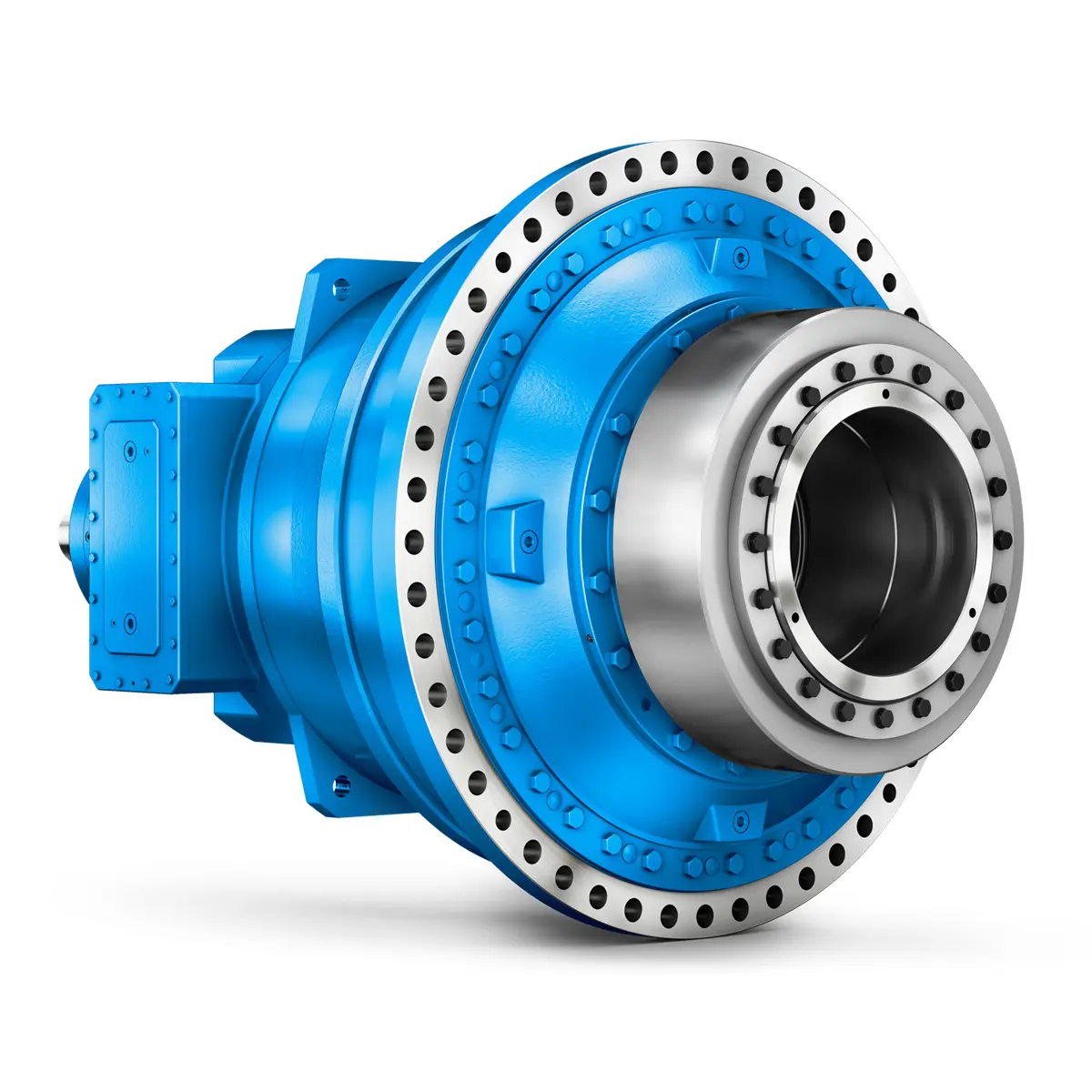
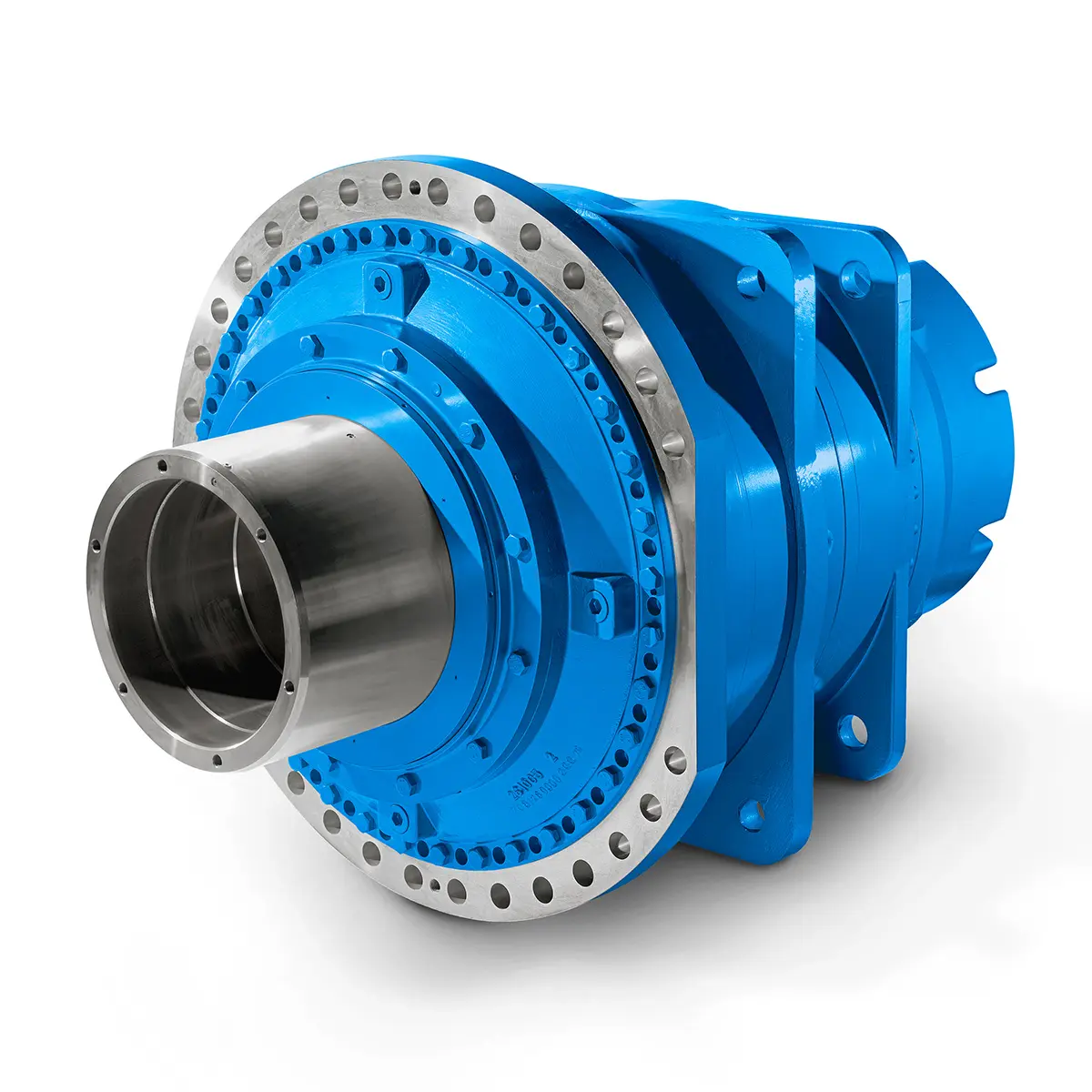
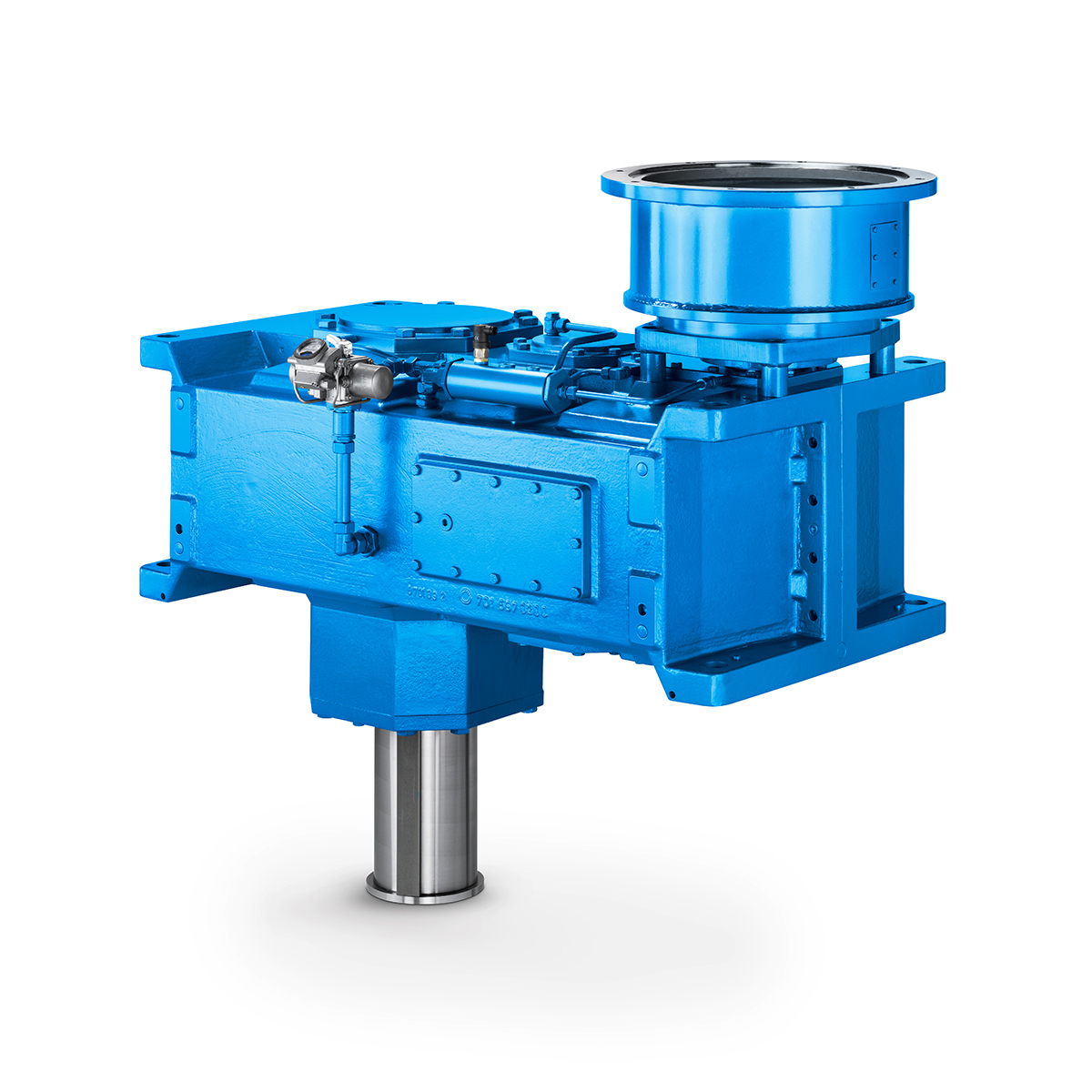
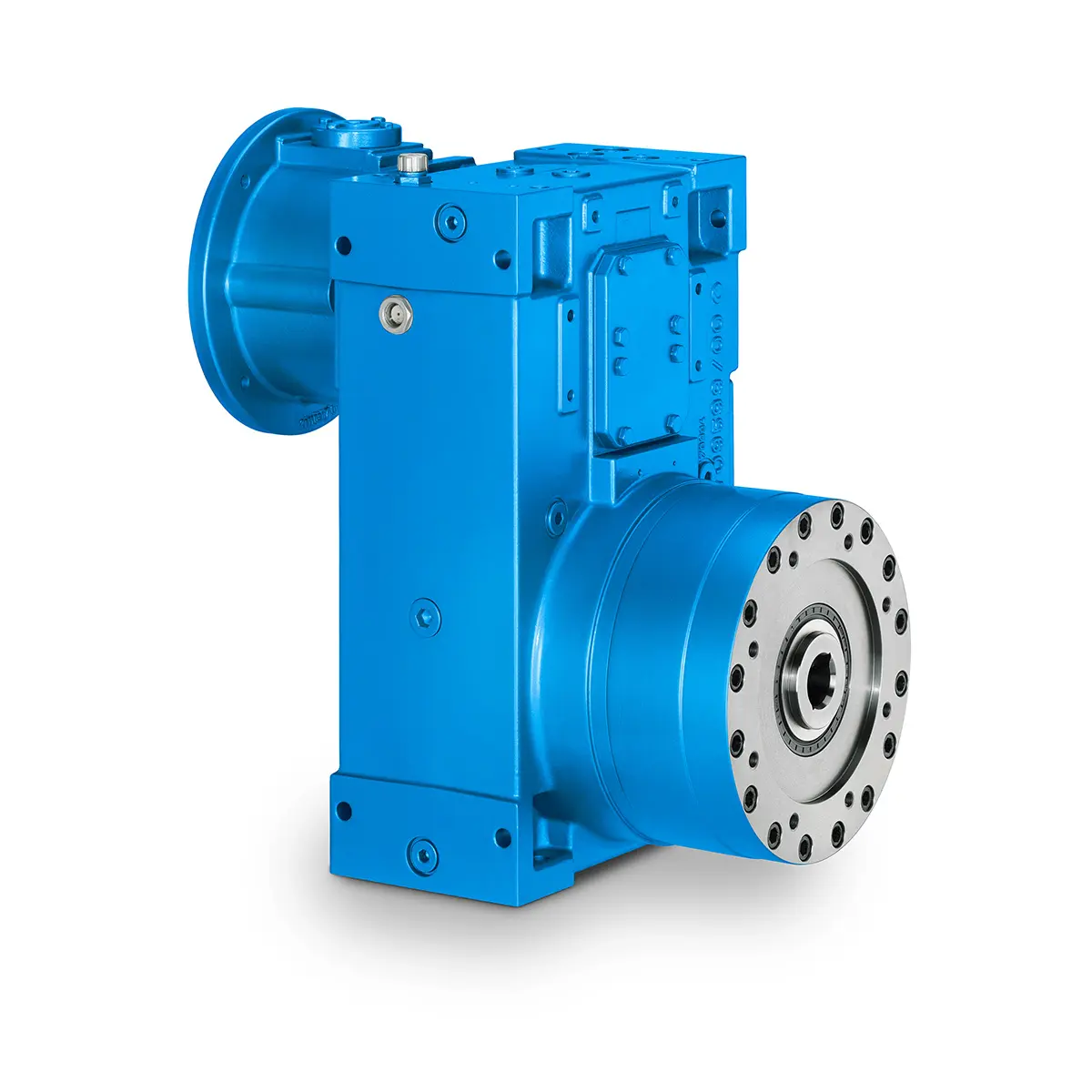
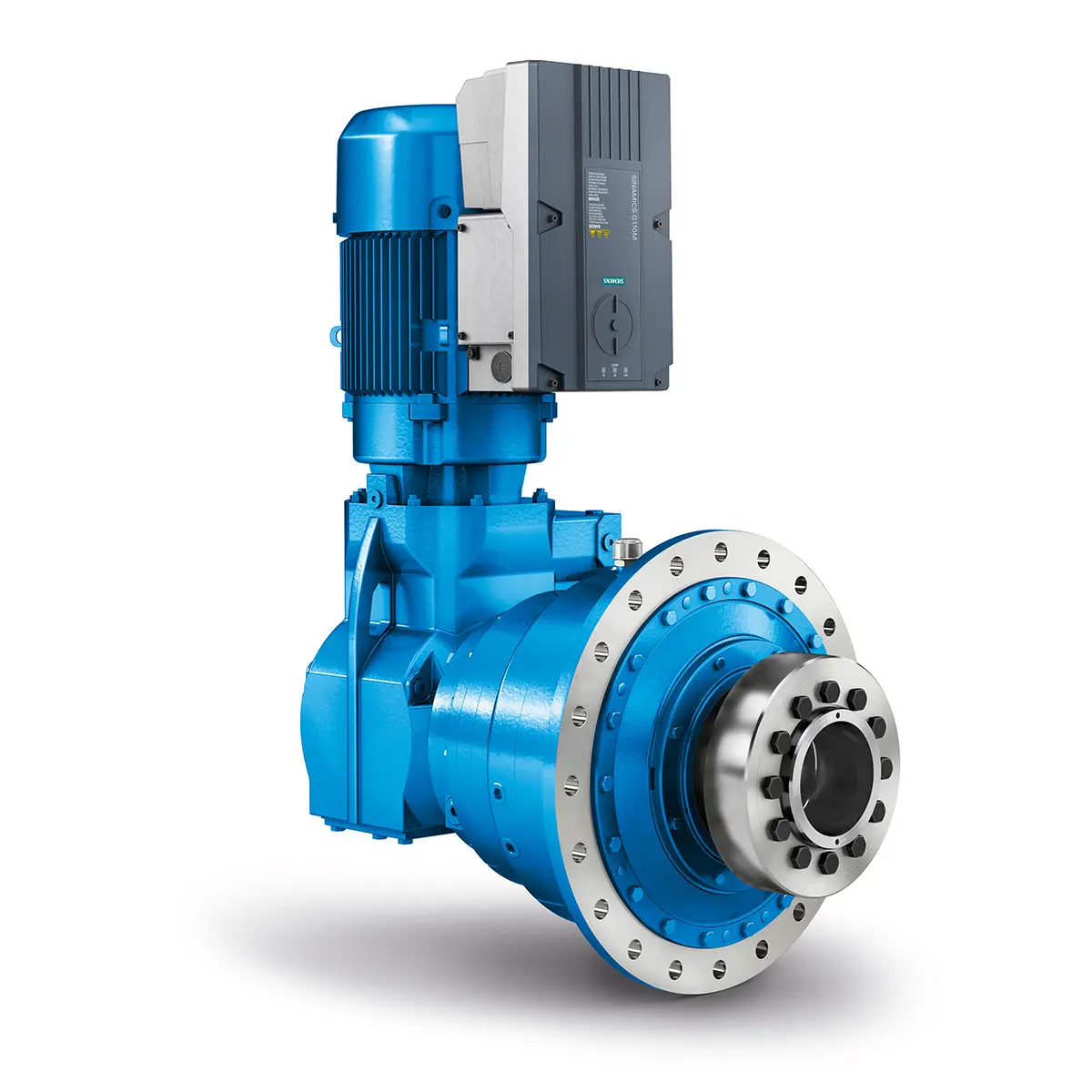
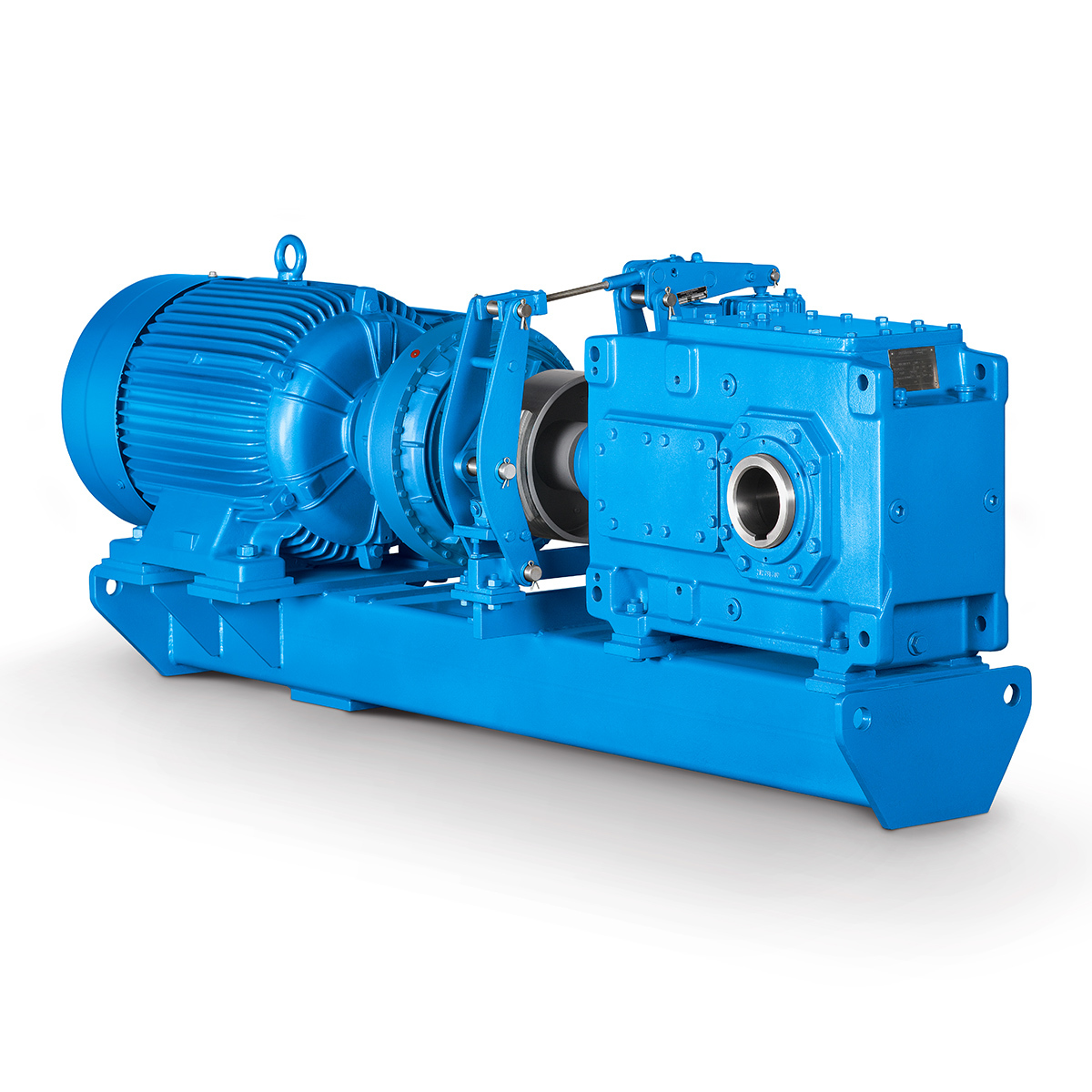
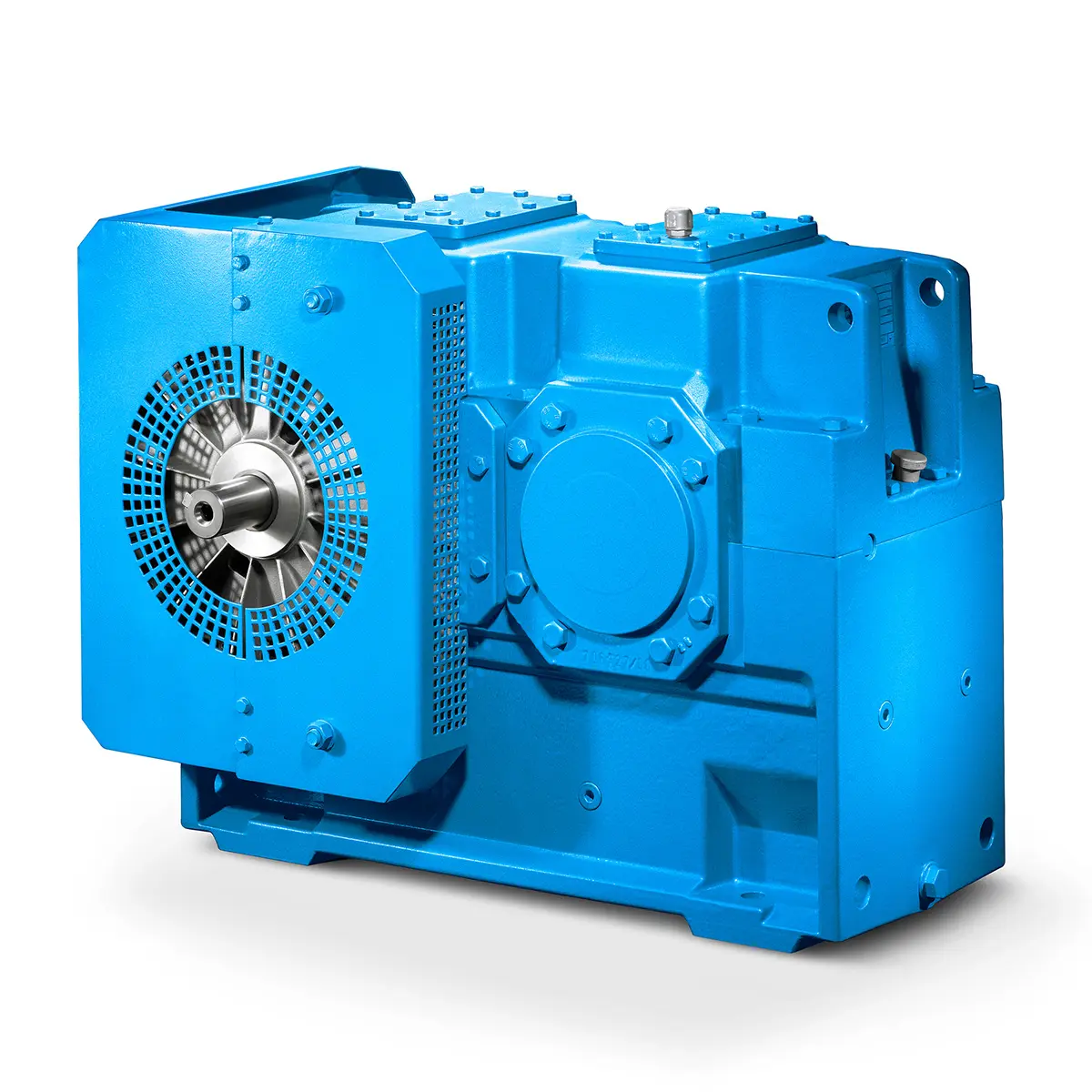
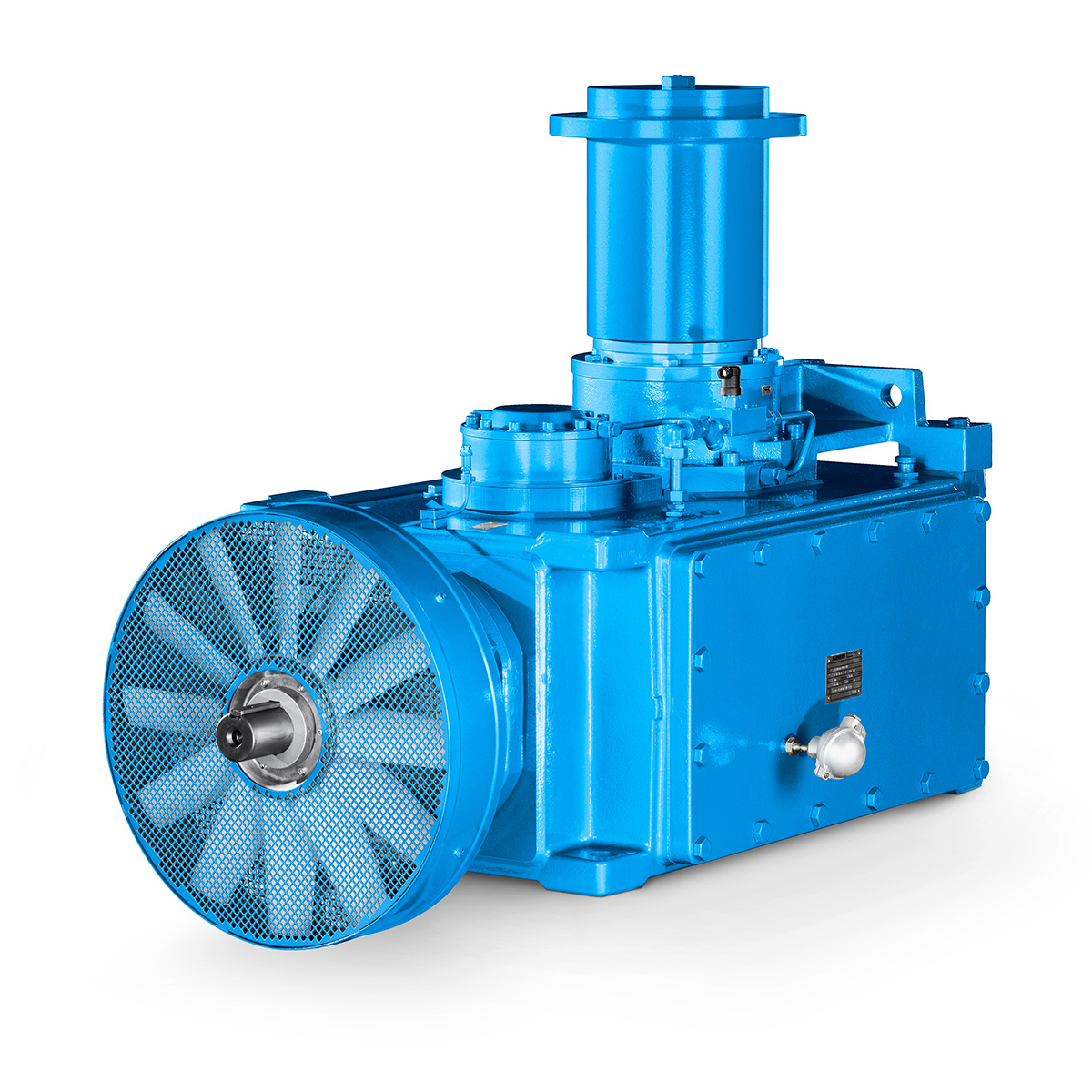
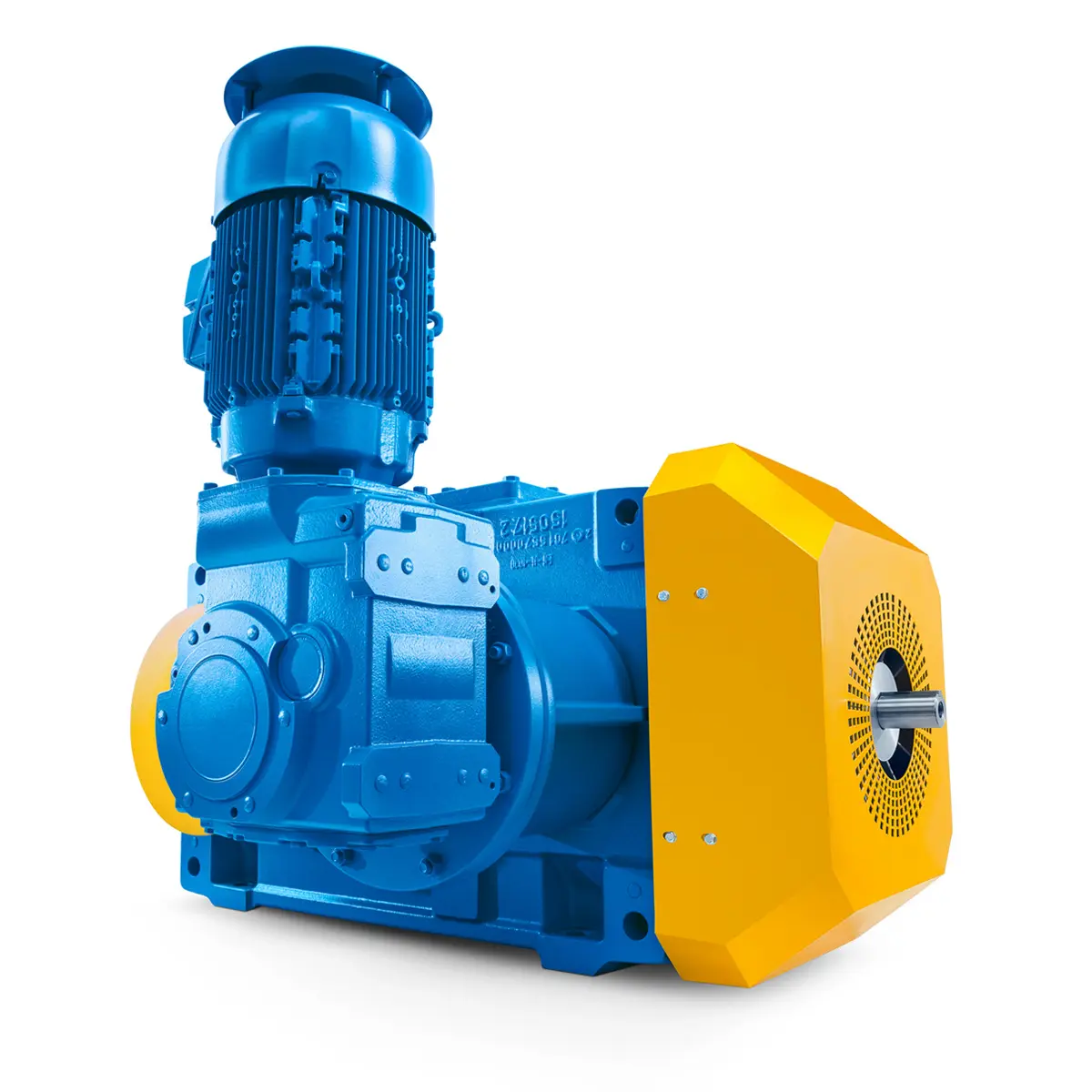
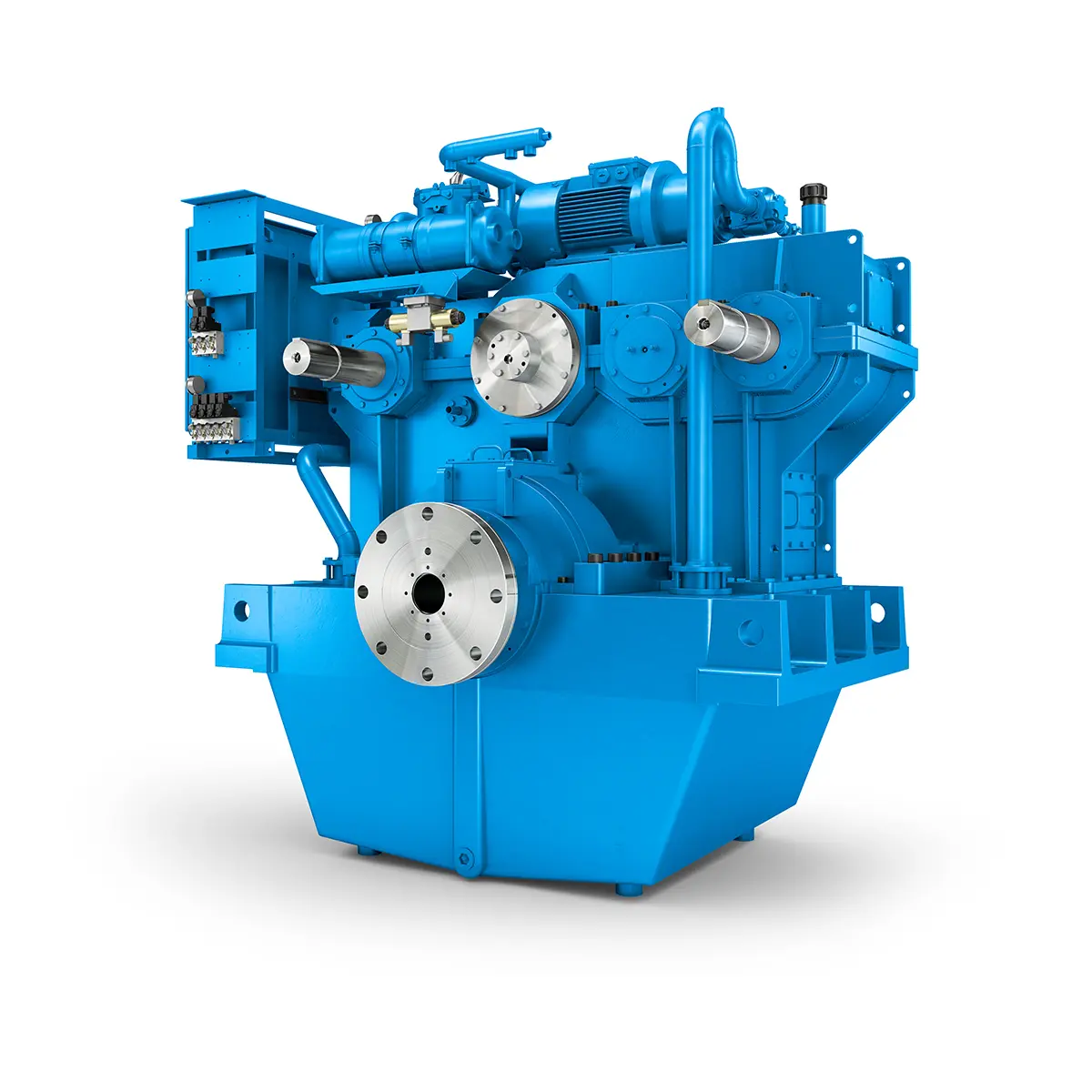
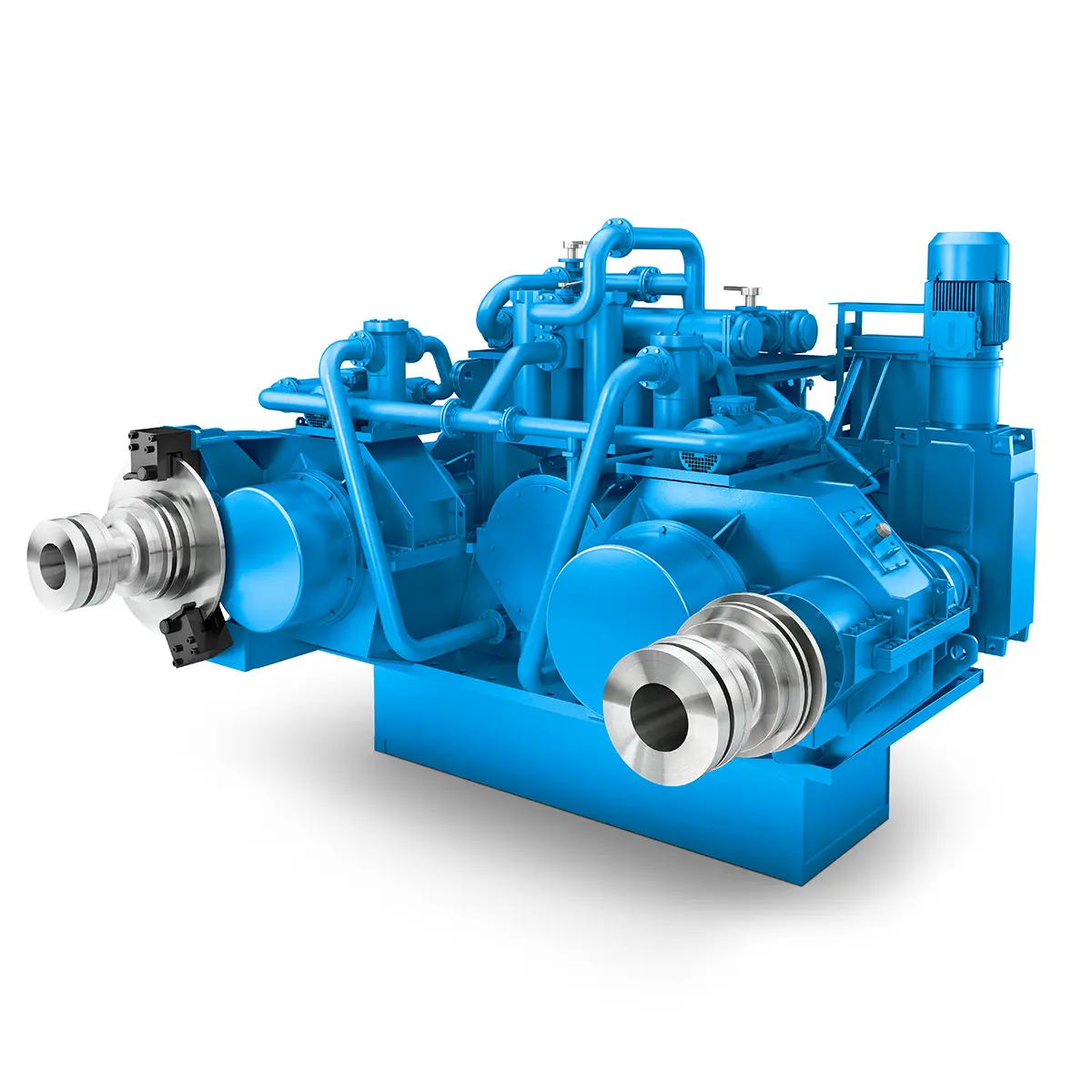
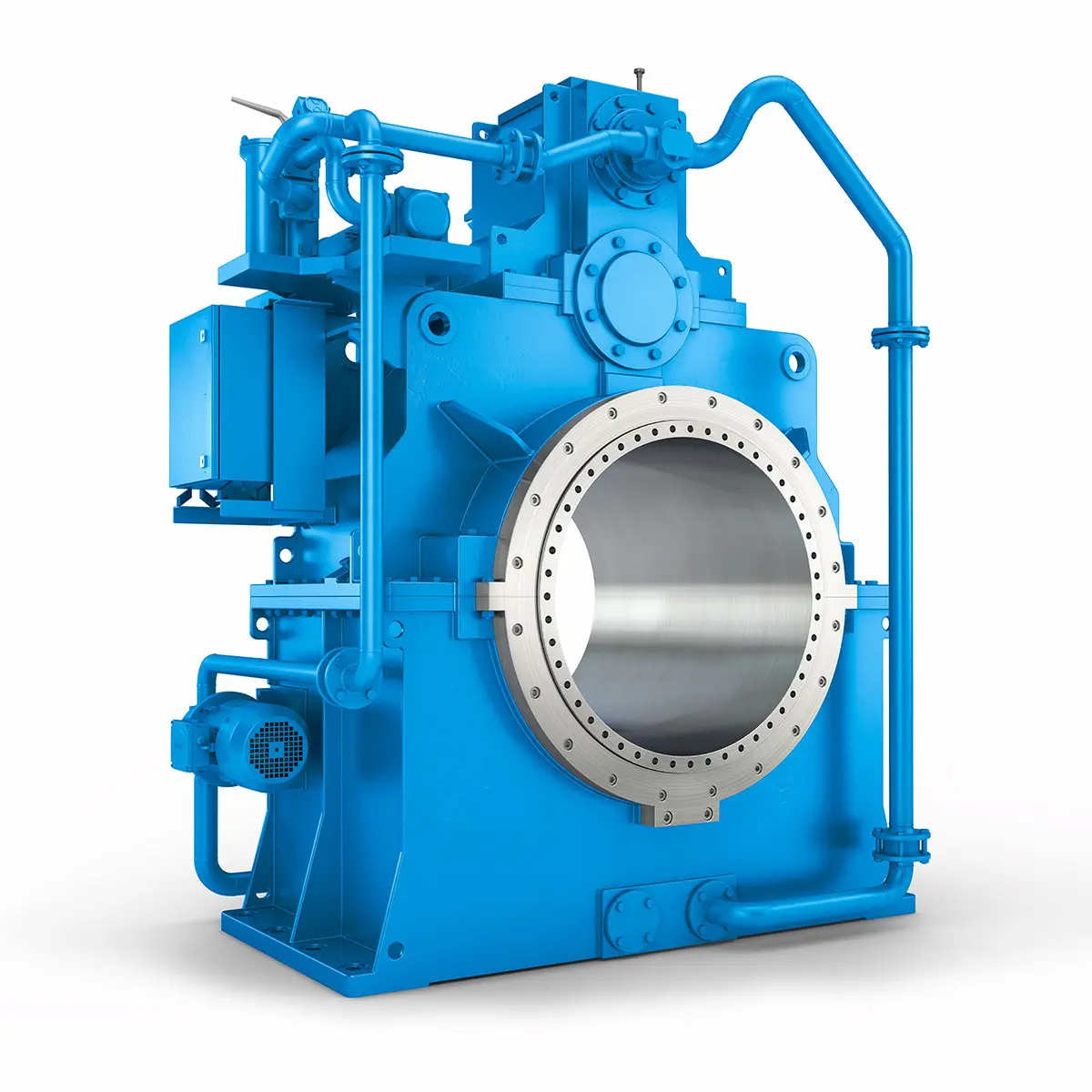
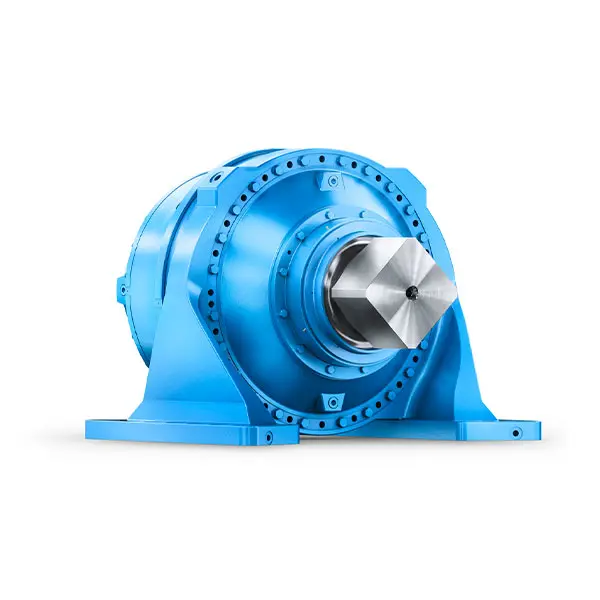
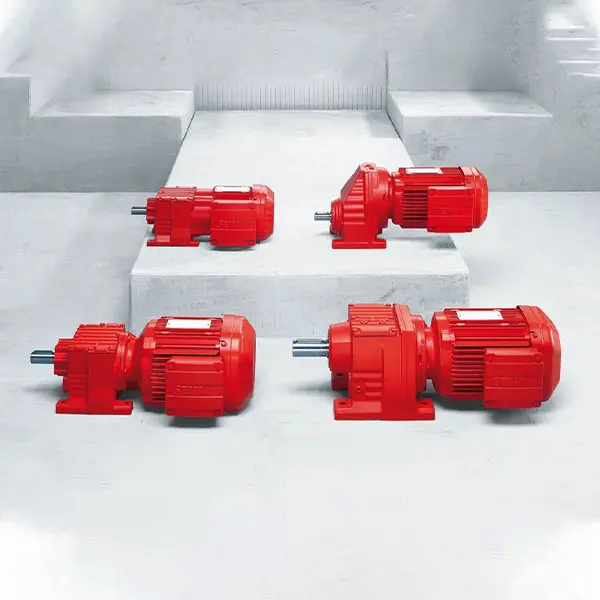
Nordmky gearboxes are mechanical power transmission units that reduce motor speed and increase usable torque. In practical terms, they connect a high-speed motor to a slower machine shaft. This change helps equipment move steadily under load. A typical unit contains gears, bearings, seals, lubricant, and a rigid housing. Selection depends on torque, speed ratio, operating hours, and installation position.

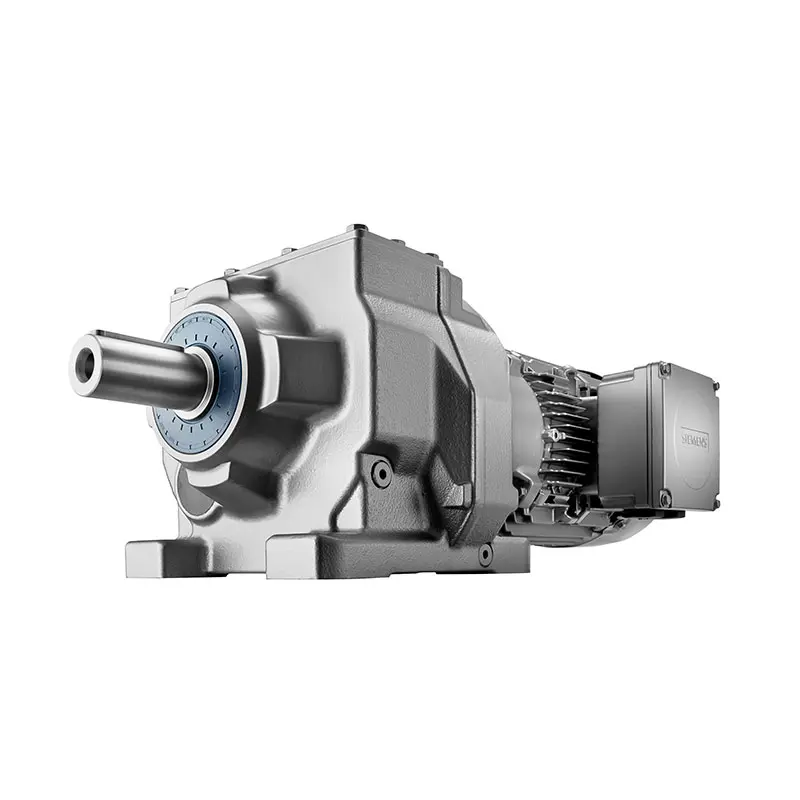
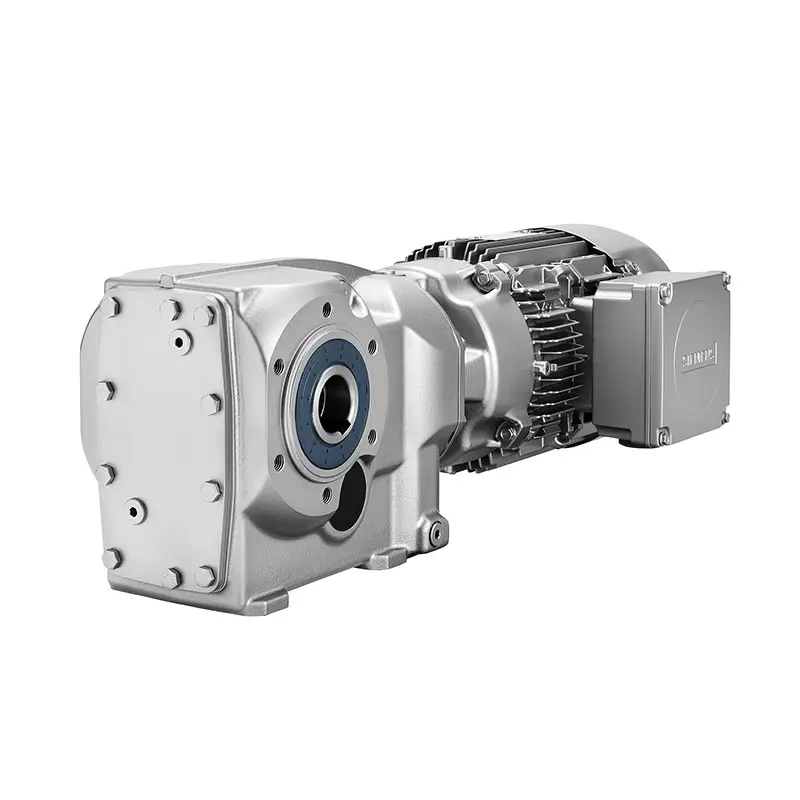
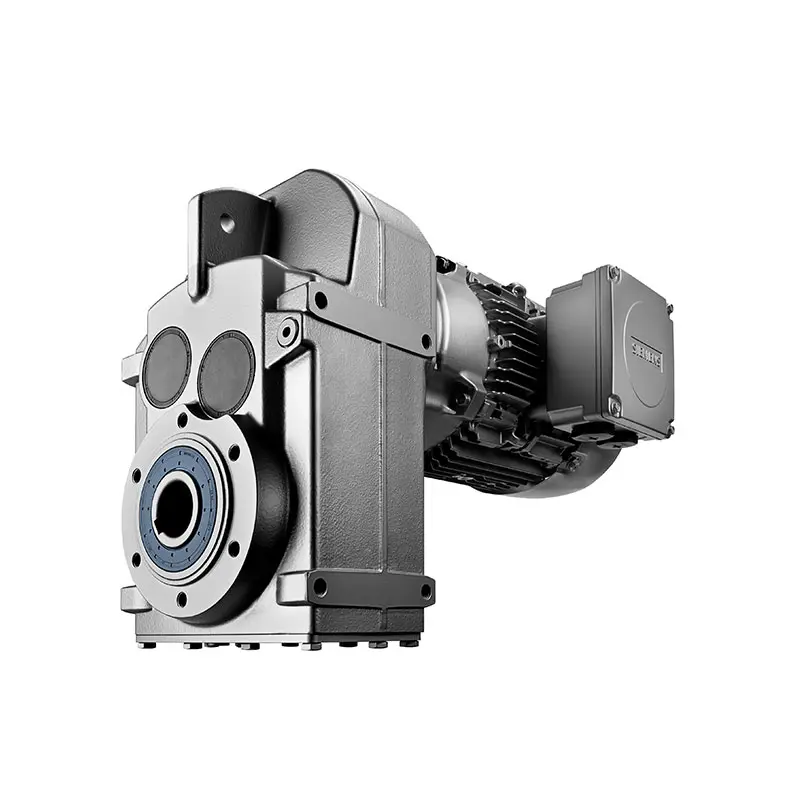
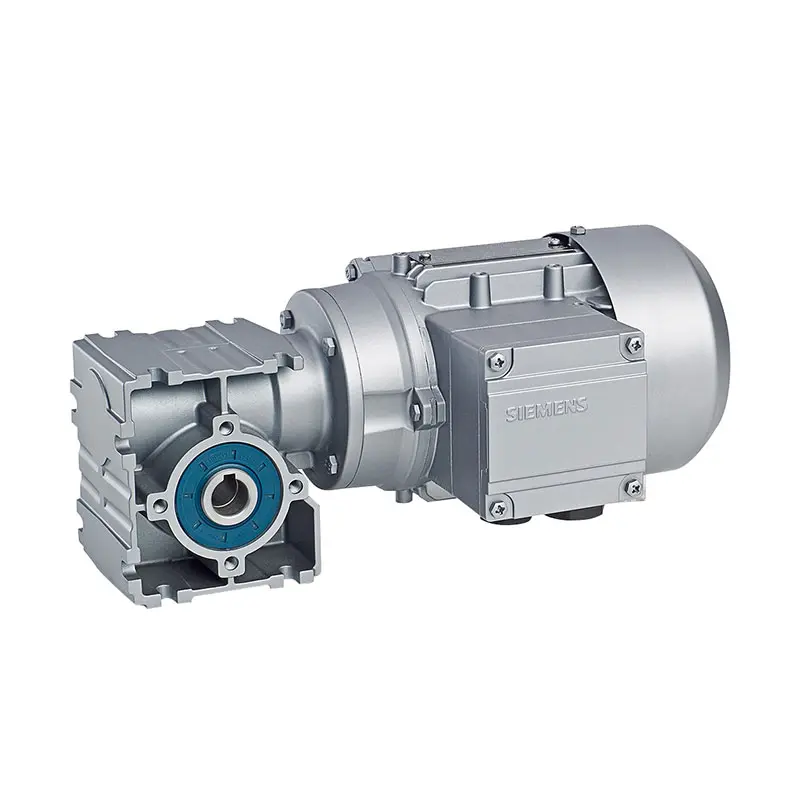
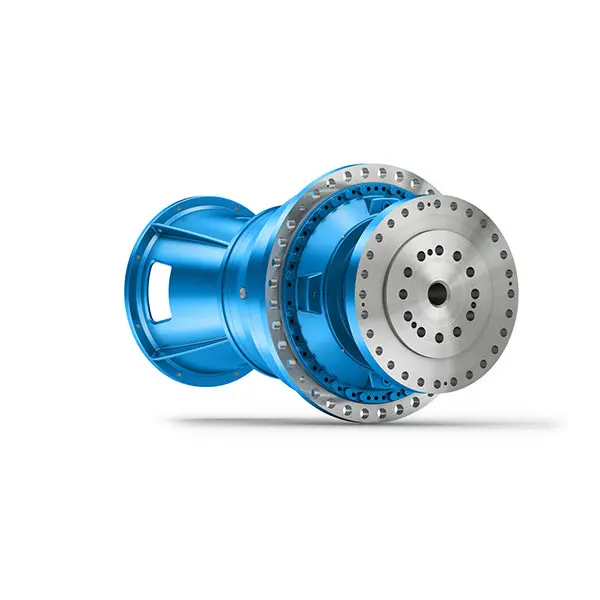
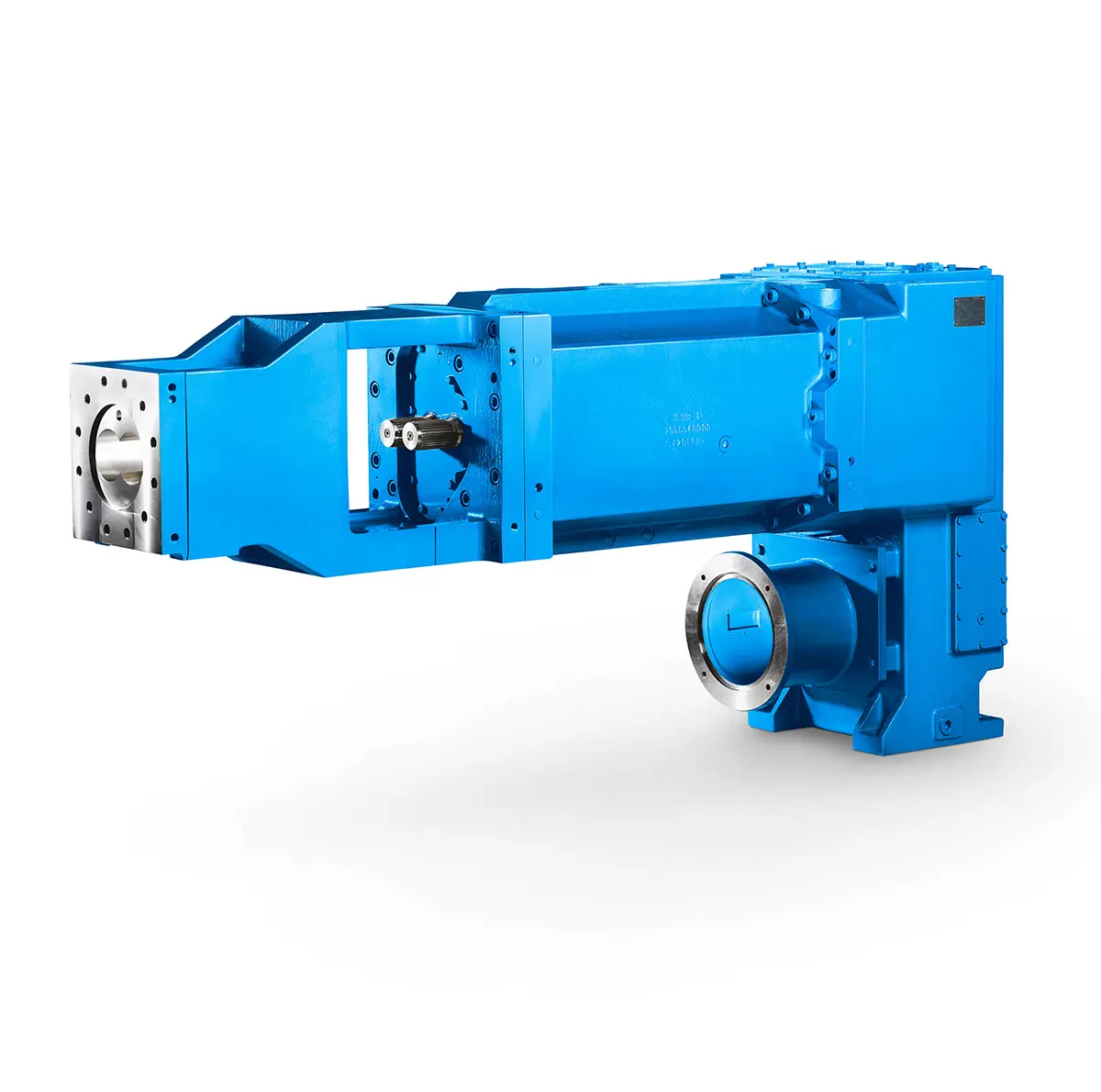
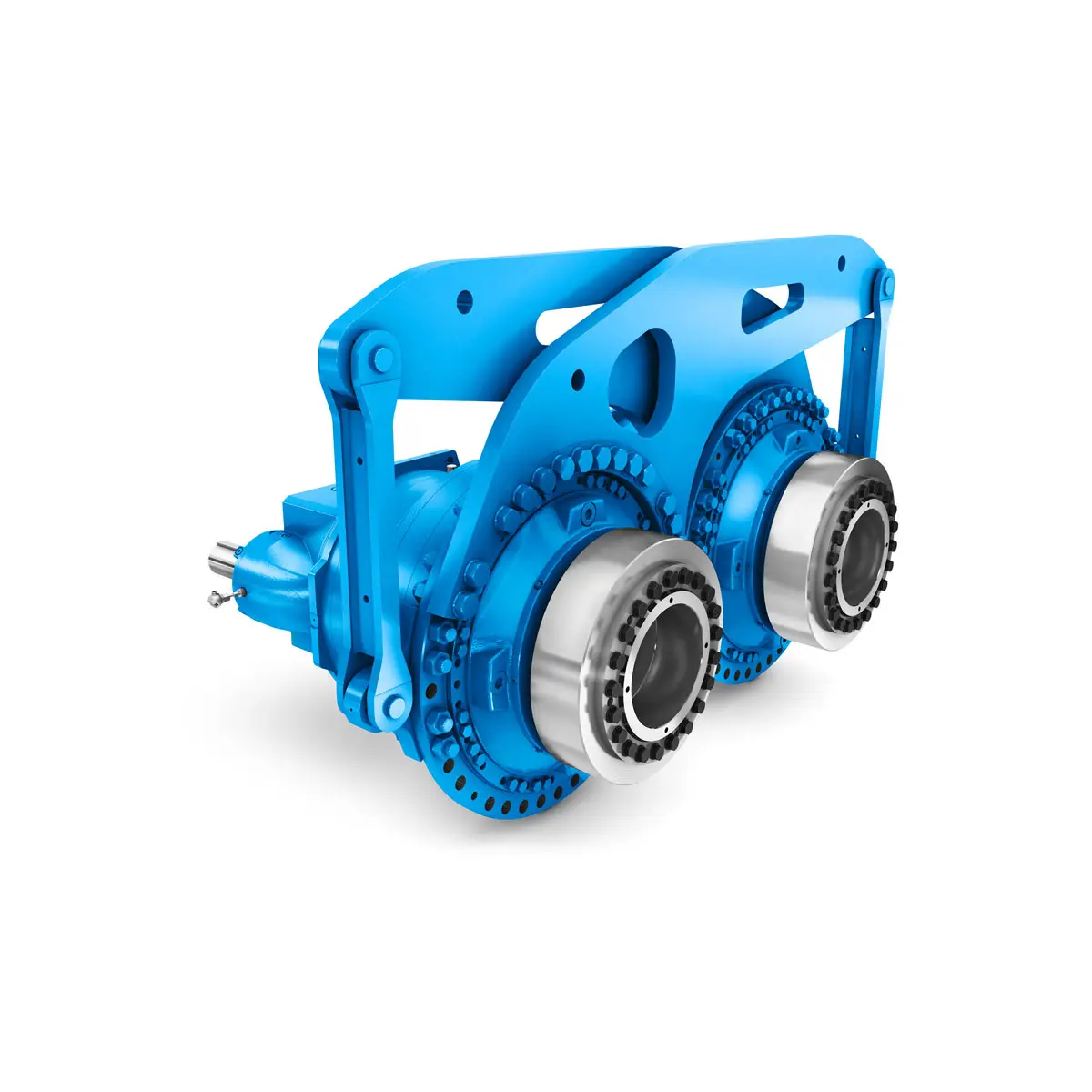
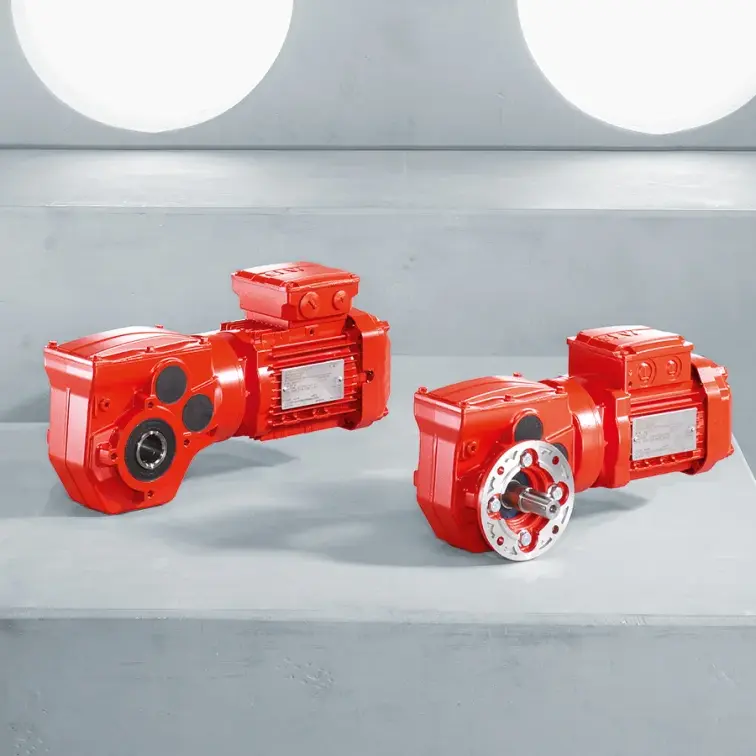
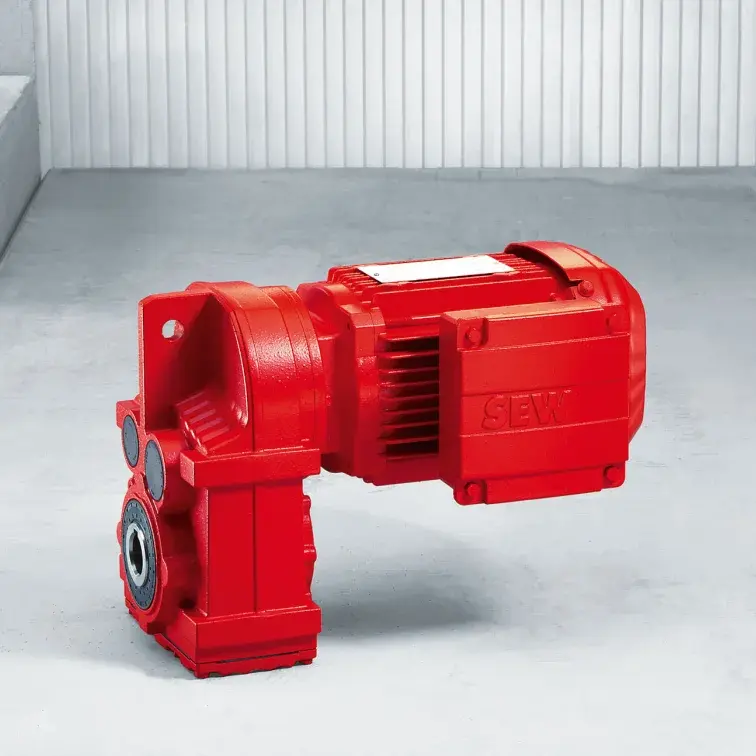
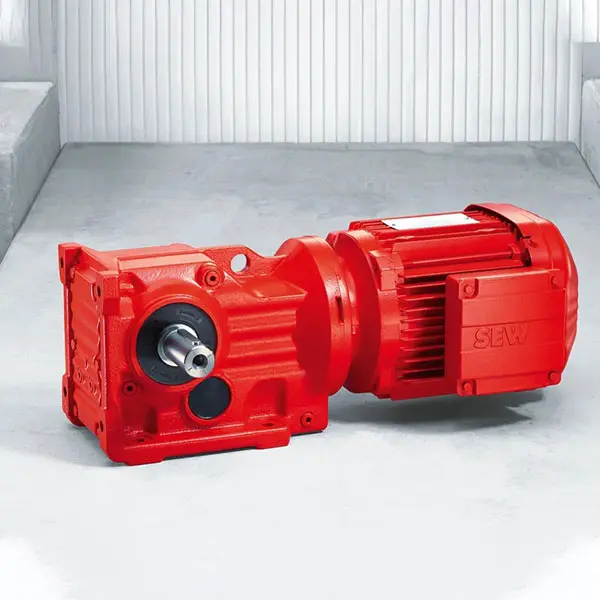
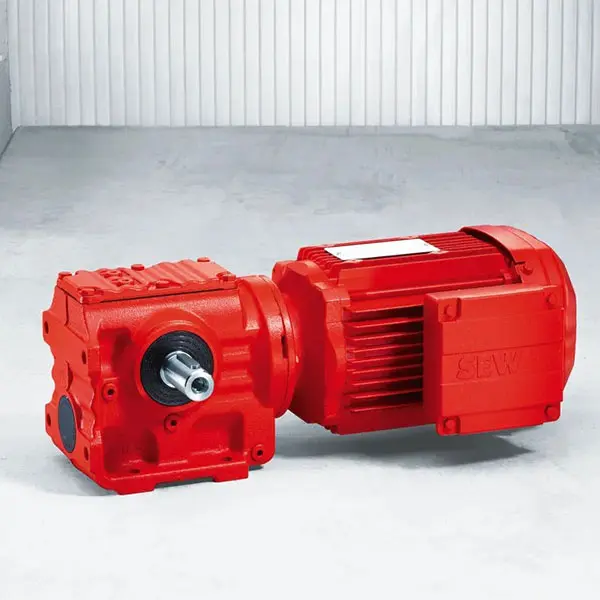
Several types serve different duties. Helical gearboxes offer efficient, quiet transmission for conveyors and processing lines. Bevel-helical models transfer power through a right-angle layout, which saves space near machinery. Worm gearboxes provide high reduction ratios and simple mounting, but they usually lose more energy as heat. Planetary gearboxes deliver high torque from a compact body. They suit lifting equipment, mixers, and automated production systems. The best type is not always the smallest one.

Industrial users should check the service factor, thermal capacity, shaft load, sealing level, and lubrication method. For example, a dusty conveyor may require stronger seals and easier inspection access. A gearbox running eight hours daily faces different demands from one used occasionally. A catalogue rating can look impressive, yet poor alignment may cause vibration and early wear. I would also verify noise, backlash, replacement parts, and supplier testing records before approval. Some specifications remain incomplete without real load data.

Nordmky Gearboxes: Definition, Types, and Industrial Applications

A gearbox is a mechanical transmission that changes motor speed, torque, and direction through meshing gears. The chart shows representative efficiency values commonly associated with major industrial gearbox types; actual performance depends on ratio, load, lubrication, speed, and operating conditions.

China’s Nordmky Gearbox Manufacturing Landscape

China’s Nordmky gearbox manufacturing landscape is expanding with industrial automation, logistics equipment, and renewable energy projects. Mordor Intelligence estimates the global industrial gearbox market at about USD 28 billion in 2024, with steady growth through 2029. China remains a major production base, supported by dense machining clusters, export infrastructure, and experienced component suppliers.

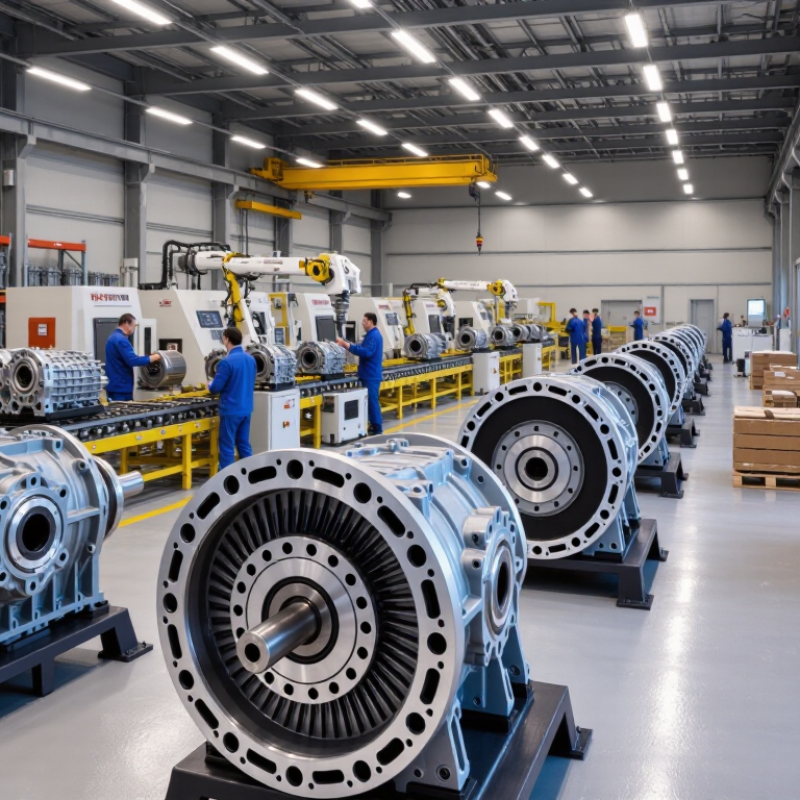
Factory capability varies sharply. Established manufacturers usually combine CNC hobbing, heat treatment, gear grinding, and computerized inspection. Procurement teams should request tooth-contact records, noise readings, backlash data, and oil-seal test results. A clean workshop matters. So does traceability.

The China Association of Machinery Manufacturers reports continued investment in intelligent manufacturing and high-end equipment. This trend is visible in gearbox plants using automated assembly stations and digital inspection logs. However, supplier websites can overstate precision. The data is not perfectly aligned. Buyers should compare rated torque, service factor, thermal capacity, and warranty terms using identical operating conditions. A lower quotation may conceal weaker bearings or limited testing. For Nordmky gearbox sourcing, practical audits remain more reliable than catalog claims. Field feedback should influence the final decision.

Key Capabilities of Leading Chinese Nordmky Gearbox Manufacturers

Leading Chinese gearbox manufacturers combine engineering depth with practical production control. Their teams select gear profiles, housing materials, and sealing systems according to load, speed, temperature, and installation space. This prevents a common mistake: choosing a gearbox by torque alone. Experienced suppliers also review shock loads, duty cycles, and maintenance access before recommending a configuration.

Strong factories use CNC machining, controlled heat treatment, and measured assembly procedures. Inspectors check tooth contact, backlash, shaft runout, noise, and oil leakage. Test benches may run units under simulated working loads before shipment. Clear drawings, inspection records, spare-parts lists, and installation guidance support reliable communication with overseas buyers. Custom options can include shaft arrangements, mounting positions, flange dimensions, and corrosion-resistant finishes.

However, capability is not the same as consistency. A supplier may own advanced equipment but lack stable process discipline. One overlooked tolerance can create vibration after several months. Buyers should request recent test data, material certificates, production photos, and traceable quality records. Factory visits or independent inspections add useful evidence. No supplier gets every detail right. Honest manufacturers explain design limits instead of promising unlimited performance. This restraint often signals stronger technical judgment, although some documentation still needs improvement. Real confidence grows from repeatable tests, responsive engineering, and field feedback rather than polished sales language.

China Top Nordmkygearbox Manufacturers and Suppliers - Key Capabilities of Leading Chinese Nordmky Gearbox Manufacturers
The following table summarizes commonly available capabilities in China’s industrial gearbox manufacturing sector. Actual specifications depend on the gearbox series, application, operating conditions, and supplier quality system.
Capability Dimension Common Product or Service Offering Typical Engineering Data Practical Evaluation Criteria
Gearbox Types Helical, bevel-helical, worm, planetary, parallel-shaft, and shaft-mounted gearboxes Configuration is selected according to torque, speed, efficiency, space, and installation requirements. Check whether the supplier can provide the required transmission architecture rather than only a single standard design.
Transmission Ratio Single-stage and multi-stage reduction solutions Typical industrial reduction ratios range from approximately 3:1 to more than 1,000:1, depending on gearbox type and number of stages. Confirm the exact nominal ratio, output speed, service factor, and allowable speed for the selected model.
Output Torque Compact drive units through heavy-duty industrial gearboxes Available torque can range from below 100 N·m for small drives to several hundred thousand N·m for large industrial systems. Compare rated torque, peak torque, starting torque, overload capacity, and application service factor.
Efficiency Capability High-efficiency helical, bevel, and planetary transmission designs Typical full-load efficiency is often about 90–98% for helical, bevel, and planetary units; worm gear efficiency varies widely with ratio, lead angle, lubrication, and load. Request efficiency data at the intended speed, load, ratio, and operating temperature rather than relying only on a general catalog value.
Gear Manufacturing Precision hobbing, shaping, grinding, heat treatment, and gear inspection Common quality controls include tooth-contact inspection, profile and lead measurement, hardness testing, and backlash verification. Review gear inspection records, heat-treatment traceability, dimensional controls, and the applicable gear accuracy grade.
Materials Alloy steel gears, cast-iron housings, aluminum housings, and ductile-iron components Gear materials are commonly selected for strength, fatigue resistance, wear resistance, and heat-treatment compatibility. Confirm material certificates, hardness range, heat-treatment method, and compatibility with the expected shock load.
Housing Construction Die-cast aluminum, cast-iron, welded-steel, or fabricated housings Housing selection depends on torque level, thermal behavior, vibration, corrosion environment, and required mounting arrangement. Evaluate rigidity, machining accuracy, sealing design, drainage, inspection access, and heat dissipation.
Mounting Options Foot-mounted, flange-mounted, shaft-mounted, hollow-shaft, and torque-arm configurations Interfaces may be designed around common industrial mounting practices and IEC motor dimensions where applicable. Verify shaft diameter, keyway, flange dimensions, center height, rotation direction, and installation clearances.
Lubrication Systems Grease lubrication, splash lubrication, forced lubrication, and oil-bath systems Lubricant selection depends on gear speed, load, ambient temperature, sealing arrangement, and installation position. Check oil grade, fill quantity, maintenance interval, breather arrangement, oil seals, and allowable mounting orientation.
Protection and Sealing Standard industrial sealing with optional enhanced protection for dusty or wet environments Ingress-protection classifications are defined under IEC 60529; commonly specified levels include IP54, IP55, IP65, and IP66. Confirm whether the stated IP level applies to the complete drive assembly or only to a motor, terminal box, or accessory.
Noise and Vibration Control Precision gear finishing, optimized bearing selection, balanced rotating parts, and improved housing stiffness Noise and vibration depend on gear accuracy, speed, load, lubrication, bearing condition, and installation alignment. Request no-load and loaded test data, measurement conditions, allowable vibration limits, and noise test distance.
Thermal Capacity Natural cooling, fan cooling, cooling coils, and forced-oil cooling for higher loads Thermal rating is influenced by input speed, ambient temperature, duty cycle, lubrication, housing surface area, and installation location. Verify rated thermal capacity separately from mechanical torque capacity, especially for continuous-duty applications.
Customization Special ratios, output shafts, mounting dimensions, coatings, seals, brakes, backstops, and sensors Engineering changes may include custom shafts, modified housings, special paint systems, encoder interfaces, or application-specific accessories. Assess drawing approval procedures, prototype capability, engineering response time, tooling ownership, and change-control discipline.
Testing Capability Dimensional inspection, no-load running tests, load tests, leakage checks, temperature-rise tests, and vibration checks Testing may include torque, speed, efficiency, temperature, noise, vibration, oil leakage, and rotation-direction verification. Require a defined inspection and test plan with calibrated equipment, acceptance limits, and traceable test records.
Quality Management Process inspection, supplier material control, final inspection, and corrective-action systems ISO 9001 is a widely used quality-management reference for manufacturing organizations; certification status must be verified independently. Check the certificate scope, issuing body, validity period, process controls, nonconformance handling, and batch traceability.
Compliance Documentation Technical datasheets, dimensional drawings, manuals, material documents, inspection reports, and declarations where applicable Documentation requirements vary by destination market, machine type, voltage system, and applicable regulatory framework. Confirm documentation language, revision control, spare-parts lists, installation instructions, and export-package requirements.
Application Coverage Conveyors, mixers, packaging machinery, material handling, lifting equipment, pumps, processing lines, and automation systems Selection is based on duty cycle, starts per hour, shock load, ambient conditions, speed variation, and required operating life. Provide a complete application profile before selection to avoid undersizing, overheating, excessive backlash, or premature bearing failure.
After-Sales Support Selection assistance, installation guidance, troubleshooting, spare parts, warranty handling, and technical training Support quality depends on response procedures, parts availability, documentation accuracy, and the supplier’s application engineering resources. Evaluate spare-parts lead time, warranty terms, remote diagnosis capability, service coverage, and escalation procedures.

How to Evaluate Nordmky Gearbox Suppliers in China

Choosing a gearbox supplier in China requires more than comparing online prices. Start with technical fit. Check rated torque, reduction ratio, backlash, efficiency, noise, and expected service life. Ask for drawings and a sample unit before approving bulk production. A serious supplier should explain material grades, heat treatment, sealing methods, and inspection points clearly.

Factory evidence matters. Request recent test reports, quality certificates, production photos, and traceable serial records. If possible, arrange a video audit or an independent inspection. Look closely at CNC equipment, assembly benches, lubrication control, and final testing. A clean showroom proves little. Consistent process control proves more. Confirm production capacity against your order schedule, not against attractive claims.

Tips: Compare at least three suppliers using the same specification sheet. Ask how they handle gear noise, shaft alignment, warranty cases, and replacement parts. Test samples under realistic load, temperature, and operating hours. Do not accept copied test data without verification. A low quotation may hide weaker bearings or unstable machining accuracy. Payment terms also deserve attention. Avoid paying everything before inspection. A perfect audit rarely exists, and my earlier assumption that certificates guaranteed reliability would be too simple. Supplier performance should be reviewed after delivery, because packaging damage, delayed support, or inconsistent batches can appear later. Record these details before signing a long-term agreement.

Quality Standards, Customization, and Export Considerations

China’s leading gearbox manufacturers are judged by measurable quality, not polished brochures. Fortune Business Insights valued the global industrial gearbox market at about USD 28.69 billion in 2023. This growth increases pressure on Chinese suppliers to control materials, machining, and testing. ISO 9001 certification helps, but it cannot replace inspection records. Buyers should request gear accuracy grades, hardness results, noise readings, oil-leak tests, and full-load trial reports. Small details matter. A rough shaft keyway can damage an entire production line.

Customization should begin with operating data. Suppliers need torque, speed, duty cycle, mounting position, ambient temperature, and required service life. Undersizing creates overheating. Oversizing wastes money and space. The International Energy Agency reports that electric motor systems consume roughly 45% of global electricity, so gearbox efficiency deserves serious attention. Helical, planetary, and worm designs offer different balances between efficiency, ratio, backdriving, and cost. However, some supplier selection forms remain too general. “High efficiency” is not a usable specification.

Export planning requires equal care. Confirm HS classification, export packaging, documents, warranty terms, and Incoterms before production. Motor-integrated units may also require regional electrical and electromagnetic compliance reviews. Salt-resistant coatings, sealed bearings, and moisture indicators are valuable for ocean freight. A supplier should provide serial-number traceability and replacement-part support. Delivery estimates can still fail during peak seasons. That risk should be written into the purchasing plan, not hidden behind optimistic promises.