Leave Your Message

7 Tips for Choosing the Right Planetary Reducer

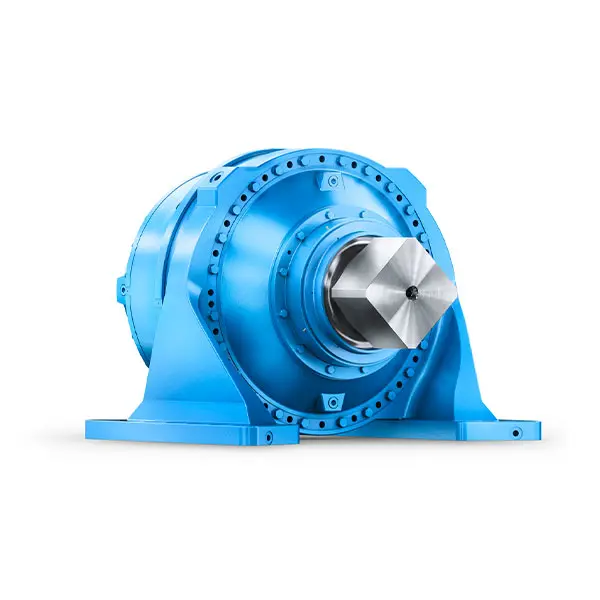
Choosing the right Planetary Reducer is rarely a simple matter of comparing catalog prices. The correct unit must match the machine’s torque, speed, ratio, duty cycle, and operating environment. A reducer that performs well in a laboratory may struggle under continuous shock loads, high temperatures, or frequent reversals.

Dr. Hermann J. Stadtfeld, a respected gear-technology expert, offers a useful reminder: “A gear system is only as strong as its application requirements.” That principle should guide every selection. Engineers should examine rated torque and peak torque separately. They should also verify backlash, torsional stiffness, efficiency, bearing capacity, lubrication, and expected service life. Small details matter. A compact housing does not automatically mean better performance.

This guide presents seven practical tips for evaluating a Planetary Reducer before purchase. It considers real installation conditions, not just attractive specifications. For example, a packaging machine may need low backlash and rapid cycling, while a mobile system may prioritize shock resistance and thermal stability. Mounting dimensions also deserve careful attention. A minor mismatch can create costly redesign work.

There is room for doubt, too. Manufacturer ratings are not always measured under identical conditions. In my experience, this makes direct comparisons imperfect. Ask for test methods, load definitions, and warranty limitations. If the supplier cannot explain them clearly, pause before ordering. The best choice is not always the smallest, cheapest, or most powerful reducer. It is the one that reliably fits the complete system.

7 Tips for Choosing the Right Planetary Reducer

Define the Application Requirements for a Planetary Reducer

Choosing the right planetary reducer starts before browsing catalogs. Define actual motion, not ideal motion. Record output torque, peak torque, speed, acceleration, duty cycle, and operating hours. A conveyor may need continuous torque, while a pick-and-place axis needs sharp reversals. Use measured inertia when possible. Guessing creates expensive oversizing.

541,302
industrial robots installed worldwide in 2023

The International Federation of Robotics reported 541,302 industrial robots installed worldwide in 2023, a 10% annual increase. This growth increases demand for compact, repeatable transmissions. Robot data alone cannot define your reducer. Calculate reflected load inertia, allowable backlash, torsional stiffness, and radial and axial forces. Check continuous and intermittent motor torque separately. A nominal torque rating may not survive acceleration peaks.

Specify ambient temperature, dust, washdown exposure, mounting orientation, and available space. The U.S. Department of Energy reports that motor-driven systems consume about 68% of industrial electricity, so transmission efficiency deserves attention. ISO 6336 supports gear-strength calculations, while ISO 281 supports bearing-life estimates. Treat standards as design tools, not guarantees. Real alignment errors and shock loads are often underestimated. A spreadsheet can still mislead. Leave documented margin, but avoid blind oversizing.

Compare Torque, Speed, and Reduction Ratio Specifications

7 Tips for Choosing the Right Planetary Reducer

Compare Torque, Speed, and Reduction Ratio Specifications

A planetary reducer should match the real load, not just the motor label. Check continuous torque, peak torque, and starting torque separately. A conveyor may need modest running torque but much higher torque during acceleration. Add a practical service factor for shocks, reversals, and uncertain friction. Too much margin can increase cost and reduce efficiency.

Output speed depends on input speed and reduction ratio. A 10:1 ratio turns a 3,000 rpm input into about 300 rpm, before slip and operating limits. Higher ratios usually provide more output torque, but they also reduce speed and may increase heat. Compare rated output speed with the machine’s actual cycle time. Check whether the reducer can run continuously at that speed. Short duty cycles can hide thermal problems.

Do not compare torque alone. Review efficiency, permissible radial load, axial load, backlash, and noise. A compact unit may fit the frame but fail under a heavy belt pulley. I once underestimated acceleration torque because the load looked light at rest. The calculation was neat, yet incomplete. Recheck motor inertia, coupling weight, and mounting conditions. Confirm the ratio, torque, and speed figures use the same duty conditions. Small specification differences matter. A reliable choice leaves room for measured variation, not just ideal laboratory values.

Evaluate Load Capacity, Efficiency, and Operating Conditions

7 Tips for Choosing the Right Planetary Reducer

Evaluate Load Capacity, Efficiency, and Operating Conditions

Choosing a planetary reducer starts with the real load, not the motor label. Measure continuous torque, peak torque, speed, and acceleration separately. A brief shock load can damage teeth faster than a steady load. Add a suitable service factor, but avoid choosing an oversized unit without checking efficiency and cost. Measure the real load.

In practical installations, mounting errors often create unexpected radial forces. Check shaft alignment, coupling flexibility, and bearing support before selecting the reducer. Calculate the required output torque under the heaviest working cycle. Then compare that value with the reducer’s rated capacity and allowable peak torque. I have seen designs pass basic calculations but fail after repeated starts. The duty cycle was underestimated.

Efficiency affects heat, energy use, and long-term reliability. Review efficiency at the actual speed and torque, not only the best published figure. A compact enclosure may run hot in a dusty workshop or near a furnace. Check ambient temperature, humidity, contamination, noise limits, and lubrication requirements. Operating orientation also matters. Confirm whether the unit needs special sealing or a different lubricant. Backlash deserves attention in positioning systems, especially after wear develops. Small errors matter. Keep records from testing, and revisit the choice when operating conditions change. A reducer that performs well on a test bench may behave differently after months of vibration, heat, and uneven loading.

7 Tips for Choosing the Right Planetary Reducer

Compare representative performance ranges to evaluate load capacity, efficiency, speed, and operating conditions before selecting a planetary reducer.

How to read the chart: Higher torque capacity supports heavier loads, while efficiency indicates how much input power is transmitted to the output. Multi-stage designs generally provide greater reduction ratios and torque multiplication, but efficiency and maximum input speed may decrease as stages are added. Always verify thermal limits, duty cycle, shock loads, lubrication, and ambient temperature with the reducer manufacturer.

Select Suitable Materials, Lubrication, and Protection Features

Choosing the right planetary reducer starts with materials, not catalog size. Hardened alloy steel gears usually handle repeated torque and shock loads better than softer alternatives. For corrosive or washdown environments, stainless steel components may be worth their higher cost. Aluminum housings reduce weight, but they can provide less stiffness under heavy loads. Check the load path.

Material compatibility also affects heat management. A rigid housing helps maintain gear alignment when the reducer runs continuously. In practical installations, I inspect shaft loads, mounting flatness, and surrounding temperature before approving a design. These details are easy to overlook. A perfect specification rarely survives an imperfect machine frame.

Lubrication should match speed, load, orientation, and operating temperature. High-speed applications may need lower-viscosity oil, while slower, heavily loaded systems often require suitable grease. Do not mix lubricants without confirming chemical compatibility. Excess lubricant can create heat instead of reducing friction. Keep it simple. Protection features deserve equal attention. Sealed bearings, shaft seals, and corrosion-resistant coatings help block dust, moisture, and cleaning fluids. An IP rating is useful, but it does not replace checking actual exposure. I once underestimated condensation during cold starts; the reducer later showed early bearing wear. A breather, drain path, or improved seal arrangement could have prevented that problem. Review maintenance access, too. A reducer that cannot be inspected easily may become expensive, even when its materials and lubrication are technically correct.

Verify Manufacturer Quality, Compatibility, and Total Cost

7 Tips for Choosing the Right Planetary Reducer

Verify the manufacturer’s quality system, not just its certificate. Check whether ISO 9001 certification covers design, machining, assembly, and testing. Request material certificates, heat-treatment records, gear inspection results, and serial-number traceability. A polished brochure proves little. Inspect the actual test process. Backlash, noise, temperature rise, and torsional stiffness should be measured under defined conditions. The International Federation of Robotics reported 541,302 industrial robots installed globally in 2023. That scale makes repeatable reducer quality increasingly important.

Match rated torque with acceleration peaks, duty cycle, ratio, output speed, shaft geometry, and mounting tolerances. Confirm motor inertia and allowable radial and axial loads. Check lubrication, ambient temperature, washdown exposure, and installation orientation. Small mismatches create large failures. Measure it. A practical factory trial should include cold starts, continuous operation, reversing loads, and emergency stops. I would also compare measured backlash after running-in, because catalog values can reflect ideal conditions.

Calculate total cost beyond the purchase price. Include couplings, adapters, lubricant, maintenance labor, spare units, energy use, and downtime. U.S. Department of Energy assessments identify motor-driven systems as a major share of industrial electricity consumption, so efficiency deserves a financial value. Compare service intervals and documented bearing-life calculations, preferably using recognized engineering standards. Ask for field failure data, warranty terms, and response times. Cheap is not cheap. I would still challenge my own estimate, because downtime costs are often guessed too confidently. A small pilot order can expose compatibility problems before full production.

7 Tips for Choosing the Right Planetary Reducer - Verify Manufacturer Quality, Compatibility, and Total Cost

Tip What to Verify Practical Data Dimension Suggested Screening Benchmark Required Evidence
1. Check the manufacturer’s quality system Confirm that production, inspection, nonconformance handling, and traceability are controlled by a documented quality system. Quality certification, calibration control, final inspection, warranty process A current ISO 9001 certificate, documented inspection records, and serial-number traceability for critical components Valid certificate, sample inspection report, calibration records, and written warranty terms
2. Match torque and speed requirements Select the reducer using the application’s continuous torque, peak torque, input speed, output speed, duty cycle, and acceleration profile. Reduction ratio, continuous output torque, peak torque, input speed, service factor Rated continuous torque should exceed calculated application torque after applying the supplier’s duty and shock factors; avoid sizing at the absolute limit Load calculation, published torque-speed curve, duty-cycle definition, and service-factor guidance
3. Verify motor and mechanical compatibility Ensure the reducer fits the motor flange, shaft, coupling, mounting orientation, and available installation space. Flange size, pilot diameter, shaft diameter, key or clamping method, mounting position All mating dimensions should match the motor and machine drawings; shaft and flange tolerances must be confirmed rather than assumed Dimensioned CAD drawing, interface tolerance table, mounting instructions, and compatibility confirmation
4. Compare backlash, stiffness, and efficiency Choose performance characteristics that match positioning accuracy, repeatability, reversing motion, and energy requirements. Backlash, torsional stiffness, lost motion, rated efficiency, repeatability For precision motion, compare measured backlash and stiffness at the actual load; use efficiency values measured at the intended speed and torque Test conditions, tolerance limits, performance curves, and a sample acceptance test report
5. Evaluate thermal and environmental suitability Check ambient temperature, enclosure protection, lubrication, contamination, shock, vibration, and mounting orientation. Operating temperature, protection rating, lubricant type, allowable orientation, thermal capacity The reducer’s allowable temperature range, thermal rating, lubrication method, and protection level must cover the actual installation conditions Environmental specifications, lubricant safety data, sealing details, and thermal test conditions
6. Review reliability and service support Assess expected life, bearing and gear design, spare-part availability, technical response time, and repair capability. Rated life, duty cycles, spare-parts lead time, repair options, technical documentation Use the supplier’s stated life calculation at the real load profile; obtain written lead times for replacement units and wear parts Life calculation method, service manual, spare-parts list, support contact, and documented response commitments
7. Calculate total cost of ownership Compare purchase price with installation, commissioning, energy use, maintenance, downtime, replacement, and disposal costs. Purchase cost, efficiency loss, maintenance interval, downtime cost, expected service life Use a multi-year cost model and compare alternatives under the same operating hours, electricity rate, load, and replacement assumptions Itemized quotation, energy-efficiency data, maintenance schedule, warranty coverage, and delivery commitment
Selection note: Performance values should be compared only when the test conditions, load profile, speed, temperature, lubrication, and measurement methods are equivalent. Always confirm final dimensions and ratings with the supplier’s current technical documentation.