How to Choose the Right Gear Motor for Your Project?
Selecting the right gear motor for your project is crucial. A gear motor’s performance can impact the success of your entire application. According to a recent report by the International Society of Automation, the gear motor market is expected to reach $8.3 billion by 2025. This highlights the growing demand for efficient and reliable gear motors.
Experts emphasize the importance of choosing the correct gear motor. As Mike Thornton, a leading expert in motion control solutions, states, “The right gear motor can elevate your project from good to great.” This underscores how understanding your specific requirements is essential. Factors like torque, speed, and power must align with your project’s needs.
When evaluating options, it’s easy to feel overwhelmed. Many choices exist, but not all are suitable. Each gear motor type offers unique characteristics. Take time to analyze your project demands. This could mean the difference between success and setback. Ensure you balance cost with performance. Investing in quality gear motors pays off in the long run.
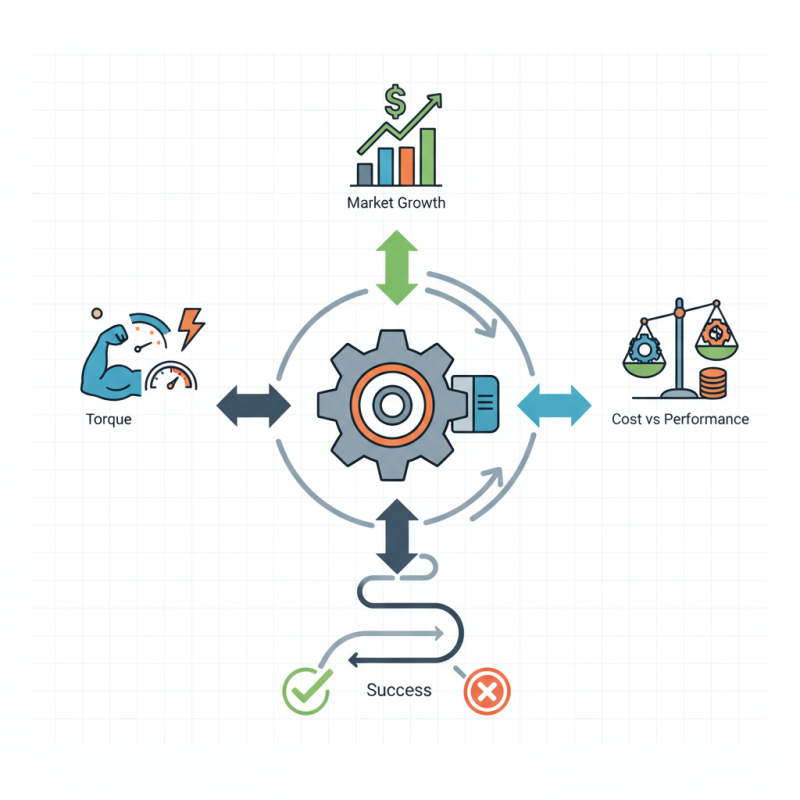
Understanding the Basics of Gear Motors and Their Functions
Gear motors play a vital role in various applications, from industrial machinery to robotics. Understanding the basics of gear motors and their functions can simplify your selection process. A gear motor combines a motor and a gearbox to reduce speed and increase torque. Reports indicate that gear motors account for approximately 30% of the global motor market, reflecting their importance in driving different systems.
When selecting a gear motor, consider your project’s torque requirements. Failure to accurately assess torque can lead to inefficient performance. Pay attention to the gear ratio too; it significantly influences speed and torque output. A mismatch could hinder your system's efficiency and lead to unexpected breakdowns.
**Tip:** Always calculate the load on the motor. Ensure that the gear motor's rated torque exceeds your operational needs.
Another point to ponder is the motor type, whether AC, DC, or stepper motors. Each has its distinct characteristics. AC motors provide robust performance but can be heavier. In contrast, DC motors offer higher efficiency and lower weight. Balancing these factors against your project's specific needs is essential.
**Tip:** Research the average lifespan and maintenance requirements for different gear motors. This can save time and costs in the long run.
How to Choose the Right Gear Motor for Your Project?
| Parameter |
Description |
Importance |
| Torque |
The rotational force the motor can produce. |
Crucial for applications requiring significant load movement. |
| Speed |
The revolutions per minute (RPM) the motor can achieve. |
Important for determining how quickly a task will be completed. |
| Voltage |
The electrical supply required for the motor operation. |
Ensures compatibility with existing electrical systems. |
| Size |
Physical dimensions and weight of the motor. |
Determines whether it fits in the intended application. |
| Gear Ratio |
The ratio between the motor speed and output speed. |
Affects torque and speed delivered to the load. |
| Type of Load |
Characteristics of the task the motor will perform. |
Essential for selecting appropriate motor capabilities. |
Identifying the Specific Requirements for Your Project
When embarking on a project that requires a gear motor, defining specific requirements is crucial. Begin by outlining your project’s purpose. Consider the load that the motor needs to handle. This will help you determine torque requirements. Also, think about the speed at which you need the motor to operate. These factors significantly influence your gear motor selection.
Next, assess the environmental conditions where the motor will function. Is it indoors or outdoors? What are the temperature ranges? Motors need to perform reliably, even in challenging environments. Water resistance or dust protection may be essential, depending on the application. Think about the installation space too; dimensions should fit your design.
Lastly, evaluating your project timeline and budget can shape your choices. Sometimes, what appears ideal may not align with cost constraints. Be prepared to compromise on some specifications. Reflect on the trade-offs and consider alternatives that still meet your core project needs.
Prioritizing clarity in requirements will steer you towards the right gear motor and enhance your project’s success.
Evaluating Different Types of Gear Motors Available
When evaluating gear motors, consider the application. Different projects have varying requirements. For example, high-torque applications may require gear motors with lower RPMs. In contrast, high-speed tasks might benefit from motors with higher RPMs. Each type of gear motor offers unique advantages. Be aware of the trade-offs involved.
Another crucial factor is the type of gearing. Planetary gear motors are compact and provide high efficiency. They are ideal for limited spaces. However, they may come with a higher price tag. Spur gear motors are more economical and easier to manufacture, but they can be noisier. They may not always deliver the same efficiency as other types.
Analyze the motor's size and weight, too. A larger motor may offer more power but can add complexity to your project. Lightweight options might be more convenient but might lack the torque needed for certain tasks. It’s essential to balance performance and practicality. Evaluating all these factors can lead you to a more informed decision.
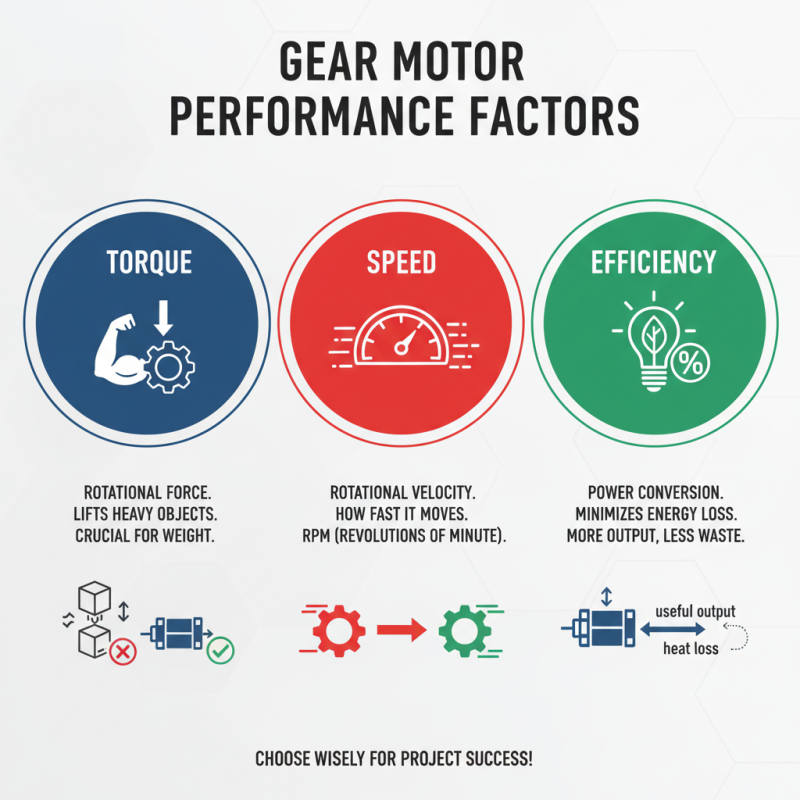
Assessing Performance Factors: Torque, Speed, and Efficiency
Choosing the right gear motor is crucial for project success. The performance factors to consider include torque, speed, and efficiency. Torque is the rotational force. It influences how much weight a motor can move. For example, a motor with low torque may struggle to lift heavy objects. Proper torque assessment is vital for seamless operation.
Speed also plays a significant role. Different applications require different speeds. A robotics project might need high speed for quick movements. However, excessive speed can lead to instability. Balancing speed with project needs is important for functionality. Parties often overlook this balance, leading to failures.
Efficiency is another key factor. Efficient motors consume less energy. This can reduce operational costs and enhance sustainability. Yet, achieving high efficiency can sometimes compromise other aspects. Engineers must find a compromise based on project requirements. In practice, each project presents unique challenges that demand careful consideration of these factors. Thoughtful evaluation of torque, speed, and efficiency can greatly improve project outcomes.
Budget Considerations and Sourcing the Right Gear Motor
Choosing the right gear motor involves careful budget considerations. Start by determining the specifications you need. Understand your project's technical requirements first. This includes torque, speed, and size. But remember, high performance often comes at a higher cost.
When budgeting, research various sources for gear motors. Prices can vary significantly between suppliers. Look for reliable suppliers that provide clear specifications. Take into account shipping costs and delivery times. Don’t just go for the cheapest option; quality matters.
Tip: Consider refurbished gear motors. They can offer good performance at a lower price.
Always get a few quotes before making a decision. Compare the features carefully. Ensure each motor meets your project needs. Sometimes, you may find hidden costs in the fine print, so read thoroughly.
Tip: Factor in support and warranty. A provider that offers robust customer service can save you time and money.
Budgeting requires flexibility. If a specific gear motor exceeds your budget, evaluate alternatives. Adjusting your requirements may help you find a suitable balance between cost and functionality.

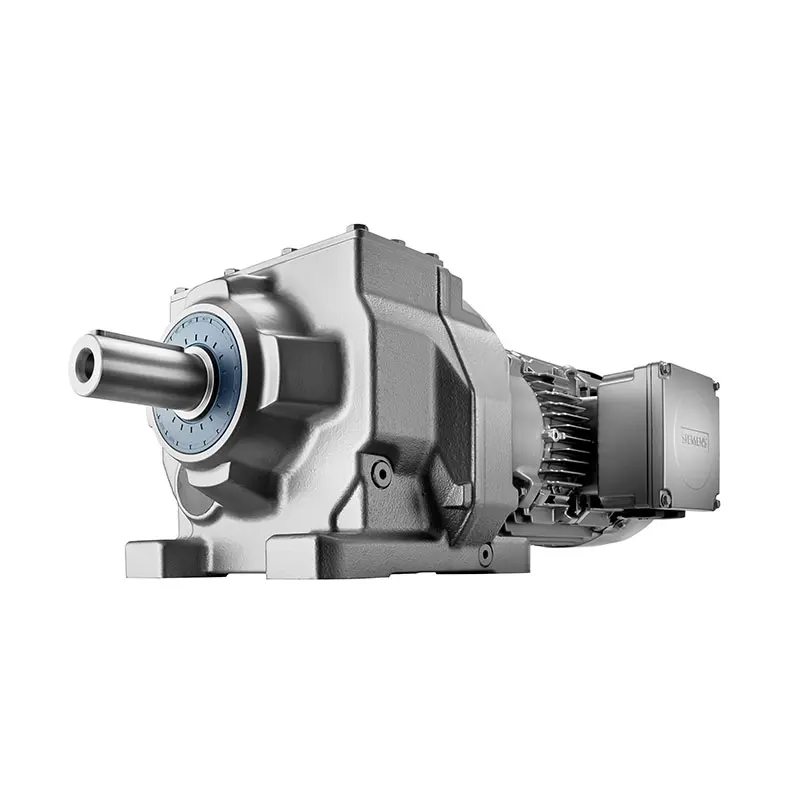 SIEMENS Helical Gearmotor Low Voltage
 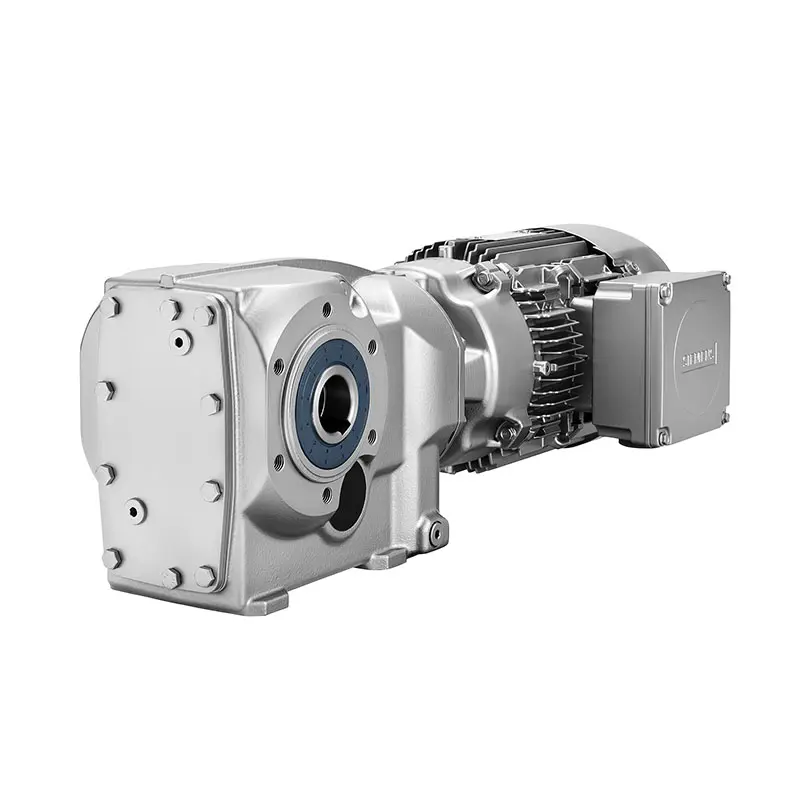 SIEMENS Bevel Helical Gearmotor
 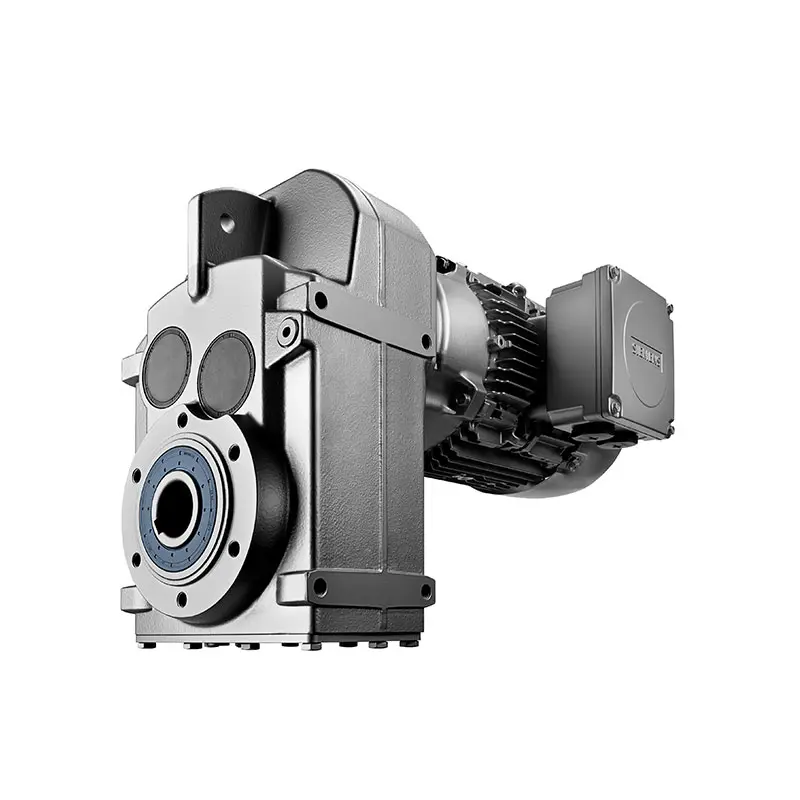 SIEMENS Parallel Shaft Gearmotor
 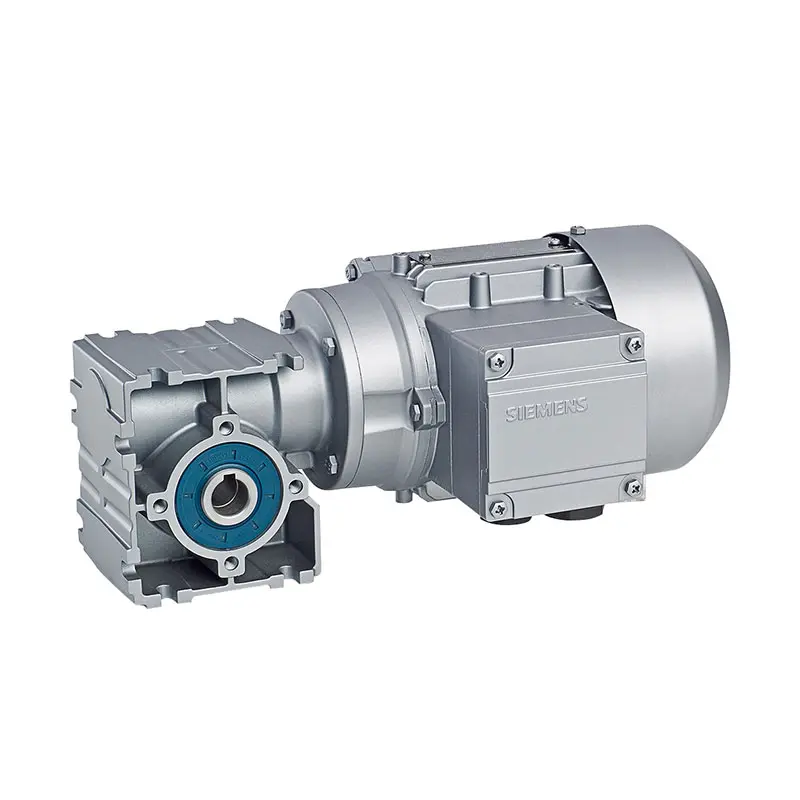 SIEMENS Worm Gearmotor Low Voltage
 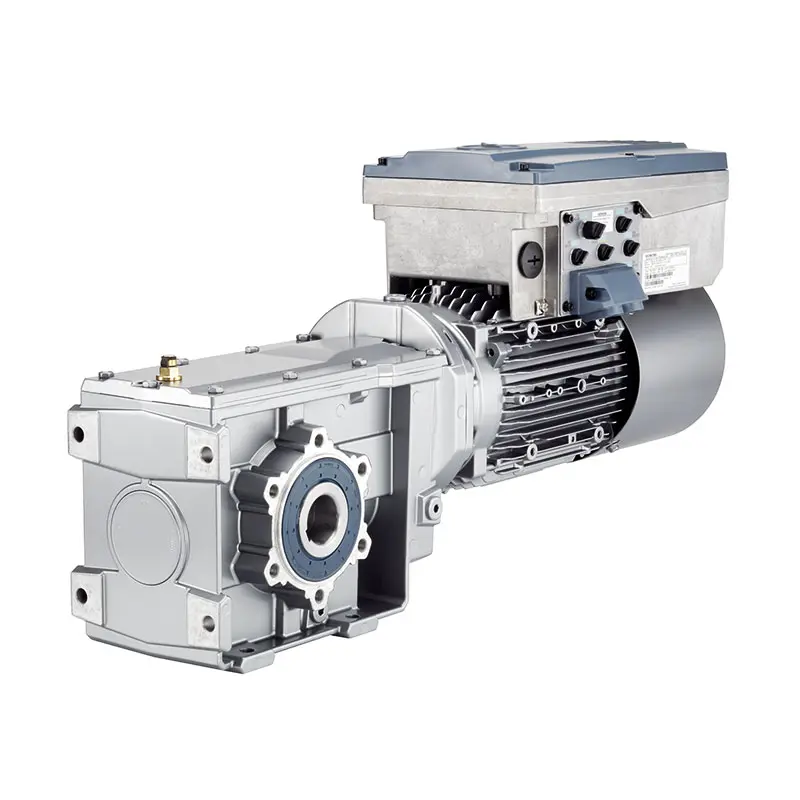 SIEMENS With Servo Motor Gearmotor
 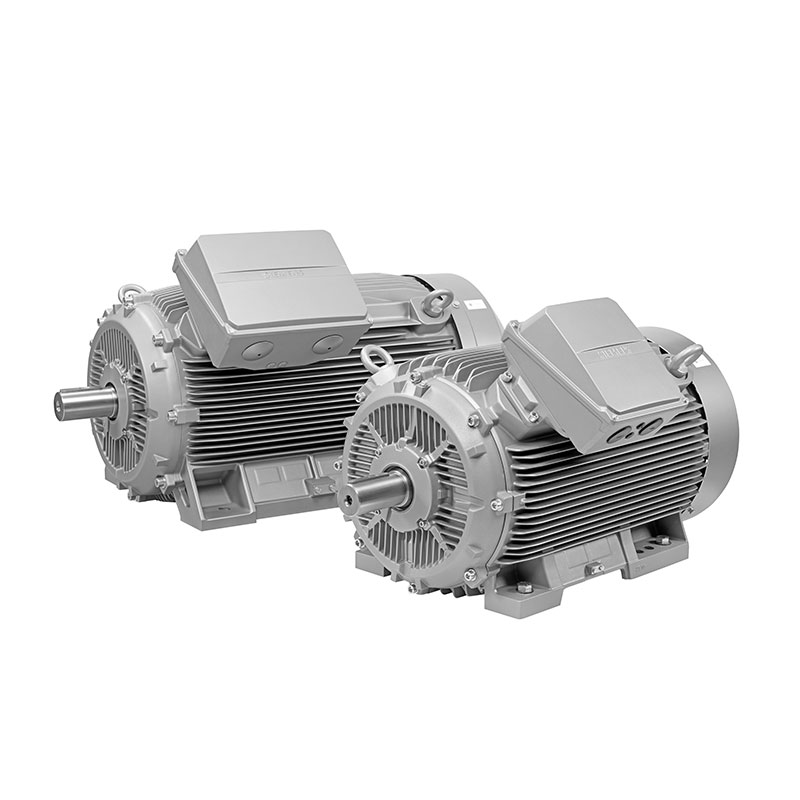 SIEMENS Low Voltage Motor Low Voltage
 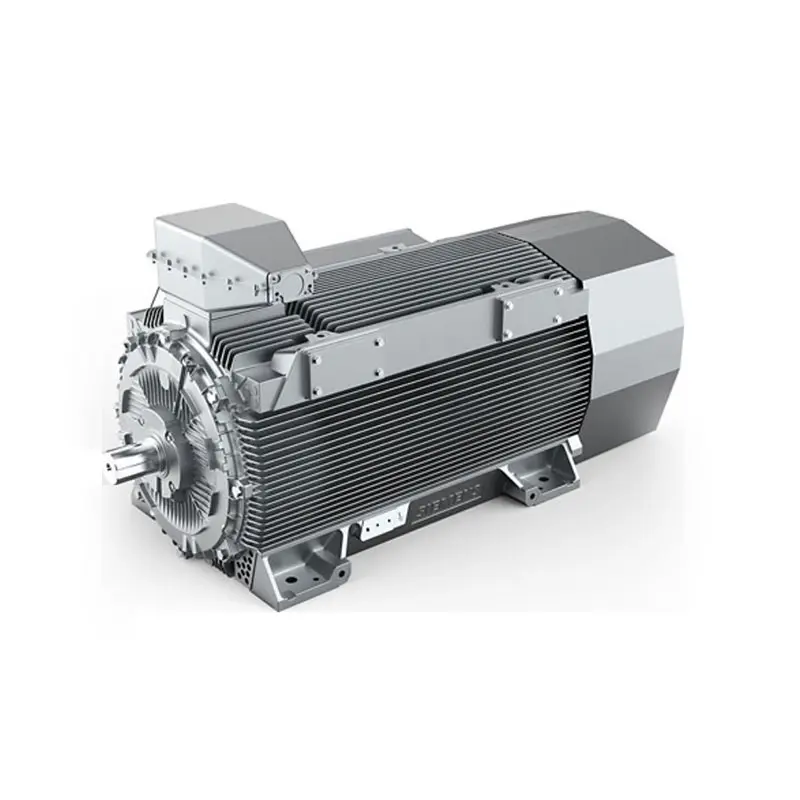 SIEMENS High Voltage Motor Low Voltage
 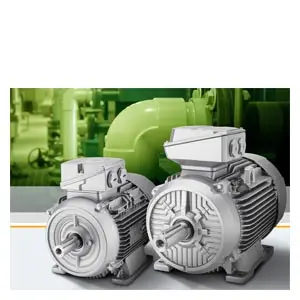 SIEMENS Marine Motor Low Voltage
 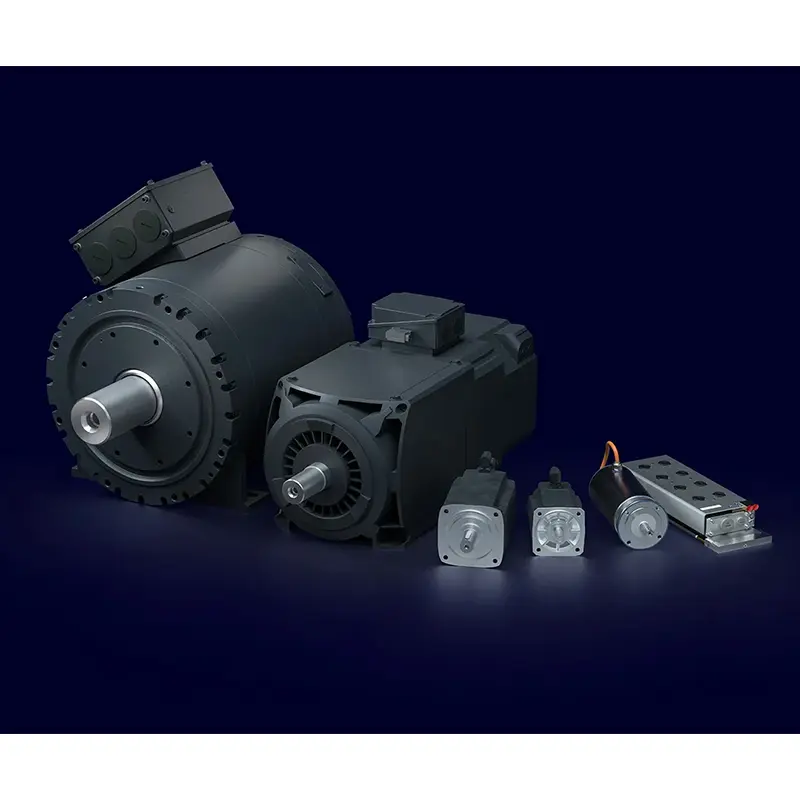 SIEMENS Servo Motor Low Voltage
 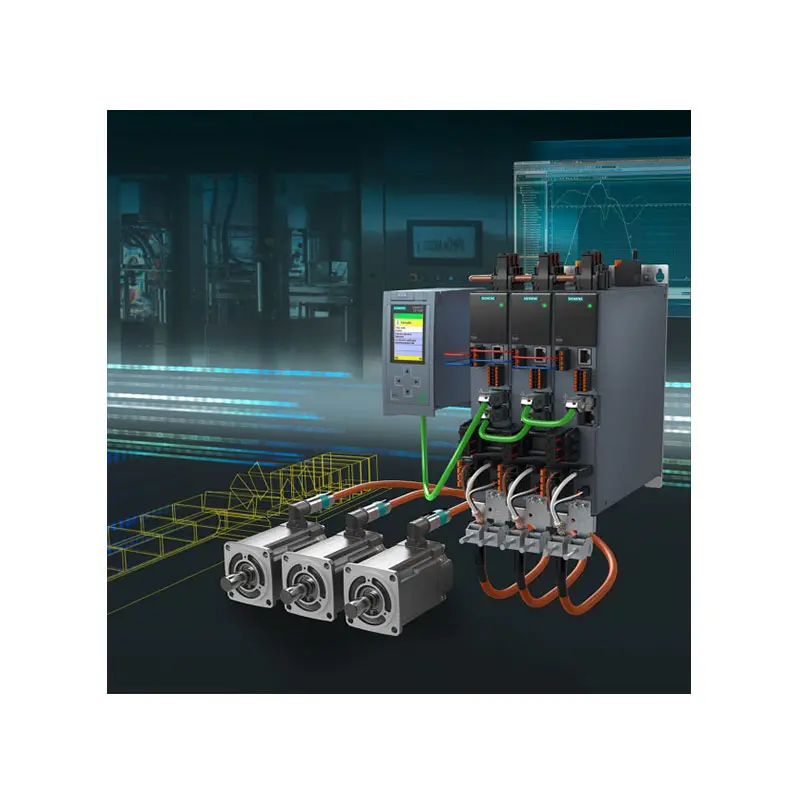 SIEMENS SINAMICS S210 Low Voltage
 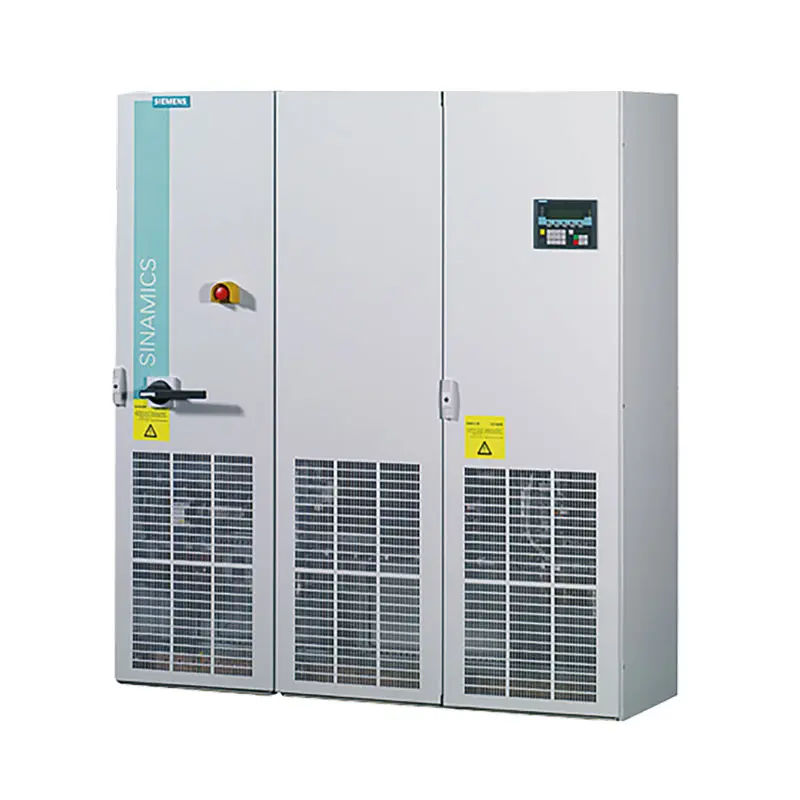 SIEMENS SINAMICS S150 Low Voltage
 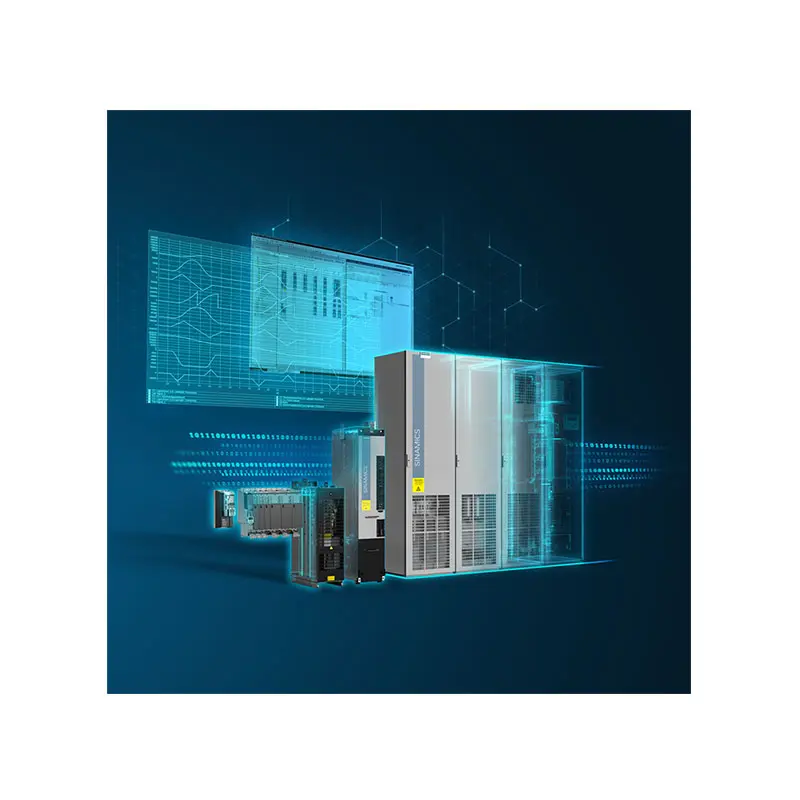 SIEMENS SINAMICS S120 Low Voltage
 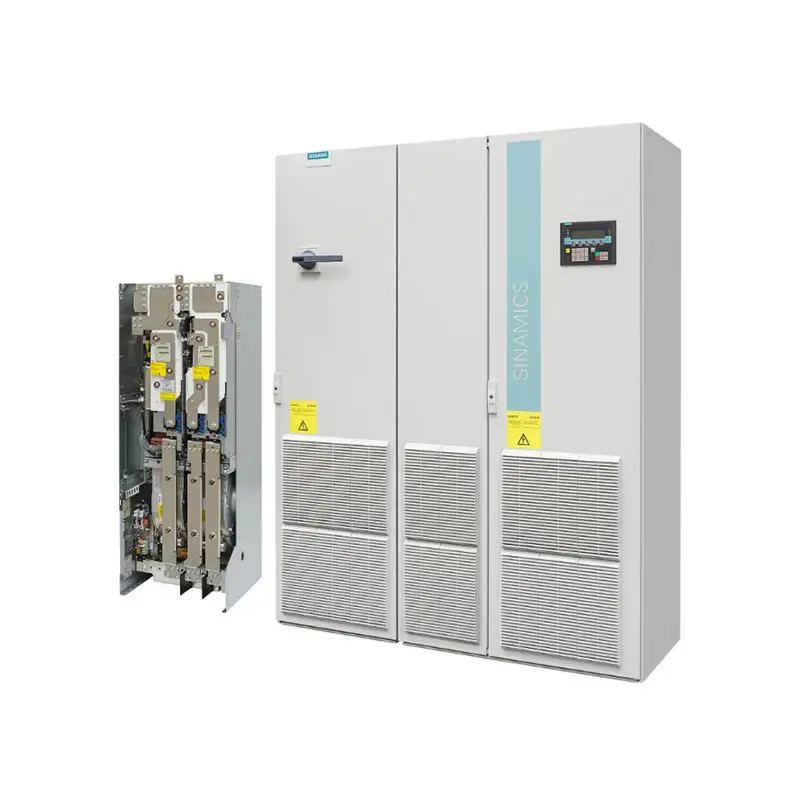 SIEMENS SINAMICS G130/G150
 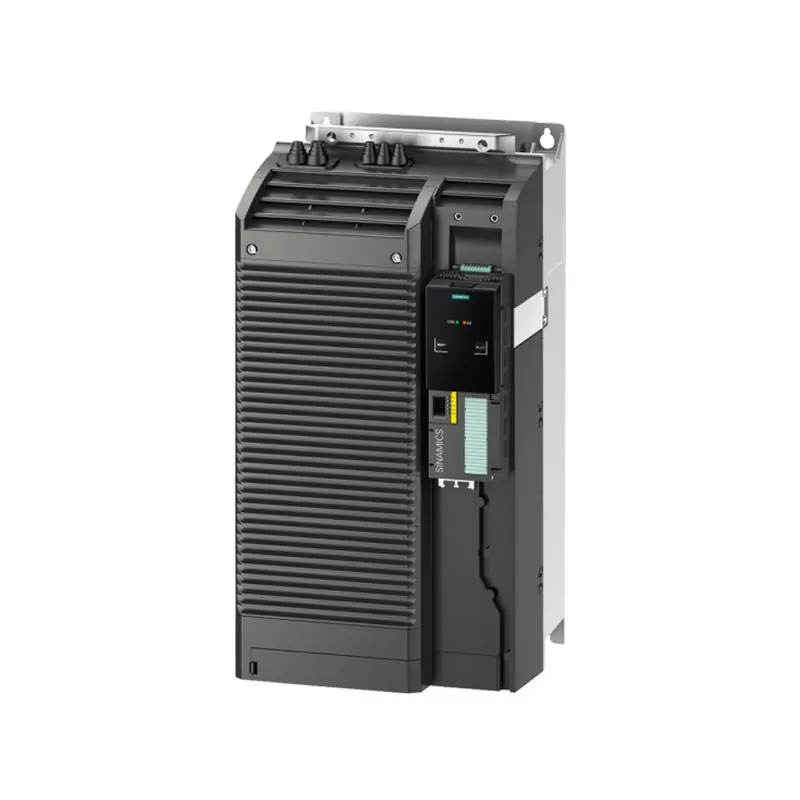 SIEMENS SINAMICS G120 Low Voltage
 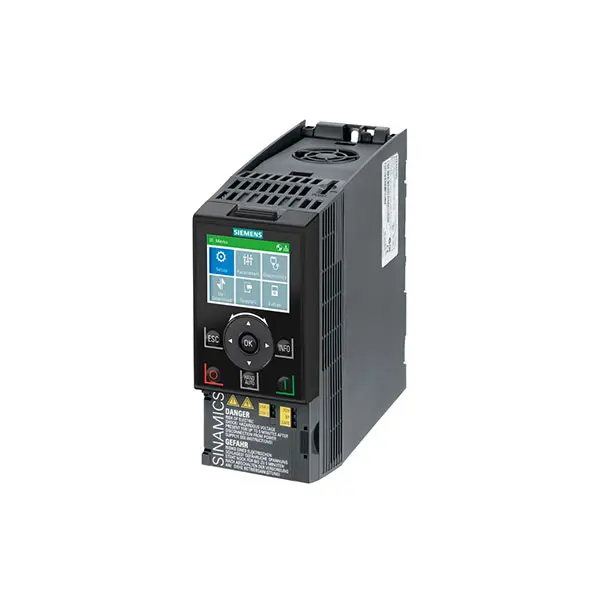 SIEMENS SINAMICS G120C Low Voltage
 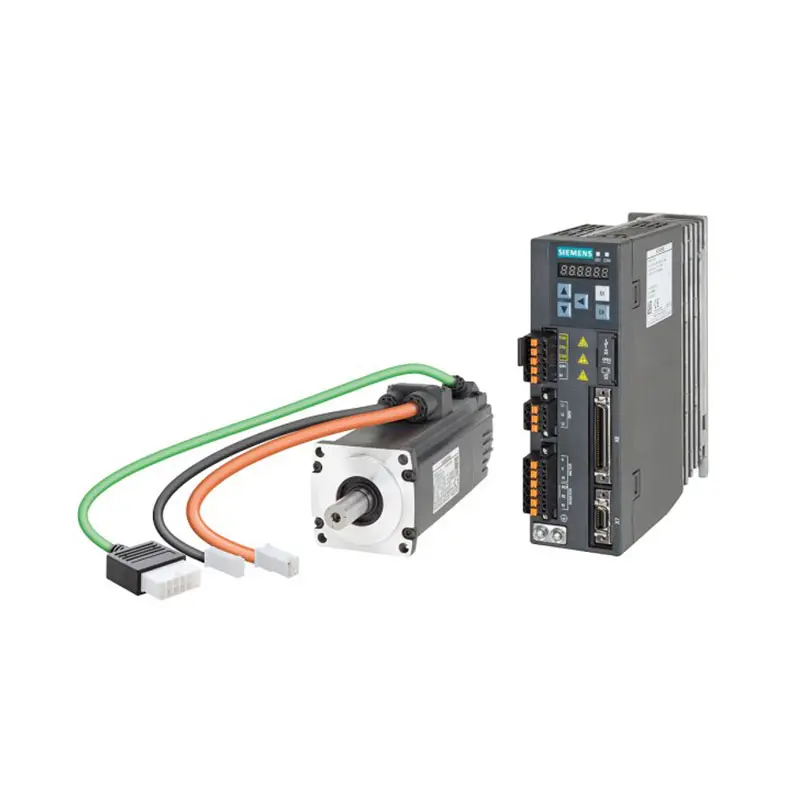 SIEMENS SINAMICS V90
 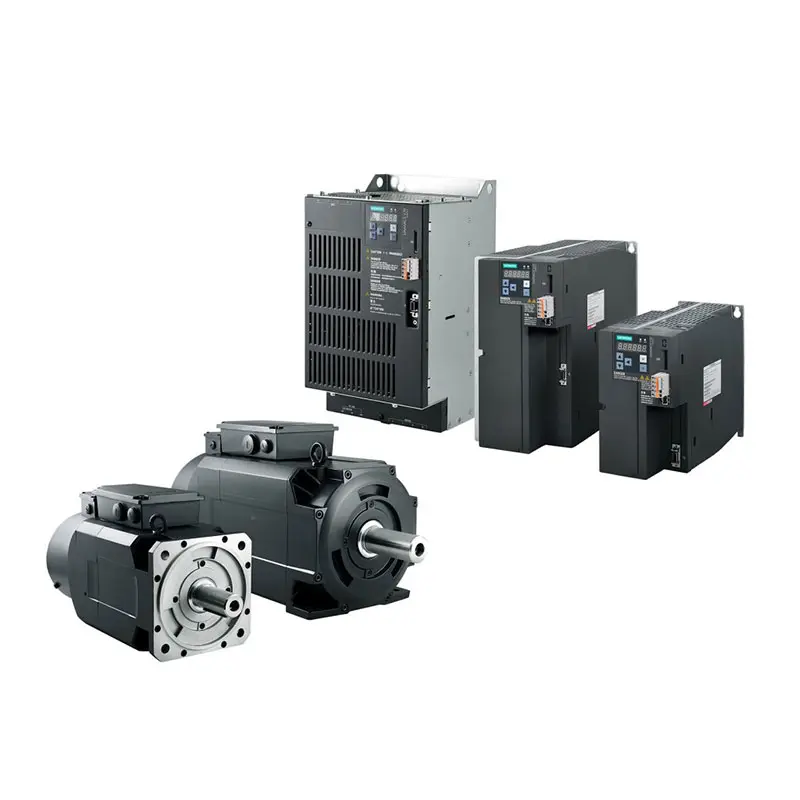 SIEMENS SINAMICS V70 Low Voltage
 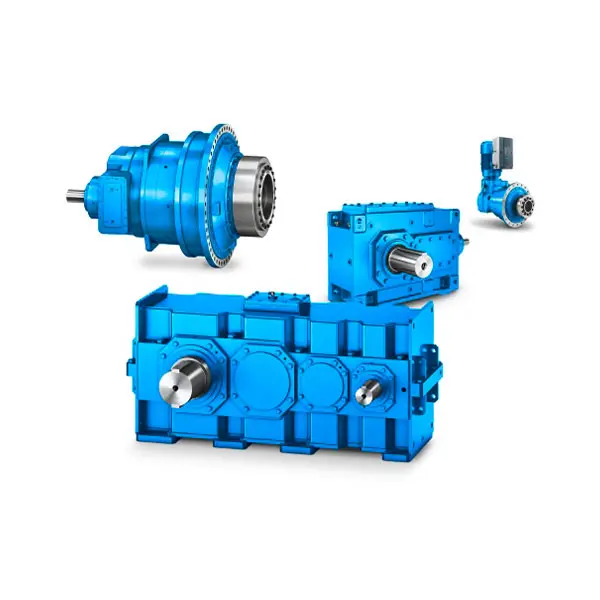 FLENDER Gear Unit
 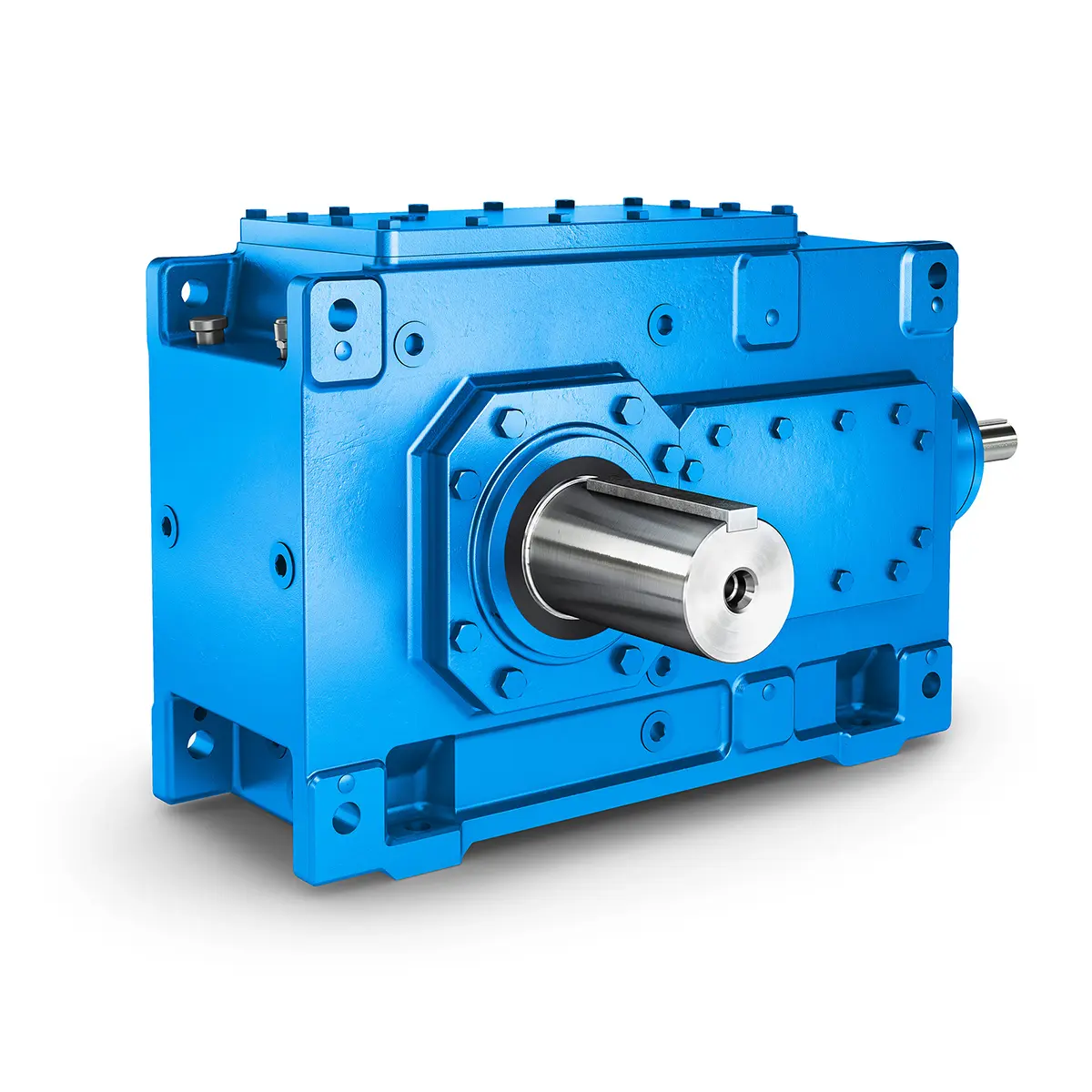 FLENDER Helical Gear Unit
 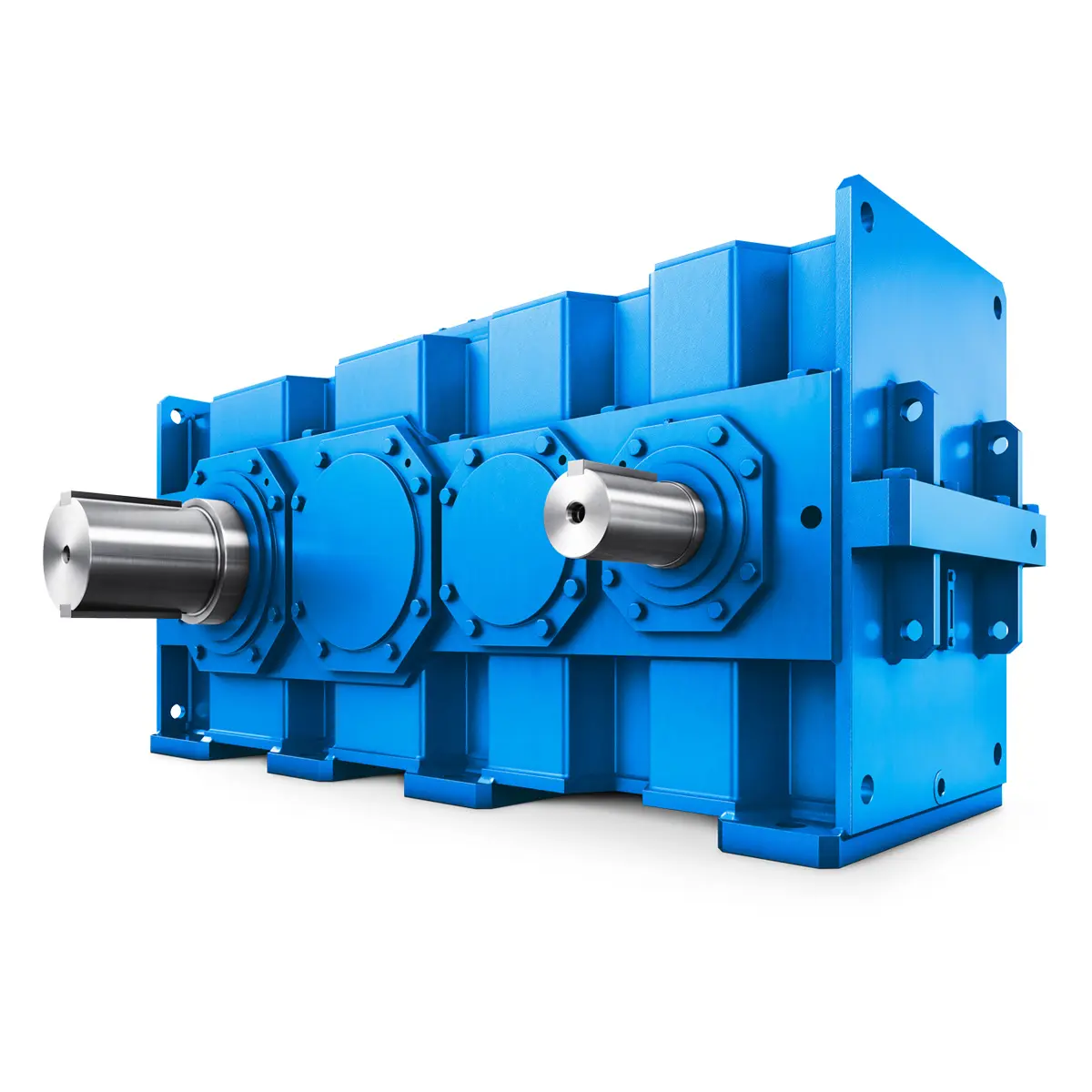 Flender gear units for lifting and luffing gears
 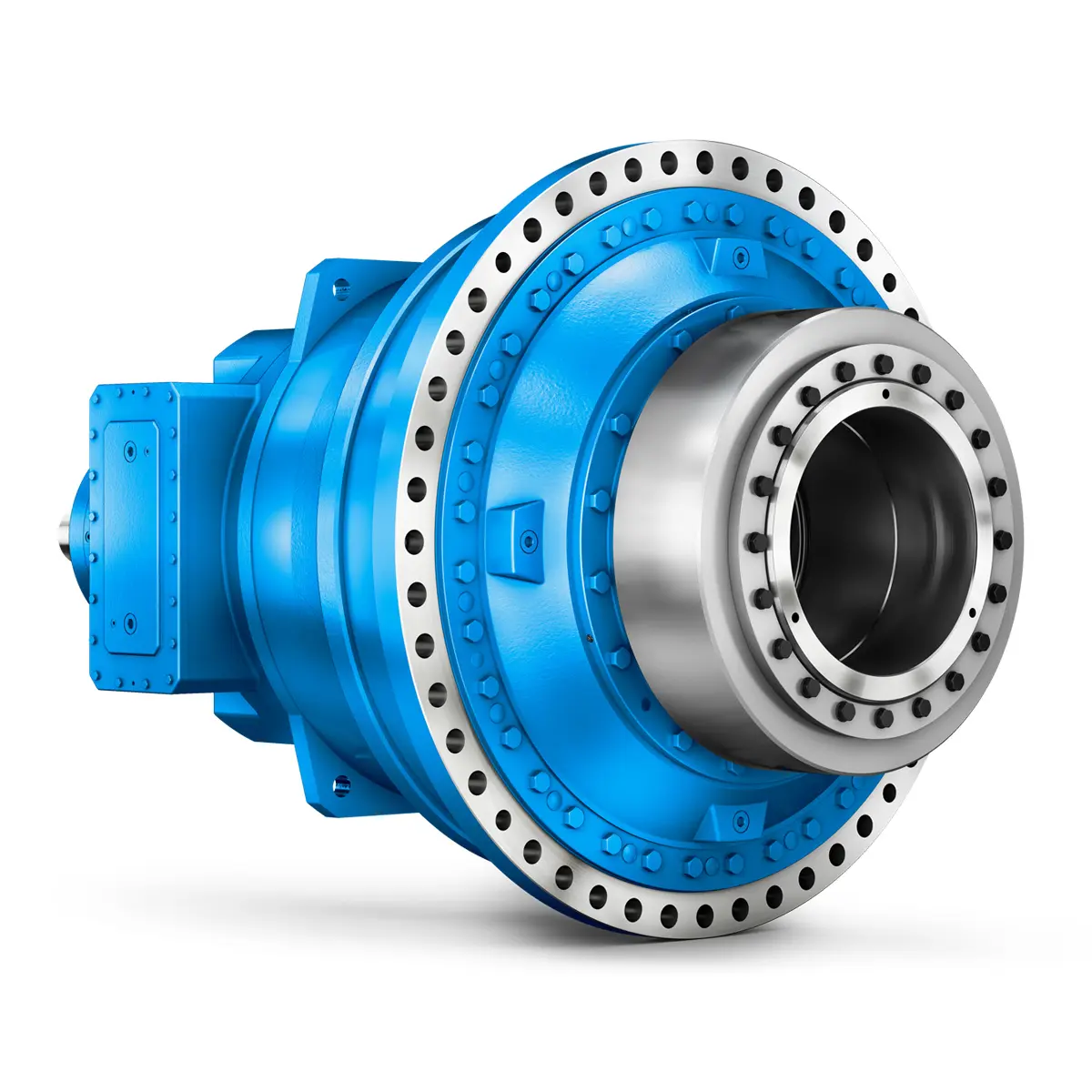 FLENDER Gear Unit gearunit gearbox
 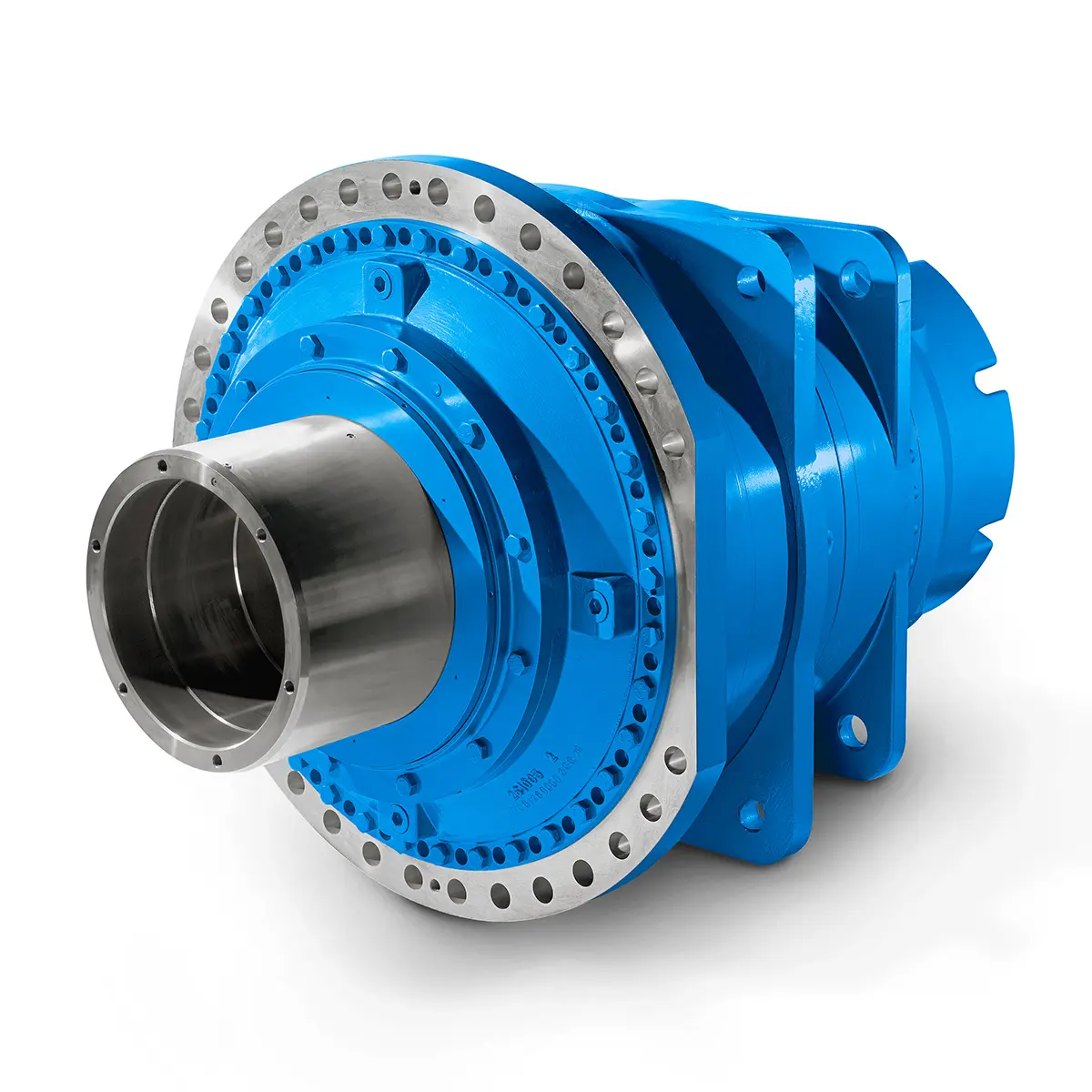 Optimal Drive Solution For Maximum Performance
 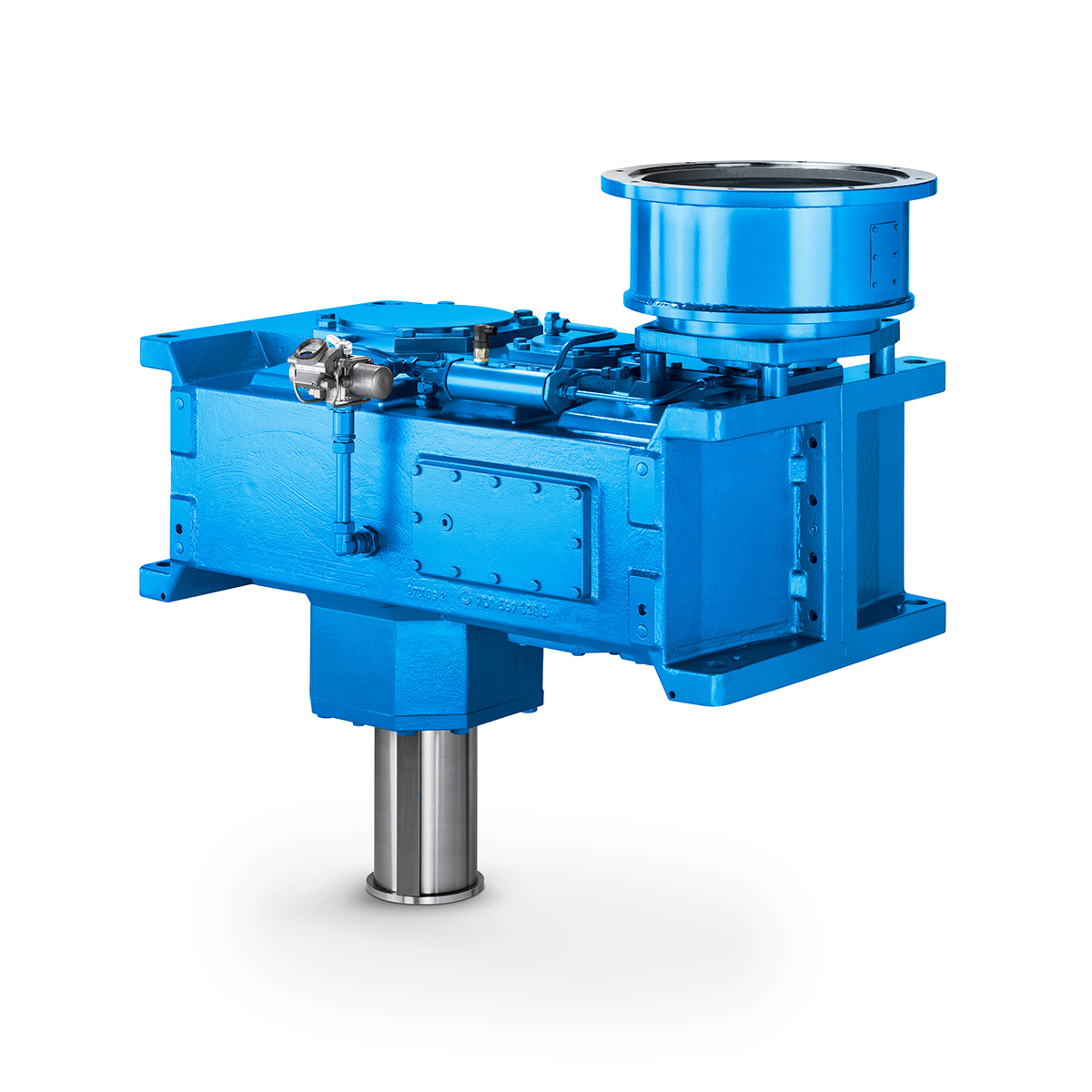 Strongly operating against biodegradable constituents
 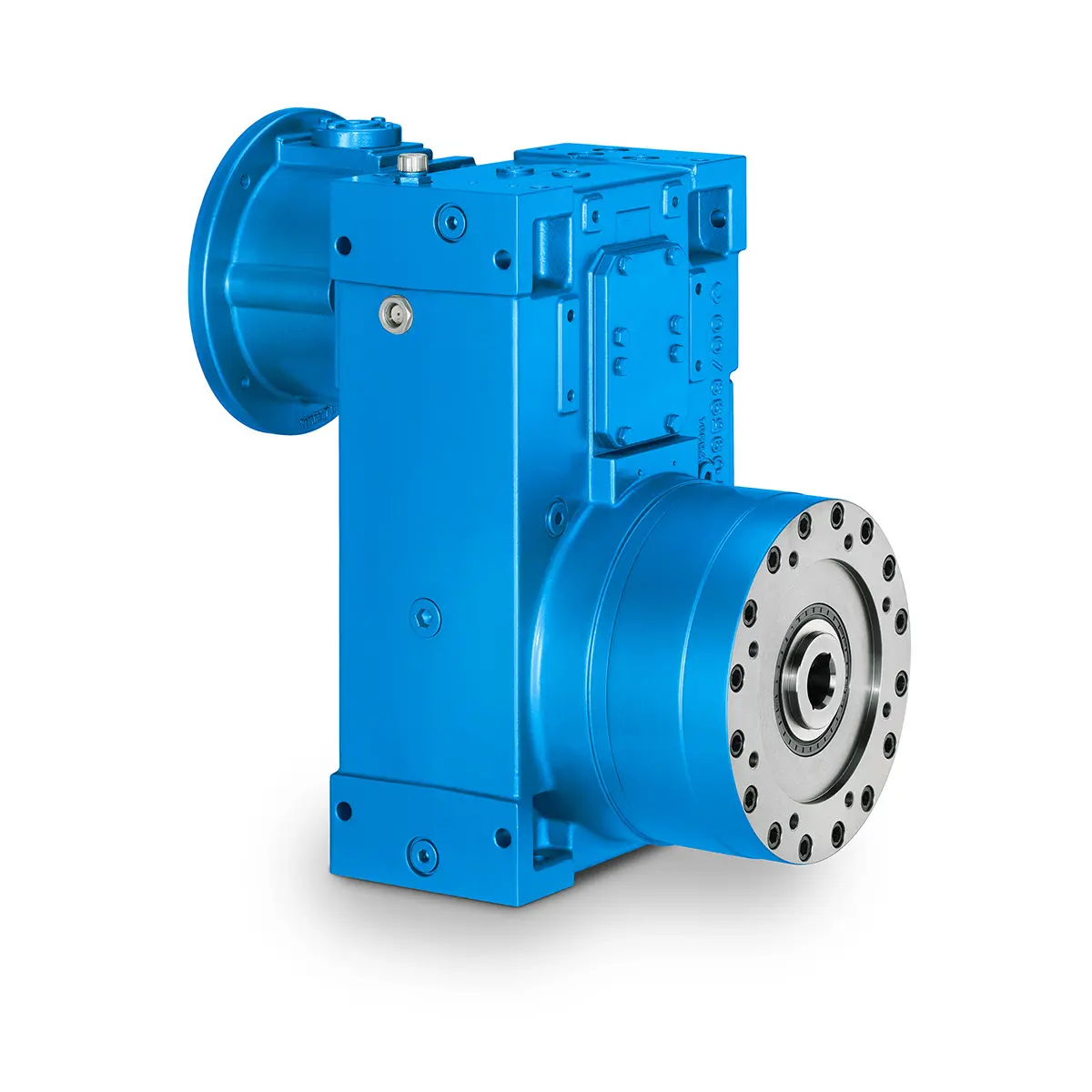 SINGLE SCREW Special industry dedicated gearunit gearbox
 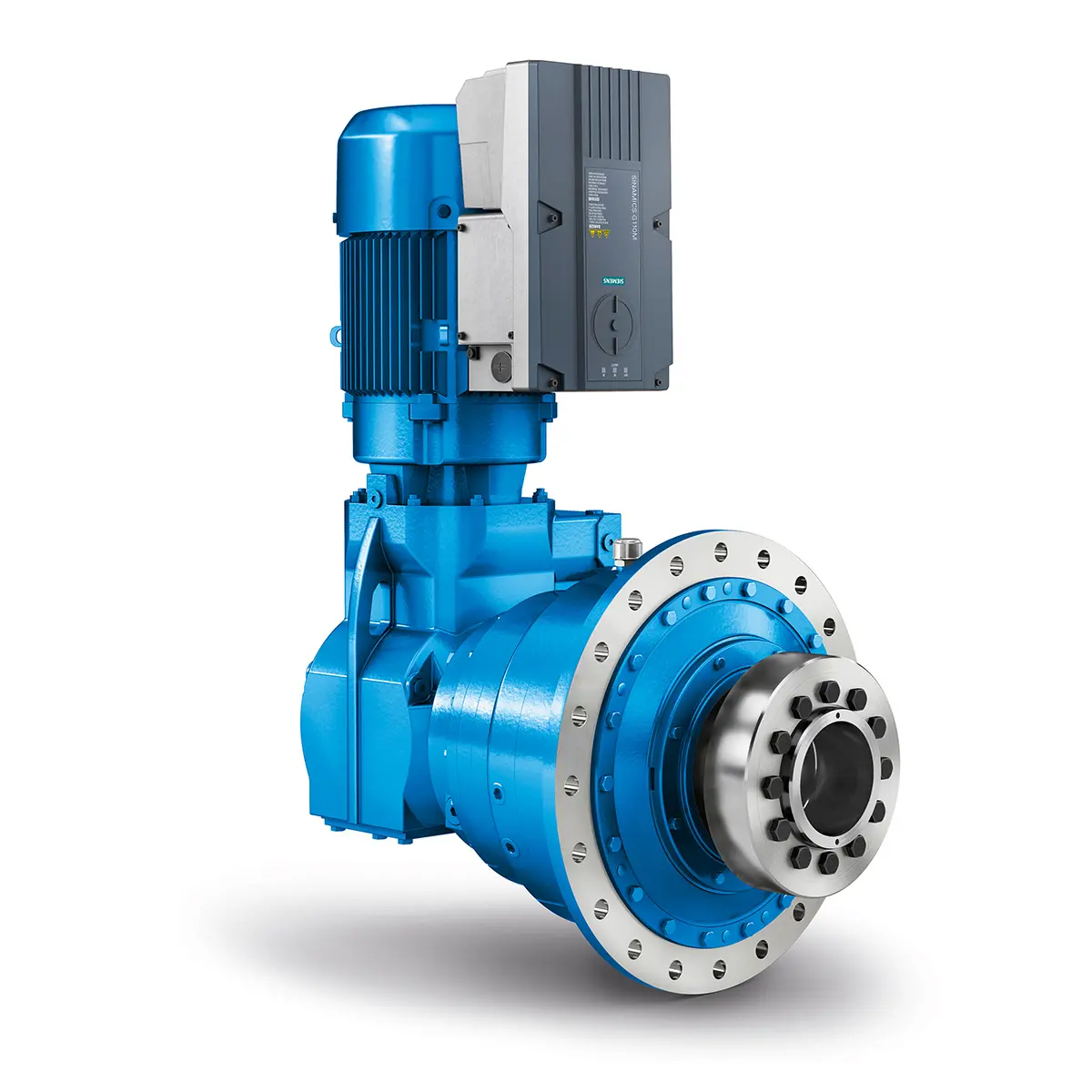 Playmaker In The Premium League
 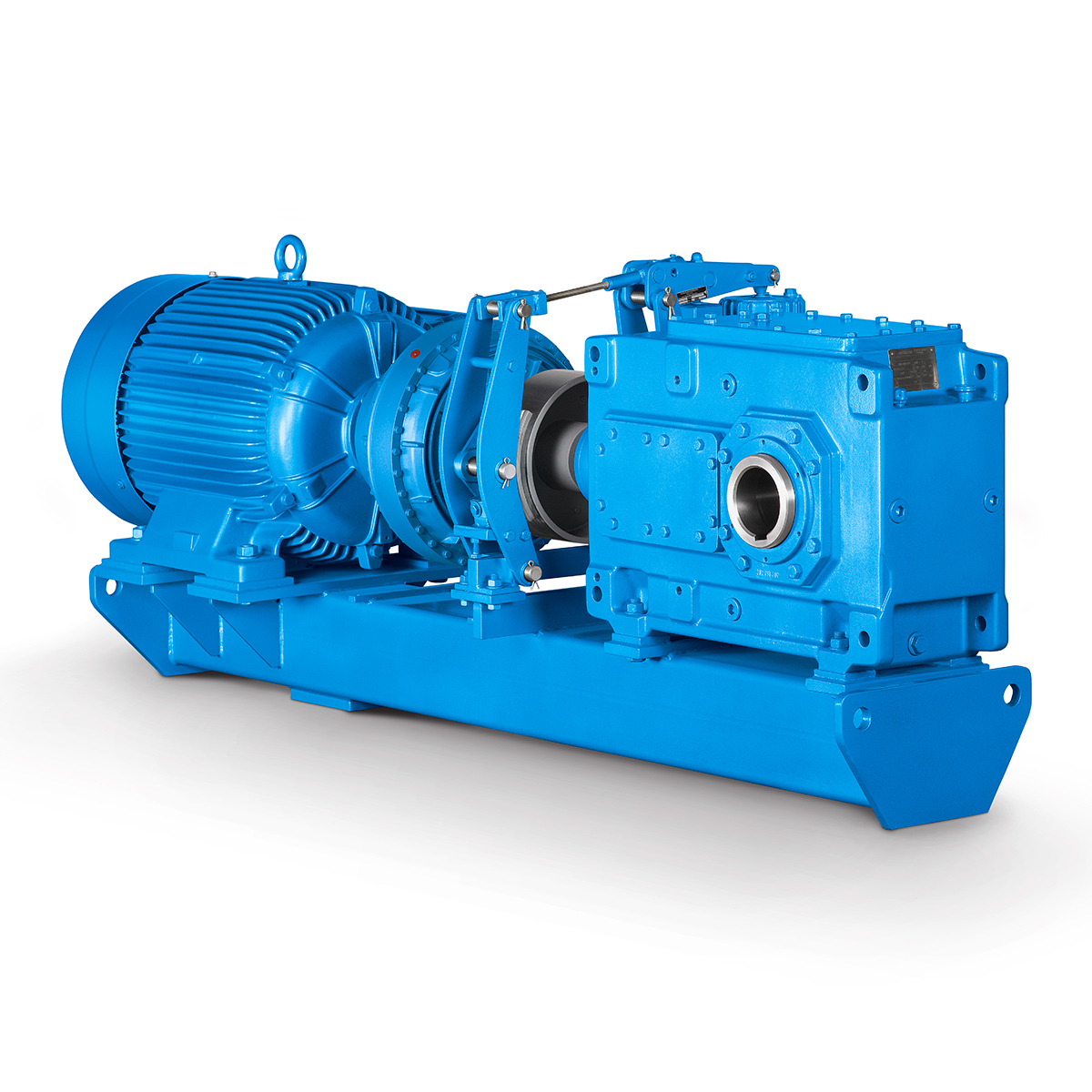 Conveyor belts gearunit gearbox
 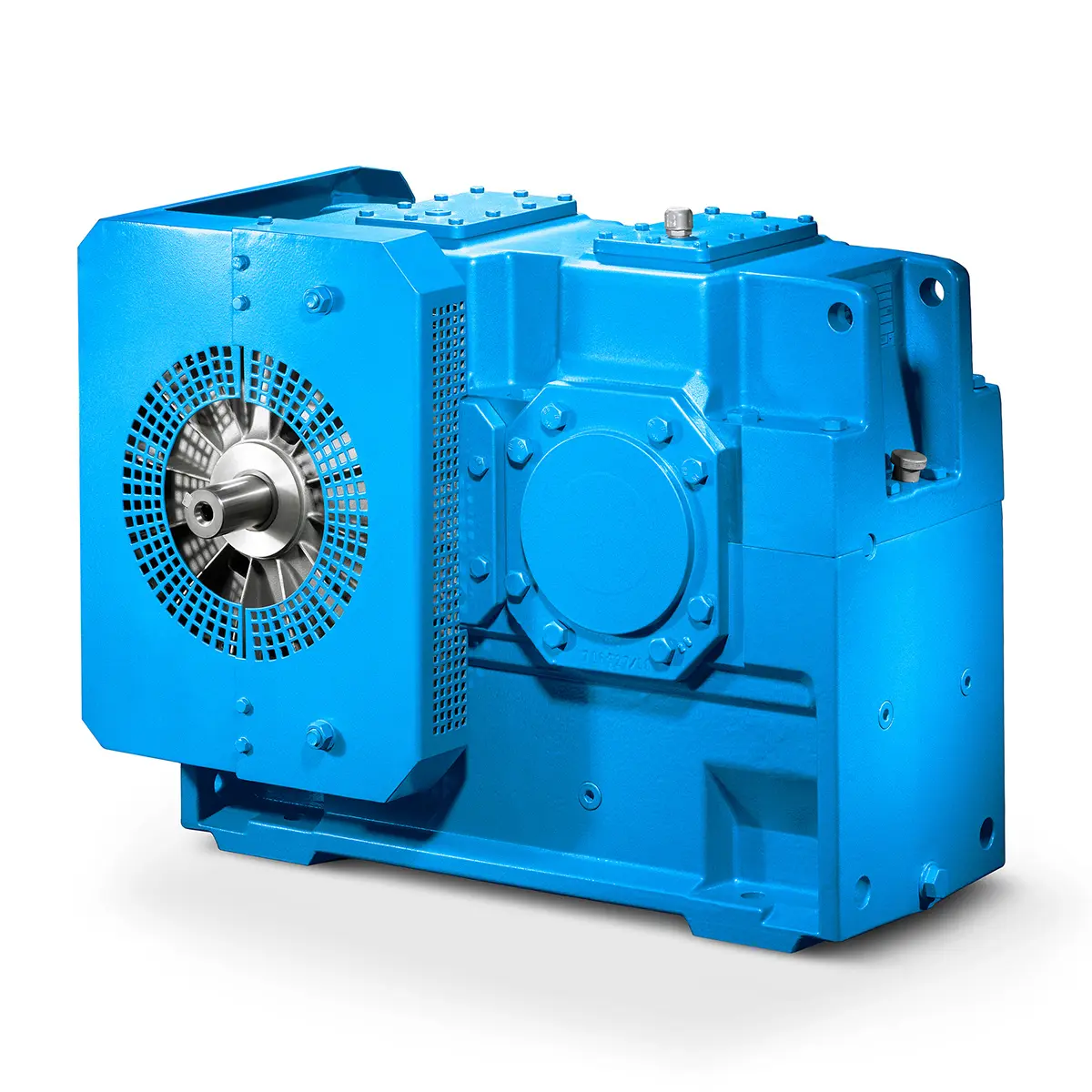 Paper And Pulp Preparation Sections
 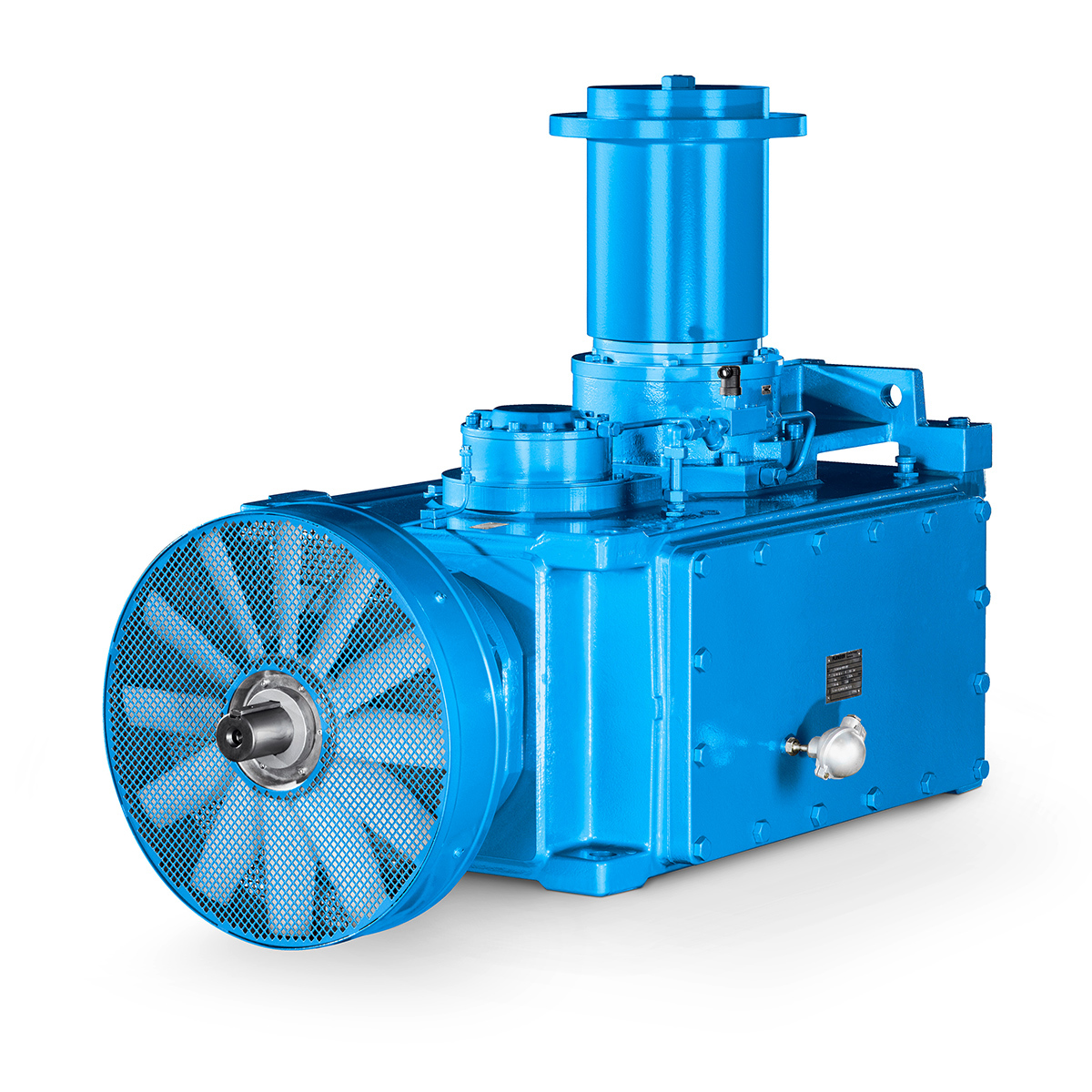 Operational Reliability Even In Case Of The Highest Ventilation Forces
 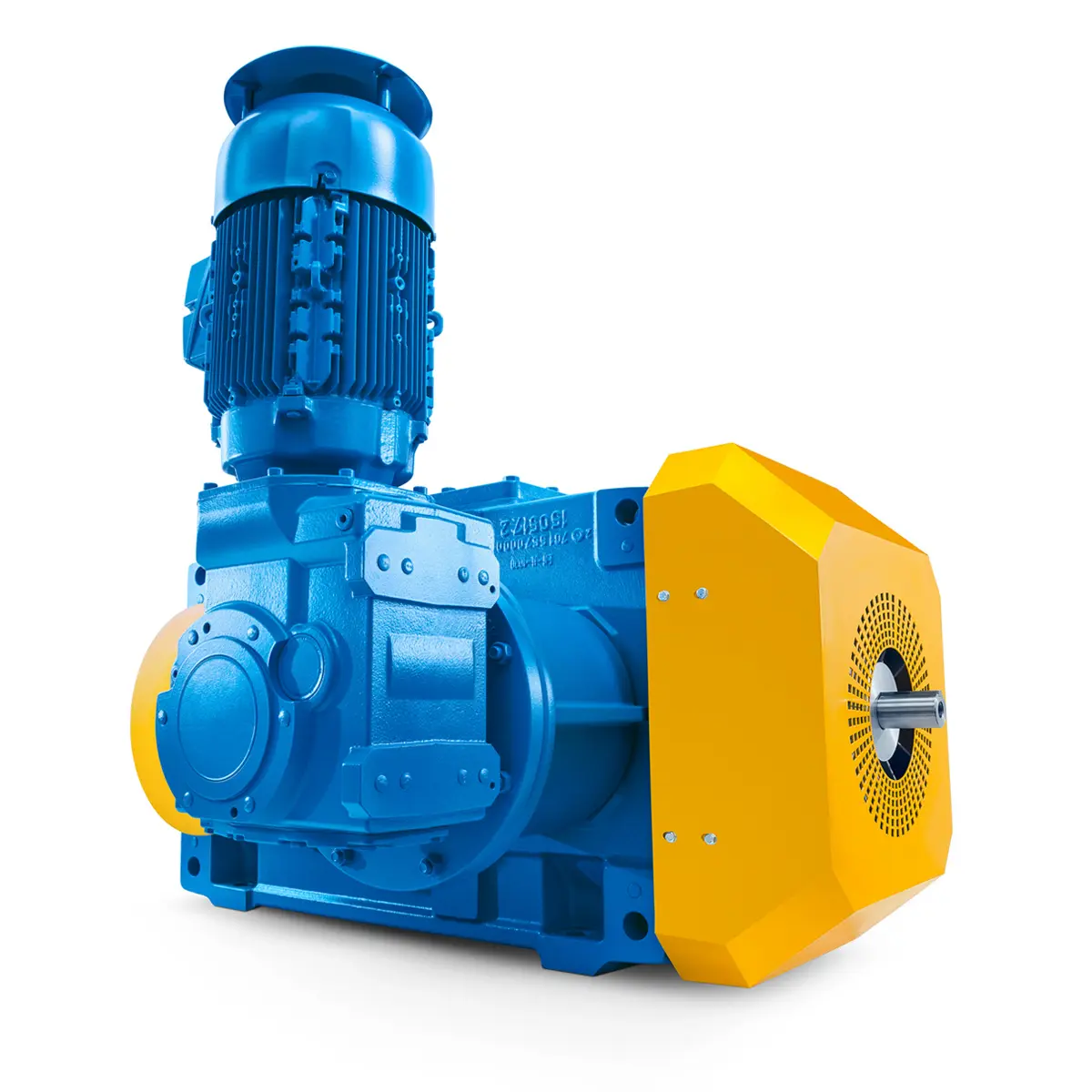 Reliable Gear Units For High Performance Vertical Conveyors 59/200
 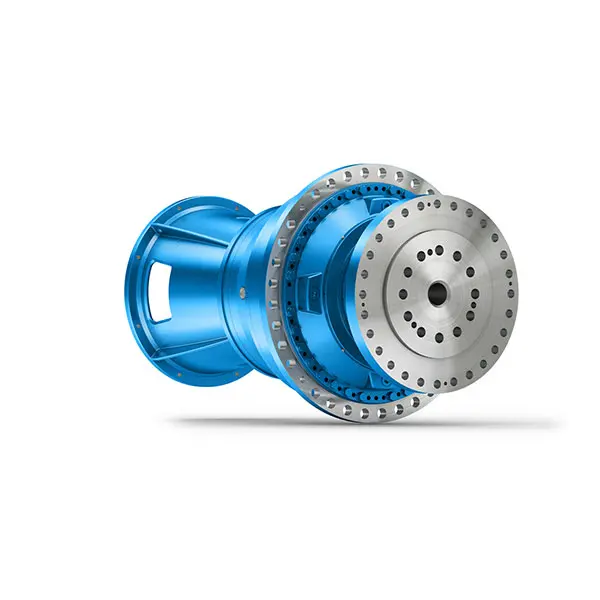 Maximum power density – PLANUREX 3 L individual drives for your sugar cane mill
 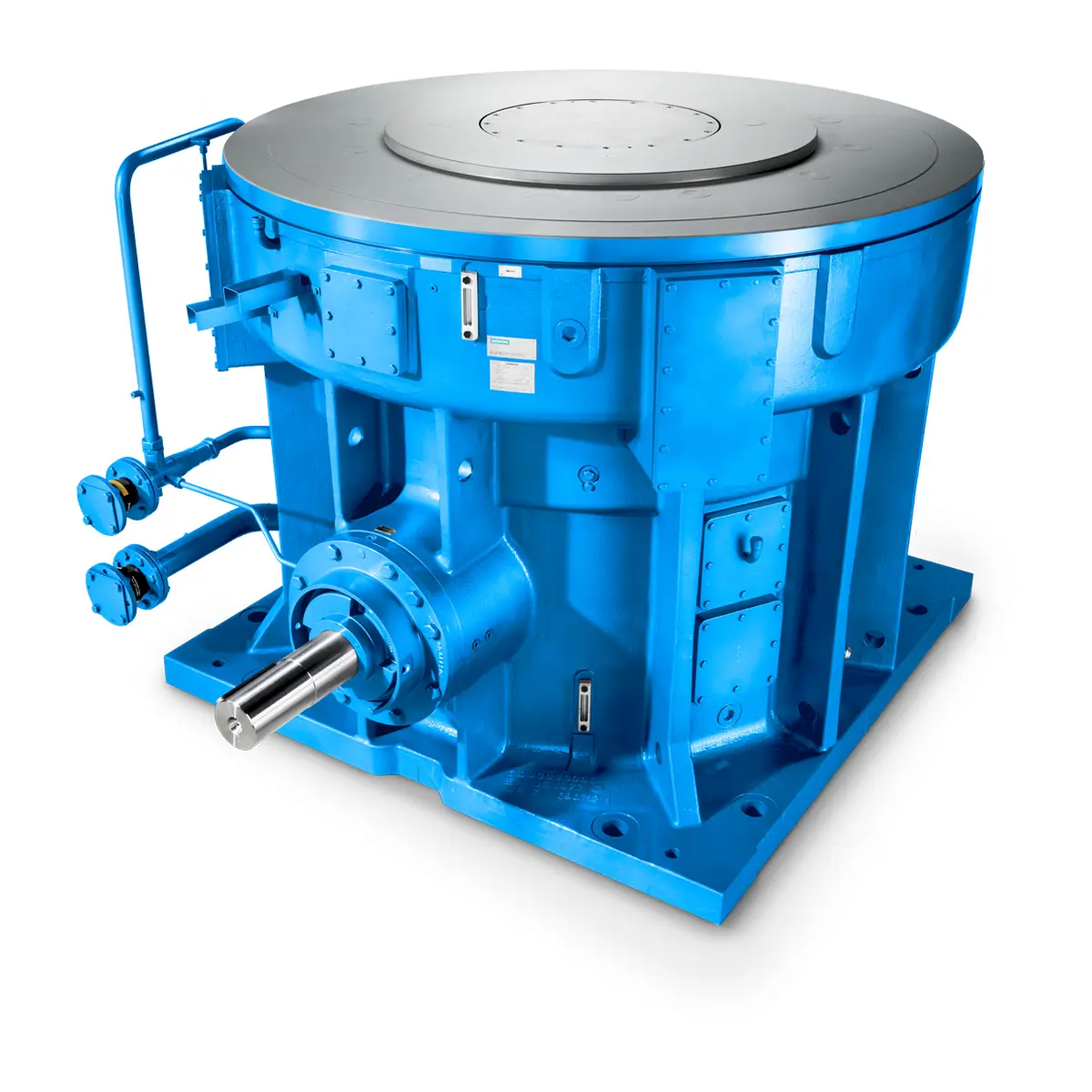 The proven all rounder gearunit gearbox
 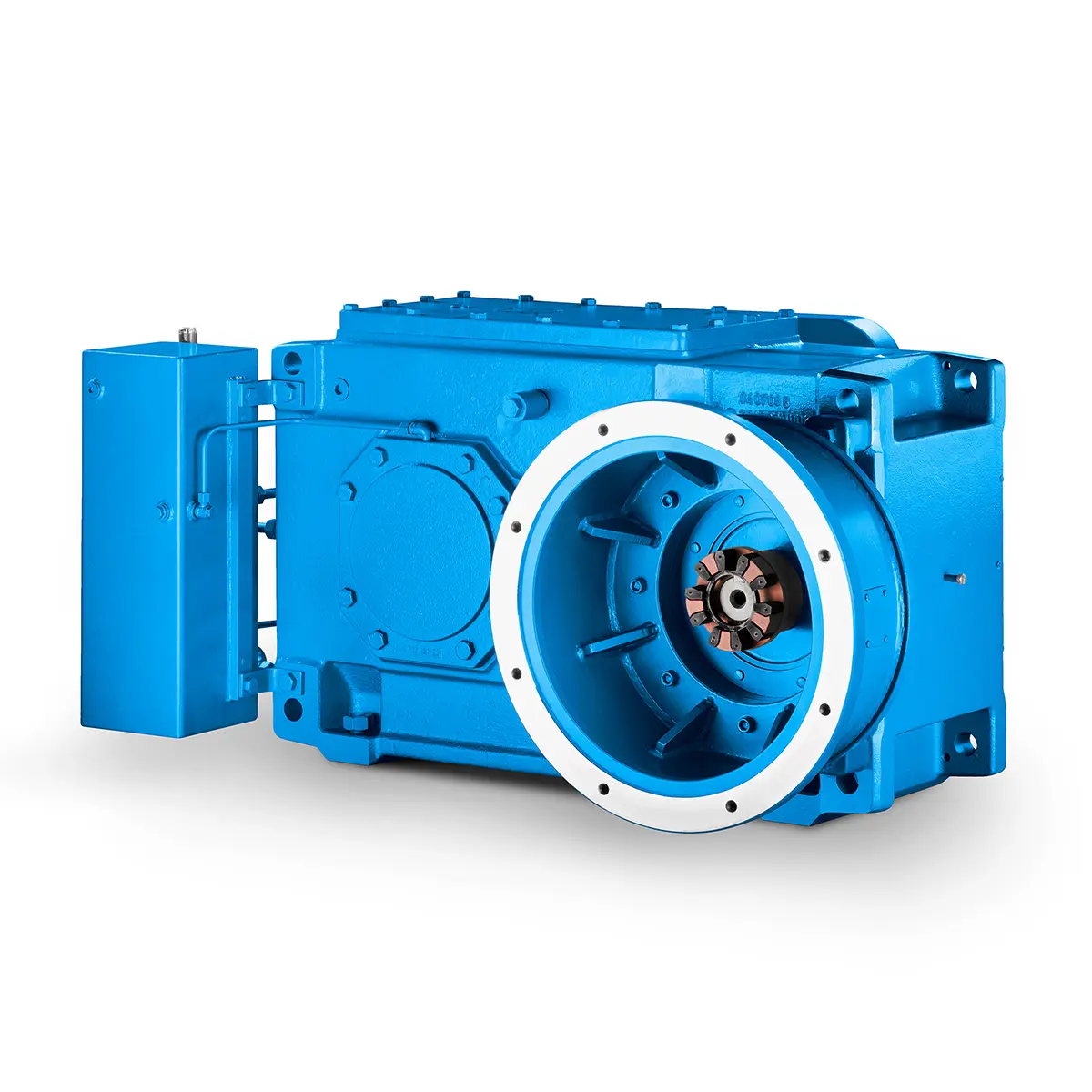 Stirs and stirs and stirs gearunit gearbox
 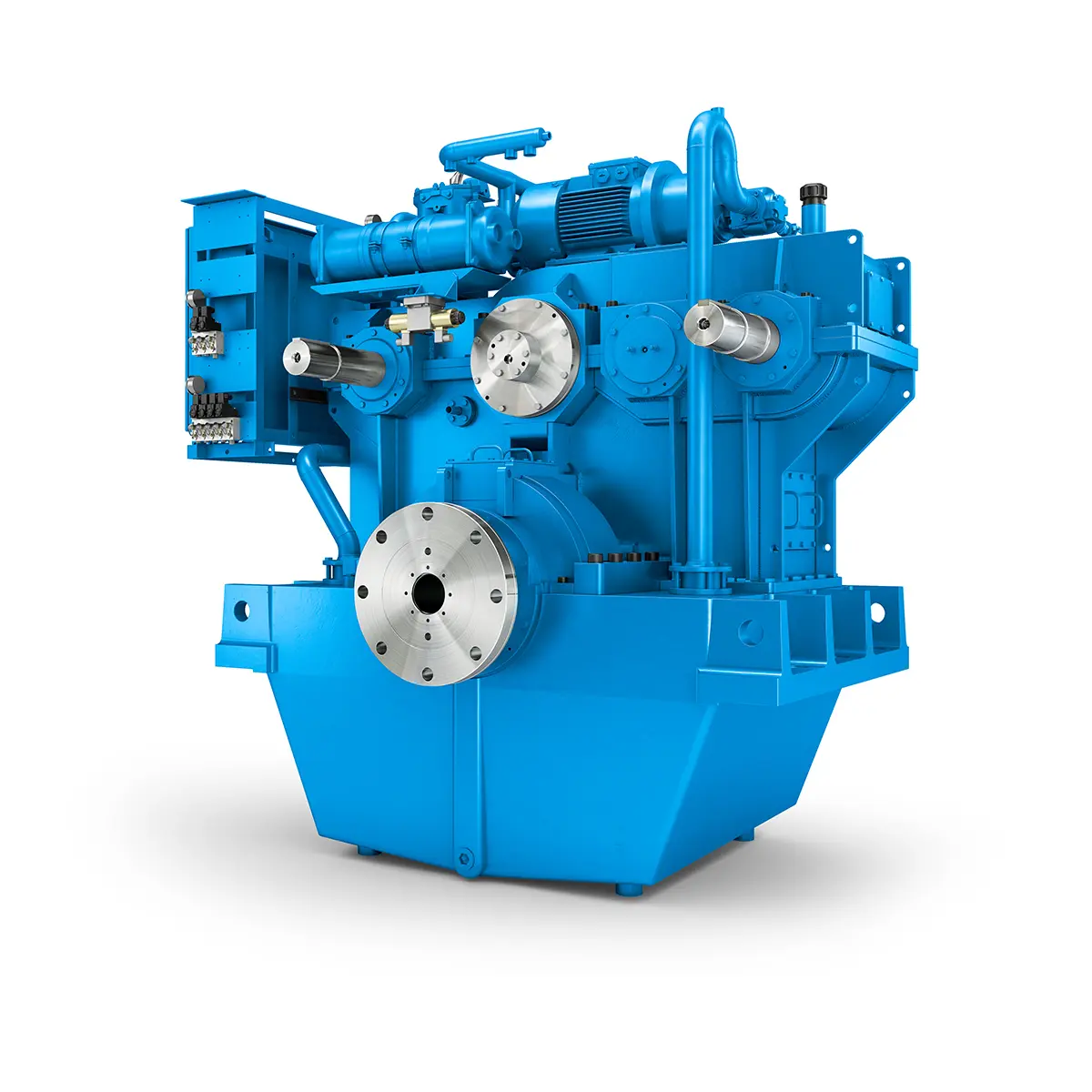 Flexibility on Board gearunit gearbox
 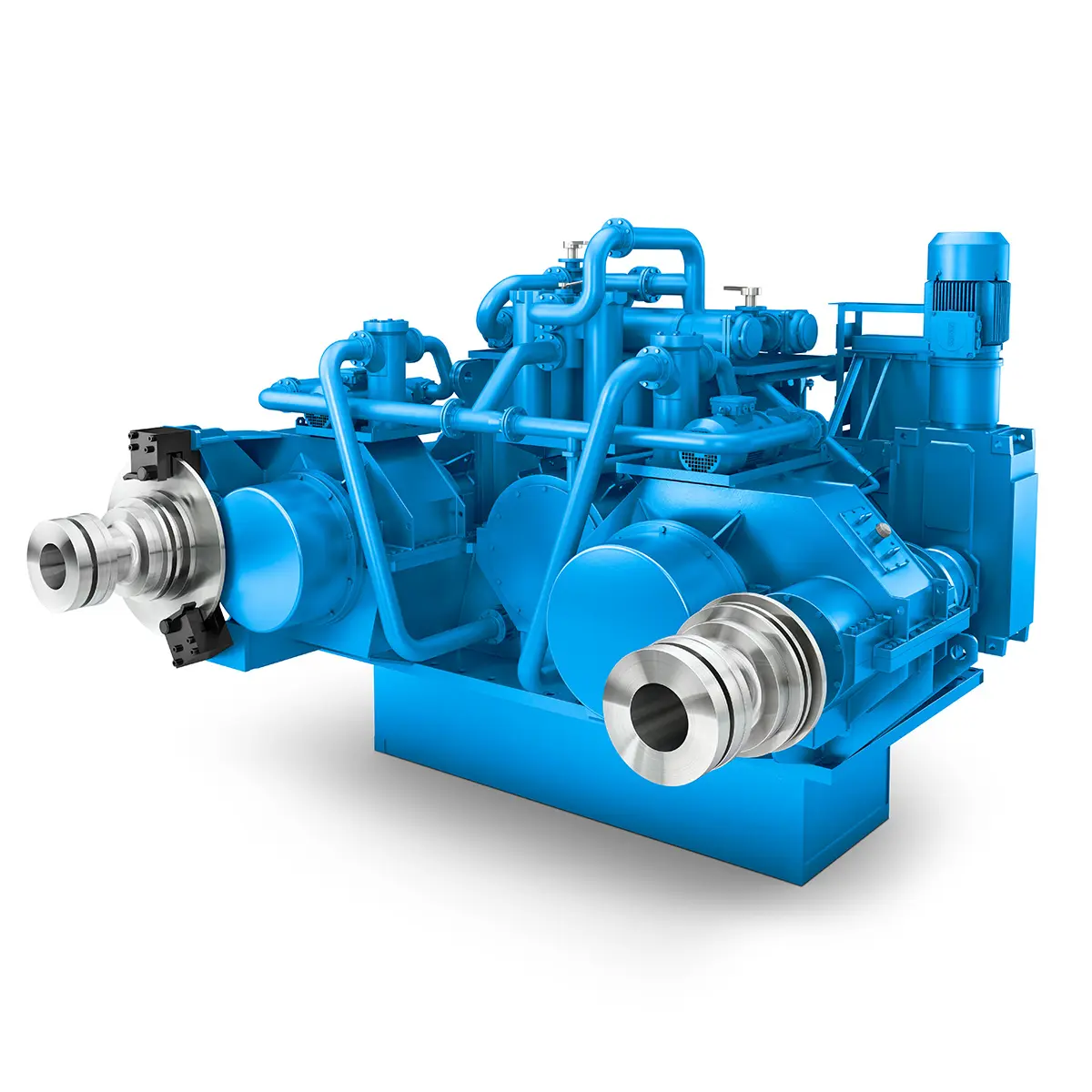 The right gearbox for all Multi-Engine Ships
 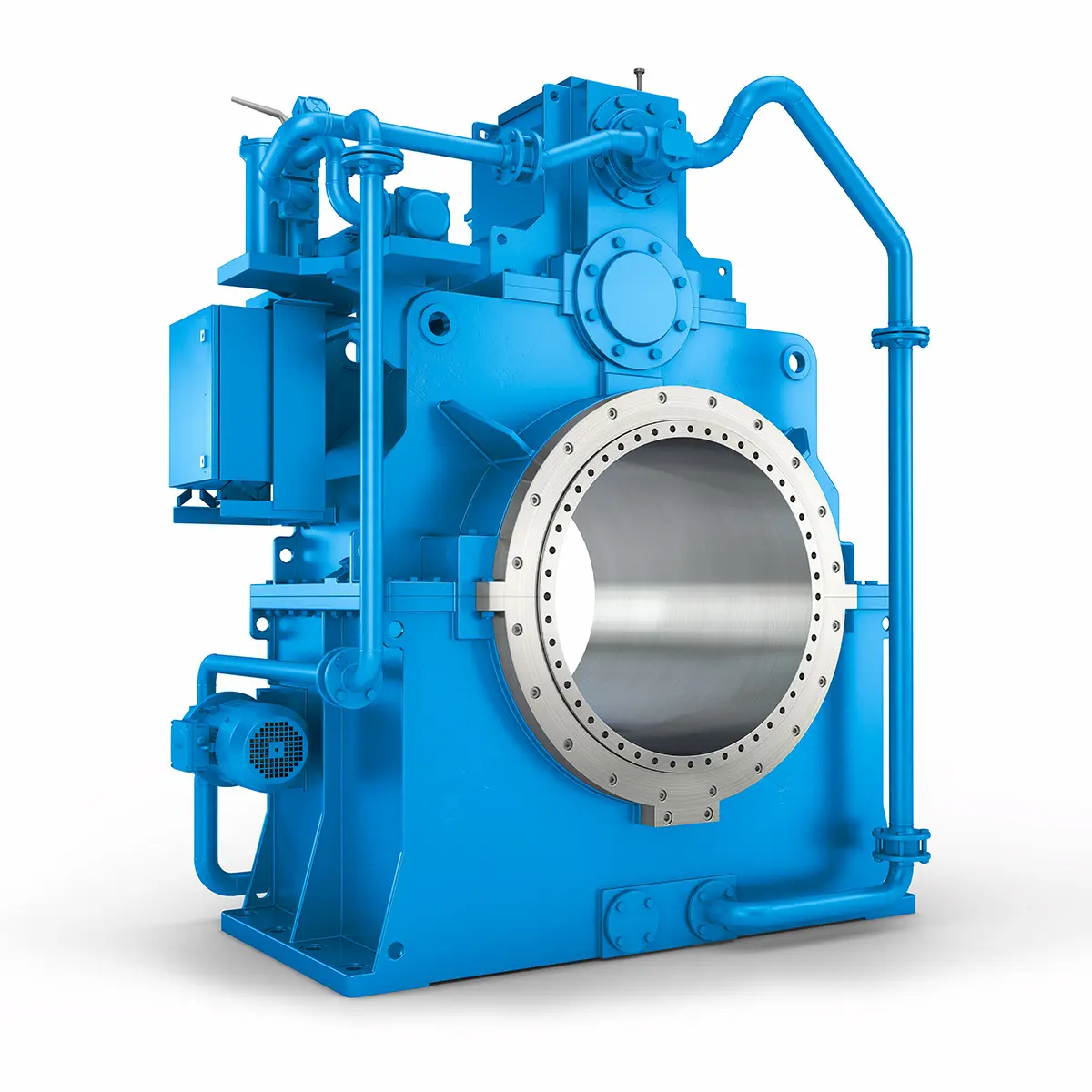 Reliable Power Generation on board
 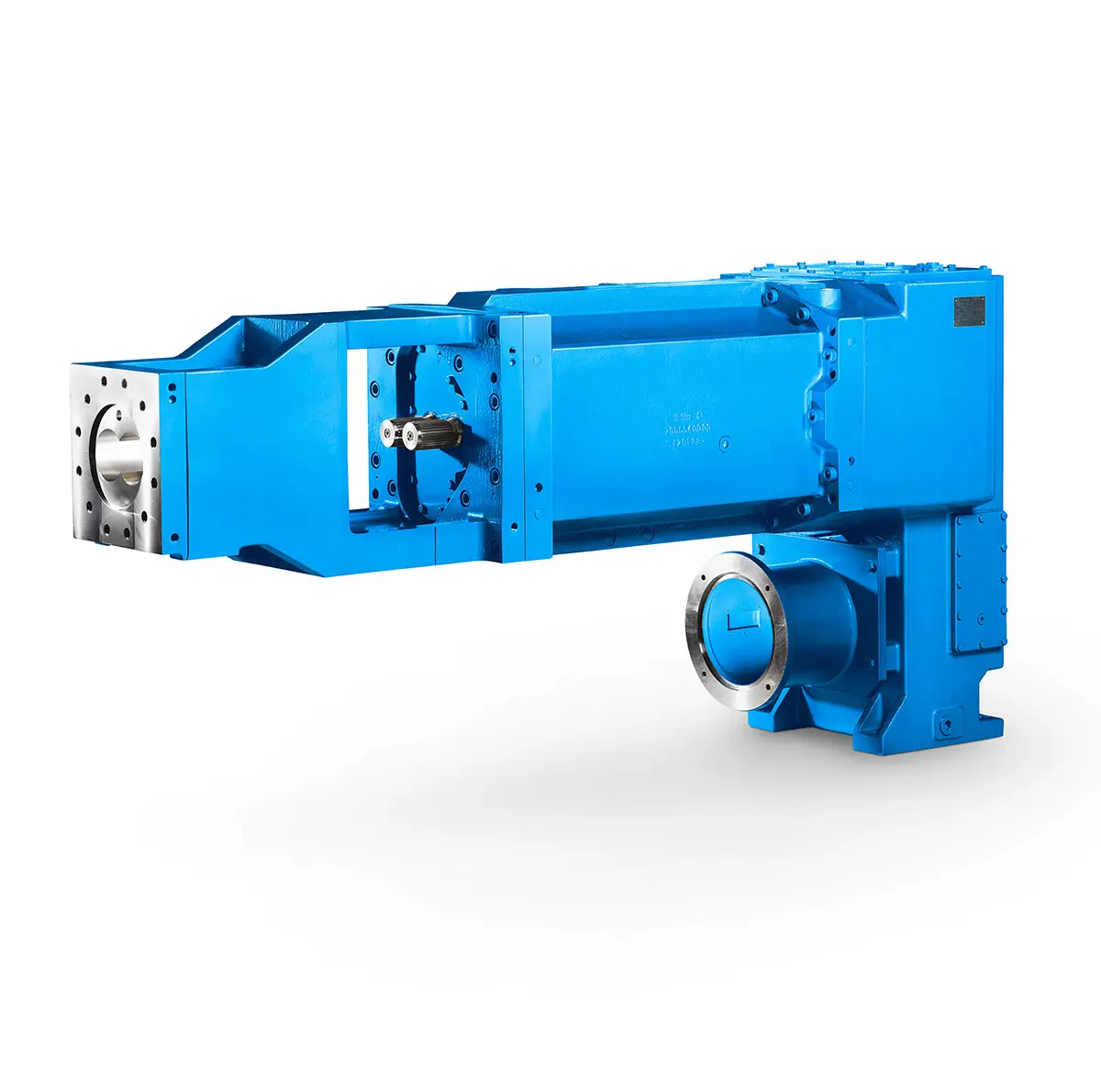 Maximum performance level, fast deliverable
 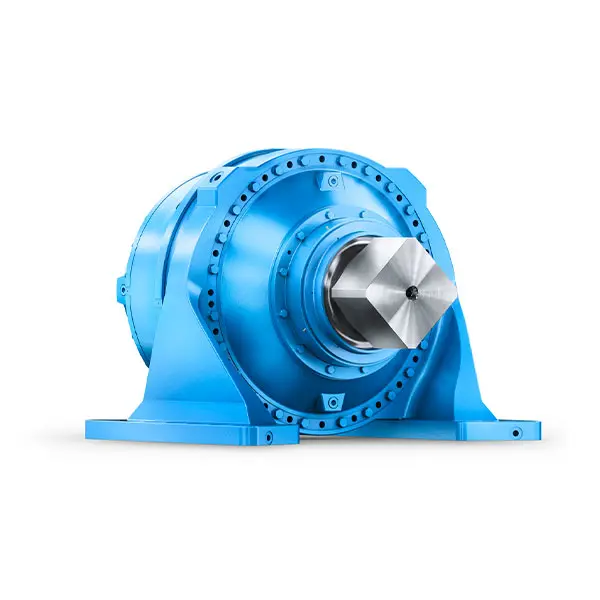 Efficient and compact – FLENDER Gear Units for Sugar Mills
 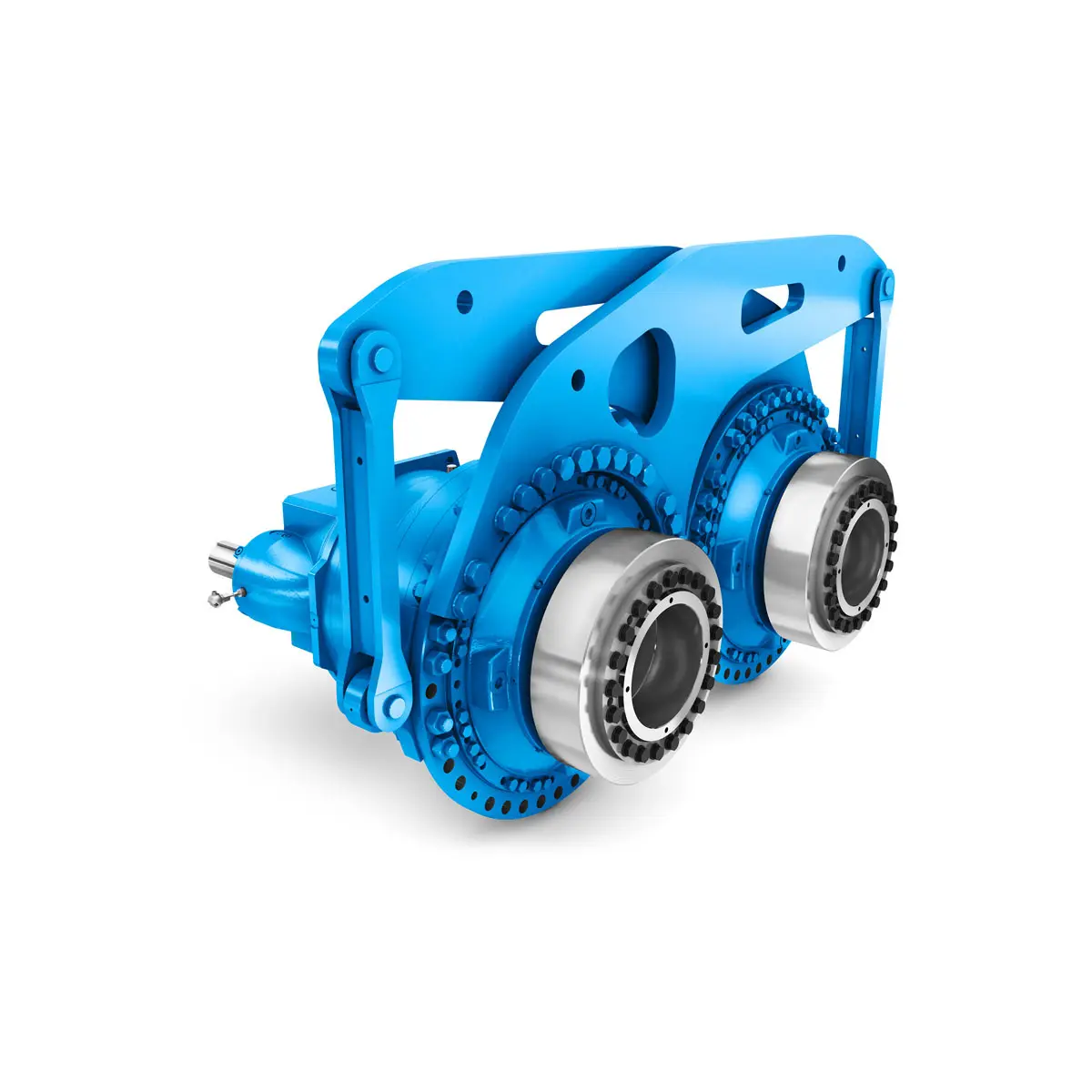 Extremely strong. Extremely compact. Extremely stressable.
 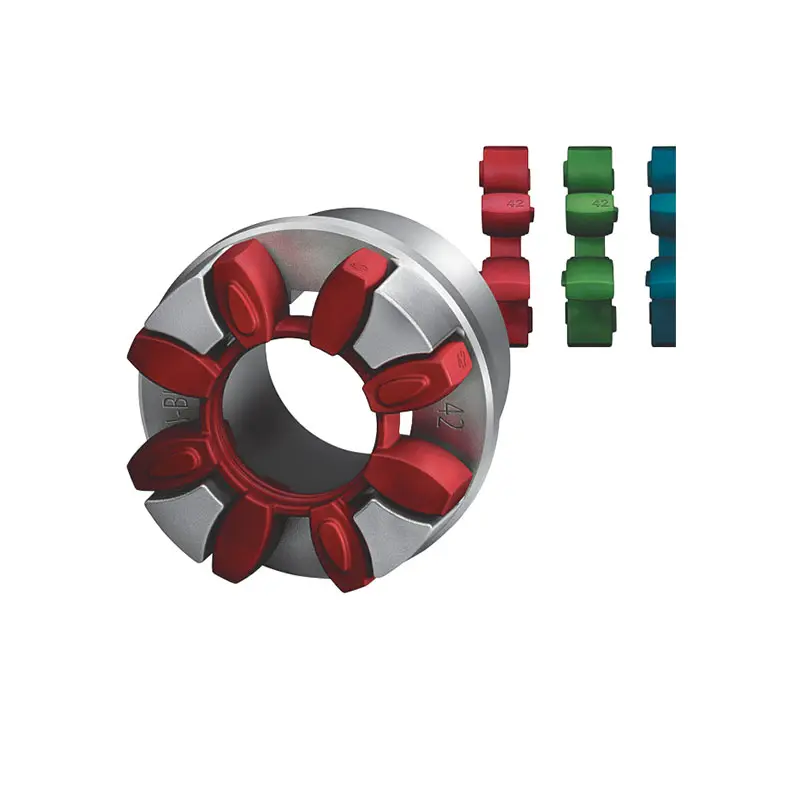 FLENDER Coupling
 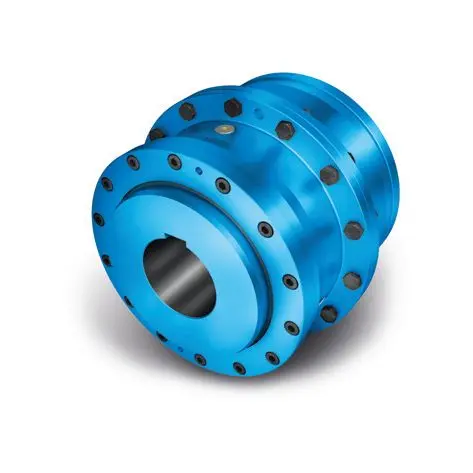 ZAPEX ZW Torsionally Rigid Gear Coupling
 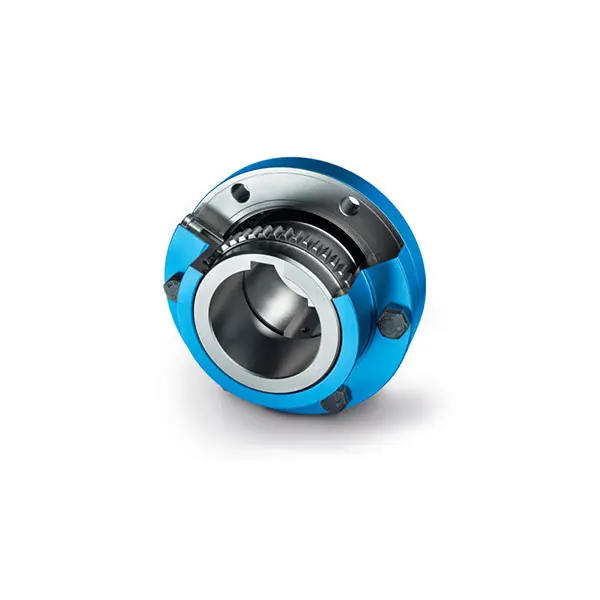 ZAPEX ZN Torsionally Rigid Gear Coupling
 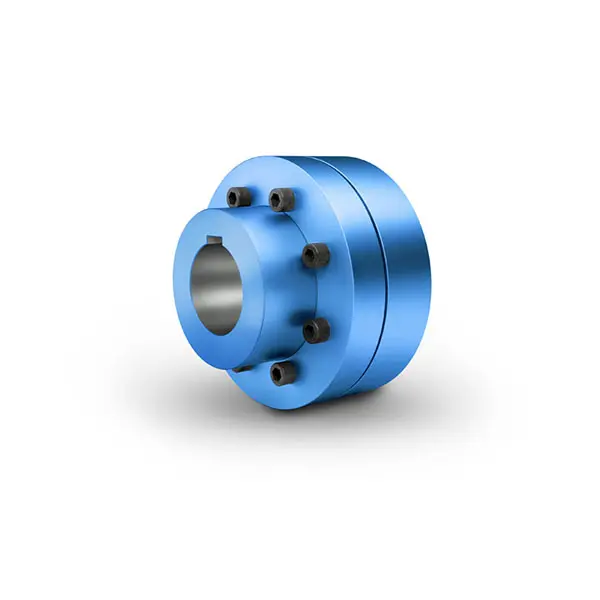 N-EUPEX Flexible high performance Coupling
 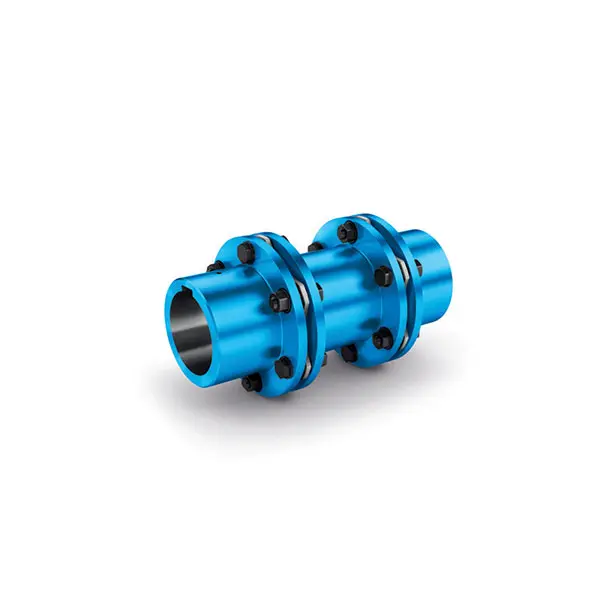 N-ARPEX Torsionally Rigid All-Steel Coupling
 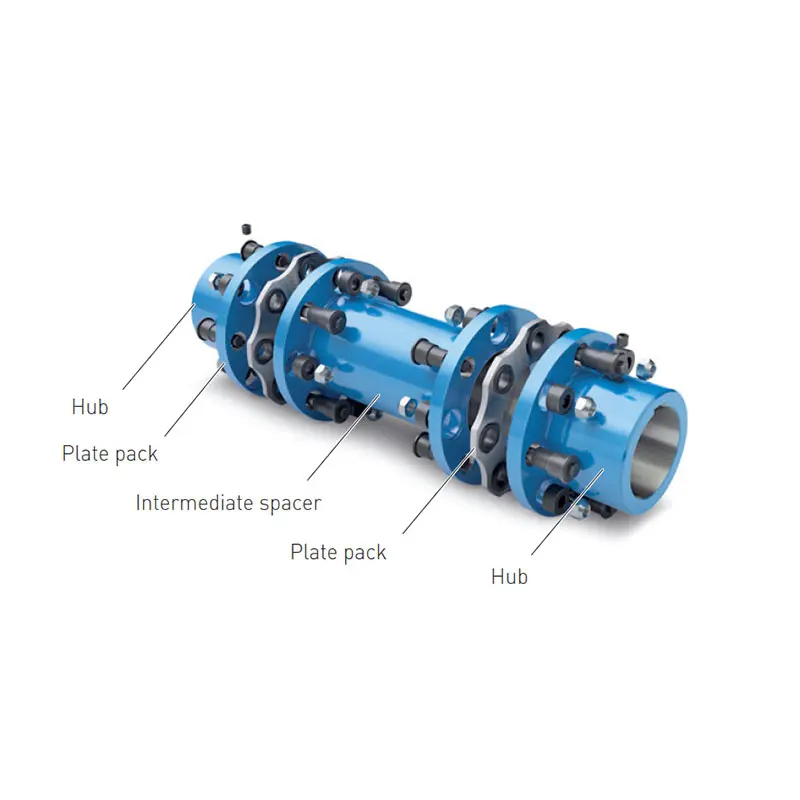 ARPEX Torsionally Rigid All-Steel Coupling Spare and Parts
 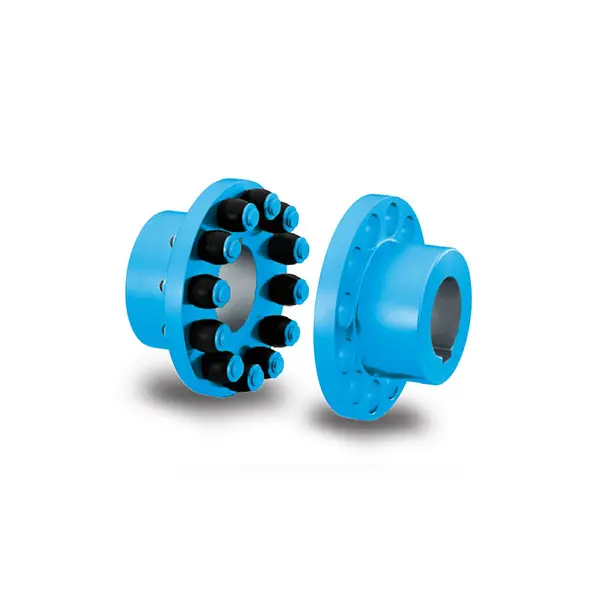 RUPEX Flexible high performance Coupling
 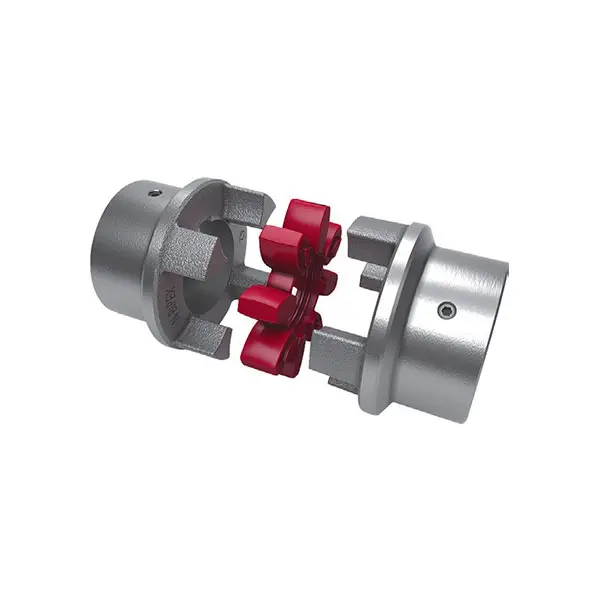 N BIPEX Flexible high performance coupling
 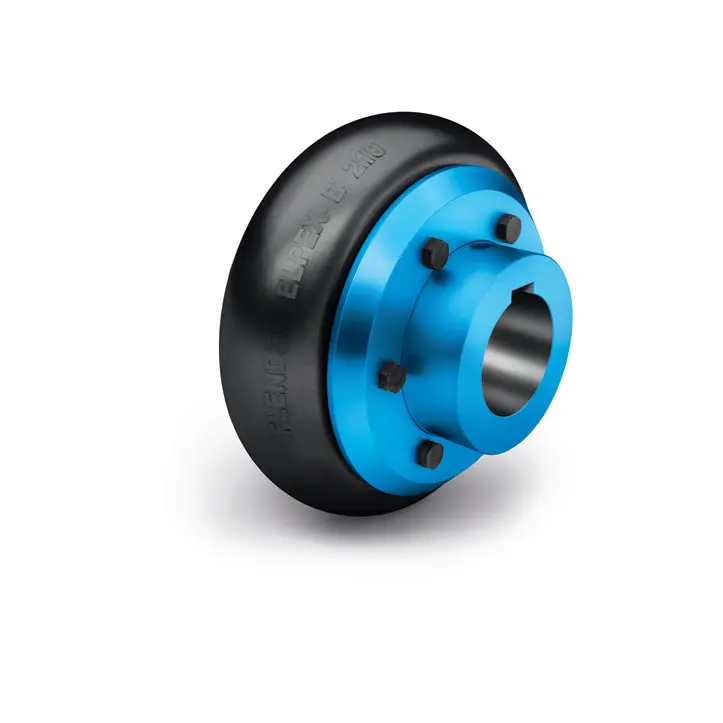 ELPEX B Highly Flexible Coupling
 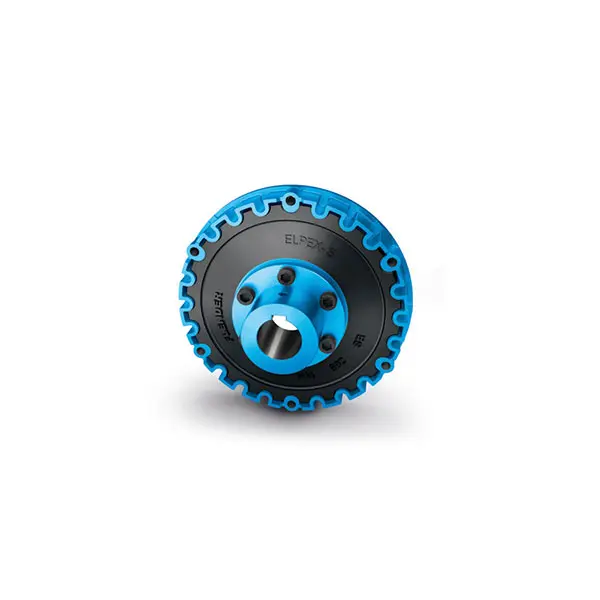 ELPEX S Highly Flexible Coupling high performance
 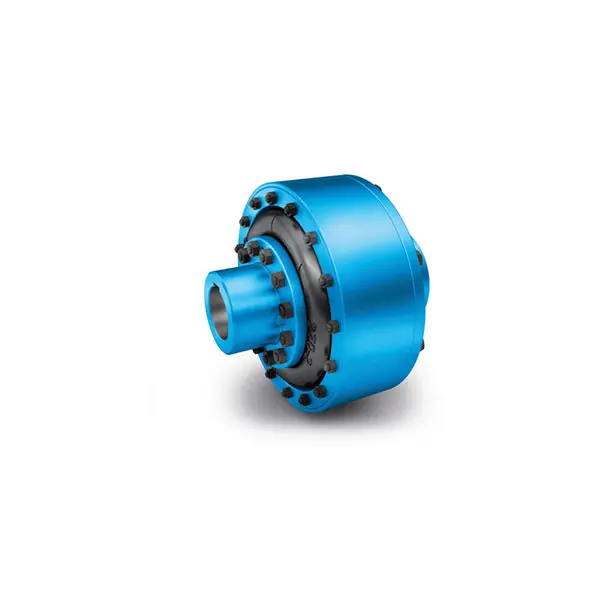 ELPEX Highly Flexible Coupling high performance
 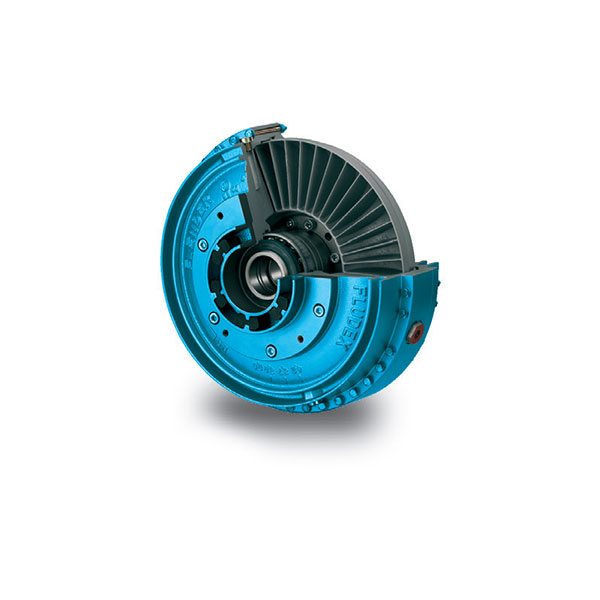 FLUDEX Fluid Coupling high performance
 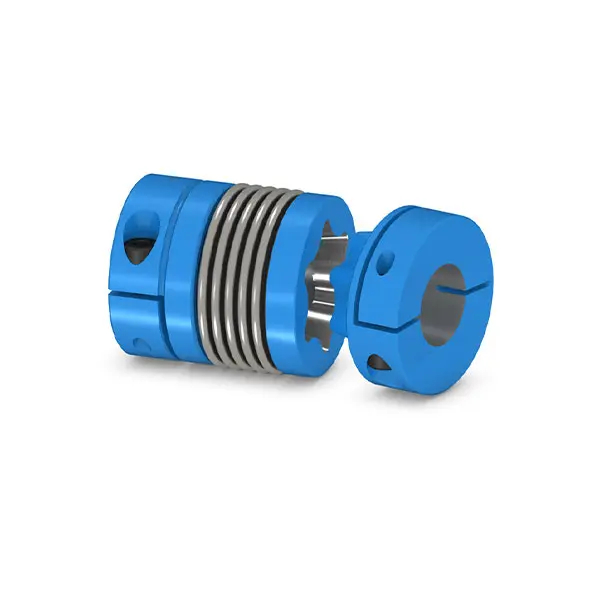 SIPEX Backlash free Coupling high performance
 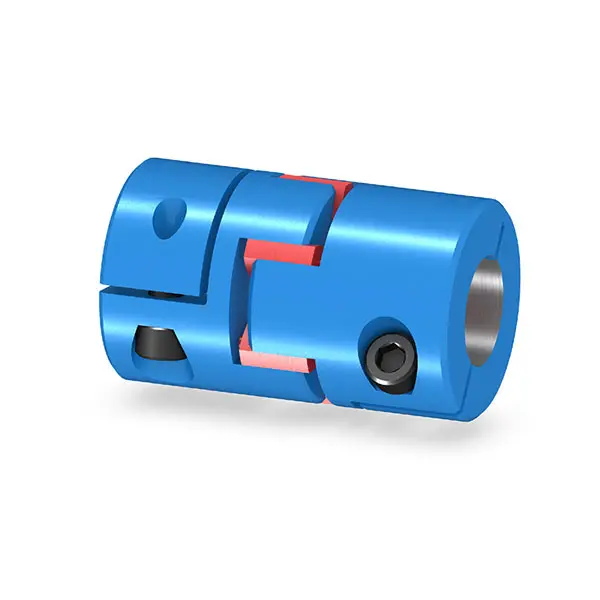 BIPEX S Backlash free Coupling high performance
 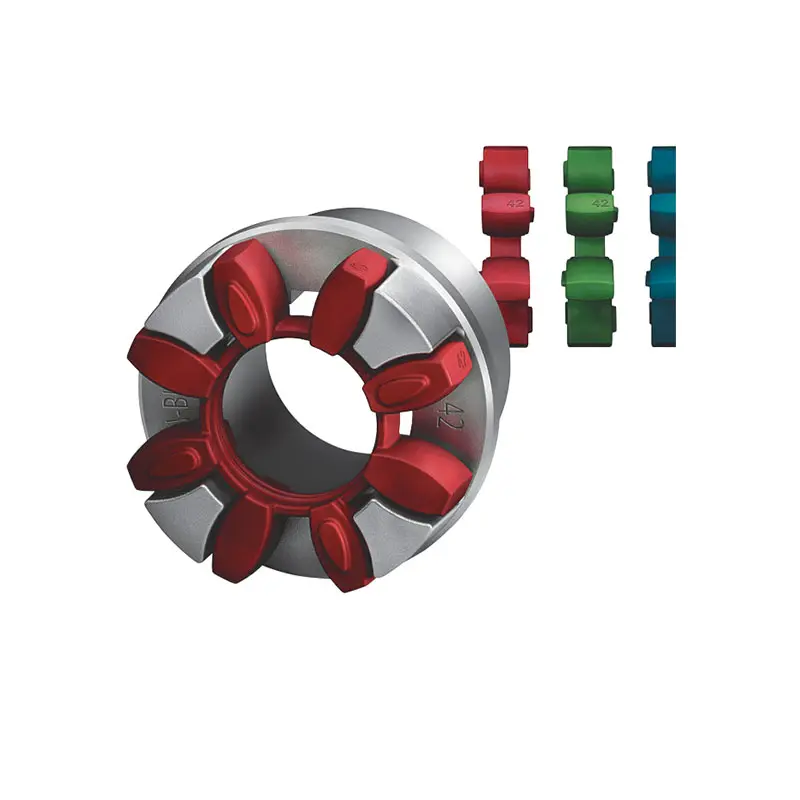 FLENDER Coupling Spare Parts high performance
 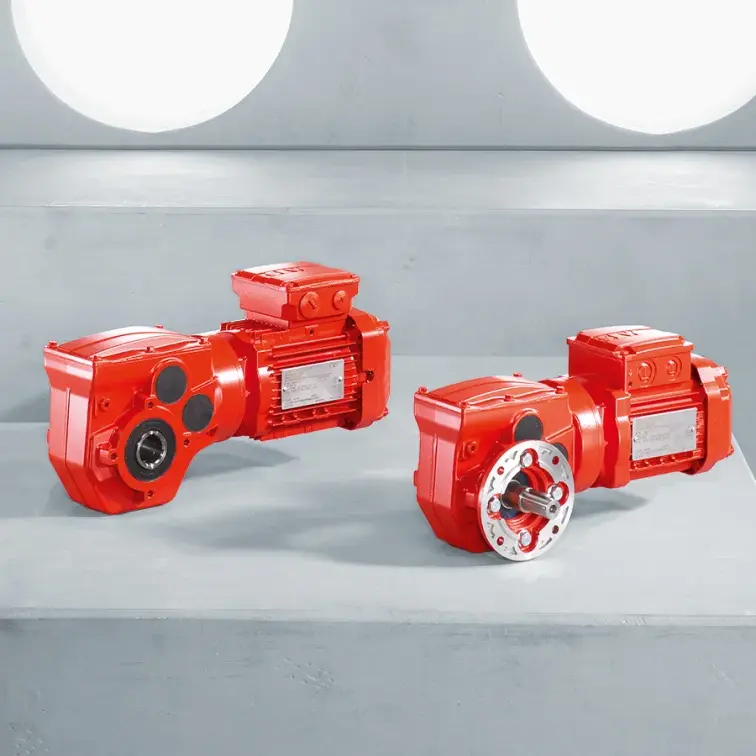 SEW Gearmotor
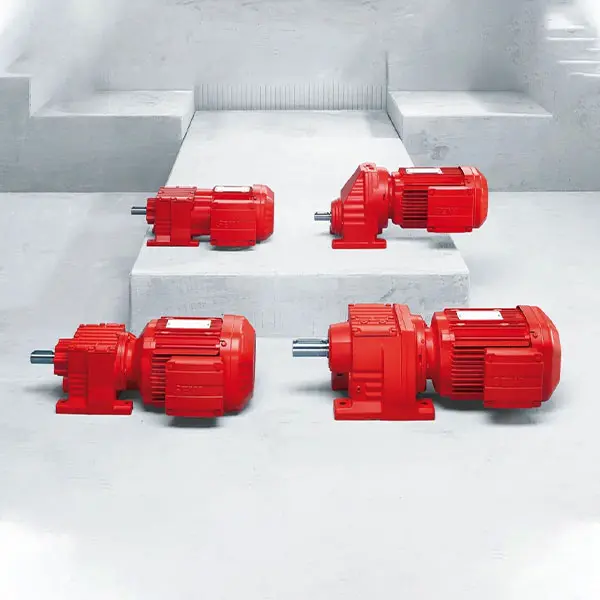 R Series Helical Gearmotor low voltage
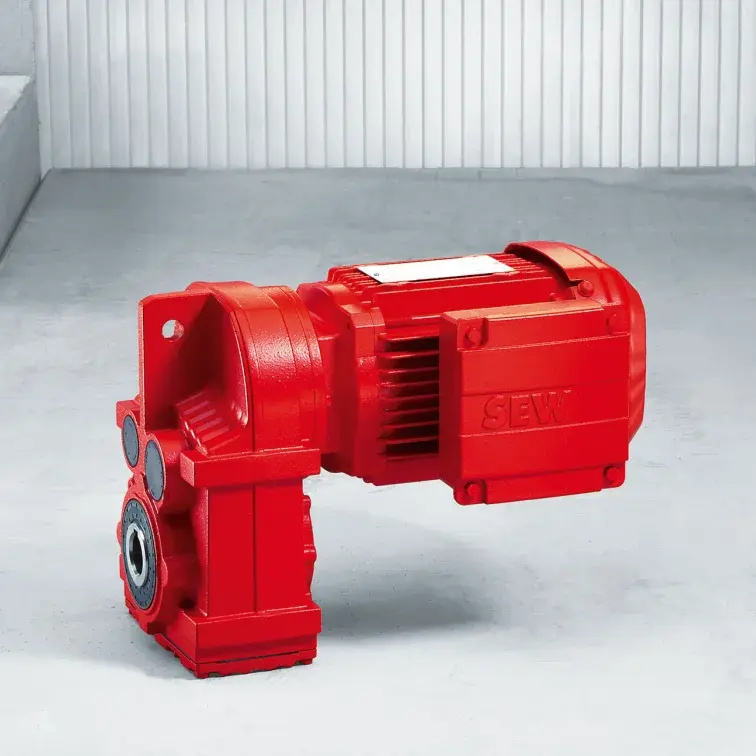 F Series Parallel Shaft Gearmotor low voltage
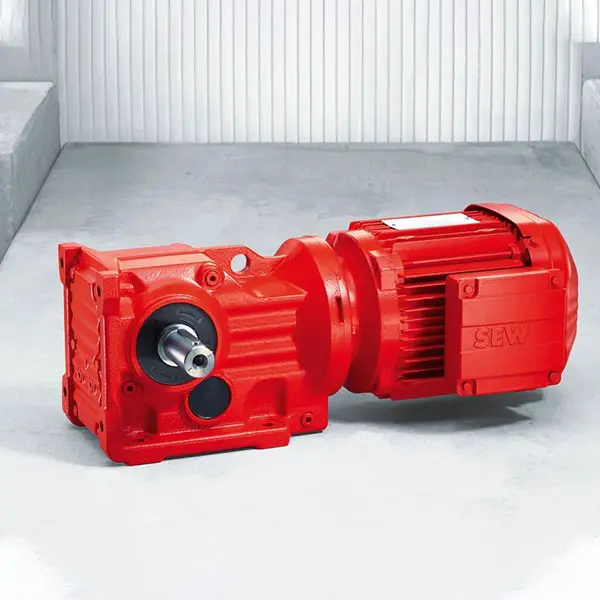 K Series Helical Bevel Gearmotor low voltage
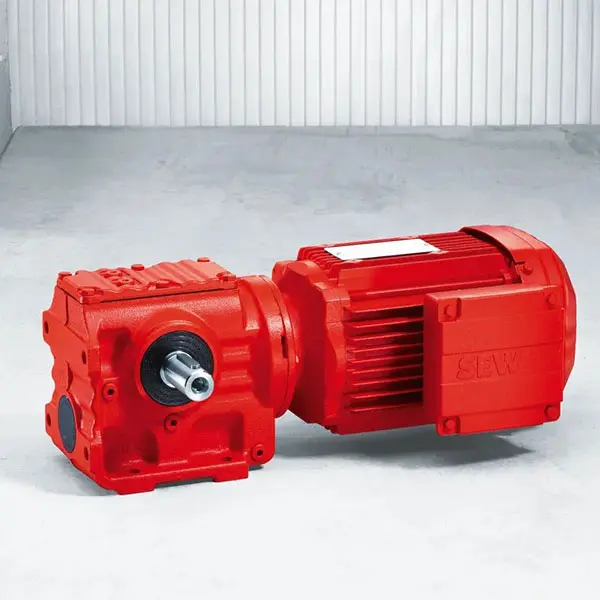 S Series Helical Worm Gearmotor low voltage
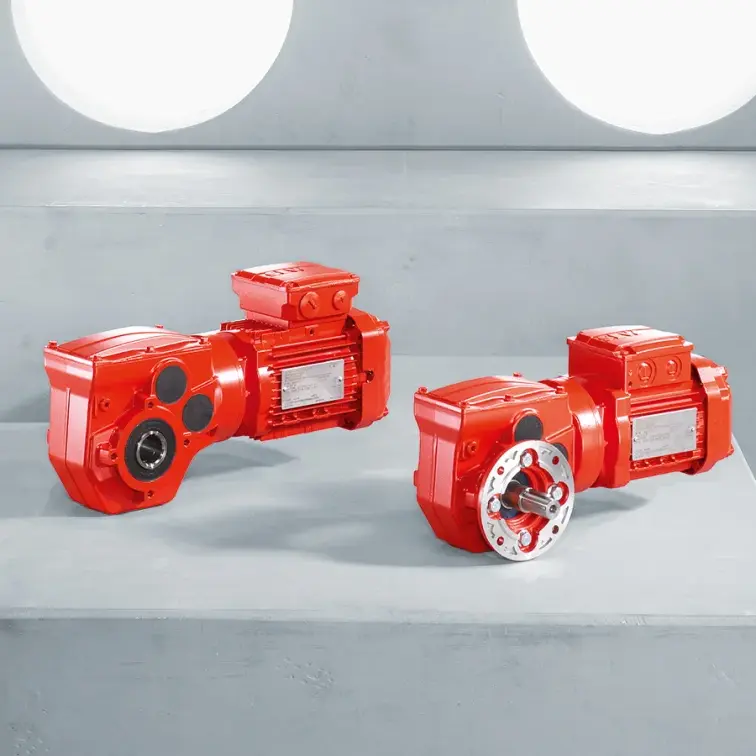 W Series SPIROPLAN® Right Angle Gearmotor