How to Choose the Right Gearedmotor for Global Sourcing?
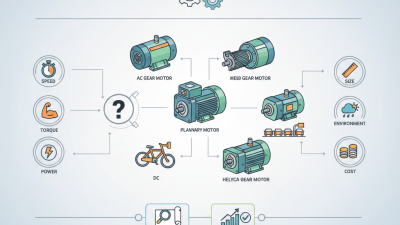
Choosing the right Gearedmotor for global sourcing is more than comparing prices and catalog photos. The correct decision begins with the machine’s actual working conditions. A conveyor moving 40 kilograms needs different torque from a packaging arm starting and stopping every few seconds. Load, speed, duty cycle, noise, mounting space, and ambient temperature all matter.
Experienced sourcing teams usually convert these requirements into measurable specifications. Check output torque, gearbox ratio, motor power, voltage, frequency, efficiency, and shaft dimensions. Request performance curves, not only rated values. A sample test can reveal overheating, vibration, backlash, or unexpected noise. Small details matter. For example, a 24-volt Gearedmotor may suit a control system, while a factory machine requires a different voltage and protection design. Confirm connector types and braking requirements early.
Supplier evaluation also protects the project after purchase. Review production capability, quality records, traceability, testing procedures, and communication speed. Ask whether the supplier can provide consistent samples and mass-production units. Verify applicable technical documentation and market-specific conformity requirements with qualified professionals. Requirements differ across countries. Do not assume one certificate covers every destination. That assumption can become expensive. A practical sourcing plan should include inspection standards, spare parts, warranty terms, packaging protection, and delivery risks. No selection is perfect. However, clear data, controlled testing, and honest supplier discussions make the final Gearedmotor choice more reliable and easier to defend.
Classify the Load: Torque, Speed, Duty Cycle, and IEC S1–S9 Operation
How to Choose the Right Gearedmotor for Global Sourcing?
Load classification should begin with real operating conditions, not a catalog rating. Record required torque, output speed, starting torque, load inertia, and reversing frequency. A motor delivering 500 Nm at 20 rpm faces a different thermal demand than one delivering 500 Nm at 200 rpm. The relationship is simple: power equals torque multiplied by angular speed. Small errors matter. A 10% speed increase can raise mechanical power by roughly 10%.
Duty cycle is equally important. IEC 60034-1 defines S1 as continuous operation at constant load, while S2 covers short-time operation. S3 describes intermittent periodic duty, and S4 adds starting effects. S5 includes electric braking. S6 combines load and no-load periods. S7 includes starting and braking, while S8 and S9 address changing loads, speeds, and non-periodic conditions. S9 is often overlooked in conveyors, mixers, and positioning systems. That can be costly.
The IEA estimates that electric motor systems consume about 46% of global electricity, making correct sizing an efficiency issue, not merely a purchasing detail. IEC 60034-30-1 also provides efficiency-class guidance for motors, but the gearedmotor’s gearbox losses, lubricant temperature, and ventilation still require review. Ask suppliers for thermal curves, service-factor assumptions, noise data, and test conditions. A spreadsheet may look precise. It can still hide an unrealistic duty cycle. Verify the worst ten-minute interval, not only the average load.
How to Choose the Right Geared Motor for Global Sourcing
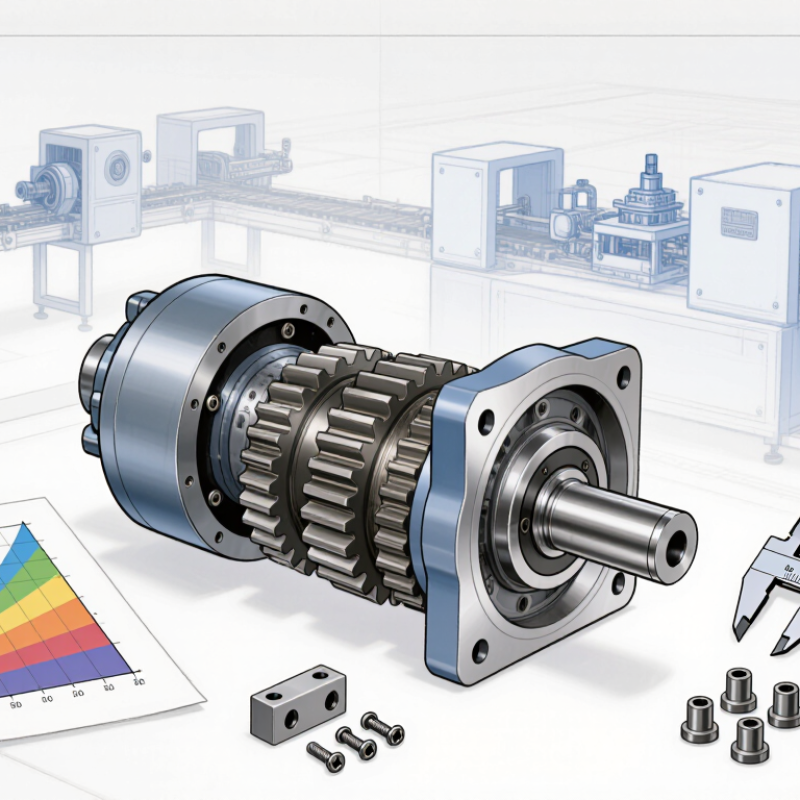
Classify the load by torque, speed, duty cycle, and IEC 60034-1 operating duty.
The chart presents representative geared-motor sizing inputs: output torque, output speed, and operating time within a cycle. S1 means continuous operation at constant load; S3 and S6 represent intermittent periodic operation; S9 represents non-periodic load and speed changes. Actual selection should also verify acceleration torque, overload, starts per hour, thermal limits, service factor, and the required IEC duty classification.
Match Motor Efficiency: Compare IEC 60034-30-1 IE2, IE3, and IE4 Classes
When sourcing a gearedmotor globally, compare efficiency classes under IEC 60034-30-1, not marketing labels alone. IE2, IE3, and IE4 describe motor efficiency at defined operating points. They do not describe gearbox losses, inverter losses, or application performance. A conveyor running 8,000 hours annually can expose small efficiency gaps through its electricity meter. Small differences matter. IE2 may suit lighter use or a lower purchase budget, while IE3 often reduces operating costs. IE4 can offer further savings, but availability, speed range, and price must be checked for the exact motor rating.
Ask suppliers for declared efficiency, rated output, voltage, frequency, duty type, and test method. Compare equal conditions. A 4 kW motor at 50 Hz cannot be fairly compared with a different rating at 60 Hz. Confirm whether the stated class applies to the motor before the gearbox. Then calculate combined gearedmotor efficiency at the real load, including starts, stops, and variable-speed operation.
Check the duty. For dusty plants or cold warehouses, enclosure, lubrication, and thermal limits can affect reliability more than a laboratory percentage.
In sourcing projects, I have seen buyers select IE4 from a catalogue and later discover limited stock or incompatible mounting dimensions. That mistake is avoidable. Request drawings, nameplate data, efficiency test reports, and a sample inspection plan before approving production. Do not assume the highest class always wins. If the motor operates below 50% load, predicted savings may shrink, especially with an oversized gearbox. I would also verify power consumption during a pilot run, because field conditions rarely behave perfectly. A spreadsheet estimates savings; measured energy provides stronger evidence.
Verify Protection: Use IEC 60529 IP Ratings for Global Site Conditions
When choosing a gearedmotor for global sourcing, start with the installation environment, not the catalogue image. IEC 60529 IP ratings describe enclosure protection against solids and water. The first digit covers dust and particles. The second addresses moisture, from dripping water to temporary immersion.
An IP65 rating means dust-tight protection and resistance to water jets. IP66 offers stronger water-jet protection, while IP67 permits temporary immersion under specified test conditions. These ratings are useful, but they do not confirm resistance to salt, chemicals, oil, corrosion, or extreme temperatures. A motor installed beside a coastal washdown line may need additional materials and sealing measures. Check the exact test report, cable-gland rating, shaft seal design, and mounting position.
Site details often decide whether the specification works. A food-processing area may require frequent spray cleaning. An outdoor installation may face driving rain, condensation, and dust inside the terminal box. Ask suppliers to state the tested IP level for the complete gearedmotor assembly, not only the motor housing. Confirm whether connectors, brakes, sensors, and junction boxes match that rating.
Small gaps matter. I have seen technically suitable units fail after poor cable entry and trapped moisture. That experience makes me question simple IP claims. Also review local voltage, frequency, ambient temperature, and maintenance access before approving a global order. An IP67 enclosure is not automatically safe for continuous underwater service.
Audit Suppliers: Check ISO 9001, IEC Compliance, Testing, and Lead Times
How do you choose the right gearedmotor for global sourcing?
A supplier audit should start with evidence, not confident promises. Request current ISO 9001 certificates and verify their scope, issuing body, and expiry date. The certificate should cover relevant design, production, and inspection activities. An expired certificate is a warning.
IEC compliance needs equal attention. Ask for the exact standards used for the gearedmotor. Check whether they match voltage, insulation class, protection rating, and application conditions. Do not accept a generic compliance statement.
Testing reveals what paperwork cannot. Request load-test records showing torque, speed, temperature rise, noise, and efficiency. Ask how instruments are calibrated and when. A useful report identifies test dates, samples, methods, and acceptance limits.
If results look unusually perfect, ask harder questions. Real production includes variation.
Lead time should be audited like quality.
Request a process map from order confirmation to final inspection. Clarify motor availability, gearbox machining, assembly capacity, and shipping preparation. Confirm whether quoted days mean calendar or working days. Add time for sample approval and corrective actions. One practical mistake is trusting a single promised date. I prefer a range with milestones, although it feels less convenient. Ask for recent on-time delivery data and a recovery plan. Even a careful checklist can miss weak control points. A small pilot order can expose them before volume purchasing begins.

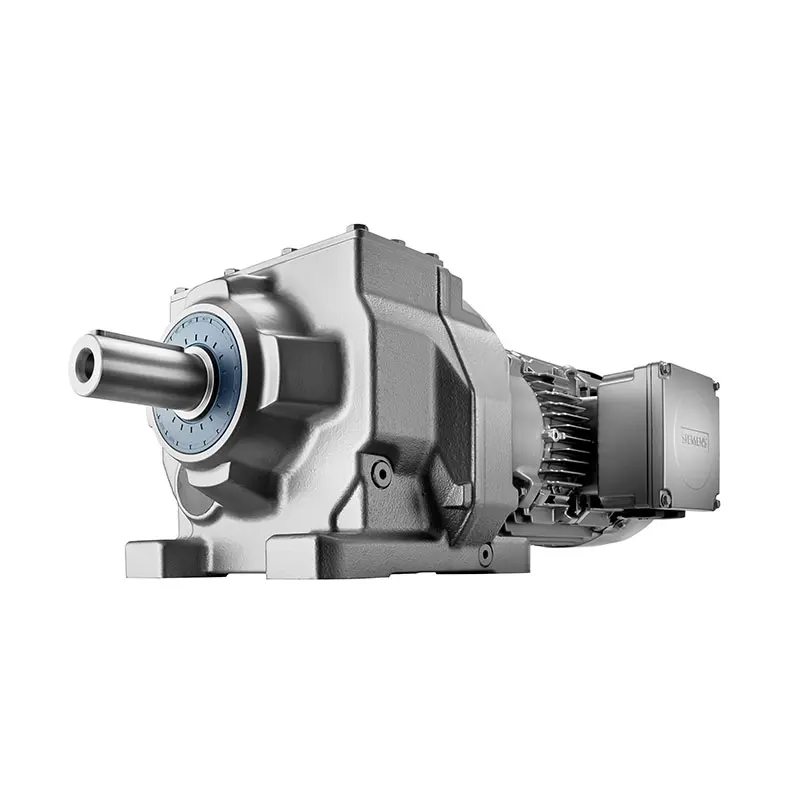 SIEMENS Helical Gearmotor Low Voltage
 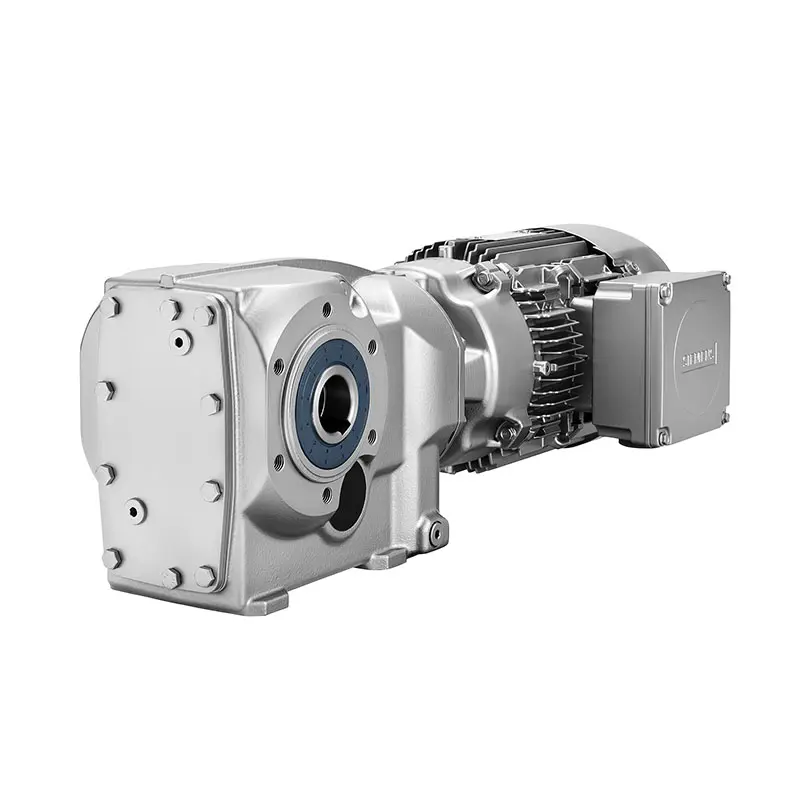 SIEMENS Bevel Helical Gearmotor
 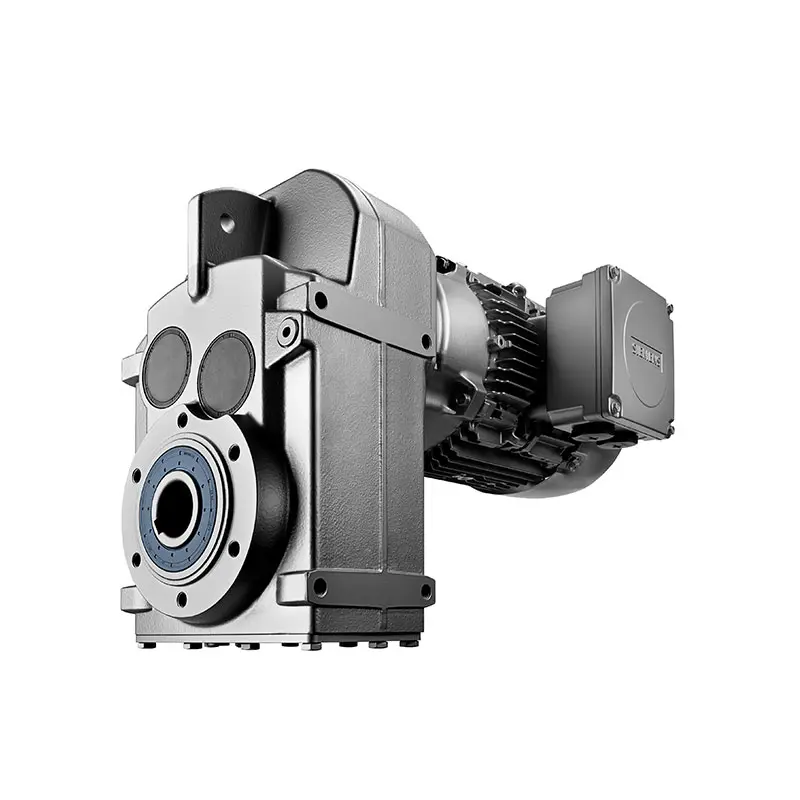 SIEMENS Parallel Shaft Gearmotor
 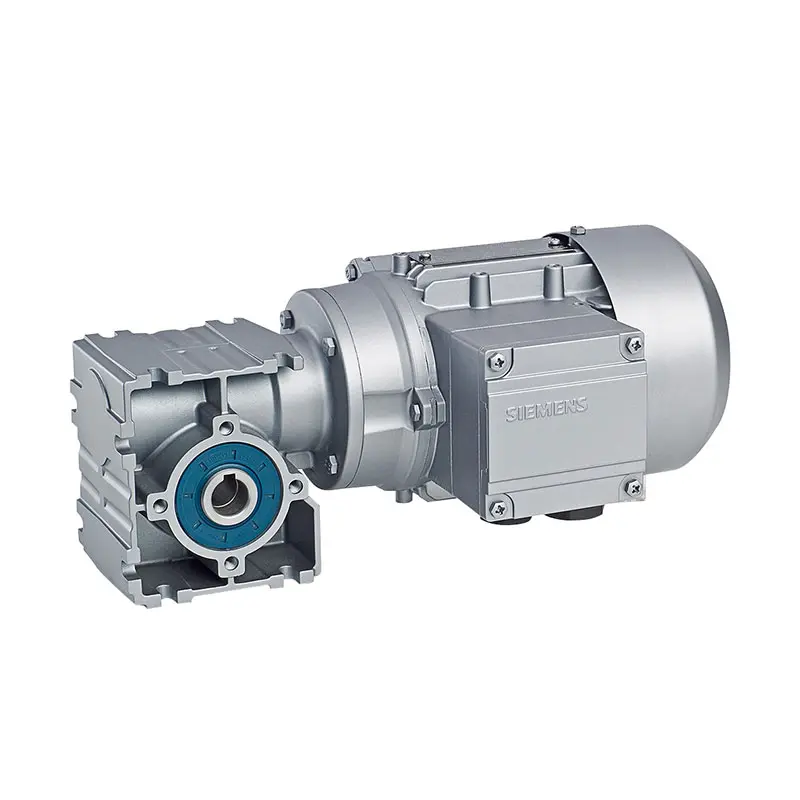 SIEMENS Worm Gearmotor Low Voltage
 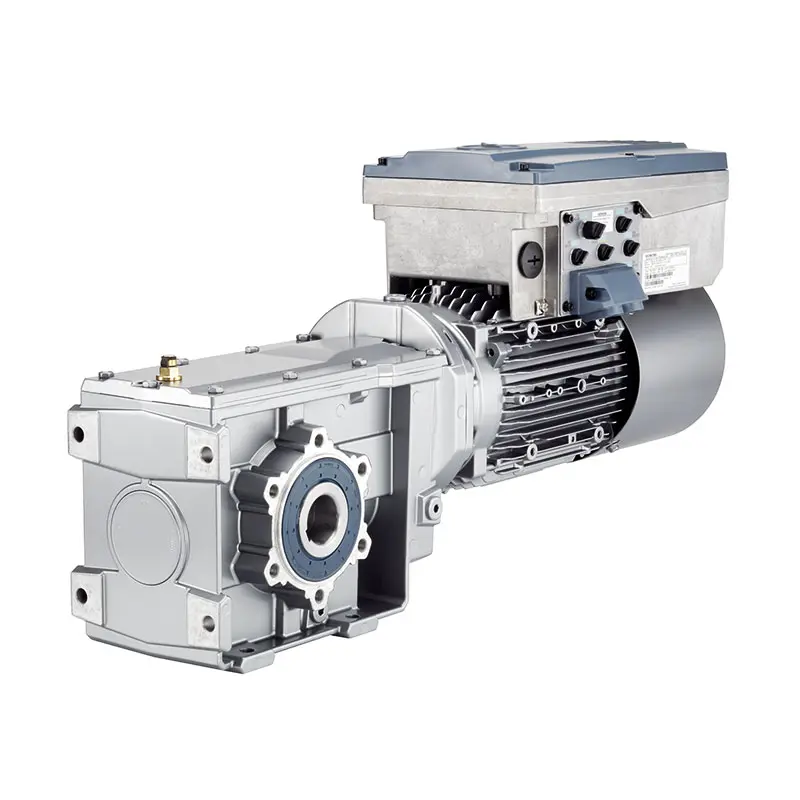 SIEMENS With Servo Motor Gearmotor
 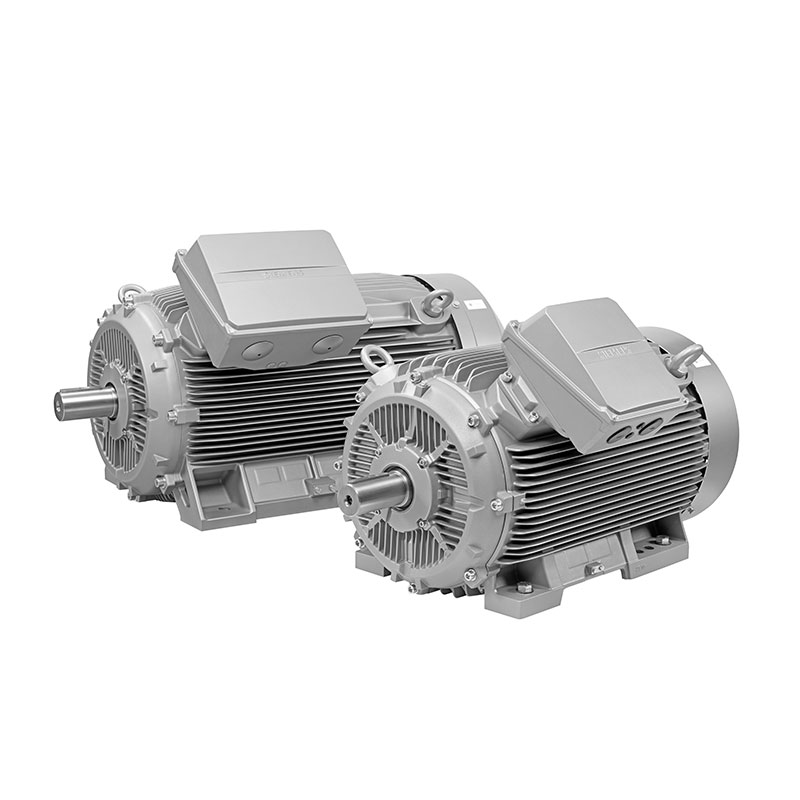 SIEMENS Low Voltage Motor Low Voltage
 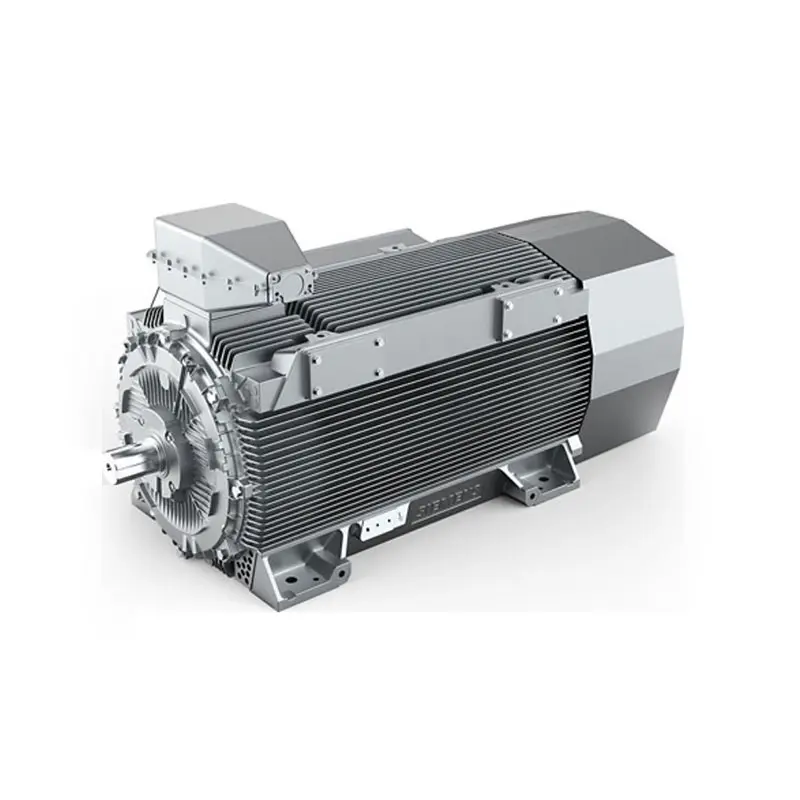 SIEMENS High Voltage Motor Low Voltage
  SIEMENS Marine Motor Low Voltage
 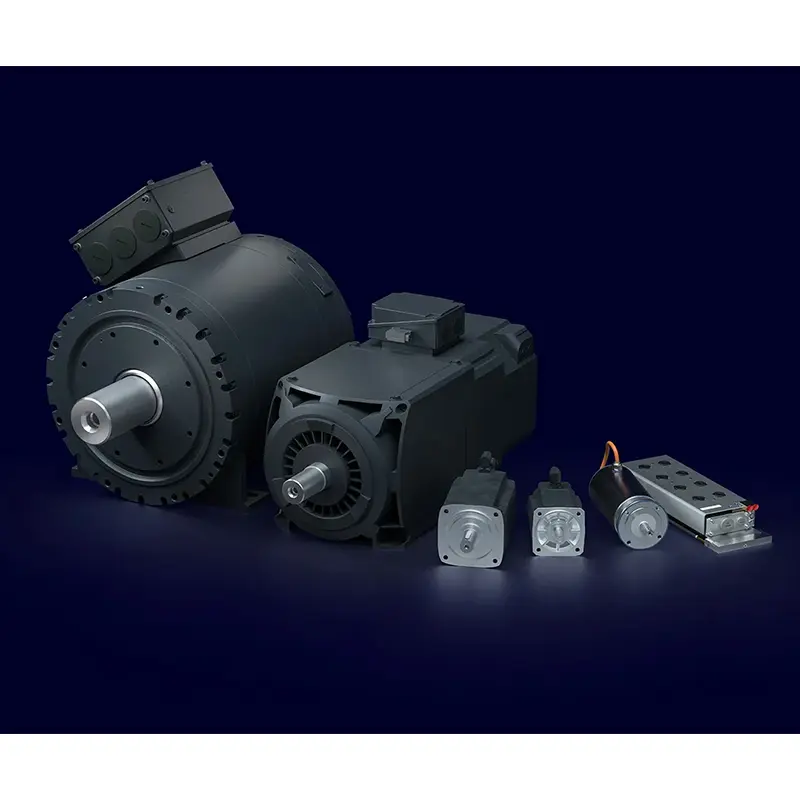 SIEMENS Servo Motor Low Voltage
 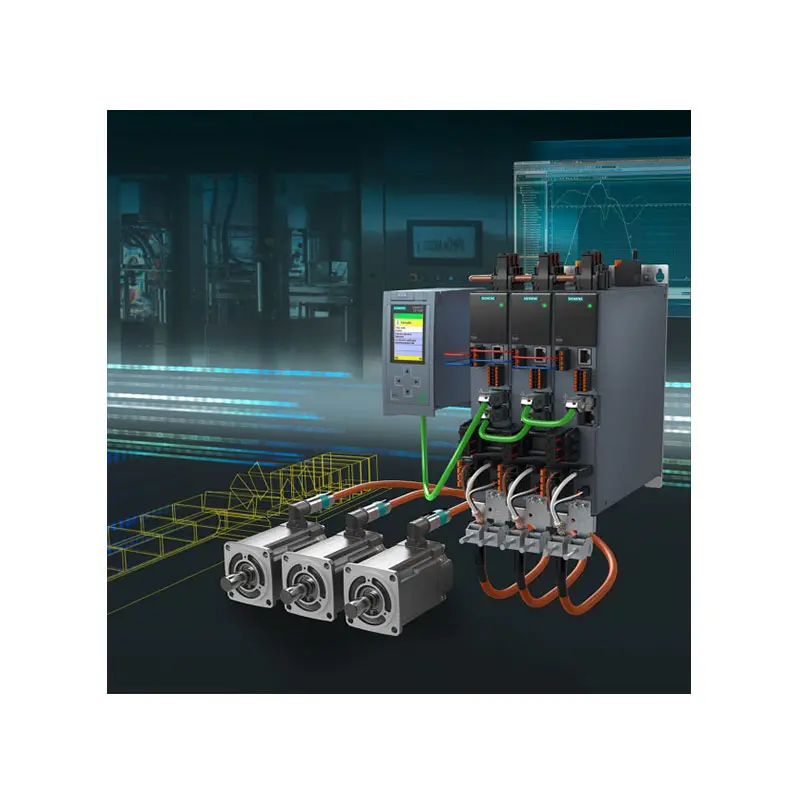 SIEMENS SINAMICS S210 Low Voltage
 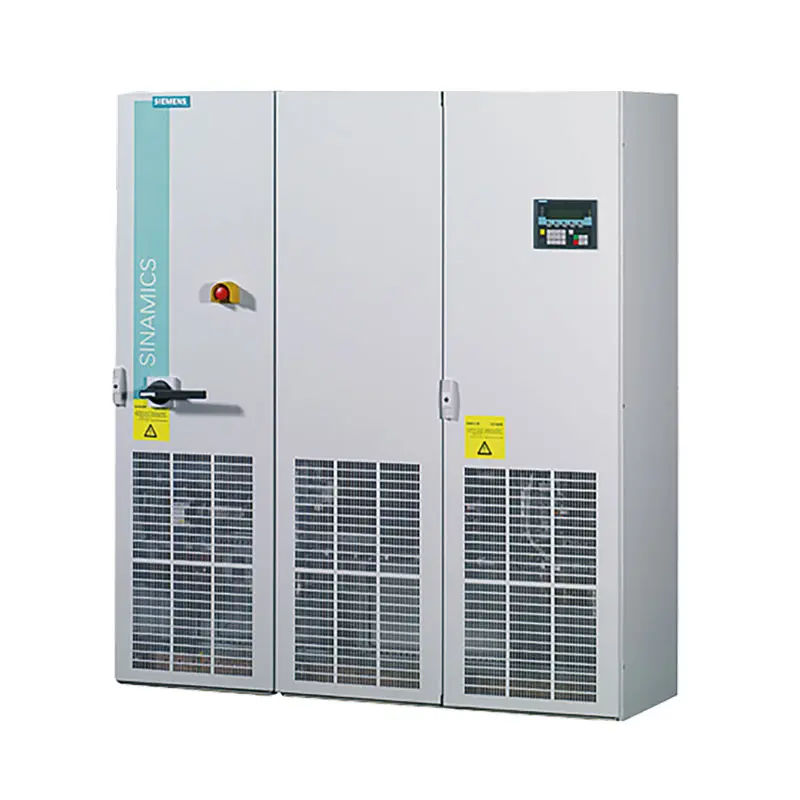 SIEMENS SINAMICS S150 Low Voltage
  SIEMENS SINAMICS S120 Low Voltage
 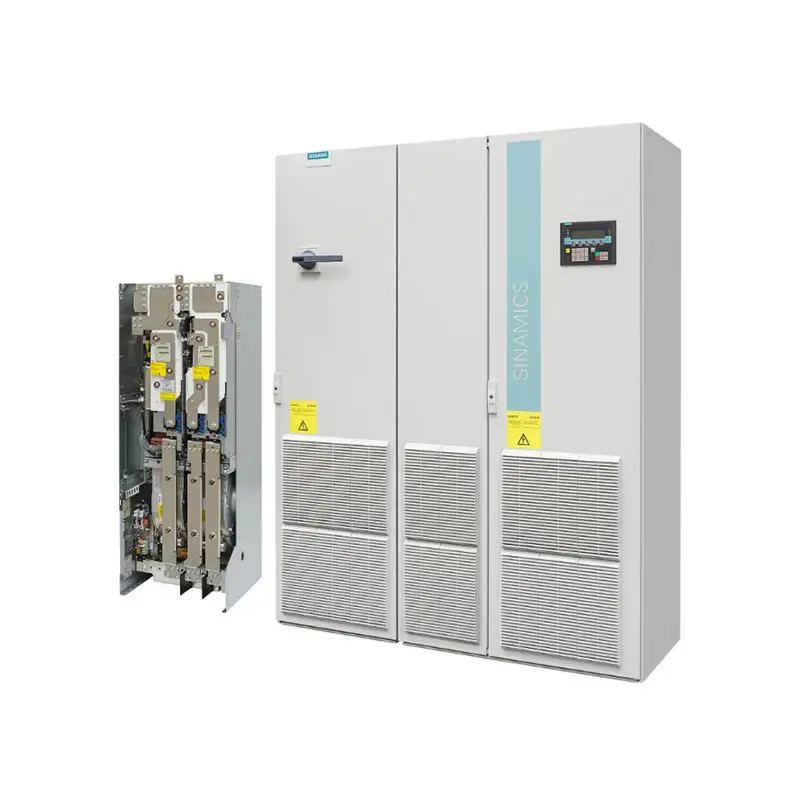 SIEMENS SINAMICS G130/G150
 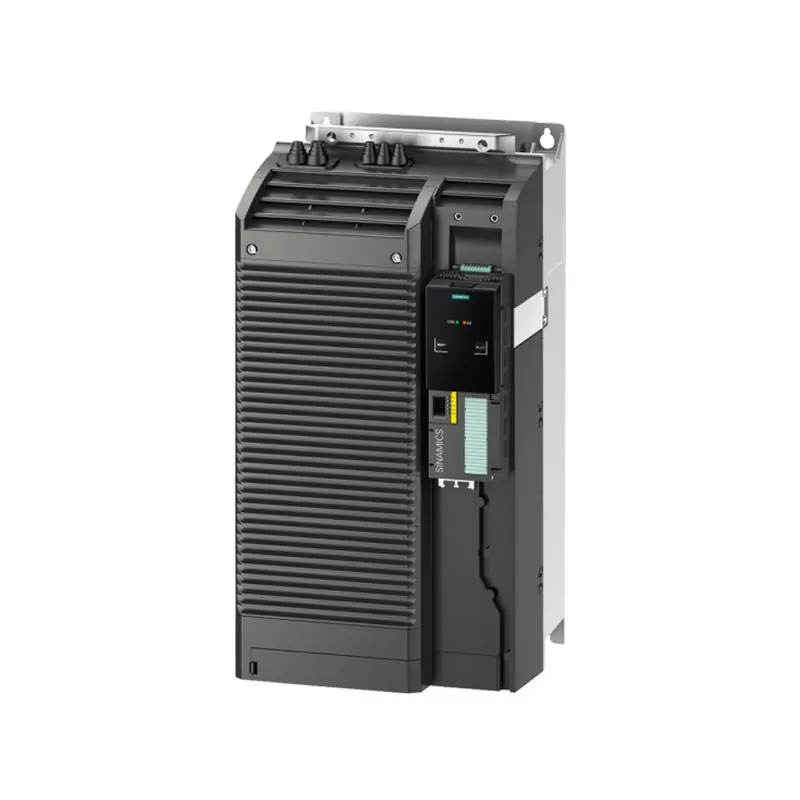 SIEMENS SINAMICS G120 Low Voltage
 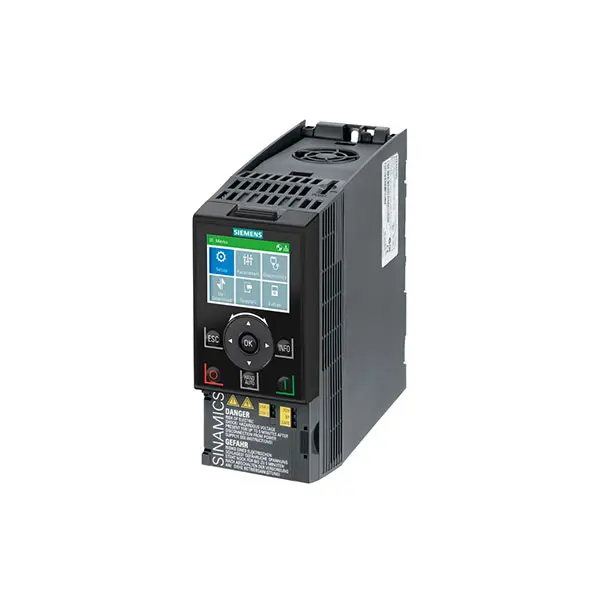 SIEMENS SINAMICS G120C Low Voltage
 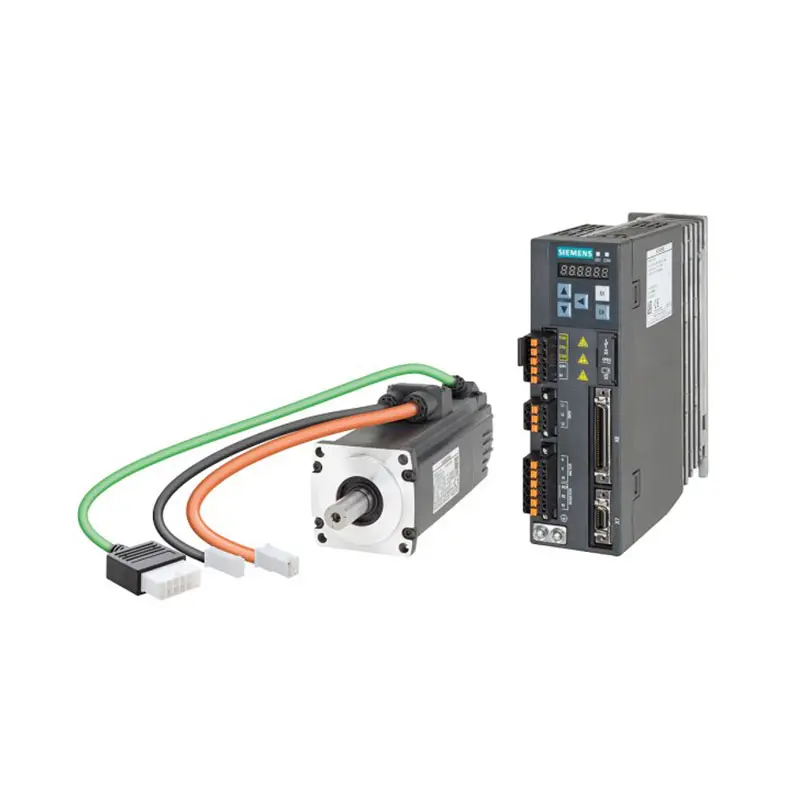 SIEMENS SINAMICS V90
 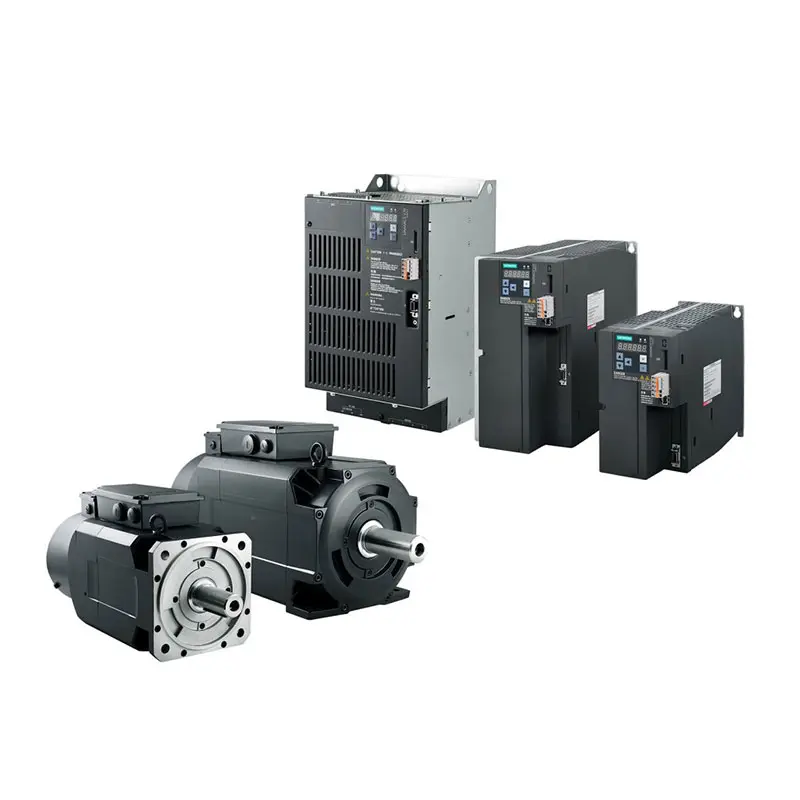 SIEMENS SINAMICS V70 Low Voltage
 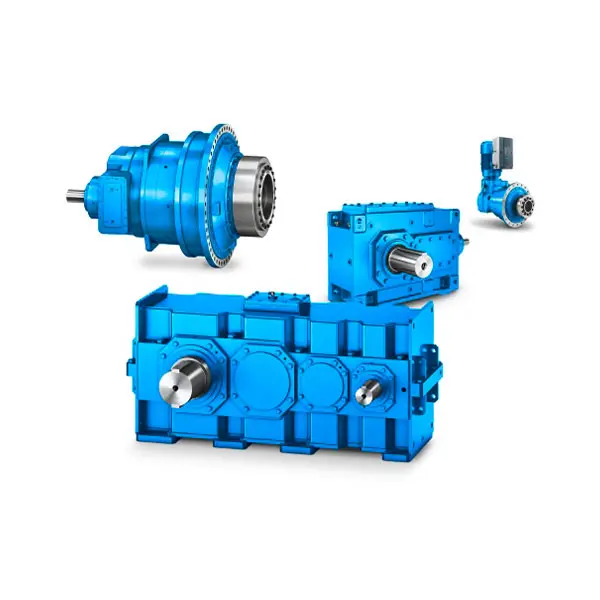 FLENDER Gear Unit
 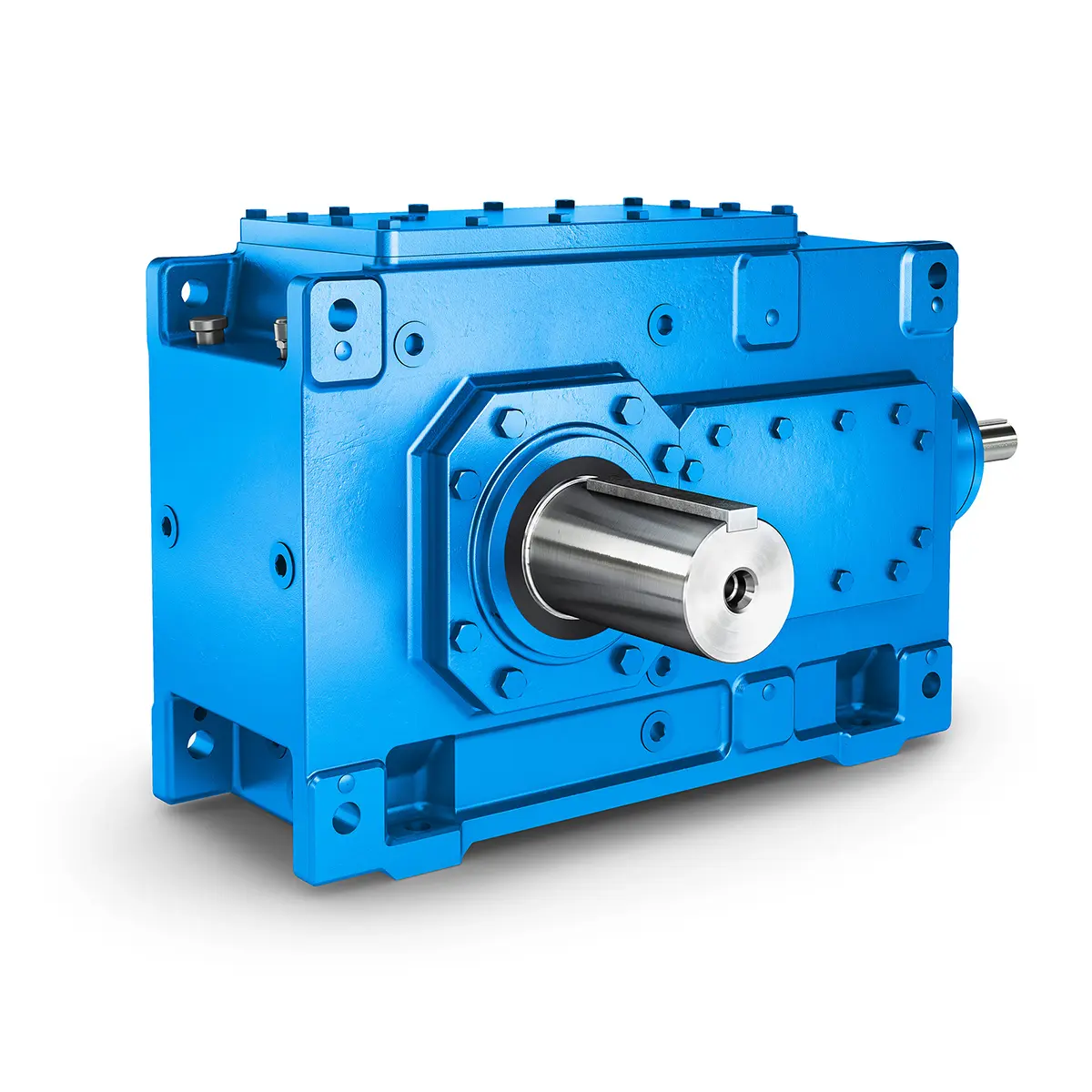 FLENDER Helical Gear Unit
 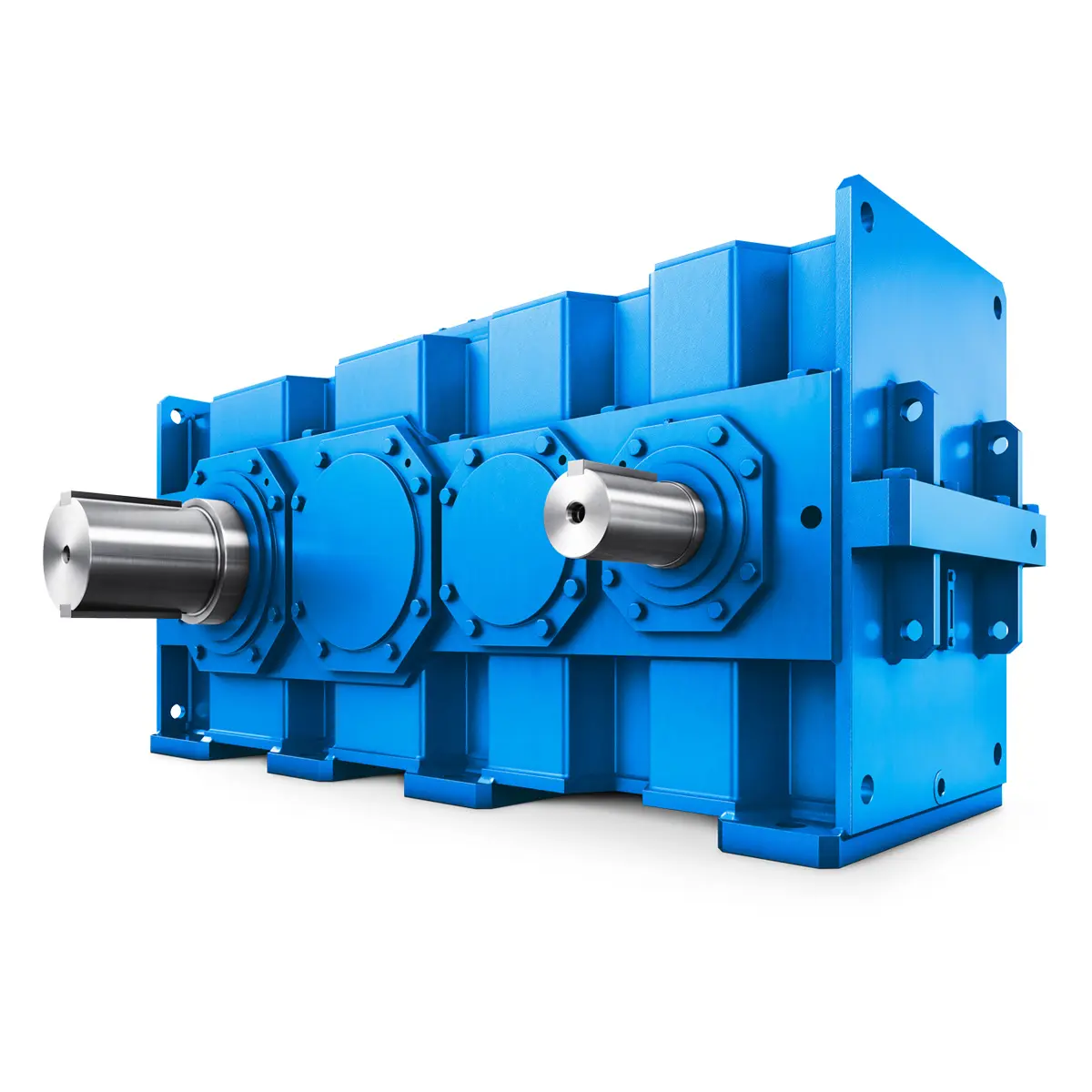 Flender gear units for lifting and luffing gears
 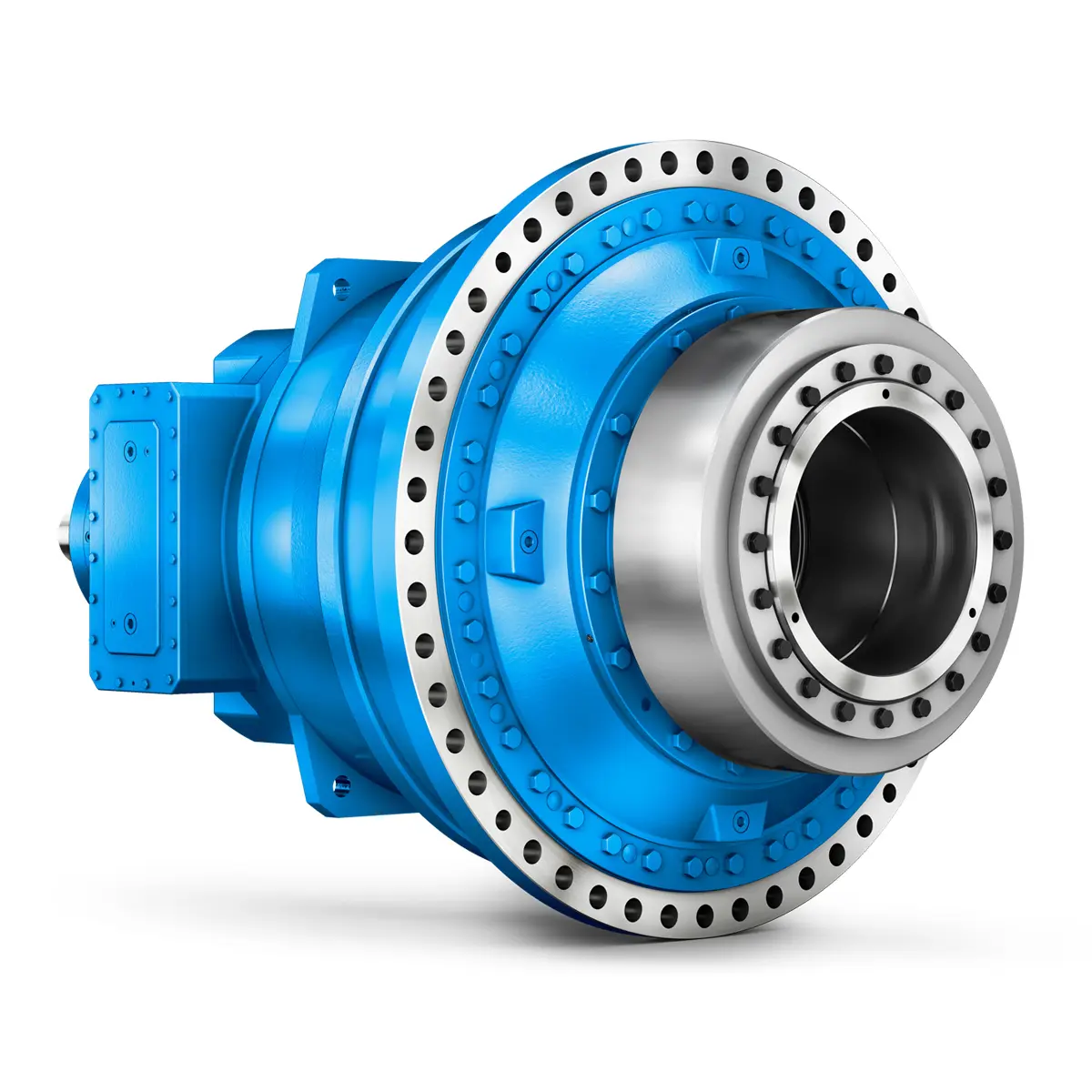 FLENDER Gear Unit gearunit gearbox
 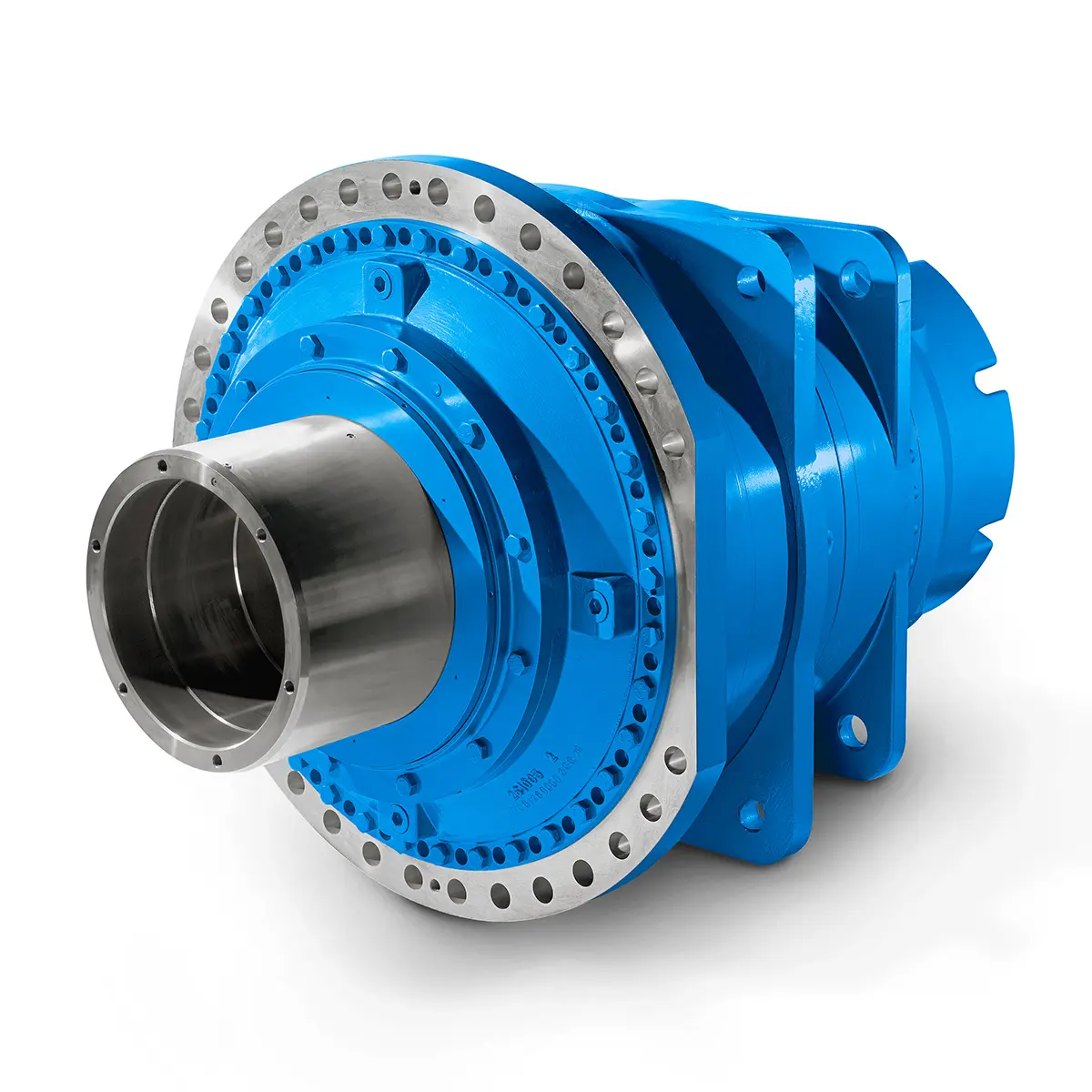 Optimal Drive Solution For Maximum Performance
 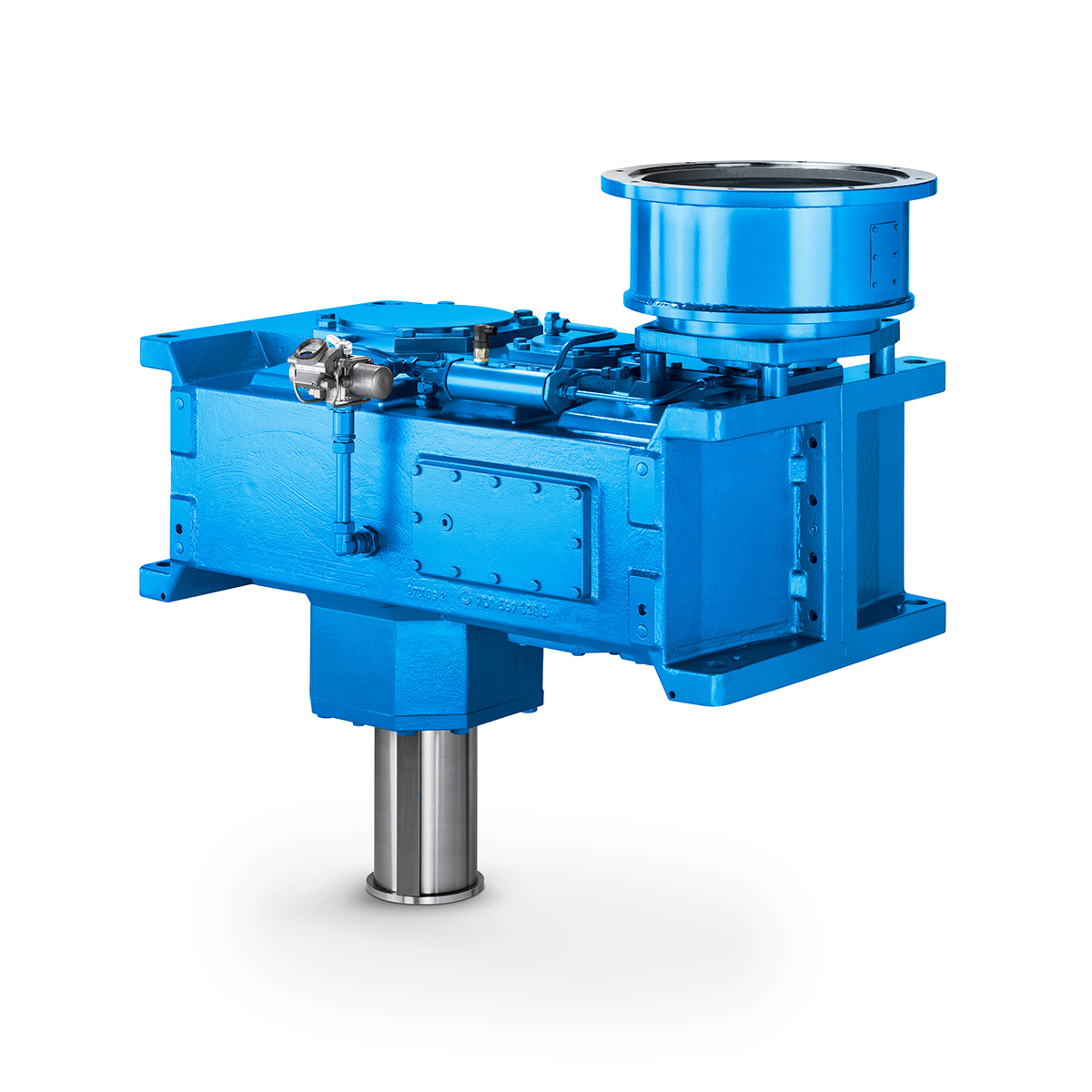 Strongly operating against biodegradable constituents
 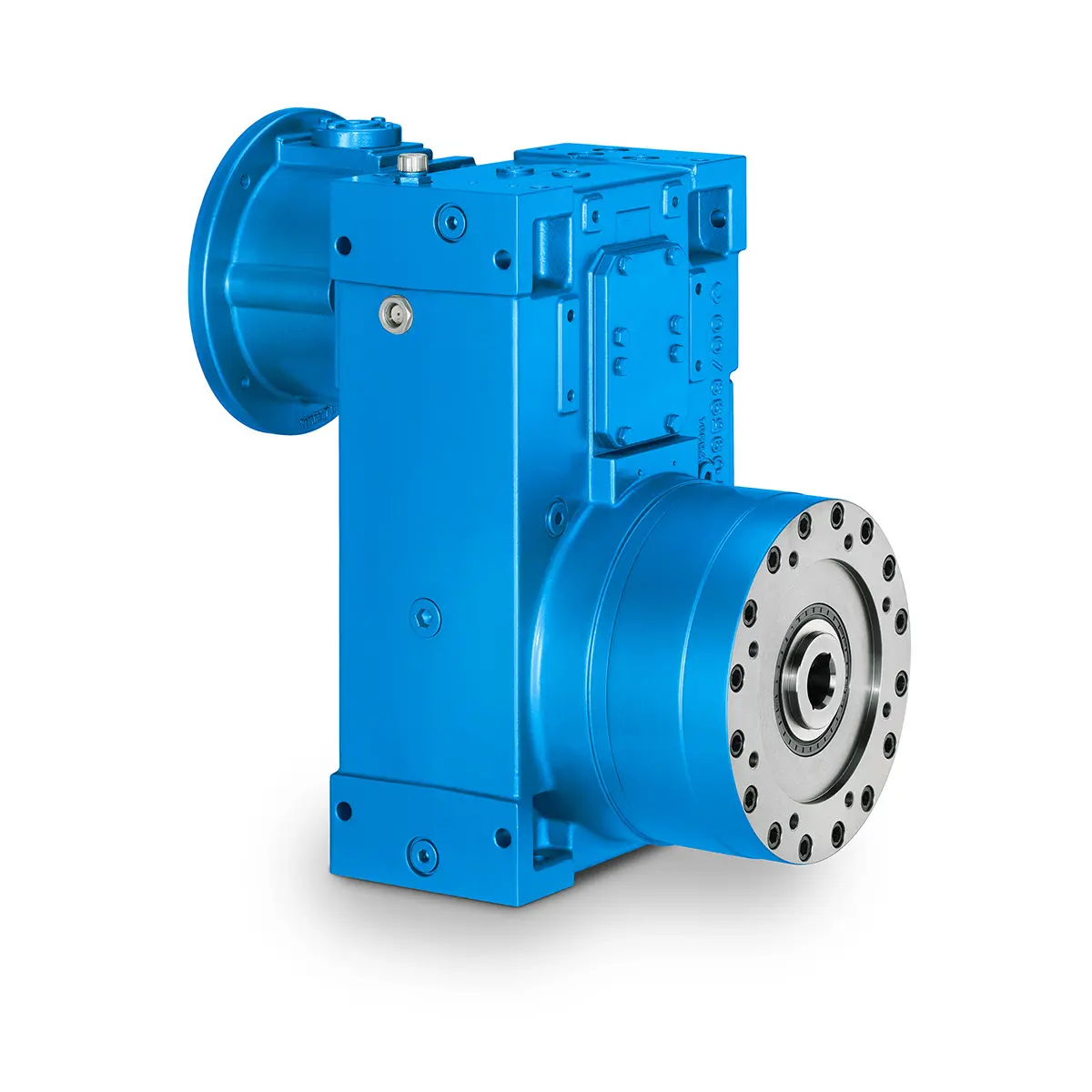 SINGLE SCREW Special industry dedicated gearunit gearbox
 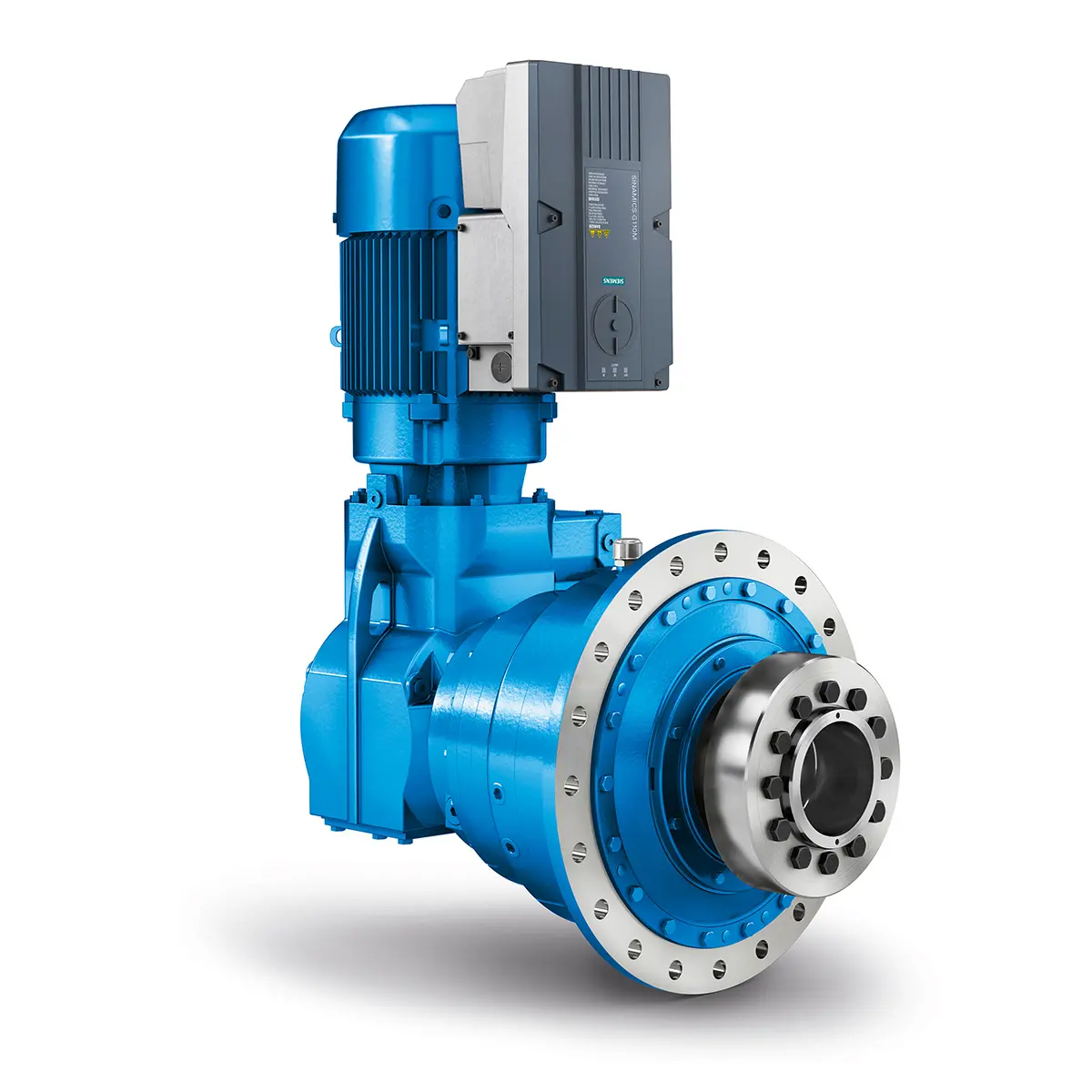 Playmaker In The Premium League
 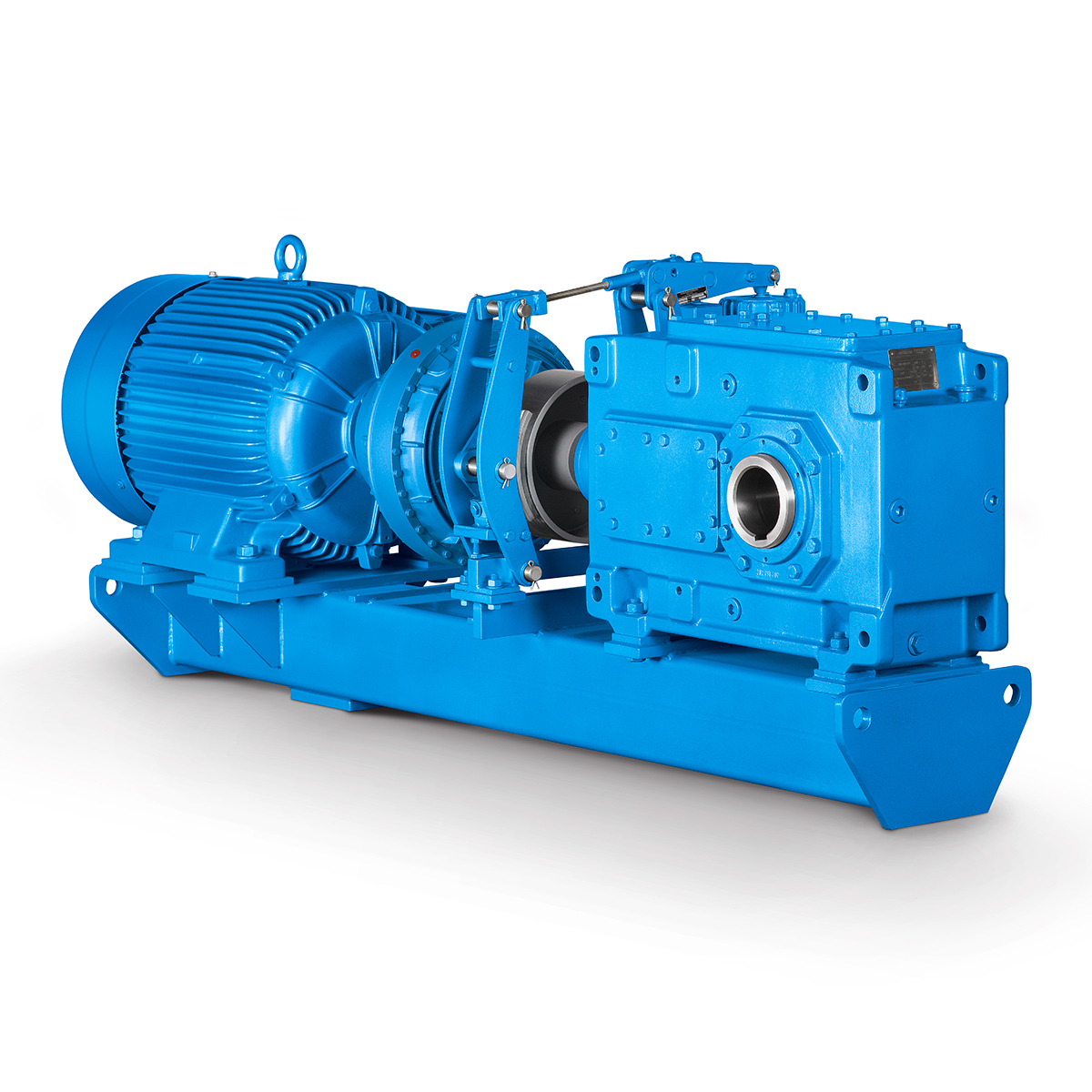 Conveyor belts gearunit gearbox
 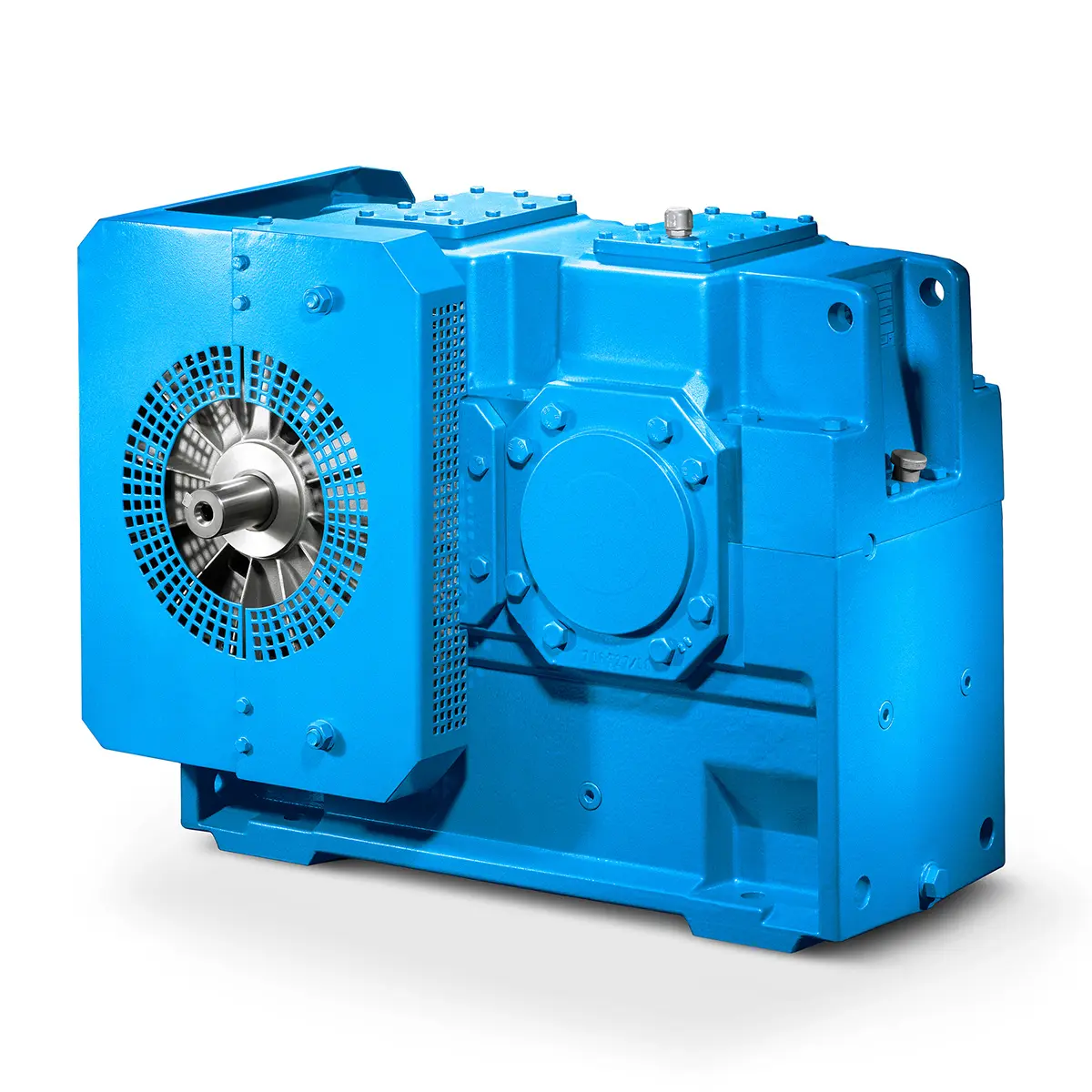 Paper And Pulp Preparation Sections
 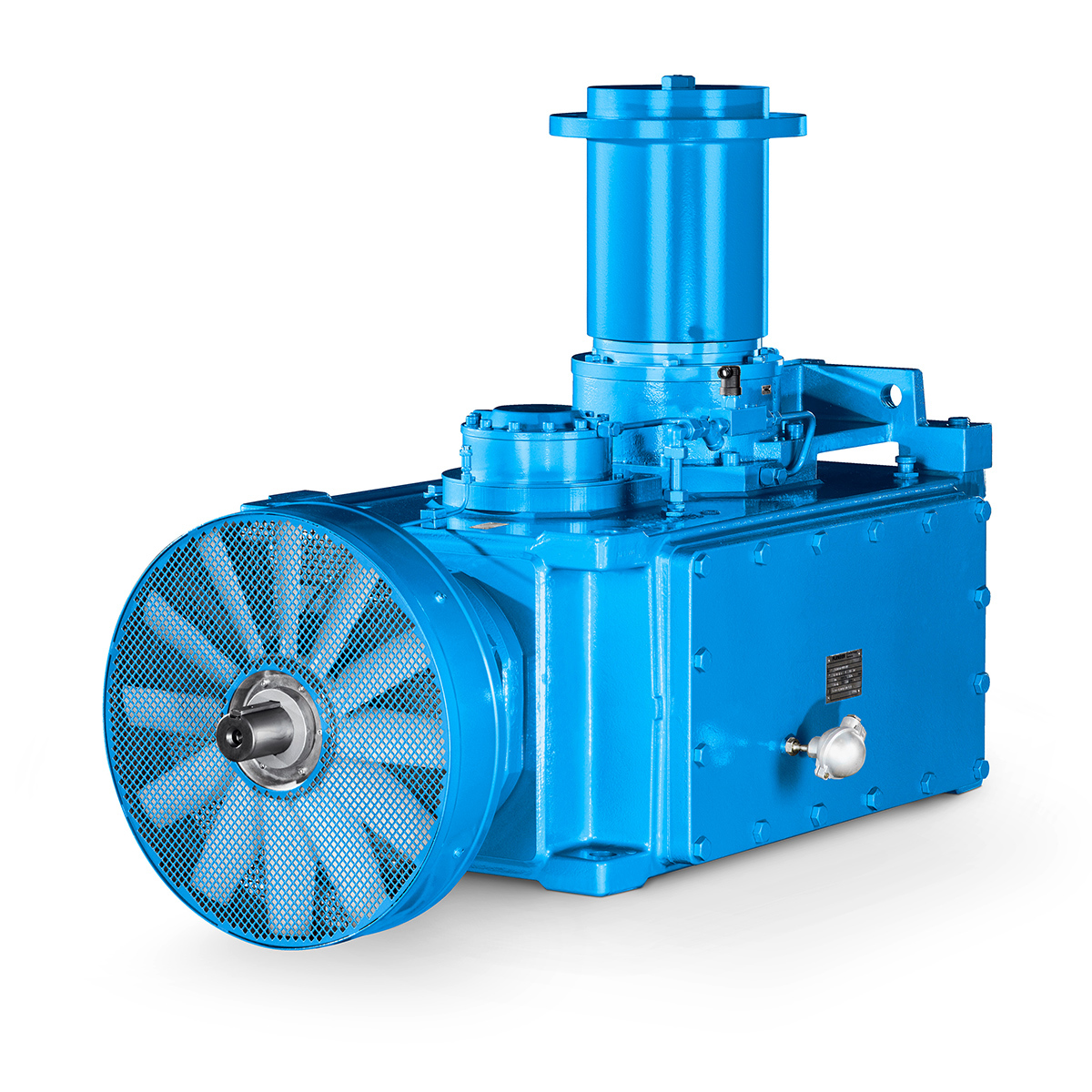 Operational Reliability Even In Case Of The Highest Ventilation Forces
 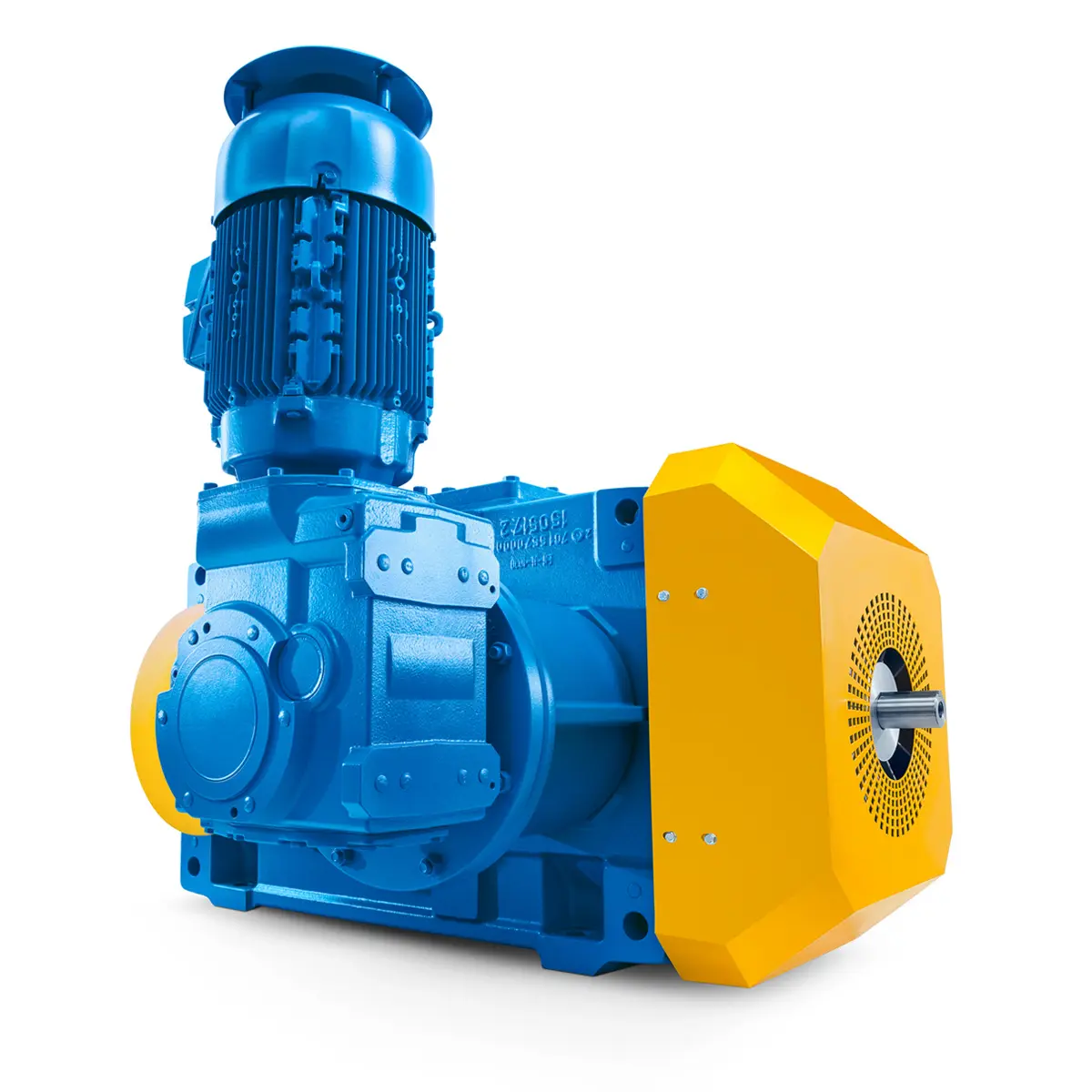 Reliable Gear Units For High Performance Vertical Conveyors 59/200
 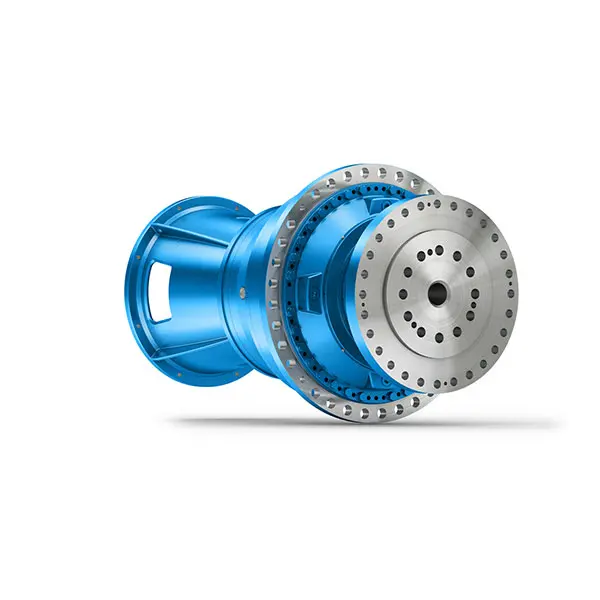 Maximum power density – PLANUREX 3 L individual drives for your sugar cane mill
 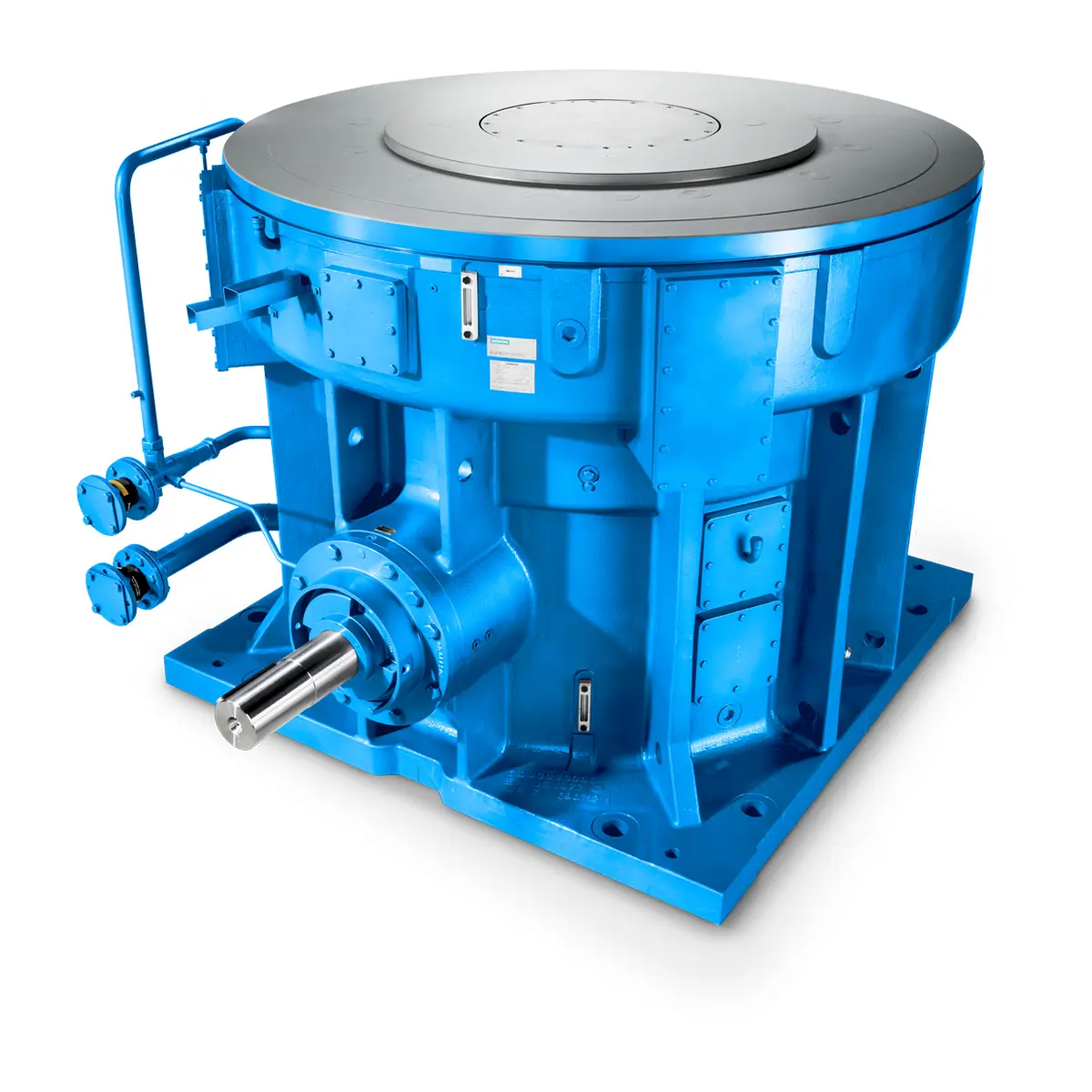 The proven all rounder gearunit gearbox
 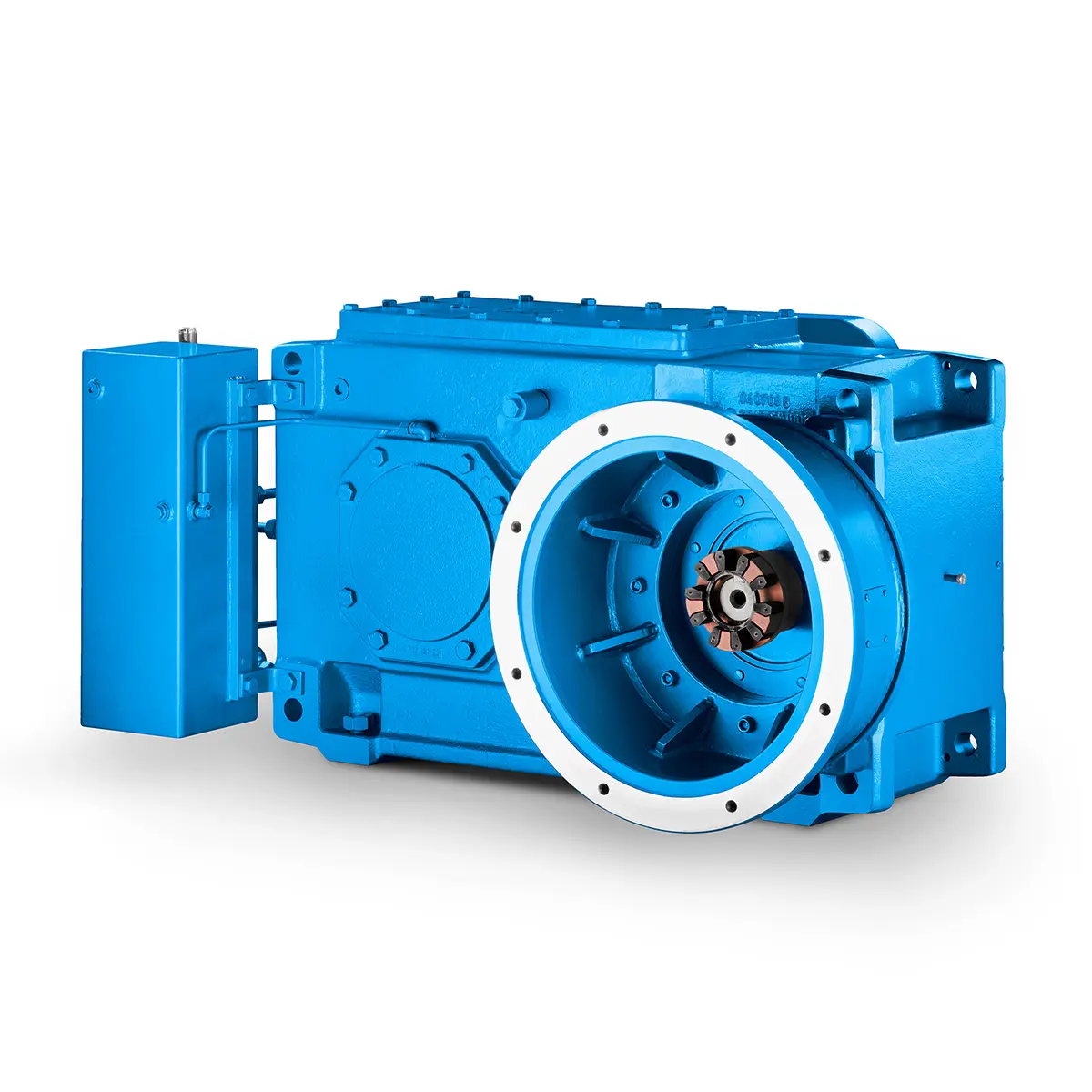 Stirs and stirs and stirs gearunit gearbox
 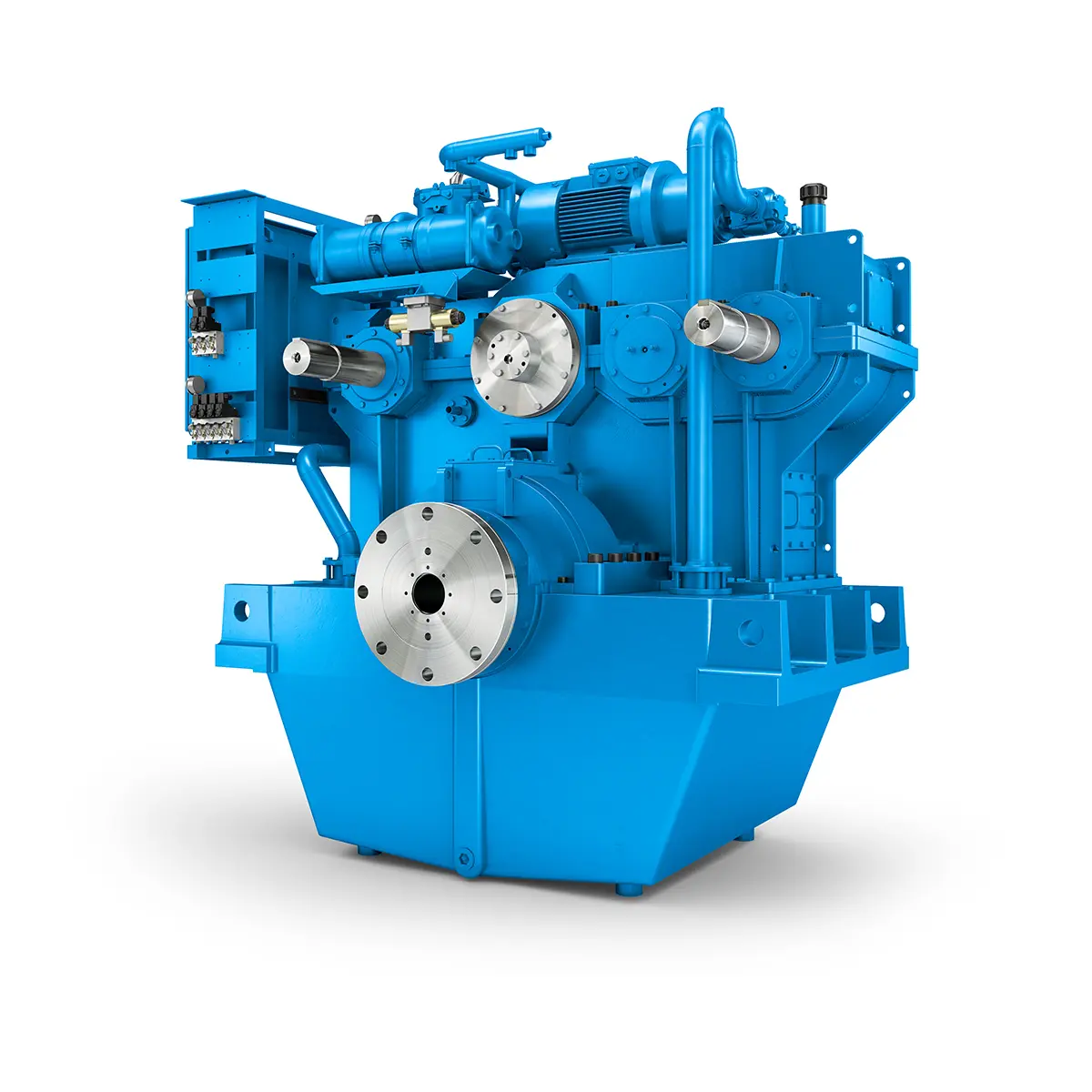 Flexibility on Board gearunit gearbox
 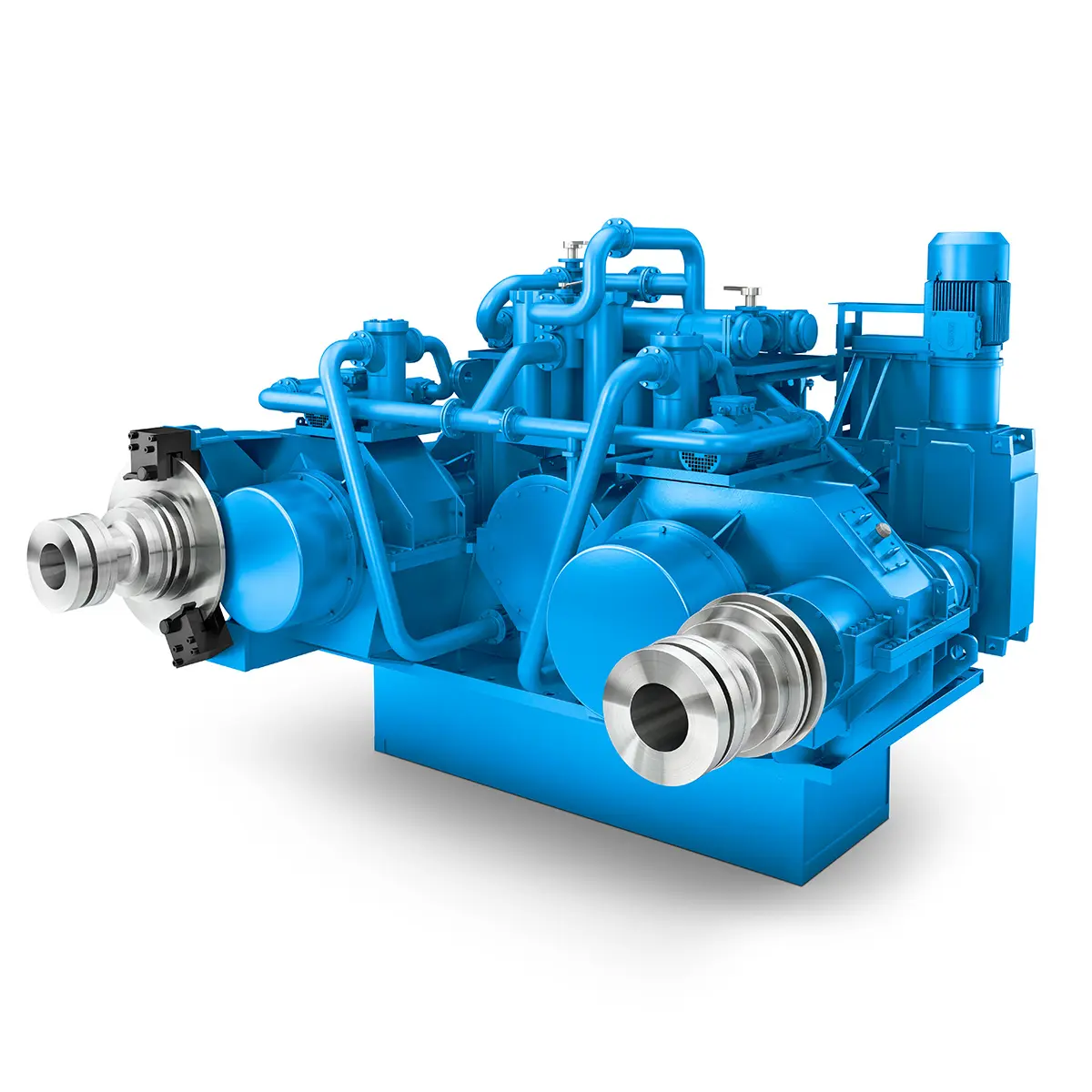 The right gearbox for all Multi-Engine Ships
 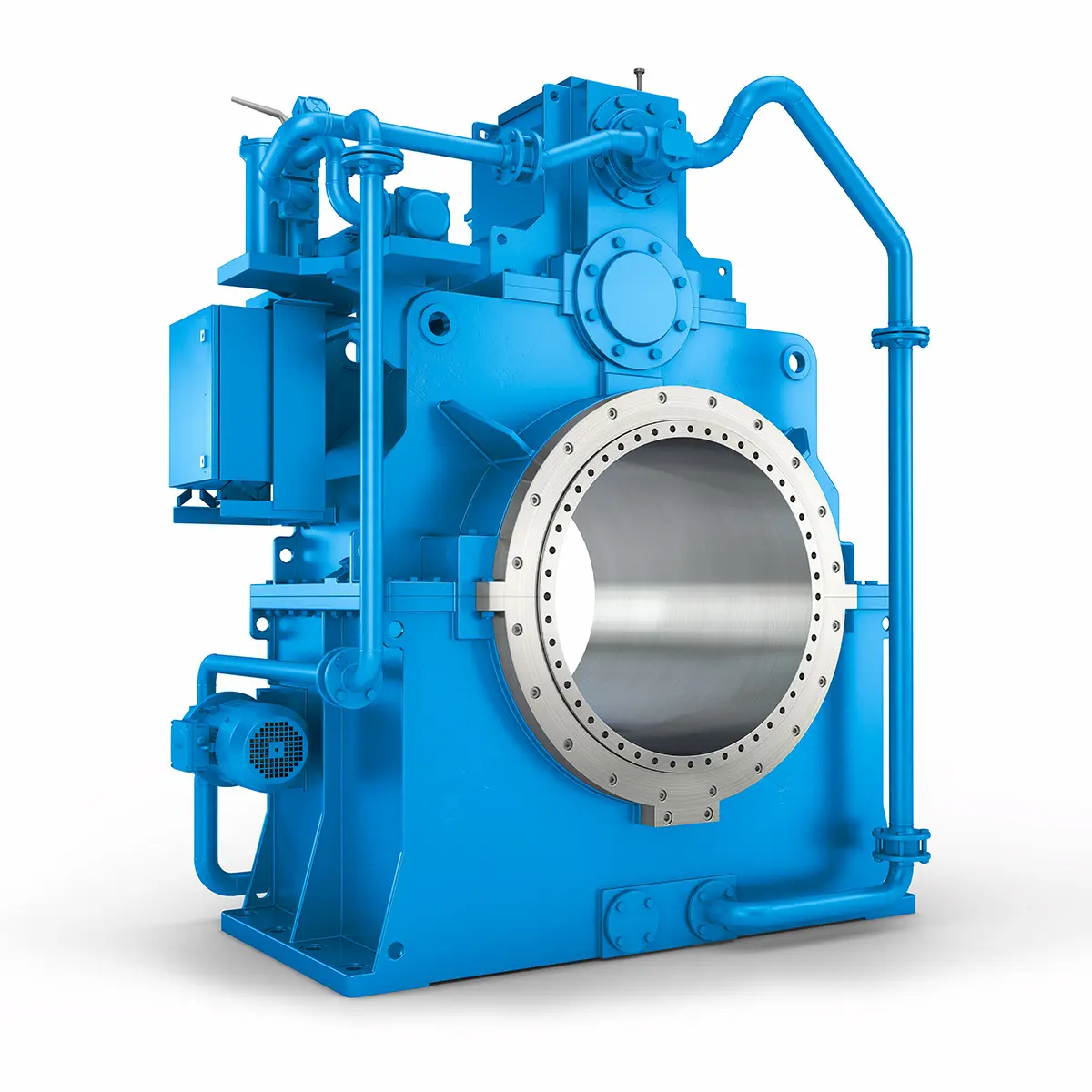 Reliable Power Generation on board
 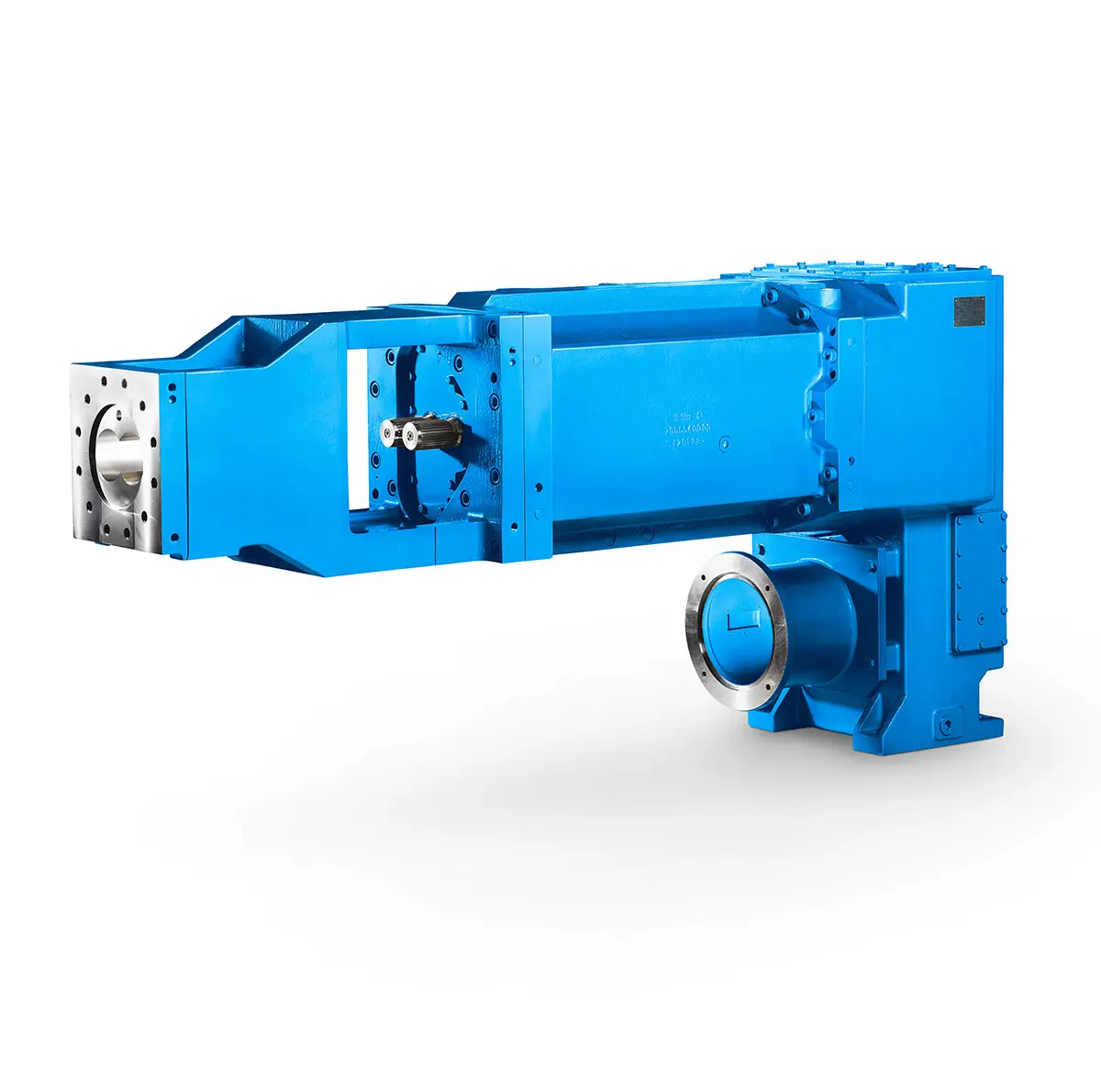 Maximum performance level, fast deliverable
 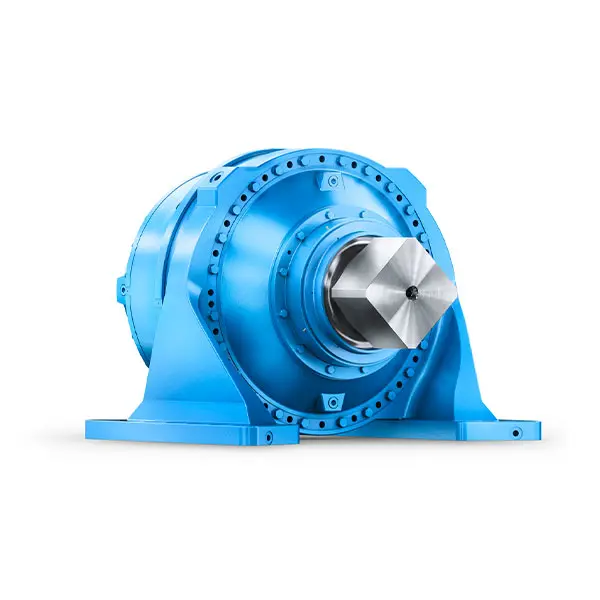 Efficient and compact – FLENDER Gear Units for Sugar Mills
 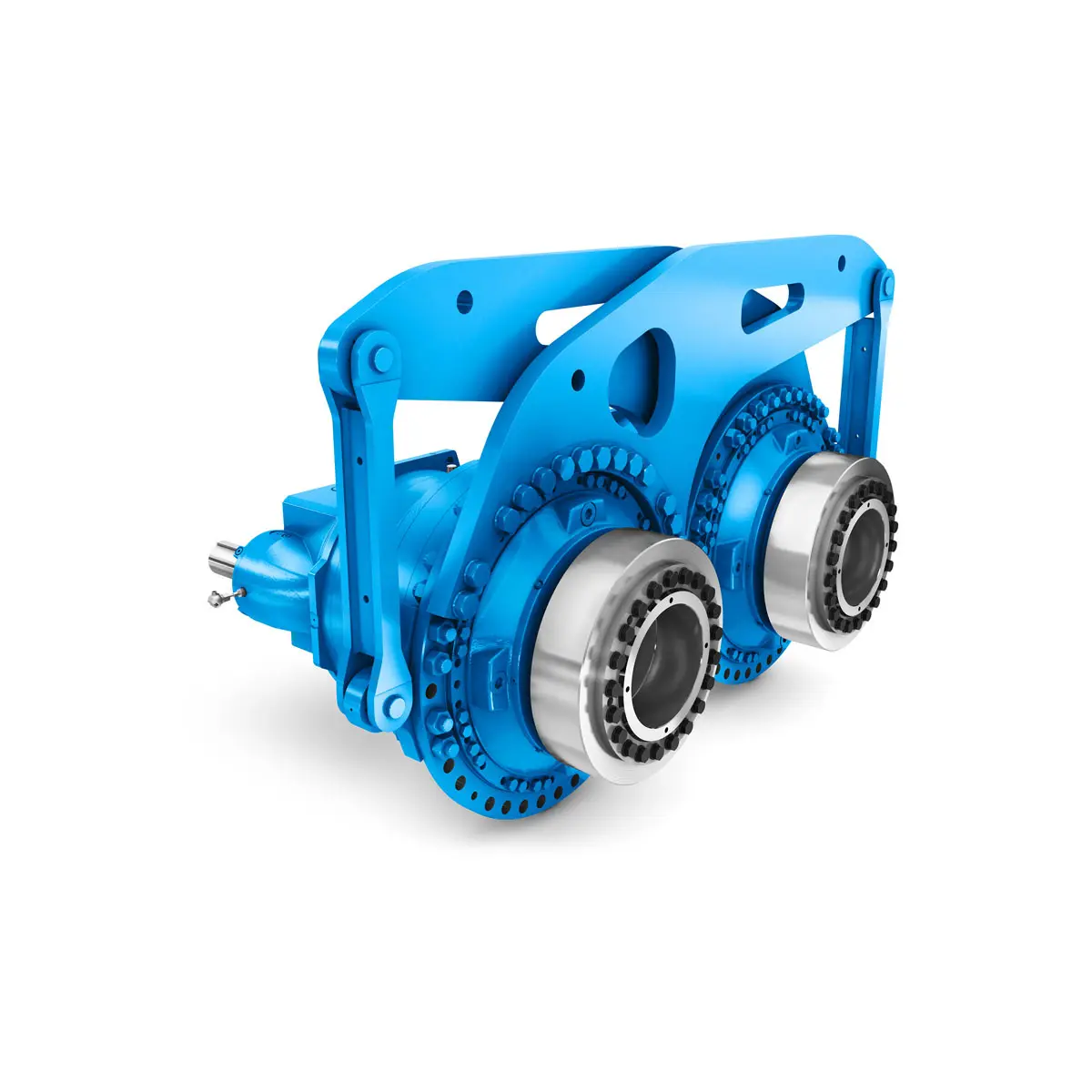 Extremely strong. Extremely compact. Extremely stressable.
 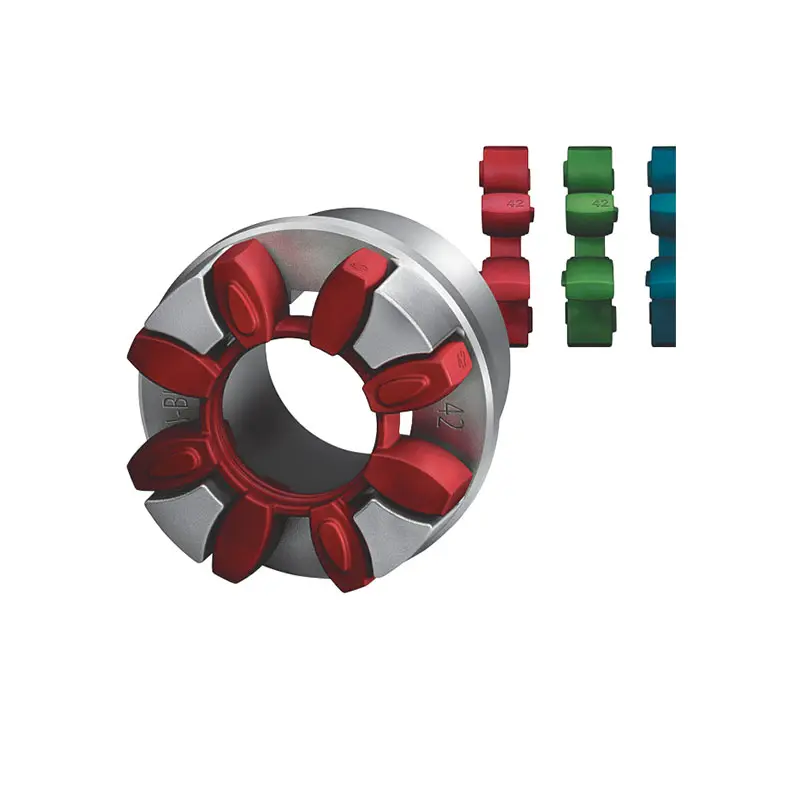 FLENDER Coupling
 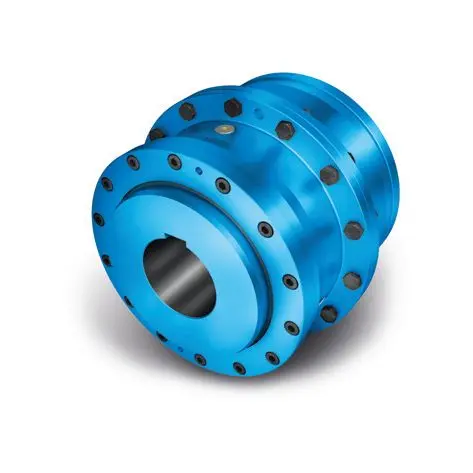 ZAPEX ZW Torsionally Rigid Gear Coupling
 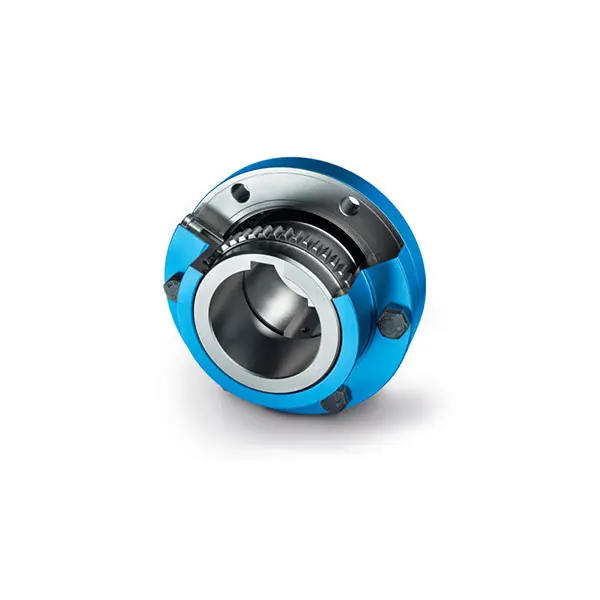 ZAPEX ZN Torsionally Rigid Gear Coupling
 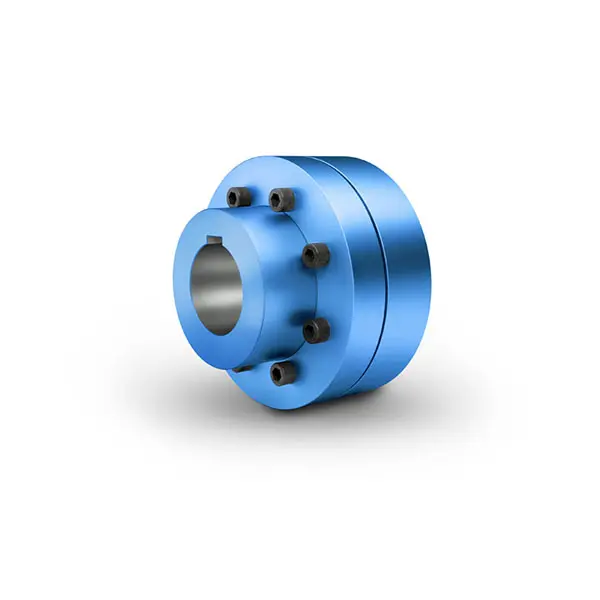 N-EUPEX Flexible high performance Coupling
 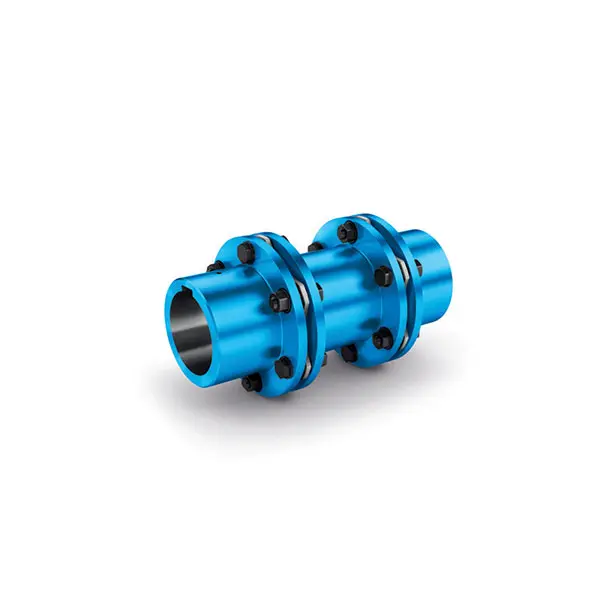 N-ARPEX Torsionally Rigid All-Steel Coupling
 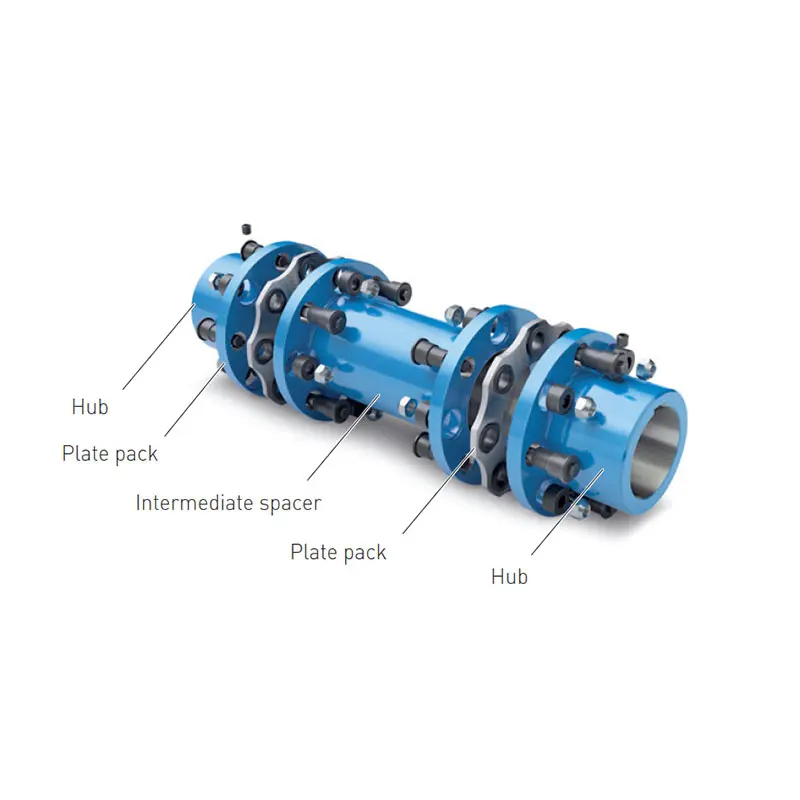 ARPEX Torsionally Rigid All-Steel Coupling Spare and Parts
 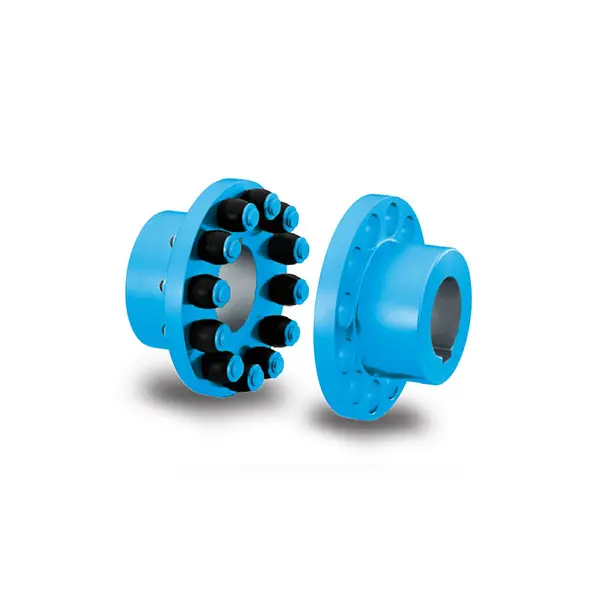 RUPEX Flexible high performance Coupling
 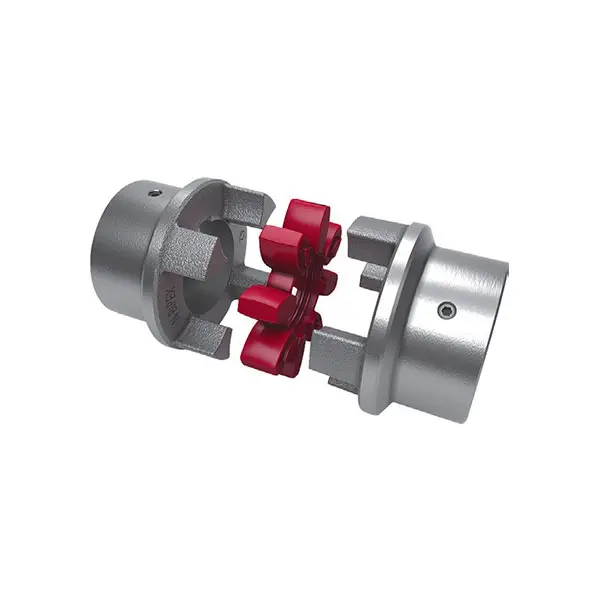 N BIPEX Flexible high performance coupling
 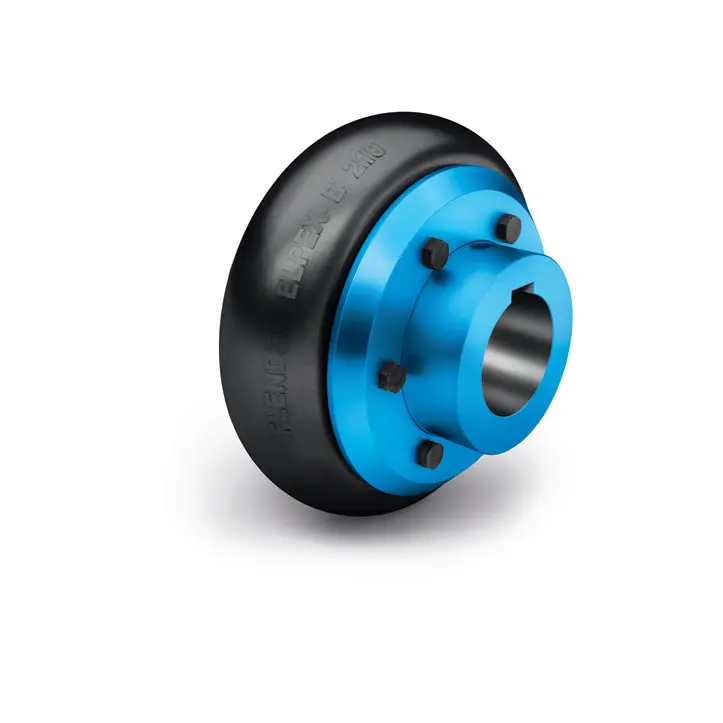 ELPEX B Highly Flexible Coupling
 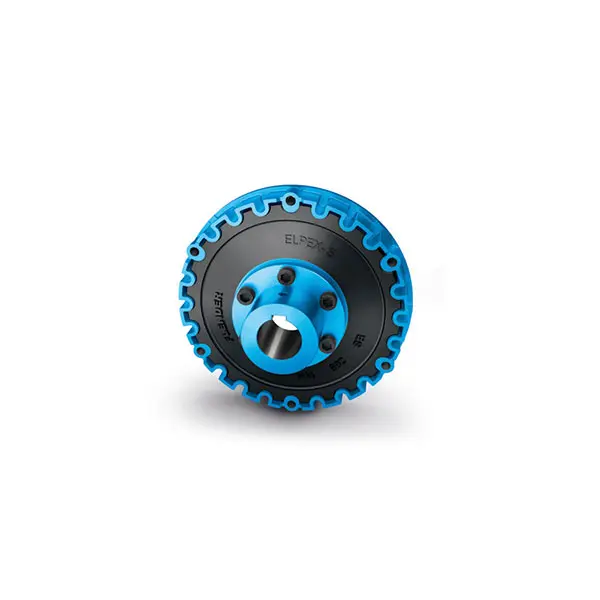 ELPEX S Highly Flexible Coupling high performance
 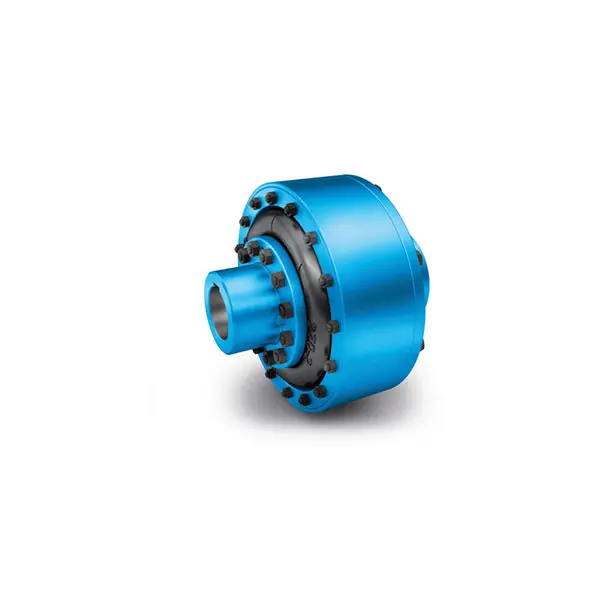 ELPEX Highly Flexible Coupling high performance
 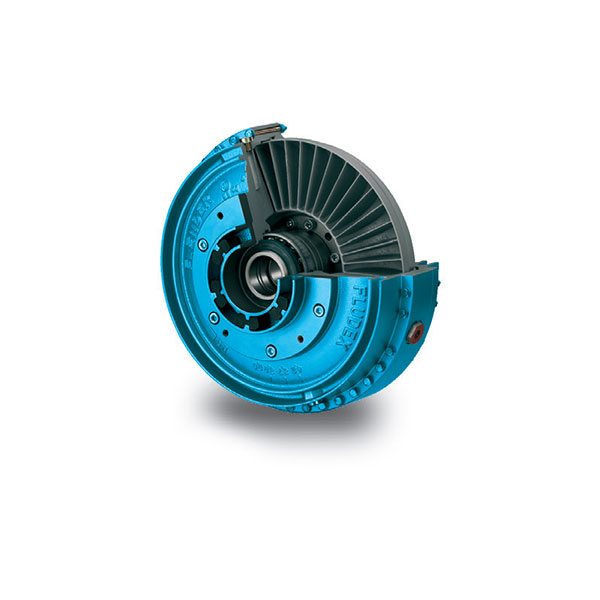 FLUDEX Fluid Coupling high performance
 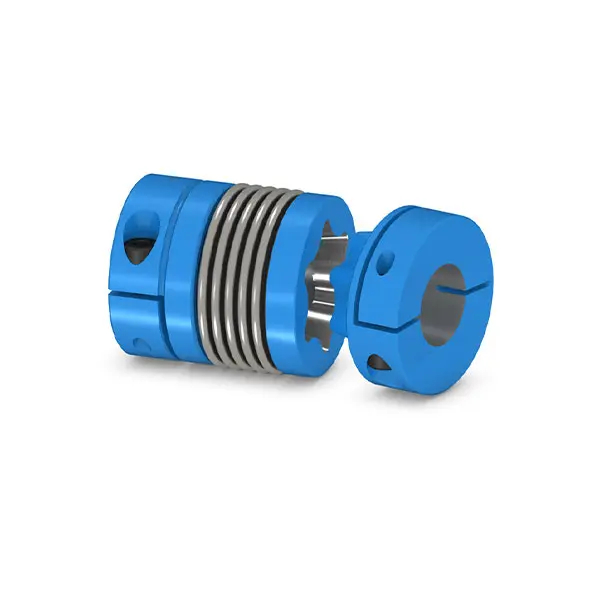 SIPEX Backlash free Coupling high performance
 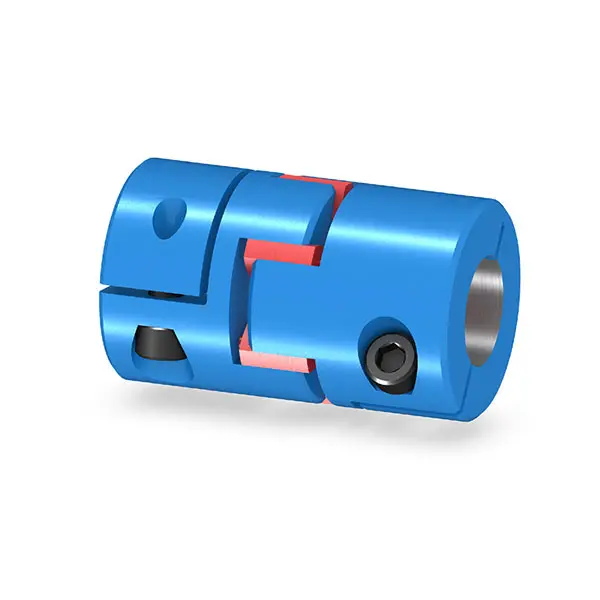 BIPEX S Backlash free Coupling high performance
 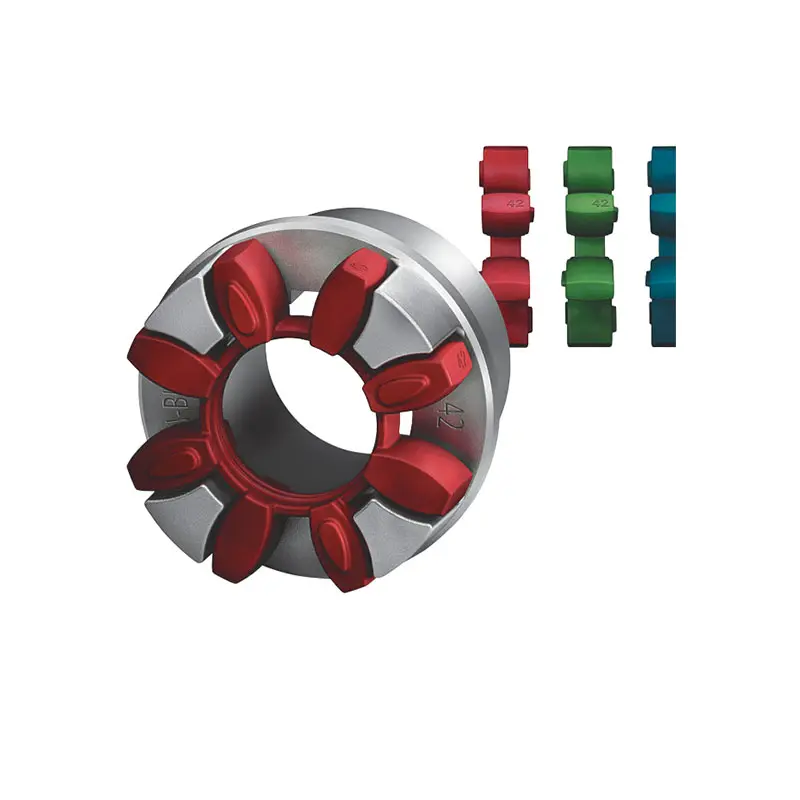 FLENDER Coupling Spare Parts high performance
 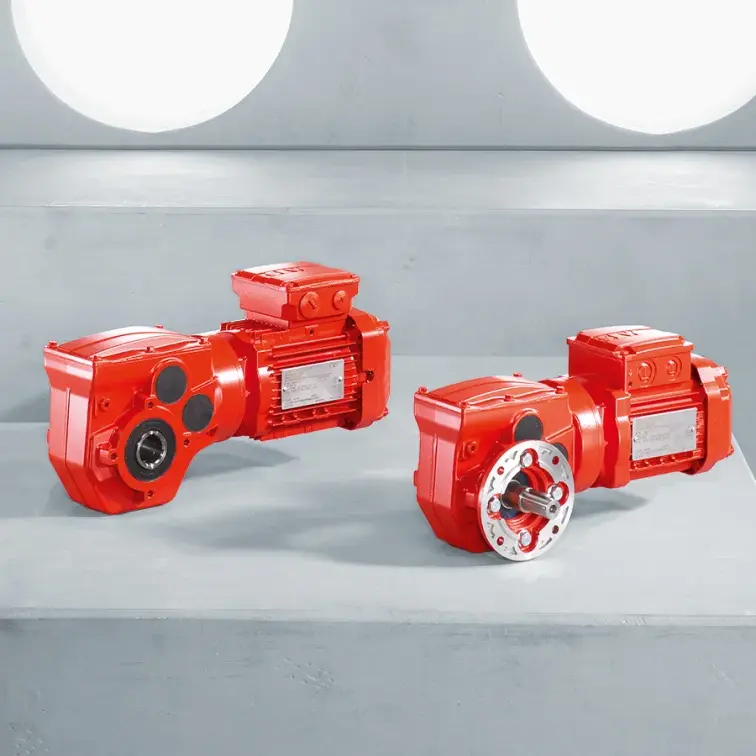 SEW Gearmotor
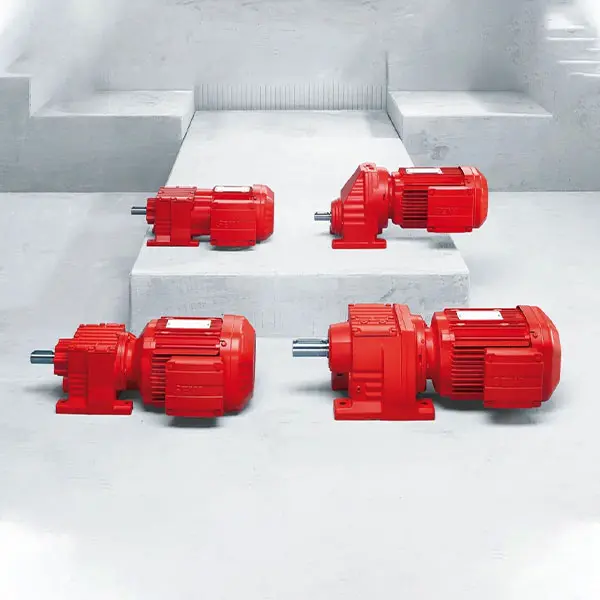 R Series Helical Gearmotor low voltage
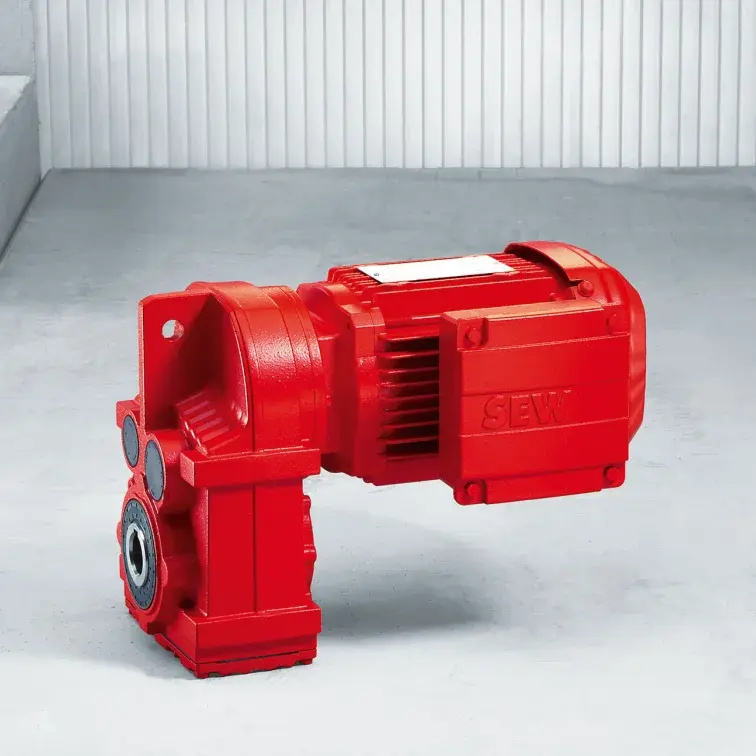 F Series Parallel Shaft Gearmotor low voltage
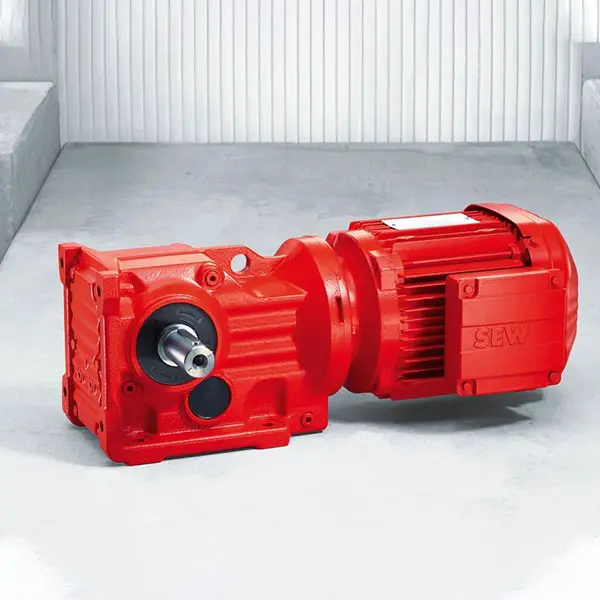 K Series Helical Bevel Gearmotor low voltage
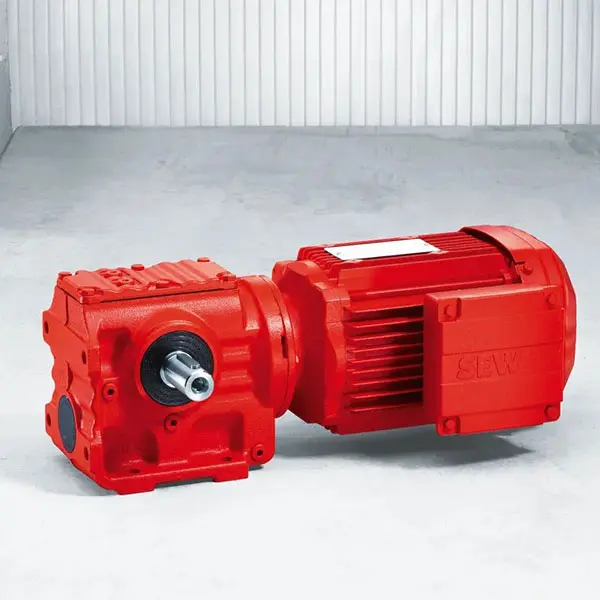 S Series Helical Worm Gearmotor low voltage
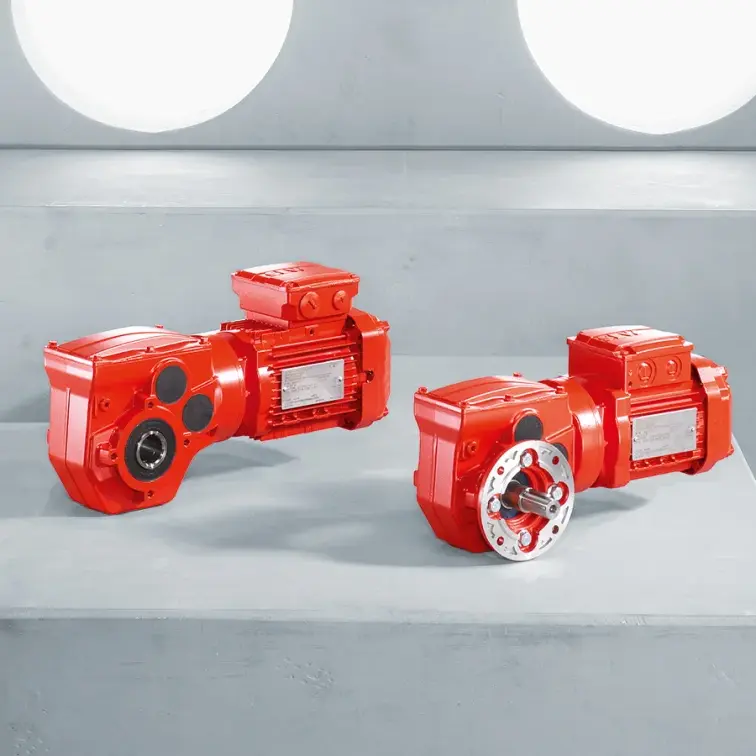 W Series SPIROPLAN® Right Angle Gearmotor