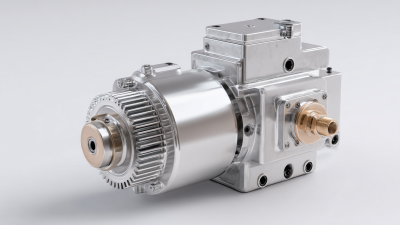
Why Choose a Gear Motor for Industrial Applications?
Choosing the right Gear Motor can determine whether an industrial line runs smoothly or stops unexpectedly.
The U.S. Department of Energy reports that motor-driven equipment consumes about 69% of industrial electricity in American manufacturing. This figure explains why transmission efficiency deserves serious attention. A Gear Motor combines a motor and gearbox in one compact assembly. It delivers controlled torque, reduced speed, and predictable movement. These benefits support conveyors, mixers, packaging machines, pumps, and automated production cells.
The numbers are practical. A correctly sized unit can reduce energy waste, simplify installation, and save valuable floor space. It can also shorten alignment work around a conveyor shaft. However, efficiency is not automatic. Oversizing increases purchase and operating costs. Undersizing creates heat, vibration, and premature tooth wear. That uncomfortable detail is often missed in simplified buying guides.
The U.S. Department of Energy’s Industrial Motor Systems Market Assessment recommends examining the complete motor system, rather than judging the motor alone. This approach includes load profile, duty cycle, controls, lubrication, and maintenance access. Industry specialist Dr. Heinz P. Bloch has stated, “The purpose of maintenance is to prevent failure, not to repair it.” His principle applies directly to Gear Motor selection.
A reliable decision therefore begins with field experience and measured data. Record starting torque, operating hours, ambient temperature, and required output speed. Then compare efficiency ratings, service factors, enclosure protection, and supplier support. Marketing claims can sound impressive. They still require verification.
The best Gear Motor is not always the smallest or cheapest option. It is the one that performs reliably under real plant conditions. Even this conclusion needs review, because every application carries different risks.
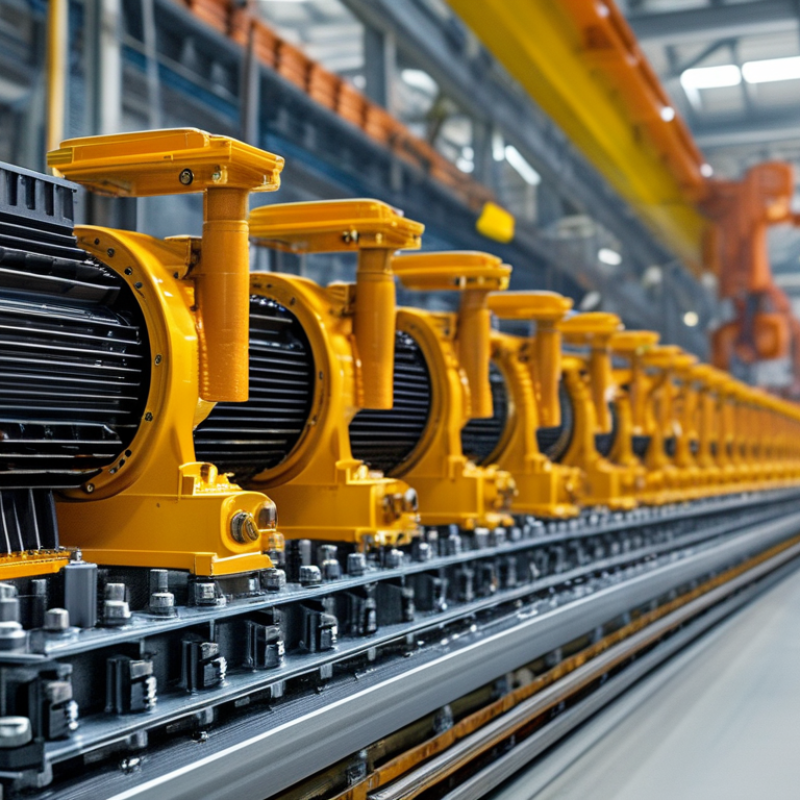
What Is a Gear Motor and How Does It Work?
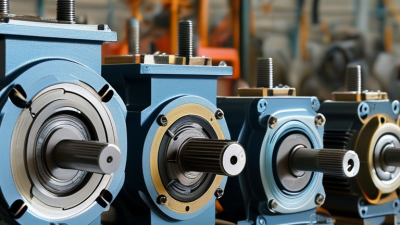
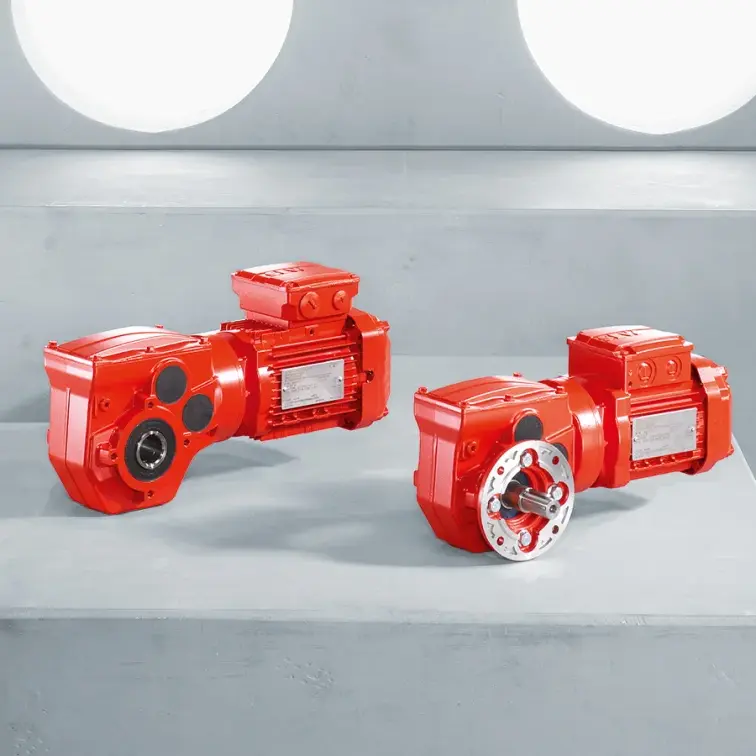
A gear motor combines an electric motor with a gearbox in one compact drive unit. The motor creates rotational energy, while the gears adjust speed and torque. Smaller output speed usually means greater turning force. This makes gear motors useful for conveyors, mixers, packaging equipment, and automated doors. In a factory, the gearbox may turn a fast motor rotation into a slower, controlled movement. The result is practical and predictable.
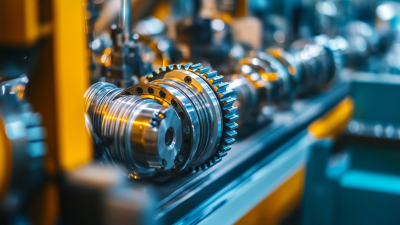
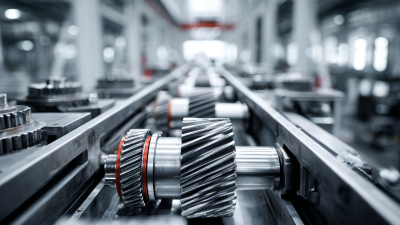
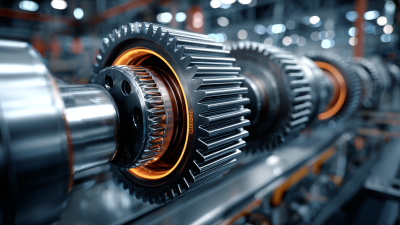
Inside the gearbox, several gears transfer motion through different ratios. Each ratio changes the relationship between speed and torque. Bearings support the rotating shafts, while seals help retain lubricant and block dust. Proper lubrication reduces friction and limits heat during long operating cycles. Yet no gear motor is perfect. Gear contact creates noise, vibration, and some energy loss. I have seen designs fail because engineers selected torque ratings without considering startup loads.
Tips: Check the required output speed, torque, duty cycle, and mounting position before choosing a unit. Measure the real load, not just the catalog estimate. Leave a safety margin, but avoid excessive oversizing because it can increase cost and reduce efficiency. Inspect shafts for alignment during installation. Even a small offset can produce heat and premature wear. Keep the housing clean, and follow a documented lubrication schedule. A quiet motor is not always a healthy motor; unusual vibration may reveal a problem earlier than temperature readings.
How Gear Motors Improve Industrial Torque and Speed Control
Why Choose a Gear Motor for Industrial Applications?
How Gear Motors Improve Industrial Torque and Speed Control
Gear motors combine an electric motor with a reduction gearbox. This design increases output torque while lowering shaft speed. In conveyor lines, mixers, and packaging equipment, that balance prevents sudden starts and unstable movement. A 30:1 reduction can turn a 1,500 rpm motor into roughly 50 rpm output. The gearbox also helps the motor work closer to its useful operating range.
Energy performance matters too. The U.S. Department of Energy reports that motor-driven systems consume about 70% of industrial electricity. Its report, Improving Motor and Drive System Performance, identifies system design as a major efficiency opportunity. A correctly selected gear motor can reduce oversizing, limit mechanical stress, and support smoother speed control. However, efficiency is not automatic. Poor lubrication, excessive loads, or incorrect alignment can erase expected savings. This is where real maintenance data becomes valuable.
Tips:
Match the gearbox ratio to the required speed and torque. Check the service factor, duty cycle, ambient temperature, and starting load. Measure vibration and current after installation. Small details matter. One overlooked issue is heat buildup inside enclosed equipment. It may not appear during a short test, but it can shorten bearing life during continuous operation. Review the selection with a qualified engineer, and treat manufacturer ratings as starting points, not guarantees.
Which Industrial Applications Benefit Most from Gear Motors?
Which Industrial Applications Benefit Most from Gear Motors?
Gear motors suit machines that need steady torque at controlled speed. Conveyors are a strong example. In warehouses, food plants, and distribution centers, they move loads slowly and reliably. Their compact design also reduces the need for separate motor-speed reduction assemblies. That can simplify installation near rollers, belts, and indexing tables.
Packaging lines benefit from repeatable motion. Gear motors can drive filling, sealing, labeling, and carton-forming equipment with predictable output. Material-handling systems need similar control, especially when stopping heavy loads without excessive shock. The U.S. Department of Energy reports that motor-driven systems use about 70% of industrial electricity in the United States. Therefore, efficiency, correct sizing, and maintenance deserve attention, not just purchase price.
Automation is another important area. The International Federation of Robotics recorded 541,302 industrial robot installations worldwide in 2023. Robotic cells, guided vehicles, and assembly machines often require compact drives with high starting torque. Gear motors can meet those demands in many layouts. Still, the choice is not automatic. A poorly sized unit may waste energy, run hot, or fail under frequent reversing. Engineers should check load inertia, duty cycle, washdown exposure, and required positioning accuracy. Pumps, mixers, and lift mechanisms may also benefit, but each application needs testing. Field experience sometimes reveals a less obvious problem: noise, backlash, or difficult access for servicing.
Why Choose a Gear Motor for Industrial Applications?
Gear motors are especially valuable where equipment requires controlled speed, high starting torque, compact transmission, and reliable continuous operation. The chart shows representative target output speeds commonly used in industrial gear-motor applications.
Key takeaway: Conveyors, mixers, hoists, packaging machinery, and AGV traction systems benefit from gear motors because gearbox reduction converts high motor speed into application-specific output speed and higher usable torque. Actual operating values depend on load, duty cycle, gearbox ratio, and machine design.
What Factors Should Guide Gear Motor Selection?
Why Choose a Gear Motor for Industrial Applications?
A gear motor combines an electric motor with a gearbox, producing controlled speed and higher output torque. This arrangement suits conveyors, mixers, packaging lines, and automated actuators. The U.S. Department of Energy’s Motor System Market Assessment reports that motor-driven systems use more than half of industrial electricity in the United States. Efficient sizing therefore affects both production stability and operating cost.
What Factors Should Guide Gear Motor Selection?
Start with the load, not the motor catalogue. Calculate continuous torque, peak torque, output speed, acceleration time, and starts per hour. A conveyor carrying wet aggregate needs different protection from a clean indoor indexing table. Check the duty cycle, ambient temperature, mounting position, noise limits, and available maintenance space. IEC 60034-30-1 efficiency classes provide a useful comparison, but efficiency alone does not confirm suitability. A small efficiency gain cannot compensate for an undersized gearbox.
Service factor deserves careful attention. It should reflect shock loads, operating hours, and load variation, rather than serve as a convenient safety margin. Gearbox backlash may also affect positioning accuracy. In dusty or washdown areas, enclosure protection and sealing can determine service life. The International Energy Agency has noted that motor systems offer substantial global efficiency-saving potential, yet poor application matching can erase those gains. A neat spreadsheet can still mislead. Validate calculations with measured load data when possible. Test the actual startup behavior. That step is often skipped.
How to Maintain Gear Motors for Reliable Performance
Why Choose a Gear Motor for Industrial Applications?
Gear motors deliver controlled speed and strong torque in demanding industrial equipment. Their compact design simplifies installation near conveyors, mixers, and automated handling systems. Reliable performance, however, depends on disciplined maintenance. A powerful motor can still fail when basic inspections are ignored.
Check the housing, mounting bolts, and shaft alignment during scheduled inspections. Loose bolts often create vibration before serious damage appears. Small noises matter. Listen for grinding, clicking, or uneven humming. Measure operating temperature with an infrared thermometer and compare readings with approved limits. Excessive heat may indicate overload, poor lubrication, blocked ventilation, or worn bearings. Keep it clean. Remove dust from cooling surfaces without forcing debris into seals.
Use the lubricant specified for the gear system, and never mix incompatible oils. Check the oil level when the unit is cool and stationary. Inspect seals for leaks, cracks, or hardened edges. A small leak deserves attention, even when production continues. Record temperatures, vibration observations, lubricant changes, and unusual sounds. These records help technicians identify gradual deterioration instead of guessing after a breakdown.
Maintenance schedules should reflect load, operating hours, humidity, and ambient dust. Manufacturer instructions remain the primary technical reference. Still, a fixed schedule is not perfect for every facility. Conditions change, and inspection intervals may need adjustment. I have seen teams replace lubricant on time but overlook misalignment. That mistake can shorten bearing life quickly. Train operators to report changes early, then let qualified personnel isolate power before detailed service work.

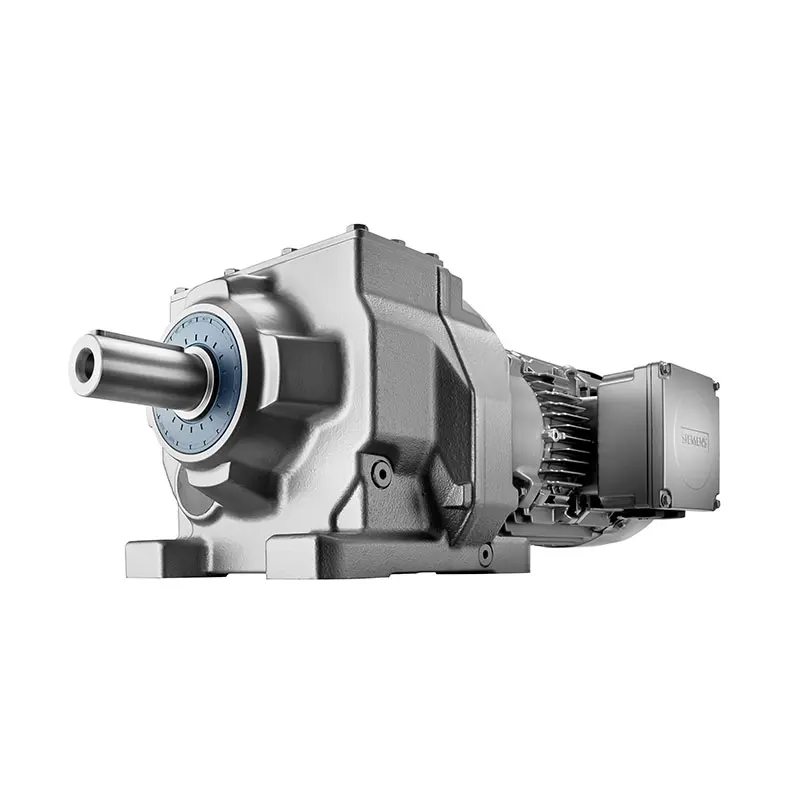 SIEMENS Helical Gearmotor Low Voltage
 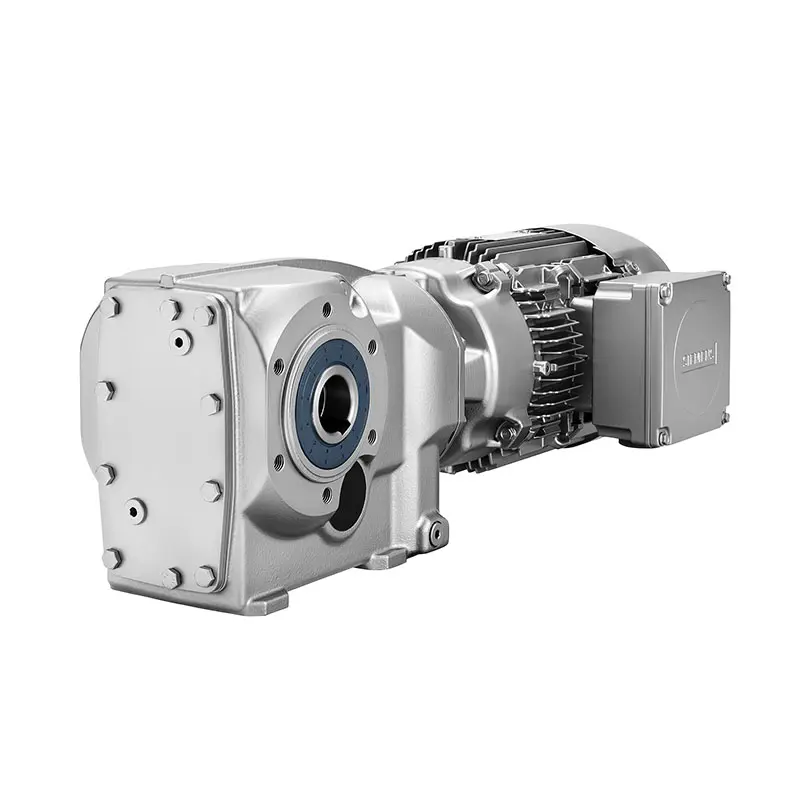 SIEMENS Bevel Helical Gearmotor
 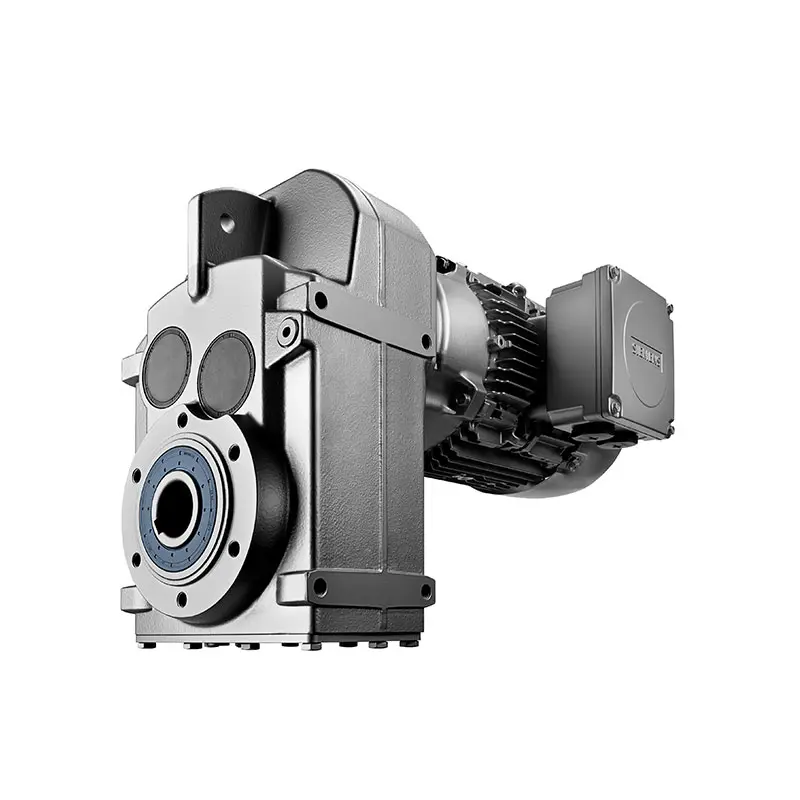 SIEMENS Parallel Shaft Gearmotor
 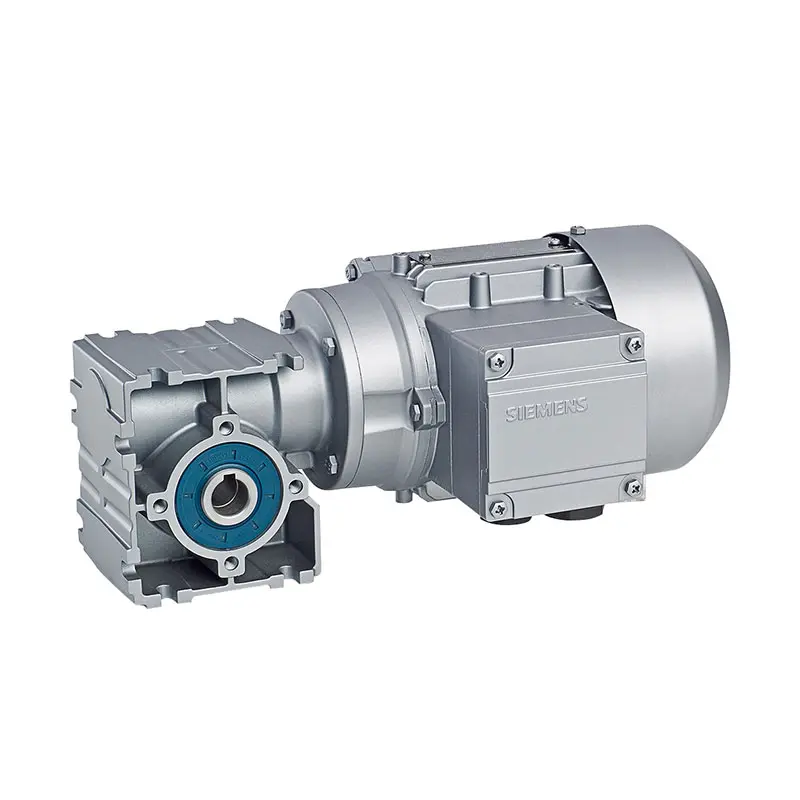 SIEMENS Worm Gearmotor Low Voltage
 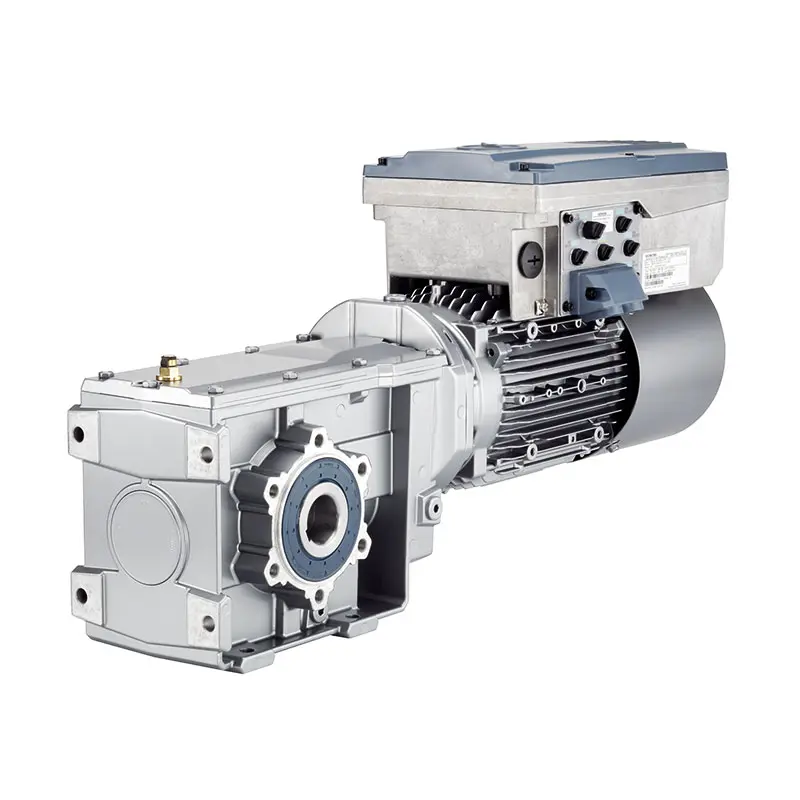 SIEMENS With Servo Motor Gearmotor
 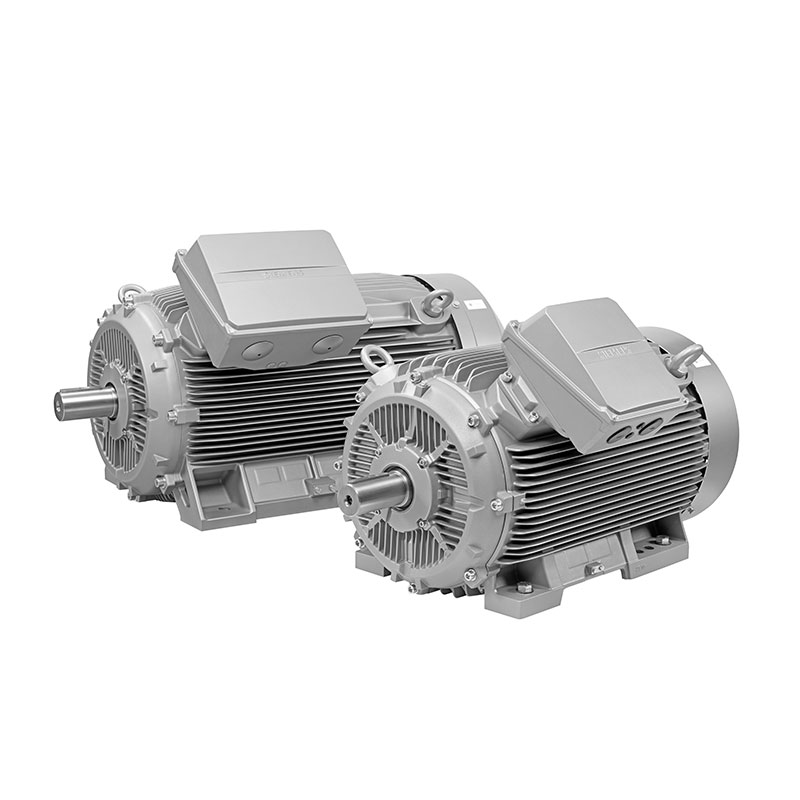 SIEMENS Low Voltage Motor Low Voltage
 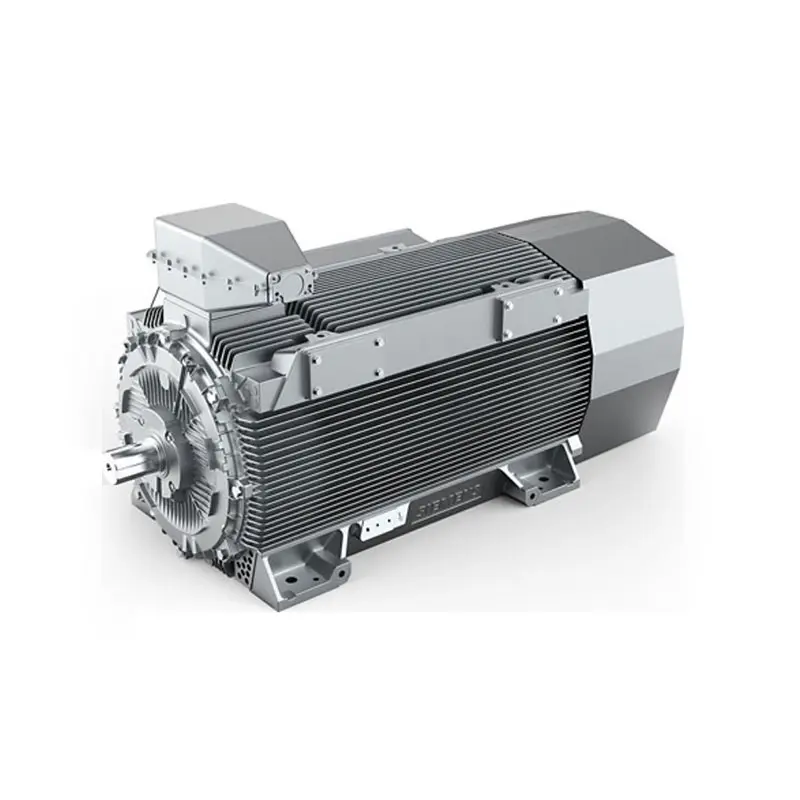 SIEMENS High Voltage Motor Low Voltage
  SIEMENS Marine Motor Low Voltage
 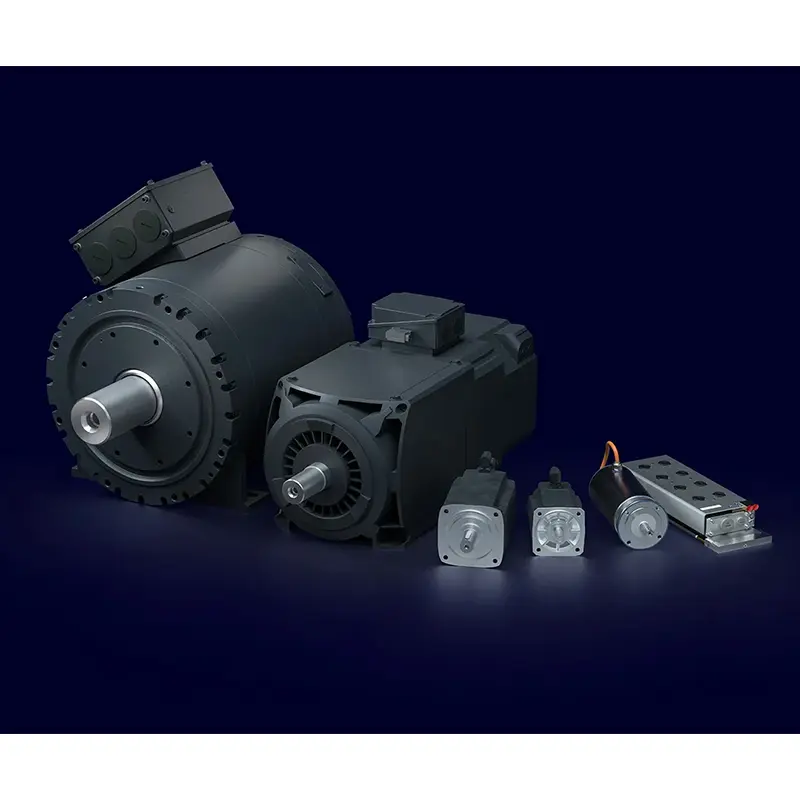 SIEMENS Servo Motor Low Voltage
 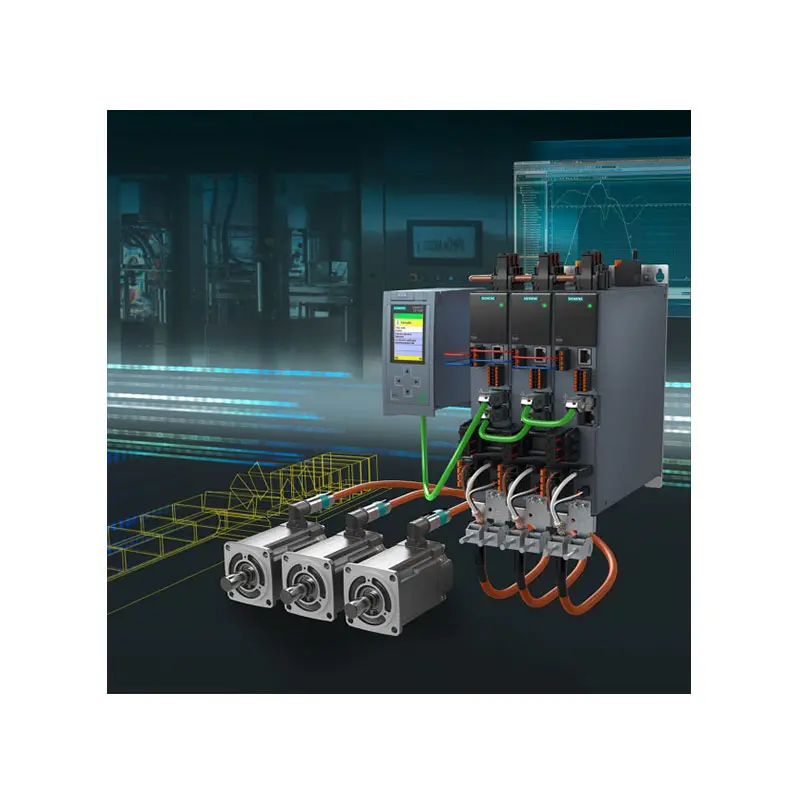 SIEMENS SINAMICS S210 Low Voltage
 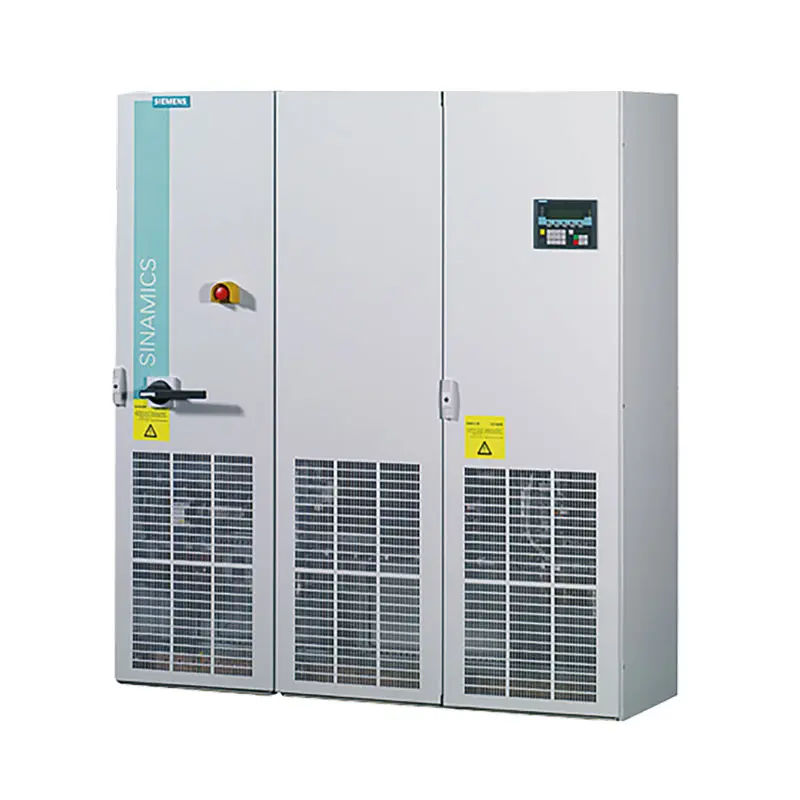 SIEMENS SINAMICS S150 Low Voltage
 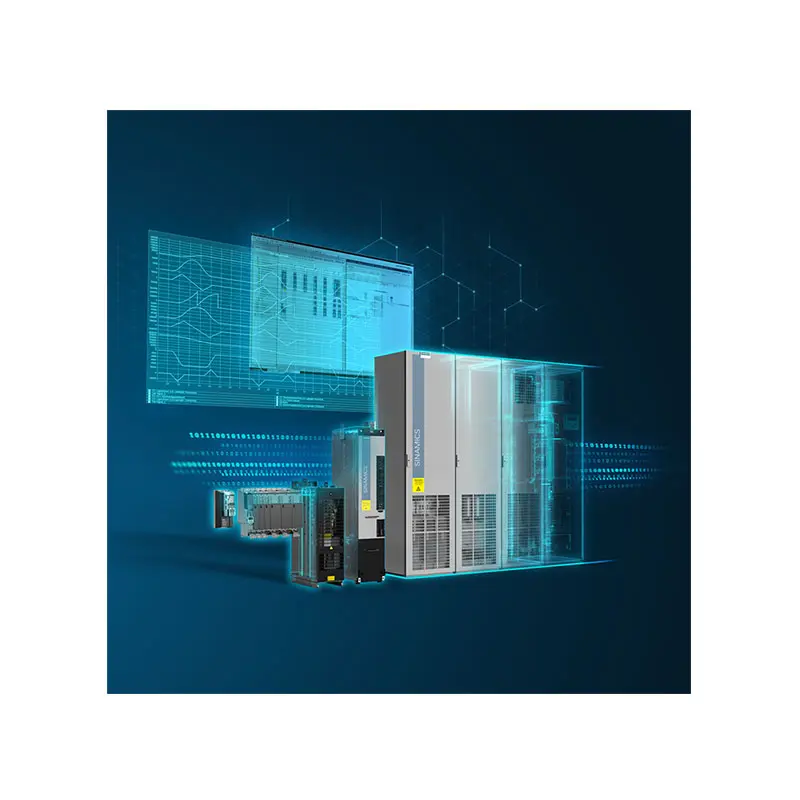 SIEMENS SINAMICS S120 Low Voltage
 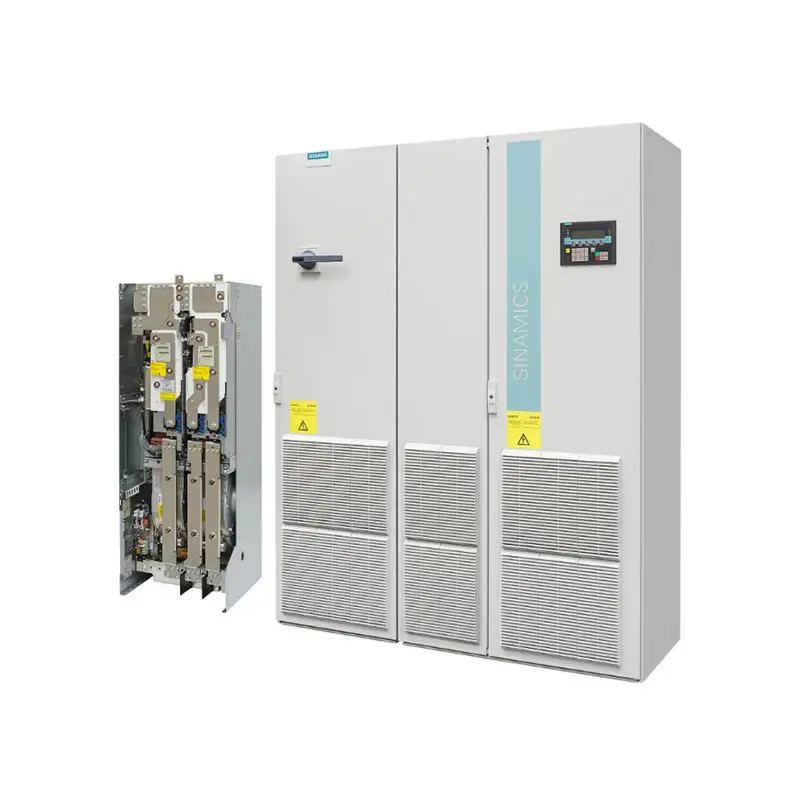 SIEMENS SINAMICS G130/G150
 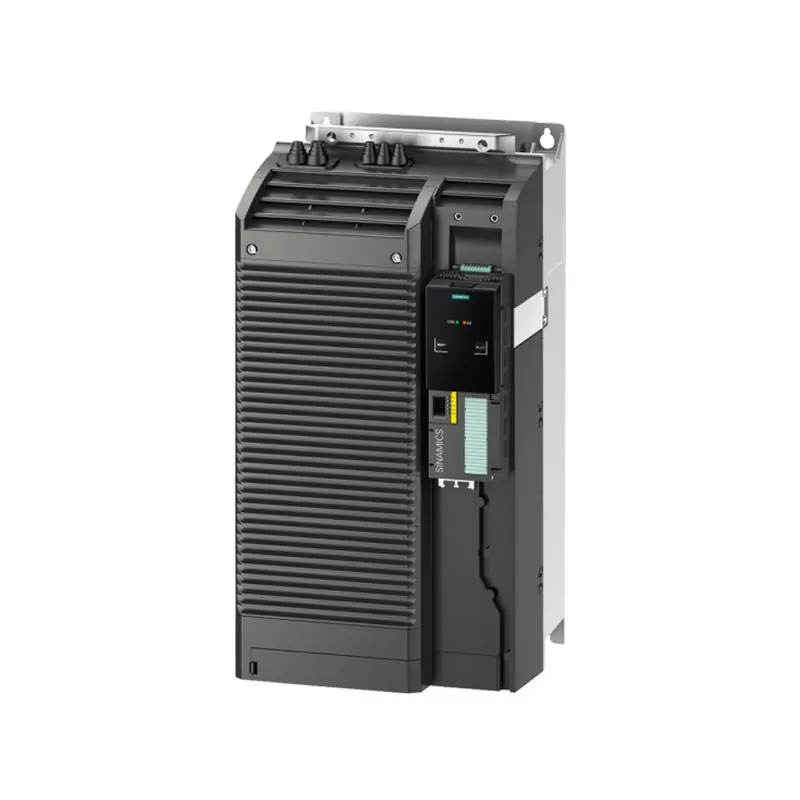 SIEMENS SINAMICS G120 Low Voltage
 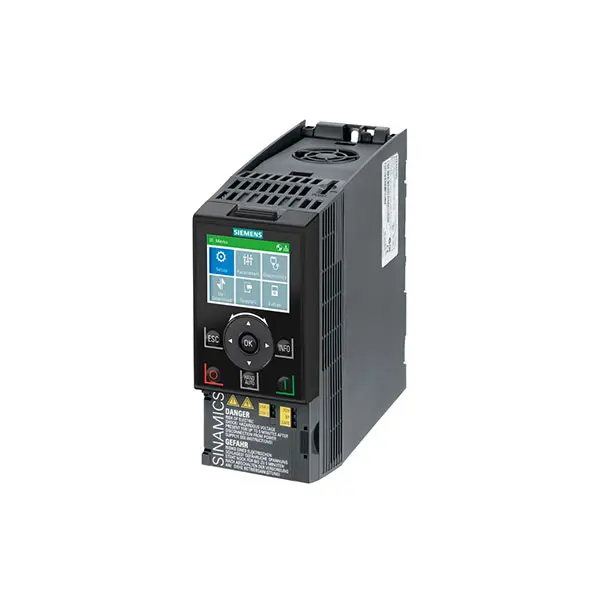 SIEMENS SINAMICS G120C Low Voltage
 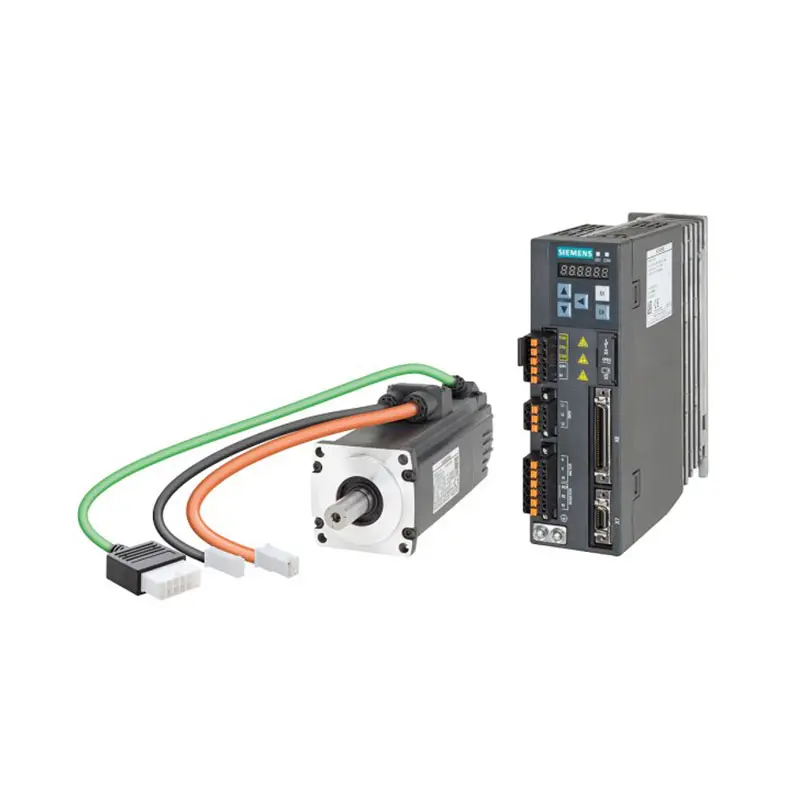 SIEMENS SINAMICS V90
 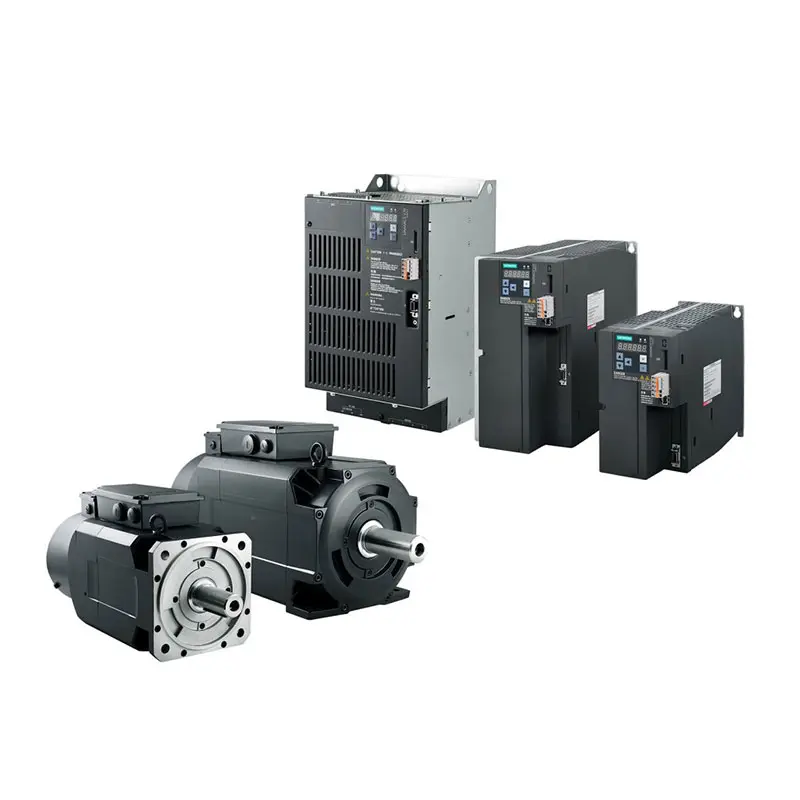 SIEMENS SINAMICS V70 Low Voltage
 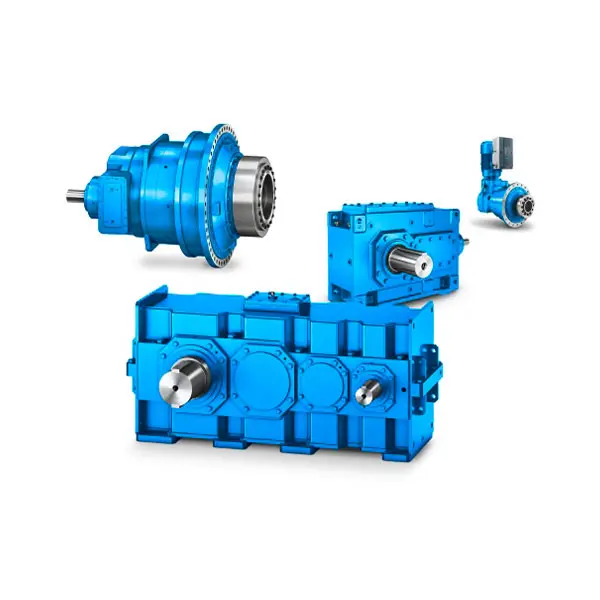 FLENDER Gear Unit
 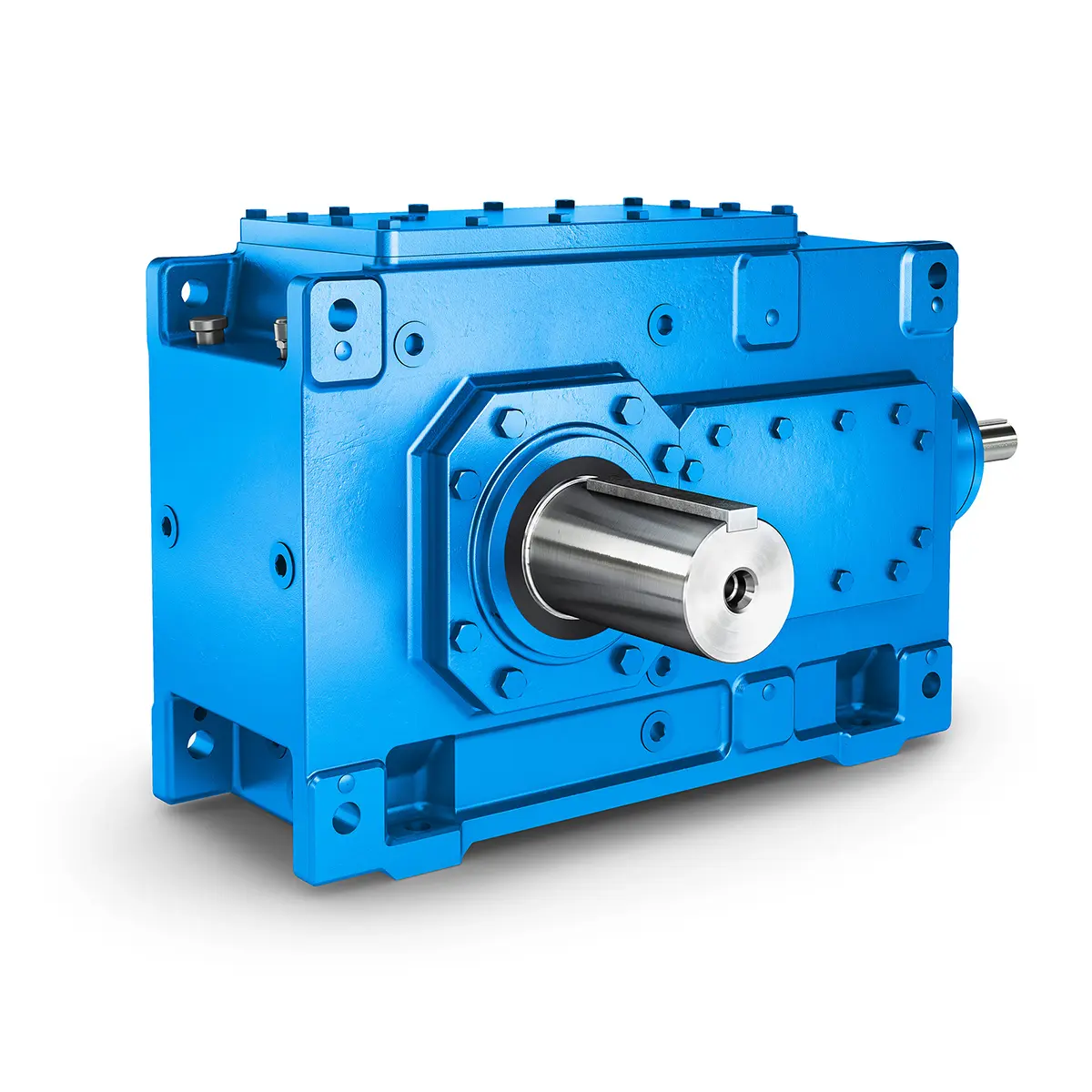 FLENDER Helical Gear Unit
 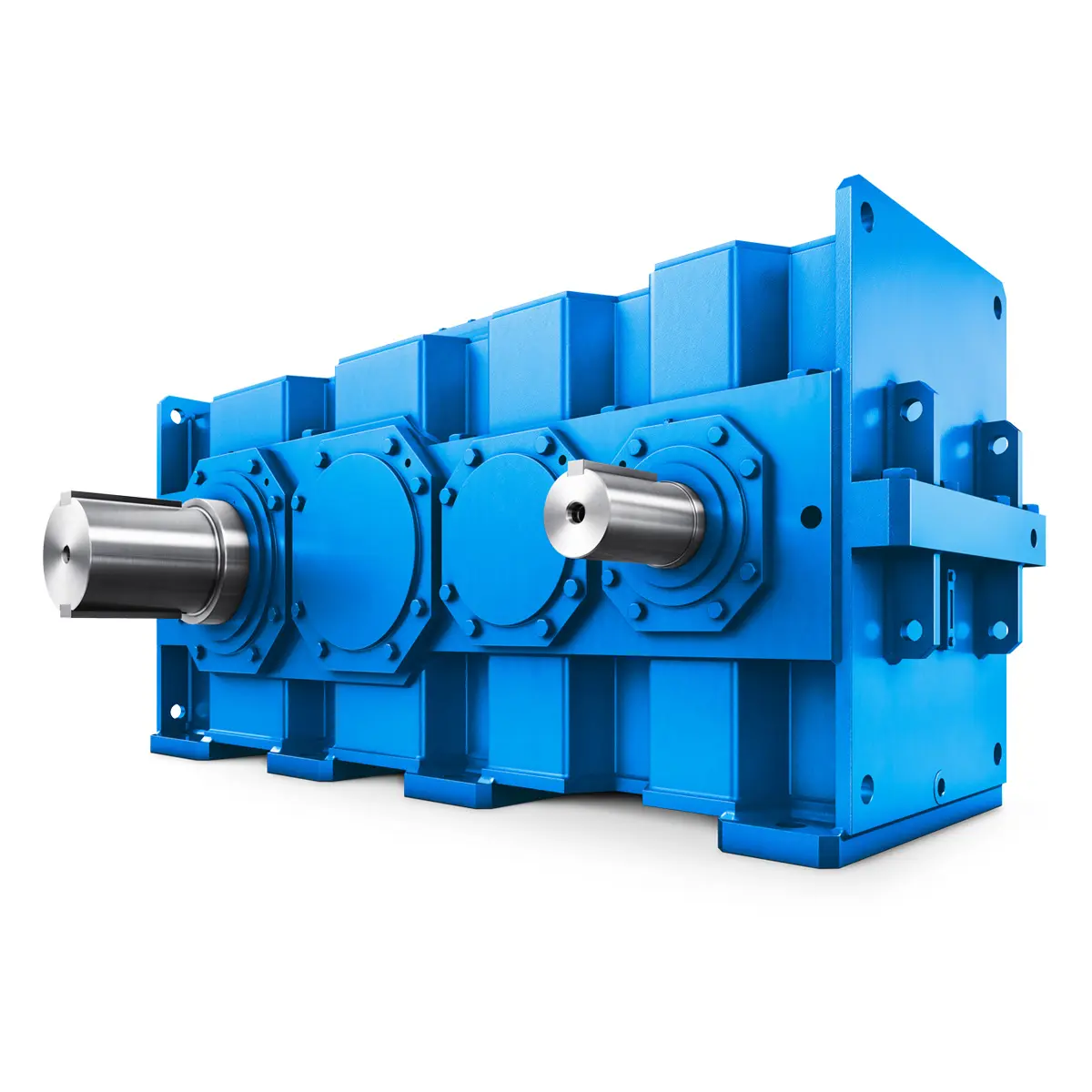 Flender gear units for lifting and luffing gears
 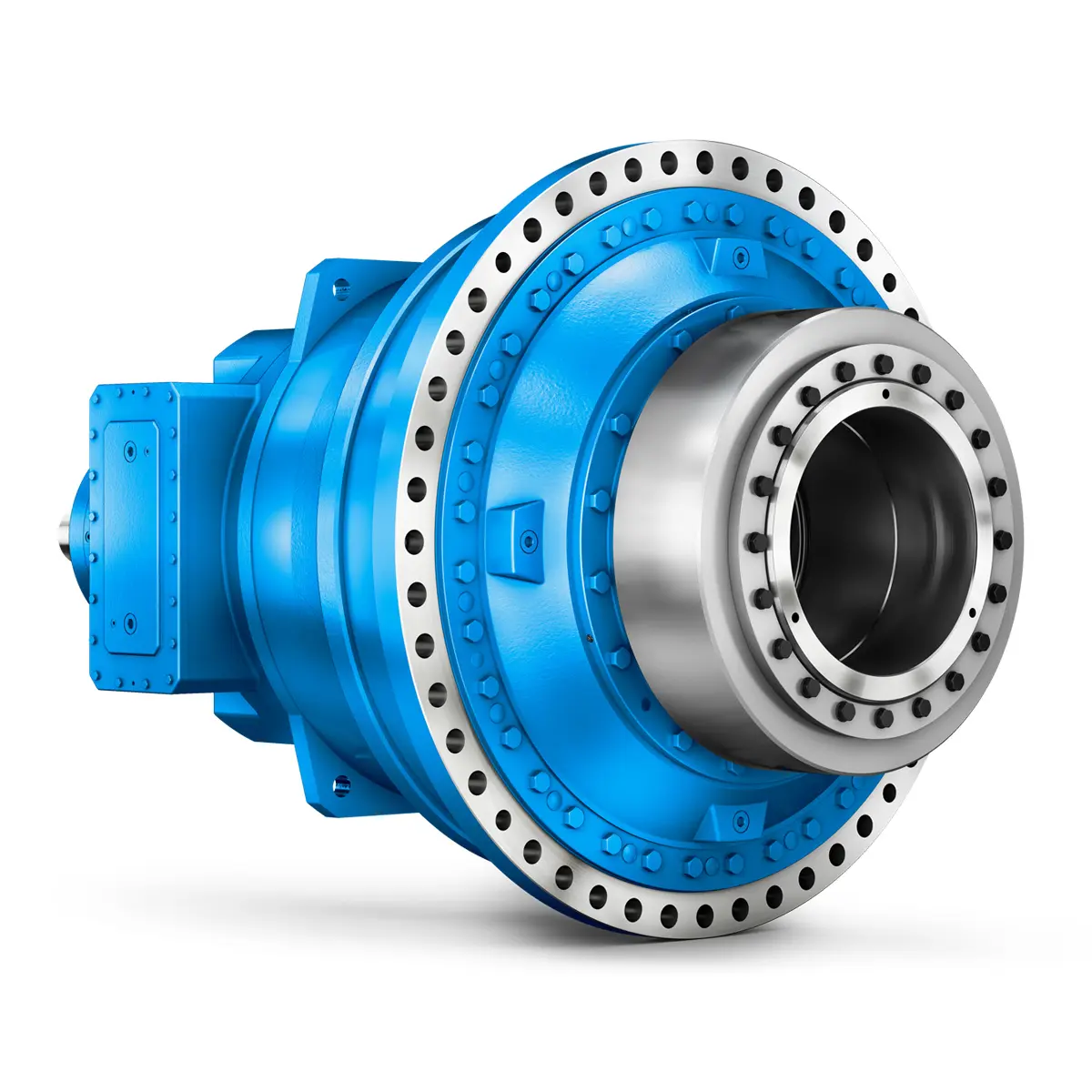 FLENDER Gear Unit gearunit gearbox
 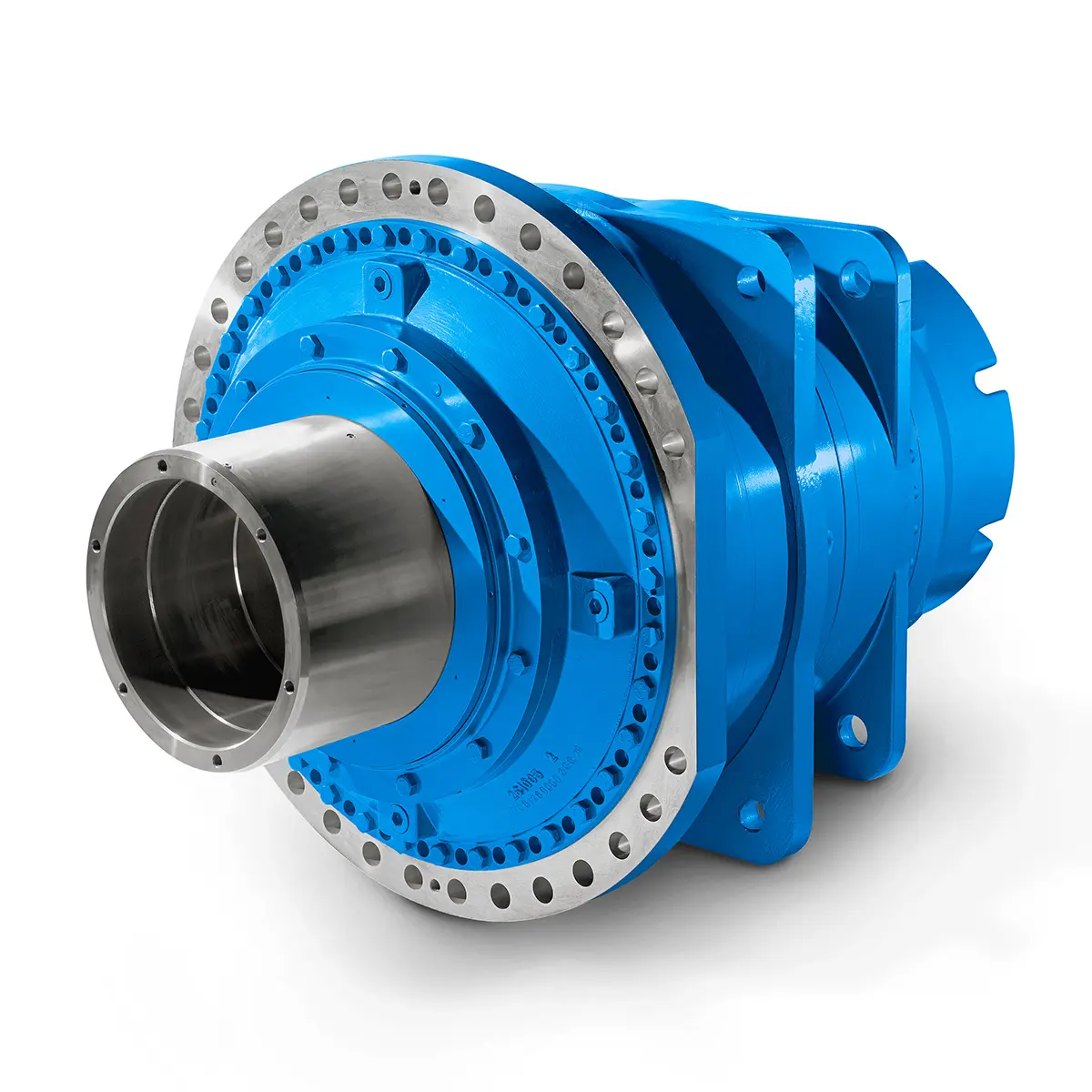 Optimal Drive Solution For Maximum Performance
 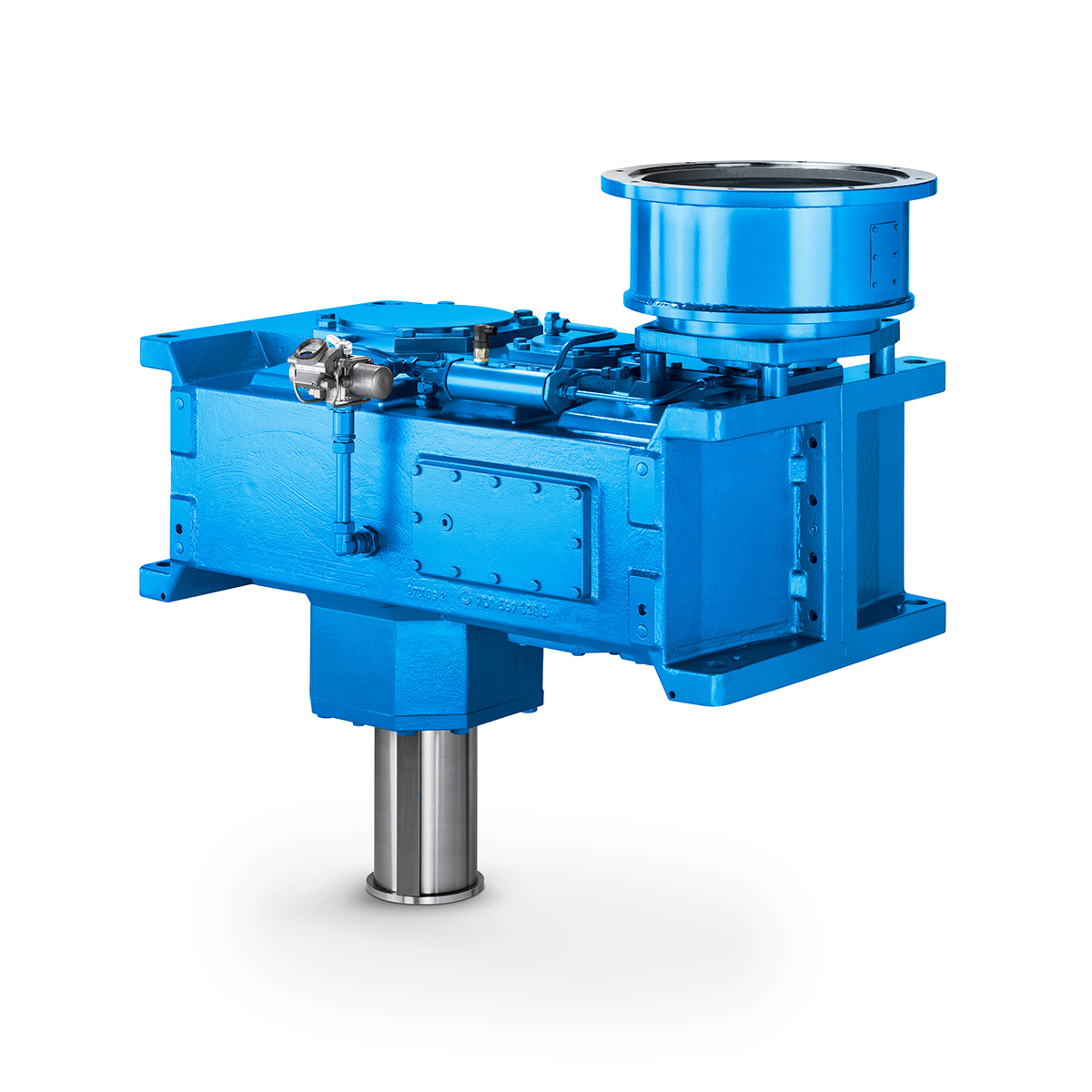 Strongly operating against biodegradable constituents
 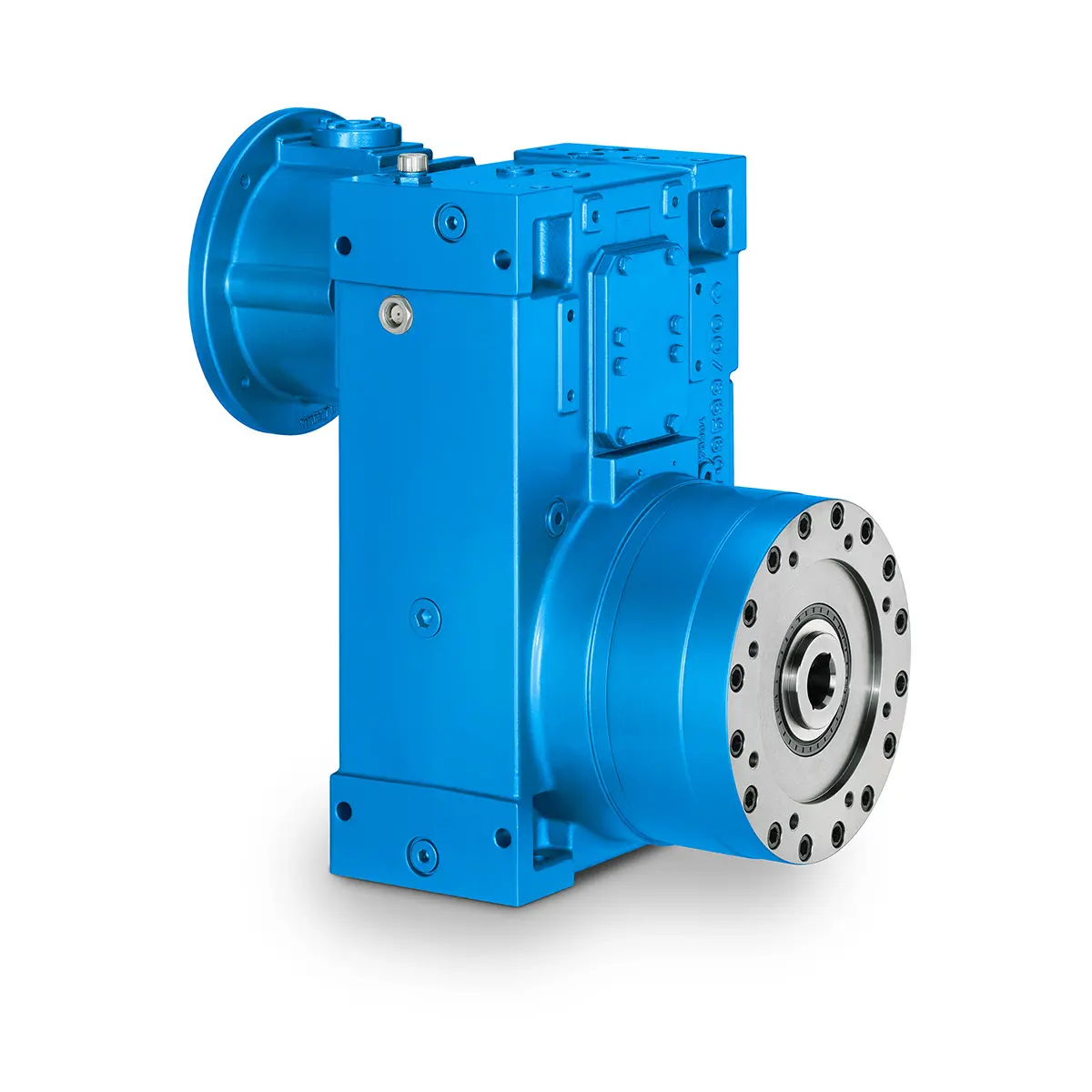 SINGLE SCREW Special industry dedicated gearunit gearbox
 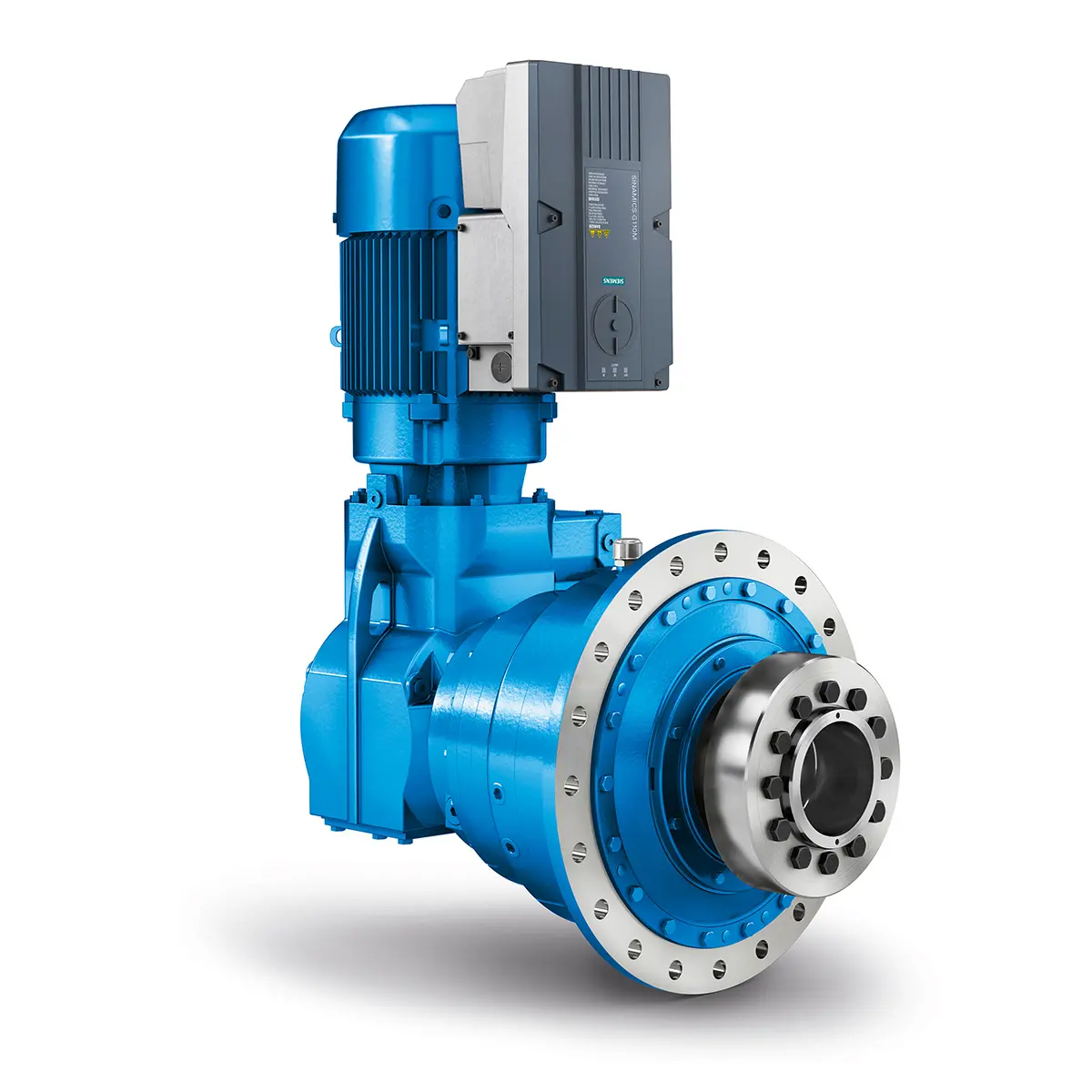 Playmaker In The Premium League
 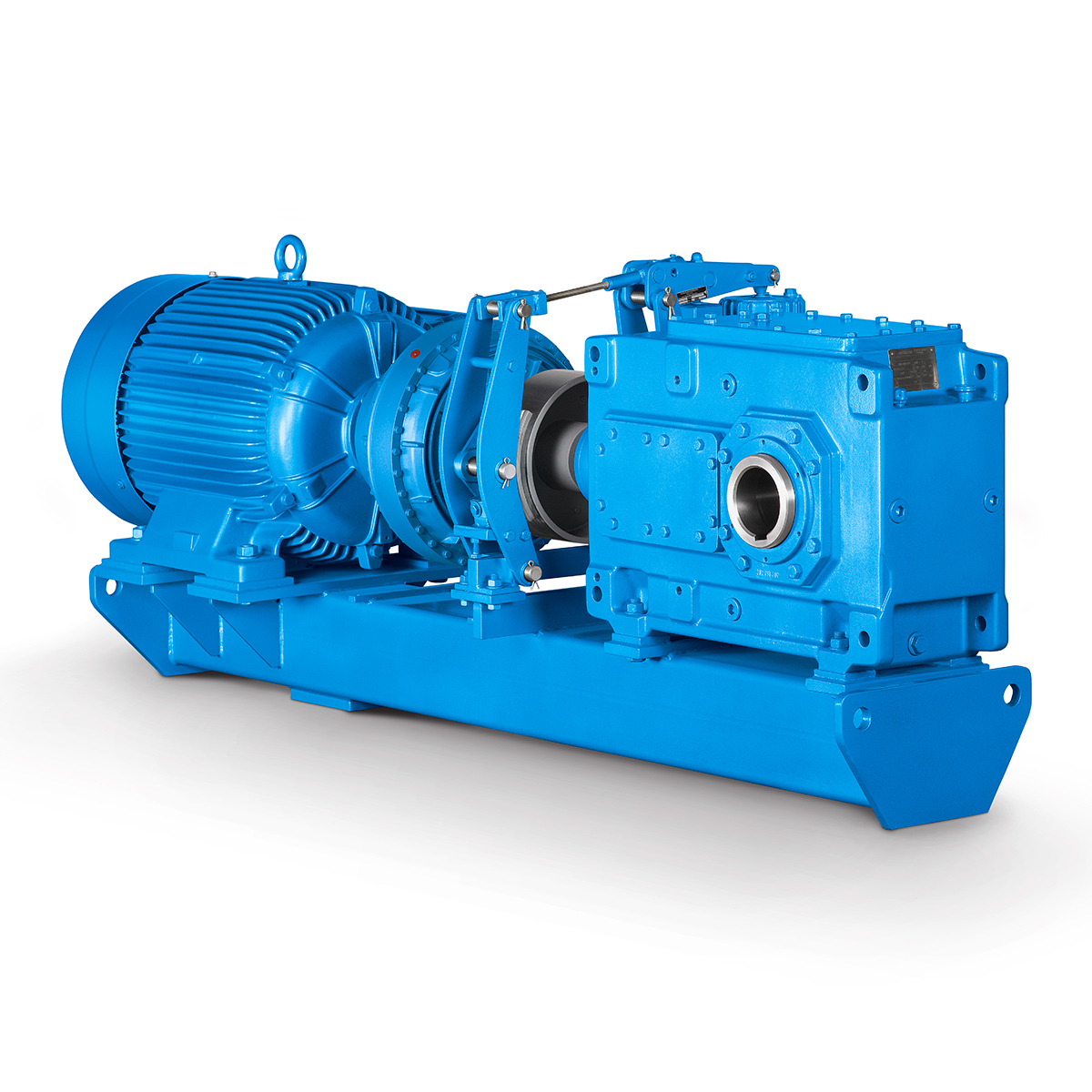 Conveyor belts gearunit gearbox
 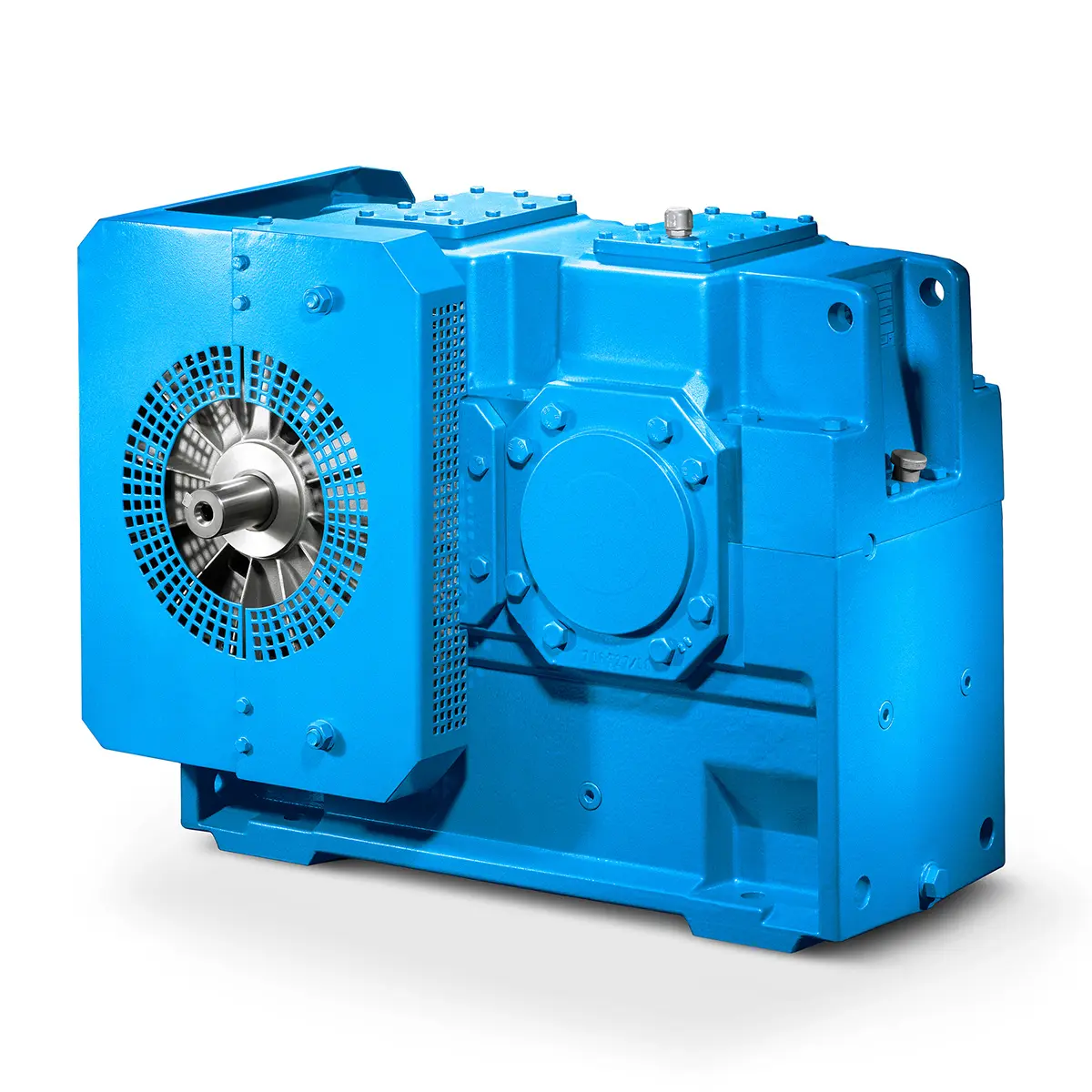 Paper And Pulp Preparation Sections
 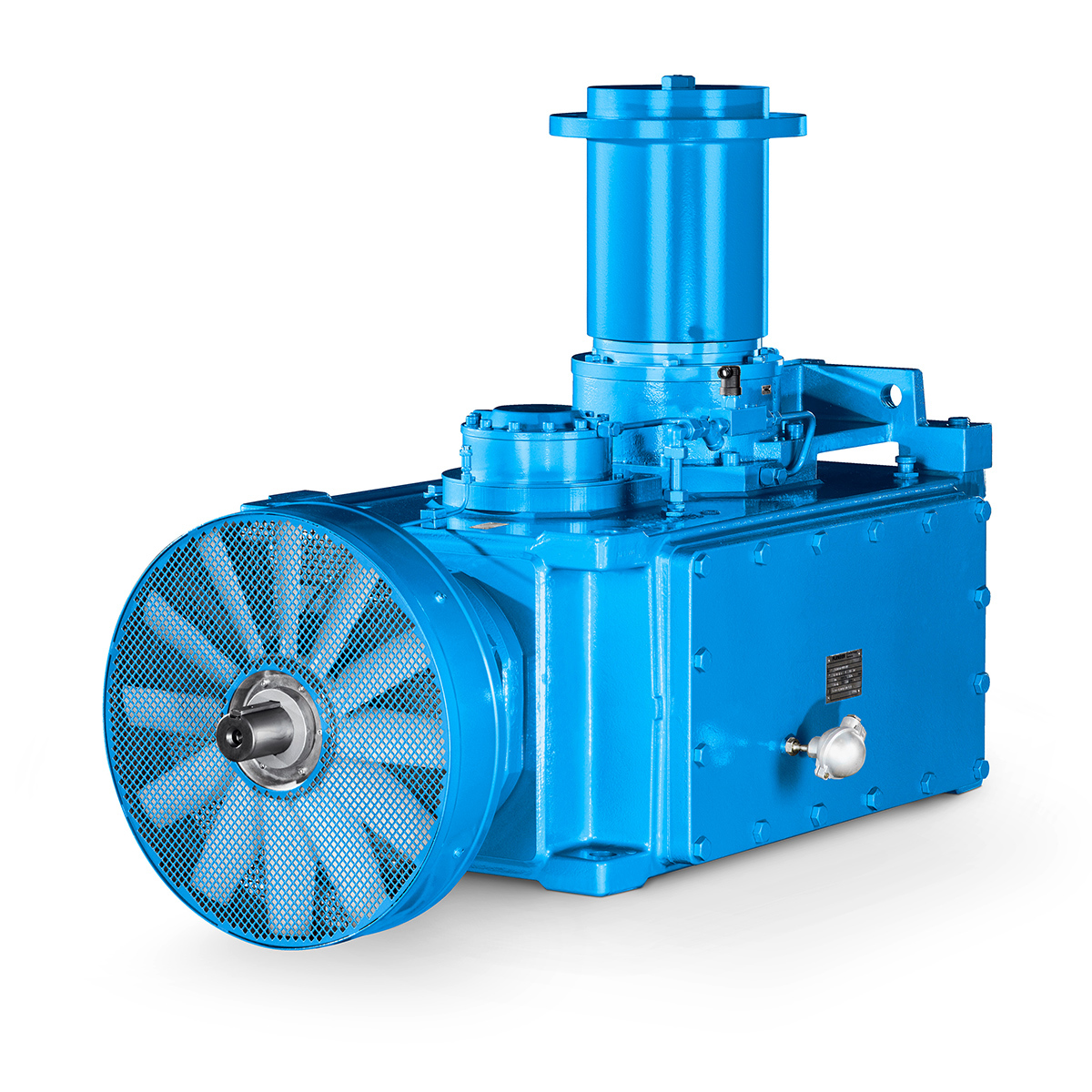 Operational Reliability Even In Case Of The Highest Ventilation Forces
 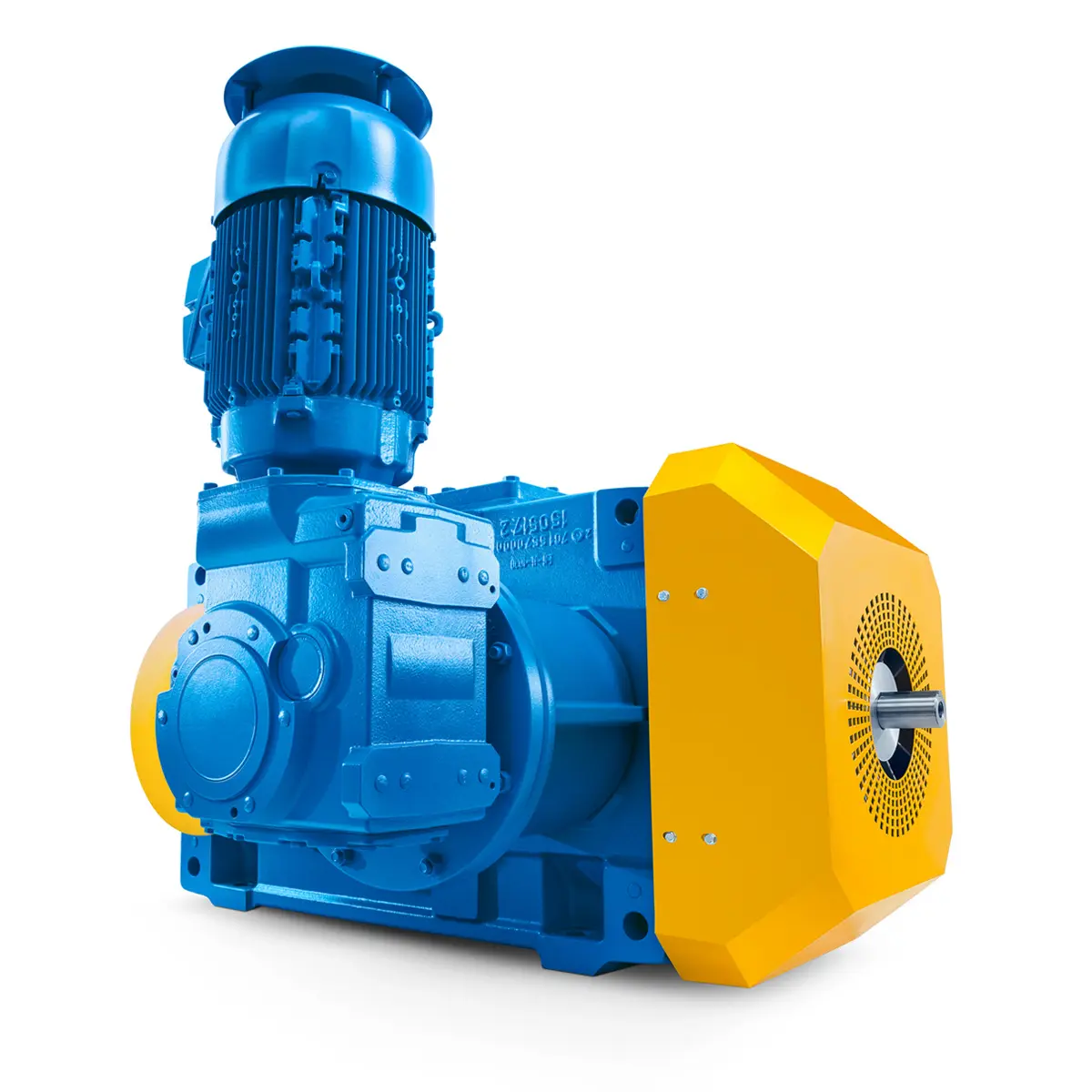 Reliable Gear Units For High Performance Vertical Conveyors 59/200
 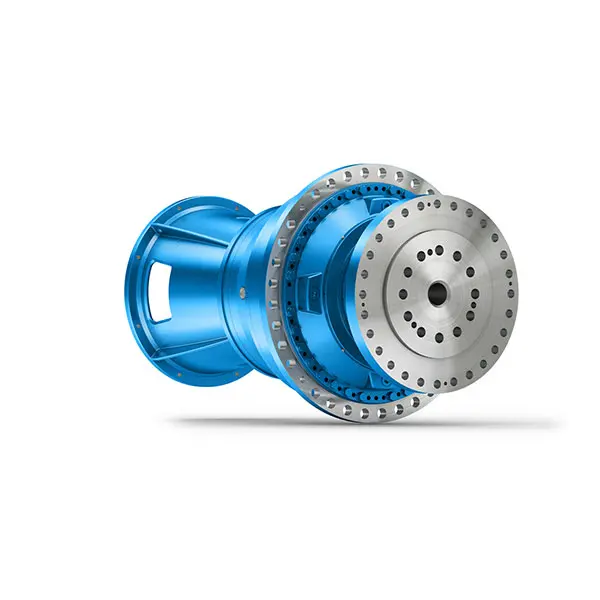 Maximum power density – PLANUREX 3 L individual drives for your sugar cane mill
 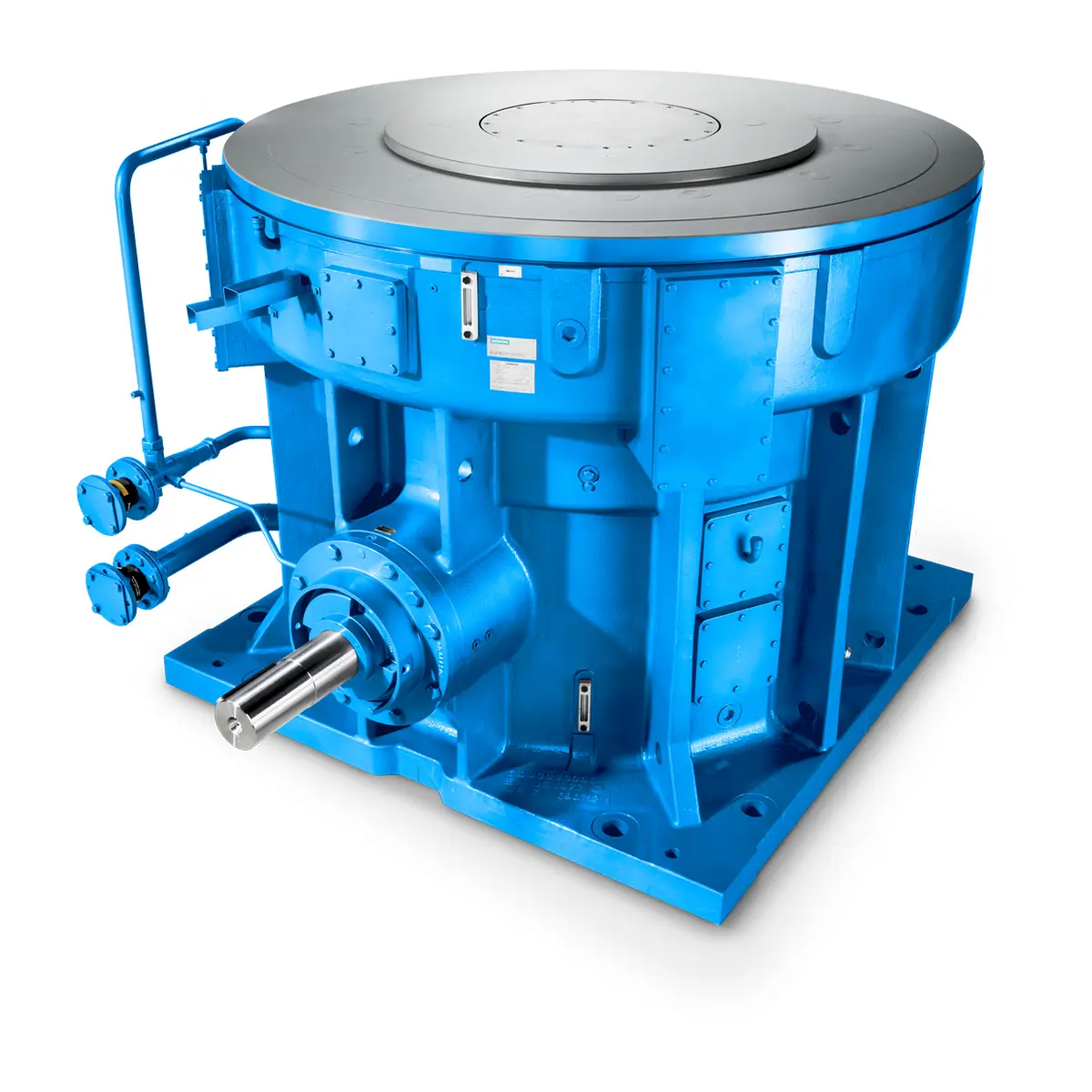 The proven all rounder gearunit gearbox
 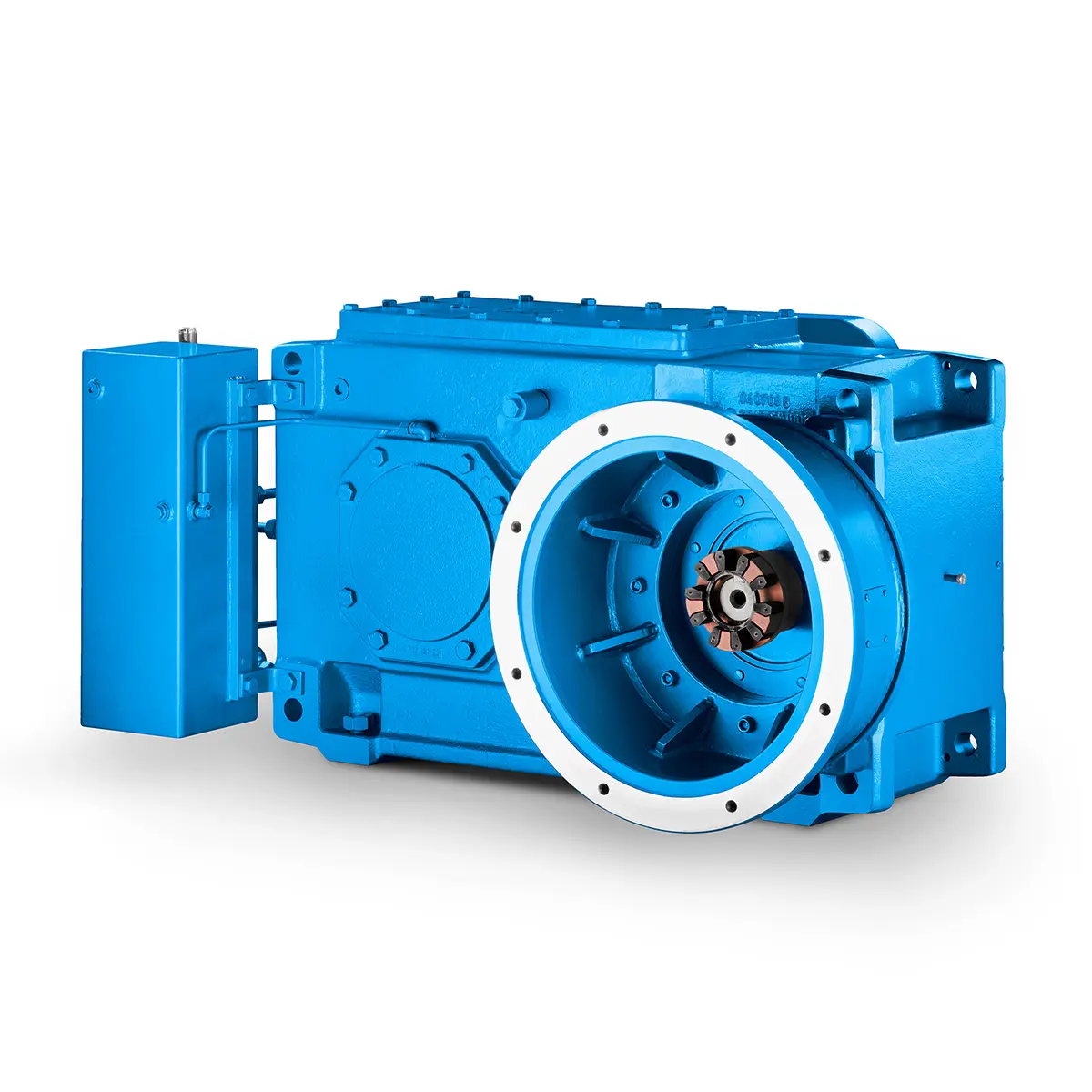 Stirs and stirs and stirs gearunit gearbox
 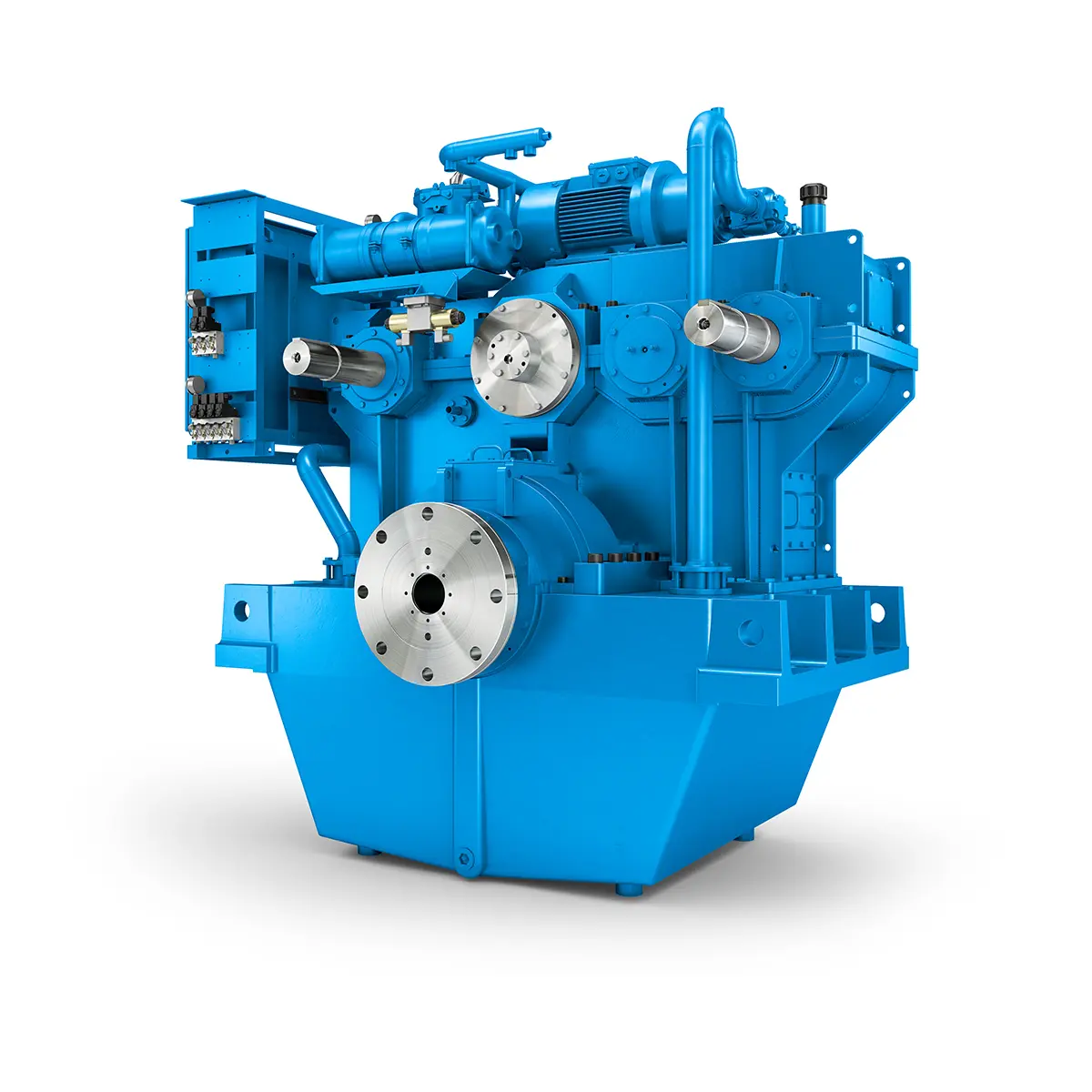 Flexibility on Board gearunit gearbox
 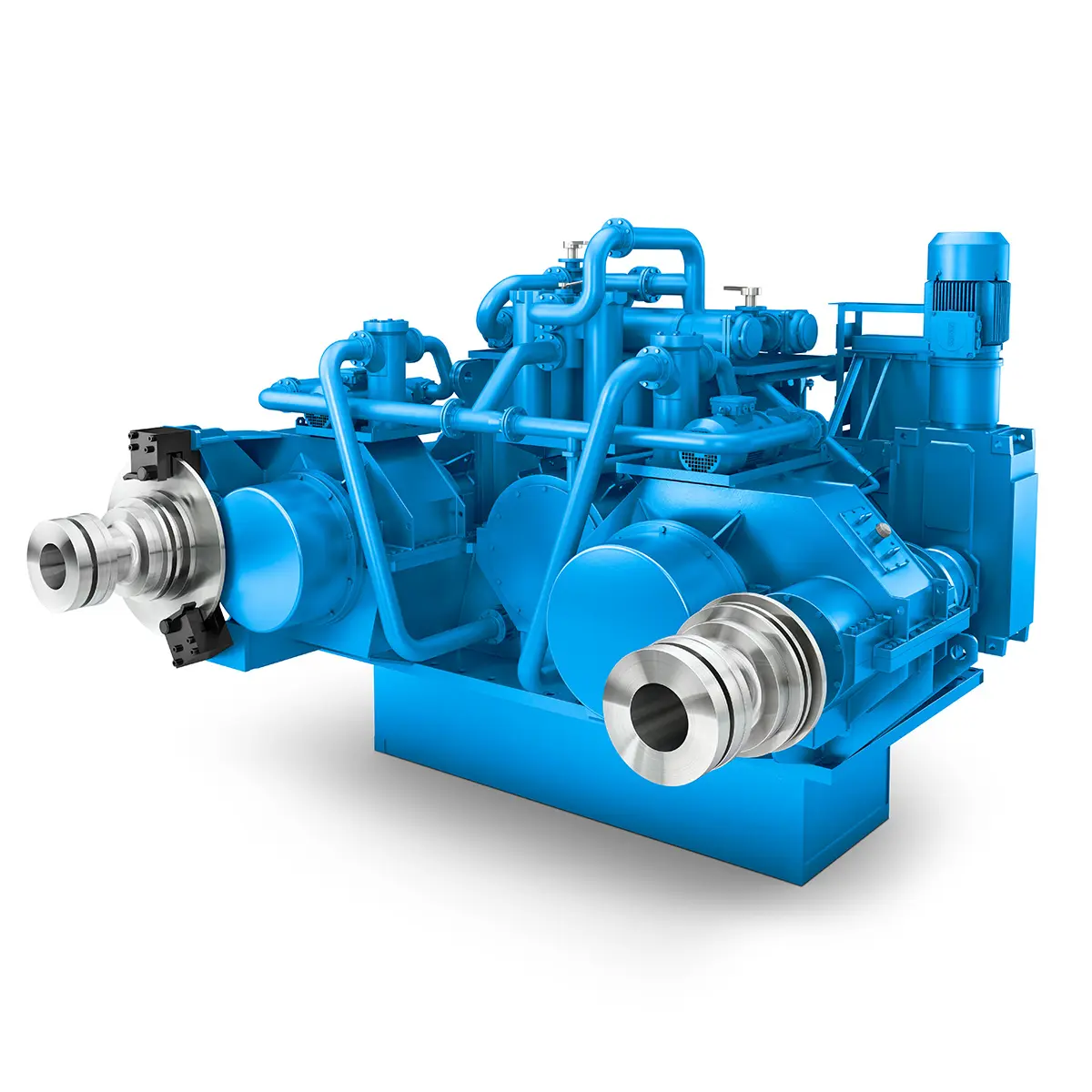 The right gearbox for all Multi-Engine Ships
 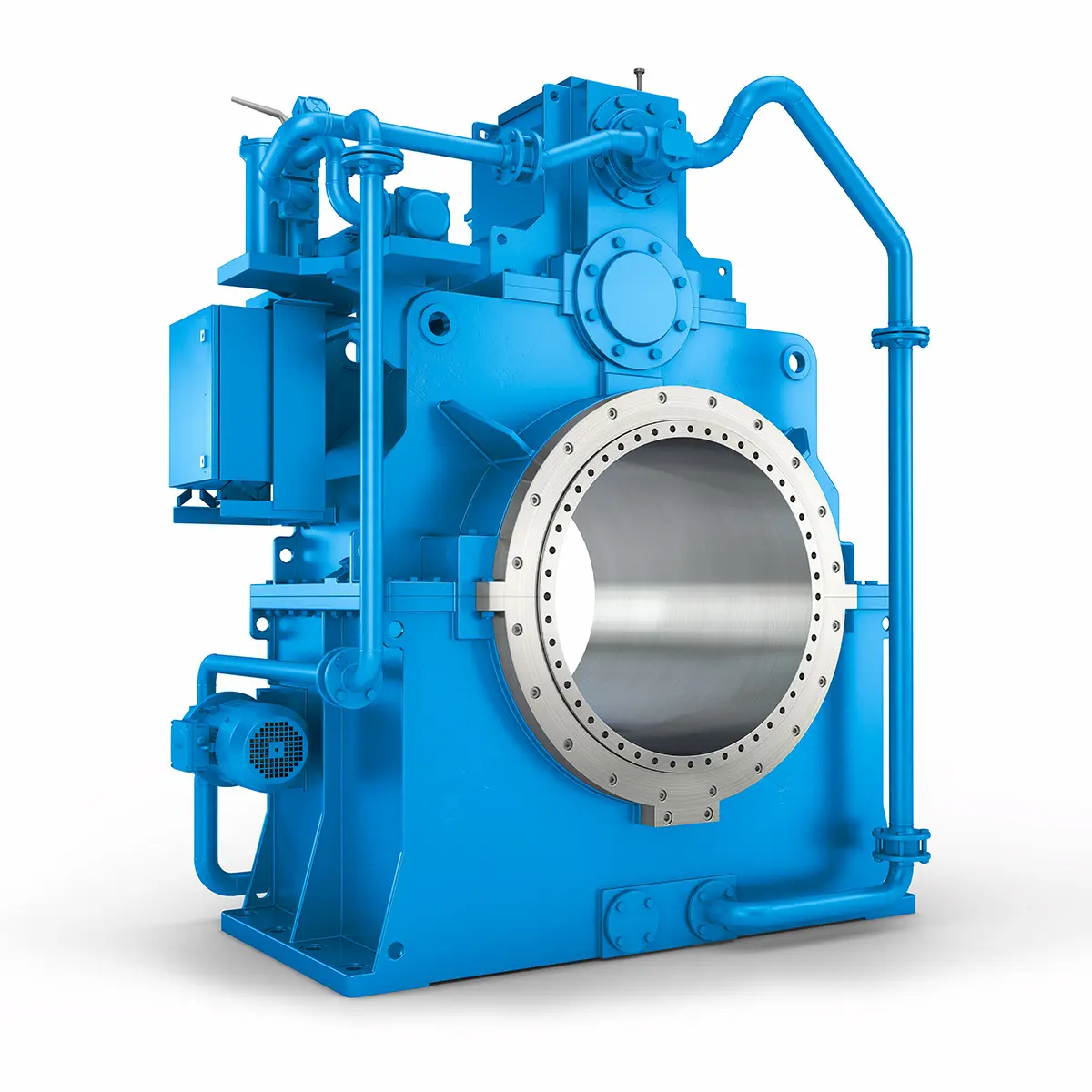 Reliable Power Generation on board
 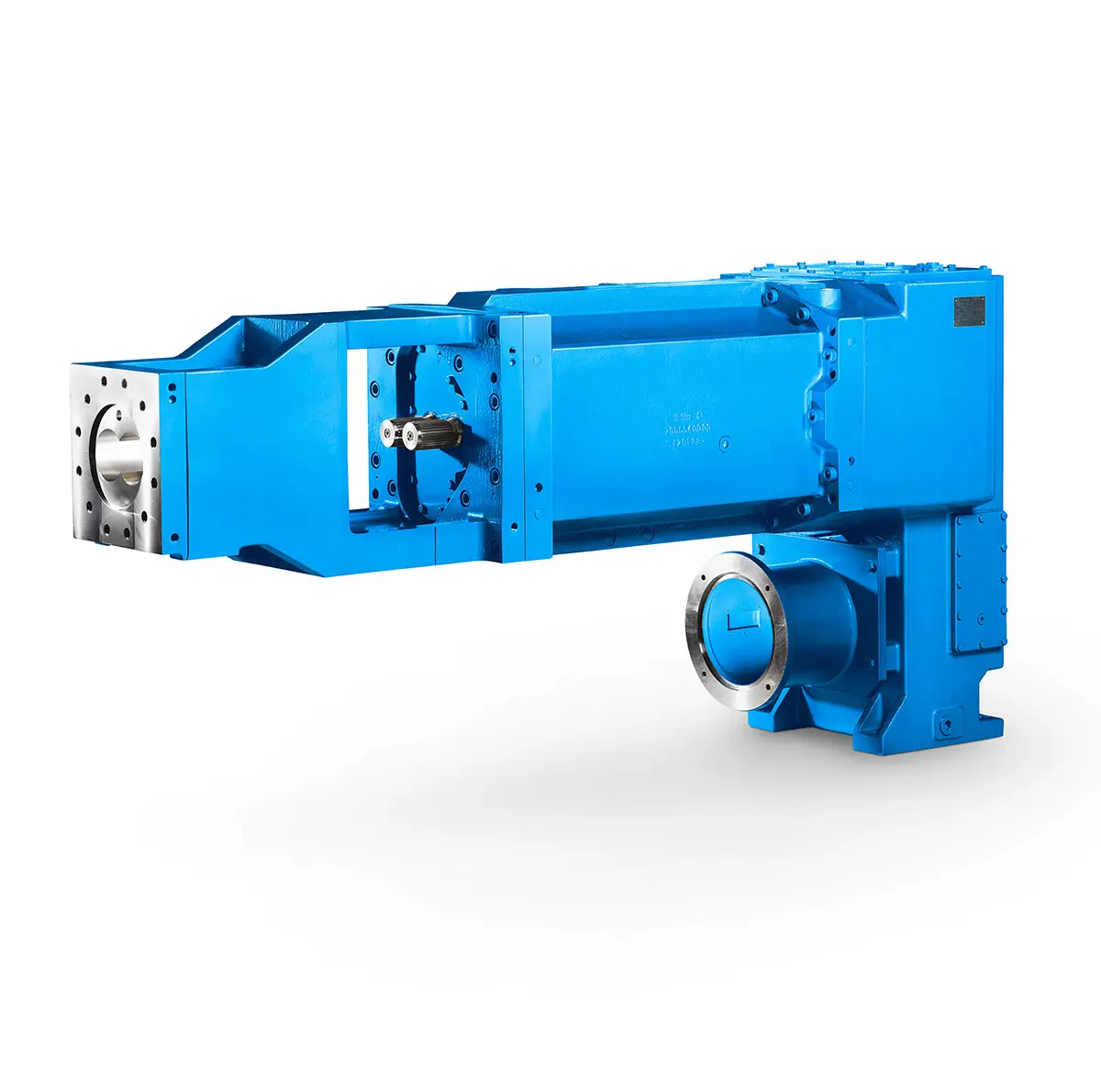 Maximum performance level, fast deliverable
 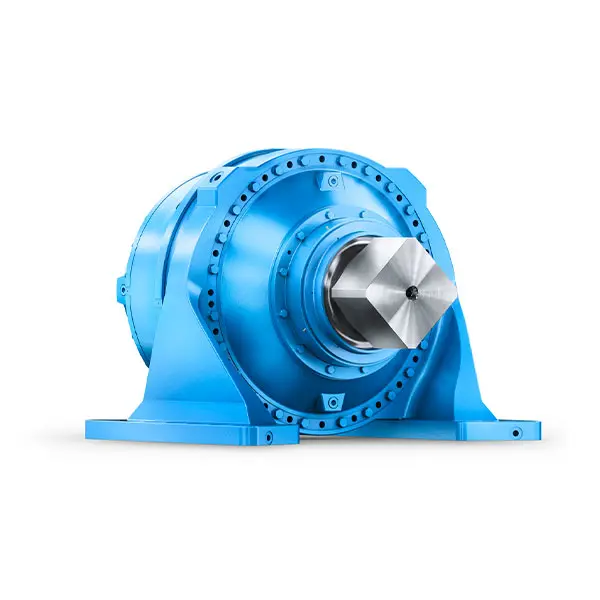 Efficient and compact – FLENDER Gear Units for Sugar Mills
 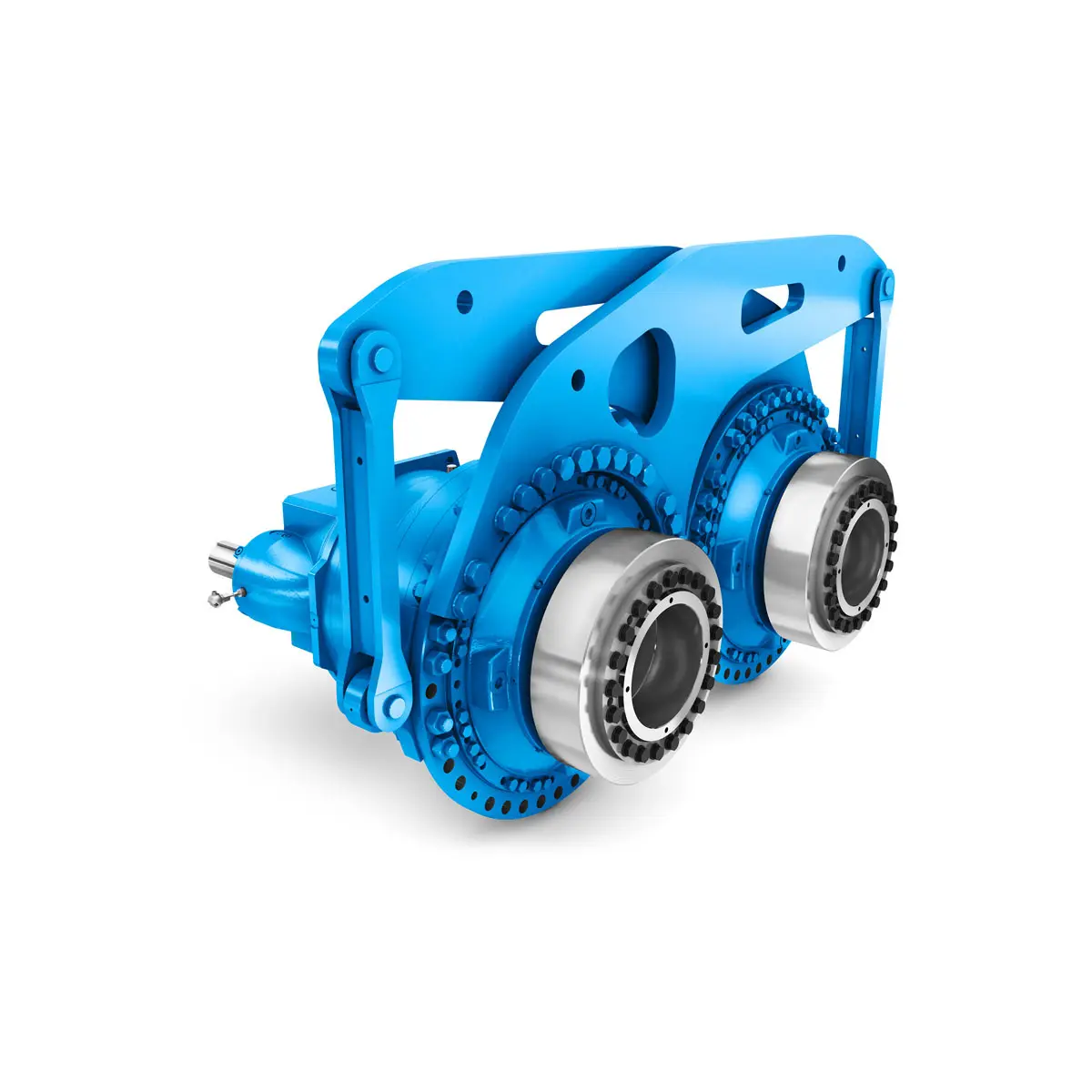 Extremely strong. Extremely compact. Extremely stressable.
 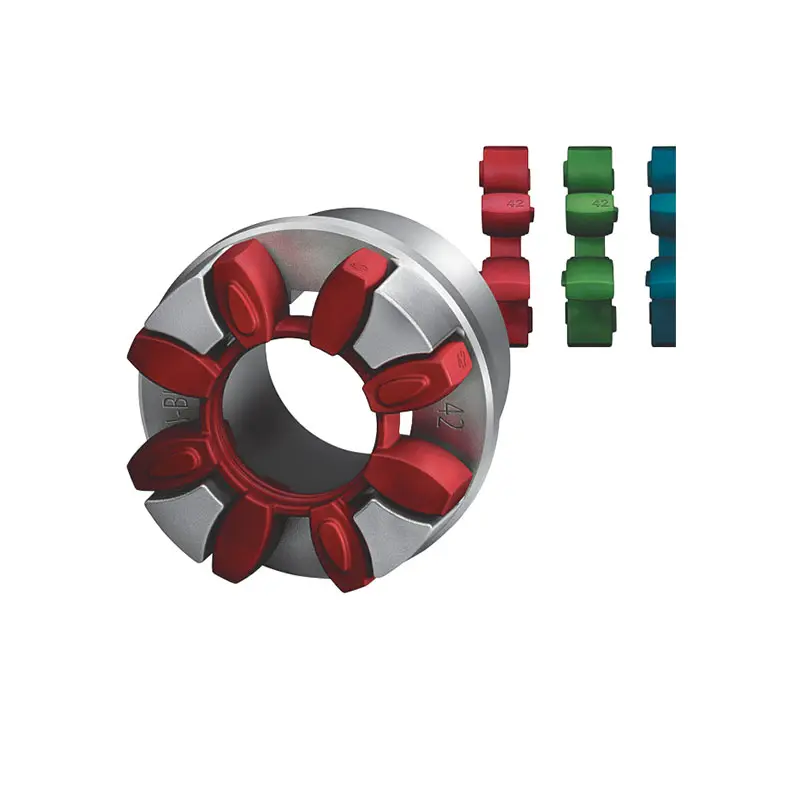 FLENDER Coupling
 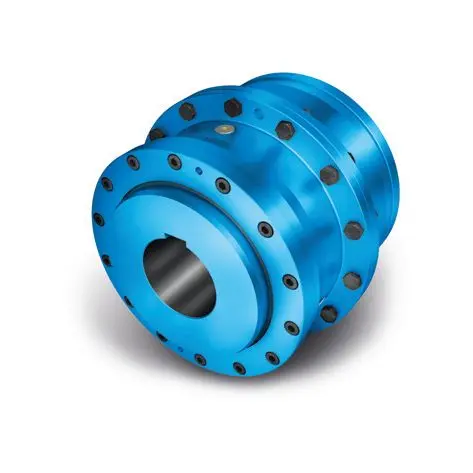 ZAPEX ZW Torsionally Rigid Gear Coupling
 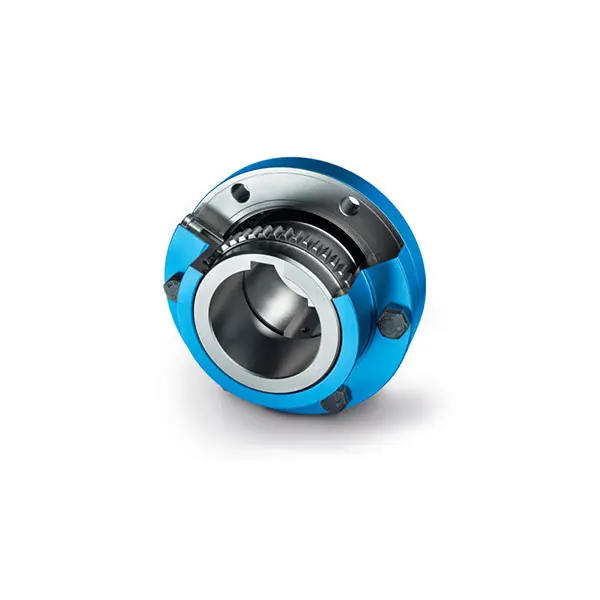 ZAPEX ZN Torsionally Rigid Gear Coupling
 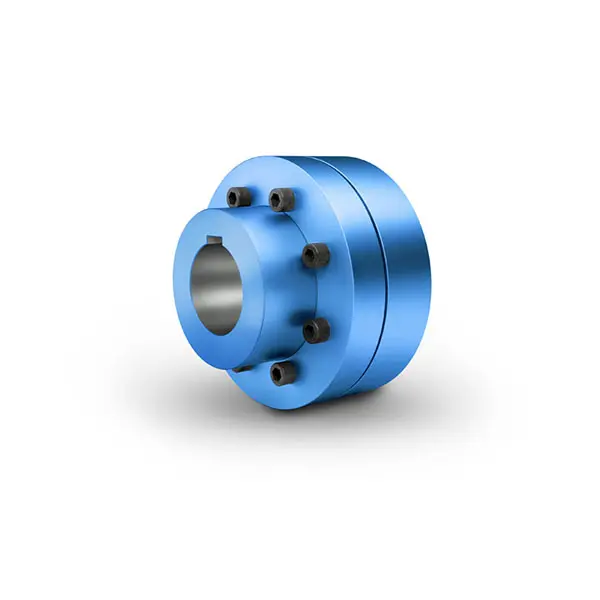 N-EUPEX Flexible high performance Coupling
 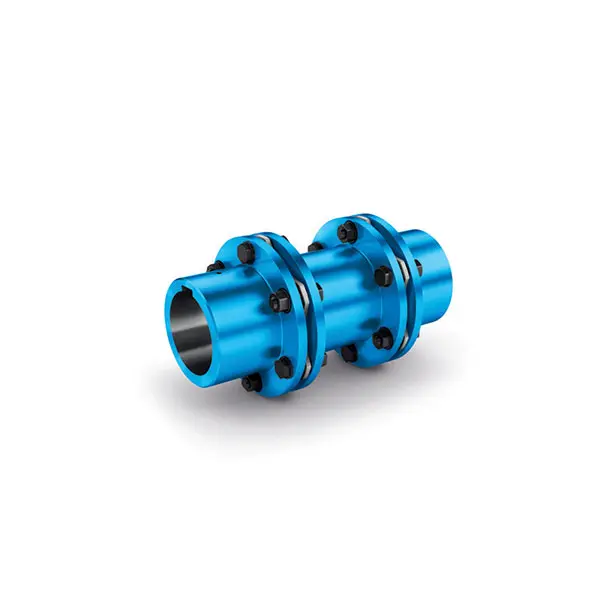 N-ARPEX Torsionally Rigid All-Steel Coupling
 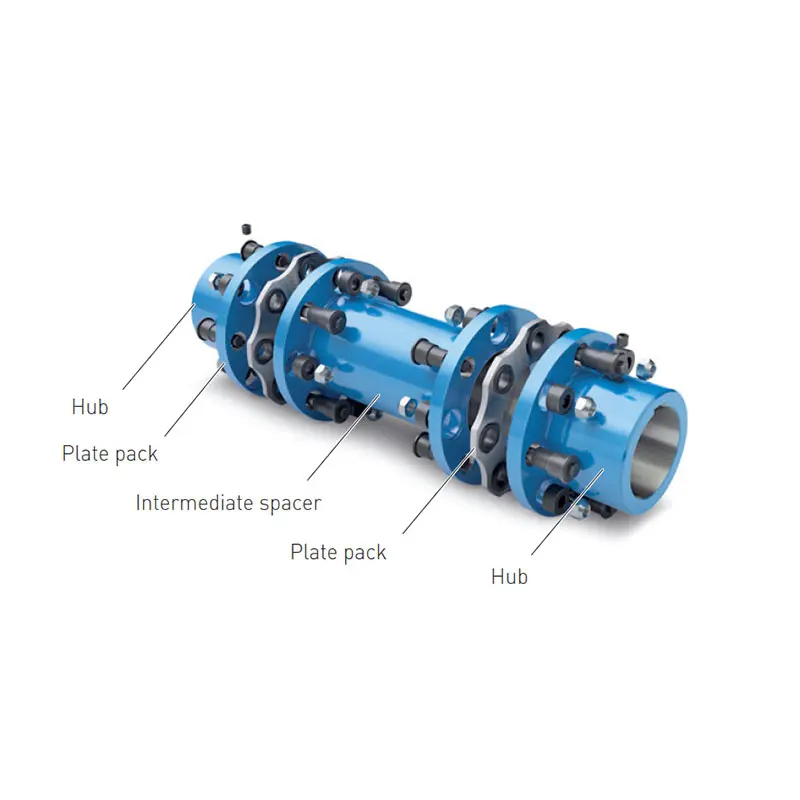 ARPEX Torsionally Rigid All-Steel Coupling Spare and Parts
 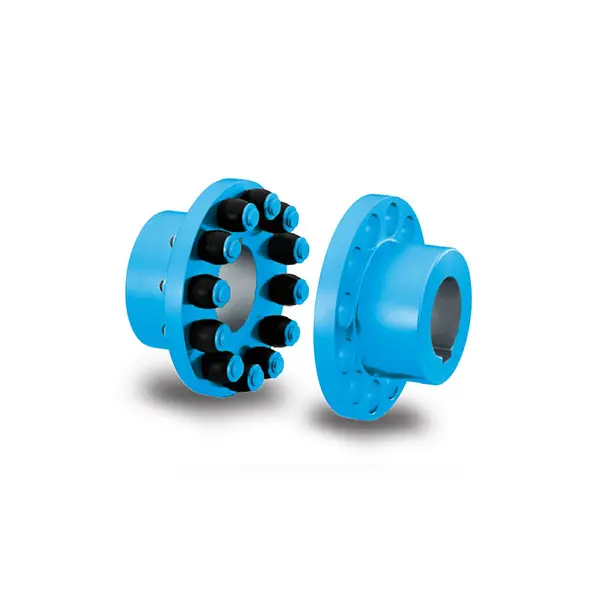 RUPEX Flexible high performance Coupling
 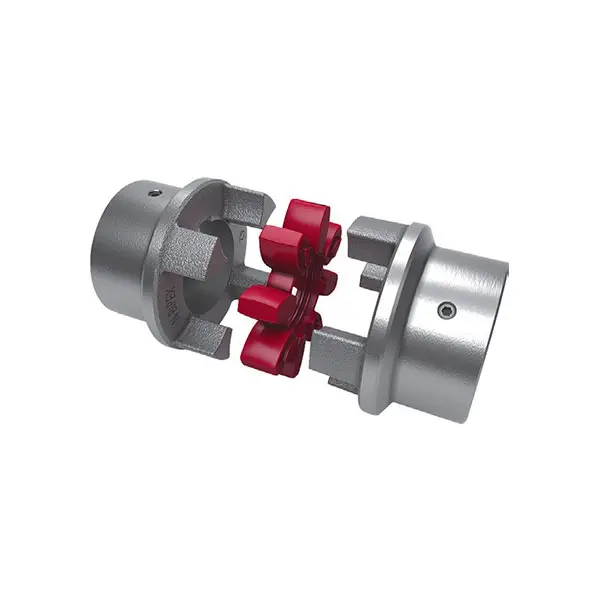 N BIPEX Flexible high performance coupling
 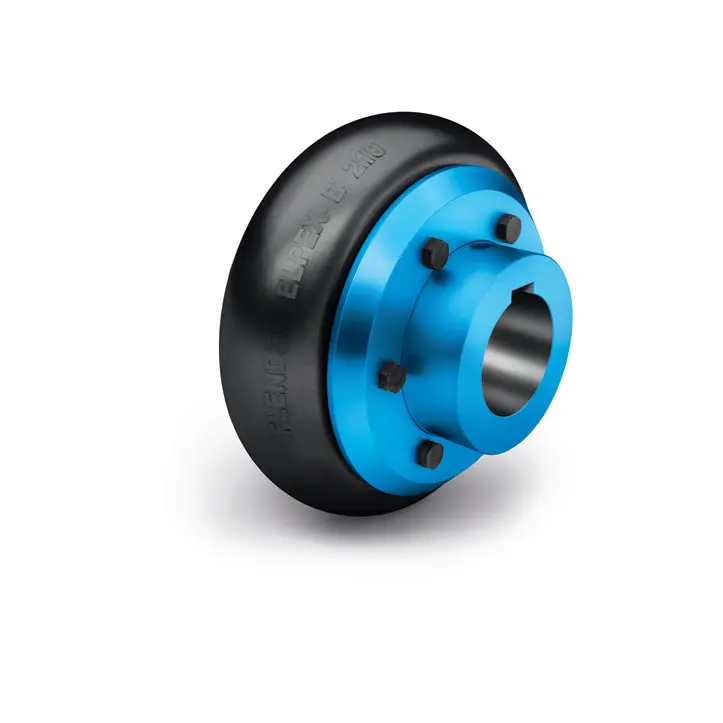 ELPEX B Highly Flexible Coupling
 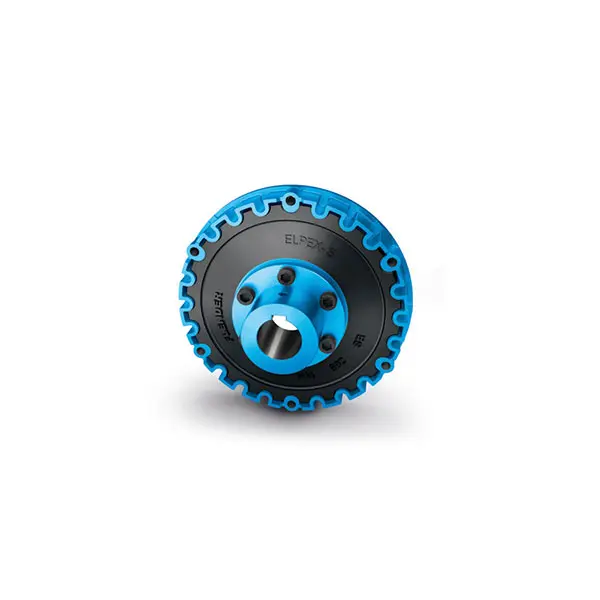 ELPEX S Highly Flexible Coupling high performance
 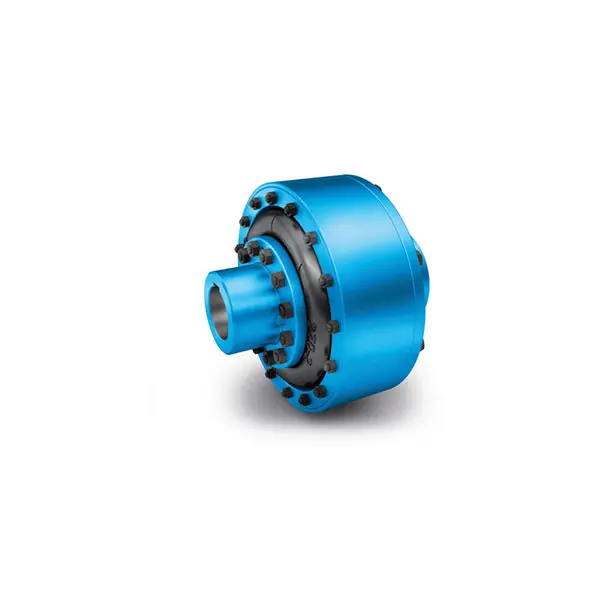 ELPEX Highly Flexible Coupling high performance
 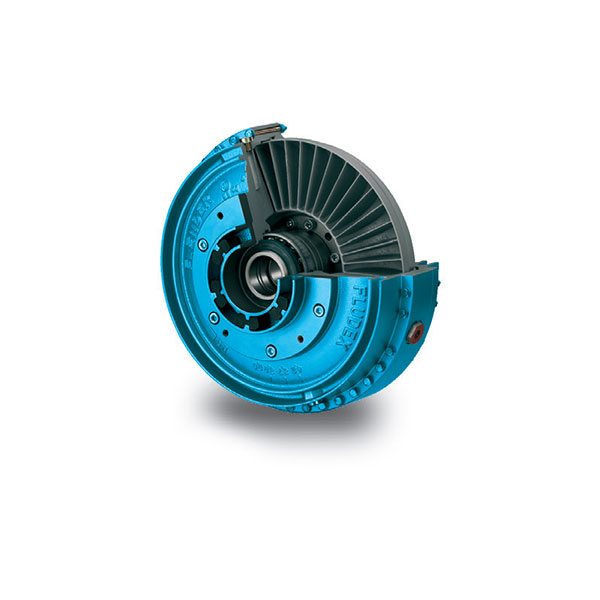 FLUDEX Fluid Coupling high performance
 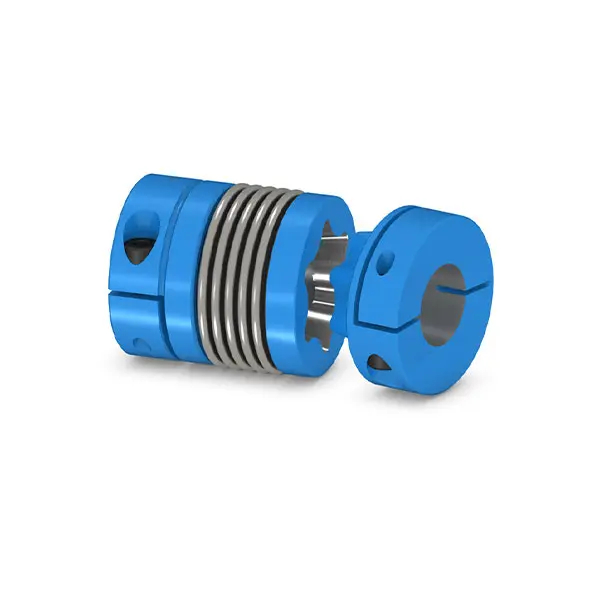 SIPEX Backlash free Coupling high performance
 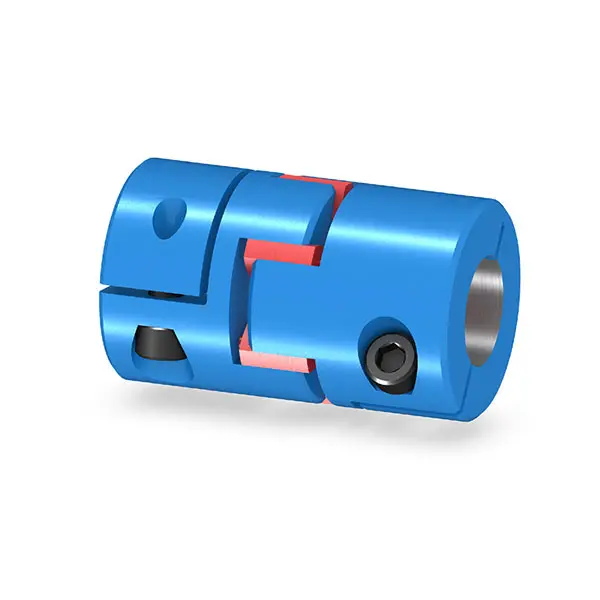 BIPEX S Backlash free Coupling high performance
 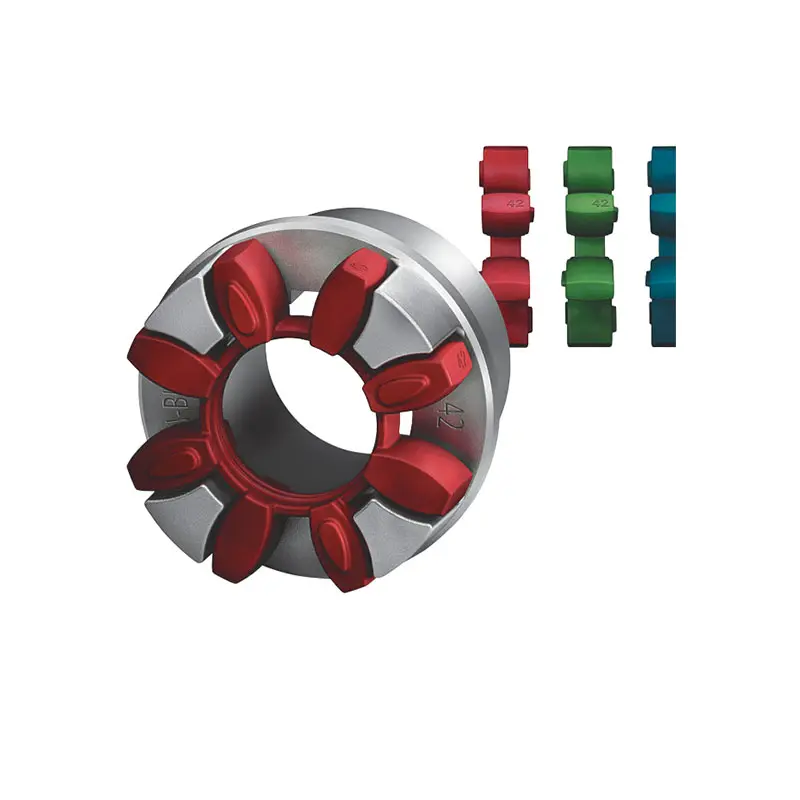 FLENDER Coupling Spare Parts high performance
 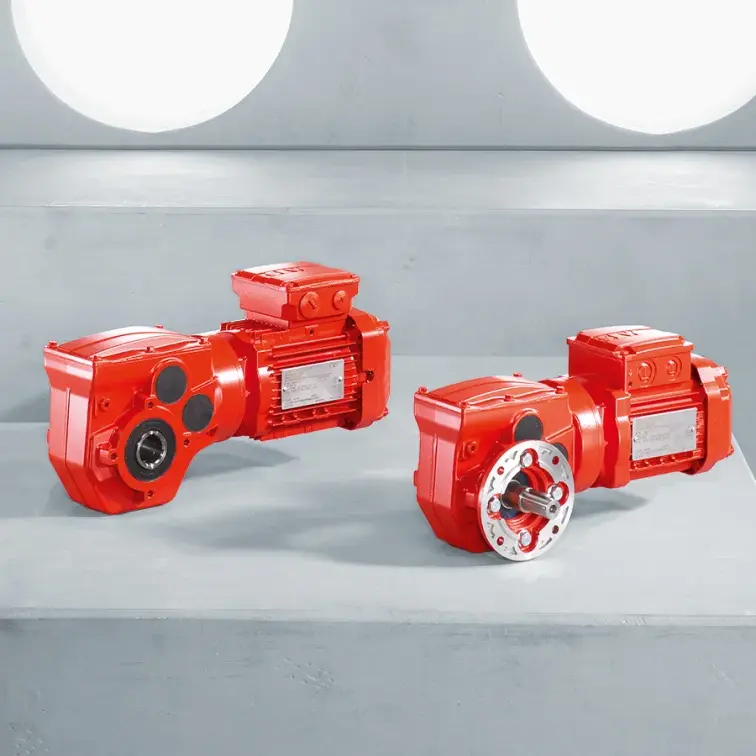 SEW Gearmotor
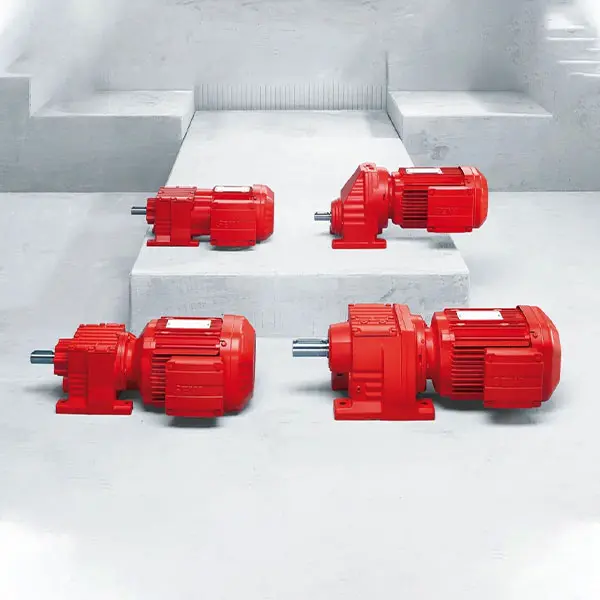 R Series Helical Gearmotor low voltage
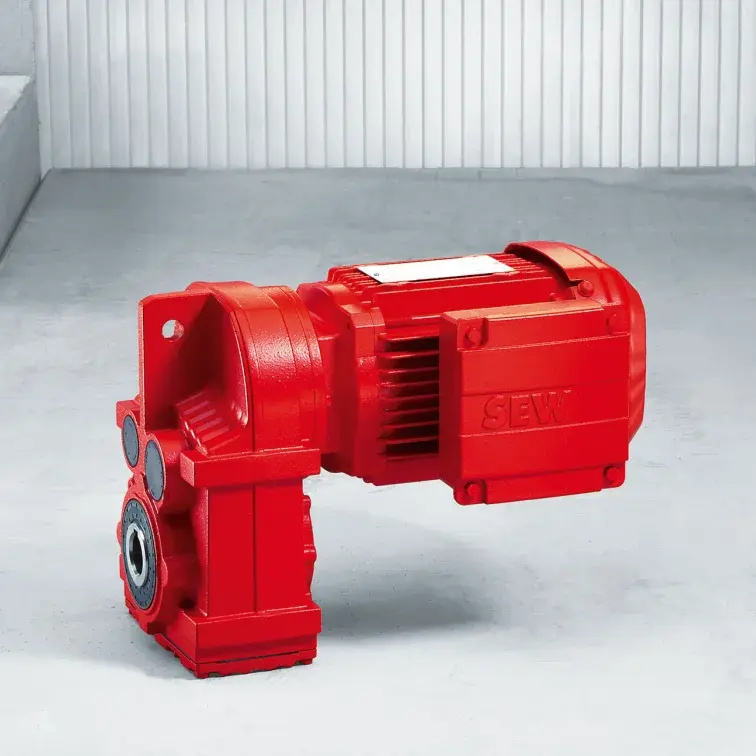 F Series Parallel Shaft Gearmotor low voltage
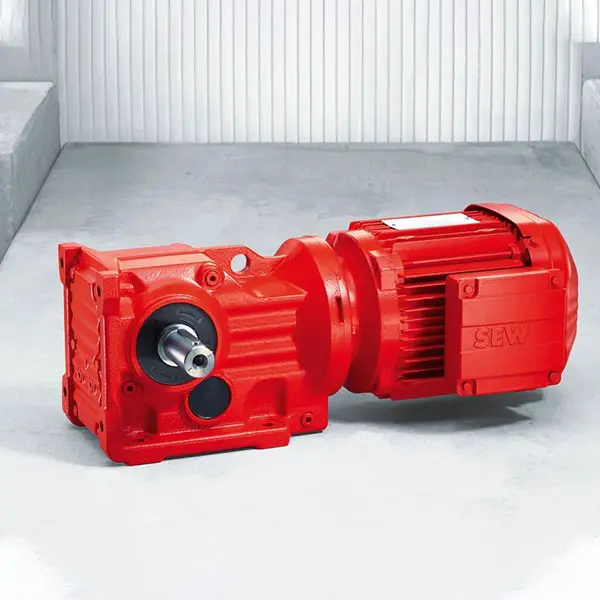 K Series Helical Bevel Gearmotor low voltage
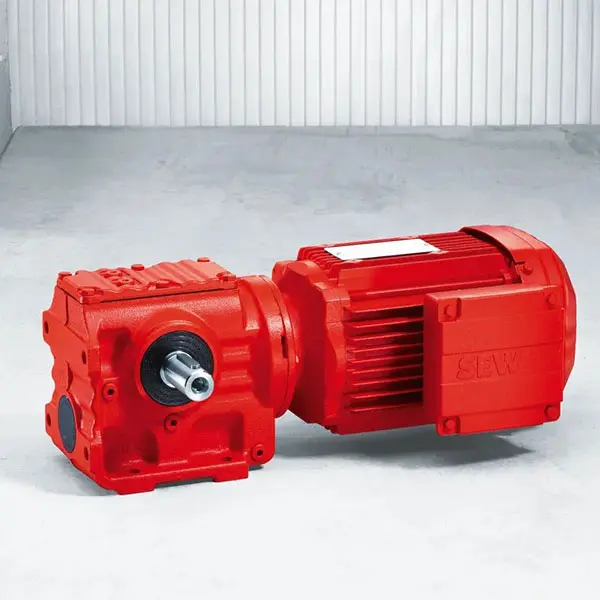 S Series Helical Worm Gearmotor low voltage
 W Series SPIROPLAN® Right Angle Gearmotor