Leave Your Message

7 Tips for Choosing a Gearbox Lenze Gearmotor

Choosing a gearbox Lenze gearmotor is not simply a matter of matching power ratings. The correct unit must suit the machine’s motion, load, speed, space, and working environment. A motor that looks adequate on paper may overheat under repeated starts. A gearbox with the wrong ratio may waste energy or produce unstable movement.

Lenze engineering expert Christian Wendler has expressed a useful principle: “The right drive must fit the entire machine, not only its motor.” This idea guides the seven tips in this outline. The selection process examines torque requirements, output speed, service factors, mounting position, efficiency, braking needs, and maintenance access. Small details matter. A dusty conveyor, a vertical lift, and a packaging axis cannot share identical assumptions. They may use similar components, but their operating demands differ sharply.

Measure the real load.

Do not trust estimates alone. Record start-up torque, duty cycles, ambient temperature, and available installation space. These details help prevent expensive oversizing and early failures. Still, no selection method is flawless. Unexpected shock loads, poor alignment, or neglected lubrication can change the result. That is why experienced engineers review calculations against field conditions. This guide treats the Gearboxlenzegearmotor as part of a complete motion system. It does not present one universal answer. Instead, it offers practical checkpoints for making a safer, more efficient, and more defensible choice. Expect useful guidance, but verify every recommendation against the machine’s actual duty.

7 Tips for Choosing a Gearbox Lenze Gearmotor

Define the Application Requirements and Operating Conditions

Define the Application Requirements and Operating Conditions

A geared motor should match the machine, not just the catalog rating. Record required output speed, continuous torque, peak torque, starts per hour, and reversing frequency. Measure the load at the shaft when possible. Estimates often miss acceleration torque.

The International Energy Agency reports that electric motor systems use about 46% of global electricity. Correct sizing therefore affects both performance and energy demand. Check the duty cycle carefully. A conveyor running eight hours daily needs different thermal capacity from an indexing machine operating intermittently. Include ambient temperature, altitude, dust, moisture, and washdown exposure. These details influence enclosure selection, lubrication, and cooling.

Tip: Write the real operating profile.

Consider shock loads and mounting forces. A gearbox may survive rated torque but fail under repeated impacts. Select a service factor based on load type and daily operating time, following recognized manufacturer and industry calculation methods. IEC 60034-30-1 provides motor efficiency classes, but efficiency alone does not prove suitability. A highly efficient motor can still be poorly matched to speed or torque.

In field assessments, engineers often find that “normal load” was measured during an unusually quiet production period. That is a weakness worth admitting. Capture startup current, peak load, and actual stoppage patterns. If the machine runs near its limit, allow thermal and mechanical margin. Too much margin, however, can increase cost and reduce efficiency. The best choice may require another measurement.

Match Motor Power, Torque, and Speed to the Gearbox

7 Tips for Choosing a Gearbox Gearmotor

Match Motor Power, Torque, and Speed to the Gearbox

Tip 1

Start with the driven load, not the motor label. Record its weight, friction, startup resistance, and operating cycle. A conveyor carrying wet cartons may need more starting torque than steady running torque.

Tip 2

Calculate output torque at the gearbox shaft. Use the load torque, safety factor, and expected shock loads. Too little torque causes stalling; too much can increase cost and mechanical stress.

Tip 3

Check the required output speed carefully. A motor may run smoothly, yet the gearbox ratio can produce an unsuitable shaft speed.

Tip 4

Match motor power with both torque and speed. Power alone can mislead you. A high-speed motor with low output torque may fail during acceleration.

Tip 5

Consider efficiency and heat. Compact housings can become hot in continuous operation, especially near their rated load. Leave room for cooling. It matters.

Tip 6

Review service factors honestly. Frequent starts, sudden stops, reversing, and uneven loads demand stronger specifications. I have seen selections fail because “normal duty” was assumed too quickly.

Tip 7

Confirm shaft size, mounting position, and allowable radial loads before ordering. Measure twice. Also check whether the gearbox can handle the real environment, including dust, moisture, and limited ventilation. Manufacturer data is useful, but field conditions still deserve careful judgment.

Select the Appropriate Lenze Gearmotor Configuration

Choosing a gearbox gearmotor starts with the driven machine, not the catalogue page. Record required speed, output torque, duty cycle, and available mounting space. A conveyor carrying 40 kilograms may need steady torque rather than high peak power. Measure the real load if possible. Estimates can mislead.

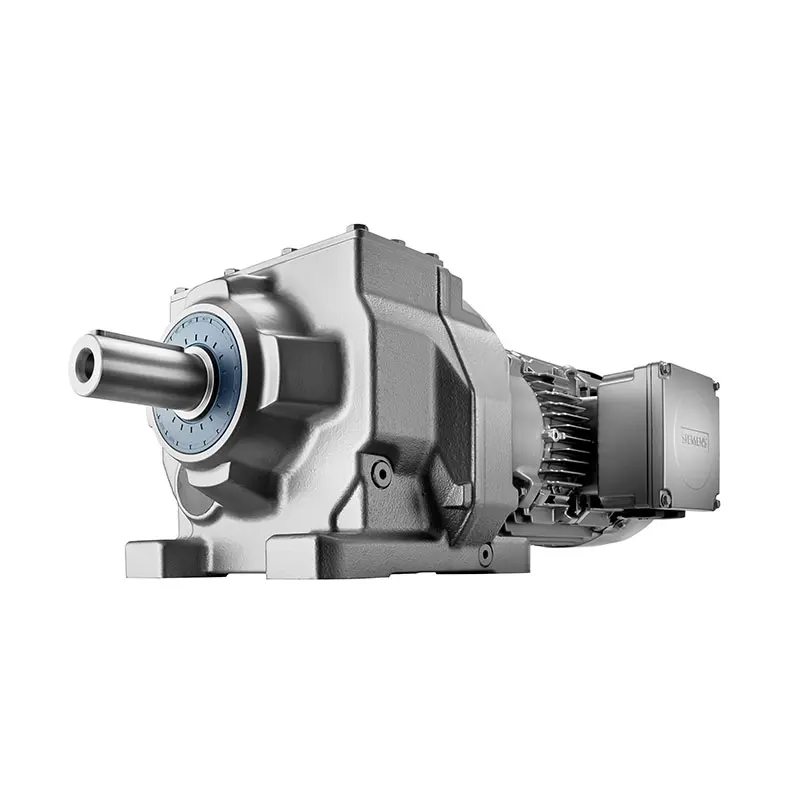
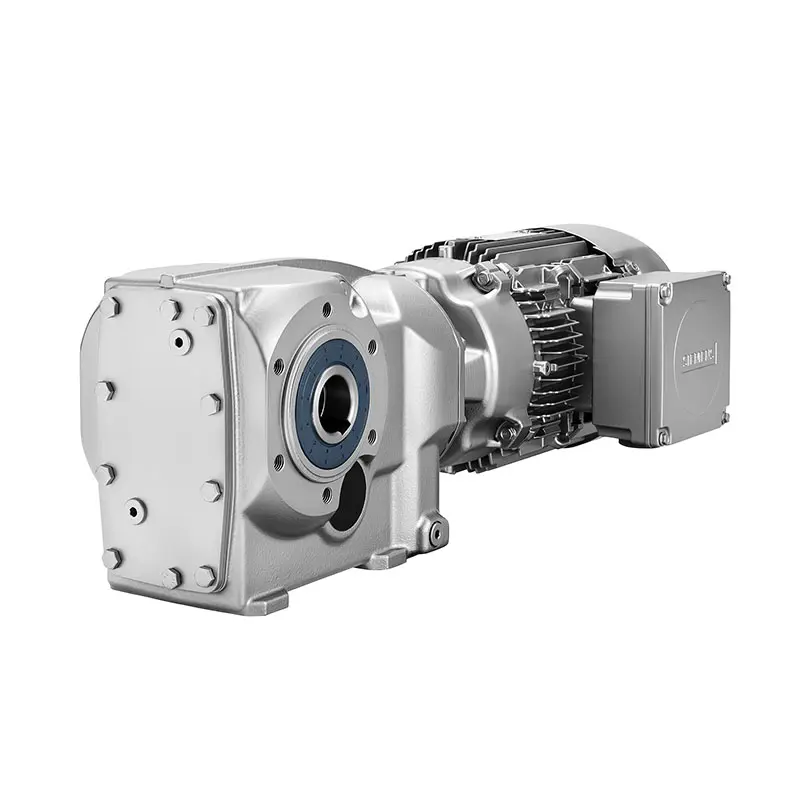
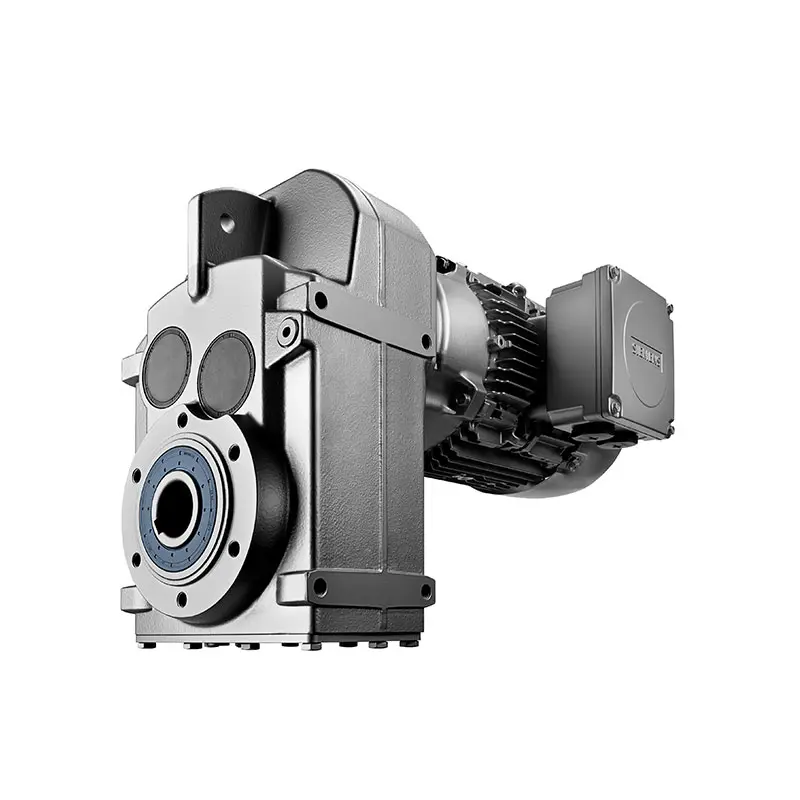
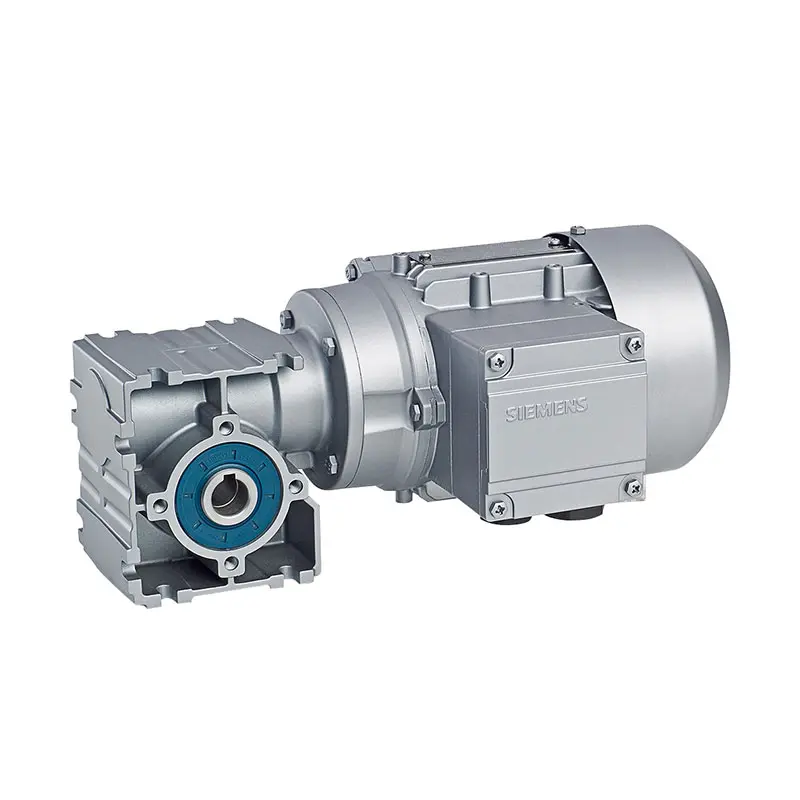
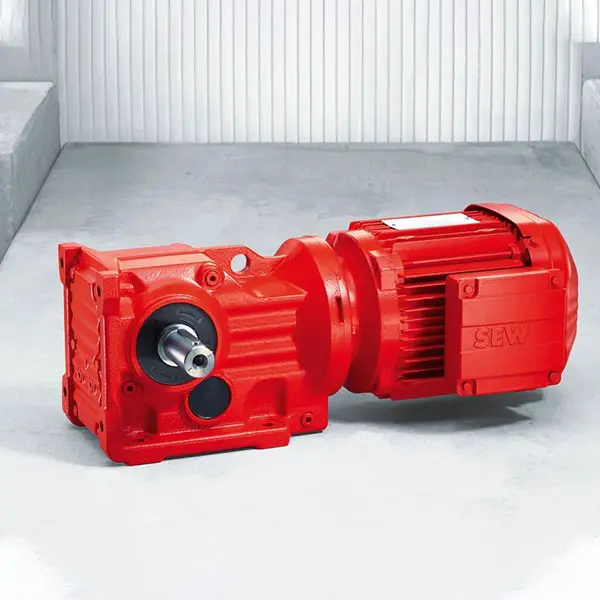
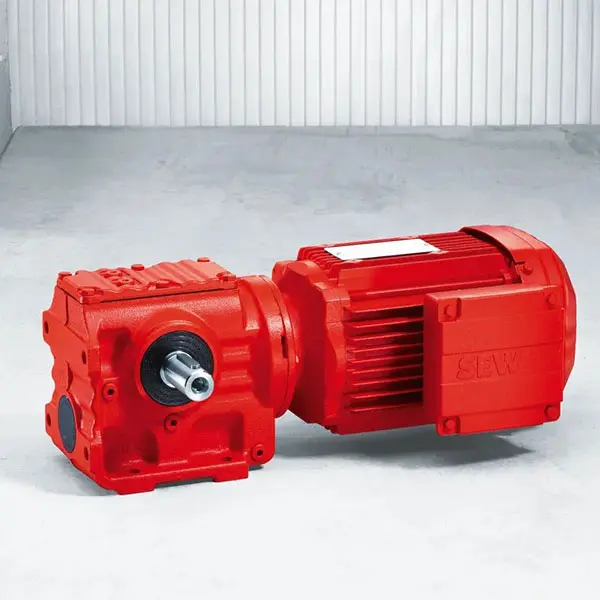
Select the appropriate gearmotor configuration by matching the transmission design to the motion. Helical units suit efficient continuous operation, while worm arrangements offer compact right-angle mounting. Planetary designs often handle higher torque in a smaller package.

Check the output shaft, flange, and rotation direction before ordering. A wrong interface can stop installation before testing begins. Include service factor, braking needs, starts per hour, and ambient temperature. Dust, washdown water, and heat change the selection.

Ask for verified performance data, not only rated power. Review efficiency curves, backlash, noise levels, lubrication requirements, and thermal limits. I have seen a motor pass a bench test yet run hot inside a crowded cabinet. That mistake was preventable.

Leave room for airflow and maintenance access. Confirm controls compatibility, encoder feedback, and overload protection with a qualified engineer.

Keep calculations, supplier data, and commissioning readings together. Recheck them after the first production week. Real behavior may differ slightly.

Evaluate Efficiency, Mounting, Materials, and Protection

Efficiency starts with the actual duty cycle, not the catalog rating. Check motor speed, output torque, starts per hour, and daily operating time. A gearbox may appear efficient at full load, yet waste energy during frequent low-load running. Measure temperature and input power after installation. Real conditions often challenge the original calculation.

Mounting details deserve equal attention. Confirm shaft direction, flange dimensions, mounting position, and available service space. Leave room for oil inspection and coupling removal. A compact arrangement can become difficult to maintain. I once saw a suitable drive installed too close to a guard, forcing unnecessary disassembly during inspection. The selection was technically correct, but practically weak.

Material choice should match the environment and load. Hardened steel gears suit demanding torque, while aluminum housings can reduce weight but may need stronger support. Consider shock loads, vibration, washdown exposure, and corrosive dust. Protection ratings must reflect the real site, not just the indoor specification. Sealed connectors and suitable housing protection help prevent moisture-related failures. Still, a high rating cannot replace correct cable routing or regular inspection. Review lubrication requirements, ambient temperature, and operating noise before approval. These small checks can expose assumptions that a spreadsheet misses.

7 Tips for Choosing a Gearbox Gearmotor

Efficiency varies significantly by gearbox design. Helical, bevel-helical, and planetary units typically deliver high efficiency, while worm gearboxes can vary widely depending on the ratio and operating conditions. Also verify mounting position, shaft configuration, housing materials, lubrication, thermal capacity, and the required IP protection level before selecting a gearmotor.

Verify Compatibility, Maintenance Needs, and Total Cost

7 Tips for Choosing a Gearbox Gearmotor

Verify the required torque, speed, and gear ratio before comparing models. A motor that looks powerful may stall under repeated starting loads. Check the application’s duty cycle, not only its peak output. Conveyor systems, mixers, and lifting equipment create different mechanical demands. Confirm shaft size, mounting position, and available space with the equipment drawing. Small alignment errors can produce noise, heat, and premature bearing wear. Ask for efficiency data at your actual operating point. Catalog values may reflect ideal conditions.

Maintenance needs should match the working environment. Inspect lubrication intervals, seal quality, brake access, and replacement-part availability. Dust, moisture, and frequent washdowns require appropriate protection. Leave room around the gearbox for inspection and safe service. Keep a simple record of vibration, temperature, and oil condition. Useful evidence. A routine inspection may reveal a loose coupling before it damages the reducer. However, maintenance schedules are not universal. Real loads, contamination, and operator habits can change them.

Calculate total cost over the equipment’s expected life. Include purchase price, installation, energy use, spare parts, downtime, and technician time. A cheaper unit can become expensive after repeated seal failures or difficult repairs. Compare warranty conditions carefully. They may exclude harsh duty or incorrect installation. The first estimate is often wrong. Recheck it with measured load data, supplier documentation, and feedback from maintenance staff. If operating conditions remain uncertain, select a design with reasonable capacity, rather than paying for excessive reserve. Oversizing also has costs.

7 Tips for Choosing a Gearbox Lenze Gearmotor - Verify Compatibility, Maintenance Needs, and Total Cost

Tip Decision Dimension What to Verify Practical Data or Calculation Selection Guidance Potential Cost Impact
1 Match the output torque Confirm the required continuous torque, peak torque, output speed, duty cycle, and starting frequency. Required torque can be estimated as: T = 9550 × P ÷ n, where T is torque in N·m, P is power in kW, and n is speed in rpm. For example, 1.5 kW at 60 rpm produces approximately 239 N·m before service-factor adjustments. Choose a rated output torque above the calculated application torque and include the manufacturer’s recommended service factor. Undersizing may cause overheating, premature failure, and unplanned replacement costs.
2 Verify mechanical compatibility Check mounting arrangement, shaft diameter, shaft length, keyway dimensions, flange size, foot pattern, and available installation space. Record the existing equipment dimensions in millimetres and compare them with the gearbox drawing. Also verify shaft rotation, allowable radial load, allowable axial load, and coupling alignment requirements. Do not rely only on power and ratio; a dimensional mismatch can prevent direct installation even when the performance ratings are suitable. Correct dimensional matching can avoid adapter plates, machining, redesign work, and extended installation downtime.
3 Select the correct speed ratio Determine the required output speed and confirm whether the motor speed, gearbox ratio, and variable-speed drive range are compatible. Approximate ratio: i = motor speed ÷ required output speed. A 1,500 rpm motor driving a 75 rpm output requires an approximate 20:1 reduction ratio, subject to slip and operating conditions. Allow for the motor’s actual operating speed, gearbox efficiency, permissible input speed, and the application’s minimum and maximum speed range. An incorrect ratio can increase energy use, reduce throughput, or require an additional speed-control component.
4 Evaluate the operating environment Review ambient temperature, humidity, dust, washdown exposure, corrosive chemicals, outdoor installation, and hazardous-area requirements. Common enclosure ratings include IP54 for protection against limited dust ingress and water spray, and IP65 for dust protection and water jets. Confirm the actual rating required by the installation site. Use suitable seals, corrosion protection, thermal derating, and enclosure protection when the gearbox operates in wet, dusty, hot, or chemically aggressive conditions. A higher protection level may increase purchase price but can reduce corrosion, contamination, and motor replacement risk.
5 Review lubrication and maintenance needs Confirm lubricant type, oil quantity, installation orientation, seal condition, inspection points, and whether the unit is factory-filled for life. Maintenance intervals depend on load, speed, temperature, contamination, and lubricant specification. During routine inspections, check for oil leakage, abnormal noise, vibration, temperature rise, loose fasteners, and coupling wear. Follow the equipment manual for lubricant viscosity and replacement intervals; never mix incompatible lubricants without confirmation. Low-maintenance designs can reduce labour and downtime, while incorrect lubrication can accelerate gear and bearing wear.
6 Check motor and control compatibility Verify supply voltage, phase, frequency, rated current, starting method, brake requirements, feedback devices, and variable-frequency drive compatibility. Confirm that the motor’s voltage and frequency match the electrical supply. For inverter operation, check the permitted speed range, cooling method, insulation system, braking method, and overload capability. Ensure the motor, gearbox, brake, drive, and control system are specified as one compatible operating package. Compatibility checks can prevent nuisance trips, poor low-speed cooling, electrical damage, and additional control-panel modifications.
7 Compare total cost of ownership Assess purchase price, installation, energy consumption, lubrication, spare parts, inspection labour, downtime, and expected service life. A practical estimate is: TCO = purchase cost + installation + energy + maintenance + downtime + disposal cost. Compare alternatives over the expected operating period rather than using purchase price alone. Request documented efficiency, warranty terms, spare-parts availability, lead time, service support, and recommended inspection procedures. A more efficient and serviceable unit may have a higher initial price but lower lifetime operating cost.

Note: Torque examples and enclosure ratings are general engineering references. Final selection should be confirmed against the actual load profile, installation conditions, applicable safety requirements, and the equipment manufacturer’s technical documentation.