Leave Your Message

Top 10 Bauer Gearmotor Gearbox Types for Global Buyers

Choosing the right Bauer gearmotor gearbox requires more than comparing catalog prices. Global buyers must evaluate torque, speed, mounting position, efficiency, noise, and service conditions. A gearbox that performs well on a conveyor may struggle in a mixer, hoist, or packaging line. Small details matter.

This guide reviews the Top 10 Bauer Gearmotor Gearbox Types for Global Buyers. It covers helical, bevel, shaft-mounted, worm, and other widely used configurations. Each type offers different advantages for industrial machinery. Helical units often support efficient power transmission. Bevel gearboxes can simplify right-angle layouts. Shaft-mounted designs may reduce installation space and alignment work. However, performance depends on load cycles, lubrication, ambient temperature, and correct sizing. Product data should be checked against the manufacturer’s technical documentation, not promotional claims alone.

The keyword “Gearmotorbauergearbox” may help buyers find relevant equipment information, but search visibility cannot replace engineering judgment. Ask for rated torque, service factor, ratio, motor compatibility, protection rating, and spare-part availability. Confirm whether local technicians can support commissioning and maintenance. That step is easy to overlook.

Real-world selection is rarely perfect. Some buyers focus too heavily on initial cost. Others choose oversized units without checking energy use or mounting limits. This article aims to make those decisions clearer, while recognizing that site conditions vary. A reliable choice combines verified specifications, practical installation experience, and advice from qualified suppliers. Check the details twice. Mistakes become expensive later.

Top 10 Bauer Gearmotor Gearbox Types for Global Buyers

Understanding Bauer Gearmotor Gearbox Design and Classification

Top 10 Bauer Gearmotor Gearbox Types for Global Buyers

Understanding Bauer Gearmotor Gearbox Design and Classification

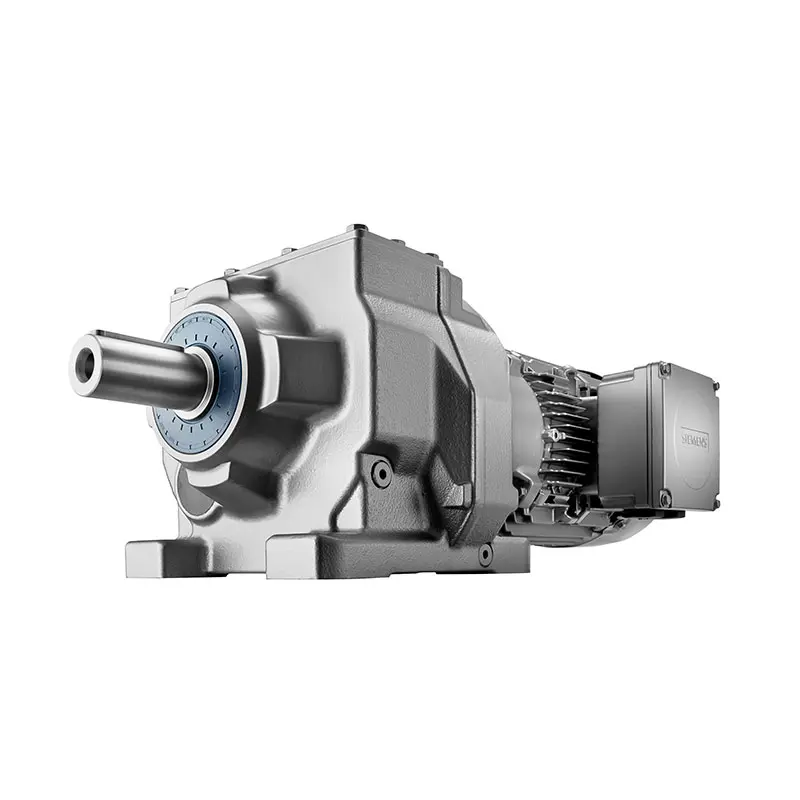
Gearbox classification begins with shaft arrangement, reduction method, and mounting direction. Common designs include inline helical, coaxial, parallel-shaft, helical-bevel, worm, planetary, cycloidal, and right-angle units. Each design changes torque delivery, efficiency, noise, and service access. The remaining categories often reflect housing size, output shaft style, or application-specific construction.

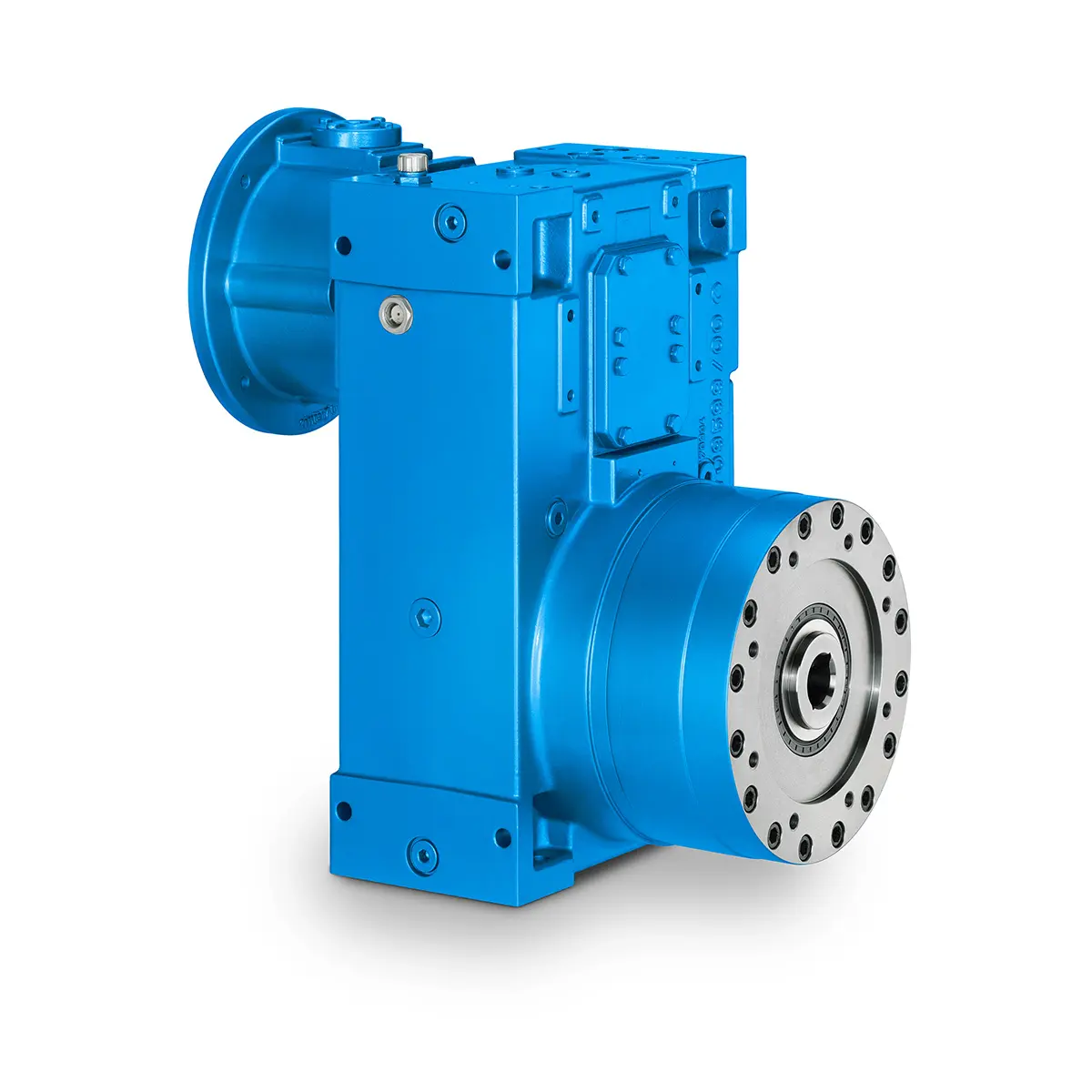
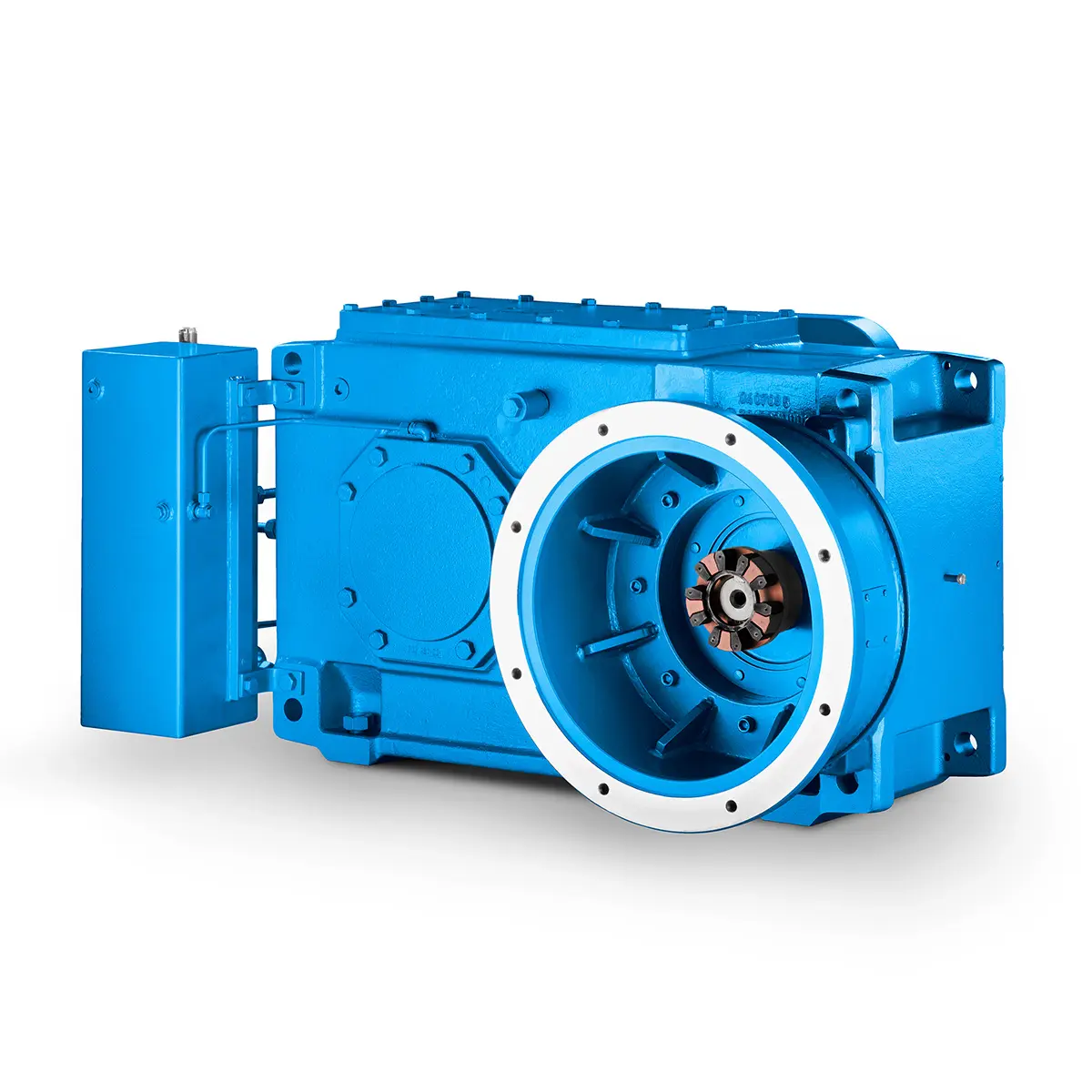
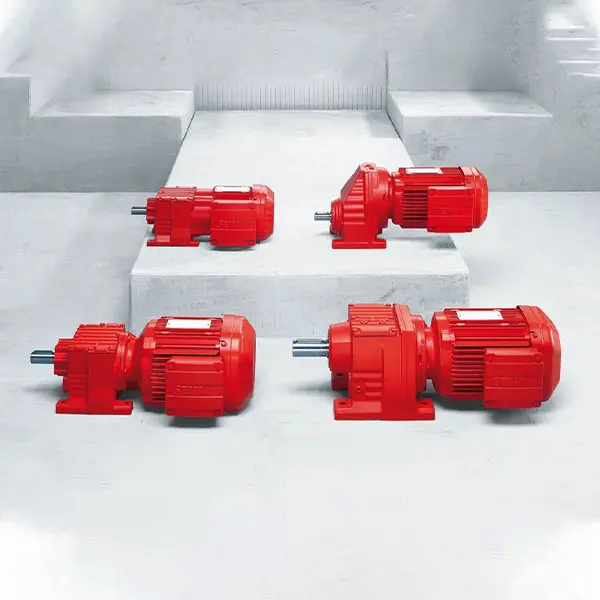
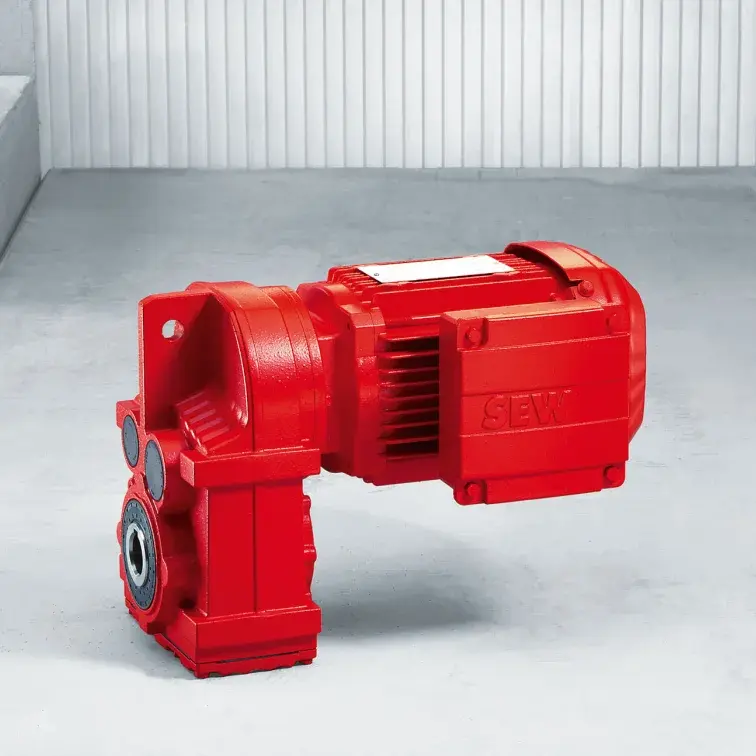
Inline and coaxial gearboxes suit compact conveyor layouts with aligned shafts. Parallel-shaft models fit narrow production lines where space is limited.

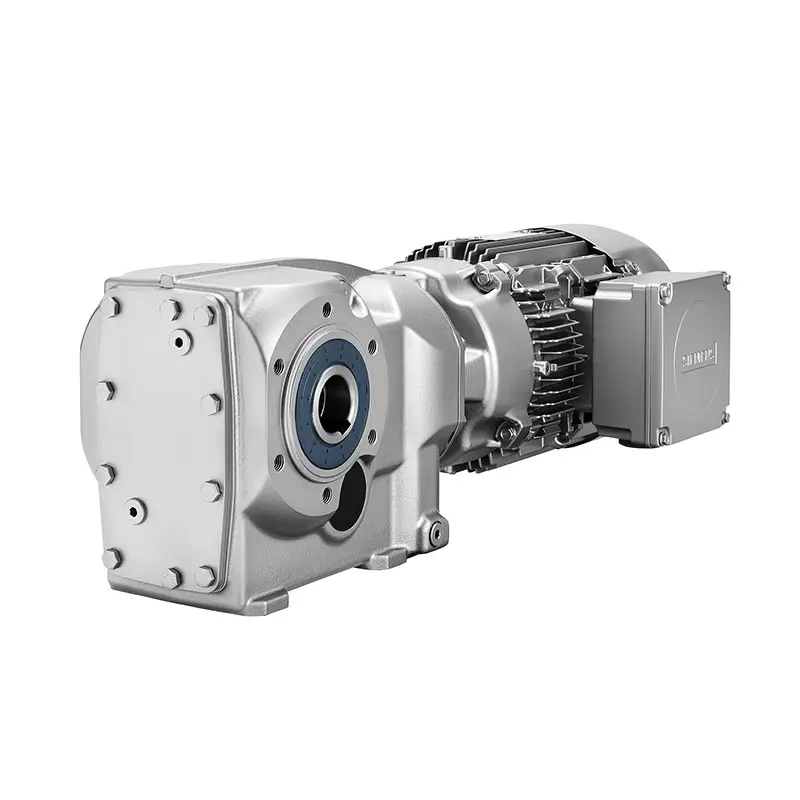
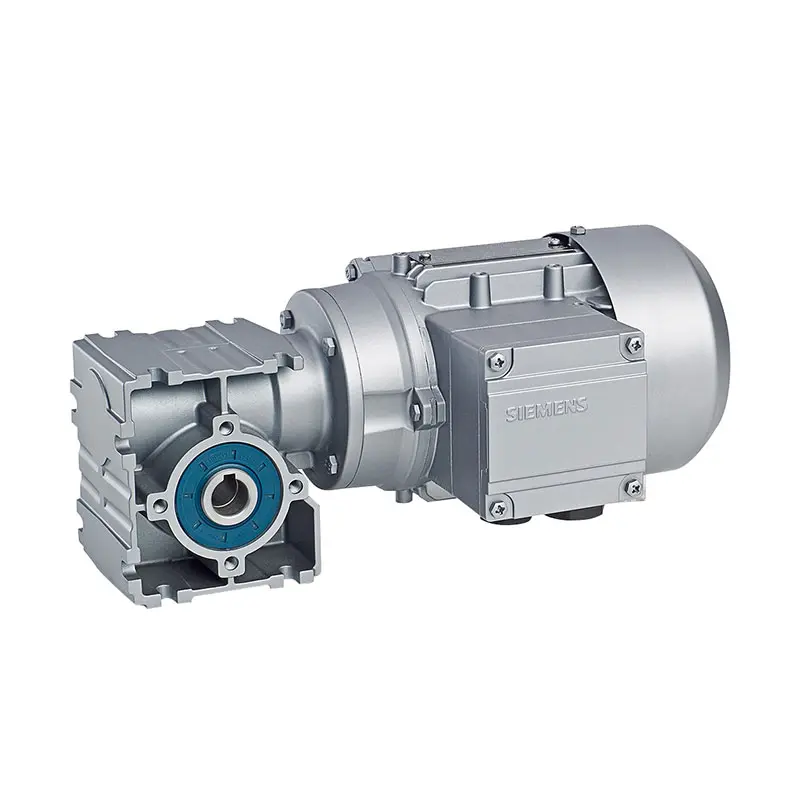
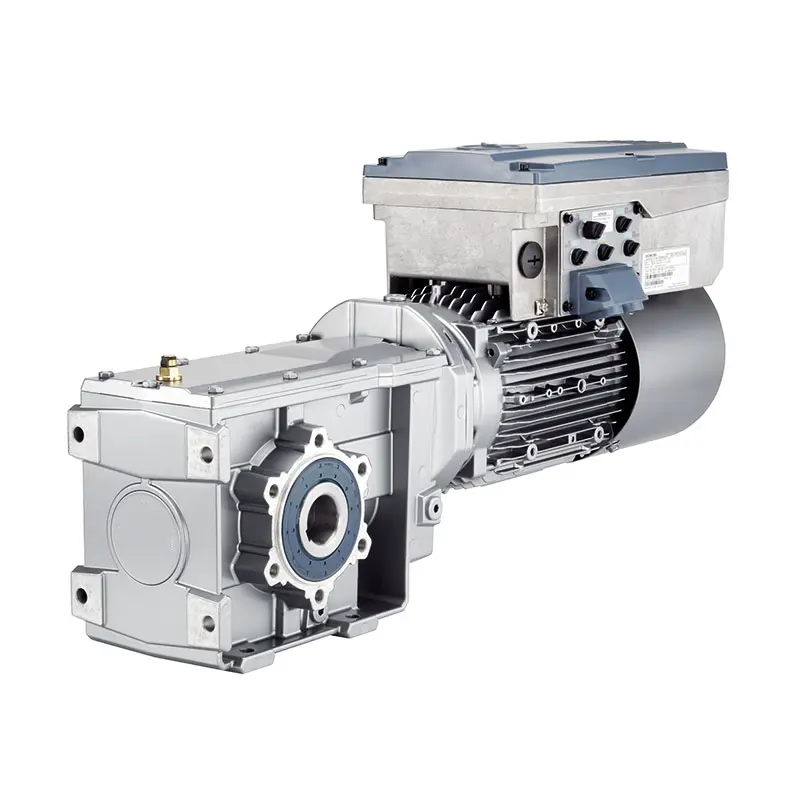
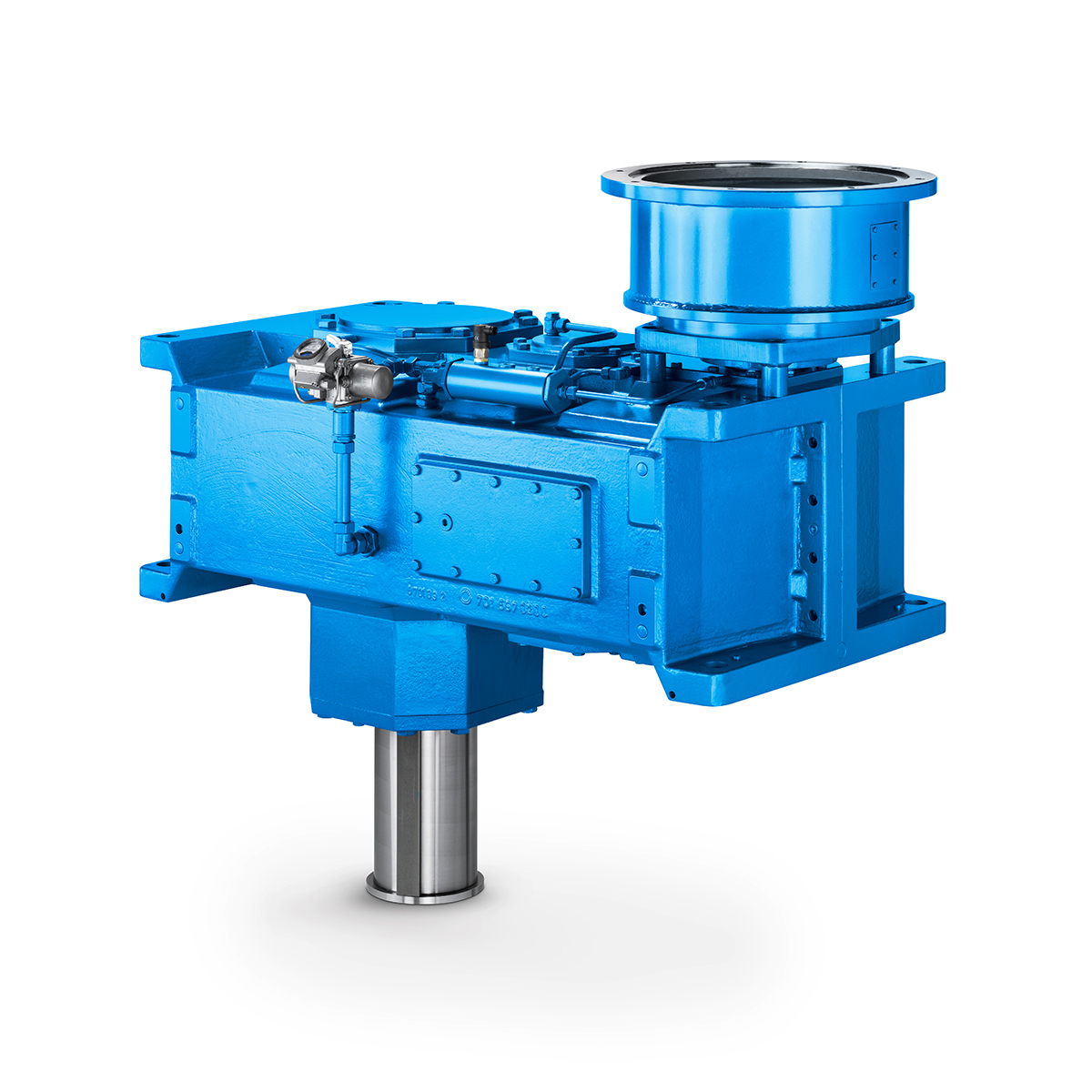
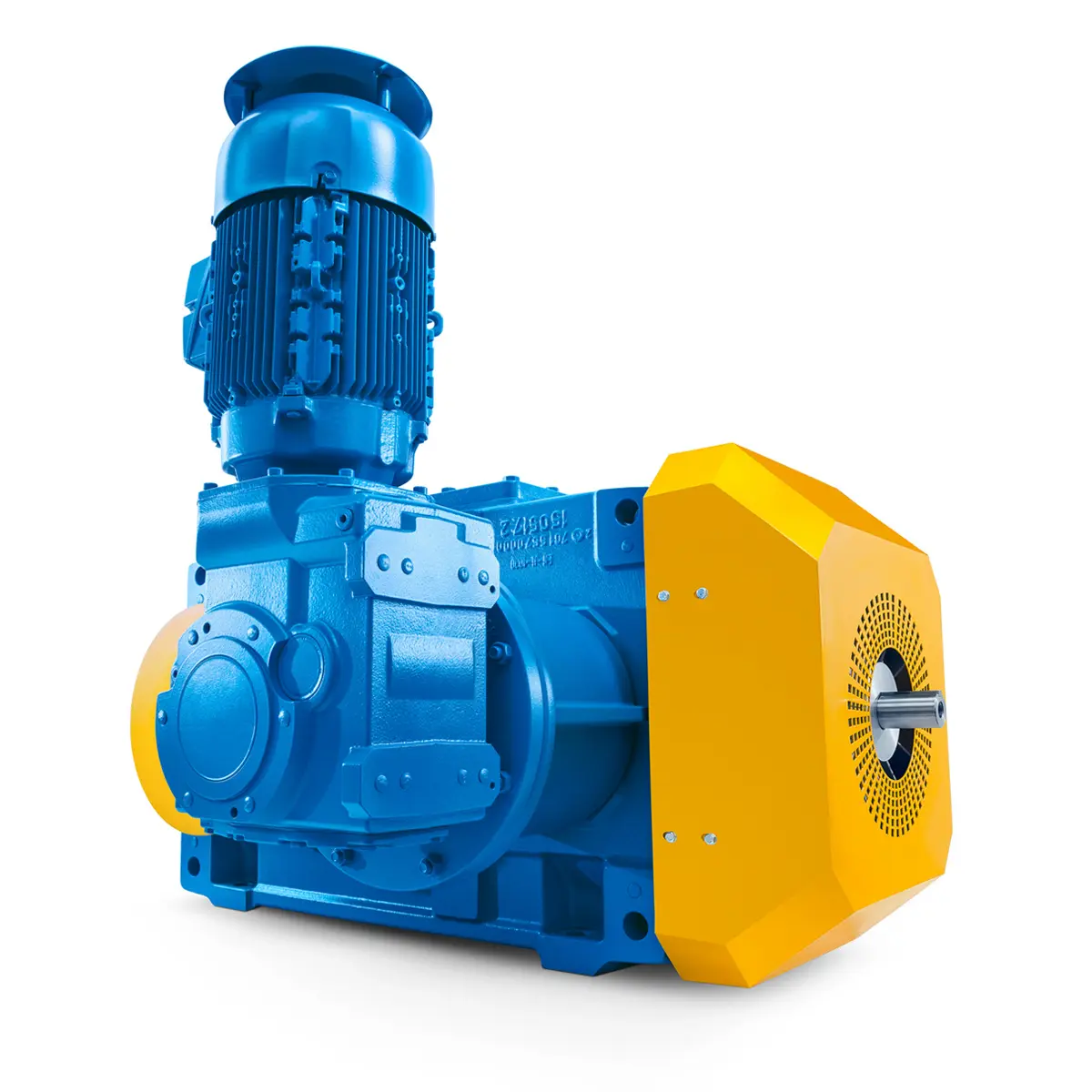
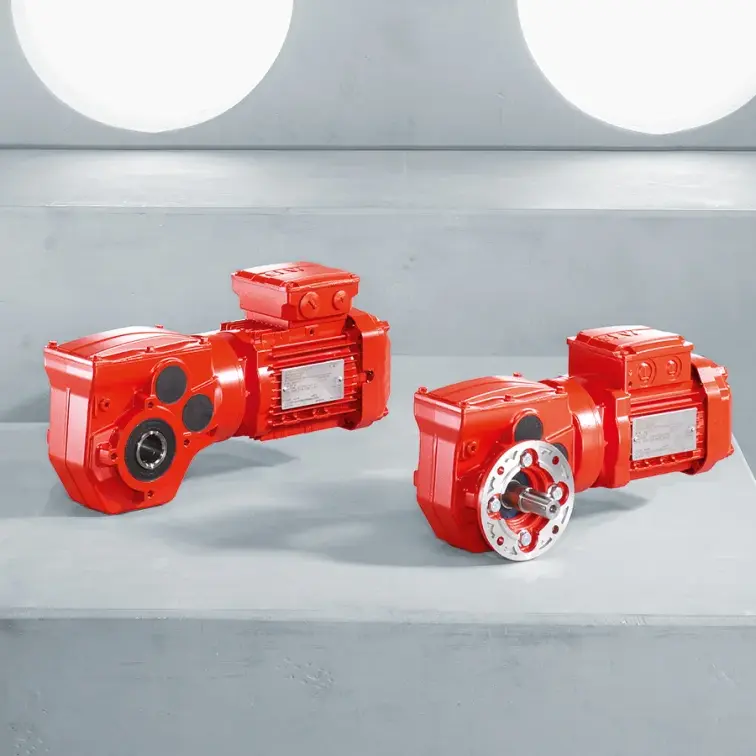
Helical-bevel gearboxes handle higher output torque while maintaining strong efficiency. Worm gearboxes are compact and cost-effective, but they can generate more heat during continuous operation.

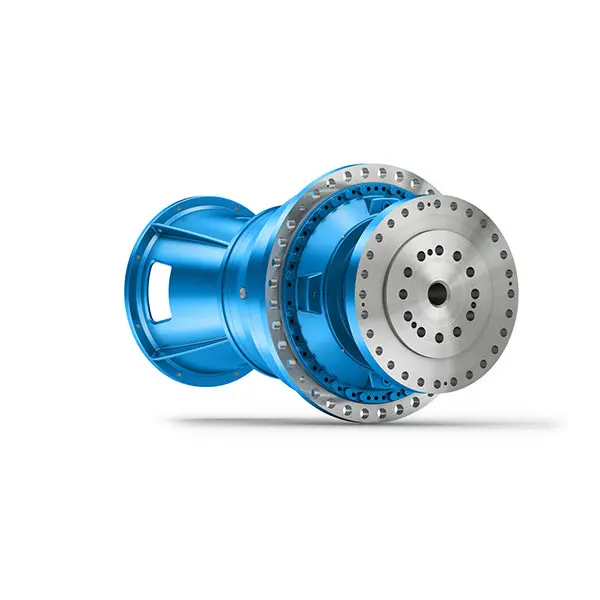
Planetary and cycloidal designs support demanding loads, although their precision may increase purchase and maintenance costs.

A reliable selection process checks rated torque, speed ratio, service factor, thermal capacity, lubrication, ingress protection, and mounting position. Do not compare ratios alone. A gearbox that looks suitable on paper may struggle with frequent starts, shock loads, or poor ventilation. This is where specifications can be imperfect; actual duty conditions often differ from catalog assumptions.

Tips: Record start-stop frequency, ambient temperature, load weight, and shaft orientation before ordering. Inspect seals, fasteners, and oil condition during maintenance. Ask for tested performance data, dimensional drawings, and clear material information. When uncertain, leave a realistic safety margin rather than selecting the smallest unit.

The Top 10 Bauer Gearbox Types and Their Core Applications

Top 10 Bauer Gearmotor Gearbox Types for Global Buyers

The main gearbox types serve different operating conditions and installation limits. Inline helical gearboxes suit conveyors, mixers, and packaging lines requiring steady torque. Helical-bevel gearboxes handle right-angle drives in material handling and processing equipment. Parallel-shaft helical gearboxes fit narrow conveyor frames where floor space is limited. Worm gearboxes provide compact, quiet reduction for gates, lifts, and light-duty conveyors.

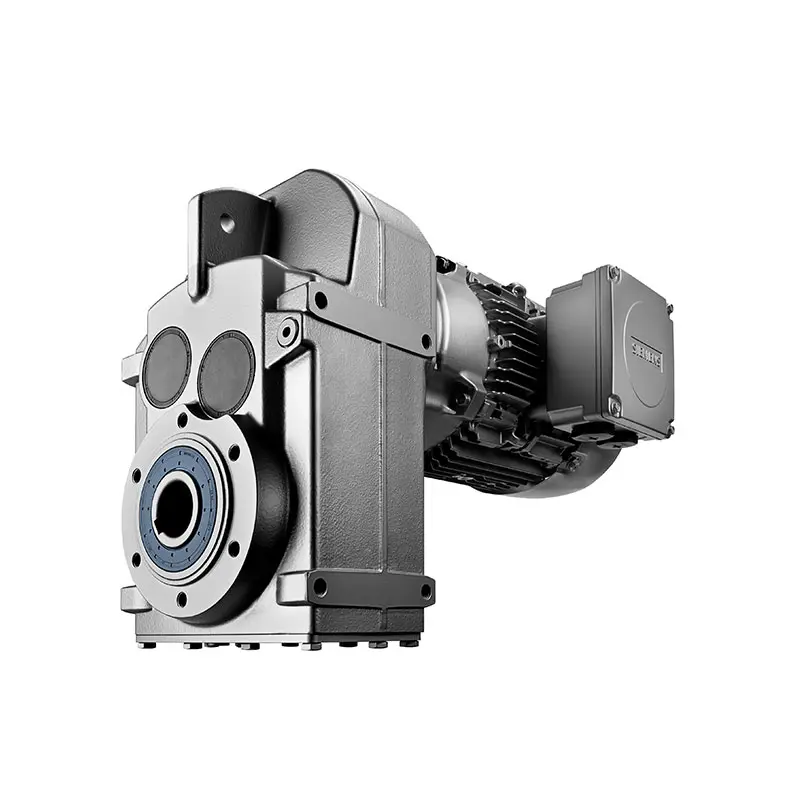
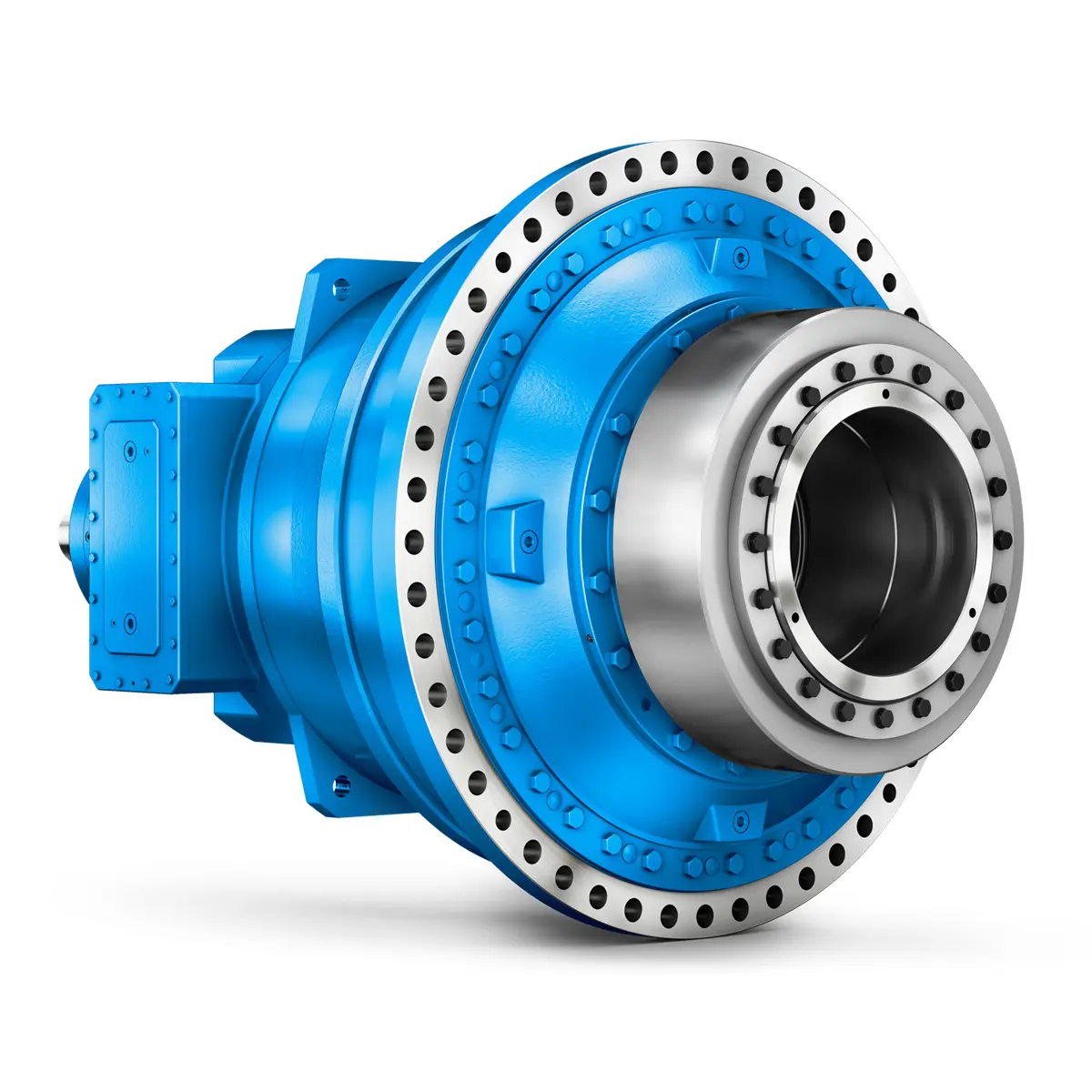
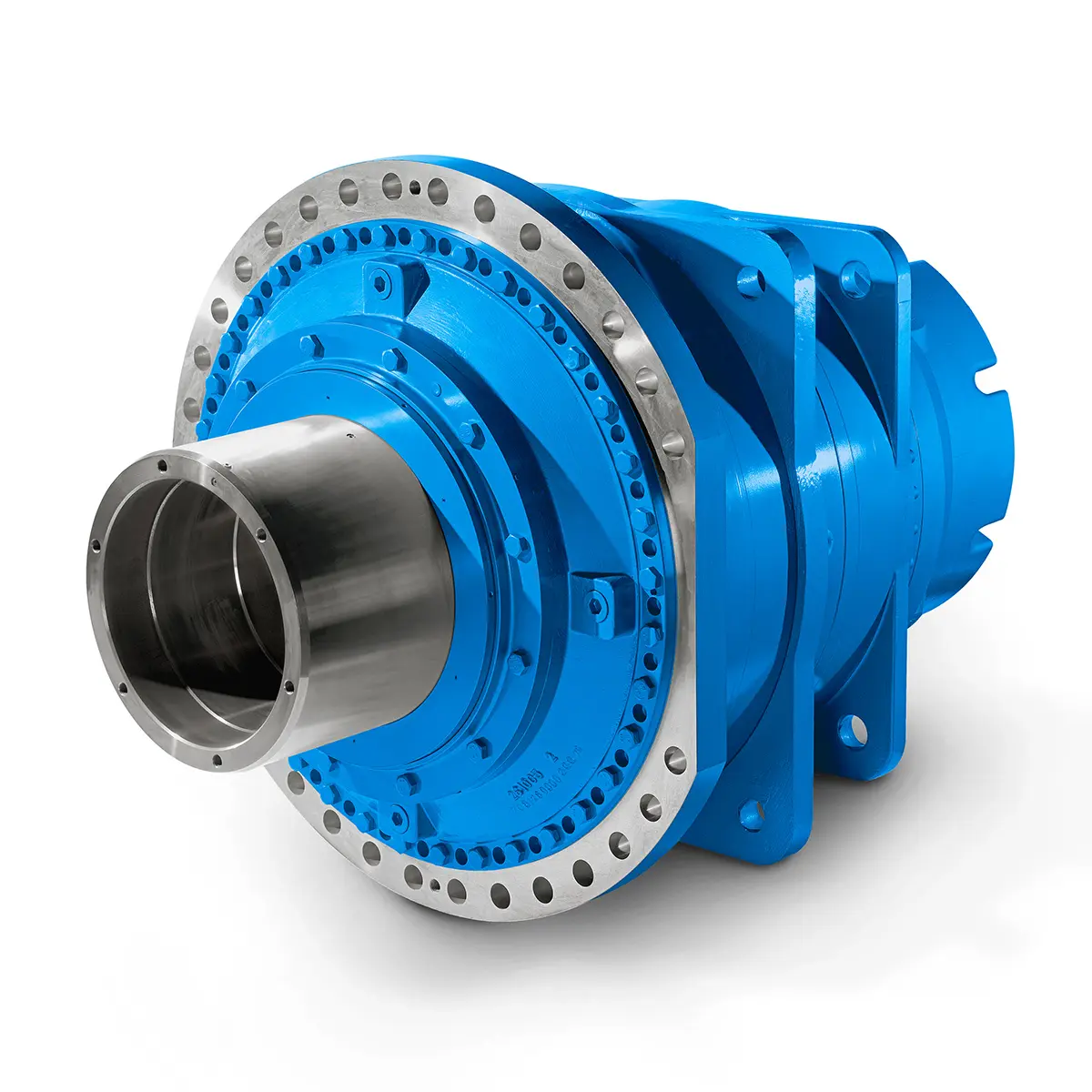
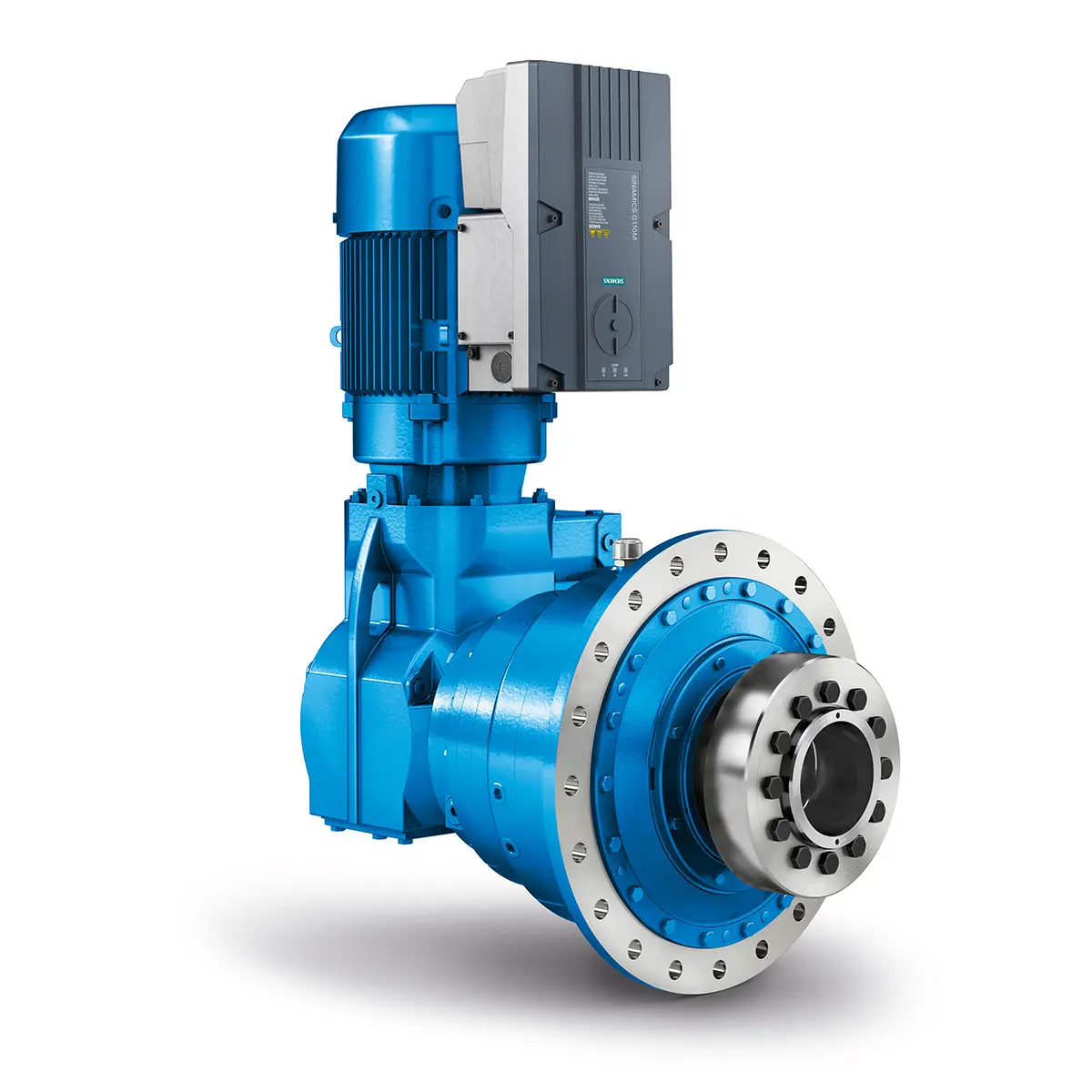
Shaft-mounted gearboxes simplify conveyor installation because they connect directly to the driven shaft. Planetary gearboxes deliver high torque from a compact housing, making them useful for hoists, extruders, and heavy mixers. Coaxial gearboxes offer balanced power transmission in pumps, fans, and automated production lines. These choices sound straightforward, but actual performance depends on load cycles, shock levels, and maintenance access.

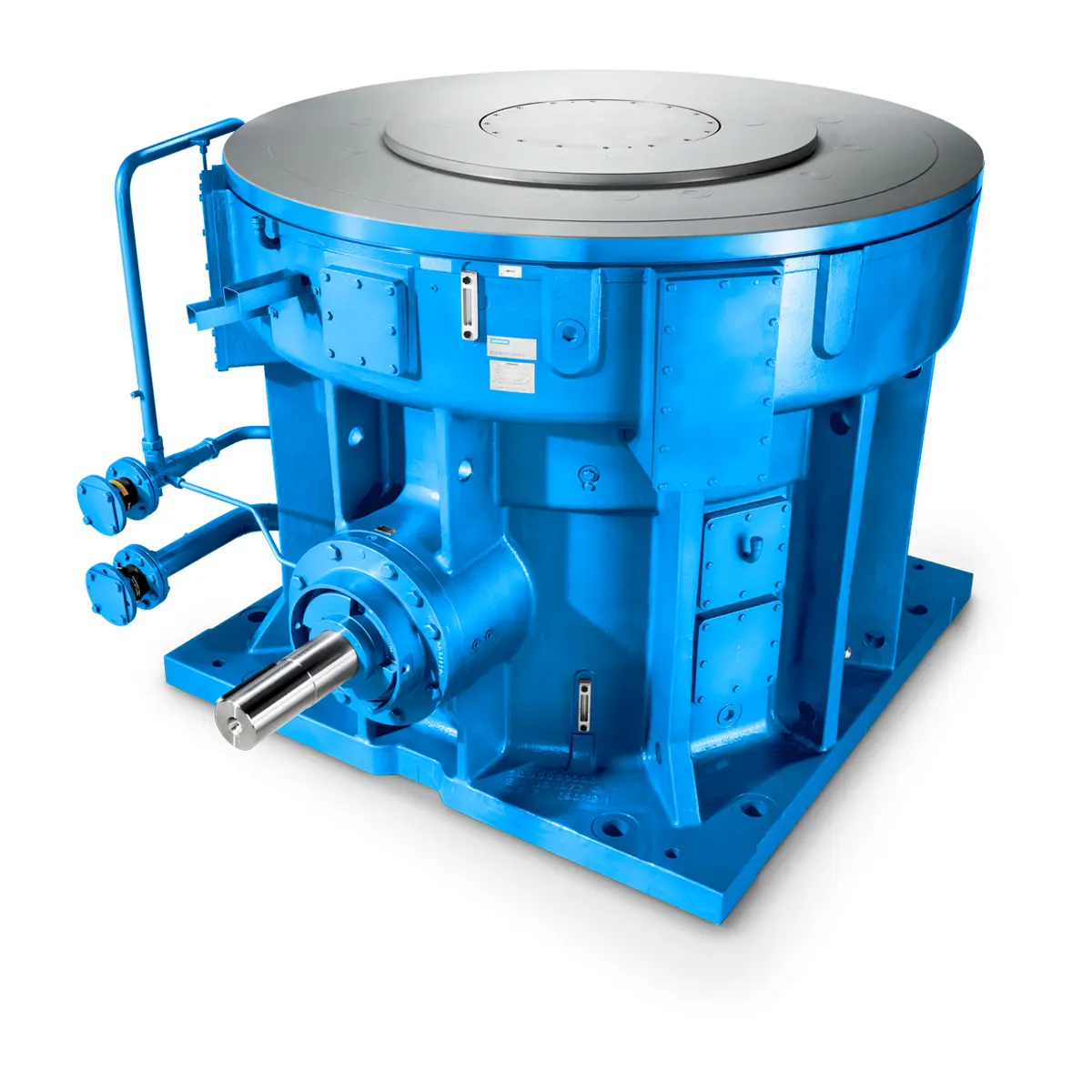
Right-angle bevel gearboxes support efficient direction changes in cranes, rotary tables, and transfer systems. Hollow-shaft gearboxes reduce coupling parts and help equipment designers save space. Variable-speed gear units support applications needing frequent speed adjustment, such as feeders and dosing machines. Field experience shows that nominal torque alone can mislead buyers; starting loads and duty cycles often matter more. A gearbox may work well on paper yet struggle beside dust, washdown water, or poor alignment. Engineers should verify service factors, mounting position, thermal capacity, sealing, and replacement-part availability before ordering.

Top 10 Bauer Gearmotor Gearbox Types for Global Buyers - The Top 10 Bauer Gearbox Types and Their Core Applications

No. Gearbox Type Basic Configuration Key Characteristics Typical Output Core Applications Main Selection Considerations
1 Inline Helical Gearbox Coaxial shafts with one or more helical gear stages Efficient, compact, quiet, and suitable for continuous operation In-line rotary output Conveyors, packaging machines, mixers, material-handling equipment Required speed ratio, torque, duty cycle, mounting position, and service factor
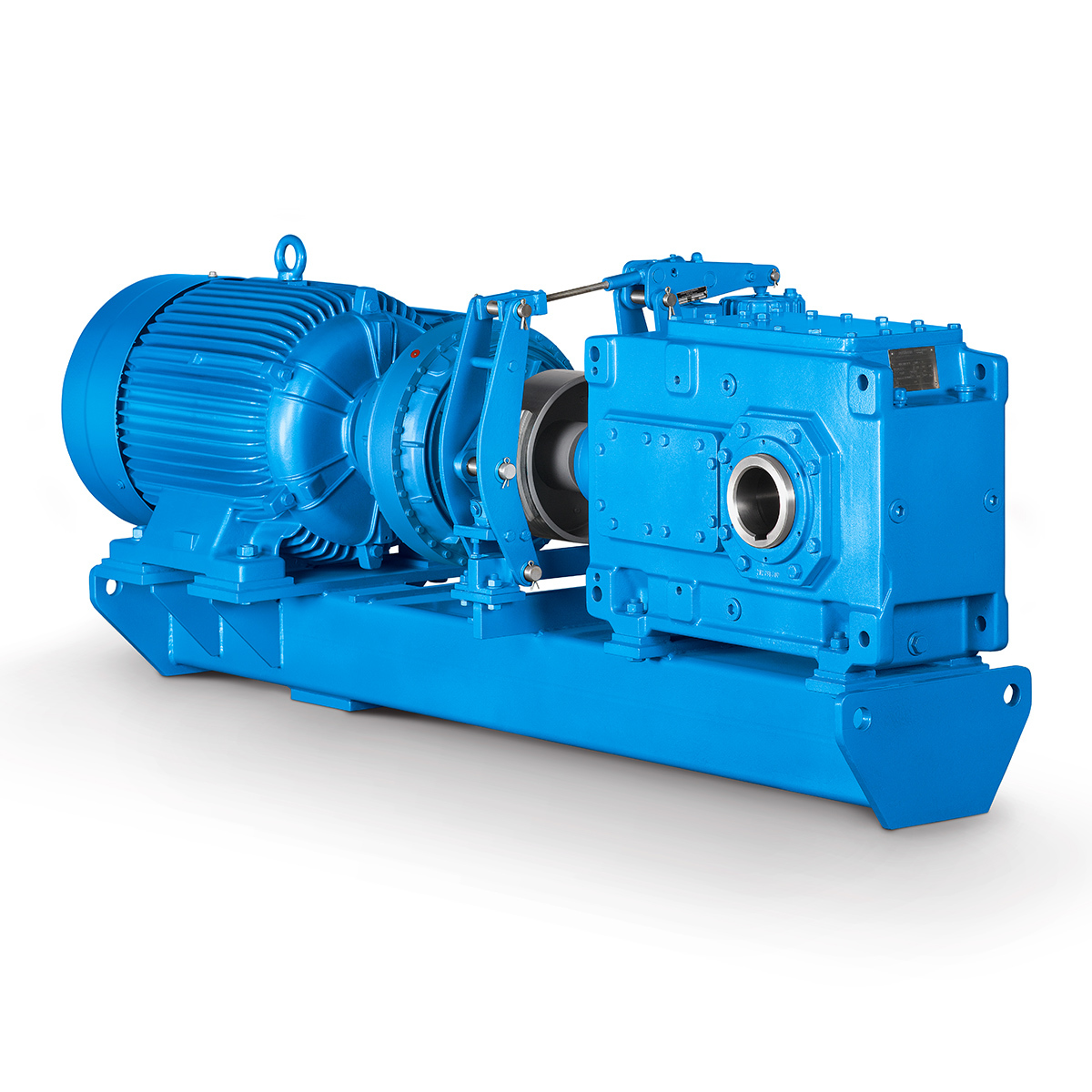
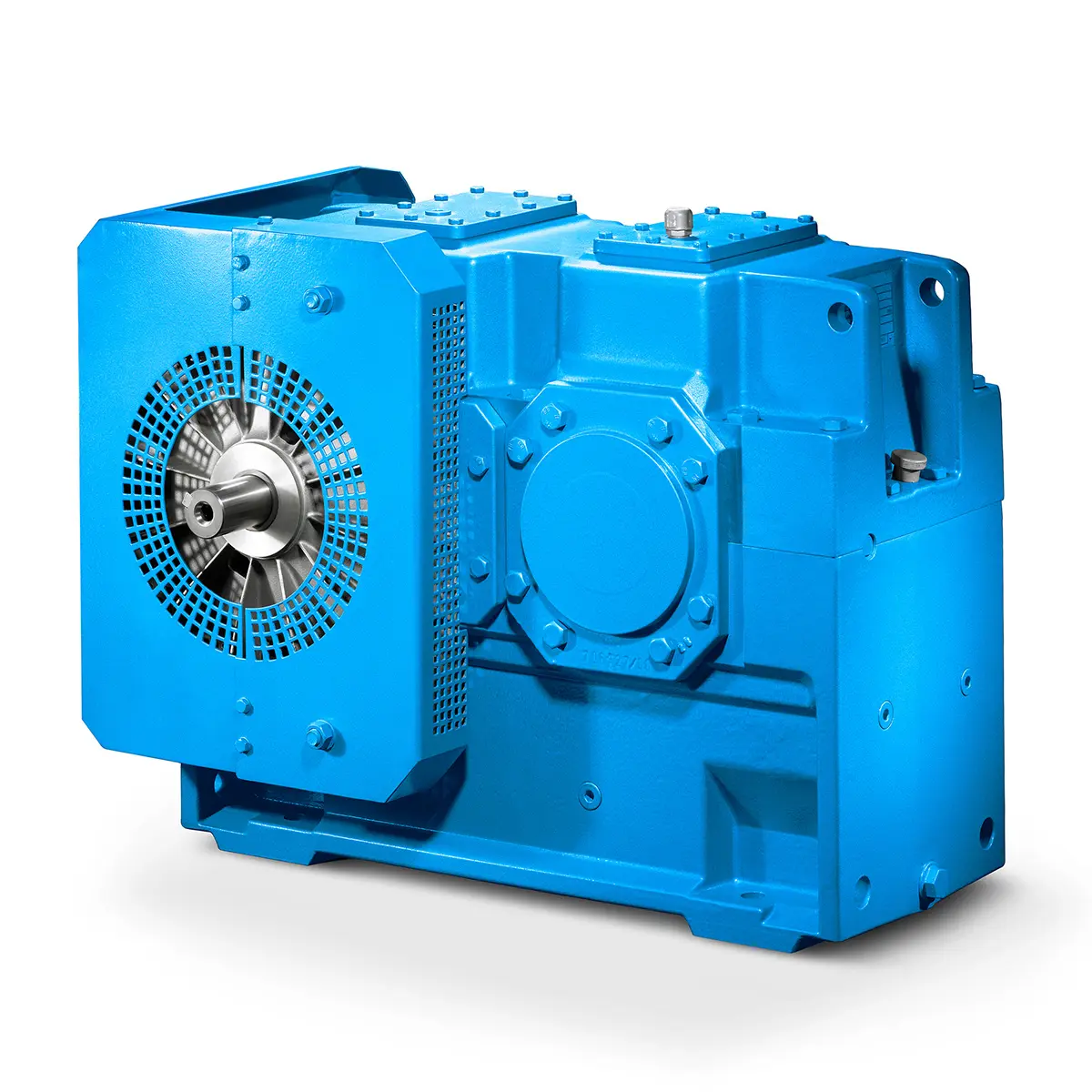
2 Parallel-Shaft Helical Gearbox Helical gear stages on parallel input and output shafts Low-profile design with high torque capacity and flexible installation Parallel offset output Belt conveyors, bucket elevators, feeders, warehouse systems Available space, shaft arrangement, overhung load, and required output torque
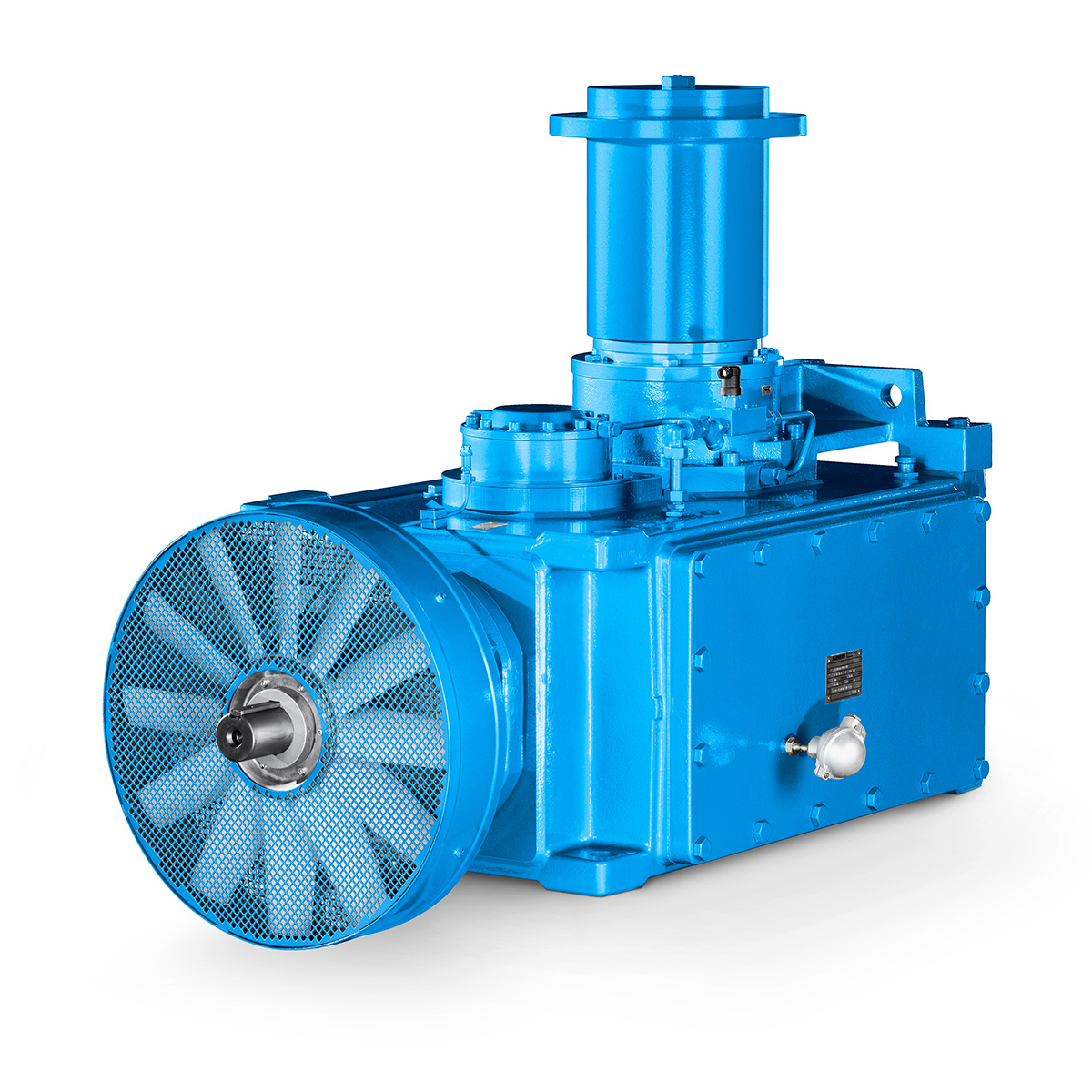
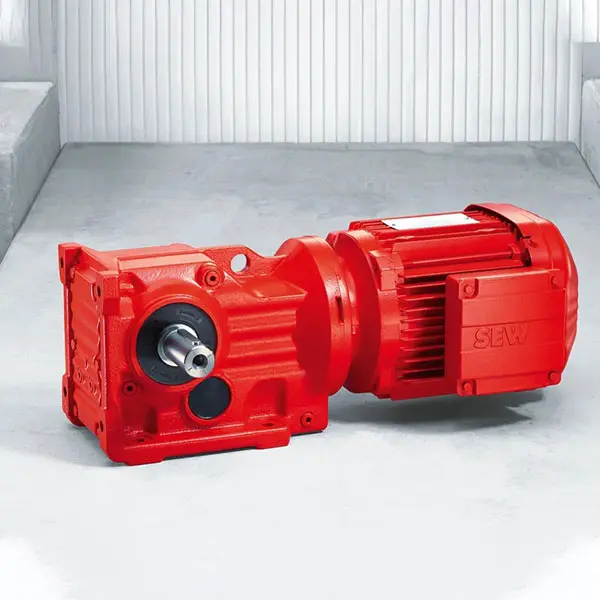
3 Helical-Bevel Gearbox Helical stages combined with bevel gearing for a right-angle drive High efficiency, strong torque transmission, and perpendicular shaft layout Right-angle rotary output Heavy conveyors, process machinery, cranes, palletizers, industrial automation Torque demand, impact loading, output direction, braking, and installation space
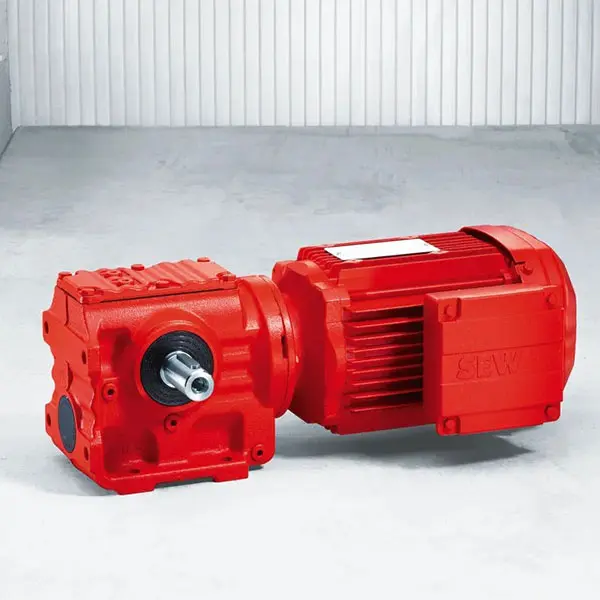
4 Worm Gearbox Worm screw meshing with a worm wheel, usually at a right angle Simple, economical, quiet, and capable of high reduction ratios; efficiency varies with ratio Right-angle rotary output Small conveyors, gates, lifts, packaging equipment, positioning mechanisms Thermal capacity, efficiency, backdriving behavior, duty cycle, and lubrication
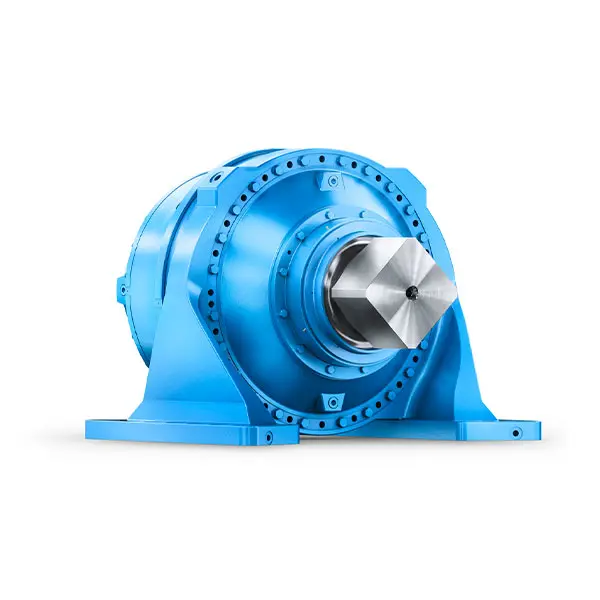
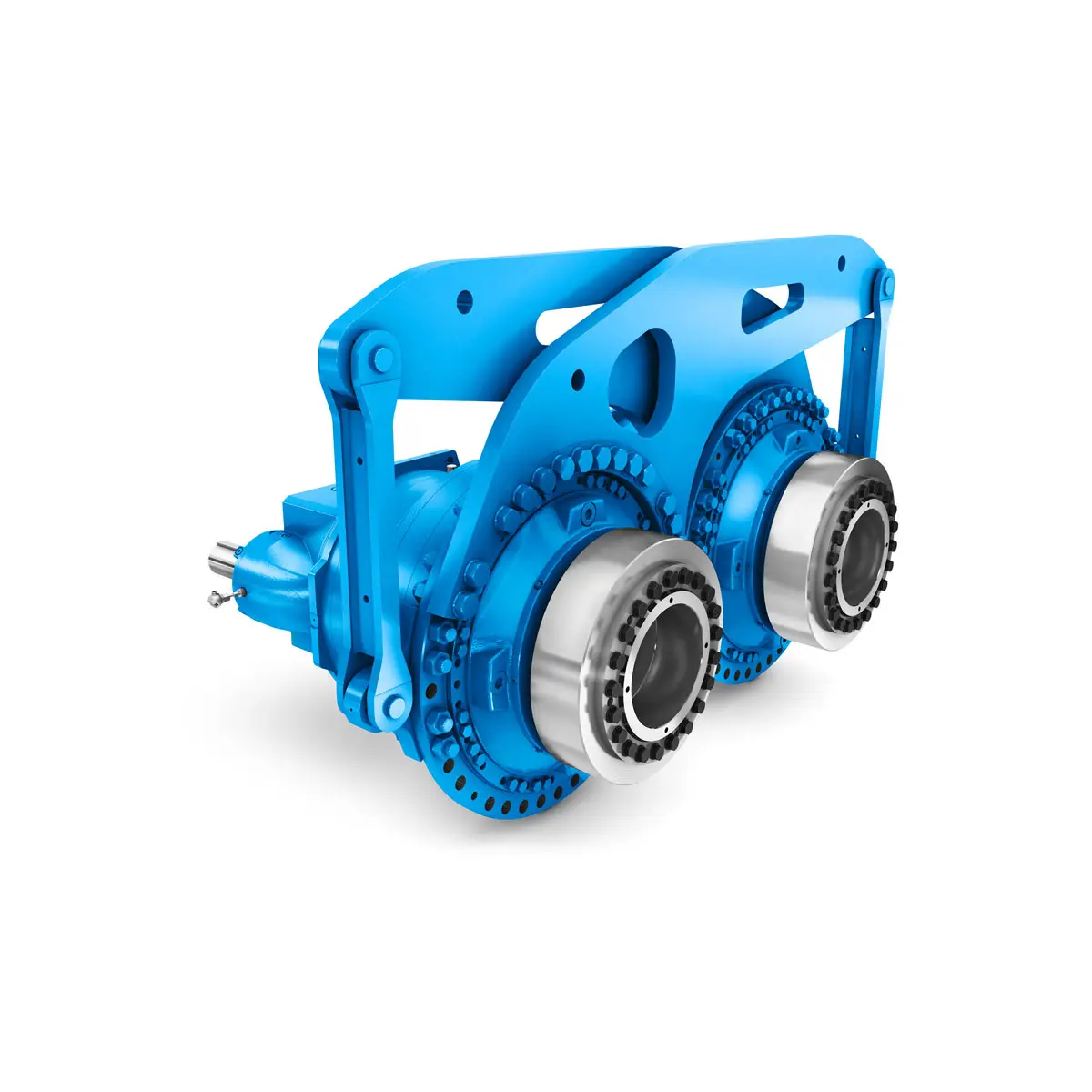
5 Shaft-Mounted Helical Gearbox Gearbox mounted directly on the driven machine shaft Space-saving installation with reduced foundation and coupling requirements Hollow-shaft or shrink-disc output Bulk conveyors, crushers, feeders, bucket elevators, aggregate handling Driven-shaft diameter, overhung load, torque arm design, alignment, and maintenance access
6 Planetary Gearbox Sun gear, planet gears, and ring gear sharing the load Very high torque density, compact dimensions, and good torsional stiffness Coaxial rotary output Robotics, machine tools, wind systems, hoists, mobile equipment Peak torque, backlash, precision, radial loads, shock loads, and thermal management
7 Cycloidal Gearbox Eccentric bearing driving a cycloidal disc against fixed pins High shock-load tolerance, low backlash options, and compact high reduction Coaxial rotary output Robotic joints, indexing equipment, conveyors, agitators, positioning systems Backlash, acceleration, peak load, vibration, service life, and allowable radial force
8 Spur Gearbox Straight-tooth cylindrical gears on parallel shafts Simple construction, high mechanical efficiency, and economical servicing Parallel or coaxial rotary output Low-to-moderate speed machinery, small conveyors, actuators, laboratory equipment Noise limits, rotational speed, shock loading, lubrication, and permissible tooth stress
9 Bevel Gearbox Bevel gears transferring motion between intersecting shafts Changes drive direction efficiently and supports right-angle layouts Right-angle rotary output Agricultural machinery, conveyors, packaging lines, indexing and drive systems Shaft angle, torque, speed ratio, noise, load direction, and housing orientation
10 Bevel-Planetary Gearbox Right-angle bevel input combined with a planetary reduction stage High torque density with efficient right-angle transmission and compact packaging Right-angle or application-specific rotary output Robotic automation, heavy-duty positioning, mobile machinery, lifting systems Required precision, peak torque, backlash, mounting geometry, duty cycle, and heat dissipation

Note: Actual performance depends on the selected gear ratio, motor power, load profile, operating environment, lubrication, and service factor.

Comparing Torque, Speed, Efficiency, and Mounting Options

Top 10 Gearmotor Gearbox Types for Global Buyers
Comparing Torque, Speed, Efficiency, and Mounting Options

Selecting a gearmotor begins with the load, not the catalog label. Inline helical gearboxes deliver strong efficiency and compact alignment. Parallel-shaft units suit conveyors needing moderate speed and high torque. Bevel-helical designs change direction while preserving useful mechanical efficiency. Worm gearboxes offer high reduction ratios and simple right-angle mounting. They also create more heat and may lose efficiency at high ratios.

Planetary gearboxes provide exceptional torque density in a short housing. They fit robotics, lifting systems, and compact industrial drives. Shaft-mounted gearboxes simplify conveyor installation by reducing coupling components. Hollow-shaft models save space, but accurate shaft tolerances become critical. Cycloidal designs resist shock loads and maintain low backlash. Their vibration behavior may require closer inspection. Helical-worm combinations balance cost, reduction range, and smoother operation.

Mounting details often decide whether a specification succeeds. Foot, flange, torque-arm, and hollow-bore arrangements serve different frame layouts. Check the reaction forces, service factor, lubrication position, and accessible maintenance space. Speed alone can mislead. A low-output-speed unit may still overheat when continuously overloaded. Efficiency figures also depend on ratio, oil temperature, and operating cycle. In field assessments, I have seen a theoretically ideal gearbox fail because the mounting plate flexed. That detail was missed. A careful buyer should compare rated torque, peak torque, output speed, noise, sealing, and replacement availability across regions.

Selecting the Right Bauer Gearmotor for Different Industrial Needs

Top 10 Gearmotor Gearbox Types for Global Buyers

Selecting the right gearmotor begins with the machine’s real operating conditions. A compact helical gearbox suits conveyors, mixers, and packaging lines needing steady torque and quiet running. Bevel gearboxes fit right-angle layouts where floor space is limited. Parallel-shaft models work well when the motor must align beside the driven equipment.

Worm gearboxes provide high reduction in a simple, economical package. However, they can lose more energy through heat during continuous operation. Planetary units deliver high torque from a small housing, making them useful for robotics, lifting systems, and demanding process equipment. Shaft-mounted designs reduce coupling parts and simplify installation on conveyors. Check the practical details.

Engineers should compare output speed, starting torque, duty cycle, service factor, ambient temperature, and mounting position. A dusty plant may require stronger sealing and easier inspection access. A washdown area needs corrosion-resistant surfaces and suitable protection ratings. In field assessments, misjudged startup loads often cause more trouble than normal running loads. No selection chart is perfect. Real measurements matter. Noise, backlash, lubrication access, and spare-part availability also affect long-term reliability. Allow room for imperfect data, then verify the choice through load testing before full production.

Evaluating Global Standards, Suppliers, and Purchasing Requirements

When comparing ten industrial gearmotor gearbox types, global buyers need more than a familiar product label. The real comparison begins with operating data: output torque, ratio, duty cycle, mounting position, and ambient temperature. A unit for dusty packaging lines may need sealed bearings and verified ingress protection. Cold storage demands different lubricant behavior. Small details matter. International projects also require documentation aligned with recognized electrical and mechanical standards, such as IEC dimensions and ISO quality procedures. Certificates should be traceable to a model, batch, and test method, not merely attached as scanned files.

Supplier evaluation should combine factory capability with response discipline. Ask for drawings, efficiency curves, noise data, spare-part lead times, and a clear warranty process. A serious supplier explains limitations without hiding behind generic specifications. Request sample inspection records. During purchasing, confirm voltage, frequency, shaft tolerances, brake options, paint system, and packaging protection. Incoterms, customs documents, and local service coverage can alter the delivered cost more than expected. I have seen technically suitable gearboxes delayed because one mounting dimension was assumed rather than confirmed.

A practical approval process uses a written datasheet, dimensional drawing, and pre-shipment inspection checklist. Torque should be checked against starting loads, not only normal running loads. That mistake is common. Buyers should also compare lifecycle cost, including oil changes, downtime risk, and replacement availability. No checklist is perfect; field conditions often expose missing assumptions. Review those gaps openly, then revise the specification before placing repeat orders.

Top 10 Gearmotor Gearbox Types for Global Buyers

Typical full-load mechanical efficiency ranges used for preliminary international sourcing comparisons. Actual performance varies with ratio, load, lubrication, temperature, duty cycle, and operating speed.

Values are representative engineering ranges compiled from commonly published transmission-efficiency data and should be verified against the supplier’s technical datasheet, applicable IEC or ISO requirements, and the selected operating conditions.