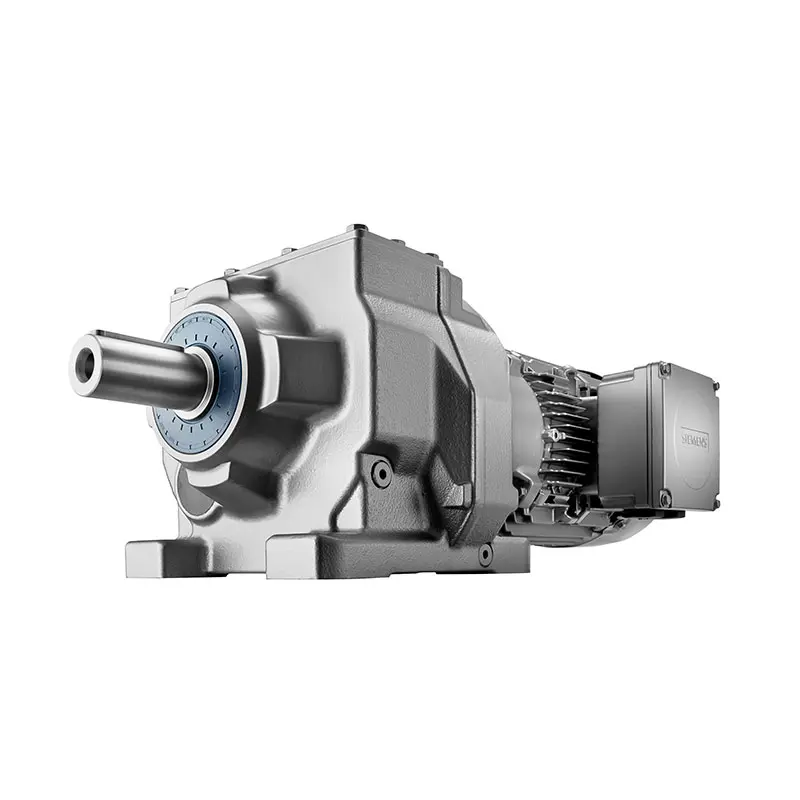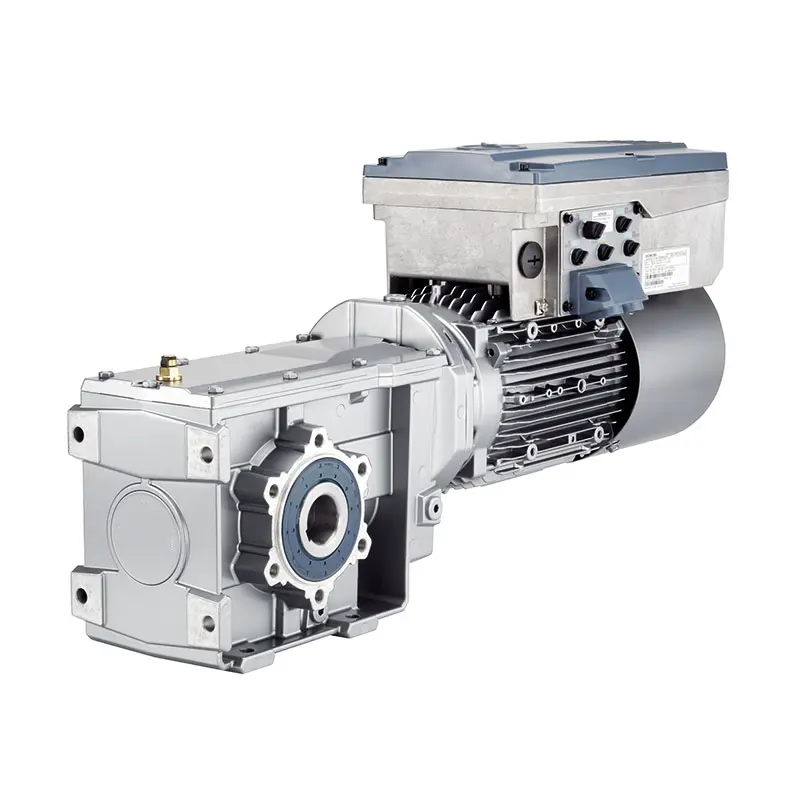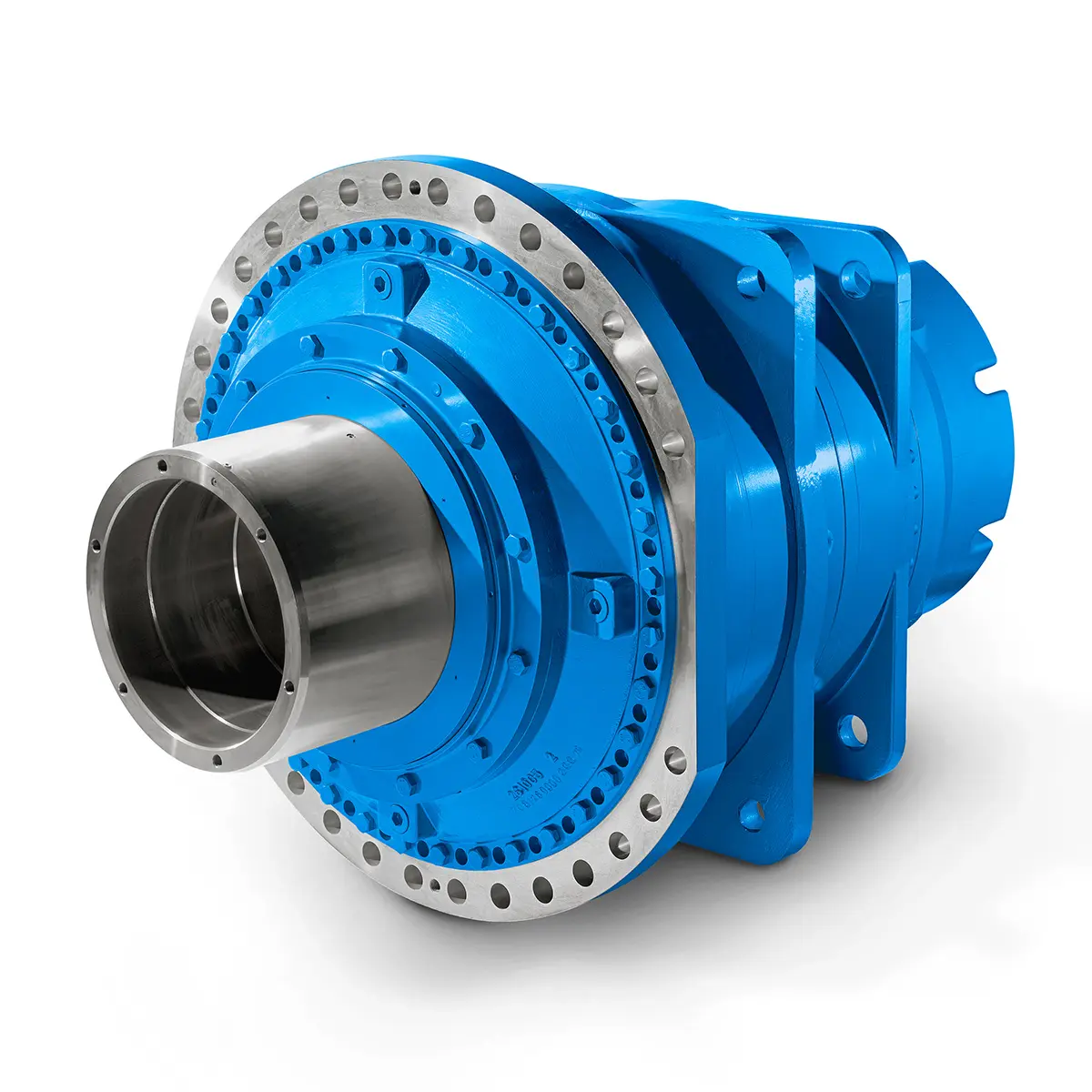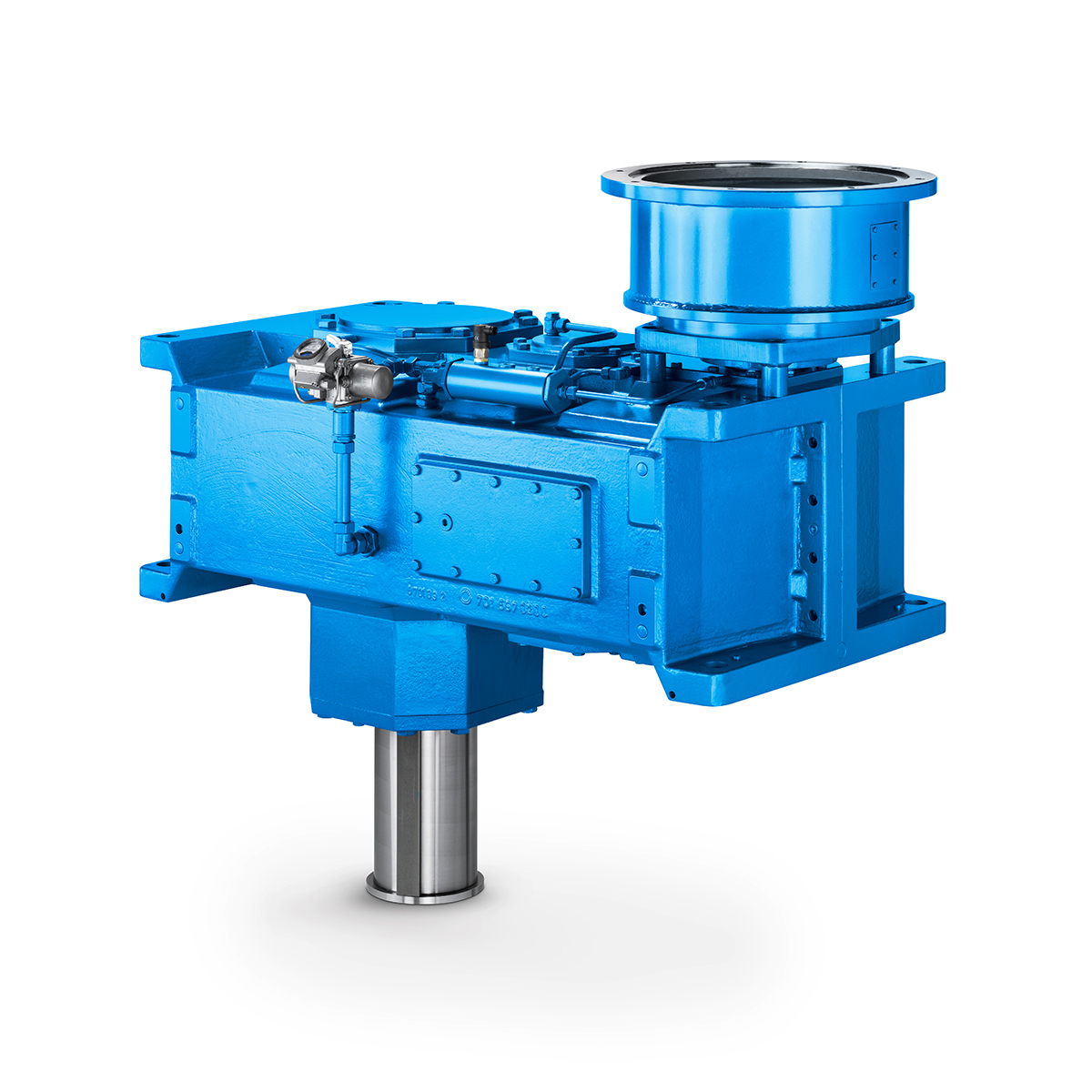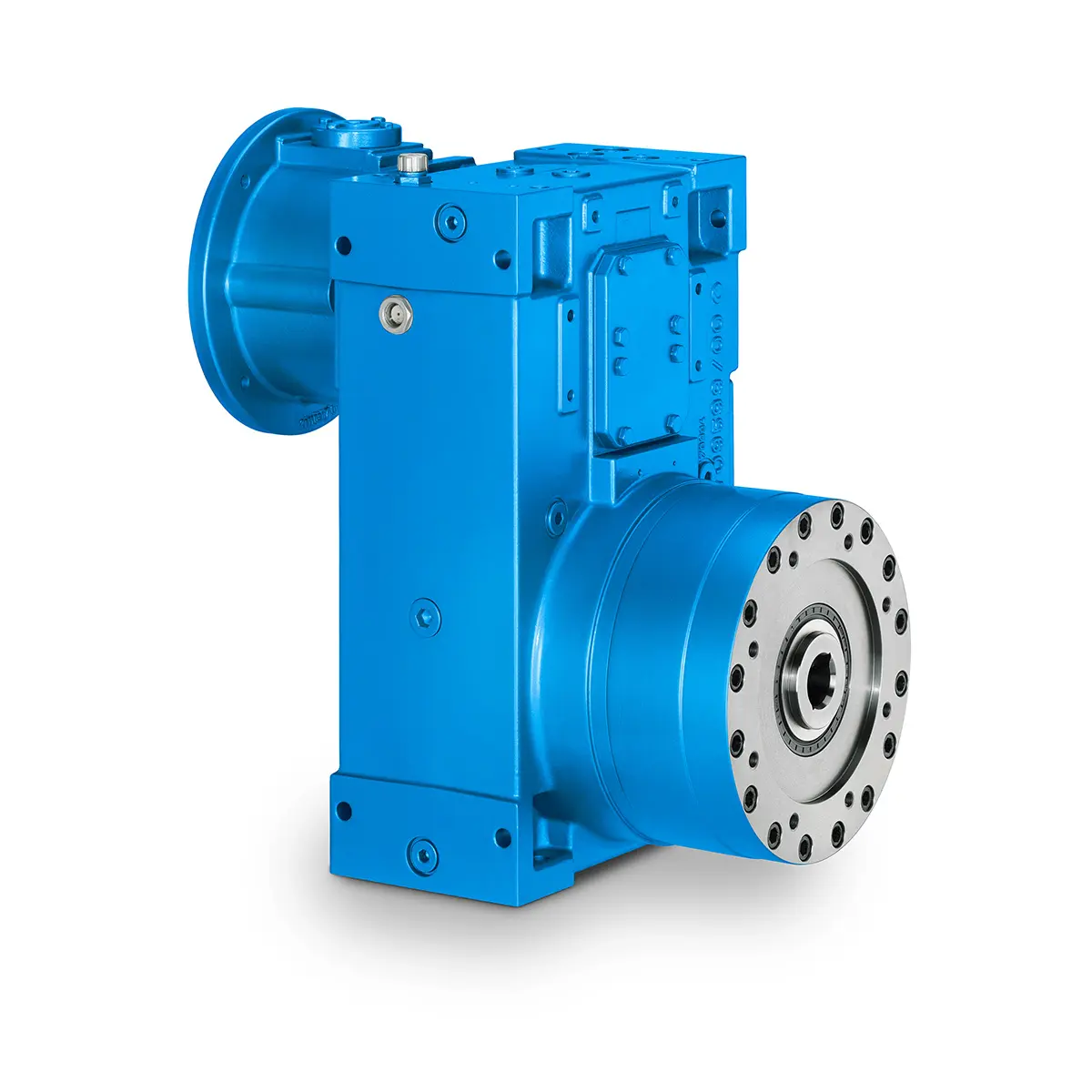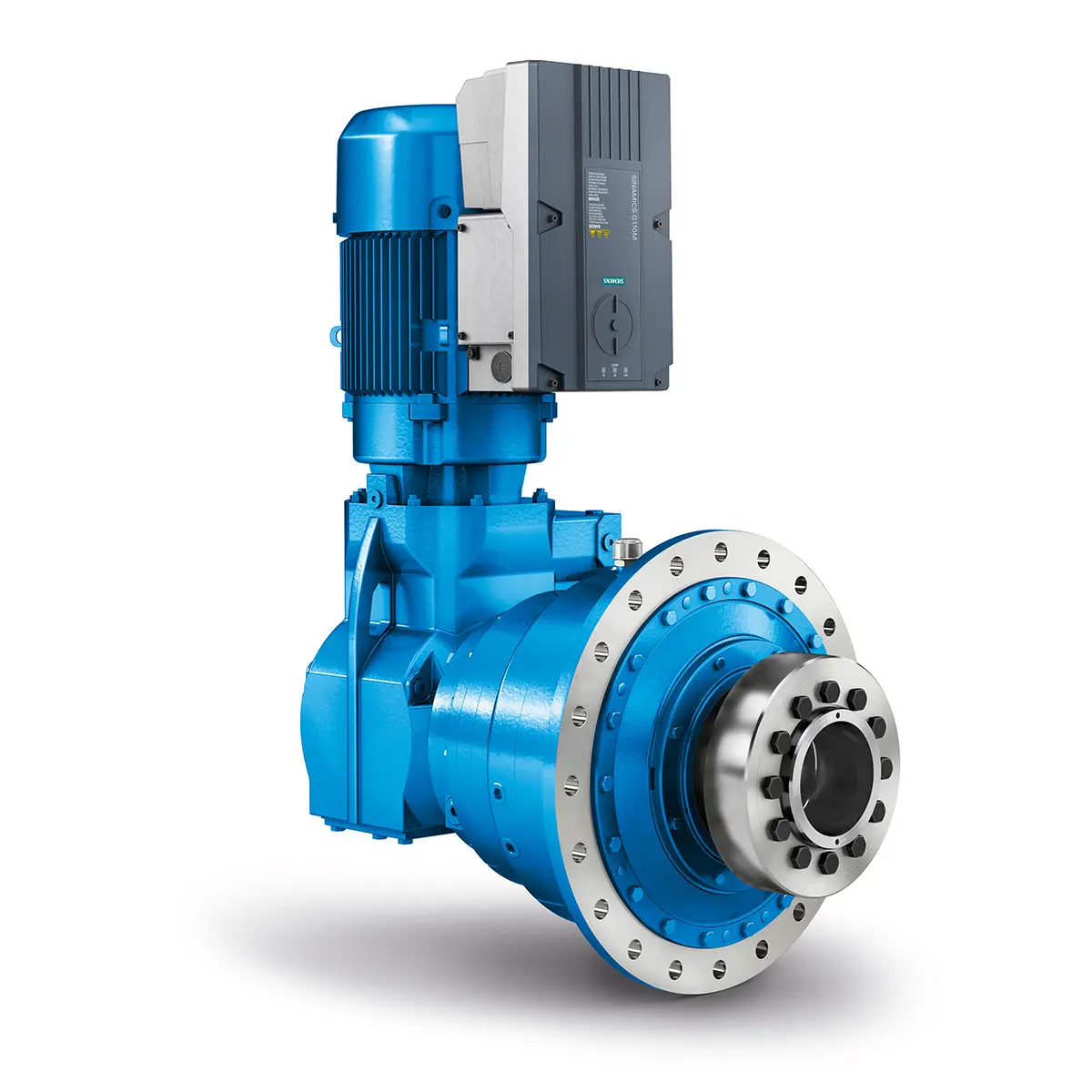
SIEMENS Helical Gearmotor Low Voltage
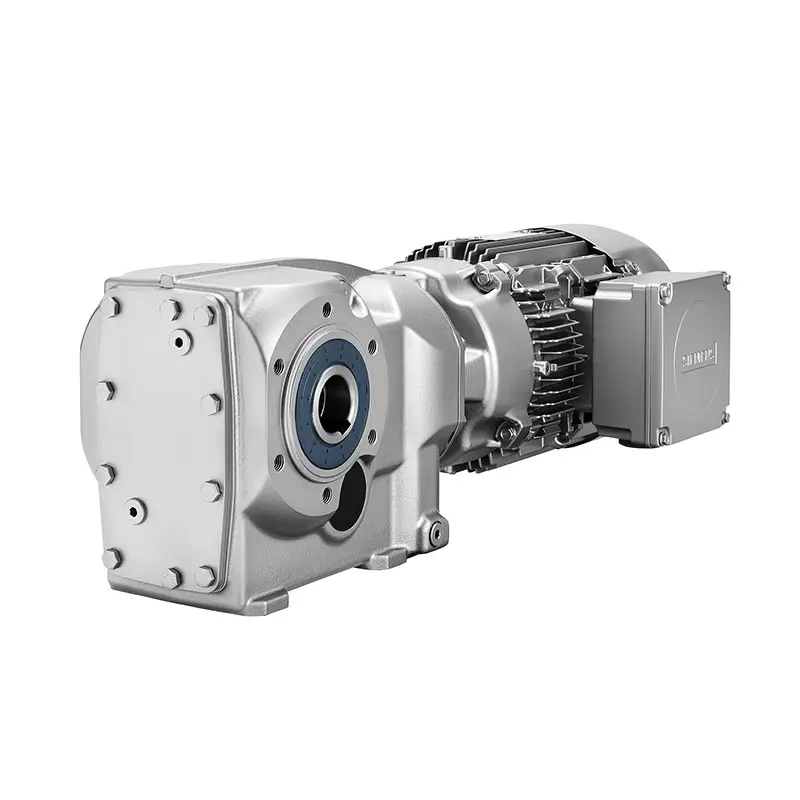
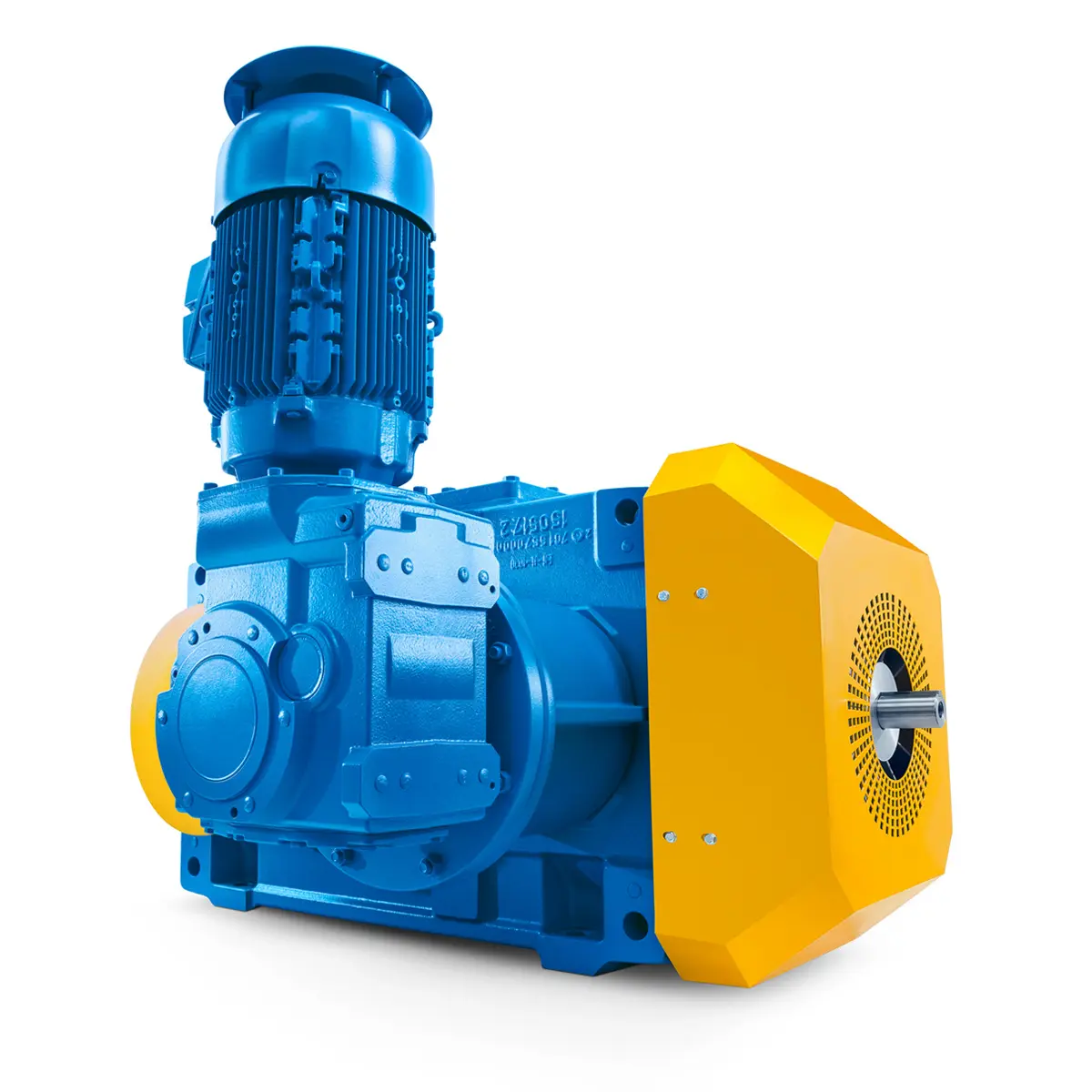
SIEMENS Bevel Helical Gearmotor
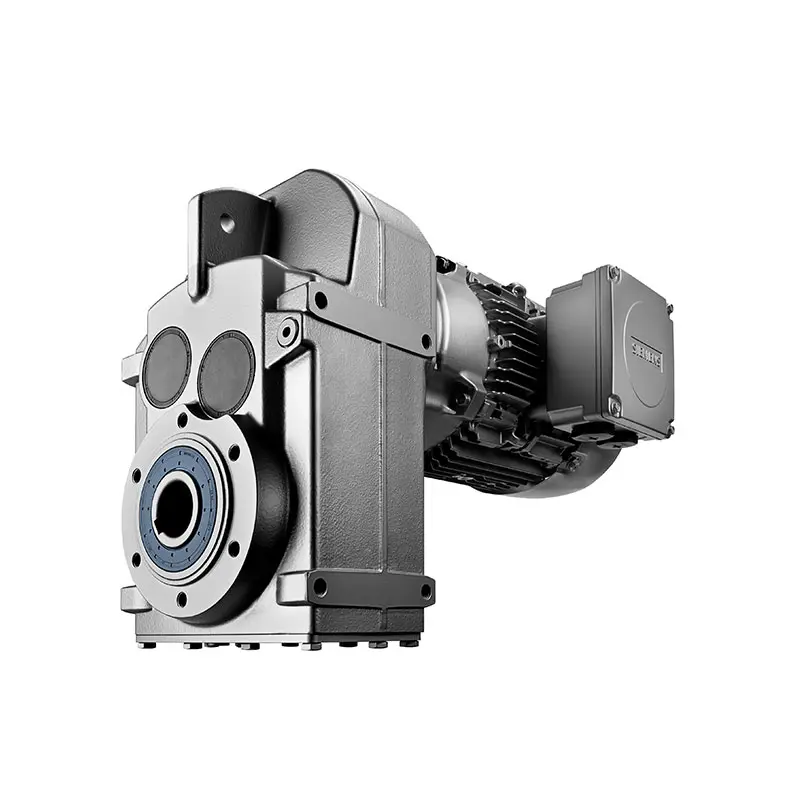
SIEMENS Parallel Shaft Gearmotor
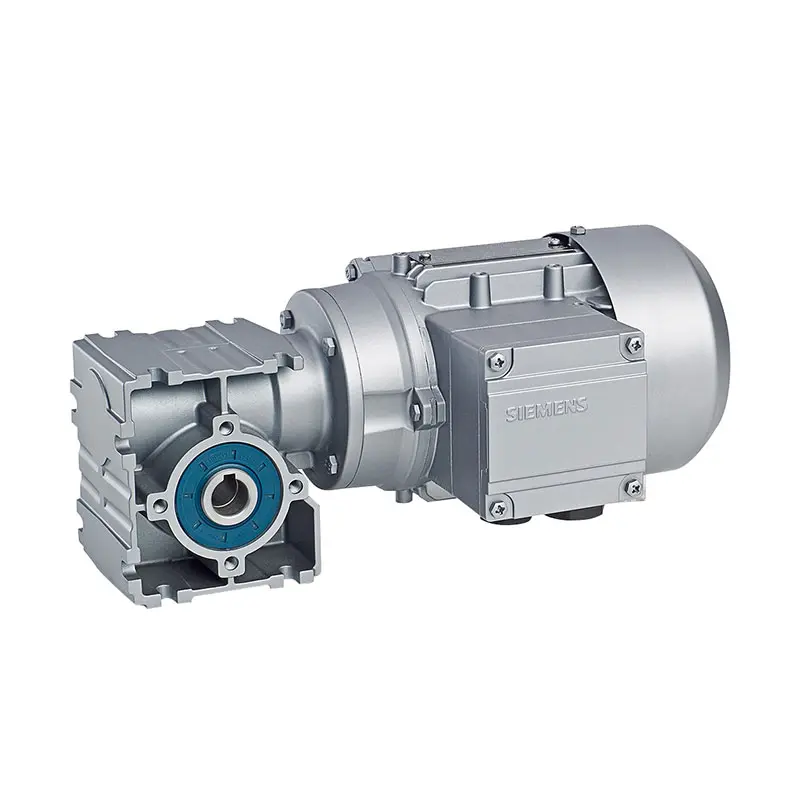
SIEMENS Worm Gearmotor Low Voltage
SIEMENS With Servo Motor Gearmotor
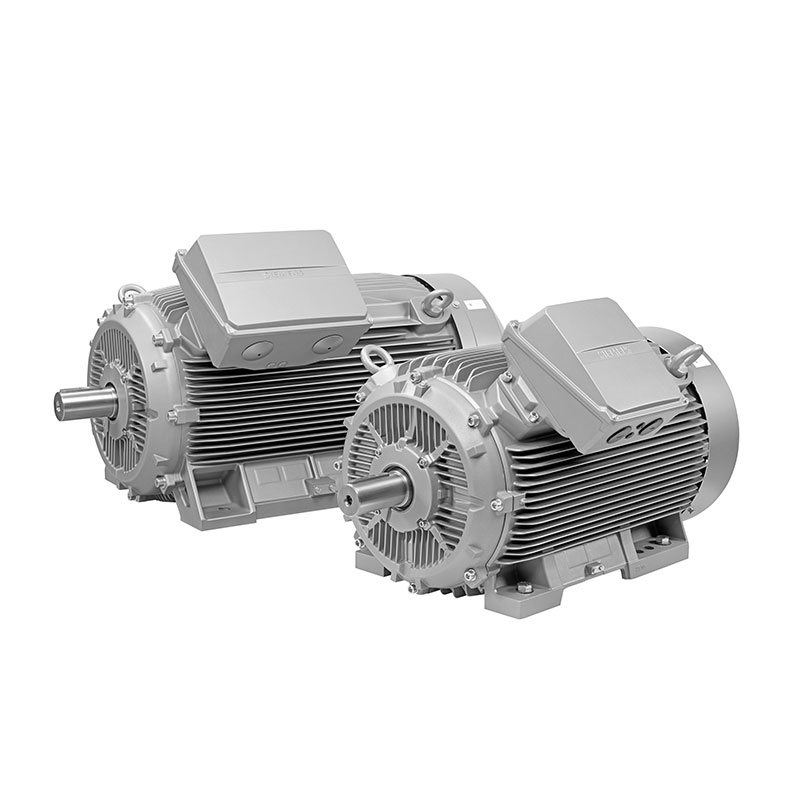
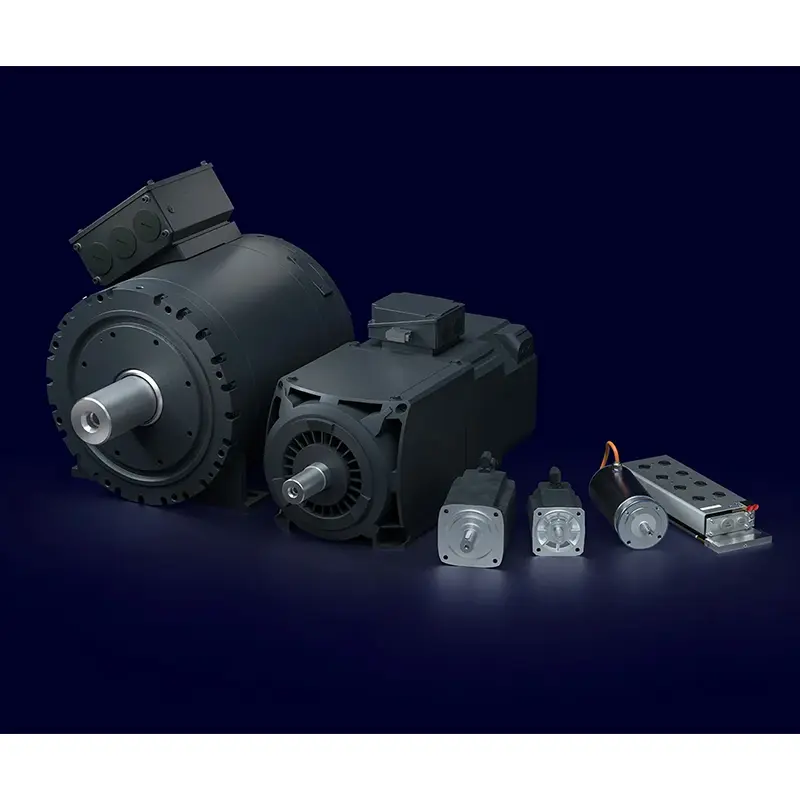
SIEMENS Low Voltage Motor Low Voltage
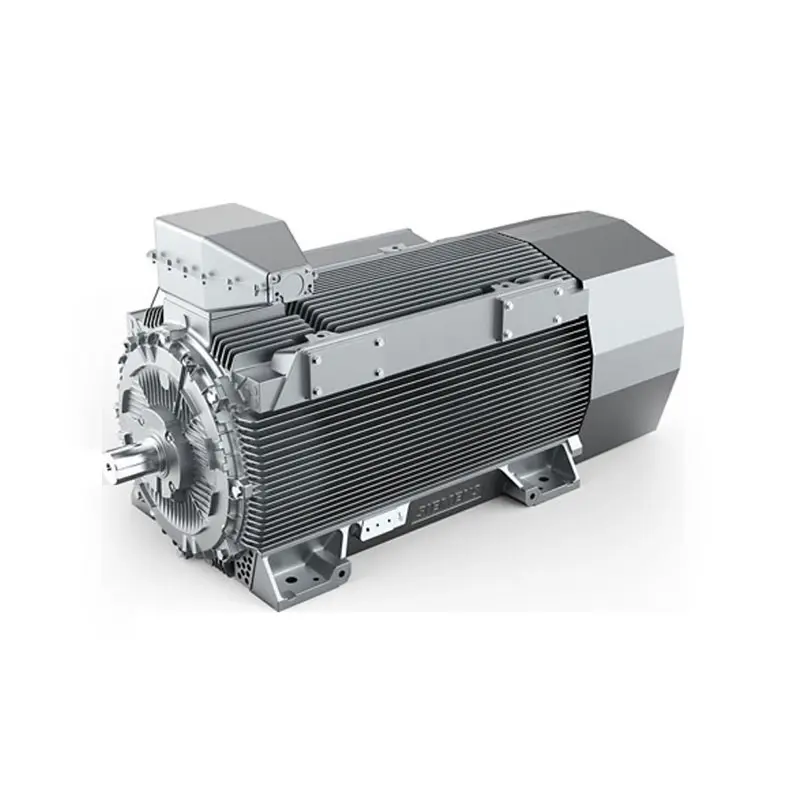
SIEMENS High Voltage Motor Low Voltage
SIEMENS Marine Motor Low Voltage
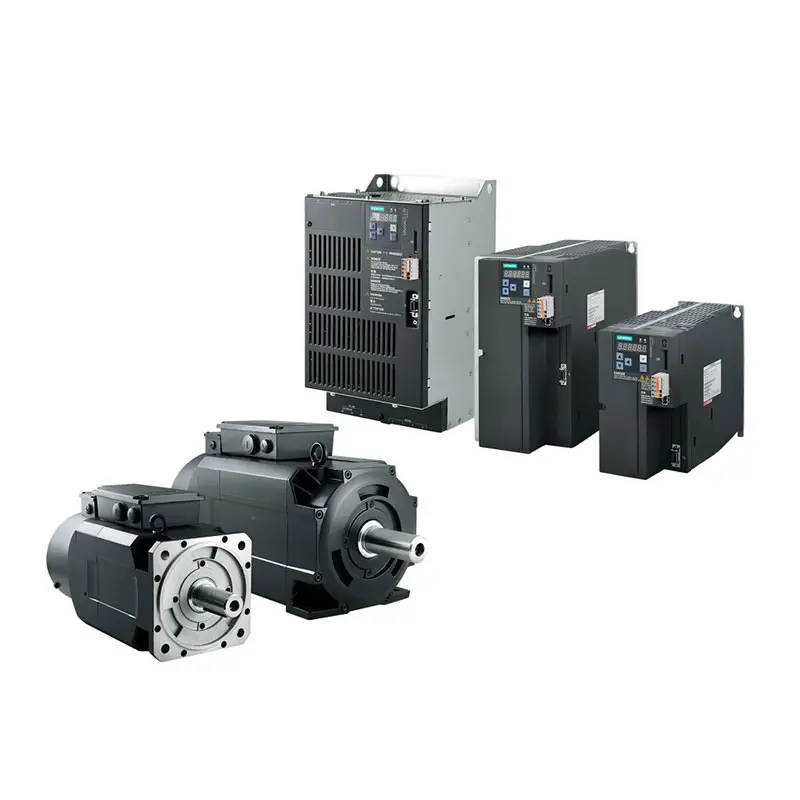
SIEMENS Servo Motor Low Voltage
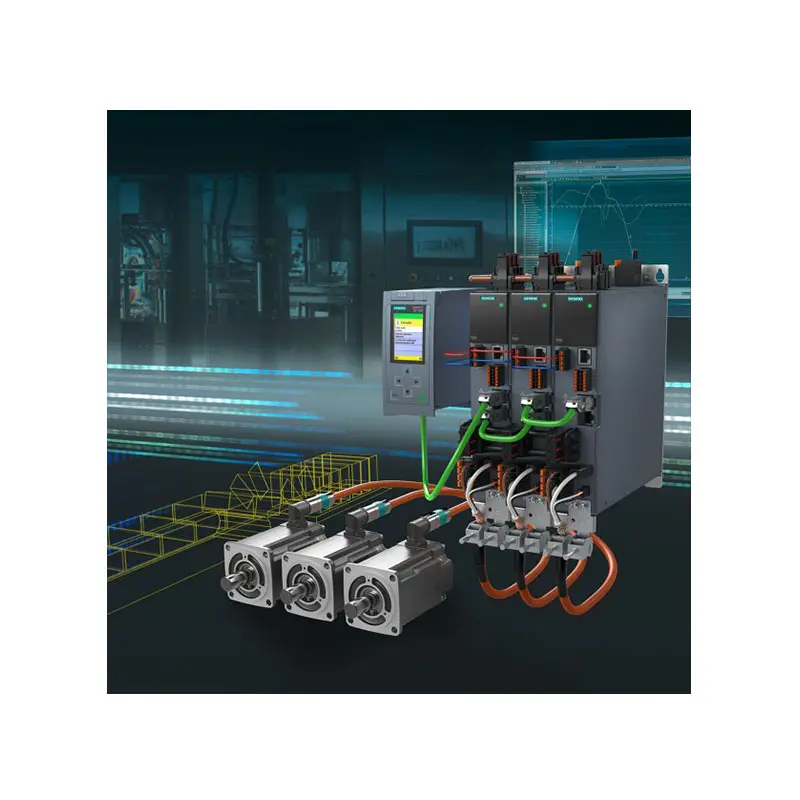
SIEMENS SINAMICS S210 Low Voltage
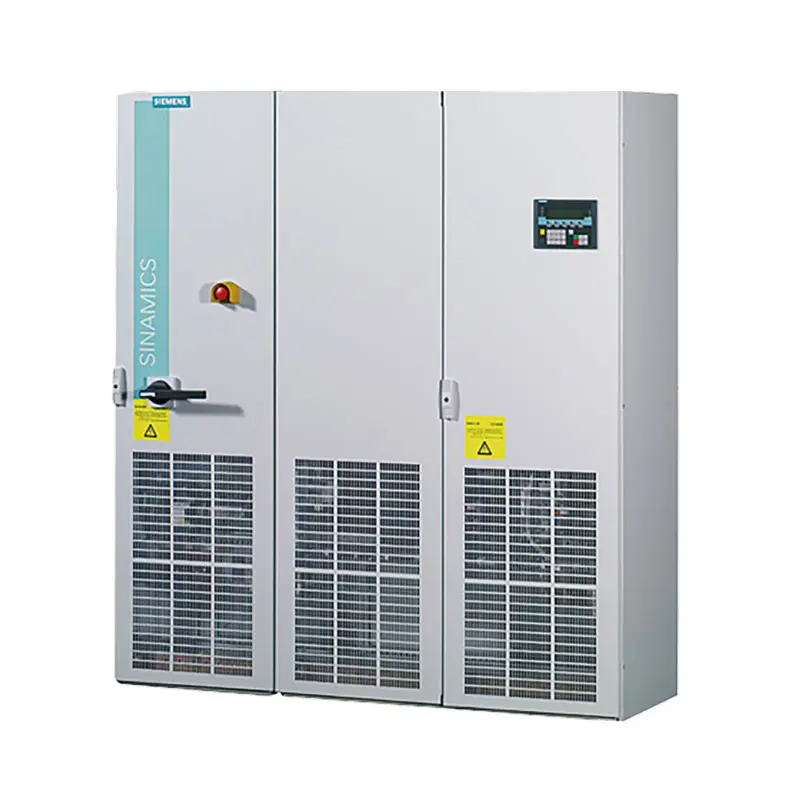
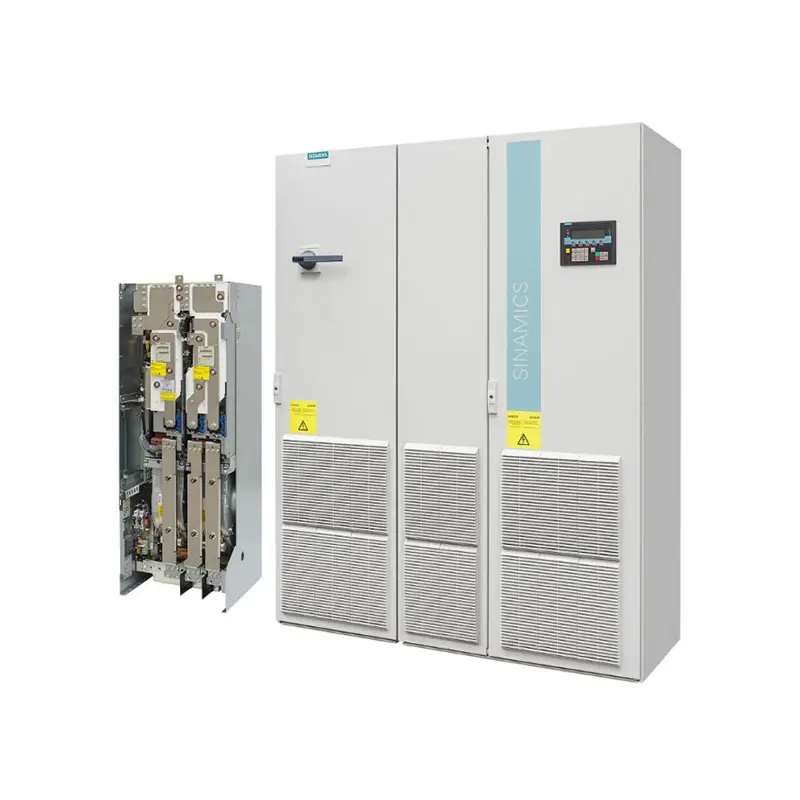
SIEMENS SINAMICS S150 Low Voltage
SIEMENS SINAMICS S120 Low Voltage
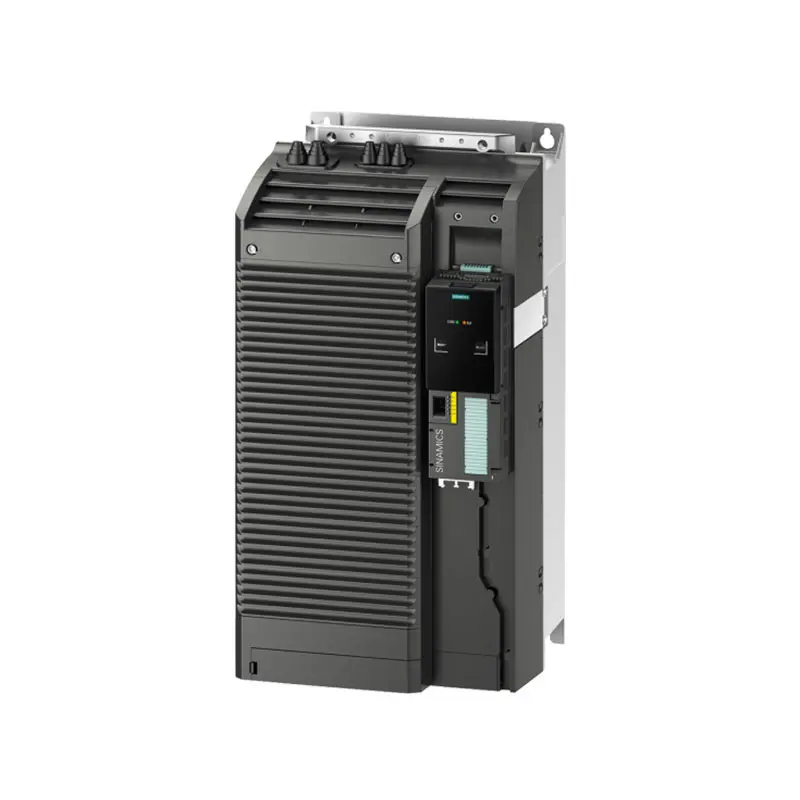
SIEMENS SINAMICS G130/G150
SIEMENS SINAMICS G120 Low Voltage
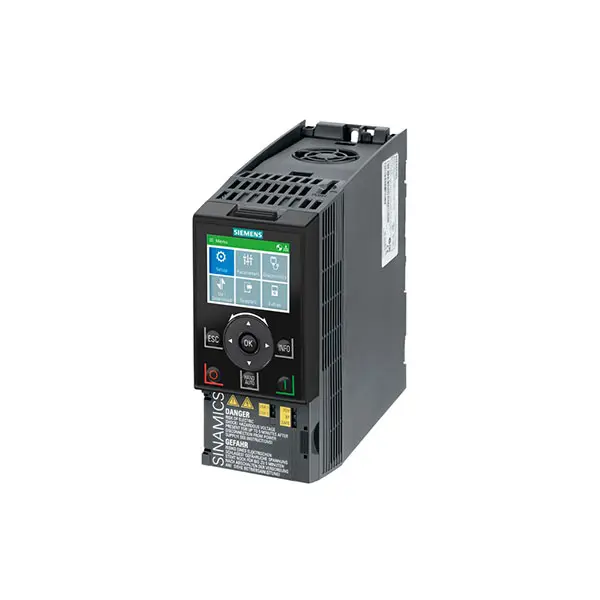
SIEMENS SINAMICS G120C Low Voltage
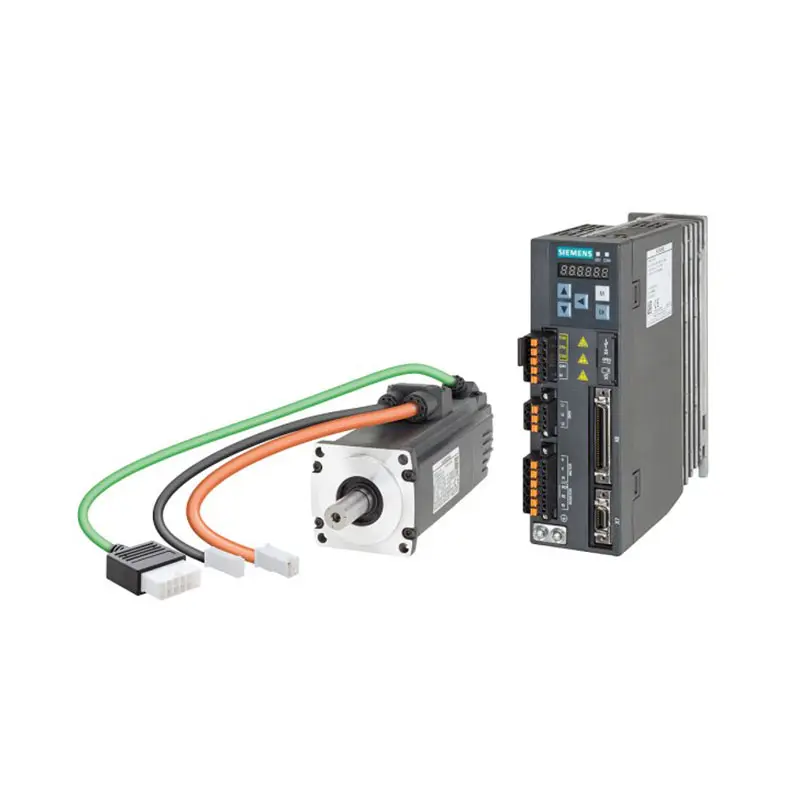
SIEMENS SINAMICS V90
SIEMENS SINAMICS V70 Low Voltage
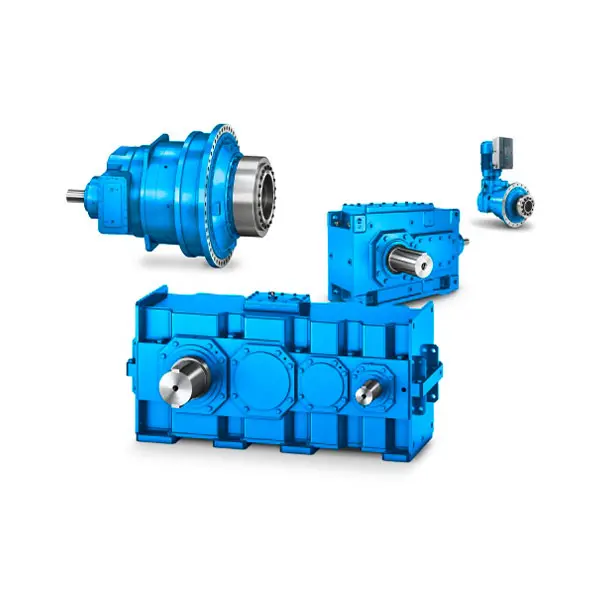
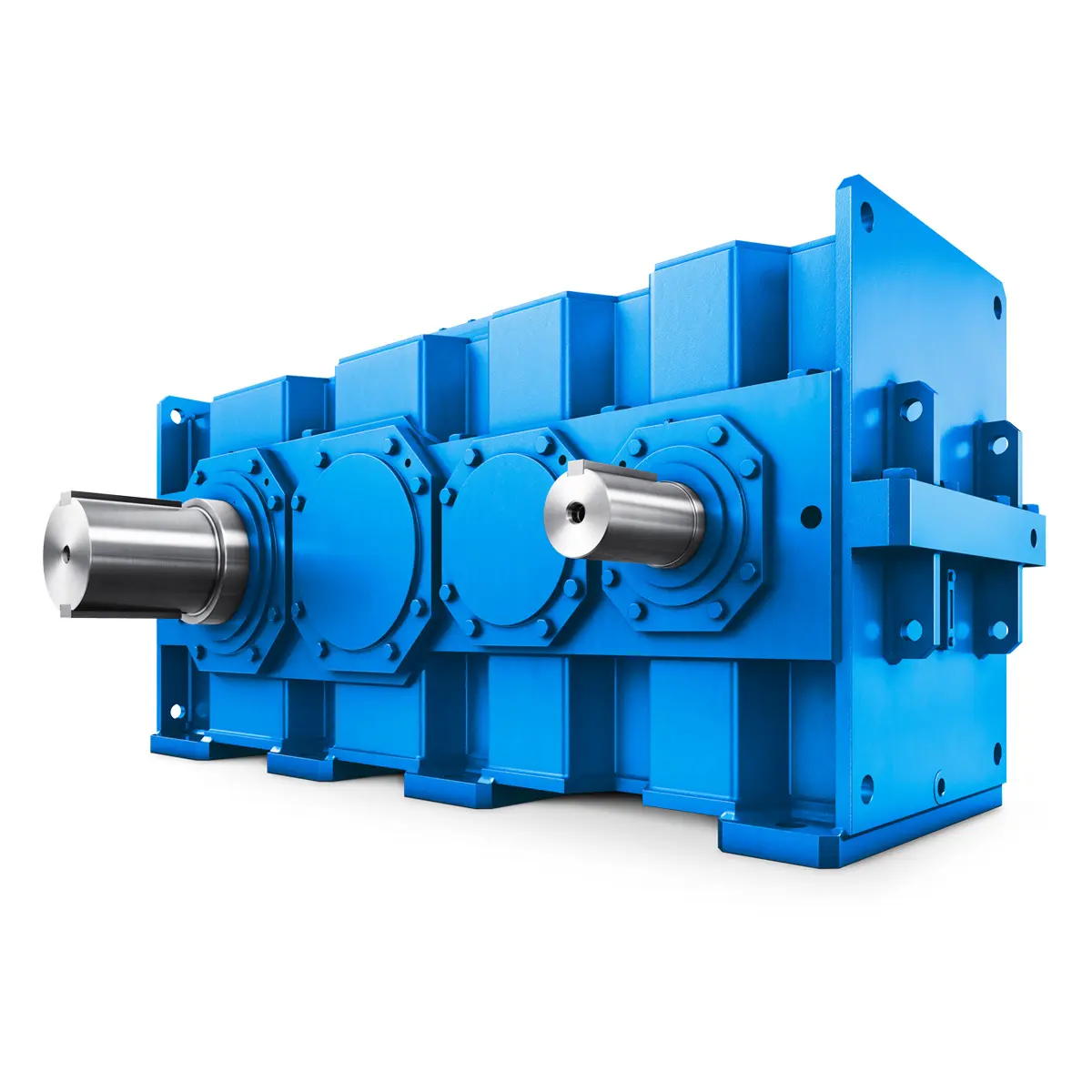
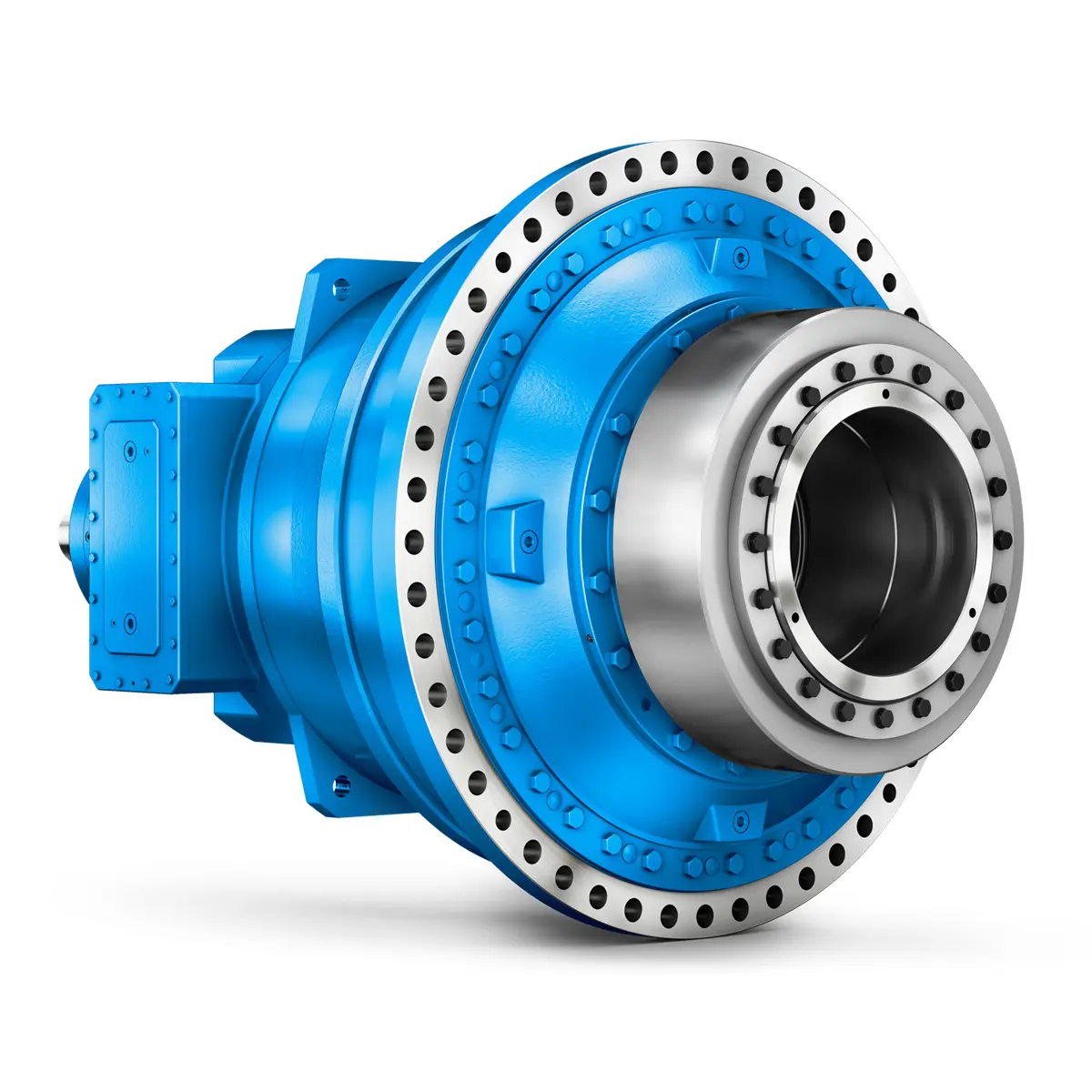
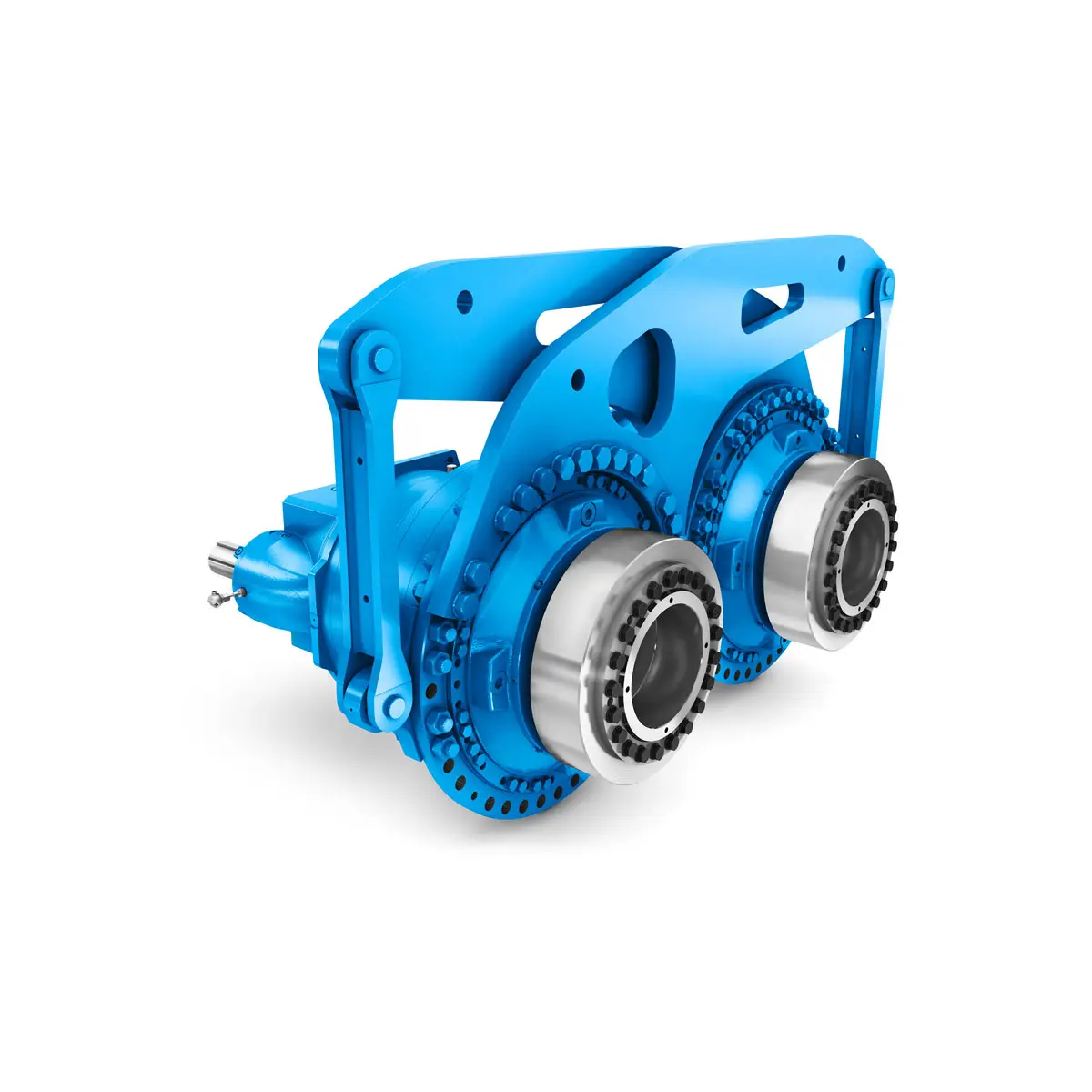
FLENDER Gear Unit
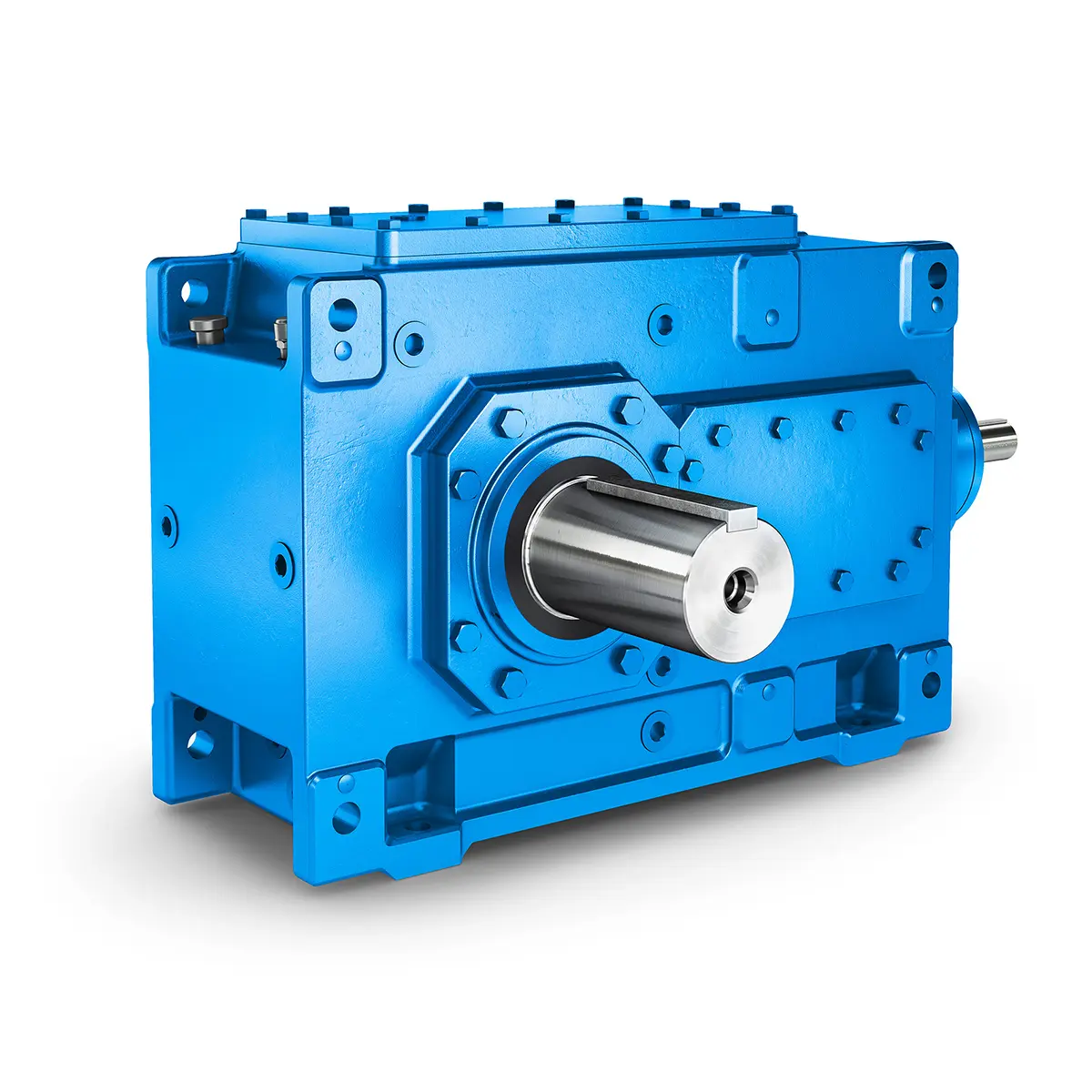
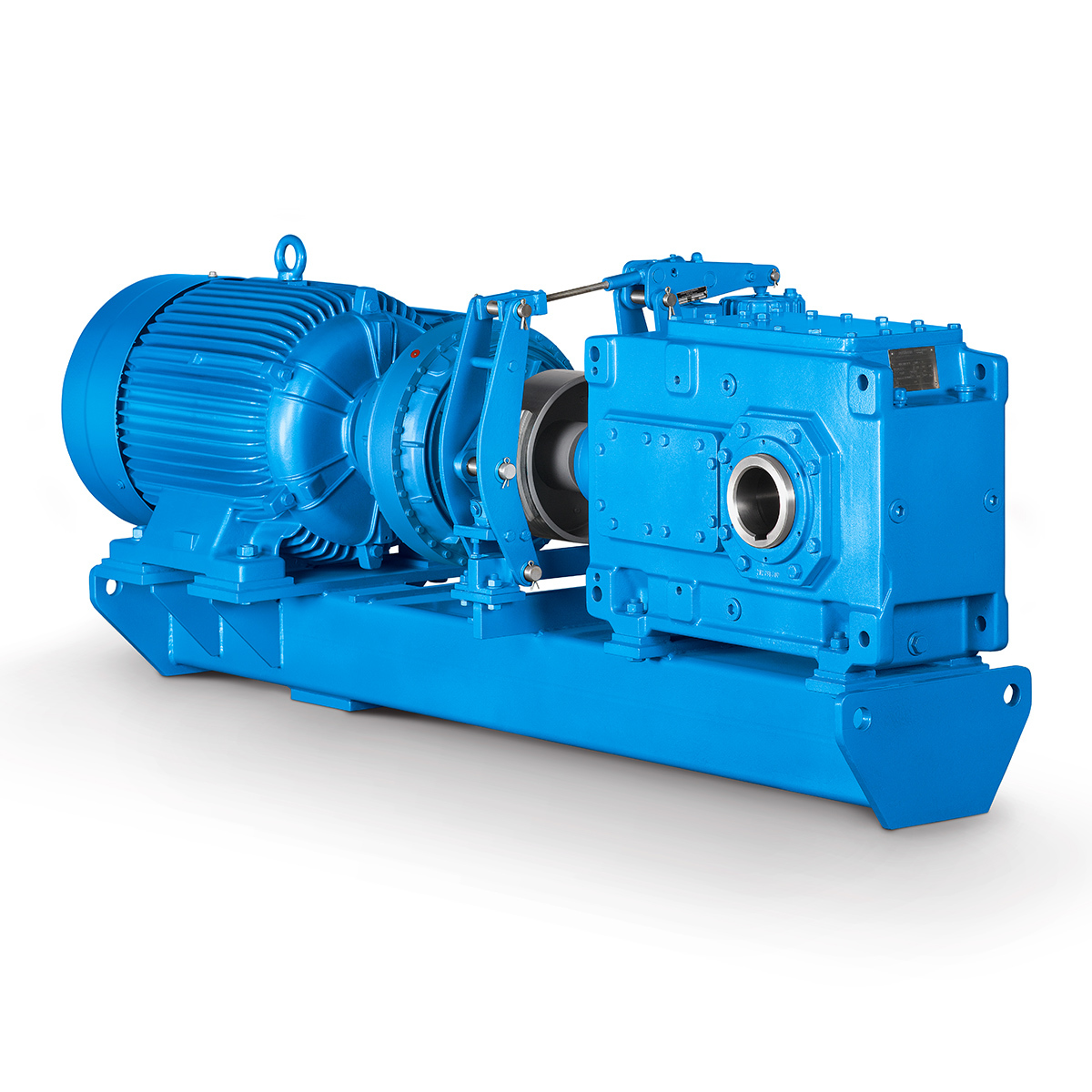
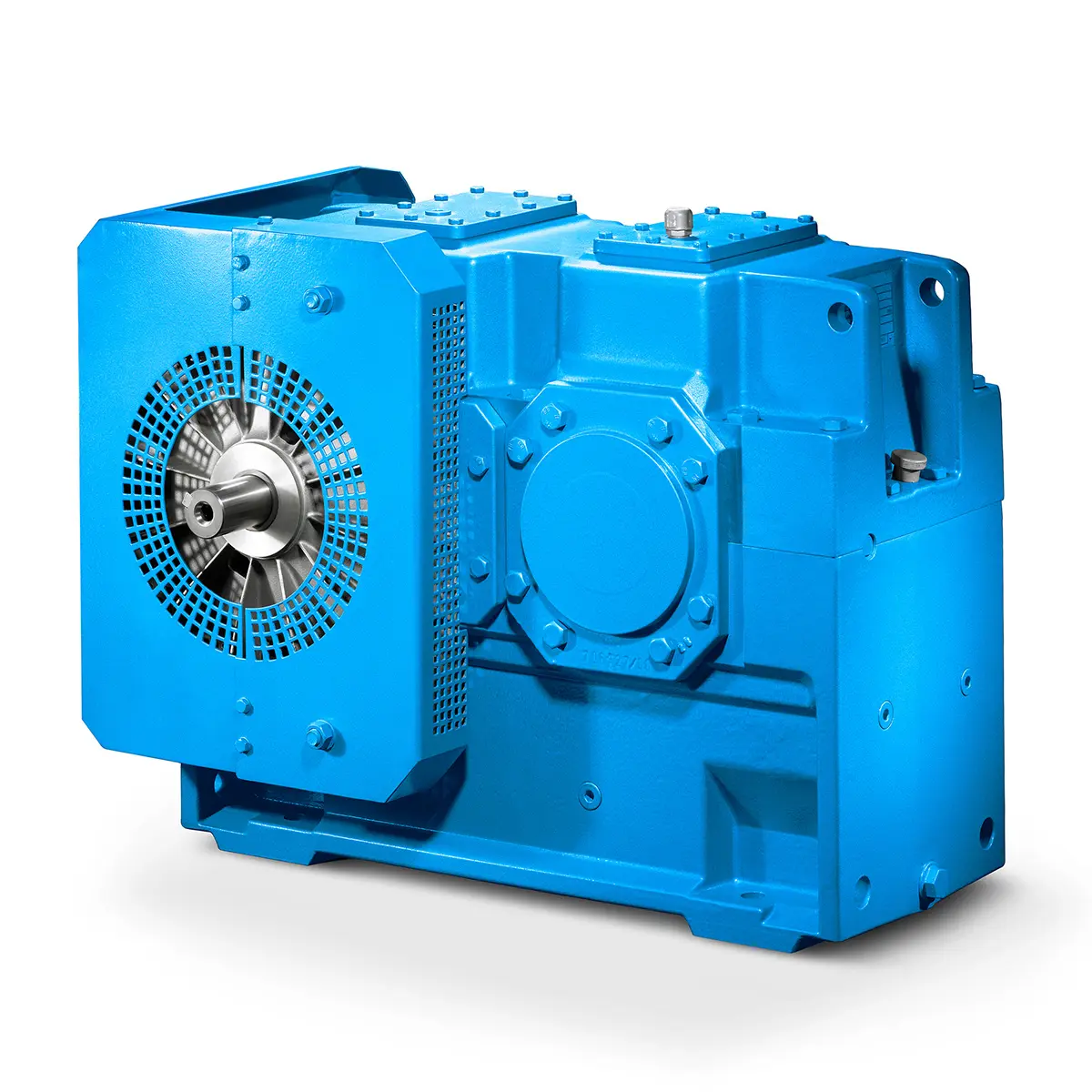
FLENDER Helical Gear Unit
Flender gear units for lifting and luffing gears
FLENDER Gear Unit gearunit gearbox
Optimal Drive Solution For Maximum Performance
Strongly operating against biodegradable constituents
SINGLE SCREW Special industry dedicated gearunit gearbox
Playmaker In The Premium League
Conveyor belts gearunit gearbox
Paper And Pulp Preparation Sections
Operational Reliability Even In Case Of The Highest Ventilation Forces
Reliable Gear Units For High Performance Vertical Conveyors 59/200
Maximum power density – PLANUREX 3 L individual drives for your sugar cane mill
The proven all rounder gearunit gearbox
Stirs and stirs and stirs gearunit gearbox
Flexibility on Board gearunit gearbox
The right gearbox for all Multi-Engine Ships
Reliable Power Generation on board
Maximum performance level, fast deliverable
Efficient and compact – FLENDER Gear Units for Sugar Mills
Extremely strong. Extremely compact. Extremely stressable.
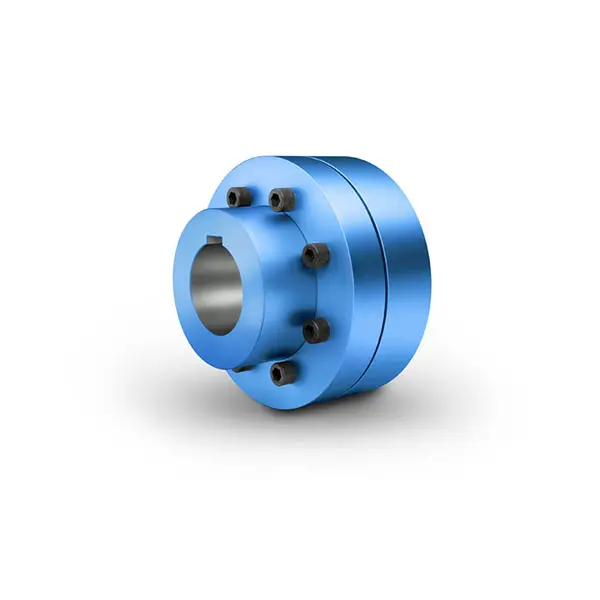
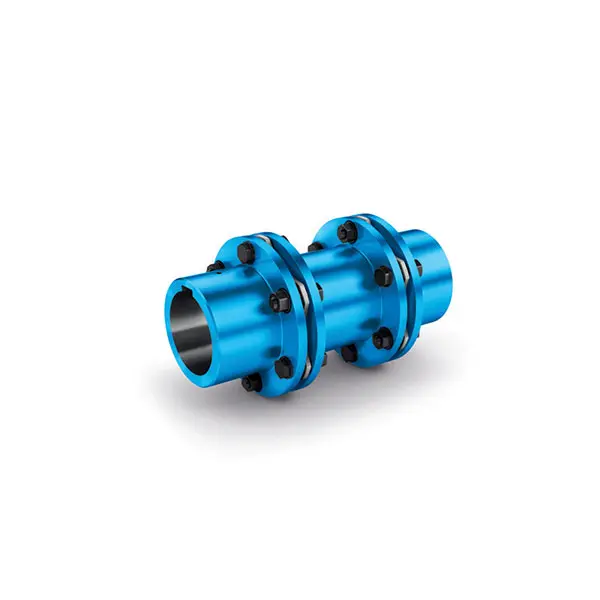
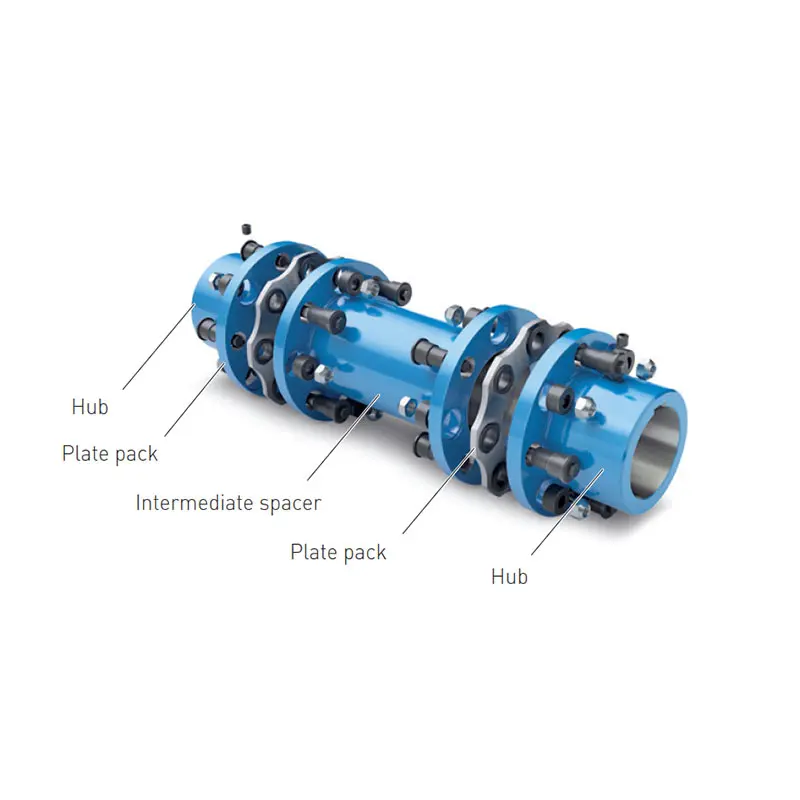
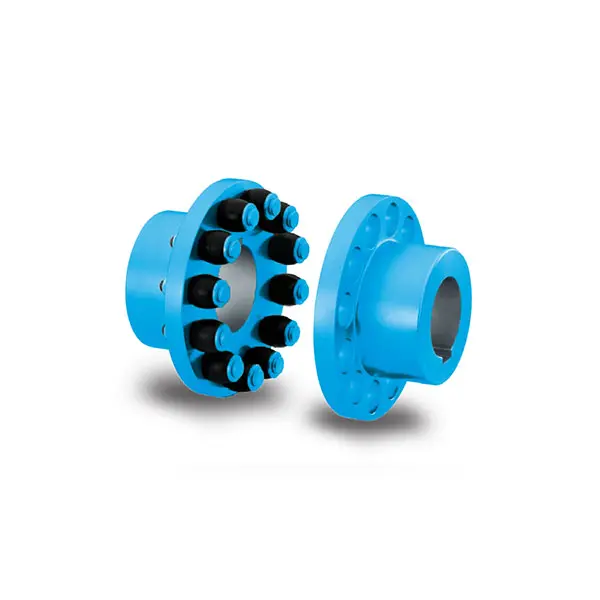
FLENDER Coupling
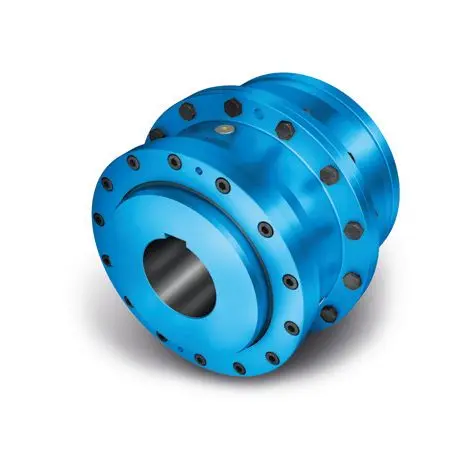
ZAPEX ZW Torsionally Rigid Gear Coupling
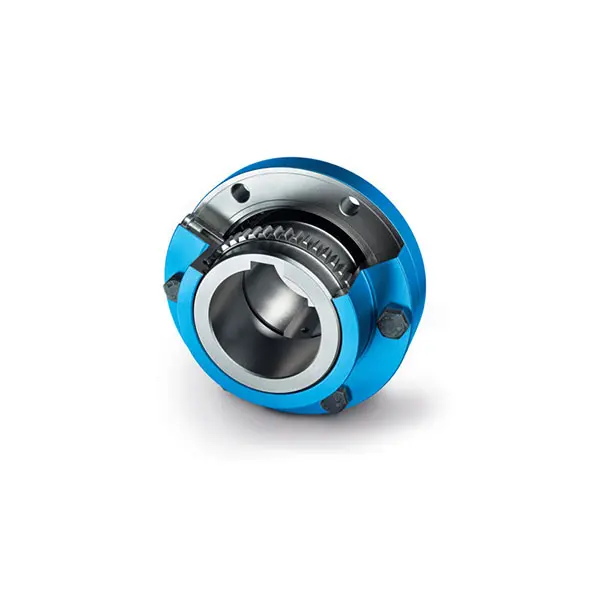
ZAPEX ZN Torsionally Rigid Gear Coupling
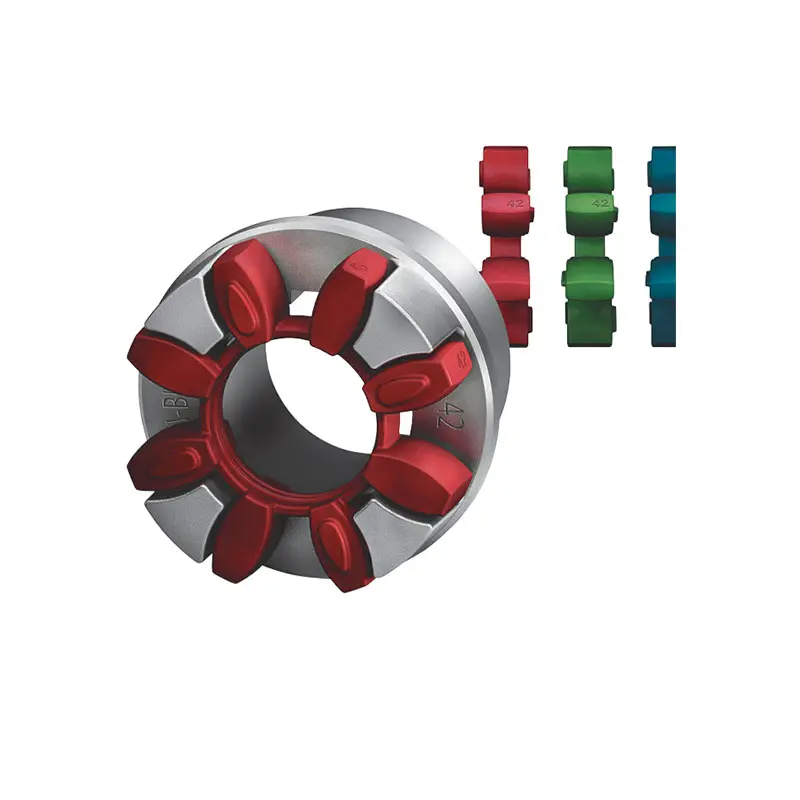
N-EUPEX Flexible high performance Coupling
N-ARPEX Torsionally Rigid All-Steel Coupling
ARPEX Torsionally Rigid All-Steel Coupling Spare and Parts
N-EUPEX DS Flexible High Performance Coupling
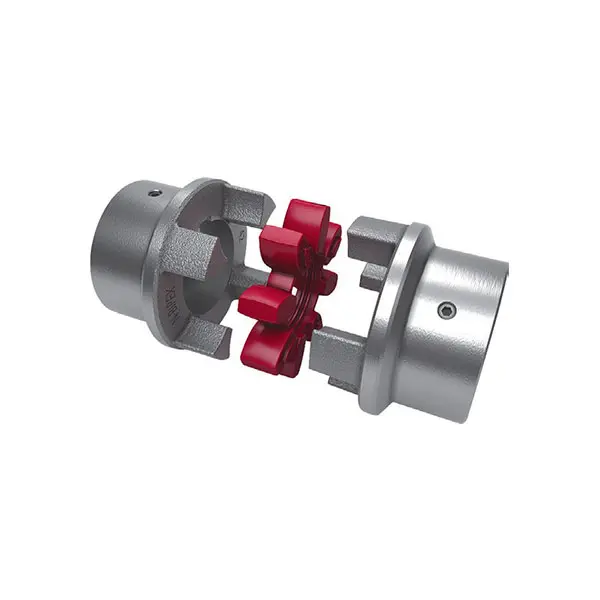
RUPEX Flexible high performance Coupling
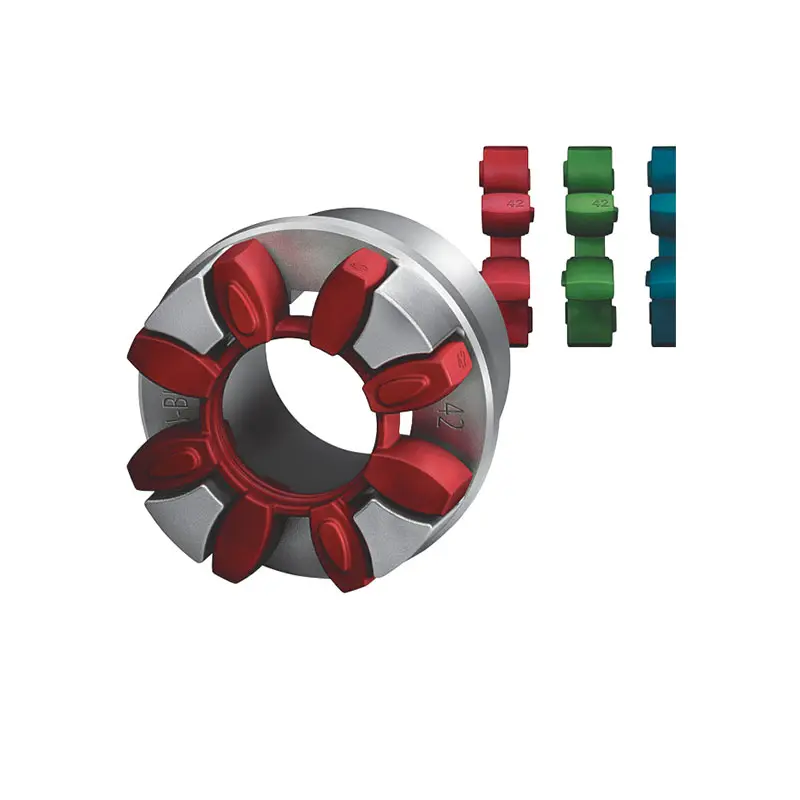
N BIPEX Flexible high performance coupling
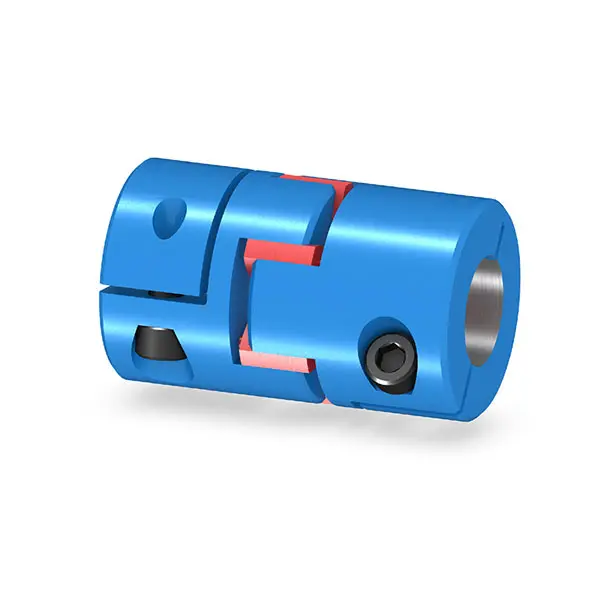
ELPEX B Highly Flexible Coupling
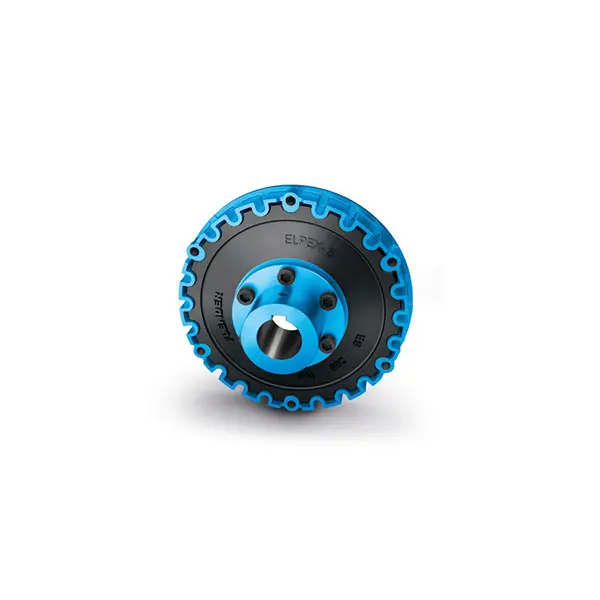
ELPEX S Highly Flexible Coupling high performance
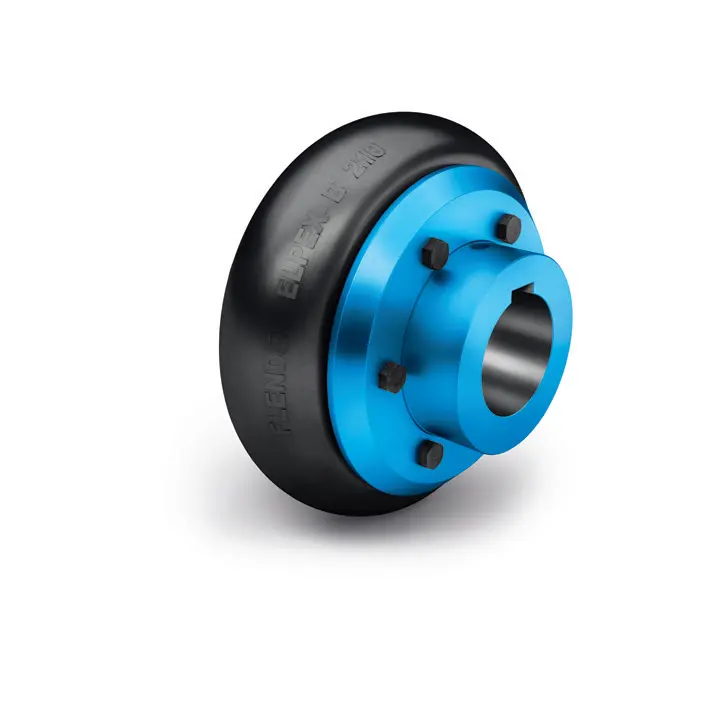
ELPEX Highly Flexible Coupling high performance
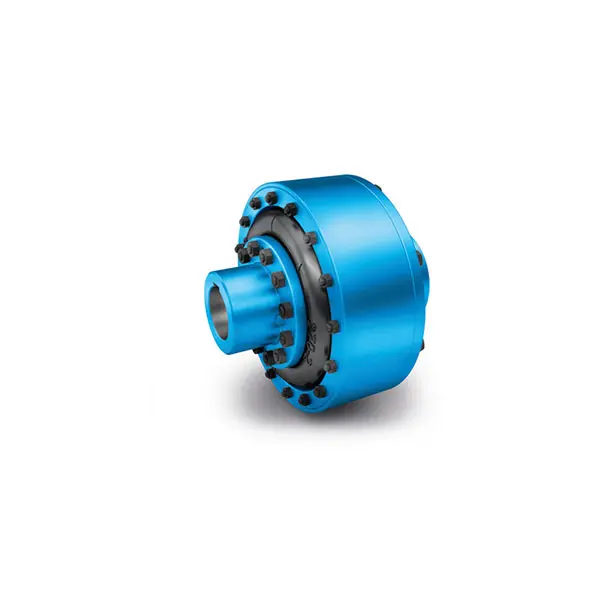
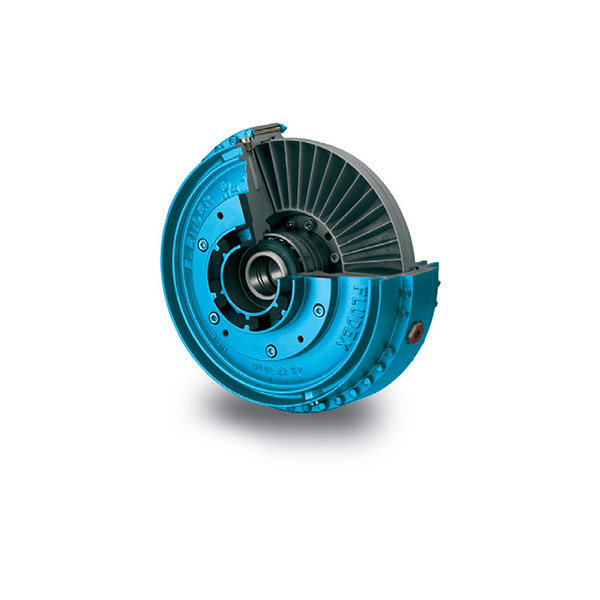
FLUDEX Fluid Coupling high performance
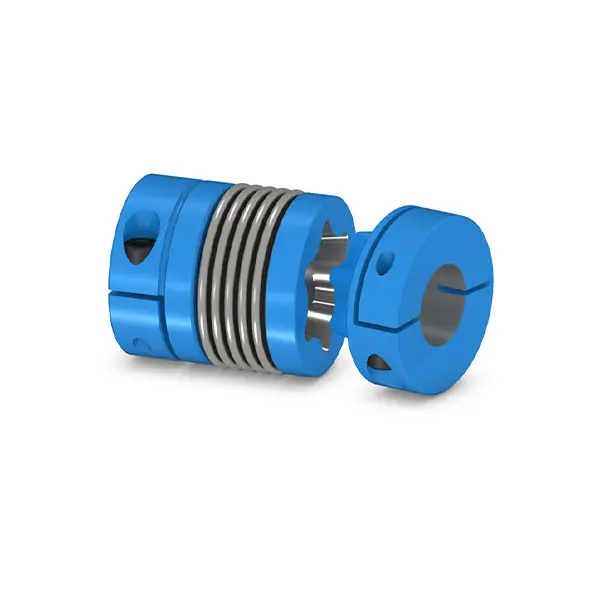
SIPEX Backlash free Coupling high performance
BIPEX S Backlash free Coupling high performance
FLENDER Coupling Spare Parts high performance
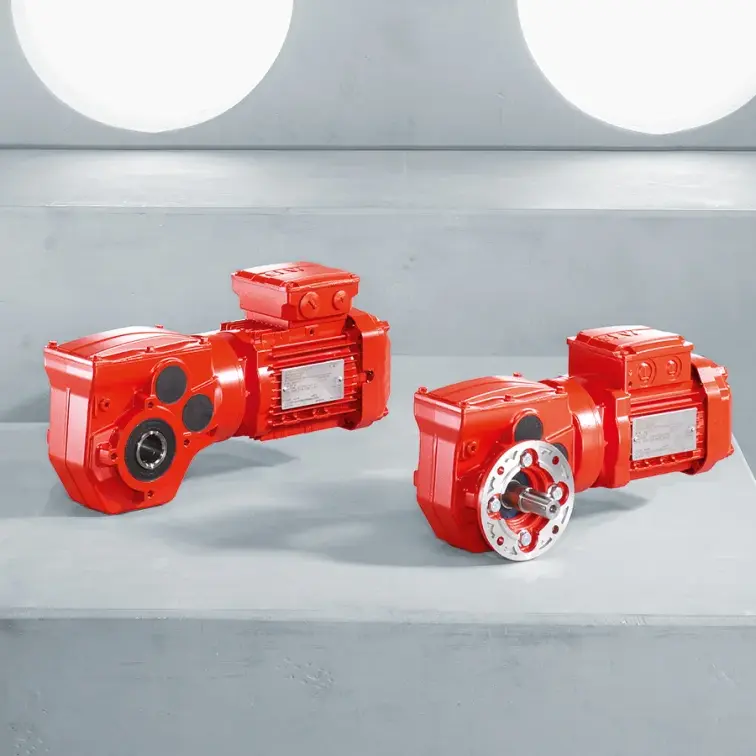
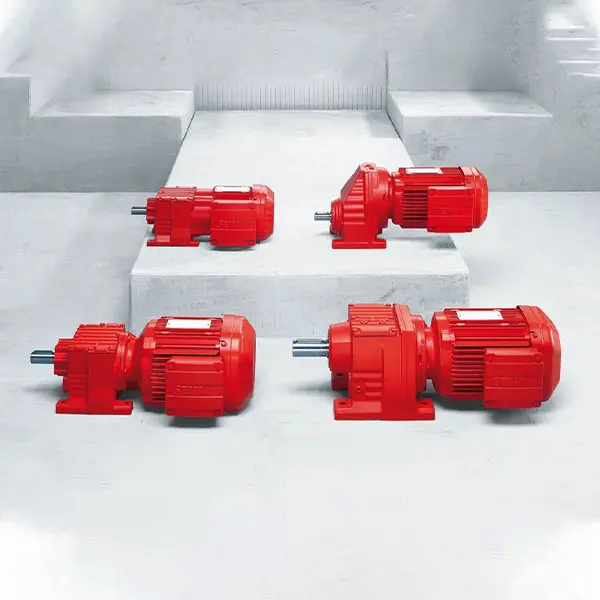
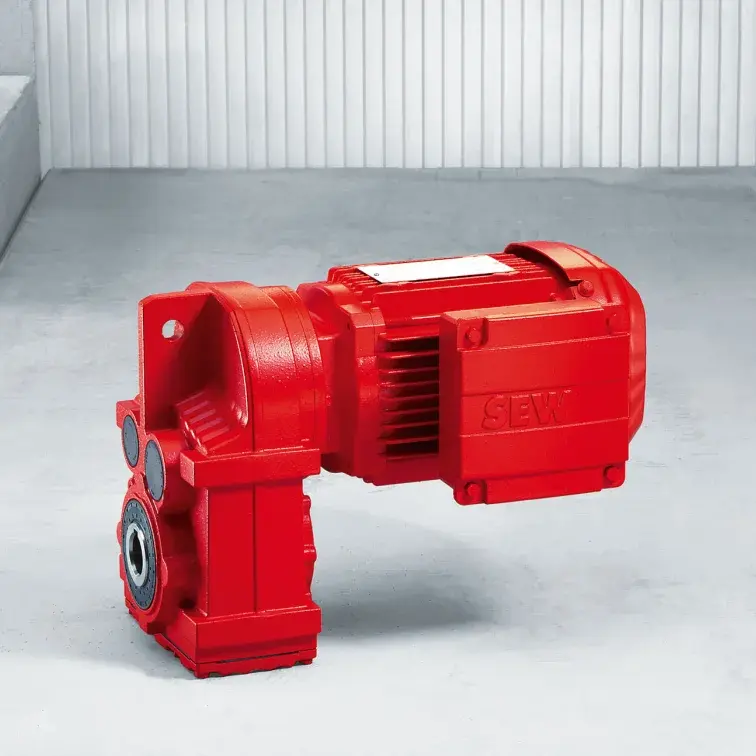
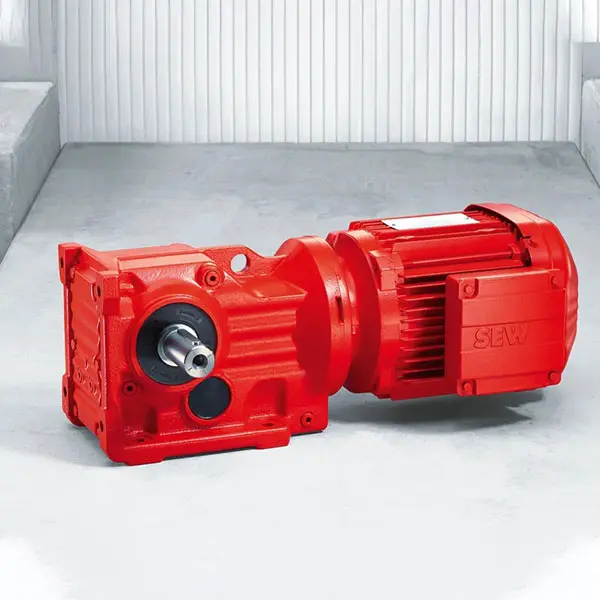
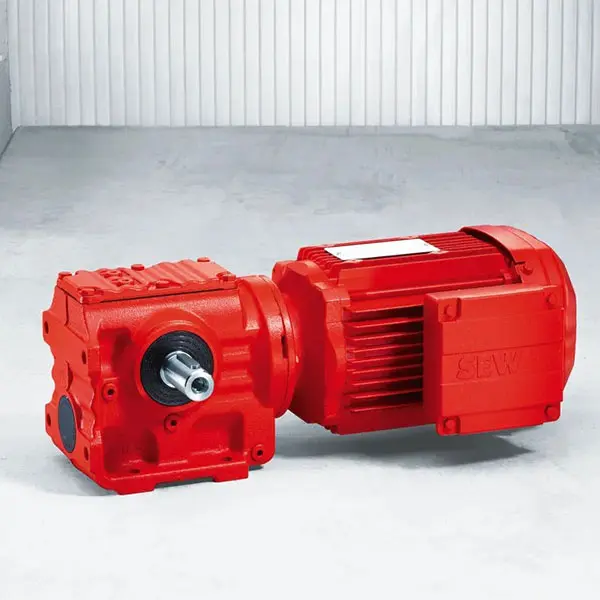
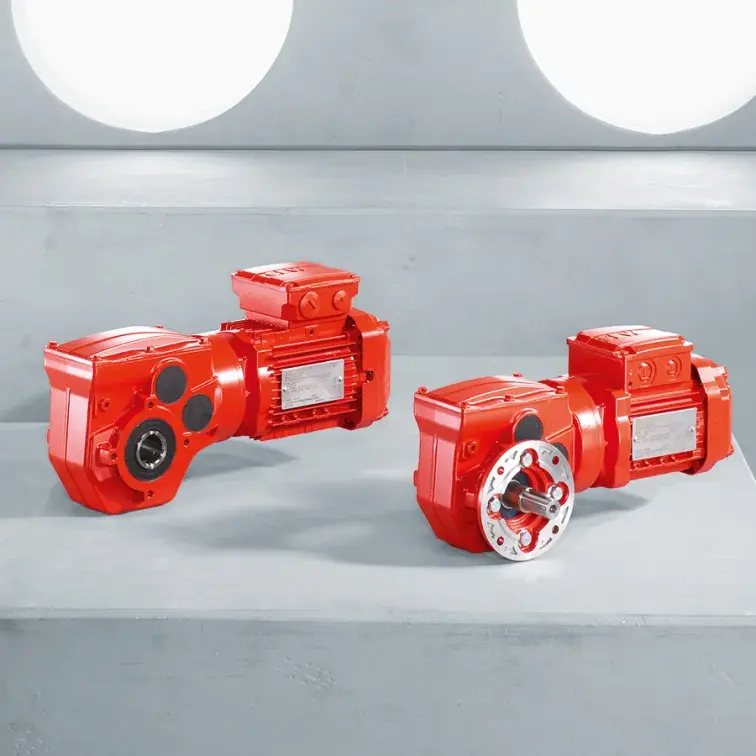
SEW Gearmotor
Choosing among China’s top 10 Gearbox manufacturers takes more than comparing prices. A gearbox that looks suitable on a quotation sheet may struggle under constant shock loads, high ambient temperatures, or long daily operating hours. Buyers should check rated torque, gear ratio, efficiency, noise levels, lubrication needs, and expected service life. Ask for test records. Confirm the factory can provide drawings, spare parts, and clear after-sales support.
Gear-design specialist Dr. Stephen P. Radzevich has written extensively on gear design and analysis. A fair paraphrase of the engineering principle behind that work is: “Good gear design starts with the real operating conditions.” This is not presented as a verbatim quotation. It is a useful reminder for buyers comparing manufacturers. Look for evidence that a supplier understands the application, not just the requested specifications. A clean factory floor matters. So do material traceability, machining accuracy, heat-treatment controls, and inspection records. Small details count.
This guide reviews ten Chinese manufacturers through practical sourcing questions: product range, customization, quality systems, export experience, and communication. No single supplier fits every project. Some buyers need compact helical units; others need heavy-duty planetary drives. Samples and documentation help, but they cannot remove every risk. That deserves honest attention. Check the gearbox against your actual duty cycle before committing to a large order.
China’s gearbox industry is not one uniform supply chain. It brings together specialist workshops and larger manufacturers, with capabilities ranging from casting and gear cutting to heat treatment, assembly, and testing. Some facilities produce complete gearboxes; others supply gears, shafts, housings, or machining services. This division can support flexible sourcing, but it also means that a supplier’s role needs to be clear.
Manufacturers often focus on particular product families, such as worm, helical, planetary, or bevel gearboxes. Their equipment and quality checks reflect that focus. A buyer evaluating a unit should compare the stated ratio, torque, operating speed, mounting dimensions, and duty cycle against the actual application. Ask how critical parts are inspected and whether test records can be provided. Details matter. A polished specification sheet alone does not show how consistently a gearbox performs in production.
The wider network includes material suppliers, component processors, testing facilities, and export-oriented trading or engineering teams. These layers can help with customization and lead times, but communication may become less direct when responsibilities are split. Share drawings, load conditions, and installation constraints early, then confirm which company owns design changes and final inspection. Even careful checks cannot remove every uncertainty; sample evaluation is often worthwhile before a large order.
When assessing Chinese gearbox manufacturers, look beyond catalog torque ratings. The International Energy Agency’s Energy Efficiency 2023 report estimates that motor-driven systems use about 70% of industrial electricity. Gearbox efficiency therefore affects operating costs, not just purchase price. Ask suppliers for efficiency data at your expected speed and load, plus the test method used. A single peak-efficiency figure may hide losses at partial load.
Check engineering controls and production evidence. ISO 6336 provides methods for calculating gear load capacity, while ISO 1328-1 defines gear accuracy grades. Request calculation assumptions, inspection records, material certificates, and heat-treatment results for the actual production batch. Useful measurements include backlash, tooth-contact patterns, shaft runout, vibration, and oil temperature under rated load. Ask how the factory handles failures and keeps replacement parts available. A polished brochure is not evidence. A factory audit helps, but it can still miss inconsistent processes between shifts.
Compare warranty terms, lead times, and technical support in writing. Confirm whether the quoted service life assumes a specific duty cycle, lubrication schedule, and ambient temperature. These details matter. Some buyers focus too heavily on the lowest quote; I have seen that comparison overlook commissioning costs and spare-part delays. That judgment is imperfect, so verify claims against sample test reports and a clearly defined acceptance test.
Use these criteria to compare manufacturers consistently. The suggested weights are an evaluation framework, not rankings or verified ratings of individual companies.
| No. | Evaluation Criterion | What to Assess | Evidence to Request or Verify | Suggested Weight |
|---|---|---|---|---|
| 1 | Product Fit and Range | Availability of the required gearbox type, ratio, torque and output configuration, mounting arrangement, and operating conditions. | Product catalog, dimensional drawings, selection calculations, and a written confirmation against the application requirements. | 15% |
| 2 | Engineering and Customization | Ability to adapt interfaces, materials, seals, lubrication, or other design details when standard products do not meet the specification. | Engineering drawings, design review process, change-control procedure, and examples of comparable custom work. | 12% |
| 3 | Quality Management | Documented controls for incoming materials, production, inspection, nonconformities, and corrective actions. | Current quality-system certificates, certificate scope and validity, inspection plans, and sample inspection records. Verify certificates with the issuing body where practical. | 15% |
| 4 | Testing and Performance Data | Whether performance claims and operating limits are supported by appropriate calculations, inspections, or tests. | Test procedures and reports covering relevant parameters such as noise, temperature, leakage, backlash, or load performance, as applicable to the product. | 12% |
| 5 | Materials and Traceability | Control of specified materials and the ability to trace critical components or production batches when required. | Material certificates, component specifications, batch or serial-number records, and documented traceability procedures. | 10% |
| 6 | Production Capacity and Lead Time | Ability to meet the required quantity and delivery schedule, including capacity for repeat orders and demand changes. | A production schedule, quoted lead times by order quantity, capacity information, and confirmation of any long-lead components. | 10% |
| 7 | Export and Documentation Readiness | Experience preparing the shipping, product, and customs documents required for the destination market and agreed delivery terms. | Sample packing list, commercial invoice, export packing details, origin documentation where applicable, and confirmation of agreed Incoterms. | 8% |
| 8 | Warranty and After-Sales Support | Clarity of warranty coverage, spare-parts availability, technical response process, and responsibility for resolving product issues. | Written warranty terms, spare-parts list, service contacts, response-time commitments, and the process for claims and returns. | 7% |
| 9 | Total Cost and Commercial Terms | Total landed cost and the clarity of pricing, payment terms, minimum order quantities, packaging, and quotation validity. | Itemized quotation, tooling or customization charges, packaging costs, payment schedule, and written assumptions for freight and duties. | 6% |
| 10 | Communication and Supplier Verification | Responsiveness, accuracy of technical communication, and clarity about the legal entity and manufacturing location involved in the order. | Consistent company and factory details across documents, a video or on-site audit where appropriate, and clear written answers to technical questions. | 5% |
| Total Suggested Weight | 100% | |||
A useful profile of ten leading Chinese gearbox manufacturers should go beyond catalogue breadth. It should compare product families, rated torque, allowable backlash, efficiency, materials, and documented test procedures.
Grand View Research valued the global gearbox market at about US$27.63 billion in 2022 and projected 5.4% annual growth from 2023 to 2030. The estimate depends on market definitions, but it signals steady demand across industrial equipment, transport, and energy. That matters.
The profiles should distinguish suppliers of helical, bevel, worm, planetary, and precision gearboxes, then connect each type to real operating conditions. A packaging line may need low noise and continuous duty; a mining conveyor faces shock loads and abrasive dust.
Buyers should examine heat-treatment records, gear accuracy, sealing, lubrication guidance, and spare-parts lead times. Ask for test data. ISO 6336 provides calculation methods for the load capacity of cylindrical gears, while a supplier’s own test report shows how a particular unit performs.
Comparisons are rarely perfectly tidy: published ratings may use different service factors, temperatures, and test conditions. Check the assumptions before treating two figures as equivalent.
Gearbox selection depends on torque, speed, duty cycle, and installation space—not just rated power. Helical units suit conveyors and pumps that run for long shifts, while bevel-helical designs redirect drive through a right angle. Planetary gearboxes deliver high torque in a compact package, making them useful in mobile machinery and wind turbines. Worm gearboxes offer large speed reductions in tight spaces, but sliding friction can increase heat and reduce efficiency. Fit matters.
Industry data helps frame these choices. GWEC’s Global Wind Report 2024 recorded 117 GW of new wind capacity installed worldwide in 2023, although many turbines use direct-drive systems rather than gearboxes. In factories, gearbox demands vary sharply: a mixer faces changing process loads, while a conveyor may require steady output and frequent starts.
OICA reported about 93.5 million motor vehicles produced globally in 2023, a reminder of the scale of transmission applications. Still, vehicle transmission needs differ from industrial reducers; comparing them by power rating alone can mislead.
A practical review should check service factor, lubrication, noise, ambient temperature, and maintenance access. The overlooked detail? A gearbox that fits the drawing may still be difficult to inspect on the production floor.
A gearbox quotation rarely tells the whole story. Ask suppliers for drawings, material specifications, heat-treatment records, and inspection results tied to the exact model offered. For tooth accuracy, request measurements against ISO 1328-1; for load capacity, ask how calculations follow ISO 6336. Check that the test unit matches the production design, not just a prototype. A certificate is useful, but it cannot replace traceable records.
Quality also affects energy use across the drive system. The U.S. Department of Energy’s 2014 Improving Motor and Drive System Performance sourcebook estimates that motor-driven systems use about 68% of electricity in U.S. manufacturing. That figure covers the broader system, not gearboxes alone, but it shows why efficiency and alignment deserve attention. Ask for measured efficiency at stated speed, load, and oil temperature. Request noise and vibration readings, too. Numbers help.
During a factory review, inspect tooth-contact patterns, bearing fits, sealing surfaces, and oil cleanliness. Ask how rejected parts are handled and how corrective actions are verified. Compare lead times with production capacity and confirm which tests are witnessed or independently checked. A polished report can still leave gaps. I would not treat a successful sample test as proof that every batch will match; sampling plans and follow-up audits matter, and neither is perfect.