Top Gear Motor Suppliers in China for Global Procurement?
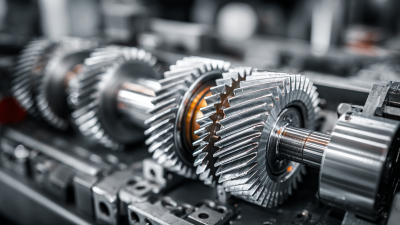
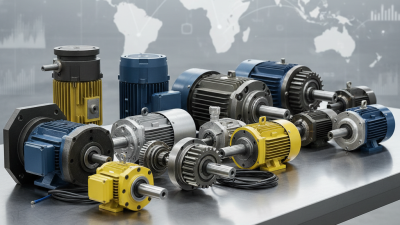
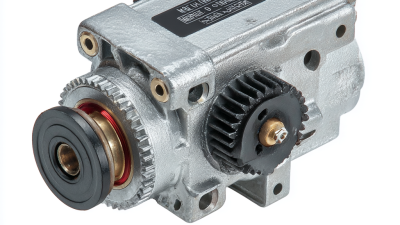
The global demand for gear motors continues to grow. As industries evolve, the need for reliable and efficient gear motors is paramount. China stands out as a leading supplier in the gear motor market. Its robust manufacturing capabilities and competitive pricing attract international buyers.
Sourcing gear motors from China involves navigating various suppliers. Each offers unique qualities and specifications. It is essential to ensure that these suppliers meet international standards. Quality assurance becomes a critical factor in the procurement process. There may be challenges in consistency and reliability among manufacturers. Thus, due diligence is necessary to identify the best options.
Engaging with Chinese suppliers requires more than just cost analysis. Understanding the local market dynamics and supplier reputation is vital. Building relationships can enhance trust and foster better communication. Ultimately, making informed decisions will lead to successful procurement in the ever-evolving gear motor landscape.
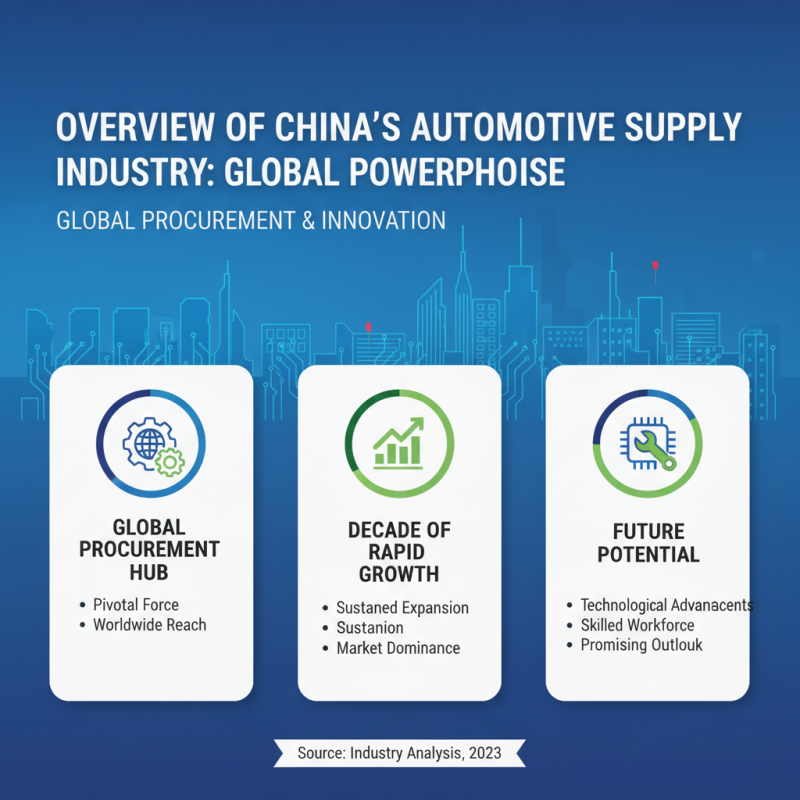
Overview of China's Automotive Supply Industry
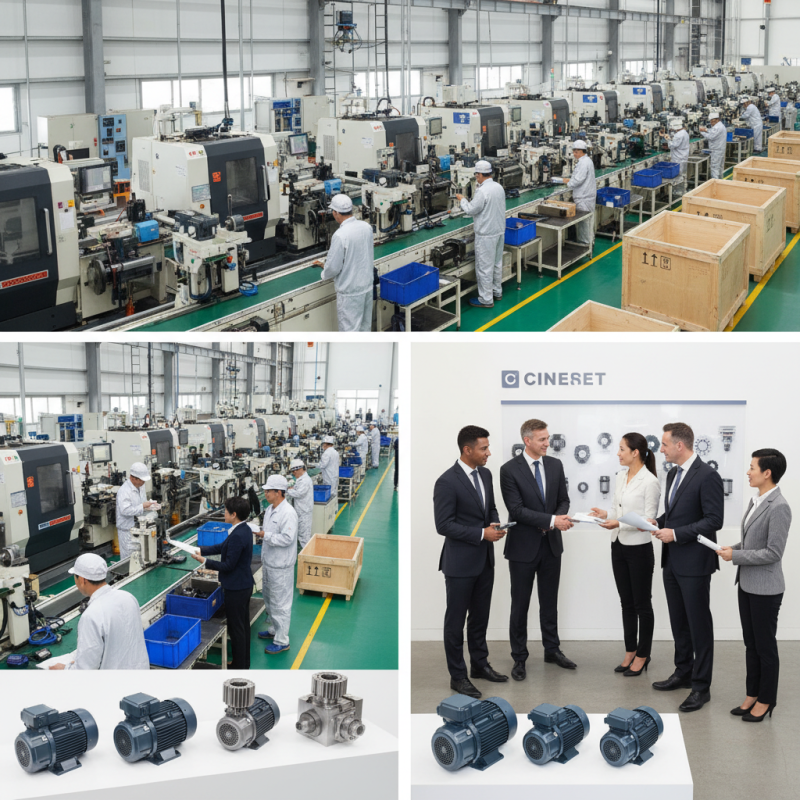
China's automotive supply industry stands as a pivotal force in global procurement. This industry has experienced rapid growth over the past decade. With a combination of technological advancements and a skilled labor force, it shows promising potential.
Many suppliers in China specialize in various segments of the automotive market. They produce key components like batteries, electronics, and chassis parts. However, challenges persist. Quality control remains a significant concern. Some suppliers struggle to meet international standards consistently. There have been instances of miscommunication regarding specifications, leading to delays.
Additionally, there is often a vast disparity in the capabilities of different suppliers. While some maintain high standards, others may cut corners for cost savings. Buyers must conduct thorough due diligence. Researching supplier backgrounds and performance records is essential. Building strong relationships with trusted partners can mitigate risks and elevate procurement success.
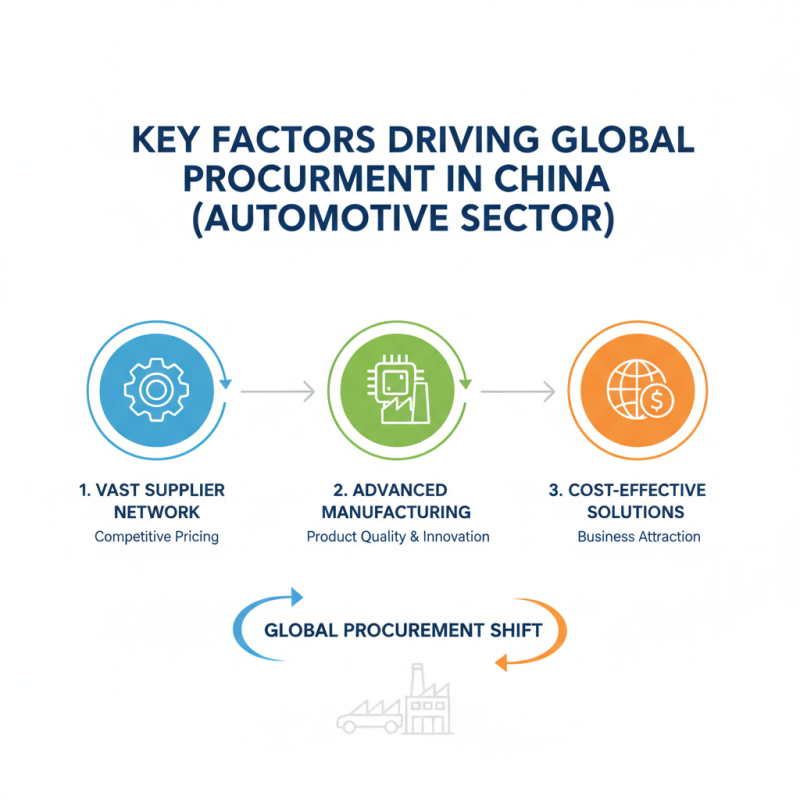
Key Factors Driving Global Procurement in China
China has emerged as a vital hub for global procurement in the automotive sector. Several factors contribute to this shift. First, the availability of a vast network of suppliers ensures competitive pricing. This attracts businesses seeking cost-effective solutions. Many suppliers offer advanced manufacturing techniques, which enhance product quality and lead to innovation.
Another key factor is China’s growing expertise in electric vehicle technology. The country is investing heavily in research and development. This commitment fuels advancements in battery technology, autonomous driving, and smart connectivity. As the global market shifts toward sustainable solutions, China's leadership in this area becomes invaluable.
However, challenges remain. Dependence on a single region can introduce risks for international companies. Political tensions and trade policies can disrupt supply chains. Companies must carefully evaluate their strategies to minimize these risks. Balancing cost-efficiency with reliability is crucial. Many firms are rethinking their procurement processes as they navigate these complexities. Adapting to the ever-changing landscape can lead to better outcomes in procurement strategies.
Leading Motor Suppliers in China: Profiles and Capabilities
China has established itself as a global hub for motor suppliers, offering a wide range of capabilities. The country's motor manufacturing output exceeded 500 billion USD in 2022, reflecting a compound annual growth rate of around 10% since 2015. This growth is supported by a robust supply chain infrastructure and advancements in technology. Many companies are focusing on electric motors, which are projected to dominate the market, accounting for 50% of motor sales by 2027.
Leading motor suppliers in China have diverse profiles, showcasing their expertise across various sectors. For instance, the electric vehicle market is expected to grow significantly, with electric motors being a critical component. Research indicates that there will be a demand increase of over 30% for high-efficiency motors in this sector by 2025. Such data emphasizes the importance of selecting suppliers who can deliver not just products, but also innovative solutions tailored to industry needs.
However, challenges remain. Quality control and consistency can vary among suppliers. Companies must engage in thorough vetting processes to ensure reliable partnerships. This involves evaluating production capabilities and engaging in quality audits. The competitive landscape also pushes companies to continuously improve, presenting both growth opportunities and risks for global procurement strategies.
Challenges and Opportunities for Global Buyers in China
Navigating the landscape of motor suppliers in China presents both challenges and opportunities for global buyers. The vast manufacturing capabilities offer a chance to source high-quality components. However, understanding local regulations and market dynamics is crucial. Many global companies struggle with language barriers and cultural differences. These factors can lead to misunderstandings and delays in procurement processes.
Quality control is another significant challenge. Ensuring that products meet international standards requires rigorous oversight. Buyers need to establish strong relationships with suppliers. Regular communication can help bridge gaps and align expectations. Conducting on-site visits can provide deeper insights into manufacturing practices.
Despite the hurdles, opportunities abound. China's technological advancements in motor production are noteworthy. Firms are investing heavily in research and development. This innovation can lead to superior products at competitive prices. Global buyers who adapt to the landscape can gain a strategic advantage. However, they must remain vigilant and flexible. The dynamic nature of the market demands continuous learning and adaptation.
Challenges and Opportunities for Global Buyers in China
Future Trends in China's Automotive Supply Chain Dynamics
China's automotive supply chain is undergoing significant transformation. According to a report by PwC, the country will reclaim its position as the world's largest automotive market by 2025. This shift will reshape global procurement dynamics. The growing need for electric vehicle (EV) components drives innovation. New suppliers are emerging, emphasizing efficiency and sustainability.
Market research indicates that around 30% of automotive parts will be sourced from AI-integrated suppliers by 2027. This signals a shift toward smarter sourcing strategies. However, challenges remain. Limited infrastructure in certain regions can hinder supply chain agility. Furthermore, quality control remains a concern for new entrants.
Tip: Focus on establishing strong relationships with reliable suppliers. Build trust through transparent communication and shared goals. Understanding regional challenges can mitigate risks effectively. Adopting digital solutions can streamline operations but requires careful implementation. Time for reflection: Are current strategies adaptable enough for future trends?
Top Gear Motor Suppliers in China for Global Procurement
| Supplier Type |
Production Capacity (units/year) |
Key Components |
Export Markets |
Innovative Technologies |
| Electric Motor Manufacturers |
3,000,000 |
Electric Motors, Battery Management Systems |
North America, Europe, Asia |
AI-based Energy Management |
| Automotive Parts Suppliers |
5,000,000 |
Suspension, Transmission Parts, Brake Systems |
South America, Middle East |
3D Printing Parts |
| Raw Material Suppliers |
2,500,000 |
Steel, Aluminum, Plastics |
Global |
Recycled Materials Usage |
| Vehicle Assembly Plants |
1,000,000 |
Complete Vehicle Assembly |
Europe, Asia |
Automation Robotics |
| Battery Manufacturers |
4,000,000 |
Lithium-ion Batteries |
Australia, North America |
Fast Charging Technology |

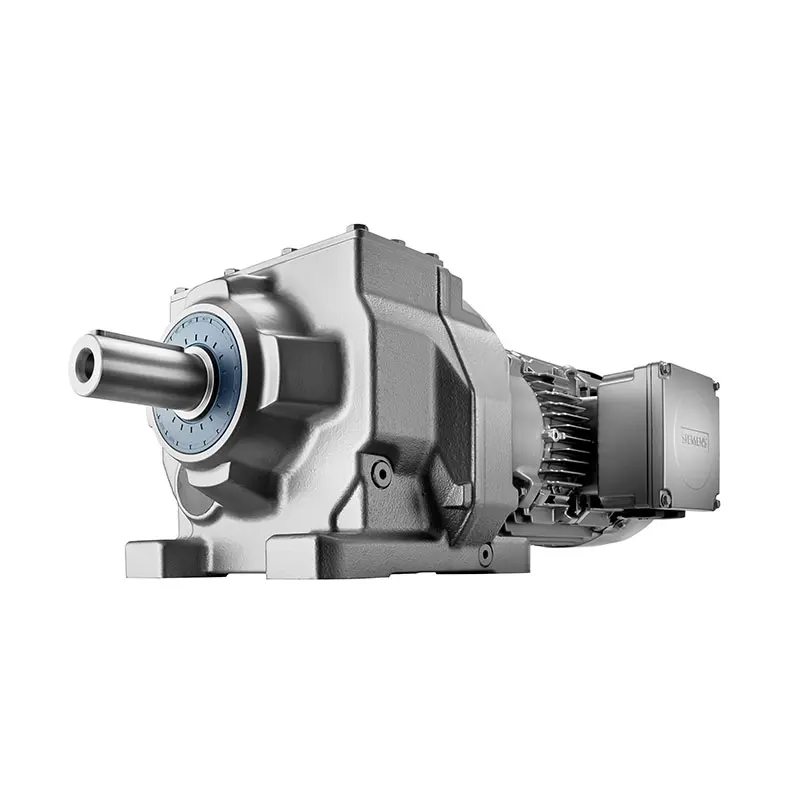 SIEMENS Helical Gearmotor Low Voltage
 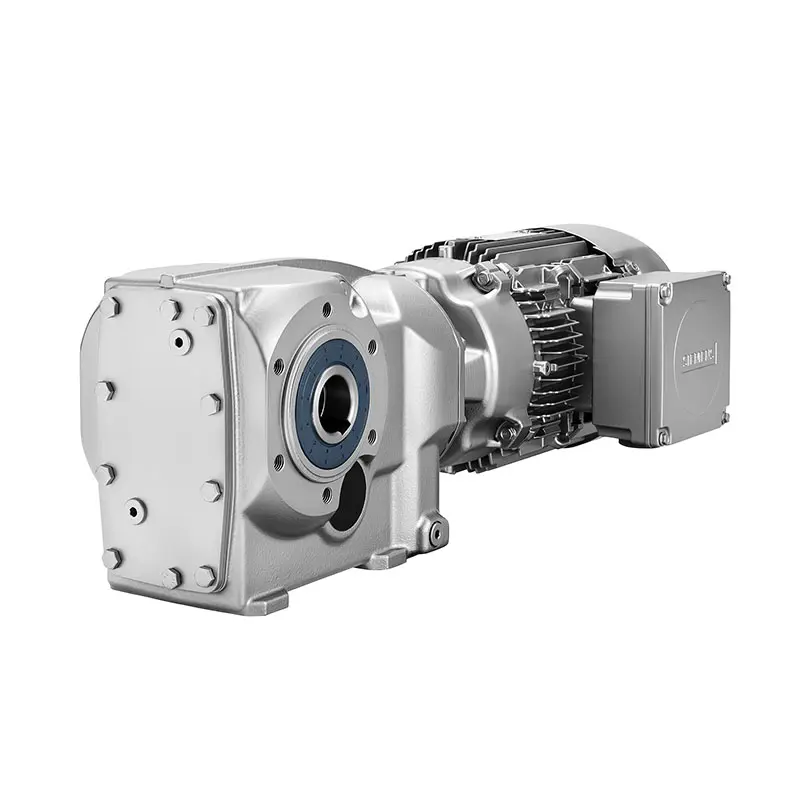 SIEMENS Bevel Helical Gearmotor
 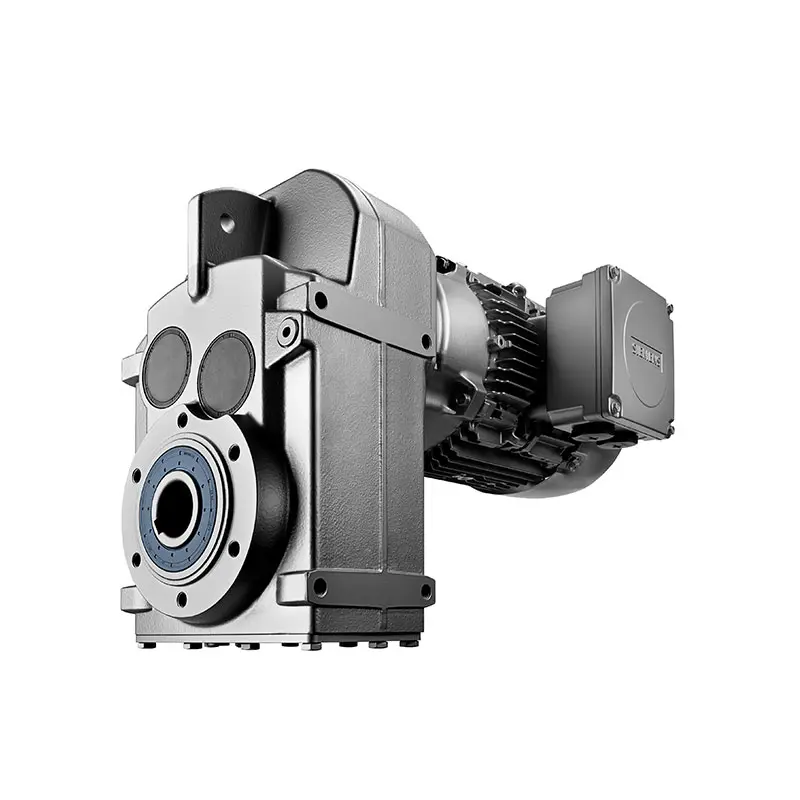 SIEMENS Parallel Shaft Gearmotor
 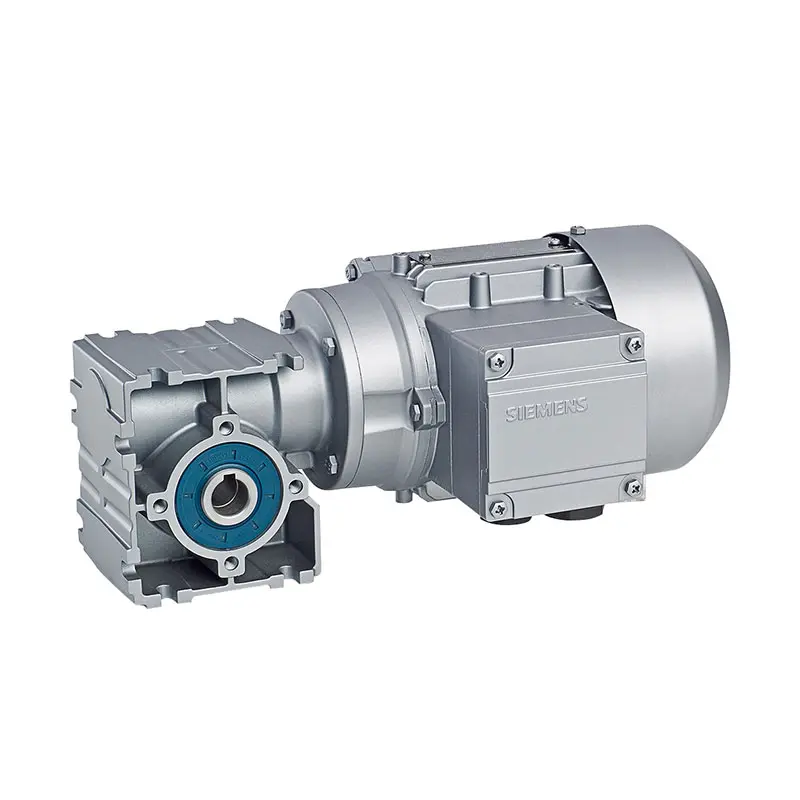 SIEMENS Worm Gearmotor Low Voltage
 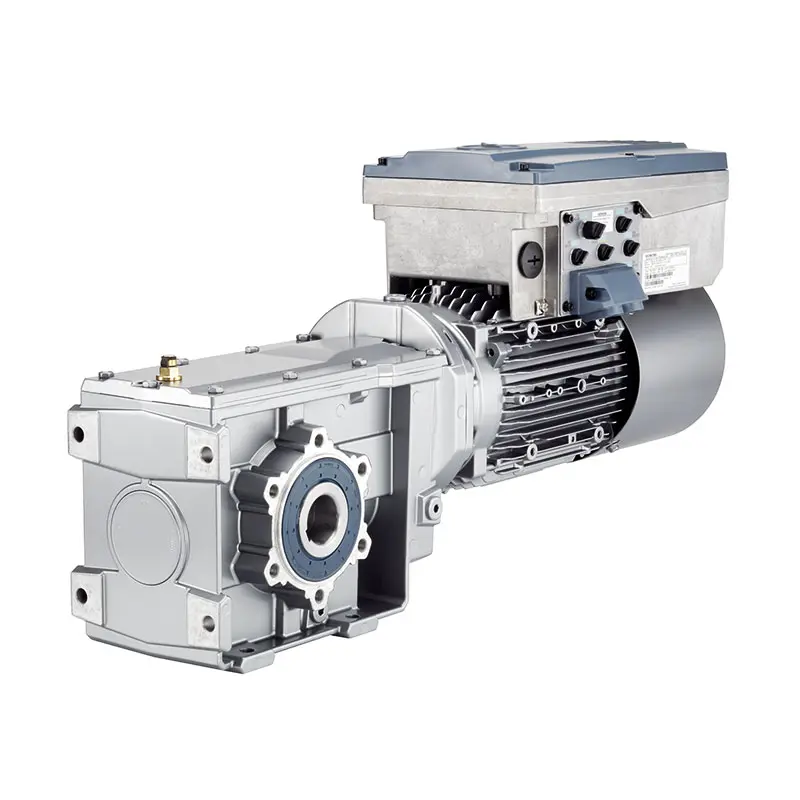 SIEMENS With Servo Motor Gearmotor
 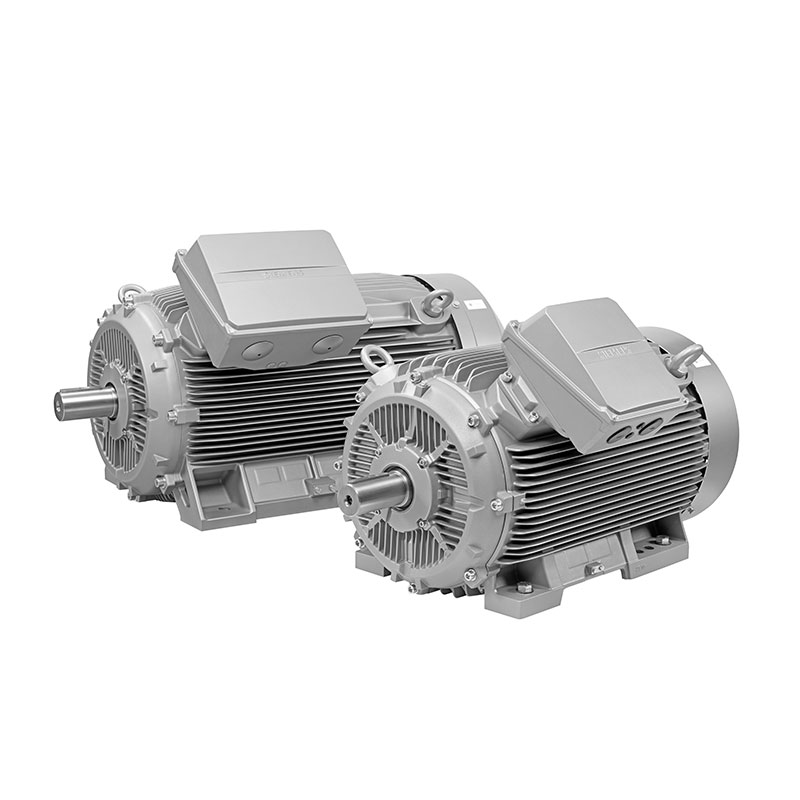 SIEMENS Low Voltage Motor Low Voltage
 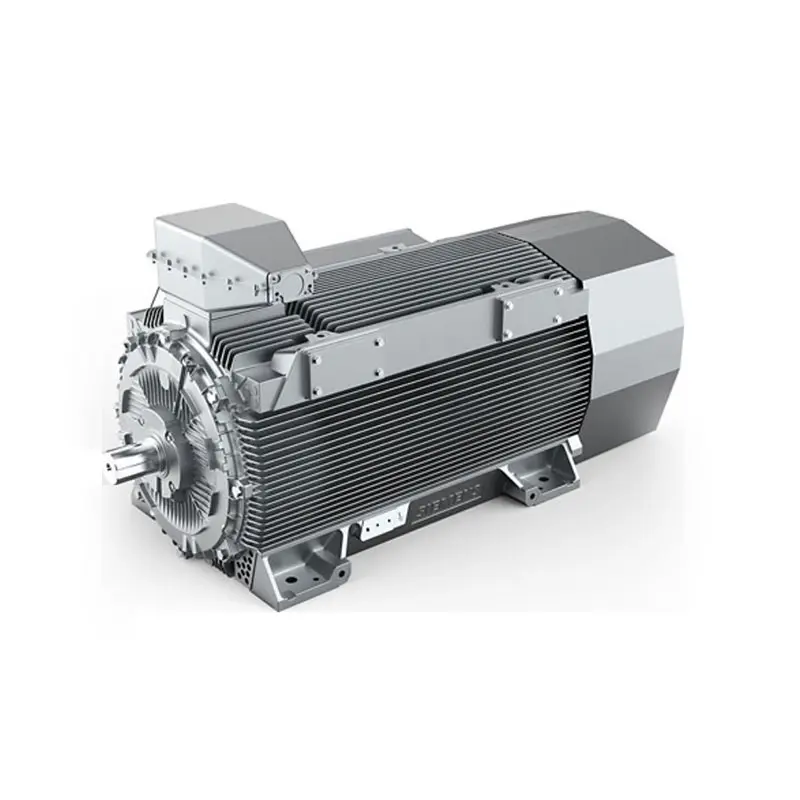 SIEMENS High Voltage Motor Low Voltage
  SIEMENS Marine Motor Low Voltage
 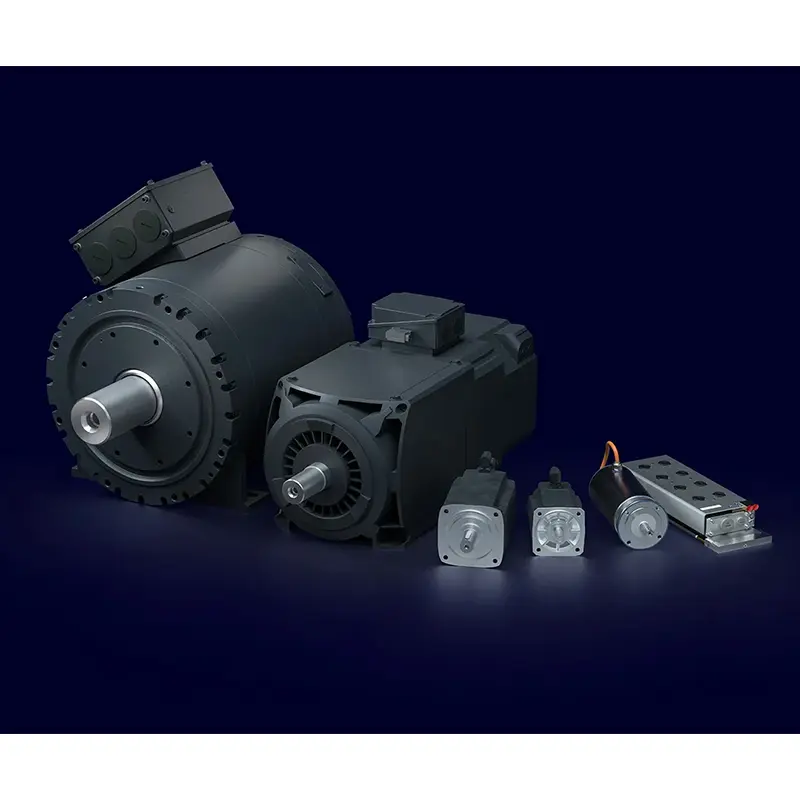 SIEMENS Servo Motor Low Voltage
 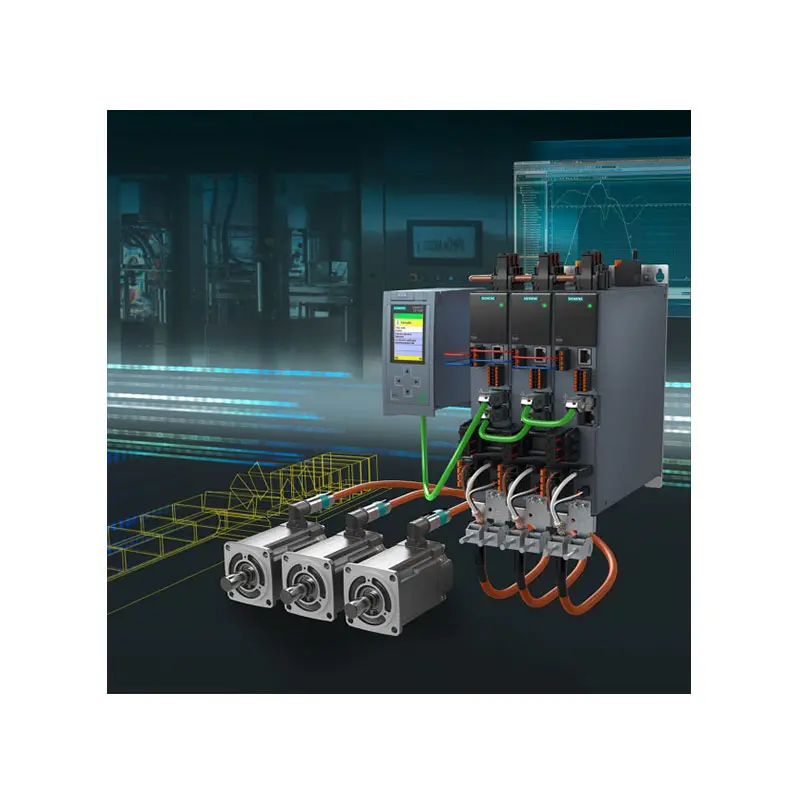 SIEMENS SINAMICS S210 Low Voltage
 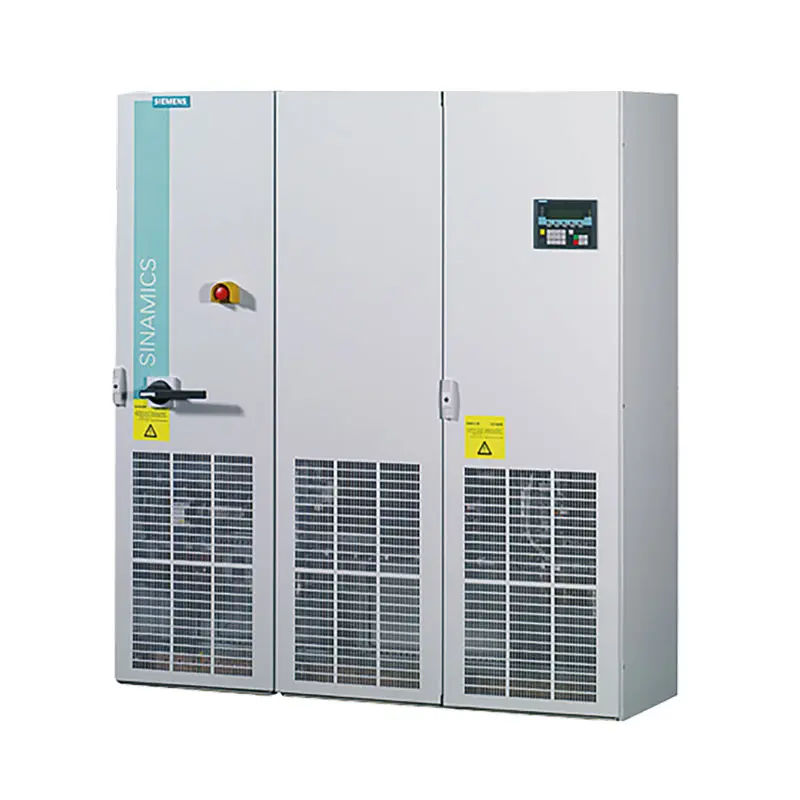 SIEMENS SINAMICS S150 Low Voltage
 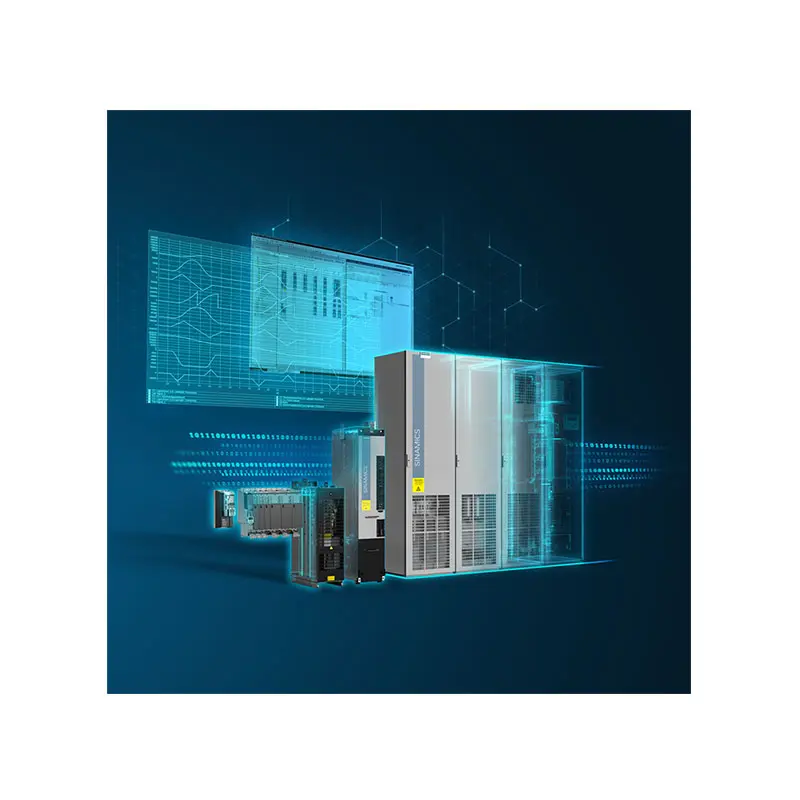 SIEMENS SINAMICS S120 Low Voltage
 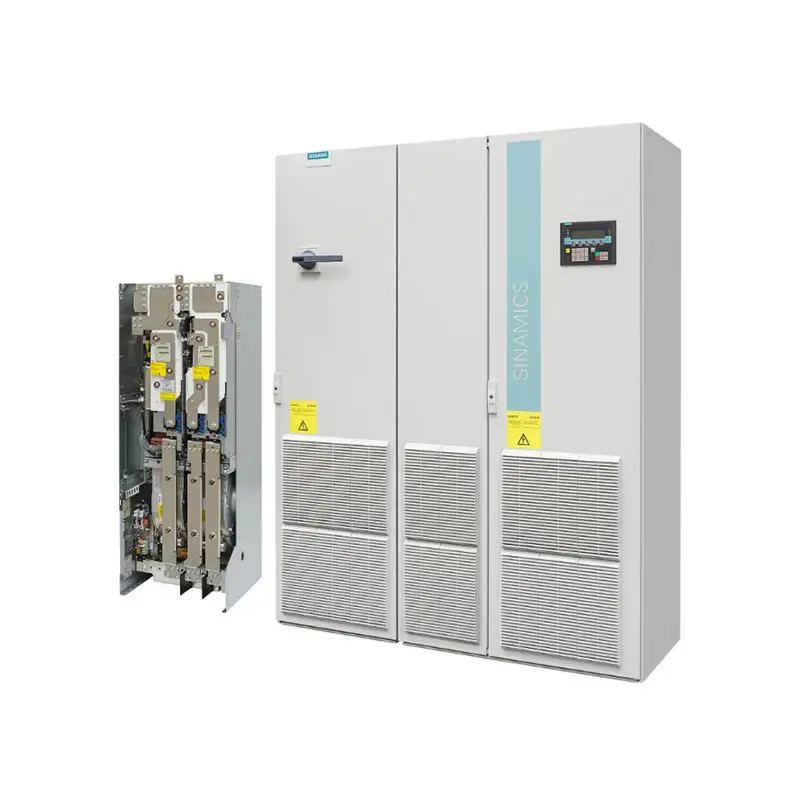 SIEMENS SINAMICS G130/G150
 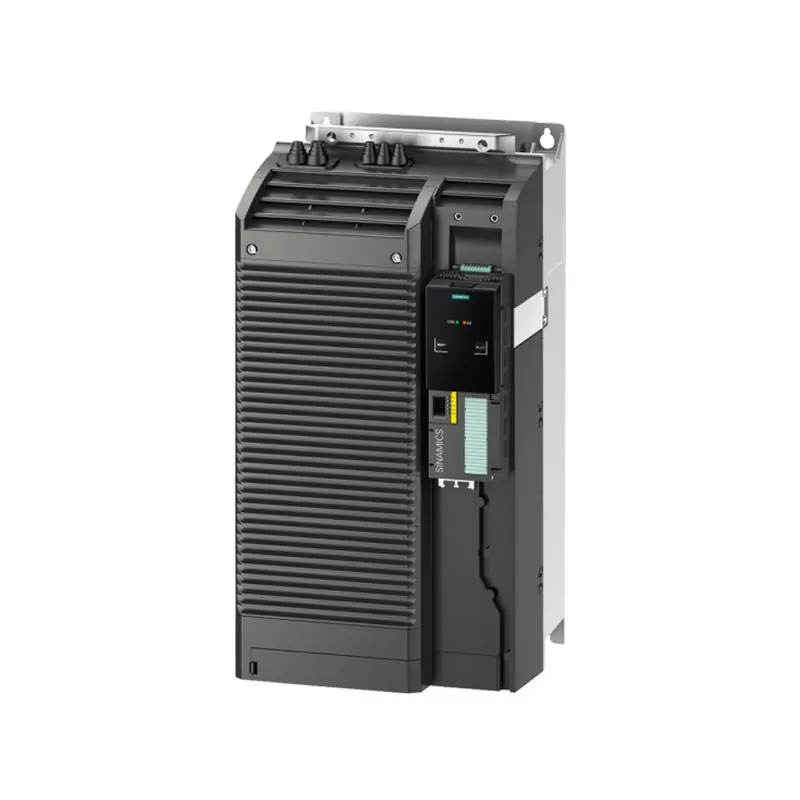 SIEMENS SINAMICS G120 Low Voltage
 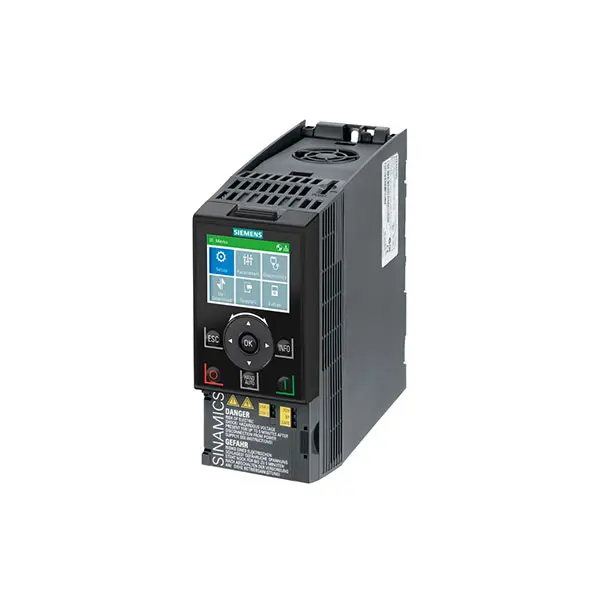 SIEMENS SINAMICS G120C Low Voltage
 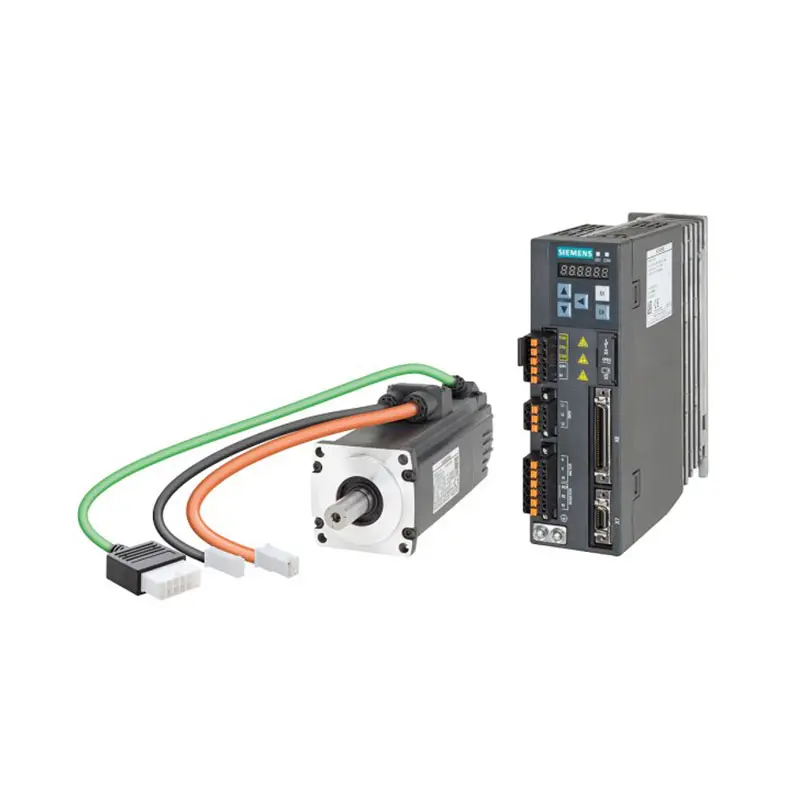 SIEMENS SINAMICS V90
 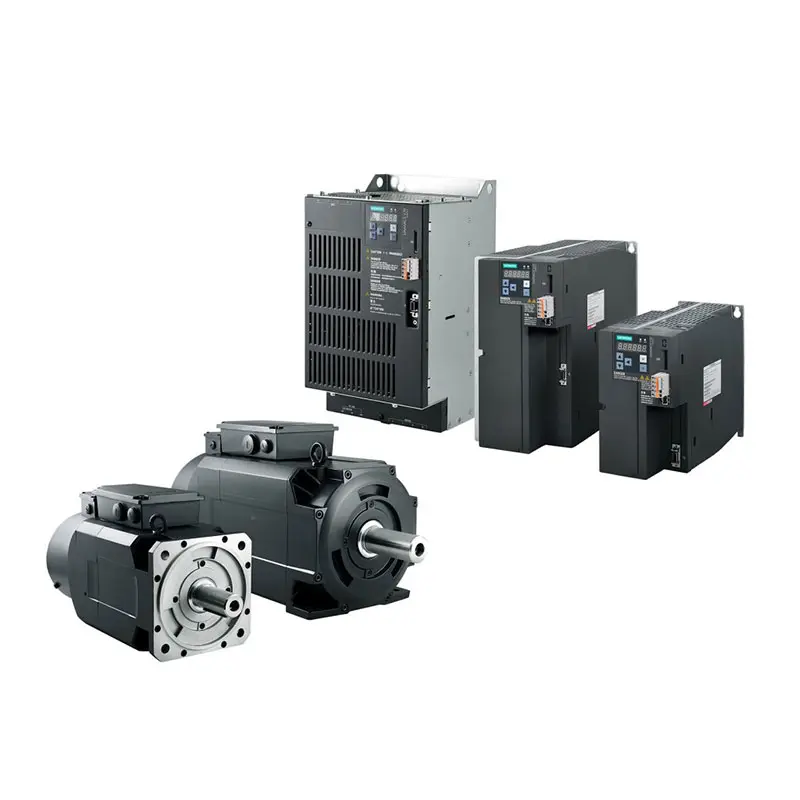 SIEMENS SINAMICS V70 Low Voltage
 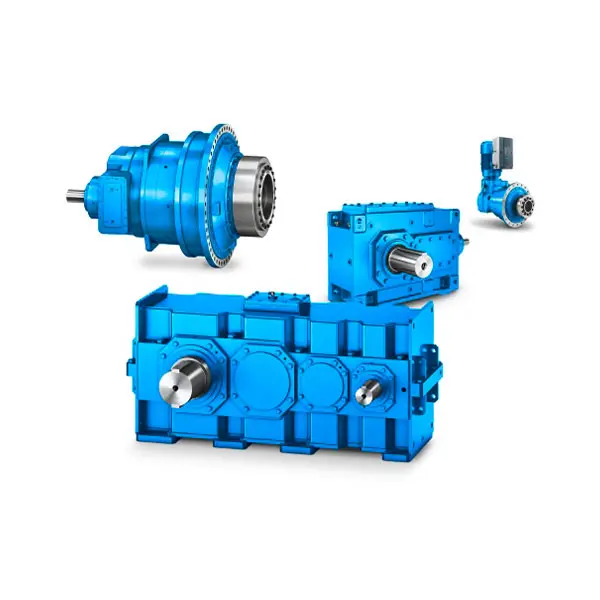 FLENDER Gear Unit
 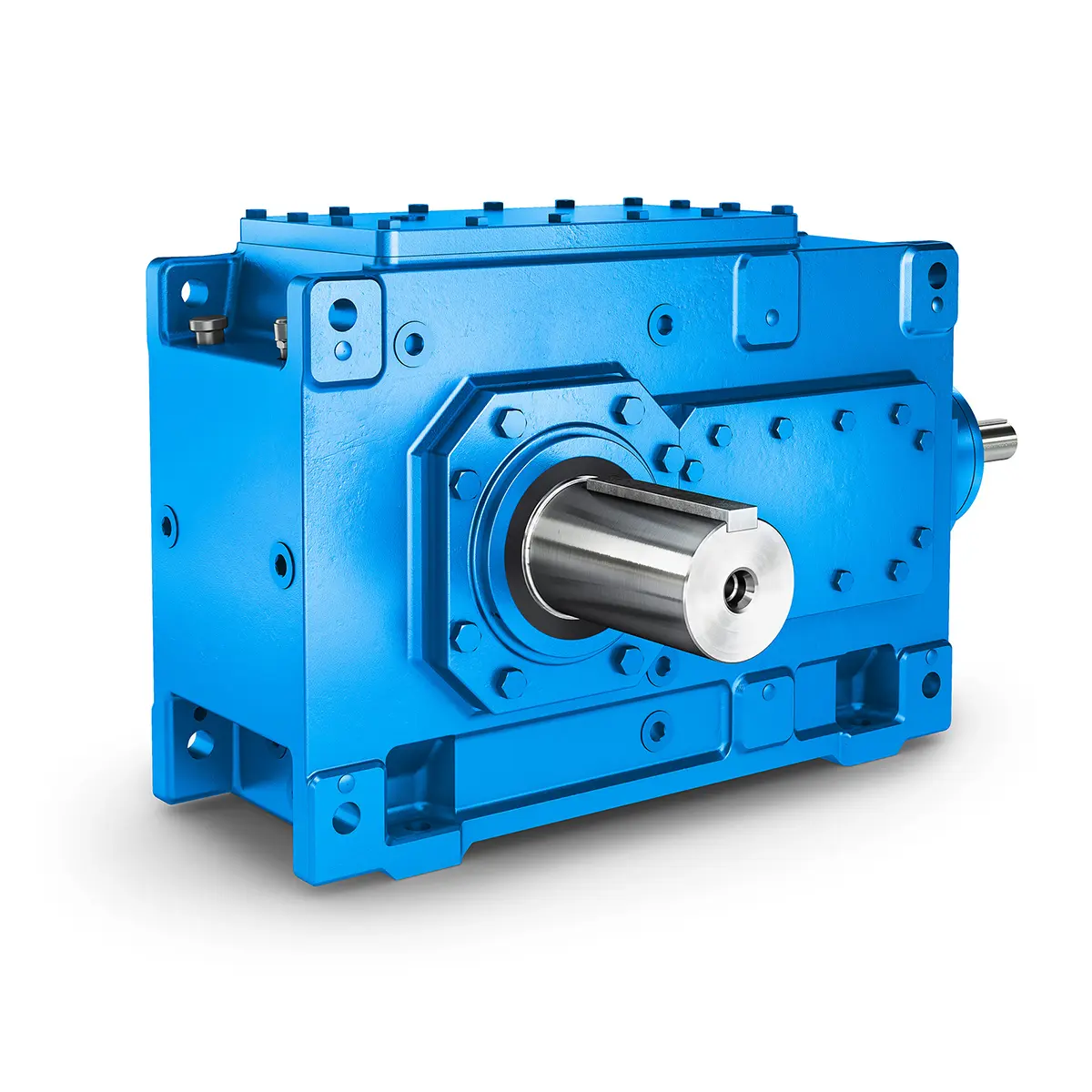 FLENDER Helical Gear Unit
 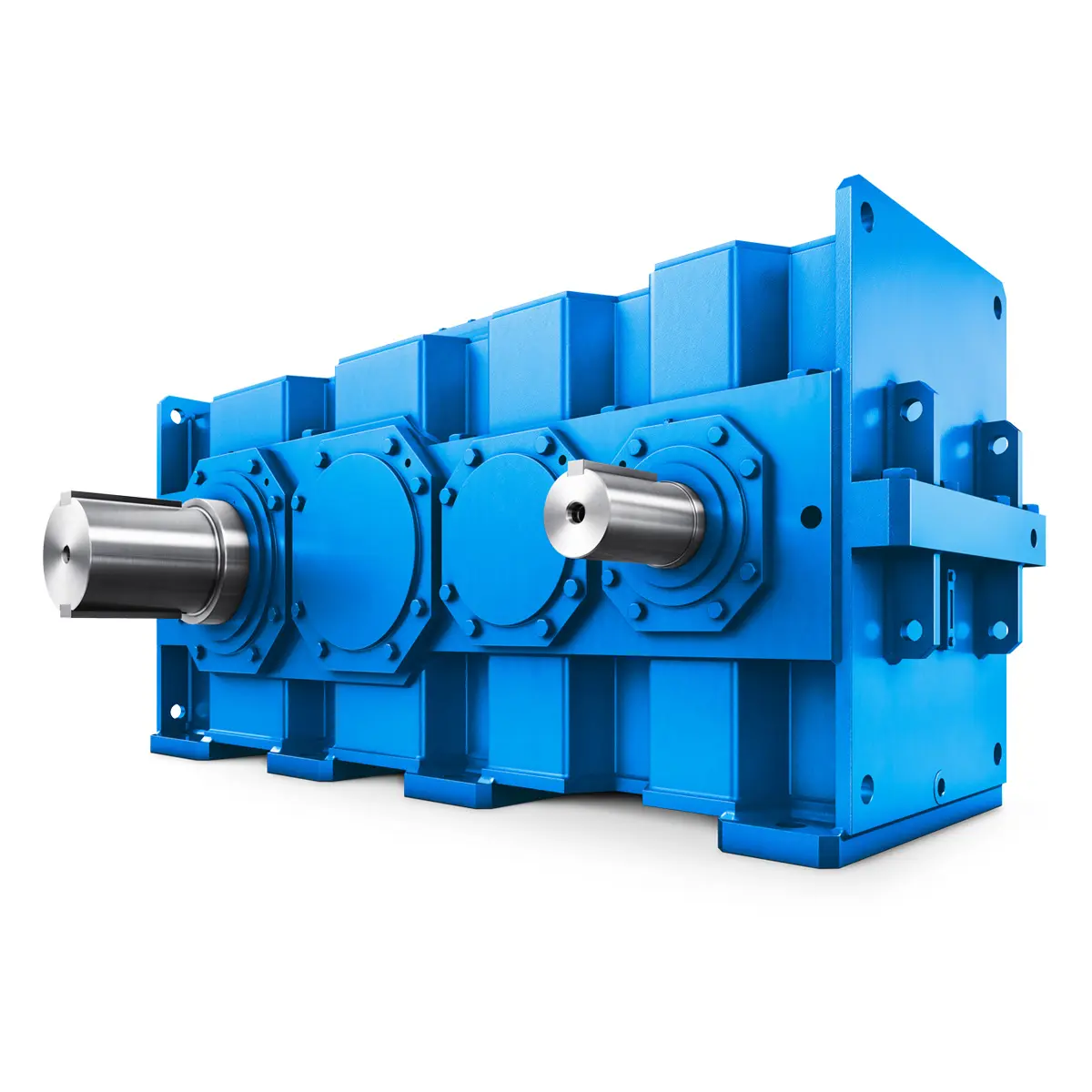 Flender gear units for lifting and luffing gears
 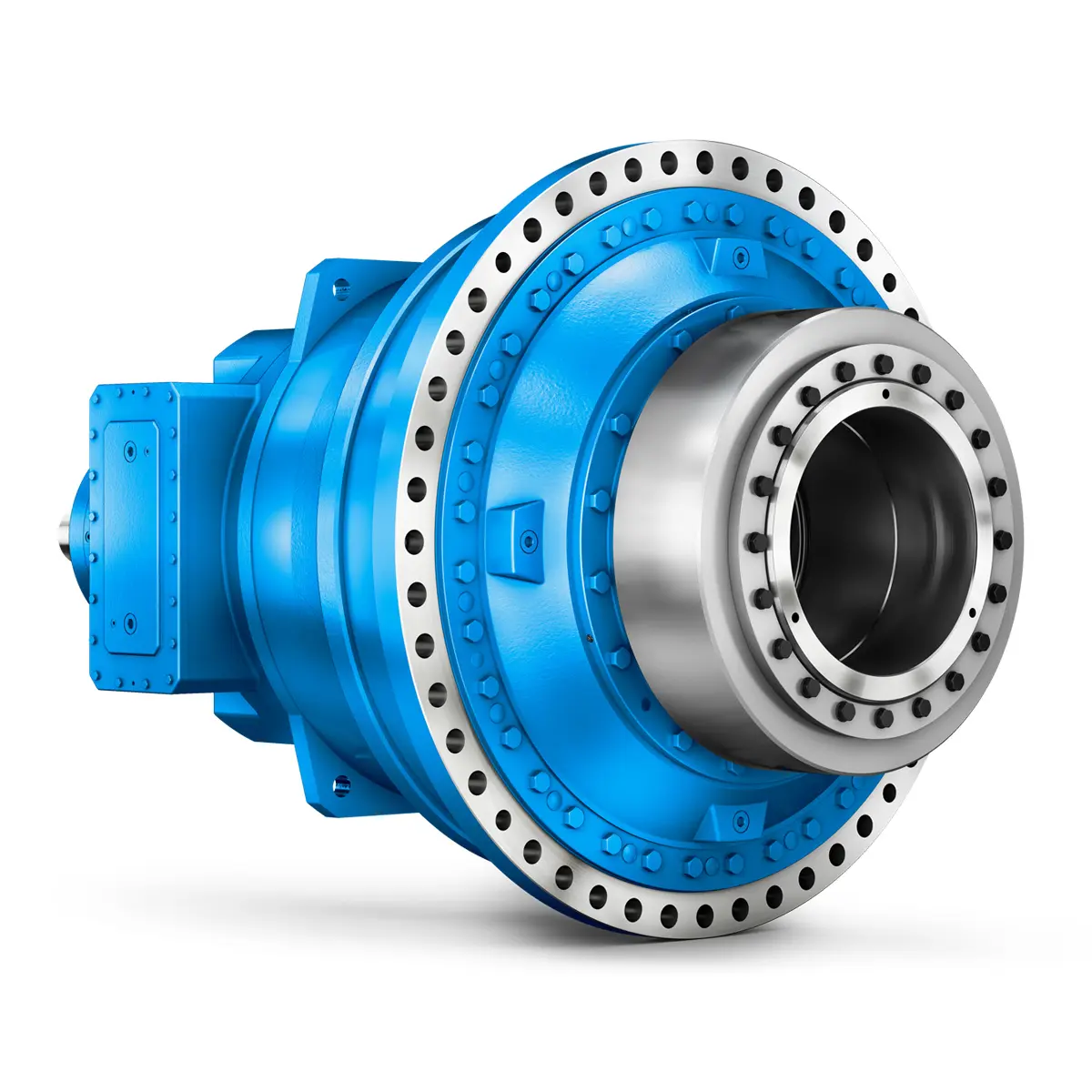 FLENDER Gear Unit gearunit gearbox
 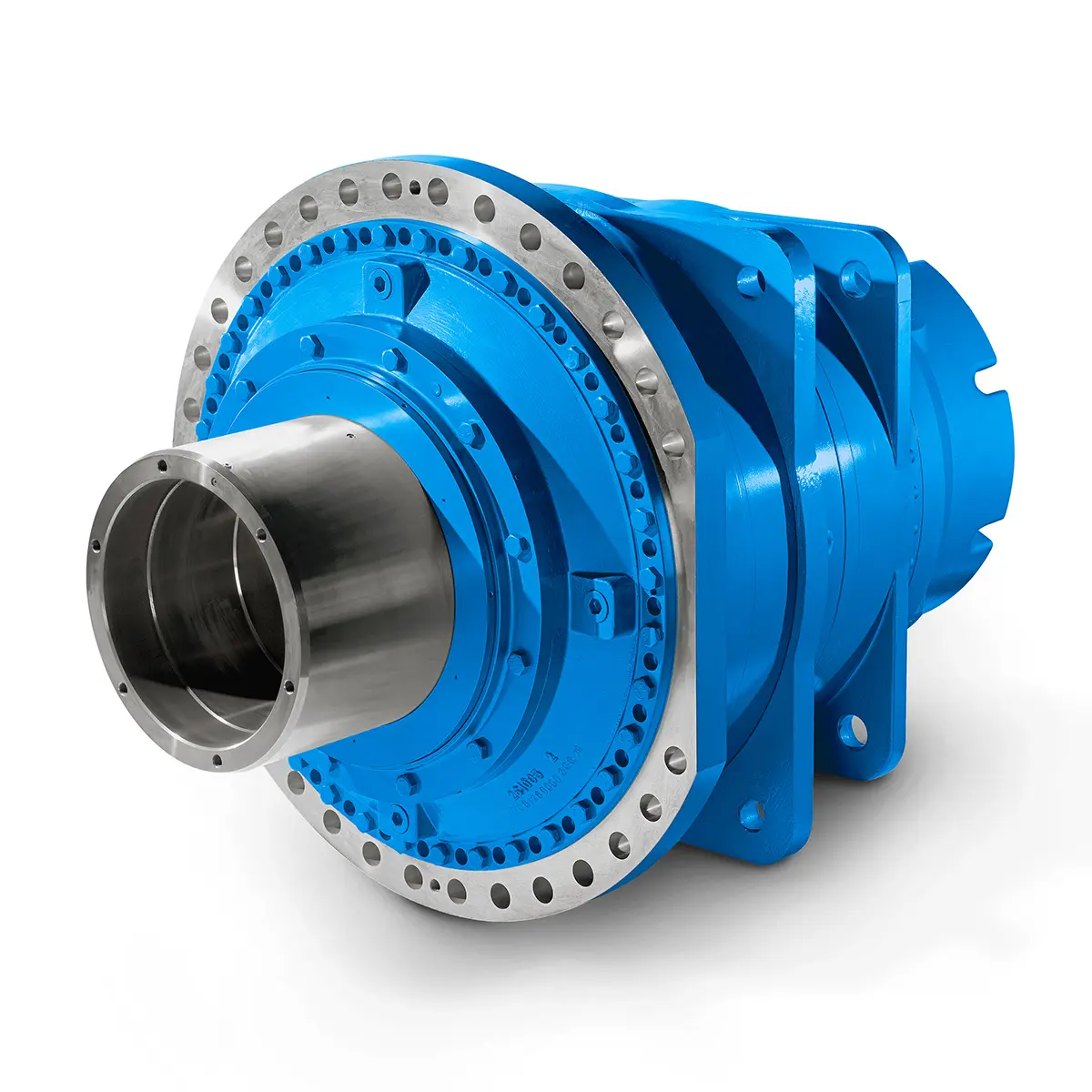 Optimal Drive Solution For Maximum Performance
  Strongly operating against biodegradable constituents
 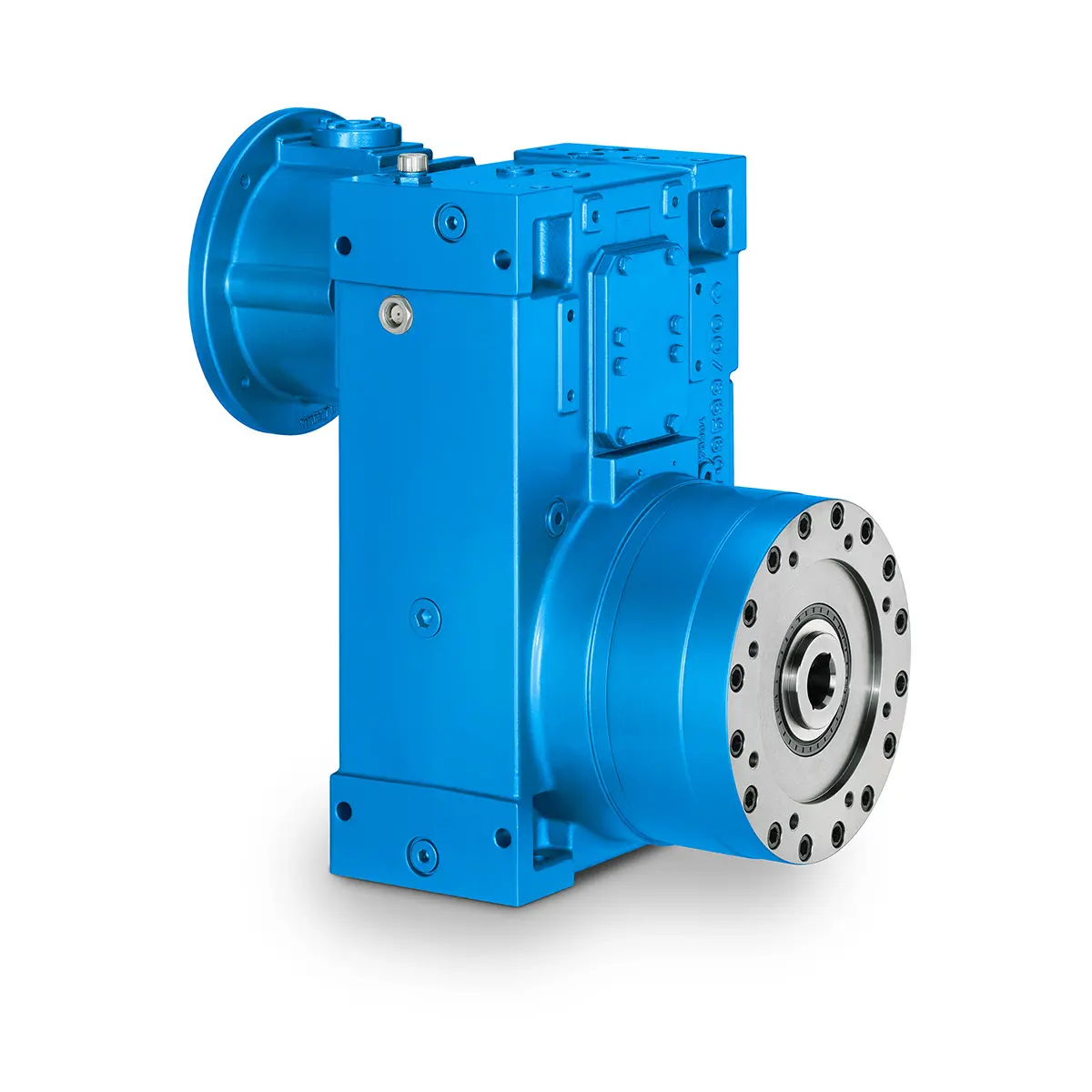 SINGLE SCREW Special industry dedicated gearunit gearbox
 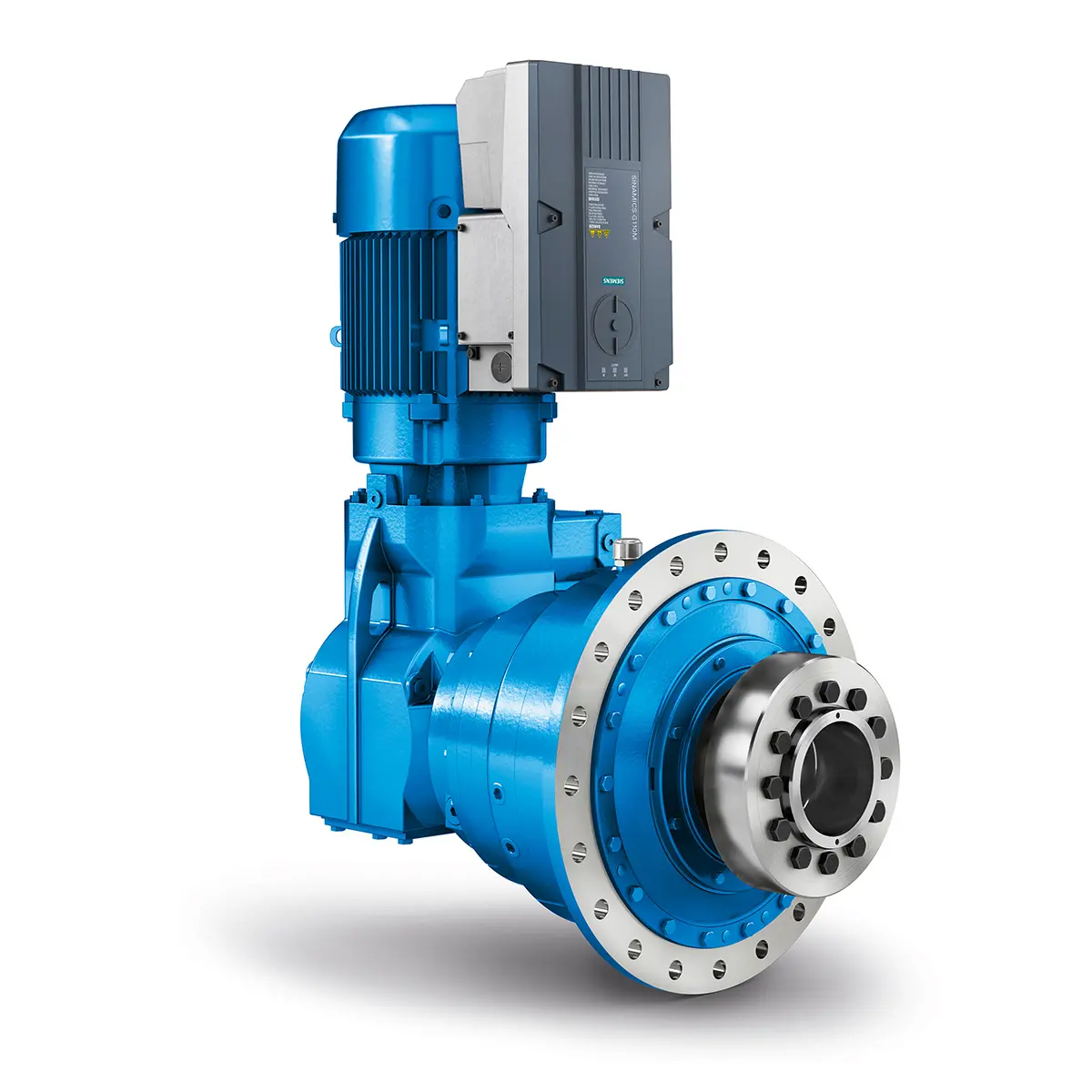 Playmaker In The Premium League
 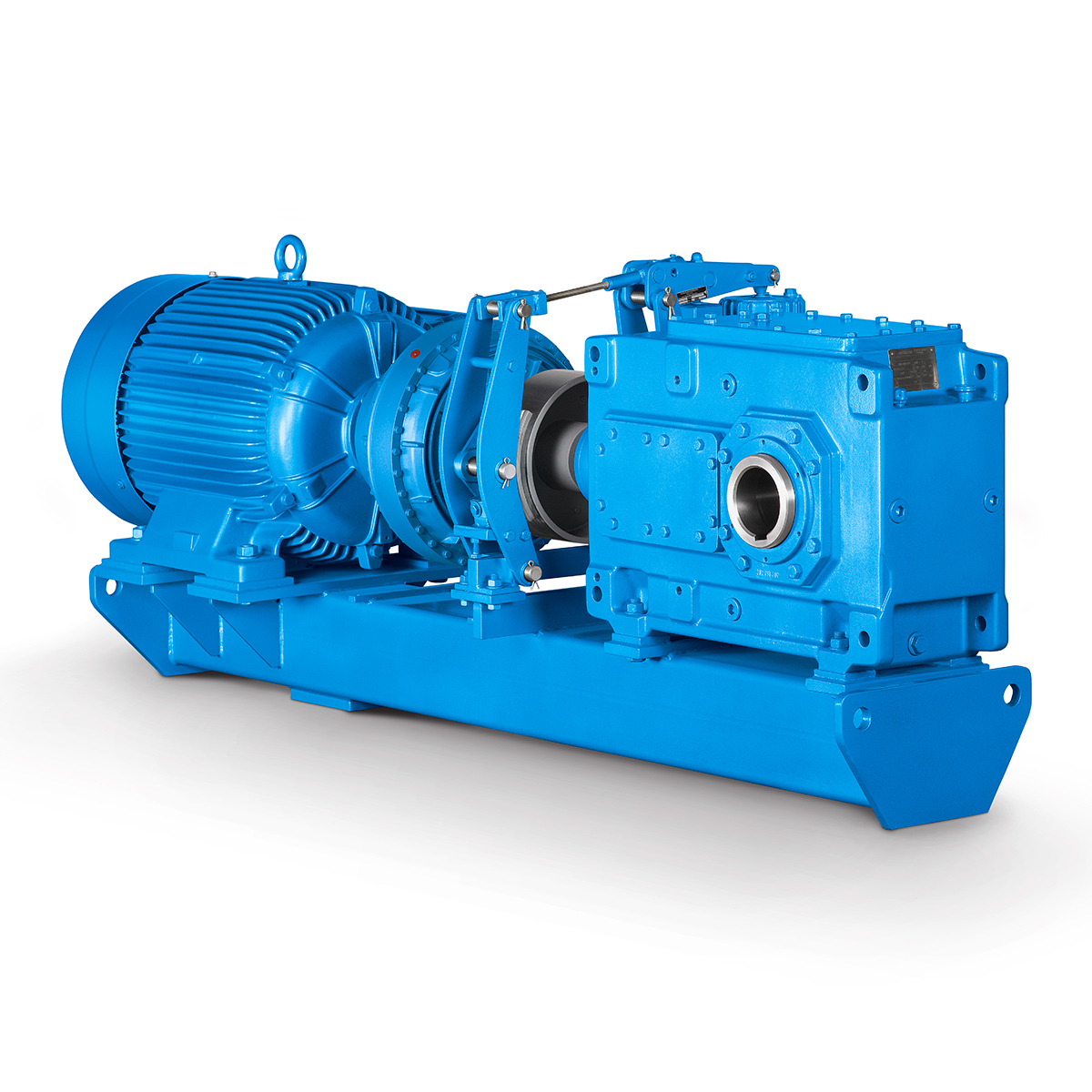 Conveyor belts gearunit gearbox
 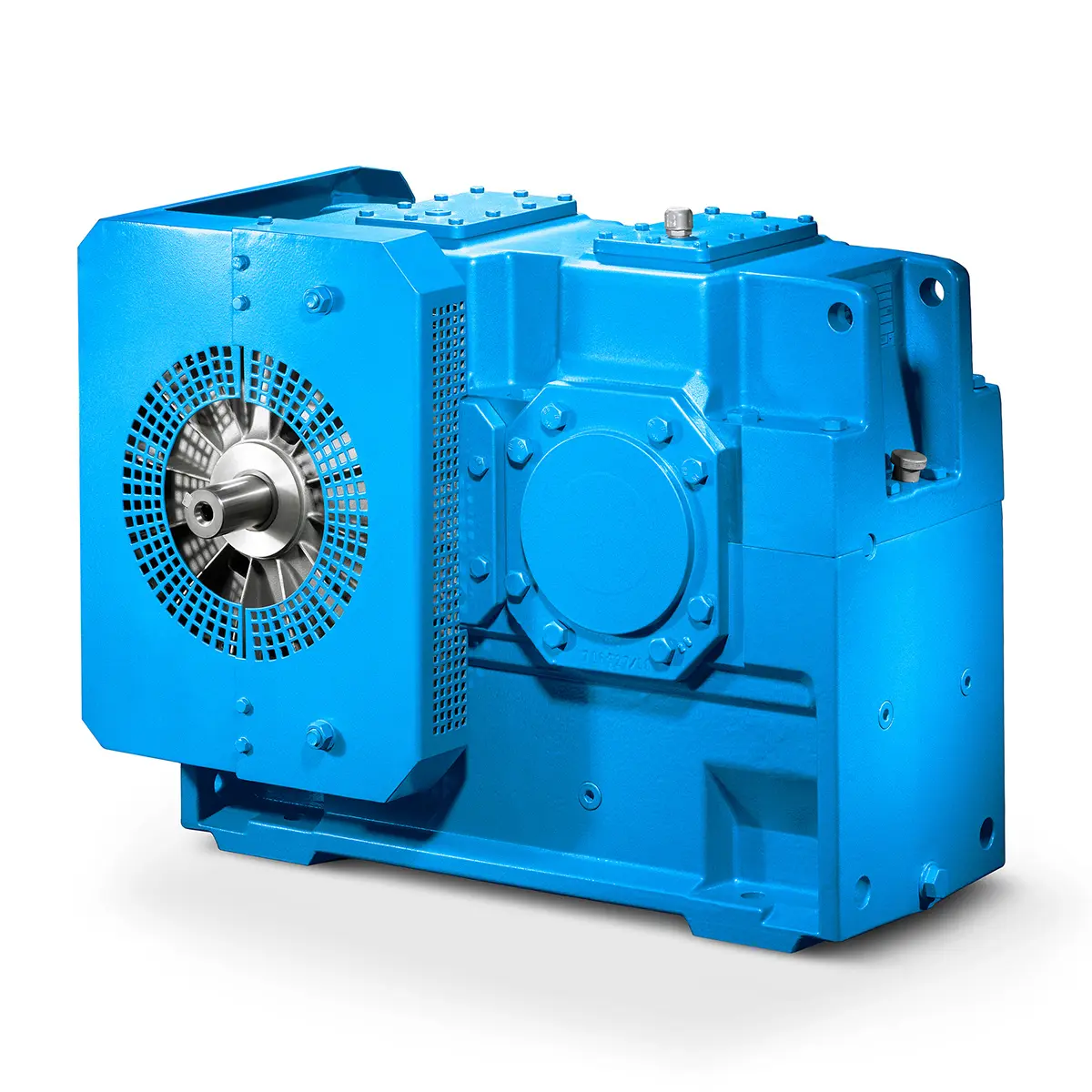 Paper And Pulp Preparation Sections
 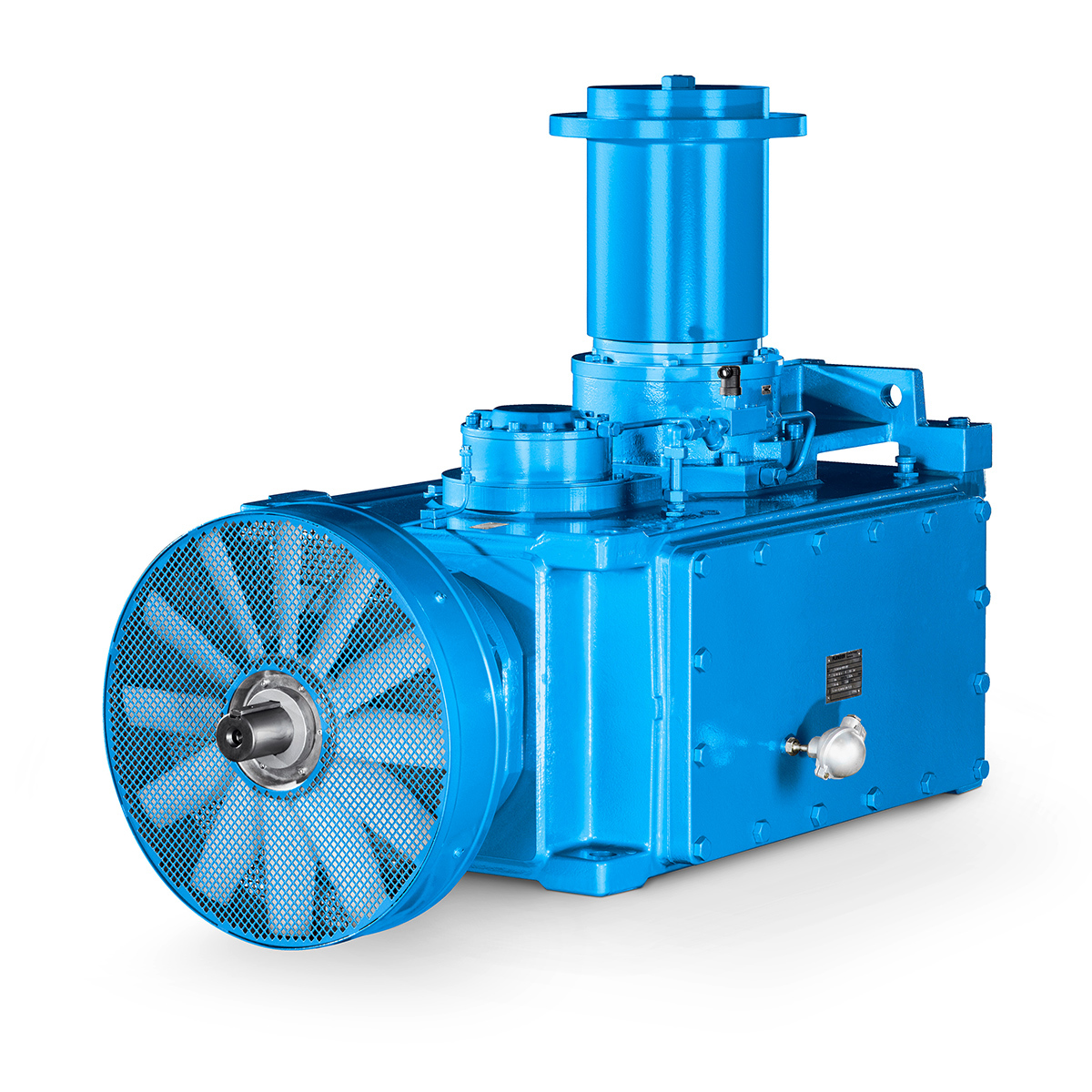 Operational Reliability Even In Case Of The Highest Ventilation Forces
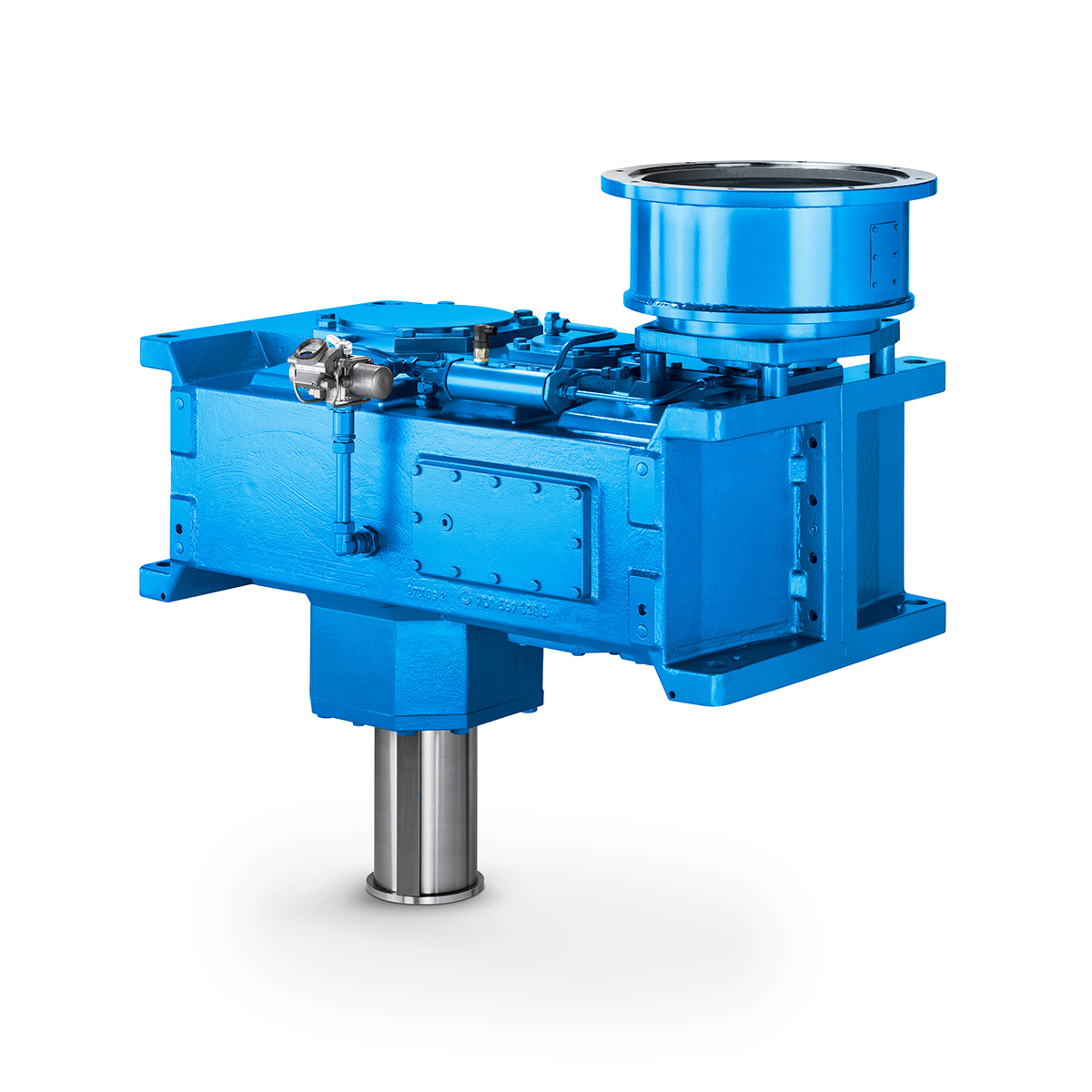
 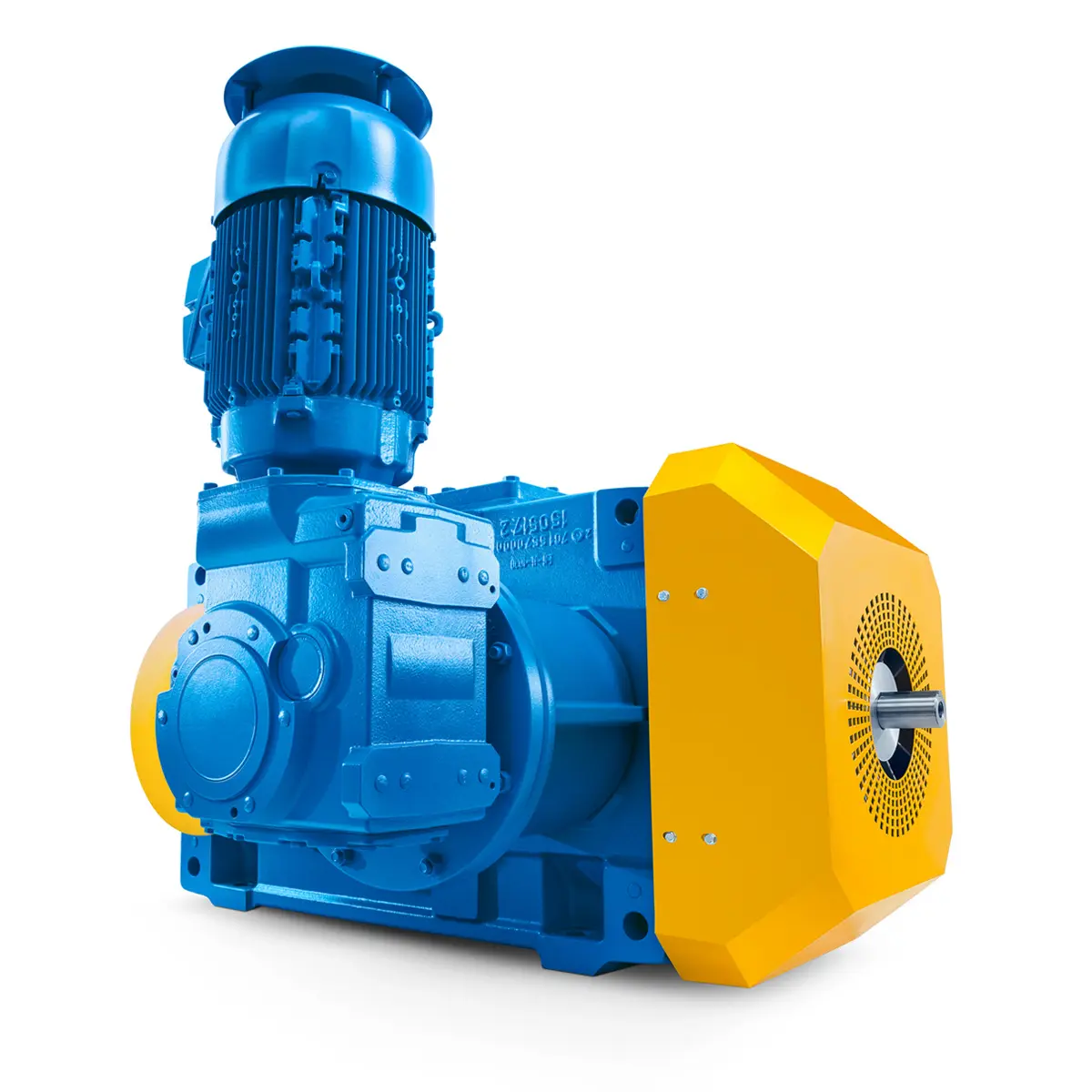 Reliable Gear Units For High Performance Vertical Conveyors 59/200
 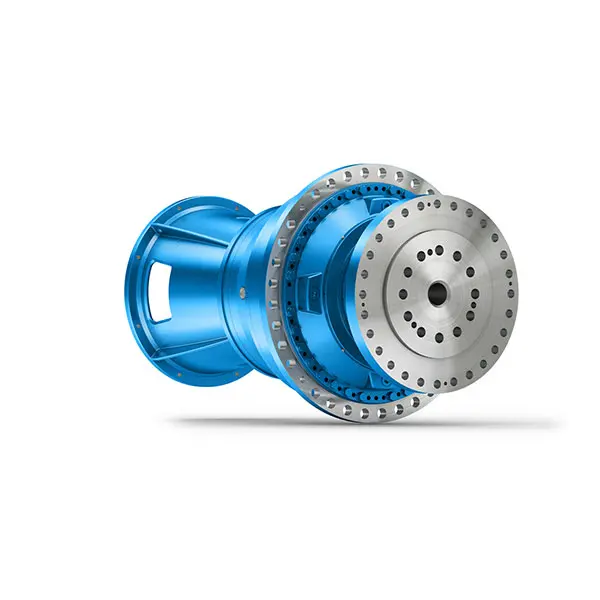 Maximum power density – PLANUREX 3 L individual drives for your sugar cane mill
 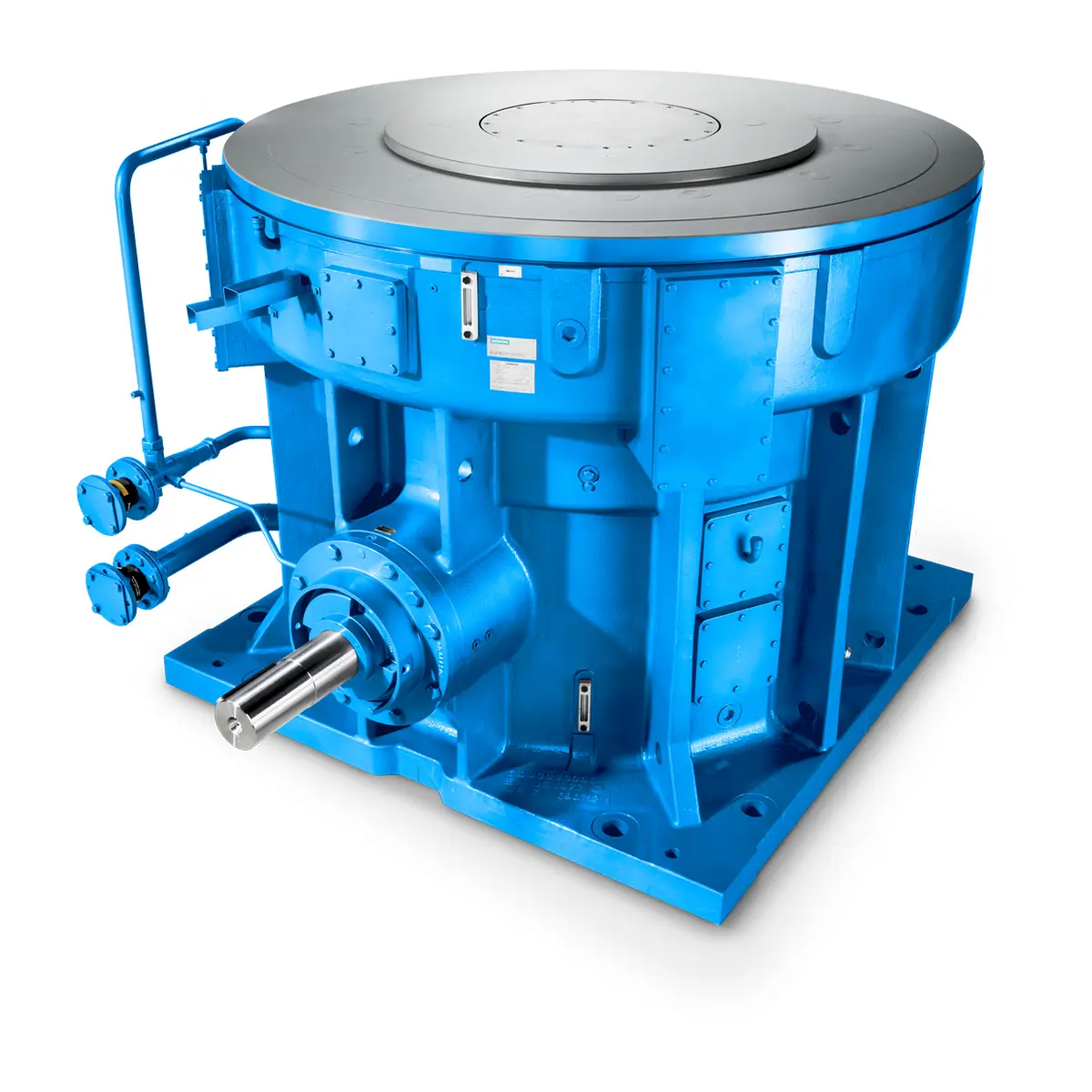 The proven all rounder gearunit gearbox
 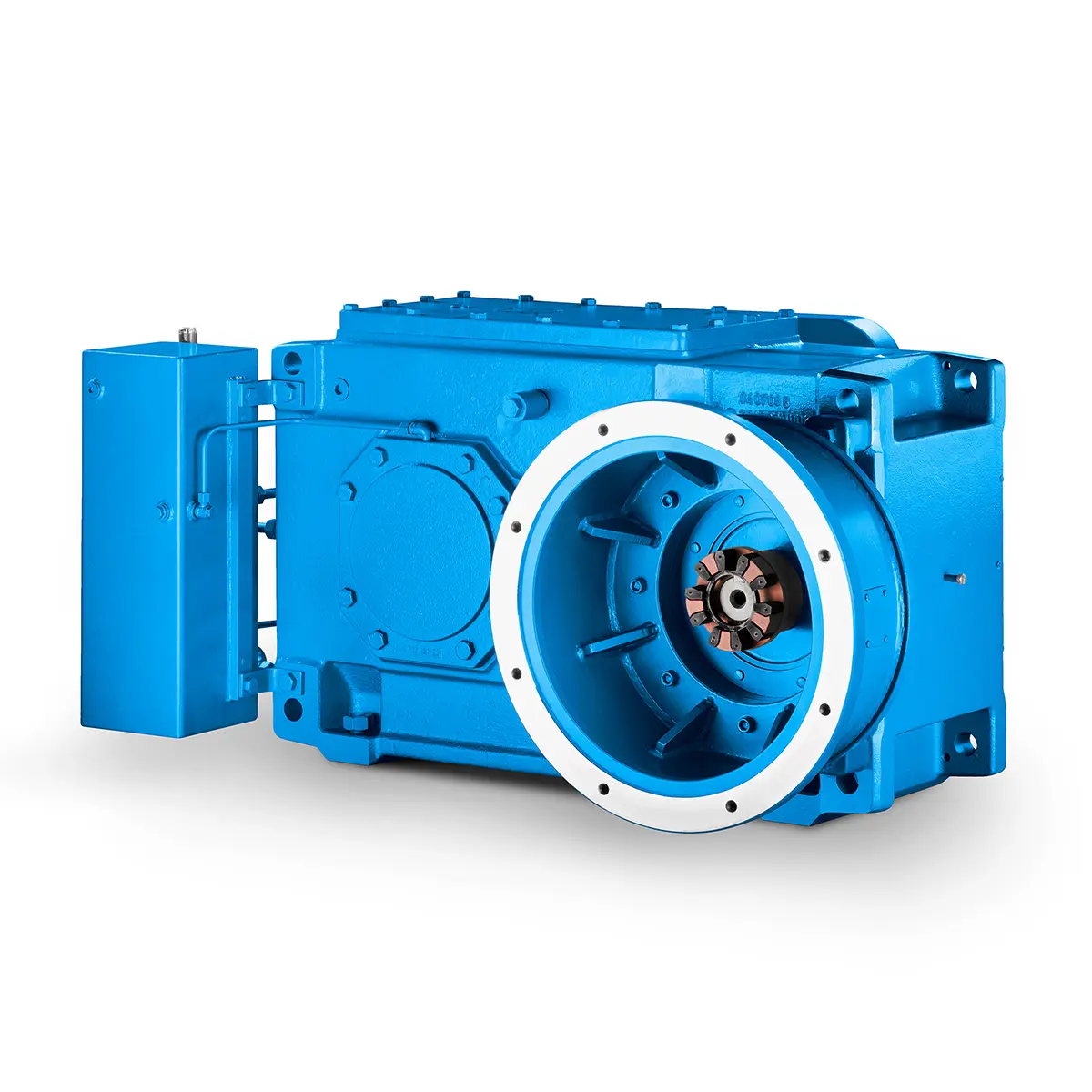 Stirs and stirs and stirs gearunit gearbox
 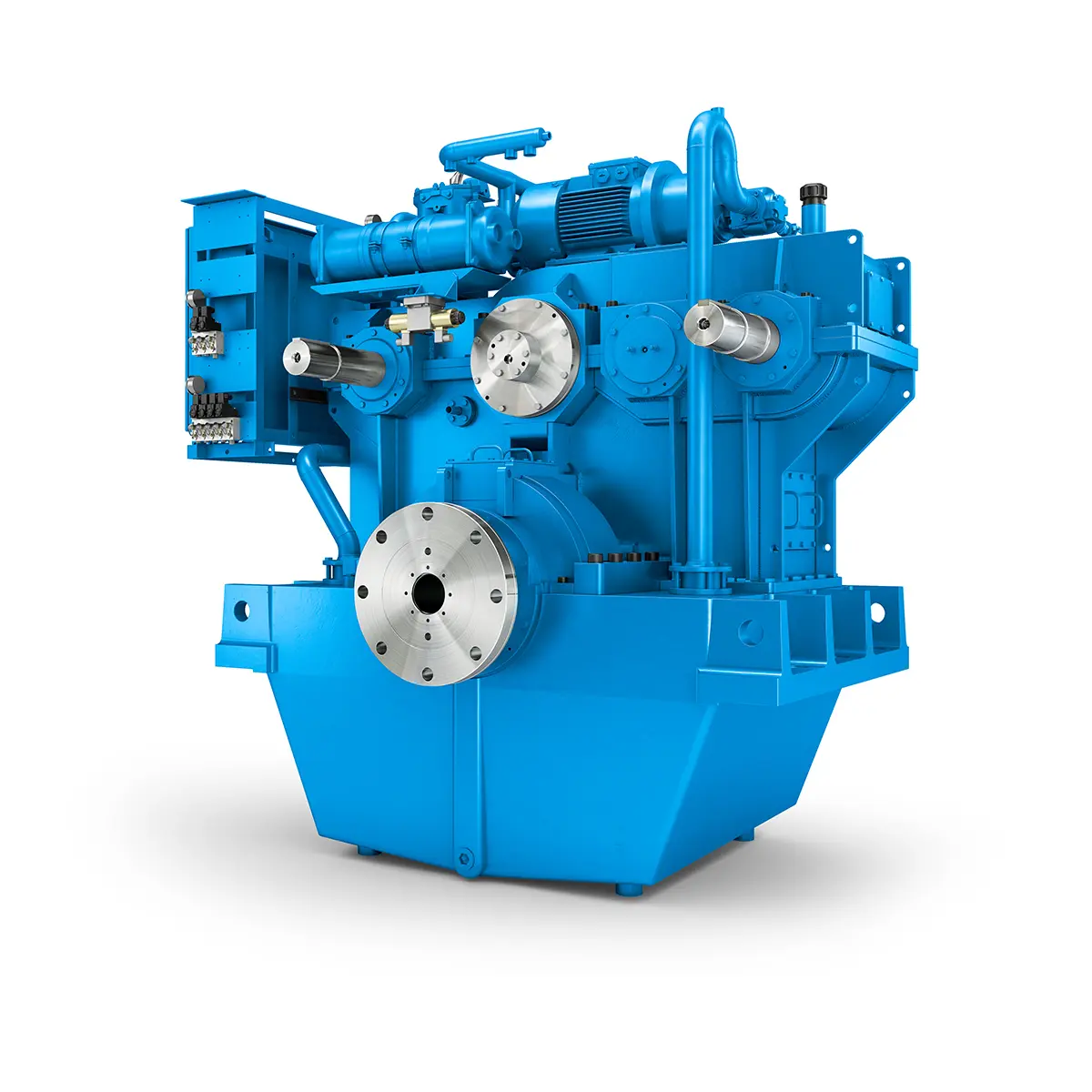 Flexibility on Board gearunit gearbox
 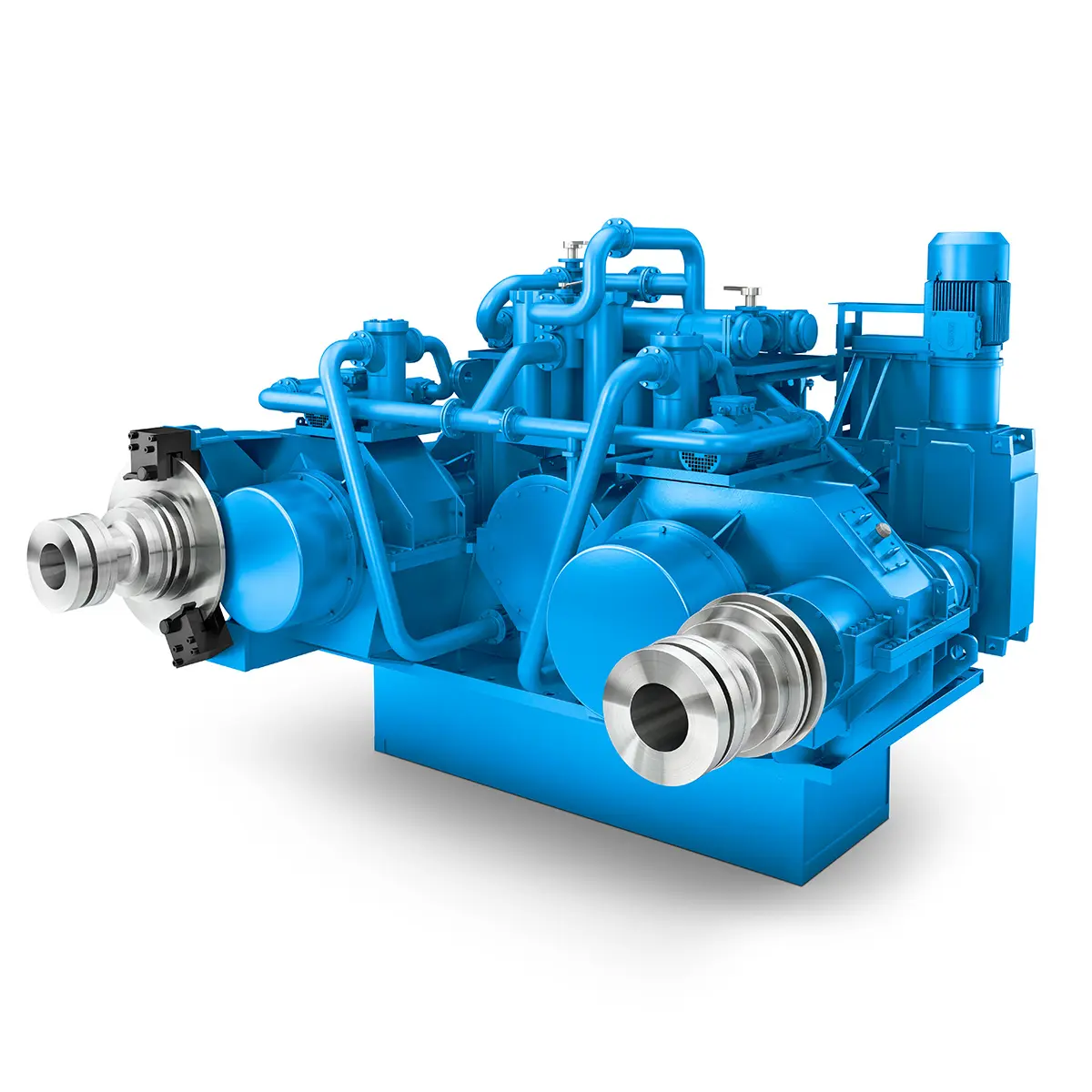 The right gearbox for all Multi-Engine Ships
 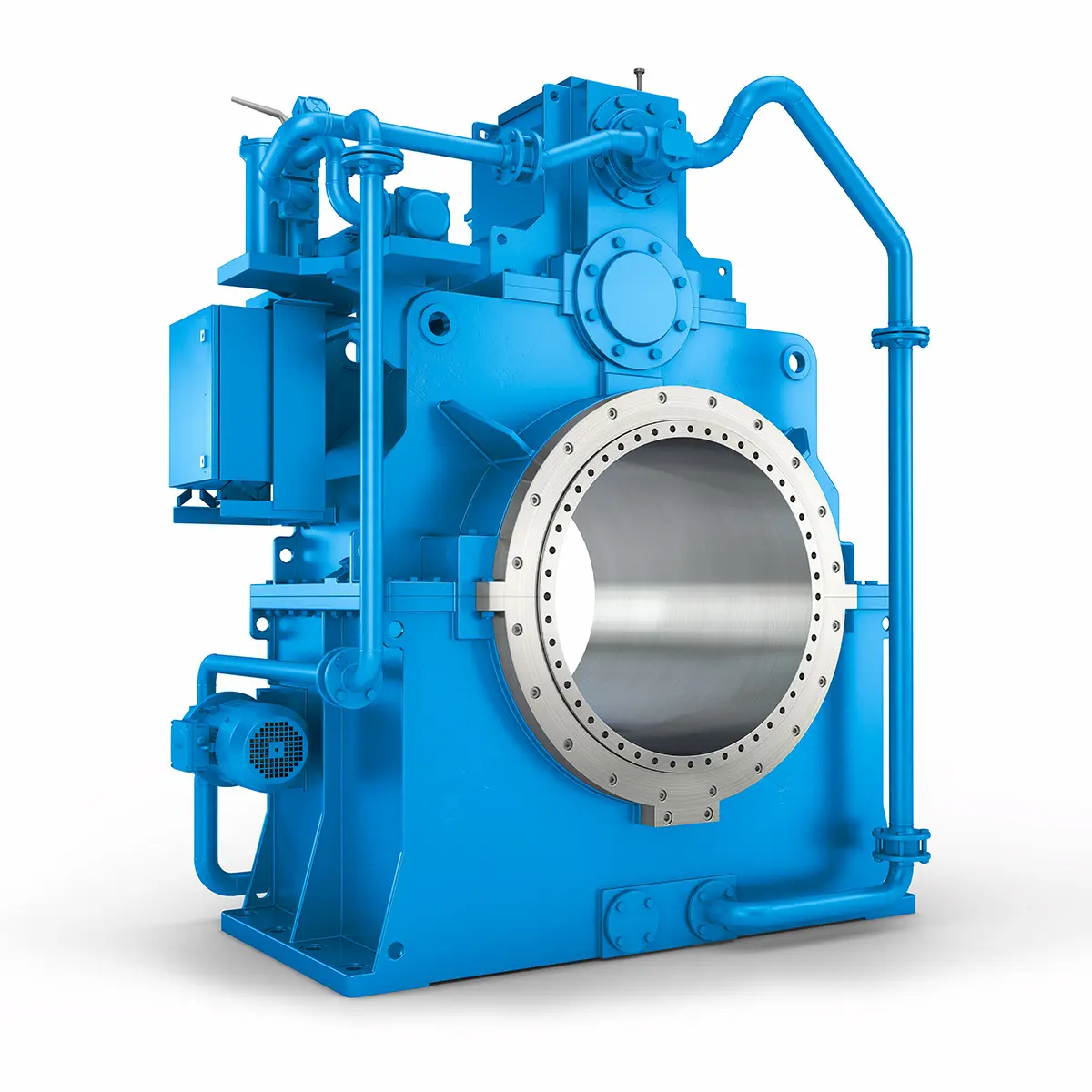 Reliable Power Generation on board
 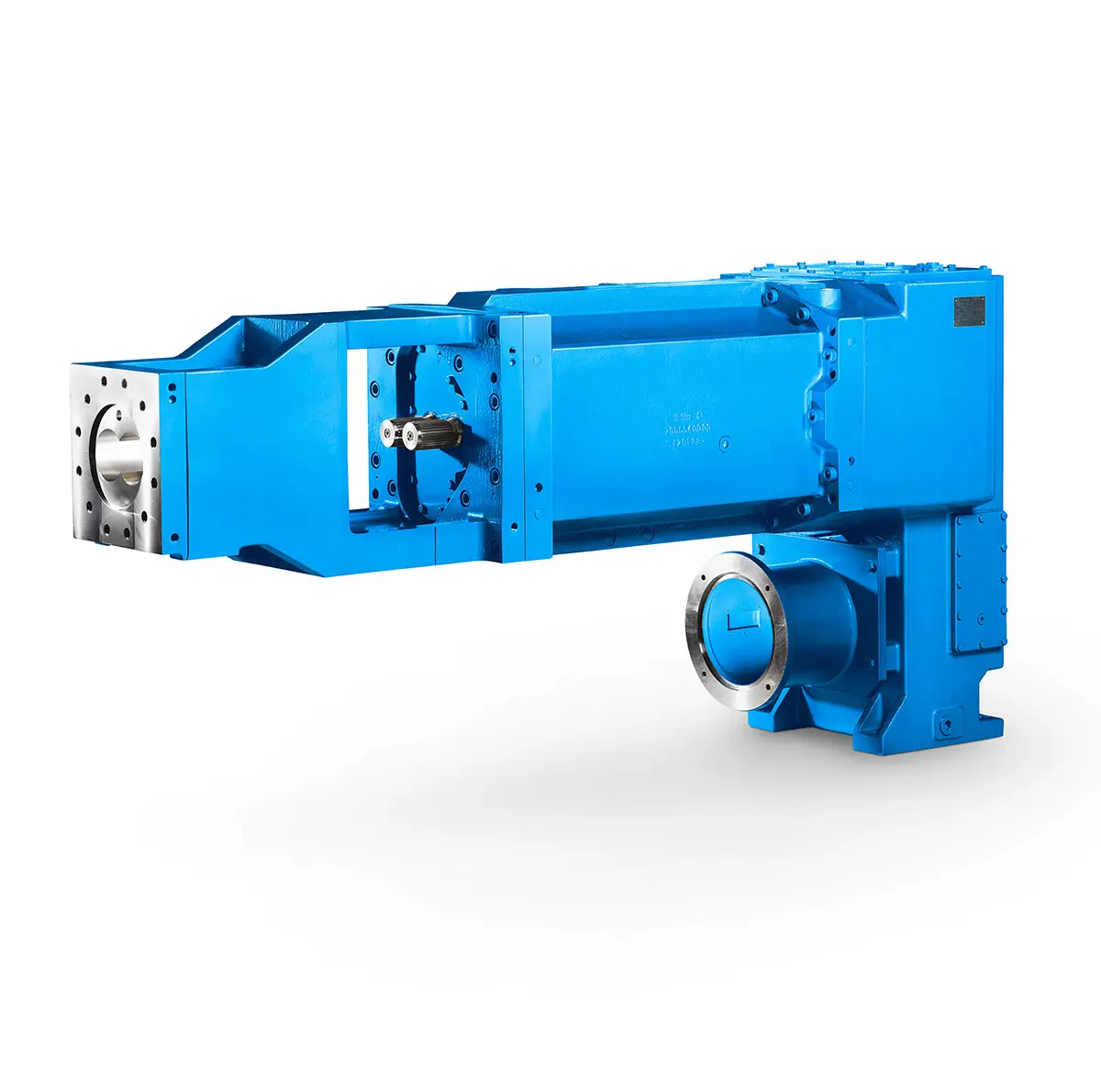 Maximum performance level, fast deliverable
 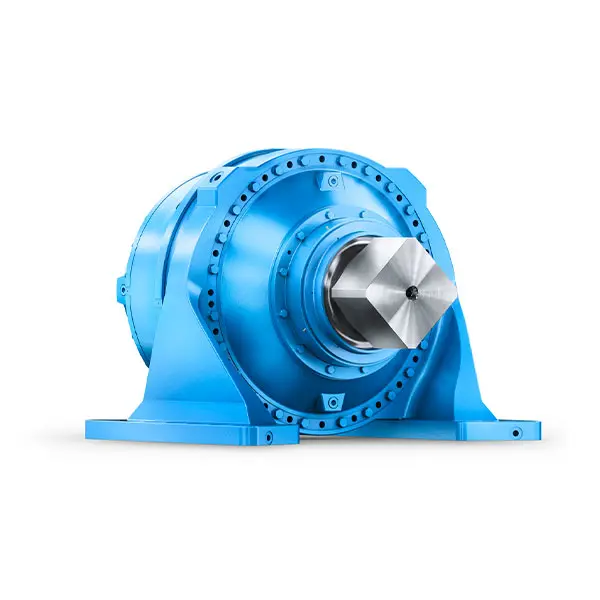 Efficient and compact – FLENDER Gear Units for Sugar Mills
 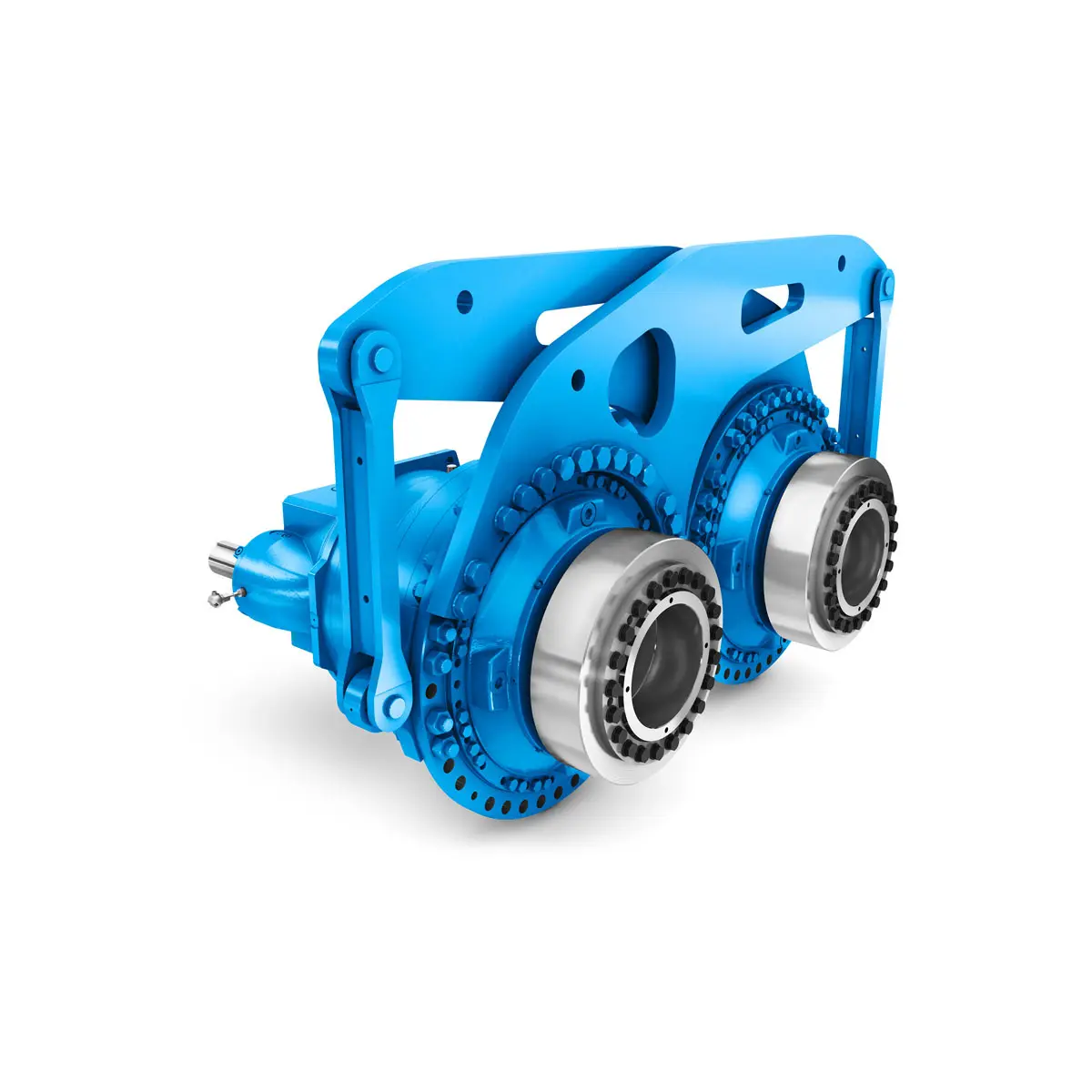 Extremely strong. Extremely compact. Extremely stressable.
 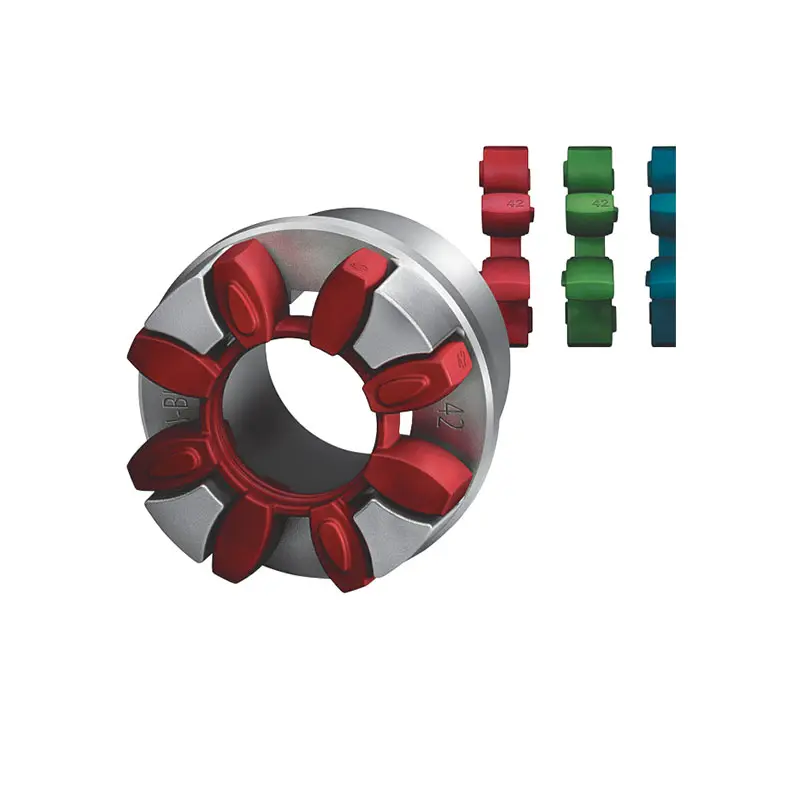 FLENDER Coupling
 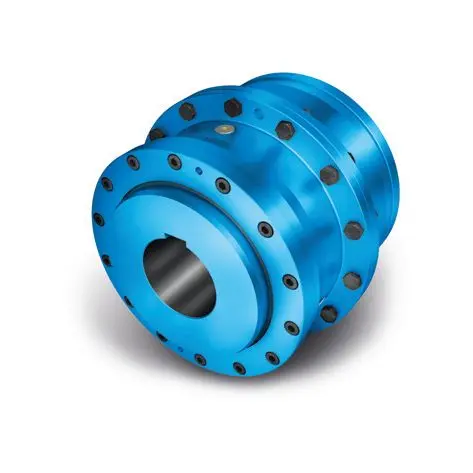 ZAPEX ZW Torsionally Rigid Gear Coupling
 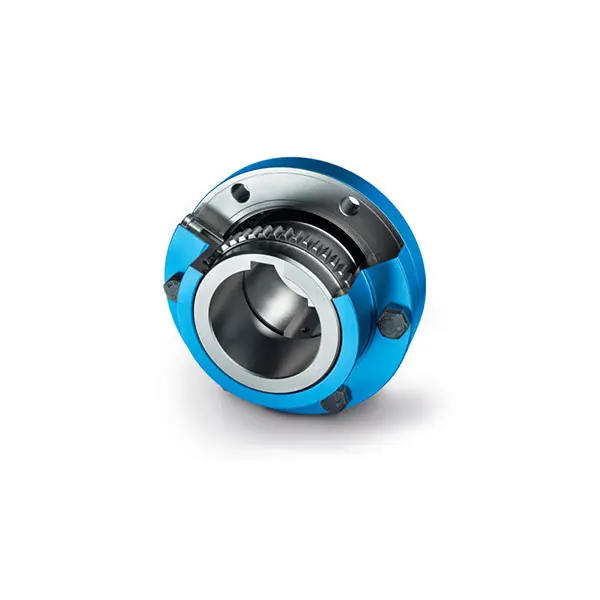 ZAPEX ZN Torsionally Rigid Gear Coupling
 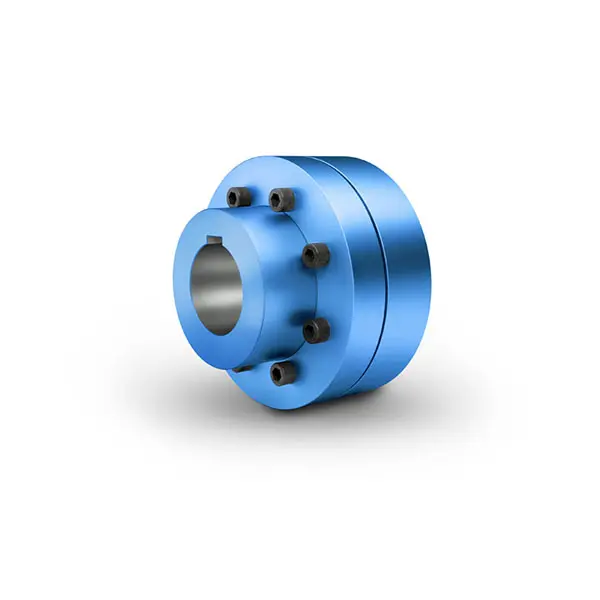 N-EUPEX Flexible high performance Coupling
 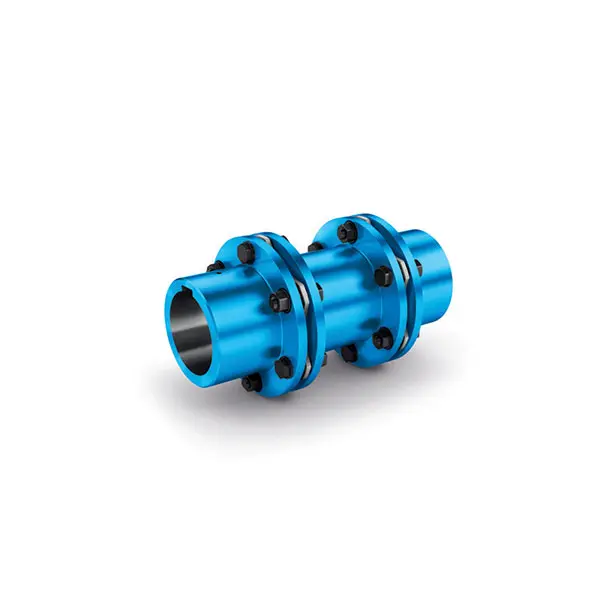 N-ARPEX Torsionally Rigid All-Steel Coupling
 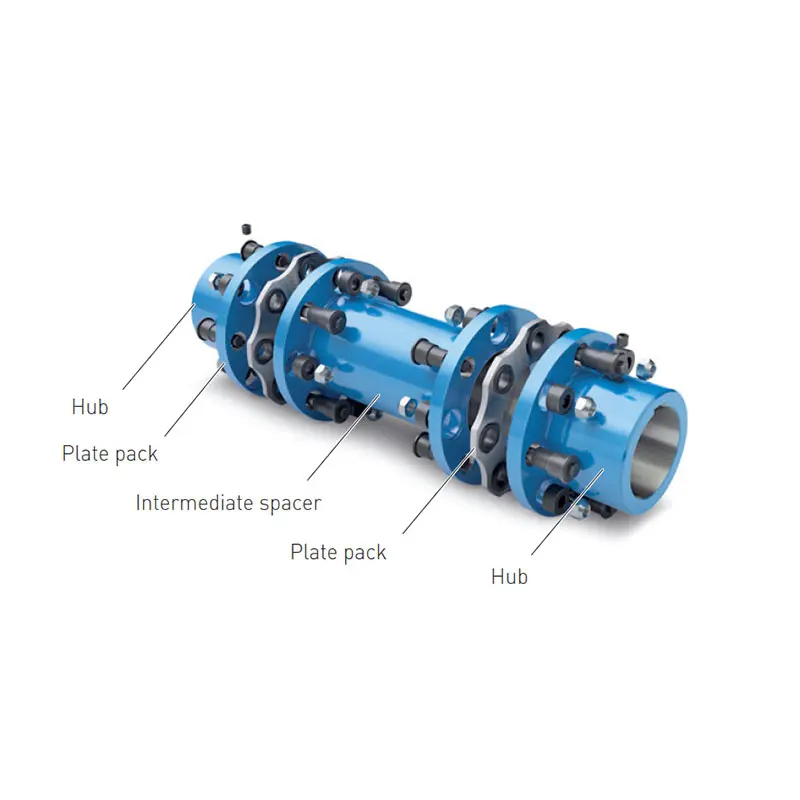 ARPEX Torsionally Rigid All-Steel Coupling Spare and Parts
 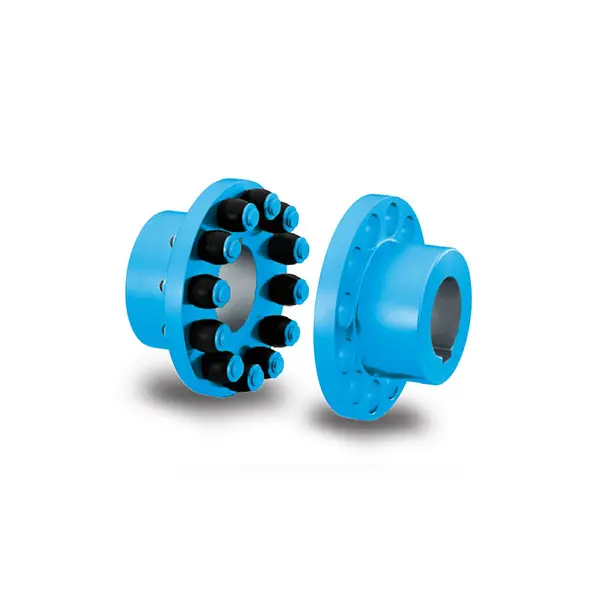 RUPEX Flexible high performance Coupling
 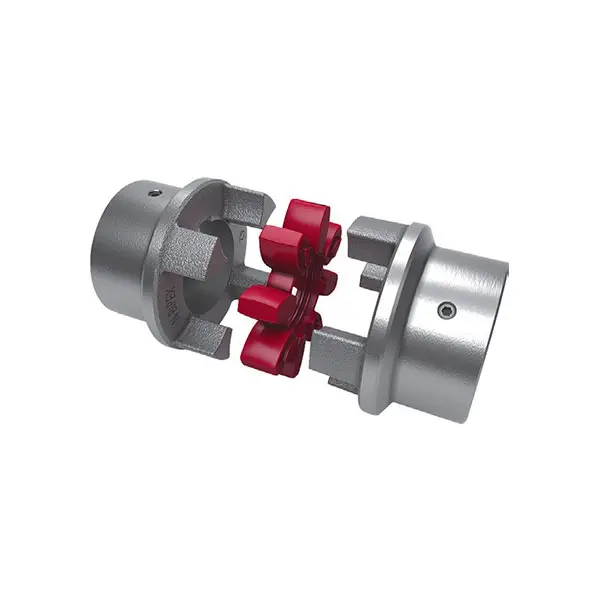 N BIPEX Flexible high performance coupling
 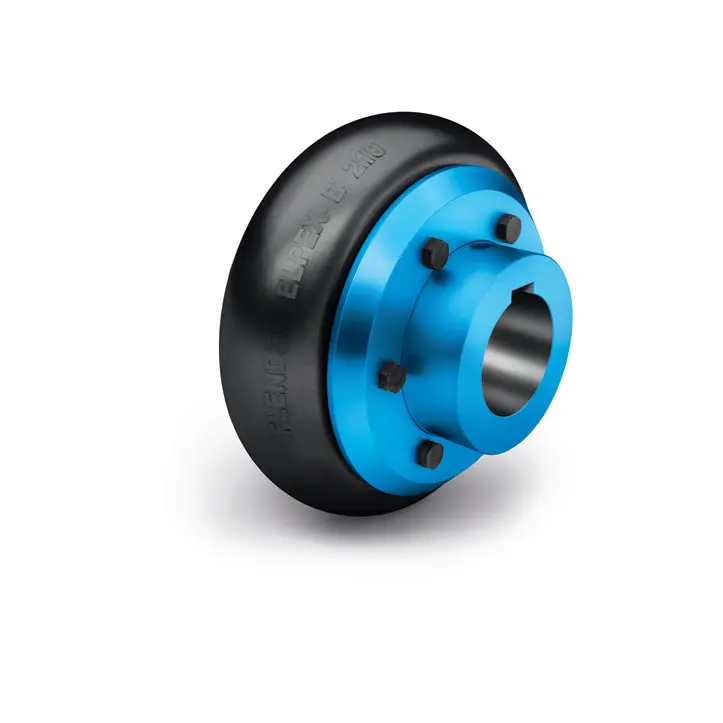 ELPEX B Highly Flexible Coupling
 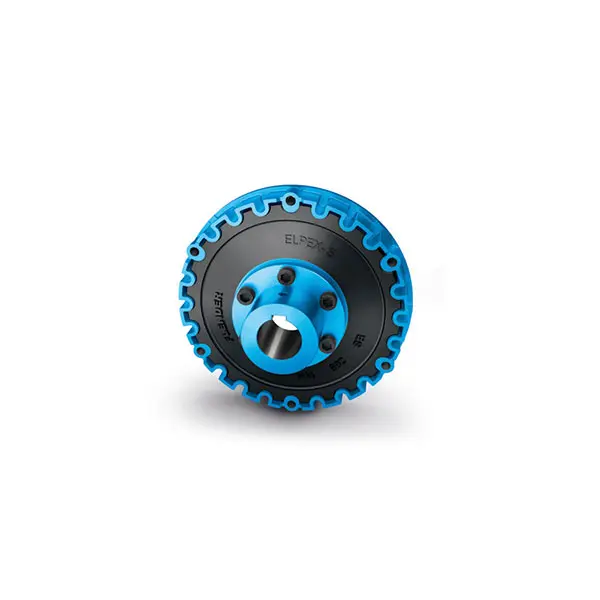 ELPEX S Highly Flexible Coupling high performance
 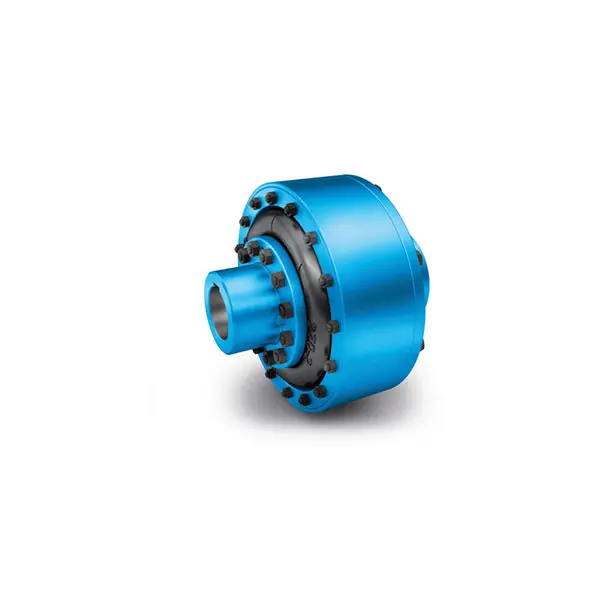 ELPEX Highly Flexible Coupling high performance
 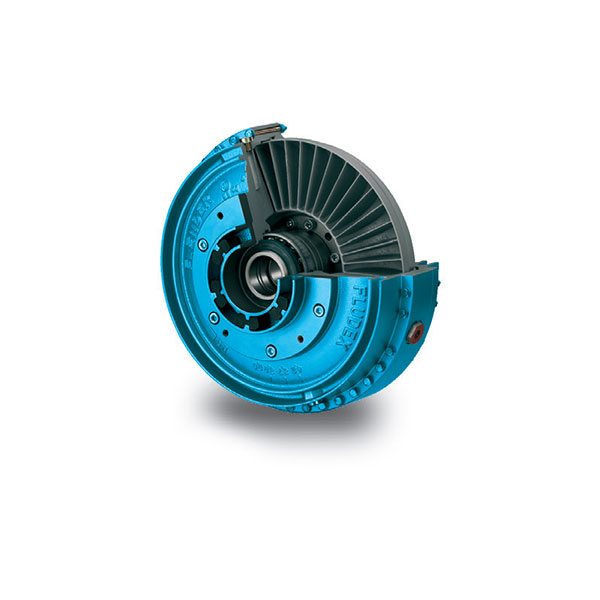 FLUDEX Fluid Coupling high performance
 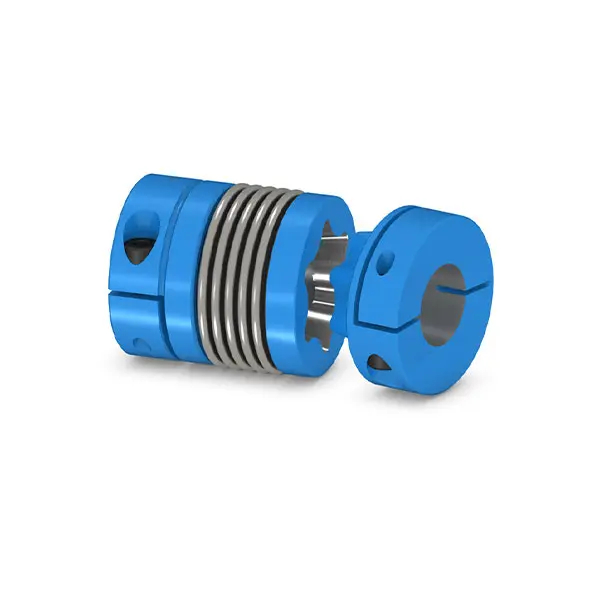 SIPEX Backlash free Coupling high performance
 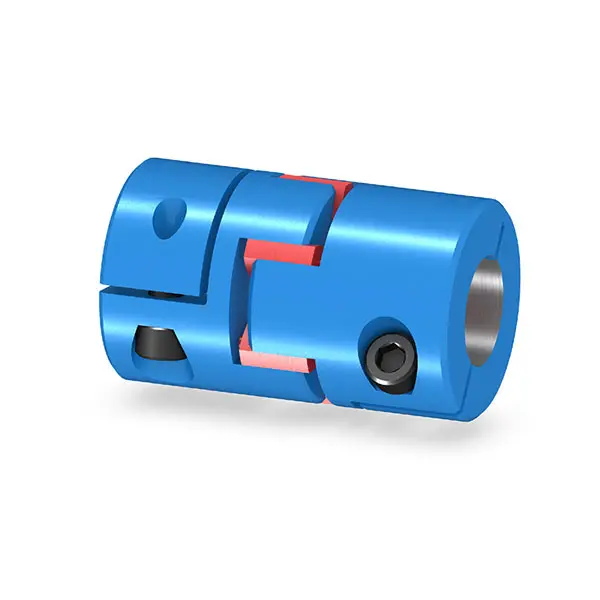 BIPEX S Backlash free Coupling high performance
 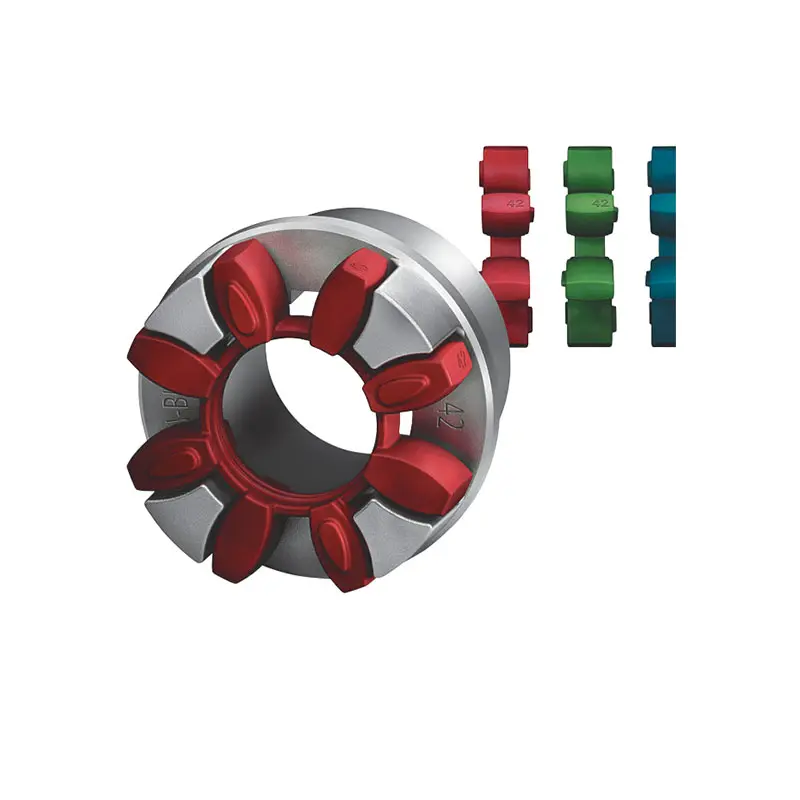 FLENDER Coupling Spare Parts high performance
 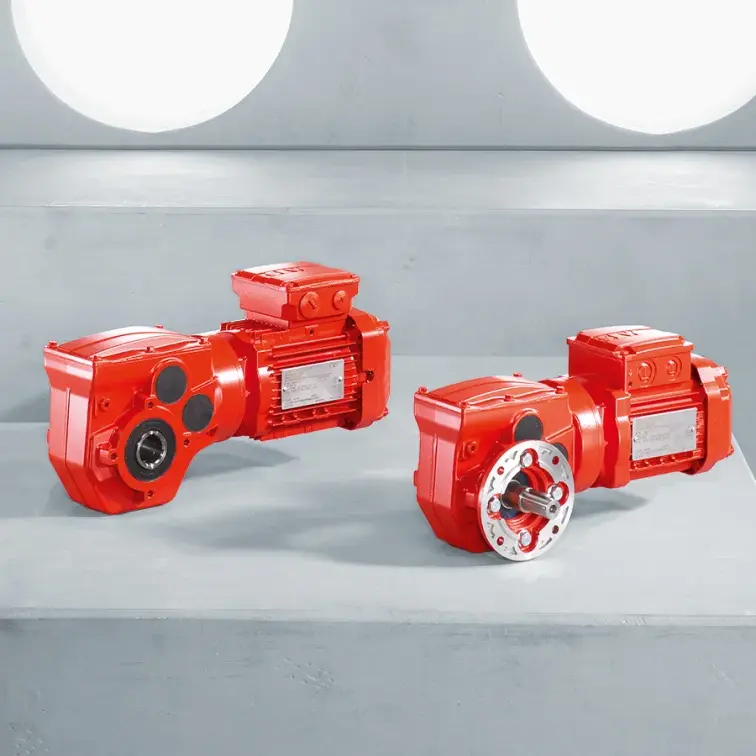 SEW Gearmotor
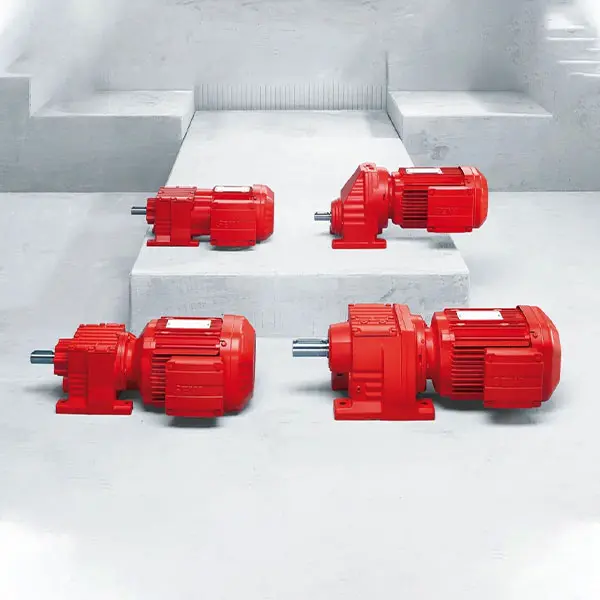 R Series Helical Gearmotor low voltage
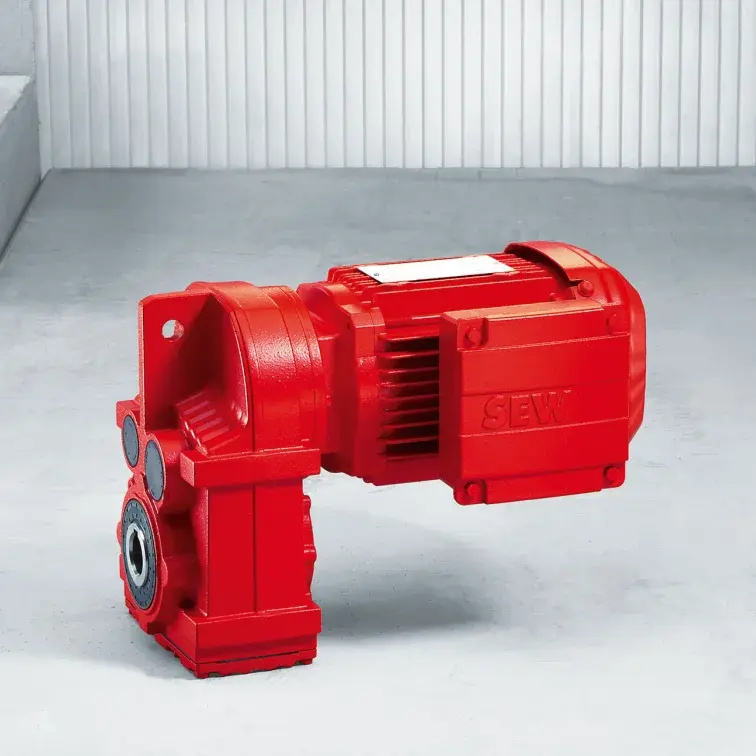 F Series Parallel Shaft Gearmotor low voltage
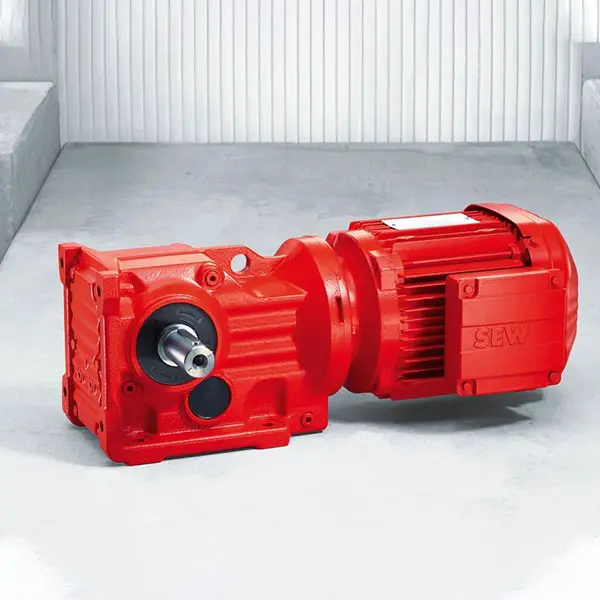 K Series Helical Bevel Gearmotor low voltage
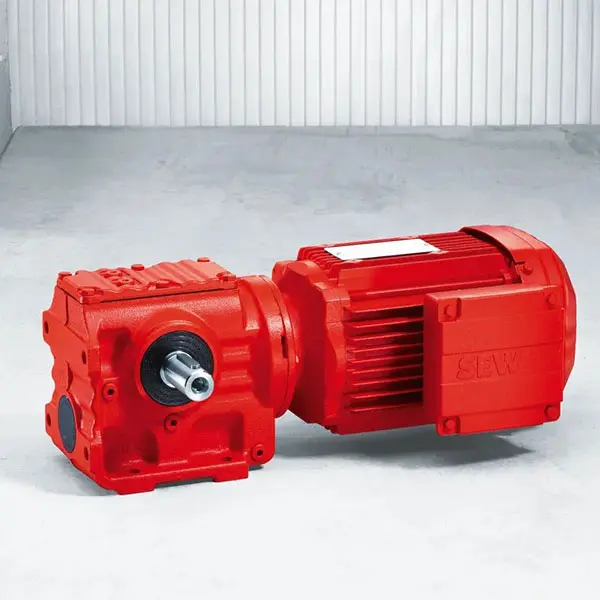 S Series Helical Worm Gearmotor low voltage
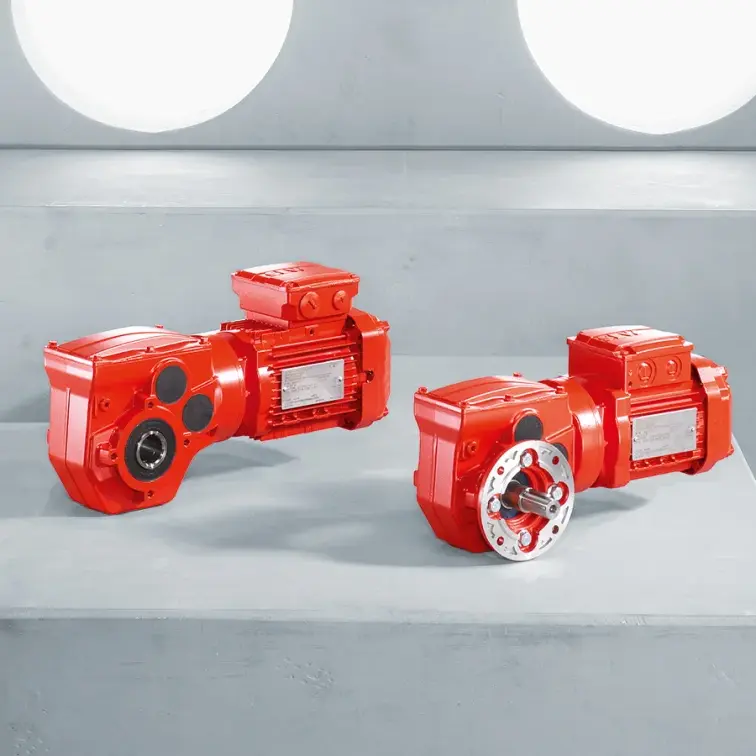 W Series SPIROPLAN® Right Angle Gearmotor