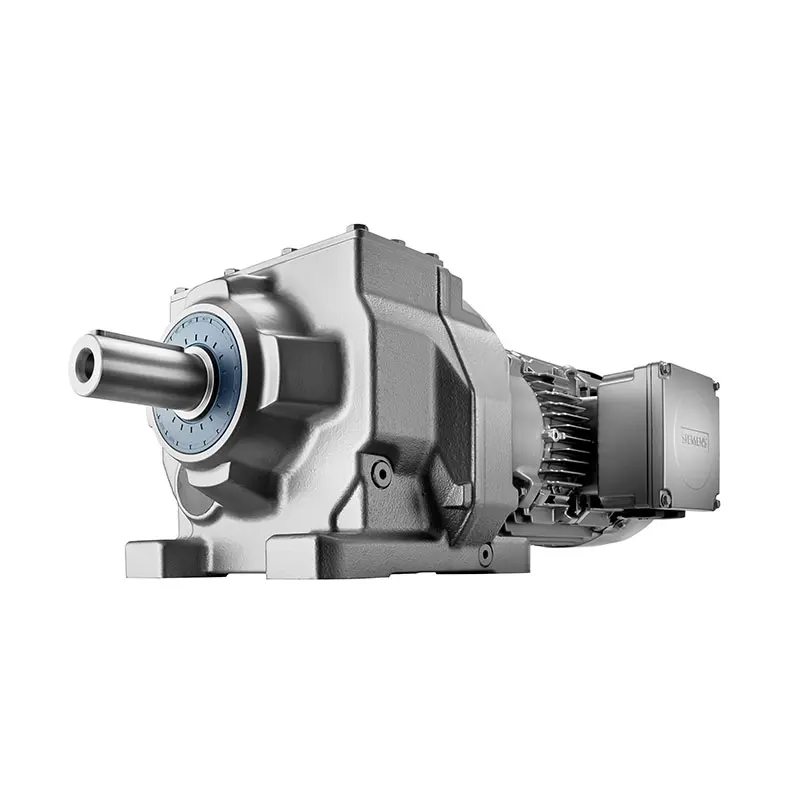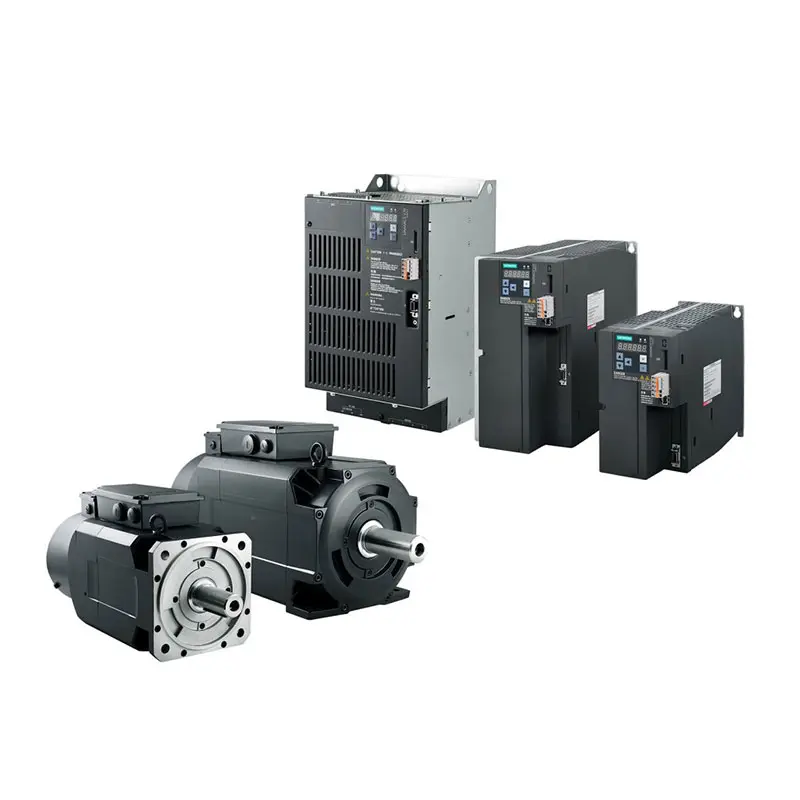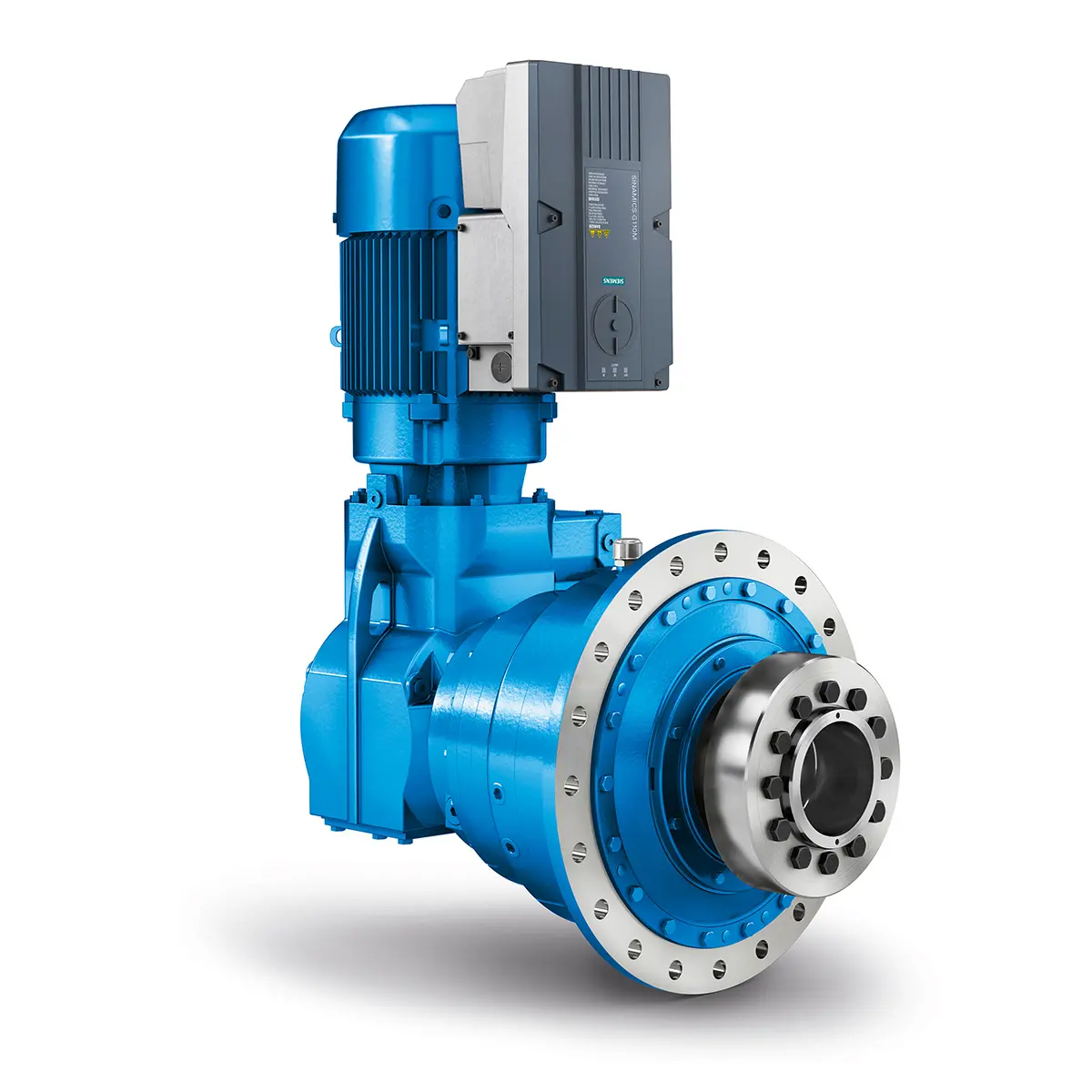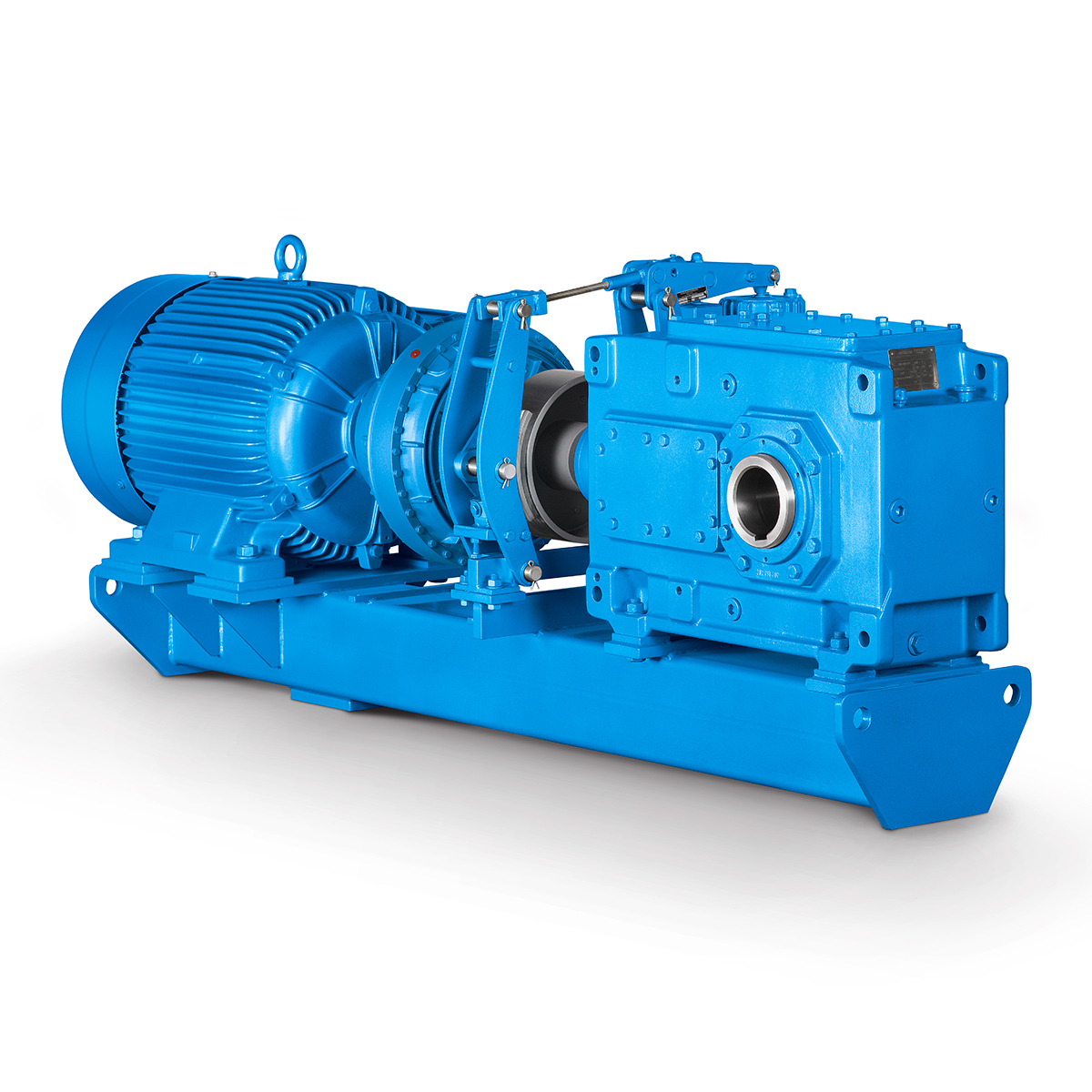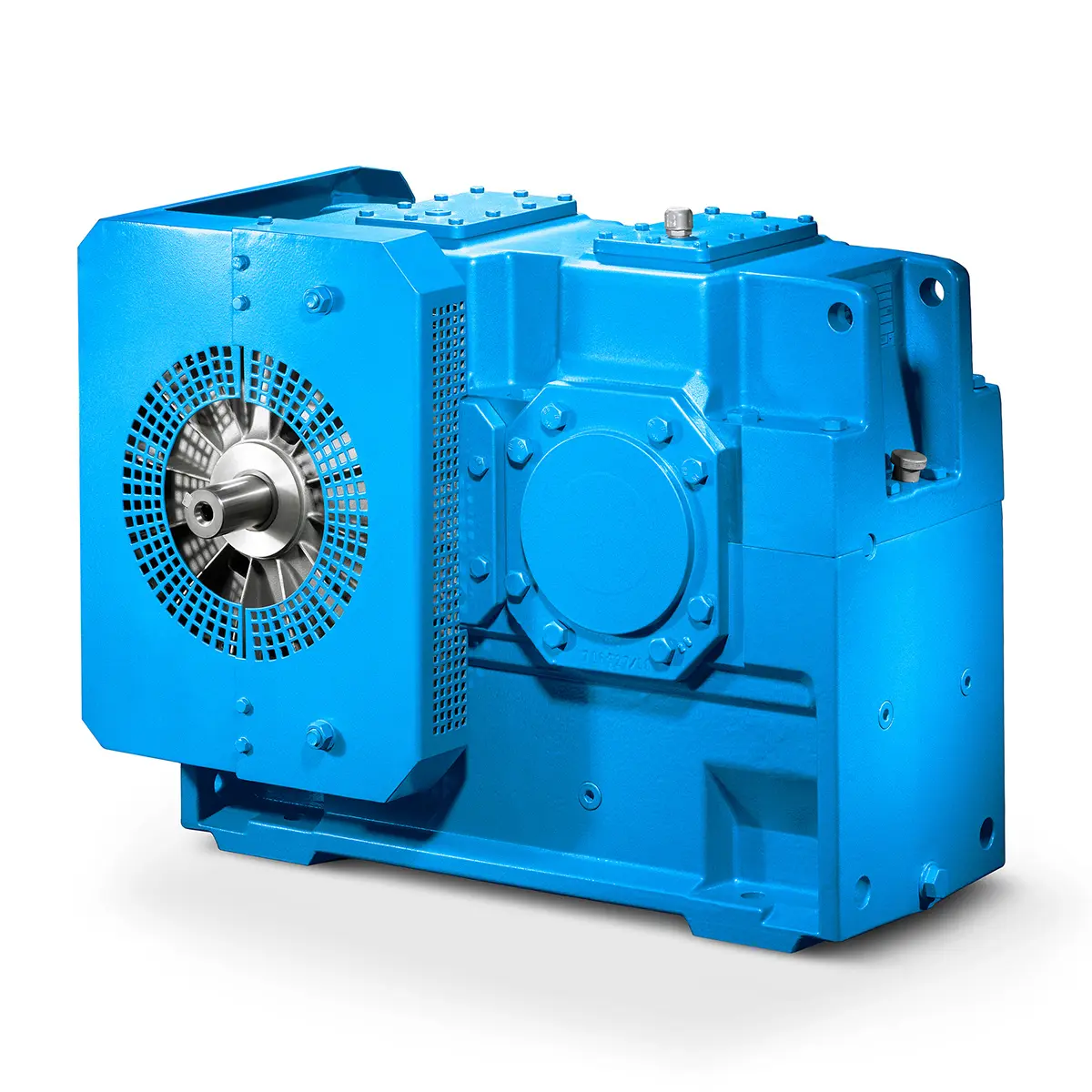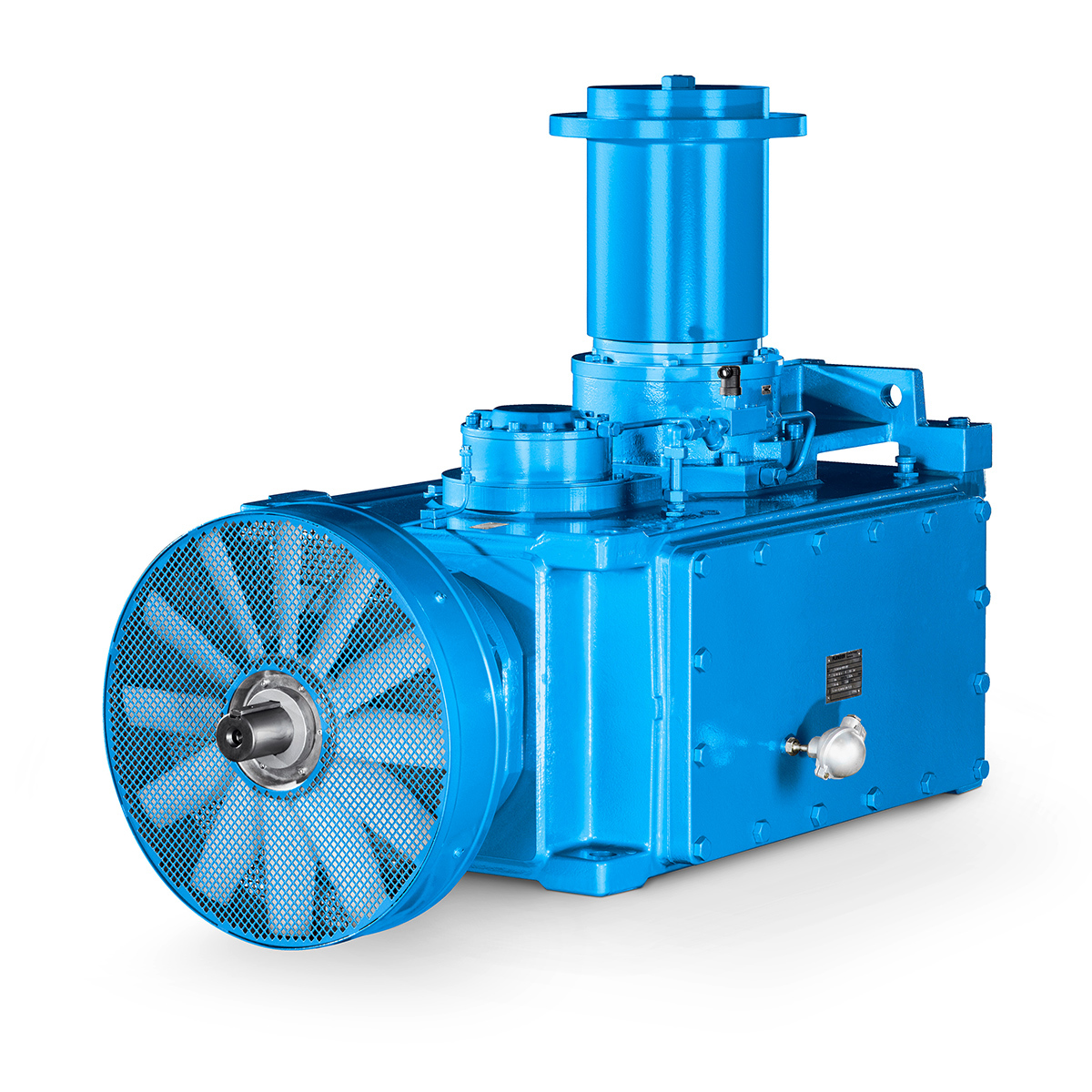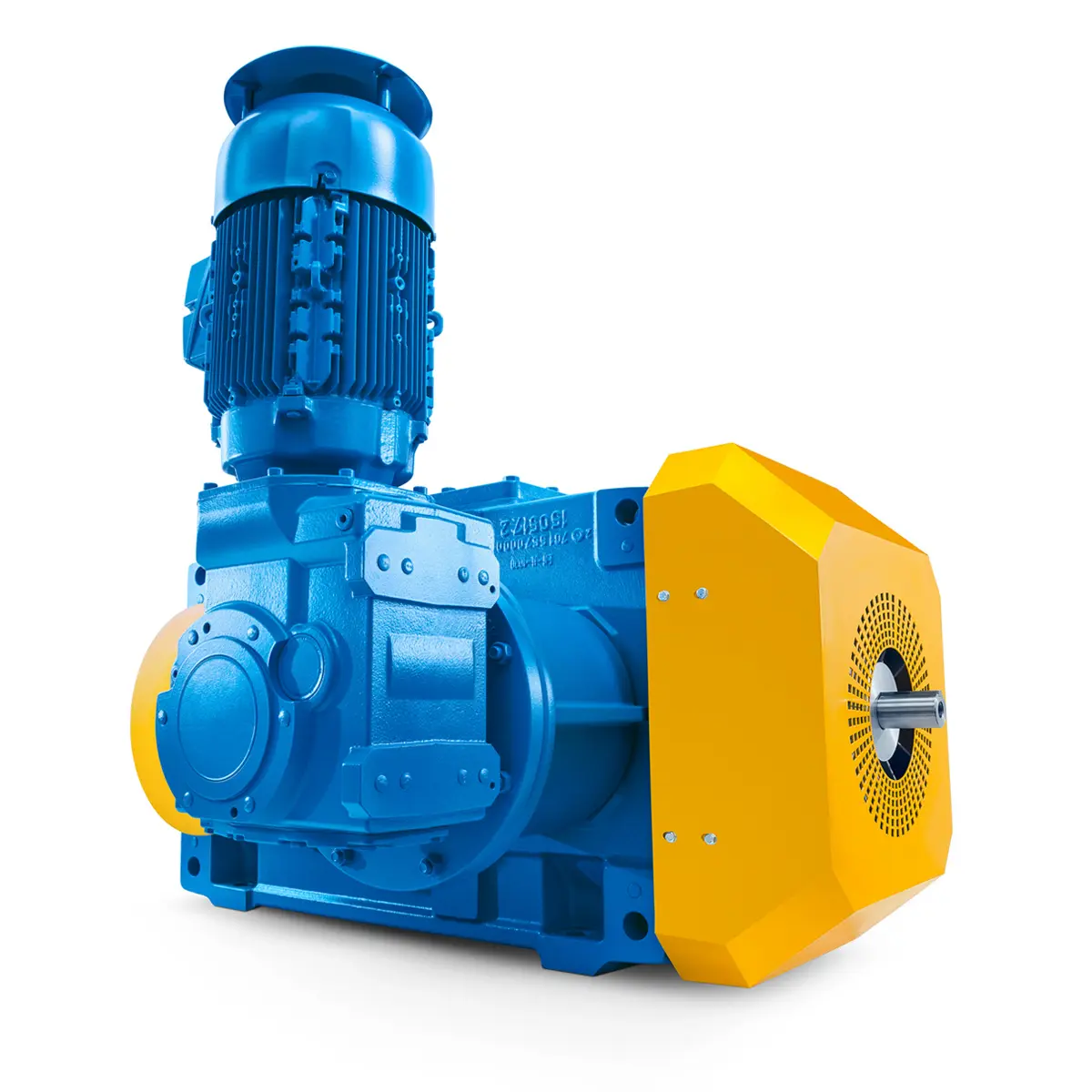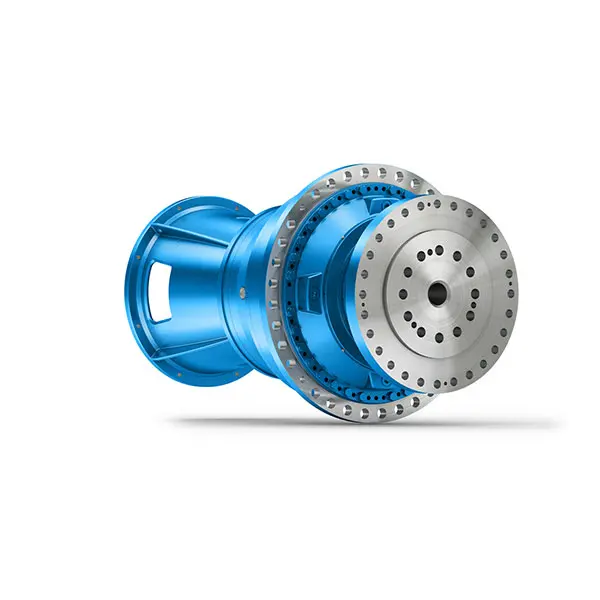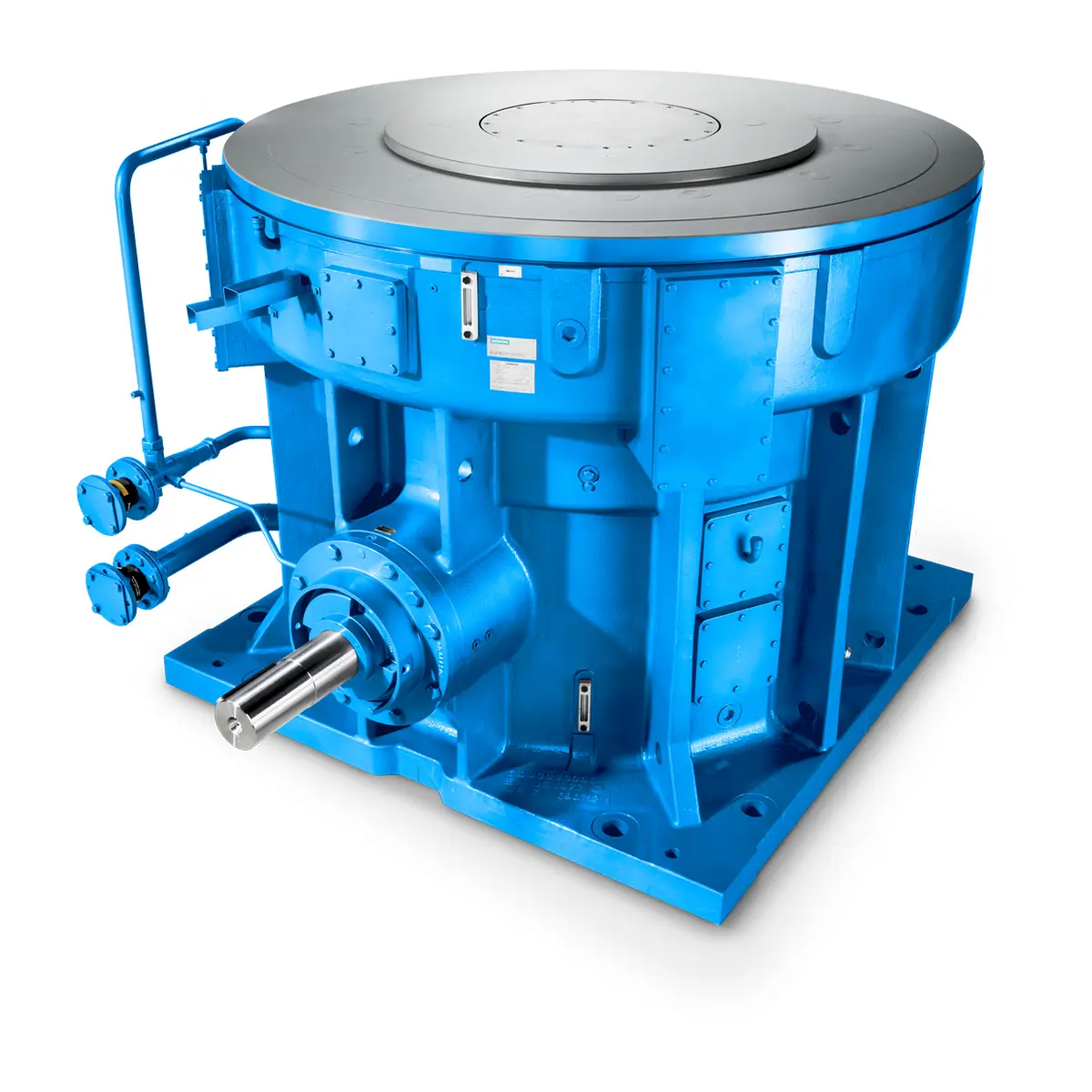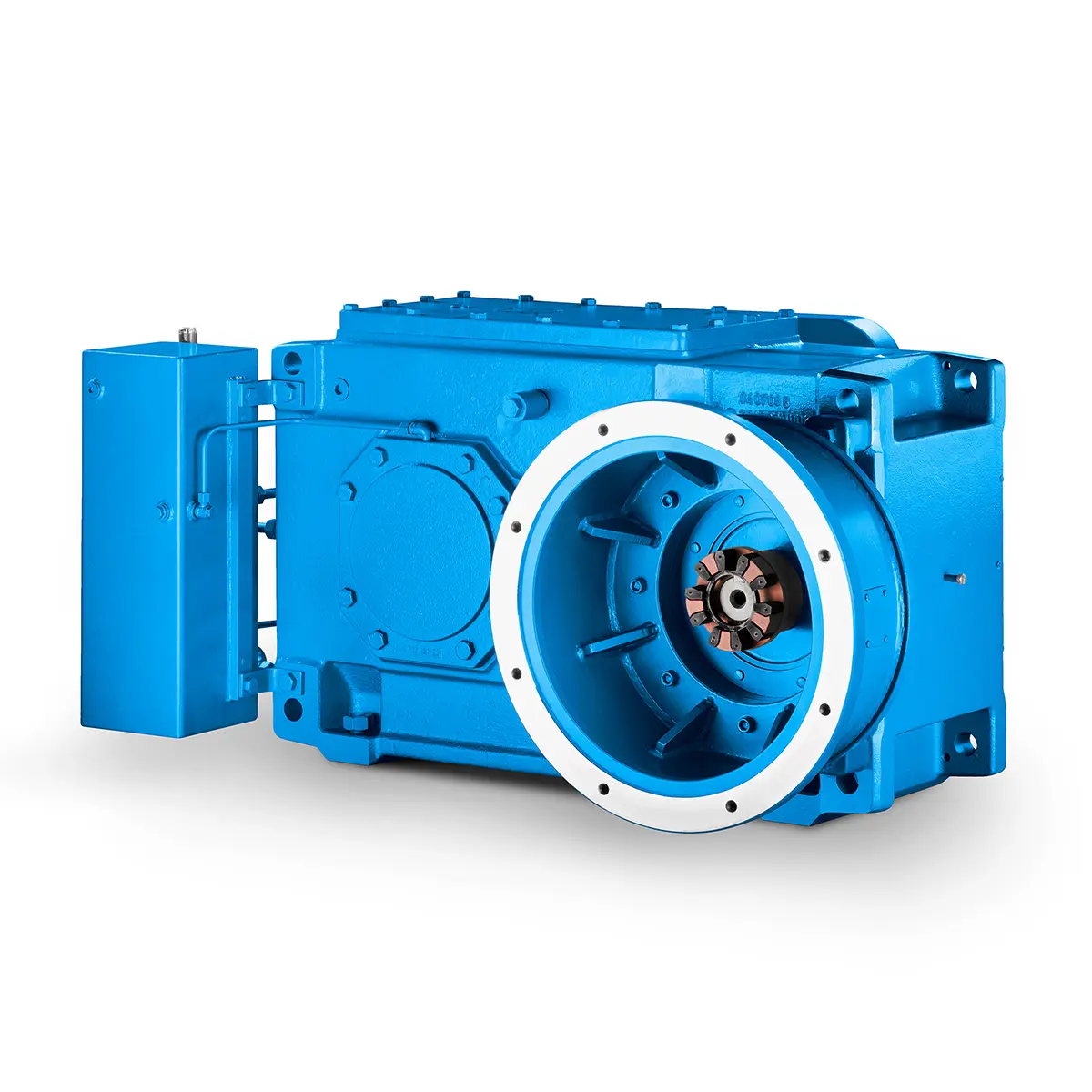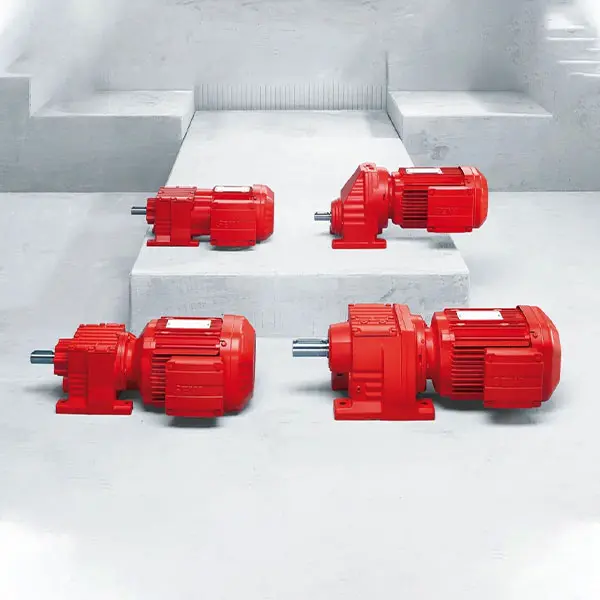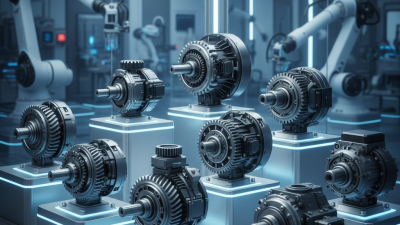
SIEMENS Helical Gearmotor Low Voltage
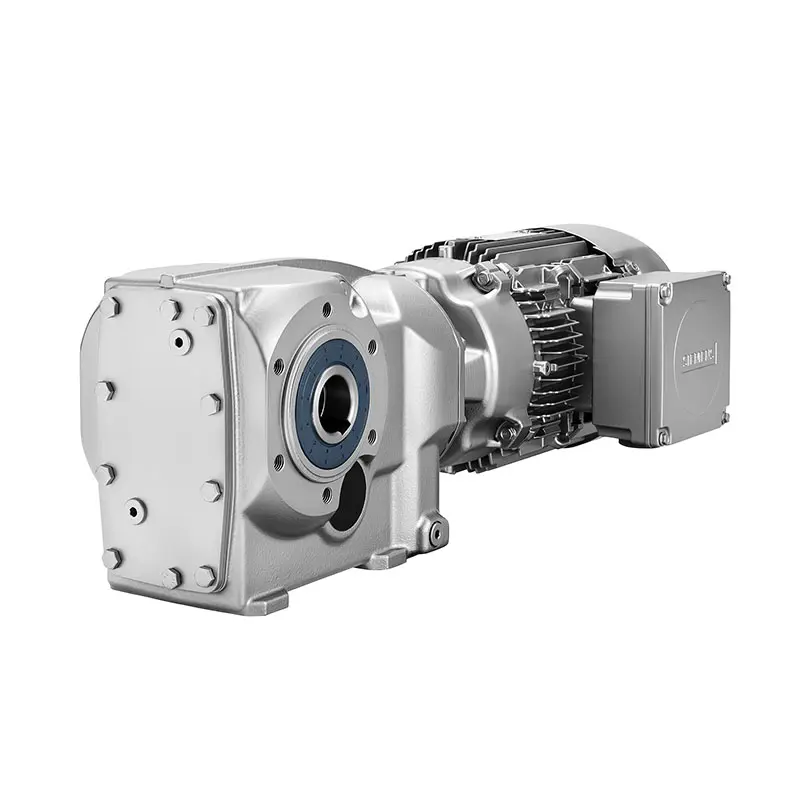
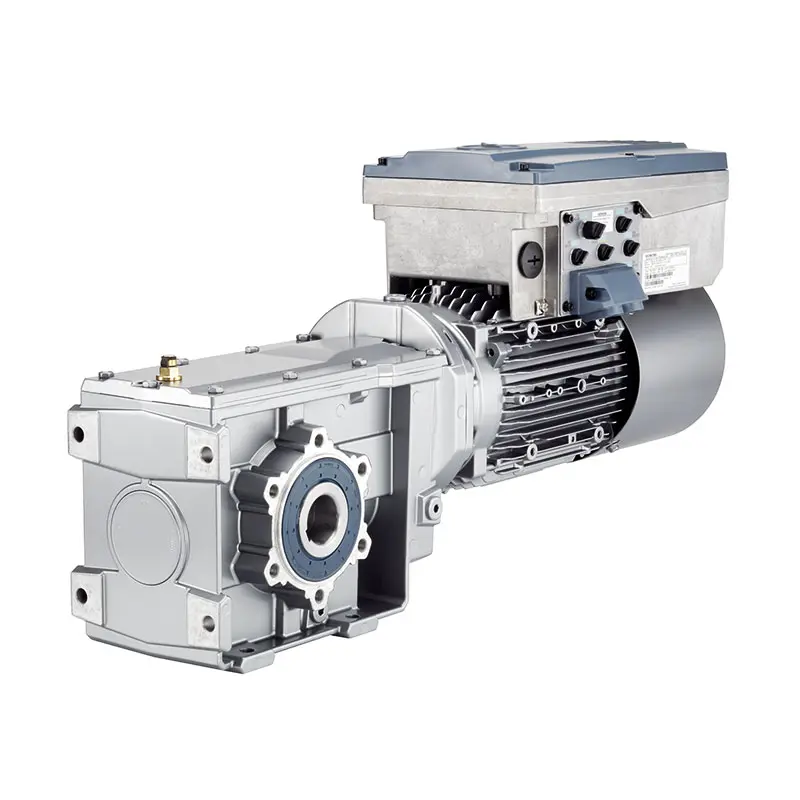
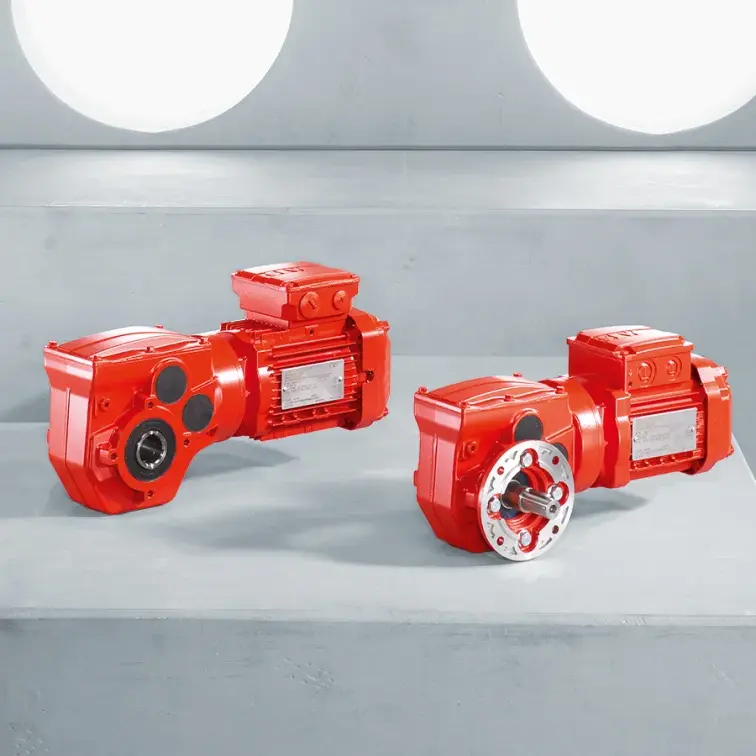
SIEMENS Bevel Helical Gearmotor
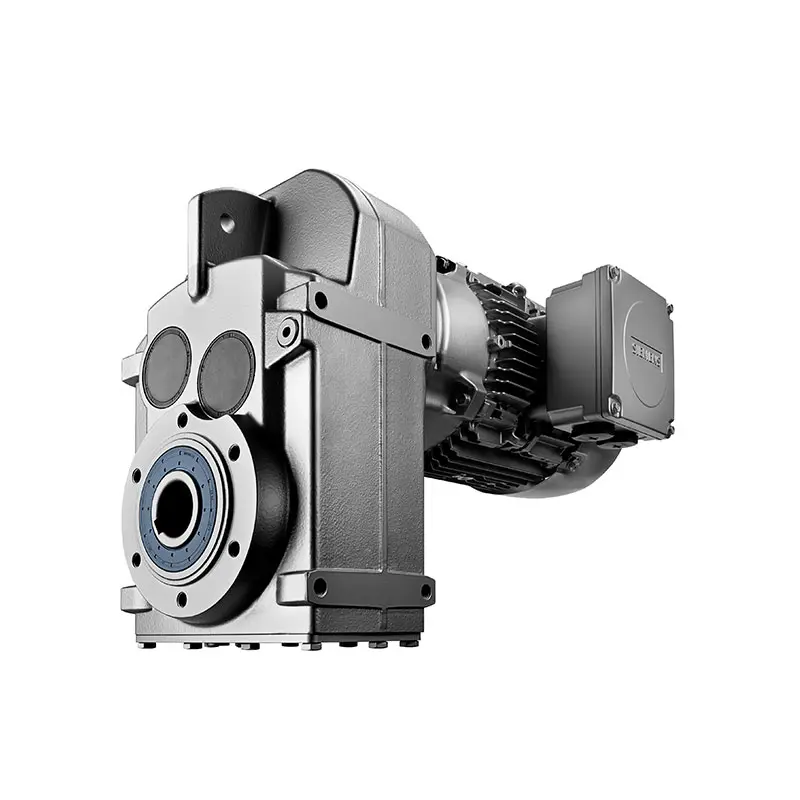
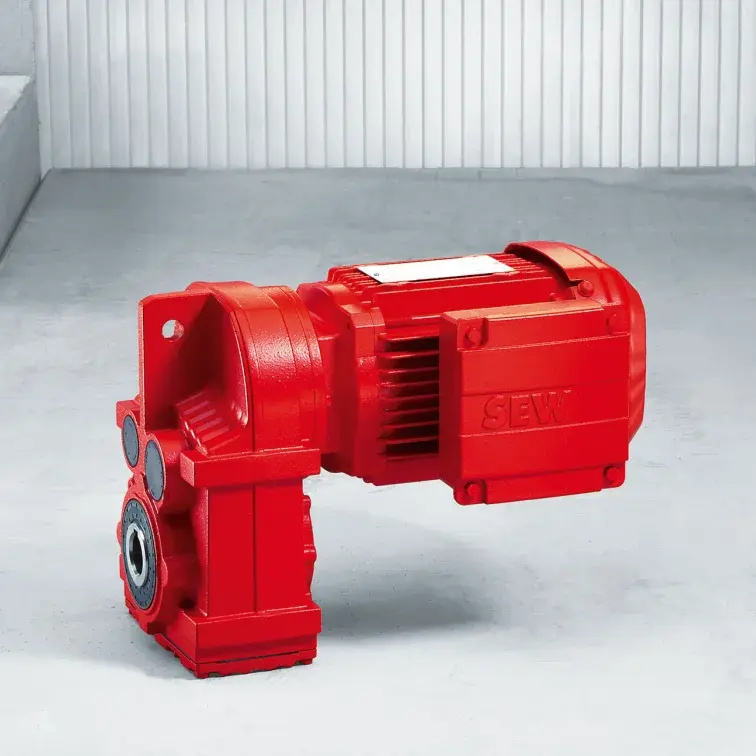
SIEMENS Parallel Shaft Gearmotor
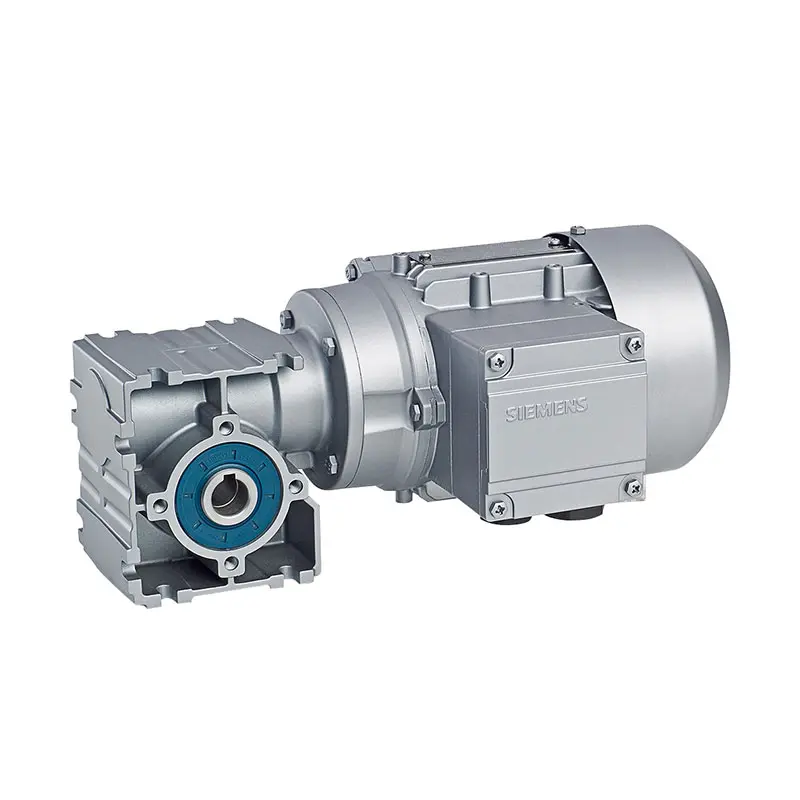
SIEMENS Worm Gearmotor Low Voltage
SIEMENS With Servo Motor Gearmotor
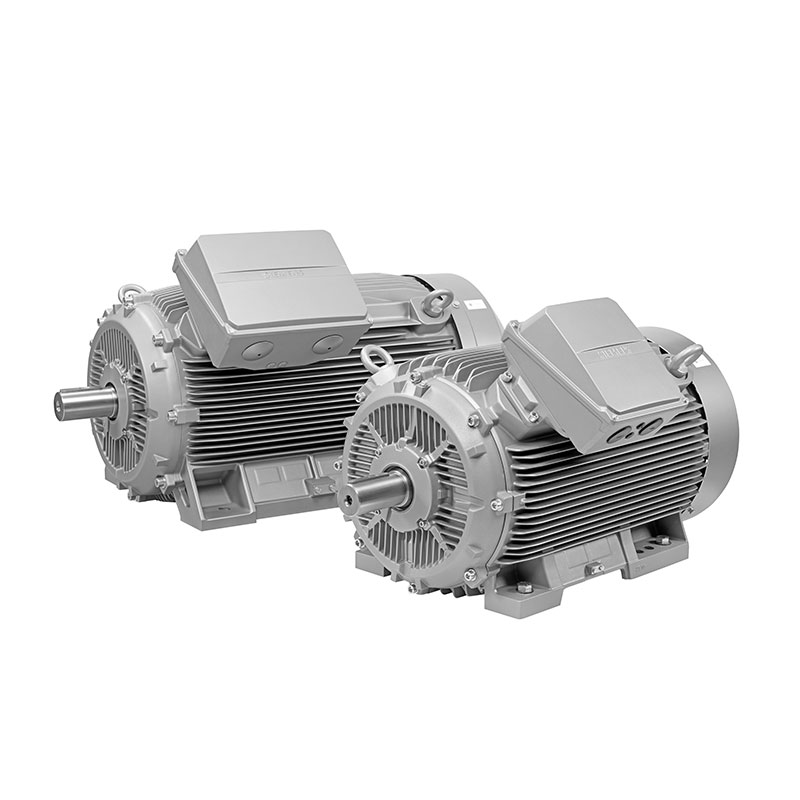
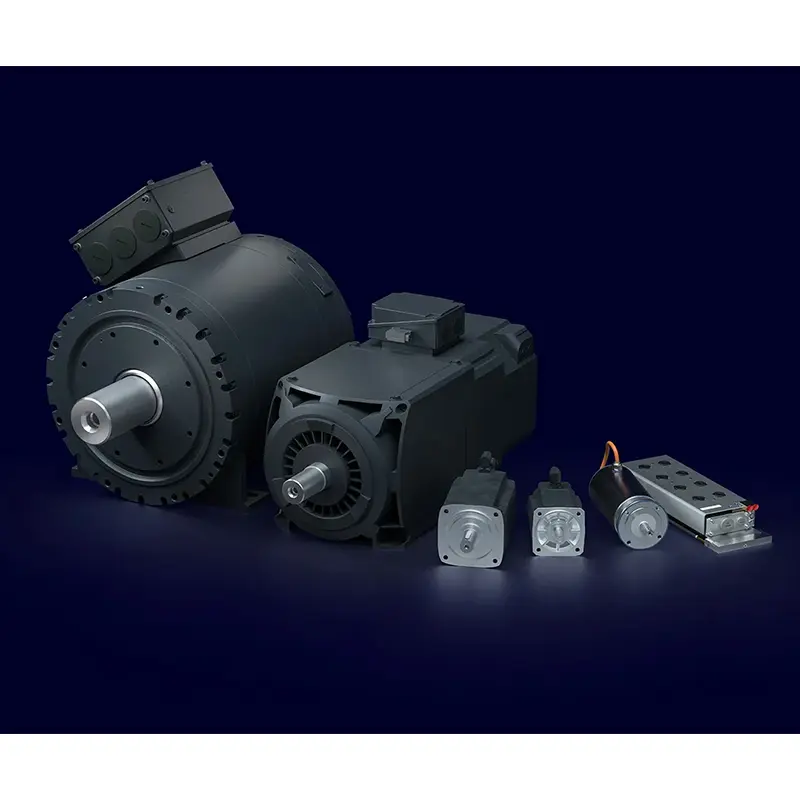
SIEMENS Low Voltage Motor Low Voltage
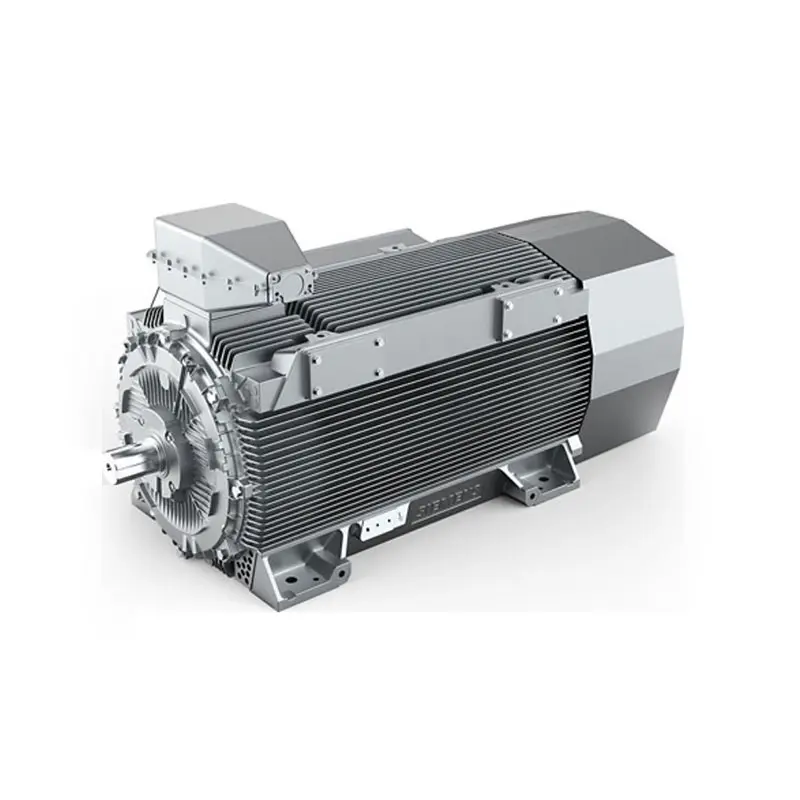
SIEMENS High Voltage Motor Low Voltage
SIEMENS Marine Motor Low Voltage
SIEMENS Servo Motor Low Voltage
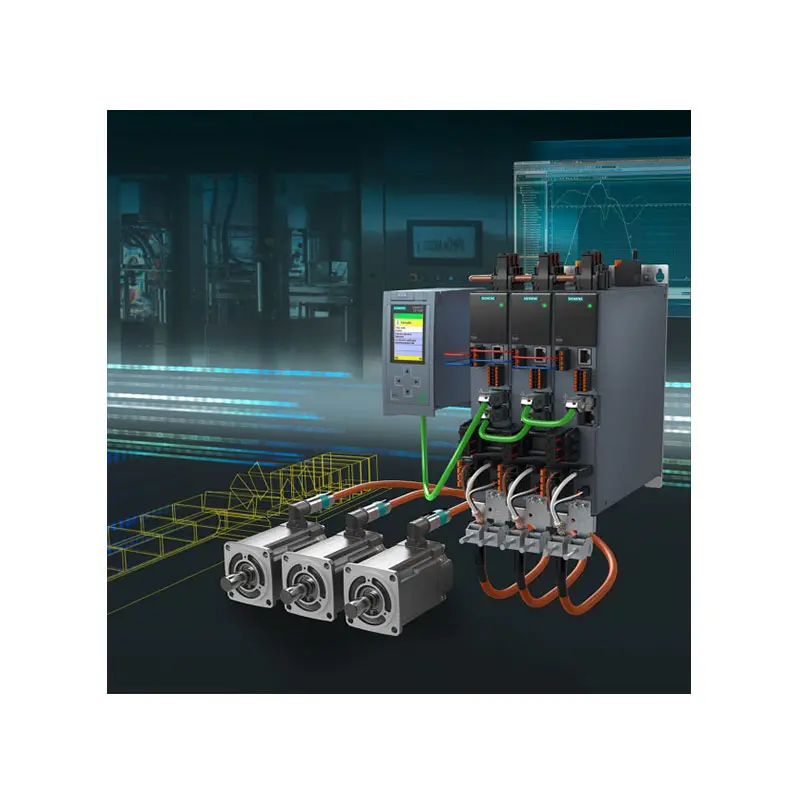
SIEMENS SINAMICS S210 Low Voltage
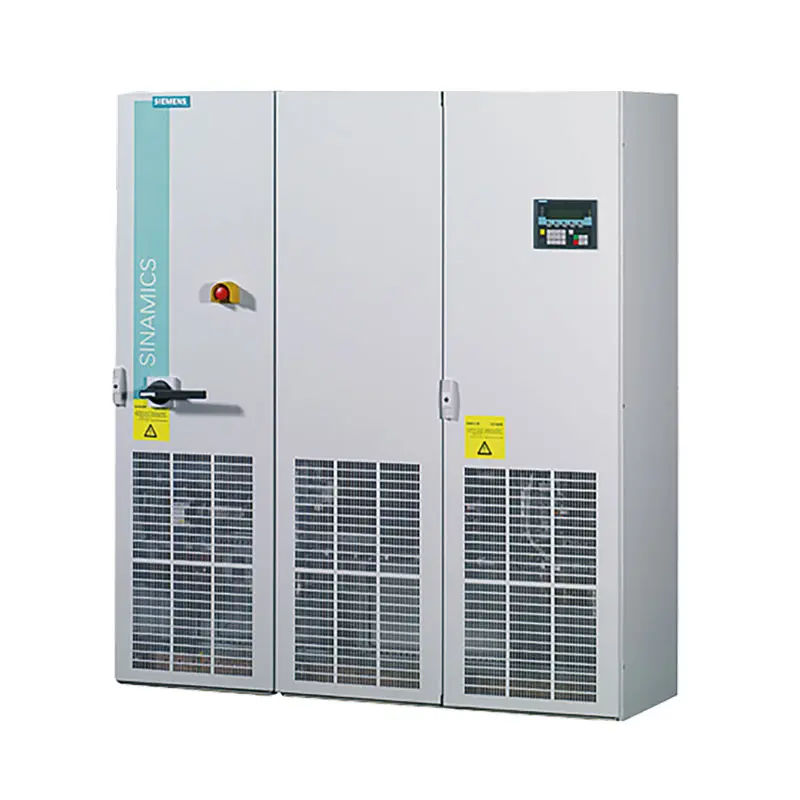
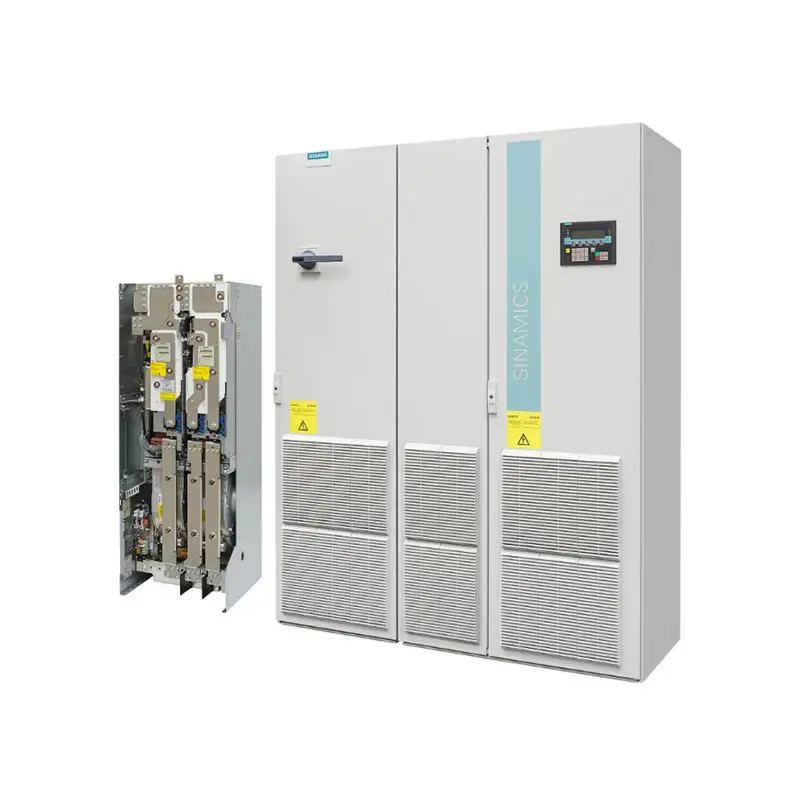
SIEMENS SINAMICS S150 Low Voltage
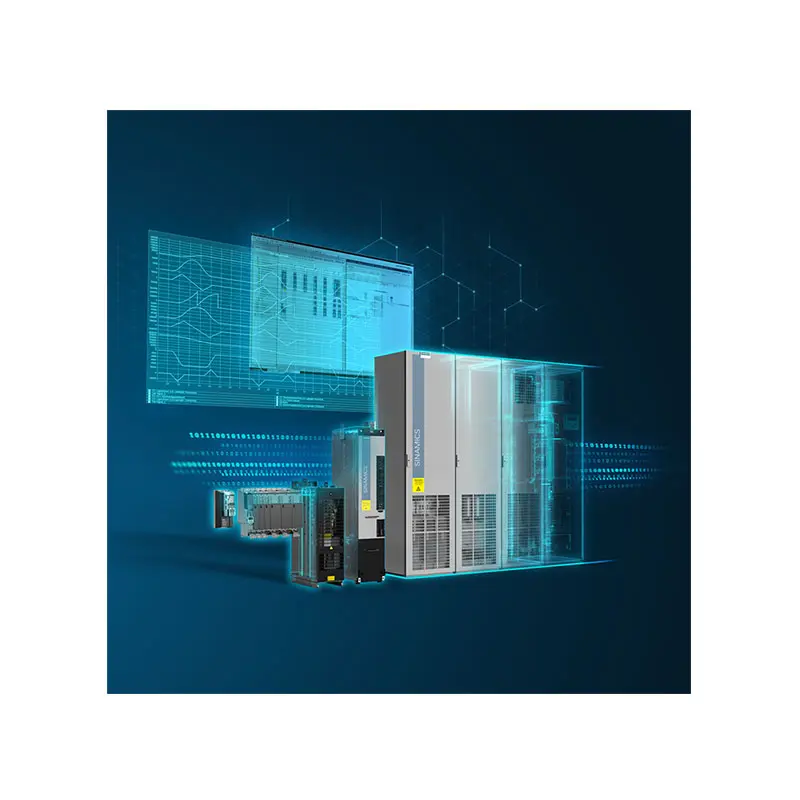
SIEMENS SINAMICS S120 Low Voltage
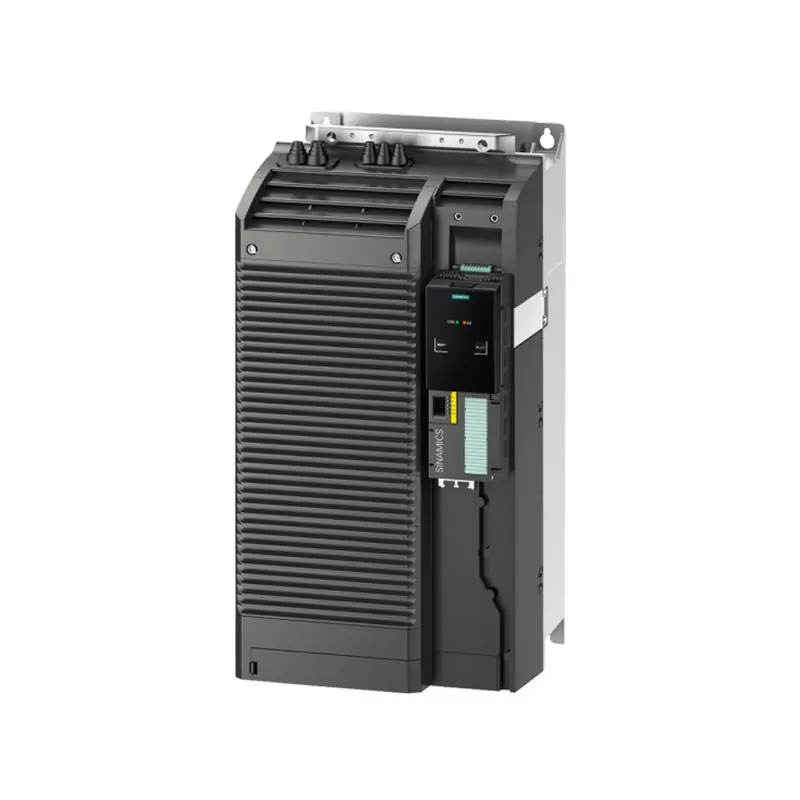
SIEMENS SINAMICS G130/G150
SIEMENS SINAMICS G120 Low Voltage
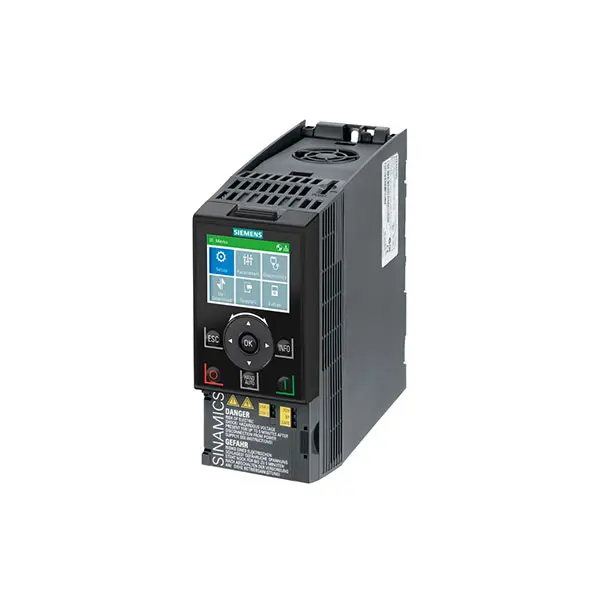
SIEMENS SINAMICS G120C Low Voltage
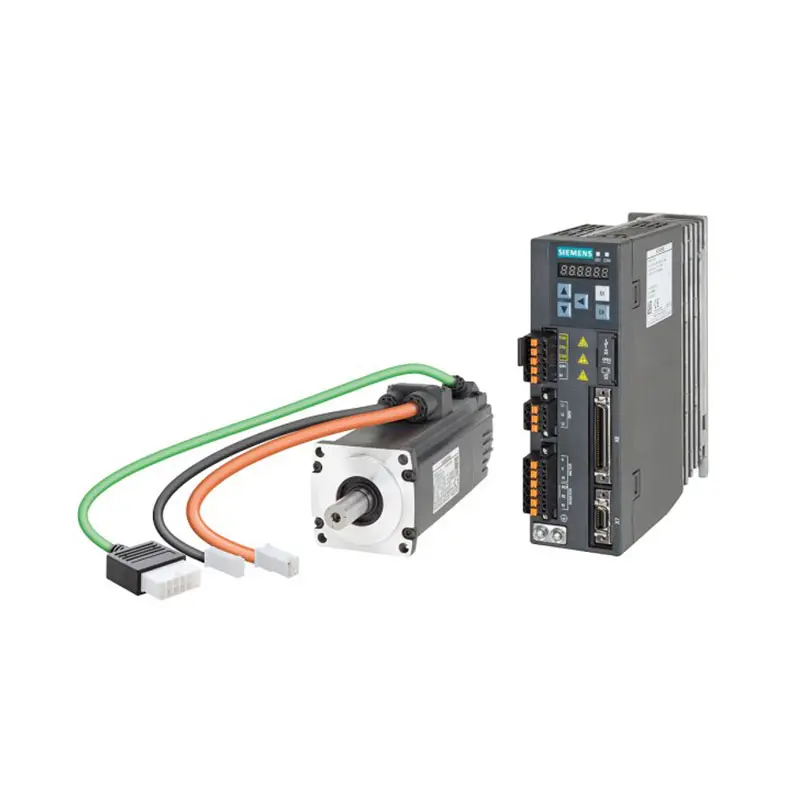
SIEMENS SINAMICS V90
SIEMENS SINAMICS V70 Low Voltage
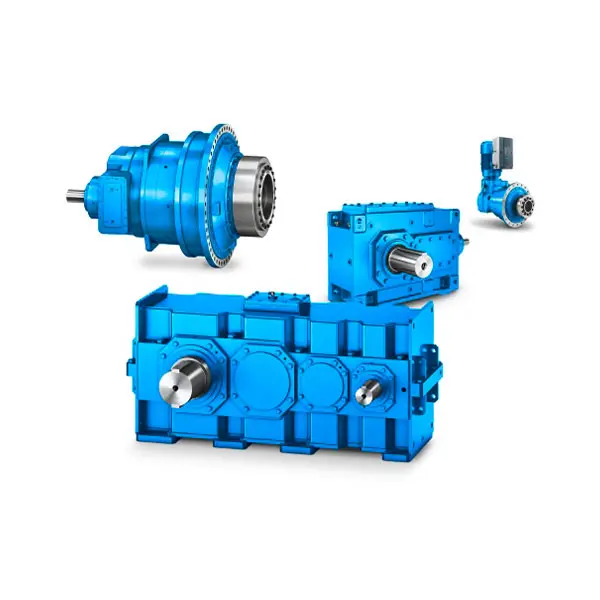
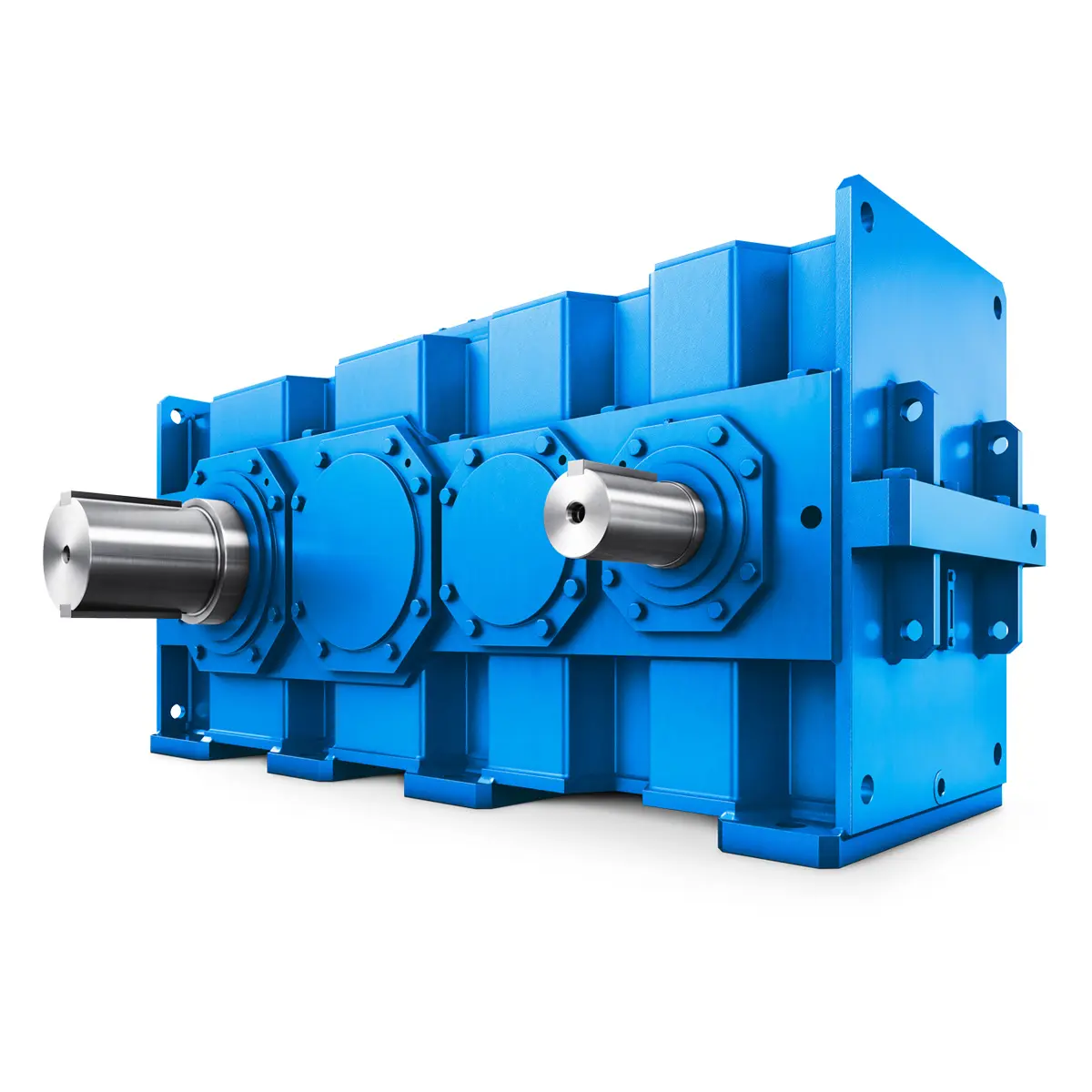
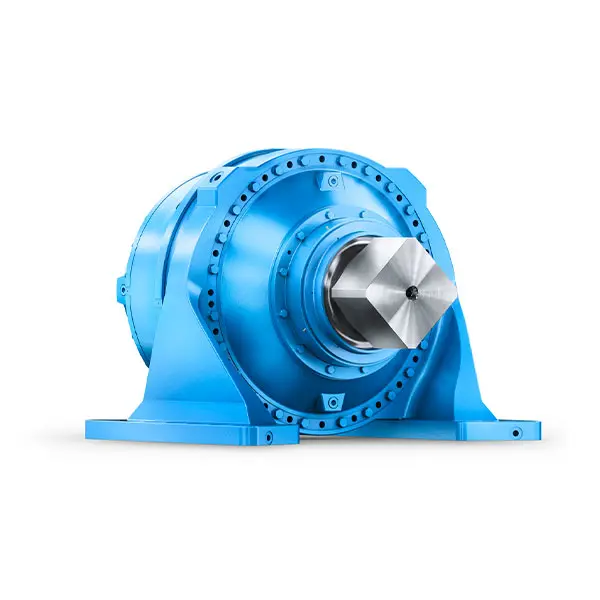
FLENDER Gear Unit
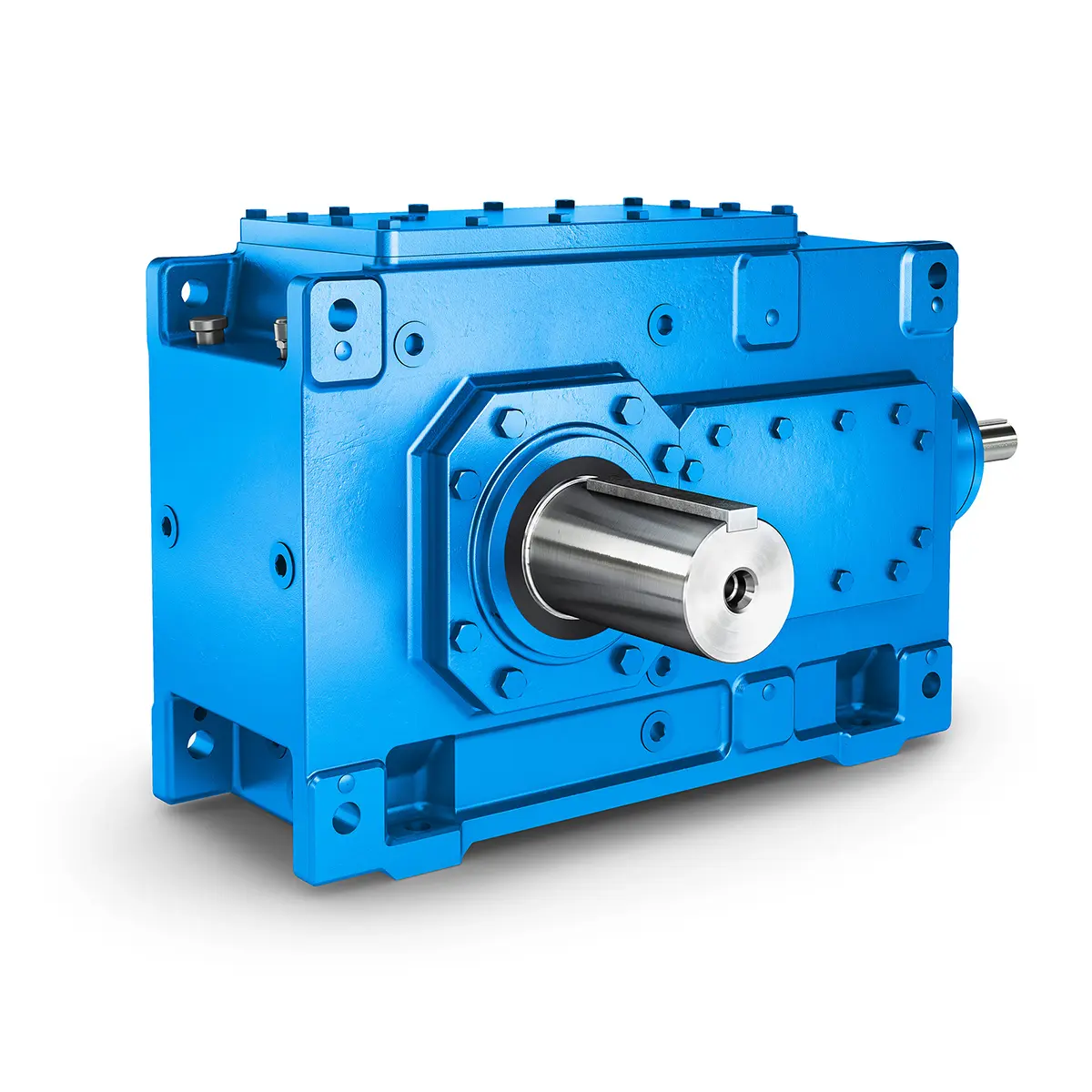
FLENDER Helical Gear Unit
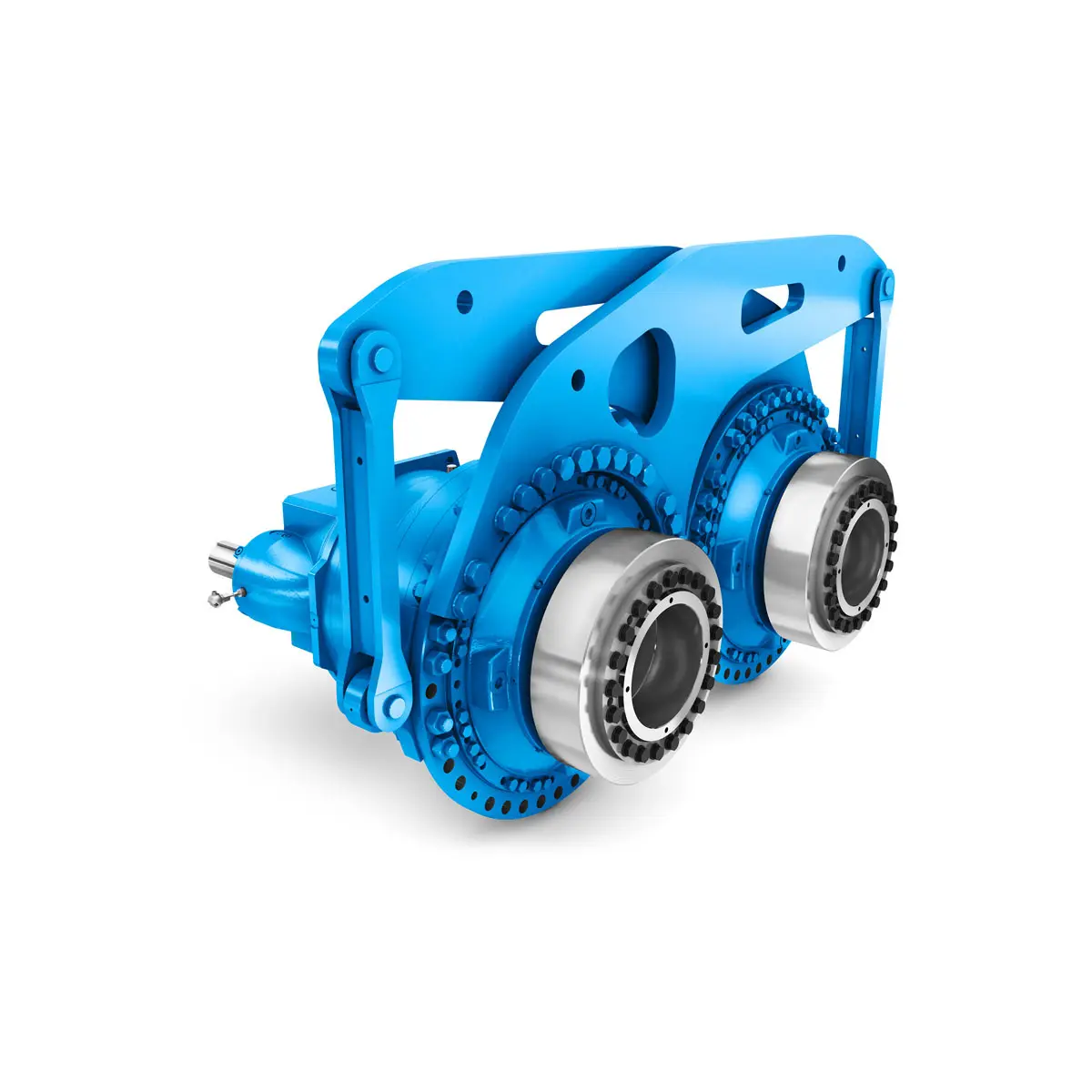
Flender gear units for lifting and luffing gears
FLENDER Gear Unit gearunit gearbox
Optimal Drive Solution For Maximum Performance
Strongly operating against biodegradable constituents
SINGLE SCREW Special industry dedicated gearunit gearbox
Playmaker In The Premium League
Conveyor belts gearunit gearbox
Paper And Pulp Preparation Sections
Operational Reliability Even In Case Of The Highest Ventilation Forces
Reliable Gear Units For High Performance Vertical Conveyors 59/200
Maximum power density – PLANUREX 3 L individual drives for your sugar cane mill
The proven all rounder gearunit gearbox
Stirs and stirs and stirs gearunit gearbox
Flexibility on Board gearunit gearbox
The right gearbox for all Multi-Engine Ships
Reliable Power Generation on board
Maximum performance level, fast deliverable
Efficient and compact – FLENDER Gear Units for Sugar Mills
Extremely strong. Extremely compact. Extremely stressable.
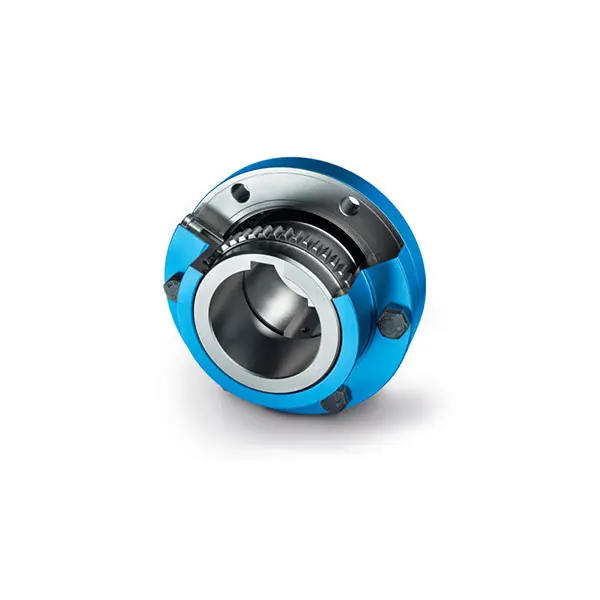
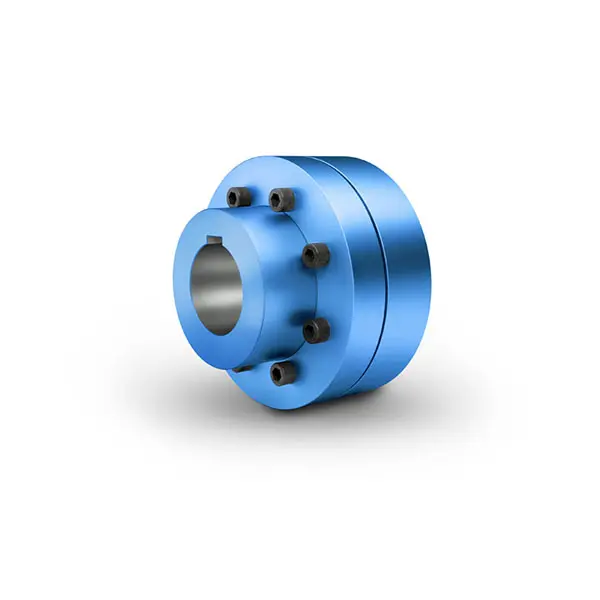
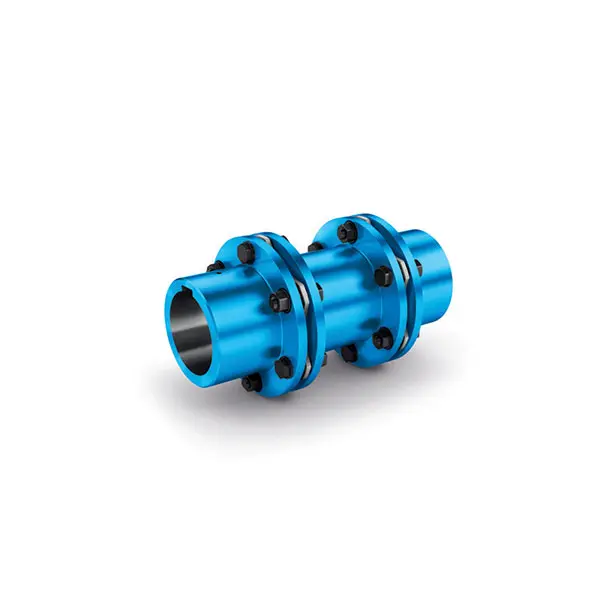
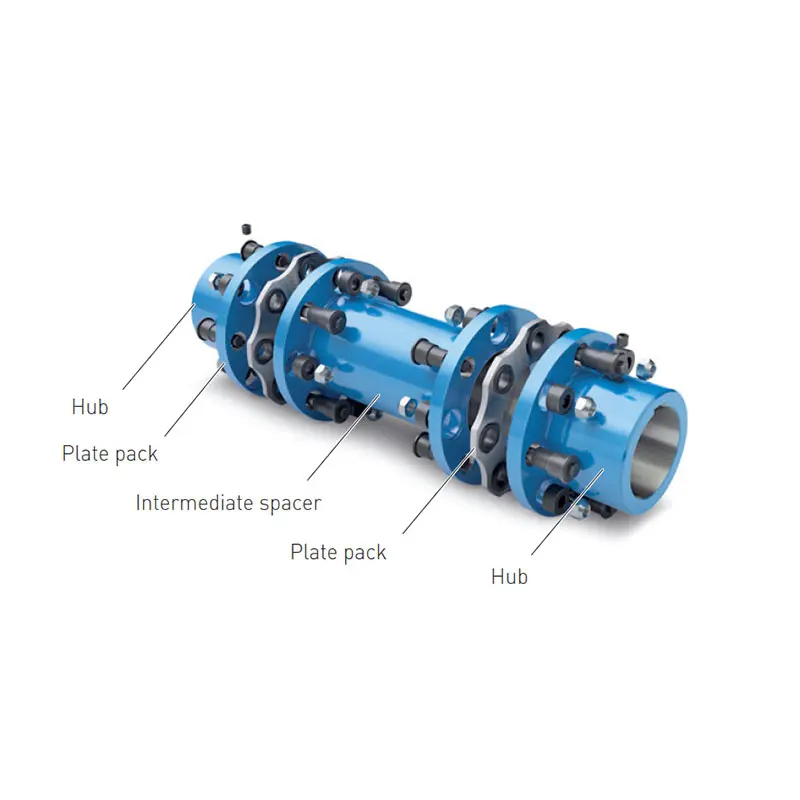
FLENDER Coupling
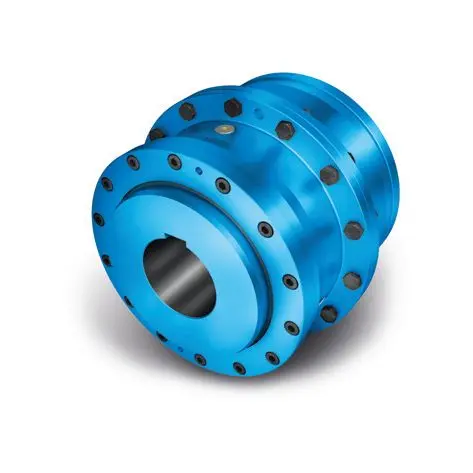
ZAPEX ZW Torsionally Rigid Gear Coupling
ZAPEX ZN Torsionally Rigid Gear Coupling
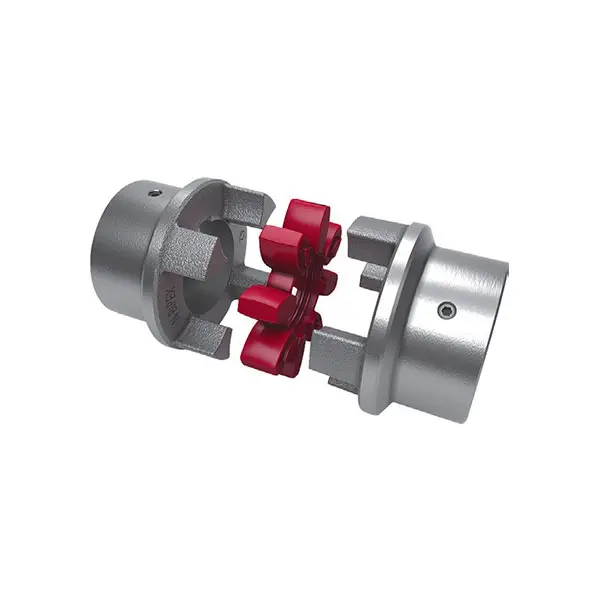
N-EUPEX Flexible high performance Coupling
N-ARPEX Torsionally Rigid All-Steel Coupling
ARPEX Torsionally Rigid All-Steel Coupling Spare and Parts
N-EUPEX DS Flexible High Performance Coupling
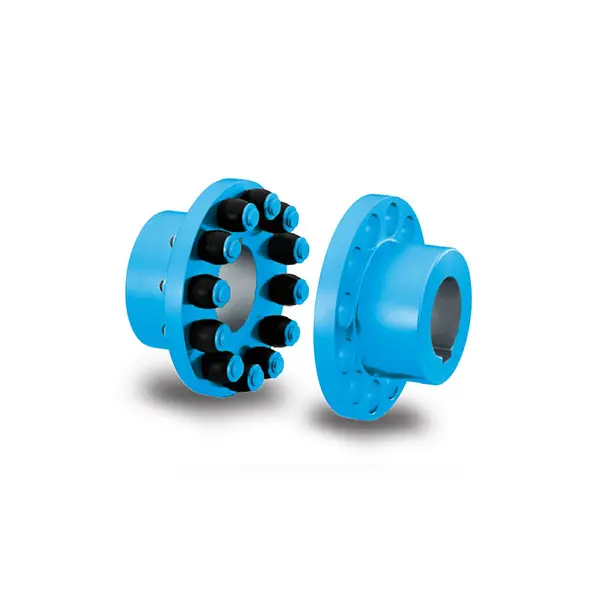
RUPEX Flexible high performance Coupling
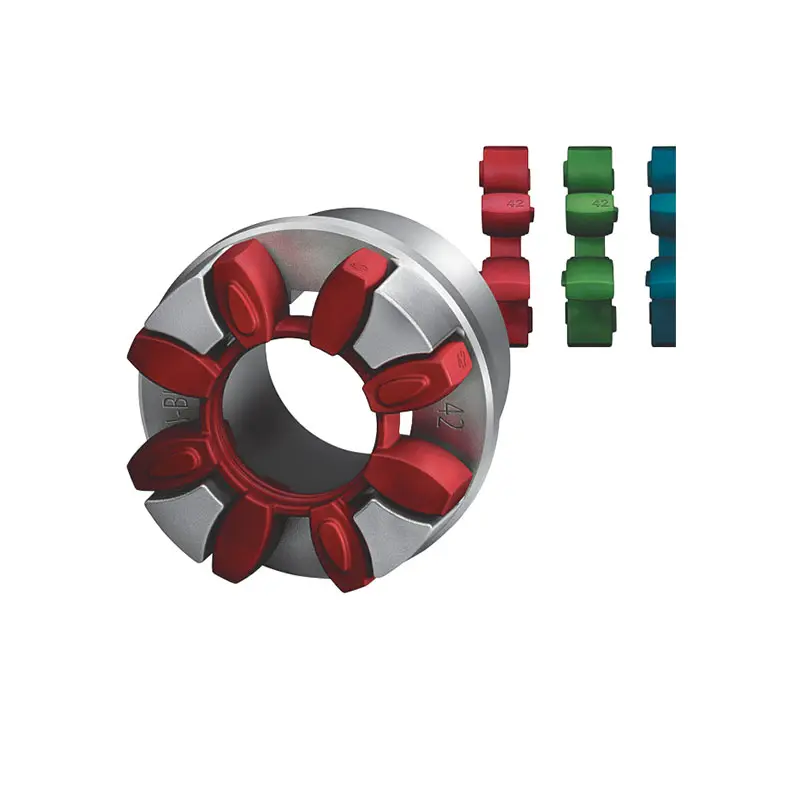
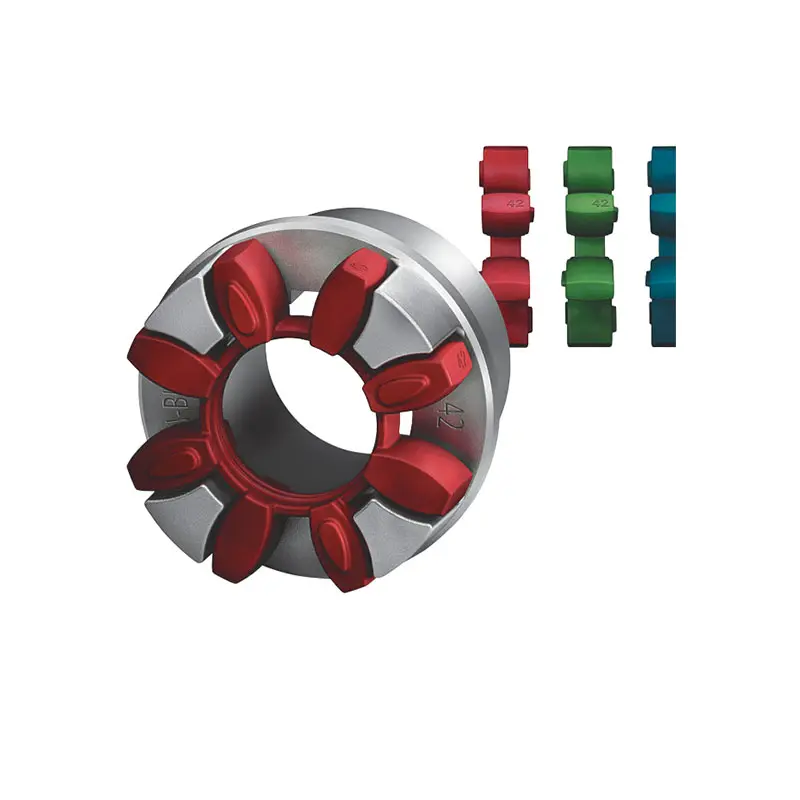
N BIPEX Flexible high performance coupling
ELPEX B Highly Flexible Coupling
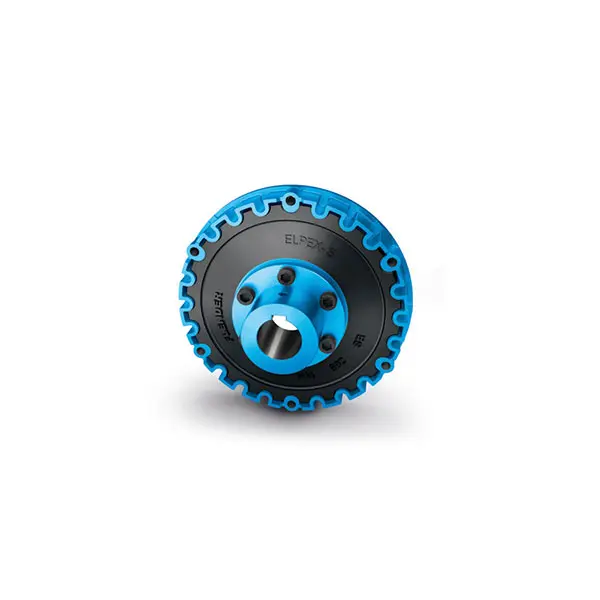
ELPEX S Highly Flexible Coupling high performance
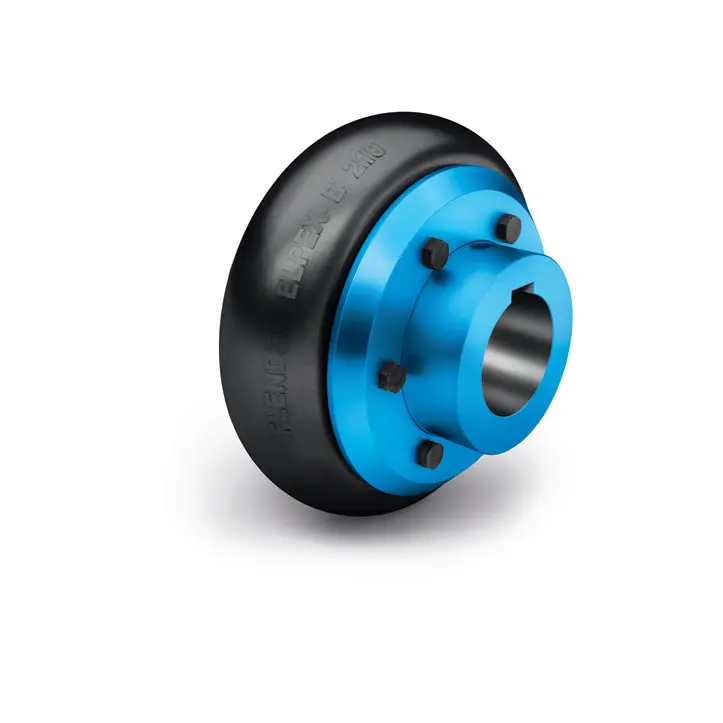
ELPEX Highly Flexible Coupling high performance
FLUDEX Fluid Coupling high performance
SIPEX Backlash free Coupling high performance
BIPEX S Backlash free Coupling high performance
FLENDER Coupling Spare Parts high performance
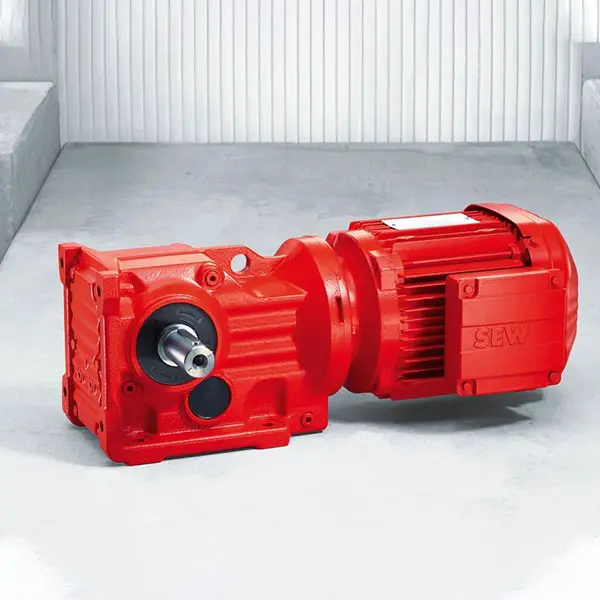
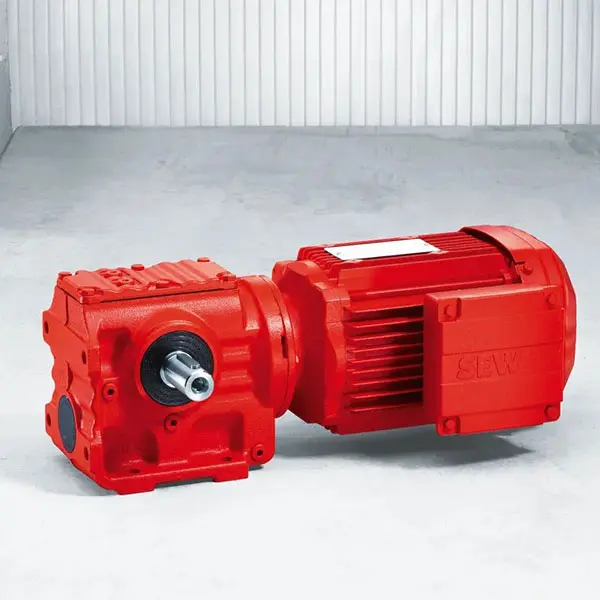
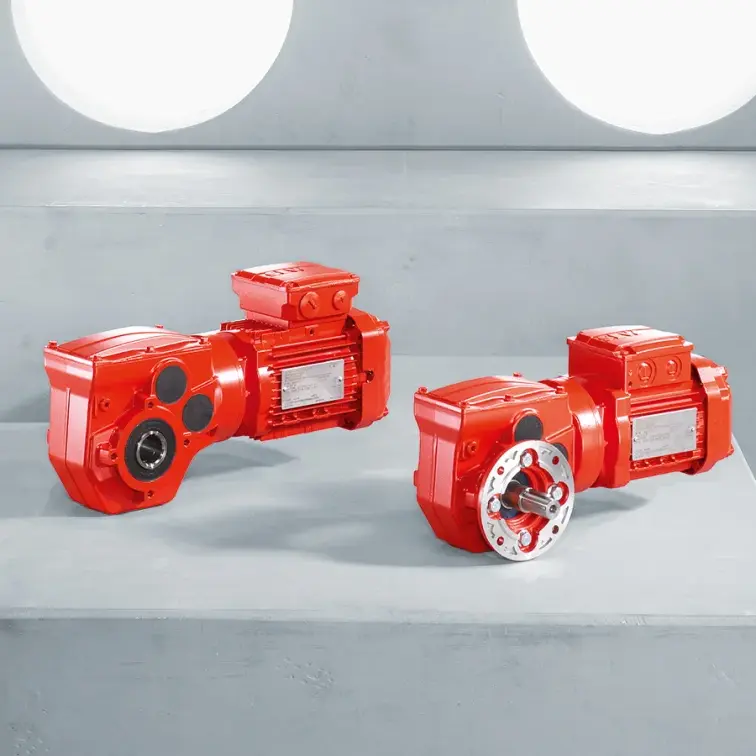
SEW Gearmotor
In today's global marketplace, selecting the right gearbox is crucial for industries ranging from automotive to manufacturing. Experts emphasize the importance of understanding various gearbox types to optimize performance and efficiency. As renowned gearbox specialist Dr. John Smith states, “Choosing the right gearbox can significantly impact operational success.”
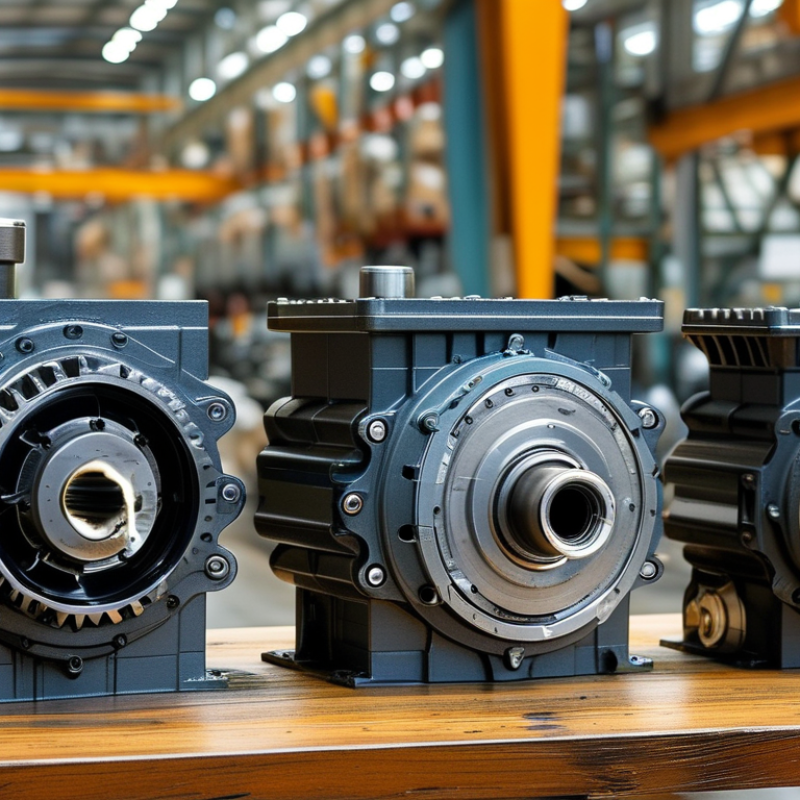
The variety of gearboxes available today can be overwhelming. Each type serves a distinct purpose, from helical to bevel gearboxes. Selecting the incorrect type could lead to inefficiencies and increased costs. Potential buyers must consider specific needs, load requirements, and environmental conditions. Each gearbox type has unique advantages and limitations, which necessitate careful evaluation.
Despite advancements, many buyers overlook critical factors. Misunderstandings about gearbox specifications can lead to unexpected failures in machinery. Buyers often prioritize cost over quality, which may result in long-term issues. It’s essential to seek out expert advice and conduct thorough research to make informed decisions. The right gearbox can profoundly enhance operational performance.
Gearboxes play a vital role in various mechanical systems. Understanding the different types can help buyers make informed decisions. Each type has unique features and applications.
There are several common gearbox types to consider. The most notable include spur, helical, and bevel gearboxes. Spur gearboxes are simple and efficient. They operate with straight-cut teeth, enabling high torque transmission. Helical gearboxes have angled teeth, providing smoother engagement and reduced noise. Bevel gearboxes, with their conical shape, excel in changing axis orientation.
Selecting the right gearbox goes beyond just understanding types. Buyers should reflect on factors such as torque requirements and operational speed. Misjudging these can lead to inefficiencies or mechanical failures. It's essential to assess the specific application and environment where the gearbox will be used. Comprehensive knowledge can enhance performance and longevity. Understanding these key varieties equips buyers to make appropriate choices, ensuring effective operation in their projects.
When selecting a gearbox type, understanding its functionality is crucial. Different gearboxes serve various purposes in machinery, impacting performance and efficiency. For example, planetary gearboxes excel in compactness and torque transmission. Their design allows for high torque density while occupying minimal space. This makes them suitable for robotics and automotive applications.
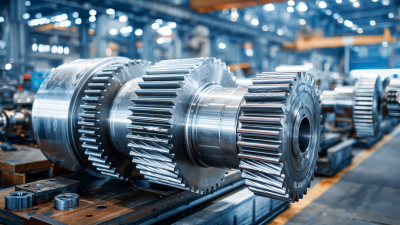
Helical gearboxes, on the other hand, provide smoother operation and better load distribution. Their angled teeth reduce noise and vibration, which is beneficial in applications requiring reliability. However, they may not be as efficient as other types when it comes to high-speed operations.
Tips: Always analyze the specific demands of your project. Evaluate space, load requirements, and noise levels. Factor in how each gearbox type could impact overall system performance. Sometimes, a less common gearbox could meet your needs better.
Keep in mind that no gearbox is perfect. Performance can vary under different conditions. It's essential to consult with knowledgeable experts in the field. They can provide valuable insights tailored to your specific needs. Balancing cost and performance often requires careful consideration and testing.
Choosing the right gearbox is crucial for efficiency and performance. Several factors should guide your decision-making. First, load requirements are key. Understand the weight and type of load your gearbox will handle. This knowledge helps ensure durability.
Next, consider the operating environment. Will the gearbox face dust, moisture, or extreme temperatures? Selecting a robust design for harsh conditions can prevent future failures. Efficiency matters too. Gearboxes with higher efficiency reduce energy waste and save operational costs.
**Tips:** Assess your application to determine ideal torque and gear reduction ratios. Each gearbox type has unique strengths and weaknesses. Research various designs and their suitability for your project.
Also, maintenance needs can influence your choice. Some gearboxes require regular servicing, while others are low-maintenance. Make sure you’re prepared for upkeep if necessary. Experience with similar machinery can be invaluable when selecting the right option.
Don’t overlook compatibility with existing systems. Assess input and output requirements for seamless integration. Sometimes, adjusting your current setup may lead to better overall performance.
When selecting gearbox types, efficiency and applications are crucial factors. Various reports highlight the importance of gear design in optimizing energy consumption. For instance, helical gearboxes boast an efficiency rate of up to 98%. This high efficiency makes them suitable for industrial applications where power loss must be minimized.
Planetary gearboxes are another option. They are known for their compact design and high torque output. Studies indicate that they can achieve an efficiency of about 95% while maintaining a smaller footprint. This characteristic is valuable in automotive and robotics industries, where space is limited.
**Tip:** Consider noise levels during operation. Some gearbox types generate more noise than others, potentially affecting surrounding equipment.
However, it’s essential to note that not every gearbox type is universally ideal. For example, worm gearboxes are less efficient, often falling below 80%. Their applications may be limited, but they excel in specific scenarios where a high gear reduction is necessary.
**Tip:** Regular maintenance is key to ensuring optimal gearbox performance. Scheduled checks can help identify early signs of wear and efficiency loss.
By evaluating specific needs against these efficiency ratings, buyers can make informed decisions. Understanding the trade-offs between efficiency, size, and application is fundamental to selecting the right gearbox type.
| Gearbox Type | Efficiency (%) | Common Applications | Advantages | Disadvantages |
|---|---|---|---|---|
| Spur Gearbox | 95% | Conveyor systems, automotive | High efficiency, cost-effective | Limited speed range, noisy |
| Helical Gearbox | 94% | Mining, construction | Smooth operation, higher load capacity | Axial thrust issues, costlier |
| Bevel Gearbox | 90% | Machine tools, automotive | Compact design, versatile | Lower efficiency, alignment sensitive |
| Planetary Gearbox | 97% | Robotics, aerospace | High torque density, compact | Complex design, expensive maintenance |
| Worm Gearbox | 85% | Lifts, conveyors | High reduction ratios, self-locking | Low efficiency, heat generation |
| Hypoid Gearbox | 92% | Automotive differentials, conveyors | High torque, smooth operation | More complicated design, higher cost |
| Sleeve Gearbox | 88% | Textile, food processing | High-load capacity, robustness | Higher weight, less flexibility |
| Rack and Pinion Gearbox | 89% | Cranes, steering systems | Direct linear movement, high rigidity | Limited speed, wear issues |
| Variable Speed Gearbox | variable | Fans, pumps | Adjustable speed, energy saving | Complex control, potentially less durable |
| Gear Motor | 91% | Automation, robotics | Compact integration, high torque | Less flexibility, higher initial costs |
The gearbox industry is witnessing rapid advancements. According to a recent market analysis by Allied Market Research, the global gearbox market is projected to reach $35.6 billion by 2027. This growth is driven by increasing automation across industries, especially in manufacturing and energy sectors. The integration of smart technologies, like IoT and AI, enhances gearbox efficiency and reliability. This trend signifies a shift towards intelligent systems that optimize performance and minimize downtime.
Currently, gearboxes are evolving to accommodate diverse applications. The rise of electric vehicles (EVs) calls for lightweight, efficient gear solutions. Studies indicate that the adoption of automotive gearboxes in EVs can improve energy efficiency by up to 30%. However, some companies face challenges in adapting existing designs for new technologies. Innovation remains essential, especially as industries demand greater flexibility and customization. Manufacturers must invest in R&D to keep pace with technological changes. They also need to respond to the shifting preferences of global buyers seeking advanced gearbox solutions that align with sustainability goals.