Leave Your Message

Top Neupex Coupling Manufacturers for Global Buyers

Choosing the right Neupex Coupling manufacturer requires more than comparing prices on a supplier website. Global buyers need dependable products, clear specifications, and evidence of consistent production quality. A coupling may look simple, yet its performance depends on bore accuracy, material strength, torque capacity, alignment tolerance, and operating temperature.

This guide examines top Neupex Coupling manufacturers serving international markets. It focuses on manufacturing experience, engineering support, quality controls, export capability, and communication standards. Buyers should review technical drawings, product samples, inspection records, and delivery performance before placing large orders. Small details matter. A poorly finished bore can create vibration, noise, and early wear in demanding machinery.

Reliable manufacturers usually provide traceable materials, documented dimensions, and responsive after-sales support. However, supplier claims still require careful verification. Website content is not enough. Factory audits, third-party inspections, and direct technical discussions can reveal important differences between vendors. Some companies may offer competitive prices but limited customization or inconsistent lead times.

The evaluation process is not perfectly simple. Product availability can change, and regional certifications may vary. This article therefore presents practical guidance rather than absolute rankings. It considers what experienced purchasing teams inspect before selecting a long-term supplier. The aim is clearer decision-making, fewer avoidable failures, and better value across the equipment lifecycle. Mistakes can happen. Careful checks reduce their cost.

Top Neupex Coupling Manufacturers for Global Buyers

What Neupex Couplings Are and Where They Are Used

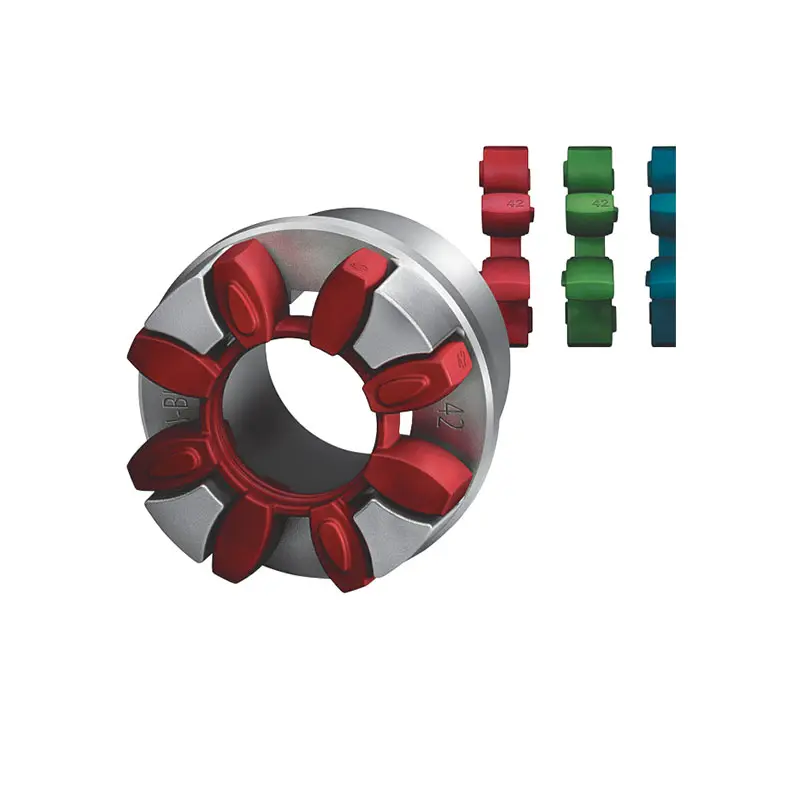
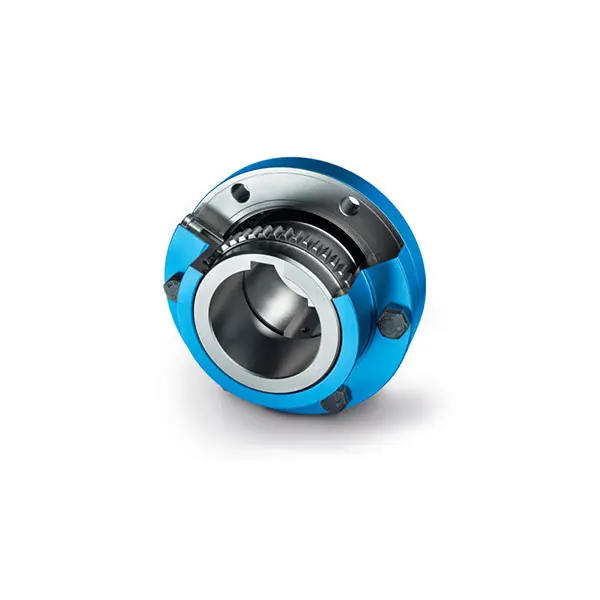
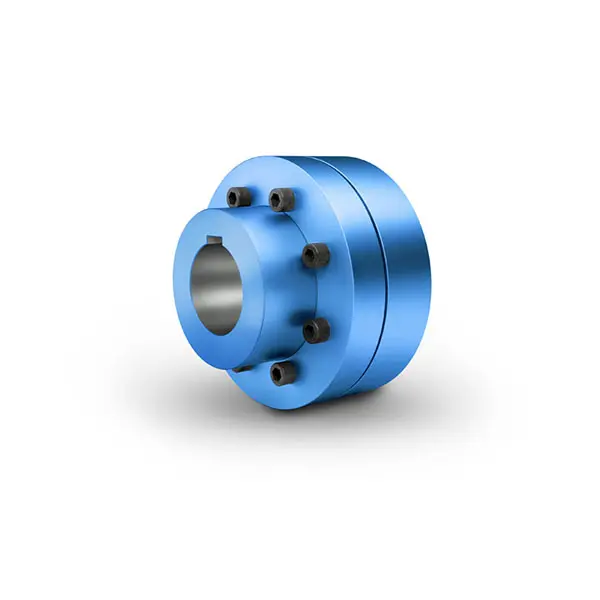
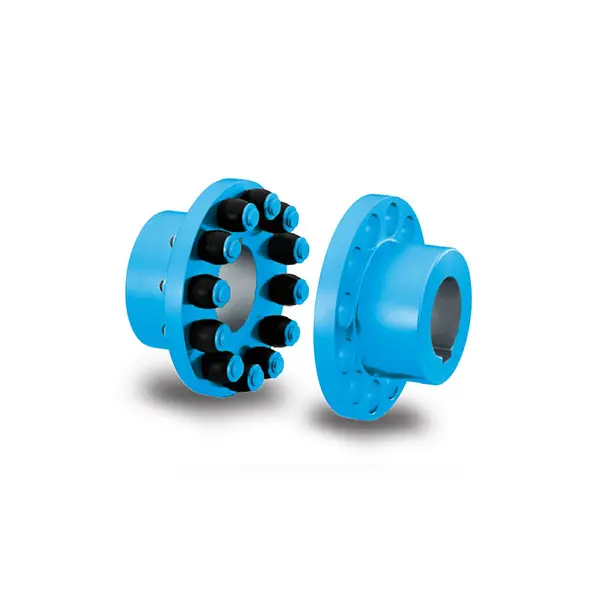
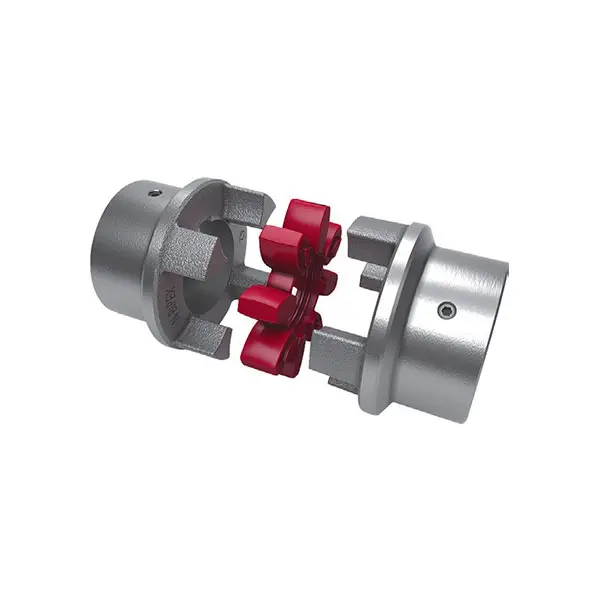
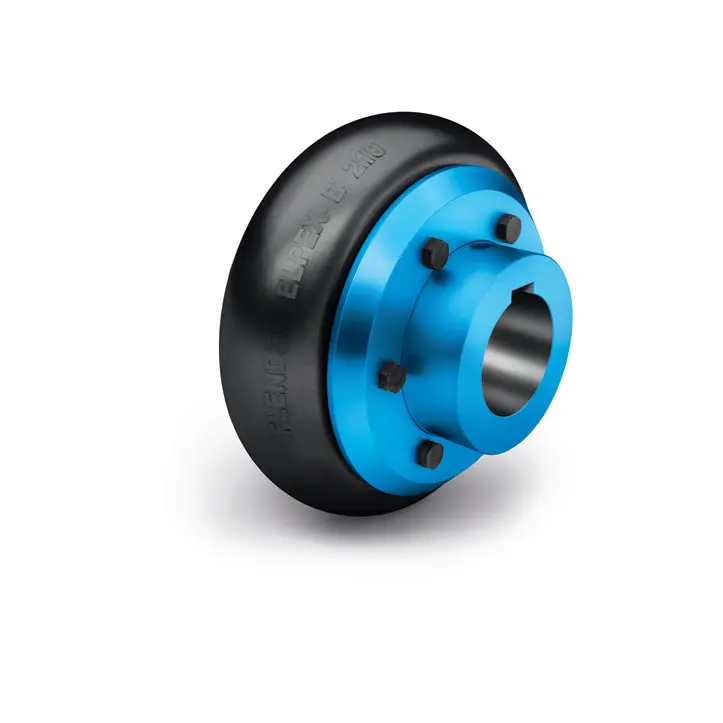
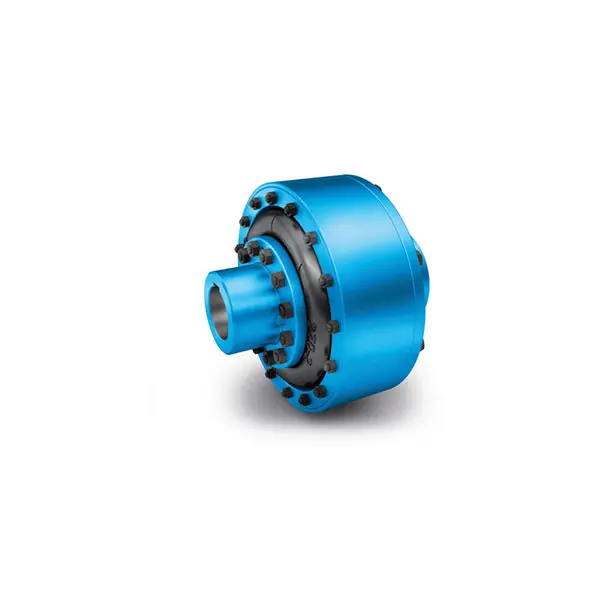
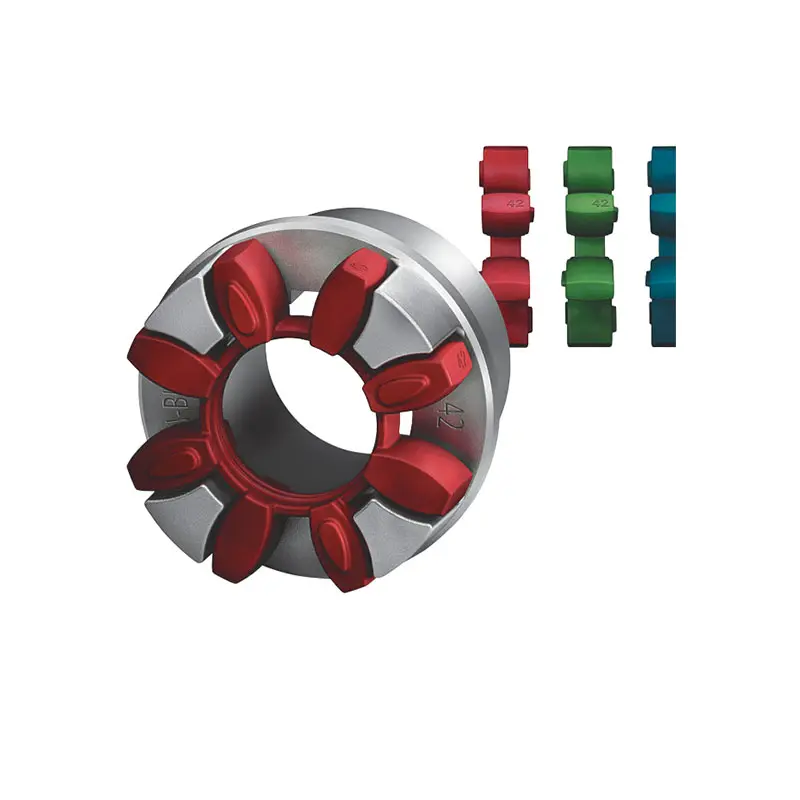
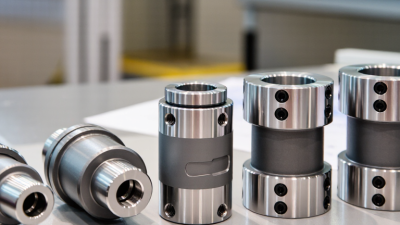
Neupex couplings are flexible pin-and-bush couplings designed to transmit torque between rotating shafts. Their construction typically combines two metal hubs with resilient elements between them. These elements absorb vibration and allow limited axial, angular, and radial misalignment. The result is smoother power transmission and less stress on connected equipment.

In industrial settings, these couplings commonly support pumps, fans, compressors, conveyors, mixers, and general drive systems. They are useful where motors operate continuously and starting loads may vary. A coupling can also reduce shock during acceleration. However, it is not a cure for poor alignment. Excessive shaft offset can accelerate bush wear, raise temperature, and create unexpected downtime. In my experience, service conditions often matter more than catalog torque alone. Ambient heat, dust, moisture, speed, and start-stop frequency should all influence selection.

Tips: Check shaft sizes, operating torque, speed, and available space before ordering. Inspect the flexible elements during scheduled maintenance. Look for cracks, flattening, hardening, or unusual dust near the coupling. Keep a record of alignment readings, because small changes can reveal bearing or foundation problems. A practical detail is often missed: leave enough guard clearance for inspection and replacement. No coupling is maintenance-free. Even a well-selected unit may need earlier attention in harsh environments.

Key Standards for Evaluating Neupex Coupling Manufacturers

Top Neupex Coupling Manufacturers for Global Buyers

Key Standards for Evaluating Neupex Coupling Manufacturers

Selecting a Neupex coupling manufacturer requires more than comparing prices. Buyers should verify dimensional accuracy, torque capacity, shaft compatibility, and documented fatigue performance. ISO 9001 certification supports controlled production, but it does not replace product-level testing. Ask for material certificates, inspection records, and batch traceability.

Energy performance also deserves attention. The U.S. Department of Energy reports that motor-driven systems consume about 70% of industrial electricity in the United States. Poor alignment or excessive coupling stiffness can increase vibration and energy losses. Manufacturers should explain their balancing process, allowable angular misalignment, and maintenance intervals. Testing should follow recognized procedures, with results linked to a specific production batch.

Look for measurable evidence. A capable supplier can provide torque-speed curves, tolerance data, hardness results, and failure analysis. ISO 10825 offers useful guidance for gear and coupling inspection practices, while ISO 14001 can indicate a structured environmental management system. However, certificates may be outdated or limited in scope. That detail is easy to miss.

Site audits remain valuable. Inspect calibration labels, machining records, and storage conditions. Packaging matters too; moisture can damage finished surfaces before installation. A polished catalog proves little. A small documentation gap may not indicate poor engineering, but it deserves a clear corrective response. Reliability is demonstrated repeatedly, not claimed once.

Leading Neupex Coupling Manufacturers for International Buyers

Leading Neupex Coupling Manufacturers for International Buyers

International buyers often assess Neupex coupling manufacturers through more than catalog prices. They examine machining accuracy, material traceability, production capacity, and export experience. A dependable manufacturer should provide dimensional drawings, tolerance data, and clear inspection records. These documents help engineers compare products across different markets and installation conditions.

Practical experience matters during supplier evaluation. Ask how the manufacturer handles shaft misalignment, vibration, temperature changes, and repeated loading. A serious factory can explain its testing process without relying on vague claims. Useful checks may include hardness testing, balance verification, torque inspection, and sample assembly. Packaging also deserves attention. Moisture-resistant wrapping and labeled components can prevent confusion after long-distance transport.

No supplier is perfect. Some factories may offer strong machining quality but limited communication support. Others may respond quickly yet provide incomplete technical files. Buyers should record these weaknesses before signing purchase agreements. Small trial orders can reveal more than polished presentations. Delivery consistency, replacement procedures, and engineering responses become visible under real working pressure. Manufacturers serving international buyers should also understand customs documents, regional standards, and changing project schedules. Reliable cooperation is built through evidence, careful questions, and measurable performance.

Product, Quality, and Customization Comparison

Top Coupling Manufacturers for Global Buyers

Choosing an industrial coupling requires more than comparing catalog prices. Buyers should examine product design, material grades, torque capacity, and operating temperature. Flexible couplings may reduce vibration, while rigid types suit accurately aligned shafts. The correct option depends on load changes, shaft size, speed, and maintenance access. Small details matter.

Quality comparison should begin with measurable evidence. Ask for dimensional inspection reports, material certificates, and fatigue or torque test data. Check bore tolerance, keyway accuracy, surface finish, and fastener strength. A reliable manufacturer explains its inspection process clearly. It should also identify testing limits instead of promising unrealistic service life. That honesty matters.

Customization can include bore dimensions, hub length, coating, elastomer hardness, and special mounting patterns. However, customization is not automatically better. A nonstandard design may increase lead time, replacement difficulty, and future costs. Engineers should review drawings before production and confirm critical tolerances in writing. Sample approval helps, but it cannot replace batch inspection. One practical weakness remains: buyers sometimes compare quotations without comparing test conditions. That makes quality appear cheaper than it really is. A balanced supplier comparison should consider performance, documentation, production consistency, response speed, and after-sales technical support. Dialogue helps.

How Global Buyers Can Select the Right Supplier

Global buyers choosing a coupling manufacturer should start with operating facts, not polished catalog images. Record shaft diameter, rated torque, peak loads, speed, temperature, misalignment, and installation space. A supplier should explain how its coupling design handles each condition. Ask for drawings, material grades, tolerance data, and a clear service-life estimate. Good technical answers are specific. Vague promises deserve caution.

Factory capability matters as much as product design. Review machining equipment, heat-treatment controls, balancing procedures, and final inspection records. Request sample reports showing bore accuracy, hardness, runout, and dynamic balance. Independent certifications can support credibility, but certificates alone prove little. Check their scope and expiry dates. Also assess packaging. A protected coupling should arrive clean, labeled, and ready for controlled storage.

Communication often reveals supplier reliability. Compare response times, engineering support, replacement-part policies, lead times, and export documents. Confirm whether one contact can manage technical changes across languages and time zones. Ask for a pilot order before committing to volume. Measure fit, vibration, noise, and installation effort in real equipment. No supplier is perfect. Even a careful assessment can miss field conditions, so record assumptions and revisit them after commissioning.

Top Neupex Coupling Manufacturers for Global Buyers - How Global Buyers Can Select the Right Supplier

An objective supplier-screening framework based on commonly recognized industrial procurement requirements

Evaluation Dimension What Global Buyers Should Confirm Objective Evidence to Request Suggested Weight Recommended Decision Rule
Product Suitability The coupling design matches the required torque, speed, bore size, shaft arrangement, misalignment limits, and operating temperature. Completed technical datasheet, dimensional drawing, selection calculation, and application reference list. 20% Reject suppliers that cannot provide a documented selection calculation for the intended duty.
Material Traceability Materials used for hubs, sleeves, fasteners, elastomeric elements, and other critical parts are clearly identified and traceable. Material certificates, heat or batch numbers, inspection records, and applicable EN 10204 inspection documentation. 12% Require full traceability for critical components used in high-load or safety-sensitive applications.
Quality Management The manufacturer operates a controlled quality system covering design, purchasing, production, inspection, and corrective action. Valid ISO 9001 certificate issued by an accredited certification body, quality manual, and sample inspection plan. 12% Give preference to certificates that can be independently verified and match the manufacturing site.
Testing and Inspection The supplier can verify dimensions, hardness, surface condition, balance, runout, and other specified acceptance criteria. Inspection and Test Plan, calibration records, test reports, and laboratory competence evidence where testing is outsourced. 10% Do not approve a supplier that relies only on visual inspection for a precision coupling application.
Engineering Support The supplier can support coupling sizing, installation, alignment, maintenance, and failure analysis. Engineering contact details, installation manual, maintenance schedule, alignment instructions, and technical response procedure. 10% Prioritize suppliers able to provide application-specific recommendations rather than catalog-only support.
Customization Capability The manufacturer can produce non-standard bores, keyways, coatings, materials, spacers, or mounting arrangements when required. Approved drawings, engineering change process, prototype samples, and documented tolerance capabilities. 8% Select suppliers with controlled drawing approval and revision management for customized orders.
Delivery Reliability The supplier has a realistic production schedule, documented capacity, and a reliable export logistics process. Production lead-time statement, capacity plan, order milestone schedule, packaging specification, and shipping documents. 8% Use written delivery milestones and escalation procedures for time-critical projects.
Export and Compliance Documents The supplier can provide accurate commercial, technical, origin, and conformity documents for the destination market. Commercial invoice, packing list, certificate of origin, export packing details, product declaration, and applicable regulatory documentation. 6% Confirm documentation requirements before issuing the purchase order, especially for regulated industries.
Warranty and After-Sales Service The supplier defines warranty coverage, exclusions, claim procedures, replacement policy, and technical response times. Signed warranty terms, non-conformance procedure, spare-parts list, and service-response commitment. 6% Avoid suppliers with unclear warranty exclusions or no formal corrective-action process.
Total Cost of Ownership The commercial evaluation includes purchase price, freight, duties, installation, maintenance, replacement elements, and expected service life. Detailed quotation, Incoterms® 2020 delivery basis, spare-parts pricing, maintenance requirements, and lifecycle assumptions. 8% Choose the lowest compliant lifecycle cost, not simply the lowest initial quotation.
Buyer note: Supplier names and brand-specific claims are intentionally omitted. Buyers should verify current certificates, technical capability, production-site details, and commercial terms directly before approval.