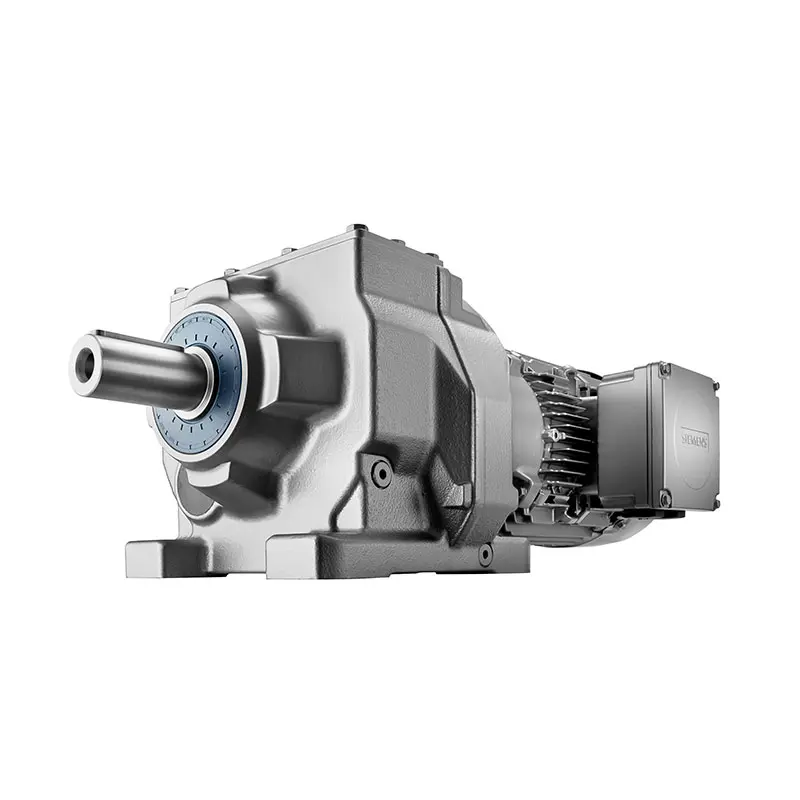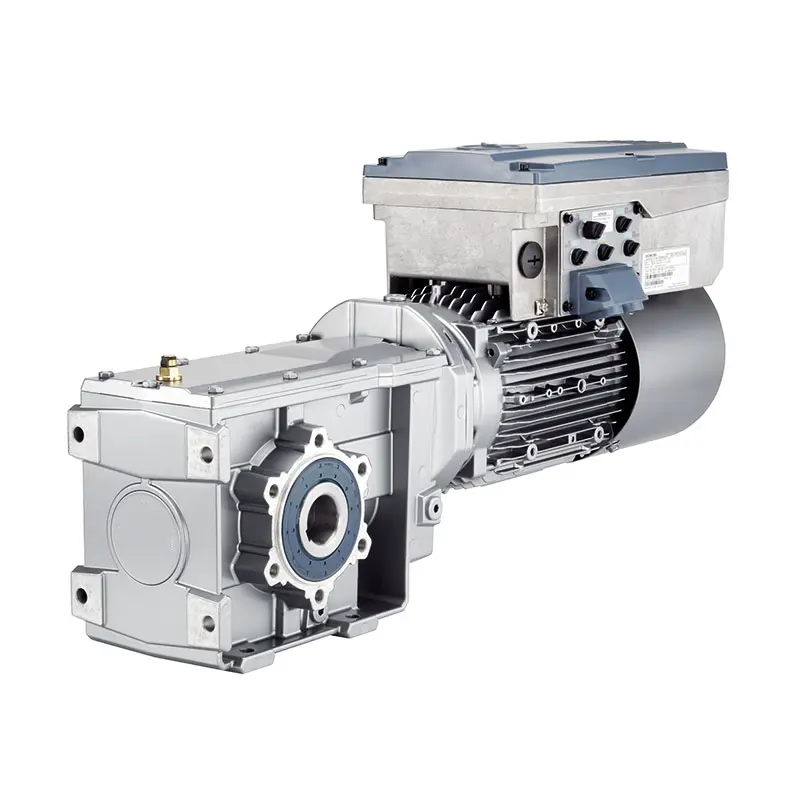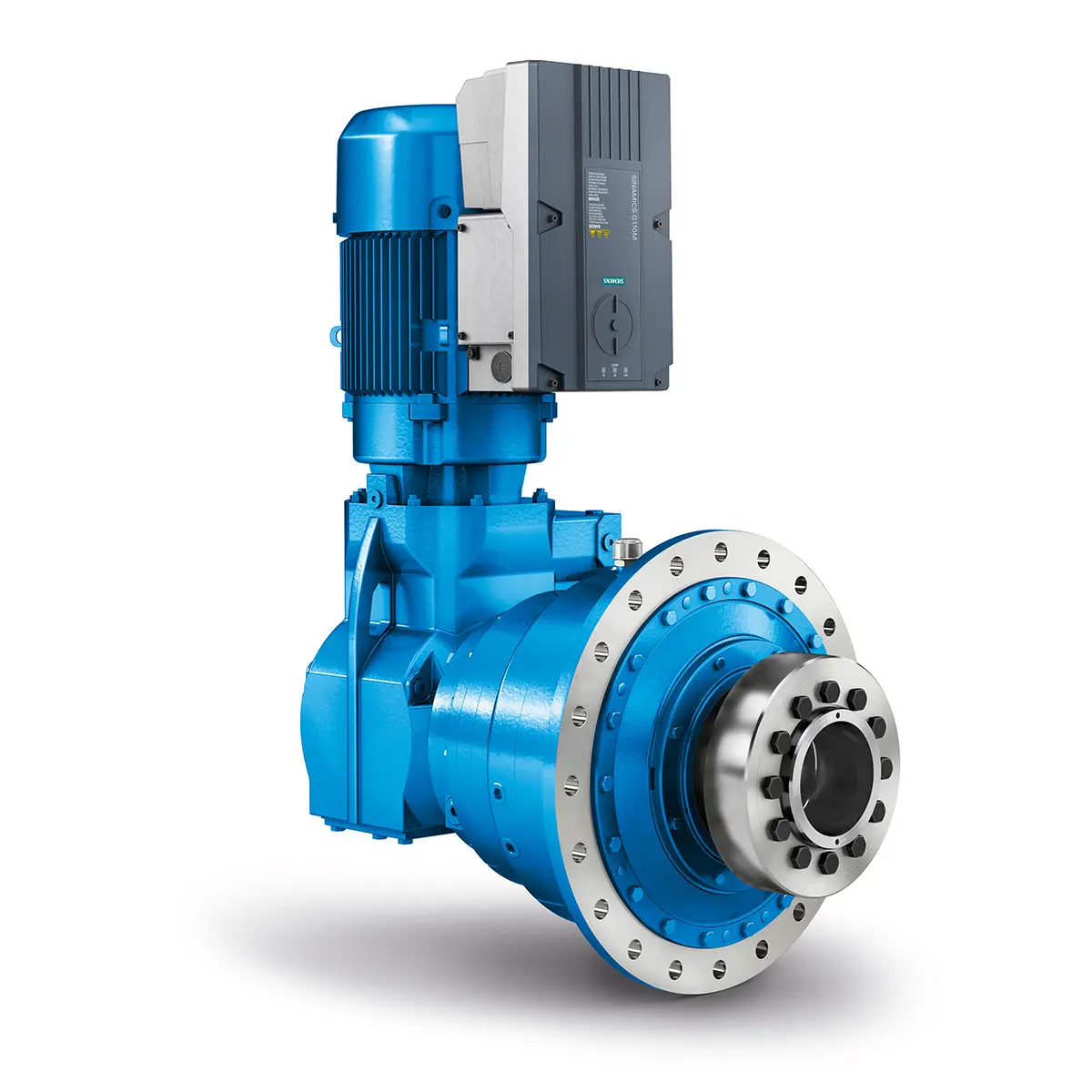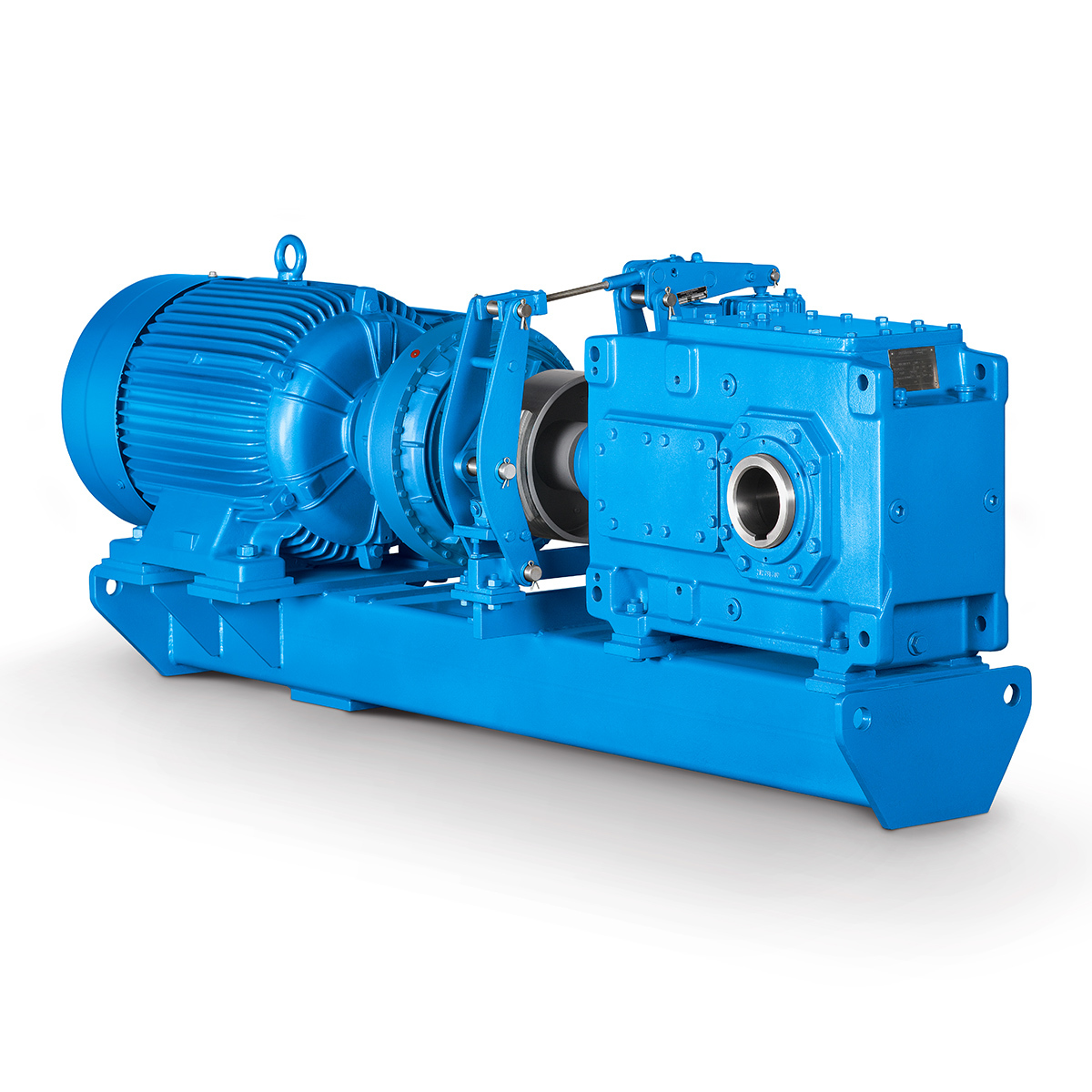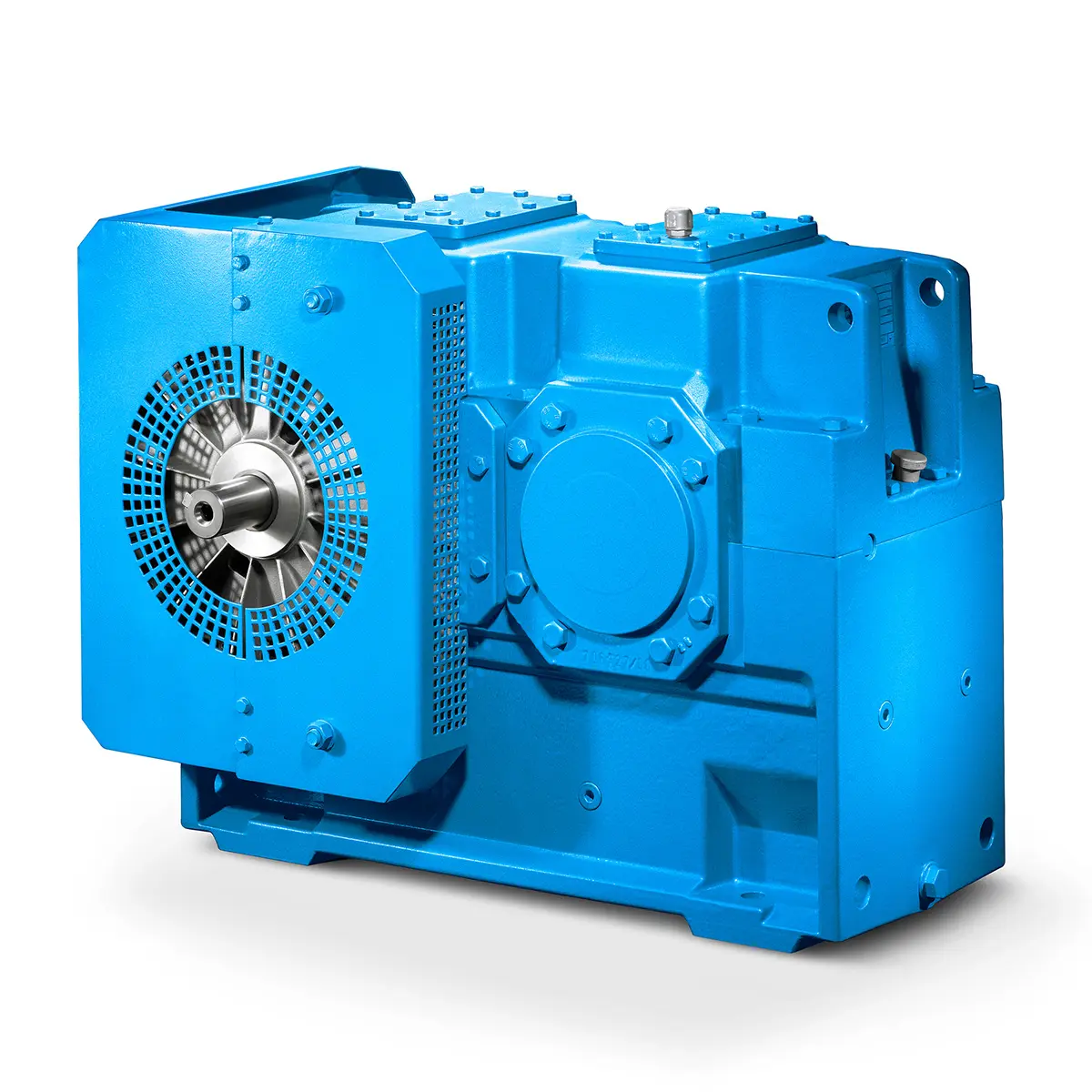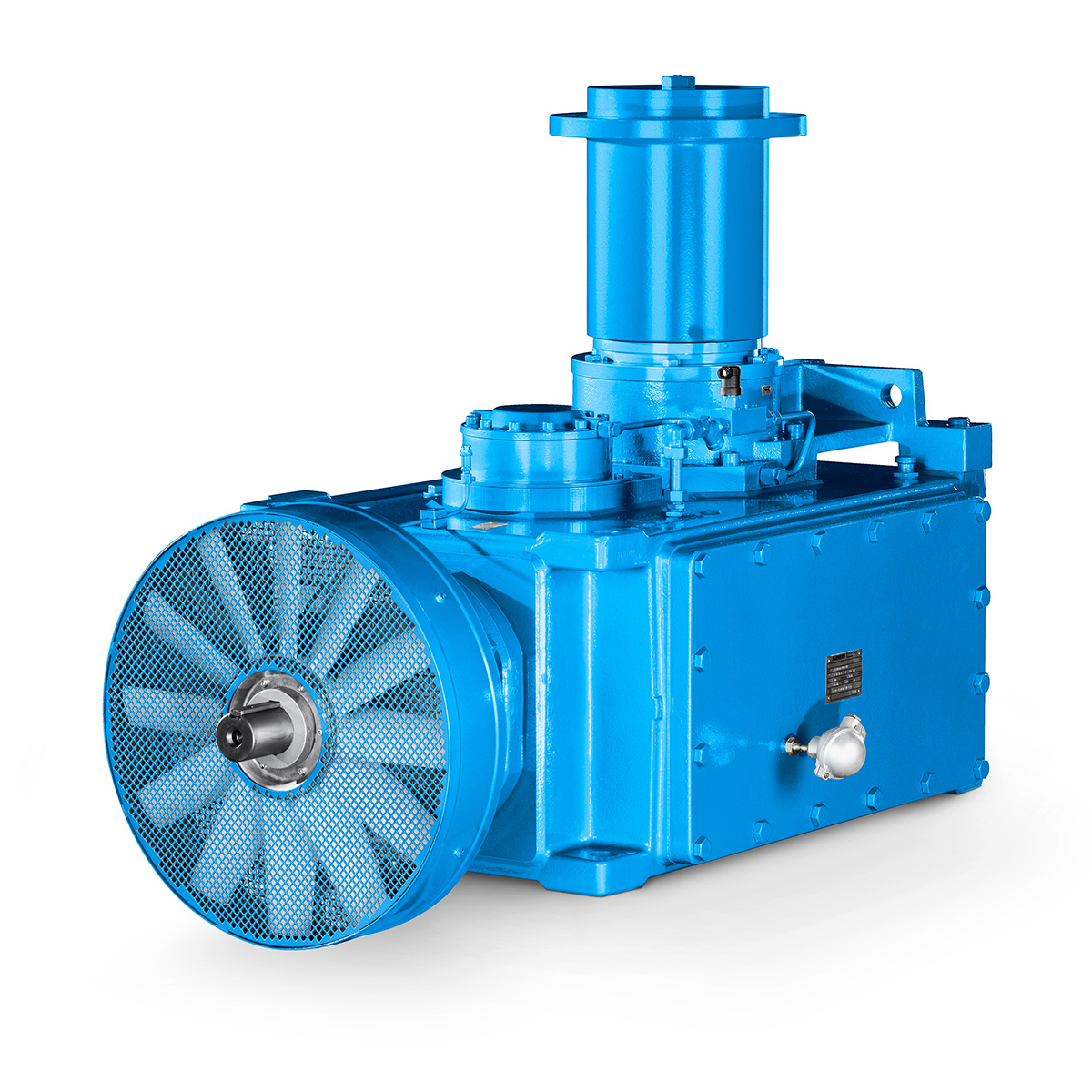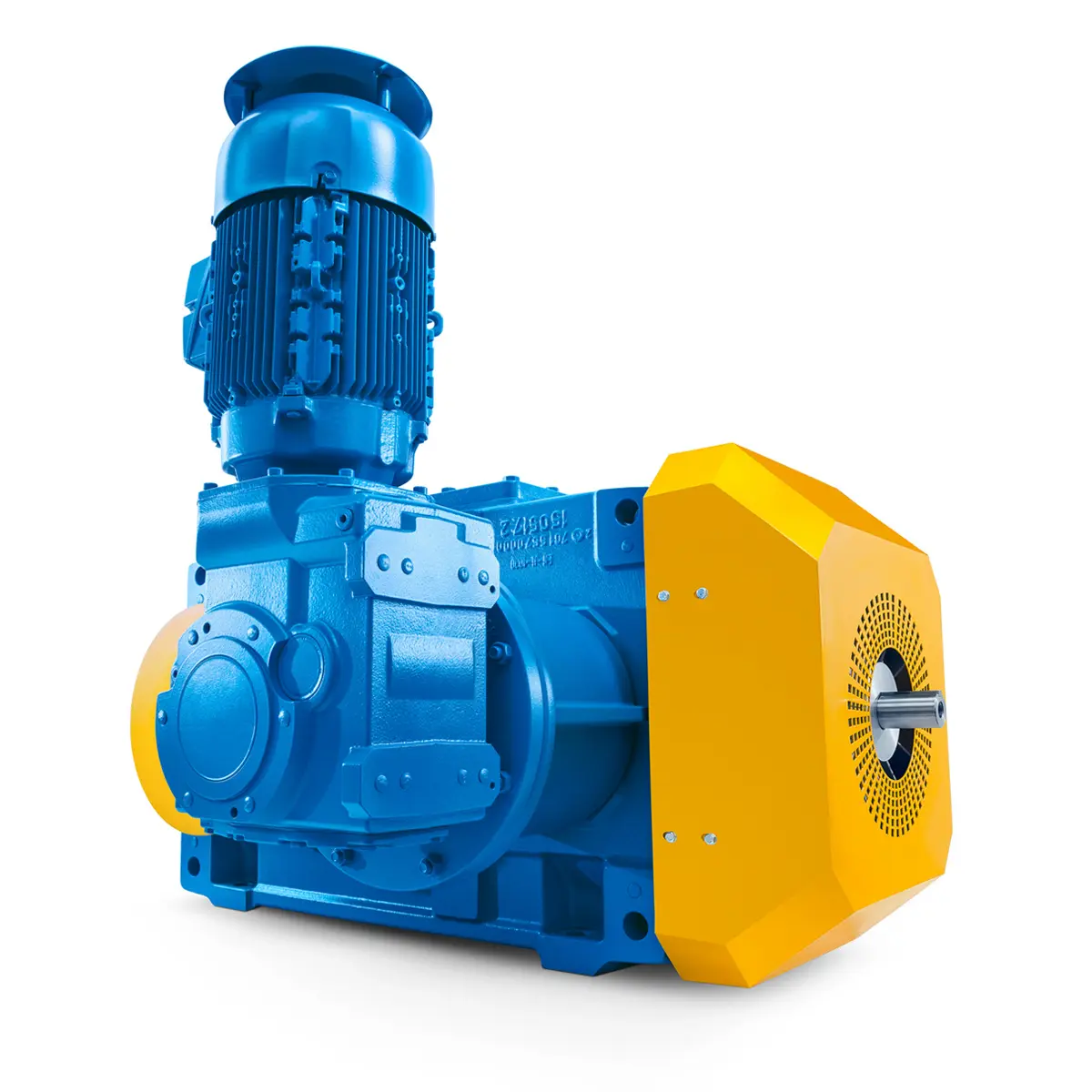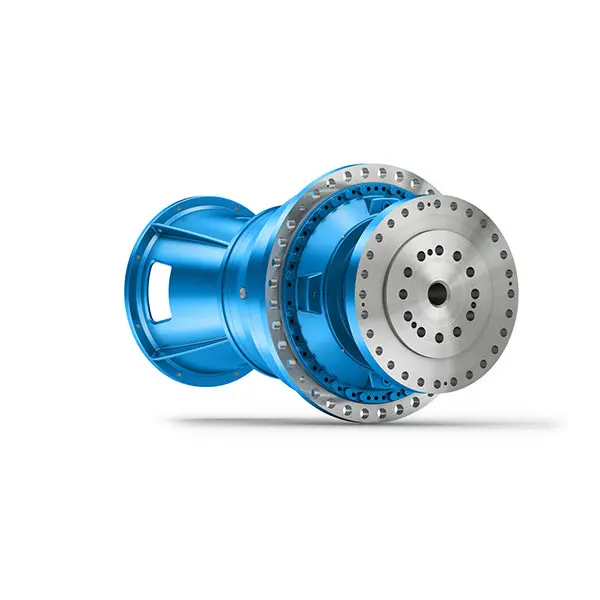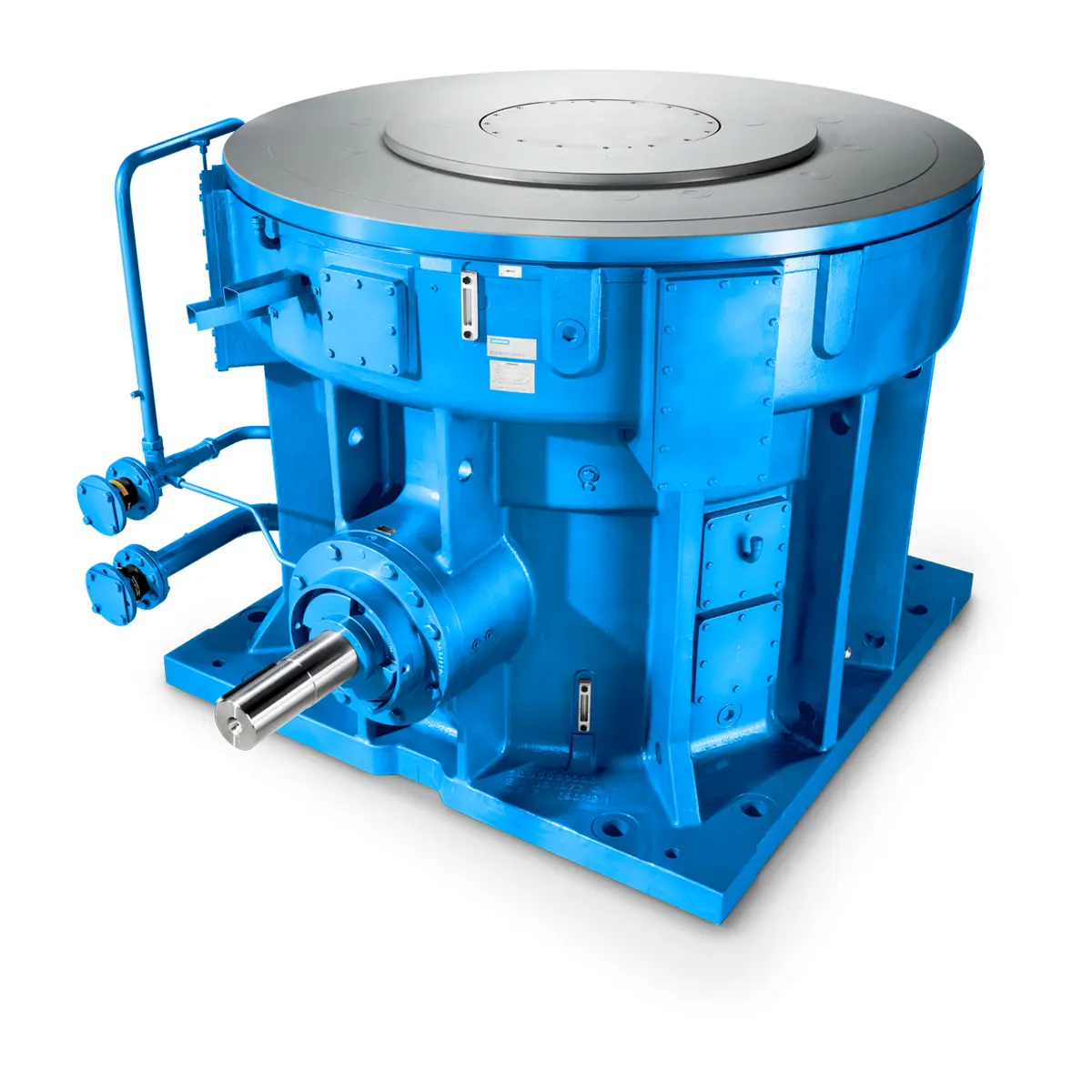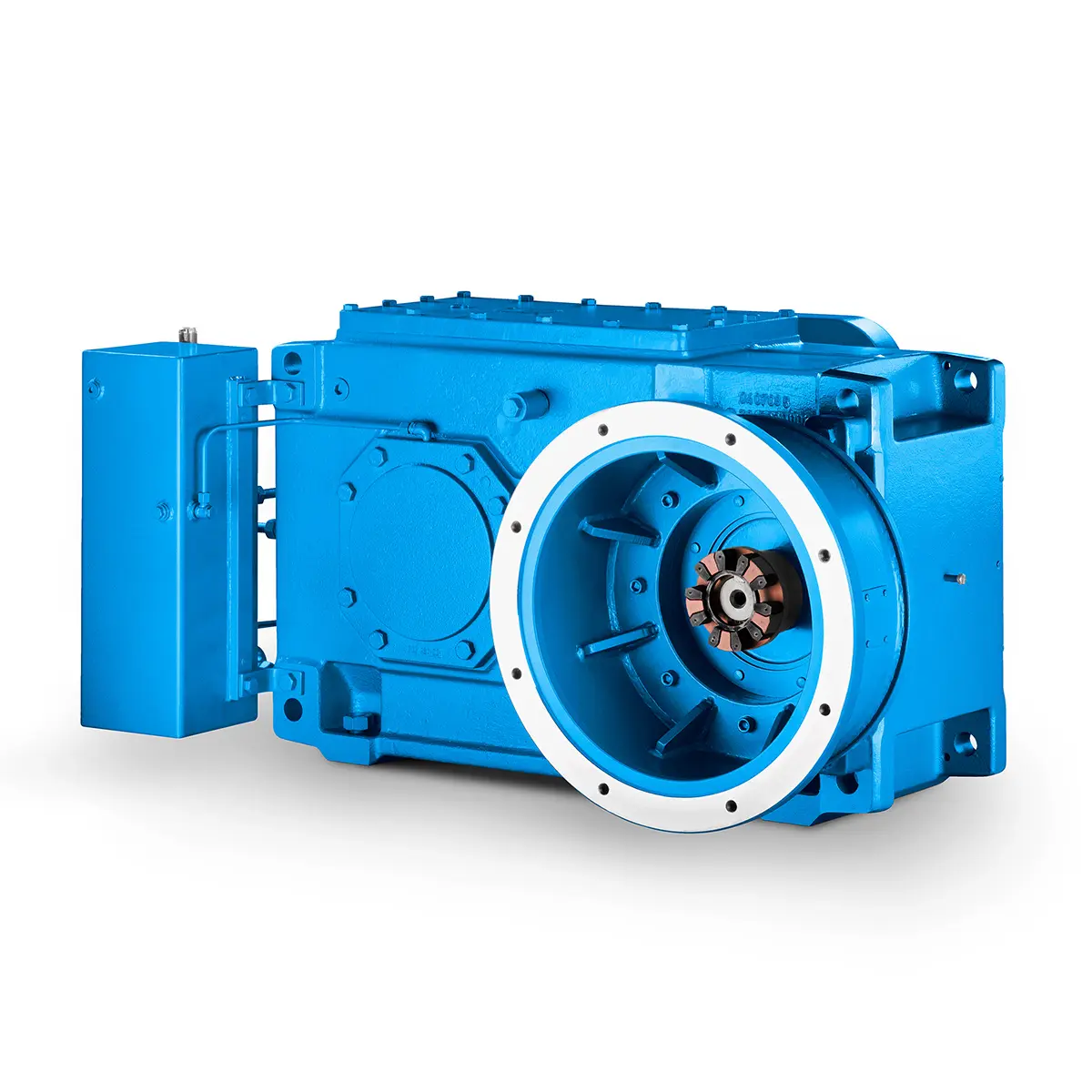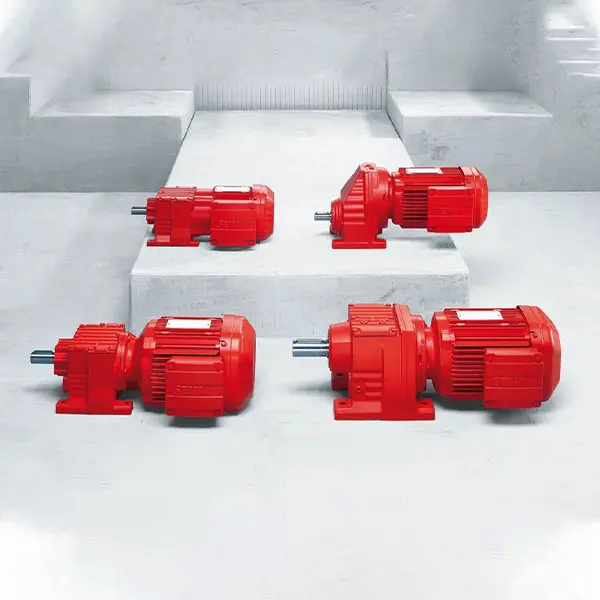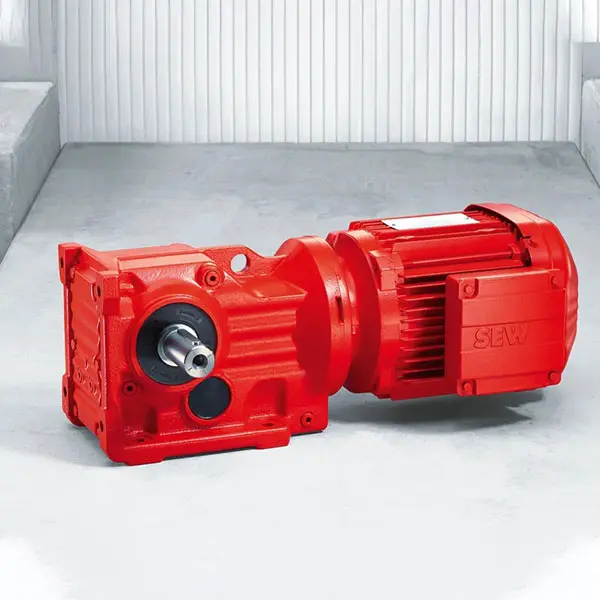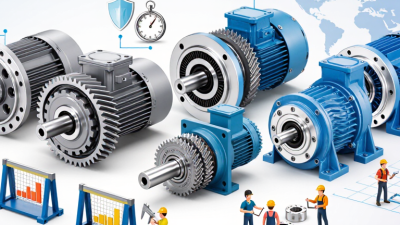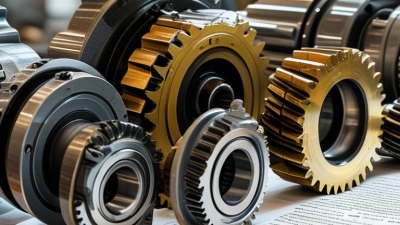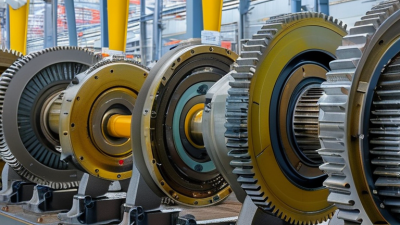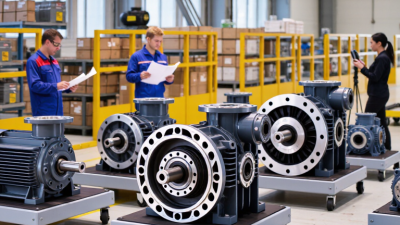
SIEMENS Helical Gearmotor Low Voltage
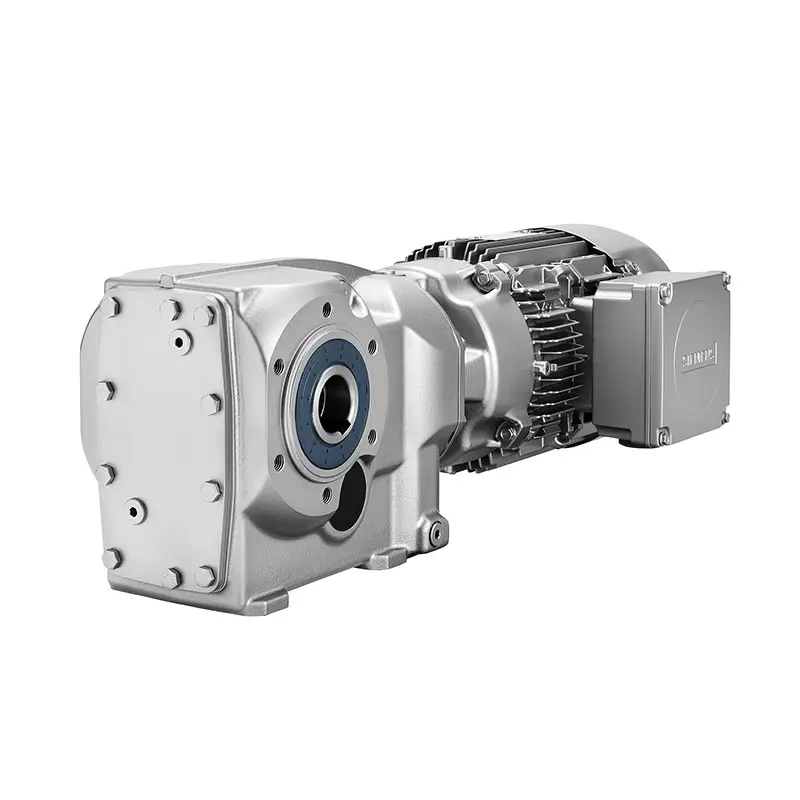
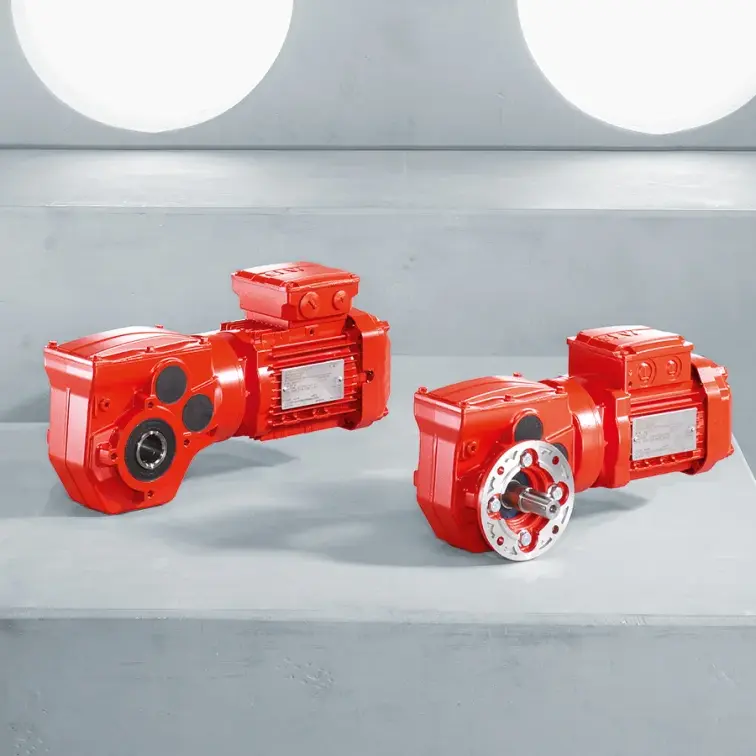
SIEMENS Bevel Helical Gearmotor
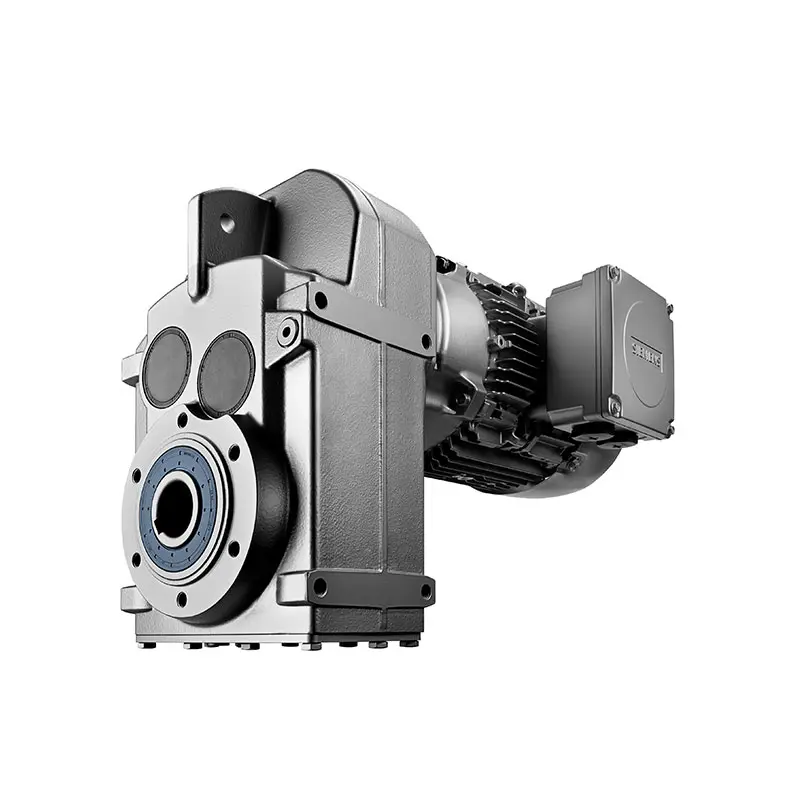
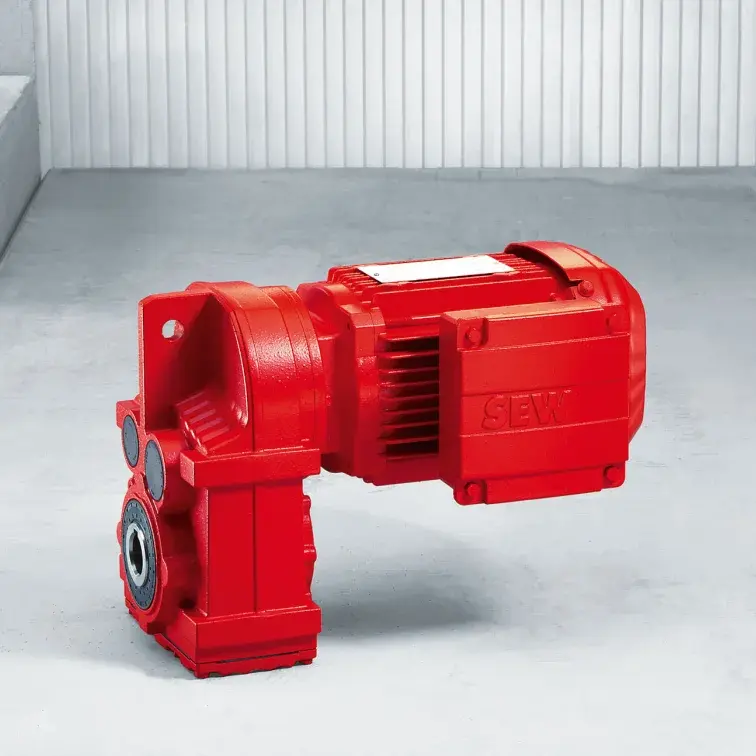
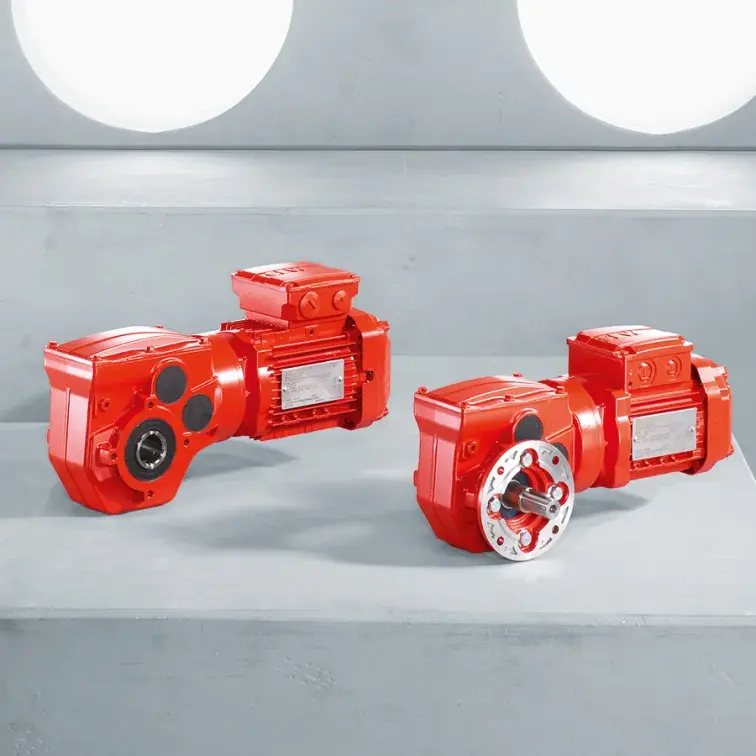
SIEMENS Parallel Shaft Gearmotor
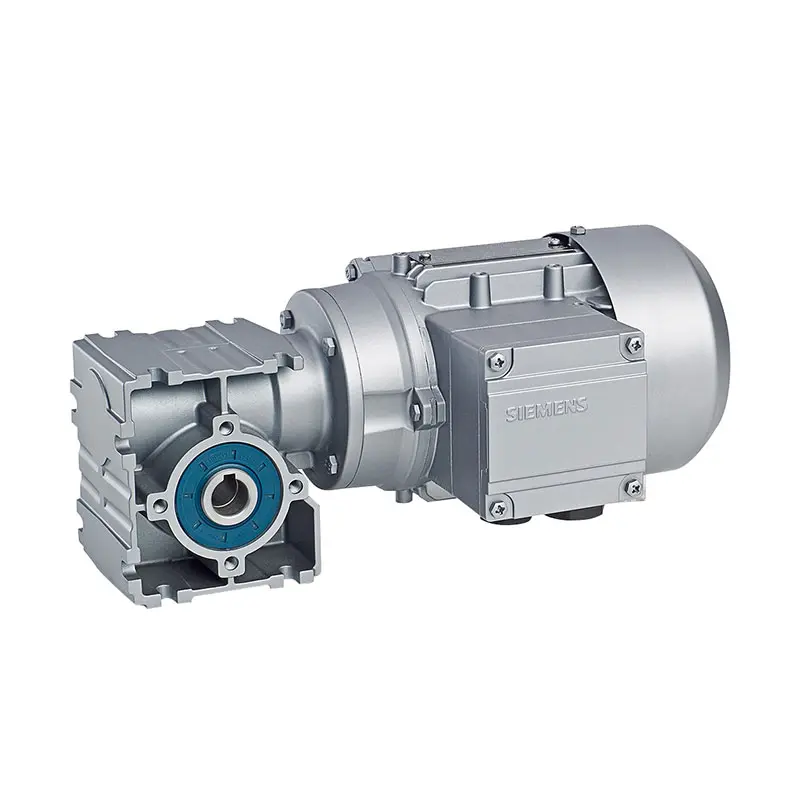
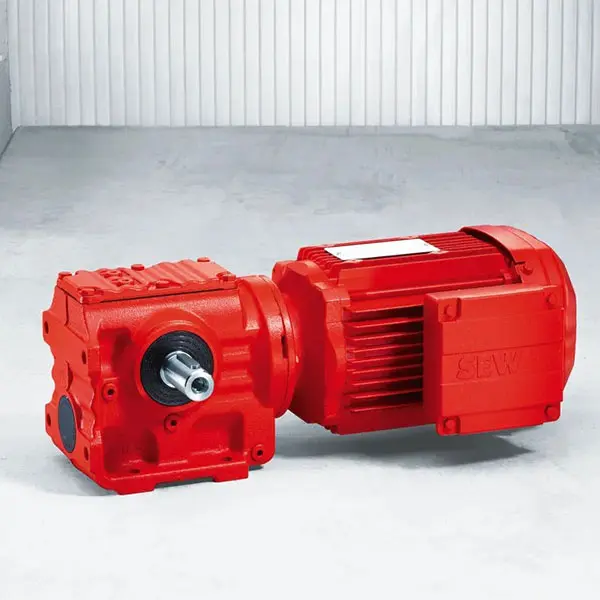
SIEMENS Worm Gearmotor Low Voltage
SIEMENS With Servo Motor Gearmotor
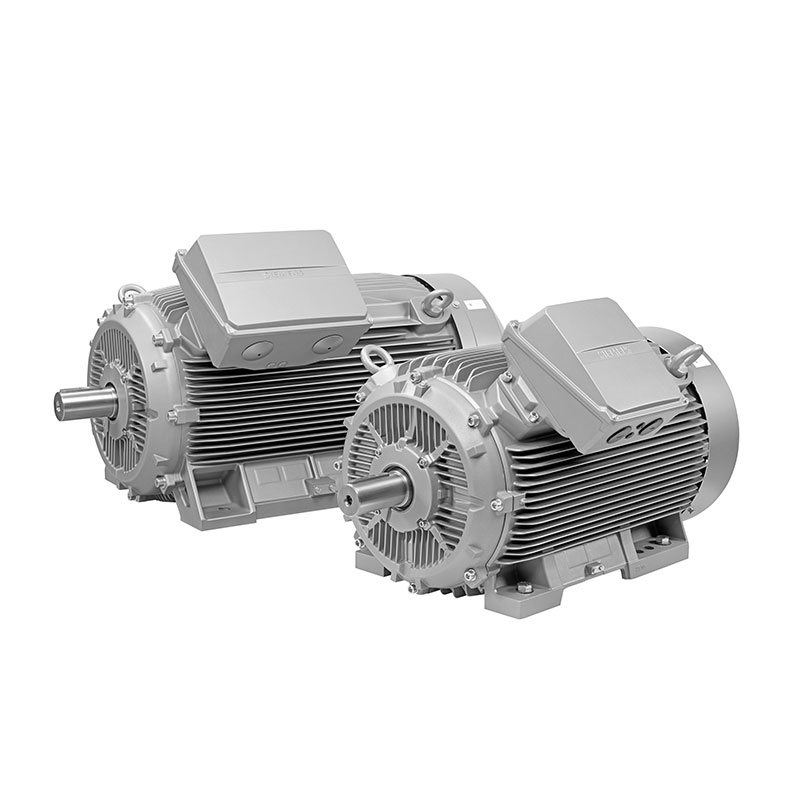
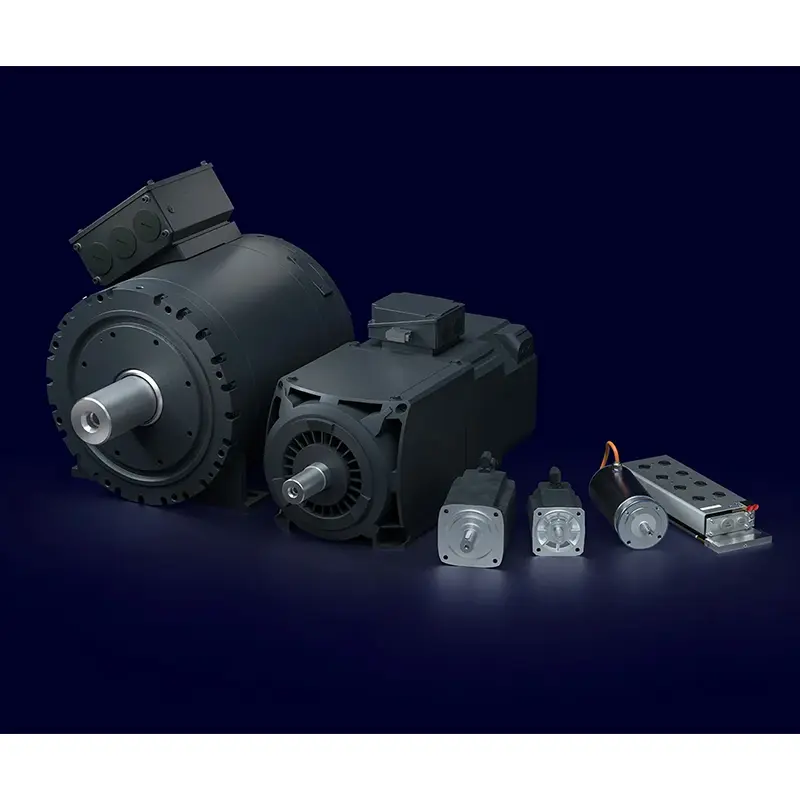
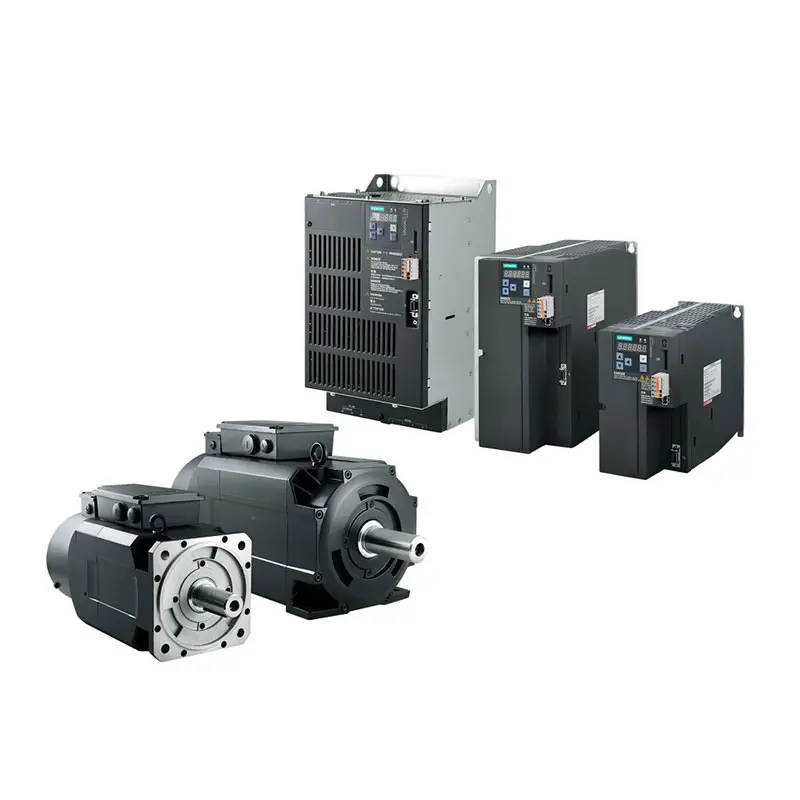
SIEMENS Low Voltage Motor Low Voltage
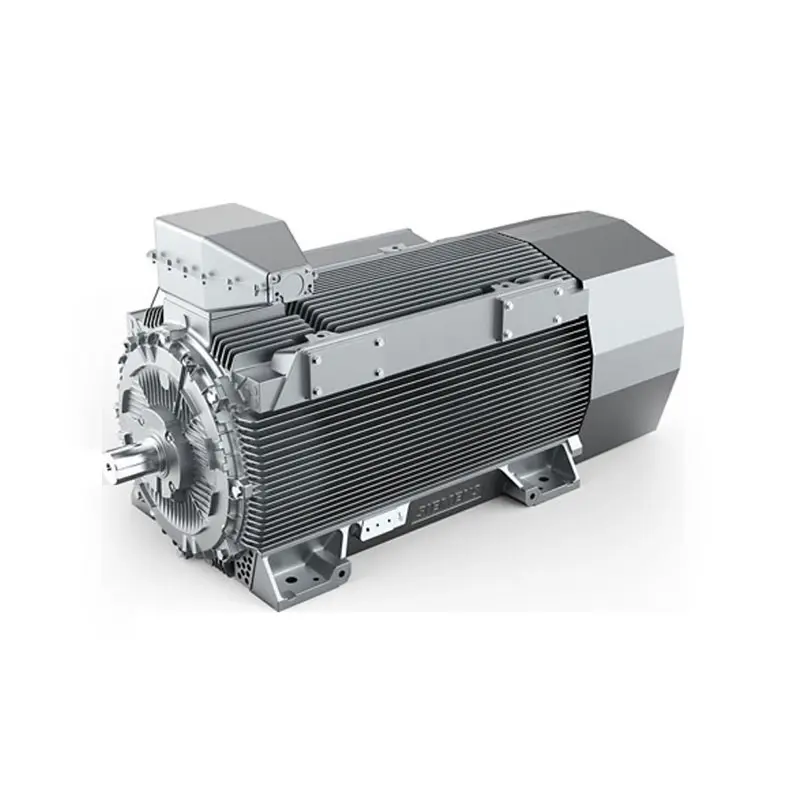
SIEMENS High Voltage Motor Low Voltage
SIEMENS Marine Motor Low Voltage
SIEMENS Servo Motor Low Voltage
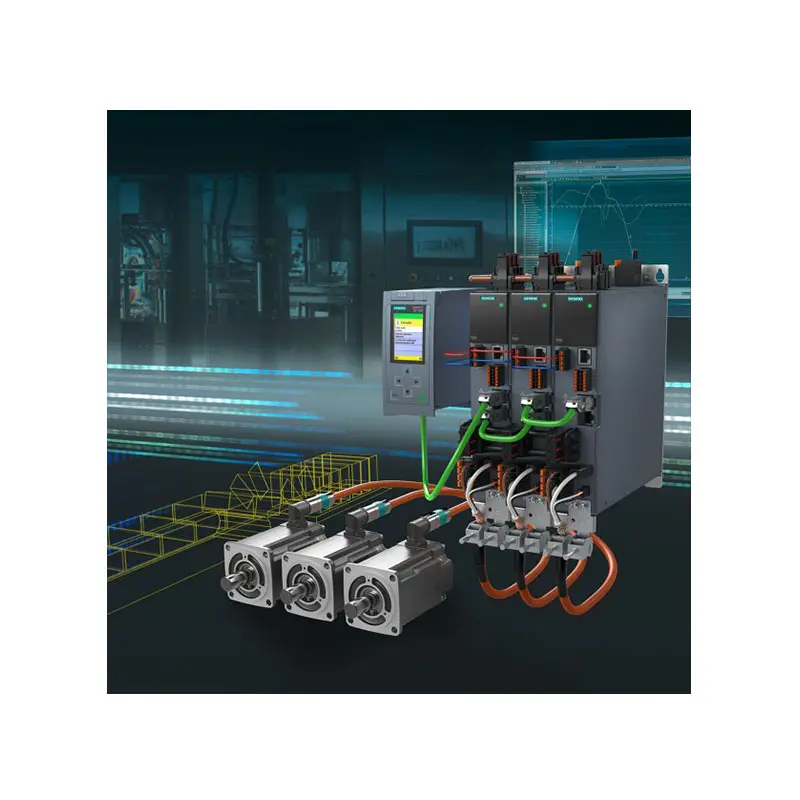
SIEMENS SINAMICS S210 Low Voltage
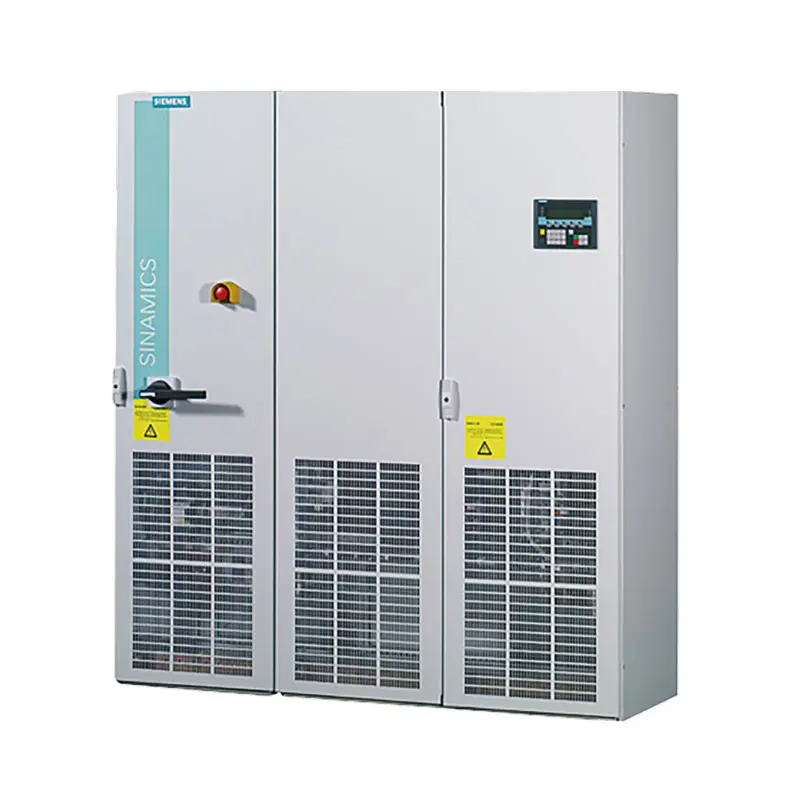
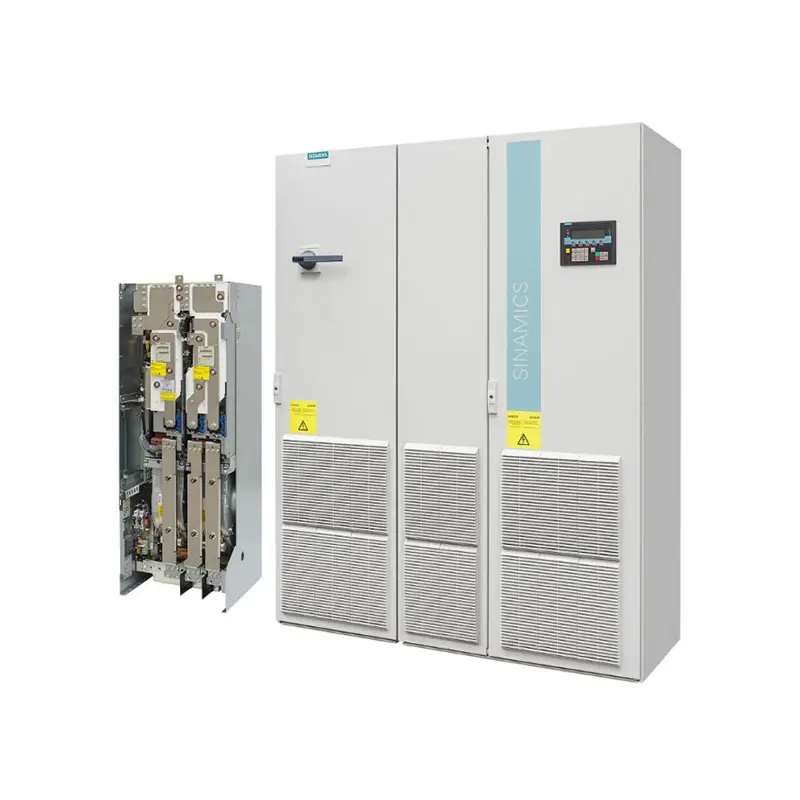
SIEMENS SINAMICS S150 Low Voltage
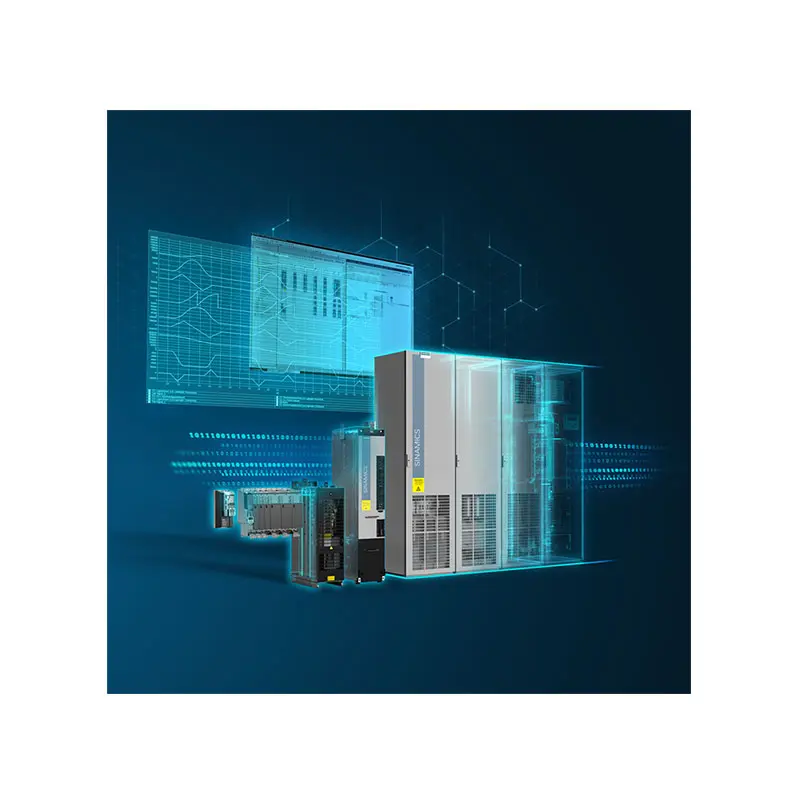
SIEMENS SINAMICS S120 Low Voltage
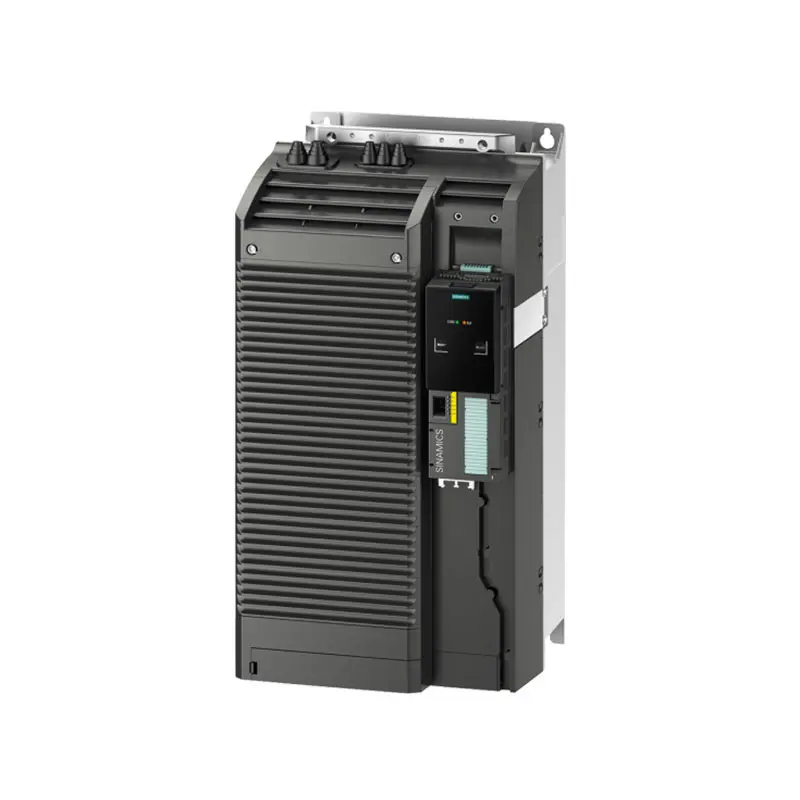
SIEMENS SINAMICS G130/G150
SIEMENS SINAMICS G120 Low Voltage
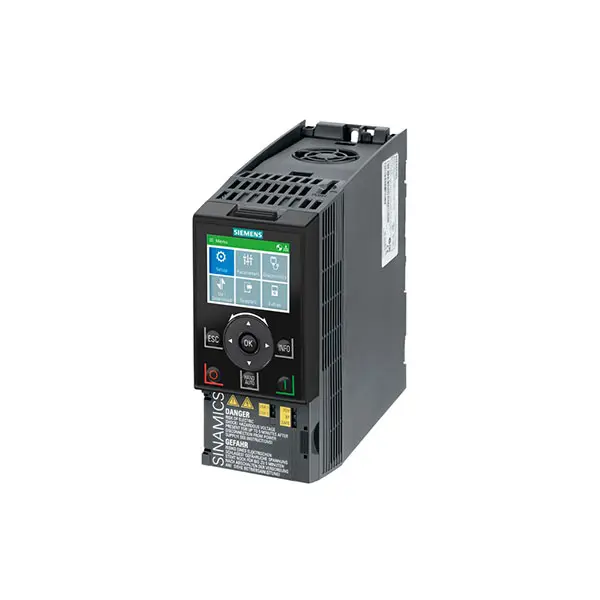
SIEMENS SINAMICS G120C Low Voltage
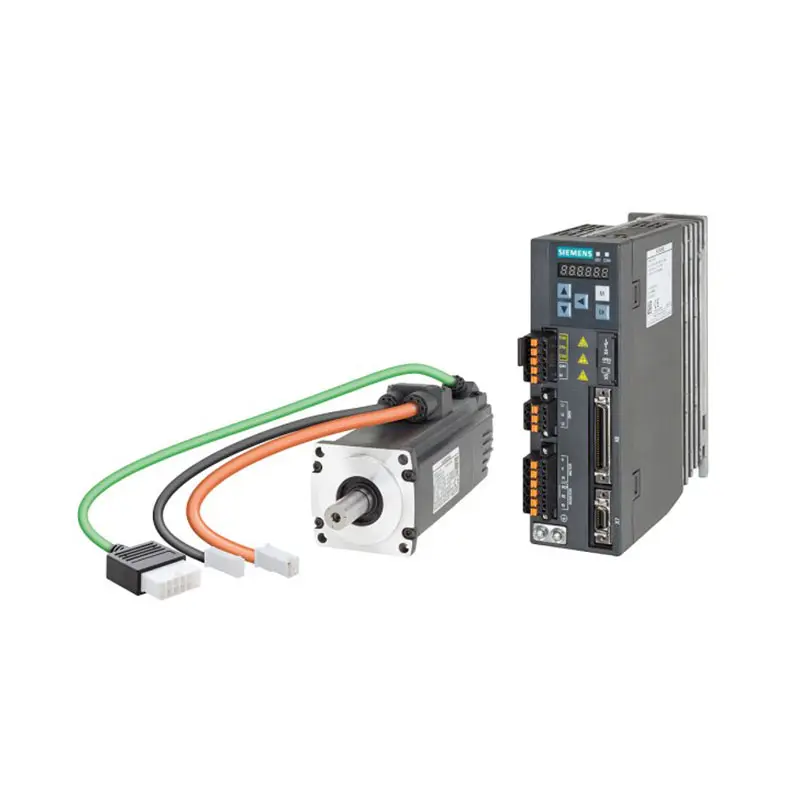
SIEMENS SINAMICS V90
SIEMENS SINAMICS V70 Low Voltage
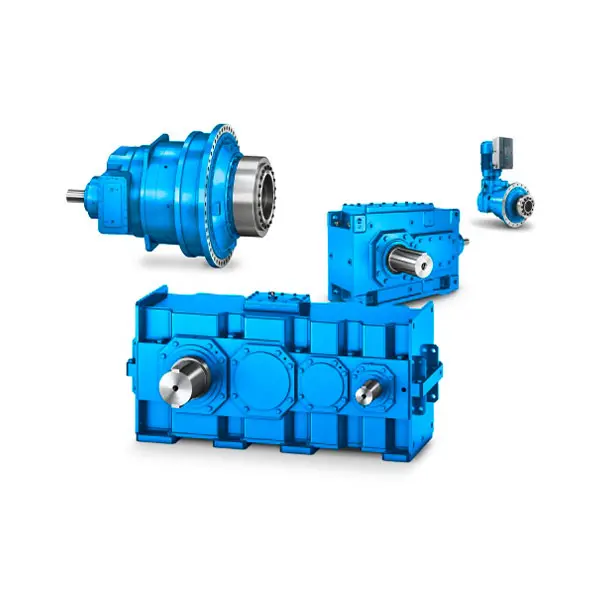
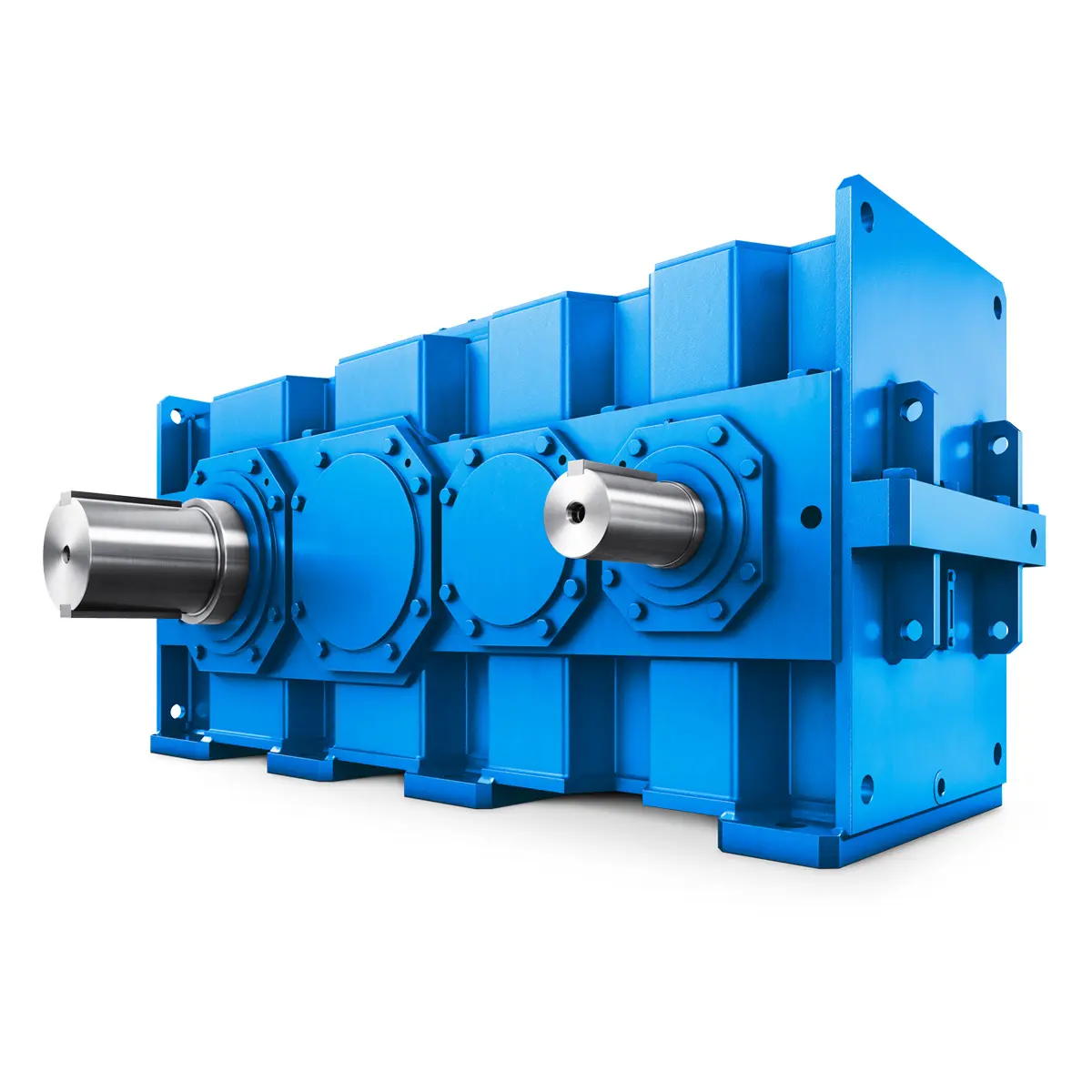
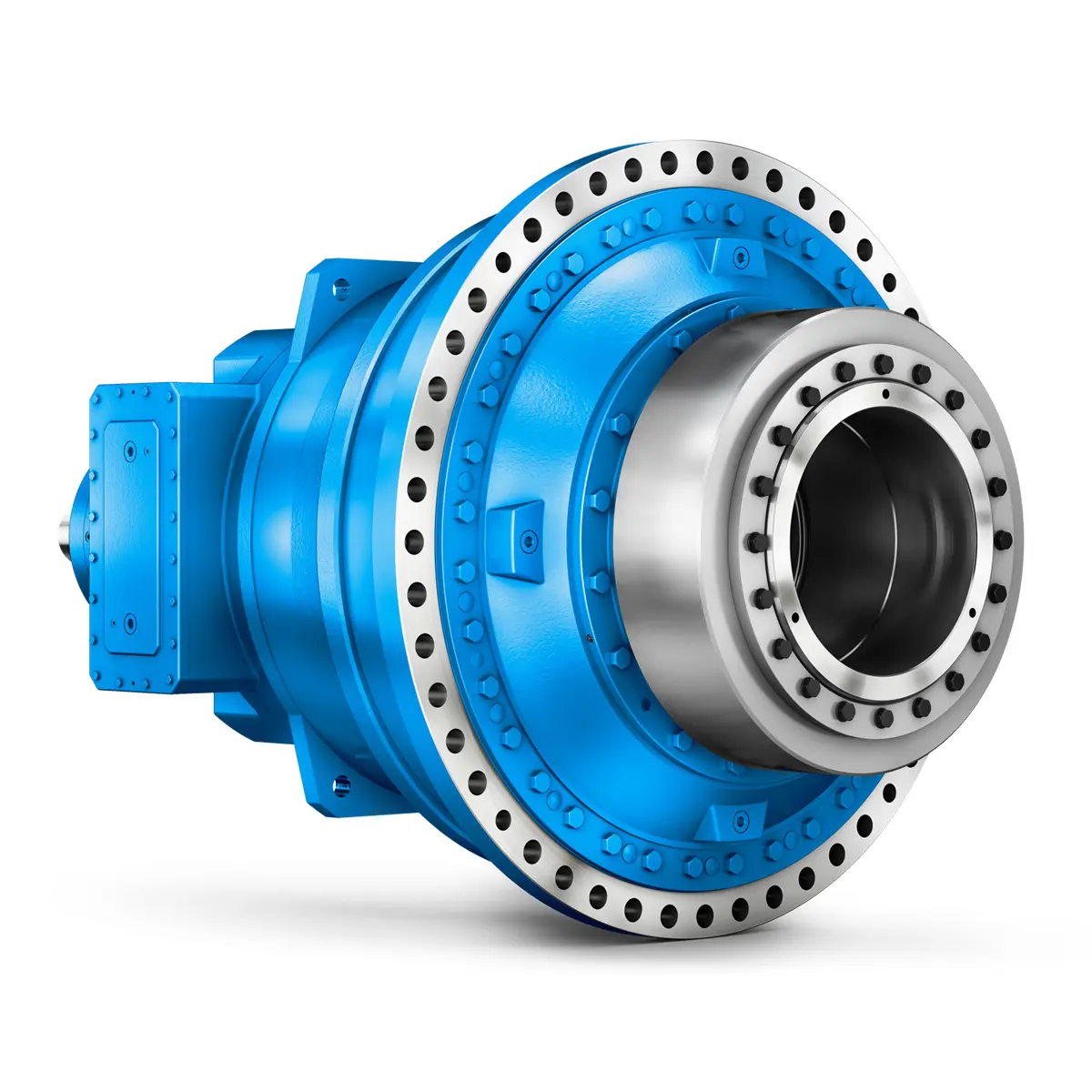
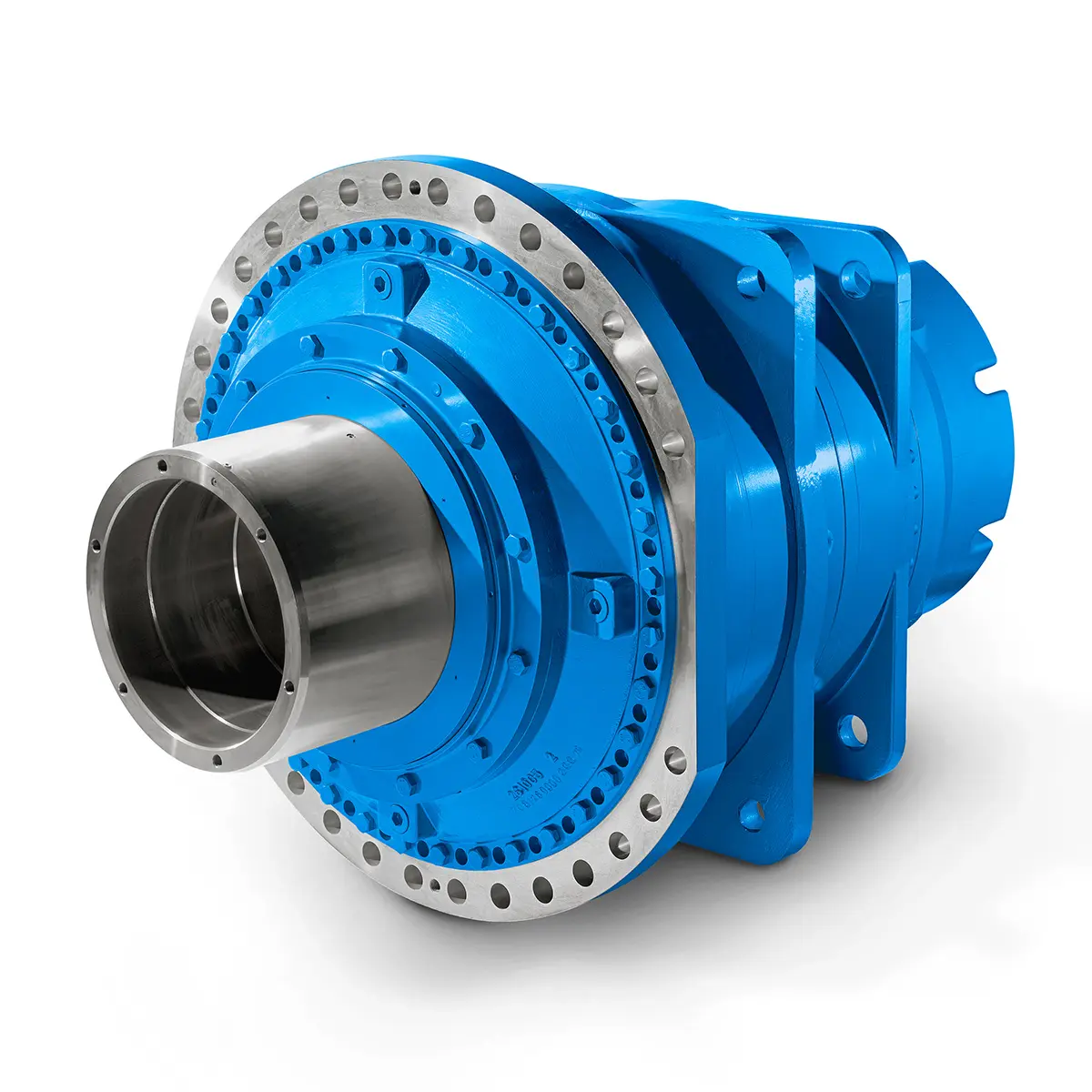
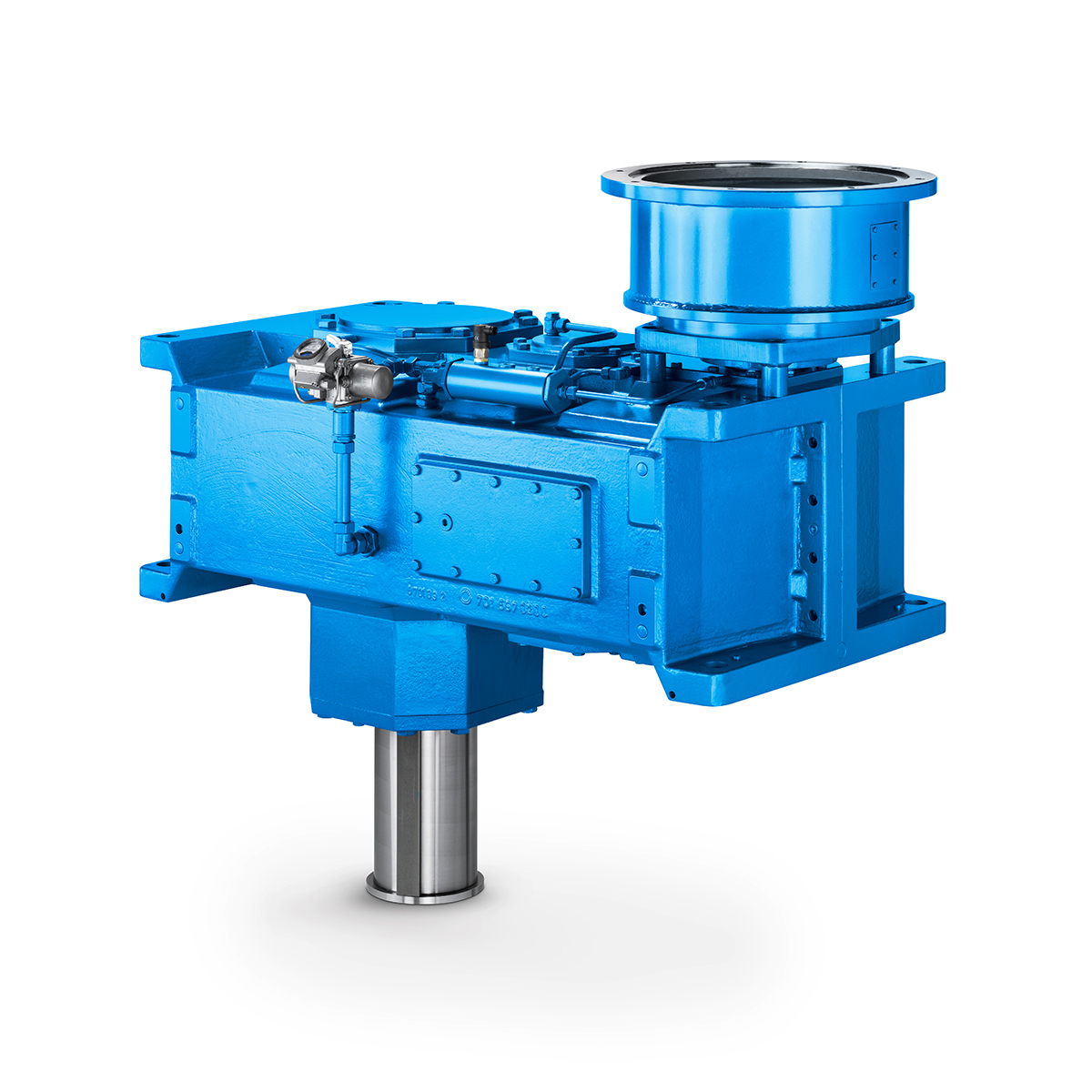
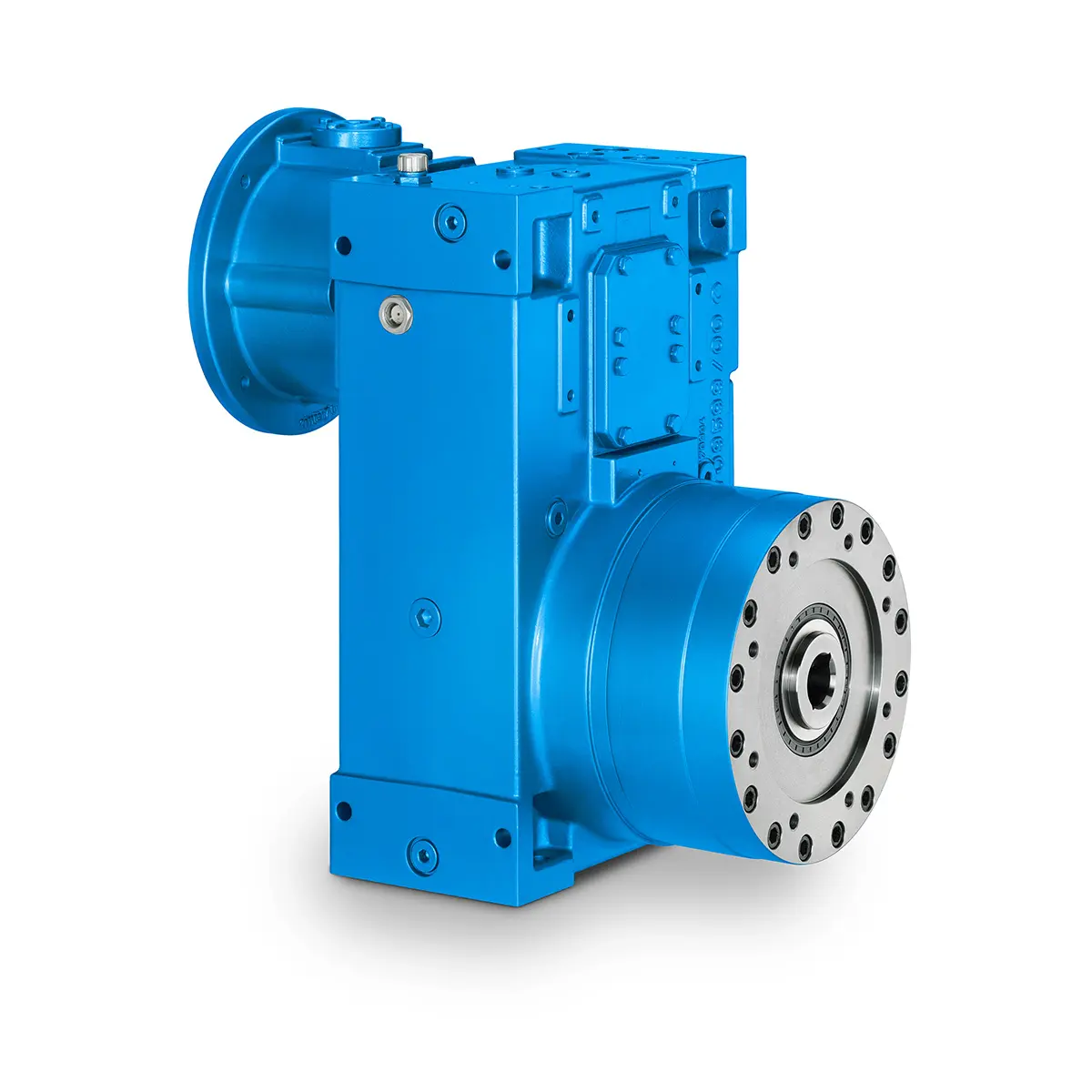
FLENDER Gear Unit
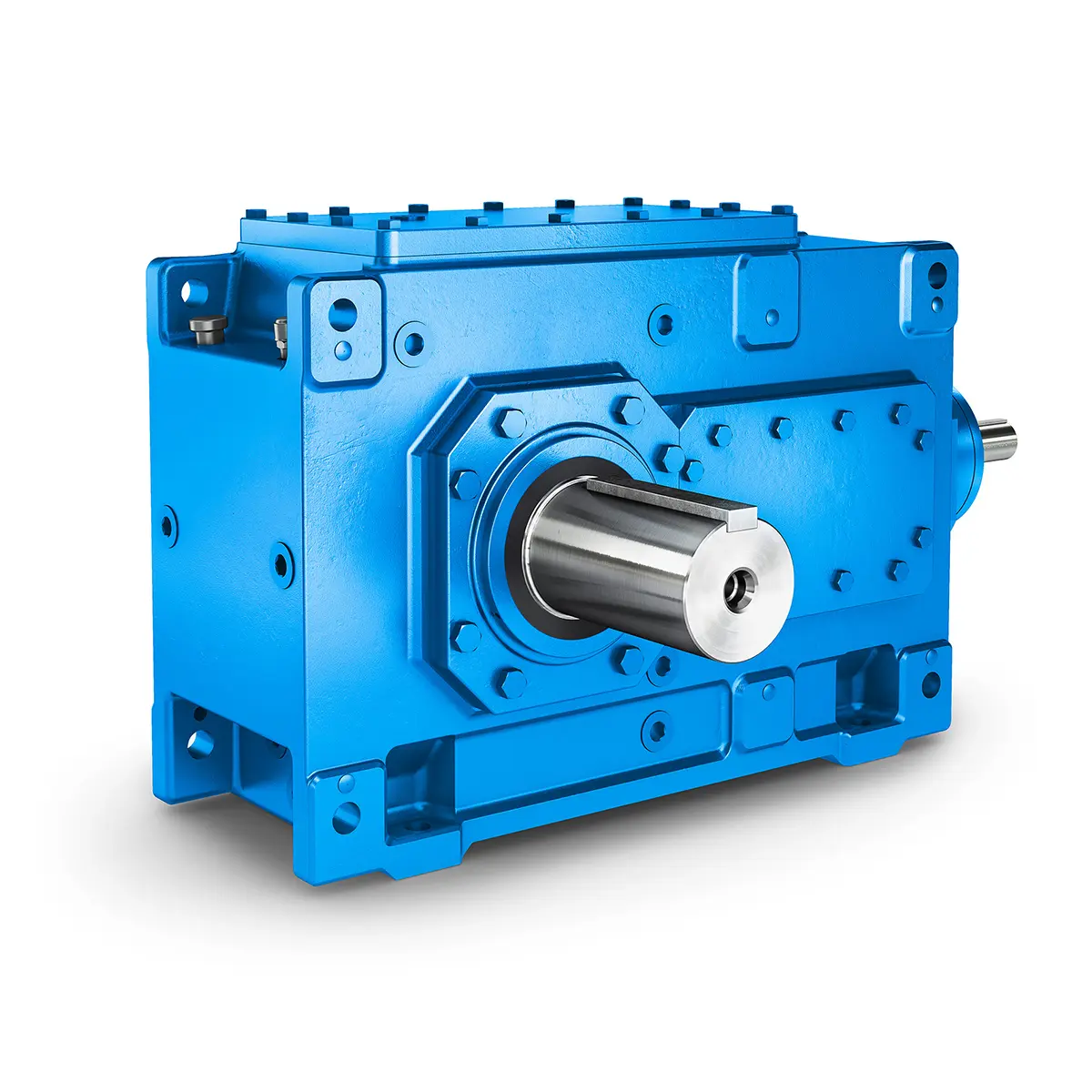
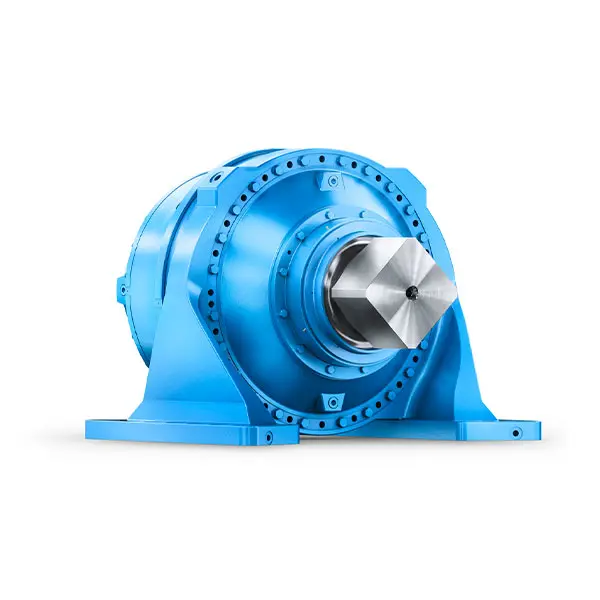
FLENDER Helical Gear Unit
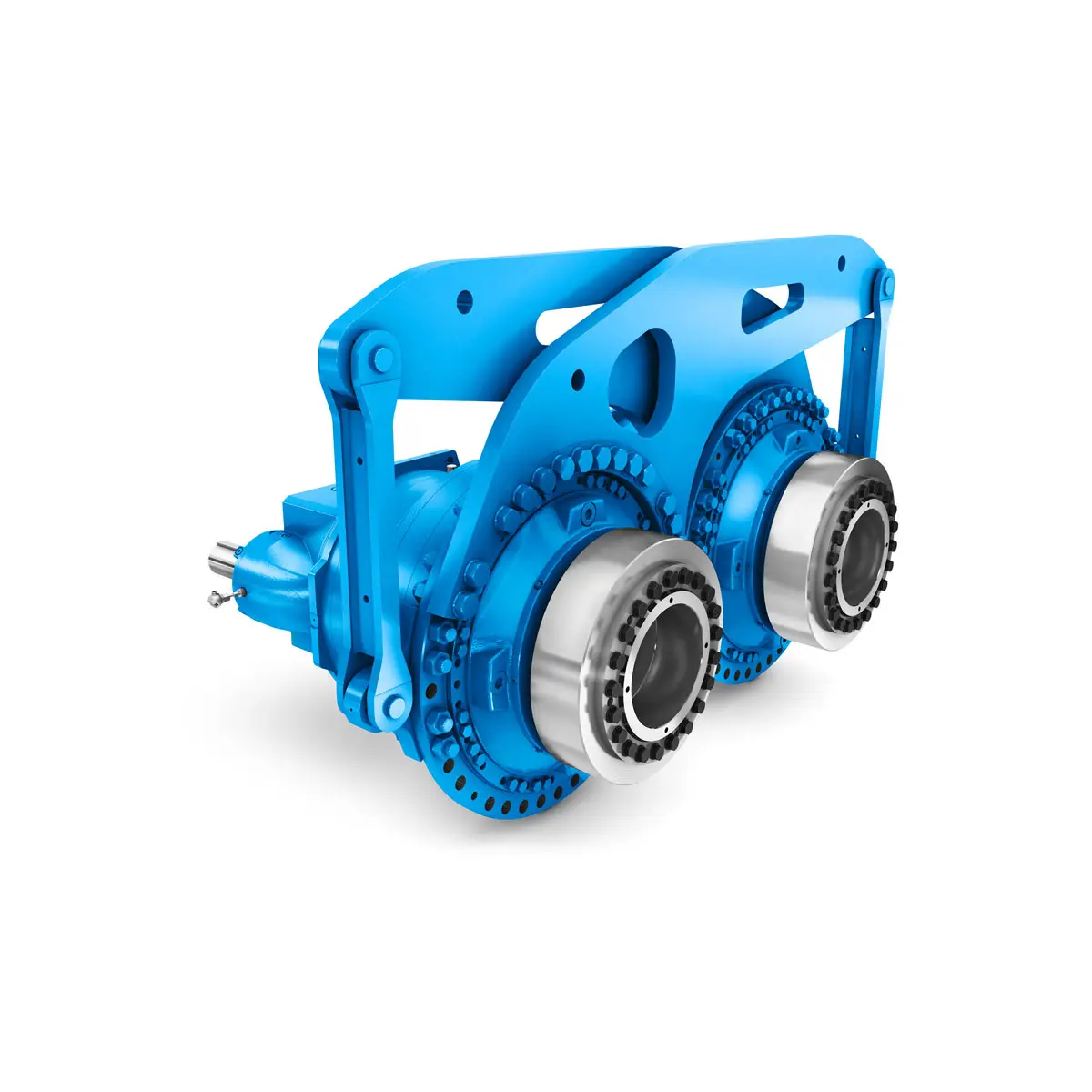
Flender gear units for lifting and luffing gears
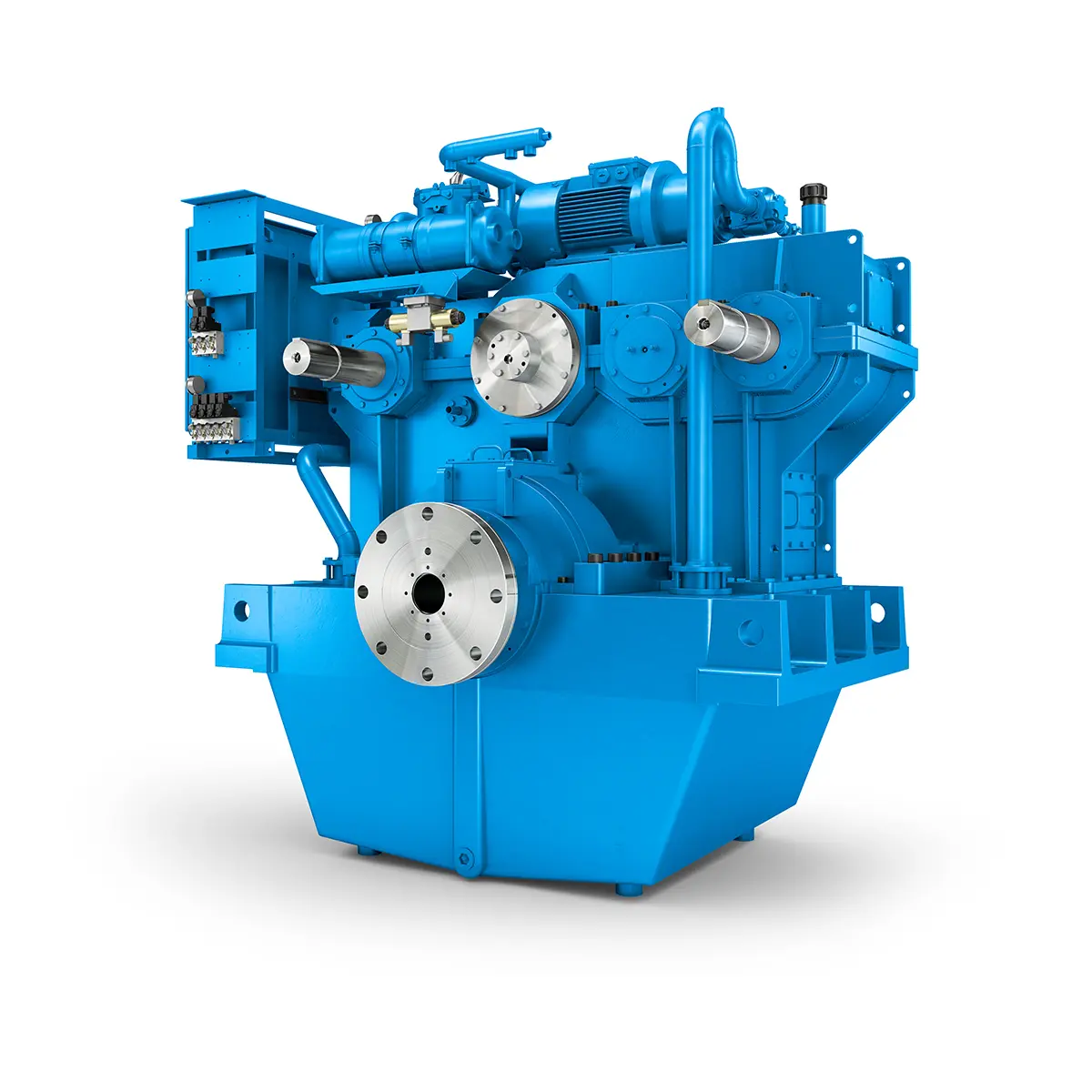
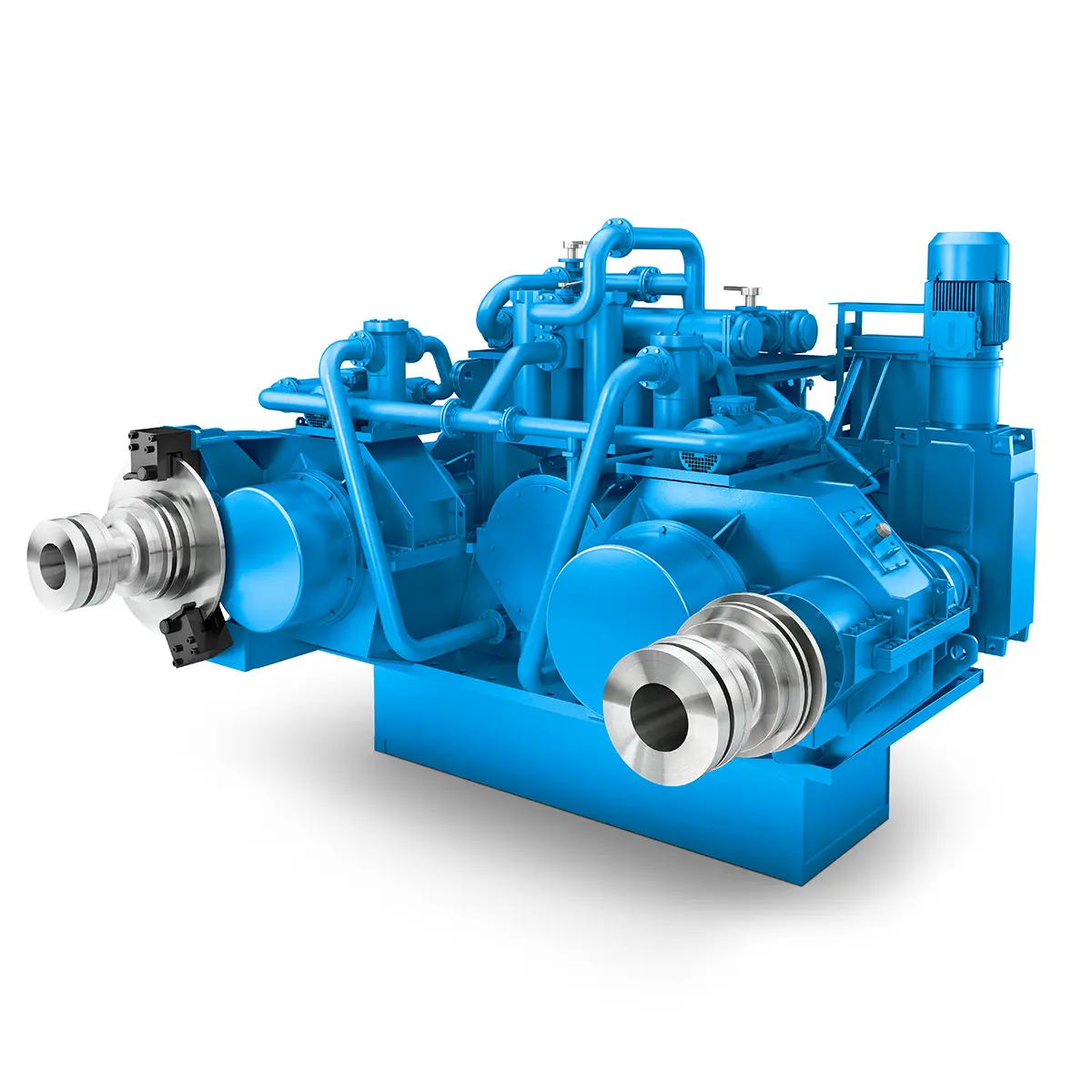
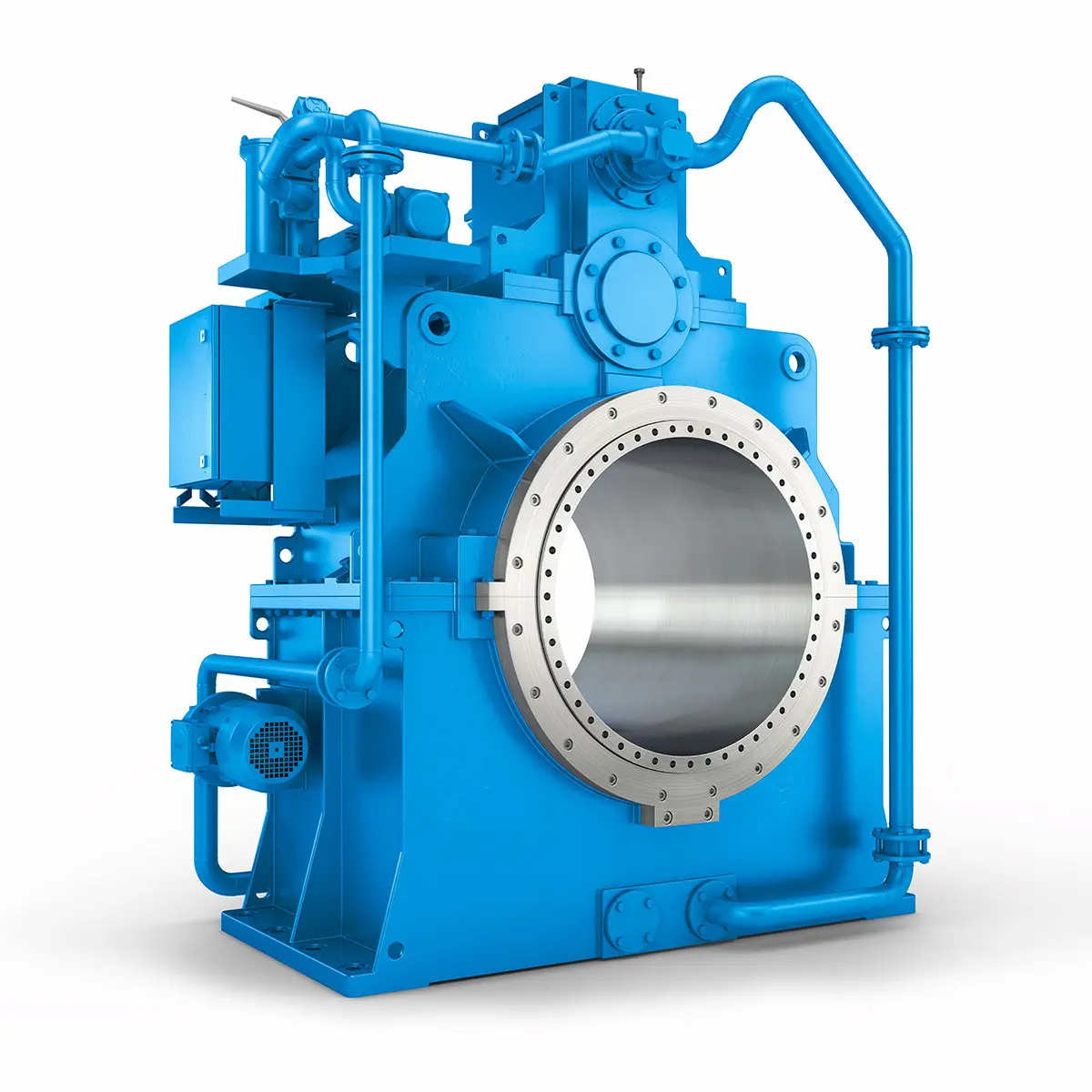
FLENDER Gear Unit gearunit gearbox
Optimal Drive Solution For Maximum Performance
Strongly operating against biodegradable constituents
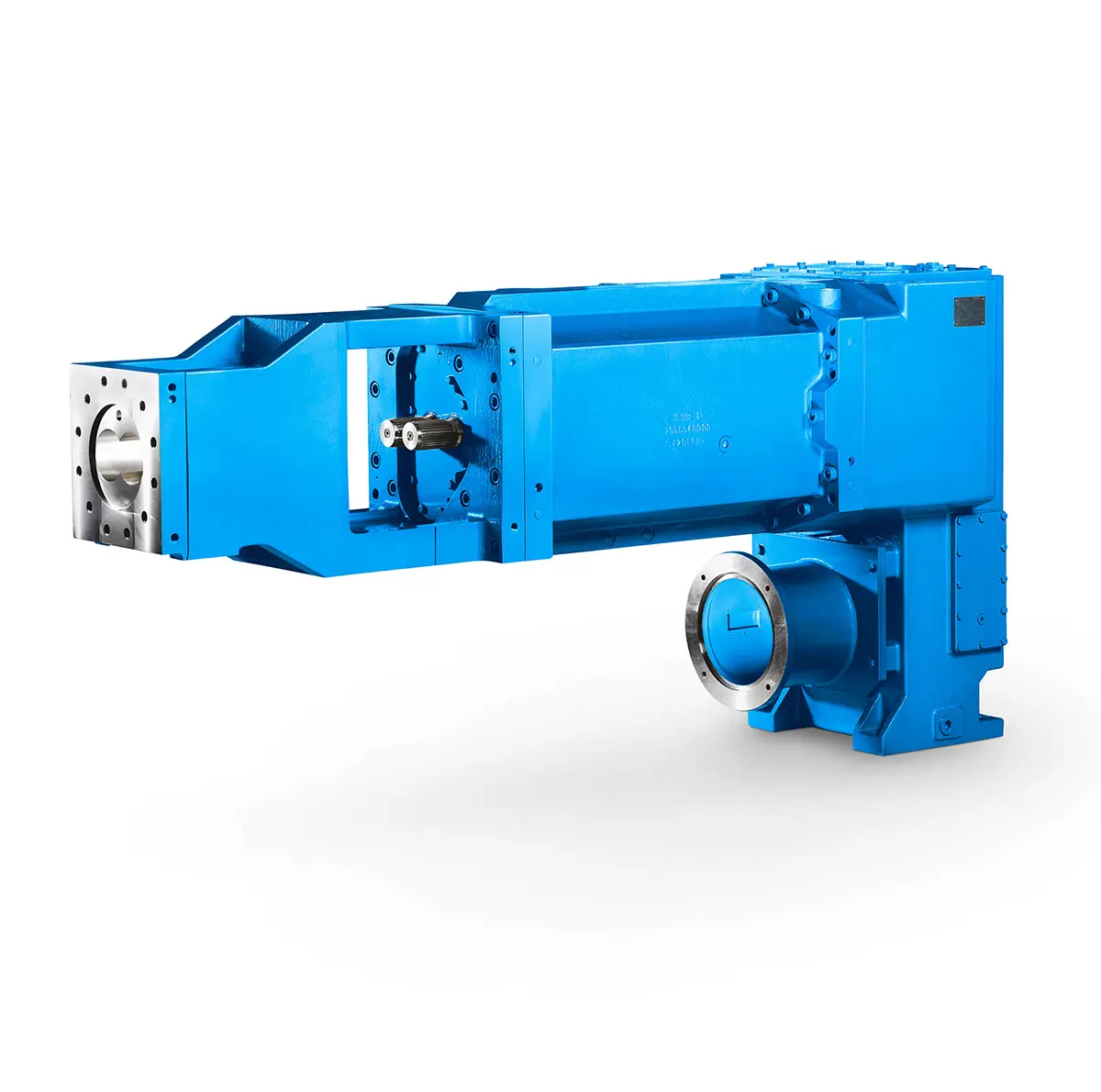
SINGLE SCREW Special industry dedicated gearunit gearbox
Playmaker In The Premium League
Conveyor belts gearunit gearbox
Paper And Pulp Preparation Sections
Operational Reliability Even In Case Of The Highest Ventilation Forces
Reliable Gear Units For High Performance Vertical Conveyors 59/200
Maximum power density – PLANUREX 3 L individual drives for your sugar cane mill
The proven all rounder gearunit gearbox
Stirs and stirs and stirs gearunit gearbox
Flexibility on Board gearunit gearbox
The right gearbox for all Multi-Engine Ships
Reliable Power Generation on board
Maximum performance level, fast deliverable
Efficient and compact – FLENDER Gear Units for Sugar Mills
Extremely strong. Extremely compact. Extremely stressable.
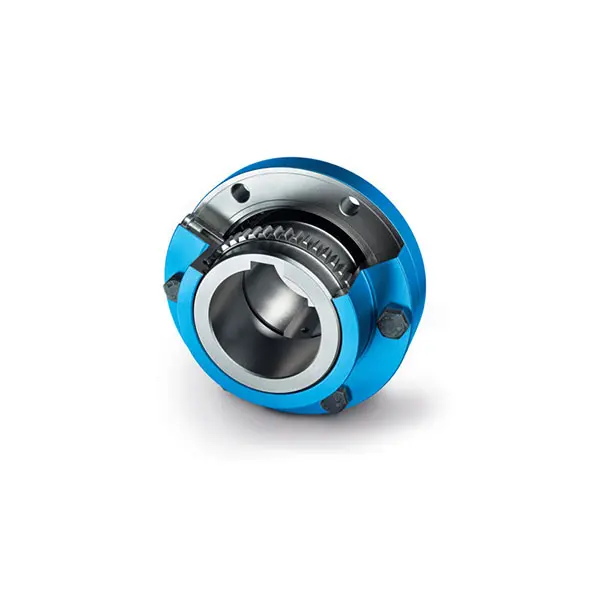
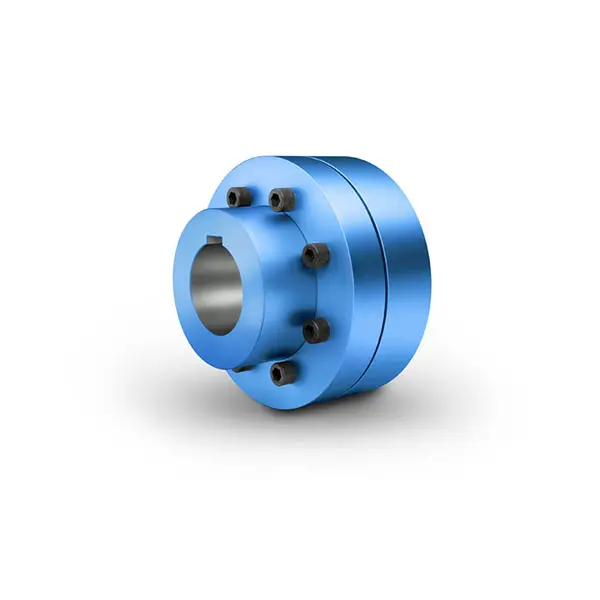
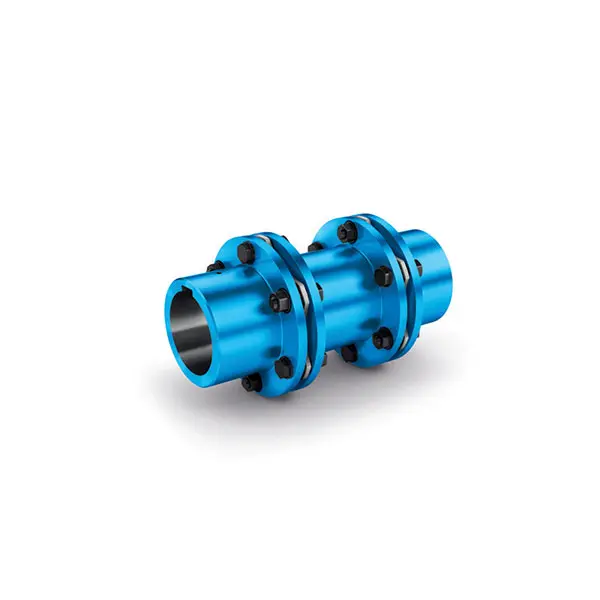
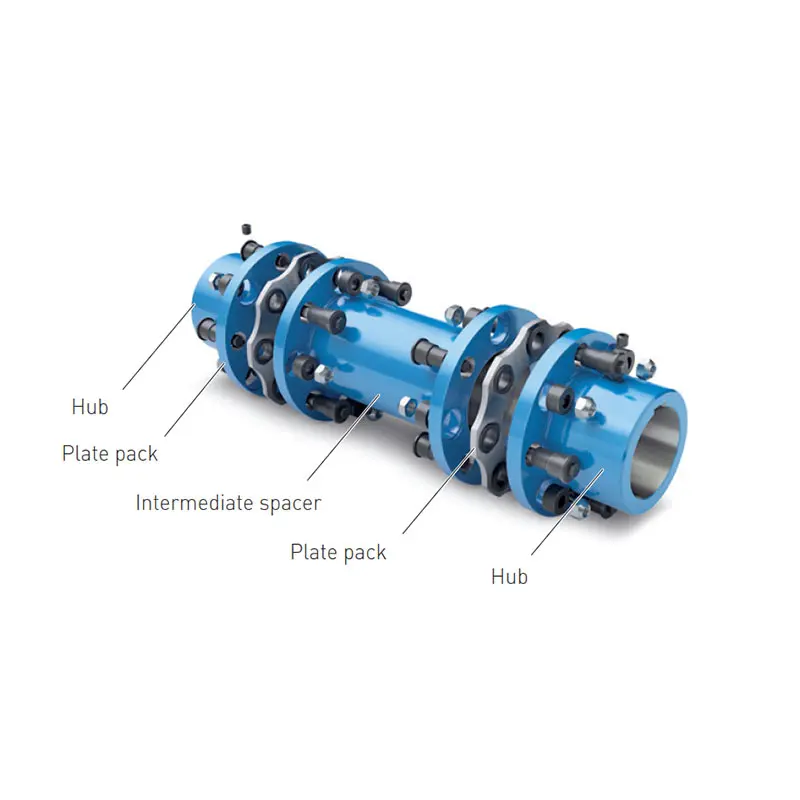
FLENDER Coupling
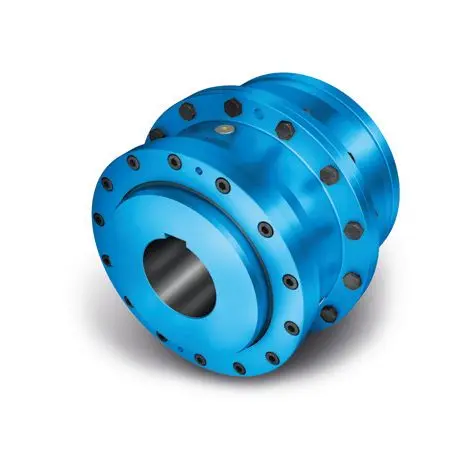
ZAPEX ZW Torsionally Rigid Gear Coupling
ZAPEX ZN Torsionally Rigid Gear Coupling
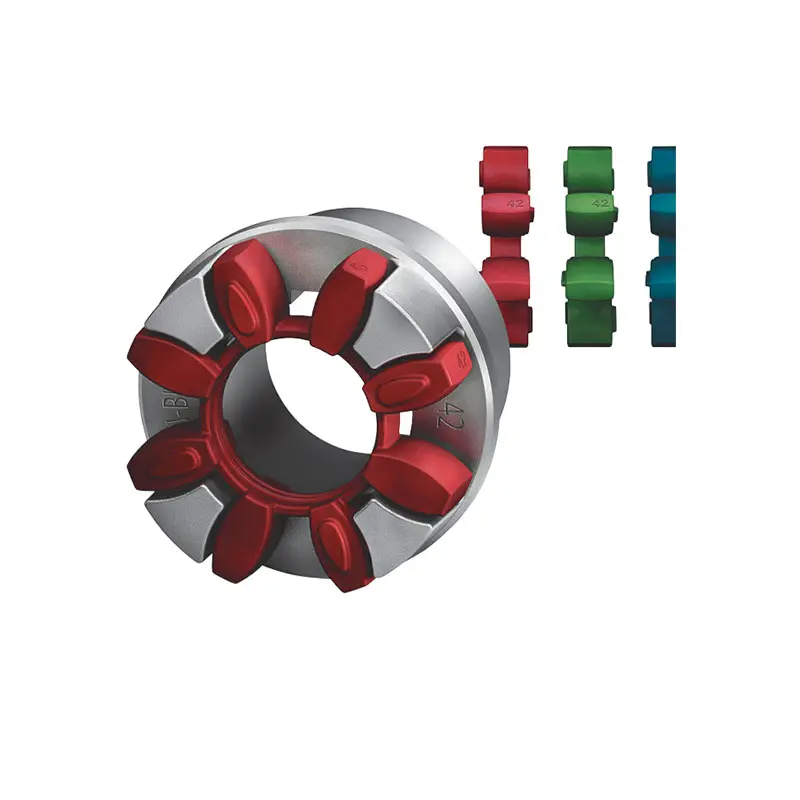
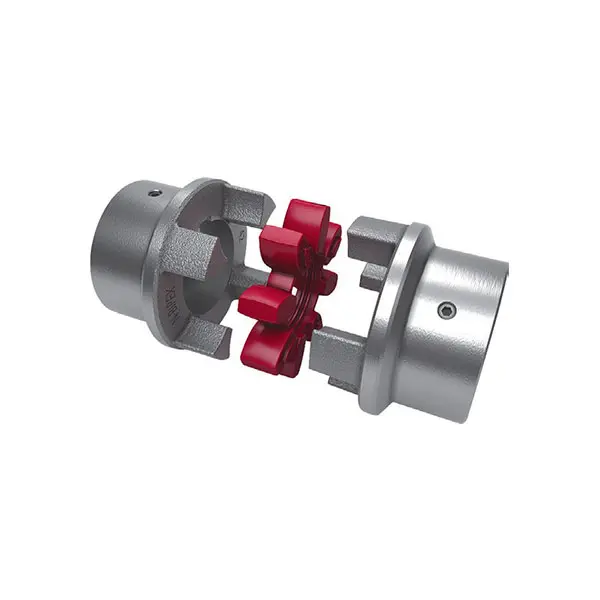
N-EUPEX Flexible high performance Coupling
N-ARPEX Torsionally Rigid All-Steel Coupling
ARPEX Torsionally Rigid All-Steel Coupling Spare and Parts
N-EUPEX DS Flexible High Performance Coupling
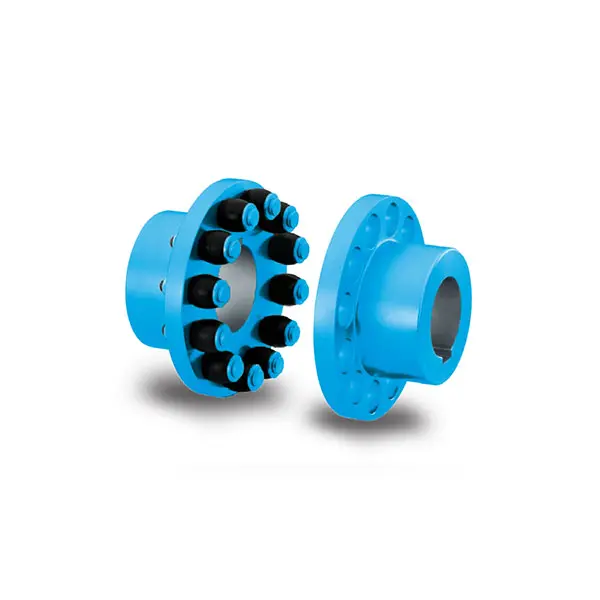
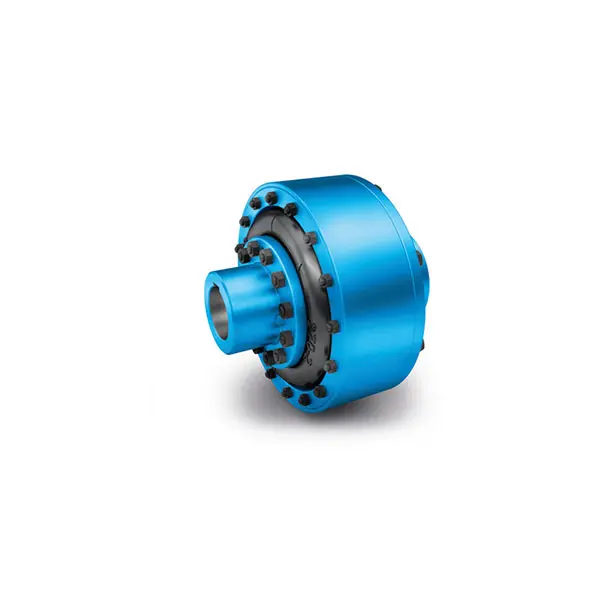
RUPEX Flexible high performance Coupling
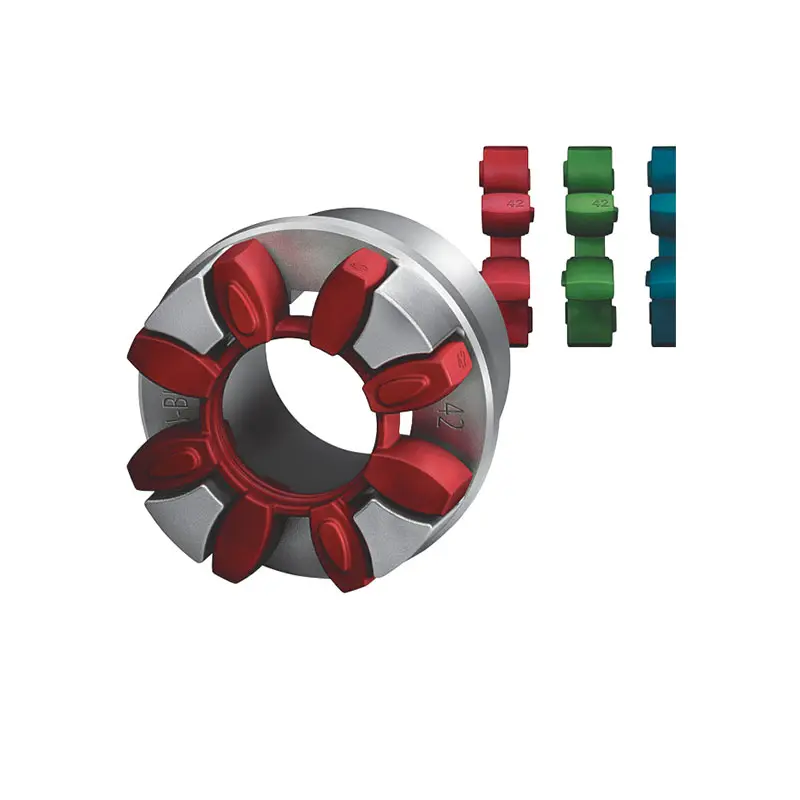
N BIPEX Flexible high performance coupling
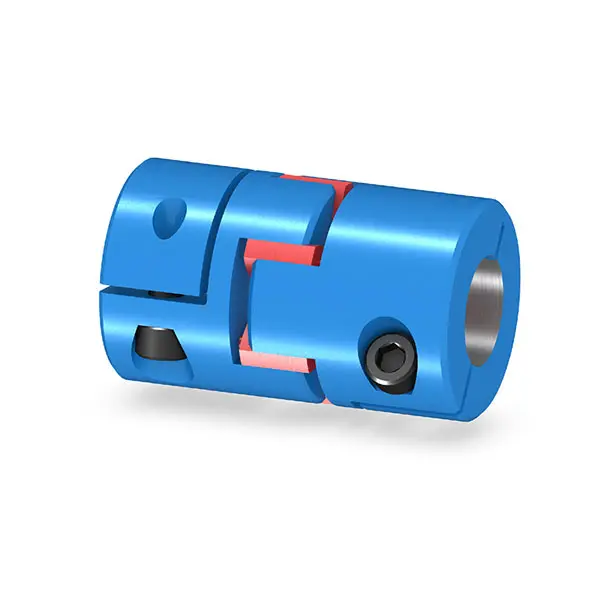
ELPEX B Highly Flexible Coupling
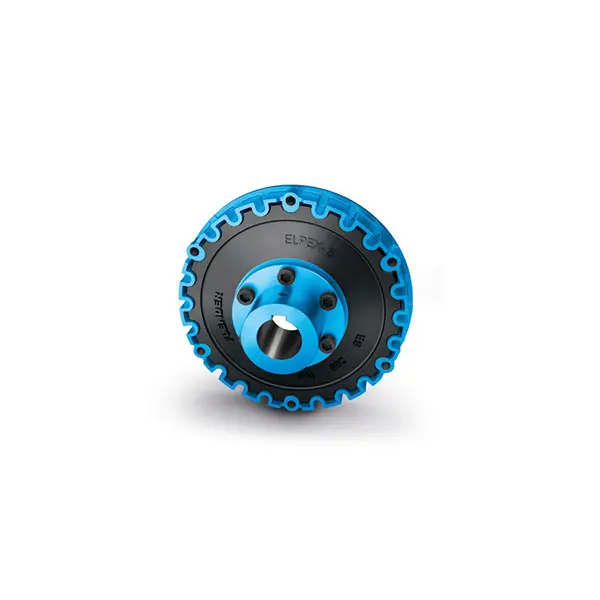
ELPEX S Highly Flexible Coupling high performance
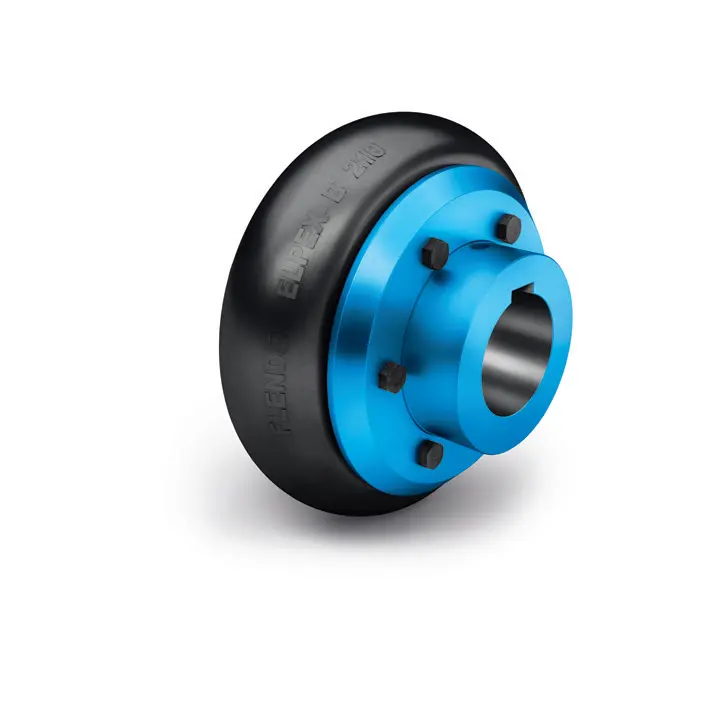
ELPEX Highly Flexible Coupling high performance
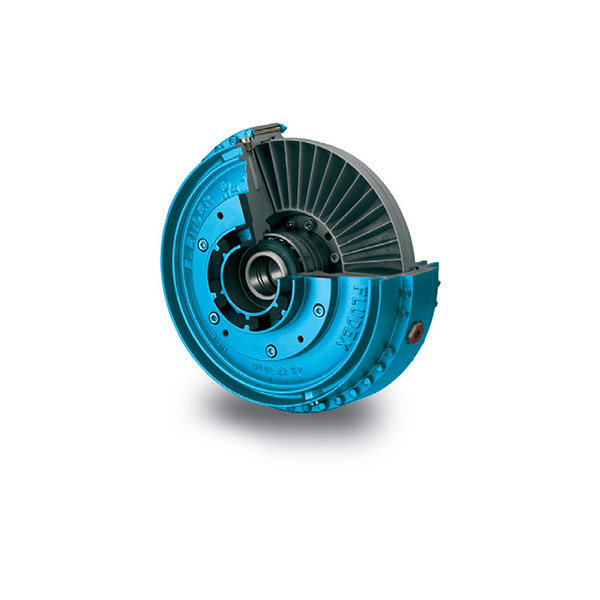
FLUDEX Fluid Coupling high performance
SIPEX Backlash free Coupling high performance
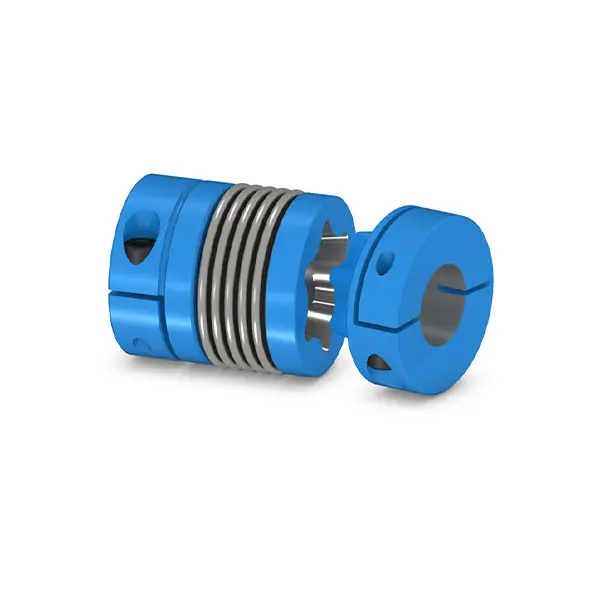
BIPEX S Backlash free Coupling high performance
FLENDER Coupling Spare Parts high performance
SEW Gearmotor
A Bevel Helical Gearbox combines intersecting-axis bevel gearing with helical stages to redirect power and deliver controlled speed reduction. In a factory, that may mean a compact drive turning a conveyor through a right angle, with steady torque and less floor space consumed. Real performance still depends on the application. Load cycles, mounting position, lubrication, and service access can change which unit is suitable.
This guide examines ten manufacturers serving the Chinese market. It compares product range, engineering support, customization, published specifications, and evidence of quality management. These are practical screening criteria, not a substitute for verifying a gearbox against the actual duty cycle. Ask for rated torque, thermal limits, backlash data, and maintenance requirements. Small details matter.
Gear-design specialist Dr. Alexander Kapelevich’s published work offers a useful reminder, paraphrased here: “Gear geometry must be judged by how it performs in its intended application.” A catalog rating alone cannot settle that question. Nor does a top-ten list prove that one supplier fits every plant. Some comparisons may remain imperfect when manufacturers disclose different levels of test data; readers should check current documents and request application-specific calculations. The aim is a clearer shortlist, not a shortcut around engineering review.
A bevel helical gearbox combines two gear stages to transmit power efficiently while changing its direction, often by 90 degrees. The bevel stage redirects rotation; the helical stage reduces speed and increases output torque. Angled teeth engage progressively, which can reduce vibration compared with straight-cut teeth. In a workshop, the effect is practical: a motor mounted along one axis can drive a conveyor running at a right angle.
The operating principle is straightforward. Input rotation turns the bevel gears, which transfer motion to the helical stage. The selected gear ratio determines output speed: a higher reduction ratio generally means slower rotation and greater torque. Not magic. Actual performance depends on load, lubrication, alignment, and heat dissipation. A poorly aligned unit may run hot or wear unevenly, even when its rated capacity looks adequate.
The U.S. Department of Energy’s 2014 report, Improving Motor and Drive System Performance: A Sourcebook for Industry, estimates that motor-driven systems use about 69% of industrial electricity in the United States. That figure covers whole motor systems, not gearboxes alone, but it highlights why transmission losses matter. Engineers should compare operating conditions and maintenance needs, not rely on a single efficiency figure. One detail is easy to overlook: frequent starts can change the real load considerably.
Manufacturing a bevel helical gearbox in China begins with engineering around the required speed, torque, mounting position, and operating environment. Designers select suitable gear geometry and materials, then prepare drawings for the housing, shafts, and gear pairs. Production methods vary by factory and order size. There is no single process used everywhere.
Metal components are cut or forged, machined, and checked for dimensions before gear teeth are produced. Bevel gears need accurate tooth geometry and alignment; helical gears require consistent spacing and surface finish. Heat treatment can improve wear resistance, but it may also cause distortion. That needs correction. Grinding and precision finishing help bring critical dimensions back within specification. Inspectors may check tooth contact, backlash, runout, and hardness using calibrated instruments.
During assembly, technicians fit bearings, seals, and gears into a cleaned housing, then set clearances and add the specified lubricant. A practical test can measure noise, vibration, temperature, and leakage under load. Records matter. They connect test results to the production batch and make later troubleshooting easier. Still, a quiet no-load run does not prove long-term reliability. Dust, heat, alignment, and maintenance conditions in the real installation can reveal issues that factory testing cannot.
A leading Chinese bevel helical gearbox manufacturer should show more than a polished catalog. Look for clear engineering data, including rated torque, gear ratios, thermal limits, and permitted mounting positions. Drawings should match the supplied unit. Small discrepancies matter.
Ask how gears are cut, heat-treated, and inspected. Reliable suppliers can explain tooth-contact checks, backlash tolerances, and bearing selection in practical terms. Request test records for noise, vibration, and temperature rise under load. A gearbox running quietly at a test bench may behave differently beside a dusty conveyor or a frequently starting mixer.
Experience shows in the questions a manufacturer asks. Shaft orientation, daily operating hours, shock loads, lubricant, and ambient temperature all affect selection. Strong technical teams can explain trade-offs without promising that one model fits every machine. They should also provide traceable material and inspection documents, realistic lead times, and accessible service support. Check whether replacement seals and bearings can be identified from the parts list. This detail is easy to miss. I would still compare written specifications with a sample unit where possible; paperwork alone is not proof of consistent production. Ask how design changes are recorded, since even a minor housing revision can affect installation.
China’s bevel helical gearbox sector includes manufacturers with varied engineering and production strengths. These ten profiles describe common supplier capabilities, not a verified ranking; product ranges and factory practices can change. An integrated producer handles casting, gear cutting, and assembly, which can simplify traceability. A heavy-duty specialist focuses on rigid housings and high torque. A compact-drive manufacturer designs for limited installation space. A custom-design workshop can adjust ratios, shaft positions, and mounting faces. An export-focused supplier may offer detailed documentation and shipment coordination.
Other profiles include a precision-machining producer, where tooth accuracy and noise control deserve close review; a modular-system maker, offering configurable components; and a motor-integrated supplier, which reduces separate installation work. An application-focused manufacturer may tailor units for conveyors or mixers, while a service-oriented factory emphasizes spare parts and technical support. Details matter. Buyers should compare rated torque, thermal limits, efficiency data, sealing, and test reports—not just catalogue dimensions. Ask how stated figures were measured, and request drawings for the actual operating conditions. Some suppliers provide less public information than expected; that gap deserves follow-up, not assumption.
Output speed is calculated from a constant 1,500 rpm input speed using the stated reduction ratios. These illustrative calculations explain the relationship between gearbox ratio and output speed; they are not specifications for any manufacturer or product.
Bevel helical gearboxes are used where equipment needs right-angle power transmission and steady torque. Mining conveyors, cement mills, wastewater aerators, and food-processing lines are common applications. Their needs differ: a dusty quarry conveyor may face shock loads, while a washdown area needs better sealing and corrosion resistance. Fit matters. The IEA’s Energy Efficiency 2023 report estimates that industry accounts for about 37% of global final energy consumption, making efficient motor-and-gearbox selection relevant to plant energy use. The USGS Mineral Commodity Summaries 2024 reports estimated global cement production of 4.1 billion metric tons in 2023, illustrating the scale of material handling and grinding operations.
Selection starts with the driven machine, not a catalogue ratio. Confirm required output speed, peak torque, daily operating hours, starts per hour, and load variation. Then check service factor, thermal capacity, mounting position, shaft arrangement, and available space. A gearbox sized only for average load may overheat or wear early. ISO 6336 provides methods for calculating the load capacity of cylindrical gears, but application details still matter. Dust, temperature, vibration, and cleaning chemicals can change the specification. In practice, some early estimates are wrong; measuring actual load or reviewing operating data can prevent an expensive mismatch.
The table below summarizes ten common application sectors and practical selection considerations. It is an application guide, not a manufacturer ranking. Actual gearbox sizing must be checked against the equipment duty cycle and the selected supplier’s technical data.
| Industry | Typical Equipment | Why a Bevel Helical Gearbox May Be Used | Key Selection Factors | Operating Conditions to Check |
|---|---|---|---|---|
| Material Handling | Conveyors, transfer systems, and bucket elevators | Right-angle power transmission can suit layouts where the motor and driven shaft are arranged at 90 degrees. The gear arrangement can also provide substantial speed reduction in a compact drive. | Required output torque, conveyor speed, reduction ratio, starting load, and the number of starts and stops | Shock loads, continuous or intermittent operation, dust, mounting position, and available space |
| Mining and Quarrying | Feeders, crushers, screens, and heavy-duty conveyors | Suitable configurations can deliver reduced output speed and high torque for heavy industrial drives. | Peak and average torque, service factor, shaft and coupling loads, ratio, and motor power | Abrasive dust, vibration, impact loading, ambient temperature, and maintenance access |
| Cement and Building Materials | Rotary equipment auxiliaries, conveyors, and mixers | Right-angle gearing can help fit drives into plant layouts while providing the speed reduction needed by many process machines. | Driven-machine torque, operating hours, load variation, output speed, and mounting arrangement | Fine dust, elevated ambient temperatures, continuous duty, and lubrication requirements |
| Water and Wastewater | Clarifier drives, screens, and sludge-handling conveyors | A geared drive can provide low-speed, high-torque output for process equipment with a right-angle drive layout. | Output torque and speed, duty cycle, motor size, back-driving risk, and required accessories | Moisture, corrosive atmospheres, outdoor exposure, sealing, and coating requirements |
| Food and Beverage | Mixers, conveyors, and processing-line equipment | Compact right-angle drive arrangements can help integrate motors and gearboxes into production machinery. | Load profile, output speed, ratio, shaft arrangement, and whether variable-speed control is required | Washdown exposure, cleaning chemicals, hygiene requirements, seals, and suitable lubricant specifications |
| Packaging | Cartoners, case packers, and packaging-line conveyors | Right-angle output and a range of reduction ratios can help accommodate machine layouts and required operating speeds. | Acceleration and deceleration, peak torque, positioning needs, output speed, and starts per hour | Frequent cycling, backlash requirements, noise limits, and compatibility with the control system |
| Steel and Metal Processing | Roller tables, conveyors, and auxiliary process drives | Bevel helical designs can provide right-angle transmission for industrial drives requiring a combination of speed reduction and torque. | Load inertia, peak torque, ratio, motor power, and coupling or shaft loads | Heat, scale and dust, vibration, shock loading, and required cooling or protection |
| Pulp and Paper | Stock-preparation equipment, conveyors, and process-machine auxiliaries | A right-angle geared drive can be useful where the machine layout calls for a perpendicular input and output arrangement. | Continuous-duty rating, output torque, speed, ratio, and motor compatibility | Humidity, airborne fibers, washdown, corrosion exposure, and lubrication intervals |
| Agriculture and Grain Handling | Grain conveyors, mixers, and feed-processing equipment | Speed reduction and right-angle drive options can suit handling and processing machinery with restricted installation space. | Maximum and normal load, output speed, duty cycle, shaft orientation, and motor power | Seasonal operation, dust, outdoor conditions, temperature variation, and storage periods |
| Power Generation and Utilities | Auxiliary conveyors, cooling-system drives, and plant-service equipment | Can provide a mechanically simple speed-reduction stage for auxiliary machinery when the shaft layout requires a right-angle drive. | Required torque, ratio, continuous operating hours, motor type, and reliability requirements | Ambient temperature, vibration, enclosure protection, maintenance access, and lubrication monitoring |