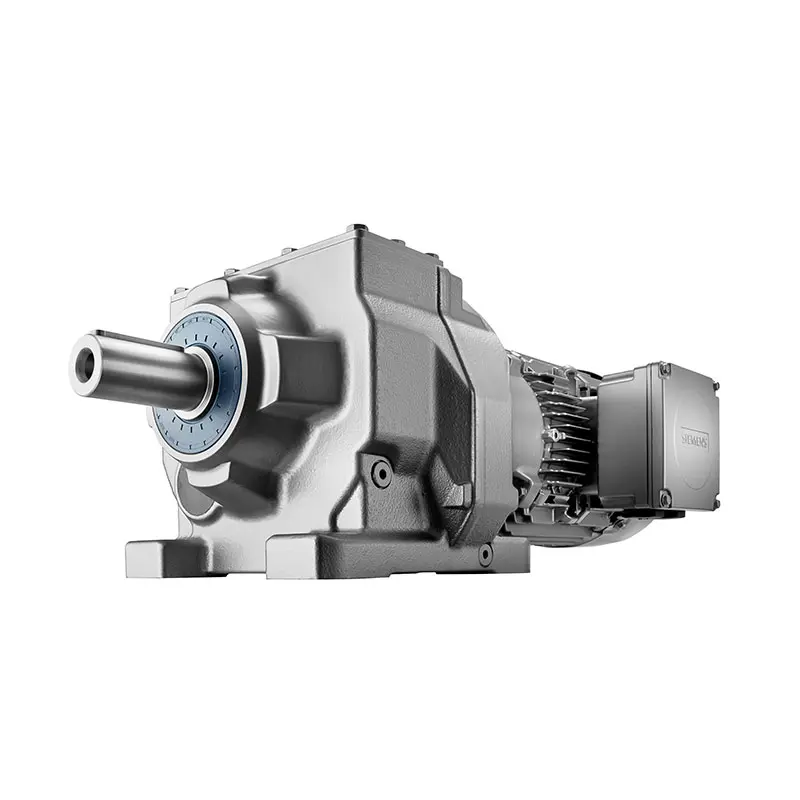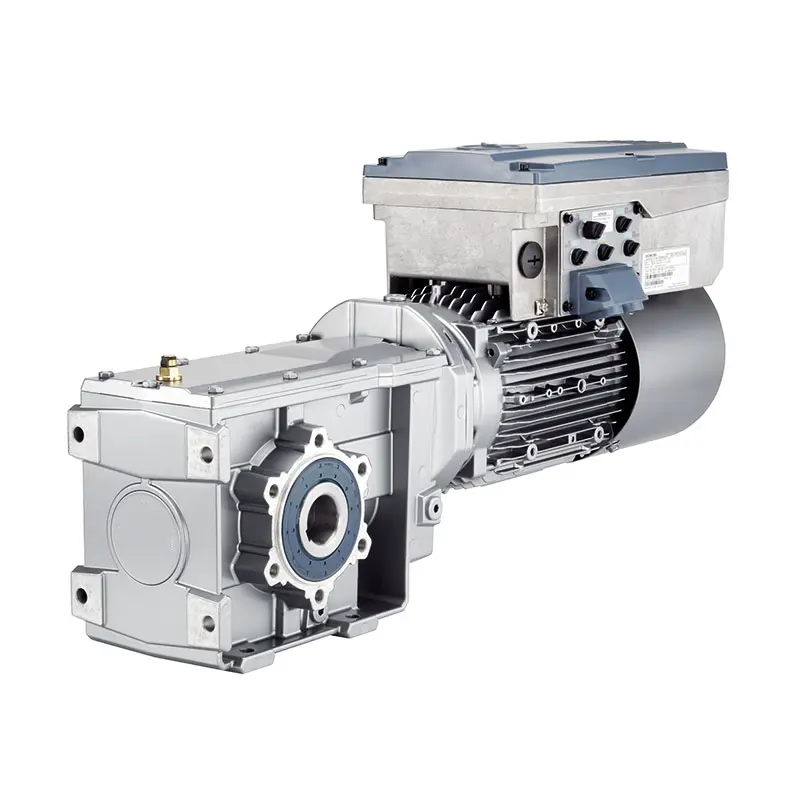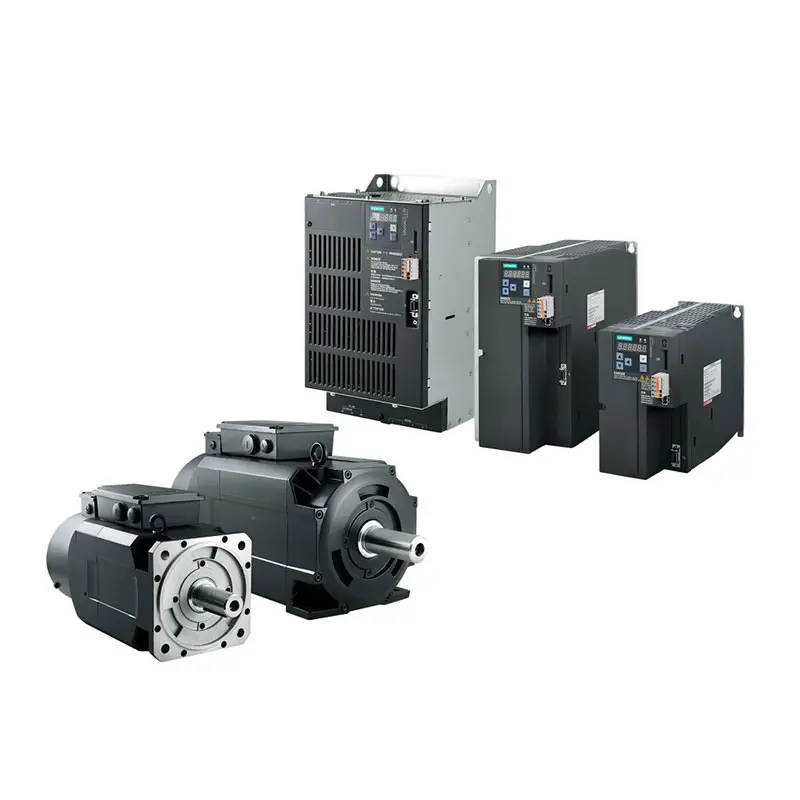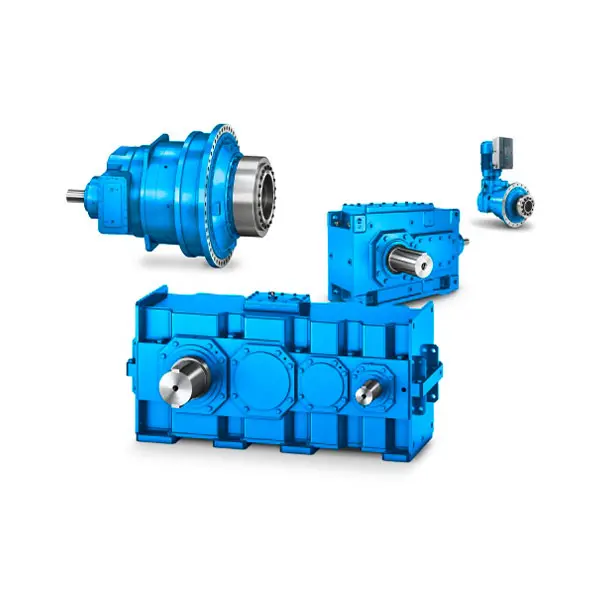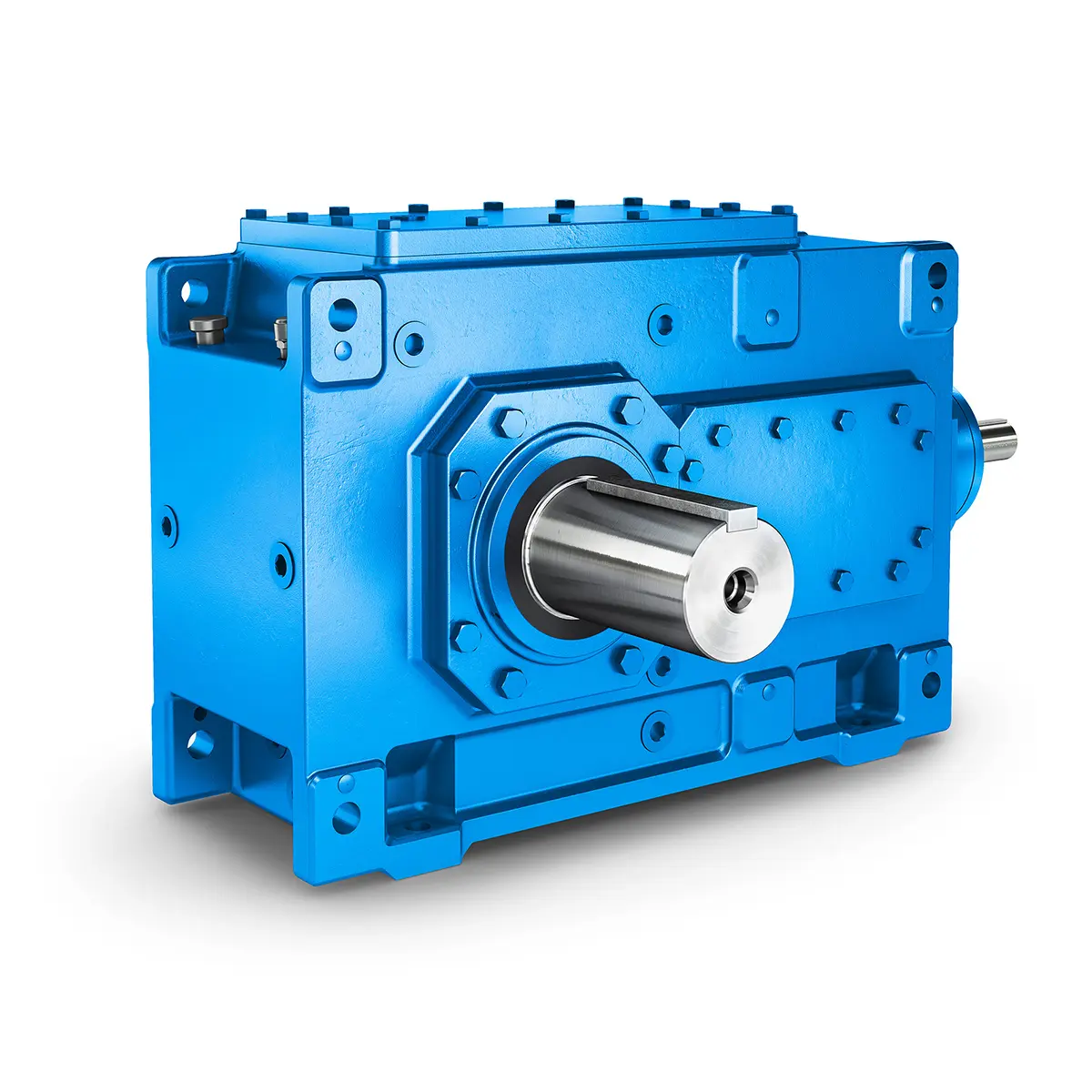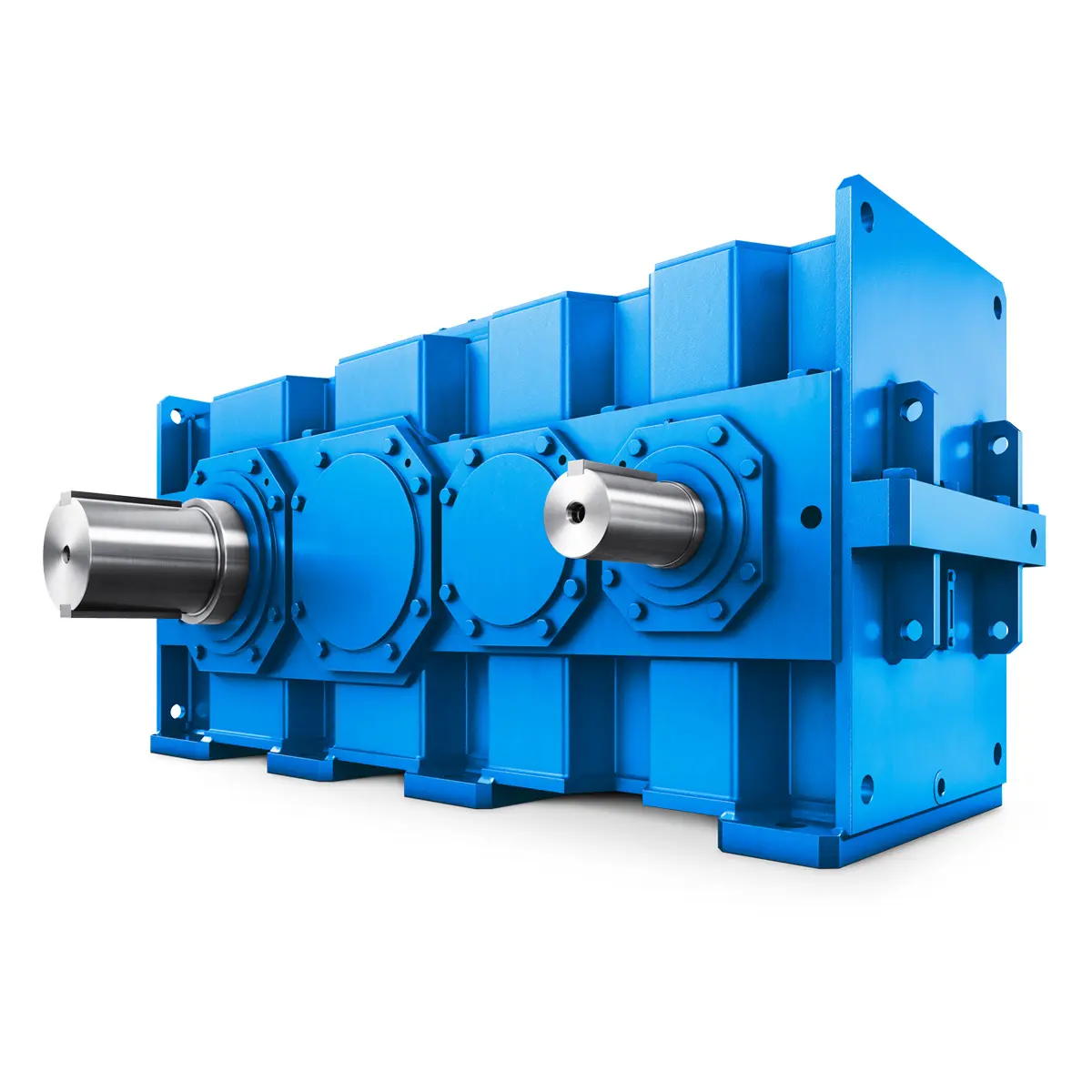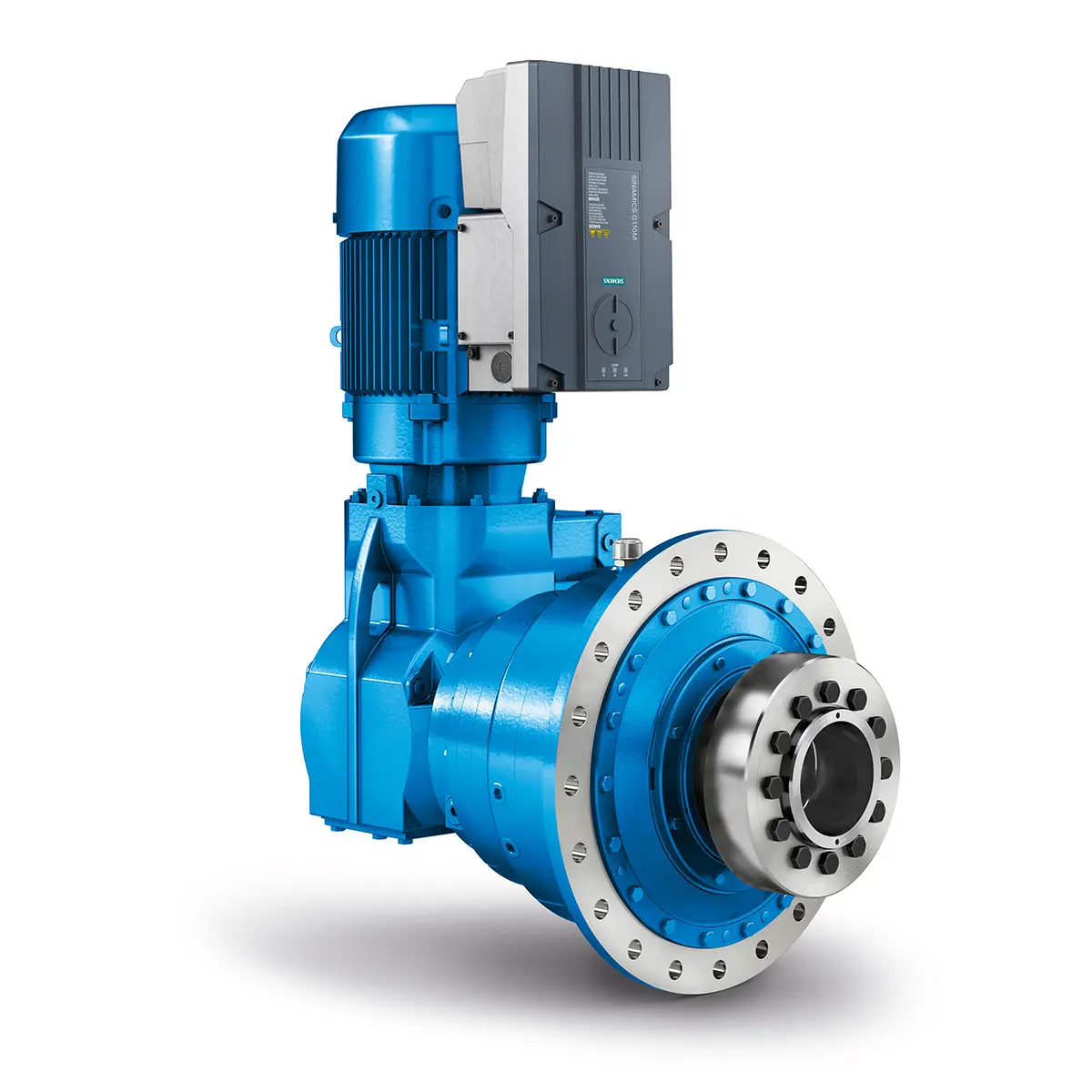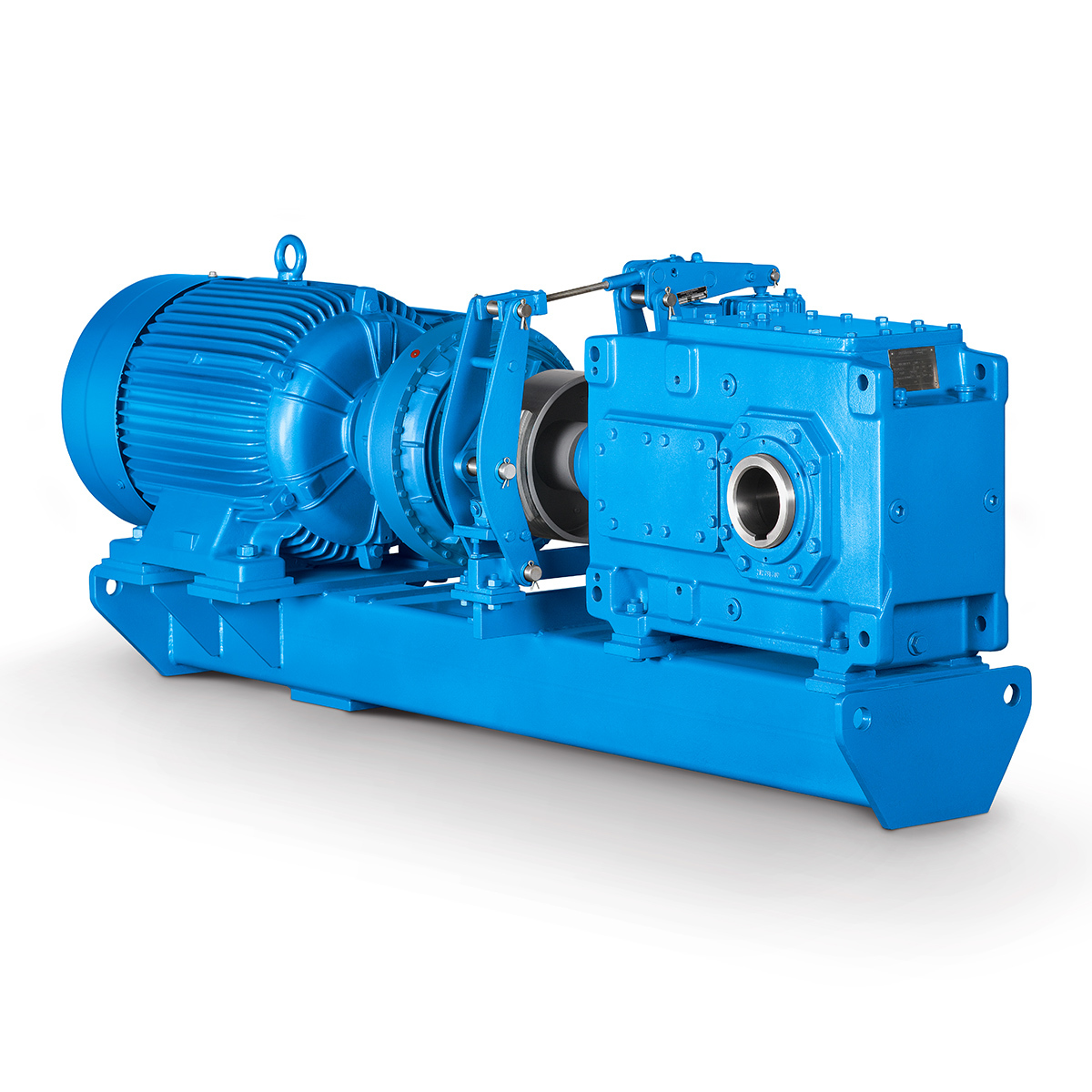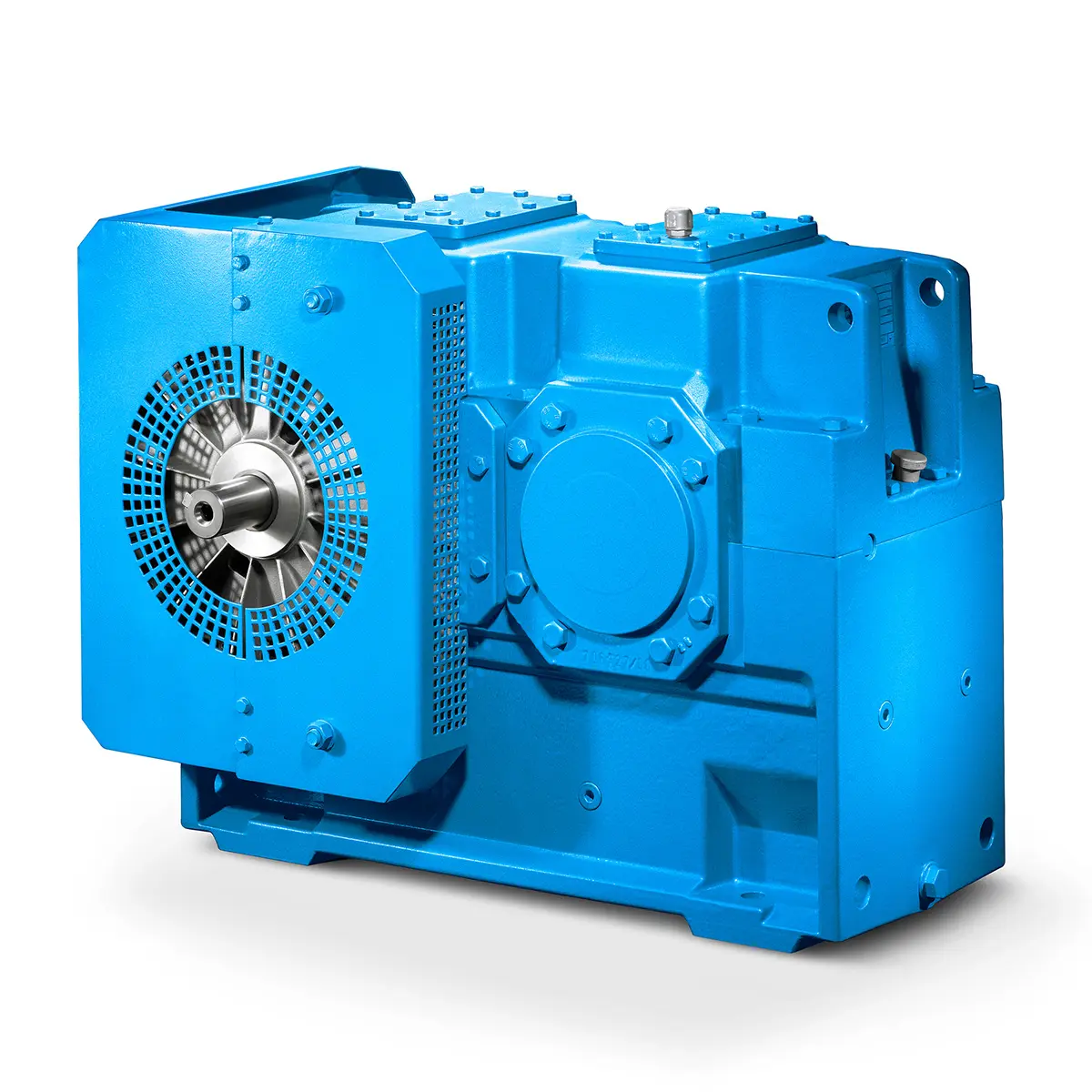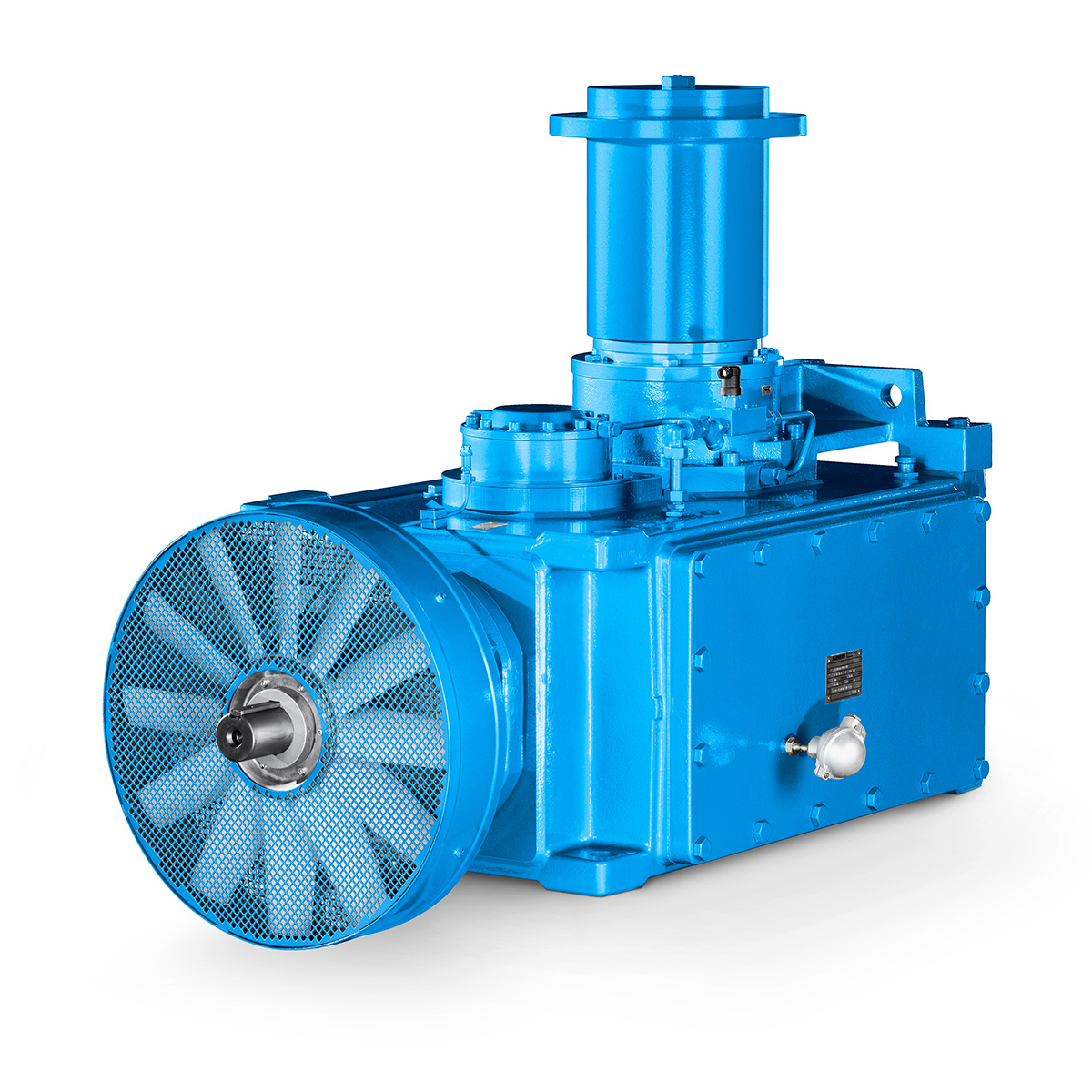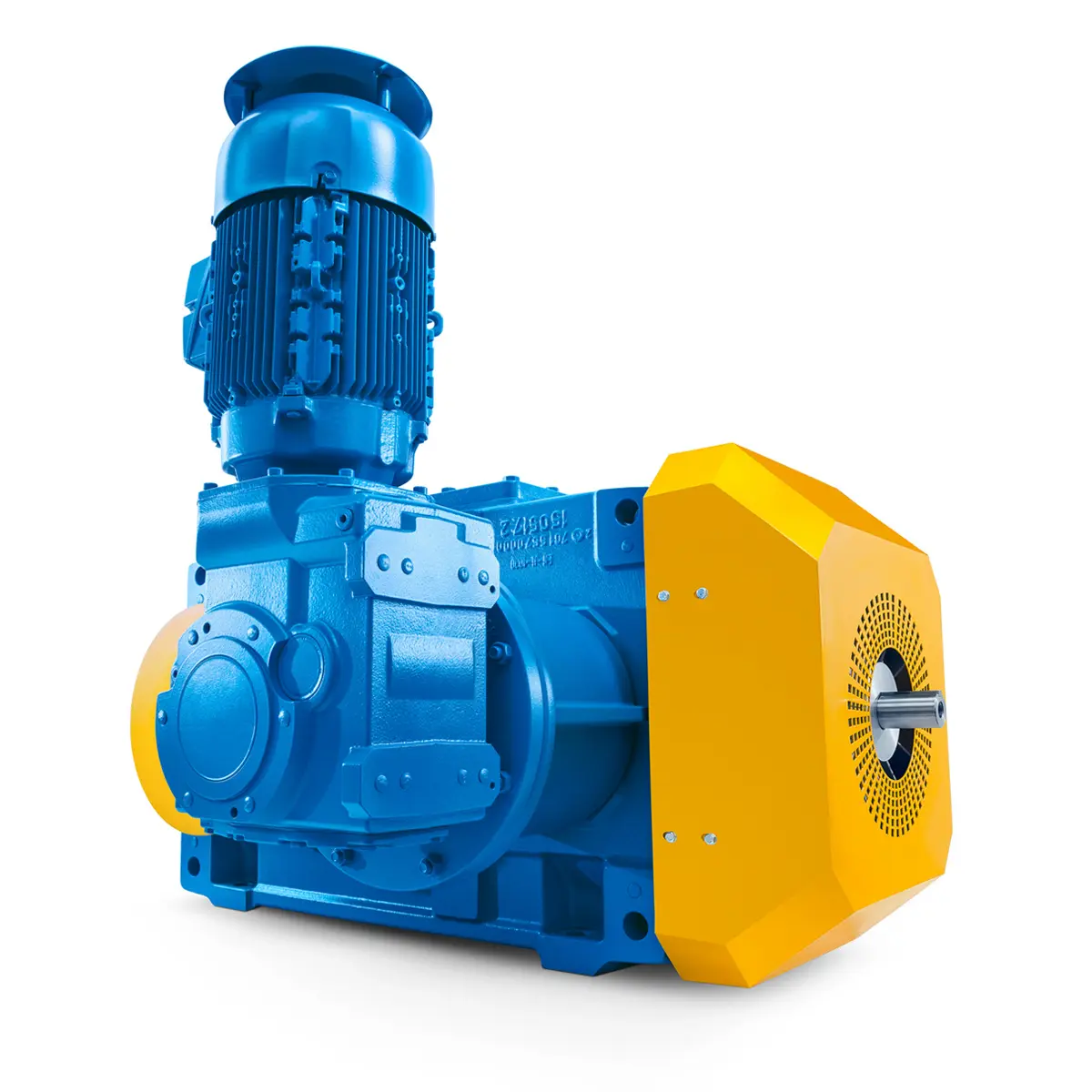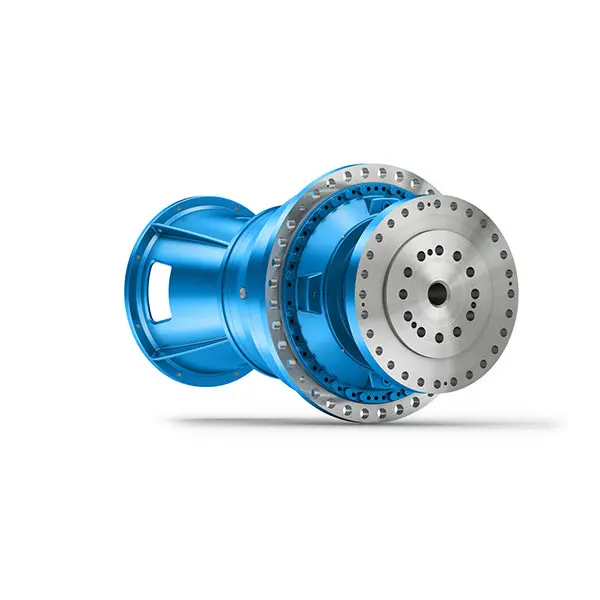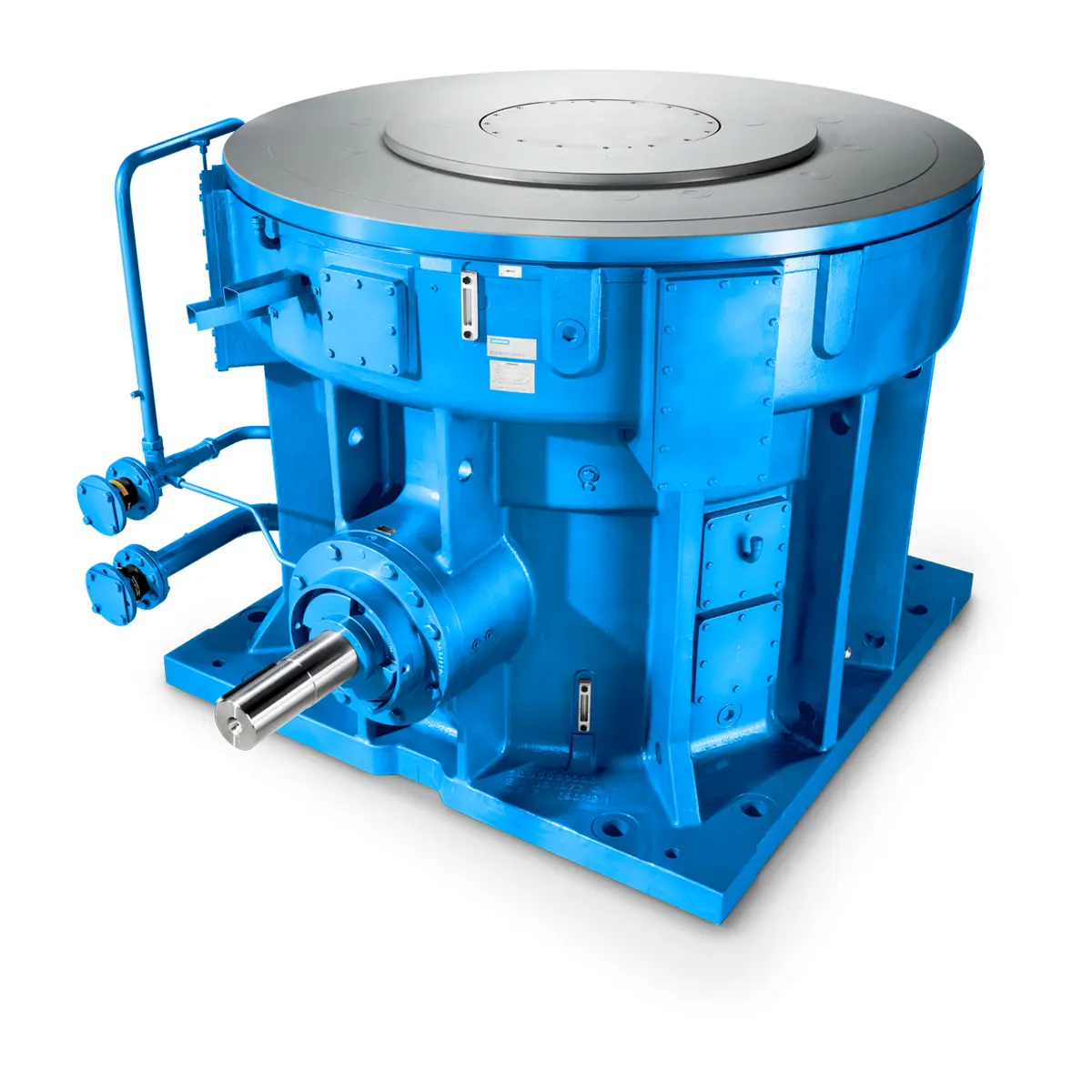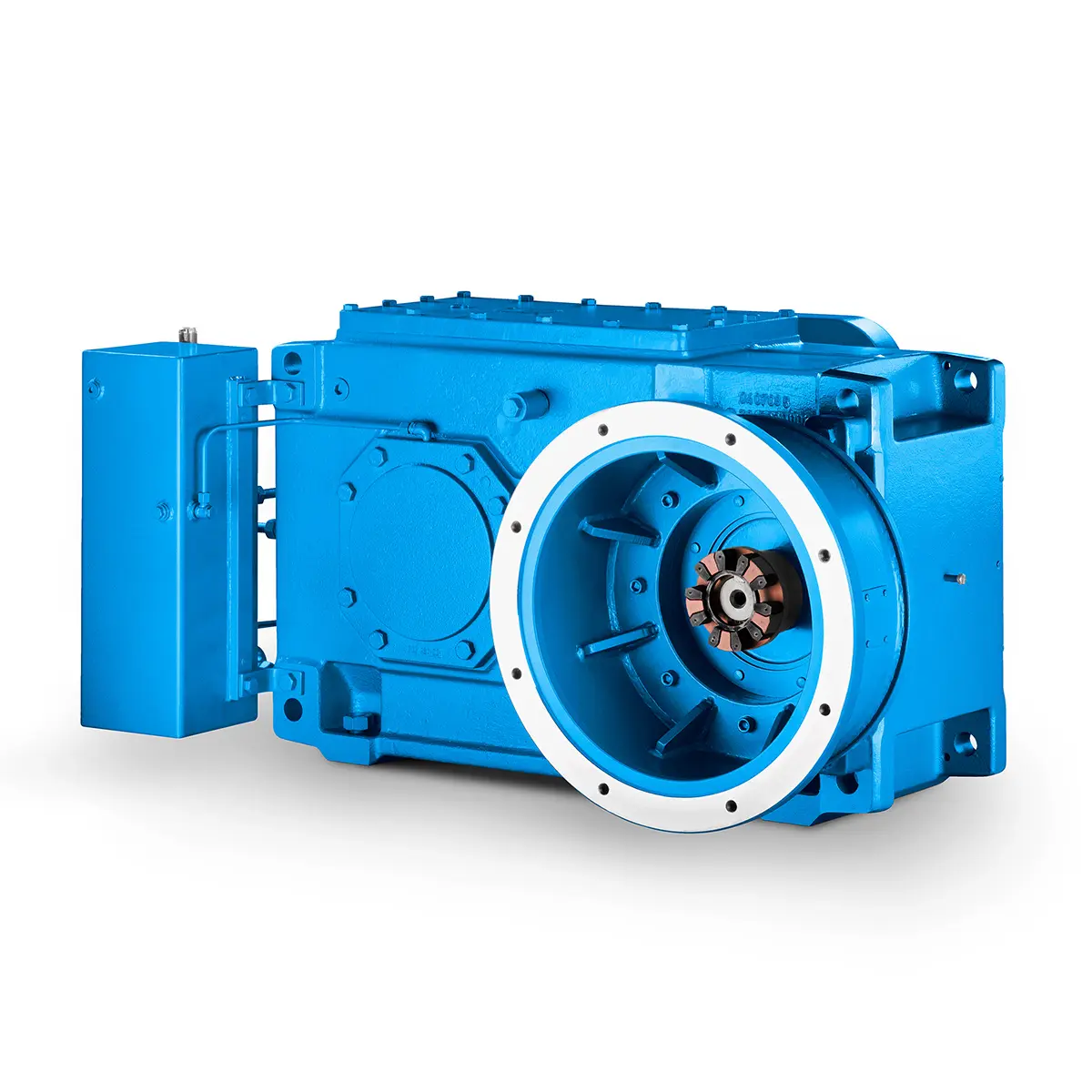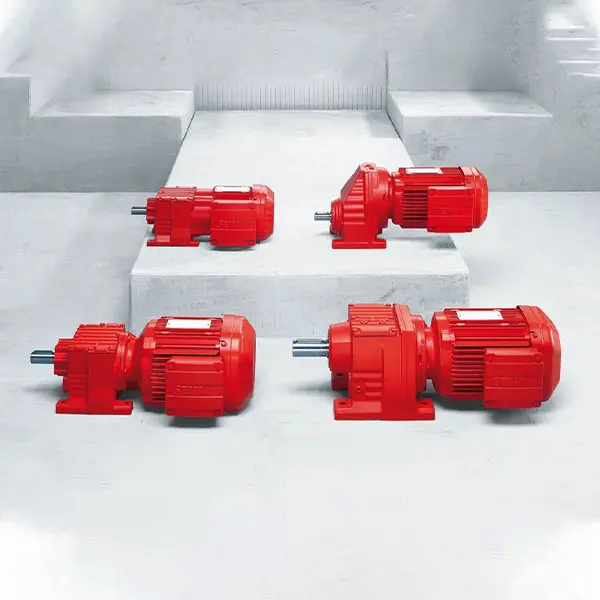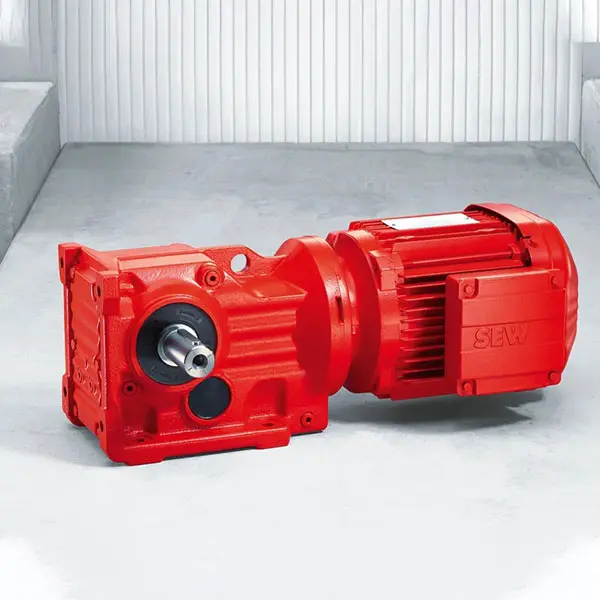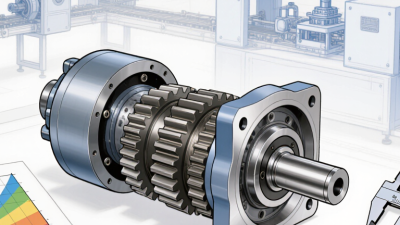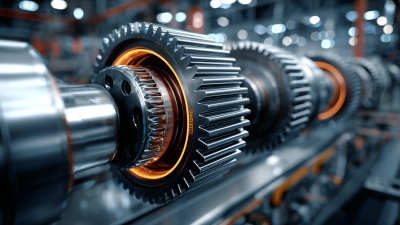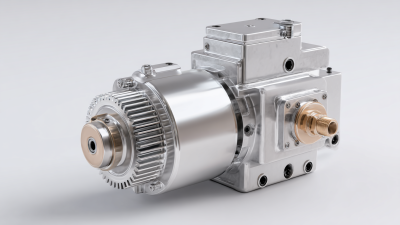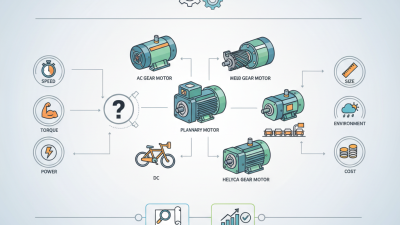
SIEMENS Helical Gearmotor Low Voltage
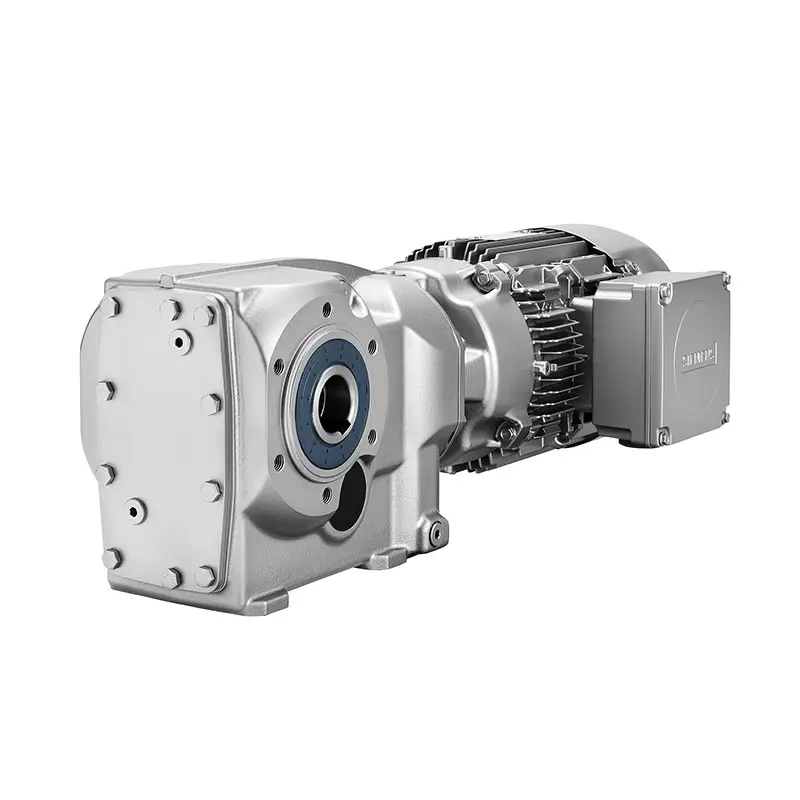
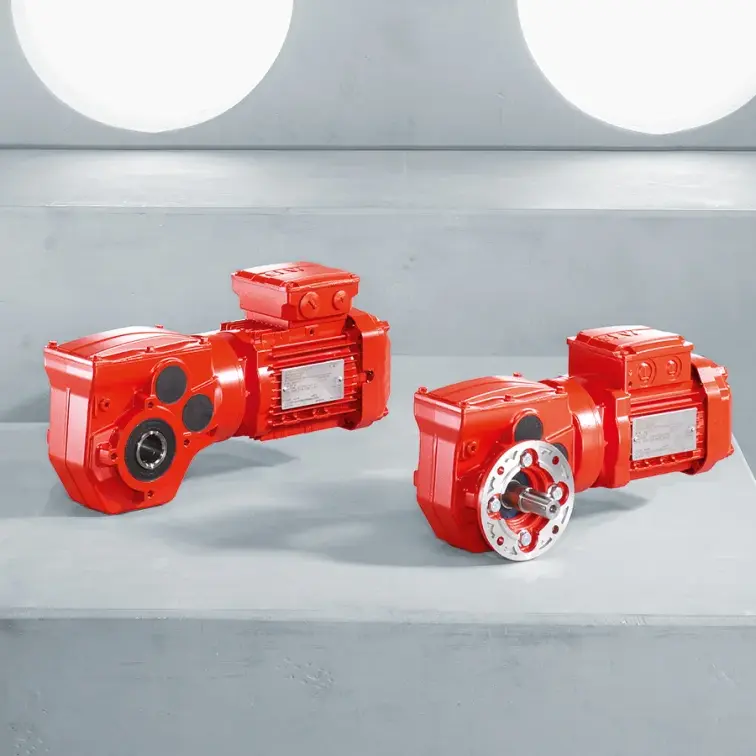
SIEMENS Bevel Helical Gearmotor
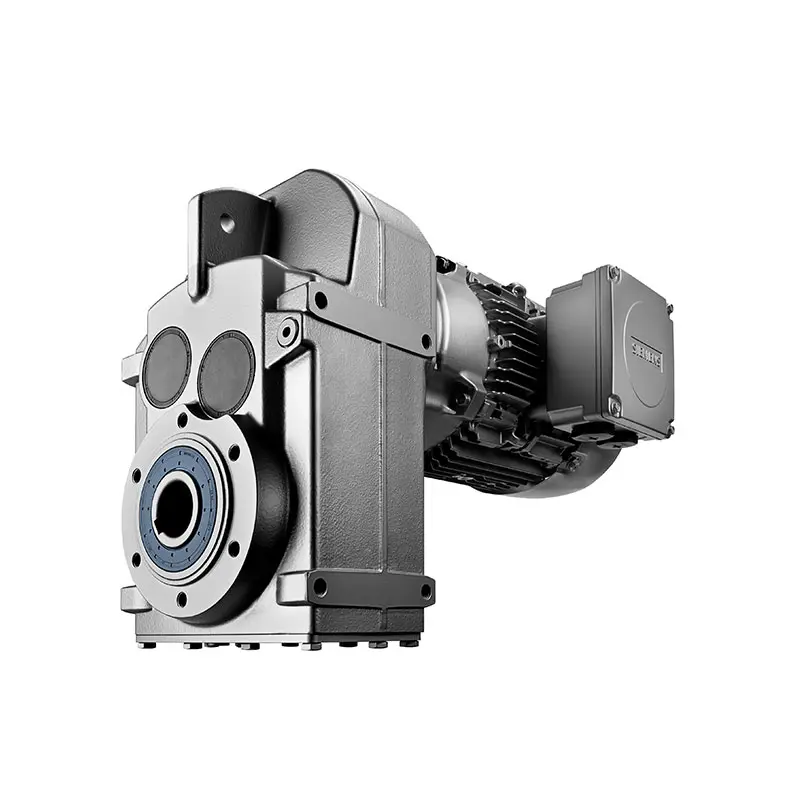
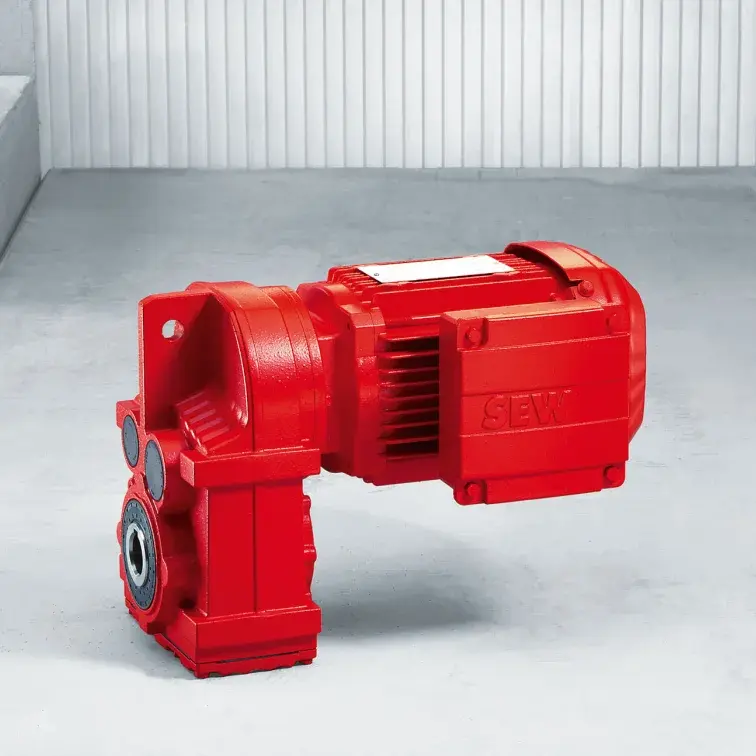
SIEMENS Parallel Shaft Gearmotor
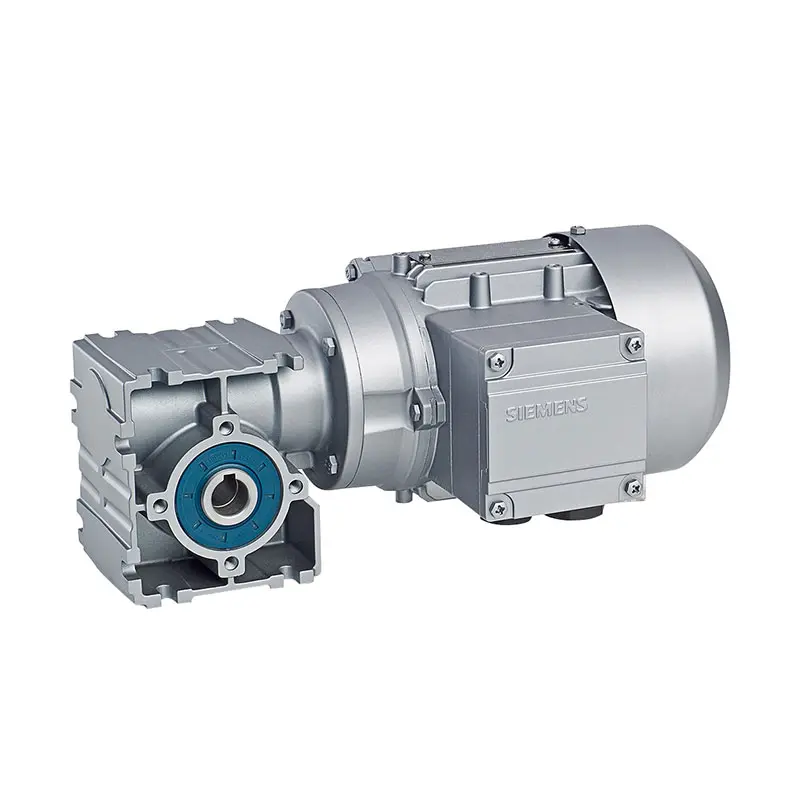
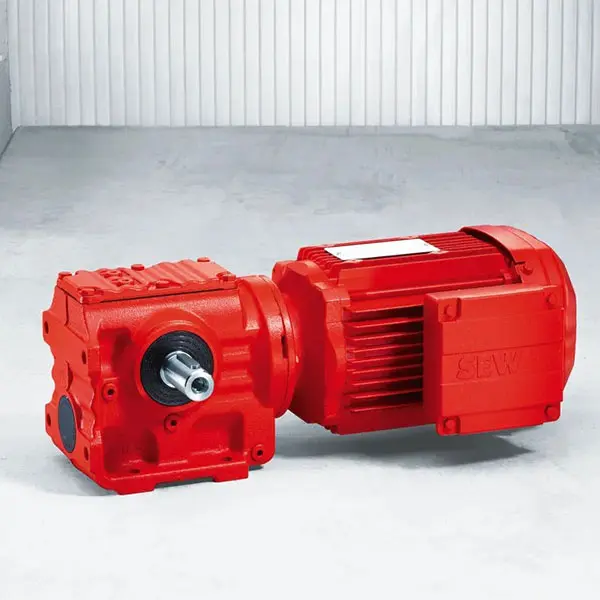
SIEMENS Worm Gearmotor Low Voltage
SIEMENS With Servo Motor Gearmotor
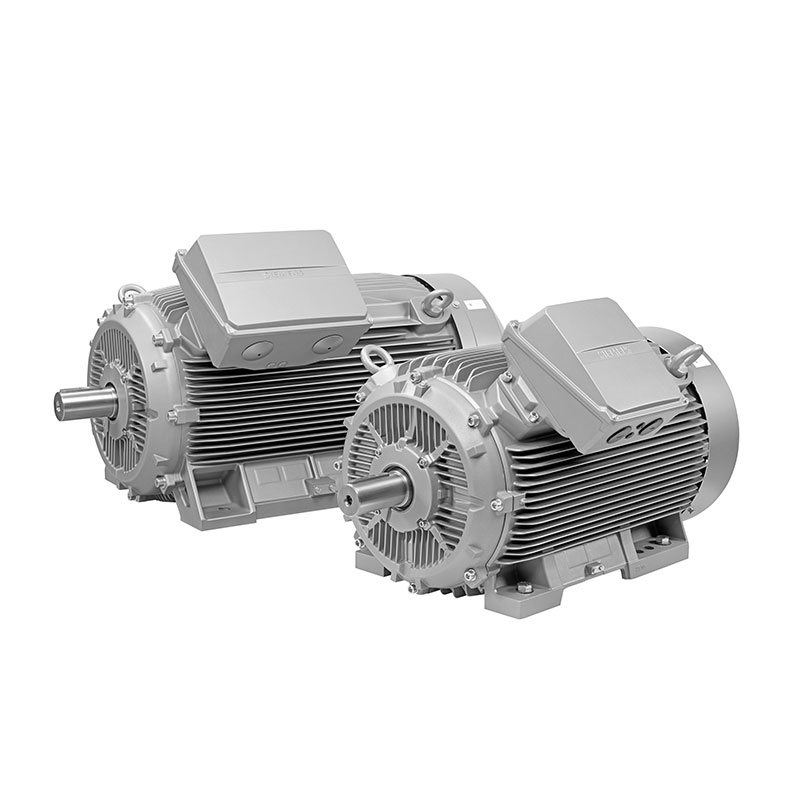
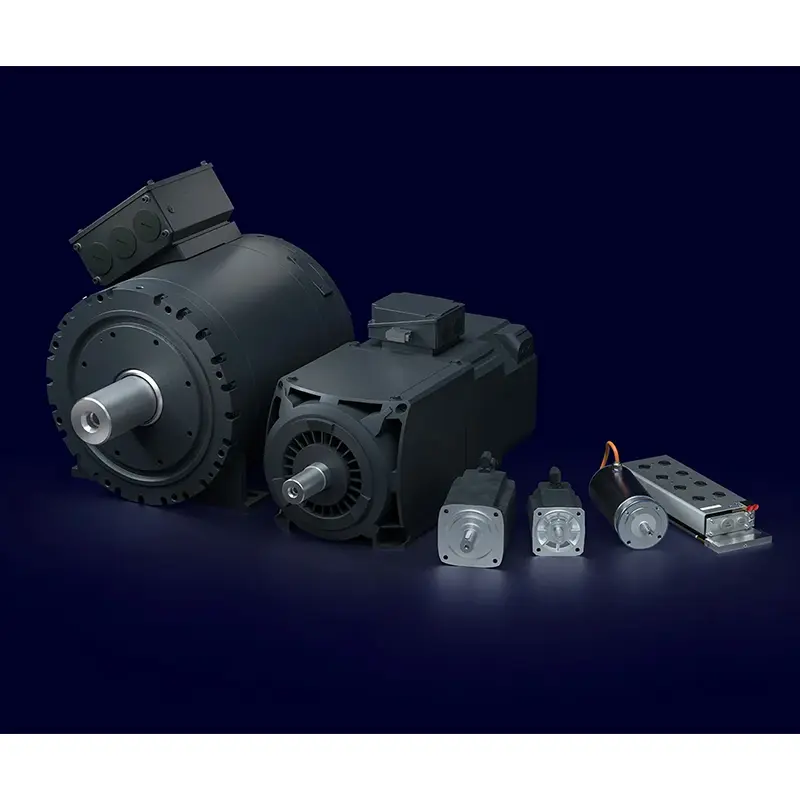
SIEMENS Low Voltage Motor Low Voltage
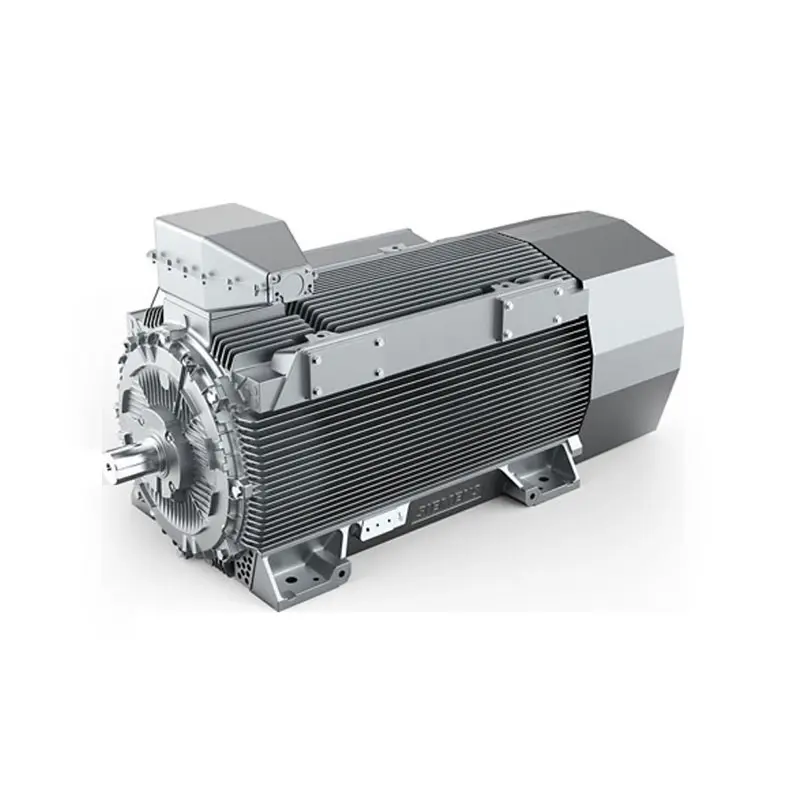
SIEMENS High Voltage Motor Low Voltage
SIEMENS Marine Motor Low Voltage
SIEMENS Servo Motor Low Voltage
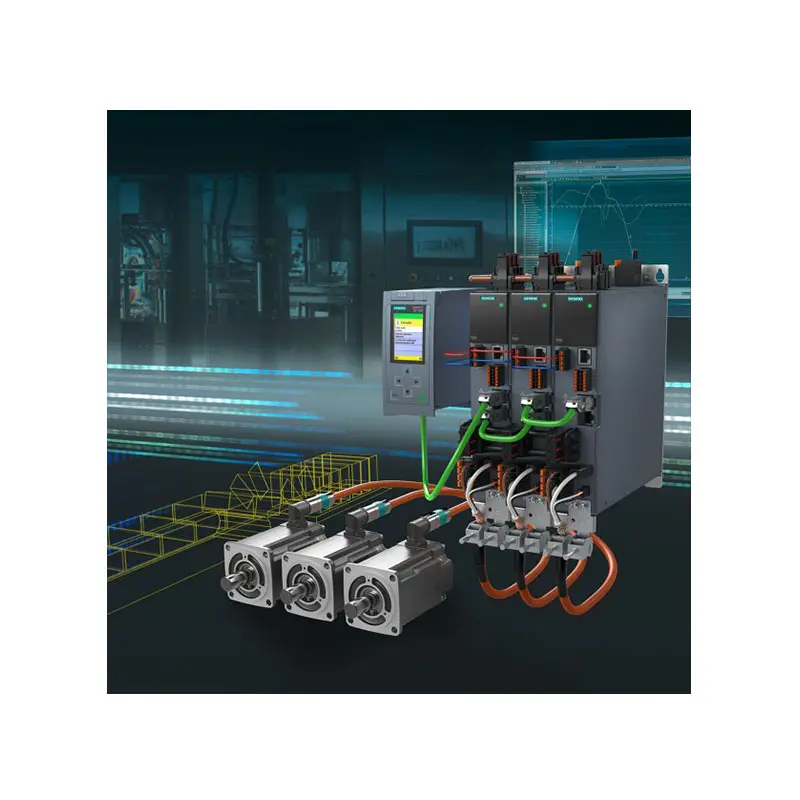
SIEMENS SINAMICS S210 Low Voltage
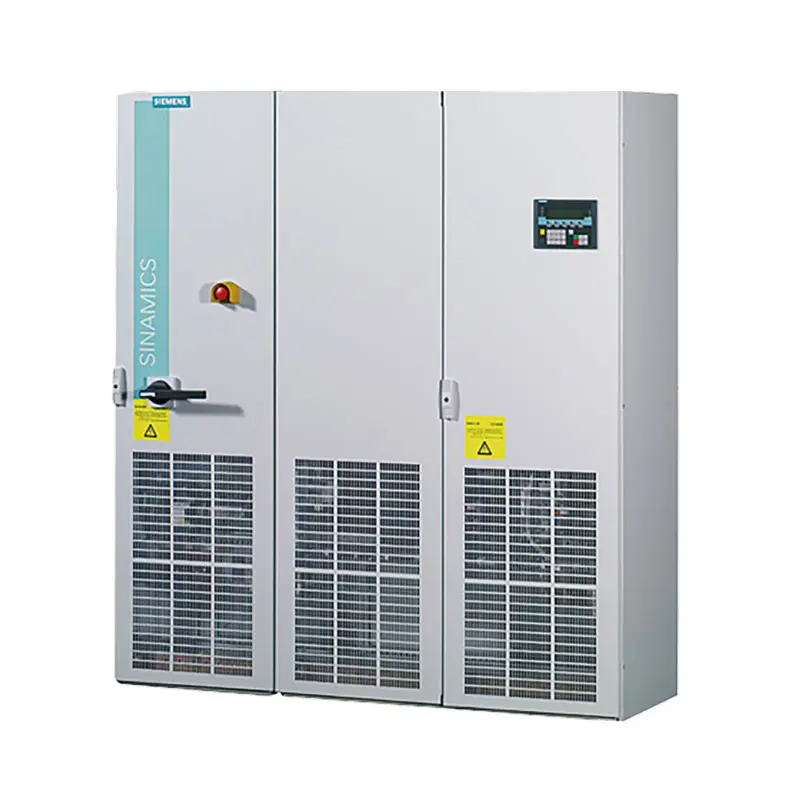
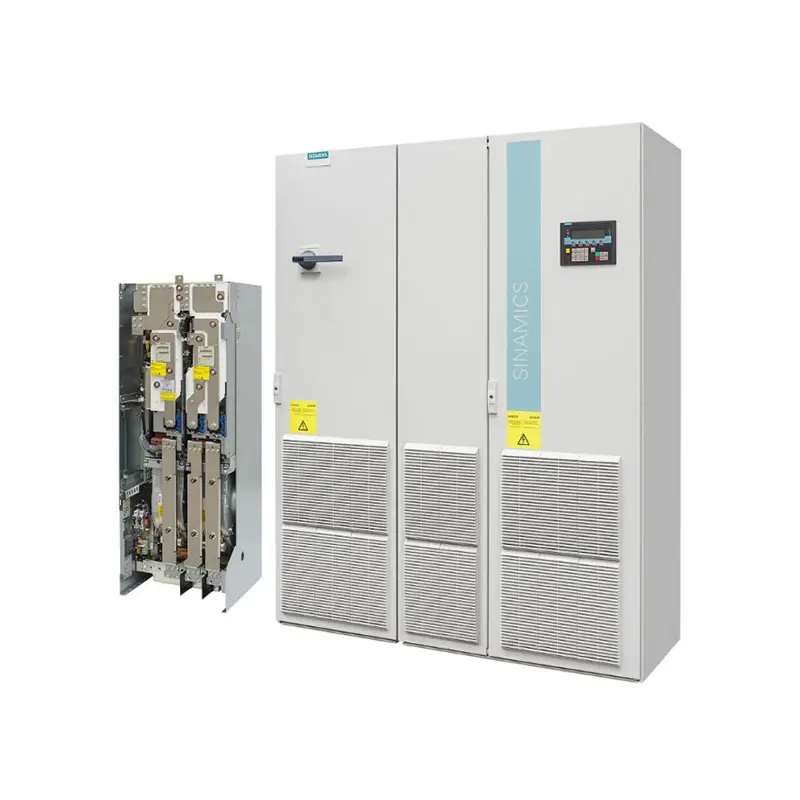
SIEMENS SINAMICS S150 Low Voltage
SIEMENS SINAMICS S120 Low Voltage
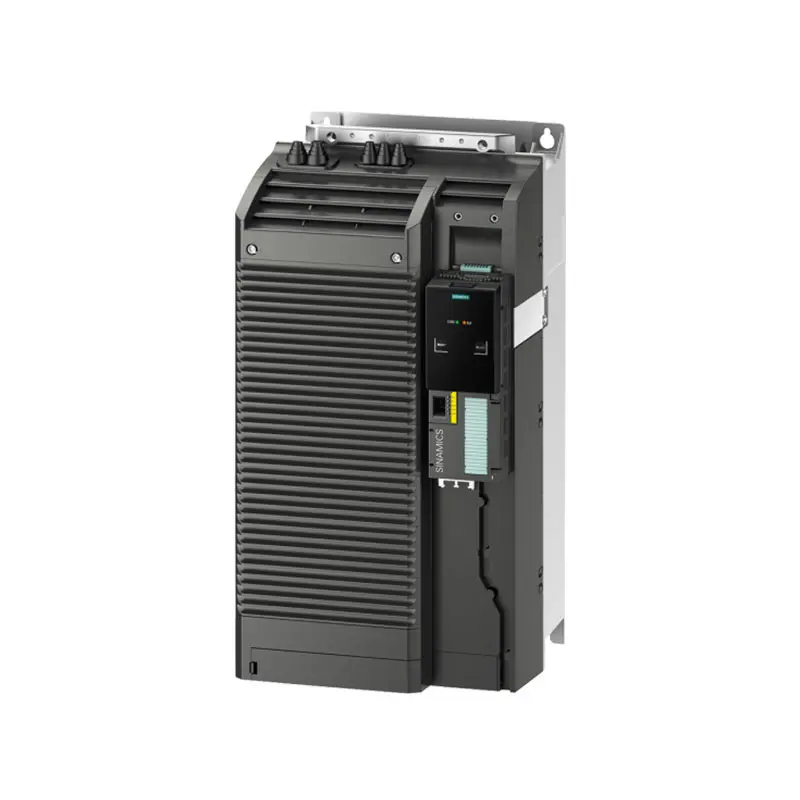
SIEMENS SINAMICS G130/G150
SIEMENS SINAMICS G120 Low Voltage
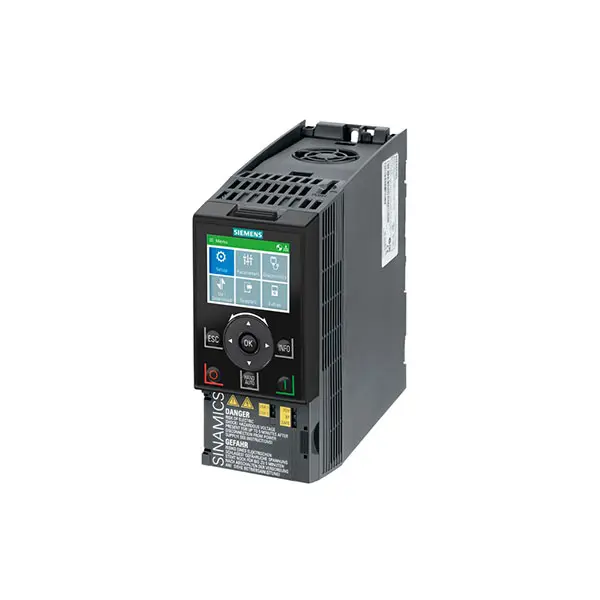
SIEMENS SINAMICS G120C Low Voltage
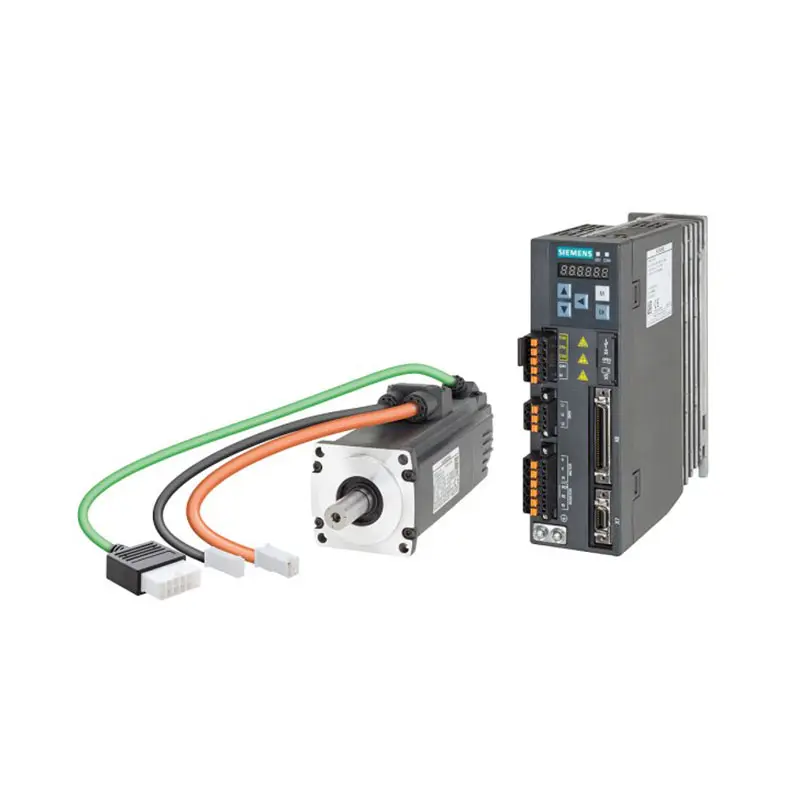
SIEMENS SINAMICS V90
SIEMENS SINAMICS V70 Low Voltage
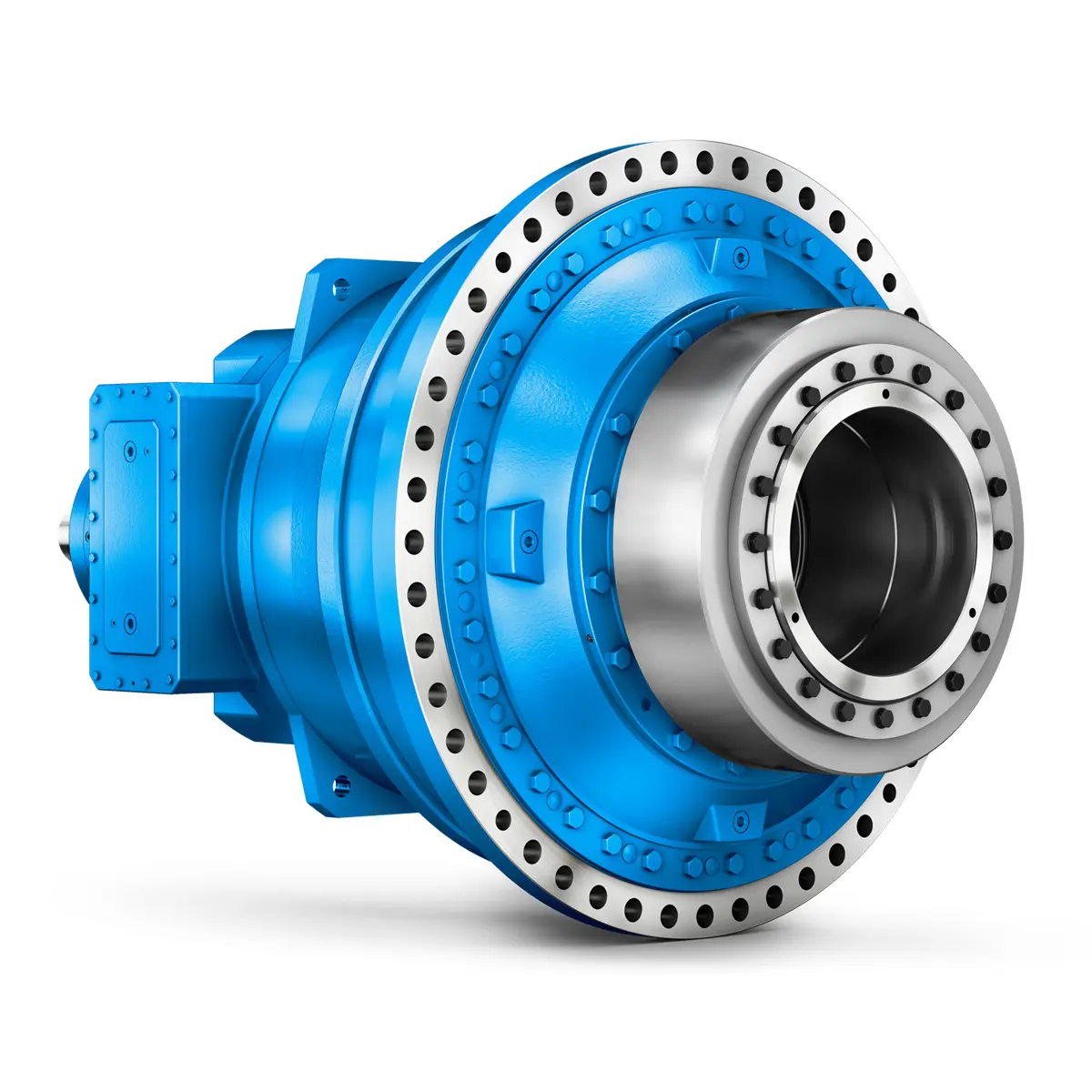
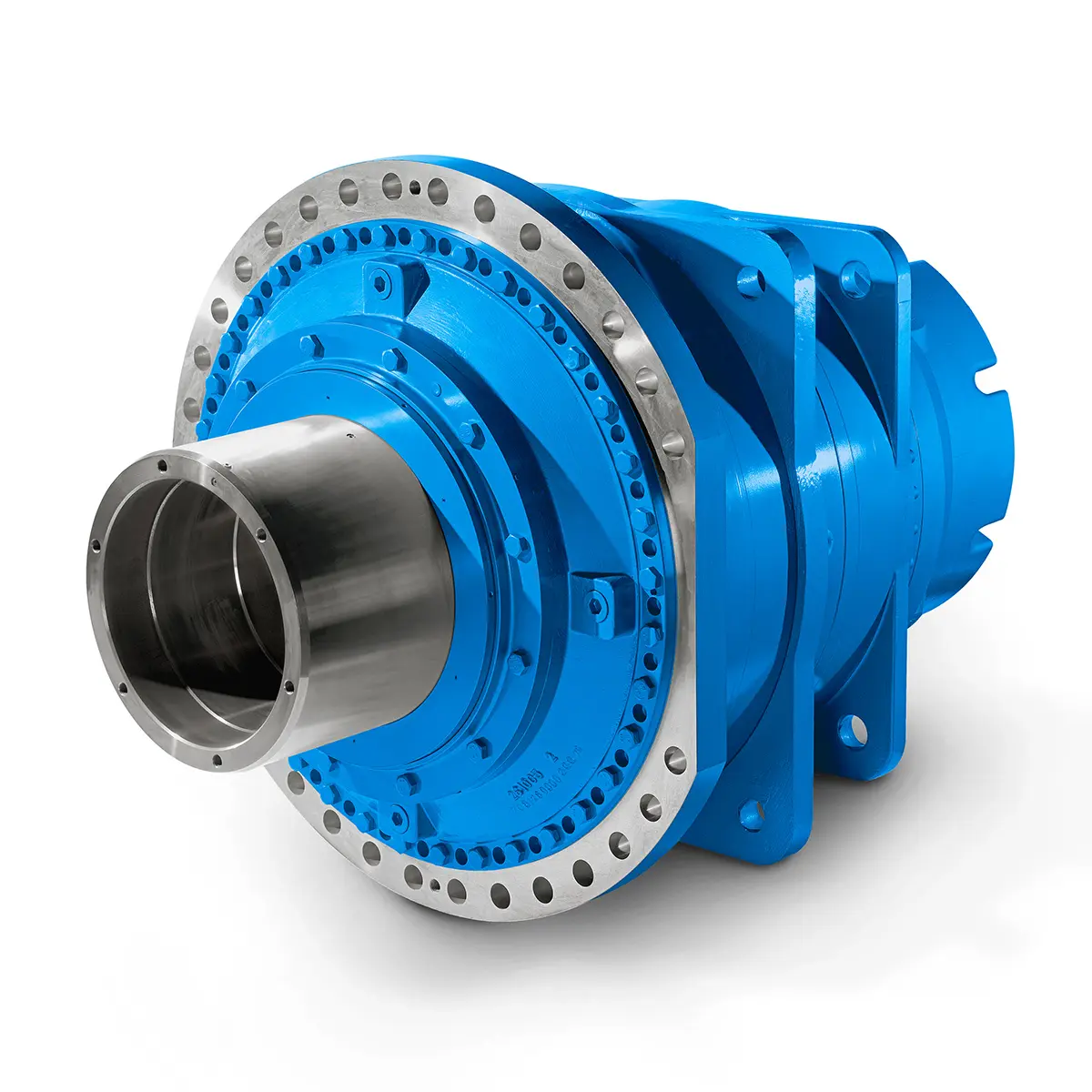
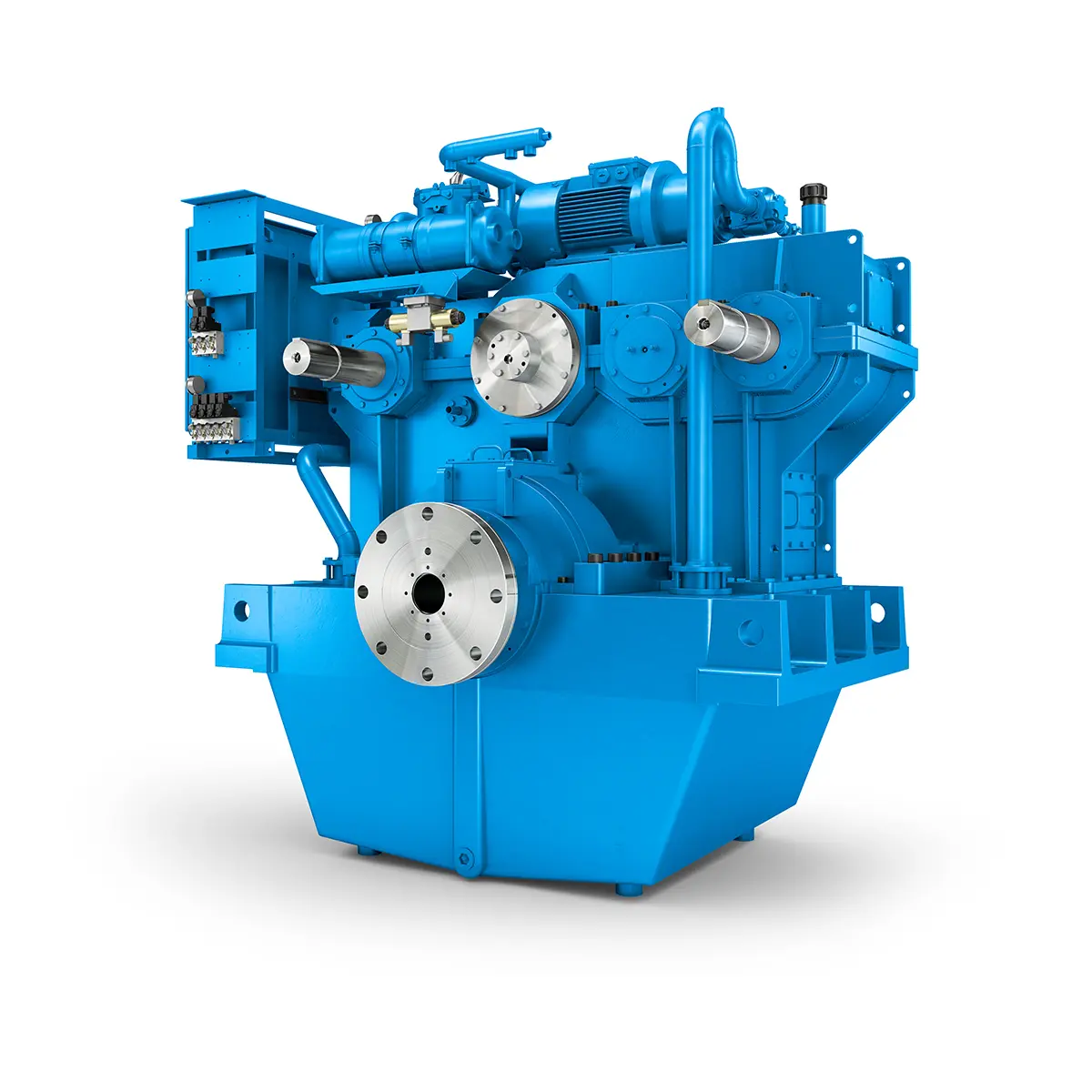
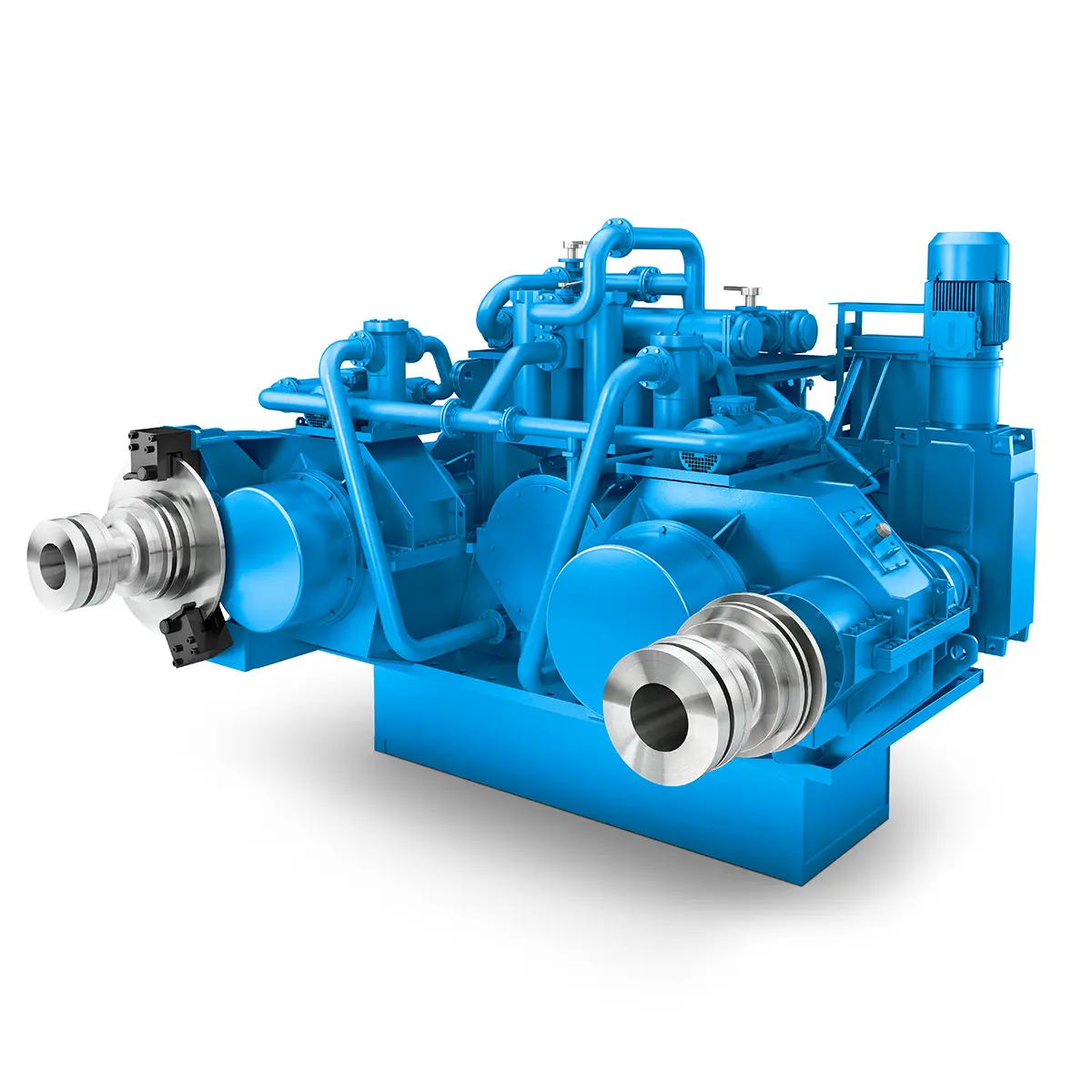
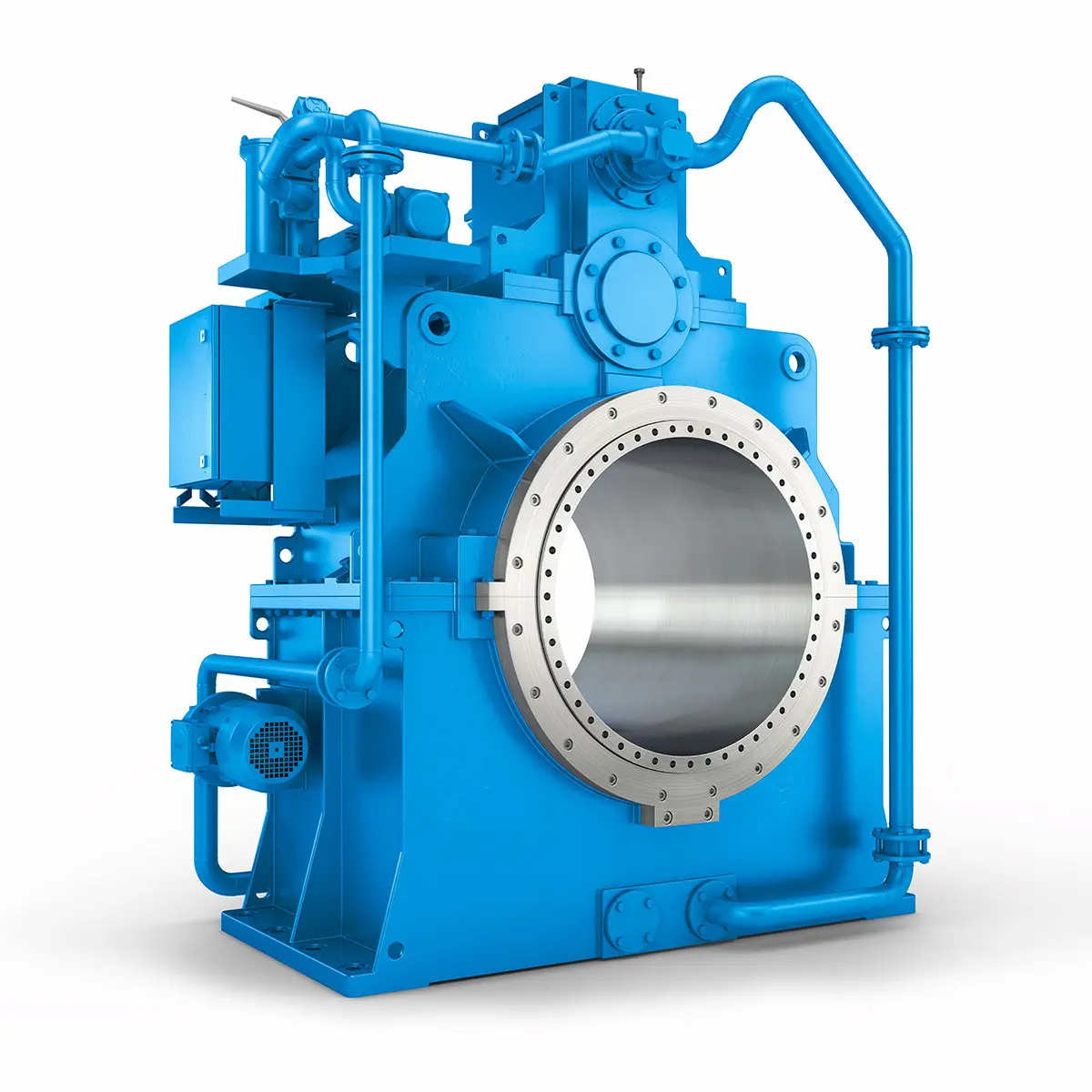
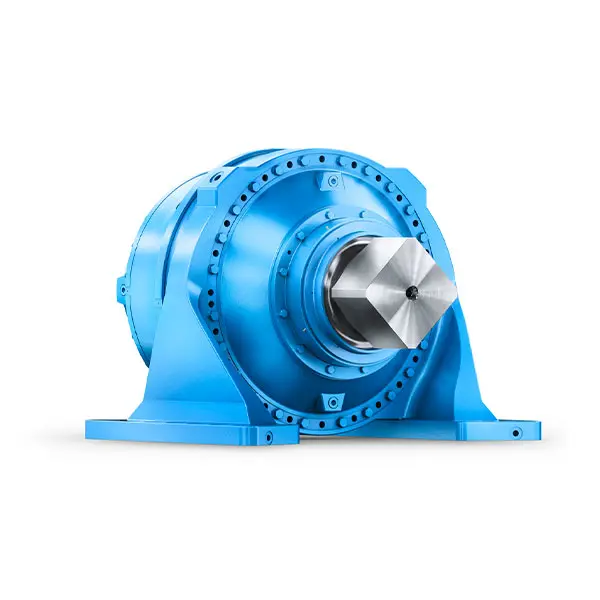
FLENDER Gear Unit
FLENDER Helical Gear Unit
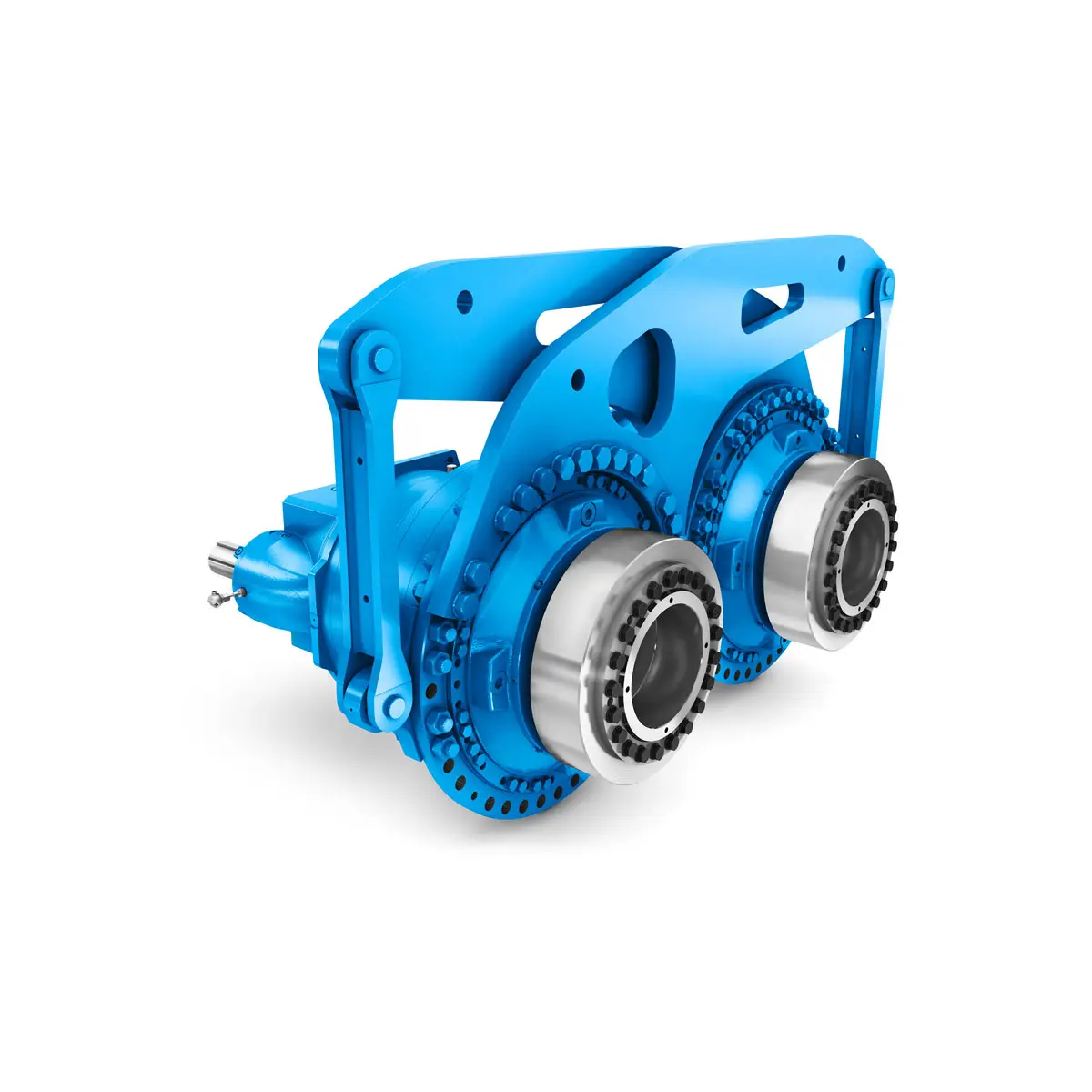
Flender gear units for lifting and luffing gears
FLENDER Gear Unit gearunit gearbox
Optimal Drive Solution For Maximum Performance
Strongly operating against biodegradable constituents
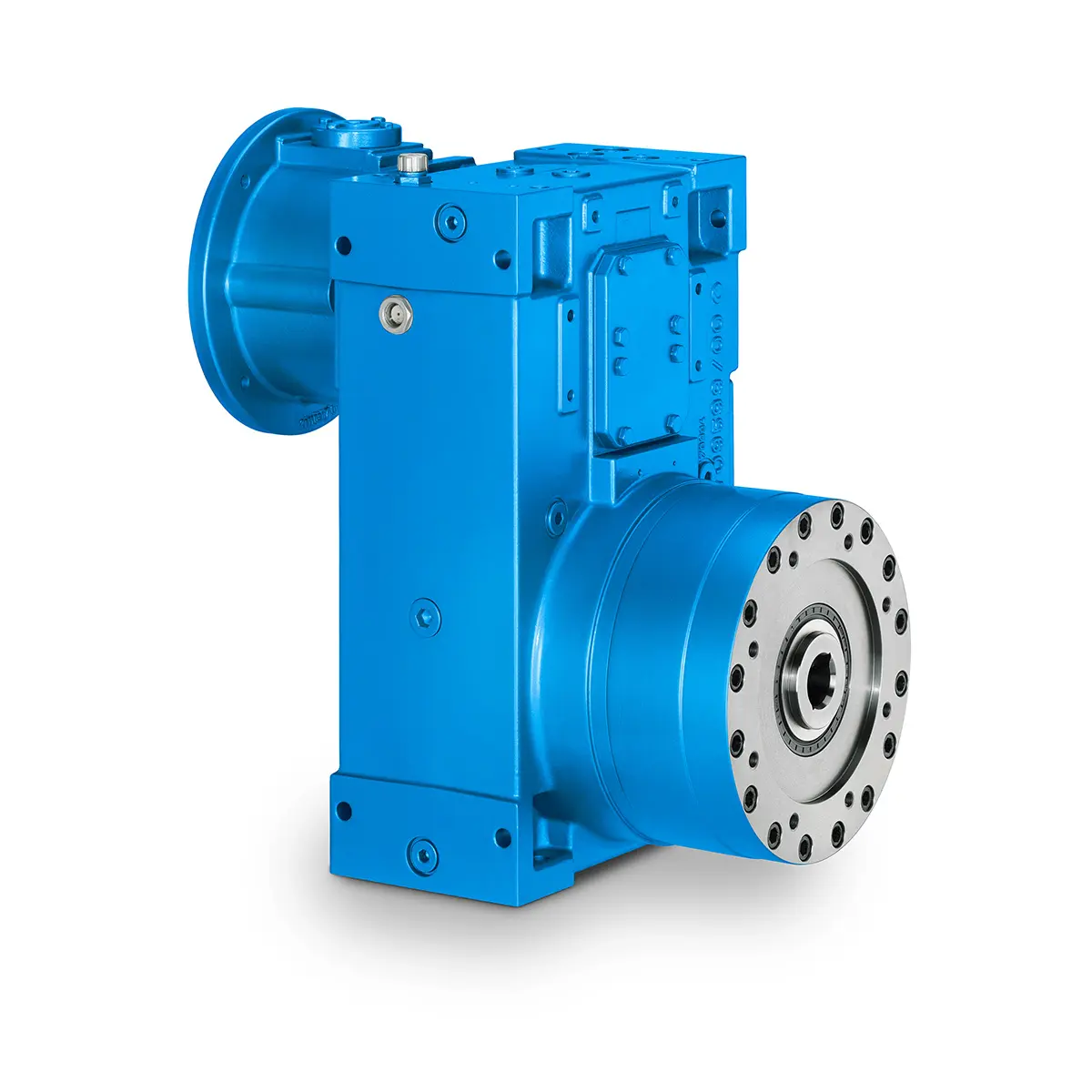
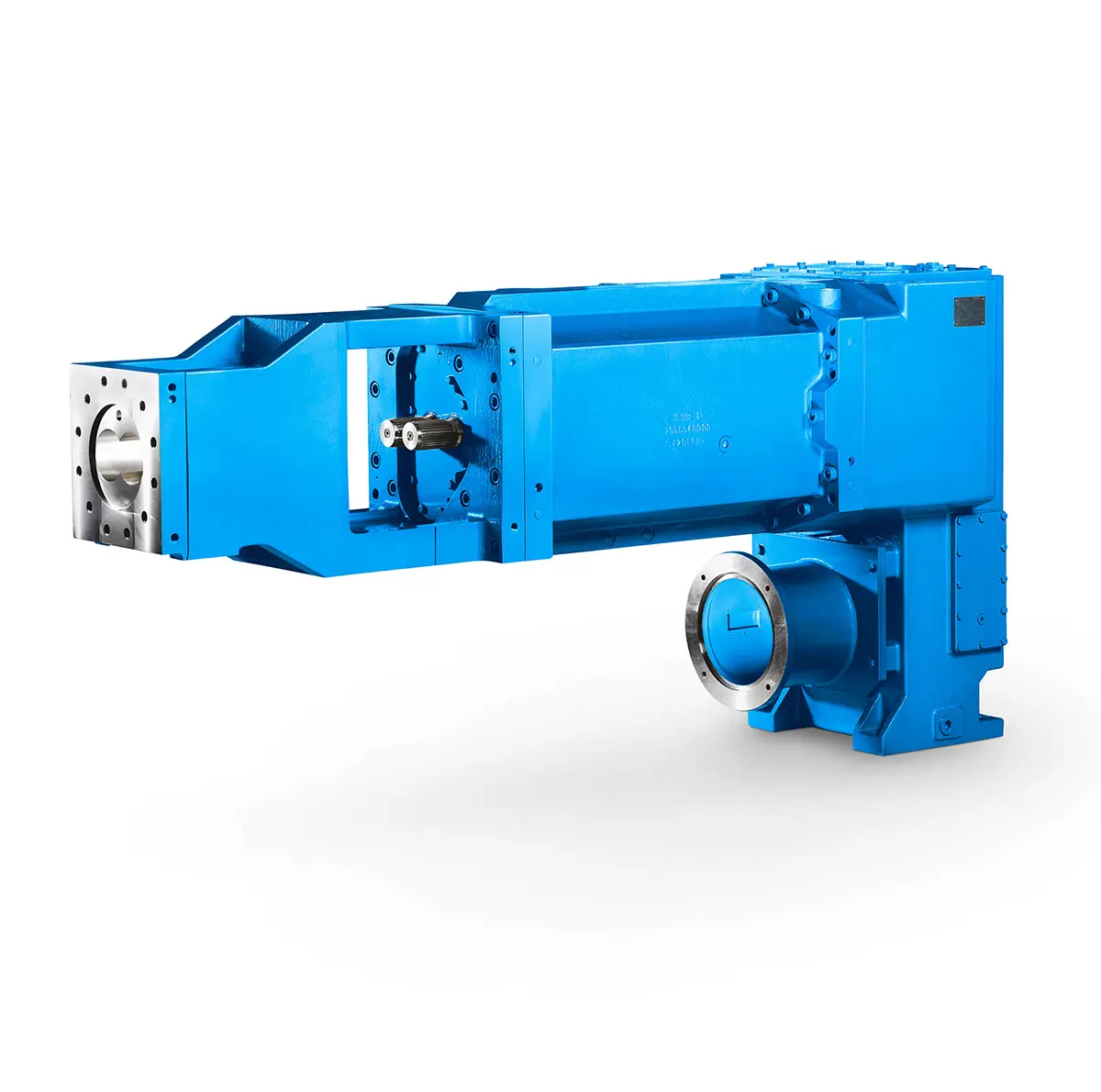
SINGLE SCREW Special industry dedicated gearunit gearbox
Playmaker In The Premium League
Conveyor belts gearunit gearbox
Paper And Pulp Preparation Sections
Operational Reliability Even In Case Of The Highest Ventilation Forces
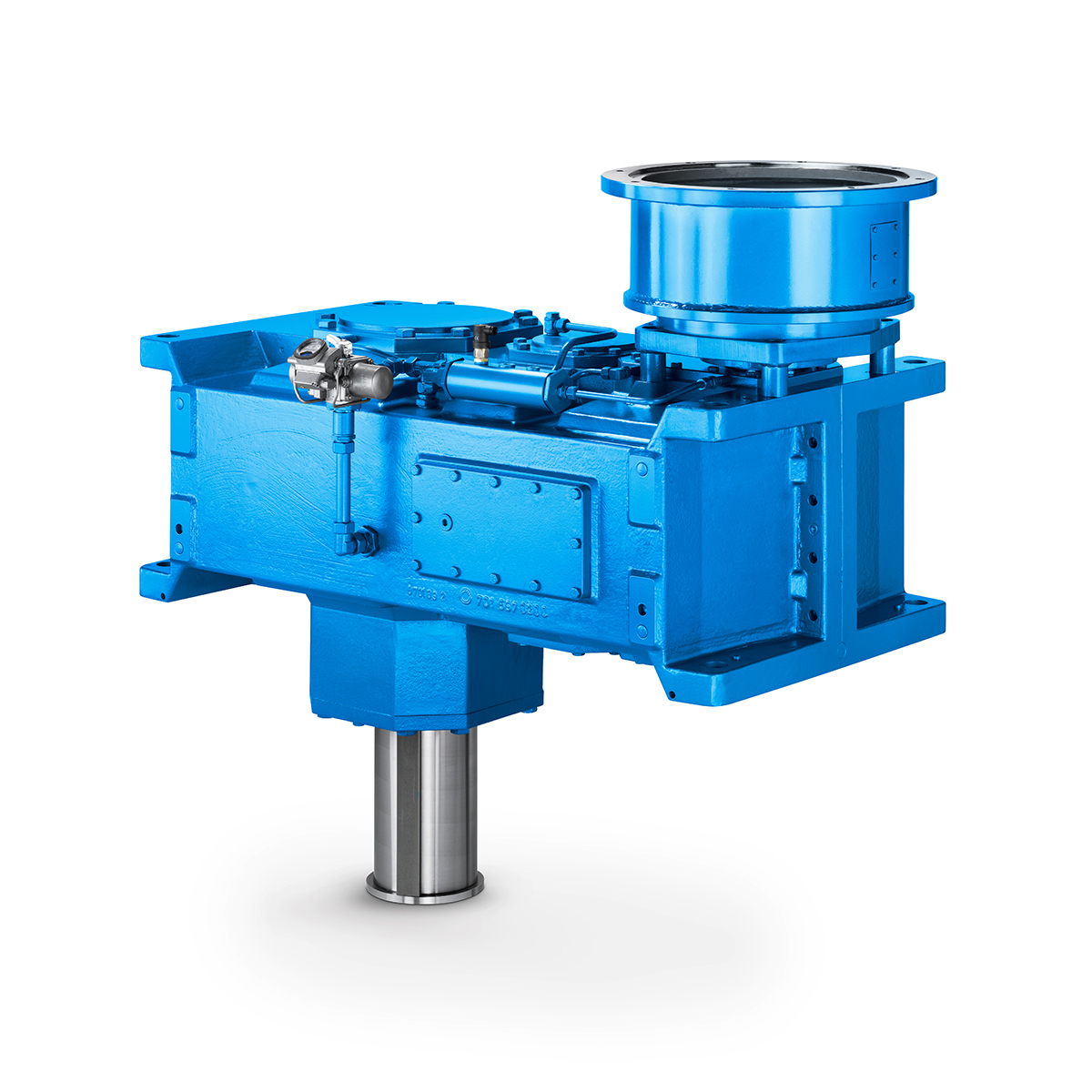
Reliable Gear Units For High Performance Vertical Conveyors 59/200
Maximum power density – PLANUREX 3 L individual drives for your sugar cane mill
The proven all rounder gearunit gearbox
Stirs and stirs and stirs gearunit gearbox
Flexibility on Board gearunit gearbox
The right gearbox for all Multi-Engine Ships
Reliable Power Generation on board
Maximum performance level, fast deliverable
Efficient and compact – FLENDER Gear Units for Sugar Mills
Extremely strong. Extremely compact. Extremely stressable.
FLENDER Coupling
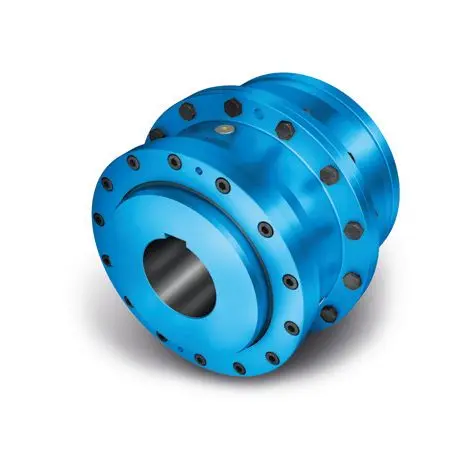
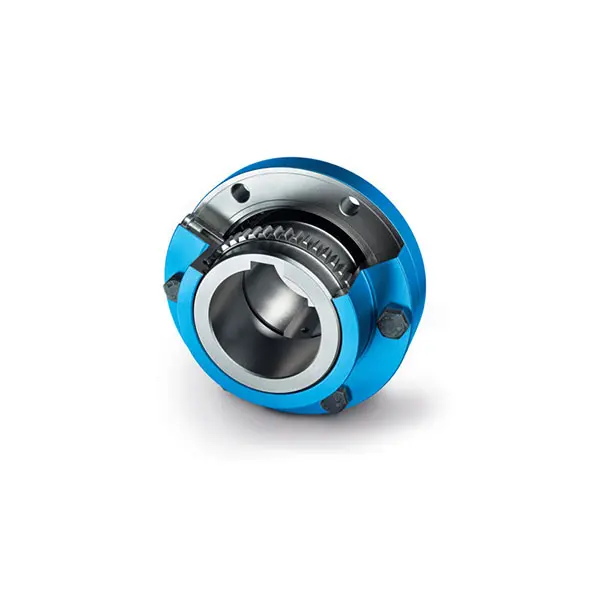
ZAPEX ZW Torsionally Rigid Gear Coupling
ZAPEX ZN Torsionally Rigid Gear Coupling
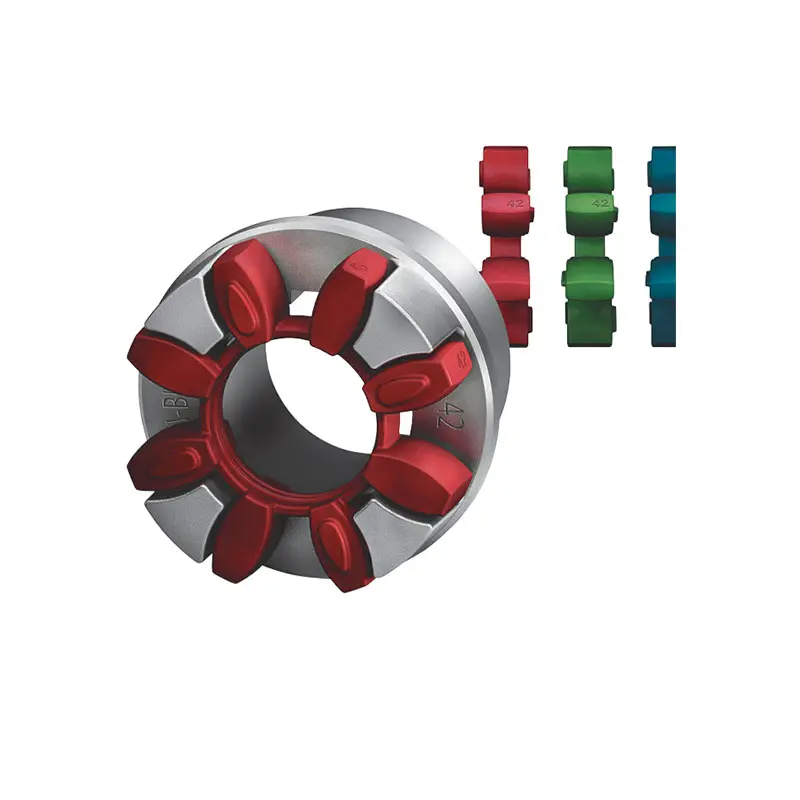
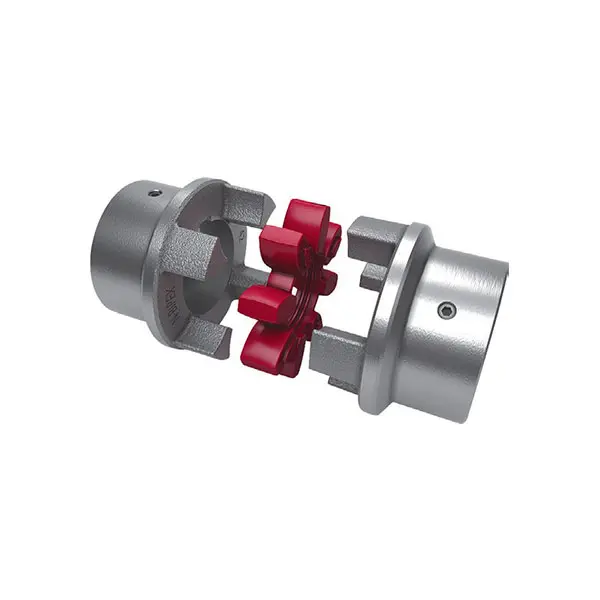
N-EUPEX Flexible high performance Coupling
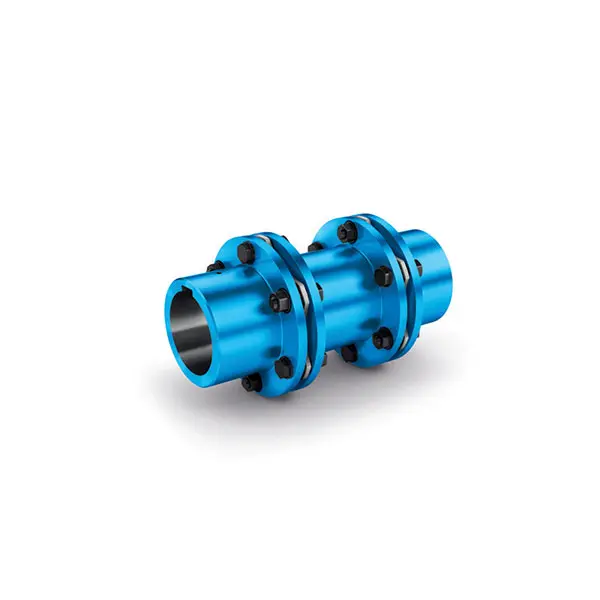
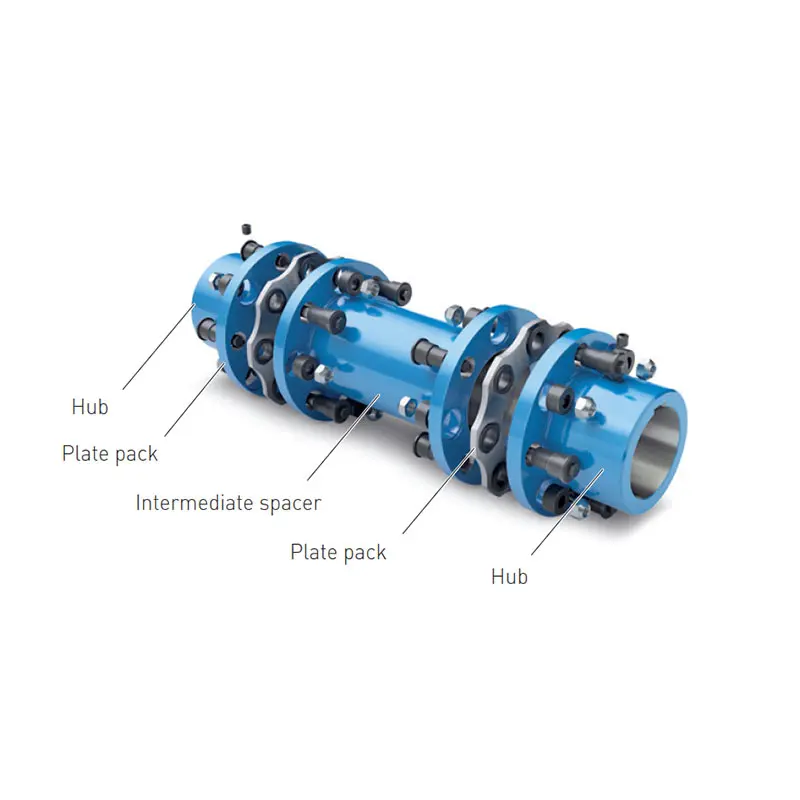
N-ARPEX Torsionally Rigid All-Steel Coupling
ARPEX Torsionally Rigid All-Steel Coupling Spare and Parts
N-EUPEX DS Flexible High Performance Coupling
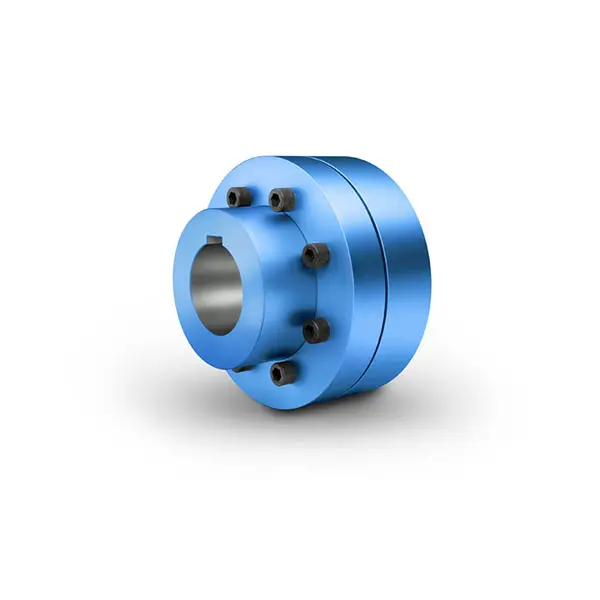
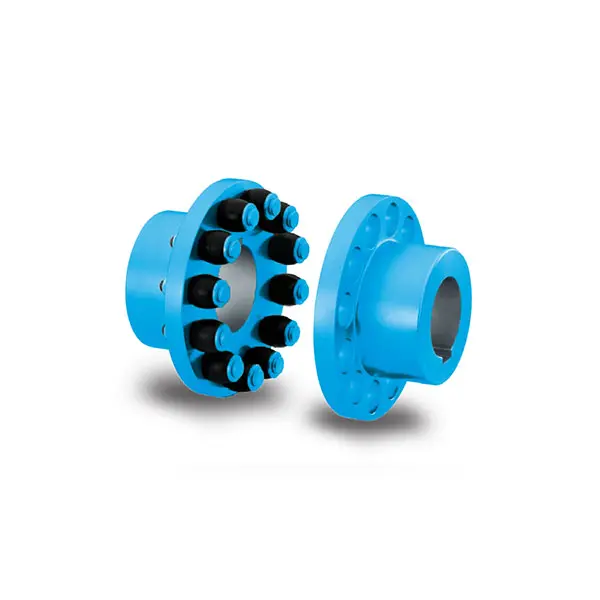
RUPEX Flexible high performance Coupling
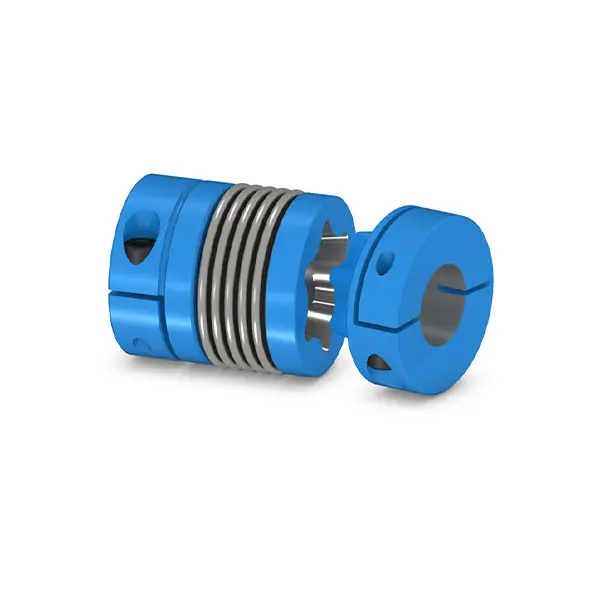
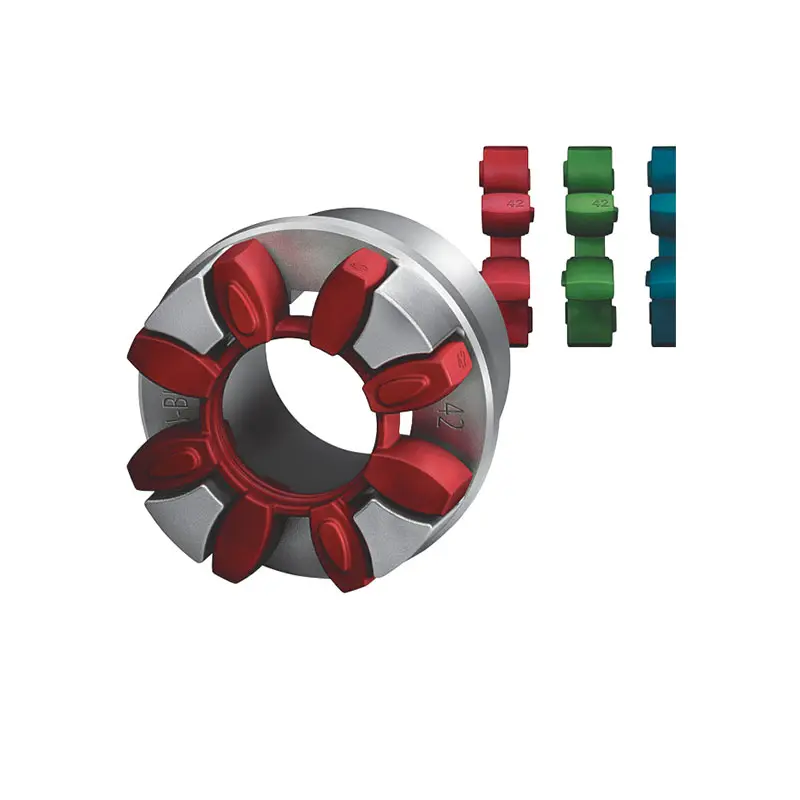
N BIPEX Flexible high performance coupling
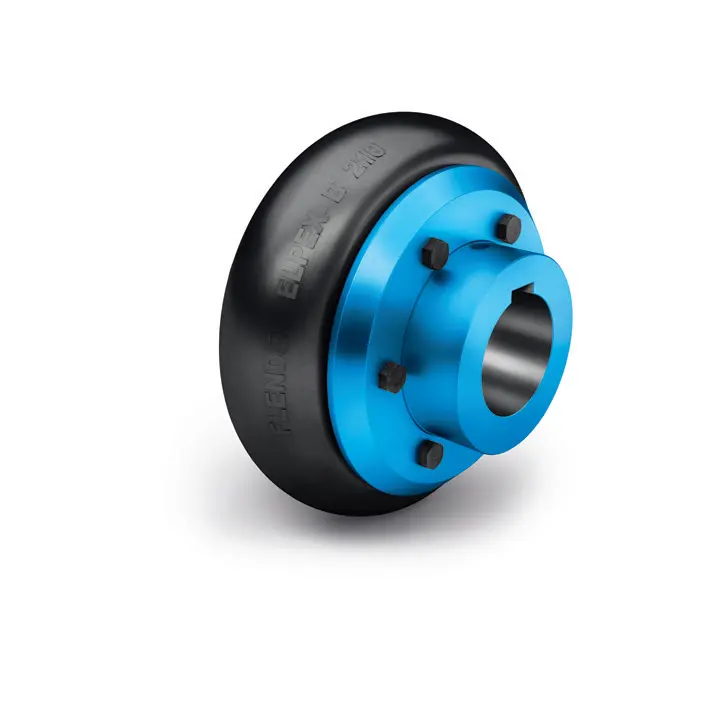
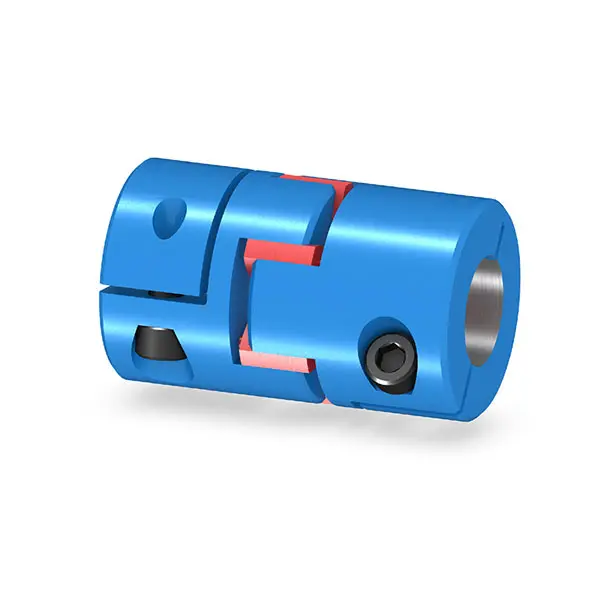
ELPEX B Highly Flexible Coupling
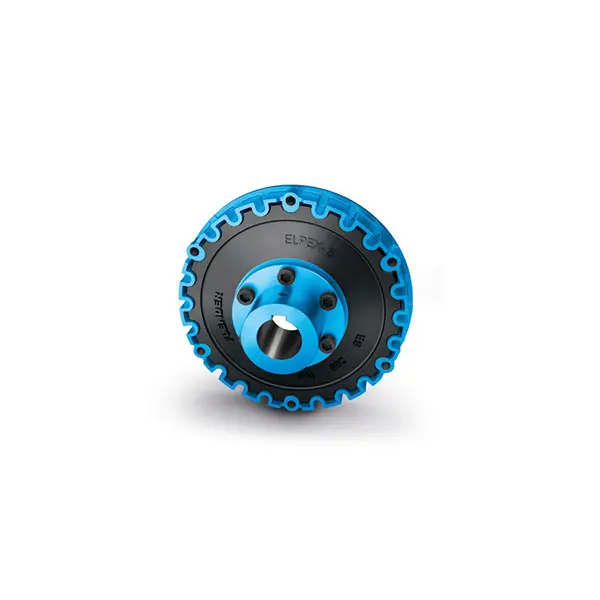
ELPEX S Highly Flexible Coupling high performance
ELPEX Highly Flexible Coupling high performance
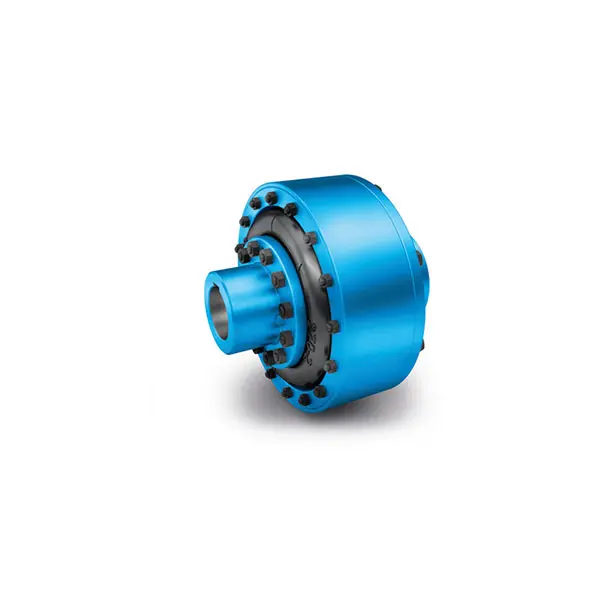
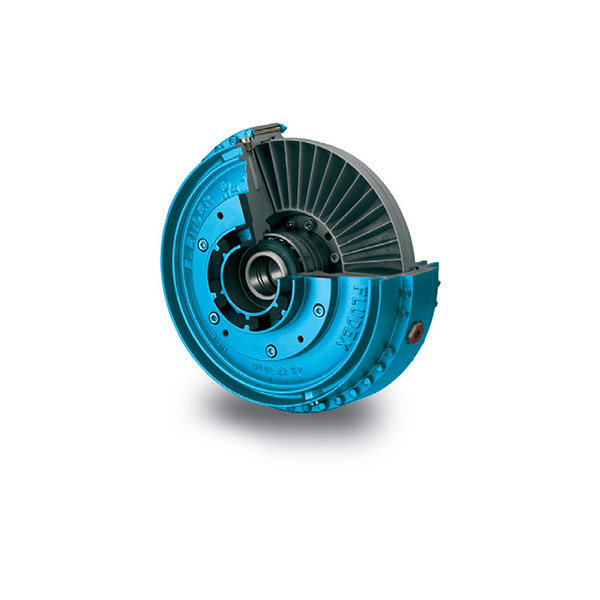
FLUDEX Fluid Coupling high performance
SIPEX Backlash free Coupling high performance
BIPEX S Backlash free Coupling high performance
FLENDER Coupling Spare Parts high performance
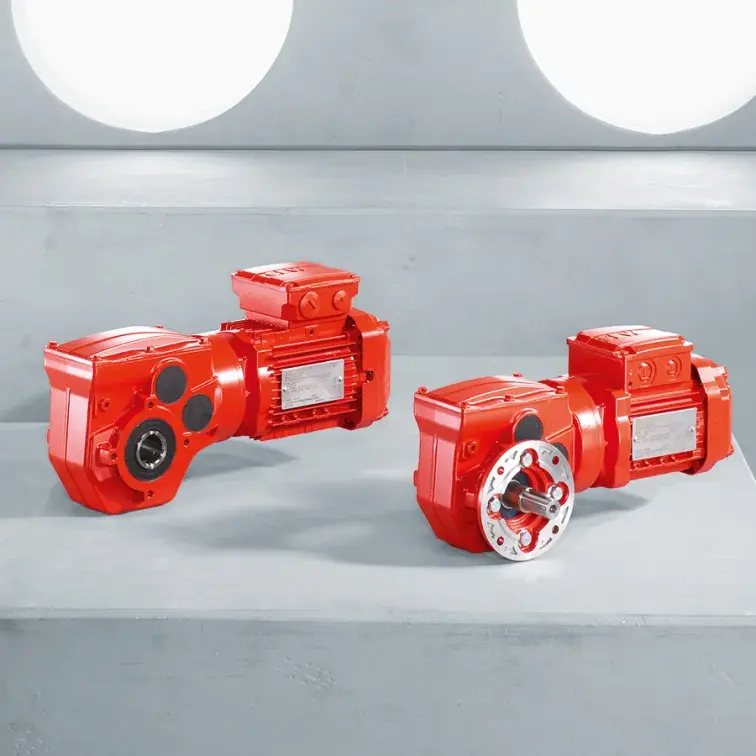
SEW Gearmotor
Selecting the right Gearmotor is a practical decision, not a simple catalog exercise.
A conveyor may need high starting torque, while a packaging arm demands precise positioning.
Noise, duty cycle, ambient temperature, efficiency, and maintenance access also influence performance.
Small details matter.
The International Energy Agency reports that electric motor systems consume nearly half of global electricity.
This figure explains why efficiency deserves attention beyond the purchase price.
The U.S. Department of Energy also identifies motor systems as major industrial energy users.
For global buyers, these findings make gear reduction, motor efficiency, and control compatibility essential evaluation points.
A compact helical Gearmotor can reduce operating noise, while a worm unit may offer economical right-angle transmission.
Planetary, bevel, coaxial, and shaft-mounted designs solve different mechanical problems.
Market research from Grand View Research and MarketsandMarkets indicates continued growth in gearmotor applications across material handling, automation, food processing, and renewable energy equipment.
However, market forecasts are not guarantees.
Regional voltage standards, service networks, spare-part availability, and certification requirements can change the practical value of any model.
This guide compares ten widely used Gearmotor types through torque behavior, efficiency, installation demands, and lifecycle considerations.
The ranking is useful, but not absolute.
A buyer specifying only rated power may overlook starting loads or thermal limits.
That mistake can produce premature wear, unexpected downtime, and higher maintenance costs.
Real projects need measured data, supplier documentation, and transparent testing.
Top 10 Gearmotor Types for Global Buyers
Gearmotor Fundamentals: Torque, Speed, Ratio, and Duty-Cycle Ratings
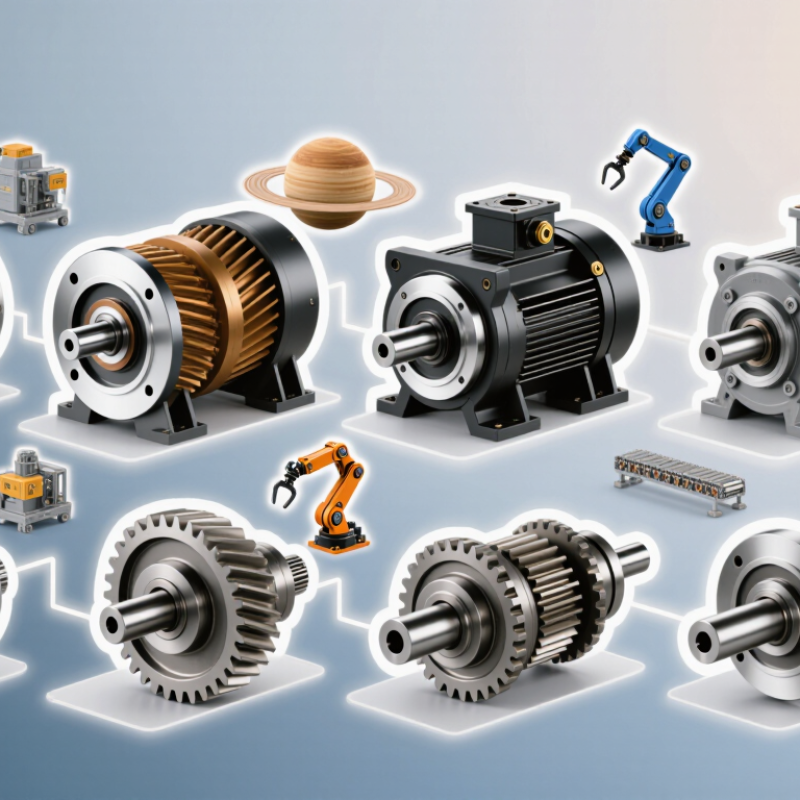
A gearmotor combines an electric motor with a gearbox to deliver controlled rotary motion. Common options include helical, worm, planetary, bevel, and parallel-shaft designs. Each type handles torque, heat, noise, and space differently.
Torque determines how much turning force reaches the output shaft. Calculate the required load torque, then allow a practical safety margin. Speed describes output revolutions per minute, while the gear ratio connects motor speed to shaft speed. A higher ratio usually increases torque and reduces output speed. However, gearbox efficiency can lower the final result. Check rated torque, peak torque, service factor, and starting conditions together. A conveyor may need steady torque, while a mixer can create sudden resistance. Duty-cycle ratings matter here. Continuous, intermittent, and cyclic operation produce different heat levels. Ignoring these ratings can shorten bearing and gear life.
My early selection mistake was focusing only on maximum torque. The motor overheated because the application cycled too frequently. Real installations are less tidy than catalog examples.
Tips: Record load weight, shaft speed, operating hours, starts per hour, ambient temperature, and mounting position. Ask for test data when efficiency is critical. Compare noise and backlash, not only price. A small mismatch may become an expensive maintenance problem. Confirm voltage and protection requirements for the installation region.
Typical single-stage efficiency comparison. Actual performance depends on torque load, reduction ratio, lubrication, temperature, mounting position, and duty cycle.
Spur, helical, planetary, parallel-shaft, and shaft-mounted helical gearmotors generally provide high efficiency for continuous-duty applications. Worm gearmotors can offer high reduction ratios in a compact package, but efficiency typically decreases as the ratio increases. Select the gearmotor by required output torque, speed, ratio, service factor, and duty cycle—not efficiency alone.
Top 10 Gearmotor Types for Global Buyers
Helical and Spur Gearmotors Under IEC 60034-30-1 IE1–IE4 Classes
For global buyers, gearmotor selection begins with the application, not the efficiency label. Helical gearmotors use angled teeth for smooth torque transmission and lower operating noise. They suit conveyors, mixers, and packaging lines requiring steady motion. Spur gearmotors use straight teeth and offer a simpler, often more economical design. They work well in lighter-duty systems with moderate speed reduction.
The IE1–IE4 classes apply to the motor, not the complete gearbox. IEC 60034-30-1 defines motor efficiency under specified operating conditions. A complete gearmotor can lose efficiency through bearings, seals, lubrication, and tooth contact. This distinction matters. An IE4 motor does not automatically create an IE4 gearmotor system.
In field inspections, actual load often differs from the catalog rating. A lightly loaded IE4 motor may not deliver the expected energy savings. Helical units usually perform better at higher torque and continuous duty. Spur units can remain practical where space, cost, and intermittent operation matter more. Ask for measured efficiency data at your real speed and load. Check duty cycle, ambient temperature, mounting position, insulation class, and service factor. Request confirmation that testing matches IEC requirements. I have seen buyers compare only motor classes and miss gearbox losses. That mistake is easy to repeat.
Selecting a gearmotor starts with the load, not the catalog photograph. A conveyor moving 250 kilograms may need steady torque rather than high speed. Bevel gearmotors transfer power through angled shafts and usually offer strong efficiency, often above 90% when correctly sized. Their right-angle layout suits conveyors, mixers, and compact machine frames. Check the output torque at the actual operating speed.
Worm gearmotors provide large reduction ratios in a small housing. They run quietly and can simplify installation where space is limited. However, sliding contact creates more heat and lowers efficiency, especially at high ratios. A 40:1 worm unit may draw noticeably more power than a comparable planetary design. Self-locking claims also require careful review. Vibration, lubrication, and load direction can change the result.
Planetary gearmotors distribute load across multiple gears. This design supports high torque density and accurate motion control. Ratios commonly range from moderate to very high, with efficiency often remaining strong across several stages. They fit robotics, indexing equipment, and heavy-duty positioning systems. Still, a compact housing does not guarantee unlimited capacity. Shock loads, duty cycles, and radial forces matter. I have seen sizing decisions rely only on ratio, which is a costly mistake. A simple test with measured current, temperature, and start-up torque can reveal more than a neat specification table.
Parallel-shaft, coaxial, and hypoid gearmotors suit different layouts and loads. The practical top ten include coaxial helical, parallel-shaft, hypoid, worm, bevel-helical, planetary, helical, shaft-mounted, hollow-shaft, and right-angle designs. Coaxial models save installation space and provide efficient inline torque transmission. Parallel-shaft units fit narrow conveyors with offset drive arrangements. Hypoid designs offer quiet right-angle operation and strong torque density.
IEC 60529 ratings clarify enclosure protection. IP65 means dust-tight protection and resistance to water jets. IP67 adds temporary immersion protection, but it does not guarantee pressure-washing performance. The rating covers the enclosure, not necessarily seals, connectors, cables, or the complete machine. That distinction matters in food, packaging, and outdoor applications.
Grand View Research estimates the global gear motors market will continue growing through 2030, supported by industrial automation and material-handling demand. The International Energy Agency reports that industry consumed about 42% of global final electricity in 2022, making drivetrain efficiency a serious purchasing factor.
Tips: Match the gear ratio, output torque, duty cycle, and mounting position before comparing prices. Check the test conditions behind every IP claim. IP66 may be more useful than IP67 for frequent washdown. A higher number is not automatically better. Field experience shows that poor cable routing can defeat a well-rated enclosure. Buyers should also verify thermal limits, service-factor assumptions, and local compliance documents. Some specifications look complete, yet leave operating temperature unclear. That gap deserves another question.
Cycloidal and harmonic gearmotors deserve close attention when global buyers compare precision drive systems.
A cycloidal design uses rolling contact and can tolerate sudden load changes, making it practical for indexing tables, conveyors, and robotic joints. Its large reduction ratio fits compact machinery.
Harmonic gearmotors use a flexible spline and wave generator, delivering very low backlash in a lightweight package. This suits inspection stages, medical equipment, and coordinated robot axes.
Backlash is not a single marketing number. Ask how it was measured, at what torque, speed, and temperature.
A harmonic unit may achieve excellent positioning accuracy, but overloads can shorten its flexible element’s service life. Cycloidal units often handle shock better, yet their output ripple may require motion tuning.
Real factory conditions are less polite than laboratory charts. Mounting errors matter too.
For international procurement, request dimensional drawings, lubrication requirements, duty-cycle data, and traceable inspection records.
ISO 9001 certification indicates controlled quality processes, but it does not guarantee a specific backlash value. Check whether accuracy and life claims follow applicable ISO test methods.
Confirm shaft tolerances, sealing details, voltage compatibility, and replacement-part availability before approval.
I have seen technically strong gearmotors underperform because buyers ignored thermal limits. That mistake is easy to repeat.
A small prototype test under real load can reveal more than a polished specification sheet.