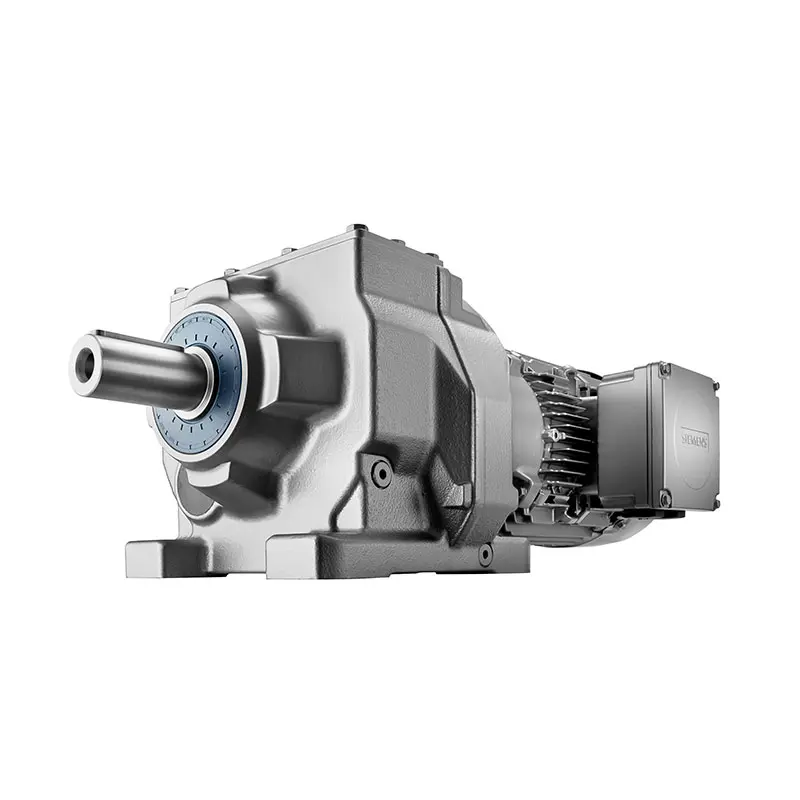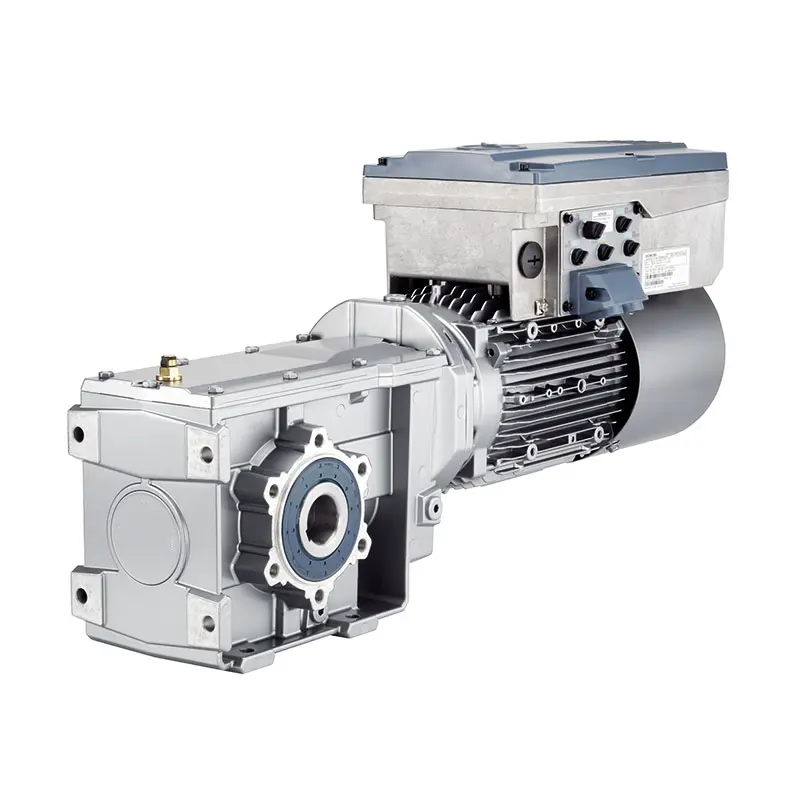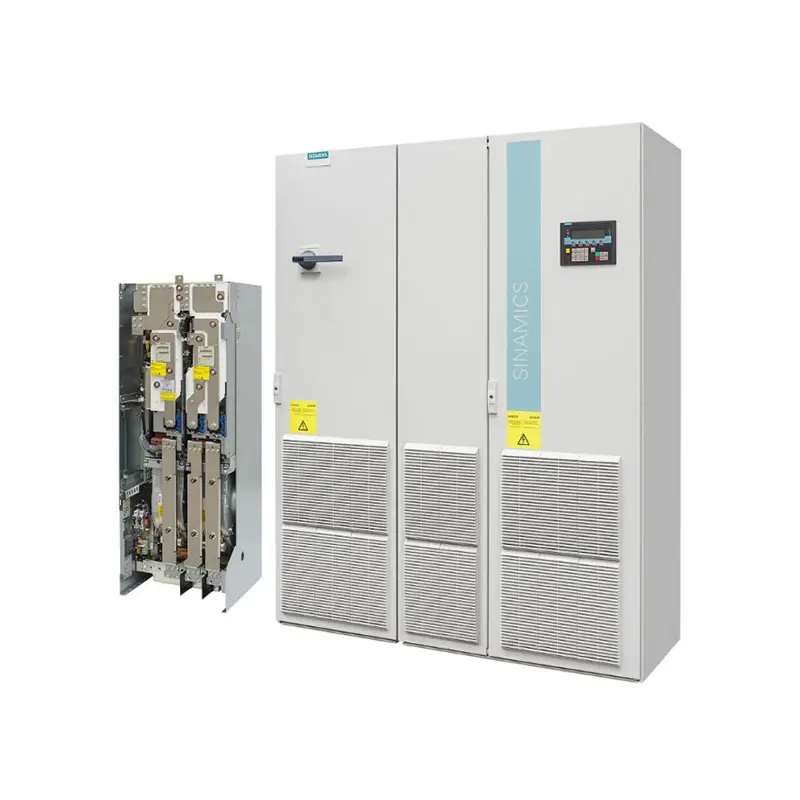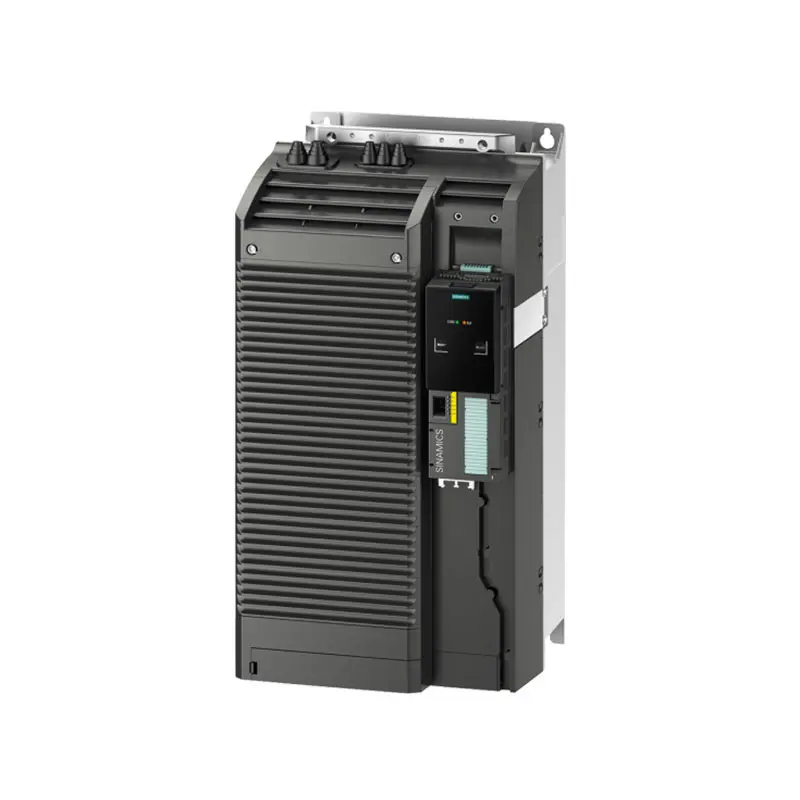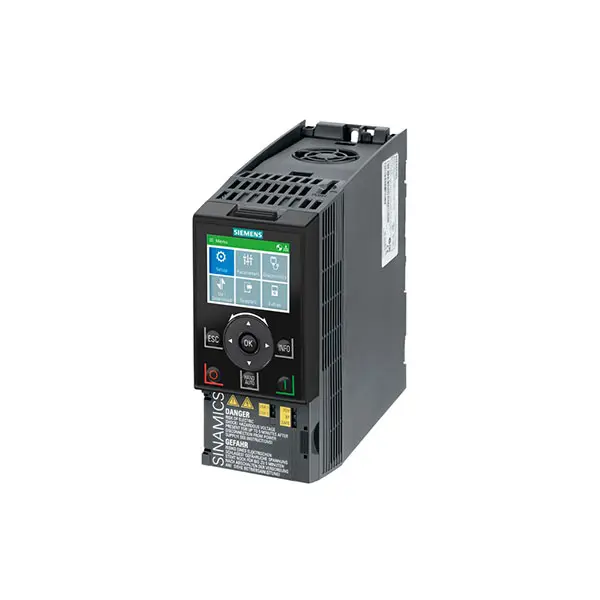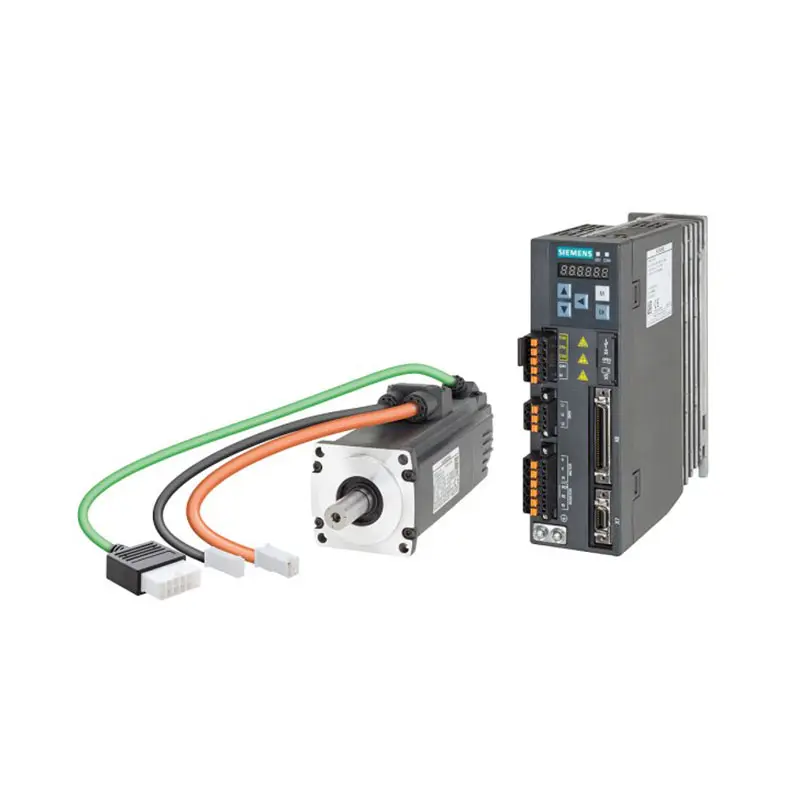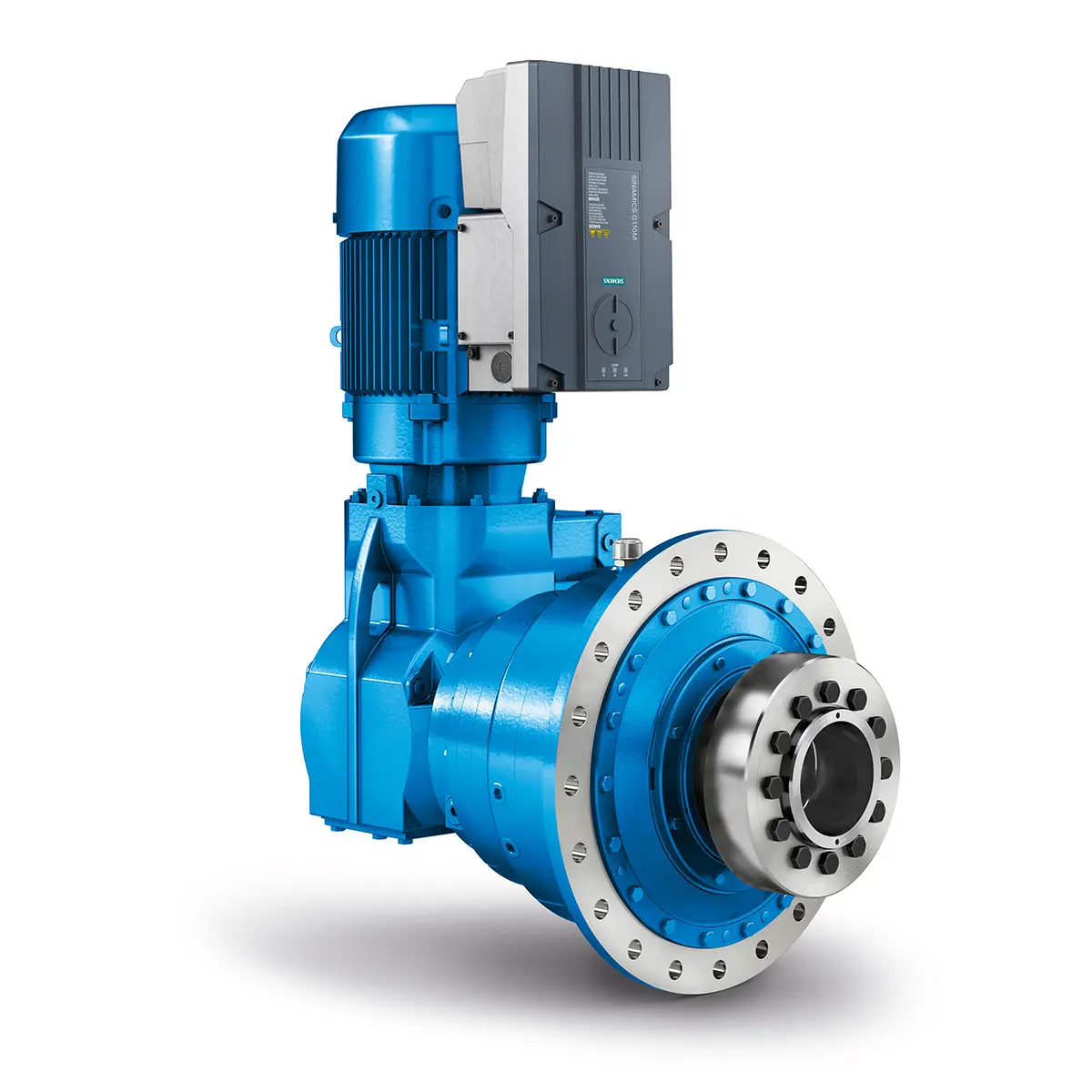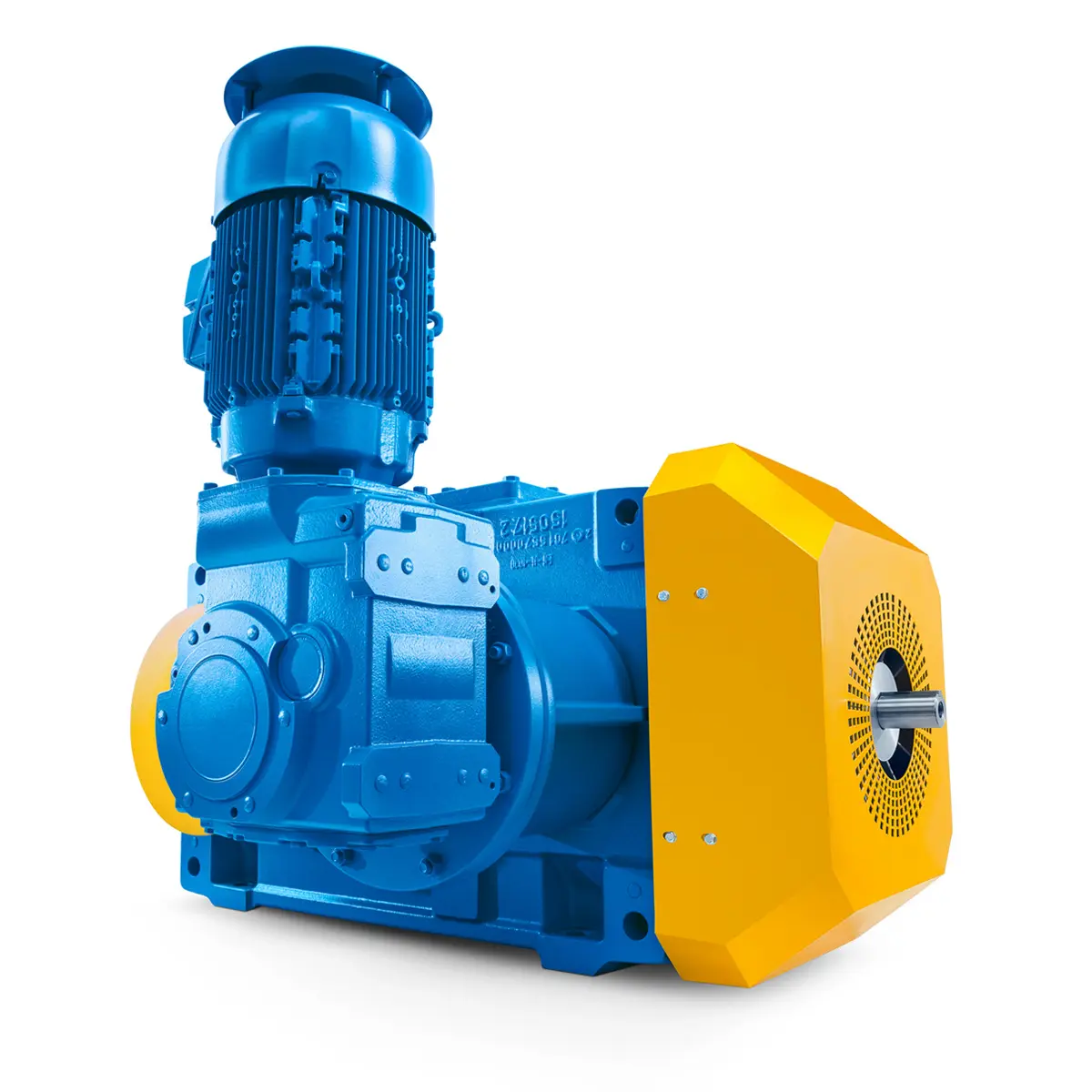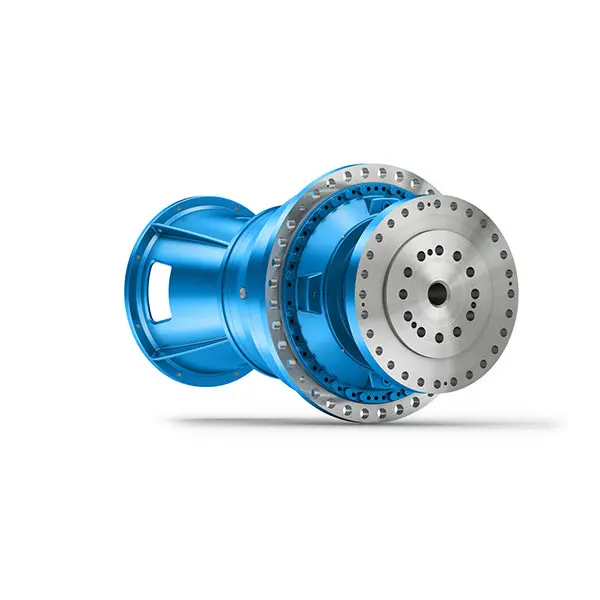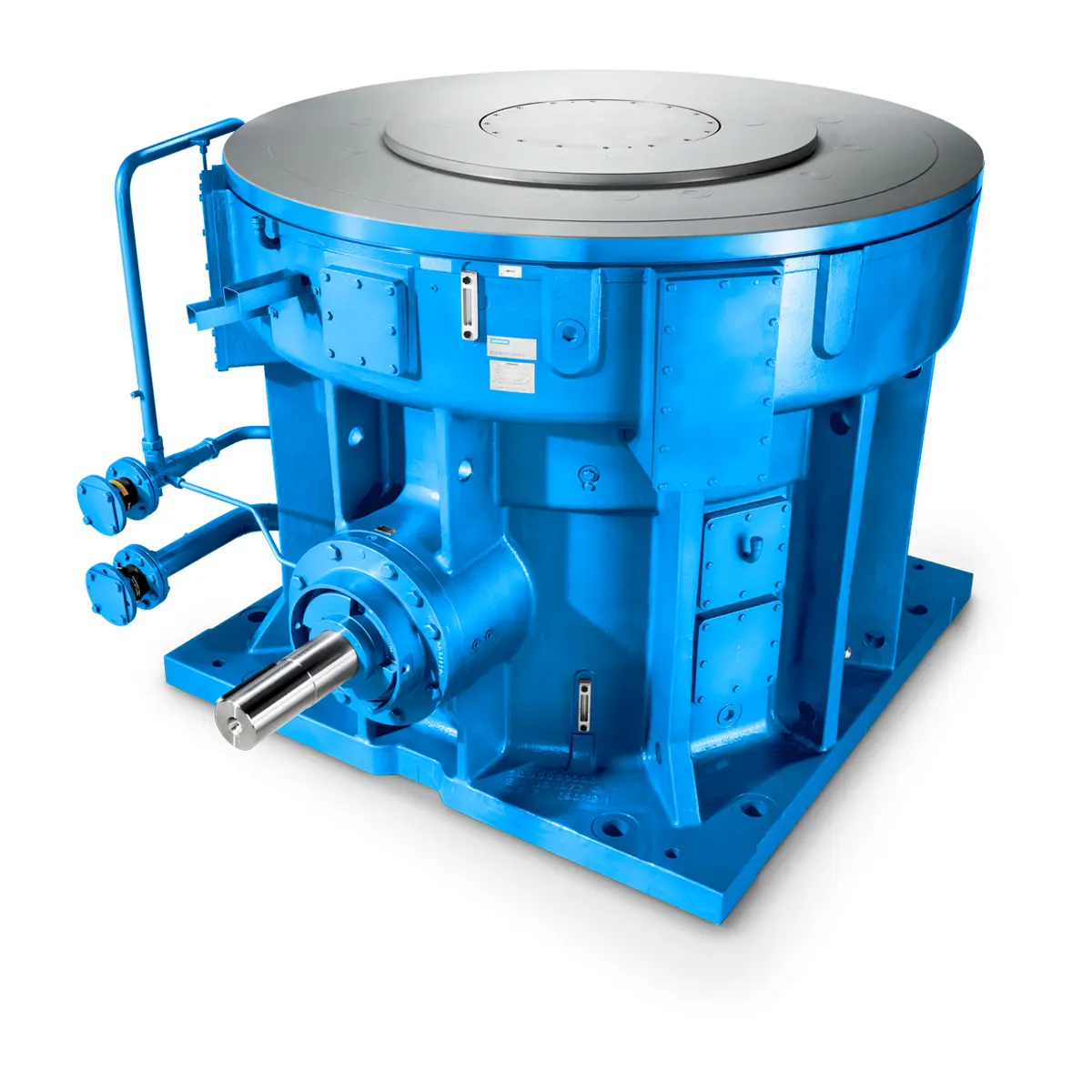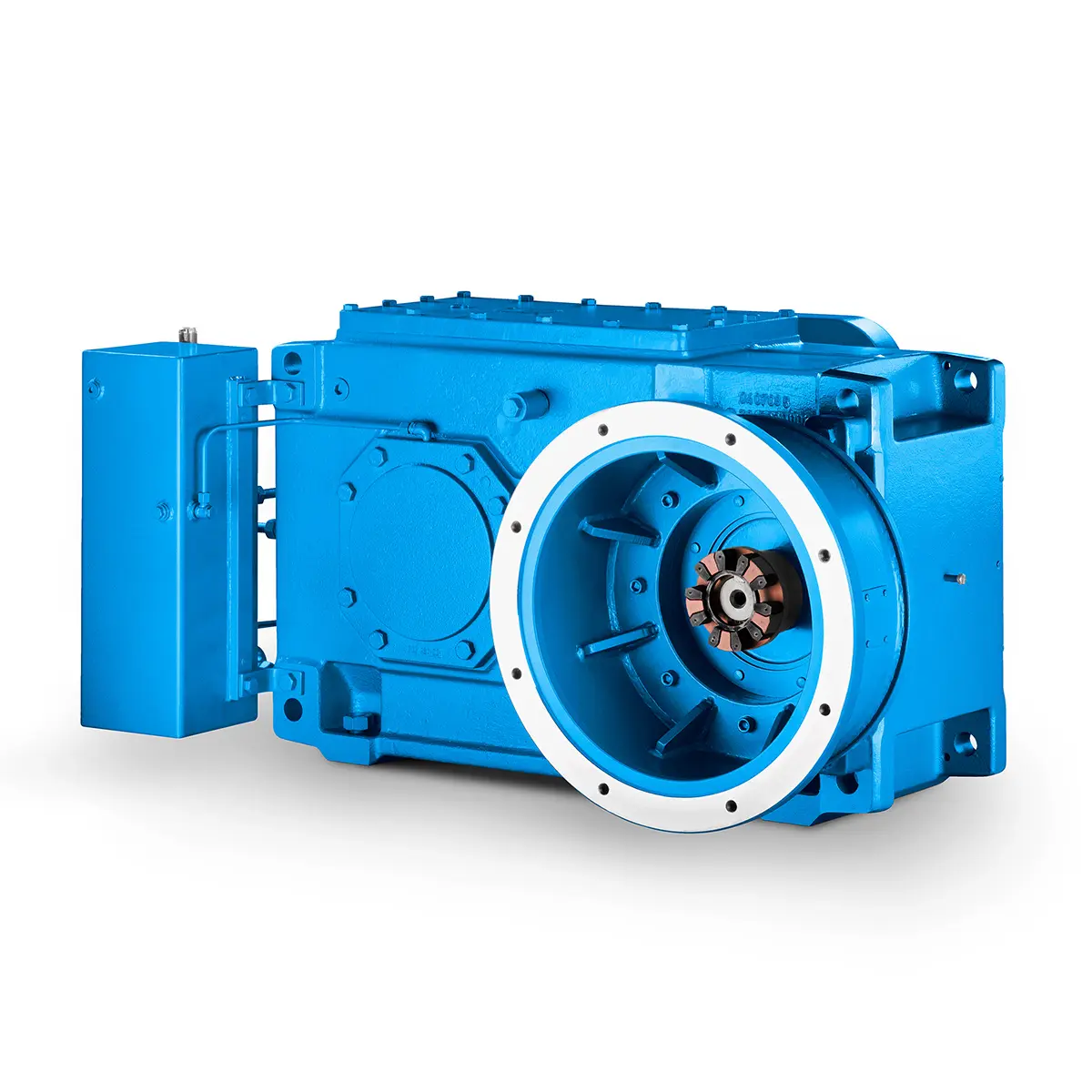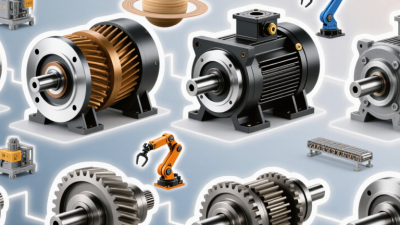
SIEMENS Helical Gearmotor Low Voltage
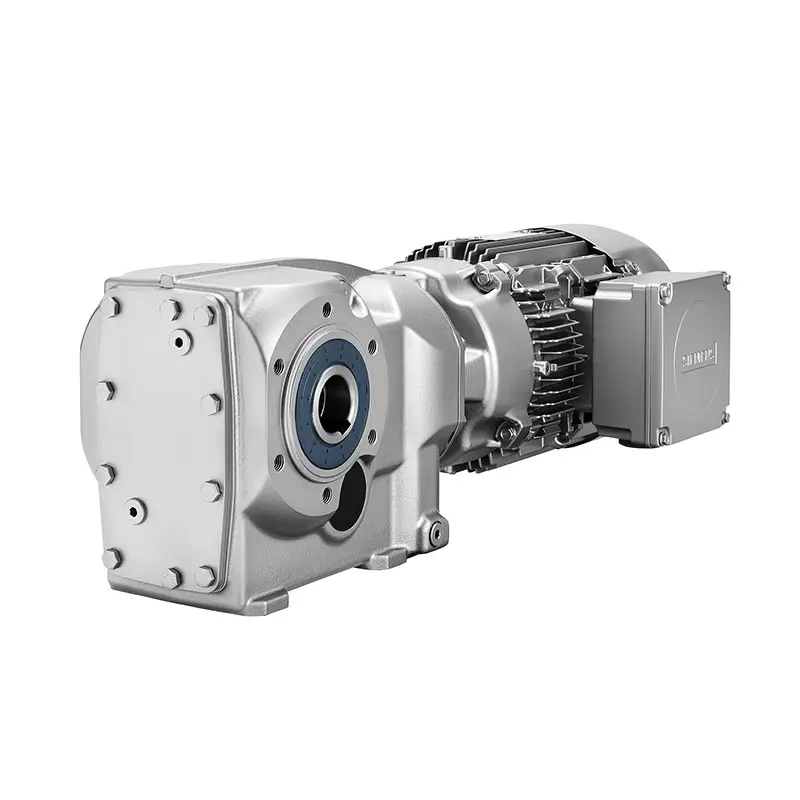
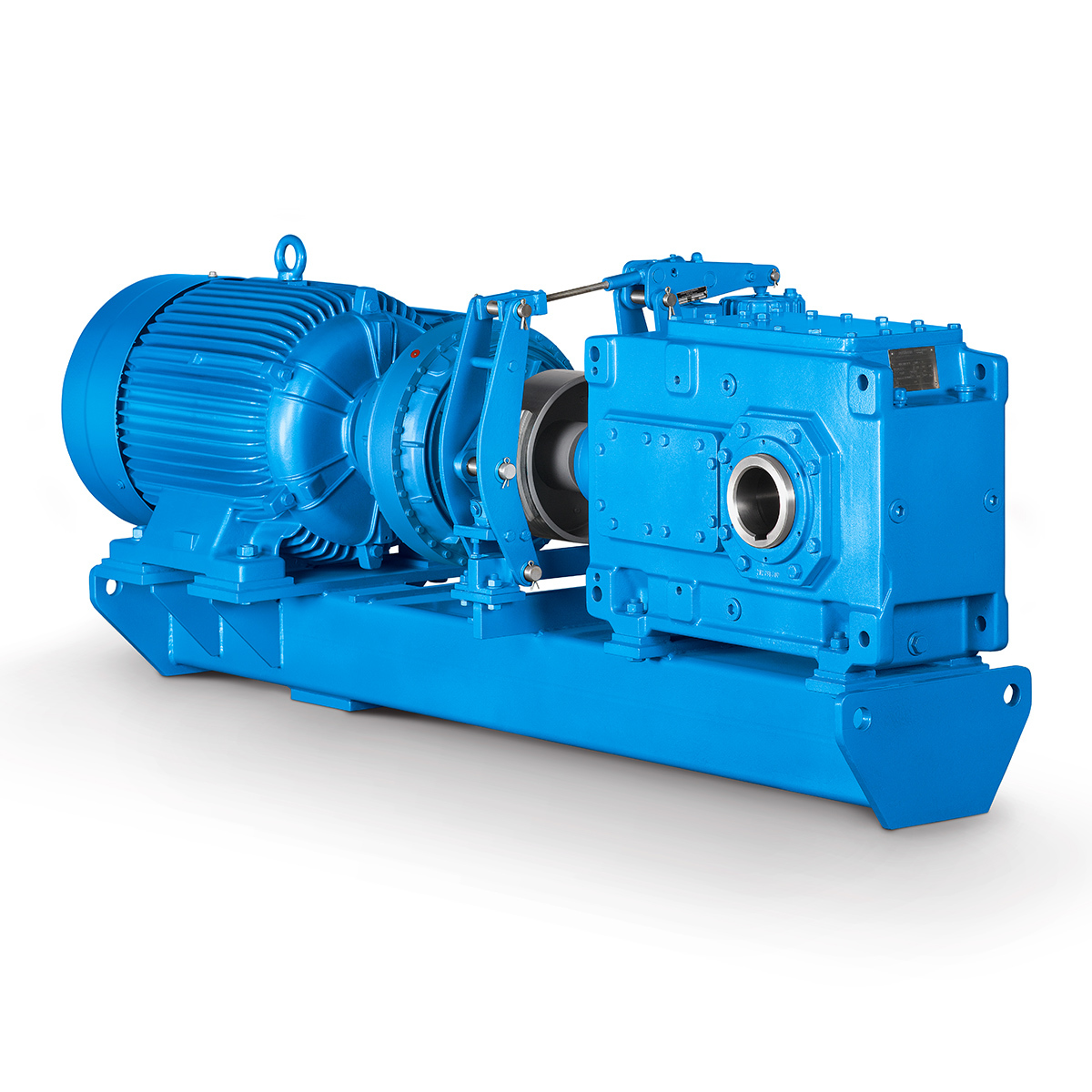
SIEMENS Bevel Helical Gearmotor
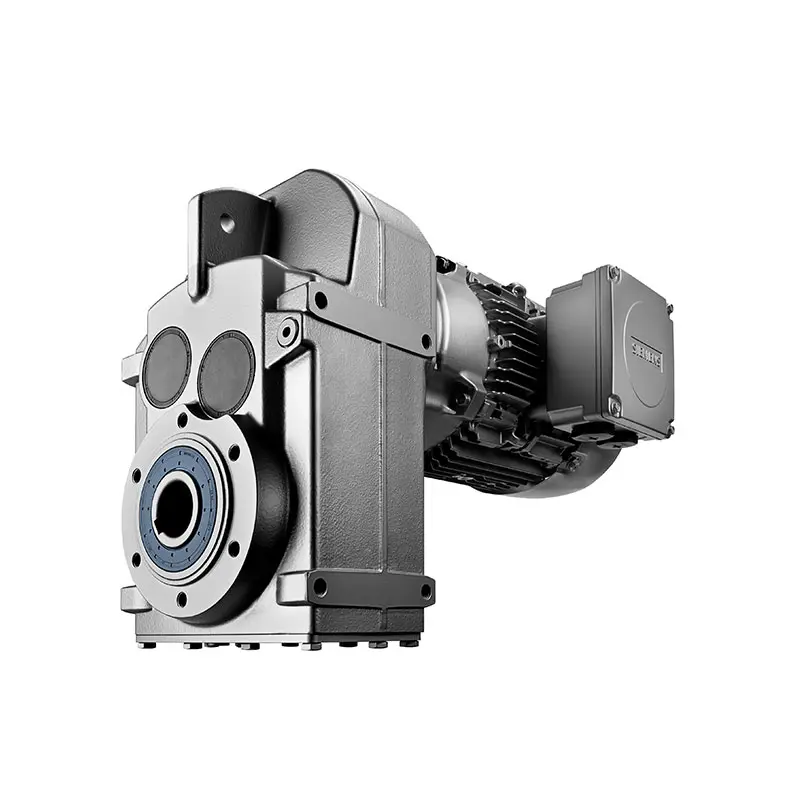
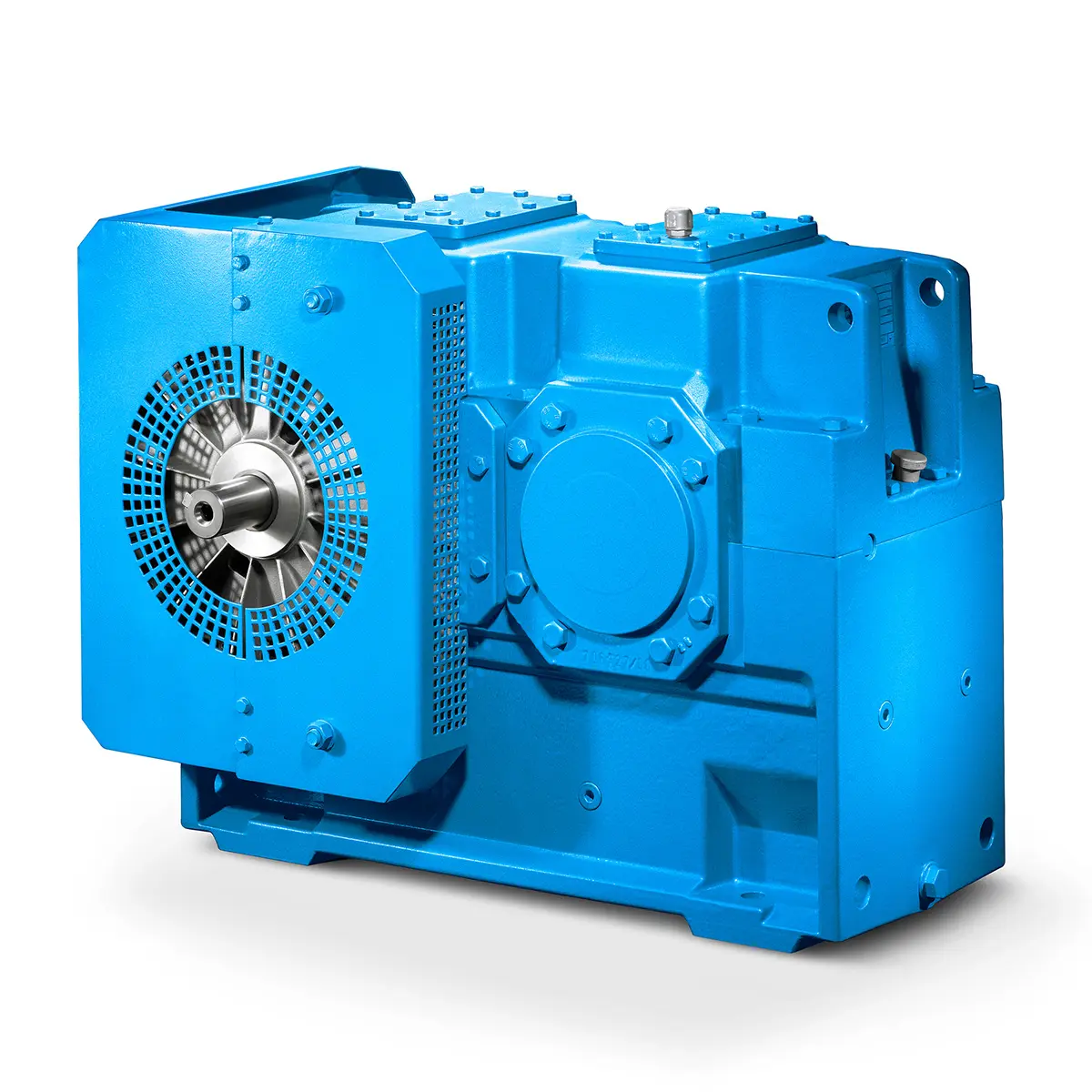
SIEMENS Parallel Shaft Gearmotor
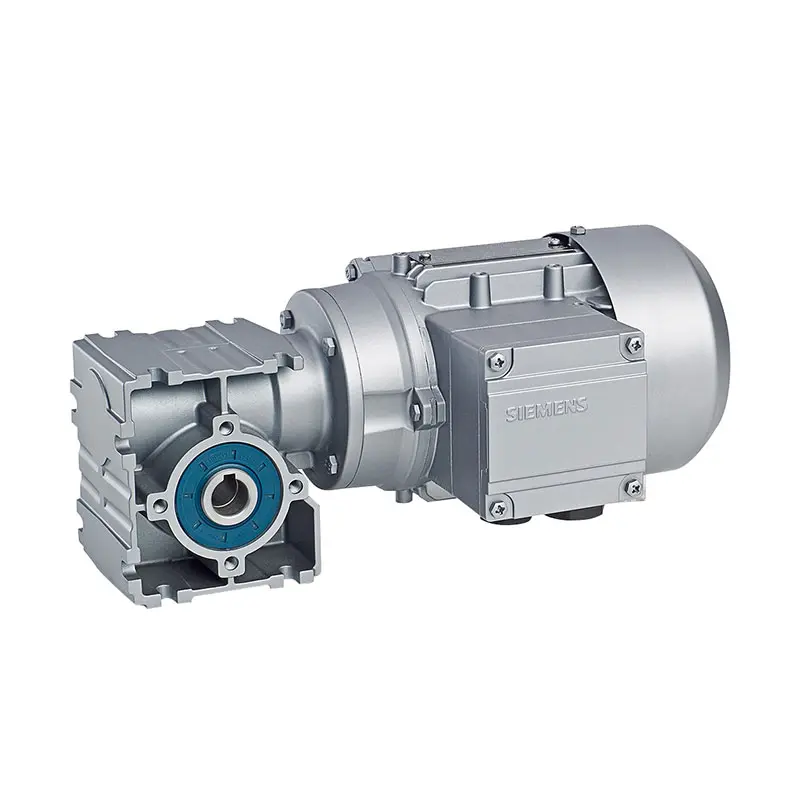
SIEMENS Worm Gearmotor Low Voltage
SIEMENS With Servo Motor Gearmotor
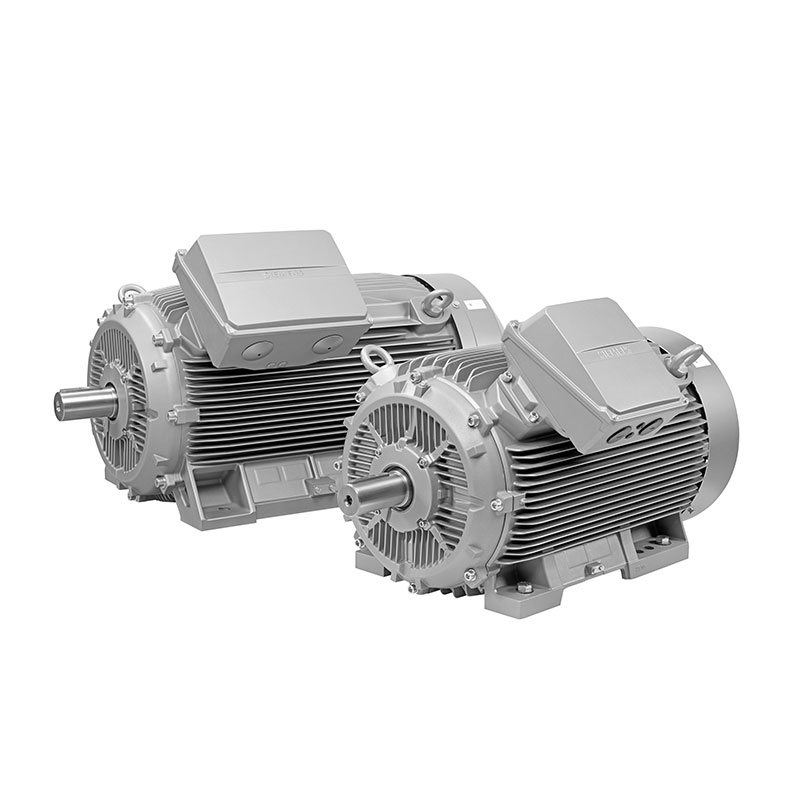
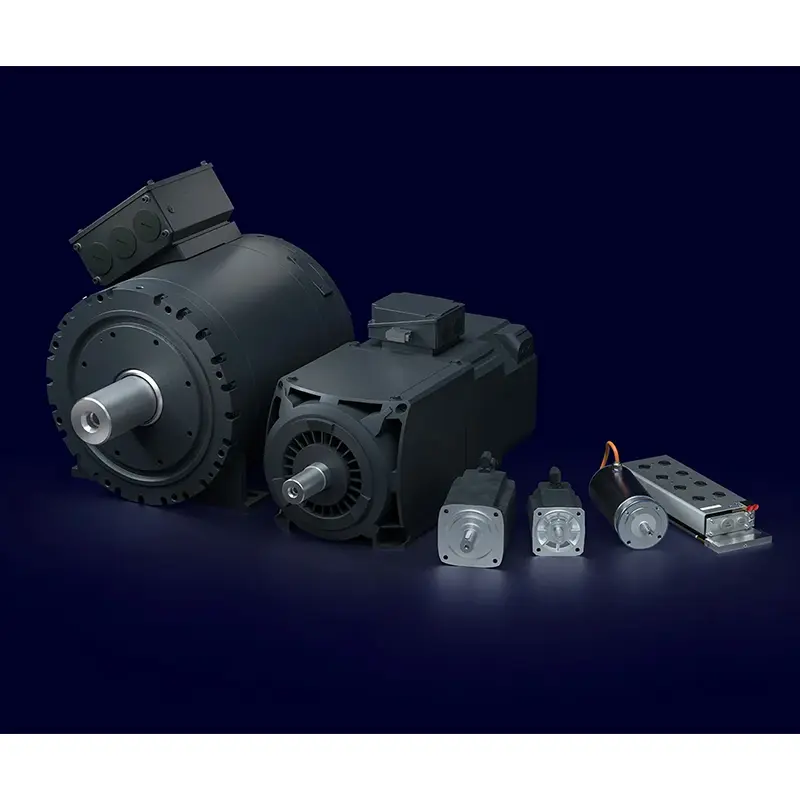
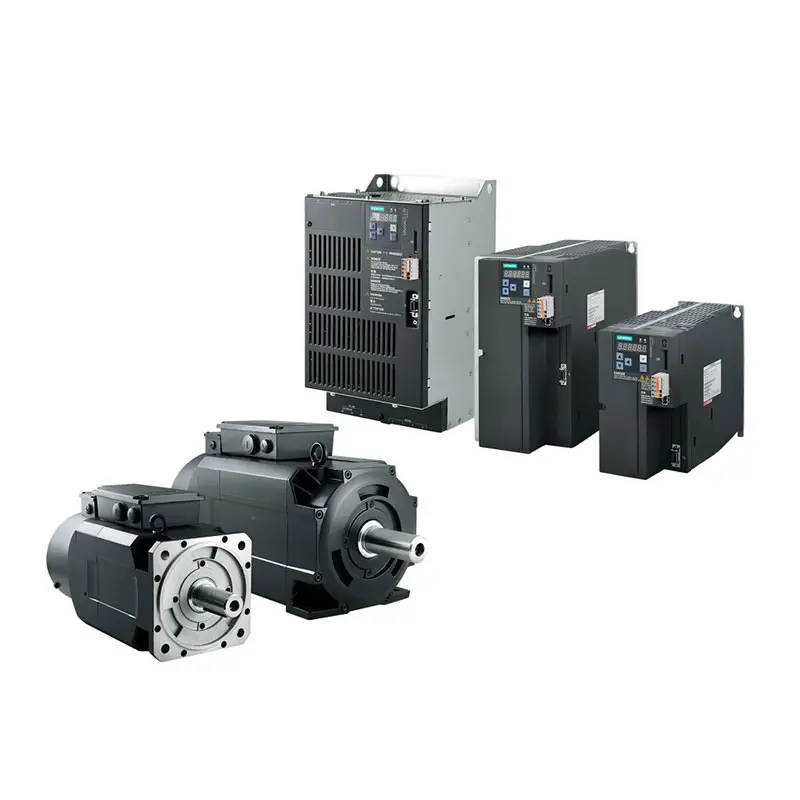
SIEMENS Low Voltage Motor Low Voltage
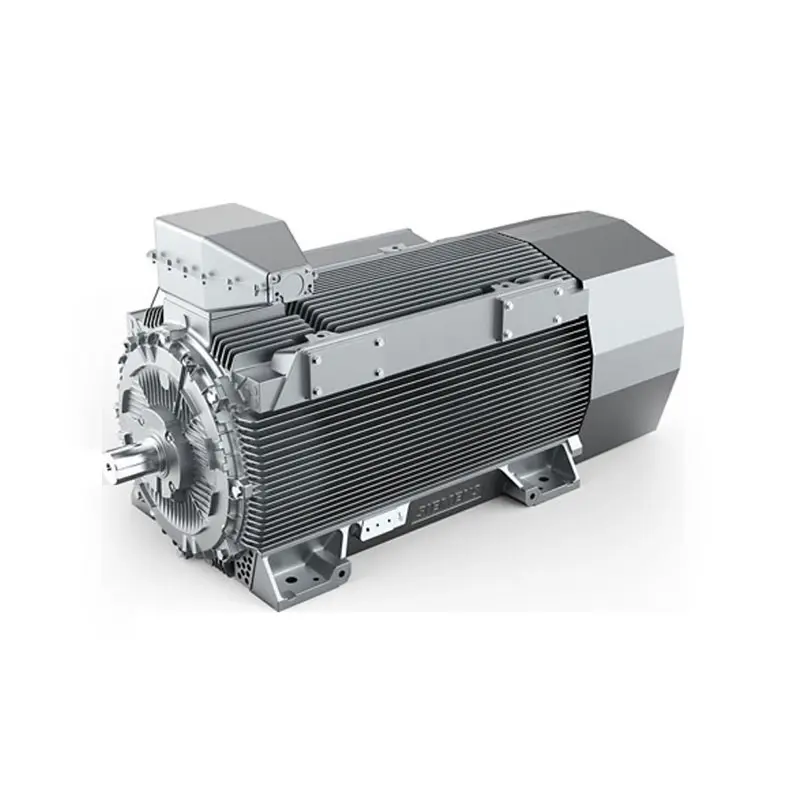
SIEMENS High Voltage Motor Low Voltage
SIEMENS Marine Motor Low Voltage
SIEMENS Servo Motor Low Voltage
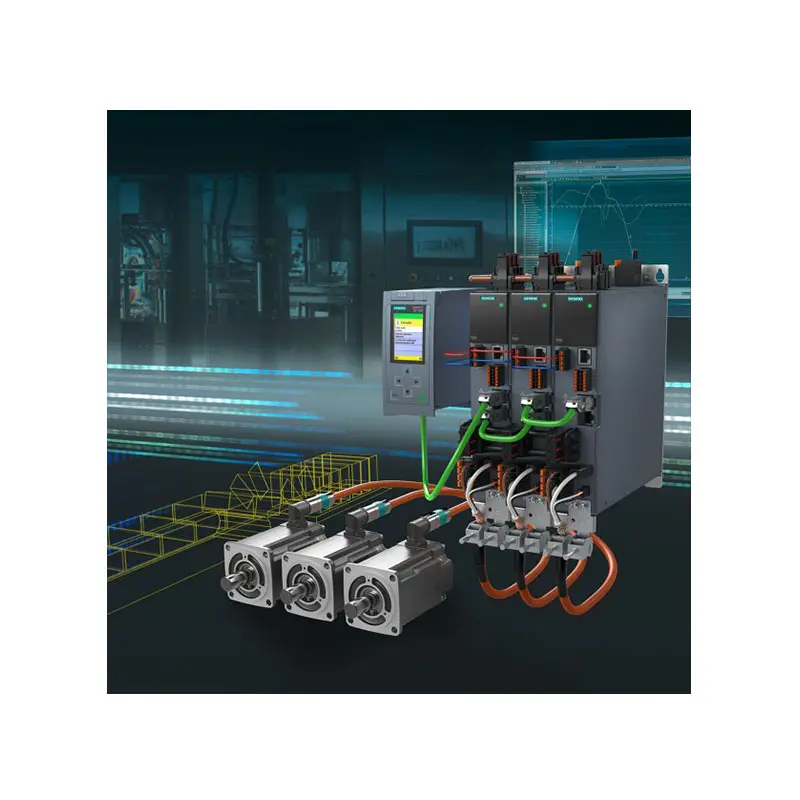
SIEMENS SINAMICS S210 Low Voltage
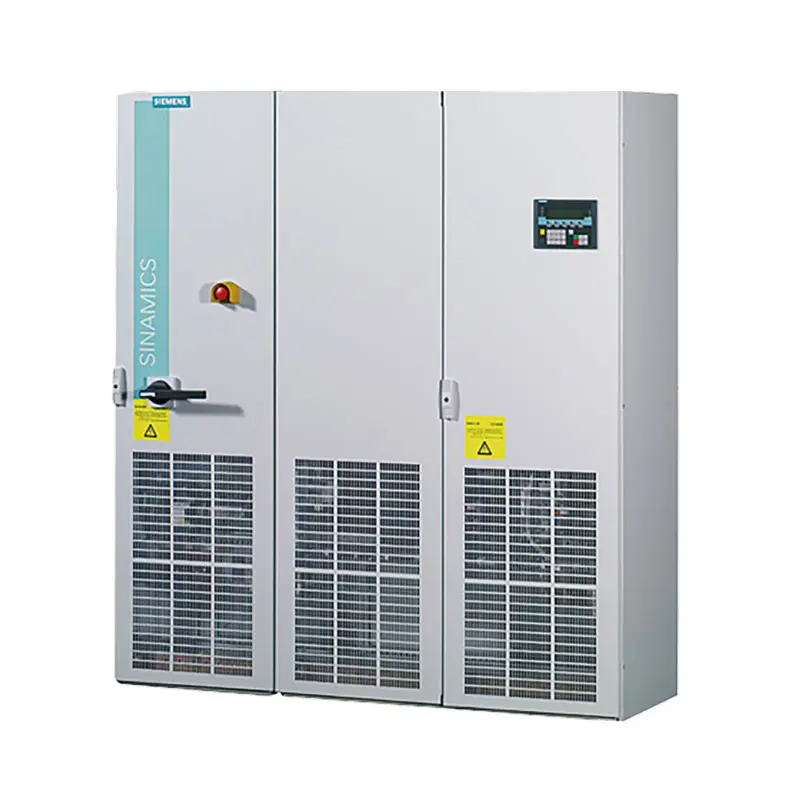
SIEMENS SINAMICS S150 Low Voltage
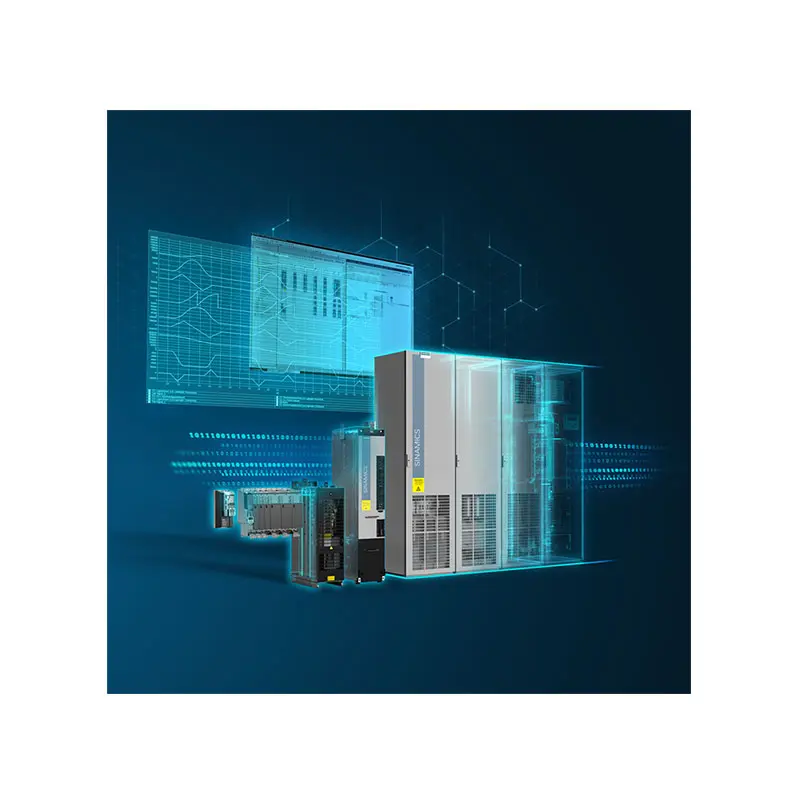
SIEMENS SINAMICS S120 Low Voltage
SIEMENS SINAMICS G130/G150
SIEMENS SINAMICS G120 Low Voltage
SIEMENS SINAMICS G120C Low Voltage
SIEMENS SINAMICS V90
SIEMENS SINAMICS V70 Low Voltage
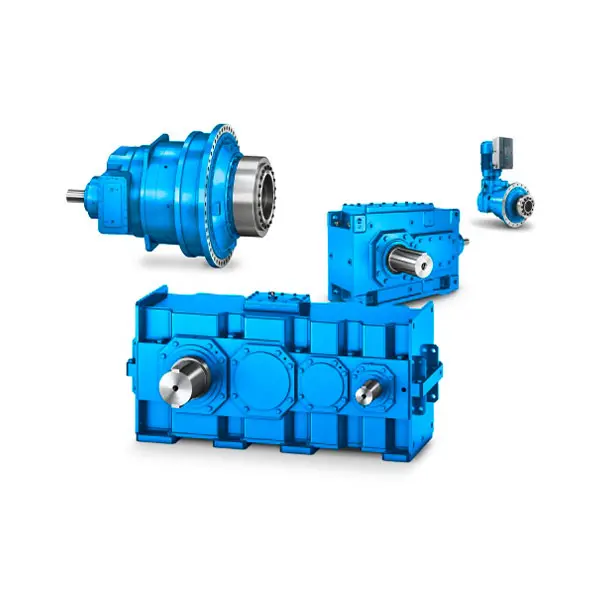
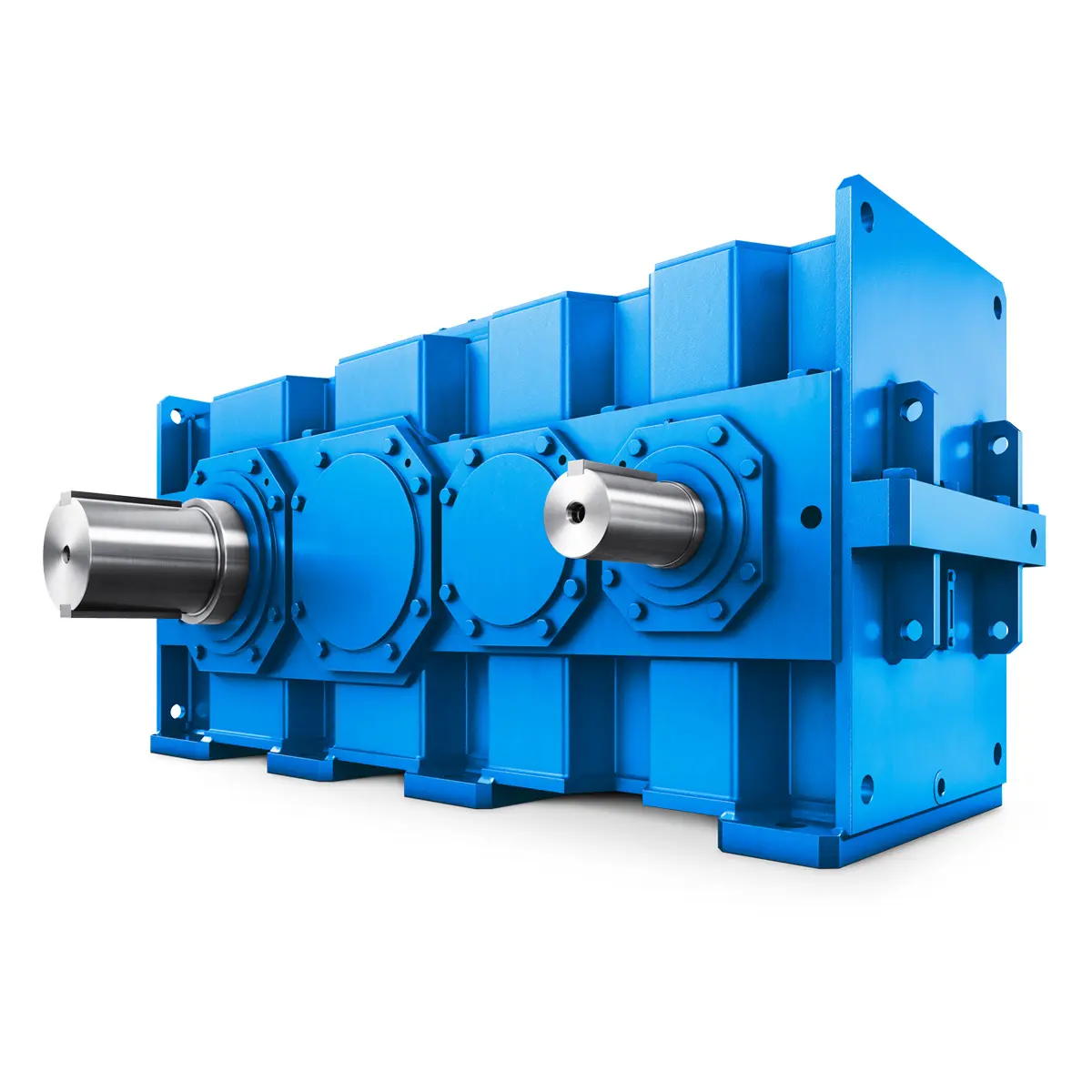
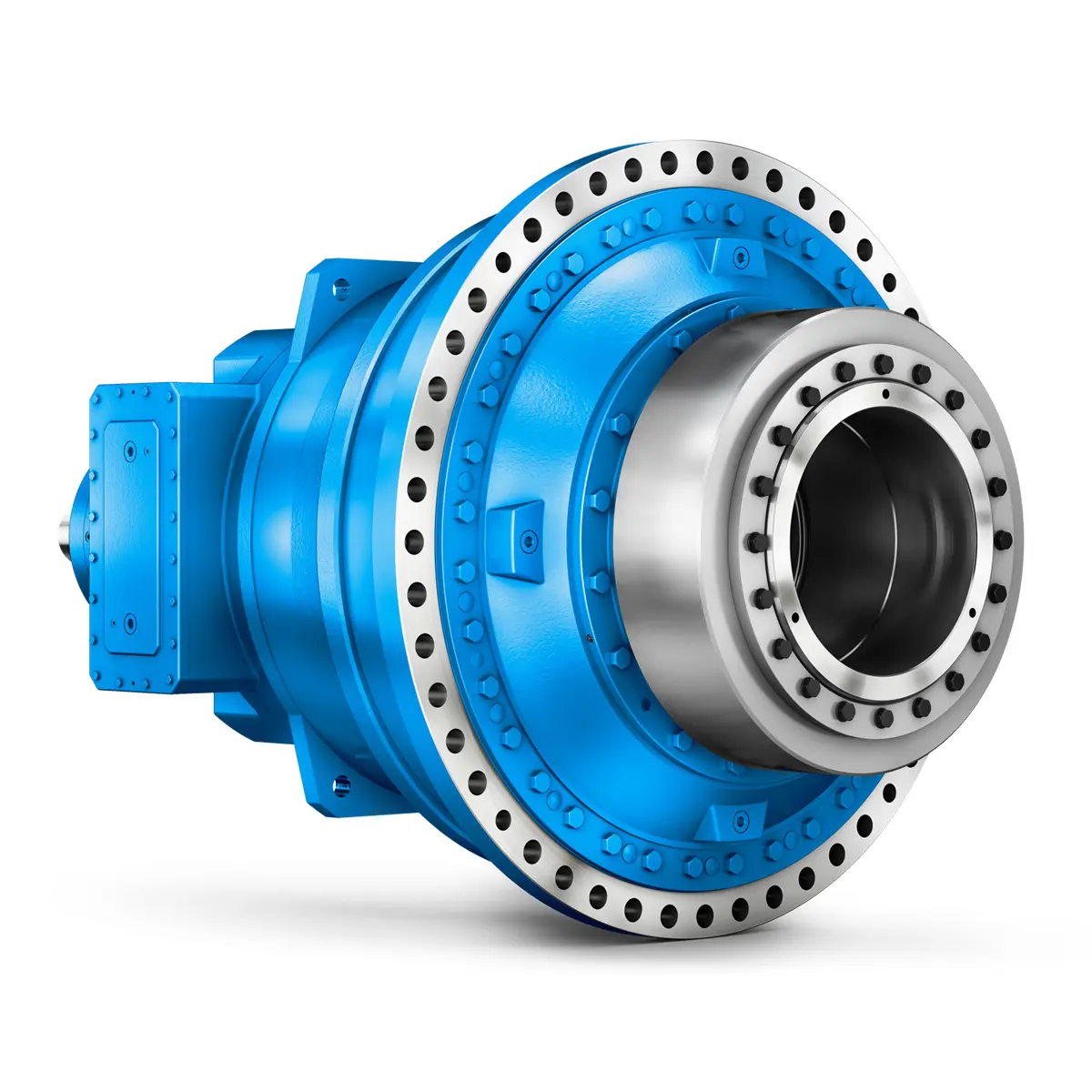
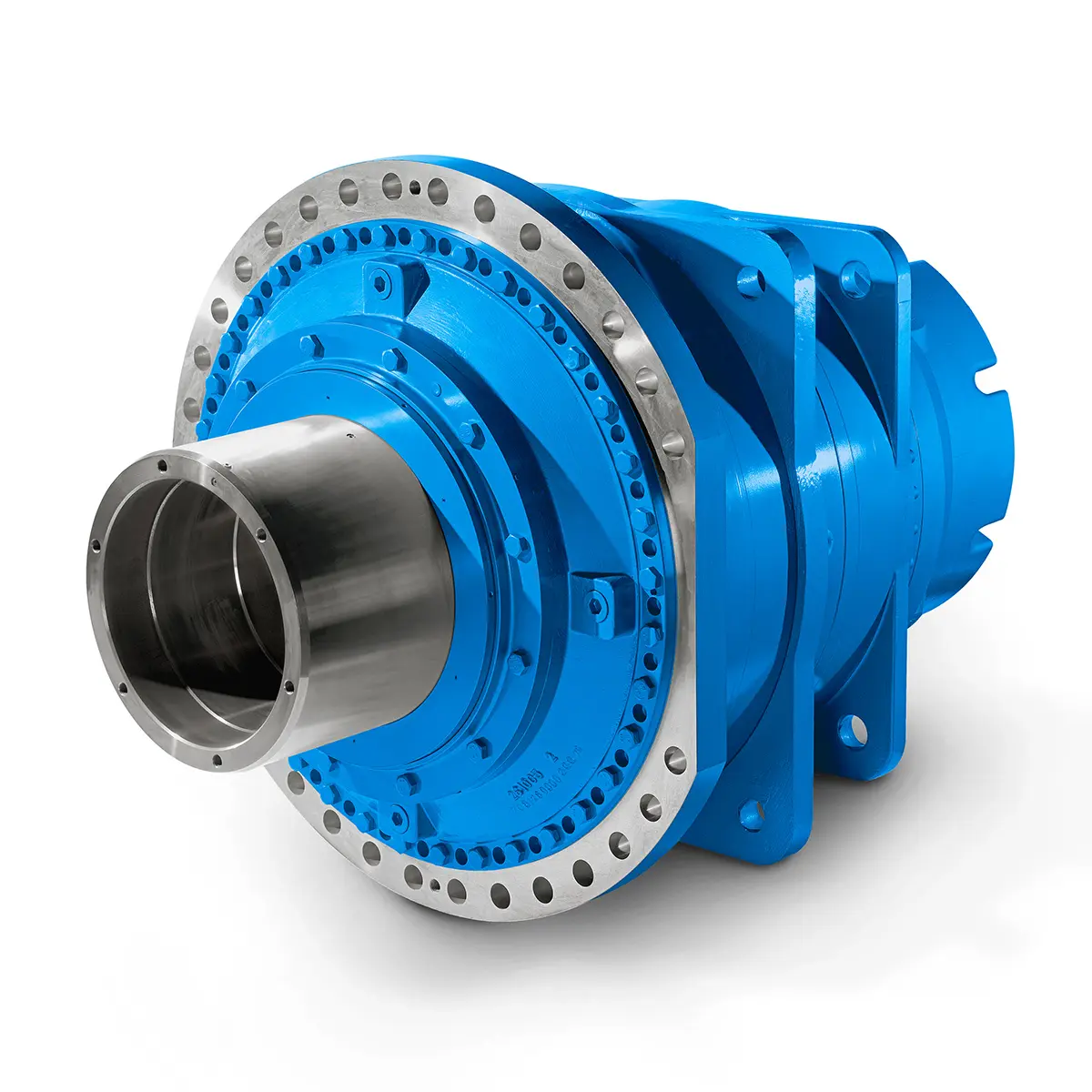
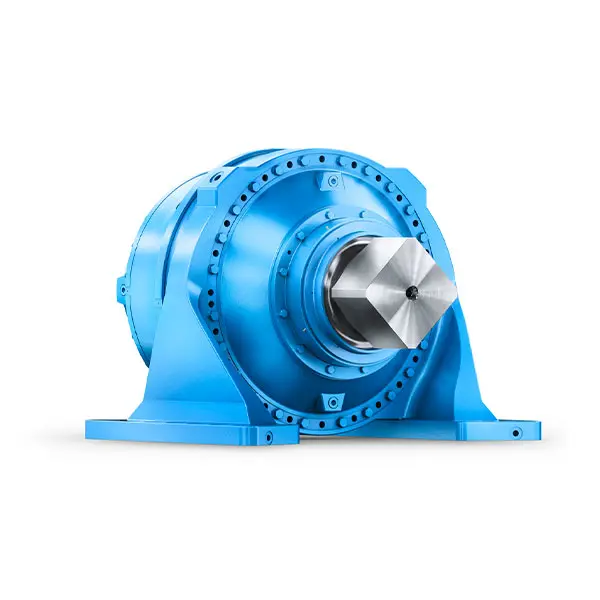
FLENDER Gear Unit
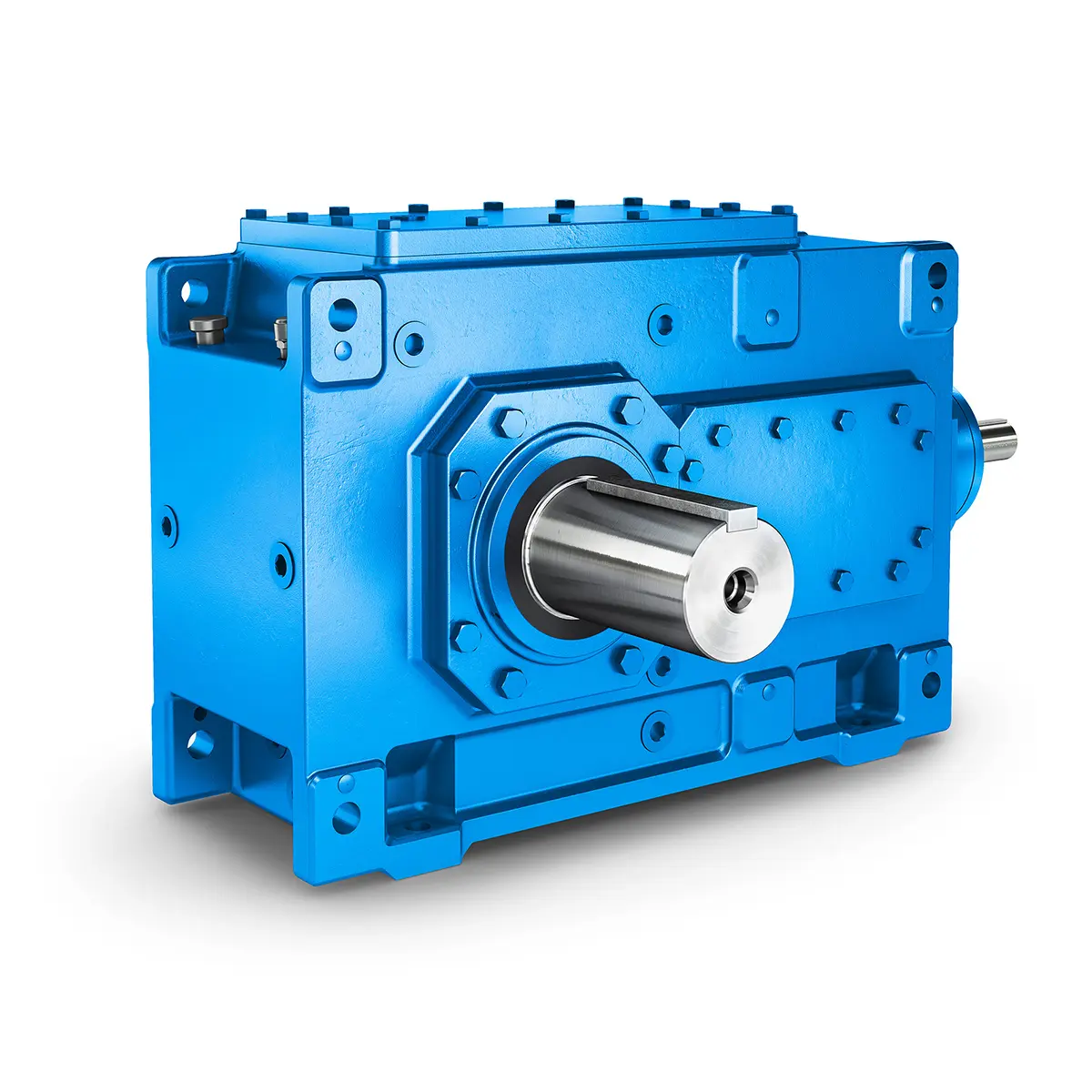
FLENDER Helical Gear Unit
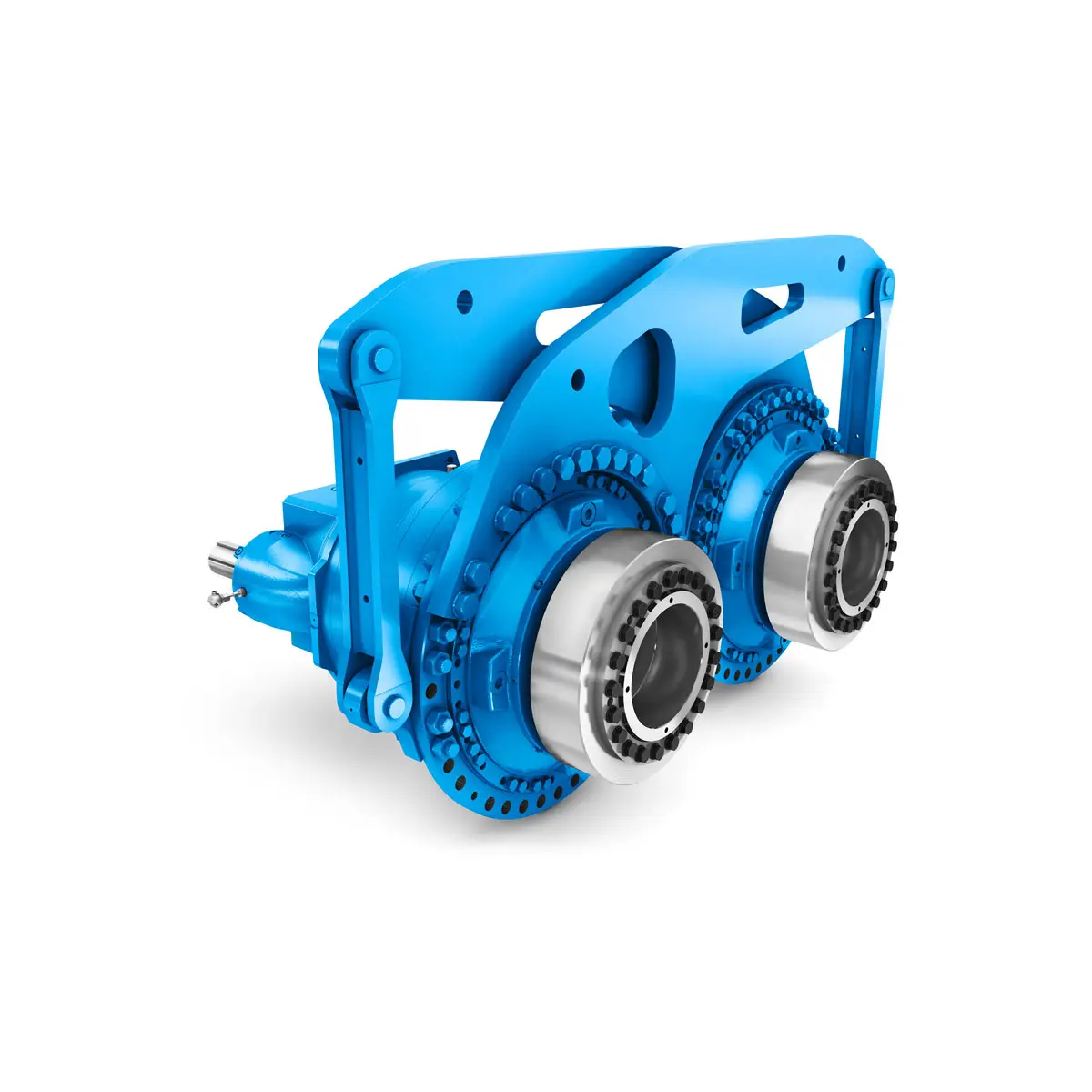
Flender gear units for lifting and luffing gears
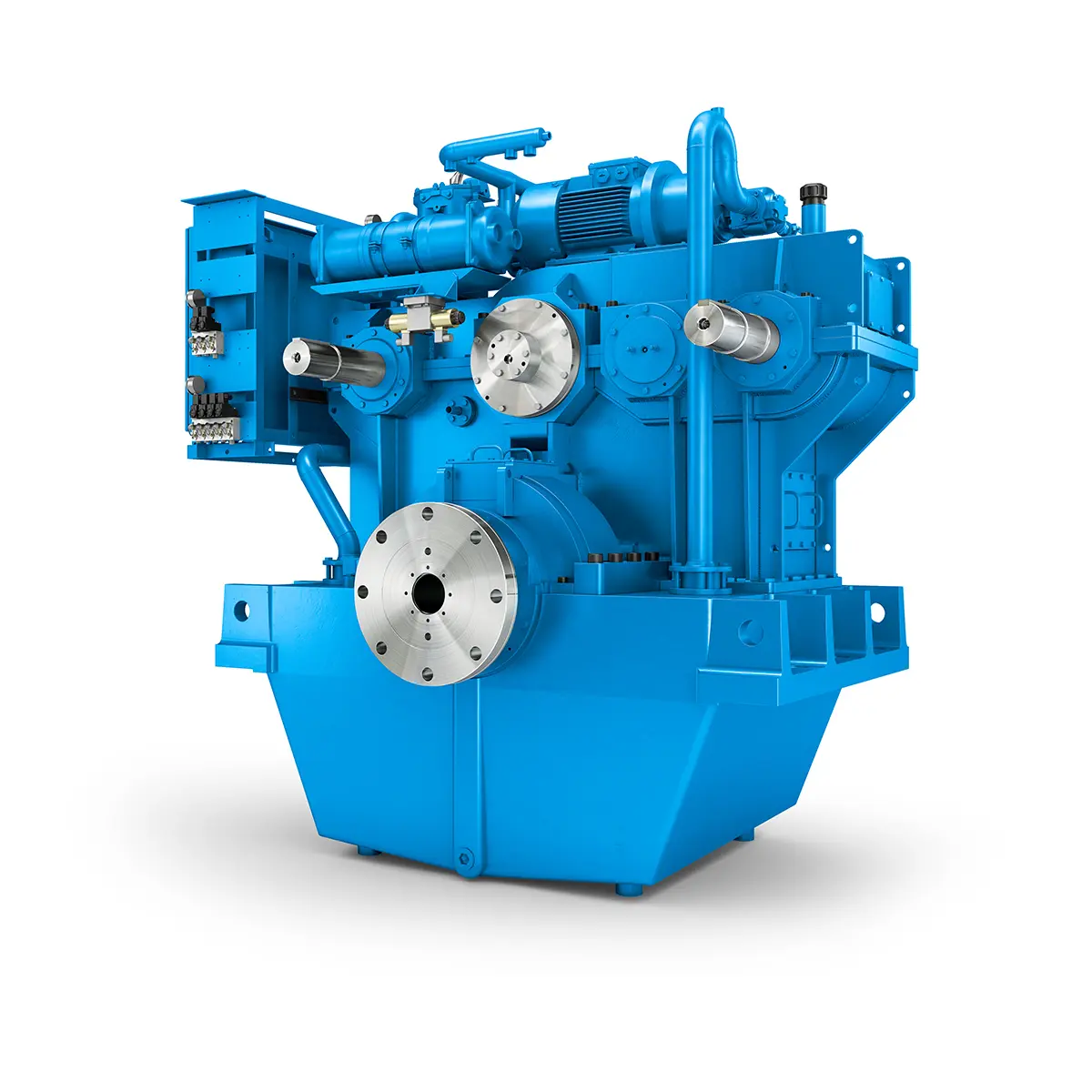
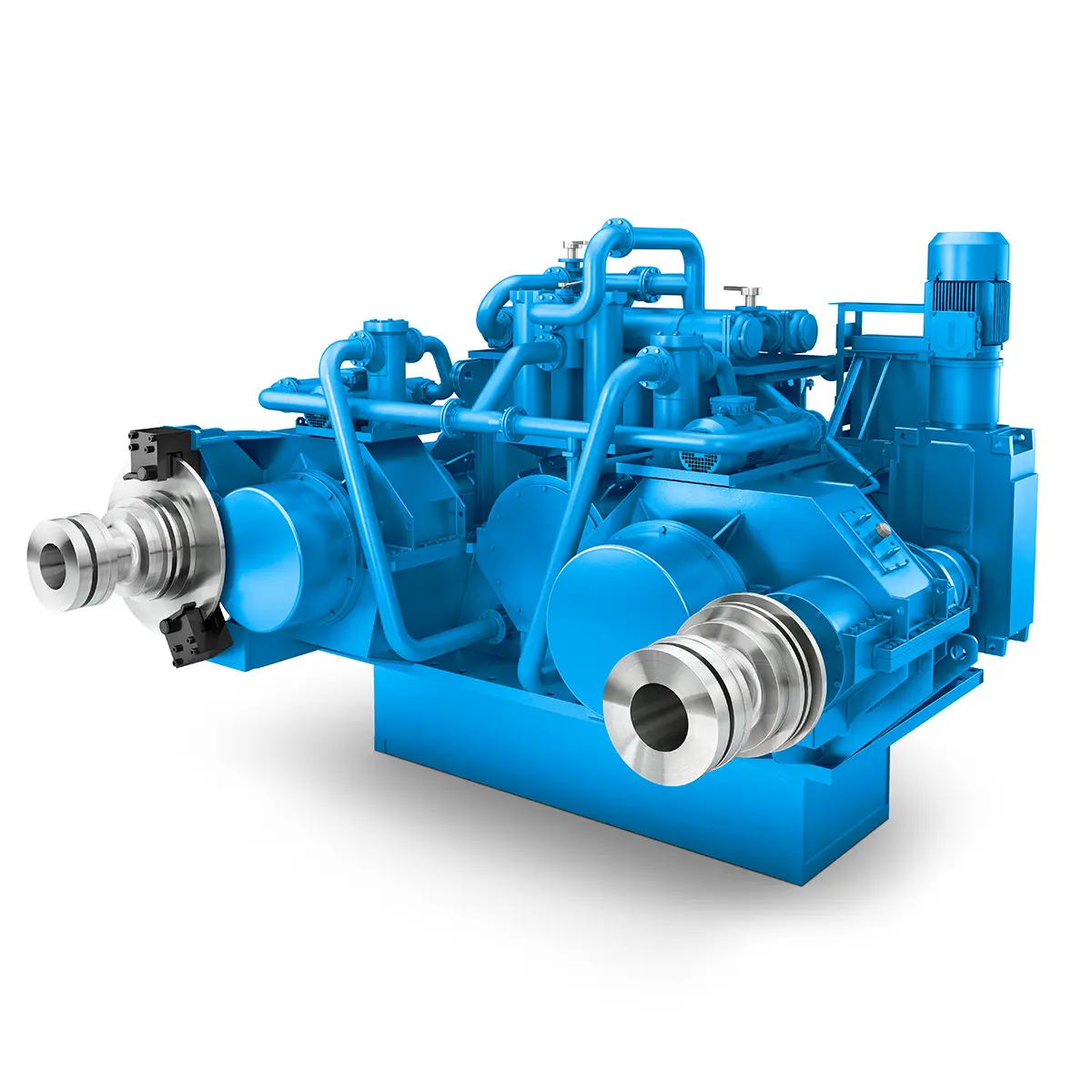
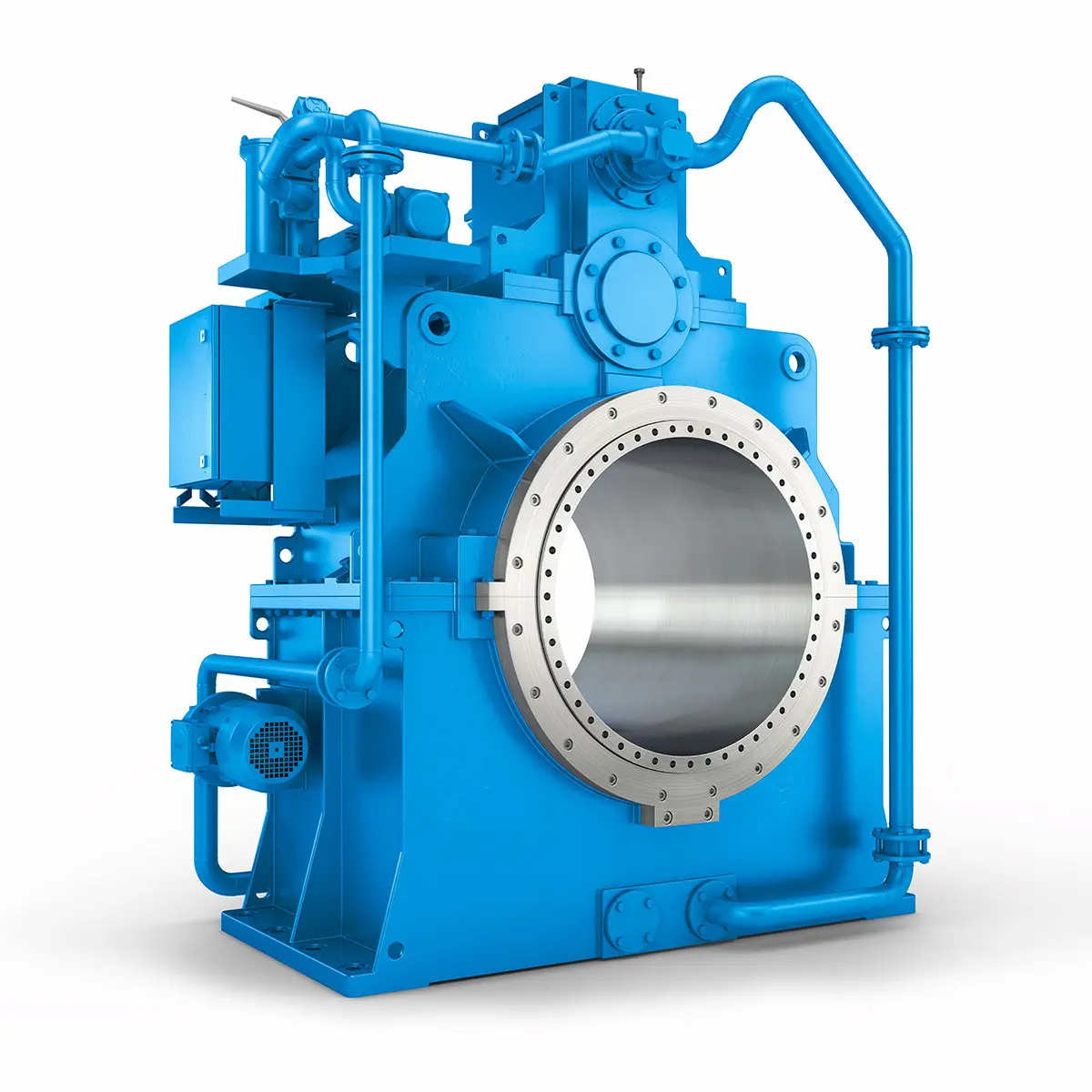
FLENDER Gear Unit gearunit gearbox
Optimal Drive Solution For Maximum Performance
Strongly operating against biodegradable constituents
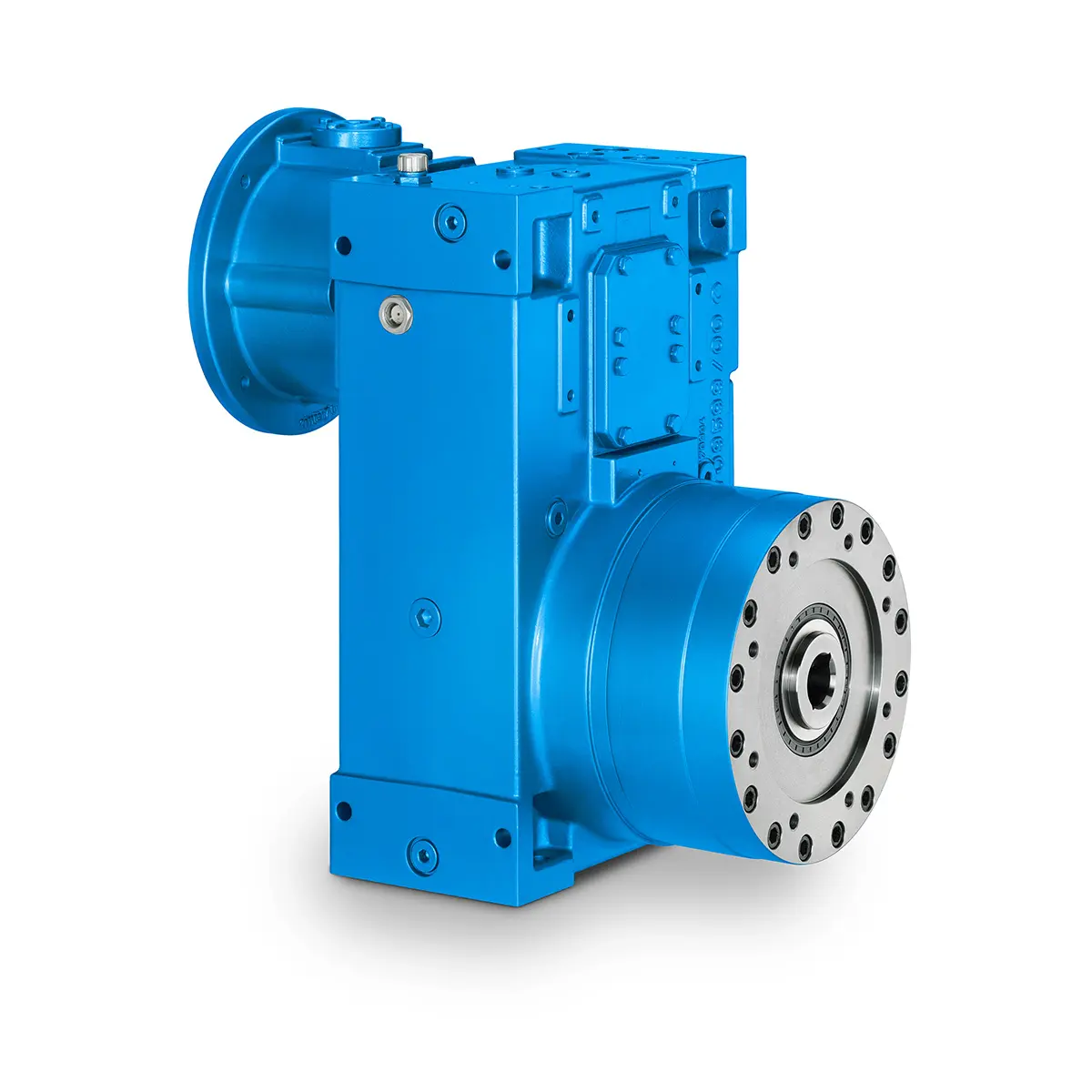
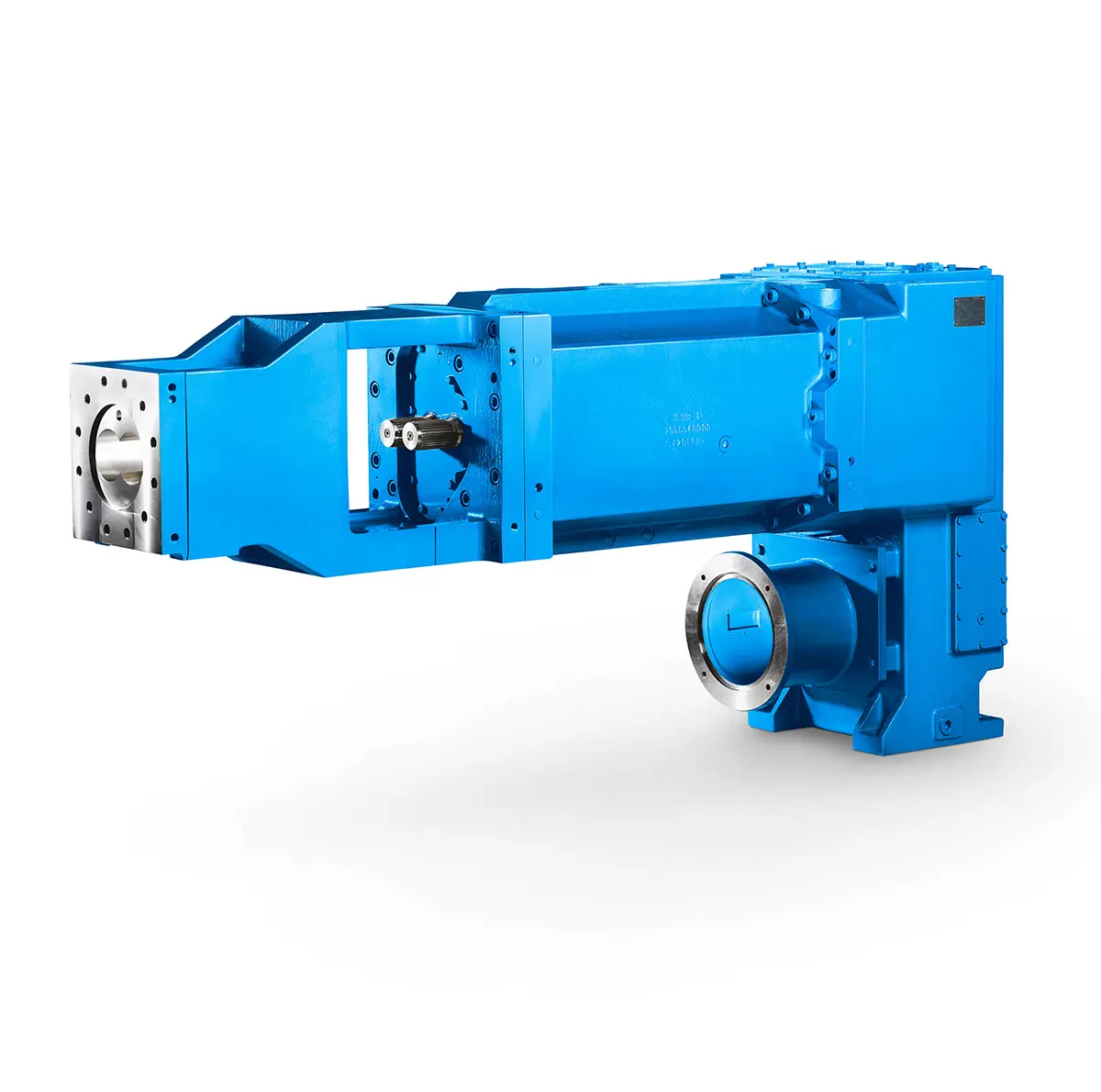
SINGLE SCREW Special industry dedicated gearunit gearbox
Playmaker In The Premium League
Conveyor belts gearunit gearbox
Paper And Pulp Preparation Sections
Operational Reliability Even In Case Of The Highest Ventilation Forces
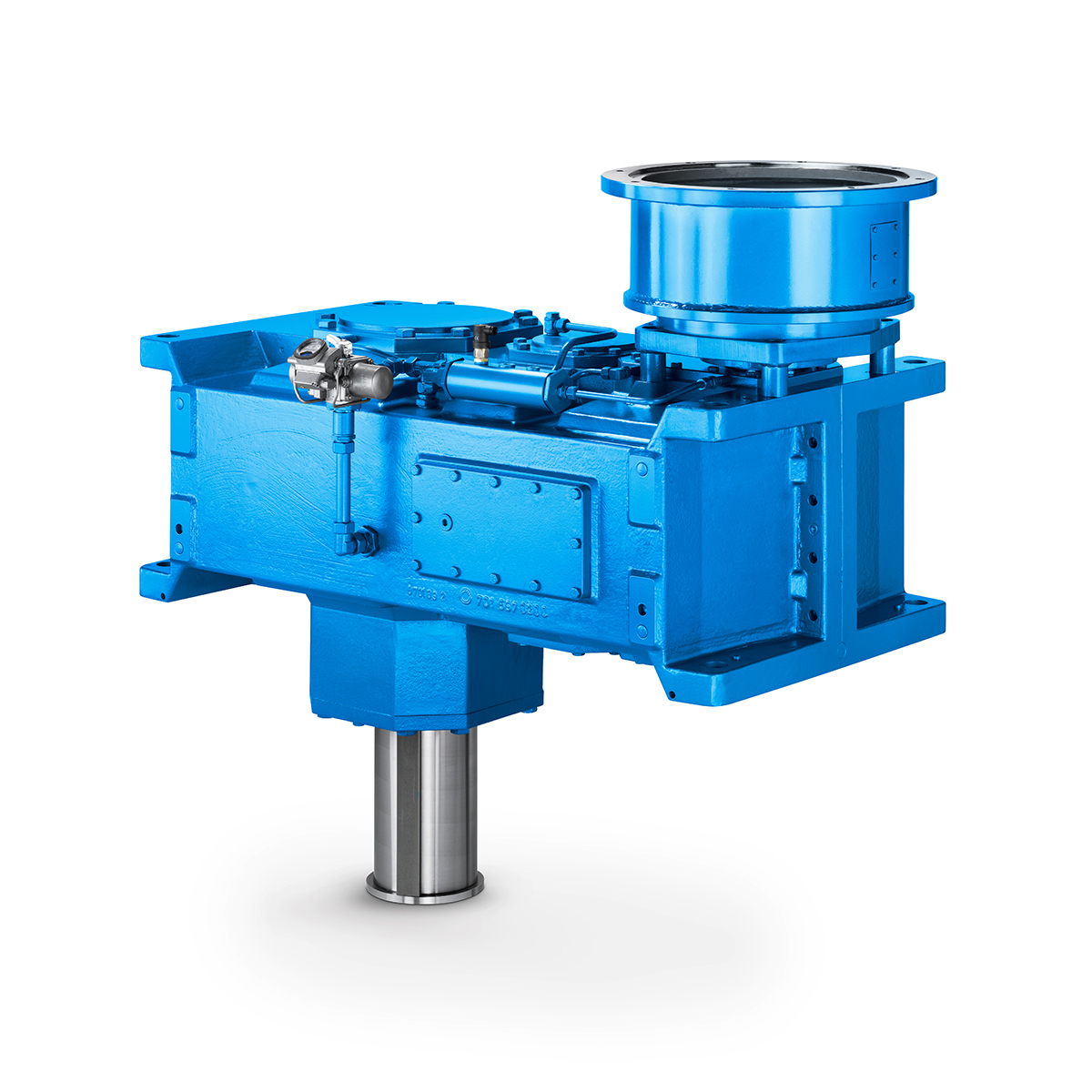
Reliable Gear Units For High Performance Vertical Conveyors 59/200
Maximum power density – PLANUREX 3 L individual drives for your sugar cane mill
The proven all rounder gearunit gearbox
Stirs and stirs and stirs gearunit gearbox
Flexibility on Board gearunit gearbox
The right gearbox for all Multi-Engine Ships
Reliable Power Generation on board
Maximum performance level, fast deliverable
Efficient and compact – FLENDER Gear Units for Sugar Mills
Extremely strong. Extremely compact. Extremely stressable.
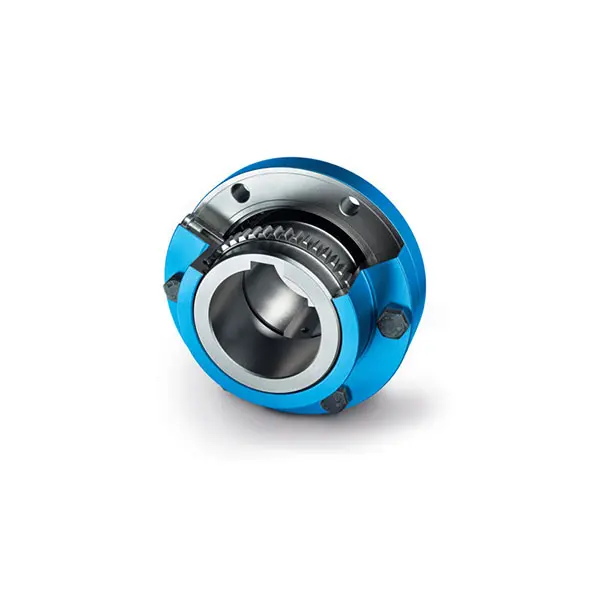
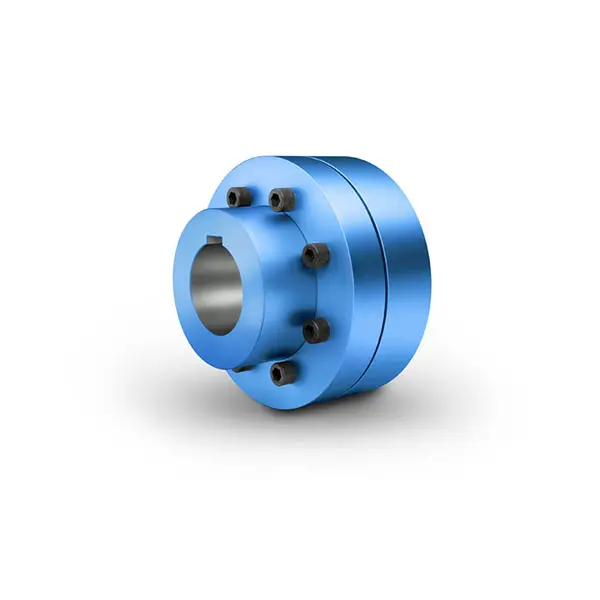
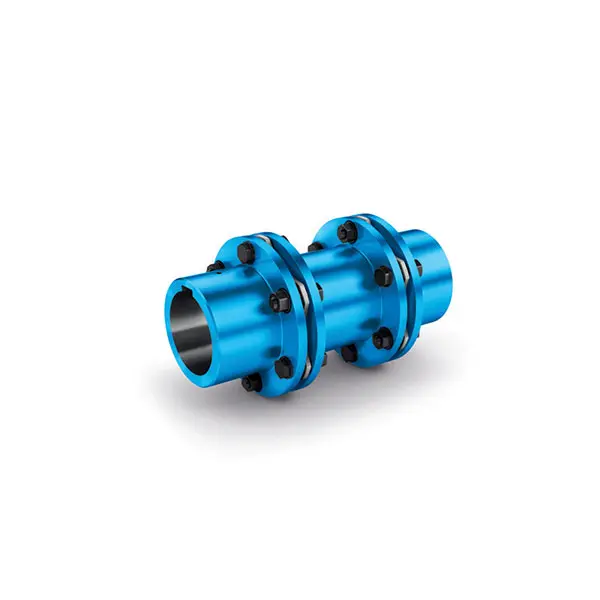
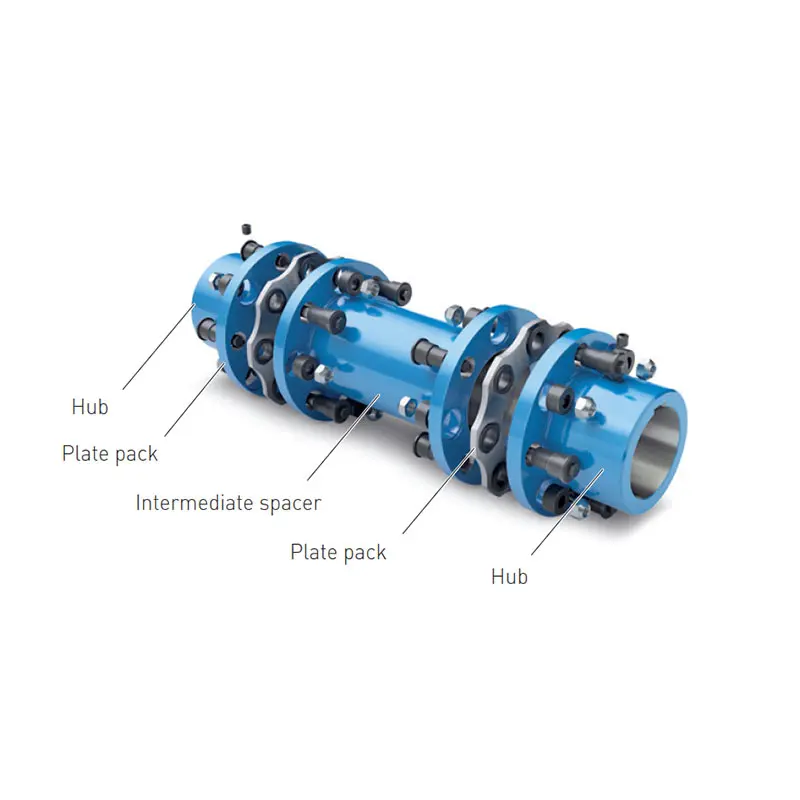
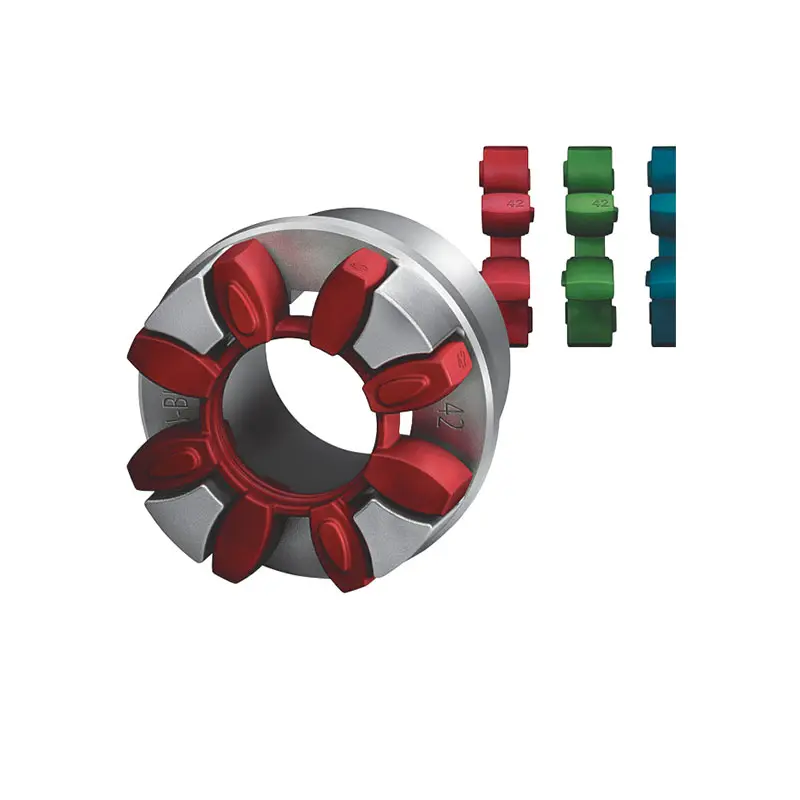
FLENDER Coupling
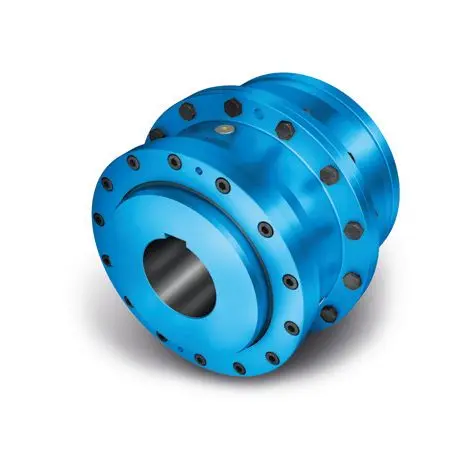
ZAPEX ZW Torsionally Rigid Gear Coupling
ZAPEX ZN Torsionally Rigid Gear Coupling
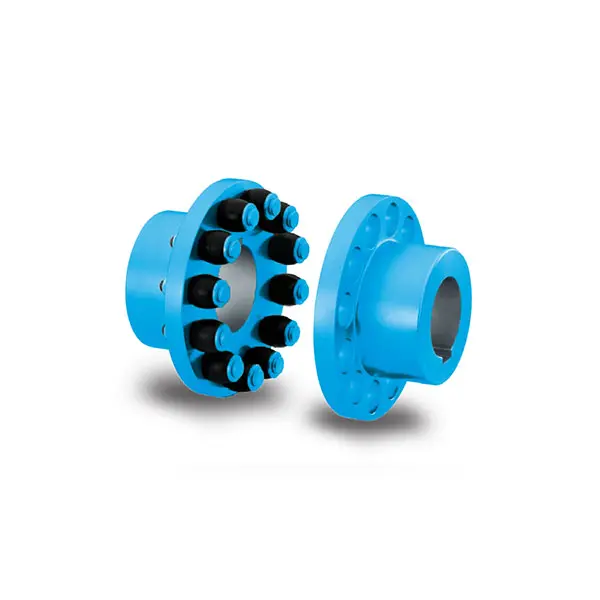
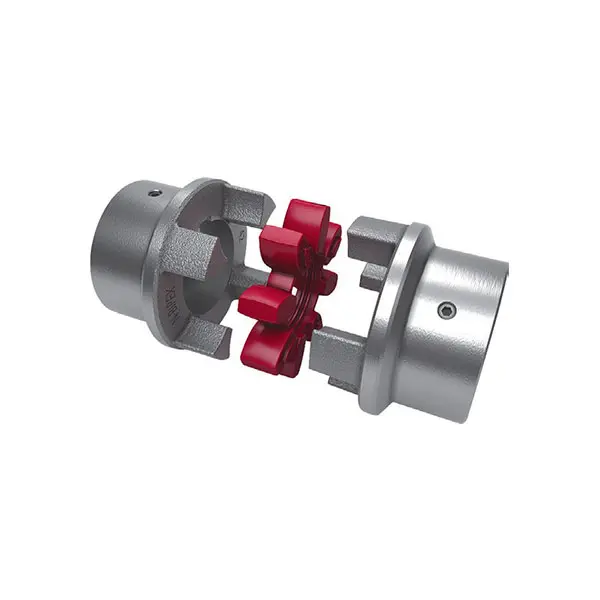
N-EUPEX Flexible high performance Coupling
N-ARPEX Torsionally Rigid All-Steel Coupling
ARPEX Torsionally Rigid All-Steel Coupling Spare and Parts
N-EUPEX DS Flexible High Performance Coupling
RUPEX Flexible high performance Coupling
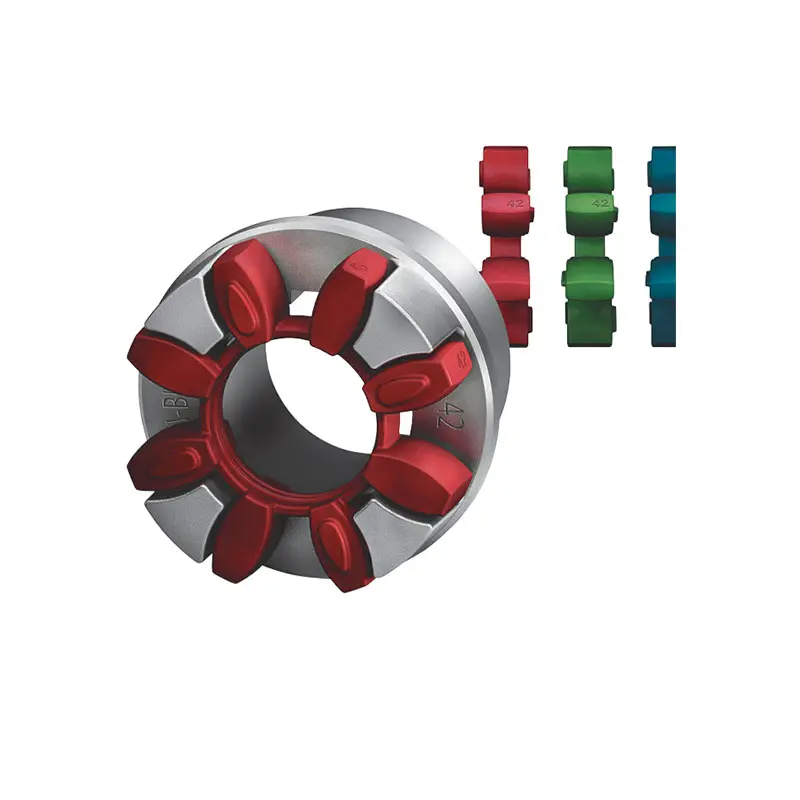
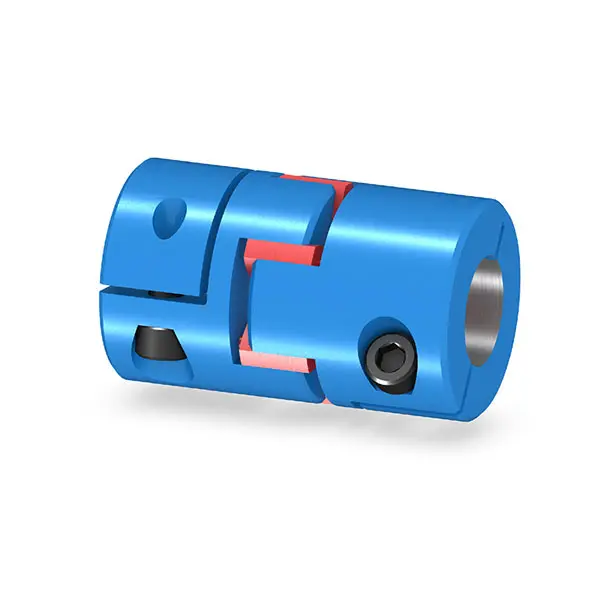
N BIPEX Flexible high performance coupling
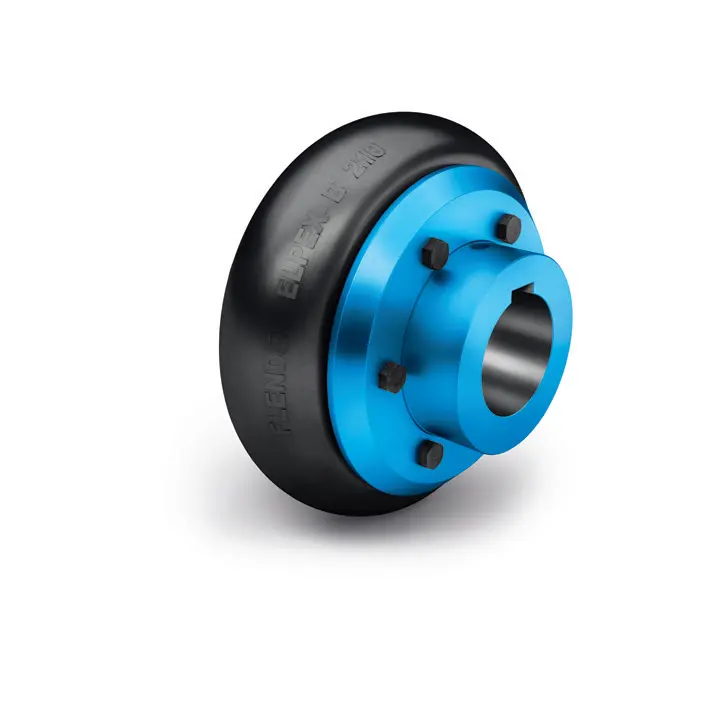
ELPEX B Highly Flexible Coupling
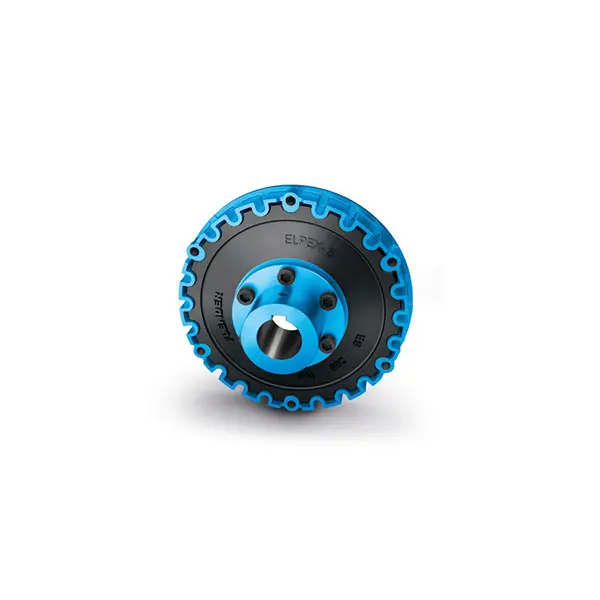
ELPEX S Highly Flexible Coupling high performance
ELPEX Highly Flexible Coupling high performance
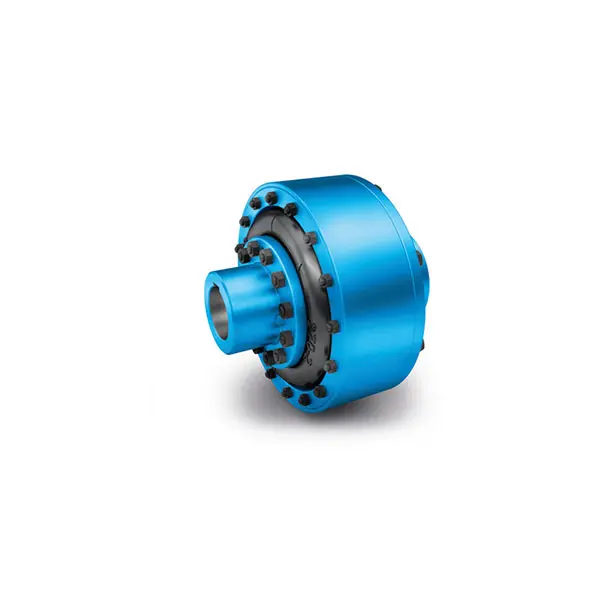
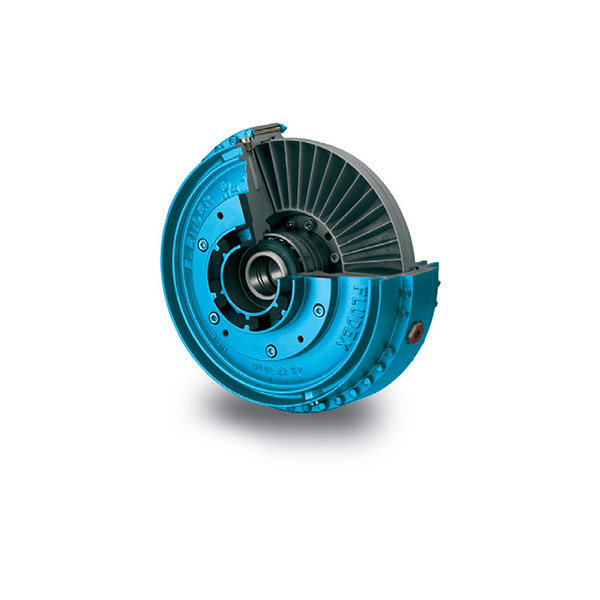
FLUDEX Fluid Coupling high performance
SIPEX Backlash free Coupling high performance
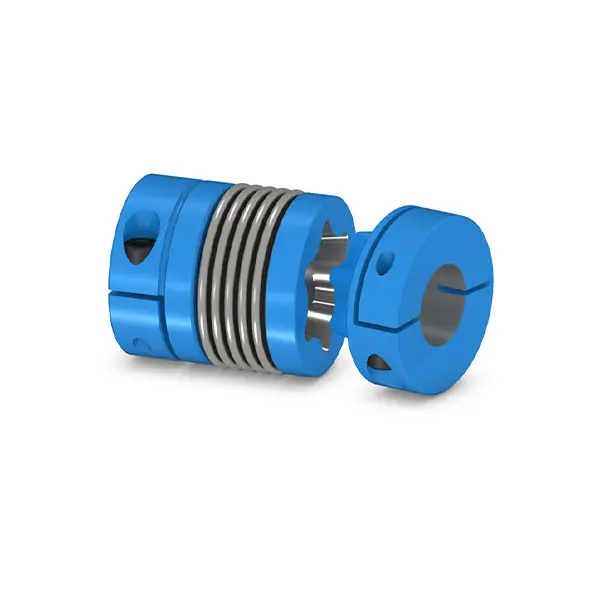
BIPEX S Backlash free Coupling high performance
FLENDER Coupling Spare Parts high performance
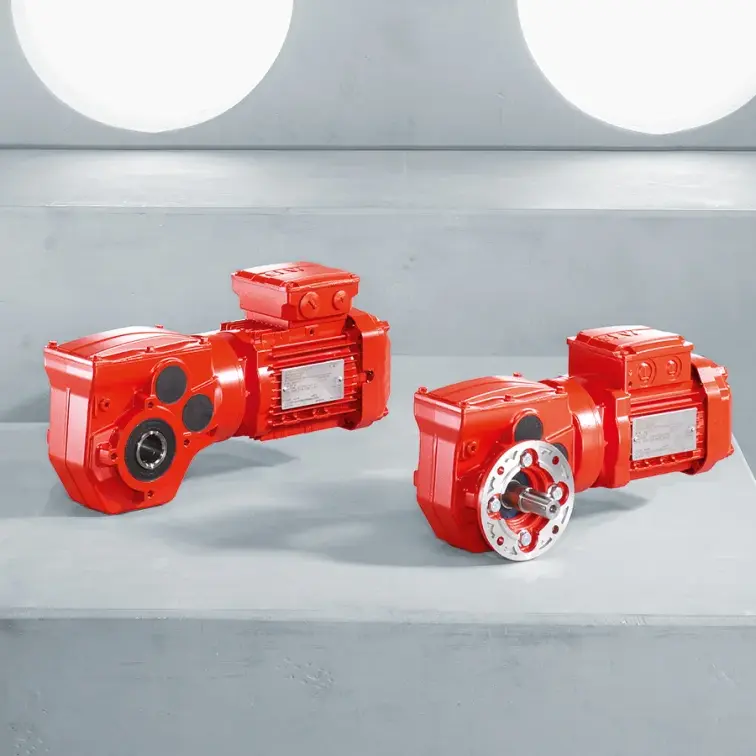
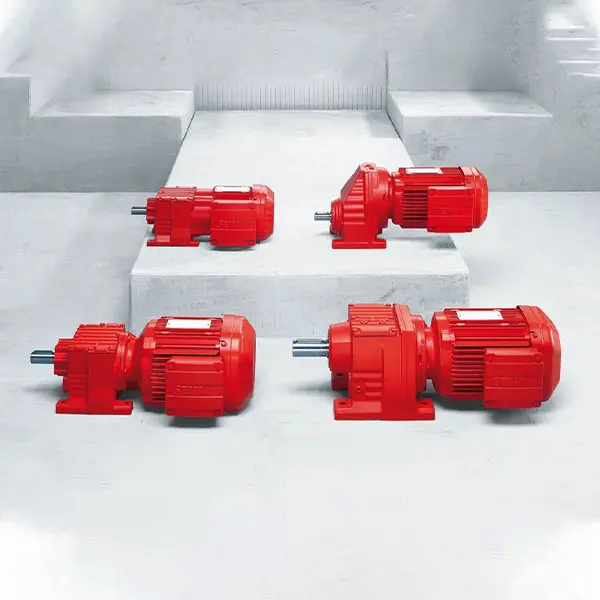
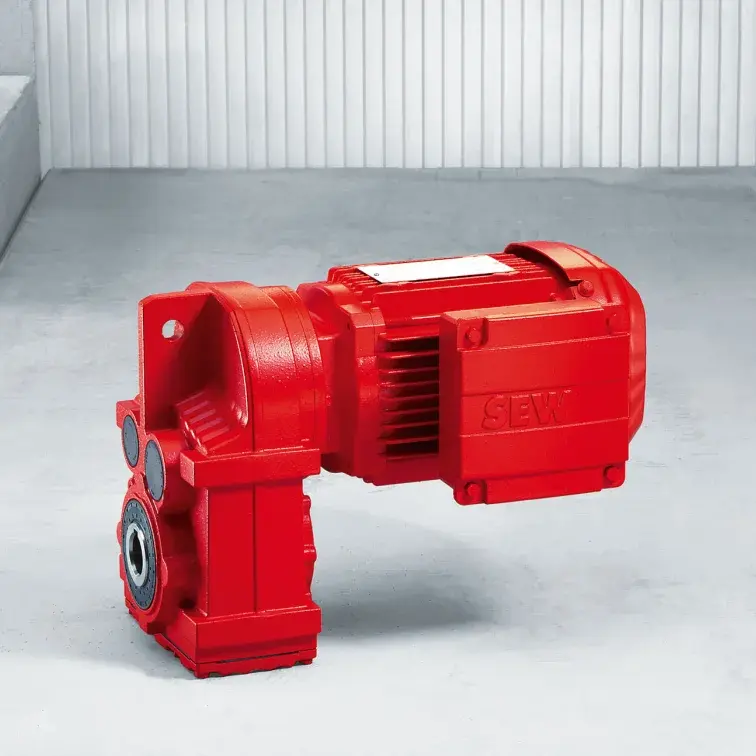
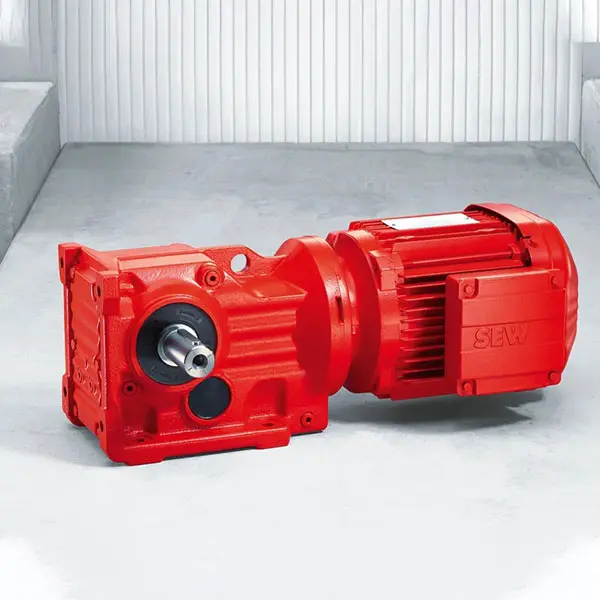
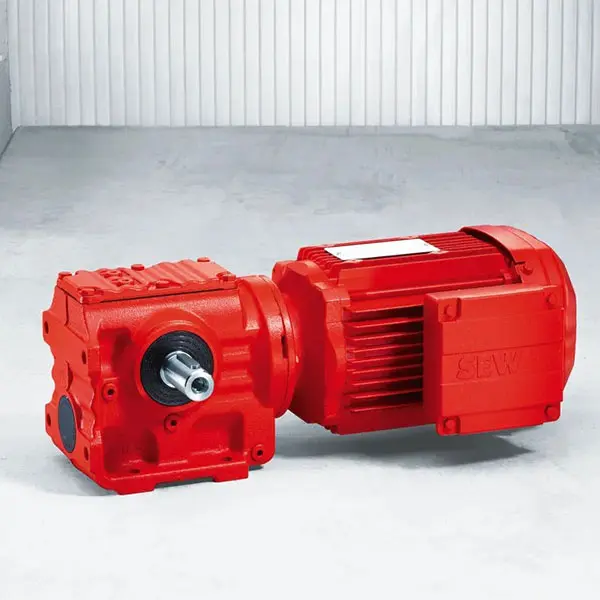
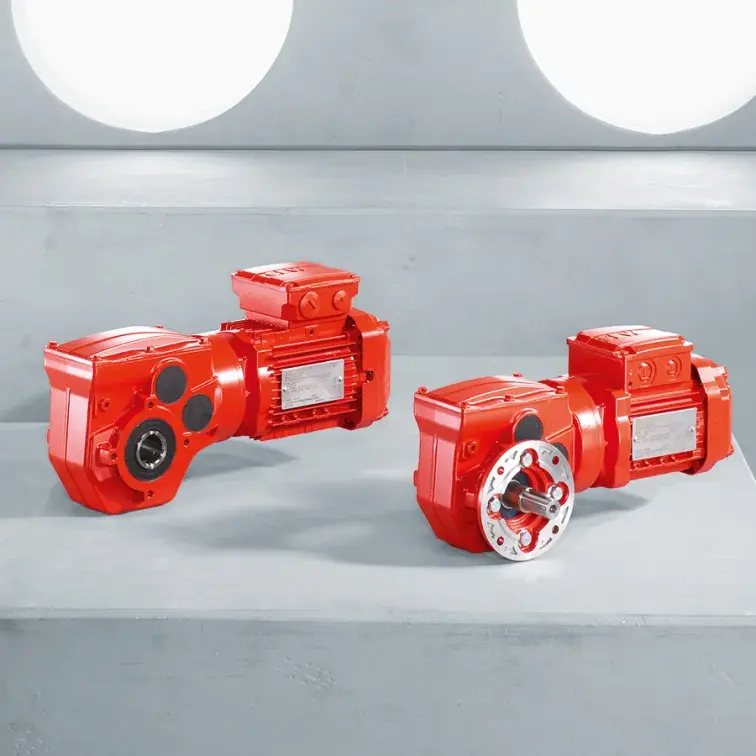
SEW Gearmotor
China’s gear motor market includes established manufacturers, specialist factories, and suppliers serving export customers. Comparing them takes more than scanning a product catalog. Buyers should examine torque and speed ranges, motor efficiency, gear materials, noise levels, and documented testing. A compact helical Gear Motor may suit a conveyor running through a busy workshop, while a worm-drive unit may fit a space-constrained machine. The right choice depends on the load, duty cycle, mounting position, and operating environment.
Gear-design scholar Faydor L. Litvin’s published work offers a useful principle, paraphrased here rather than presented as a direct quotation: gear geometry must be assessed alongside tooth contact and operating loads. That distinction matters. A polished specification sheet cannot show how a unit performs after sustained use, or how clearly a supplier handles technical questions. Small details count.
This guide looks at manufacturers through practical criteria: product range, customization, quality controls, industry experience, and support after delivery. Company claims should be checked against current documentation, factory capabilities, and application-specific evidence. Rankings can change, and no single supplier suits every project. That is worth remembering. Some public information may be incomplete, so this overview is a starting point—not a substitute for reviewing drawings, test data, and the actual operating conditions before choosing a Gear Motor manufacturer in China.
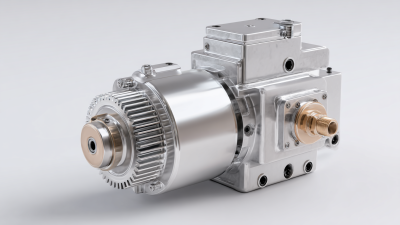
A gear motor combines an electric motor with a gearbox in one drive unit. The motor supplies rotation; gears adjust its speed and torque. For example, a conveyor may need a slow, steady pull rather than a fast spin. A reduction gearbox lowers output speed and increases available torque, while some energy is lost as heat and friction. The actual output depends on the gear ratio, motor rating, and operating conditions.
Inside the unit, the motor turns an input shaft. Meshing gears transfer that rotation to an output shaft, often at a right angle or along the same axis. Helical, bevel, worm, and planetary arrangements suit different space and load requirements. The International Energy Agency’s 2011 report on electric motor systems estimates that these systems use about 45% of global electricity. That figure covers motor systems broadly, not gear motors alone. It shows why selecting an efficient drive matters. One detail is easy to miss: a higher reduction ratio does not automatically mean a better application fit.
Tips: Check required output speed, torque, duty cycle, and mounting position before choosing a unit. Leave room for cooling and maintenance. Compare efficiency at the real operating load, not only at the rated point. A catalog value can look reassuring, but actual performance still depends on installation and use.
Identifying leading gear motor manufacturers in China requires more than comparing catalog prices or output ratings. The International Energy Agency’s 2011 report, Energy-Efficiency Policy Opportunities for Electric Motor-Driven Systems, estimates that motor-driven systems use about 45% of global electricity. That makes verified efficiency data important. Check whether test results identify the motor’s operating conditions, not just a best-case figure. Ask for torque, speed, duty cycle, and temperature-rise records that match your application.
A capable supplier should also provide traceable inspection records, consistent drawings, and clear warranty terms. Review its quality-management documentation and confirm that test methods align with relevant IEC motor standards. For the gearbox, examine rated torque, service factor, backlash where applicable, lubrication requirements, and expected operating life. Factory audits and sample testing can reveal gaps that polished brochures cannot. Still, no checklist proves long-term reliability by itself; field references and failure-response records matter, too.
Tips: Request a test report for the exact motor-and-gearbox configuration you plan to buy. Compare measured noise, temperature, and efficiency under the same load. If a supplier cannot explain a number plainly, pause. That hesitation may be useful evidence.
How Are Leading Gear Motor Manufacturers Identified?
Suggested evaluation framework, not a market survey or manufacturer ranking. Compare suppliers using product performance, documented quality and reliability, customization capability, relevant certifications, technical support, and delivery and service. Verify claims against product specifications, test reports, and applicable standards.
Recognition among Chinese gear motor manufacturers is best judged by repeatable engineering, not catalog size. The International Energy Agency’s 2011 assessment estimated that electric motor-driven systems use about 45% of global electricity. That makes efficiency, thermal control, and reliable service important selection measures. Look for documented test results, clear rated-torque and duty-cycle data, and stable performance under repeated starts. Useful evidence includes traceable quality procedures and application records for conveyors, packaging lines, and material-handling equipment. Small details matter: a housing that sheds heat, seals suited to dusty floors, and accessible lubrication points can reduce downtime.
Widely recognized Chinese suppliers typically serve export markets and offer configurable ratios, mounting positions, and motor options, supported by engineering and after-sales teams. Independent verification matters. Check whether performance claims refer to the complete gear motor, rather than the motor alone, and whether noise, temperature rise, and efficiency were tested under stated conditions. The IEC’s IEC 60034-30-1 efficiency classes help compare motors, but they do not by themselves rate the gearbox. A useful caution: published specifications can look precise while leaving out load profile or ambient temperature. Ask for test conditions and a sample inspection report before treating any supplier as a leading choice.
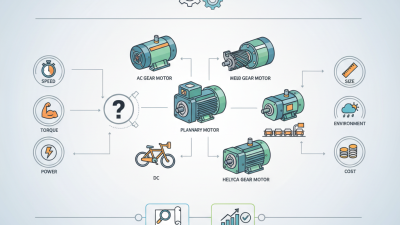
Chinese gear motor manufacturers commonly offer AC induction, helical, worm, planetary, and geared servo motors. Each type suits different loads and operating conditions. Helical units often support conveyors and packaging lines, where steady output matters. Worm gear motors can fit compact layouts and provide high reduction ratios. Planetary models are useful when equipment needs high torque in a smaller space. Geared servo motors serve applications requiring controlled speed and positioning, such as automated assembly equipment.
These products appear in material handling, food processing, agriculture, water treatment, and machine building. A conveyor carrying cartons needs reliable low-speed torque; a mixer may need a motor suited to frequent starts. Specifications should reflect real operating conditions, including load, duty cycle, mounting position, and exposure to dust or moisture. A catalog can look convincing, yet a mismatch in service factor or shaft dimensions can create costly delays. Small details matter. Actual performance also depends on installation and maintenance, so product claims deserve careful checking.
Tips: Share the required output speed, torque, voltage, duty cycle, and installation space when requesting a quotation. Ask for test data and clarify the expected operating environment. If the application is unusual, confirm the selection with a qualified engineer; assumptions can be wrong.
When comparing Chinese gear motor manufacturers, start with the exact duty your equipment requires. Specify output torque, speed, gear ratio, operating hours, mounting position, and ambient temperature. Then request efficiency data for the complete geared motor, not only the motor. The U.S. Department of Energy’s motor-system sourcebook reports that motor-driven systems account for about 70% of industrial electricity use in the United States. That figure shows why efficiency affects operating cost. Compare test conditions, efficiency class, temperature rise, noise, and stated service life. Numbers can mislead.
Ask for test records tied to the proposed model and configuration. IEC 60034-30-1 defines motor efficiency classes, while ISO 6336 provides methods for calculating gear load capacity; neither standard alone proves a complete unit’s real-world performance. Check whether the supplier can explain its test method and provide traceable inspection records. Compare warranty terms, spare-parts availability, production lead time, and responses to technical questions. A sample unit can reveal vibration or heat issues that a catalogue will not. I would still treat one sample cautiously: a brief test may not represent years of continuous operation. Keep the comparison sheet consistent, and record any assumptions about load, duty cycle, and maintenance.
Use this comparison framework to assess manufacturers consistently. Product specifications and capabilities vary by model, so verify all claims against the exact gear motor and its documentation.
| Comparison dimension | What to request from each manufacturer | How buyers can compare |
|---|---|---|
| Gearbox design | Gear type, materials, rated output torque, service factor, and permissible radial and axial loads. | Match the gearbox design and load ratings to the application, duty cycle, mounting arrangement, and expected shock loads. |
| Speed and gear ratio | Input speed, output speed, available ratios, and the calculation or test basis for rated output torque. | Compare the required output speed and torque at the same operating conditions; do not compare ratio alone. |
| Motor efficiency | Motor efficiency class, rated power, pole count, supply frequency, and supporting test documentation. | Compare motors at the same rating and operating conditions. Check which efficiency standard and classification apply to the motor. |
| Enclosure protection | IP rating for the complete supplied assembly, plus details of seals, cable entries, and any special environmental protection. | Select protection for the installation environment and confirm the rating applies to the delivered configuration, not just a component. |
| Thermal and duty ratings | Insulation class, temperature-rise information, duty rating, ambient-temperature limits, and thermal protection options. | Check suitability for the actual operating cycle, starts per hour, ambient conditions, and available cooling. |
| Noise and vibration | Noise and vibration test results, measurement conditions, and applicable acceptance criteria. | Compare results only when test methods, distance, load, and operating conditions are equivalent. |
| Materials and lubrication | Housing and gear materials, lubricant type, lubrication method, maintenance intervals, and leakage-control details. | Assess compatibility with the environment, service access, expected operating temperature, and maintenance plan. |
| Customization and integration | Available mounting positions, shaft and flange options, brake or encoder options, wiring diagrams, and interface drawings. | Confirm dimensions and interfaces against the machine design, and establish which modifications affect lead time or warranty. |
| Quality and traceability | Quality-system certificates, inspection and test records, serial-number traceability, and sample documentation for the quoted model. | Check certificate scope and validity. A quality-system certificate does not, by itself, establish the performance of a specific product. |
| Delivery and support | Quoted production lead time, spare-parts availability, warranty terms, service process, and response arrangements. | Compare written commitments and total lifecycle support, not only the quoted unit price. |
| Compliance documentation | Applicable declarations, test reports, nameplate details, and documentation required for the destination market. | Verify requirements for the final application and market; confirm documents cover the exact motor and gear motor configuration. |
Buyer note: Request a model-specific datasheet, dimensional drawing, quotation, and relevant test or compliance documents from each supplier before making a final comparison.