Top Servo Motor Applications in Industry and Robotics Today?
In today's rapidly evolving manufacturing and robotics landscape, servo motors play a pivotal role. These powerful devices enable precise control of motion, essential for various applications. According to Dr. Emily Carter, a renowned expert in motion control systems, "Servo motors are the heartbeat of modern industrial automation." Her insights point to their significance in enhancing productivity and accuracy.
Servo motors are particularly vital in industries such as automotive, aerospace, and robotics. They facilitate tasks ranging from assembly line automation to robotic surgery. Despite their advantages, the choice of a servo motor requires careful consideration of specific needs. Factors like torque, speed, and load capacity are critical. Often, users overlook these details, which can lead to inefficiencies.
Investments in servo motor technology are substantial, yet they can yield remarkable returns. However, realizing these benefits is not always straightforward. Companies must be willing to adapt and integrate new technologies. The journey may involve trial and error, reflecting the complexities of implementation. Embracing these challenges is crucial for harnessing the full potential of servo motors in today's industry.
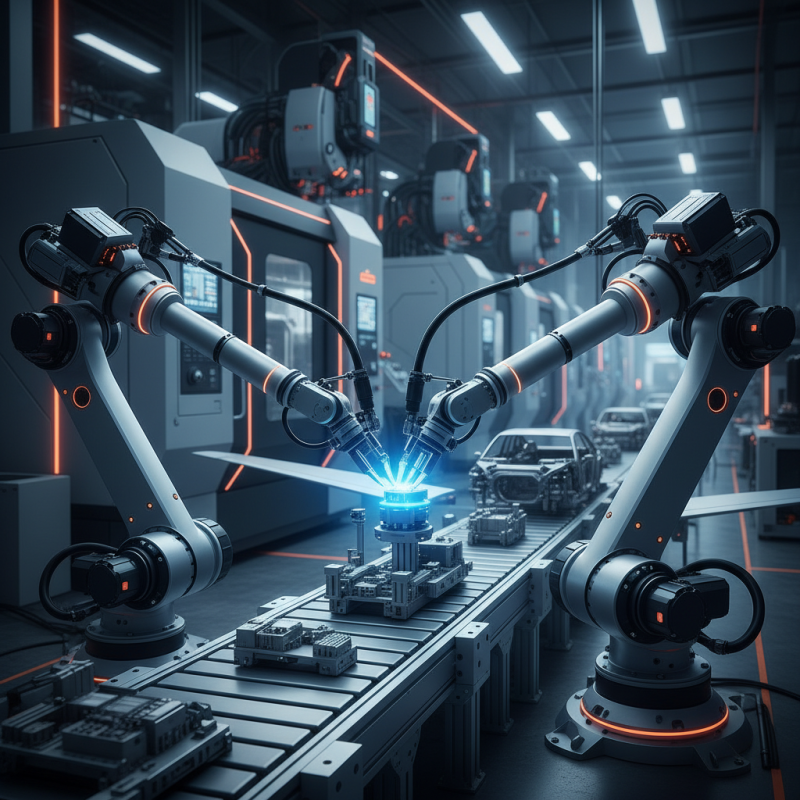
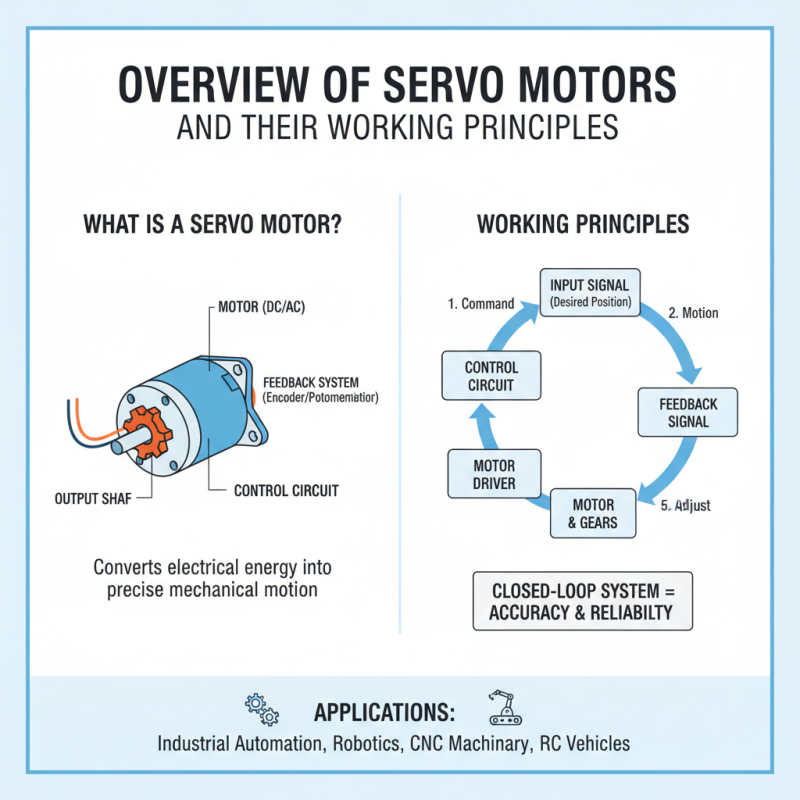
Overview of Servo Motors and Their Working Principles
Servo motors play a crucial role in various industrial and robotic applications. These devices convert electrical energy into mechanical motion with precision. Comprised of a motor and a feedback system, they can control angular or linear position with great accuracy. This accuracy stems from their closed-loop system, which continually monitors and adjusts motor performance. The simplicity of servo motors makes them reliable for a range of tasks.
The working principle of a servo motor involves the interaction between electrical signals and mechanical components. An input signal defines the desired position. The controller compares this with real-time feedback from the motor’s sensors. Any discrepancy triggers adjustments, ensuring the motor reaches its target. This feedback loop allows for fine-tuning, leading to smoother operation and improved efficiency. However, this complexity can also introduce potential points of failure.
Understanding servo motors requires a blend of theory and practical experience. While their applications are vast, the need for careful calibration remains. Misalignments can lead to performance issues. Users must critically assess their systems to ensure optimal functionality. Balancing precision with real-world limitations is essential for success in both industry and robotics.
Key Industries Utilizing Servo Motors Today
Servo motors play a crucial role in numerous industries today. Automotive manufacturing heavily relies on these motors for precision tasks. They enable accurate control of robotic arms on assembly lines, enhancing productivity. In electronics, servo motors assist in the assembly of small components. This improves the speed and accuracy of production.
In the food industry, servo motors are vital for packaging processes. They ensure consistent and precise filling of containers. Robotics also benefit significantly from servo motors. Autonomous robots use them for navigation and manipulation in unpredictable environments. This application highlights the versatility and adaptability of servo technology.
Despite their advantages, the integration of servo motors can present challenges. Initial setup and calibration require careful attention. Any misalignment can lead to operational inefficiencies. In some cases, maintenance can be complex due to the advanced technology involved. Therefore, industries must carefully consider these factors when implementing servo motors.
Top Servo Motor Applications in Industry and Robotics Today
| Application Area |
Industry |
Key Features |
Benefits |
| Robotic Arm Control |
Manufacturing |
High precision, fast response |
Increased productivity, accuracy |
| CNC Machinery |
Metalworking |
High torque, programmable motion |
Precision machining, improved tool life |
| 3D Printing |
Additive Manufacturing |
Variable speed control, accuracy |
Complex geometries, material efficiency |
| Automated Packaging |
Food & Beverage |
Synchronization, speed |
Increased throughput, reduced waste |
| Medical Devices |
Healthcare |
Compact size, reliability |
Enhanced patient care, accuracy |
Advanced Robotics Applications of Servo Motors
Servo motors have become integral to advanced robotics applications. Their precision and reliability enable robots to perform complex tasks with ease. In assembly lines, for instance, servo motors manage delicate operations, such as assembling small components. This improves speed and reduces errors in production processes.
In robotic arms, servo motors facilitate intricate movements. They allow for a range of motion that mimics human capabilities. Many industrial robots rely on multiple servo motors to achieve coordinated actions. These movements must be finely tuned to ensure accuracy. However, programming these motors can be challenging. Small coding errors may lead to significant operational issues.
The use of servo motors extends beyond basic tasks. More sophisticated robots are now equipped with feedback systems. These systems provide real-time data, enhancing the robot's adaptability. Yet, achieving optimal feedback can be complex. It requires continuous adjustments and fine-tuning. Companies must evaluate their needs carefully. This may lead to unexpected difficulties during implementation. Overall, the potential of servo motors in robotics is vast, but challenges remain.
Emerging Trends in Servo Motor Technology
Emerging trends in servo motor technology reveal significant advancements that enhance performance and reliability. Modern servo motors now feature improved feedback systems. These systems utilize high-resolution encoders for precise control. Companies aim for better accuracy in repetitive tasks, which is critical in industries like automotive and electronics.
Another key development is the integration of IoT technologies. This allows for real-time monitoring and diagnostics. By using cloud-based platforms, manufacturers can foresee potential issues. This predictive maintenance reduces downtime and maintenance costs. However, this reliance on technology raises cybersecurity concerns. In an increasingly connected world, securing servo systems against threats is vital.
Furthermore, the push for energy efficiency is noticeable. Many servo motors now consume less power while delivering higher torque. This not only lowers operational costs but also aligns with global sustainability goals. Despite these advancements, the market must address compatibility challenges. As new technologies emerge, older systems struggle to integrate smoothly, leading to potential setbacks. Companies must navigate this evolving landscape with caution to remain competitive.
Challenges and Future Directions in Servo Motor Implementation
The implementation of servo motors in industry and robotics presents numerous challenges. One significant issue is the need for precise calibration. Improper calibration can lead to inaccuracies in motion, resulting in decreased performance. Adjusting these systems in a dynamic environment often requires expert knowledge. Understanding the mechanical and electronic components is crucial.
Another challenge is integrating servo motors with existing systems. Legacy machinery may not support modern servo technology. Retrofits can be costly and time-consuming. Additionally, workforce training is essential. Many operators lack experience with advanced servo systems, leading to operational inefficiencies.
Future directions need to address these challenges. Developing user-friendly calibration tools could improve performance. Enhancing compatibility with older systems might ease integration hurdles. As technology evolves, continuous professional development must accompany these advancements. Embracing these changes could push industries toward improved efficiency and effectiveness in servo motor applications.

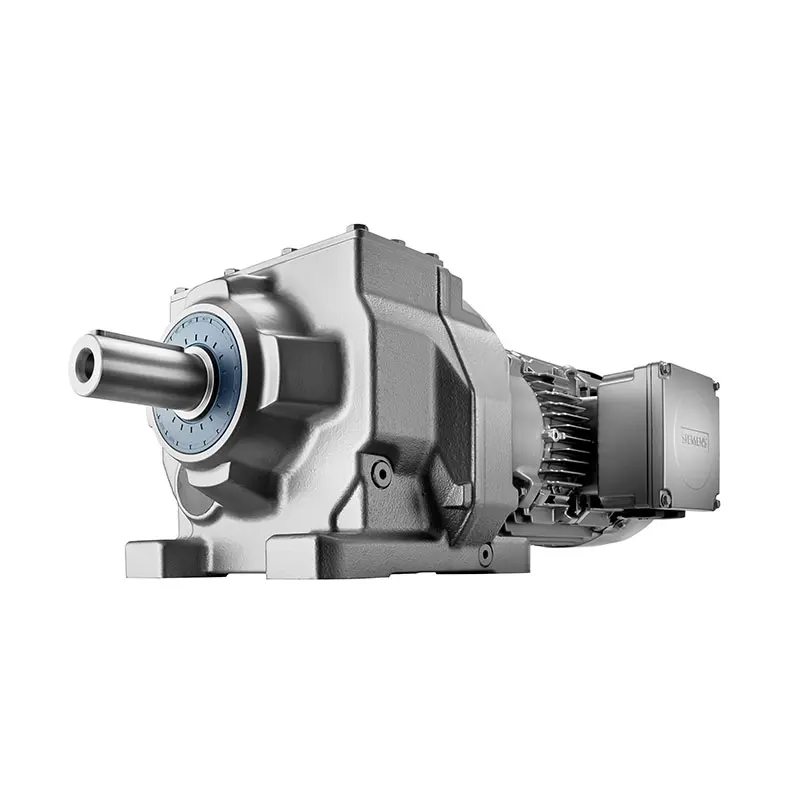 SIEMENS Helical Gearmotor Low Voltage
 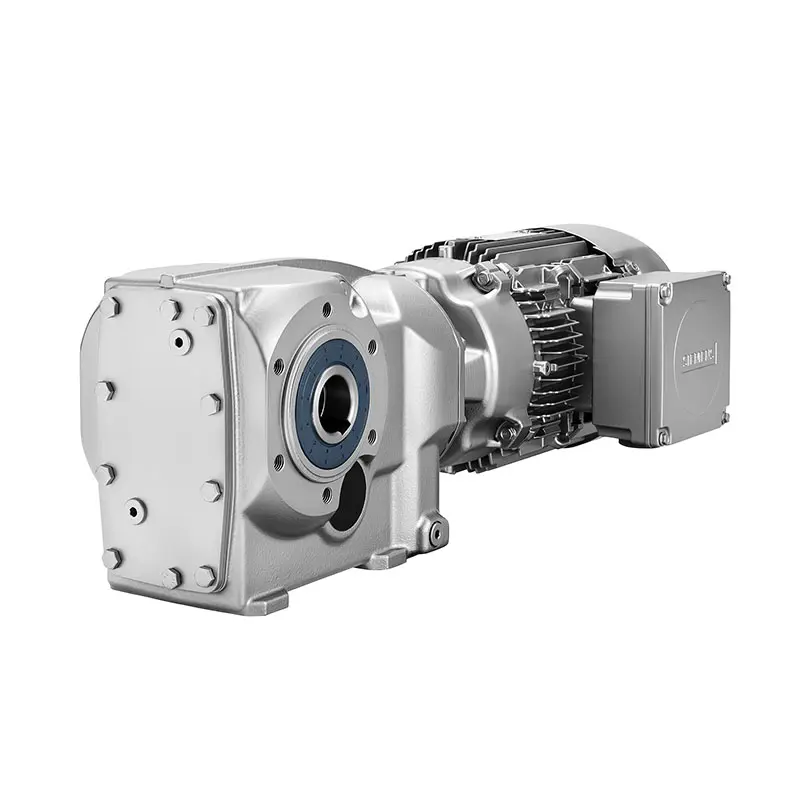 SIEMENS Bevel Helical Gearmotor
 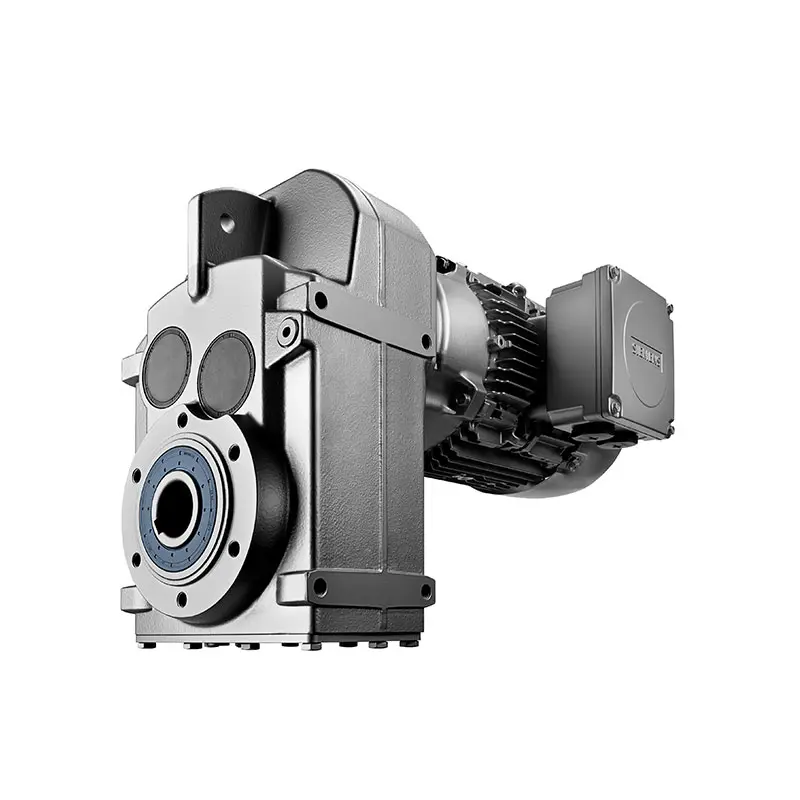 SIEMENS Parallel Shaft Gearmotor
 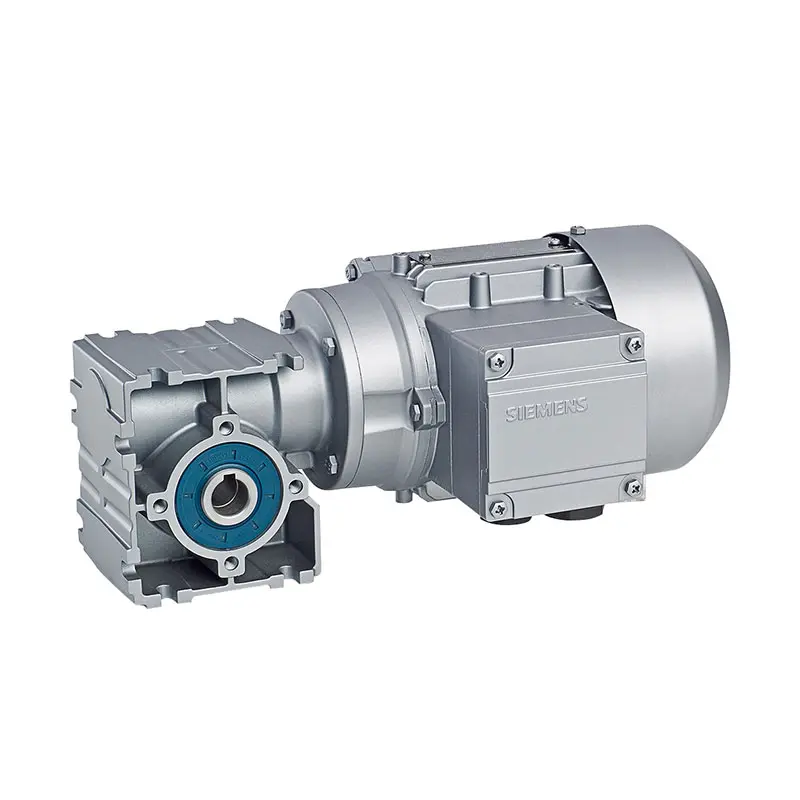 SIEMENS Worm Gearmotor Low Voltage
 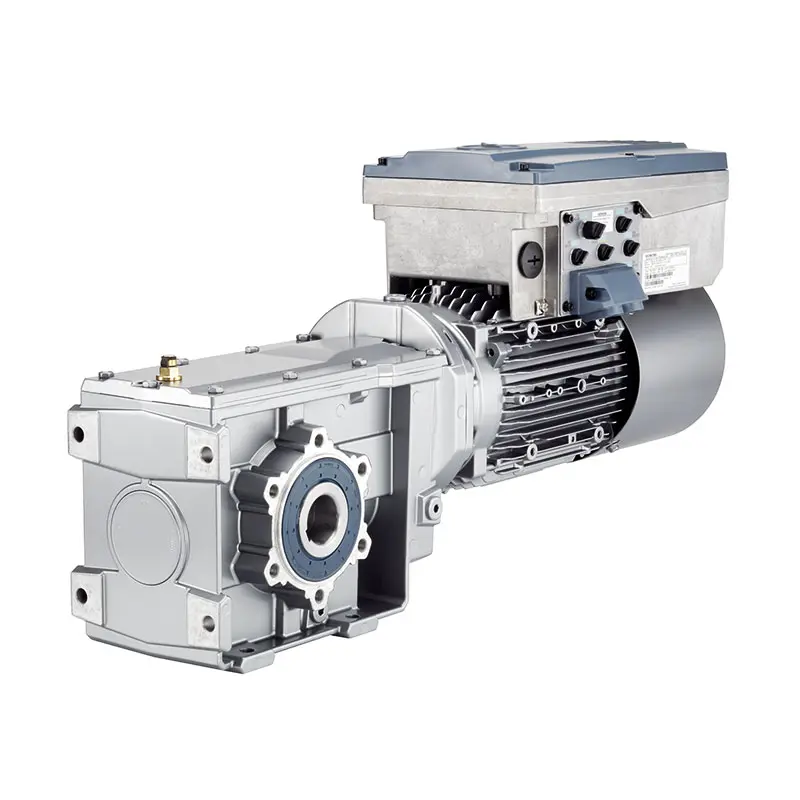 SIEMENS With Servo Motor Gearmotor
 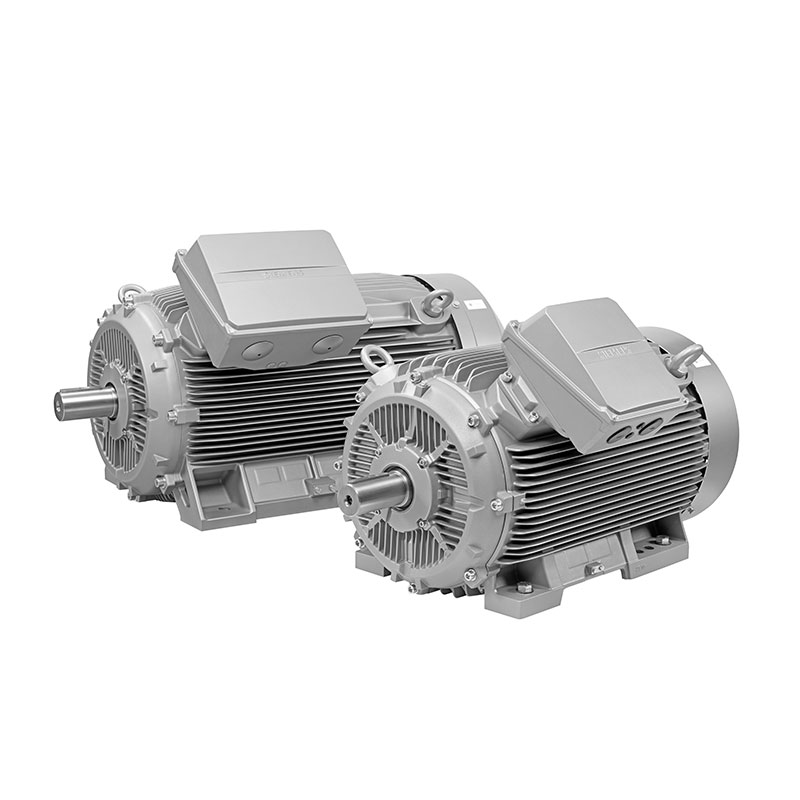 SIEMENS Low Voltage Motor Low Voltage
 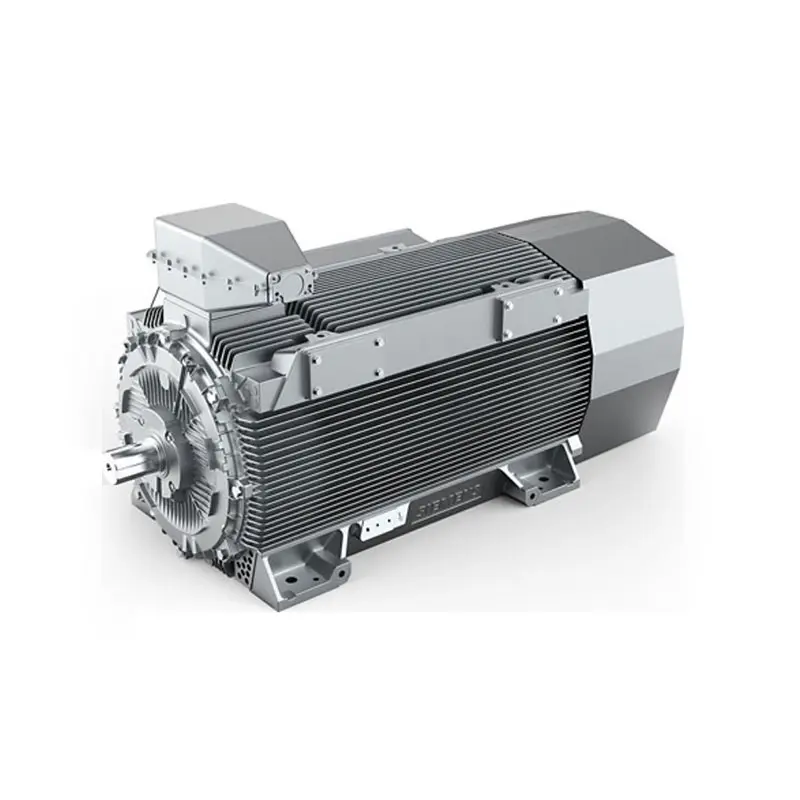 SIEMENS High Voltage Motor Low Voltage
 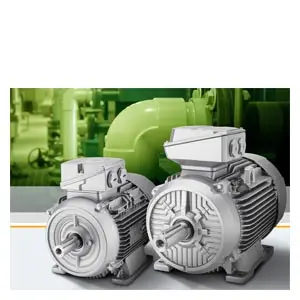 SIEMENS Marine Motor Low Voltage
 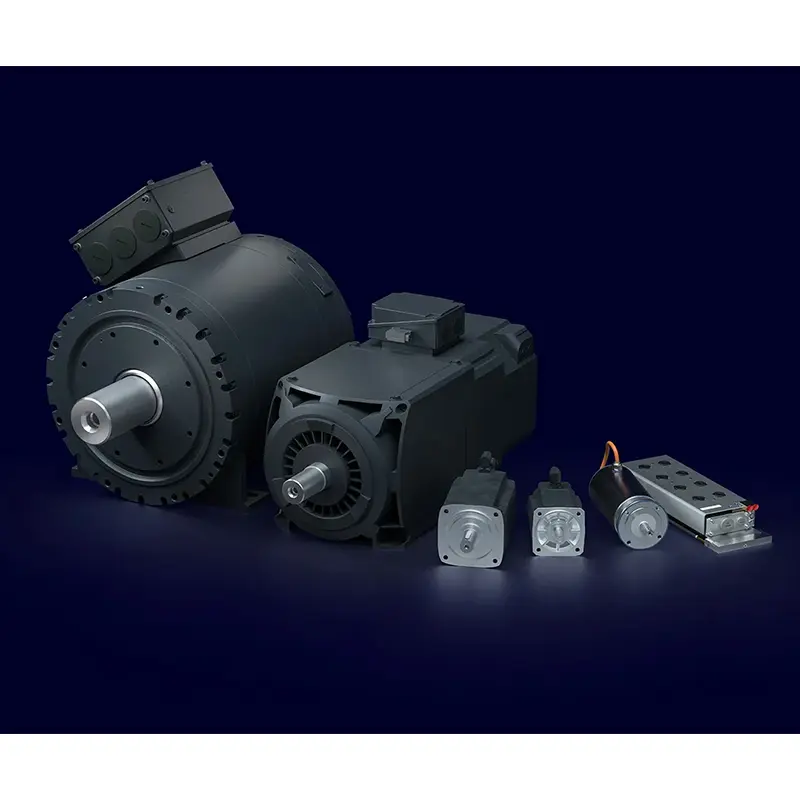 SIEMENS Servo Motor Low Voltage
 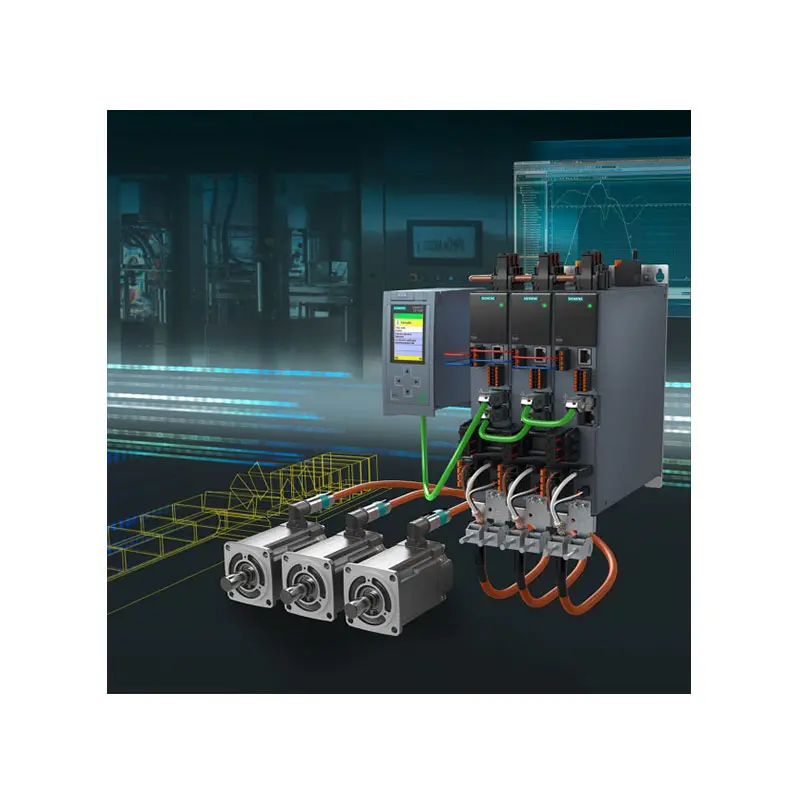 SIEMENS SINAMICS S210 Low Voltage
 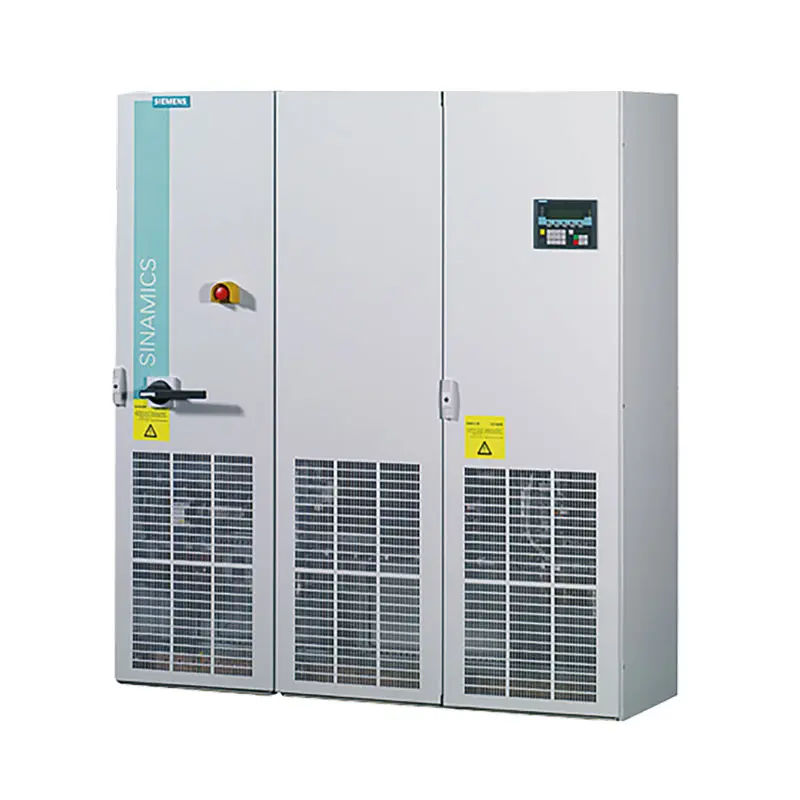 SIEMENS SINAMICS S150 Low Voltage
 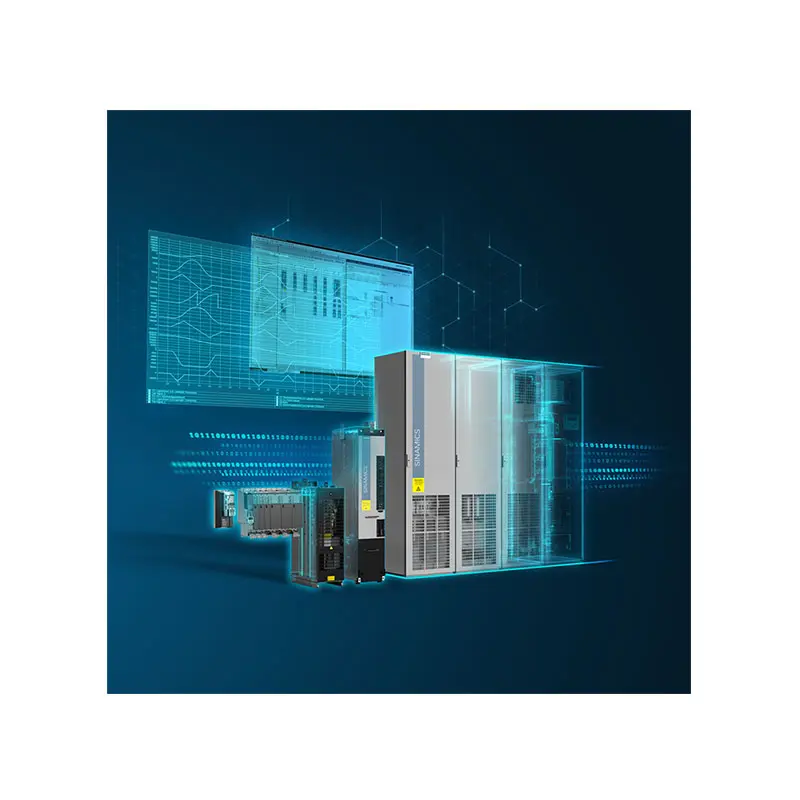 SIEMENS SINAMICS S120 Low Voltage
 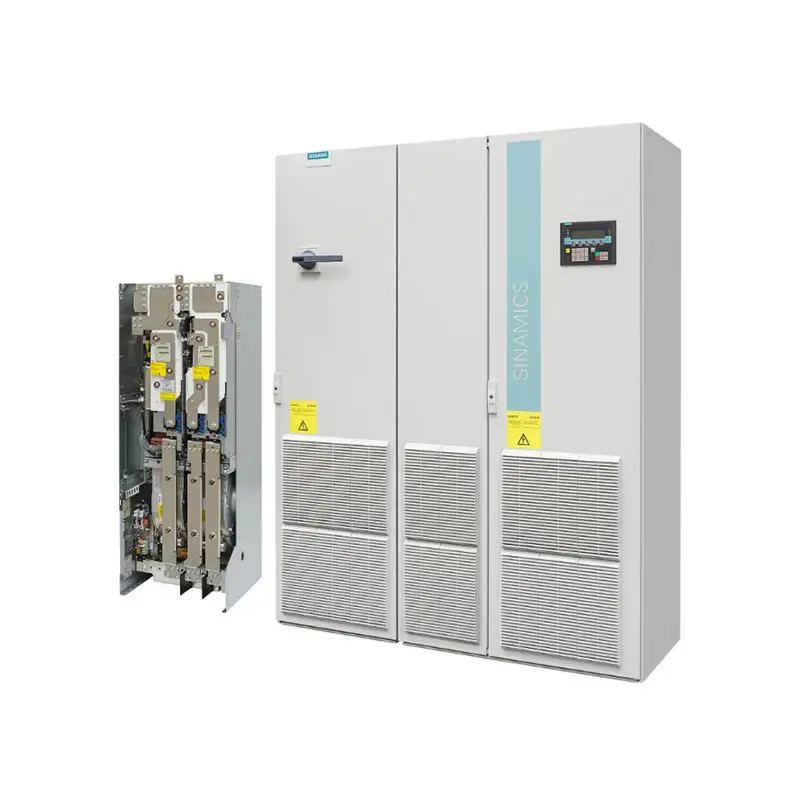 SIEMENS SINAMICS G130/G150
 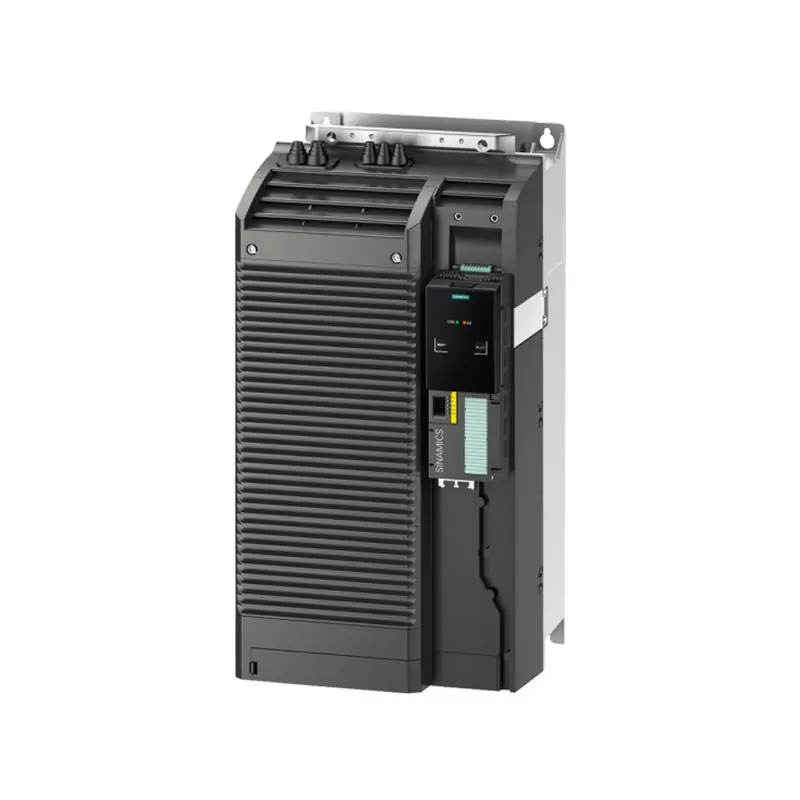 SIEMENS SINAMICS G120 Low Voltage
 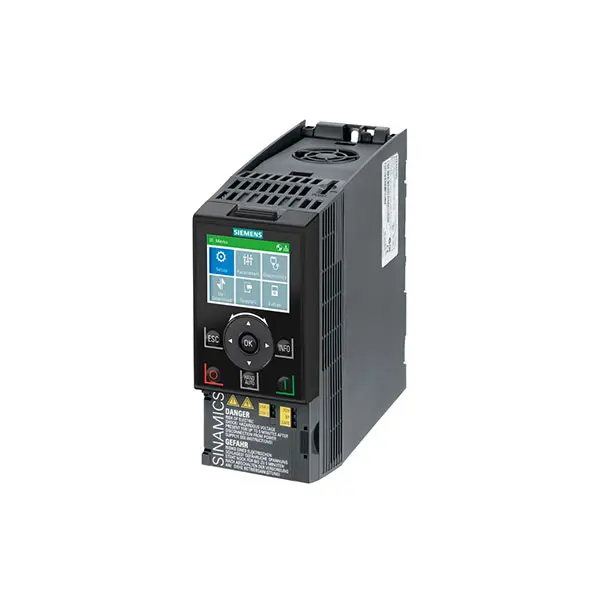 SIEMENS SINAMICS G120C Low Voltage
 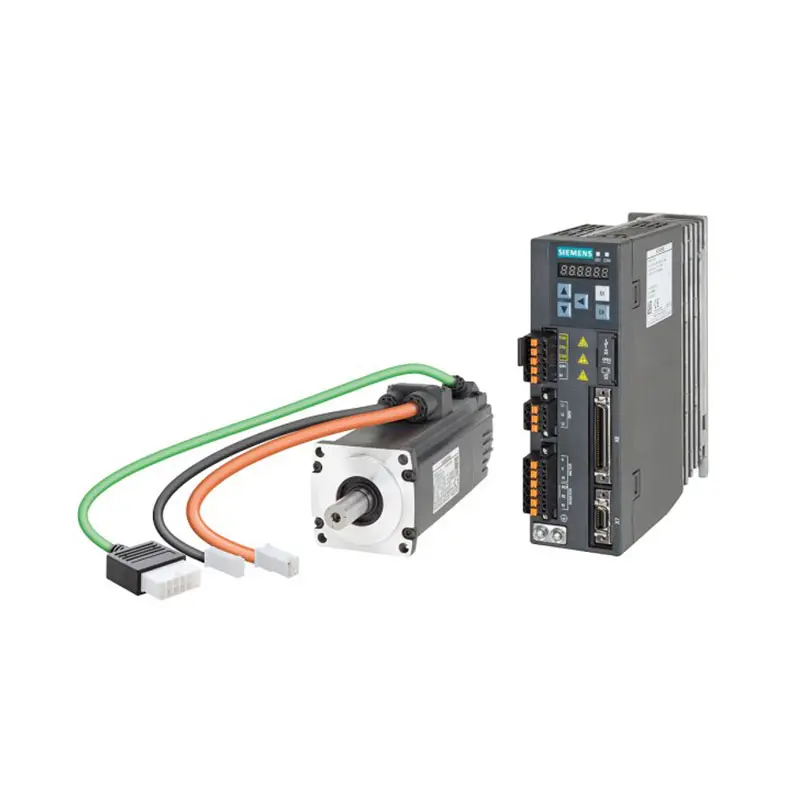 SIEMENS SINAMICS V90
 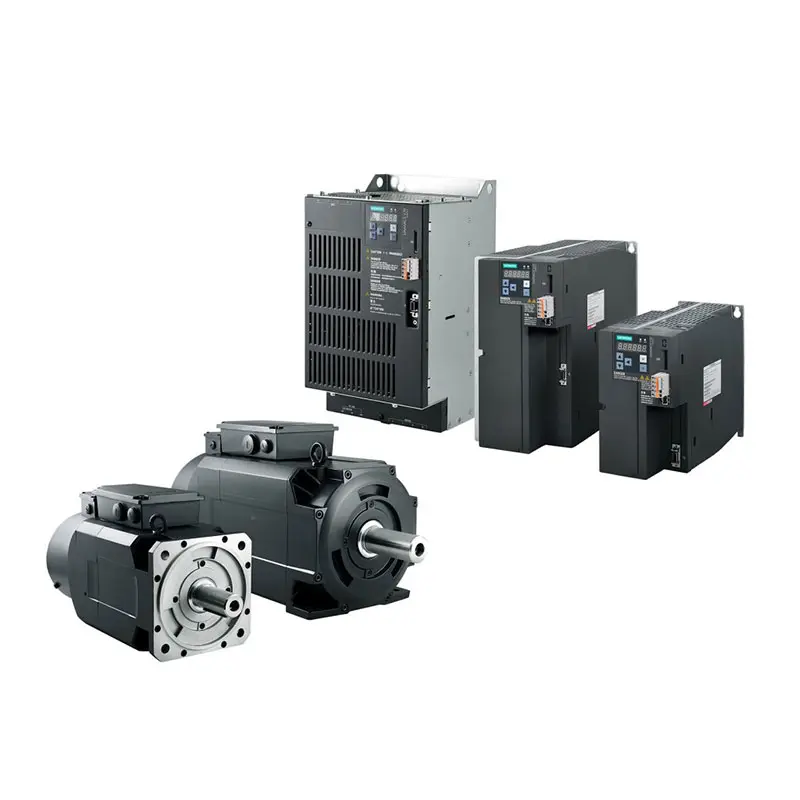 SIEMENS SINAMICS V70 Low Voltage
 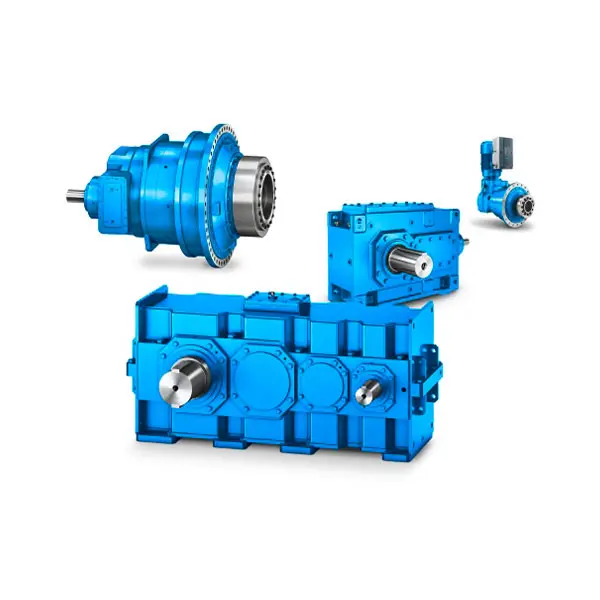 FLENDER Gear Unit
 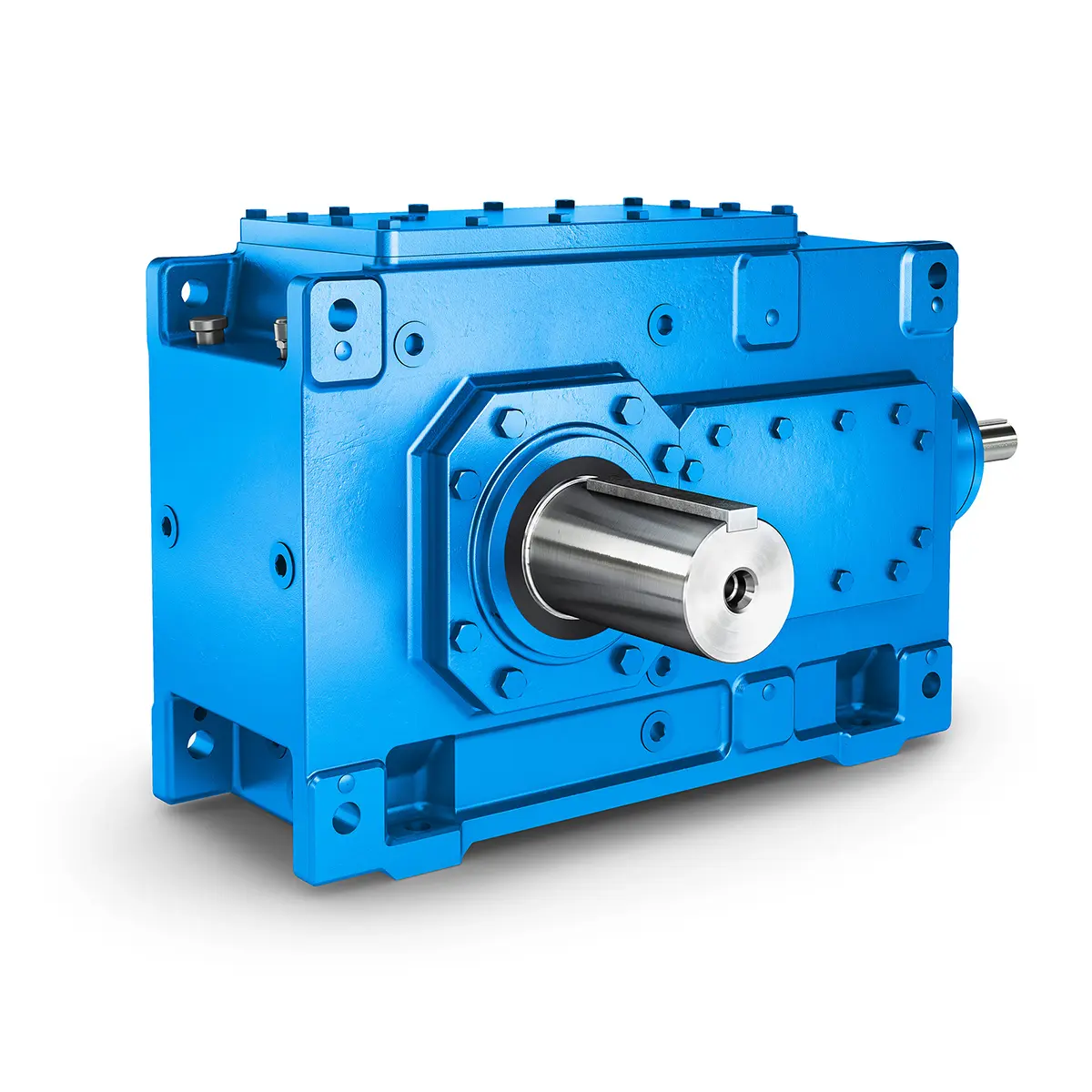 FLENDER Helical Gear Unit
 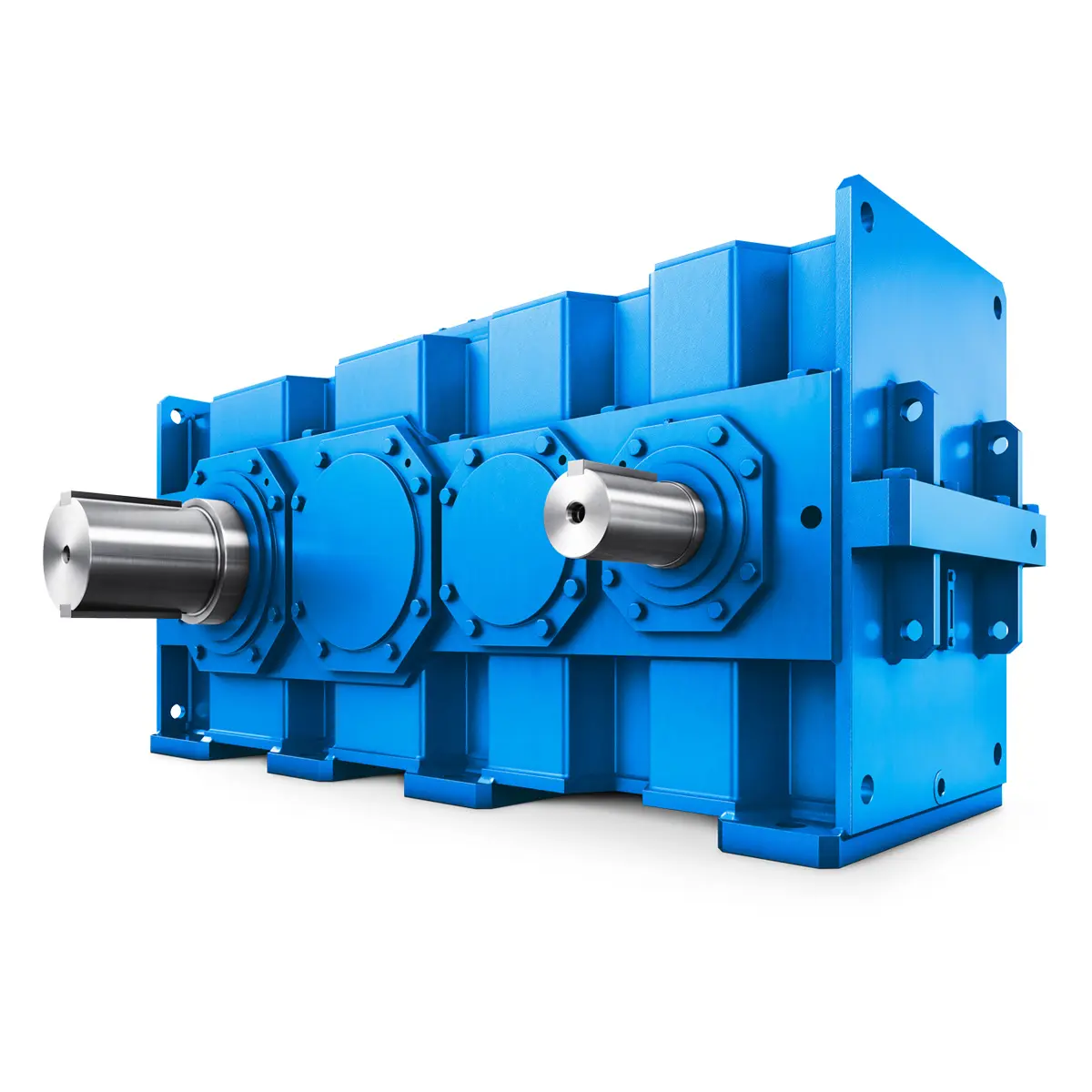 Flender gear units for lifting and luffing gears
 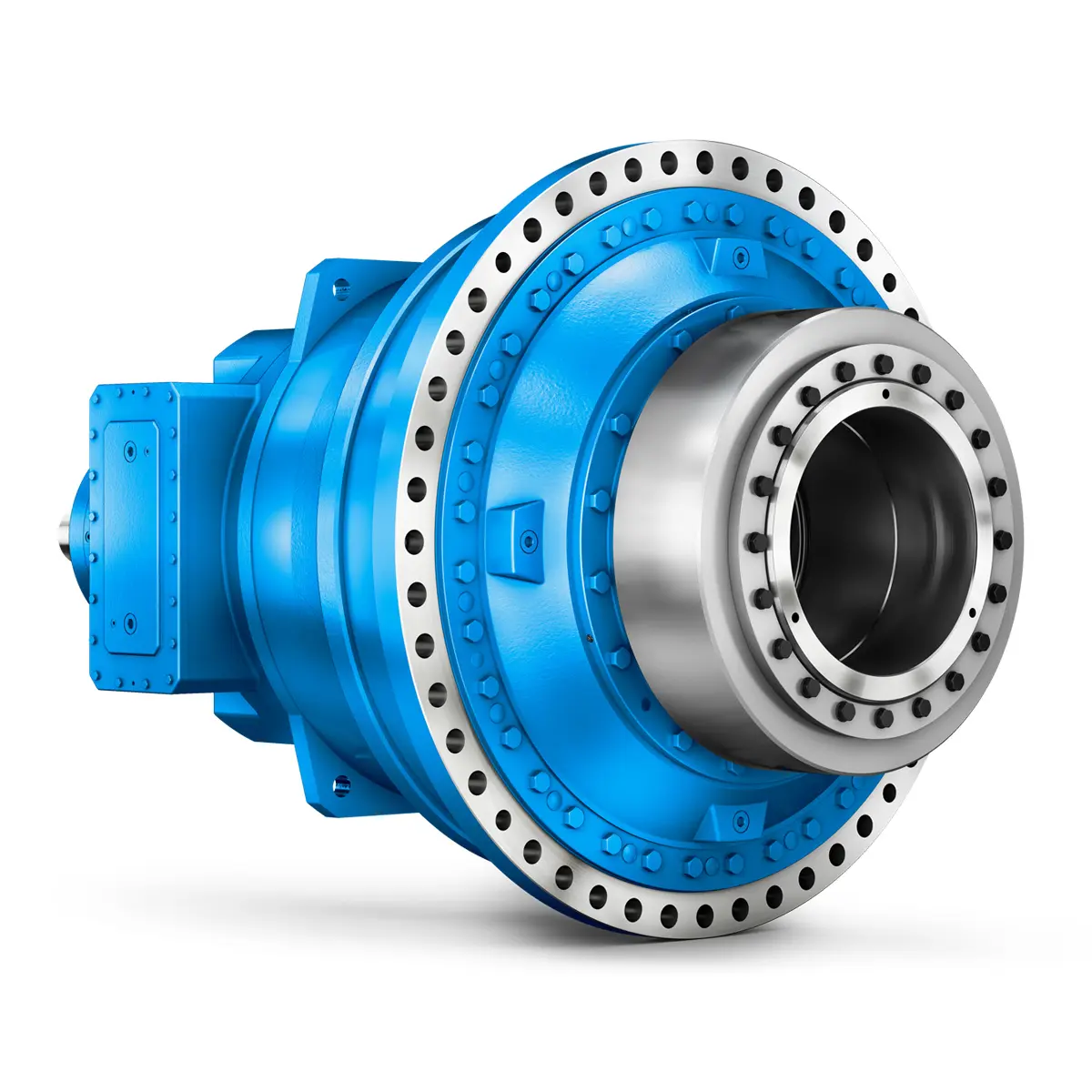 FLENDER Gear Unit gearunit gearbox
 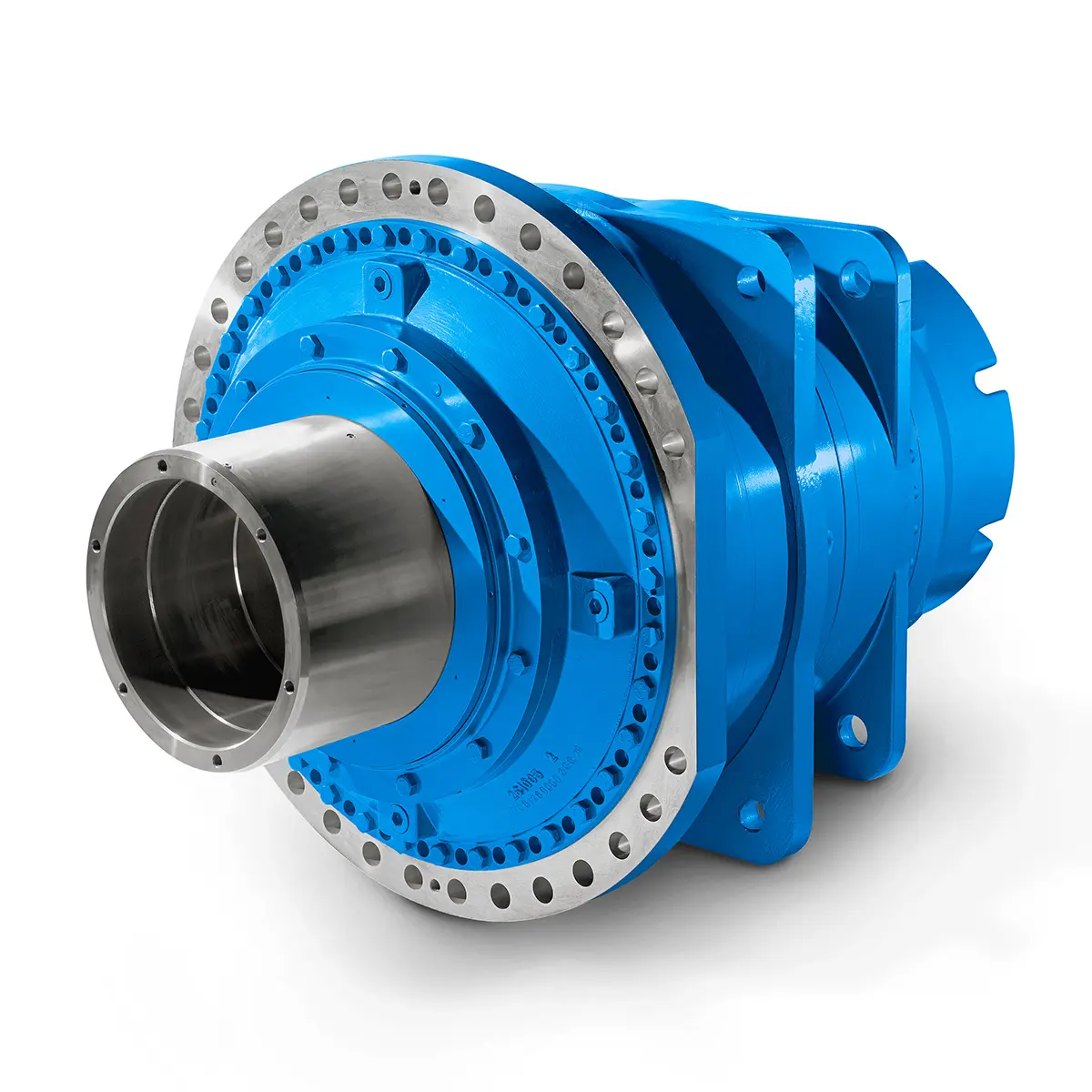 Optimal Drive Solution For Maximum Performance
 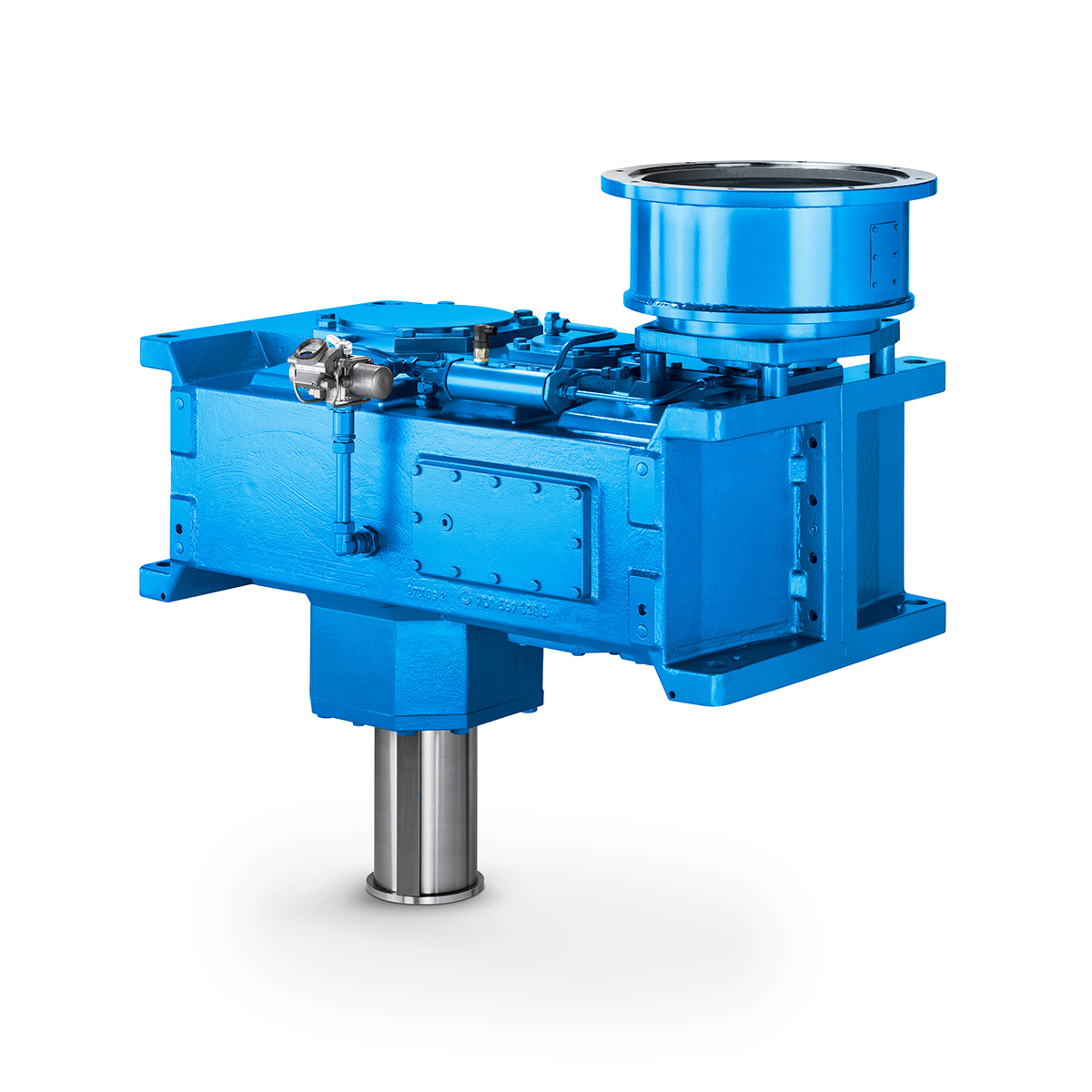 Strongly operating against biodegradable constituents
 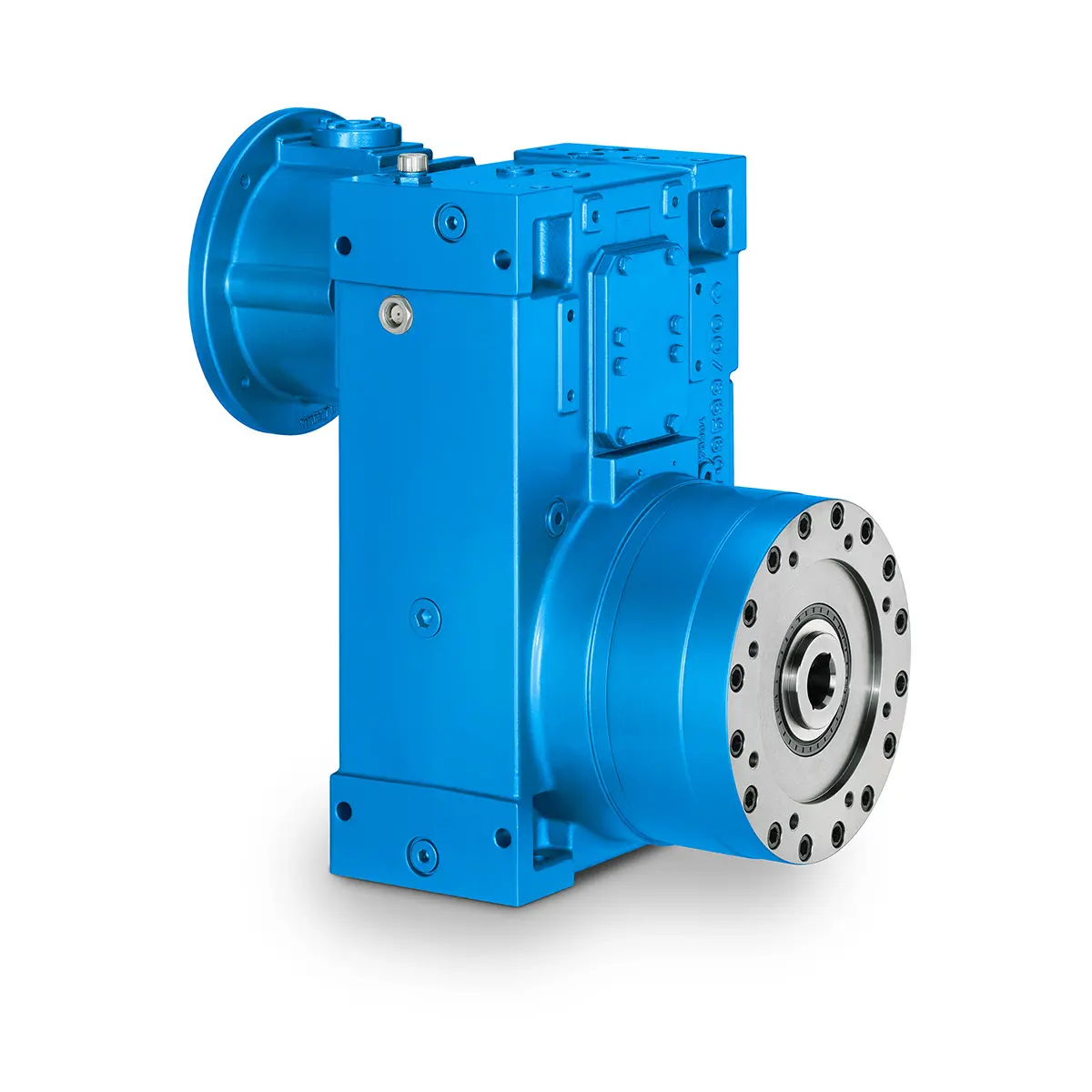 SINGLE SCREW Special industry dedicated gearunit gearbox
 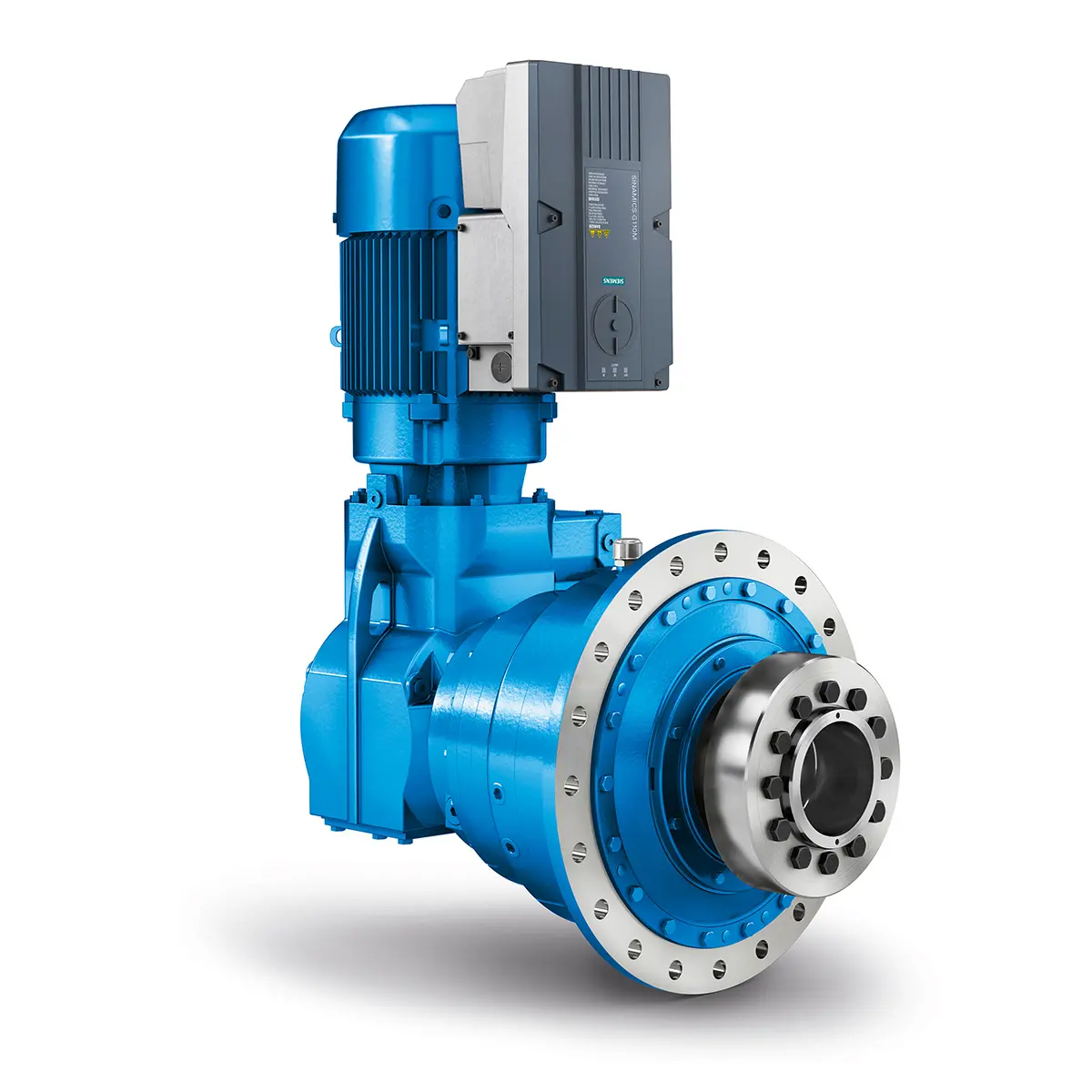 Playmaker In The Premium League
 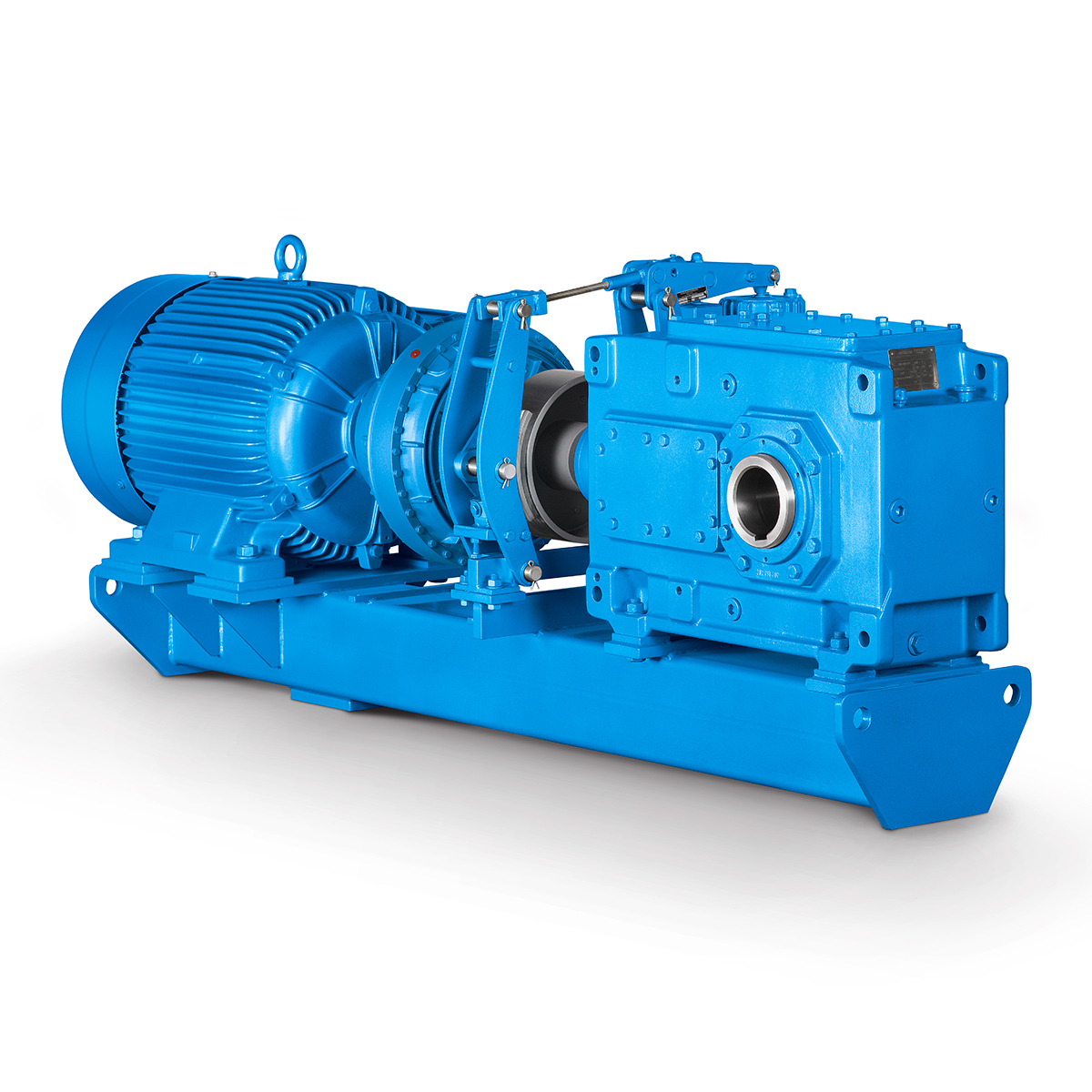 Conveyor belts gearunit gearbox
 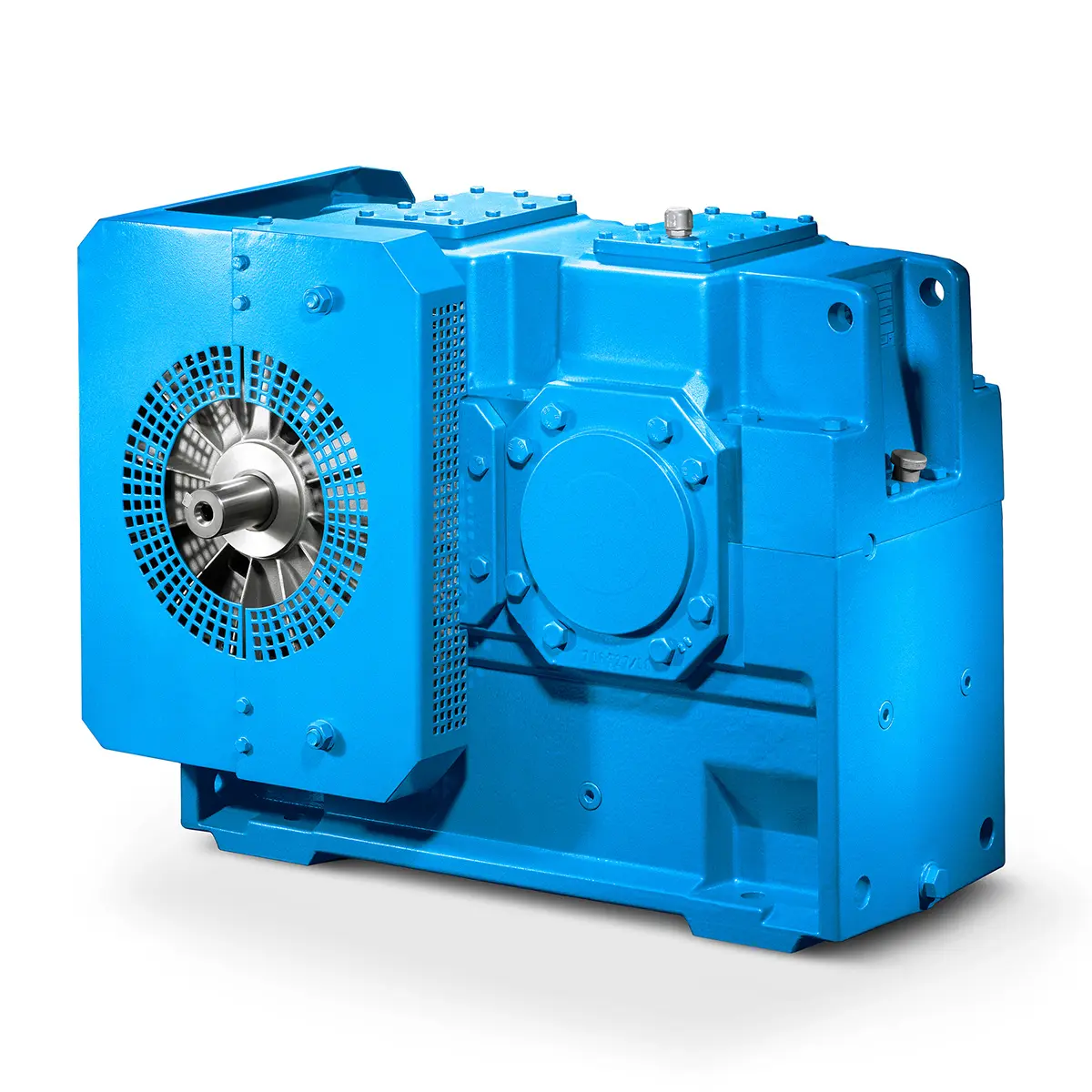 Paper And Pulp Preparation Sections
 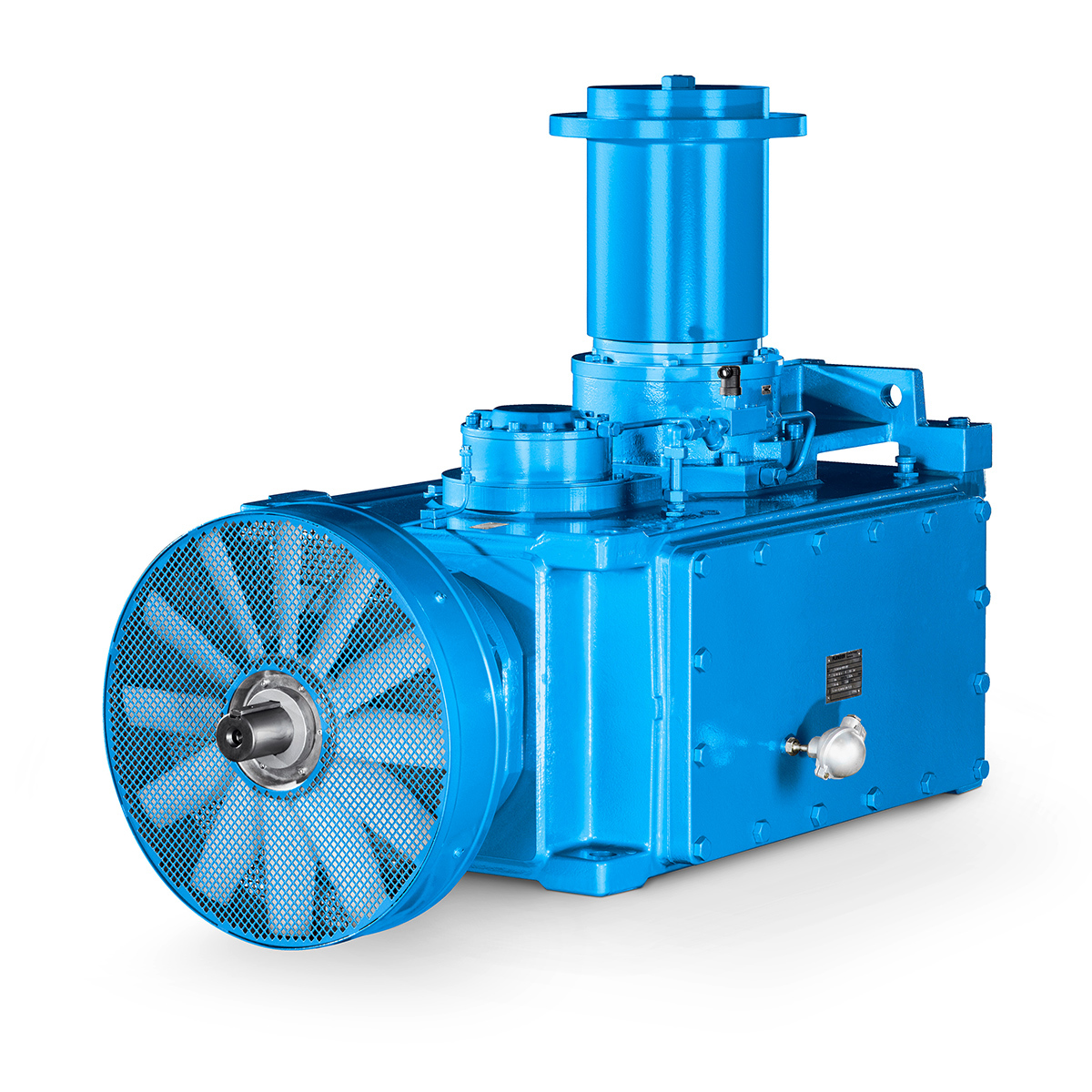 Operational Reliability Even In Case Of The Highest Ventilation Forces
 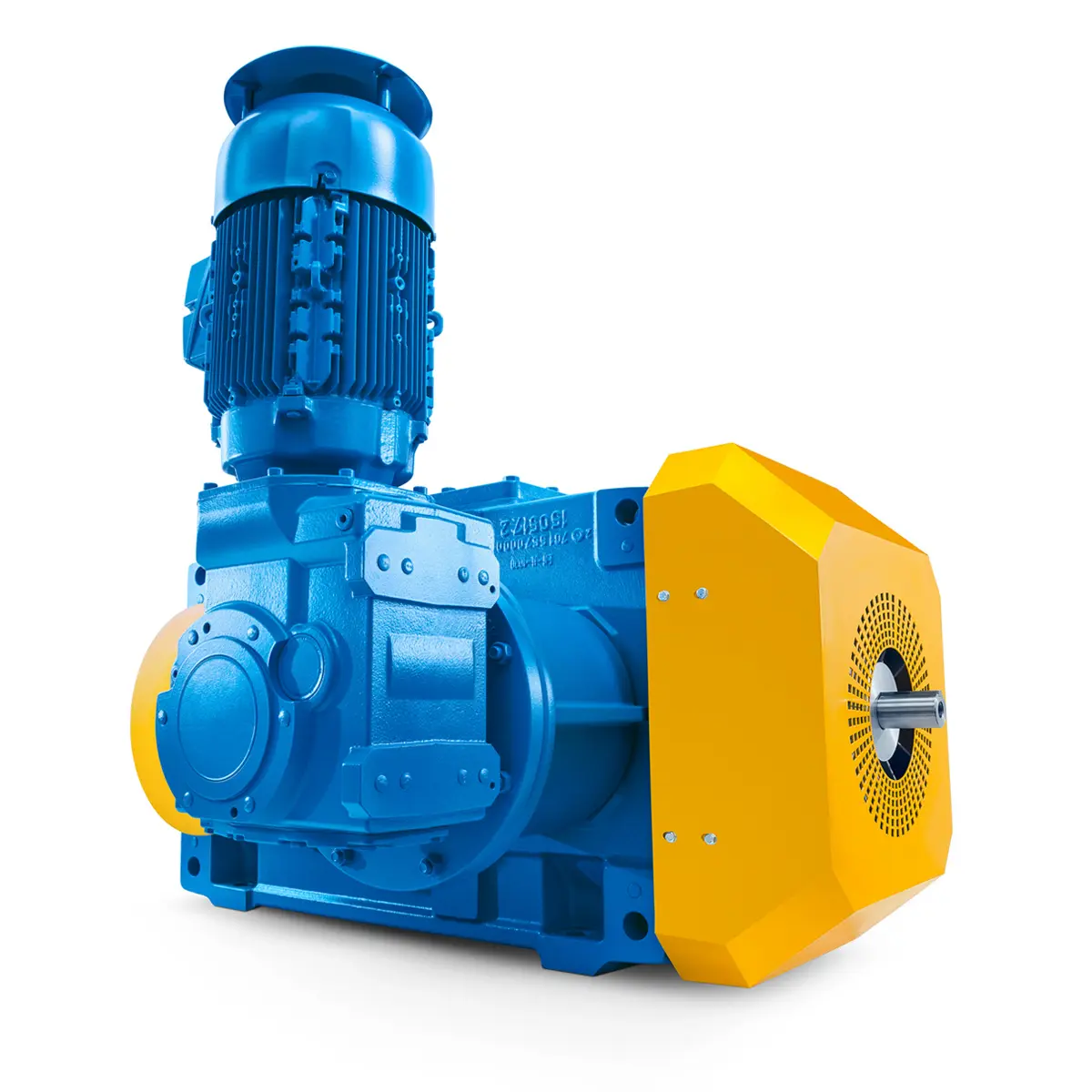 Reliable Gear Units For High Performance Vertical Conveyors 59/200
 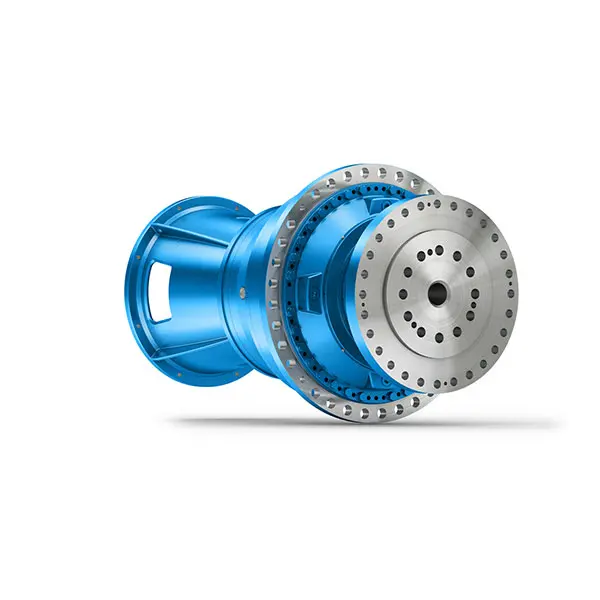 Maximum power density – PLANUREX 3 L individual drives for your sugar cane mill
 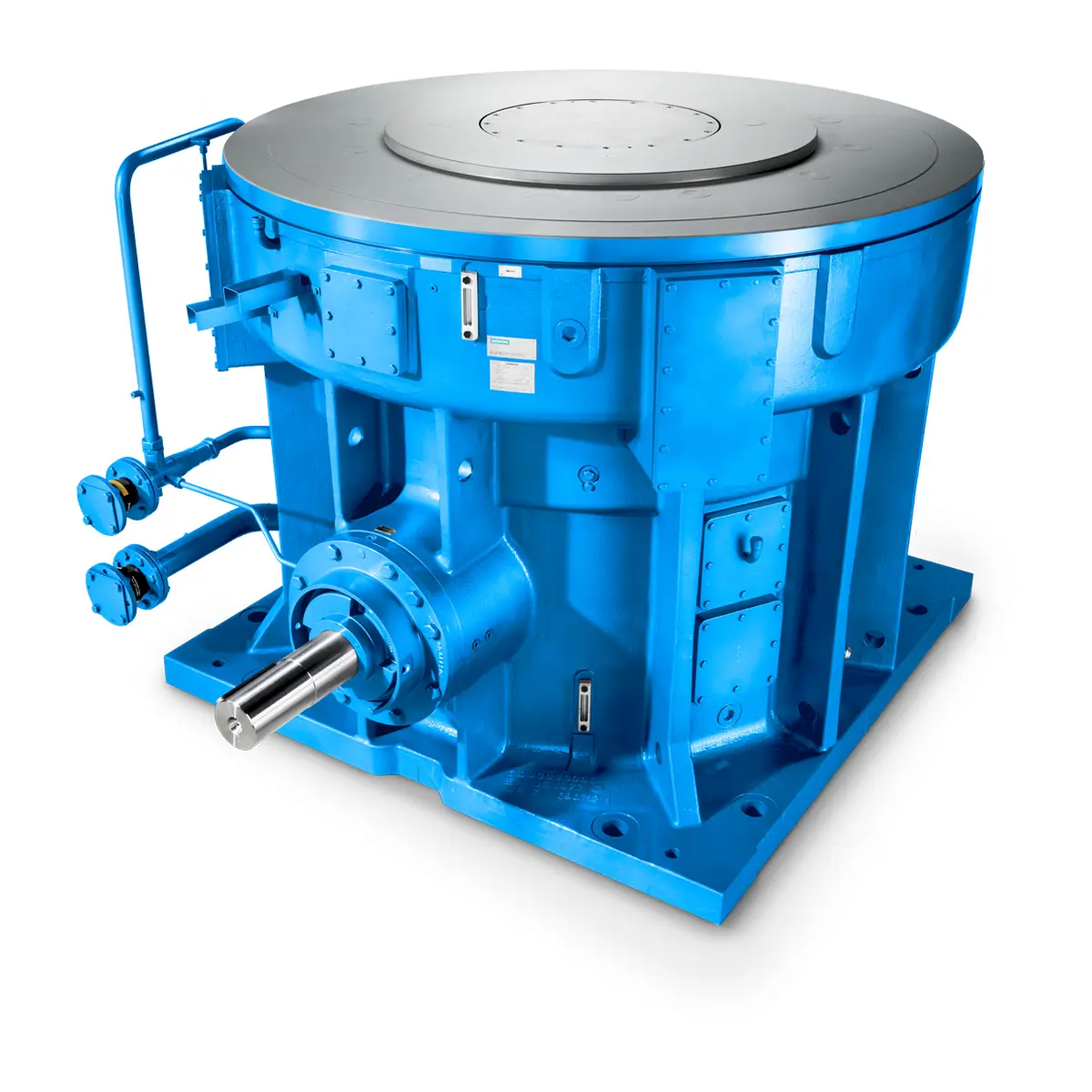 The proven all rounder gearunit gearbox
 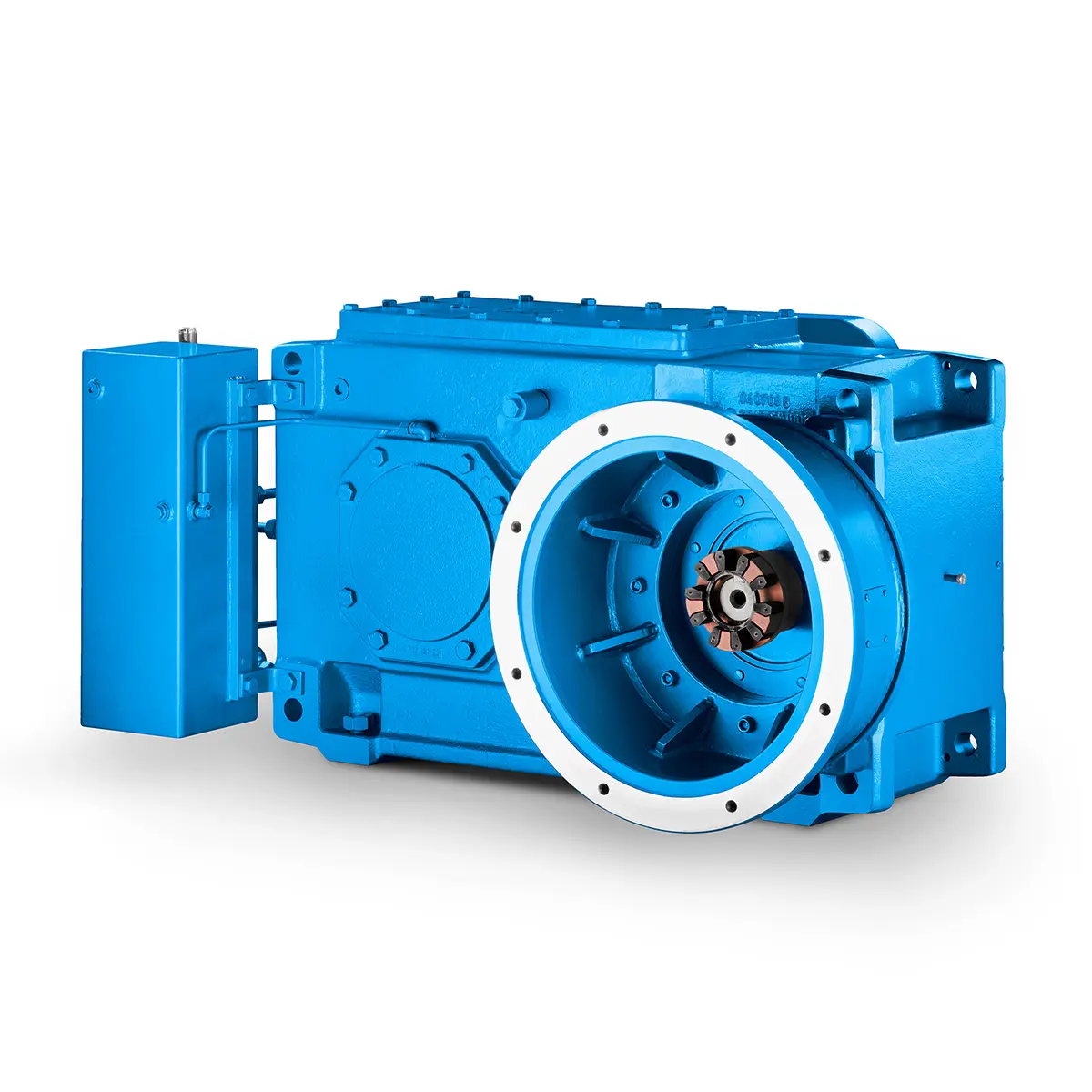 Stirs and stirs and stirs gearunit gearbox
 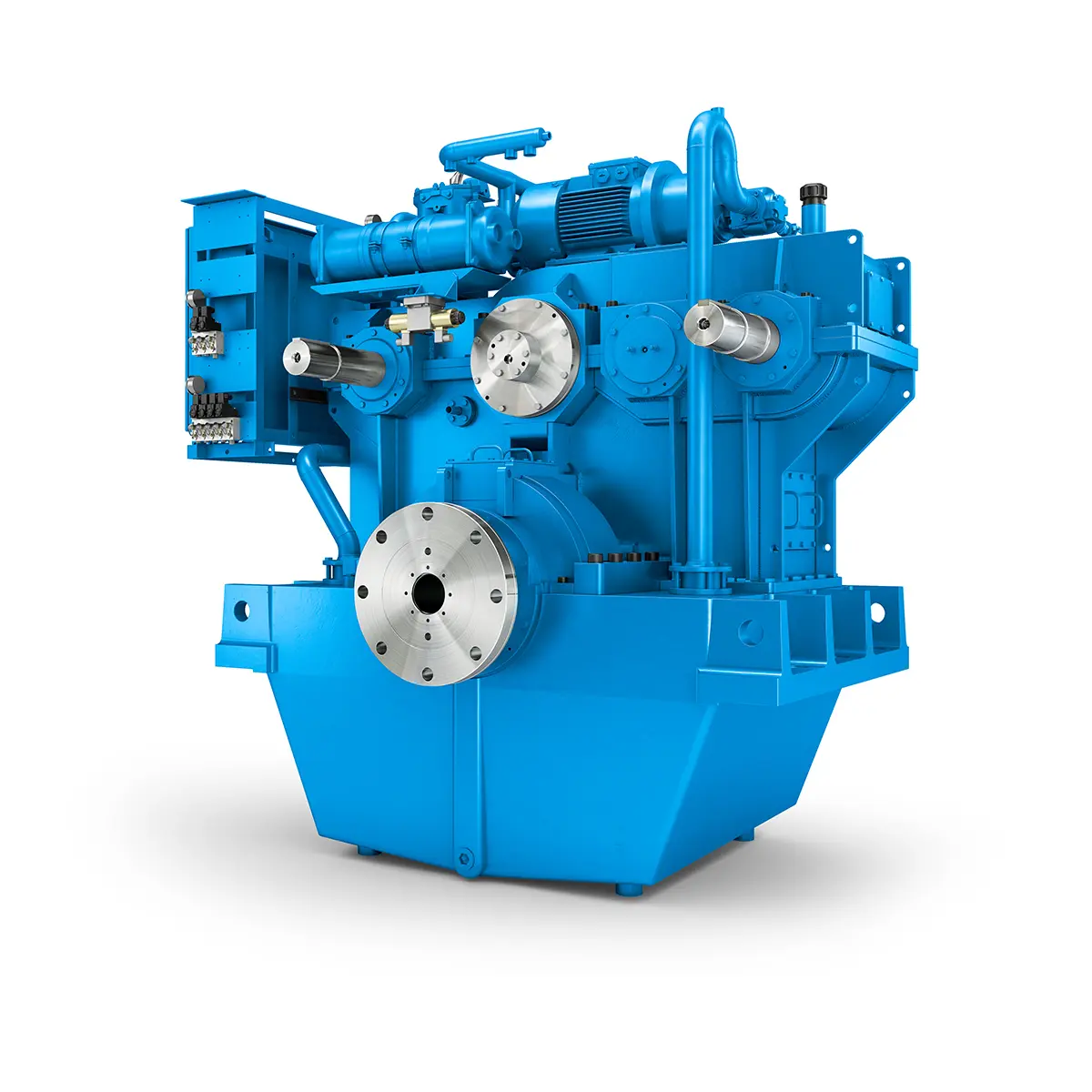 Flexibility on Board gearunit gearbox
 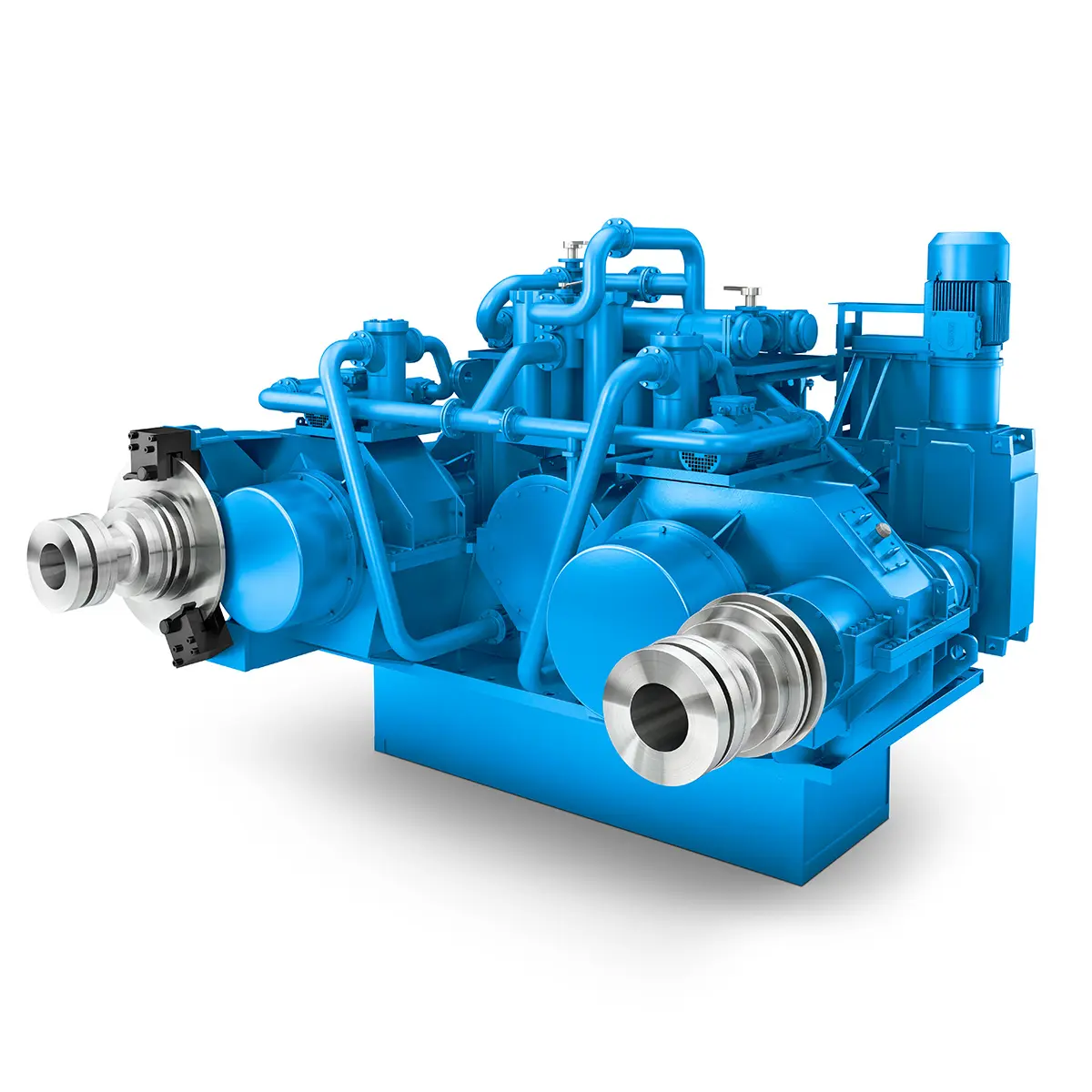 The right gearbox for all Multi-Engine Ships
 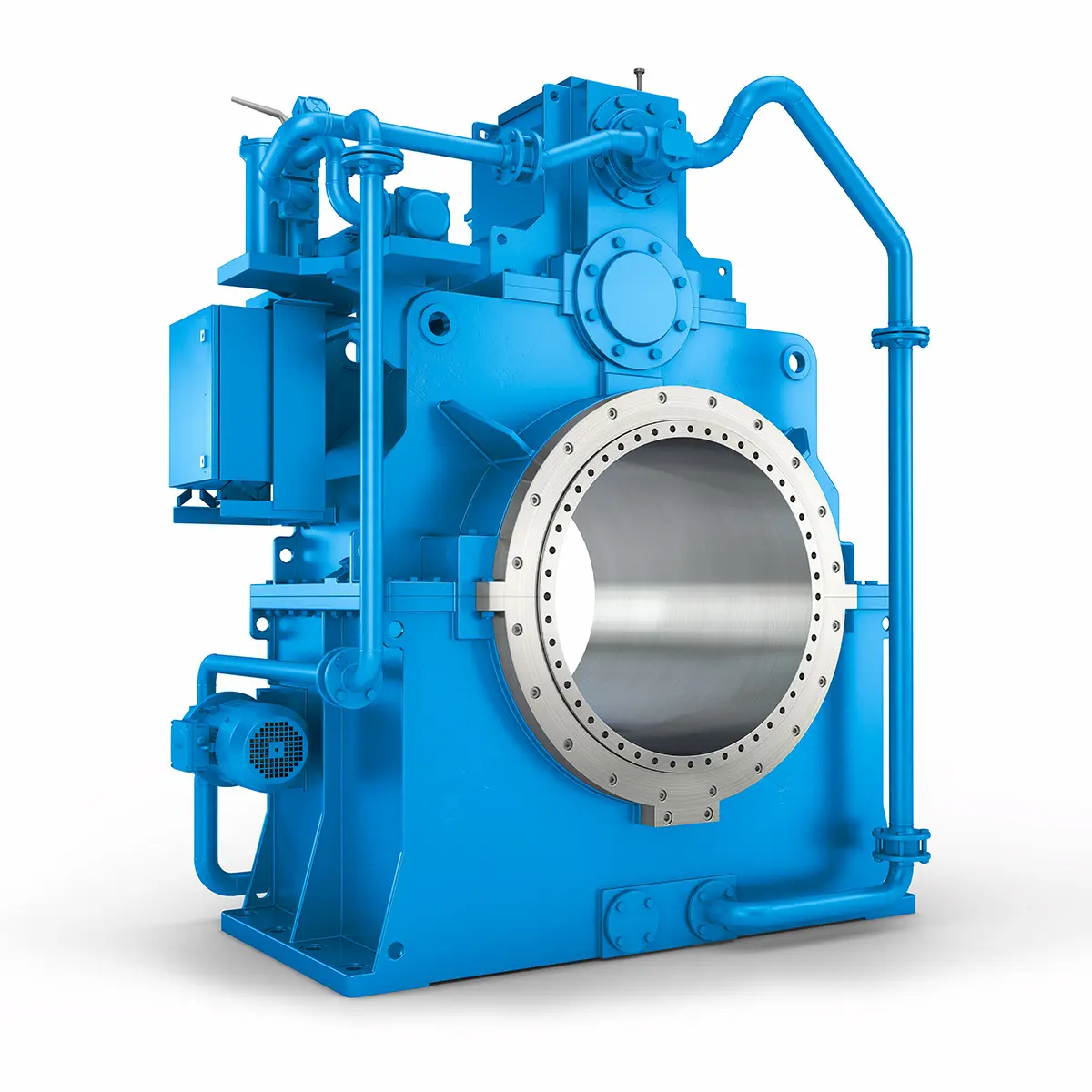 Reliable Power Generation on board
 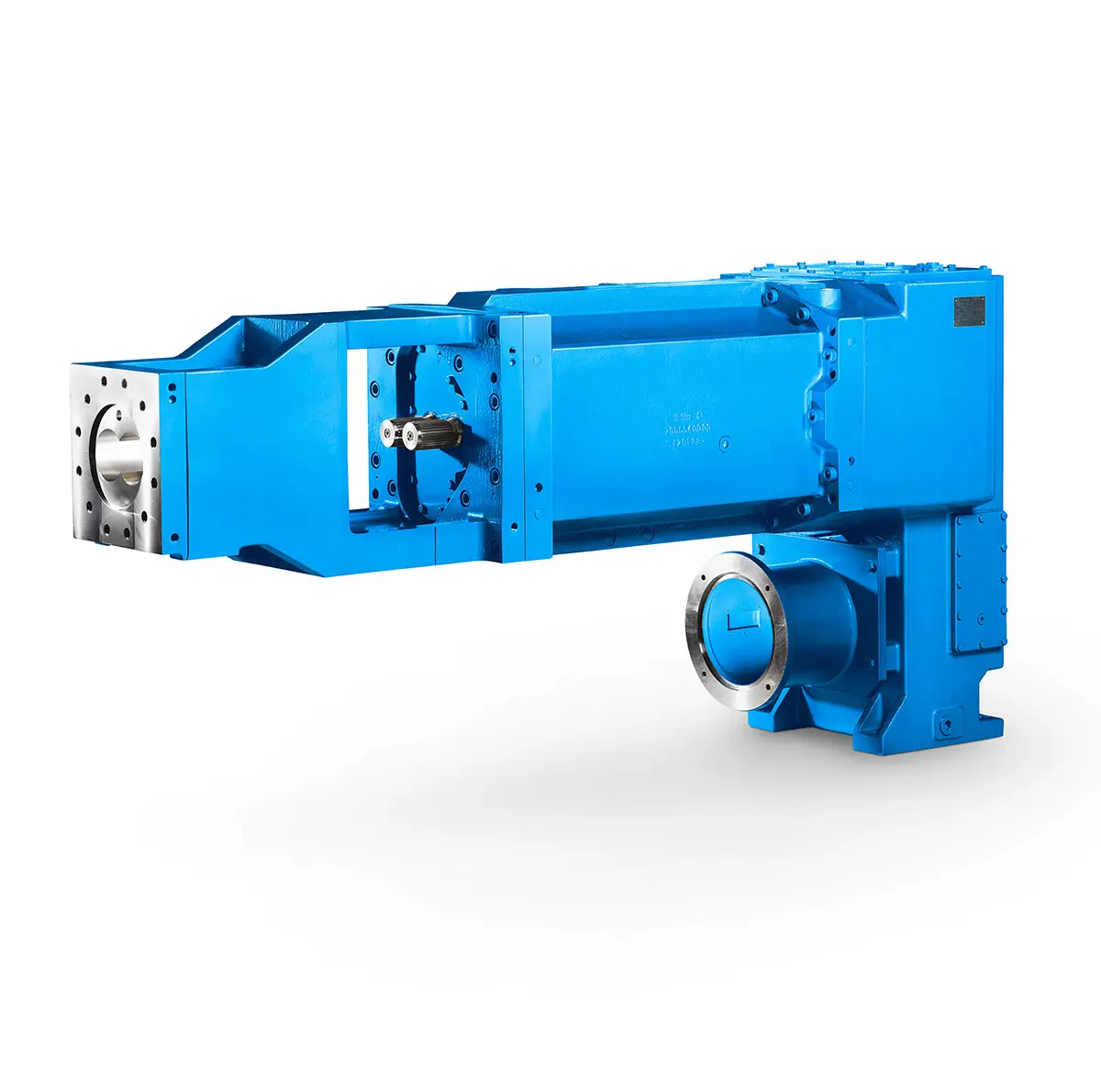 Maximum performance level, fast deliverable
 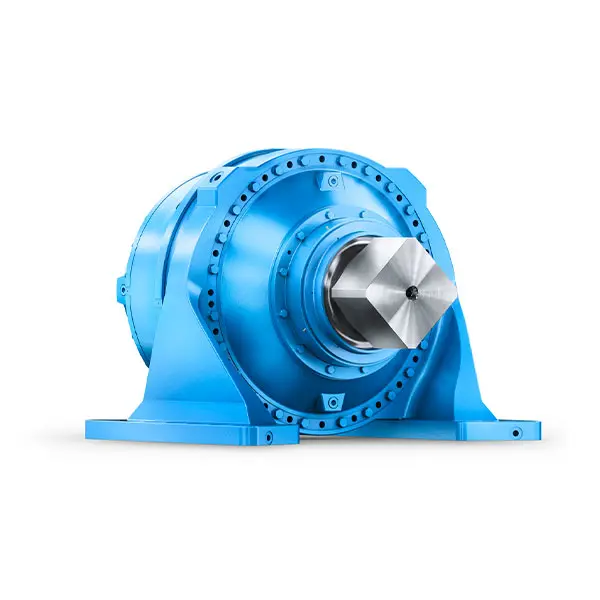 Efficient and compact – FLENDER Gear Units for Sugar Mills
 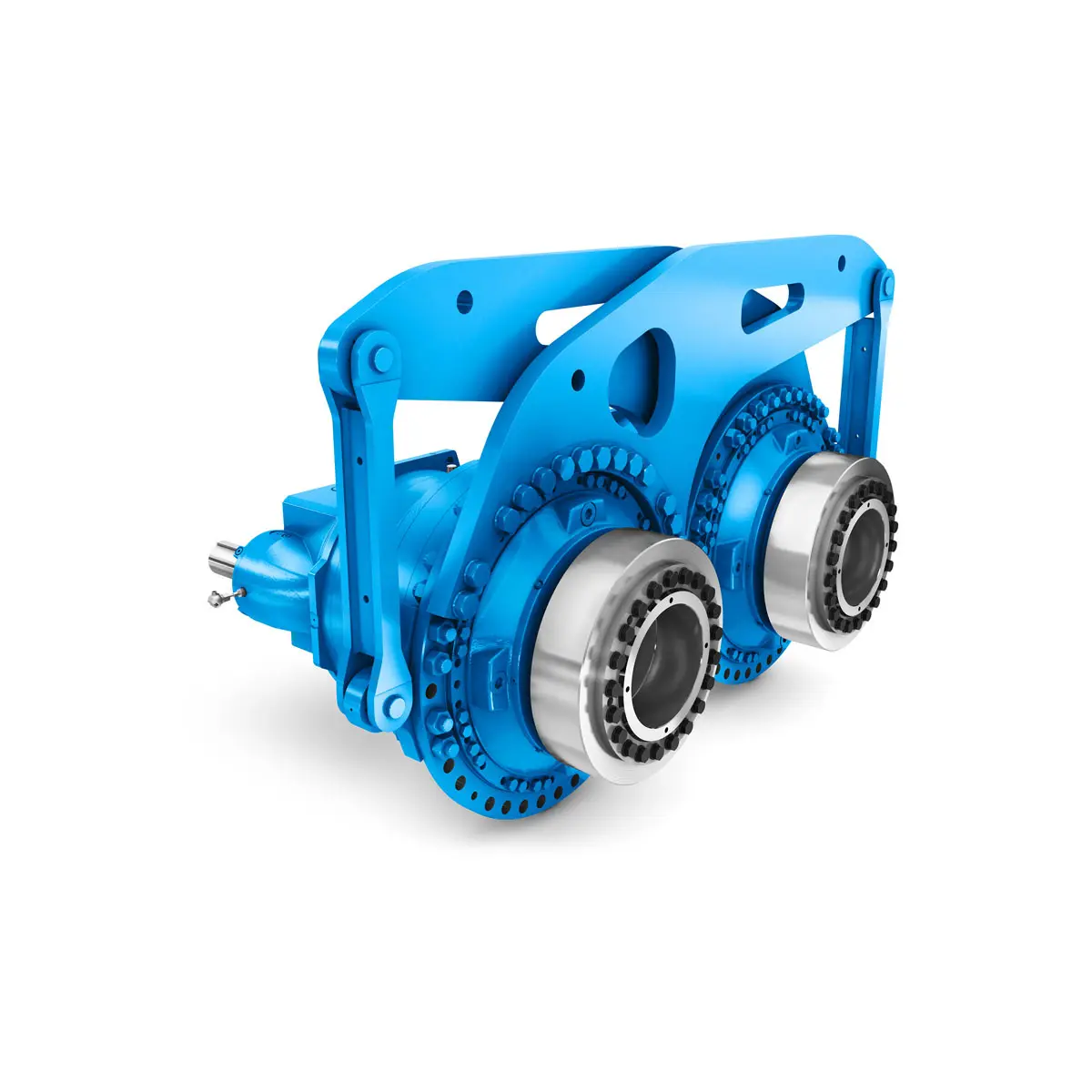 Extremely strong. Extremely compact. Extremely stressable.
 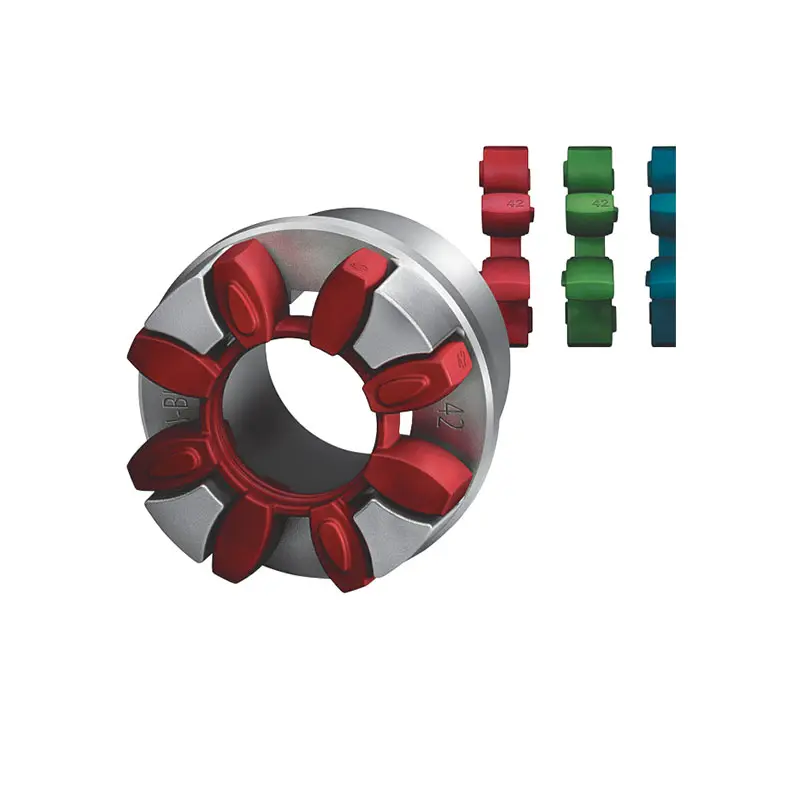 FLENDER Coupling
 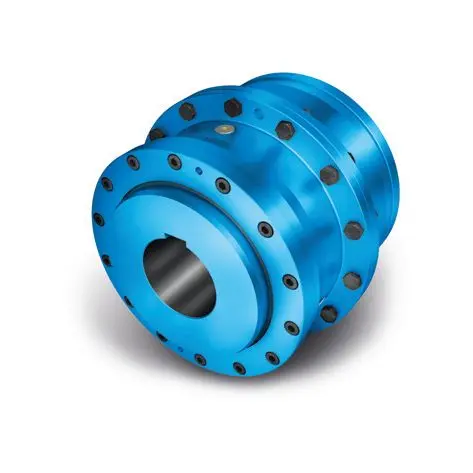 ZAPEX ZW Torsionally Rigid Gear Coupling
 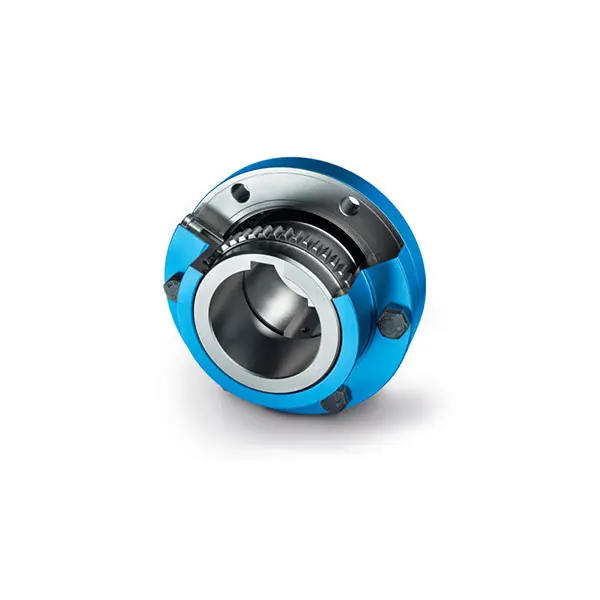 ZAPEX ZN Torsionally Rigid Gear Coupling
 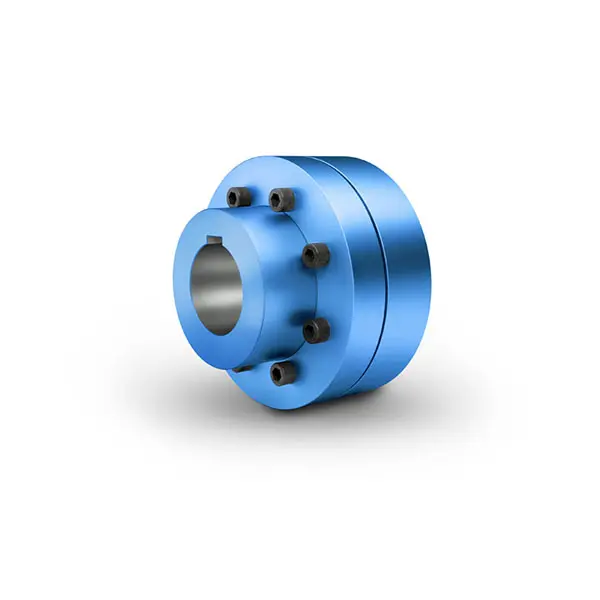 N-EUPEX Flexible high performance Coupling
 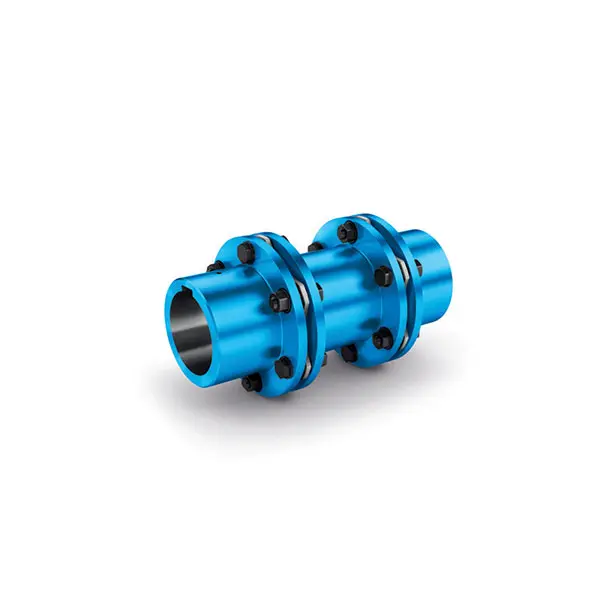 N-ARPEX Torsionally Rigid All-Steel Coupling
 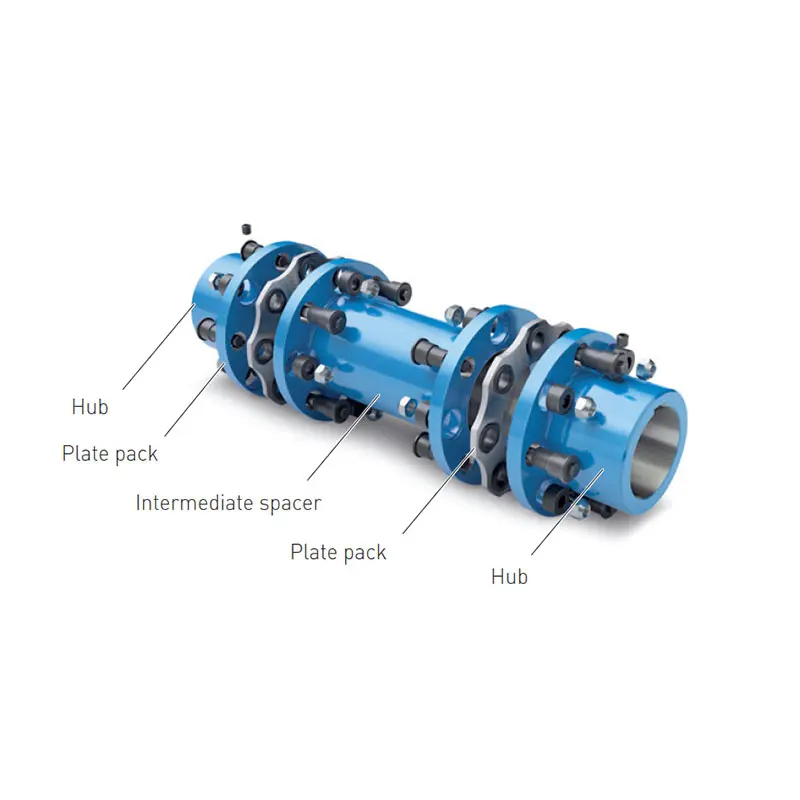 ARPEX Torsionally Rigid All-Steel Coupling Spare and Parts
 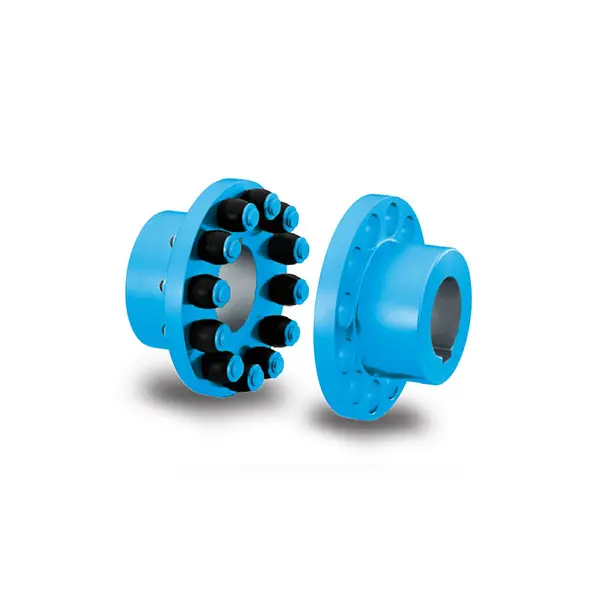 RUPEX Flexible high performance Coupling
 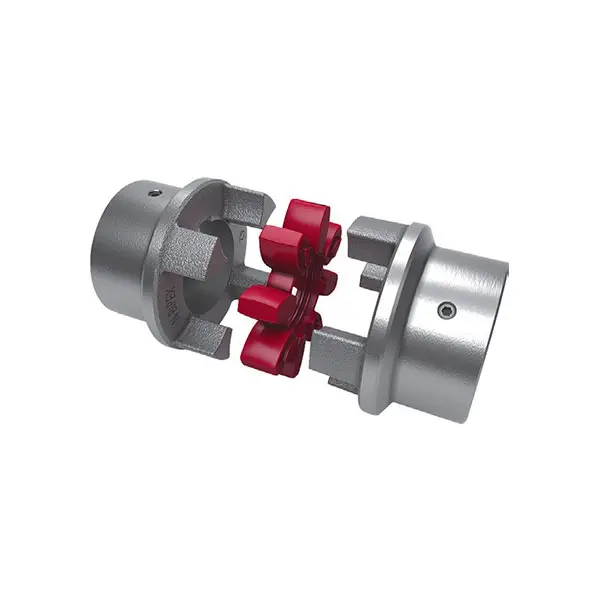 N BIPEX Flexible high performance coupling
 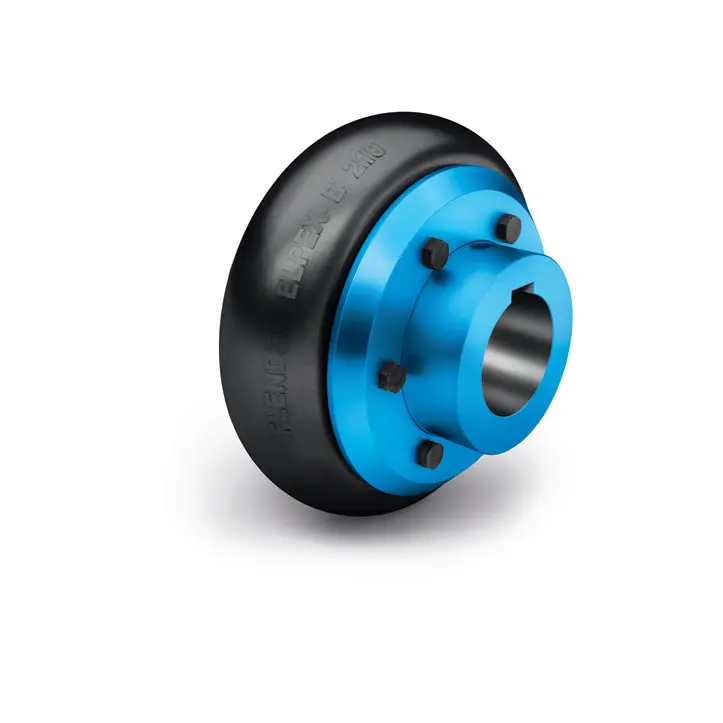 ELPEX B Highly Flexible Coupling
 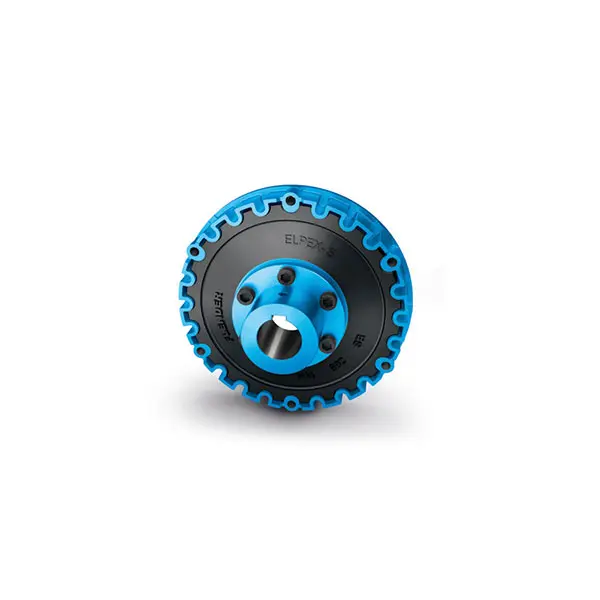 ELPEX S Highly Flexible Coupling high performance
 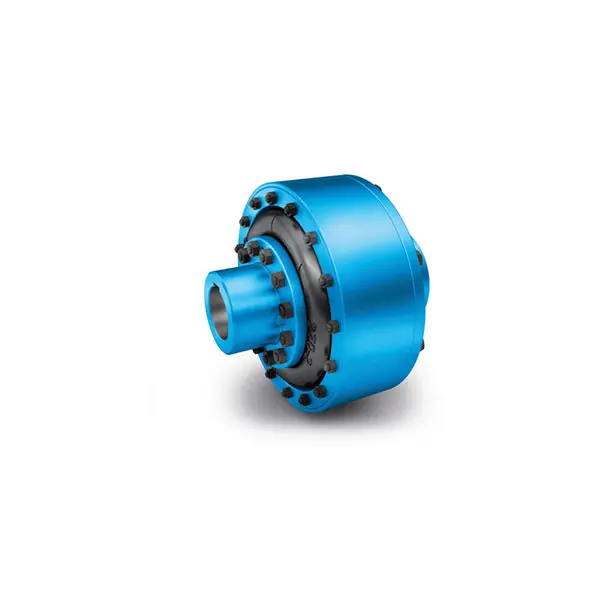 ELPEX Highly Flexible Coupling high performance
 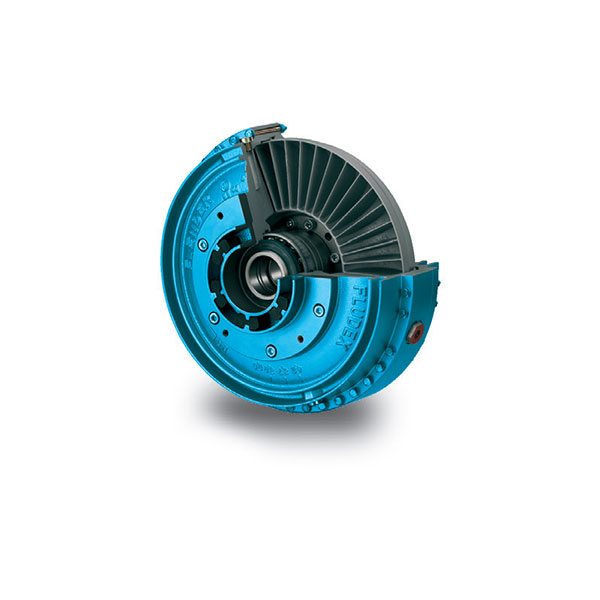 FLUDEX Fluid Coupling high performance
 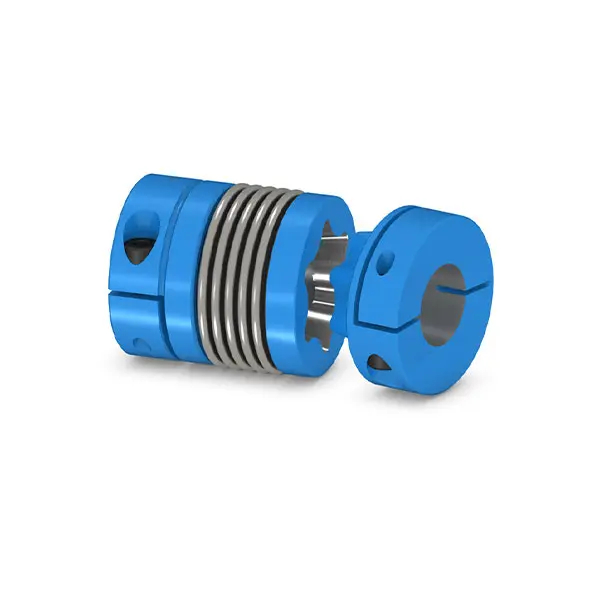 SIPEX Backlash free Coupling high performance
 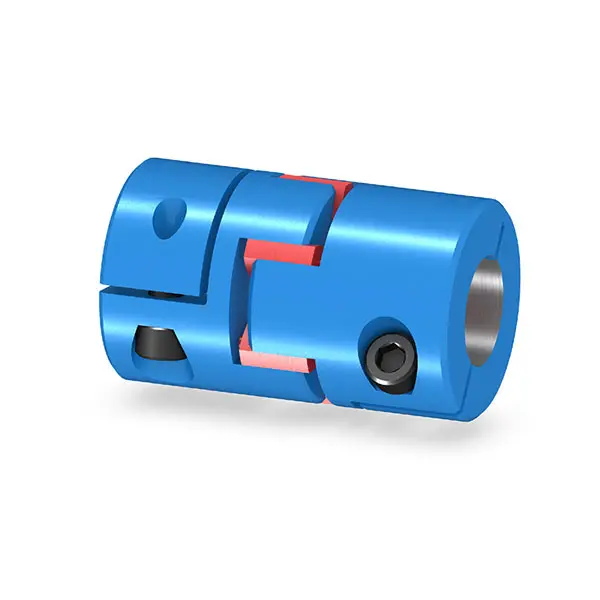 BIPEX S Backlash free Coupling high performance
 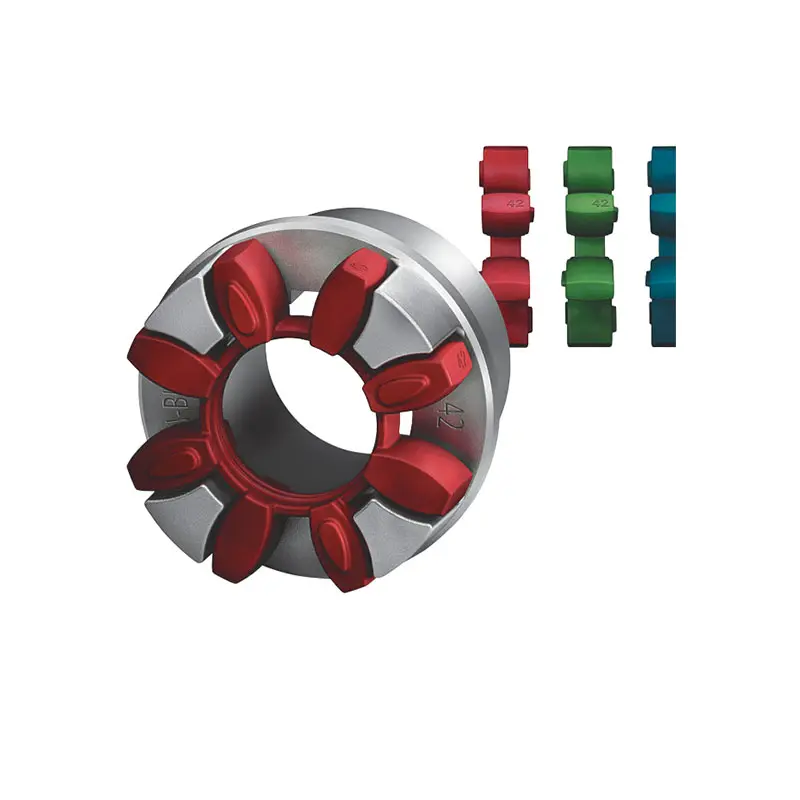 FLENDER Coupling Spare Parts high performance
 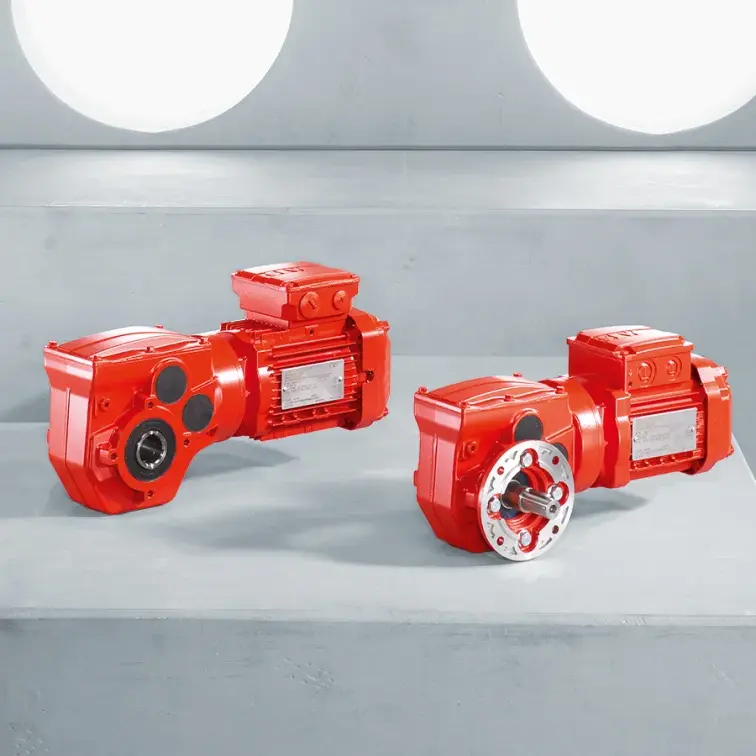 SEW Gearmotor
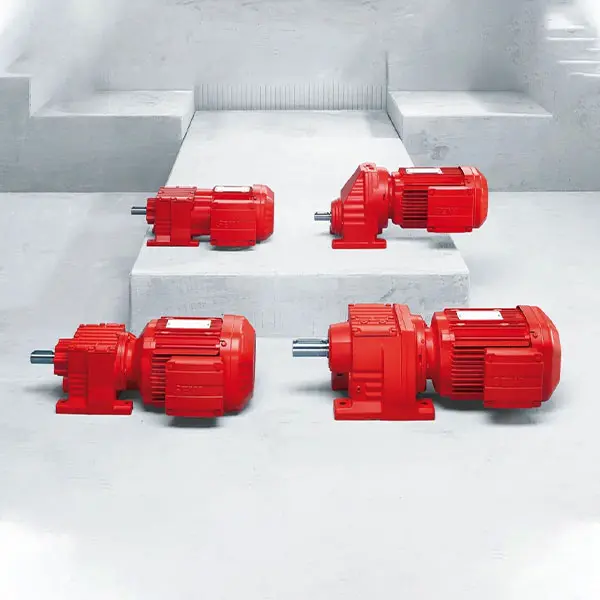 R Series Helical Gearmotor low voltage
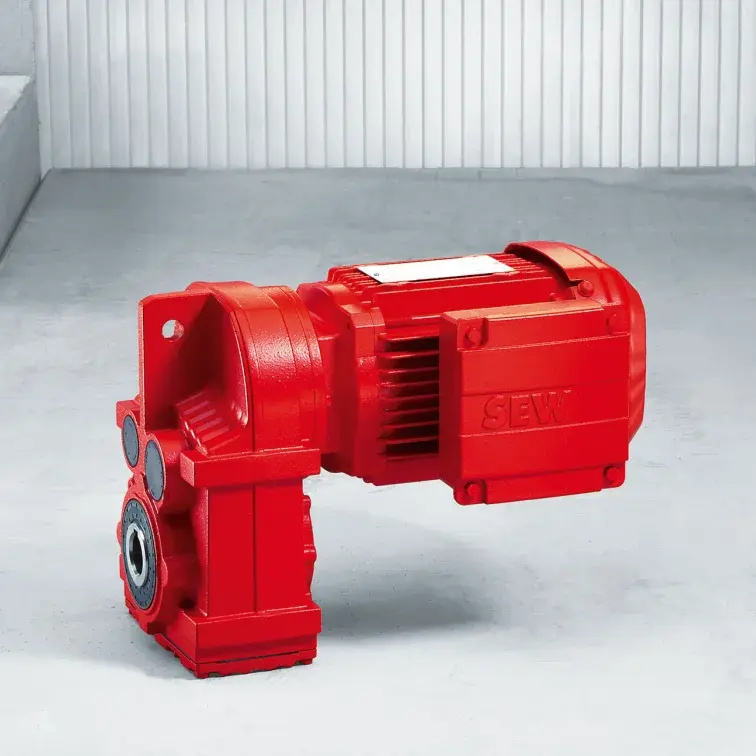 F Series Parallel Shaft Gearmotor low voltage
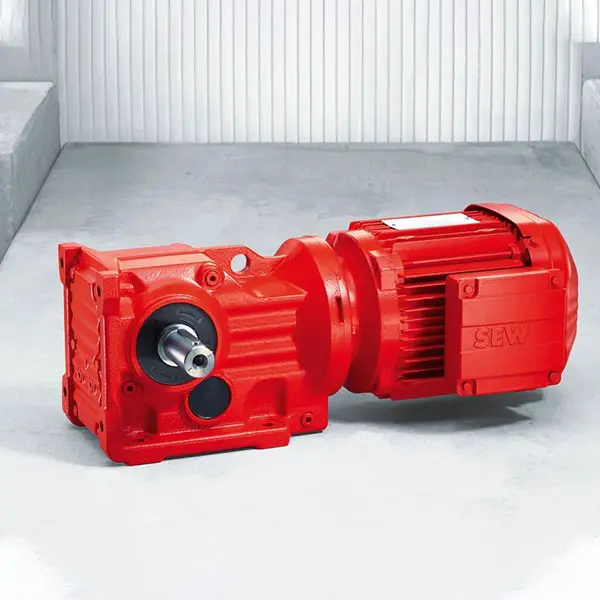 K Series Helical Bevel Gearmotor low voltage
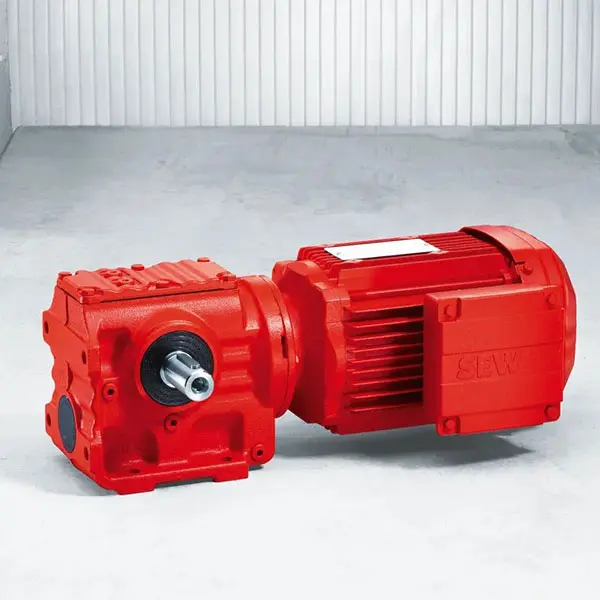 S Series Helical Worm Gearmotor low voltage
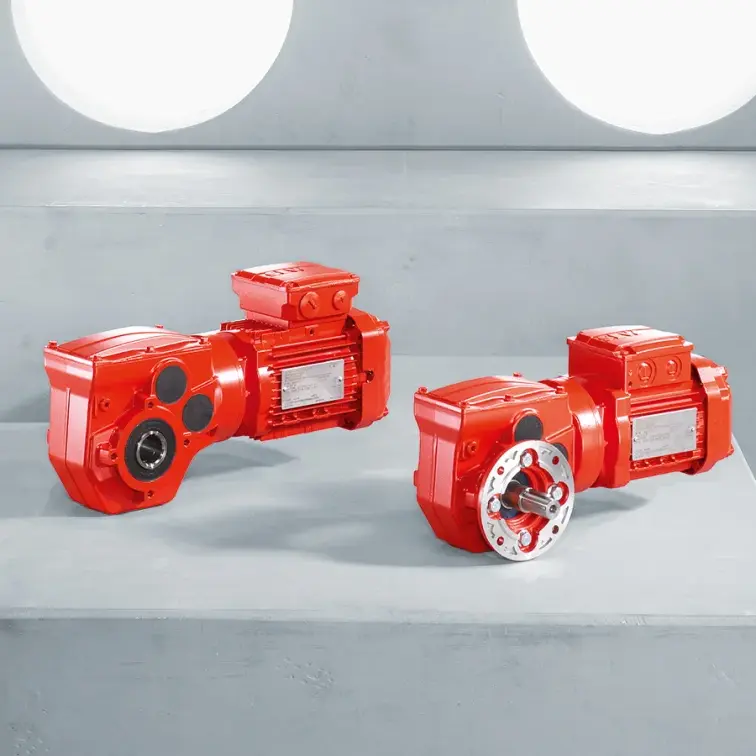 W Series SPIROPLAN® Right Angle Gearmotor