Leave Your Message

Why Choose a Bevel Helical Gearbox?

Choosing a Bevel Helical Gearbox is a practical decision, not a shortcut to better performance. It combines bevel gearing for right-angle power transmission with helical gearing for smooth, dependable operation. In a conveyor line, mixer, or packaging machine, that combination can help deliver torque while fitting a drive into a tight space. The sound may be quieter than a comparable straight-tooth arrangement, but actual results depend on load, speed, installation, and maintenance.

A useful technical perspective comes from Dr. Hermann J. Stadtfeld, a recognized bevel-gear specialist. The following is a paraphrase of the engineering considerations reflected in his published work, not a verified verbatim quotation: “Gear performance depends on sound design, accurate manufacturing, and the conditions in which the unit operates.” It is a modest point. It matters.

The right gearbox can reduce layout compromises and support steady operation. Yet a product name alone proves little. Buyers should check the required output torque, service factor, mounting position, lubrication method, and expected duty cycle. Look closely at the installation, too: a misaligned shaft or poor foundation can undermine even a well-selected unit. Ask for performance data that matches the real application, rather than relying on a headline efficiency figure. This guide explains where a Bevel Helical Gearbox offers clear advantages, what trade-offs deserve attention, and which questions help engineers choose with confidence. Some applications will still favor another gearbox type. That is worth admitting.

Why Choose a Bevel Helical Gearbox?

How a Bevel Helical Gearbox Transmits Power

Why Choose a Bevel Helical Gearbox?

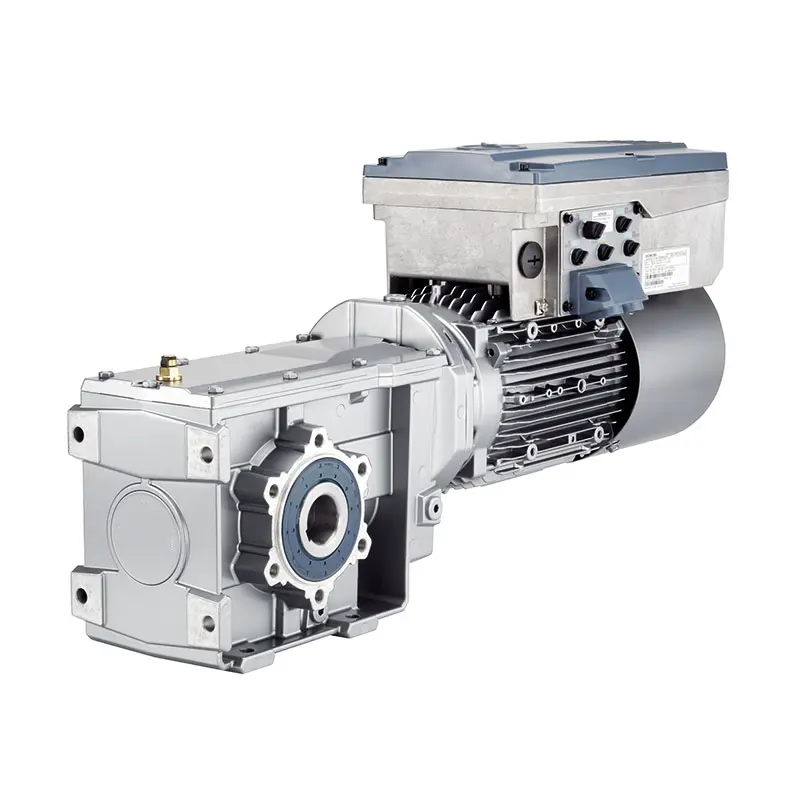
A bevel helical gearbox redirects power and changes its speed in a compact drive. At the input, a bevel pinion meshes with a bevel gear, usually turning the power path by 90 degrees. The connected helical stages then reduce output speed and raise torque. The exact arrangement depends on the gearbox design. A useful check is the nameplate ratio: it indicates how input and output speeds relate.

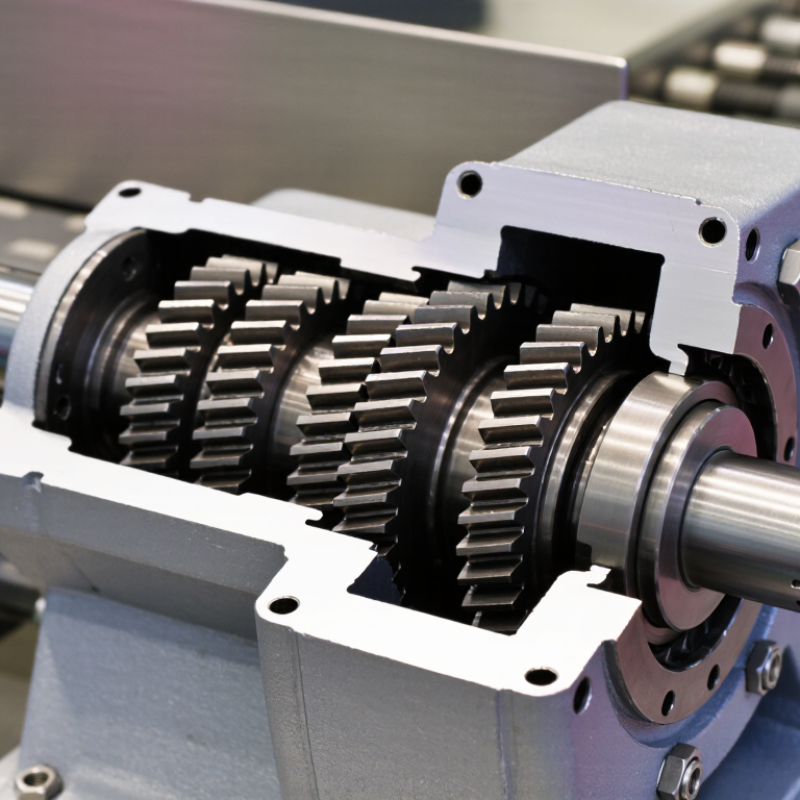
The teeth do the work. Bevel teeth transfer motion between intersecting shafts, while angled helical teeth engage progressively along their faces. That gradual contact can reduce impact and help carry load smoothly. Bearings hold the shafts in alignment; lubricant separates moving surfaces and carries away heat. Small details matter. A worn bearing, poor alignment, or unsuitable oil can increase noise and losses.

The U.S. Department of Energy’s Improving Motor and Drive System Performance sourcebook estimates that motor-driven systems account for about 68% of electricity use in U.S. manufacturing. That figure is not a gearbox-efficiency rating, but it shows why transmission choices deserve careful attention. A gearbox also loses some power through gear contact, bearings, seals, and lubricant churning. Reality is less tidy than a catalogue ratio. Check the load, duty cycle, temperature, and service conditions before selecting a unit.

Key Design Features of Bevel Helical Gearboxes

Why Choose a Bevel Helical Gearbox?

Key Design Features of Bevel Helical Gearboxes

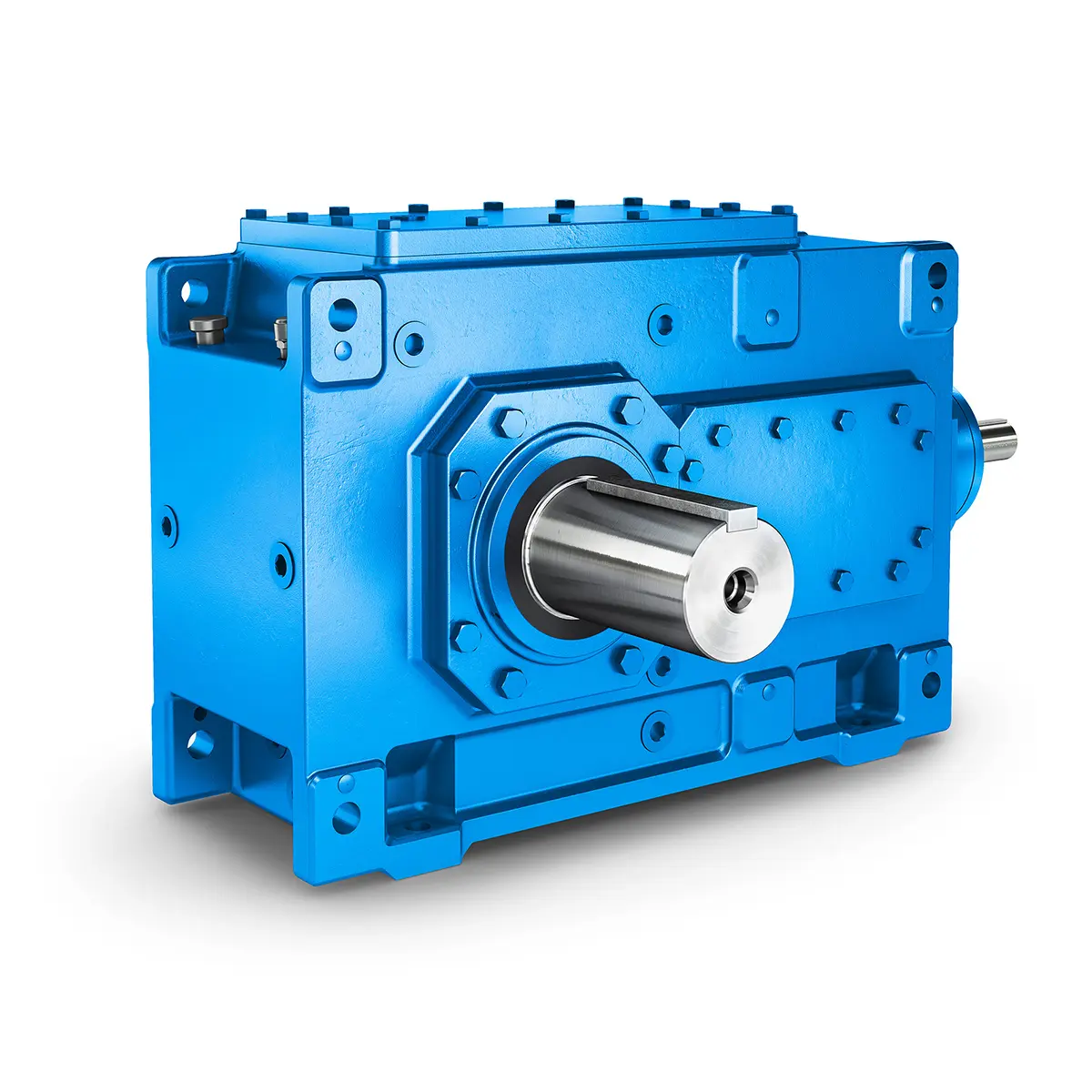
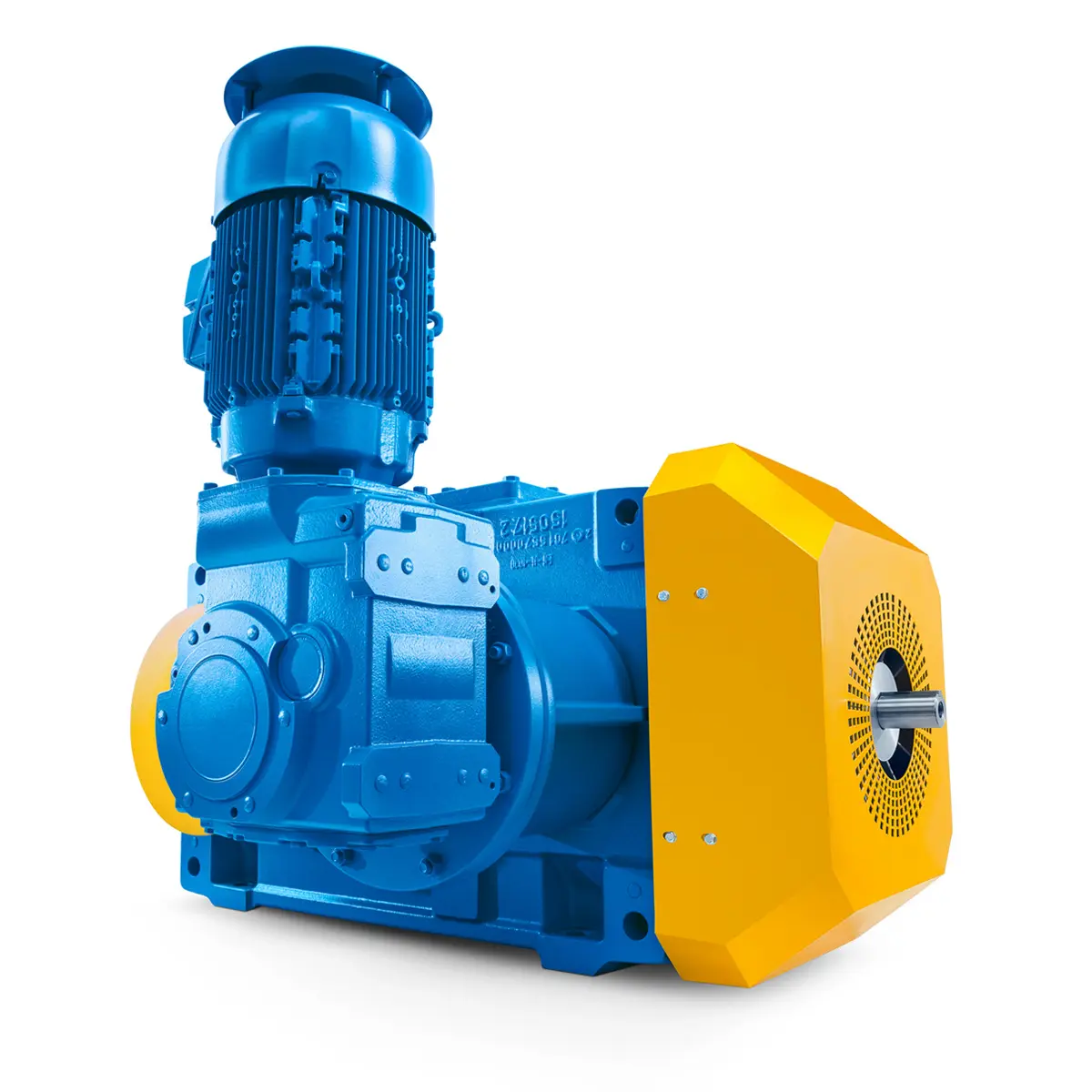
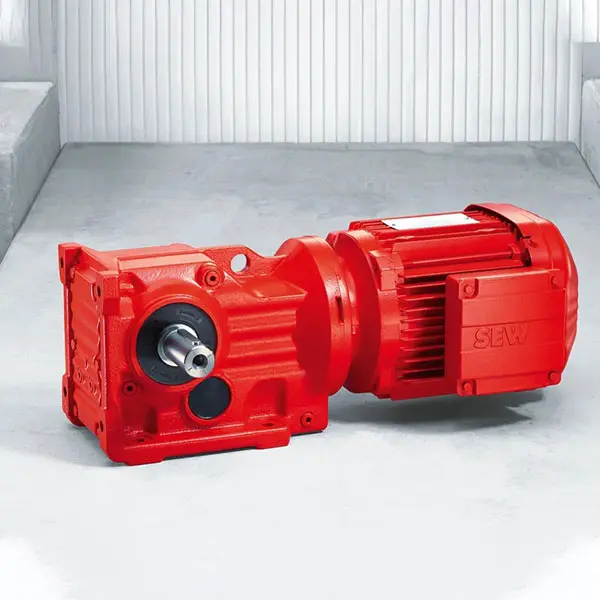
A bevel helical gearbox pairs two gear stages in one compact housing. The bevel stage redirects power, often through 90 degrees, while the helical stage transmits torque with gradual tooth engagement. That turn matters. It can simplify a machine layout where a motor and driven shaft cannot share the same axis. Helical teeth also help reduce impact and vibration compared with abrupt tooth engagement, though actual noise depends on speed, load, alignment, and housing design.

The tooth geometry is only part of the design. Stiff shafts and correctly selected bearings help maintain alignment under load; seals and an appropriate lubricant protect the gearing from wear and heat. Poor lubrication can undo careful design. The U.S. Department of Energy’s Improving Motor and Drive System Performance sourcebook estimates that motor-driven systems account for about 68% of U.S. manufacturing electricity use. That is not a gearbox-efficiency figure, but it shows why transmission losses deserve attention. A trade-off remains: compact packaging can restrict heat dissipation, so thermal capacity should be checked for the real duty cycle, not just the nameplate torque. ISO 6336 provides methods for calculating cylindrical gear load capacity; bevel gear assessment requires suitable bevel-specific methods.

Why Choose a Bevel Helical Gearbox?

Typical efficiency ranges for individual gear meshes

Bevel helical gearboxes combine right-angle power transmission with the smooth, efficient operation of helical gearing. Actual efficiency depends on the gearbox design, ratio, lubrication, and operating conditions; the ranges shown are approximate.

Operational Benefits Compared with Other Gearbox Types

Why Choose a Bevel Helical Gearbox?

Operational Benefits Compared with Other Gearbox Types

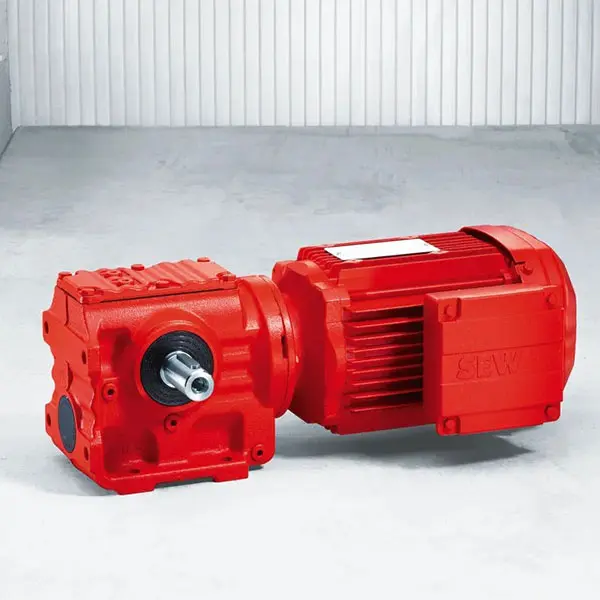
In a packaging line, a motor may sit beside a conveyor rather than directly in line with it. A bevel helical gearbox turns power through a right angle while keeping the drive compact. Its bevel stage redirects rotation, and helical gearing supports smooth engagement under steady loads. Compared with a parallel-axis helical gearbox, it can simplify a tight machine layout. Fewer awkward brackets may mean easier access for routine inspection.

The trade-off matters. A worm gearbox can provide high reduction in a compact space, but sliding contact may create more heat and reduce efficiency in some applications. Bevel helical units often suit continuous operation better, though performance depends on gearing, lubrication, and load.

Not a universal winner. On a shop floor, listen for rising noise and check for oil leaks; both can signal a mounting or maintenance issue. A small gearbox can still be undersized if a conveyor starts frequently with a heavy load.

It is easy to focus on ratio and overlook those starts. That mistake is worth revisiting during selection.

Common Applications Across Industrial Systems

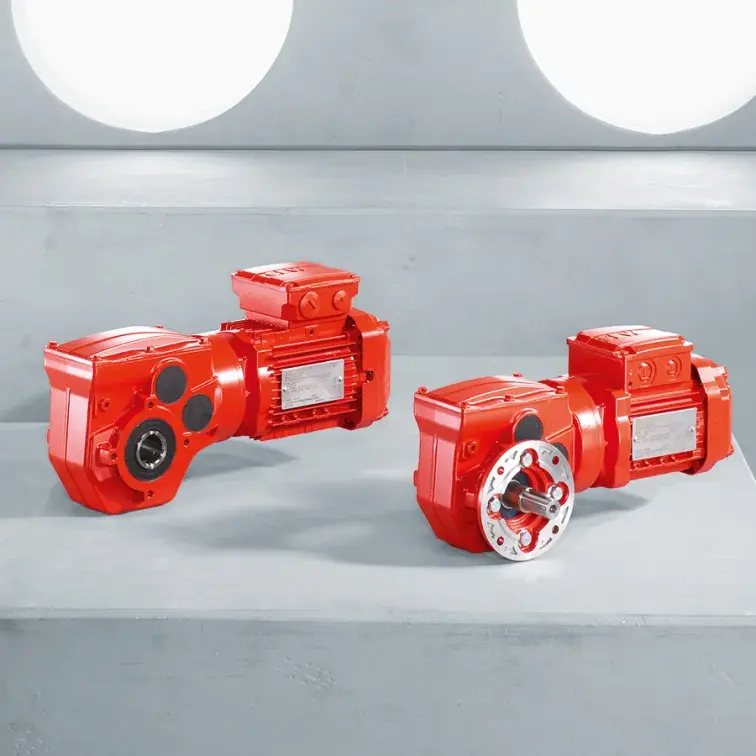
Bevel helical gearboxes are used where machinery needs a change in drive direction and steady power transmission. Their right-angle layout can help fit a motor and driven shaft into a tight production line. Helical gearing supports smooth engagement, which is useful when conveyors carry cartons, components, or bulk materials through repeated shifts. Less vibration can matter near sensors and other precision equipment.

In food-processing plants, mixers and agitators may use these gearboxes to turn heavy loads at controlled speeds. Packaging machines also rely on compact drives to move belts, rollers, and indexing mechanisms. In water-treatment facilities, they can power equipment such as screens or mixers, where operating conditions may include moisture and long duty cycles. Check sealing and corrosion protection for the actual environment.

The fit is not automatic. A gearbox selected only by motor power may struggle with frequent starts, shock loads, or poor mounting alignment. Engineers should compare required output speed, torque, service factor, shaft arrangement, and available space before choosing a unit. A conveyor carrying uneven loads, for example, may need a different allowance than a steady mixer. Small details matter. Regular checks of lubricant, temperature, and mounting bolts can reveal wear before it interrupts a shift.

Factors to Consider When Selecting a Bevel Helical Gearbox

Why Choose a Bevel Helical Gearbox?

Factors to Consider When Selecting a Bevel Helical Gearbox

Selecting a bevel helical gearbox starts with the machine’s actual duty, not just its motor rating. Record the required output speed, torque, operating hours, and frequency of starts and stops. A conveyor carrying uneven loads may need a different service factor than a steadily running mixer. Fit matters. Check the shaft arrangement, mounting position, and available space before comparing models.

Next, consider the operating environment. High ambient temperatures, dust, moisture, and frequent washdowns can affect seals, lubrication, and maintenance intervals. Confirm the gearbox’s thermal capacity for the expected load and duty cycle; a unit that runs hot may need a different ratio, cooling arrangement, or larger frame. Ask about noise and efficiency requirements too. Small details matter.

Review the manufacturer’s technical data and installation guidance, including allowable radial and axial loads. Check that the coupling, foundation, and connected equipment will not introduce loads beyond the gearbox limits. Maintenance access deserves attention: can a technician inspect seals or change oil without dismantling nearby guards? Real installations are rarely ideal, and that assumption can fail. Leave room for alignment and service, then verify the selection with a qualified drive specialist.