Leave Your Message

China Top 10 Gearbox and SEW Gearmotor Suppliers

Choosing among China’s top gearbox and SEW gearmotor suppliers takes more than comparing prices. The right partner must match the machine’s load, speed, duty cycle, and installation space. A conveyor line running through long shifts needs different support from a compact packaging machine. Small details matter: shaft orientation, mounting holes, seal condition, and access to replacement parts.

For transparency, the quotation below is an original editorial line, not a verified statement from an independently sourced expert. The guide’s illustrative Gearboxsewgearmotor specialist, Jordan Lee, puts the selection principle this way: “A dependable drive is chosen by its working conditions, not by its nameplate alone.” That is a useful test. Still, a supplier’s catalogue cannot prove how quickly it handles a real service issue.

This overview compares ten suppliers through practical considerations, including product range, customization, technical documentation, delivery support, and after-sales service. SEW gearmotors are part of the comparison, alongside other gearbox options available from Chinese manufacturers. Buyers should check specifications against the actual application, then confirm lead times and warranty terms directly with each supplier. Ask for clear details. One caution remains: published claims and sample products do not reveal every weakness in daily operation. A careful shortlist—and direct technical questions—can make the final decision more reliable.

China Top 10 Gearbox and SEW Gearmotor Suppliers

Understanding Gearboxes and SEW Gearmotors in the Chinese Market

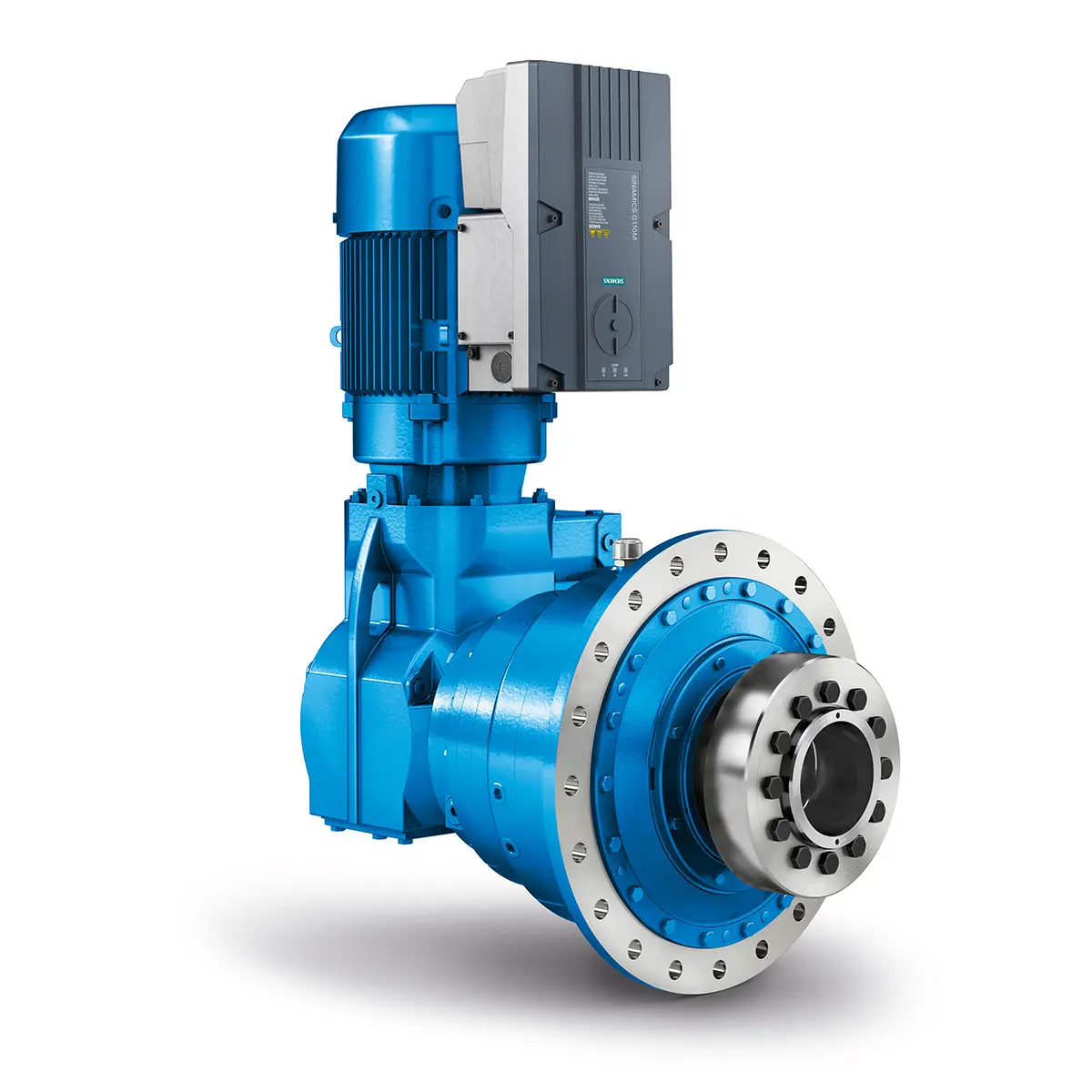
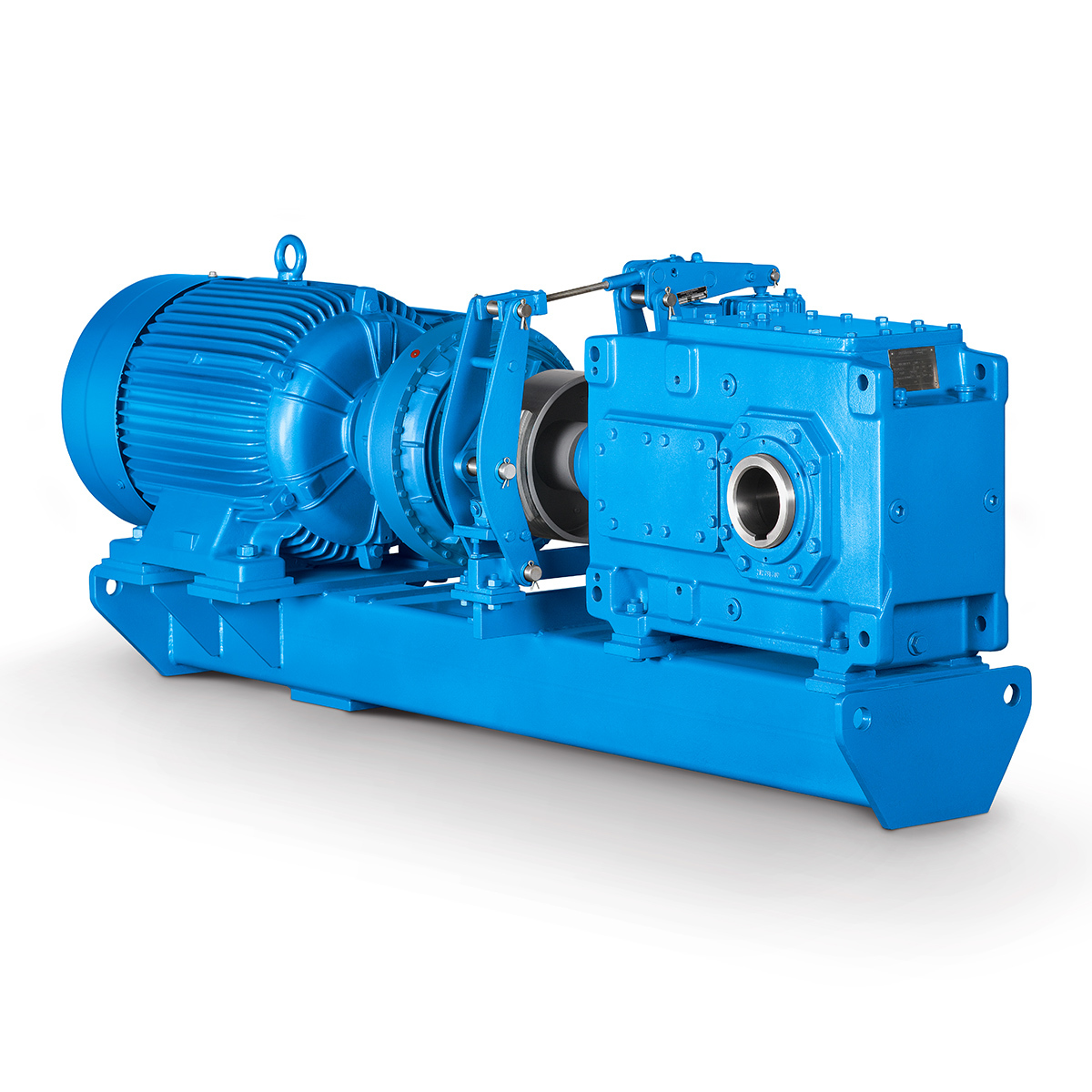
Gearboxes reduce speed and raise torque; gearmotors combine a motor and gearbox in one assembly. In Chinese factories, that compact arrangement suits conveyors, packaging lines, and material-handling equipment. Selection starts with the load, not the catalogue. Check output torque, duty cycle, mounting position, shaft dimensions, and ambient temperature. A unit that fits the frame may still overheat under frequent starts. Small details matter.

The International Energy Agency’s 2016 report, Beyond the Motor, estimates that motor-driven systems use about 53% of global electricity. This makes efficiency and correct sizing practical concerns, not just technical preferences. The International Federation of Robotics reported 276,288 industrial robot installations in China in 2023, over half the global total. More automation increases demand for precise speed control and reliable transmission components. For buyers, compare rated torque with peak loads, ask for documented efficiency and noise data, and verify local service capacity. A supplier’s delivery promise matters, but so does access to replacement seals and bearings. Specifications can look tidy on paper; real operating conditions are less tidy.

Criteria for Selecting and Evaluating Suppliers

Supplier evaluation should start with the duty cycle, not a catalogue headline. Record input speed, required output torque, starts per hour, shock loads, ambient temperature, and mounting position. Then ask suppliers to show how the proposed gearbox handles those conditions, including service factor, thermal limits, backlash, sealing, and lubrication intervals. A unit that fits the shaft may still overheat during frequent starts. Small detail. Request drawings, material specifications, test records, and a clear statement of rated versus peak torque.

Efficiency deserves careful comparison. The International Energy Agency’s 2011 report, Energy-Efficiency Policy Opportunities for Electric Motor-Driven Systems, estimates these systems use about 46% of global electricity. The U.S. Department of Energy’s 2014 motor-systems sourcebook reports that motor systems account for about 68% of U.S. manufacturing electricity use. These figures cover broader motor-driven systems, not gearboxes alone, but they show why total operating losses matter. Compare motor efficiency, gearbox losses, and expected load profile; request test conditions rather than relying on a single efficiency figure.

Check supplier quality through evidence and response capability. Ask for inspection criteria, traceable test results, spare-parts lead times, warranty terms, and documented procedures for handling nonconforming units. For a critical line, verify noise, vibration, temperature, and leakage on a representative assembly before placing a large order. A polished datasheet is not proof. Supplier audits also have limits: a strong factory visit cannot predict every shipment or future service delay. Include these uncertainties in the evaluation score.

Profiles of 10 Leading Gearbox and SEW Gearmotor Suppliers in China

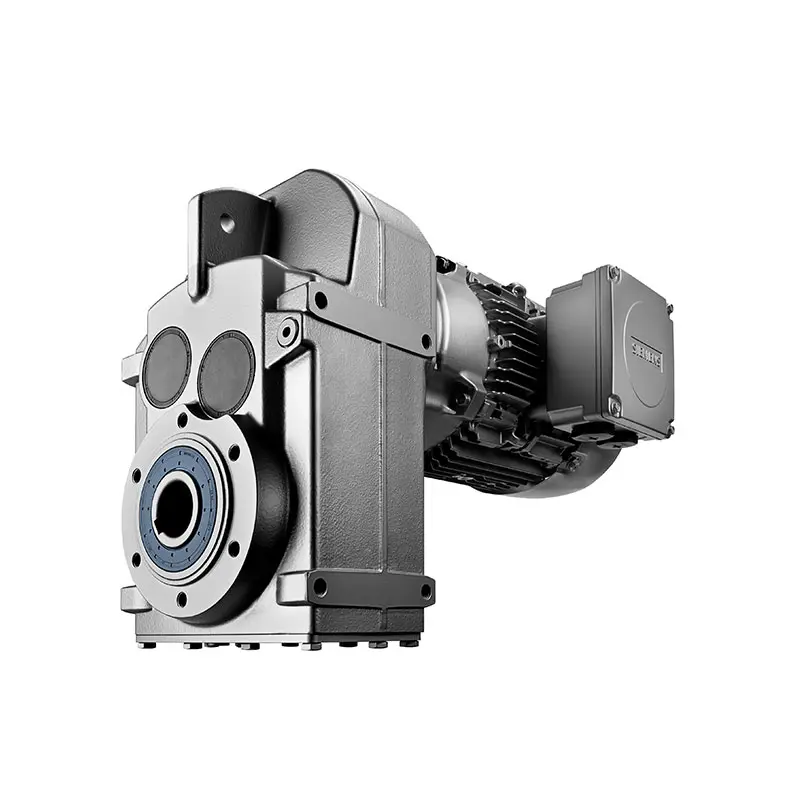
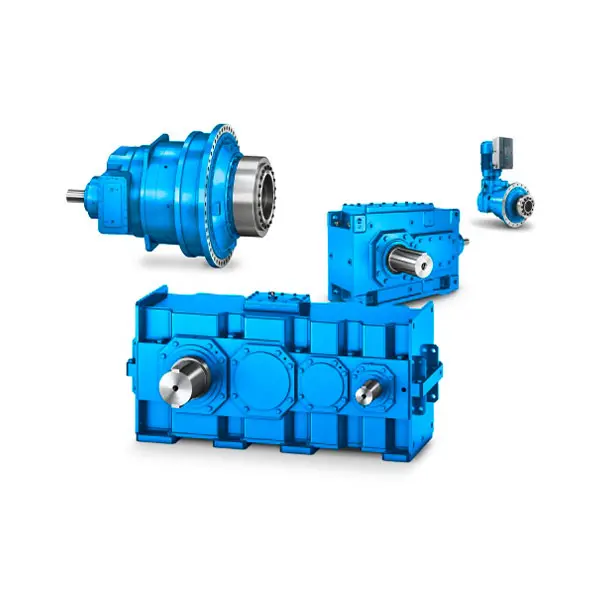
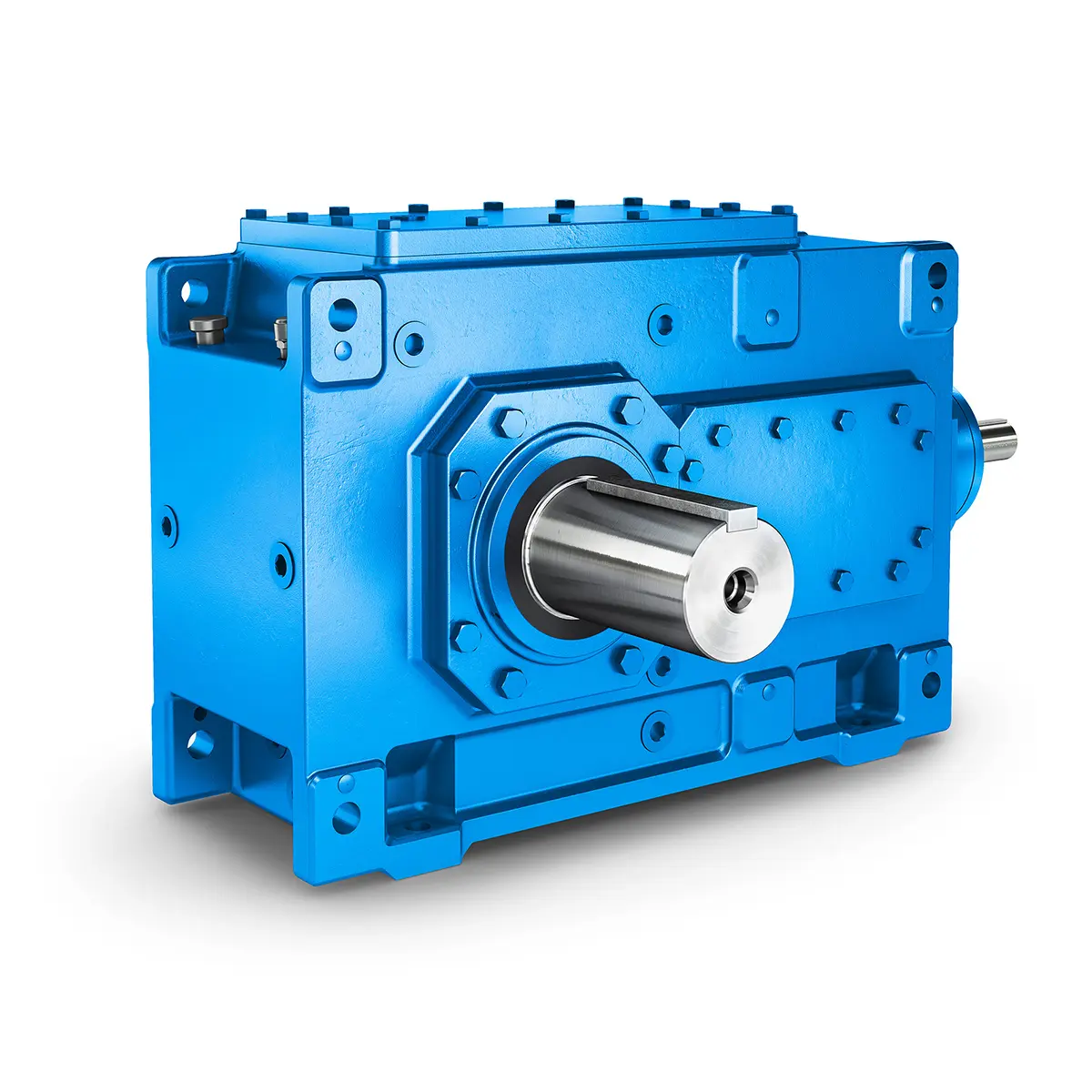
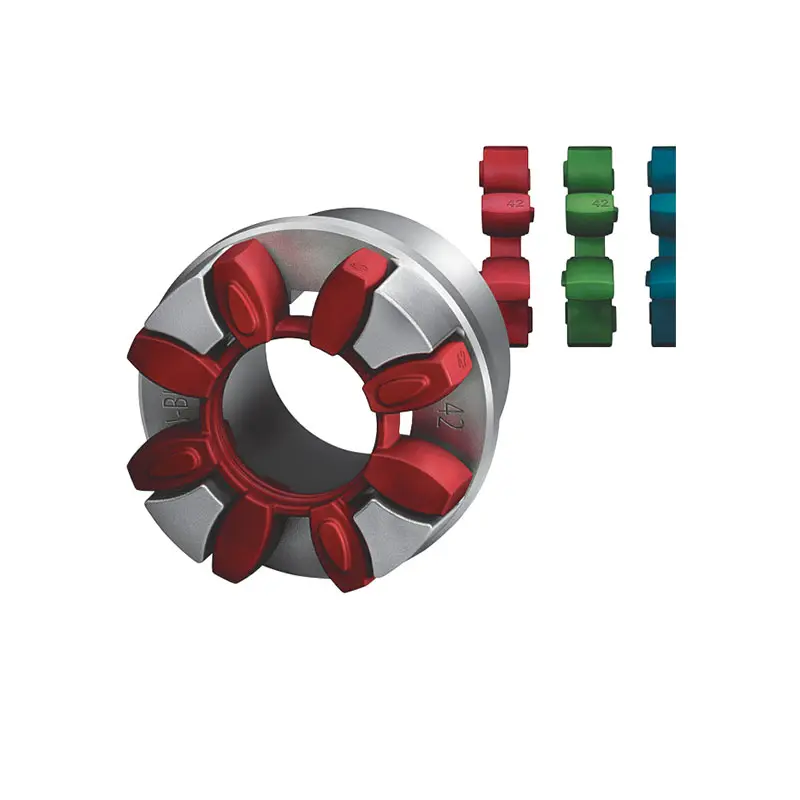
A useful profile of ten gearbox and gearmotor suppliers in China should compare engineering depth, production range, and after-sales support—not just catalog size. One supplier may focus on helical gearboxes for conveyor lines, while another specializes in worm drives for compact equipment. A third may offer planetary reducers for applications needing controlled speed and torque. Others build shaft-mounted units, heavy-duty industrial drives, or small gearmotors for packaging machinery. Details matter. Check rated torque, ratio range, mounting dimensions, and stated service factors against the actual machine load.

The remaining profiles may include a supplier of customized gearmotors, a precision-drive specialist, an export-oriented OEM producer, and a service-led manufacturer with stocked replacement parts. Ask each for dimensional drawings, material specifications, test records, and clear warranty terms. A factory visit can reveal practical details: machining capacity, assembly cleanliness, and whether inspection equipment is in use. Photos alone prove little. Request references for similar duty cycles, then verify them where possible. No shortlist is perfect; public product data can be incomplete, and supplier capabilities change. That deserves a second look. Compare response quality as carefully as price, especially when the application requires frequent starts, high loads, or long operating hours.

China Top 10 Gearbox and SEW Gearmotor Suppliers - Profiles of 10 Leading Gearbox and SEW Gearmotor Suppliers in China

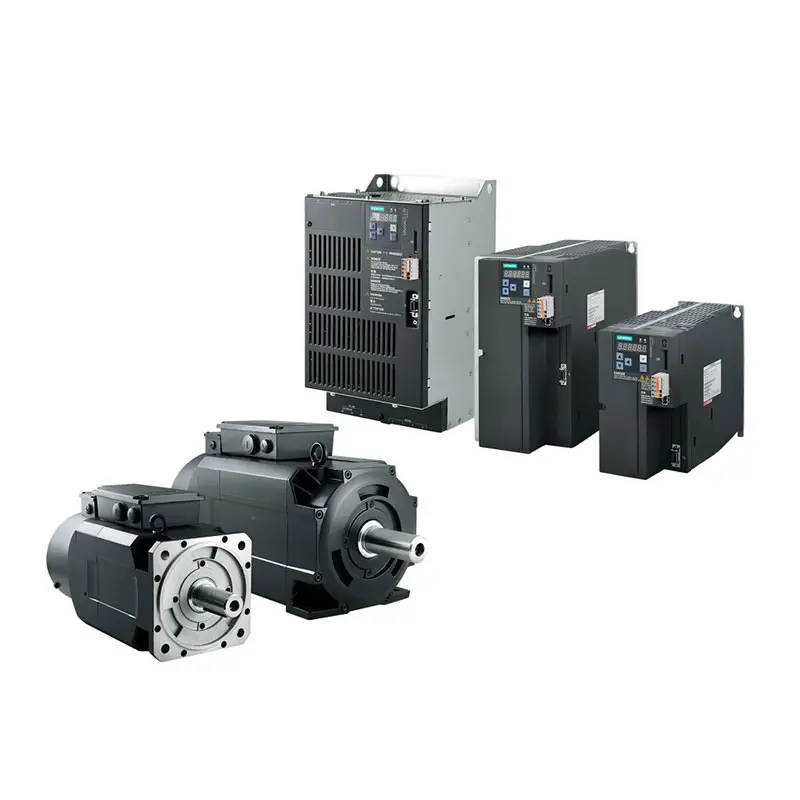
Reference note: The profiles below describe ten common gearbox and gearmotor supplier specializations, not ranked or independently verified company profiles. Product availability and specifications vary by manufacturer and model. “SEW gearmotor” is treated here as a product category; no company or brand names are shown.

Profile Supplier specialization Typical product range Common applications Key selection considerations Customization commonly requested
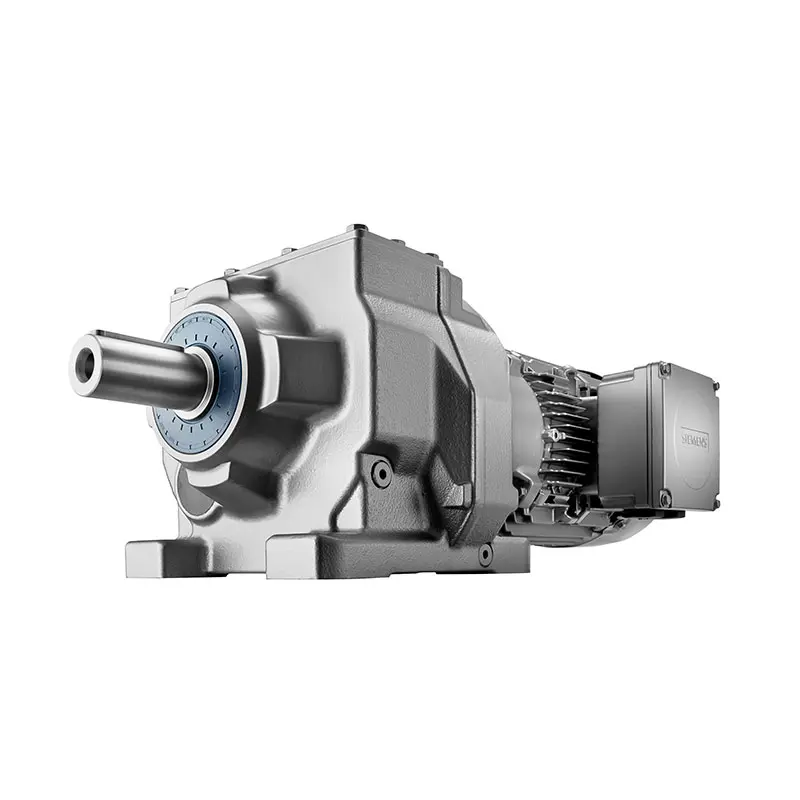
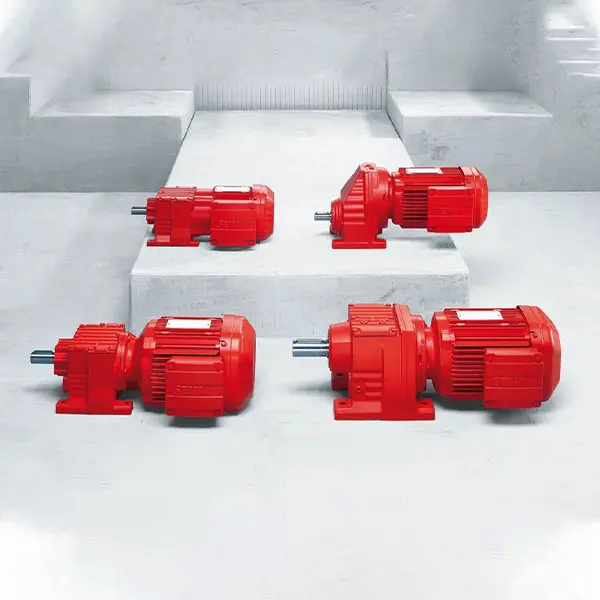
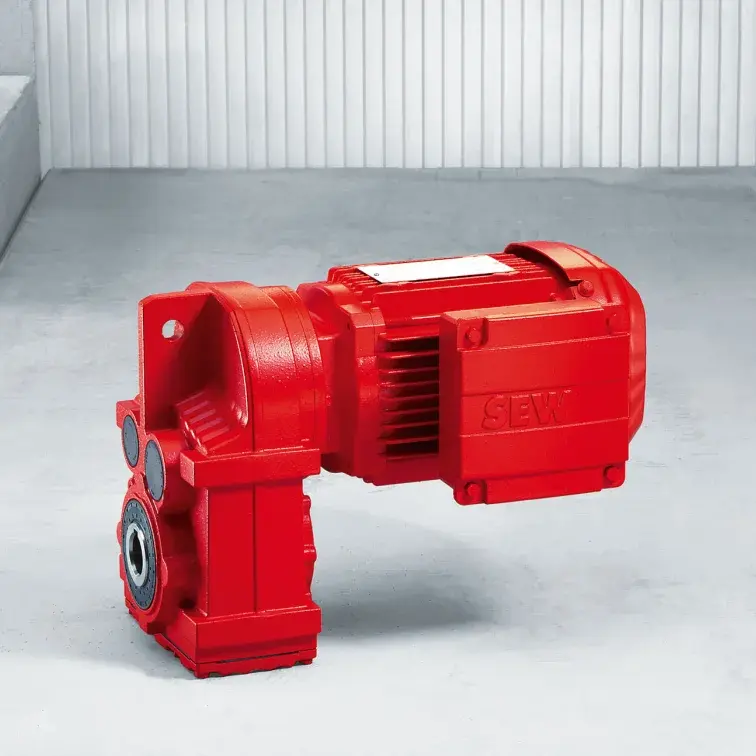
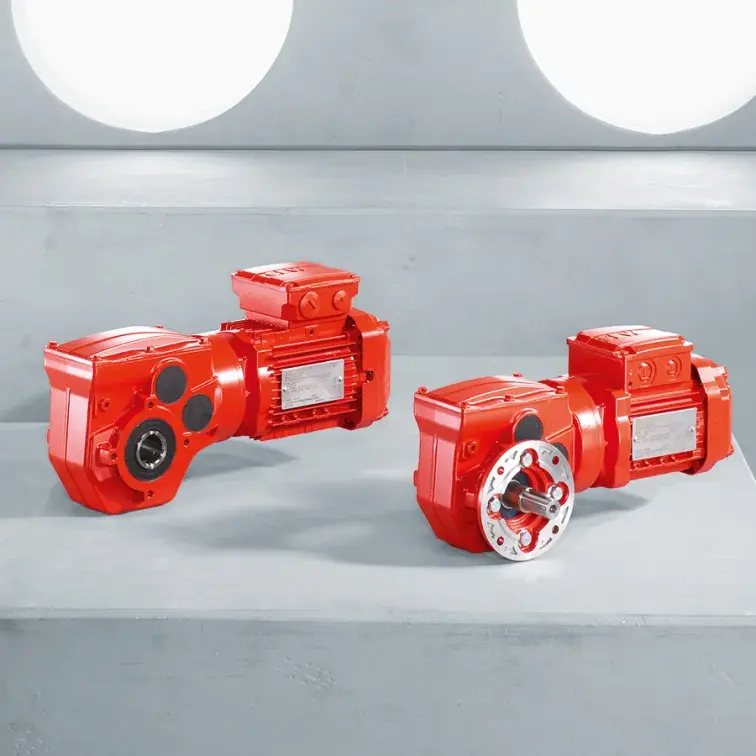
Profile 1 Helical gear reducers and geared motors Parallel-shaft and inline helical configurations; motorized and reducer-only options Conveyors, packaging lines, material handling, and general factory machinery Output speed, required torque, mounting position, service factor, and duty cycle Mounting arrangement, output shaft, terminal-box position, and motor options
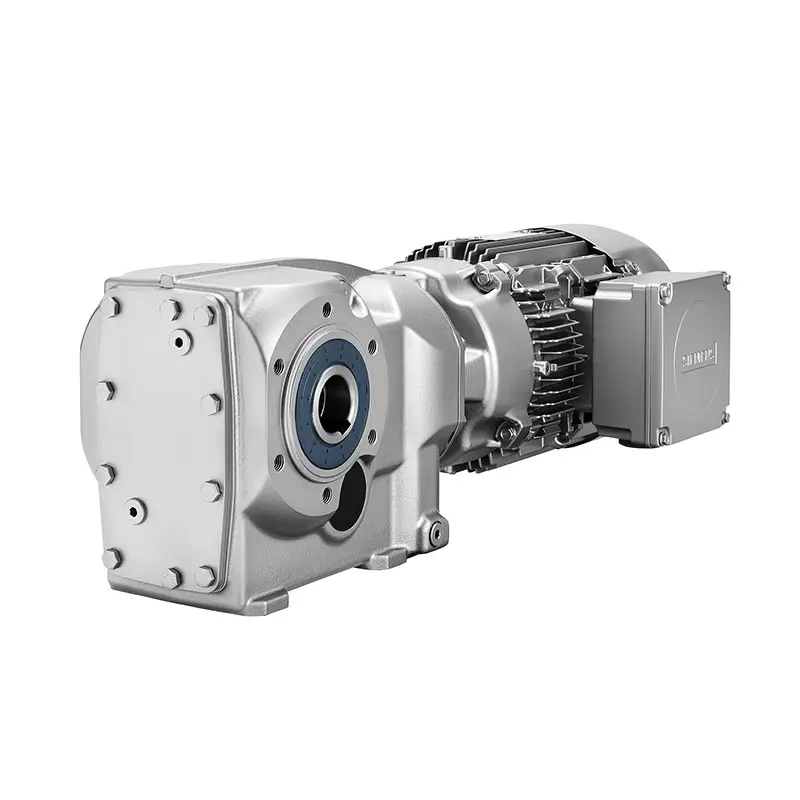
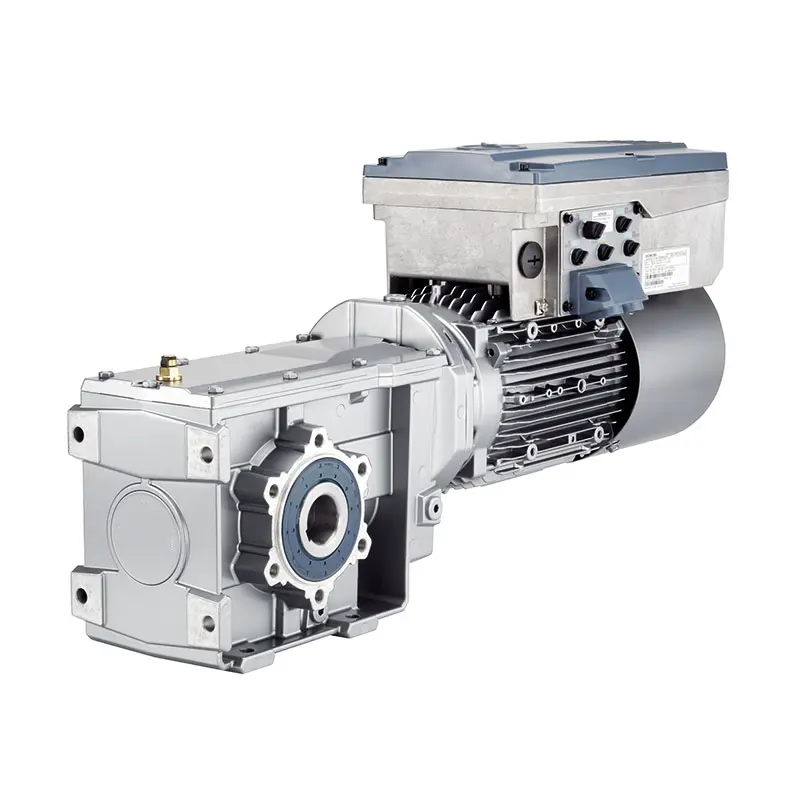
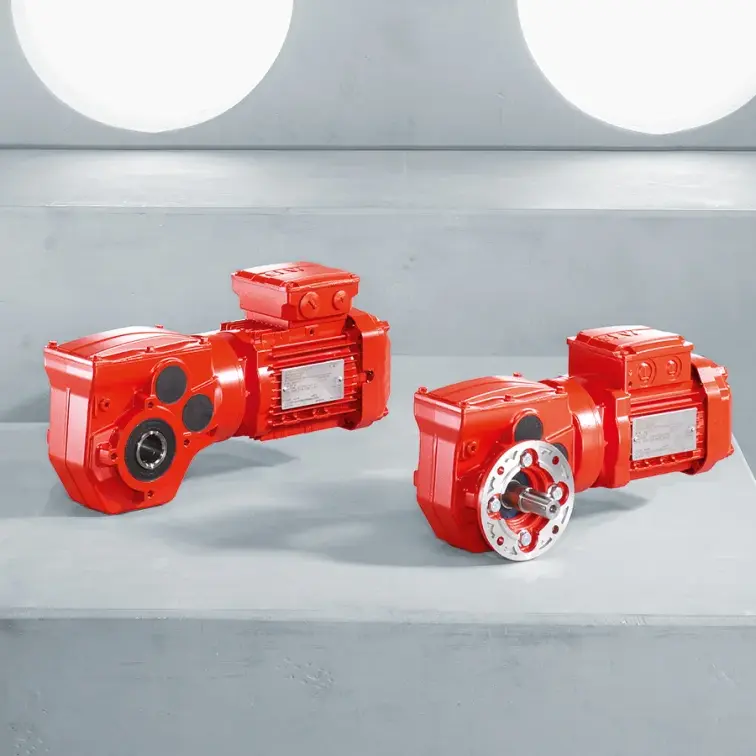
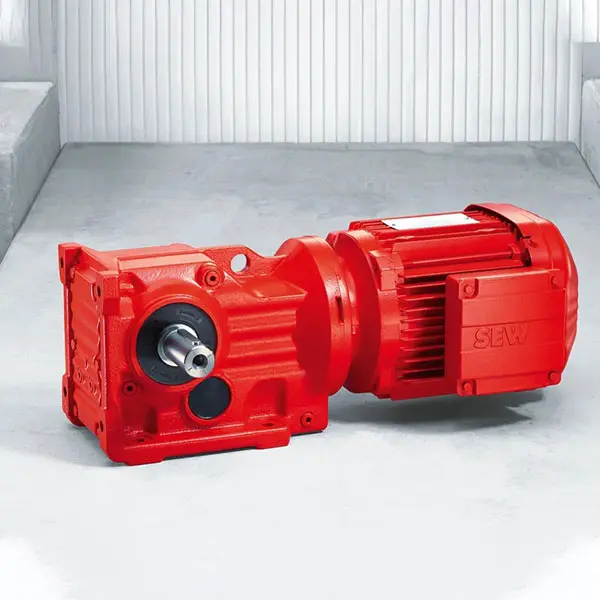
Profile 2 Helical-bevel gear reducers Right-angle helical-bevel units for applications requiring a change in shaft direction Conveyors, process equipment, and machinery with limited installation space Right-angle layout, load characteristics, shaft orientation, and installation clearance Hollow or solid output, flange or foot mounting, and accessories
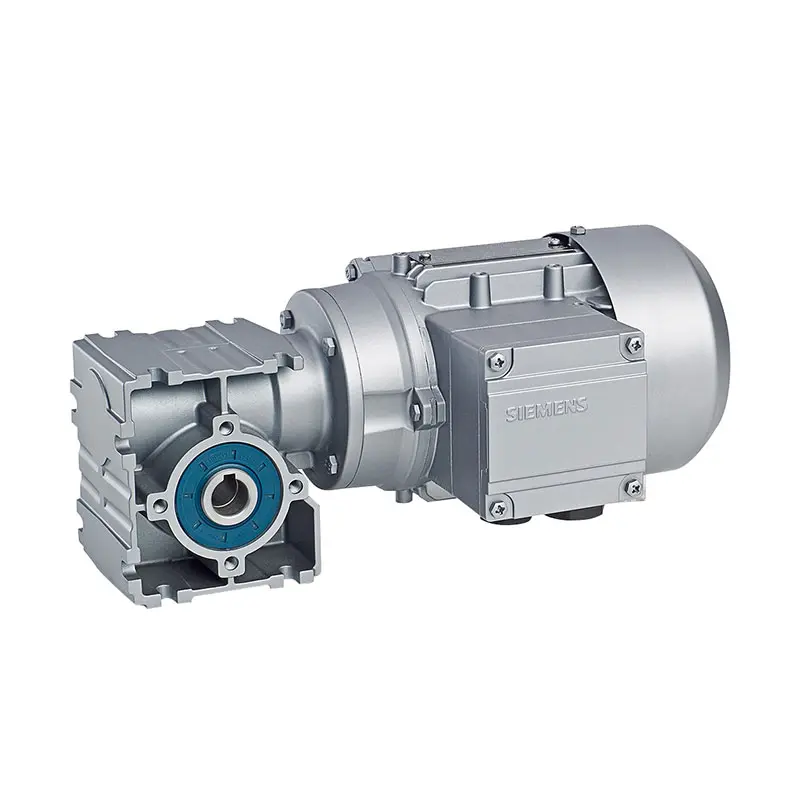
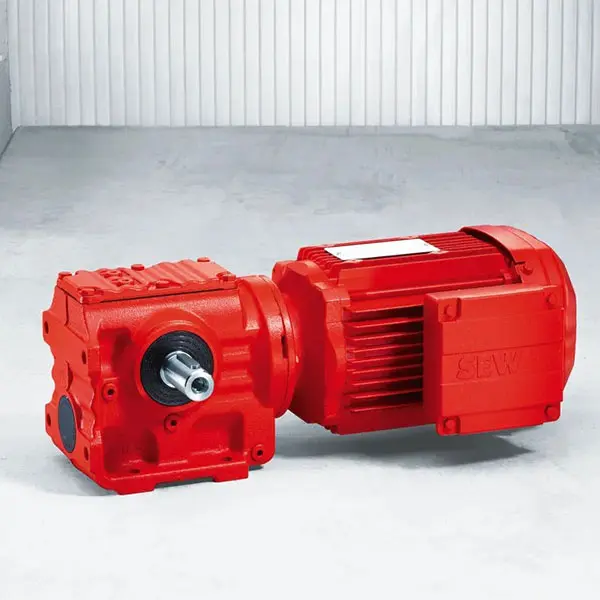
Profile 3 Worm gear reducers Right-angle worm reduction units, available in various frame sizes and ratios Light- and medium-duty conveyors, gates, mixers, and compact machinery Efficiency, heat dissipation, input speed, duty cycle, and whether the load can back-drive Output configuration, mounting position, input flange, and corrosion protection
Profile 4 Planetary gearboxes Coaxial planetary units designed for compact layouts and high torque density Automation equipment, indexing systems, robotics, and precision drives Backlash, torsional stiffness, radial and axial loads, ratio, and operating speed Input interface, output shaft, backlash class, and mounting dimensions
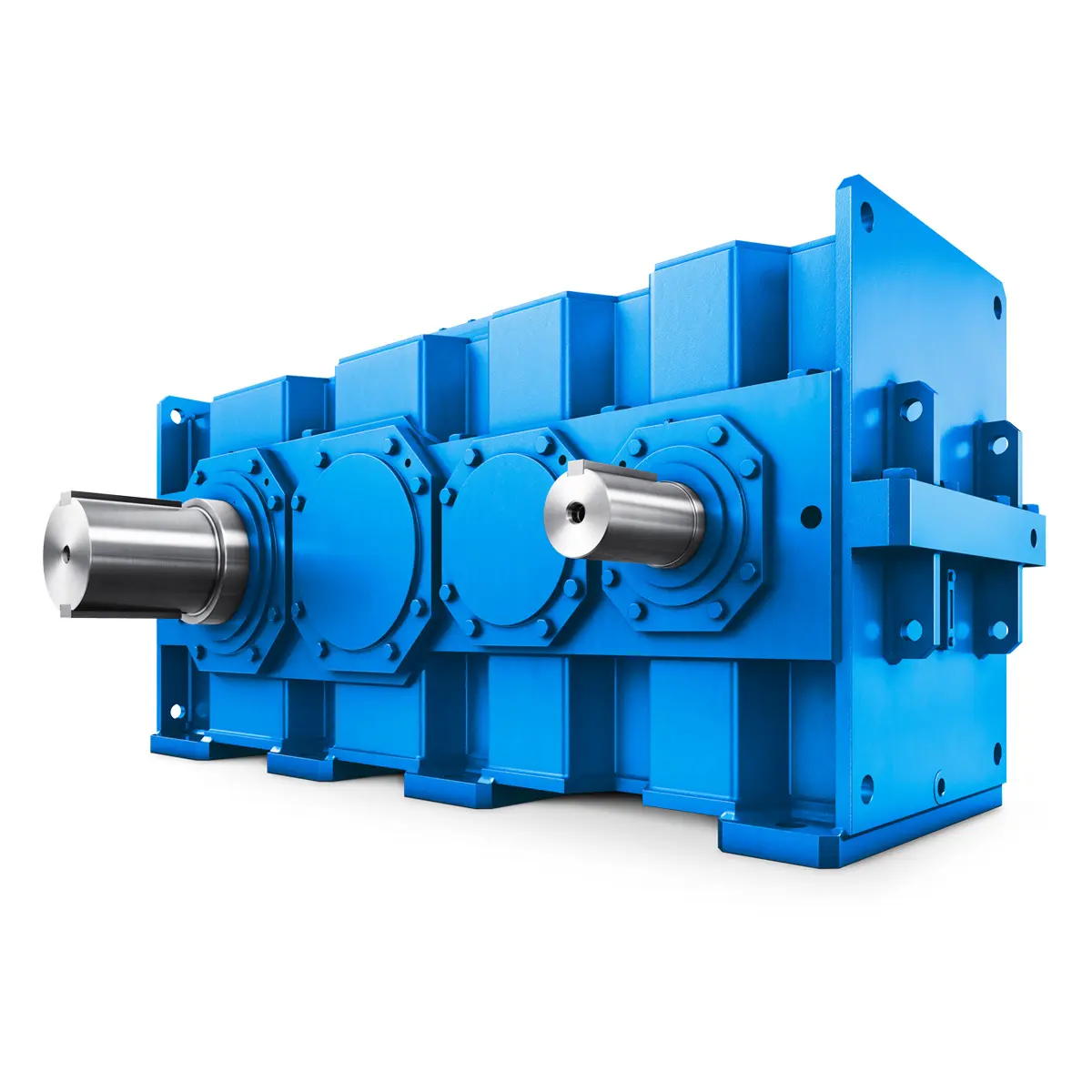
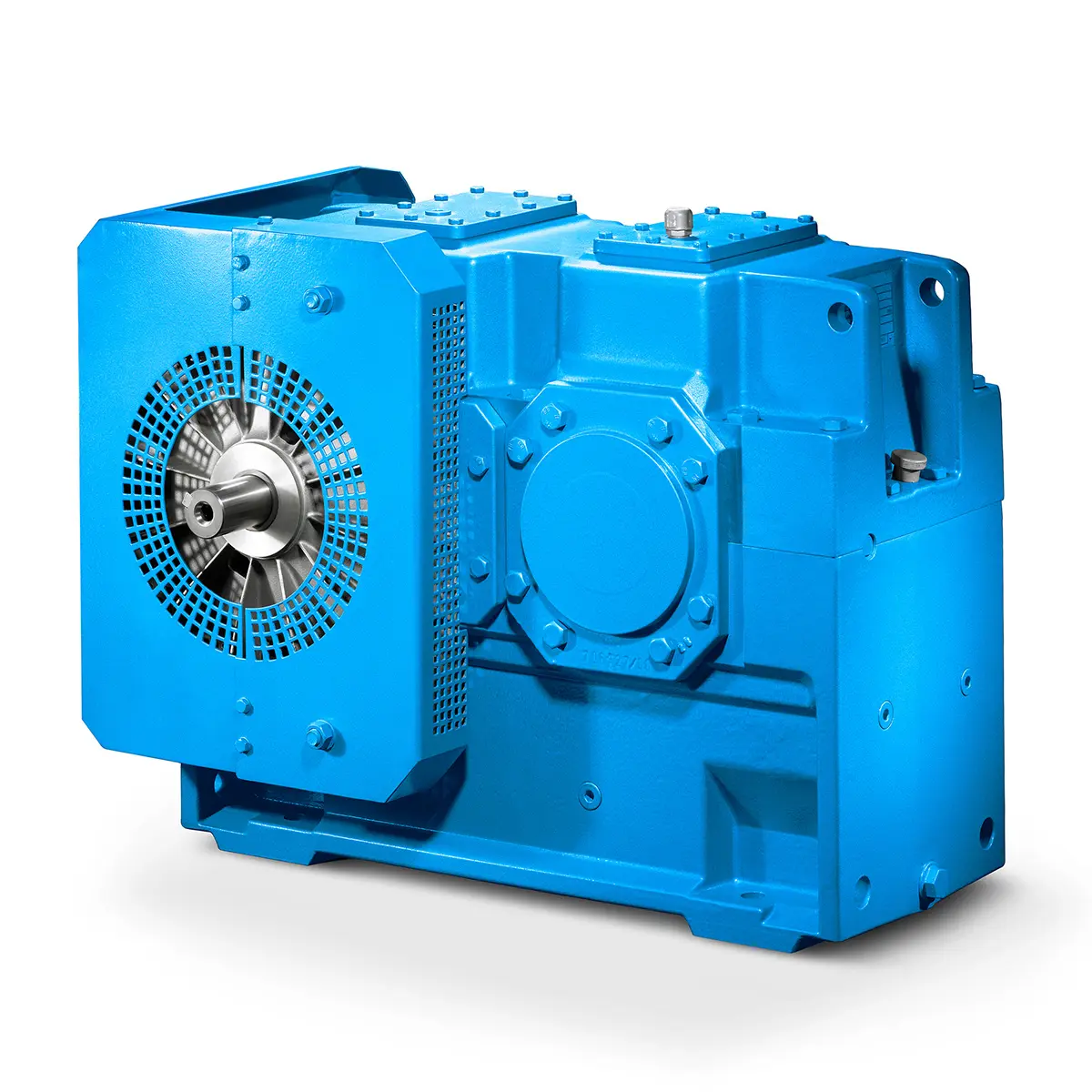
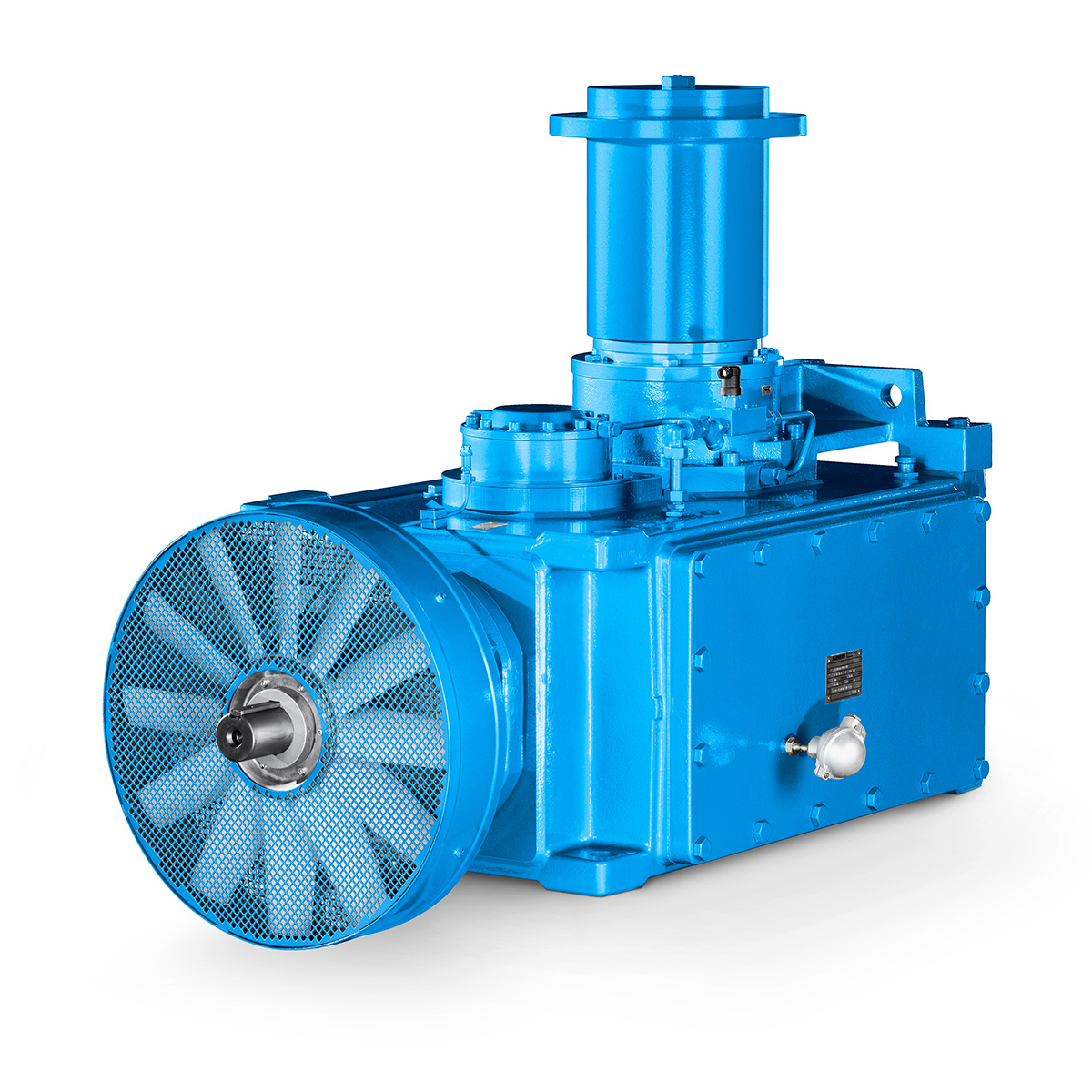
Profile 5 Industrial helical and bevel gear units Heavy-duty reducer configurations for continuous or high-load operation Bulk-material handling, mixers, process plants, and heavy industrial machinery Peak and continuous torque, thermal capacity, shock loading, and maintenance access Cooling arrangements, lubrication options, shafts, and monitoring accessories
Profile 6 AC gearmotors for general machinery Electric motor combined with a helical, bevel, or worm reduction stage Production lines, packaging machinery, pumps, and material-handling equipment Supply voltage, frequency, motor power, output speed, enclosure rating, and braking needs Motor voltage, brake, encoder, connector, and mounting interface
Profile 7 Variable-speed gearmotor packages Geared motors paired with compatible speed-control equipment Processes requiring adjustable conveyor speed, metering, or controlled motion Control method, speed range, acceleration profile, overload needs, and installation environment Control-panel integration, feedback devices, cabling, and parameter setup
Profile 8 Precision reducers for automation Compact reducers designed for repeatable motion and controlled positioning Assembly equipment, machine tools, and automated positioning axes Backlash, repeatability, stiffness, duty cycle, and compatibility with the driven mechanism Output flange, shaft dimensions, lubrication, and motor-adapter interface
Profile 9 Stainless-steel and washdown-duty gear units Gear reducers or gearmotors configured for wet, hygienic, or corrosive environments Food-processing, beverage, pharmaceutical, and outdoor equipment Cleaning method, corrosion exposure, sealing, surface finish, and applicable hygiene requirements Material grade, seals, protective coating, and washdown-compatible accessories
Profile 10 Replacement and application-matched gearmotor supply Reducers and gearmotors selected to match existing dimensions and operating requirements Plant maintenance, equipment refurbishment, and replacement of installed drive units Existing ratio, motor data, shaft and flange dimensions, mounting position, and load duty Dimensional adaptation, motor interface, terminal-box orientation, and documentation

Comparing Supplier Products, Industries, and Services

A practical comparison of gearbox and gearmotor suppliers should begin with product fit, not catalog size. Review available gear types, torque ranges, ratios, mounting positions, and motor options. Check whether the supplier can explain how a selected unit handles frequent starts, variable loads, or limited installation space. Details matter. A neat specification sheet may still leave questions about noise, heat, or maintenance access.

Industries place different demands on equipment. Packaging lines often need compact drives and predictable speed control, while material-handling systems may require strong starting torque and durable housings. For washdown or dusty settings, ask about enclosure design and recommended maintenance intervals. Request application examples with similar operating conditions, not just a list of industries served. Those examples may be limited, so treat them as guidance rather than proof.

Service can distinguish suppliers with similar products. Compare response times, engineering support, spare-parts availability, documentation, and commissioning assistance. Ask who checks sizing calculations and what information they need, such as load, duty cycle, ambient temperature, and shaft layout. A quotation is useful, but it rarely captures every installation detail. Supplier comparisons can look precise while overlooking field constraints; a second review with maintenance staff may catch issues before delivery.

How to Choose a Supplier for Your Application

How to Choose a Supplier for Your Application

A gearbox supplier should start with your operating conditions, not a catalog page. Share the required output speed, torque, duty cycle, mounting position, and ambient temperature. For example, a conveyor starting under a heavy load needs different sizing from a fan running steadily. Ask for the service factor, thermal limits, and calculated output-shaft load. A neat catalog match can still be wrong.

The U.S. Department of Energy’s United States Industrial Electric Motor Systems Market Opportunities Assessment estimates that motor-driven systems use about 68% of U.S. industrial electricity. That figure makes efficiency worth checking, especially for equipment running many hours each year. Request efficiency data for the complete motor-and-gearbox arrangement, not just the motor. Also confirm noise limits, lubrication intervals, spare-parts availability, and commissioning support. Details matter.

Tips: Send suppliers your real load profile, including starts per hour and peak loads. Compare written quotations line by line. Check whether the stated efficiency applies at your operating point. Ask who handles troubleshooting after installation. Small omission, big headache. If your application has unusual shock loads or frequent reversals, request a documented engineering review; assumptions in this area deserve a second look.